
World
HELSINKI / LONDON — March 28, 2026 : The United Kingdom has approved an additional £100 million in military funding to reinforce Ukraine’s air defence network, bringing its total air defence commitment over the past two months to £600 million. The funding is intended to enhance protection for frontline forces, civilian populations, and critical infrastructure against continued aerial threats. The announcement was made following the Joint Expeditionary Force (JEF) leaders’ summit held in Helsinki on March 26, where Northern European partner nations discussed accelerating coordinated military assistance to Ukraine. Expansion of Existing £500 Million Air Defence Package The newly announced £100 million allocation builds directly on a previously confirmed £500 million package announced in February 2026 during a meeting of the Ukraine Defence Contact Group (UDCG) at NATO headquarters in Brussels. That earlier package included £150 million dedicated to NATO’s Prioritised Ukraine Requirements List (PURL) initiative, a mechanism designed to fast-track procurement and delivery of critical air defence interceptors. In addition, the February package supported the transfer of more than 1,000 Lightweight Multirole Missiles (LMM), also known as Martlet missiles. These systems are manufactured by Thales in Belfast, Northern Ireland, and are designed for high-precision engagement of uncrewed aerial vehicles (UAVs) and low-flying aerial threats. The same package also backed a £390 million agreement aimed at strengthening industrial cooperation between the United Kingdom and Ukraine’s defence sector. Missile Deliveries and Joint Production Initiatives The UK’s broader support framework includes ongoing and planned deliveries of additional air defence systems and munitions. Through an international Air Defence Consortium, the UK is supplying a further 1,200 air defence missiles along with 200,000 rounds of artillery ammunition. Separately, a joint UK-Ukraine production initiative launched last year предусматривает the delivery of 5,000 LMM anti-aircraft missiles. The programme also includes technology transfer provisions intended to enable future localized production within Ukraine. Ukrainian forces are already operating British-supplied RapidRanger air defence systems. These lightweight, vehicle-mounted launch platforms are integrated with LMM missiles and deployed on URO VAMTAC vehicles, enabling short-range engagements against drones and other aerial targets. Strategic Context and Government Statements The funding announcement follows Ukrainian President Volodymyr Zelenskyy’s visit to London in the previous week, where he held discussions with UK Prime Minister Keir Starmer regarding battlefield conditions and immediate defence requirements. Prime Minister Keir Starmer stated that the additional funding underscores the UK’s continued commitment to Ukraine’s defence, noting that the support is aimed at safeguarding civilian populations while enabling Ukrainian forces to sustain operations. UK Defence Secretary John Healey highlighted the growing military cooperation between Russia and Iran as a contributing factor behind the reinforcement of Ukraine’s air defence systems. He also emphasized the importance of expanding collaboration between British industry and Ukrainian defence capabilities, with an objective of strengthening Ukraine’s long-term resilience. Healey further indicated a strategic goal of bringing the conflict to a conclusion in 2026 under conditions favourable to Ukraine. Maritime Enforcement and “Shadow Fleet” Measures Alongside the air defence funding, the UK government has introduced additional maritime enforcement measures targeting Russia’s so-called “shadow fleet”—a network of vessels used to circumvent international oil sanctions. British authorities have authorized military forces to board such vessels while transiting through UK territorial waters. The move is intended to increase enforcement pressure on sanction evasion activities linked to Russian energy exports. Broader International Coordination and Long-Term Support The United Kingdom continues to play a central coordinating role in international military assistance efforts. Alongside Germany, it co-chairs the Ukraine Defence Contact Group, working closely with NATO allies and partner nations. The £600 million air defence funding announced over the past two months forms part of a wider UK commitment to provide £3 billion annually in military support to Ukraine. At the Helsinki summit, JEF member states issued a joint statement reaffirming their commitment to European security and expanded support for Ukraine through the JEF-Ukraine Enhanced Partnership framework. The statement also confirmed that Ukrainian units are expected to participate in Joint Expeditionary Force military exercises later in 2026. Implementation Timeline The UK government has stated that the newly allocated £100 million will be deployed rapidly to address urgent operational requirements. However, no additional details have been released regarding specific procurement timelines or systems to be funded under this latest tranche. Officials indicated that the assistance will be implemented in coordination with existing supply frameworks to ensure continuity and immediate impact on Ukraine’s air defence capabilities.
Read More → Posted on 2026-03-28 15:13:17
World
GROTON, Connecticut — March 28, 2026: The U.S. Navy has completed a key milestone in the maintenance cycle of the USS Albany (SSN 753), as Portsmouth Naval Shipyard successfully undocked the Los Angeles-class attack submarine on March 26 from the Auxiliary Repair Dry Dock (ARDM-4) at Naval Submarine Base New London. The docking period concluded ahead of schedule, marking the completion of a major phase in the submarine’s modernization and repair availability. The nuclear-powered fast-attack submarine, which arrived in Groton during the summer of 2025, underwent an extensive package of maintenance, structural inspection, and system upgrades intended to restore and enhance its operational capability. The availability included detailed structural assessments, targeted hull and infrastructure repairs, and the replacement as well as modernization of critical mechanical and electrical systems to align the platform with current U.S. Navy fleet requirements. Maintenance Conducted Through Off-Yard Availability Unlike standard shipyard overhauls conducted at its primary facility in Kittery, Maine, the work on USS Albany was executed as an off-yard availability. This required Portsmouth Naval Shipyard to deploy a forward-based workforce and coordinate closely with personnel at Naval Submarine Base New London throughout 2025 to establish the necessary infrastructure and logistical support. At peak levels, more than 400 shipyard personnel were temporarily assigned to Groton to carry out specialized repair and modernization tasks. The coordination effort ensured that the submarine could undergo a full maintenance cycle without returning to the shipyard’s homeport, reflecting the Navy’s approach to distributed maintenance operations. Project Execution Amid Weather Disruptions The maintenance period continued through winter conditions that included multiple storms affecting the region. Despite these disruptions, the project remained on schedule and was ultimately completed ahead of its planned timeline. Captain Jesse Nice, commander of Portsmouth Naval Shipyard, stated that the combined efforts of the shipyard workforce and the submarine’s crew enabled consistent progress throughout the availability period. He noted that the execution of an off-yard availability under challenging environmental conditions required sustained coordination and workforce adaptability. Transition to Testing and Certification Phase With undocking complete, USS Albany will now enter the next stage of its return-to-service process. This phase includes system testing, certification procedures, and crew readiness evaluations before the submarine can resume operational deployments. Commander Adam Nebenzahl, the submarine’s commanding officer, said the early completion of the docking period allows the vessel to move forward more quickly into operational preparation. He indicated that the crew will focus on readiness activities necessary to rejoin the fleet. Role in Fleet Operations USS Albany (SSN 753) is a Los Angeles-class nuclear-powered fast-attack submarine designed for a range of missions, including anti-submarine warfare, anti-surface operations, intelligence gathering, and strike missions using cruise missiles. Maintenance availabilities of this scale are part of routine lifecycle management aimed at sustaining operational readiness across the submarine force. The undocking operation itself involved tugboats maneuvering the submarine out of ARDM-4 and into the Thames River, marking the physical completion of the dry dock phase. Contribution to Industrial Base and Readiness Portsmouth Naval Shipyard plays a central role in maintaining the U.S. Navy’s attack submarine fleet through repair, overhaul, and modernization work. Activities such as the USS Albany availability contribute to the broader maritime industrial base and support ongoing efforts to maintain a combat-ready submarine force amid increasing operational demand. The completion of this availability represents one of several ongoing Navy initiatives focused on ensuring that undersea platforms remain deployable, capable, and aligned with current mission requirements.
Read More → Posted on 2026-03-28 15:46:00
World
LONDON — March 28, 2026 : The United Kingdom has overturned 884 previously rejected resettlement applications from former members of elite Afghan special forces units known as the “Triples,” allowing them to relocate under the Afghan Relocations and Assistance Policy (ARAP), following the completion of a comprehensive government review. The decision, confirmed on March 26, 2026, applies to personnel from Commando Force 333 (CF333) and Afghan Task Force 444 (ATF444). These individuals, whose earlier applications had been denied, will now proceed through standard visa, biometric, and security checks before resettlement in the UK is finalized. Review of Triples Applications The reversal follows a multi-phase review process initiated after the UK government acknowledged shortcomings in earlier decision-making. In February 2024, the then-Conservative government stated that a number of refusals concerning Triples personnel had been “not robust” and required reassessment. The review ultimately examined approximately 3,100 to 3,300 applications submitted by former members of the Triples. Initially, many applications were rejected due to a lack of documented evidence demonstrating direct employment by the UK government. During the reassessment, officials identified additional records, including salary payments, top-up allowances, and financial links provided through the Ministry of Defence and the Foreign, Commonwealth and Development Office up until 2021. These findings supported eligibility under multiple ARAP categories, specifically those covering direct employment, substantive support roles, and contributions to UK national security objectives. Role and Structure of the Triples Units The Triples units—CF333 and ATF444—were specialized Afghan counter-terrorism forces closely partnered with British special forces over nearly two decades of operations in Afghanistan. CF333 was established in 2002 as a counter-narcotics and counter-terrorism unit, while ATF444 was formed in 2007 with a focus on reconnaissance and targeted operations. Although formally under the Afghan Ministry of Interior, both units operated in coordination with UK special forces, including the Special Air Service (SAS) and Special Boat Service (SBS). These units conducted high-risk missions against Taliban and insurgent targets, often alongside British personnel. Some members were killed during joint operations. ARAP Framework and Eligibility The Afghan Relocations and Assistance Policy (ARAP) was launched in April 2021, prior to the Taliban’s takeover of Afghanistan in August 2021. The program was designed to provide relocation support to individuals whose safety was threatened due to their work with UK Armed Forces or government departments. Former Triples personnel were considered eligible under ARAP due to their operational integration with British forces. However, inconsistencies in documentation and classification contributed to initial refusals. The review process addressed these gaps by incorporating broader evidentiary standards, including financial records and operational links, leading to the reversal of 884 decisions across both review phases. Government Statement and Process Improvements Minister for Defence Procurement and Industry Luke Pollard, in a written update to Parliament on March 26, confirmed the conclusion of the review and outlined the outcomes. He stated that all affected applicants have been or will be contacted regarding their updated status. Pollard also noted that the review process led to improvements in ARAP case handling, including enhanced staff training, revised guidance, increased resources, and better digital record management systems. The minister acknowledged that delays in resolving the cases had been a matter of concern and regret for the government, while emphasizing that the review fulfilled a commitment to reassess the applications thoroughly. Post-2021 Developments and Military Assessment Following the UK-led evacuation from Kabul in August 2021 under Operation Pitting, British military officials assessed that members of the Triples units were among the most capable elements of the former Afghan security forces. At the time, the Ministry of Defence considered proposals to form a dedicated regiment within the British Army composed of evacuated Afghan commandos. These personnel were regarded as highly trained, operationally experienced, and familiar with British military standards due to their long-standing collaboration. Next Steps for Approved Applicants With the reversal of their application decisions, the **884 individuals—along with eligible family members—**will now move forward in the ARAP process. This includes completion of visa processing, biometric verification, and security screening prior to relocation. All updated decisions retain the option for further review if required. The completion of the Triples review forms part of the UK government’s broader objective to conclude the Afghan resettlement program within the current parliamentary term. The outcome addresses earlier concerns regarding the consistency of ARAP assessments, particularly for personnel who served in units closely integrated with UK special forces operations.
Read More → Posted on 2026-03-28 15:55:49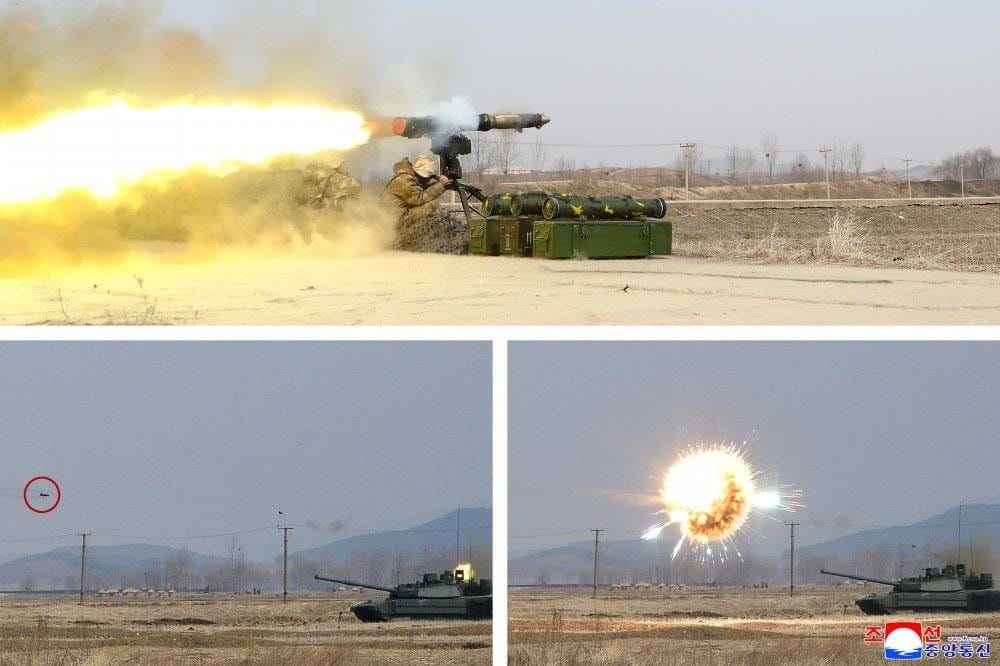
World
PYONGYANG — March 29, 2026 : North Korea has conducted a coordinated series of military evaluations involving a next-generation main battle tank, an upgraded solid-fuel missile engine, and special operations forces, underscoring Pyongyang’s continued focus on advancing both conventional and strategic capabilities under its current five-year defense development plan. The developments were confirmed by the Korean Central News Agency (KCNA), which reported that leader Kim Jong Un personally supervised the activities at multiple defense facilities, including the Armored Weapons Institute of the Academy of Defense Sciences in Pyongyang. Tank Evaluation Focuses on Active Protection System Performance The primary component of the March 29 activities was a performance evaluation of a “new-type” main battle tank equipped with an advanced Active Protection System (APS). The test was designed to assess the vehicle’s survivability against modern anti-armor threats approaching simultaneously from multiple directions and elevations. According to KCNA, the APS demonstrated what it described as a “perfect defensive function,” achieving a claimed 100 percent interception probability under simulated combat conditions. The system was tested against a wide range of threats, reflecting current battlefield environments where armored platforms face layered and multi-domain attacks. State media imagery showed the tank intercepting: Vehicle-launched loitering munitions Shoulder-fired rocket-propelled grenades (RPGs) Top-attack anti-tank missiles Tripod-mounted anti-tank guided missiles resembling Kornet-class systems Small unmanned aerial vehicles, including FPV and kamikaze-style drones The engagement sequences emphasized interception in the final moments before impact, indicating a hard-kill APS configuration designed to neutralize incoming threats at close range. Following the demonstration, Kim Jong Un stated that the system is capable of destroying “almost all existing anti-tank means” and said the test validated the tank’s performance through practical evaluation. He also reiterated that the platform is unmatched globally in its class, according to KCNA. Platform Identified as Chonma-2 Series by Analysts While North Korean authorities did not disclose the official designation of the tank, external defense analysts assess that the vehicle corresponds to the Chonma-2 series, also referred to as M2020 or M2024 variants. The platform represents a departure from earlier North Korean armored designs, incorporating features associated with contemporary third-generation main battle tanks. Visible characteristics include: Integrated APS architecture: Four turret-mounted radar antennas paired with two interceptor launcher units, each carrying multiple ready-to-fire countermeasures Supplemental protection: Explosive reactive armor (ERA) modules installed on hull sides and the turret roof Rear defense measures: Anti-cumulative bar or cage armor protecting the engine compartment and turret rear against tandem warheads and drone attacks The inclusion of roof protection and APS coverage against top-attack threats reflects adaptation to evolving battlefield risks, particularly from loitering munitions and elevated attack profiles observed in recent conflicts. The March 29 evaluation follows an earlier live-fire combined arms exercise conducted on March 19, 2026, at Pyongyang Training Base No. 60 under the Capital Defense Corps. That drill involved coordinated infantry and tank operations, including simulated drone attack scenarios and assessments of both offensive and defensive capabilities of the same tank family. Solid-Fuel Engine Test Signals Strategic Missile Progress In parallel with the armored vehicle evaluation, KCNA reported that Kim Jong Un supervised a ground jet test of a newly developed high-thrust solid-fuel missile engine, highlighting continued investment in strategic weapons systems. The engine, constructed using carbon-fiber composite materials, produced a maximum thrust of approximately 2,500 kilonewtons (kN). This marks a 26 percent increase over the 1,971 kN engine tested in September 2025. Defense analysts assess that the engine is likely intended for integration into the Hwasong-20 intercontinental ballistic missile (ICBM), which remains under development. Solid-fuel propulsion systems are considered a priority for North Korea due to their operational advantages, including reduced launch preparation time and improved survivability compared to liquid-fueled systems. Special Operations Forces Inspection and Reorganization Directive Alongside equipment testing, Kim Jong Un also visited a special operations training base, where he observed small-unit tactical exercises. According to KCNA, he issued directives to accelerate the reorganization of North Korea’s special operations forces to align with modern combat requirements. The inspection formed part of a broader review of military readiness, linking force structure adjustments with advancements in both conventional and strategic systems. Integrated Modernization Across Conventional and Strategic Domains The March 29 activities collectively illustrate North Korea’s parallel development approach, combining upgrades to armored ground forces with continued progress in missile technology and force readiness. KCNA described the tank evaluation as a multi-aspect assessment aimed at verifying operational dependability in environments characterized by overlapping threats from guided missiles, drones, and loitering munitions. However, detailed technical specifications of the APS—such as sensor capabilities, interceptor types, and production status—were not disclosed, and the reported interception performance has not been independently verified. Together with the earlier March 19 exercise, the latest tests indicate an ongoing effort by Pyongyang to refine the Chonma-2 tank platform while simultaneously advancing next-generation strategic systems, reflecting a structured implementation of its current defense modernization plan.
Read More → Posted on 2026-03-29 17:47:53
World
TEHRAN — March 29, 2026 : Iranian President Masoud Pezeshkian has cautioned senior leadership of the Islamic Revolutionary Guard Corps (IRGC) that Iran’s economy could face total collapse within three to four weeks if a regional ceasefire is not achieved, according to informed sources cited by Iran International. The warning reflects growing internal divisions between Iran’s civilian administration and military leadership as the ongoing conflict enters its fifth week, intensifying both economic strain and governance disputes. Internal Tensions Over War Strategy The reported disagreement centers on the direction and management of military operations. President Pezeshkian is said to have directly criticized IRGC Chief Commander Ahmad Vahidi over continued escalation, including cross-border strikes that have contributed to mounting regional tensions and domestic economic pressure. The divide became publicly visible on March 7, when Pezeshkian issued a video message apologizing for what he described as “fire at will” attacks by Iranian forces on neighboring countries. He instructed that such operations cease unless directly provoked. However, military activity reportedly resumed shortly after the broadcast. Sources indicate that Pezeshkian has since demanded that executive and operational control over conflict-related decisions be returned to the civilian government. This request has been rejected by Vahidi, who instead attributed the country’s economic vulnerability to the administration’s failure to implement structural reforms prior to the conflict. Further complicating the power balance, the IRGC has reportedly expanded its influence within Iran’s security institutions. The Guards are said to have pressured the president into appointing Mohammad Bagher Zolghadr, an IRGC-affiliated figure, as secretary of the Supreme National Security Council—effectively reducing civilian oversight in strategic decision-making. Economic Indicators Show Widespread Strain The political dispute is unfolding against a backdrop of severe and accelerating economic distress. Iran’s economy, already weakened by sanctions and structural inefficiencies, is showing signs of systemic disruption under wartime conditions. Banking infrastructure across major cities has been significantly affected. Many ATMs are either out of cash, inaccessible, or non-functional, while digital banking platforms—including those of major institutions such as Bank Melli—are experiencing repeated outages. Public sector finances are also under pressure. Reports indicate that government employees have not received regular salaries or benefits for up to three months, affecting a large segment of the workforce. Inflation, which had already reached between 105% and 115% for basic goods in February, has continued to rise since the onset of the conflict. Shortages of raw materials have disrupted factory operations, further constraining supply and pushing up prices of essential commodities. Poverty levels have increased sharply. Data cited by economists and state-affiliated institutions suggest that more than 40% of the population now lives below the absolute poverty line, with the figure exceeding 50% in Tehran. Currency Devaluation and Shift Toward Dollarization The Iranian rial has undergone a significant loss of value, accelerating a shift toward informal dollarization in domestic markets. By late 2025, the exchange rate had weakened to approximately 1,430,000 rials per US dollar, compared to around 800,000 earlier in the year. The sharp depreciation has eroded purchasing power and undermined confidence in the national currency. As a result, key sectors of the economy—including real estate, rental markets, and automotive transactions—are increasingly being conducted in US dollars rather than rials, reflecting a structural shift in pricing practices. Fiscal Pressures and Budget Adjustments To manage wartime financial demands, the government’s 2026–2027 budget relies heavily on inflationary financing and increased taxation. Oil revenue, historically a central component of Iran’s fiscal framework, has declined sharply. Its share in the national budget has fallen to approximately 5%, down from 32% in the previous year. To compensate, authorities have raised taxes by more than 60%, placing additional strain on businesses and households. The conflict has also disrupted energy infrastructure and oil and gas operations, further limiting revenue streams and affecting supply chains. In several regions, food prices have risen by at least 50% compared to pre-war levels. Broader Economic Context and Outlook Iran entered the current conflict period with pre-existing economic vulnerabilities, including high inflation, currency instability, and the ongoing impact of international sanctions. The continuation of hostilities is now compounding these challenges. According to sources, President Pezeshkian has emphasized that a ceasefire is essential within weeks to prevent further deterioration and maintain basic economic functionality. The warning underscores concerns among policymakers about the limited timeframe available for stabilization under current conditions. No official confirmation of the reported warning has been issued by Iranian state media or government spokespersons. However, analysts note that prolonged conflict could deepen budget deficits, banking system imbalances, and supply disruptions, reducing the government’s ability to respond effectively. The situation reflects a convergence of economic stress, institutional friction, and strategic disagreement, with implications for both domestic stability and regional dynamics.
Read More → Posted on 2026-03-29 17:55:01
World
ANKARA — March 29, 2026 : Turkey has formally warned the United States, the Iraqi government, and Kurdish factions that any participation by Kurdish armed groups in military operations against Iran would trigger an immediate Turkish military response, according to multiple official statements and regional reports. The warning comes amid ongoing hostilities involving the United States, Israel, and Iran, and follows reported discussions within Western and allied intelligence circles about the possible use of Kurdish forces to open a western front inside Iranian territory. US–Israel Planning and Turkish Objections According to reports published by the Turkish daily Türkiye and corroborated by regional security analysts, US and Israeli planners had explored the option of supporting Kurdish armed groups in western Iran. The reported objective was to increase pressure on Tehran by stretching its security resources and potentially encouraging internal unrest. The discussions allegedly involved contacts between Israeli intelligence agency Mossad and Kurdish factions, including the Kurdistan Workers’ Party (PKK) and its Iranian affiliate, the Kurdistan Free Life Party (PJAK). Turkish authorities state that they intercepted or became aware of these developments and responded through direct diplomatic and political channels. During a telephone conversation in early March, Turkish President Recep Tayyip Erdoğan conveyed Ankara’s opposition to US President Donald Trump, explicitly rejecting any plan involving Kurdish armed groups near Turkey’s borders. Direct Warnings to Kurdish Groups and Regional Authorities Following these developments, Ankara issued direct warnings to Kurdish factions operating in northern Iraq and to officials within the Kurdistan Regional Government (KRG) in Erbil. Turkish officials stated that any Kurdish participation in operations against Iran would cross a defined “red line.” According to Turkish positions conveyed through diplomatic channels, such involvement would result in immediate cross-border military action by the Turkish Armed Forces. The warning reflects Turkey’s prior military operations in northern Syria and Iraq targeting PKK-linked elements. Turkey also communicated similar concerns to the Iraqi central government in Baghdad, emphasizing the need to prevent the mobilization of Kurdish armed groups for operations that could destabilize the region. Security Concerns Driving Turkey’s Position Turkish officials have outlined several core concerns underpinning their position. Central among them is the long-standing issue of Kurdish separatism. Ankara considers the PKK and affiliated groups, including PJAK in Iran and the YPG in Syria, as direct threats to its national security. Turkish authorities assess that expanded military capabilities for these groups in western Iran could strengthen transnational networks and impact Turkey’s territorial integrity. Another concern relates to the potential collapse of state structures in Iran. Despite complex bilateral relations, Turkish policymakers have indicated that they do not support scenarios that could lead to a sudden breakdown of governance, citing risks of instability along Turkey’s eastern border. Turkey is also assessing the humanitarian implications of escalation. Officials note that a large-scale conflict or internal fragmentation in Iran could generate significant refugee flows toward Turkey, which already hosts millions of displaced persons from neighboring conflicts. Additionally, Ankara has expressed concern over the possibility of new geopolitical arrangements emerging from the conflict that could enable the formation of autonomous or independent Kurdish-controlled regions spanning parts of Iraq, Syria, and Iran. Intelligence and Diplomatic Measures To reinforce its position, Turkey has activated both diplomatic and intelligence mechanisms. Officials from Turkey’s National Intelligence Organization (MİT) have engaged with counterparts in Erbil and Baghdad to communicate Ankara’s red lines and seek coordination. Turkish Foreign Minister Hakan Fidan described efforts to involve Kurdish groups in operations against Iran as a “dangerous” approach that could trigger internal conflict along ethnic and sectarian lines. Turkish defense authorities have also confirmed that they are closely monitoring the activities of PJAK, which Ankara links to the PKK. The defense ministry stated that such groups pose risks not only to Iran’s security but also to broader regional stability. In parallel, reports in Turkish media indicated that Abdullah Öcalan, the imprisoned founder of the PKK, conveyed a message to Kurdish leadership in northern Iraq advising against participation in operations against Iran and cautioning against alignment with external intelligence initiatives. Impact on Proposed Kurdish Role The combined effect of Turkish opposition, regional diplomatic pressure, and internal Kurdish reservations appears to have stalled the reported US–Israeli initiative. Kurdish factions themselves have expressed caution, particularly in light of recent developments in Syria, where US support for Kurdish-led forces was adjusted in favor of engagement with the central government in Damascus. Kurdish leaders have reportedly sought clear political guarantees before considering involvement in new military operations. US officials have, in some instances, clarified that discussions regarding Kurdish participation in Iran-related operations were not finalized. Ongoing Monitoring and Regional Context Turkey has maintained elevated military readiness along its borders and continues to monitor developments involving Kurdish groups in Iraq, Syria, and Iran. While no specific operational plans have been publicly disclosed, Turkish authorities have indicated that all relevant institutions are tracking the situation closely. The issue reflects broader dynamics in which Turkey balances its NATO commitments and relations with the United States while prioritizing its internal security concerns related to Kurdish militant groups. Analysts note that Turkey and Iran have historically found areas of coordination when addressing Kurdish armed movements, despite differences in other aspects of their bilateral relationship. As of now, the situation remains under close observation, with diplomatic engagements ongoing and military contingencies in place.
Read More → Posted on 2026-03-29 18:02:27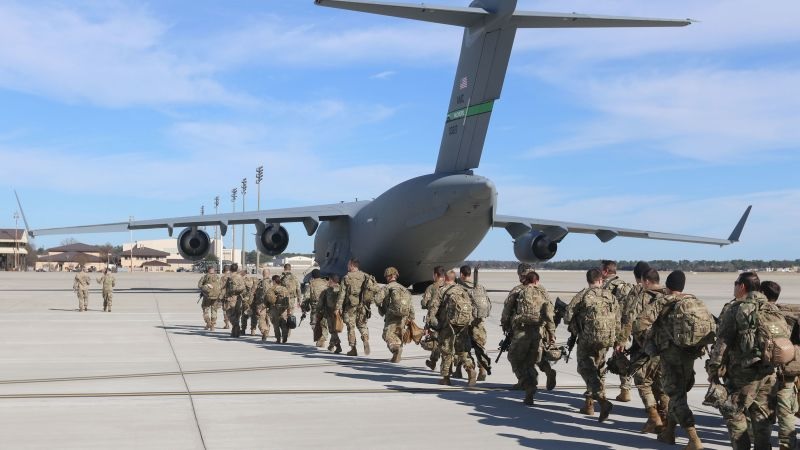
World
BERLIN / WASHINGTON — March 29, 2026 : The future of the United States military presence in Germany is under renewed scrutiny following parallel developments in Washington and Berlin, where both the administration of President Donald Trump and Germany’s opposition Alternative for Germany (AfD) party have raised calls for reducing or ending the long-standing deployment of American forces on German soil. According to reports published on March 28, President Trump is considering a permanent withdrawal of US troops from Germany, including from key installations such as Ramstein Air Base, as part of broader efforts to reduce defense expenditures and advance the administration’s “America First” policy framework. The move is also linked to continued US pressure on NATO allies to significantly increase their defense spending contributions. At present, approximately 35,000 US active-duty troops are stationed in Germany, representing the largest American military footprint in Europe. When including civilian personnel and contractors, total US presence is estimated to exceed 50,000 personnel. These forces are distributed across multiple bases that support NATO operations and broader US strategic interests. Strategic Role of US Bases in Germany Ramstein Air Base, located in the state of Rhineland-Palatinate, serves as a central hub for US Air Force operations in Europe, hosting around 9,000 military personnel. The base plays a critical role in logistics, airlift, command, and coordination functions that extend beyond Europe into regions such as the Middle East and Africa. The United States maintains several additional military facilities across Germany as part of its NATO commitments. These installations collectively support training, deterrence, and rapid deployment capabilities under the alliance’s collective defense framework. From a financial perspective, US overseas military operations in Europe have been regularly cited in discussions involving annual costs exceeding tens of billions of dollars. Estimates referenced in policy debates indicate that maintaining the broader European posture may cost over $30 billion annually. Germany contributes to these arrangements through financial and infrastructure support, with previous figures indicating annual contributions in the hundreds of millions of euros. President Trump has repeatedly emphasized that NATO members are not meeting agreed defense spending targets, particularly the benchmark of allocating 2% of GDP to defense, established in 2014. Reports suggest the administration is now considering pushing allies toward a 5% GDP target, alongside proposals that could potentially limit voting rights within NATO structures for members failing to meet spending thresholds. AfD Advocates Full Withdrawal of Allied Forces On the same day, Tino Chrupalla, co-leader of the AfD, addressed a party congress in the German state of Saxony, calling for a complete withdrawal of all foreign military forces from Germany, beginning with US troops. Chrupalla stated that Germany should pursue a more independent foreign policy, arguing that the continued presence of foreign troops is incompatible with full national sovereignty more than eight decades after the end of World War II. He further proposed that the withdrawal process should include all allied forces and associated nuclear weapons stationed in Germany. Under NATO’s nuclear-sharing arrangement, the United States is estimated to store approximately 20 B61 nuclear gravity bombs at Büchel Air Base. AfD representatives have characterized these deployments as limiting Germany’s strategic autonomy and exposing the country to external conflicts. The AfD’s position extends beyond the US-focused discussions in Washington. The party has incorporated the removal of all foreign military elements into its broader political platform, with Chrupalla outlining a goal of achieving greater policy independence by 2029. However, the AfD remains an opposition party and does not currently hold federal government authority to implement such policies. Diverging Motivations Behind Similar Outcomes While both the US administration and the AfD are advocating reductions in the American military presence, their motivations differ significantly. The Trump administration’s approach is driven primarily by financial considerations and burden-sharing concerns, aiming to reduce costs for US taxpayers and encourage European allies to assume greater responsibility for regional defense. In contrast, the AfD frames the issue as one of national sovereignty and strategic independence, arguing that foreign troop deployments constrain Germany’s decision-making and increase the risk of involvement in international conflicts. Party officials have also pointed to examples such as Spain’s historical restrictions on foreign base usage as a potential model. Implications for NATO and European Security Germany hosts the largest concentration of US forces in Europe, making any potential withdrawal a matter of significant importance for NATO’s operational structure. US bases in Germany serve not only European defense needs but also function as forward-operating hubs for global missions, including logistics and command support across multiple theaters. Analysts note that any substantial change in troop levels would require extensive coordination within NATO, potentially affecting command structures, logistics networks, and deterrence posture across the alliance. Discussions regarding US force posture in Europe have occurred periodically in recent years, including earlier proposals to reduce or redeploy troops, though large-scale permanent withdrawals have not yet been implemented in the current cycle. The Pentagon has conducted multiple posture reviews, but no final decision has been confirmed regarding the latest reports. Meanwhile, European NATO members, including Germany, have in recent years increased defense spending commitments, reflecting ongoing debates over burden-sharing within the alliance. No Final Decision Yet As of March 29, 2026, no official confirmation has been issued regarding a finalized US decision to withdraw troops from Germany. The developments reflect separate national policy discussions rather than a coordinated initiative between Washington and Berlin. The convergence of these positions has nevertheless intensified debate over the future of NATO’s structure, transatlantic defense responsibilities, and the long-term presence of foreign forces in Germany, which has remained a cornerstone of European security architecture for decades.
Read More → Posted on 2026-03-29 18:09:48
World
KYIV / DOHA — March 29, 2026 : Ukraine has formalized a long-term defense cooperation agreement with Qatar, marking another step in Kyiv’s expanding strategic partnerships with Gulf nations. President Volodymyr Zelensky confirmed that the agreement, signed during his visit to Doha, will remain in force for at least 10 years and includes joint weapons production, co-production facilities, and technological collaboration. The agreement was concluded following high-level meetings between Zelensky and Sheikh Tamim bin Hamad Al Thani, as well as Prime Minister Mohammed bin Abdulrahman Al Thani. Discussions centered on strengthening defense cooperation and enhancing protection capabilities in both countries. The final document was signed by the chiefs of the general staff of Ukraine and Qatar. Defense Industry Cooperation and Co-Production Under the agreement, Ukraine and Qatar will jointly develop defense industry projects, establish manufacturing facilities, and create production lines in both countries. The partnership includes technological cooperation between companies, with a focus on scaling production capacity and expanding industrial collaboration. Zelensky stated that these arrangements are designed to support long-term industrial growth, with facilities expected to be built both within Ukraine and in partner countries. The agreement also предусматривает cooperation in countering modern aerial threats, including missiles and unmanned aerial systems, drawing on Ukraine’s operational experience and electronic warfare capabilities developed during ongoing conflicts. Qatar’s defense authorities confirmed that the partnership includes the exchange of expertise in missile defense and counter-drone technologies. Expansion to UAE and Broader Gulf Strategy Zelensky also confirmed that Ukraine is preparing to sign a similar 10-year defense agreement with the United Arab Emirates in the coming days. This follows a defense cooperation deal signed earlier in the week with Saudi Arabia. According to Zelensky, all three agreements—with Saudi Arabia, Qatar, and the UAE—are structured as strategic contracts valued at billions of dollars. These deals are intended to ensure stable exports and predictable revenues for Ukrainian defense manufacturers while expanding Ukraine’s role as a defense production partner in the Gulf region. State Oversight on Arms Exports During a video call with journalists, Zelensky addressed concerns regarding Ukrainian defense companies establishing production facilities abroad without government coordination. He emphasized that such actions undermine national export strategy and fail to prioritize the needs of Ukraine’s armed forces. As an example, Zelensky cited a case in which a Ukrainian company sold 1,000 interceptor systems to a foreign country for $3.5 million without state oversight. The same company holds a government contract worth €300 million. Zelensky stressed that export controls must ensure that Ukraine’s Defense Forces receive priority before any international deliveries are made. Fuel Supply Agreements and Energy Security In addition to defense cooperation, Ukraine secured agreements with Middle Eastern partners to guarantee diesel fuel supplies for at least one year. The arrangement is intended to prevent shortages and ensure uninterrupted availability for both civilian and military needs. Ukraine currently requires approximately 700,000 tons of diesel and gasoline per month to meet nationwide demand, including military consumption. Zelensky confirmed that the Armed Forces are currently fully supplied with fuel. He noted that previous shortages were caused by infrastructure damage from Russian strikes and constraints linked to existing supply contracts. The new agreements include provisions to prioritize fuel allocation for the military under all circumstances. Strategic Context and Operational Experience The defense partnerships are focused on countering evolving aerial threats, particularly missiles and unmanned systems. Ukraine is leveraging its experience in intercepting Iranian-designed drones and integrating air defense systems to support Gulf partners facing similar threats. As part of this cooperation, Ukraine has reportedly deployed over 200 military and security specialists to the region to assist with air-defense integration and counter-drone operations. In return, Kyiv aims to secure investment and expand its domestic defense manufacturing capacity. Diplomatic Engagements in the Gulf Zelensky’s Middle East tour included visits to Saudi Arabia on March 27, followed by engagements in the UAE and Qatar on March 28. The agreements signed during this tour establish long-term frameworks for defense cooperation, industrial investment, and energy security between Ukraine and key Gulf states. These developments reflect a broader effort by Ukraine to strengthen international defense partnerships, expand its industrial base, and secure critical resources amid ongoing security challenges.
Read More → Posted on 2026-03-29 18:20:42
World
LONDON — March 29, 2026 : The United Kingdom has completed the first procurement tranche of its F-35 Lightning II program following the delivery of its 48th F-35B aircraft, according to an announcement by the UK Ministry of Defence on March 27. The milestone concludes an initial acquisition phase that began with the arrival of the first aircraft at RAF Marham in June 2018. The UK has a declared long-term requirement for 138 F-35 aircraft, forming a central component of its future air combat and carrier strike capabilities. Fleet Composition and Operations The UK’s F-35 fleet is jointly operated by the Royal Air Force and the Royal Navy, with all aircraft based at RAF Marham. The jets support both land-based missions and deployments aboard the Queen Elizabeth-class aircraft carriers, including HMS Queen Elizabeth and HMS Prince of Wales. The aircraft are currently engaged in operational deployments, including patrol and support missions from RAF Akrotiri in the Eastern Mediterranean and Middle East region. In early March 2026, RAF F-35B aircraft conducted the UK’s first combat engagement using the platform, destroying two hostile drones with ASRAAM air-to-air missiles. Of the 48 aircraft delivered under Tranche 1, 47 remain in service. One aircraft, ZM152, was lost on November 17, 2021, following an unsuccessful take-off from HMS Queen Elizabeth in the Mediterranean Sea. The pilot ejected safely and was recovered. The wreckage was later located at a depth of approximately 2,000 meters and recovered in early December 2021 with assistance from the United States and Italian navies. Tranche 2 Planning and Introduction of F-35A While no comprehensive contract has yet been signed for the second procurement tranche, the UK government confirmed plans in June 2025 to acquire an interim batch of 27 aircraft, consisting of 15 F-35B and 12 F-35A variants. The introduction of the F-35A marks a shift in force structure. These aircraft are expected to be assigned primarily to training and personnel development roles, particularly with the RAF’s Operational Conversion Unit. Compared to the F-35B, the F-35A offers a larger internal fuel capacity, enabling longer-duration training sorties, and requires fewer maintenance hours. The F-35A is also expected to be configured to carry B61-12 nuclear gravity bombs under NATO nuclear-sharing arrangements. This would enable the UK to reintroduce an airborne tactical nuclear capability, which has been absent since the retirement of the WE.177 system in 1998. Financial assessments indicate that the F-35A is 15–25% cheaper to procure and approximately 8% less expensive to operate than the F-35B variant. Earlier parliamentary projections indicated that the UK aims to receive its 75th F-35 aircraft by 2033, comprising approximately 63 F-35B and 12 F-35A aircraft in the near-term force structure. Industrial Participation and Economic Impact The United Kingdom is the only Tier 1 partner in the global F-35 program, contributing significantly to production and sustainment. British industry is responsible for approximately 15% of the value of each F-35 aircraft produced worldwide. Major companies including BAE Systems, Rolls-Royce, and Martin-Baker manufacture key components such as the aft fuselage, propulsion elements, and ejection seats. The program is projected to support over 20,000 jobs in the UK at peak and generate an estimated £45.2 billion in economic value by 2046. Operational Constraints and Infrastructure Development Despite the completion of Tranche 1, official assessments and parliamentary reports have identified several constraints affecting the fleet’s operational output. Personnel shortages remain a key issue, particularly a deficit of qualified engineers and maintenance crews required to sustain the aircraft. Fleet readiness levels have also been below expectations; data from 2024 indicated that only about one-third of the fleet was available to perform all required mission roles against Ministry of Defence targets. Delays in weapons integration have further affected capability development. The integration timelines for advanced systems such as the Meteor beyond-visual-range air-to-air missile and the SPEAR 3 standoff strike missile have been pushed to the early 2030s due to supplier and software upgrade constraints, creating a temporary gap in long-range strike capabilities. Infrastructure development at RAF Marham is also ongoing. Required upgrades include specialized stealth maintenance and assessment facilities, as well as modifications to support the future integration of F-35A aircraft and associated secure nuclear storage requirements. Program Timeline and Delivery Adjustments Deliveries under the first tranche were subject to earlier schedule adjustments. The final aircraft, produced under Lot 17, was delivered in 2026, later than the originally planned end-of-2025 timeline. The Ministry of Defence stated that it will continue to monitor fleet readiness, personnel capacity, and infrastructure development as it prepares for the next phase of procurement and long-term operational requirements. The completion of the first tranche establishes the foundation of the UK’s fifth-generation combat air capability, with further expansion dependent on future procurement decisions under Tranche 2.
Read More → Posted on 2026-03-29 18:44:11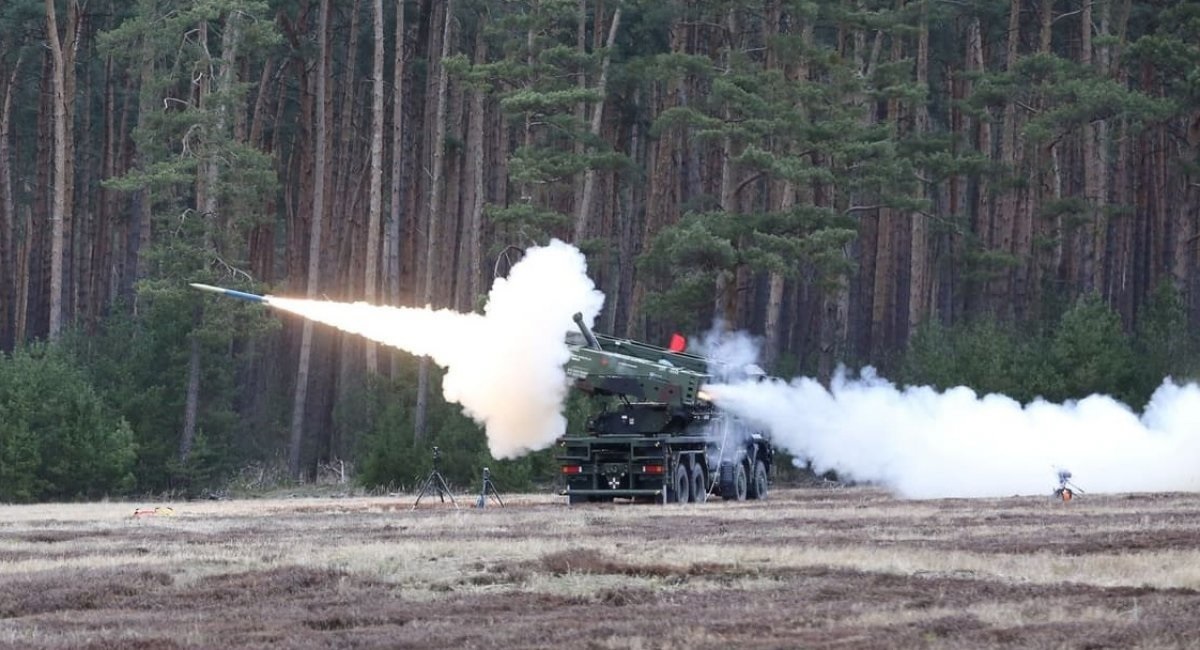
World
ALTENGRABOW, GERMANY — March 30, 2026 : Diehl Defence has initiated series production of a new 122 mm training rocket following a comprehensive set of successful live-fire demonstrations conducted with the MARS 3 (EuroPULS) rocket artillery launcher system at the Altengrabow military training area. The trials confirmed full compatibility between the munition and the Bundeswehr’s future rocket artillery infrastructure. The live-fire campaign was conducted before an international audience that included military personnel, procurement authorities, and senior representatives from defence ministries, underscoring the program’s operational and export relevance. Restoration of MLRS Training Capability The Altengrabow trials represent a significant operational milestone for Germany’s armed forces. The Bundeswehr had suspended live-fire training with multiple-launch rocket systems (MLRS) for several years following the retirement of the 110 mm LAR training rocket, which left a gap in cost-effective training capability. The recent demonstration marks the first firing of a German training rocket at Altengrabow in more than 30 years, effectively restoring the Bundeswehr’s ability to conduct regular MLRS live-fire exercises. It also signals the resumption of artillery rocket production activities at Diehl Defence. Development and Technical Characteristics The 122 mm training rocket has been jointly developed by Diehl Defence and its Israeli partner, Elbit Systems Land, using components derived from the Accular family of precision-guided rockets. The system is designed to meet current operational training requirements while minimizing cost and environmental impact. A central feature of the rocket is its spotting charge warhead, equipped with a newly developed propellant charge produced by Diehl Defence. Upon impact, the warhead generates a clearly visible and audible signature—a loud detonation, bright flash, and smoke plume—which can be observed from distances of up to 3 kilometers. The design ensures that these effects are achieved without creating fire hazards on training ranges. The rocket operates within a range envelope of 5 to 15 kilometers and demonstrates low error angles and stable aerodynamic performance. These characteristics were validated through a sequence of tests, including preliminary evaluations in Israel in 2025, pre-firing trials in February 2026, and the final demonstration at Altengrabow. Integration with EuroPULS / MARS 3 Programme The development of the training rocket is closely aligned with the expansion of the EuroPULS artillery ecosystem in Europe. The MARS 3 launcher—Germany’s designation for EuroPULS—is being introduced as part of a broader modernization effort. In this context, KNDS Germany and Elbit Systems have established a 50:50 joint venture, EuroPULS GmbH, headquartered in Kassel, to manufacture and market the system across Europe. Germany has already placed an initial order for five MARS 3 launchers, with deliveries and certification expected in 2027. The Bundeswehr is also preparing a framework agreement covering up to 300 systems, with approximately half intended for export to allied European countries. The availability of a domestically produced, compatible training rocket is considered essential to both operational readiness and export competitiveness. Industry and Official Remarks Gunnar Pappert, Head of the Land Systems Business Unit at Diehl Defence, highlighted the significance of the milestone, stating that the successful launch confirms full compatibility between the training rocket and the MARS 3 launcher while supporting the advancement of artillery technologies manufactured in Germany. All test results and compatibility data from the Altengrabow trials have been formally accepted, clearing the way for full-scale production of the 122 mm training rocket and its integration into future Bundeswehr training operations.
Read More → Posted on 2026-03-30 14:04:46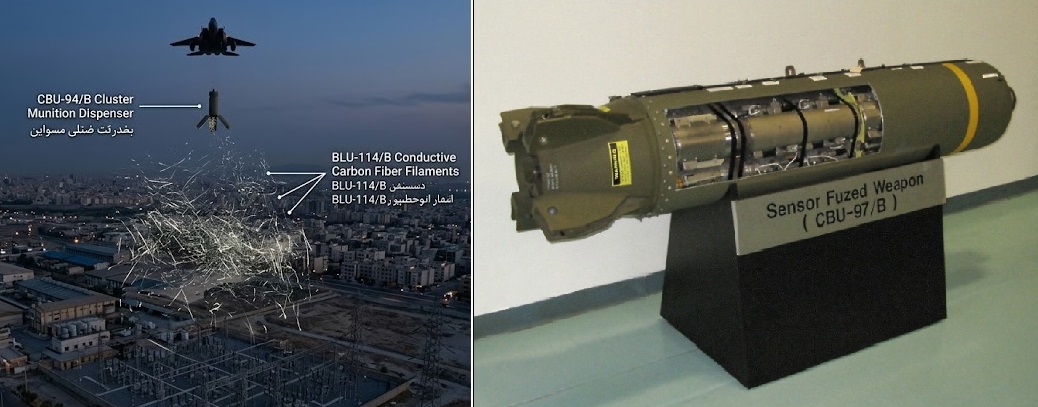
World
TEHRAN, — March 30, 2026 : According Source the Israeli Air Force has carried out a targeted operation employing non-destructive “soft-kill” munitions to disrupt electricity supply across parts of Tehran and the nearby city of Karaj, according to reports citing sources within the Israel Defense Forces. The strikes were directed at multiple electrical transmission nodes, including power plants and transformer stations in areas such as the Pirouzi district in eastern Tehran. Non-Explosive Disruption of Electrical Infrastructure The operation reportedly utilized CBU-94/B “Blackout” cluster munitions equipped with BLU-114/B submunitions. These systems are specifically designed to disable electrical infrastructure without causing physical destruction. Upon deployment, the submunitions dispersed fine conductive aluminum filaments over high-voltage equipment, including transformers, switching stations, and exposed wiring. The filaments adhered to electrical components, triggering short circuits and electrical arcing. This led to automatic shutdowns of affected systems, interrupting electricity generation and distribution. Witness accounts from Karaj and western Tehran described bright blue flashes in the night sky, consistent with electrical substations experiencing short circuits. Impacted Areas and Immediate Effects The disruptions affected parts of Tehran and the Alborz province grid, particularly in Karaj and neighborhoods such as Pirouzi. While the infrastructure itself remained structurally intact, localized blackouts were reported following the strikes. Iranian authorities acknowledged the incidents. Deputy Energy Minister Mostafa Rajabi Mashhadi confirmed that several substations had been impacted but emphasized that the broader national grid remained stable. State broadcaster IRIB News reported that technical teams were deployed to assess and secure the affected sites. Restoration Process Underway Because no kinetic or explosive damage was inflicted, restoration efforts are focused on maintenance procedures rather than reconstruction. This involves manually removing conductive filaments from equipment, followed by cleaning, inspection, and testing of electrical components. Officials indicated that once these procedures are completed, full power supply can be restored. The absence of structural damage is expected to reduce recovery time compared to conventional airstrikes on power infrastructure. Characteristics of the CBU-94/B System The CBU-94/B is a U.S.-developed munition designed to temporarily disable electrical grids. Each bomb releases multiple BLU-114/B submunitions that disperse large quantities of conductive filaments over target areas. The resulting short circuits disrupt power flow by tripping circuit breakers and inducing faults across transmission systems. This type of weapon is commonly referred to as a “graphite bomb” and is classified as a soft-kill system due to its lack of blast effect and its focus on functional disruption rather than destruction. Historical Precedents Similar munitions have been used in previous conflicts. During the Gulf War, coalition forces deployed graphite bombs to disable Iraqi power infrastructure. In 1999, NATO used comparable systems during Operation Allied Force against Serbian electrical facilities. In both cases, large portions of national grids were temporarily disabled without extensive structural damage. Strategic Context and Ongoing Operations The reported operation forms part of a broader pattern of Israeli air activity targeting Iranian-linked infrastructure. Recent strikes in the Tehran region have included operations against weapons production sites and other military facilities. Military analysts assess that the use of soft-kill munitions serves as a controlled method of signaling capability while avoiding escalation associated with direct destruction of critical infrastructure. The action is also viewed as a test of Iran’s response mechanisms to limited but strategic disruptions. The developments occur amid heightened regional tensions since late February 2026, including warnings of potential escalation involving critical energy infrastructure and concerns over disruptions in the Strait of Hormuz. Official Positions No formal statement has been issued by the Israeli military confirming the specific use of CBU-94/B munitions in this operation. Iranian authorities have not released a detailed assessment of the total extent or duration of the outages but confirmed that response and restoration measures are in progress. Power restoration in affected areas is expected to proceed as cleanup operations are completed and equipment is returned to operational status.
Read More → Posted on 2026-03-30 14:19:50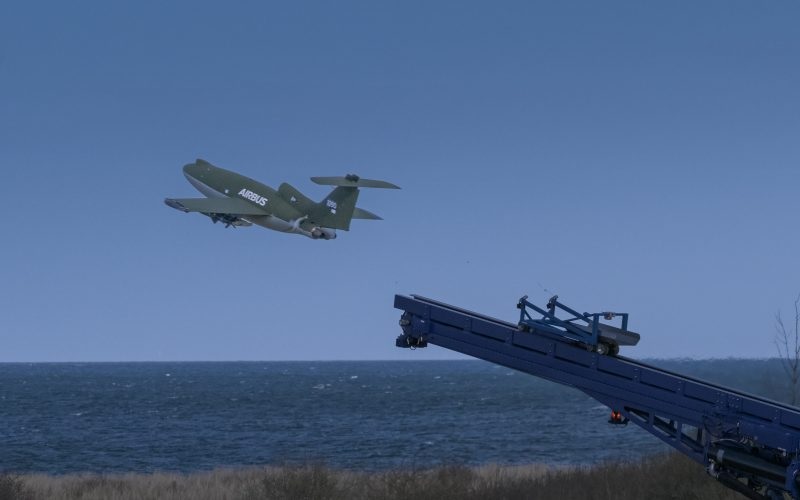
World
Northern Germany, — March 30, 2026 : Airbus Defence and Space has completed the first demonstration flight of its “Bird of Prey” unmanned interceptor drone at a military training range in northern Germany, marking a significant step in the development of low-cost counter-unmanned aerial systems (C-UAS). The test validated the platform’s ability to autonomously detect, classify and engage a medium-sized one-way attack drone using a guided missile system developed by Estonia-based Frankenburg Technologies. Demonstration Flight and Autonomous Engagement The demonstration, conducted nine months after the program’s initiation, involved a fully autonomous mission profile. The interceptor drone independently searched for the target, identified and classified it, and subsequently engaged it using a Mark I guided missile. This test also marked the first recorded launch of the Mark I missile from an airborne platform. The trial was designed to simulate real-world threats posed by one-way attack drones, commonly referred to as kamikaze or loitering munitions. The successful engagement demonstrated the system’s capability to operate without direct human intervention during the targeting and interception phases. Platform Design and Specifications The Bird of Prey is derived from a modified Airbus Do-DT25, a jet-powered aerial target drone that has been in operational service since 2002 for missile training purposes. The adapted interceptor platform measures 3.1 metres in length, with a wingspan of 2.5 metres and a maximum take-off weight of 160 kilograms. During the demonstration flight, the prototype configuration carried four Mark I missiles. Airbus has indicated that the planned production variant will be capable of carrying up to eight missiles, allowing the platform to engage multiple aerial threats within a single mission. The reuse of the Do-DT25 platform is part of Airbus’ approach to accelerate development timelines while reducing costs by leveraging an existing, proven airframe. Mark I Guided Missile Characteristics The Bird of Prey’s interception capability is enabled by the Mark I guided missile developed by Frankenburg Technologies. The missile is 65 centimetres long and weighs less than two kilograms, making it one of the lightest guided interceptors currently in development. It operates at high-subsonic speed with an engagement range of up to 1.5 kilometres, with some configurations extending toward 2 kilometres. The system follows a fire-and-forget principle, enabling the missile to autonomously navigate toward its target after launch. Guidance is supported by inertial navigation for mid-course correction and onboard sensors for terminal targeting, allowing the system to function in contested electromagnetic environments with resistance to electronic warfare interference. The missile is equipped with a fragmentation warhead designed to detonate in close proximity to the target. Frankenburg Technologies has adopted a manufacturing approach based largely on commercially available components, aimed at achieving low production costs and enabling high-volume output. Integration into Air Defence Networks The interceptor system is designed for integration into NATO-compatible air defence frameworks. It operates in conjunction with Airbus’ Integrated Battle Management System (IBMS), which provides centralized command and control, enabling coordinated operations with other air and missile defence assets. This integration allows the Bird of Prey to function as part of a layered defence architecture, contributing to the interception of low-cost aerial threats that may otherwise saturate traditional air defence systems. Industry Statements Mike Schoellhorn, Chief Executive Officer of Airbus Defence and Space, stated that countering one-way attack drones has become a key operational requirement in current conflict environments. He noted that combining an unmanned interceptor platform with low-cost guided munitions offers a practical and scalable response to emerging threats. Kusti Salm, Chief Executive Officer of Frankenburg Technologies, described the system as a new approach to air defence, emphasizing the combination of affordability, scalability and autonomous operation. Development Timeline and Next Steps Following the initial demonstration, Airbus and Frankenburg Technologies plan to conduct additional test flights throughout 2026. These trials will include engagements using live combat ammunition to further validate system performance under operational conditions. The ongoing test campaign is intended to complete the development cycle and demonstrate readiness for potential military customers. The program also reflects a broader industry trend toward rapidly deployable, cost-efficient solutions for countering unmanned aerial threats.
Read More → Posted on 2026-03-30 14:34:49
World
Paris, — March 30, 2026 : France has deployed four Tiger attack helicopters along with Asterodyn AST-78 interceptor drones to the Middle East as part of an expanded effort to counter Iranian-designed Shahed one-way attack drones operating in the Gulf region. The deployment was confirmed by French Army Chief of Staff General Pierre Schill in an interview published by Le Point on March 30. Operational Deployment and Role The Tiger helicopters have been integrated into an existing allied, multi-layered air defence network in theatre. They operate alongside French Rafale fighter aircraft, which continue to conduct combat air patrols and intercept Shahed-type drones at longer ranges. Within this structure, the Tiger helicopters serve as a mobile short-range interception layer, capable of rapidly repositioning to defend military bases, logistics hubs, ports and energy infrastructure. Their deployment complements ground-based point-defence systems already in place, which provide coverage within an engagement range of approximately six kilometres. French forces stationed in the United Arab Emirates have already contributed to the interception of more than 1,000 drones during recent operations, reflecting the sustained scale of the aerial threat. Addressing Cost and Engagement Efficiency The deployment also reflects efforts by the French Armed Forces to manage the cost imbalance associated with countering low-cost drones using high-end missile systems. Ongoing operations by Rafale fighters have required the use of MICA air-to-air missiles, placing pressure on available inventories. General Schill stated that while France is accelerating the integration of laser-guided rockets on the Tiger platform, the primary engagement method for counter-drone missions will remain the helicopter’s 30 mm cannon. He described the cannon as “very powerful,” highlighting its advantages in immediate response, controlled ammunition expenditure, and significantly lower cost per engagement compared with missile-based intercepts. Platform Capabilities and Adaptation Manufactured by Airbus Helicopters, the Tiger is equipped with a chin-mounted GIAT 30 mm cannon capable of carrying up to 450 rounds. The platform also features advanced electro-optical sensors that enable detection, tracking and engagement of low-altitude aerial targets, including drones operating with terrain masking or reduced visibility. Originally designed for armed reconnaissance, close combat support and battlefield escort, the Tiger is now being adapted for counter-drone roles. Its onboard sensors, manoeuvrability and direct-fire capability allow it to engage targets that penetrate outer defensive layers. This operational approach aligns with similar deployments by allied forces, including the use of attack helicopters such as the AH-64 Apache in comparable roles across the region. Introduction of AST-78 Interceptor Drones Alongside the helicopters, France has deployed Asterodyn AST-78 interceptor drones, a high-speed unmanned system developed by the French company Asterodyn. The AST-78 is designed for rapid interception and neutralisation of aerial threats. The drone has a top speed of 400 km/h, can accelerate from 0 to 300 km/h within seconds, and offers a range of 30 kilometres at 200 km/h while carrying a 1 kilogram payload. Deliveries of the system were confirmed in March 2026, and it has now entered operational service with French forces. These interceptor drones are integrated into the broader anti-drone network and provide an automated kinetic interception capability within the layered defence architecture. Integration Within Layered Defence Architecture The deployment of the Tiger helicopters and AST-78 drones is not intended to replace long-range air and missile defence systems but to reinforce them. The current defensive framework consists of multiple layers: Long-range detection and surveillance systems provide early warning, while Rafale fighters conduct outer-layer interceptions. Ground-based air defence systems cover mid-range threats, and close-in protection systems defend critical assets. Within this structure, the Tiger helicopters act as a reactive airborne element, capable of rapidly reinforcing sectors where threats penetrate outer layers. They can receive targeting cues from allied sensors and engage drones within the inner defensive perimeter using onboard systems. Strategic and Operational Implications The deployment reflects a broader shift in French military operations toward addressing the increasing use of low-cost unmanned aerial systems in saturation attacks. By assigning short-range interception tasks to helicopters and specialised drones, France is preserving high-end fighter aircraft for strategic missions while maintaining continuous protection against persistent drone threats. General Schill’s remarks indicate that the French Army is applying lessons from recent regional conflicts to adapt existing platforms for new operational roles. The approach aims to improve sustainability, reduce engagement costs and maintain operational effectiveness within a contested airspace environment. Further details regarding the precise operational employment of the Tiger helicopters and AST-78 interceptor drones have not been disclosed. Both systems are expected to operate within an allied command framework to enhance force protection across the Middle East.
Read More → Posted on 2026-03-30 14:48:14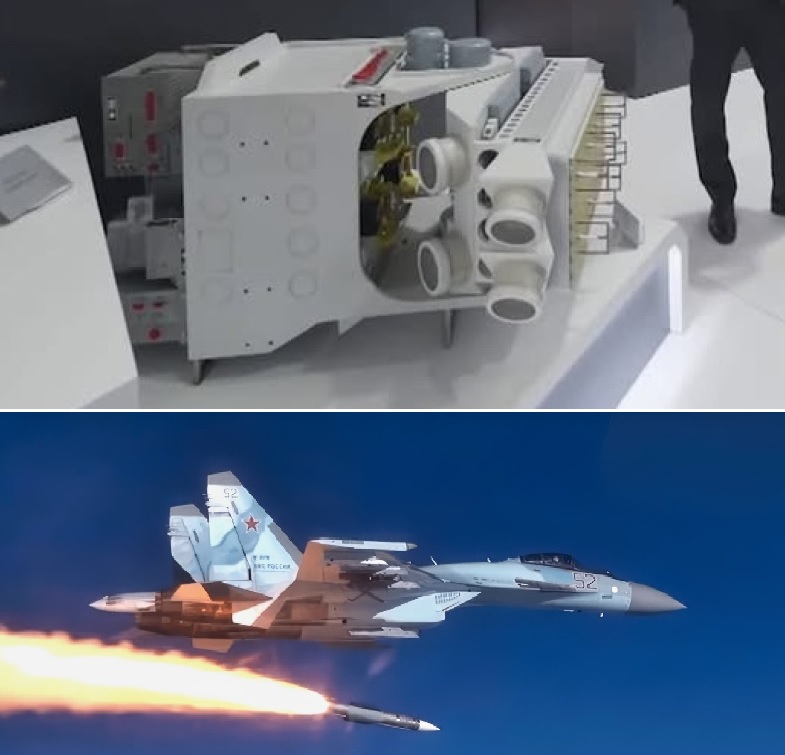
World
Moscow, — March 30, 2026 : Russian state media have reported the unveiling of a new active electronically scanned array (AESA) radar for the Su-35 air superiority fighter, marking a significant step in the aircraft’s ongoing modernization. The new radar is intended to replace the N035 Irbis-E passive electronically scanned array (PESA) system that has equipped the platform since it entered operational service in 2014. Transition From Irbis-E to AESA Technology The Irbis-E, an X-band multi-role PESA radar, has been regarded as one of the most capable systems of its type. It features a maximum beam deflection angle of 120 degrees and a detection range of approximately 350 to 400 kilometres against fighter-sized targets with a three-square-metre radar cross-section. The system can track up to 30 targets simultaneously while engaging eight. Despite these capabilities, the Irbis-E has inherent limitations associated with PESA technology, particularly in modern electronic warfare (EW) environments. Evaluations by Chinese sources have indicated that the system is approximately 20 percent less powerful than the AESA radar integrated on the J-16 fighter. The newly unveiled AESA radar is expected to address these limitations. AESA systems enable more precise beam control and allow transmission across multiple frequencies in different directions simultaneously. These features improve resistance to electronic countermeasures and significantly reduce radar emissions, making detection by adversaries more difficult. Bridging a Long-Standing Technological Gap Russia’s transition from PESA to AESA radar technology for tactical combat aircraft has been prolonged. The United States fielded its first AESA-equipped fighter squadron in 2000, followed by Japan in 2002. Russia’s first operational fighter equipped with an AESA radar, the Su-57, entered service in 2020, with its first full regiment formed in 2025. Historically, the Soviet Union held a lead of approximately two decades in deploying electronically scanned array radars on combat aircraft. However, the post-Soviet decline in the defence sector delayed the transition to AESA systems, allowing other major air forces to advance ahead. European fighter programmes were among the last to complete this transition in recent years. The absence of an AESA radar has been identified as a key limitation of the Su-35 compared to competing heavyweight fighters such as the U.S. F-15SA, F-15QA and F-15EX, as well as China’s J-11BG, J-15B and J-16, all of which employ AESA radars. Impact on Weapons Integration and Combat Performance The introduction of the AESA radar is expected to improve the Su-35’s situational awareness and targeting capabilities, particularly in long-range engagements. The Irbis-E radar has been considered insufficient to fully support the guidance of the R-37M long-range air-to-air missile at its maximum range of approximately 350 kilometres. With the new radar, the aircraft is expected to better utilize both the R-37M and the newer R-77M missile. The R-77M incorporates an active phased array antenna (APAA) seeker and a dual-pulse rocket motor, providing an engagement range of around 200 kilometres. Enhanced radar performance is expected to improve target tracking and expand effective engagement envelopes, including no-escape zones. These capabilities have gained operational relevance, as long-range air-to-air missiles have been actively employed in the ongoing Russia-Ukraine conflict. Role in Fleet Modernisation and Export Strategy It remains unclear whether the new AESA radar is intended primarily for upgrading Su-35 aircraft in service with the Russian Aerospace Forces or for enhancing the platform’s competitiveness in export markets. Russia has previously developed radar systems specifically for export variants, such as the Zhuk-AE AESA radar for the MiG-35, which was not adopted domestically. The development coincides with a significant expansion in Su-35 exports. Deliveries of 18 aircraft to Algeria began in February 2025. Leaked Russian government documents have indicated plans to supply 48 Su-35 fighters to the Iranian Air Force between 2026 and 2028, along with six aircraft to Ethiopia. These agreements would bring total exports to 96 fighters. The aircraft is also expected to be offered to North Korea as part of broader efforts to offset the costs of Russian defence procurements from that country. It remains uncertain whether North Korea would opt for the upgraded Su-35 or prioritise acquisition of the more advanced Su-57.
Read More → Posted on 2026-03-30 15:00:06
World
MADRID, — March 30, 2026 : Spain has formally closed its airspace to all United States military aircraft involved in operations against Iran, extending an earlier decision that barred the use of Spanish military bases for such missions. The move marks a significant policy step by Madrid, reinforcing its position of non-participation in the ongoing U.S. and Israeli military campaign. The decision, confirmed on March 30 by Defence Minister Margarita Robles, applies broadly to aircraft directly or indirectly linked to the operation known as Operation Epic Fury. It includes not only aircraft stationed within Spain but also those operating from third countries such as the United Kingdom and France. Spanish authorities have rejected all related flight plans, allowing exceptions only in emergency situations. Expanded Restrictions on Bases and Overflights The airspace closure builds upon restrictions first outlined earlier in March, when Spain prohibited the use of jointly operated military facilities at Rota in Cádiz and Morón de la Frontera in Seville for operations connected to strikes on Iran. These bases, while used by U.S. forces, remain under Spanish sovereignty. Foreign Minister José Manuel Albares had stated on March 2 that the bases would not be used for any activity outside the scope of bilateral agreements or inconsistent with the Charter of the United Nations. He emphasized that Spain would not permit its territory to support actions lacking a clear international legal framework. Following that announcement, at least 15 U.S. aircraft—primarily KC-135 aerial refuelling tankers—departed from the affected bases. Flight tracking data indicated that several of these aircraft were subsequently relocated to installations in Germany. Government Position on International Law Prime Minister Pedro Sánchez reiterated the government’s stance before Congress, stating that Spain has neither provided nor will provide any form of support for the military operations against Iran. He stressed that Spain’s defence cooperation agreements with the United States must operate strictly within the framework of international law. The Spanish government has described the U.S. and Israeli actions as unilateral and outside the provisions of the United Nations Charter. Officials have maintained that both airspace and base access will not be granted for operations that do not align with these legal standards. Divergence Within NATO Spain’s position places it at variance with several NATO allies, including France, Germany, and the United Kingdom, which have taken different approaches regarding the operations. Madrid has sought to distance itself from these positions, underscoring its independent assessment of the legal and political dimensions of the conflict. Despite the disagreement, Spanish authorities have indicated that existing defence arrangements with NATO partners remain in place for activities not related to the Iran operations. Strait of Hormuz Developments In a related development, Iran has granted Spain free passage through the Strait of Hormuz, a critical maritime route for global energy shipments. The gesture comes amid heightened tensions in the region and follows Spain’s decision not to support the military campaign. The Spanish government has ruled out participation in any military missions in the Strait, reiterating its position that the ongoing operations against Iran are not consistent with international law. Operational Impact While Spanish officials have not provided detailed assessments of the operational consequences, the closure of both airspace and key logistical bases is expected to affect flight routing and support arrangements for U.S. forces operating in and around the Middle East. The government has maintained that its decisions are guided by adherence to international law and the established terms of its defence agreements. Authorities have emphasized that Spanish territory—including airspace and military installations—will not be used to facilitate operations that fall outside these parameters.
Read More → Posted on 2026-03-30 15:21:03
World
YOKOHAMA, JAPAN — March 30, 2026 : Japan’s ENEOS Corporation has successfully produced synthetic fuel (e-fuel) at its demonstration facility using only atmospheric carbon dioxide (CO₂), water, and renewable electricity. The achievement marks a technical milestone in the development of carbon-neutral liquid fuels, though the company is reassessing plans for large-scale commercialization due to economic constraints. Demonstration Plant and Production Capacity The synthetic fuel is being produced at ENEOS’s Central Technical Research Laboratory in Yokohama, where Japan’s first integrated synthetic fuel demonstration plant was completed in 2024. Operations began in September 2024, and the facility has since generated its initial batches of fuel. The plant has a production capacity of approximately one barrel per day, equivalent to about 159 litres. While modest in scale, the facility is designed to validate core technologies required for future industrial deployment, including continuous operation, efficiency improvements, and yield optimization. The project was developed under Japan’s Green Innovation Fund, commissioned by the New Energy and Industrial Technology Development Organization (NEDO). Integrated Production Process The synthetic fuel production at the Yokohama plant follows a three-stage integrated chemical process: Feedstock Supply: Carbon dioxide (CO₂) is captured directly from the atmosphere using a Direct Air Capture (DAC) system supplied by Climeworks AG. Hydrogen is produced on-site through water electrolysis powered entirely by green electricity, marking the first such application in Japan for synthetic fuel production. Reverse Water Gas Shift Reaction: Captured CO₂ reacts with hydrogen to form carbon monoxide and water, producing synthesis gas (syngas). Fischer–Tropsch Synthesis and Refining: The syngas is converted into synthetic crude oil via Fischer–Tropsch synthesis. This intermediate product is then upgraded through hydrotreating and refining processes to produce finished fuels. Fuel Characteristics and Applications The resulting fuels include gasoline, jet fuel, diesel, and marine fuel, all of which are chemically equivalent to conventional petroleum products. The fuels contain no petroleum-derived components. Because the CO₂ used in production is captured from the atmosphere, the fuel is considered carbon-neutral across its life cycle. The CO₂ emitted during combustion is offset by the amount removed during production. In addition, the synthetic fuel has a cleaner composition, as it does not contain sulfur or heavy metals. This reduces emissions of pollutants such as sulfur oxides (SOx) and nitrogen oxides (NOx). A key advantage is full compatibility with existing systems. The fuel can be used in internal combustion engines, aircraft, and ships without modification, and it can be transported and stored using existing fuel infrastructure, including pipelines and storage facilities. Use Cases and Demonstrations Synthetic fuel produced at the facility has already been used in vehicle driving demonstrations. It has also been scheduled for use in shuttle buses and other transport systems at the 2025 Osaka-Kansai Expo. ENEOS is targeting sectors where electrification or direct hydrogen use remains technically challenging. These include: Long-haul aviation Marine shipping Heavy-duty road transport Industrial applications requiring high energy density The fuel’s high energy density, comparable to conventional petroleum, makes it suitable for these applications where battery-based systems are less viable. Cost and Efficiency Challenges Despite the successful demonstration, ENEOS has identified several challenges related to scaling the technology. The production process is energy-intensive, requiring substantial amounts of renewable electricity for water electrolysis, carbon capture, and fuel synthesis. As a result, the overall energy requirement per unit of fuel is significantly higher than that of battery-electric alternatives. The primary cost driver is the production of green hydrogen. Industry estimates indicate that synthetic fuel currently costs several times more than fossil-derived fuels, with operating costs for vehicles running on e-fuel estimated at $0.30 to $0.50 per kilometer, compared to $0.05 to $0.10 per kilometer for battery-electric vehicles. Revised Commercial Strategy ENEOS had previously outlined plans to scale production, including a 300-barrel-per-day pilot plant by 2028 and a long-term goal of 10,000 barrels per day by 2040. However, due to rising construction costs and persistently high hydrogen production expenses, the company has revised its strategy. ENEOS has informed Japan’s Ministry of Economy, Trade and Industry (METI) that it will pause commercial scale-up of CO₂-based synthetic fuel projects by March 2027. Instead, the company is shifting focus toward advanced biofuels, including those derived from gasified biomass such as wood chips, which currently present more favorable economic conditions. Role of the Demonstration Plant Although commercial expansion is temporarily halted, the Yokohama facility remains an important technical validation platform. It enables continued testing and optimization of synthetic fuel production processes and provides operational data for future development. The project demonstrates that liquid fuels can be synthesized entirely from atmospheric CO₂ and water using renewable energy, offering a potential pathway toward carbon-neutral fuels for sectors where alternatives remain limited. ENEOS has stated that it will continue evaluating improvements in efficiency and cost reduction, with the demonstration plant serving as a foundation for any future large-scale deployment.
Read More → Posted on 2026-03-30 15:46:25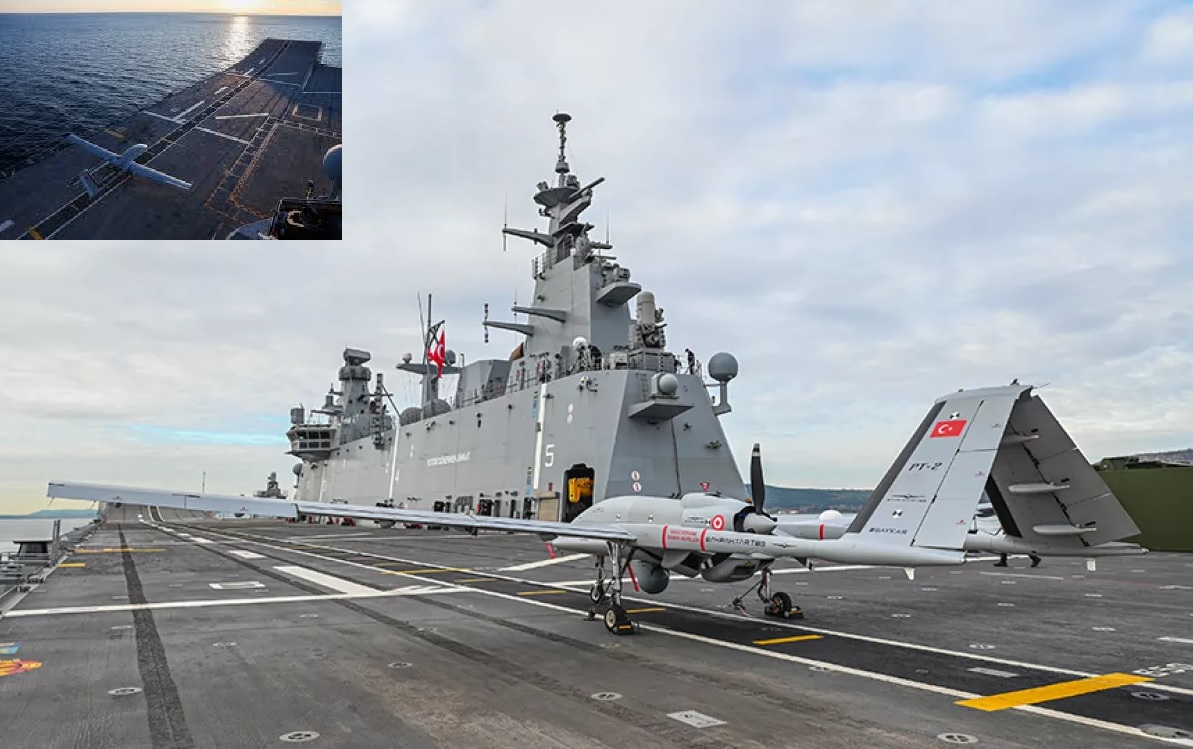
World
Rome, — March 30, 2026 : The Italian Navy is moving forward with plans to acquire the Bayraktar TB3 unmanned combat aerial vehicle (UCAV) for deployment aboard its aircraft carrier Cavour, marking a significant step in the service’s expansion of carrier-based unmanned aviation. The plan was confirmed by Admiral Giuseppe Berutti Bergotto, Chief of the Italian Navy, during testimony before the Italian Senate’s Foreign Affairs and Defence Committee on March 25, 2026. He stated that the acquisition would be executed through Italian defense company Leonardo, under its joint venture arrangement with Turkish drone manufacturer Baykar. Berutti Bergotto told lawmakers that Leonardo’s cooperation agreement with Baykar enables the procurement pathway, noting that the TB3 “can be integrated on board the Cavour,” providing both surveillance capabilities and the option to carry armament. Acquisition Framework Through LBA Systems The procurement will be handled via LBA Systems, a 50–50 joint venture established in June 2025 between Leonardo and Baykar and headquartered in Italy. The company is responsible for the design, development, production, and support of unmanned systems under the partnership. Production of the TB3 for Italy is planned at Leonardo’s facility in Ronchi dei Legionari in northern Italy, while certification of the system within Italy is scheduled for completion in 2026. The collaboration combines Baykar’s airframe and platform development with Leonardo’s expertise in sensors, electronic systems, and NATO-standard integration. First European Operator With this acquisition, Italy is set to become the first European operator of the Bayraktar TB3. Indonesia has previously been identified as the first export customer overall, with plans to procure both land-based and naval variants of the platform. Navalised UCAV Design and Capabilities The Bayraktar TB3 is a navalised development of the widely deployed TB2 platform, specifically engineered for operations from short-deck aircraft carriers and amphibious assault ships. Key design adaptations include folding wings to enable efficient deck handling and storage, reinforced landing gear for carrier operations, and maritime-optimized systems suited for harsh sea environments. The platform is powered by a TEI-PD170 turbo-diesel engine and has a maximum takeoff weight of approximately 1,450 kilograms. The TB3 offers an endurance exceeding 24 hours and supports a payload capacity of up to 280 kilograms. It is capable of carrying precision-guided munitions such as Roketsan’s MAM-L, as well as other modular payloads for intelligence, surveillance, and reconnaissance (ISR) missions. The system is also compatible with additional strike capabilities, including loitering munitions such as the Kemankeş series. Demonstrated Performance in NATO Exercise Operational performance of the TB3 was demonstrated during NATO’s Steadfast Dart 2026 exercise, conducted between January and March 2026 in the Baltic Sea. During the exercise, three TB3 UCAVs were deployed aboard the Turkish Navy’s amphibious assault ship TCG Anadolu. The aircraft completed a total of 232 sorties, conducting fully autonomous take-offs and landings in cold-weather conditions. Missions included ISR operations and live-fire strike scenarios using MAM-L precision-guided munitions, demonstrating the platform’s capability to operate in challenging maritime and environmental conditions. Integration with Carrier Air Wing The Italian Navy currently operates F-35B short take-off and vertical landing (STOVL) fighters from Cavour. The addition of the TB3 will introduce an organic fixed-wing unmanned capability alongside these manned aircraft. This integration is expected to support extended-duration ISR missions, improve situational awareness, and provide additional strike options while allowing high-end assets such as the F-35B to be reserved for more complex operational scenarios. Broader Unmanned Systems Portfolio The TB3 acquisition forms part of a wider effort by the Italian Navy to expand its unmanned systems capabilities across multiple platforms. The Navy currently operates the ScanEagle UAV aboard FREMM-class frigates for maritime surveillance and reconnaissance tasks. In addition, Admiral Berutti Bergotto confirmed the recent acquisition of a vertical take-off and landing (VTOL) unmanned system known as the “Revolution” drone, developed by Italian company General Defence. According to the Navy, the Revolution system is designed to extend surveillance capabilities from naval units and can deploy a secondary drone functioning as a loitering munition for strike missions. Program Status The integration of the TB3 is part of Italy’s broader strategy to develop a layered and distributed unmanned aviation capability within its naval forces. The system is expected to complement existing assets and enhance operational flexibility in maritime environments. No details have been released regarding the number of TB3 units to be procured or the delivery timeline for the Italian Navy.
Read More → Posted on 2026-03-30 15:58:41
World
Tel Aviv, — March 30, 2026 : The Israel Defense Forces (IDF) have received a new shipment of thousands of X95 Micro-Tavor rifles from Israel Weapon Industries (IWI), a subsidiary of the SK Group, as part of an ongoing procurement program to sustain and modernize its small-arms inventory. The delivery supports the IDF’s broader effort to maintain operational readiness across active-duty and reserve units by ensuring continued access to standardized, combat-proven infantry weapons. The X95 platform remains a primary service rifle within the IDF and is actively deployed in current operations. Operational Role and Deployment The X95 was developed in close coordination with elite IDF units to meet evolving operational requirements across military, police, and special-forces roles. It has been in service since 2006 and was formally selected as the IDF’s standard infantry rifle in 2009. Defense officials indicate that the system is optimized for modern combat environments, particularly close-quarters battle (CQB), urban warfare, and subterranean operations. Its compact configuration enables effective maneuverability in confined spaces while maintaining combat effectiveness. The rifle continues to equip frontline formations, including infantry brigades such as Nahal, Golani, and Givati, and is also fielded across reserve components. Previous procurement cycles included a 2023 order of approximately 2,800 units. Design and Technical Characteristics The X95 is based on a bullpup configuration, placing the action and magazine behind the trigger group. This layout allows for a longer barrel within a shorter overall weapon length, improving handling without reducing ballistic performance. Depending on the configuration, overall length ranges from approximately 580 mm to 714 mm. The platform incorporates barrel options of 380 mm (15 inches) and 419 mm (16.5 inches), alongside refinements such as a lighter trigger pull introduced in later variants. It is primarily chambered in 5.56×45 mm NATO for IDF use. The rifle is designed with modularity in mind and can be converted to multiple calibers, including 9×19 mm, 5.45×39 mm, and .300 AAC Blackout, using dedicated conversion kits. This flexibility allows units to adapt the weapon to different mission profiles. Materials, Mechanism, and Maintenance The X95 features a high-strength, impact-modified polymer construction, reducing overall weight while maintaining durability under operational stress. The design is intended to minimize operator fatigue during extended use. It operates using a long-stroke gas piston system with a rotating bolt and closed-bolt firing mechanism, contributing to consistent reliability and stable firing performance across varying environmental conditions. The rifle includes fully interchangeable components to simplify field maintenance and logistical support. Its modular architecture allows rapid reconfiguration and ease of servicing in operational settings. Tactical Features and Ergonomics The X95 is fully ambidextrous, enabling operation by both left- and right-handed users without modification. Standard features include a last-round bolt catch, integrated folding backup iron sights, and a 360-degree modular Picatinny rail system. The rail interface supports the attachment of optics, illumination devices, laser aiming modules, and infrared systems, enabling customization based on mission requirements. Industry Statement Ronen Hamudot, Executive Vice President of Marketing and Sales at IWI and Vice Chairman of the SK Group, commented on the delivery, emphasizing the continued collaboration between the manufacturer and the Israeli military. He stated that the latest shipment reflects ongoing efforts to support IDF operational readiness with systems designed for current combat conditions and developed in coordination with end users. International Use and Standards In addition to its service within Israel, the X95 is in active use with military and law enforcement organizations in multiple countries. The platform is manufactured in compliance with NATO operational and environmental standards, supporting its adoption across a range of international users. Continued Role in IDF Inventory The X95 remains a central component of the IDF’s infantry weapons inventory. Its compact dimensions, modular design, and adaptability to various calibers and operational roles contribute to its continued deployment in active missions. The latest delivery ensures sustained availability of the platform across both regular and reserve forces, reinforcing the IDF’s standardized small-arms capability.
Read More → Posted on 2026-03-30 16:08:16
World
Washington, D.C., — March 30, 2026 : The United States has approved the sale of F-35 Lightning II stealth fighter jets to Saudi Arabia as part of a newly formalized Strategic Defense Agreement (SDA), marking a significant development in bilateral defense relations and a shift in U.S. arms export policy in the Middle East. The announcement was made by U.S. President Donald Trump during a White House meeting with Saudi Crown Prince Mohammed bin Salman. During the Oval Office engagement, Trump confirmed that Washington would proceed with supplying the fifth-generation fighter aircraft, describing Saudi Arabia as a “great ally” and emphasizing the importance of the agreement in strengthening long-term strategic ties. Strategic Defense Agreement and MNNA Designation The F-35 approval forms a central component of the broader U.S.-Saudi Strategic Defense Agreement, a framework designed to expand cooperation across defense, technology, and economic sectors. As part of the agreement, the United States has formally designated Saudi Arabia as a Major Non-NATO Ally (MNNA), a status that enables closer military coordination, access to advanced defense technologies, and streamlined procurement processes. The SDA also integrates defense trade with broader strategic cooperation, aligning military modernization efforts with economic and technological partnerships between the two countries. Defense Package Details According to U.S. and defense industry reports, Saudi Arabia has requested up to 48 F-35 aircraft, equivalent to approximately two operational squadrons. The aircraft are expected to be of the F-35A variant, the conventional takeoff and landing model used by multiple U.S. allies. The F-35 Lightning II, manufactured by Lockheed Martin, is a fifth-generation multirole fighter designed for air superiority, precision strike missions, electronic warfare, and intelligence, surveillance, and reconnaissance (ISR). The platform incorporates stealth shaping, radar-absorbent materials, advanced sensor fusion, and secure data-link networking capabilities, enabling integrated battlefield operations. In addition to the fighter aircraft, the defense package includes the planned sale of nearly 300 M1 Abrams main battle tanks to the Saudi Armed Forces. The Abrams platform is a key component of U.S. armored warfare capability and has been previously exported to several allied nations. Industry discussions tied to the agreement also include potential procurement of advanced unmanned aerial systems such as the MQ-9B, which would expand Saudi Arabia’s ISR and long-endurance strike capabilities. Regulatory Process and Delivery Timeline The F-35 sale will proceed under the U.S. Foreign Military Sales (FMS) framework, which is administered by the Department of Defense in coordination with the Department of State. The process requires interagency review, compliance checks, and formal congressional notification before final authorization and contract execution. Only after completion of these steps can manufacturing schedules and delivery timelines be finalized. The F-35 program remains one of the most tightly controlled U.S. defense exports due to the sensitivity of its technologies. Regional Security Considerations The proposed transfer introduces several strategic and regulatory considerations for U.S. policymakers, particularly concerning Israel’s Qualitative Military Edge (QME). U.S. law mandates that American arms exports to the Middle East must not erode Israel’s military superiority in the region. Historically, this requirement has limited the export of advanced platforms such as the F-35 to Arab states. If the sale proceeds, Saudi Arabia would become the second country in the Middle East, after Israel, to operate the aircraft. President Trump stated that the systems provided would be “top of the line”, indicating no reduction in capability. Technology security remains another central concern. U.S. defense and intelligence officials are expected to impose strict safeguards to protect sensitive F-35 technologies, particularly in light of Saudi Arabia’s existing economic and technological ties with China. These measures are intended to prevent unauthorized access or transfer of classified systems and operational data. Economic and Technological Cooperation Alongside the defense agreement, both countries announced a series of economic and technological initiatives aimed at expanding bilateral investment and industrial collaboration. The White House stated that Saudi Arabia plans to increase its investment commitments in the United States to nearly $1 trillion over the coming years. Several memorandums of understanding (MoUs) were signed during the visit, covering key sectors: A Civil Nuclear Cooperation Agreement, enabling U.S. companies to participate in Saudi Arabia’s civilian nuclear energy program under established nonproliferation standards. An Artificial Intelligence cooperation framework, granting Saudi Arabia access to U.S. AI systems while incorporating safeguards to protect American technologies. A Critical Minerals initiative, focused on securing and diversifying supply chains essential for advanced manufacturing and defense production. Continuing Defense Partnership The F-35 sale builds on a long-standing defense relationship between the United States and Saudi Arabia, which has included previous transfers of advanced military systems such as the F-15 fighter aircraft. The current agreement represents an expansion of that partnership, integrating next-generation capabilities within a broader strategic framework. If fully approved and implemented, the deal will position Saudi Arabia among a limited group of countries operating fifth-generation stealth aircraft, while reinforcing U.S. defense industry engagement and strategic alignment in the region.
Read More → Posted on 2026-03-30 16:50:10
World
Kyiv, Ukraine — March 30, 2026 : Ukrainian President Volodymyr Zelenskyy has proposed deploying Ukraine’s combat-tested naval drone technology to support efforts aimed at securing and potentially unblocking the Strait of Hormuz, as part of newly negotiated long-term defense agreements with Gulf nations. The proposal follows Zelenskyy’s recent diplomatic visits to countries across the Middle East, including Saudi Arabia, the United Arab Emirates, and Qatar. Ukrainian officials confirmed that Kyiv is in active discussions with multiple Arab partners to export unmanned maritime systems, electronic warfare capabilities, and operational expertise developed during the ongoing war with Russia. Strategic Shift in Ukraine’s Defense Role The agreements, structured as 10-year partnerships and valued in the multi-billion-dollar range, represent a notable shift in Ukraine’s international role. Despite remaining heavily reliant on Western military and financial support, Ukraine is positioning itself as a defense technology supplier and strategic security partner in the Persian Gulf. Under the framework of these agreements, Ukraine and its Gulf counterparts will collaborate on joint weapons production. Plans include establishing manufacturing lines for naval drones, interceptor drones, and electronic warfare systems both within Ukraine and in partner countries across the region. Zelenskyy stated that while the United States continues to play a leading role in direct security operations in the Strait of Hormuz, Ukraine’s contribution would focus on providing operational concepts, hardware, and technical consultation. In return, Ukraine has secured commitments from Gulf nations for energy cooperation and support, which is considered critical as Russian strikes continue to target Ukraine’s domestic energy infrastructure. Strait of Hormuz and Ongoing Disruptions The Strait of Hormuz remains one of the most strategically significant maritime chokepoints globally, facilitating the transit of approximately 20 percent of the world’s daily oil supply under normal conditions. The narrow waterway, located between Iran and Oman, has recently experienced disruptions linked to Iranian actions in response to U.S. and Israeli military activities in the region. These disruptions have constrained commercial shipping, contributed to volatility in global energy markets, and raised concerns about a broader supply crisis. Addressing reporters in Kyiv, Zelenskyy linked the situation in the Gulf to Ukraine’s own experience in the Black Sea. “We raised this issue because it is painful and urgent for the whole world, due to the energy crisis,” he said. “The experience of unblocking sea trade routes with the help of, among other things, sea drones — could this experience help unblock the Strait of Hormuz?” Black Sea Operational Experience Ukraine’s proposal is based on its operational record in the Black Sea, where it has used unmanned surface vessels (USVs) to counter Russian naval forces despite lacking a traditional blue-water navy. Since 2023, Ukrainian forces have deployed domestically developed sea drones to strike Russian warships and infrastructure. According to Ukrainian officials, these operations have damaged or destroyed roughly one-third of Russia’s Black Sea Fleet. The campaign contributed to the relocation of Russian naval assets from bases in occupied Crimea to Novorossiysk on the Russian mainland. The drone operations also enabled Ukraine to establish and maintain a maritime corridor for grain exports, restoring the flow of agricultural shipments after earlier blockade attempts. Naval Drone Systems and Capabilities Ukraine’s unmanned maritime fleet includes several platforms with varying capabilities: MAGURA V5 — Developed by Ukraine’s Main Directorate of Intelligence (HUR), the MAGURA V5 is a 5.5-meter-long unmanned surface vessel with a range of up to 800 kilometers. It can carry a payload of approximately 300 kilograms, including explosives or modified surface-to-air missiles such as the R-73. The system has been used in attacks against high-value Russian naval targets, including the missile boat Ivanovets and the landing ship Caesar Kunikov. Advanced variants, including the MAGURA V7, incorporate air-to-air missile capabilities for engaging aerial targets. Sea Baby and Mamay — Operated by the Security Service of Ukraine (SBU), these larger platforms can carry payloads of up to 850 kilograms or more, including naval mines, rocket systems, and thermobaric munitions. Upgraded versions have an operational range of approximately 1,000 kilometers. These systems have undergone rapid development, with newer configurations integrating air defense features and serving as launch platforms for first-person-view (FPV) drones. In May 2025, Ukrainian officials reported a naval drone engagement in which a sea-based platform successfully targeted and destroyed a Russian Su-30 multirole fighter aircraft over the Black Sea, marking a notable expansion of drone capabilities into air defense roles. Expansion of Defense Cooperation Zelenskyy indicated that Gulf partners are actively studying Ukraine’s operational methods and technology. Ukrainian teams are already engaged in cooperation with countries including Saudi Arabia, the United Arab Emirates, Qatar, Kuwait, and Jordan, focusing on counter-drone systems and broader defense planning. “They understand that our Armed Forces were very effective in unblocking the Black Sea corridor. We are sharing these details,” Zelenskyy said. “They know that they can count on our expertise in this area.” The agreements also include provisions for software transfer, tactical training, and integration of Ukrainian systems into existing regional security frameworks. Outlook The proposed deployment of Ukrainian naval drone expertise in the Strait of Hormuz reflects Kyiv’s effort to expand its defense-industrial footprint while contributing to international maritime security. The initiative remains in the negotiation phase, with implementation dependent on final agreements with Gulf partners and coordination with existing security stakeholders in the region. Ukrainian officials emphasized that the technology and operational concepts being offered are adaptable to different maritime environments and could support efforts to stabilize shipping routes in one of the world’s most critical energy corridors.
Read More → Posted on 2026-03-30 16:56:59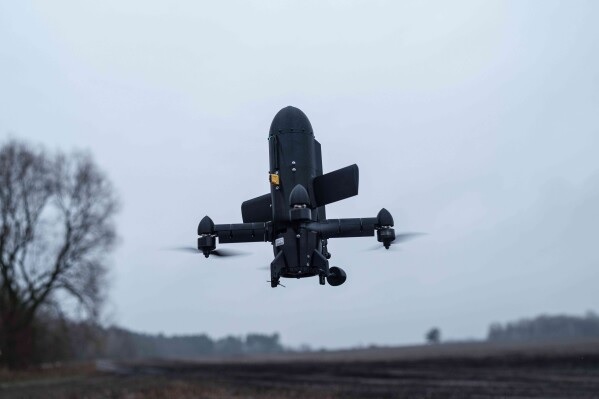
World
Kyiv, — March 31, 2026 : Ukraine’s defense technology sector is advancing the development of autonomous interceptor drones equipped with infrared seeker heads (IR SH), aiming to strengthen the country’s layered air defense against persistent threats from kamikaze drones and reconnaissance unmanned aerial vehicles (UAVs). The initiative focuses on reducing reliance on human operators during interception by integrating automated target acquisition and tracking systems. According to Denys Lohvynenko, head of the UAV division at the defense technology cluster Brave1, active research is underway to combine infrared homing with complementary sensor systems to streamline engagement processes. He noted that the primary technical challenge remains ensuring consistent reliability under combat conditions. Infrared Seeker Technology and Evolution Infrared seeker heads are widely used in modern missile systems due to their relatively compact size and lower cost compared to active radar seekers such as those deployed on the AIM-120 AMRAAM and the Russian R-77. These systems enable autonomous tracking after launch without requiring continuous external guidance. Recent advances in infrared technology have significantly improved detection and tracking capabilities. Modern sensors are capable of identifying temperature differences as small as 1°C between a target and its surroundings. Imaging infrared (IIR) arrays, which became widely adopted in the 2000s, generate full two-dimensional thermal images rather than focusing on a single heat source such as an engine exhaust. This development has increased targeting accuracy and reduced susceptibility to countermeasures like heat decoys. Earlier systems relied on linear photodetectors, which were easier to manufacture and commonly used in tank sights and early surface-to-air missiles. These systems employed mechanical scanning techniques, using oscillating or rotating mirrors to construct a two-dimensional image of the target. Addressing Low-Thermal Signature Targets One of the primary operational challenges for infrared-guided systems is detecting and tracking small UAVs with minimal heat signatures, including quadcopters and reconnaissance drones such as the Orlan-10. To address this limitation, developers are exploring hybrid guidance solutions that combine infrared sensors with visible-spectrum cameras. A comparable approach is used in Japan’s Type 91 MANPADS, which employs optical targeting during daytime operations before transitioning to infrared tracking. Similar configurations are being considered for Ukrainian interceptor drones to improve performance against low-signature aerial targets. Eclipse Interceptor Drone and Technical Specifications Ukrainian company Kolos Defense has introduced the “Eclipse”, a fixed-wing interceptor drone designed for autonomous engagement of enemy UAVs, including Shahed-type loitering munitions. The Eclipse is powered by an electric motor and carries a high-explosive warhead. It is capable of reaching speeds of up to 250 km/h, with an operational range of 40 kilometers and a service ceiling of 5,000 meters. The drone engages targets at distances of up to 7 meters and has demonstrated operational effectiveness in combat testing. In one recorded instance, it successfully destroyed a target at a distance of 33 kilometers while maintaining stable video transmission and control. The platform incorporates a terminal guidance system developed in cooperation with foreign specialists, enabling autonomous pursuit and engagement even in environments affected by electronic warfare and signal jamming. Its communication system automatically switches across frequencies ranging from 400 to 1200 MHz to maintain link stability. Some variants under testing utilize LTE-based communication. The drone also employs beacon-based positioning through triangulation, providing more precise location data compared to conventional radar-based systems regardless of terrain conditions. Pixel Lock Targeting System A key component of the Eclipse system is the “Pixel Lock” automatic detection and homing system, developed in partnership with the French company Alta Ares. The system operates in three modes. In search mode, the drone remains under manual control while automatically identifying potential targets and displaying detection probability on the operator’s interface. In lock mode, the operator selects a target, triggering a zoomed identification window for confirmation. Once verified, the system transitions to automatic guidance mode, in which the drone independently navigates toward the object. The operator retains final authority to detonate the warhead. Production and Strategic Impact The Eclipse drone currently consists of approximately 40 percent Ukrainian-produced components. This share can be increased to 70 percent domestic and 30 percent European components if required, reducing reliance on external supply chains. These developments are part of a broader effort by Ukraine to expand domestic production of interceptor drones and address shortages in air defense systems. By deploying autonomous drones that are significantly less expensive than traditional surface-to-air missiles, Ukraine is working to establish a scalable and cost-effective defense layer capable of countering large-scale drone attacks without depleting high-value missile inventories.
Read More → Posted on 2026-03-31 13:50:07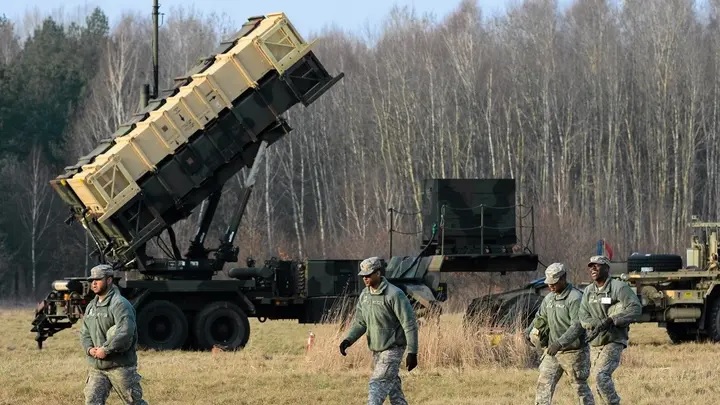
World
Warsaw, — March 31, 2026 : Poland has declined an informal request from the United States to deploy one of its Patriot PAC-3 long-range air defense batteries to Saudi Arabia, underscoring mounting pressure on global air defense resources as ongoing conflicts in the Middle East continue to strain interceptor inventories. The request, made informally by Washington, sought the temporary deployment of one of Poland’s two operational Patriot batteries, along with associated PAC-3 MSE interceptor missiles already delivered to the country. However, Polish Defense Minister Władysław Kosiniak-Kamysz confirmed that the systems will remain in Poland, emphasizing their role in safeguarding national airspace and NATO’s eastern flank. Poland, which shares borders with Russia, Belarus, and Ukraine, has consistently maintained that its limited air defense assets cannot be redeployed abroad without affecting domestic security. Currently operating only two fully functional Patriot batteries—comprising a total of 16 launchers—any transfer would effectively reduce the country’s medium-range air defense capability by half. Polish officials have reiterated that these systems are integral to national defense, with prior statements stressing that Polish Patriots are designated to protect domestic airspace. The Patriot systems in Polish service, integrated with the U.S. Integrated Air and Missile Defense Battle Command System (IBCS), achieved full operational capability in December 2025. They represent the first phase of Poland’s Wisła air defense modernization program, which ultimately aims to field eight batteries. Additional systems have been ordered but are scheduled for delivery through 2027 and later in the decade. Poland’s decision contrasts with that of Greece, which has maintained a Patriot battery deployment in Saudi Arabia since 2021. The Greek-operated system, staffed by its own personnel, reportedly intercepted two Iranian ballistic missiles targeting Saudi oil infrastructure on March 19, 2026. The U.S. request comes amid increasing demand for air and missile defense systems across the Middle East. Washington is working to reinforce protection for its forces and allied infrastructure in Saudi Arabia, the United Arab Emirates, Jordan, and Israel, as the region experiences sustained drone and ballistic missile attacks linked to escalating conflict involving Iran and its affiliated groups since late February 2026. This operational environment has significantly accelerated the consumption of interceptor missiles, particularly the Patriot PAC-3 MSE. U.S. and partner forces have relied heavily on these systems to counter a range of aerial threats, including drones and ballistic missiles. The high usage rate, combined with the **cost and production timelines of interceptors—often extending over multiple years—**has contributed to a growing shortage. Gulf countries, including Saudi Arabia and the UAE, have also reported rapid depletion of their interceptor stockpiles. In response, the United States approved a potential $9 billion arms sale to Saudi Arabia in February 2026, covering up to 730 PAC-3 MSE missiles and related equipment. However, current manufacturing capacity remains insufficient to meet immediate operational requirements. To manage the shortfall, the United States has explored redistributing available interceptors and requesting temporary deployments from allied nations. While Poland has declined to contribute a Patriot battery, it continues to pursue expansion of its own air defense capabilities under the Wisła program, including efforts to procure additional systems and approximately 800 PAC-2 GEM-T interceptor missiles. Poland’s Ministry of National Defense has stated that no formal request was submitted by the United States and that there has been no pressure from Washington regarding the matter. Officials confirmed that all currently deployed Patriot systems will remain dedicated to national and NATO defense commitments. The situation highlights broader constraints within the global air defense supply chain, where increasing operational demand, limited production capacity, and competing regional requirements continue to challenge the availability of advanced interceptor systems.
Read More → Posted on 2026-03-31 14:01:27
World
LONDON, — March 31, 2026 : The UK Ministry of Defence (MOD) has awarded a contract to Teledyne Marine, a division of Teledyne Technologies Incorporated, for the supply of autonomous oceanographic data collection systems to the Royal Navy. The procurement falls under the Future Maritime Data Gathering (FMDG) – Persistent Oceanographic Data Collect programme, aimed at strengthening the Navy’s long-endurance environmental monitoring and data-gathering capabilities. Contract Scope and Value The contract has been awarded to Teledyne Instruments Inc., operating as Teledyne Webb Research, through a direct-award process. It covers an initial two-year period from March 2026 to March 2028, with a base value of £8 million (including VAT). The agreement includes options to expand the total value to £12 million, with a potential extension of the programme timeline to 2030. Under the terms of the contract, Teledyne will deliver up to 15 oceanographic gliders, including Sentinel and Slocum models, along with APEX floats and associated support services. These uncrewed systems are designed for long-endurance missions in remote and complex maritime environments, providing continuous subsurface data collection. Technical Justification and Direct Award The MOD justified the direct award based on technical compatibility and operational continuity requirements. Teledyne is the original equipment manufacturer (OEM) for the Royal Navy’s existing fleet of nine Slocum gliders and maintains proprietary design frameworks and integration protocols required to interface with the MOD’s underwater battlespace architecture. According to the MOD, selecting an alternative supplier would require new safety certifications and system integration processes, potentially delaying operational deployment by 12 to 18 months. It would also introduce compatibility challenges with existing command-and-control systems and secure data exchange frameworks. Teledyne currently remains the only supplier with a verified safety case for Royal Navy glider operations. Operational Role and Strategic Context The systems acquired under the FMDG programme will be deployed to frontline Information Warfare Meteorological and Oceanographic (IW METOC) operators. The data collected will support maritime safety, operational planning, and broader defence activities by providing detailed environmental intelligence. Commander Mark Butcher, the Royal Navy’s Capability Sponsor, stated that the investment supports the First Sea Lord’s Hybrid Navy strategy and enhances the service’s ability to operate in contested maritime environments, particularly in the North Atlantic. He noted that persistent oceanographic data improves understanding of the underwater battlespace and enables tactical exploitation of environmental conditions, contributing to operational and informational advantages. The programme also directly supports the Royal Navy’s Atlantic Bastion strategy, which focuses on maintaining strategic awareness and operational readiness in the North Atlantic region. Existing Systems and Support Infrastructure The Royal Navy has operated Teledyne Slocum gliders since 2015 as part of its oceanographic and environmental monitoring framework. In addition to the new contract, Teledyne has secured In-Service Support (ISS) agreements covering Slocum gliders, APEX floats, and Gavia Autonomous Underwater Vehicles (AUVs). These agreements provide maintenance, repair, and operational support to multiple Royal Navy units, including the Plymouth-based METOC Information Warfare Group, the Hydrographic Exploitation Group, and the Portsmouth-based Mine Threat Exploitation Group. To support the expanding fleet, Teledyne has increased its UK-based infrastructure. The company has established a repair and support facility in Fareham, co-located with Raymarine, and is preparing to open an additional facility in Plymouth in the first quarter of 2026. The Plymouth site will support operations at His Majesty’s Naval Base Devonport and facilitate engagement with the National Centre for Marine Autonomy. Teledyne employs approximately 2,700 personnel across 18 principal sites in the United Kingdom, supporting both defence and commercial operations. Global Deployment and Industry Position Teledyne’s autonomous ocean systems are widely used by naval, scientific, and commercial organisations worldwide. The company has delivered more than 12,000 APEX floats and nearly 1,300 Slocum gliders to date, with over 600 systems currently in service with NATO naval users. In addition, Teledyne’s Gavia AUV platforms have been procured by 18 navies globally and remain operational across multiple NATO and AUKUS member states. The company’s systems are designed to operate in demanding conditions and support a range of missions, including environmental monitoring, underwater surveillance, and maritime domain awareness. Industry and Official Statements George Bobb, President and CEO of Teledyne, stated that the contract reflects continued confidence in the company’s autonomous underwater technologies and its long-standing partnership with the Royal Navy. He said the company remains focused on delivering mission-ready systems capable of generating high-quality ocean data for defence applications. The MOD indicated that the FMDG programme builds on more than a decade of operational experience with Teledyne systems and reflects the increasing role of uncrewed technologies in modern naval operations.
Read More → Posted on 2026-03-31 14:08:11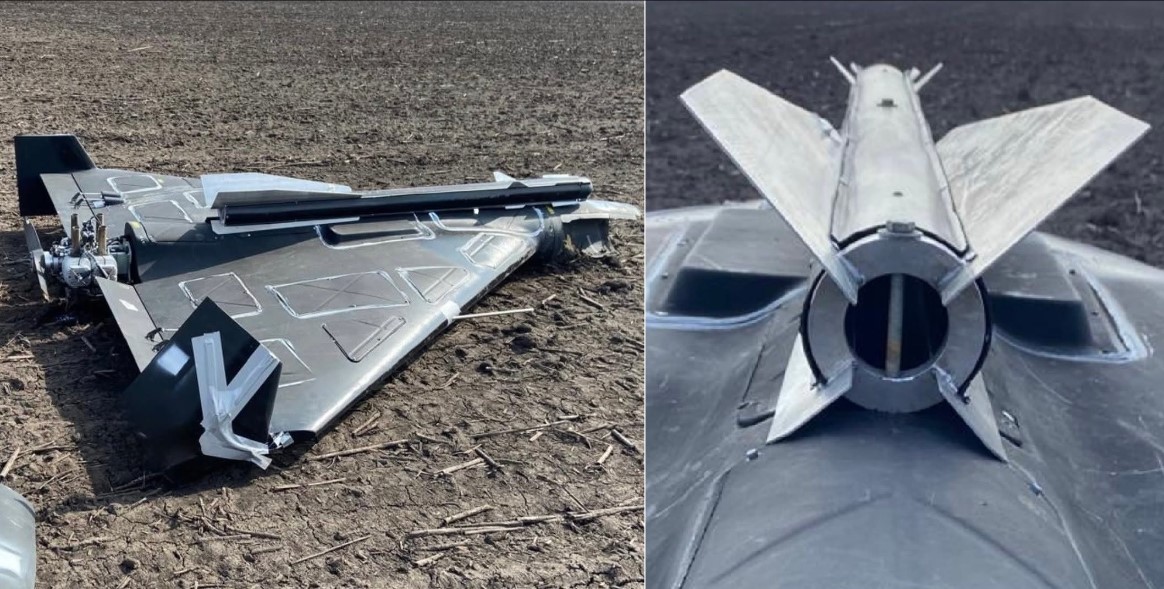
World
KYIV, — March 31, 2026 : Russian forces have begun deploying Shahed-type attack drones fitted with mock-ups of R-60 short-range air-to-air missiles, introducing a new layer of complexity to Ukraine’s air defense operations. Ukrainian officials state that the adaptation is intended to mislead interceptor units, divert defensive resources, and create uncertainty during aerial engagements. The development was disclosed by Serhii “Flash” Beskrestnov, an advisor to Ukraine’s Defense Minister, who said the replicas are designed to appear as high-value aerial threats. According to him, the visual similarity of these mock-ups to actual missile-equipped drones increases the likelihood that Ukrainian interceptor units will prioritize and engage them. Beskrestnov noted that Ukrainian army aviation units are familiar with such tactics, but emphasized that the presence of multiple interceptor units across different branches means that any drone perceived as carrying air-to-air weapons will likely be targeted. He added that identifying reliable criteria to distinguish between drones carrying real missiles and those equipped with replicas has become an operational priority. Recovered Drone Variant and Structural Modifications One of the recovered drones carrying a mock missile was identified as a Gerbera-2 variant, reportedly produced at Russia’s Alabuga facility in February 2026. Analysis of the wreckage showed that the replica missile included realistic aerodynamic control surfaces, closely resembling the Soviet-era R-60 design. However, the mock-up was not mounted using a standard functional pylon. Instead, the drone’s structure had been modified to accommodate the replica alongside its primary strike payload. These modifications included trimmed lower fins and adjusted mounting points, allowing the drone to retain its standard warhead while carrying the decoy. Evolution from Functional Missile Integration The use of mock missile configurations follows earlier deployments of functional R-60 missiles on Shahed-type drones. The first confirmed use of operational R-60 missiles in this role was recorded in early December 2025. Since then, Ukrainian forces have repeatedly recovered fragments of such missiles from downed drones, including newer variants equipped with jet propulsion. In operational configurations, the R-60 missile is mounted together with an APU-60-1MD launcher on a specialized bracket positioned at the upper forward section of the UAV fuselage. This arrangement enables the drone to carry out its primary strike mission while also presenting a potential threat to aircraft operating nearby. The R-60 itself is a Soviet-era infrared-guided, short-range air-to-air missile originally designed for fighter aircraft. Its recognizable shape and mounting configuration contribute to the effectiveness of the mock-up as a decoy. Onboard Systems and Targeting Mechanism According to Ukraine’s Defense Intelligence (HUR), missile-equipped variants of these drones incorporate several additional onboard systems. These include two cameras—one located in the nose and another positioned behind the missile launcher—to support visual targeting. Video transmission and control signals are handled through a Chinese-made mesh communication device, identified as the Xingkay Tech XK-F358 modem. This system enables real-time video streaming from the drone to a remote operator. The targeting process is believed to rely on manual operator input. Once a Ukrainian aircraft or helicopter is visually identified through the live video feed, the operator can issue a launch command. Navigation and flight control systems remain consistent with standard Shahed/Geran-2 configurations. However, satellite navigation is reinforced by a 12-channel anti-jamming module known as “Kometa”, which is designed to maintain operational capability in environments affected by electronic warfare. Some modified drones are assessed to retain their full strike payload, including warheads such as thermobaric charges, while simultaneously carrying air-to-air missiles or their replicas. Broader Pattern of UAV Adaptation The integration of both functional missiles and mock-ups reflects a broader pattern of ongoing modifications to Russian loitering munitions. Intelligence assessments indicate that Russian forces have also experimented with integrating other air defense-related systems into UAV platforms, including the 9K333 Verba man-portable air-defense system (MANPADS). Additionally, newer jet-powered variants, such as the Geran-5, are reported to have the capacity to carry heavier air-to-air missiles, including the R-73. These developments are aimed at complicating Ukraine’s layered air defense network, particularly during large-scale drone attacks where multiple targets must be assessed and prioritized in real time. Operational Implications for Ukrainian Defenses The introduction of missile mock-ups presents a specific challenge for Ukrainian air defense units. Operators must now evaluate not only the presence of external payloads but also mounting structures, symmetry, and in-flight behavior to determine whether a drone carries a functional weapon. This added layer of uncertainty increases the risk of expending interceptor resources on non-functional decoys while potentially allowing genuinely armed drones to pose a threat to aircraft. Ukrainian officials indicate that efforts are ongoing to refine identification methods and improve response protocols, as both real and mock-equipped drones continue to be intercepted and analyzed following engagements. The adaptation underscores the continuing evolution of unmanned aerial systems in the conflict, with both sides adjusting tactics and technologies to influence the effectiveness of air defense operations.
Read More → Posted on 2026-03-31 14:18:27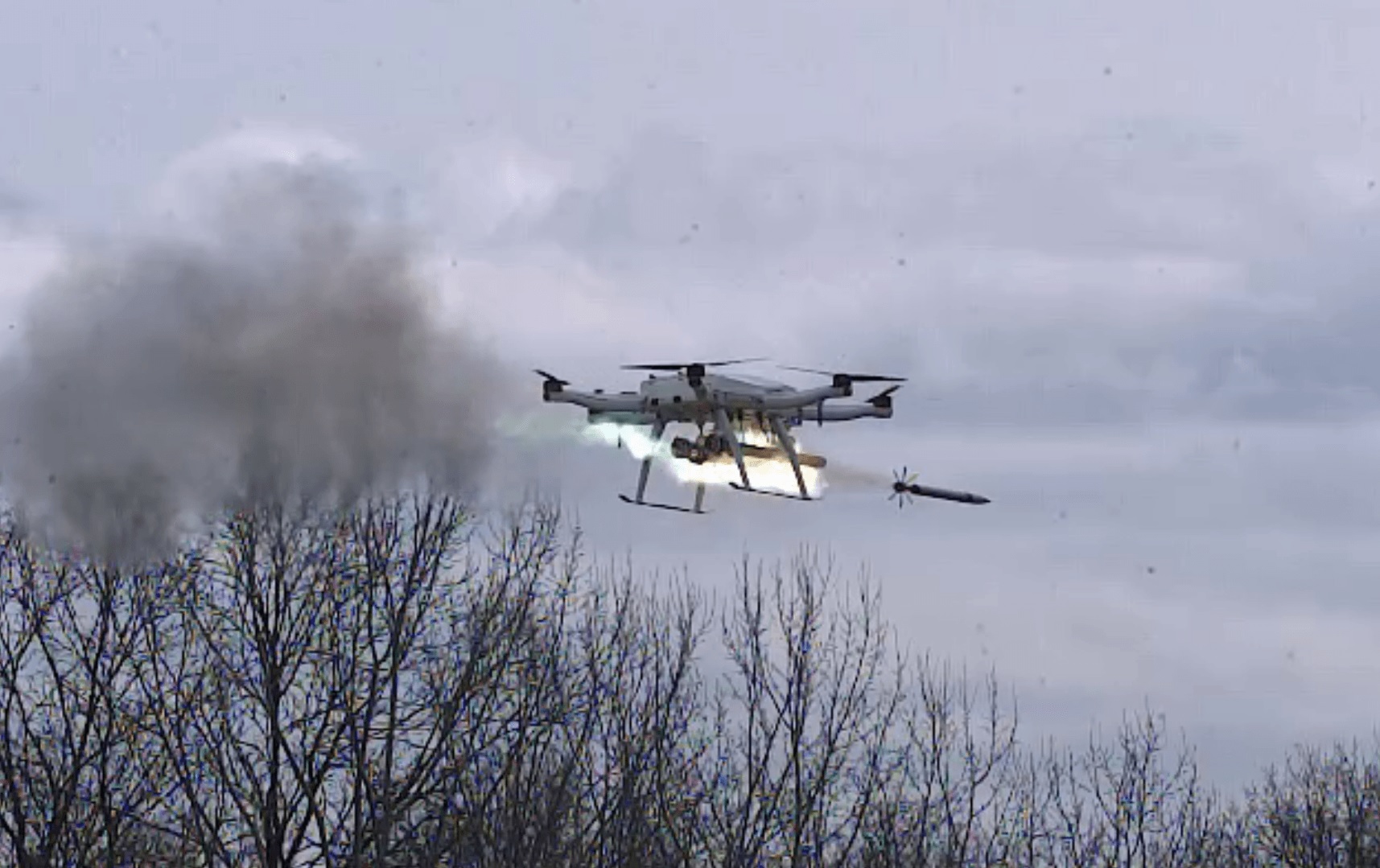
World
Šimanovci, Serbia — March 31, 2026 : Serbian aerospace firm Pink Research & Development Center (PR-DC) has announced the introduction of the IKA-ROCKET (designation: IKA-M-R57), a military-certified multicopter designed to launch three 57 mm aircraft rockets. The system follows a series of internal tests validating its structural integrity, flight stability, and operational capability during live rocket firing. The development represents an advancement in armed unmanned aerial systems, particularly in integrating rocket-based armament onto multicopter platforms while maintaining controlled flight performance. Testing Validation and Flight Stability According to PR-DC, the IKA-ROCKET successfully completed internal evaluation trials that included rocket launches from all three launch positions. The drone maintained stability during both stationary hover and forward flight conditions. Engineers attributed this performance to a specific structural configuration in which the rocket launcher tubes are aligned alongside the fuselage. This design ensures that the rockets remain close to the aircraft’s center of gravity, reducing destabilizing forces generated during launch. High-speed footage recorded at 2000 frames per second was used to verify stability and structural response during firing sequences. Platform Design and Base Architecture The IKA-ROCKET is built on the IKA-20-M platform, a certified military-grade hexacopter developed by PR-DC for autonomous operations in both day and night conditions. The platform supports a modular payload system, allowing configuration based on mission requirements. The IKA-20-M has previously been configured for multiple payload roles, including aerial bomb deployment and rocket-based systems. The rocket-launching configuration demonstrated with the IKA-ROCKET highlights the adaptability of this modular concept. The airframe is constructed using carbon-fiber-reinforced epoxy, combining structural strength with reduced weight. The platform features folding arms for transport and is designed for rapid deployment. Armament Configuration The IKA-ROCKET carries three 57 mm aircraft rockets, including compatible variants such as S-5, BR-1-57, BR-2-57, and BR-20-57, without requiring modifications. Each rocket has an approximate mass of 4 kg and a length of around 900 mm. The system is designed to fire rockets sequentially, enabling engagement of multiple targets within a single mission. Armament configurations can be adjusted based on user requirements. Payload integration includes the P-R-57-3 launcher system specifically developed for triple rocket deployment. Additional payload modules compatible with the IKA-20-M platform include aerial bomb carriers (P-AB-60-6), payload release systems (P-RM-15), and winch mechanisms (P-W-10 with 25-meter capacity). Further configurations remain under development. Technical Specifications The IKA-20-M platform has a maximum takeoff weight of 70 kg and an optimal payload capacity of 20 kg. It is powered by BLDC electric motors, each delivering up to 5.7 kW, supported by a 4.3 kWh replaceable lithium-based battery. The drone uses propellers measuring 812.8 mm in diameter with a pitch of 279.4 mm. Its dimensions are 2490 mm in length, 2400 mm in width, and 670 mm in height. Transport dimensions are reduced to 1200 mm × 1100 mm × 850 mm. Flight performance parameters include: Maximum range: up to 30 km Mission radius: 5–15 km Operating altitude: 150–500 meters Flight endurance: 20–40 minutes Maximum speed: 90 km/h Cruise speed: 60 km/h Climb rate: 10 m/s Wind resistance: up to 8 m/s Performance characteristics can be adjusted according to operational requirements. Operational Capabilities The IKA-ROCKET is designed for both autonomous missions and remote-controlled operations. The system supports simultaneous reconnaissance and combat functions through an integrated 3-axis electro-optical/infrared (EO/IR) gimbal camera with 10x optical zoom. Control is managed through the IKA-CTRL system, which allows multiple operators to simultaneously monitor and control different aspects of the drone, including flight and armament systems. The platform is designed for use in environments requiring close-range engagement, obstacle navigation, and rapid response. Additional operational features include fast battery replacement, quick armament reload, and compatibility with modular mission payloads. The system carries a NATO Stock Number (NSN) 1550-73-000-0672. Development Background The IKA-ROCKET is part of PR-DC’s broader development program focused on unmanned combat aerial systems. Earlier efforts included integrating anti-tank rocket launchers such as the 64 mm Zolja onto the IKA-20 platform. Based on those trials, PR-DC determined that a redesigned airframe was required to optimize performance for rocket-launching roles. This led to the development of a dedicated variant capable of supporting tube-based rocket systems more effectively. Manufacturer Profile PR-DC is a privately owned aerospace company based in Šimanovci, Republic of Serbia. The company operates under licenses issued by the Serbian Ministry of Defense for the research, development, and production of military unmanned aerial systems. It maintains in-house capabilities covering design, testing, verification, and manufacturing, using materials such as carbon composites, metals, plastics, and fiberglass. The company holds AS9100 certification for quality management in aviation, space, and defense production. The IKA series of drones, including the IKA-ROCKET and IKA-BOMBER (configured for twelve 60 mm aerial bombs), share common electronics and software architecture, enabling unified training and operational integration across the product line.
Read More → Posted on 2026-03-31 14:31:35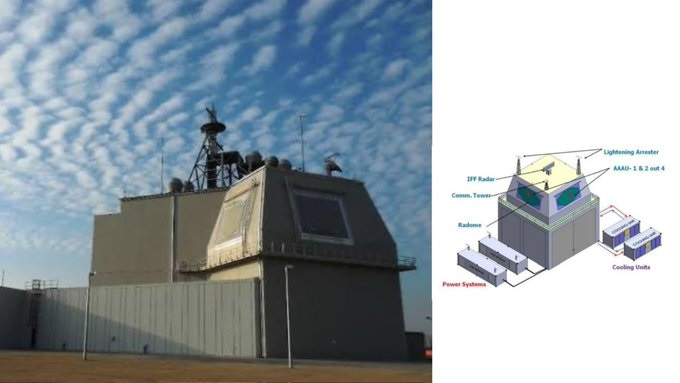
India
NEW DELHI, March 31, 2026 — The Ministry of Defence (MoD) has signed a capital acquisition contract worth ₹1,950 crore with Bharat Electronics Limited (BEL) for the procurement of two advanced Mountain Radar systems for the Indian Air Force (IAF). The agreement, finalised in New Delhi on the last day of the financial year 2025–26, covers the manufacturing, supply, installation, and commissioning of the radar systems, along with associated equipment, logistics support, and forward deployment infrastructure. The procurement has been executed under the Buy (Indian–Indigenously Designed, Developed and Manufactured) [Indian-IDDM] category, in line with the government’s Aatmanirbhar Bharat and Make in India initiatives. The project follows the Acceptance of Necessity (AoN) granted by the Defence Acquisition Council in August 2025 for the induction of Mountain Radars into the IAF. Strategic Deployment in High-Altitude Regions The two radar systems will be deployed in Gulmarg (Jammu and Kashmir) and Pfütsero (Nagaland), targeting critical gaps in air surveillance along India’s northern and northeastern borders. These locations are characterized by complex mountainous terrain, including deep valleys, steep ridgelines, and harsh weather conditions that limit the effectiveness of conventional radar systems. The Mountain Radars are specifically designed to operate in such environments, ensuring reliable surveillance coverage and enhancing early warning capabilities in strategically sensitive sectors. Advanced Capabilities for Air Surveillance The Mountain Radar is a fixed, medium-power 4D surveillance system based on a modified version of the Arudhra radar, adapted for high-altitude operations. It incorporates Active Aperture Phased Array (AESA) technology and operates in both rotation and staring modes. In rotation mode, the radar provides 360-degree azimuth coverage at speeds of 7.5 or 15 revolutions per minute, with an elevation coverage of 30 degrees. In staring mode, it focuses on a fixed azimuth sector of ±60 degrees, maintaining the same elevation coverage. The system has an instrumented range of 400 km and can detect targets with a radar cross-section of 2 square metres at distances up to 300 km. It offers altitude coverage ranging from 100 metres to 30 km, enabling detection and tracking across a wide operational envelope. Designed to address radar shadow zones, the system enhances detection of low-flying aerial threats that may otherwise evade conventional radar coverage. It is capable of tracking multiple targets simultaneously, including fighter aircraft, helicopters, unmanned aerial vehicles (UAVs), drones, cruise missiles, and ballistic missiles, while determining parameters such as range, azimuth, altitude, and velocity vectors. The radar uses S-band solid-state transceiver modules and supports track-while-scan functionality, allowing continuous monitoring of multiple airborne objects. Integration into IAF’s Network-Centric Operations The Mountain Radar systems will function as critical nodes within the IAF’s integrated air defence network, bridging coverage gaps between low-level and long-range surveillance systems. This integration is expected to improve situational awareness, reduce response times, and strengthen command and control capabilities. The systems are engineered to maintain operational reliability in thin air conditions, rugged terrain, and variable weather, ensuring sustained performance in high-altitude deployments. Indigenous Development and Industrial Participation The radar systems have been indigenously designed and developed by the Electronics and Radar Development Establishment (LRDE), a Bengaluru-based laboratory under the Defence Research and Development Organisation (DRDO). BEL will serve as the prime contractor, responsible for manufacturing, system integration, supply, installation, and lifecycle logistics support. The project also involves participation from a network of domestic suppliers, including Micro, Small, and Medium Enterprises (MSMEs), contributing to component manufacturing and raw material supply. Strengthening Domestic Defence Capability According to defence ministry officials, the induction of these Mountain Radars will enhance India’s air defence architecture, particularly in terrain where surveillance limitations have persisted. The programme is also expected to contribute to the development of domestic technological capabilities and reduce dependence on foreign-origin military systems. The contract represents a continuation of India’s efforts to expand indigenous defence production while reinforcing operational preparedness in geographically challenging regions.
Read More → Posted on 2026-03-31 14:40:25
World
RIYADH, Saudi Arabia — March 31, 2026 : The United States Air Force is deploying a replacement E-3G Sentry Airborne Warning and Control System (AWACS) aircraft to Prince Sultan Air Base in Saudi Arabia following the destruction of a previously stationed aircraft during a missile and drone strike on March 27. The incoming aircraft is expected to arrive on Friday, April 3, restoring a critical component of U.S. airborne command and control capabilities in the region. The replacement will take over for E-3G tail number 81-0005, which was assigned to the 552nd Air Control Wing based at Tinker Air Force Base, Oklahoma. The aircraft was destroyed in an attack conducted by Iran’s Islamic Revolutionary Guard Corps (IRGC) Aerospace Force as part of a coordinated strike targeting the base, a key logistics and operational hub supporting U.S. Central Command activities. Details of the March 27 Strike According to defense reports and verified open-source imagery, the March 27 attack involved a combination of ballistic missiles and unmanned aerial systems. The strike directly impacted Prince Sultan Air Base, resulting in the total loss of the E-3G Sentry (serial number 81-0005). Visual evidence indicates the aircraft suffered catastrophic structural damage, including a split fuselage and the detachment of its radar dome, rendering it beyond repair. In addition to the AWACS platform, several aerial refueling tanker aircraft positioned on the flight line sustained damage. Defense analysts have also indicated possible damage to two electronic warfare aircraft located within the base perimeter. The attack resulted in injuries to more than 10 U.S. service members, with two personnel reported to be in serious condition. The incident marks one of the most significant direct strikes on U.S. airborne command assets in the region in recent years. Operational Impact and Replacement Deployment Prior to the attack, Prince Sultan Air Base hosted six E-3 aircraft as part of its forward-deployed surveillance and battle management structure. Across the broader U.S. Air Force inventory, only approximately 16 to 17 E-3 aircraft remain operational, with a limited number available for immediate deployment due to maintenance cycles and platform age. The loss of a single E-3G created an immediate gap in airborne surveillance and command coverage, reducing the ability to coordinate air operations and monitor regional airspace. The rapid deployment of a replacement aircraft is intended to restore these capabilities and maintain operational continuity. The AWACS platform plays a central role in supporting Operation Epic Fury, the ongoing U.S.-designated regional mission. Without an operational E-3, commanders must rely on alternative systems that provide reduced coverage and coordination capacity. Capabilities of the E-3G Sentry The E-3G Sentry represents the latest Block 40/45 configuration of the Boeing E-3 platform, which is based on the Boeing 707-320B airframe. The aircraft is equipped with a 30-foot rotating radar dome mounted above the fuselage, providing continuous 360-degree surveillance coverage. Its radar and identification friend-or-foe (IFF) systems enable detection, identification, and tracking of airborne targets at ranges exceeding 250 miles (approximately 400 kilometers). This includes low-altitude aircraft and cruise missiles that may evade ground-based radar due to terrain limitations or the curvature of the Earth. The platform is capable of simultaneously tracking more than 600 targets while managing air battle operations in real time. It provides situational awareness across an operational area exceeding 120,000 square miles, relaying data directly to joint air operations centers, naval assets, and ground forces. The E-3G also performs airspace deconfliction, assigns targeting data, directs interceptor aircraft, and supports coordinated air-to-ground missions. It operates in all weather conditions and integrates with network-centric warfare systems, making it a key enabler for joint and coalition operations. Strategic Role of Prince Sultan Air Base Prince Sultan Air Base remains a central node for U.S. military operations within the U.S. Central Command area of responsibility. The installation supports logistics, surveillance, and combat coordination functions across multiple theaters in the Middle East. The presence of high-value enabler aircraft such as the E-3G AWACS is critical to maintaining continuous airspace monitoring, early warning of missile threats, and coordinated defensive and offensive air operations. The March 27 strike forms part of a broader pattern of retaliatory actions targeting U.S. military infrastructure and airborne assets in the region. The replacement deployment is intended to stabilize operational capabilities at the base and ensure continuity in surveillance and command functions. Fleet Constraints and Future Transition The E-3 fleet, originally introduced in the late 1970s, is operating under increasing strain due to aging airframes and limited numbers. The reduction in available aircraft has heightened the operational impact of any single loss, particularly in high-demand theaters such as the Middle East. The U.S. Air Force is in the early stages of transitioning to the E-7A Wedgetail as a next-generation airborne early warning platform. However, the program remains in development, with initial deliveries not expected before 2028. Until then, the E-3G Sentry will continue to serve as the primary airborne command and control platform. The arrival of the replacement aircraft at Prince Sultan Air Base is expected to restore full AWACS coverage and support ongoing U.S. and coalition operations in the region.
Read More → Posted on 2026-03-31 15:04:29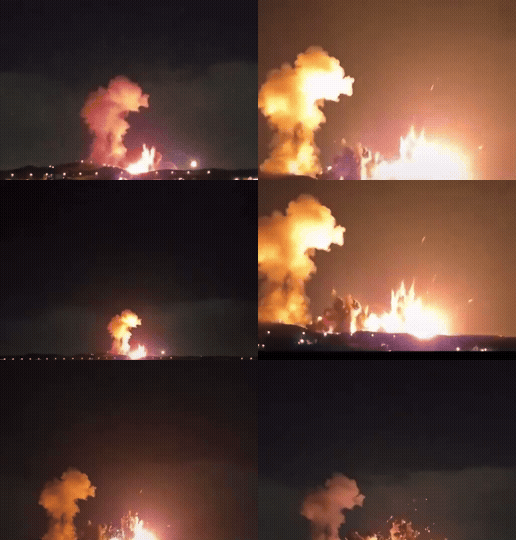
World
WASHINGTON / ISFAHAN, — March 31, 2026 : United States military forces carried out an overnight airstrike on a large Iranian ammunition depot located in the central city of Isfahan, employing 2,000-pound bunker-buster munitions designed to penetrate hardened structures before detonation. The strike resulted in a series of sustained secondary explosions, indicating the presence of significant stockpiles of missiles and conventional ammunition at the site. Target Identification and Strike Details According to a report by The Wall Street Journal, citing U.S. defense officials, the targeted location was a military ammunition and weapons storage depot situated near Mount Safa in Isfahan. Early speculation across social media had suggested that the strike may have hit one of Iran’s underground “missile cities,” but officials clarified that the facility was not part of a deeply buried missile complex. The strike involved a high volume of 2,000-pound (approximately 907-kilogram) penetrator munitions. These weapons are specifically designed to breach reinforced or partially underground structures before exploding, maximizing damage to stored military assets. Following the initial impact, the ignition of stored ordnance triggered continuous secondary explosions, consistent with the presence of missiles and ammunition inside the depot. Visual Evidence and Official Statements Video footage of the incident circulated widely across social media platforms shortly after the strike. The recordings showed a large initial explosion followed by repeated blasts and fires, with flames and smoke illuminating the night sky over the targeted area. U.S. President Donald Trump shared a 30-second video of the strike on his Truth Social platform late Monday. The footage, posted without any accompanying caption, appeared to be filmed from a distance and captured multiple explosions and sustained fires at the site. Independent verification by international media outlets, including AFP and NBC News, confirmed at least two major explosions and visible columns of smoke rising from the area. Strategic Significance of Isfahan Isfahan, with a population of approximately 2.3 million, is Iran’s third-largest city and a key center for military and industrial infrastructure. The region hosts several strategic facilities, including the Badr airbase, aerospace development installations, and nuclear research centers. Despite the presence of sensitive nuclear-related infrastructure in the region, available reports indicate that the overnight operation was specifically limited to a conventional weapons depot. No evidence has emerged to suggest that nuclear facilities were targeted in this strike. Regional Developments and Ongoing Conflict The airstrike forms part of a broader escalation in the Middle East conflict that has intensified since late February 2026, involving continued exchanges between U.S., Israeli, and Iranian forces. In developments following the Isfahan strike: Iranian authorities and the Islamic Revolutionary Guard Corps (IRGC) reported that they intercepted and shot down a U.S.-made MQ-9 Reaper drone over Isfahan shortly after the bombing. Missile launches originating from Iran were reported early Tuesday, triggering air defense alerts and interception activity over Jerusalem. At the same time, regional diplomatic efforts are ongoing, with countries including Saudi Arabia, Egypt, Turkey, and Pakistan engaged in discussions aimed at de-escalating tensions. Damage Assessment and Official Response Iranian government officials confirmed that military facilities in the central region were struck and stated that an initial investigation into the extent of the damage is underway. State media described the incident as attacks on unspecified military targets in Isfahan. No immediate details have been released regarding casualties or the full scale of damage at the site. However, the sustained secondary explosions observed in multiple videos suggest that the facility contained a substantial volume of stored munitions. The U.S. has not issued a detailed public statement beyond confirmations provided through officials cited in media reports. The sequence of events documented in the footage shared by President Trump aligns with the reported use of bunker-buster munitions and the resulting chain of explosions within the targeted depot.
Read More → Posted on 2026-03-31 15:18:02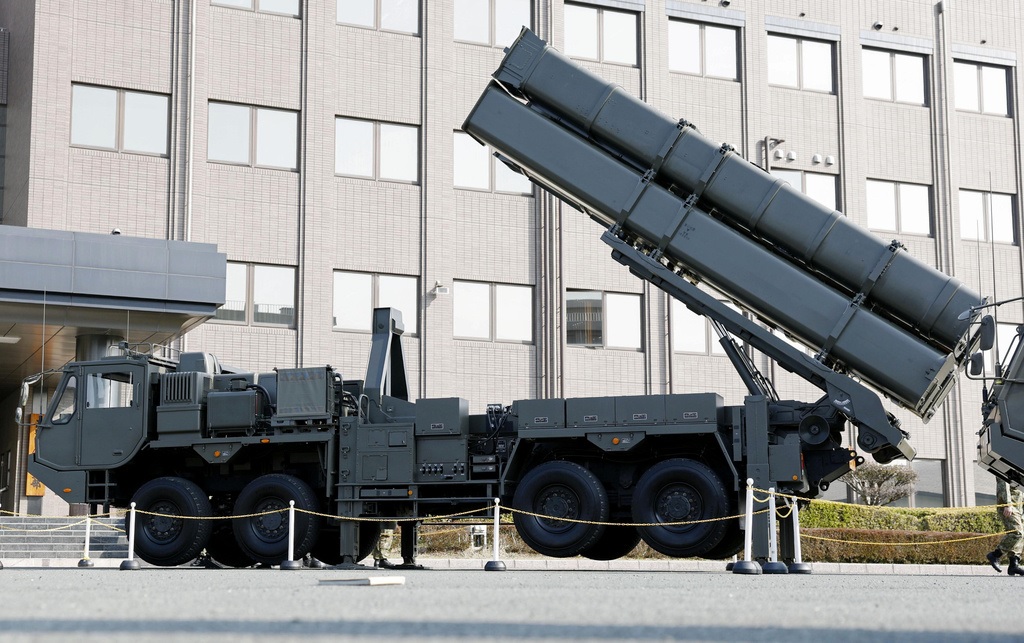
World
TOKYO, — March 31, 2026 : Japan has formally deployed its first domestically developed long-range stand-off missile systems, marking a major transition in its defense posture as the country moves toward operational counterstrike capabilities under its evolving national security strategy. The Japan Ground Self-Defense Force (JGSDF) confirmed on Tuesday the operational fielding of two advanced systems, now redesignated as the Type 25 Surface-to-Ship Guided Missile (25SSM) and the Type 25 Hyper Velocity Gliding Projectile (25HGP). The designation “25” corresponds to Japan’s fiscal year 2025, which concludes on March 31, 2026, in line with the Ministry of Defense’s equipment naming convention. Initial Deployments Across Key Strategic Locations The newly designated systems have been deployed to active operational units at two major installations. The Type 25 Surface-to-Ship Guided Missile (25SSM) has been stationed at Camp Kengun in Kumamoto Prefecture, where it is operated by the 5th Surface-to-Ship Missile Regiment. Equipment and launch systems for the missile were delivered earlier in March in preparation for its formal induction. The 25SSM represents a significantly upgraded version of the legacy Type 12 missile, developed and produced by Mitsubishi Heavy Industries. Its operational range has been extended from approximately 200 kilometers to around 1,000 kilometers. While originally designed for coastal defense, the upgraded system enables ground-based units to strike both maritime targets and fixed land-based objectives, including missile launch sites, at extended stand-off distances. From its deployment location in Kumamoto, the missile’s coverage extends across large parts of East Asia, including the East China Sea and portions of the Korean Peninsula. The Type 25 Hyper Velocity Gliding Projectile (25HGP) has been deployed at Camp Fuji in Shizuoka Prefecture, a training facility near Gotemba that is also used by the United States Marine Corps. This system introduces a new hypersonic capability into the JGSDF. Designed primarily for the defense of remote islands, the 25HGP is a ground-launched system that uses a glide vehicle after booster separation. It travels at speeds exceeding 6,000 kilometers per hour along maneuvering and irregular trajectories, making interception by conventional missile defense systems more difficult. The initial variant deployed has a range of several hundred kilometers and will primarily support training and the development of operational doctrine. Longer-range variants are currently under development. Transition Toward Counterstrike Capabilities The deployment of the Type 25 systems reflects a significant doctrinal shift in Japan’s defense policy. For decades, Japan maintained a strictly defensive posture under its post-war security framework, relying on interceptor systems such as the Patriot PAC-3 and Aegis-equipped destroyers. Offensive strike capabilities were largely dependent on United States forces. However, the rapid expansion of missile arsenals and advanced strike capabilities by regional actors, particularly China and North Korea, has exposed the limitations of a purely defensive strategy. In its 2022 National Security Strategy, Japan formally introduced the concept of “counterstrike capabilities,” defined as the ability to hold adversary missile launch sites and related infrastructure at risk from stand-off distances. The JGSDF stated that the deployment of the Type 25 systems was carried out in response to what it described as an increasingly severe security environment surrounding the country. Domestic Response and Local Developments The deployment has also generated domestic debate. Following the announcement, local citizen groups staged protests near the Kengun Garrison in Kumamoto City, reflecting ongoing public concerns over the expansion of Japan’s military capabilities and the implications of adopting counterstrike roles. Future Expansion and Layered Defense Architecture The Type 25 systems form a central component of Japan’s broader plan to establish a layered stand-off defense architecture integrating both domestic and foreign systems. Under current plans: Fiscal Year 2026: Additional deployments of the Type 25 HGP are scheduled for Camp Kamifurano in Hokkaido and Camp Ebino in Miyazaki Prefecture. An extended-range variant of the hypersonic system, with a projected range of approximately 2,000 kilometers, remains under development. Fiscal Year 2027: Ship-launched and air-launched variants of the Type 25 SSM are expected to be introduced on Japan Maritime Self-Defense Force (JMSDF) destroyers and Japan Air Self-Defense Force (JASDF) fighter aircraft. These indigenous systems will operate alongside foreign-sourced capabilities. Japan has already completed hardware modifications to the Aegis destroyer Chokai, enabling it to carry and launch U.S.-made Tomahawk cruise missiles, thereby expanding the country’s long-range strike options. Integration into Broader Defense Planning The current deployments represent the initial operational phase of Japan’s indigenous stand-off missile program. Additional surface-to-ship missile units are planned for deployment across southwestern islands in the coming years, further strengthening coverage of key maritime approaches. With the induction of the Type 25 series, Japan has taken a concrete step toward integrating long-range strike capabilities into its defense structure, aligning operational capabilities with the strategic objectives outlined in its national security framework.
Read More → Posted on 2026-03-31 15:34:55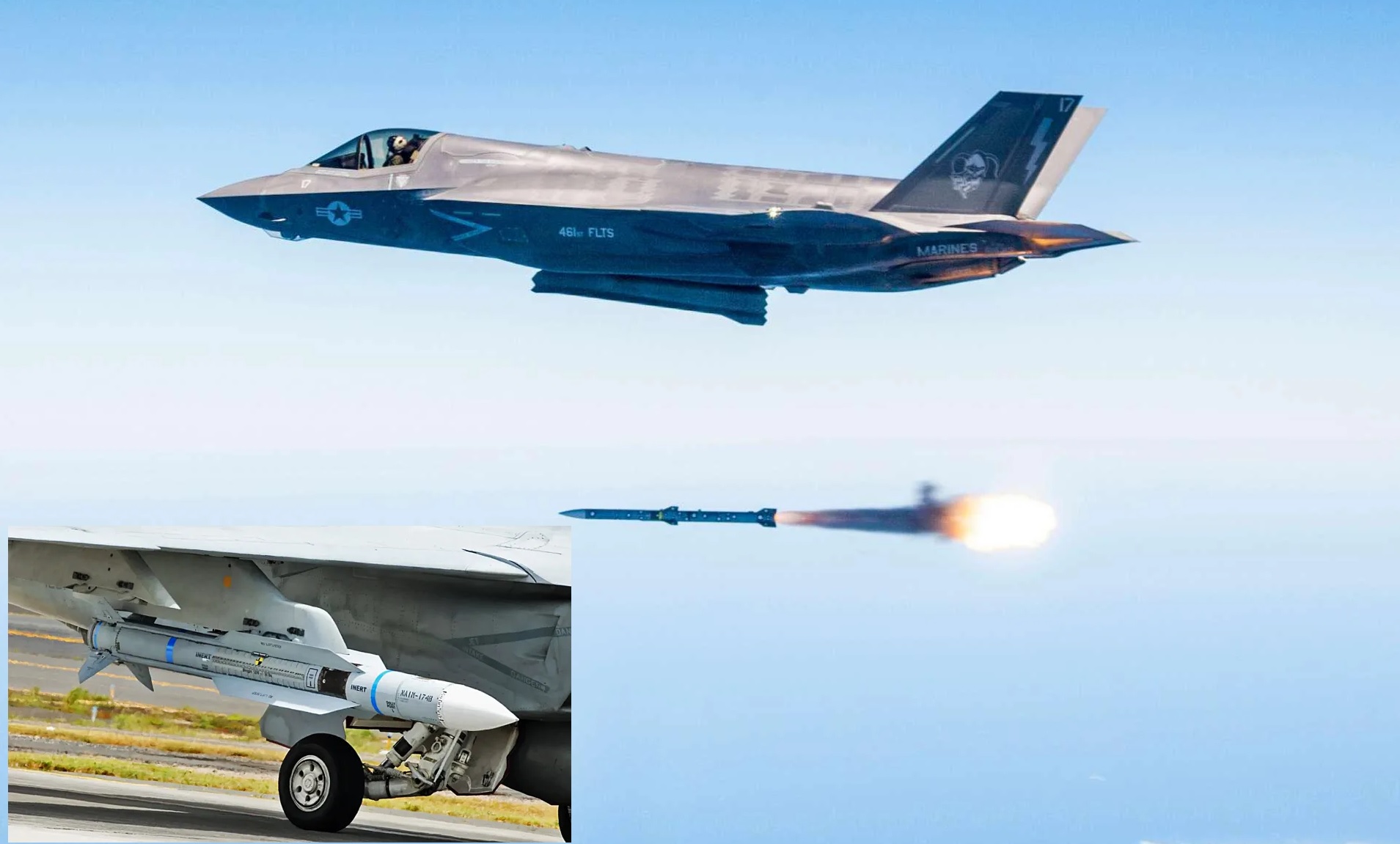
World
WASHINGTON, — March 31, 2026 : The United States government has approved a Foreign Military Sale (FMS) to Australia valued at $3.16 billion, authorizing the procurement of up to 450 AIM-260 Joint Advanced Tactical Missiles (JATM) along with associated equipment, testing assets, and long-term support infrastructure. The approval follows the expiration of the 15-day congressional review period, clearing the way for final negotiations between the two governments. Australia is set to become the first international operator of the AIM-260A variant, a next-generation beyond-visual-range air-to-air missile developed to replace the AIM-120 AMRAAM and enhance allied air combat capabilities in the Indo-Pacific region. Procurement Structure and Package Composition The total value of the proposed sale is divided into two primary categories. Major Defense Equipment, valued at $2.61 billion, includes up to 450 operational AIM-260A missiles. The remaining $550 million is allocated for non-major defense equipment and sustainment, covering a broad range of integration and operational support requirements. In addition to baseline munitions, the package incorporates specialized test systems that enable early participation by the Royal Australian Air Force (RAAF) in missile validation and tactics development. These include up to five Integration Test Vehicles (ITV), which are modified missiles used for captive carriage and flight testing, and up to 30 Guided Test Vehicles (GTV), which replace the warhead with telemetry systems to collect flight data during live-fire exercises. The support package also includes KGV-135A embedded communications security devices, which provide encrypted wideband data protection, as well as ammunition containers, spare parts, consumables, and repair support. Additional elements include classified and unclassified software delivery, technical documentation, training systems, site surveys, transportation, warranties, and engineering, logistics, and technical assistance from both U.S. government and contractor personnel. The principal contractor for the program is Lockheed Martin Missiles and Fire Control, based in Orlando, Florida. No offset agreements or sales commissions have been disclosed. Missile Capabilities and Technical Characteristics The AIM-260 JATM program was initiated in 2017 to address emerging long-range air-to-air threats, including advanced missile systems developed by potential adversaries. While many technical details remain classified, the system is designed to significantly exceed the performance of existing medium-range missiles. Publicly available information indicates that the AIM-260 offers substantially extended engagement range, with estimates suggesting it may exceed 200 kilometers, effectively doubling the reach of later variants of the AIM-120 AMRAAM. The missile is engineered to operate effectively in contested electromagnetic environments, with enhanced resistance to electronic warfare and jamming. The system uses GPS-aided guidance incorporating Precise Positioning Services (PPS) via Selective Availability Anti-Spoofing Module (SAASM) or M-Code, ensuring secure navigation and targeting. It also includes integrated anti-tamper mechanisms to prevent unauthorized access or reverse engineering. Additional reported features include an active electronically scanned array (AESA) radar seeker, a two-way data link for mid-course updates, and a dual-pulse rocket motor, supporting improved engagement flexibility and endgame performance. The highest classification level associated with the system remains SECRET. Integration with Australian Air Power The AIM-260 is expected to be integrated primarily with the RAAF’s fleet of 72 F-35A Lightning II stealth fighters, which are based at RAAF Base Williamtown and RAAF Base Tindal and operated across multiple squadrons, including the No. 2 Operational Conversion Unit. Australia’s F-35 fleet reached full delivery in December 2024, with the final nine aircraft configured under Technology Refresh 3 (TR-3), providing the necessary computing architecture to support future Block 4 weapon integrations, including the AIM-260. The missile is also expected to be compatible with Australia’s F/A-18F Super Hornet fleet. Initial deliveries of the AIM-260 to Australia are projected for the third quarter of 2033, aligning with U.S. production timelines that prioritize domestic requirements and phased operational fielding. Strategic Context and Indo-Pacific Role The acquisition supports Australia’s 2024 National Defence Strategy, which emphasizes a “deterrence by denial” approach. By extending the effective engagement range of Australian fighter aircraft, the AIM-260 enables earlier threat interception and strengthens both offensive and defensive counter-air operations across the Indo-Pacific. The strategy prioritizes defending Australia’s northern approaches, limiting adversary power projection, and enhancing interoperability with allied forces. The extended range and survivability of the AIM-260 are intended to support operations across the region’s large geographic distances and complex operational environments. The U.S. government stated that the sale aligns with its broader foreign policy and national security objectives, identifying Australia as a key ally in the Western Pacific. Officials assessed that the transfer would not alter the regional military balance and that Australia would be able to absorb and integrate the system effectively. Approval Process and Timeline The Defense Security Cooperation Agency (DSCA) formally notified the U.S. Congress of the proposed sale on January 23, 2026, under Transmittal No. 26-03. The notification was not publicly announced at the time but was later published in the Federal Register on March 17, 2026. As Australia qualifies for an expedited review process, the required 15-calendar-day congressional review period has now concluded without objection. The program will proceed to the negotiation phase, where both governments will finalize the Letter of Offer and Acceptance (LOA). This transaction represents the first export of the AIM-260 JATM, marking an early step in the international deployment of next-generation air-to-air missile capabilities among U.S. allies.
Read More → Posted on 2026-03-31 15:48:34
Space & Technology
TOMSK, Russia — March 31, 2026 : Researchers at Tomsk Polytechnic University have initiated pilot-scale production of miniature nuclear batteries based on betavoltaic technology, marking a step forward in long-duration energy systems for medical and specialized technological applications. The development is being carried out in parallel with smart interface technologies, including systems designed to support mind-controlled prosthetic devices. The university confirmed that the current pilot batch represents an early-stage production effort, with plans to expand output in the coming year to meet expected demand for reliable, maintenance-free power sources in niche sectors. Technology Overview and Working Principle The newly developed batteries operate on the principle of betavoltaics, a method that converts radiation from radioactive decay directly into electricity. The core energy source is Nickel-63, an artificially produced isotope that undergoes beta decay. As Nickel-63 decays, it emits low-energy beta particles (electrons). These particles interact with a semiconductor converter—constructed using materials such as silicon or diamond microchannel structures—generating electron-hole pairs. This interaction produces a continuous electric current without the need for chemical reactions or recharging. Nickel-63 has a half-life of approximately 100 years, enabling the battery to provide a stable energy output for up to 50 years or more. The system is designed as a layered structure, where thin films of the isotope (around two microns thick) are combined with semiconductor diodes. Earlier prototypes developed in Russia incorporated Schottky barrier diamond diodes (about 10 microns thick), arranged in stacked configurations alongside nickel foil. Alternative designs have used silicon p-i-n semiconductor structures or electroplated Nickel-63 layers. The isotope itself is produced by irradiating nickel-62 in a nuclear reactor, followed by an enrichment process. Previous project frameworks have identified the IRT-T research reactor at Tomsk Polytechnic University as a potential production source. Size, Efficiency, and Safety Characteristics The architectural design of the betavoltaic cell enables a compact form factor, with the battery being approximately 30 times smaller than conventional lithium-ion batteries while maintaining a high energy density relative to its volume. Despite being described as a “nuclear” battery, the system is classified as safe for close-proximity use. The beta radiation emitted by Nickel-63 is low in energy and does not include gamma radiation, meaning it lacks significant penetration capability. All emitted radiation is fully absorbed within the battery’s internal structure and encapsulated housing, preventing external exposure or environmental contamination. Performance metrics from earlier research indicate power densities of approximately 10 microwatts per cubic centimeter, suitable for low-power electronic devices. Specific energy levels in optimized designs have reached around 3,300 milliwatt-hours per gram, which is significantly higher than conventional electrochemical batteries of comparable size. Applications in Medicine, Space, and Remote Systems The primary focus of the current pilot batch is the healthcare sector. The batteries are intended to power advanced medical implants, including neurological devices, cardiac pacemakers, and bio-stimulants. Their long operational life and reliability make them particularly suitable for integration into mind-controlled prosthetic systems, where uninterrupted power supply is critical for neural interface functionality. Beyond medical use, the technology is applicable in aerospace and remote infrastructure. Potential deployments include powering microelectronics in satellites and deep-space missions, as well as autonomous sensors operating in extreme environments such as Arctic regions or deep-water monitoring systems, where routine maintenance or battery replacement is not feasible. Cost Constraints and Production Challenges A significant limitation affecting large-scale commercialization is the high cost of producing Nickel-63. The isotope does not occur naturally and must be manufactured through a multi-stage process, involving isotope separation via centrifugation followed by irradiation in a nuclear reactor. Due to this complex production chain, the cost of Nickel-63 is estimated at approximately $4,000 per gram. While researchers have optimized semiconductor components to reduce overall system costs, the expense of the radioactive material remains a key barrier to broader adoption beyond specialized applications. Future Development and Scaling Plans The pilot production phase is intended to validate manufacturing processes and performance characteristics under practical conditions. Researchers at Tomsk Polytechnic University plan to focus next on improving conversion efficiency, refining battery architecture, and exploring methods to scale production. The development builds on longstanding Russian research into Nickel-63-based betavoltaic systems and aligns with efforts to create long-duration power solutions for environments where conventional batteries are impractical. Further technical specifications for the current pilot batch have not yet been disclosed.
Read More → Posted on 2026-03-31 16:42:43
World
EAST HARTFORD, Conn., — March 31, 2026 : Pratt & Whitney, a subsidiary of RTX Corporation, has been awarded a production contract valued at $6.6 billion to supply F135 engines for the F-35 Lightning II program. The agreement formalizes production for Lots 18 and 19, ensuring continuity in engine manufacturing and supply chain operations for U.S. military services and international operators. Contract Scope and Structure The total contract value includes a $3.8 billion modification issued by the U.S. government. This modification definitizes production activities for Lot 18 while also funding production planning and propulsion system support for Lot 19 aircraft. The F135 engine remains the sole powerplant for all three variants of the F-35 — including the conventional takeoff and landing (CTOL), carrier-based (CV), and short takeoff and vertical landing (STOVL) configurations. Under the agreement, Pratt & Whitney will deliver a comprehensive package covering: Full-rate production engines Initial spare parts and critical modules Engineering resources and program oversight Dedicated production and sustainment support services The contract also ensures continuity in tooling, manufacturing capacity, and supply chain operations, supporting uninterrupted production for both domestic and international customers. Manufacturing Expansion and Output Growth To meet rising global demand for the F-35 platform, Pratt & Whitney has invested more than $1 billion over the past five years to expand and modernize its production infrastructure. These investments have led to a 20 percent increase in F135 engine production rates compared to previous contract cycles. Company officials indicated that the expanded capacity is enabling faster engine deliveries while strengthening long-term sustainment capabilities for the global F-35 fleet. Jill Albertelli, President of Military Engines at Pratt & Whitney, stated that the F135 engine delivers high levels of thrust, operational reliability, and mission readiness for U.S. and allied forces. She added that ongoing investments across production facilities and supply chains are focused on accelerating engine delivery and supporting increasing international demand. Global Program Reach and Economic Contribution The F135 engine program continues to play a central role in multinational defense cooperation and industrial activity. Pratt & Whitney has delivered more than 1,400 production F135 engines to date. The broader F-35 program currently supports operations across 20 allied nations, reflecting its expanding global footprint. From an economic perspective, the F135 supply chain supports over 66,000 jobs across 47 U.S. states and territories. In 2025 alone, the program generated more than $9 billion in domestic economic output. Corporate Context RTX, headquartered in Arlington, Virginia, reported annual sales exceeding $88 billion in 2025 and employs more than 180,000 personnel globally. The latest contract reinforces the company’s role in sustaining long-term production stability and meeting ongoing propulsion requirements for the F-35 program. The award follows earlier undefinitized contract actions related to Lot 18 production and reflects continued demand for propulsion systems across U.S. and partner air forces.
Read More → Posted on 2026-03-31 16:44:27
World
JERUSALEM, — March 31, 2026 : The Israeli Ministry of Defense has suspended all defense procurement from France and initiated steps to terminate existing government-to-government contracts, marking a significant shift in bilateral military-industrial relations. The decision was authorized by Defense Minister Israel Katz, with the support of Prime Minister Benjamin Netanyahu, and formally announced by Ministry Director-General Amir Baram on March 31, 2026. The ministry stated that future procurement will be redirected toward domestically produced systems and suppliers from strategically aligned countries. Airspace Dispute Triggers Immediate Policy Shift The immediate cause of the decision was France’s refusal over the weekend to allow United States military aircraft carrying supplies for Israel to transit French airspace. The aircraft were linked to ongoing U.S.-Israeli operations targeting Iran. Israeli officials described the move as a decisive turning point in already strained relations. One senior official said the airspace denial was “the straw that broke the camel’s back,” reflecting accumulated frustration over France’s policy stance in recent years. U.S. President Donald Trump publicly criticized the French decision, stating that France’s refusal to permit transit of aircraft “loaded up with military supplies” was unhelpful and warning that the United States would take note of the action. However, a French military source stated that France had not imposed a blanket ban on U.S. military flights. According to the source, landing conditions at Istres and Avord air bases remain unchanged, with restrictions limited to certain logistical transport aircraft. Limited but Targeted Impact on French Defense Industry The suspension affects a modest but technically significant segment of France’s defense exports to Israel. Official French data indicates that new defense orders totaled approximately €27.1 million in 2024, with deliveries declining compared to the previous year. Most French exports consisted of specialized components, including avionics sub-systems, electronic parts, and dual-use materials. A significant portion of these components were integrated into Israeli systems for re-export or used in defensive platforms. The halt is expected to disrupt ongoing and planned deliveries. Items such as alternators for Israeli unmanned aerial systems, including the Hermes 900, may require cancellation or redirection where government procurement is involved. At the same time, private-sector commercial agreements between French and Israeli firms are not directly affected and may continue independently. France has not exported major arms systems to Israel since 1998, limiting the broader financial impact. Analysts note that both countries largely operate as competitors in the global defense market. Reciprocal Effects and Missed Opportunities The procurement freeze is reciprocal, effectively cutting France off from Israeli defense technologies. This includes systems developed by companies such as Rafael Advanced Defense Systems, Israel Aerospace Industries, and Elbit Systems. These firms produce combat-proven systems, including missile defense platforms and loitering munitions, which have seen growing international demand. European countries, including Germany, have recently procured systems such as the Arrow 3 missile defense system to enhance air defense capabilities. The loss of access to Israeli technologies may affect France’s long-term military modernization, particularly in areas where Israeli systems have shown operational effectiveness. Deterioration of Bilateral Defense Relations The decision follows a gradual decline in Franco-Israeli defense relations over the past two years. Key developments include: Suspension of French export licenses for defense sales to Israel following the Gaza conflict under President Emmanuel Macron Exclusion of Israeli defense companies from major exhibitions in France, including Eurosatory Closure of Israeli company stands — including Elbit Systems, Rafael, Israel Aerospace Industries, and UVision — at the Paris Air Show (June 2025) French support for a United Nations resolution advocating an arms embargo on Israel Recognition of a Palestinian state (September 2025) and calls to limit Israeli military operations in Gaza and Lebanon Israeli officials have described these policies as politically restrictive and inconsistent with defense cooperation. Strategic Shift Toward Domestic Production The suspension aligns with Israel’s strategy to reduce reliance on politically uncertain suppliers. The Ministry of Defense has accelerated investment in domestic manufacturing, allocating substantial funding to expand local production of critical defense systems. For technologies not yet produced domestically, Israel is developing alternative supply chains with European and global partners, while phasing out French suppliers from procurement networks. While existing contracts are expected to be honored until completion, all new government-to-government procurement from France has been halted. Broader Implications The move reflects a wider realignment in defense partnerships amid ongoing tensions linked to the Iran conflict. It also highlights growing divisions between Israel and European countries over arms policy, military operations, and diplomatic positions. No official response from the French government had been issued at the time of reporting. The development was first reported by Channel 12 News and confirmed by multiple sources. The decision represents a structural and long-term shift in Israel’s defense procurement strategy, signaling a clear move away from France.
Read More → Posted on 2026-03-31 17:03:25
World
RAF Mildenhall, United Kingdom — March 31, 2026 : Two U.S. Air Force EA-37B Compass Call electronic warfare aircraft arrived at RAF Mildenhall on March 31, marking what analysts assess as the platform’s first real-world operational deployment. The aircraft, operating under callsigns AXIS41 (tail number 19-1587) and AXIS43 (tail number 17-5579), departed Davis-Monthan Air Force Base, Arizona, on March 30 and conducted a refueling stop at Joint Base McGuire-Dix-Lakehurst, New Jersey, before completing a transatlantic crossing. Open-source flight tracking data and logistical movements indicate that the aircraft are expected to continue onward to Türkiye in support of Operation Epic Fury, an ongoing U.S. Central Command mission initiated on February 28, 2026. Deployment Pattern Indicates Active Operational Tasking The routing and coordination associated with the deployment differ from standard evaluation or demonstration flights, suggesting active operational employment. The transatlantic corridor used is typically associated with the forward movement of strategic assets into operational theaters. Supporting logistics further reinforce this assessment. A Boeing 747-400 operated by Kalitta Air—commonly contracted by U.S. Transportation Command—was tracked arriving at Davis-Monthan and is scheduled to continue to Istanbul. The aircraft is likely transporting ground support equipment, maintenance personnel, and mission crews required to sustain EA-37B operations forward. The EA-37B aircraft are assigned to the 55th Electronic Combat Group at Davis-Monthan Air Force Base and are transitioning from initial operational testing toward active deployment. Platform Overview and Technical Characteristics The EA-37B Compass Call is a wide-area airborne electronic attack system built on a modified Gulfstream G550 business jet airframe. It replaces the legacy EC-130H Compass Call, a turboprop platform that has been in service since the 1980s. The aircraft is powered by two Rolls-Royce BR710C4-11 turbofan engines, each producing 15,385 pounds of thrust. It has a maximum speed of Mach 0.82 (around 767 mph), an unrefueled range of about 4,410 nautical miles, a service ceiling exceeding 45,000 feet, and a maximum takeoff weight of 91,000 pounds. The crew configuration includes two pilots and up to seven mission operators. Compared to the EC-130H, the EA-37B offers significantly improved speed, altitude, and range, enabling faster deployment, extended time-on-station, and reduced exposure to ground-based threats. Its higher operating ceiling allows for improved survivability and integration with modern strike packages. Advanced Electronic Warfare Capabilities The EA-37B operates across the electromagnetic spectrum to disrupt adversary systems, focusing on command-and-control networks, radar, communications, navigation, and sensor integration. Its mission falls under Counter-Command, Control, Computers, Communications, Cyber, Intelligence, Surveillance, and Reconnaissance Targeting (Counter-C5ISRT). The platform provides standoff jamming capabilities, allowing it to conduct pre-strike electromagnetic shaping and real-time disruption during operations. It can degrade coordination between surface-to-air missile systems, interfere with drone command links, and disrupt the transmission of targeting data for missile forces. The aircraft incorporates a System-Wide Open Reconfigurable Dynamic Architecture (SWORD-A), enabling rapid updates to software and payload systems. This includes integration with adaptive electronic warfare tools such as BAE Systems’ Small Adaptive Bank of Electronic Resources (SABER), designed to counter evolving adversary emitters and communication technologies. The EA-37B is designed to operate alongside intelligence, surveillance, and reconnaissance platforms such as the RC-135 Rivet Joint, enabling a near-real-time cycle of detection, analysis, and electronic attack against critical network nodes. Role Within Operation Epic Fury Operation Epic Fury, directed by the U.S. President and executed by U.S. Central Command, targets Iranian military infrastructure, including command-and-control centers, integrated air defense systems, ballistic missile facilities, unmanned aerial systems, and communication networks. Iranian military doctrine relies on distributed command structures, integrated air defense networks, and radio-frequency-dependent drone operations. The EA-37B’s capabilities are aligned with efforts to disrupt these systems by targeting the underlying electromagnetic architecture rather than physical platforms alone. Its deployment enhances the ability to degrade coordinated air defense responses, reduce the effectiveness of drone operations, and limit the transmission of targeting and operational data across Iranian military networks. Strategic Importance of Forward Positioning in Türkiye The anticipated deployment to Türkiye provides geographic proximity to multiple operational areas, including the Middle East and surrounding regions, while maintaining access to NATO infrastructure. Positioning the EA-37B in Türkiye allows for flexible operational reach, shorter mission response times, and integration with allied forces. It also reflects a broader emphasis on electromagnetic spectrum operations as a central component of modern military strategy. An earlier EA-37B visit to Europe in January 2026 included stops at Ramstein Air Base, Spangdahlem Air Base, and RAF Mildenhall as part of a familiarization effort with U.S. Air Forces in Europe and NATO allies. The current deployment differs in both timing and context, indicating movement toward operational employment rather than engagement or demonstration. Program Status and Fleet Development The U.S. Air Force plans to acquire up to 10 EA-37B aircraft. As of May 2025, five aircraft had been delivered. The first aircraft entered testing in September 2023, followed by the start of pilot training in August 2024. The 43rd Electronic Combat Squadron conducted the first mission training sortie in May 2025. Initial operational capability for the EA-37B is scheduled for fiscal year 2026. The platform was redesignated from EC-37B to EA-37B in November 2023 to reflect its primary electronic attack mission. Transition Toward Operational Employment The current deployment marks a transition phase for the EA-37B from development and testing into operational use. While the U.S. Air Force has not officially confirmed mission specifics or final basing beyond observed movements, the deployment pattern, logistical support, and operational context indicate active tasking within an ongoing theater. The integration of the EA-37B into Operation Epic Fury reflects the increasing role of electronic warfare in contemporary military operations, particularly in environments characterized by networked defense systems and distributed command structures.
Read More → Posted on 2026-03-31 17:17:15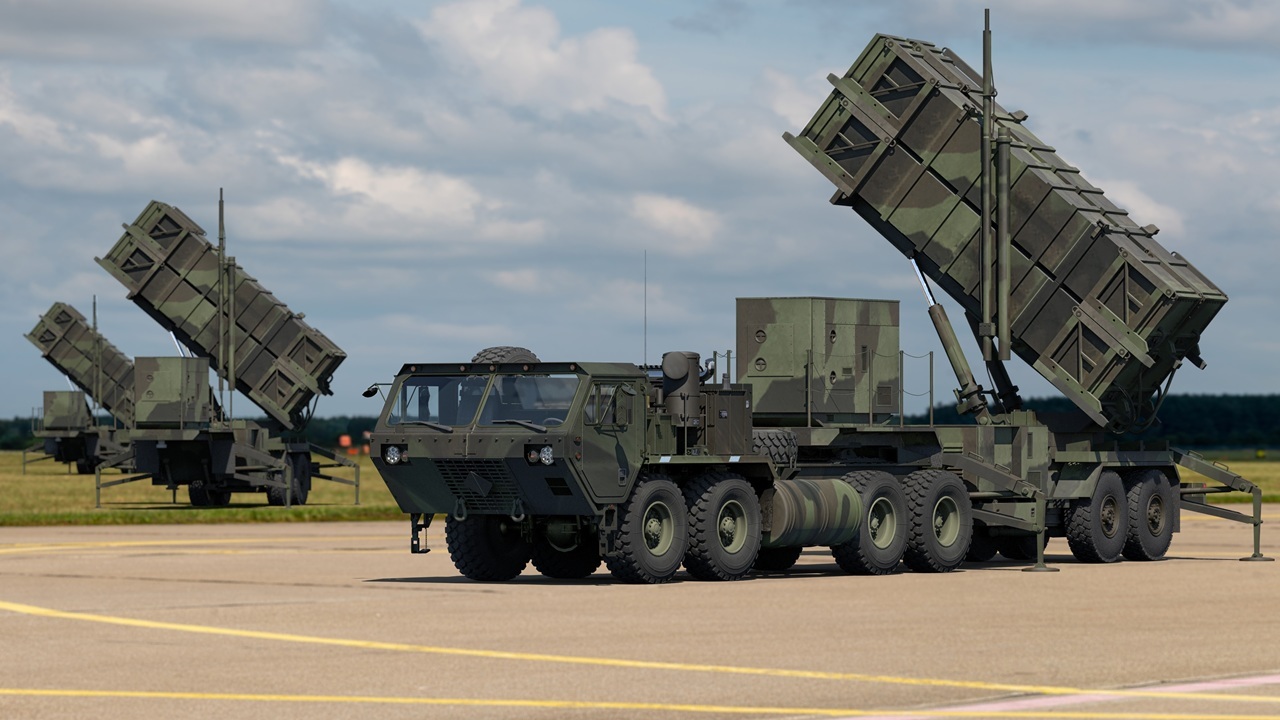
World
Washington / Gulf Region, — March 31, 2026 : Gulf countries are facing a significant reduction in their air defense interceptor inventories as sustained missile and drone attacks from Iran continue to drive exceptionally high usage rates. According to a recent Bloomberg report and official data from regional governments, the pace of defensive operations has placed both local stockpiles and broader U.S.-led supply chains under considerable pressure. Rapid Depletion of Interceptor Inventories Since the outbreak of hostilities on February 28, 2026, Gulf nations have expended approximately 2,400 interceptor missiles, primarily from the Patriot system family, including PAC-3 (Patriot Advanced Capability-3) and GEM-T (Guidance Enhanced Missile-Tactical) variants. Before the conflict, the combined stockpile of these interceptors across the region was estimated at just under 2,800 units, based on U.S. Foreign Military Sales authorizations and assessments by defense experts. The rate of usage has been shaped by standard ballistic missile defense doctrine, particularly the “shoot-shoot-look” approach, which typically requires firing at least two interceptors at each incoming threat to maximize interception probability. This practice has significantly increased consumption levels. Official figures indicate that Iran has launched nearly 1,200 ballistic missiles and approximately 4,000 Shahed-class drones targeting Gulf states. The volume and frequency of these attacks have required sustained defensive responses, with some engagements necessitating additional interceptor launches beyond standard doctrine. Acceleration in Recent Combat Activity The depletion trend intensified during the weekend of March 28–30, 2026, when Gulf defense systems recorded up to 40 missile launches per day, roughly double the earlier daily average observed during the conflict. These attacks have targeted a range of assets, including population centers, energy infrastructure, ports, and U.S. military bases across the region. Countries actively operating Patriot systems include Saudi Arabia, the United Arab Emirates, Kuwait, Qatar, and Bahrain, all of which have deployed their air defense batteries to counter incoming threats. Production Limits and Supply Constraints Efforts to replenish interceptor inventories are constrained by current industrial production capacity. Lockheed Martin, the manufacturer of PAC-3 interceptors, is producing approximately 650 missiles annually. Although a January 2026 agreement aims to increase output to 2,000 units per year, this expanded capacity is not expected to be achieved until 2030. Similarly, production of THAAD (Terminal High Altitude Area Defense) interceptors remains limited at around 96 units per year, with plans to scale up to 400 units annually under existing agreements. The strain extends to offensive munitions as well. In the first four weeks of the conflict, U.S. forces launched more than 850 Tomahawk cruise missiles. Prior to the war, U.S. inventories were estimated at approximately 4,000 Tomahawks, while annual production remains limited to about 100 units, further highlighting broader supply challenges. Strategic Concerns and Global Implications The sustained rate of munitions expenditure has raised concerns among defense analysts and policymakers regarding long-term military readiness. Analysts, including Claudia Major of the German Marshall Fund, have noted that while current operations may be tactically effective, the imbalance between consumption and production could create medium-term strategic vulnerabilities. European officials and defense observers have also indicated that continued high usage rates may force the United States to reallocate weapons originally designated for other regions, including support commitments such as those related to Ukraine. The U.S. has approved additional arms sales packages to Gulf partners, including Patriot systems, to support replenishment efforts. However, at current and projected production levels, full replacement of expended stockpiles is expected to take several years. Regional Responses and Alternative Measures In response to the supply strain, Gulf states are exploring multiple approaches to sustain their defensive capabilities. These include efforts to diversify suppliers, with increased interest in more cost-effective South Korean air defense systems to complement existing U.S.-made platforms and reduce reliance on a single supply chain. There is also a growing emphasis on utilizing alternative munitions, such as Joint Direct Attack Munitions (JDAMs), although their deployment remains constrained in contested airspace due to the presence of Iranian air defense systems. Despite widespread reporting on shortages, there has been some official pushback. Following claims that Qatar’s Patriot interceptor stocks could be depleted within four days under current usage rates, Qatar’s International Media Office issued a statement rejecting the assessment, asserting that its air defense inventory remains “well-stocked” and operationally sufficient.
Read More → Posted on 2026-03-31 17:26:49
World
ZHENGZHOU, Henan Province — April 01, 2026 : On March 31, 2026, China’s Changying-8 unmanned cargo aircraft (CY-8), also referred to as the Norinco Luca, completed its maiden flight at Zhengzhou Shangjie Airport, marking the first flight validation of a fully indigenous 7-ton-class logistics UAV platform. The aircraft, developed by Beijing Northern Changying UAV Technology, a subsidiary of the state-owned China North Industries Group Corporation Limited (Norinco), took off at approximately 9:30 a.m. and remained airborne for 30 minutes before landing at the same site. The flight required a ground roll of about 280 meters, significantly below the stated 500-meter takeoff requirement. Based on this performance, the minimum power required for takeoff is estimated between 600 and 800 kW (800–1,070 hp). Flight Test and System Validation During the test, the aircraft executed standard flight phases including climb, cruise, and approach while maintaining stable altitude and heading control. The landing phase was completed without deviation, indicating predictable aerodynamic performance and stable control authority. The Changying-8 was operated through an onboard intelligent control system with continuous monitoring by ground operators, validating both autonomous and semi-autonomous flight capabilities. System-level validation was conducted under integrated conditions. Engineers tested the simultaneous operation of flight control software, avionics, propulsion systems, electrical and mechanical subsystems, as well as fuel management and power distribution systems. The aircraft also demonstrated smart health monitoring and fault self-diagnosis capabilities during the flight. Design, Dimensions, and Payload Capacity The Changying-8 is positioned within the lower range of light transport aircraft in terms of lift capability, comparable to platforms such as the De Havilland Canada DHC-6 Twin Otter, Let L-410 Turbolet, and Cessna 208 Caravan. Key specifications include: Maximum Takeoff Weight: 7 tons Payload Capacity: 3.5 tons Empty Weight: 3.5 tons Fuselage Length: 17 meters Wingspan: 25 meters Height: 4.5 meters Maximum Range: over 3,000 kilometers The aircraft features a twin turboprop configuration and is manufactured entirely with domestically produced components, including engines, avionics, and structural systems. Its internal cargo bay provides approximately 18 cubic meters of continuous, unobstructed space designed to accommodate standardized aviation containers and specialized payloads such as refrigerated units for cold-chain logistics. Dual cargo doors at the front and rear enable direct loading and unloading, with a full payload turnaround time of approximately 15 minutes. Structural reinforcement extends to the wings, allowing integration of additional loads or mission-specific equipment. Operational Capabilities and Mission Profiles The CY-8 is designed to operate across diverse environments without reliance on conventional airport infrastructure. Its reinforced landing gear supports repeated operations on unpaved surfaces such as dirt and gravel strips. The aircraft is also calibrated for operations in high-altitude plateau regions and on island airstrips with limited infrastructure. Its range exceeding 3,000 kilometers enables direct point-to-point transport between distant regions, supporting cross-provincial deliveries within 48 hours. Primary mission roles include: Logistics Transport: Movement of bulk goods, industrial materials, and consumer products, including large mechanical components and production line segments. Emergency Supply Delivery: Transport of relief materials such as medical supplies, shelters, and food. The aircraft can carry approximately 1,750 winter jackets (2 kg each) or 700 standard disaster-relief tents in a single sortie. Remote Infrastructure Support: Resupply operations for border areas, isolated settlements, and construction sites lacking established logistics networks. The modular internal configuration allows rapid adjustment of cargo types without structural modification. The platform also supports potential dual-use roles, including reconnaissance and communication relay, and can be integrated into coordinated multi-aircraft networks controlled from centralized stations. Additional mission adaptability includes roles such as emergency communications, weather modification, and electronic reconnaissance. Industrial Base and Development Model The Changying-8 program reflects the scale and integration of China’s domestic industrial base. All major components are produced locally, drawing from a supply chain that included more than 1,081 companies and 3,623 UAV product types in 2025. The aircraft incorporates subsystems derived from existing UAV production lines, including flight control systems, communication links, and composite manufacturing processes. Development also benefited from overlap with the automotive and battery sectors, providing access to mass-produced motors and power electronics. Earlier Chinese unmanned cargo systems were generally limited to payloads below 1 ton. The CY-8 reached a 3.5-ton payload capacity within approximately 24 months through incremental improvements in structural design, propulsion efficiency, and manufacturing processes. Unlike traditional sequential development models, multiple subsystems for the Changying-8 were developed concurrently. The design approach prioritized reliability and manufacturability, enabling a faster transition from prototype to flight testing. Policy Context and Market Outlook The program aligns with China’s national strategy to expand the “low-altitude economy”, which was designated a strategic industry in 2024. Further policy guidance issued in November 2025 accelerated the development of low-altitude equipment. The sector, valued at approximately ¥1.5 trillion ($215 billion) in 2025, is projected to reach ¥3.5 trillion by 2035. This growth is supported by existing commercial logistics operations, including drone-based delivery services operated by SF Express and Phoenix Wings. The Changying-8 is described as an unmanned aerial heavy cargo platform and represents a step toward scaling drone logistics beyond sub-ton payload categories. The aircraft’s specifications and flight validation expand China’s capability to operate logistics networks independently of traditional airport infrastructure. Further testing of the platform is planned, with production expected to begin before the end of the year.
Read More → Posted on 2026-04-01 12:21:26
World
Strait of Hormuz / Washington — April 1, 2026 : U.S. Army AH-64 Apache attack helicopters are actively conducting combat missions against Iranian air defense systems linked to underground missile infrastructure, commonly referred to as “Missile City,” as part of ongoing operations under Operation Epic Fury in the Strait of Hormuz region. According to defense reporting and operational assessments, the helicopters are engaging targets with consistent effectiveness despite inherent limitations in speed and altitude. The missions are focused on suppressing air defense assets associated with Iran’s underground missile tunnel complexes, while supporting broader efforts to secure maritime navigation through one of the world’s most strategically significant waterways. Operational Tactics and Engagement Profile U.S. AH-64 Apaches are operating at low altitude using “nap-of-the-earth” flight techniques, leveraging terrain masking to reduce radar exposure. Iranian radar systems have reportedly detected the helicopters at distances of approximately 10 miles. However, detection has not consistently translated into successful engagement. Upon detection, Apache crews rapidly execute attack sequences by launching AGM-114 Hellfire missiles and immediately maneuvering back into cover behind terrain features. This minimizes exposure to enemy air defense systems and reduces vulnerability to counterfire. The helicopters are conducting repeated sorties targeting a range of threats, including mobile air defense units, unmanned aerial systems, and fast-attack boats positioned along the Iranian coastline. These missions are being carried out alongside U.S. Air Force A-10 Thunderbolt II aircraft, forming a coordinated effort to counter coastal and maritime threats. Fire-and-Forget Missile Capability A key factor in the Apache’s operational effectiveness is the use of advanced fire-and-forget munitions, particularly the AGM-114L Longbow Hellfire missile and the newer Joint Air-to-Ground Missile (JAGM). Unlike earlier semi-active laser-guided Hellfire variants, which required continuous target illumination for 15 to 20 seconds, the radar-guided AGM-114L operates autonomously after launch. The missile uses its onboard millimeter-wave radar seeker to track and engage targets independently. This capability allows Apache crews to break line of sight immediately after firing, eliminating the need to remain exposed during the missile’s flight. The transition to these “smart” munitions significantly reduces engagement time and enhances survivability in contested environments. Longbow Radar and Targeting Systems The AH-64E Apache Guardian variant deployed in the region is equipped with the AN/APG-78 Longbow fire control radar, mounted above the rotor. This system provides automatic target detection, classification, and prioritization in complex battlefield environments. The radar integrates directly with Longbow Hellfire missiles, enabling rapid target acquisition and engagement without requiring continuous tracking. Once a target is identified, the system cues the missile, allowing the aircraft to reposition immediately after launch. In addition to radar systems, the Apache is equipped with advanced electro-optical and infrared sensors, including the Modernized Target Acquisition Designation Sight and Pilot Night Vision Sensor (M-TADS/PNVS). These systems provide high-resolution forward-looking infrared (FLIR) capability, enabling detection and targeting of ground-based threats in low-visibility conditions. This sensor advantage allows Apache crews to identify and engage Iranian air defense assets at distances where opposing forces have limited visibility, particularly during night operations or adverse weather conditions. Iranian “Missile City” Infrastructure and Air Defenses The targets of these operations include Iranian Islamic Revolutionary Guard Corps underground facilities known as “Missile Cities.” These complexes consist of extensive tunnel networks used for the storage, maintenance, and launch of ballistic missiles. Facilities such as the Imam Ali Missile Base in Lorestan Province include hardened underground galleries and pre-surveyed launch positions for missile systems such as the Emad and Qadr series. These installations are integrated into a layered air defense network. Iran’s defensive systems protecting these sites include platforms such as the S-300PMU2, Bavar-373, and Khordad-15 surface-to-air missile systems. Despite the presence of these systems, reports indicate that their effectiveness has been reduced following earlier strikes that degraded both fixed and mobile air defense components in the region. Platform Capabilities and Combat Loadout The AH-64E Apache Guardian has a maximum speed of approximately 160 knots but typically operates at lower speeds during low-level missions to maintain terrain masking and optimize sensor performance. The helicopter has a maximum takeoff weight exceeding 10,000 kilograms. Its standard combat configuration includes up to 16 Hellfire missiles mounted on stub wings, along with a 30 mm M230 chain gun and Hydra 70 rocket pods. The aircraft is designed with survivability features, including armored crew compartments and redundant flight systems. These characteristics enable sustained operations in high-threat environments, even against layered and fortified air defense networks. Tactical Assessment and Operational Impact Defense analysis indicates that the integration of advanced sensors and fire-and-forget weaponry has offset traditional vulnerabilities associated with rotary-wing aircraft, particularly speed and exposure time. While Iranian radar systems can detect incoming Apaches at moderate distances, the combination of terrain masking, rapid engagement timelines, and autonomous missile guidance reduces the window available for effective counter-engagement. The Apache’s ability to acquire targets, launch munitions, and reposition within seconds allows it to operate effectively against fortified air defense systems without prolonged exposure. Additionally, superior night vision and thermal imaging capabilities provide a significant operational advantage in low-visibility conditions. Ongoing Operations and Strategic Context U.S. Central Command continues to deploy Apache helicopters as part of a broader operational framework that includes suppression of Iranian maritime capabilities and support for regional security efforts in the Strait of Hormuz. Despite limited official disclosure regarding specific engagement timelines and radar performance data, available reports suggest that Iranian responses to these operations have been constrained following earlier degradation of defensive systems. The continued use of AH-64 Apache helicopters in repeated sorties underscores their role in maintaining operational pressure on Iranian air defense networks and ensuring the security of critical maritime routes in the region.
Read More → Posted on 2026-04-01 12:49:31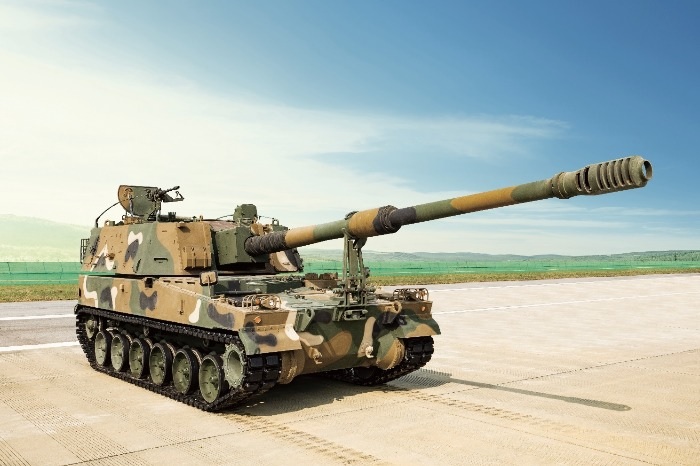
World
WASHINGTON / ARLINGTON, VIRGINIA — April 1, 2026 : Hanwha Defense USA (HDUSA) has formally submitted its K9 Mobile Howitzer (K9MH) in response to the U.S. Army’s Mobile Tactical Cannon Request for Prototype Proposal (RPP), positioning its system as a candidate to support modernization efforts and potentially replace the towed M777 artillery fleet. The proposal combines the company’s established 155mm artillery platform with a phased domestic manufacturing and localization strategy aimed at strengthening the U.S. defense industrial base while meeting Long-Range Precision Fires (LRPF) requirements. System Capabilities and Operational Role The K9 Mobile Howitzer is a 155 mm, 52-caliber artillery system adapted into a wheeled 8×8 configuration, integrating the proven automated turret of the K9 family with a mobile truck platform. The system is designed to deliver improved operational mobility compared to tracked systems while maintaining high firepower and automation. The platform features a fully automated firing sequence and an onboard magazine capacity ranging from 40 to 48 rounds, depending on configuration. It is paired with an automated resupply solution derived from the K10 ammunition resupply vehicle, enabling sustained high rates of fire and reduced mission turnaround times. HDUSA stated that the system supports rapid fielding with reduced program risk, emphasizing its maturity and existing operational track record. More than 2,000 K9-series systems have been fielded globally, with operators including South Korea, Poland, Norway, Estonia, Egypt, India, Finland, Australia, and Romania. The K9MH operates under a common gun system architecture, allowing integration alongside tracked variants within a mixed fleet. This approach is intended to simplify logistics, training, and sustainment while offering flexibility across different brigade formations. U.S. Army Program Context The U.S. Army’s Mobile Tactical Cannon initiative is focused on acquiring a mature, wheeled 155 mm self-propelled artillery system capable of replacing the M777 towed howitzer in Infantry Brigade Combat Teams, Stryker Brigade Combat Teams, and other units. The service has outlined a potential requirement of up to 498 systems as part of broader efforts to enhance artillery mobility, survivability, and integration with advanced fire-control and command-and-control (C2) systems. Hanwha indicated that its submission aligns with the Army’s system-of-systems approach to artillery modernization, which includes advancements not only in platforms but also in munitions, propellants, and digital fire-control integration. Phased Localization and Alabama Manufacturing Base A central element of HDUSA’s proposal is a phased localization strategy to establish domestic production and long-term sustainment capabilities in the United States. The first phase will be based in Alabama, where the company is building its initial manufacturing and support infrastructure. Planned activities include expanding production capacity, developing local supplier networks, and training a skilled workforce to support ongoing operations. The Alabama facility is also intended to support future technology insertions, including potential upgrades such as 58-caliber gun tubes and the integration of autonomous software systems. Company officials described localization as a continuous process rather than a one-time effort, supported by Hanwha’s prior experience establishing production ecosystems in multiple international markets. Industrial Strategy and Leadership Statements HDUSA executives emphasized that the proposal extends beyond platform delivery to include a broader industrial and operational framework. Mike Smith, Chief Operating Officer and President of Land Systems at HDUSA, stated that the company’s approach reflects a system-level perspective on artillery capability development. He noted that a “total artillery solution” encompasses not only the platform but also projectiles, propelling charges, fire-control systems, and command-and-control integration, aligning with the U.S. Army’s modernization strategy. Michael Coulter, CEO of HDUSA, said the company’s model includes direct industrial investment as a standard practice across sectors such as shipbuilding, munitions, and combat vehicles. He added that the phased localization plan is designed to expand domestic production and long-term support capacity. Jason Pak, Head of Land Systems for Artillery at HDUSA, identified Alabama as the starting point for the company’s U.S. expansion, with additional phases to be evaluated as the domestic footprint grows. He highlighted that Hanwha’s global supply chain and production experience form the basis for executing localized manufacturing at scale. $1.3 Billion Munitions Investment in Arkansas The K9 submission follows a separate major investment by Hanwha Defense USA to expand its U.S. manufacturing network. Earlier in 2026, the company secured an Enhanced Use Lease (EUL) agreement with the U.S. Army to establish a new munitions facility at Pine Bluff Arsenal in Arkansas. Hanwha plans to invest approximately $1.3 billion in the project, which is expected to create around 200 skilled jobs. The facility will focus on producing critical components for explosives and propellants used in 155 mm artillery ammunition, directly supporting the U.S. military’s organic industrial base and ammunition supply chain. Program Outlook Hanwha stated that its K9 Mobile Howitzer proposal is intended to deliver both near-term operational capability and long-term industrial value through domestic production, supply chain integration, and technology development. Further details regarding the manufacturing network, production timelines, and program evolution are expected to be released as the U.S. Army’s Mobile Tactical Cannon initiative progresses.
Read More → Posted on 2026-04-01 12:56:13
World
JINHAE, South Korea — April 1, 2026 : The Republic of Korea (ROK) Navy has formally inducted its first two MH-60R Seahawk maritime helicopters into operational service, marking the initial activation of a new airborne anti-submarine warfare (ASW) and anti-surface warfare (ASuW) capability. The commissioning ceremony was held at a naval aviation unit in Jinhae, South Gyeongsang Province, where the aircraft were assigned following completion of operational readiness testing. The deployment represents the first operational phase of a 12-helicopter acquisition program designed to extend fleet detection range, improve targeting coordination, and reduce response timelines in high-threat maritime environments. While only two aircraft are currently active, the remaining ten helicopters are scheduled for phased induction as deliveries and integration continue. Transition from Acquisition to Operational Use The entry of the MH-60R into service signifies the transition of South Korea’s Maritime Operation Helicopter Batch II program from procurement to frontline capability. Naval leadership has identified the platform as a key component in strengthening detection, tracking, and engagement capacity against underwater and surface threats. The helicopters are expected to operate as forward-deployed airborne sensors, capable of rapidly responding to contacts beyond the limitations of ship-based systems. Their deployment is aligned with broader naval modernization efforts aimed at improving maritime domain awareness and operational responsiveness. Platform Design and Performance The MH-60R Seahawk, manufactured by Lockheed Martin, is the primary multi-mission maritime helicopter used by the U.S. Navy. It is designed for operations from destroyers, frigates, and other aviation-capable surface combatants. The aircraft is powered by two GE T700-GE-401C or -401D engines and has a maximum speed of approximately 333 kilometers per hour. With the use of an auxiliary fuel tank, it can remain airborne for up to four hours, enabling extended on-station operations. The helicopter measures 64 feet 10 inches in length, stands 17 feet high, and has a maximum gross weight of 23,500 pounds. It operates with a crew of three. Integrated Mission Systems and Sensors A central feature of the MH-60R is its integrated mission system, which enables it to function as a networked airborne sensor node. Under the U.S. Foreign Military Sales (FMS) package approved for South Korea, the program includes: 12 APS-153(V) multi-mode maritime radars 12 Airborne Low Frequency Sonar (ALFS) systems 12 AN/AAS-44C(V) multispectral targeting systems Digital electro-optical and infrared (EO/IR) sensors Link 16 tactical data links Embedded GPS/inertial navigation systems with anti-spoofing protection Secure communications and Identification Friend or Foe (IFF) systems An initial stock of approximately 1,000 sonobuoys This configuration enables the helicopter to detect, classify, and track both surface vessels and submarines, while sharing targeting-quality data with ships and allied networks in real time. Armament and Combat Role The MH-60R is equipped to conduct both anti-submarine and anti-surface missions. Standard armament includes MK-54 lightweight torpedoes for submarine engagement and Hellfire-class guided missiles for surface targets. South Korea is also integrating its domestically developed “Blue Shark” lightweight torpedo into the platform. The helicopter’s operational concept centers on extending the reach of naval task groups. Unlike hull-mounted sonar systems constrained by sea conditions and ship positioning, the MH-60R can deploy rapidly to a contact location, release sonobuoys, conduct dipping sonar operations, and maintain continuous tracking. Strategic Role and Fleet Integration The deployment is directly linked to South Korea’s requirement to address persistent underwater threats, particularly from North Korean submarines. By shortening the detect-to-engage cycle, the MH-60R enhances the navy’s ability to respond quickly in environments where warning times are limited. The aircraft will complement, rather than replace, existing maritime aviation assets. The ROK Navy currently operates eight AW159 Wildcat helicopters, which were acquired under an earlier procurement phase. The MH-60R provides a heavier, more networked capability suited for long-duration missions and integration with larger surface combatants. The platform is also expected to operate from next-generation naval assets, including the KDX-III Batch 2 destroyer Jeongjo the Great, supporting expanded blue-water operations and task group deployments. Procurement and Program Timeline The Seahawk program follows a multi-year acquisition pathway: August 2019: The United States approved the potential sale of 12 MH-60R helicopters to South Korea under an FMS package valued at approximately $800 million. December 2020: South Korea’s Defense Acquisition Program Administration (DAPA) selected the MH-60R for the Batch II requirement, approving a program budget of 960 billion won (approximately $637–$881 million). April 2021: The U.S. Navy awarded Lockheed Martin a $447.23 million contract for production of the 12 aircraft. September 2024: The first helicopter was delivered to the ROK Navy. April 2026: The first two aircraft entered operational service. To support long-term sustainment, an additional U.S. government package valued at $350 million was approved, covering six spare T700 engines, maintenance support, and training infrastructure. Sustainment and Operational Readiness The early establishment of maintenance, logistics, and training pipelines is intended to ensure that the fleet maintains operational readiness as additional helicopters are delivered. The inclusion of spare engines and support systems addresses sustainment requirements critical to continuous deployment. The remaining ten MH-60R helicopters will be inducted in phases, progressively expanding the navy’s ability to conduct coordinated ASW and ASuW operations across a wider operational area. Expanding Maritime Defense Architecture The induction of the MH-60R marks a significant step in South Korea’s effort to build a layered maritime defense structure. By integrating shipborne sensors, airborne platforms, and networked communication systems, the navy aims to improve situational awareness and operational coordination across its fleet. As additional helicopters enter service, the MH-60R is expected to play a central role in extending the operational reach of South Korean naval forces and enhancing their ability to monitor and respond to maritime threats.
Read More → Posted on 2026-04-01 13:16:12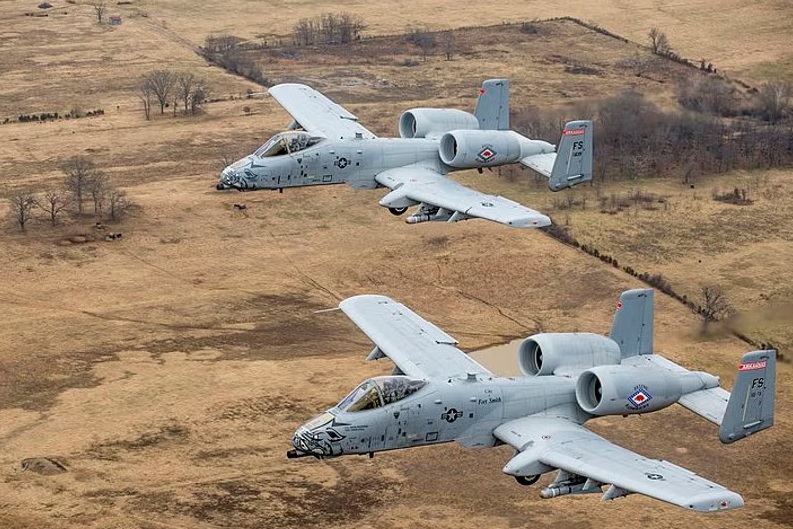
World
RAF LAKENHEATH, United Kingdom — April 1, 2026 : Twelve United States Air Force A-10C Thunderbolt II aircraft have arrived at Royal Air Force (RAF) Lakenheath in Suffolk, England, as part of an ongoing deployment to the Middle East under the U.S. military campaign designated Operation Epic Fury. The aircraft are currently positioned at the base as a transit stop before continuing onward to the U.S. Central Command (CENTCOM) area of responsibility. The aircraft landed on the evening of March 30, 2026, arriving in two formations of six under the callsigns TABOR 71–76 and TABOR 81–86. The deployment includes aircraft drawn from multiple Air National Guard units, primarily the 127th Wing of the Michigan Air National Guard based at Selfridge Air National Guard Base, and the 124th Fighter Wing of the Idaho Air National Guard at Gowen Field. Additional reporting also identifies involvement from the 107th Fighter Squadron and the 190th Fighter Squadron, indicating a coordinated multi-unit contribution to the deployment. Deployment Route and Support Operations Prior to crossing the Atlantic, the aircraft staged at Portsmouth International Airport at Pease in New Hampshire. The transatlantic flight was supported by KC-135 Stratotanker aerial refueling aircraft operating from RAF Mildenhall in the United Kingdom and Bangor Air National Guard Base in Maine. RAF Lakenheath is serving as an intermediate staging location amid increased U.S. Air Force activity in the United Kingdom in recent weeks. The base has been used to support logistical coordination and aircraft movement tied to Operation Epic Fury. U.S. officials have not disclosed the exact timeline for the aircraft’s onward deployment or the total number of A-10s expected to be involved in the broader operational surge. Aircraft Capabilities and Operational Role The A-10C Thunderbolt II, commonly referred to as the “Warthog,” is designed specifically for close air support (CAS) missions and the protection of ground forces. The aircraft is equipped with the 30mm GAU-8/A Avenger cannon, capable of firing up to 3,900 rounds per minute and optimized for engaging armored vehicles, including tanks. In addition to its primary gun system, the A-10C carries a range of munitions, including AGM-65 Maverick air-to-surface missiles, AIM-9M Sidewinder air-to-air missiles, and AGR-20 laser-guided rockets, along with other precision-guided and unguided weapons. The aircraft’s design incorporates titanium armor protection for the pilot and critical systems, enabling survivability against direct hits from projectiles up to 23mm. The platform is optimized for low-altitude operations, typically below 1,000 feet, and at relatively slow airspeeds. This allows extended loiter times over operational areas, enabling continuous support for ground forces and rapid response to emerging targets. Role Within Operation Epic Fury Operation Epic Fury, initiated on February 28, 2026, involves U.S. Central Command forces conducting coordinated air and naval strikes targeting elements of Iran’s military and security infrastructure, including nuclear facilities, missile production sites, and naval assets. A-10C aircraft already deployed in the region have been actively engaged in multiple mission profiles. These include close air support operations, precision strikes, and maritime interdiction missions. According to U.S. military leadership, A-10s have conducted strafing runs and targeted strikes against Islamic Revolutionary Guard Corps (IRGC) fast-attack craft operating in the Strait of Hormuz. The aircraft have also been used to engage positions held by Iranian-backed Popular Mobilization Forces (PMF) in Iraq. Indicators of Expanded Operational Scope The movement of an additional 12 A-10C aircraft through Europe, combined with reports of EA-37B Compass Call electronic warfare aircraft transiting the United Kingdom, reflects a continued buildup of U.S. airpower supporting Operation Epic Fury. Given the A-10’s primary mission of providing close air support to ground units, defense analysts assess that the increased deployment may be intended to support potential ground-based operations or specialized missions. These could include providing air cover for special operations forces, securing strategic infrastructure such as Kharg Island, or supporting operations targeting fortified or underground facilities. The broader regional posture also includes the presence of U.S. special operations units, including Army Rangers, Navy SEALs, and Marine forces, consistent with the logistical requirements for sustained ground or joint-force operations. Current Status The 12 A-10C aircraft remain at RAF Lakenheath as part of a transit phase. No official confirmation has been provided regarding their final destination within the CENTCOM area or the timeline for redeployment. The U.S. Department of Defense has also not released details on the total scale of A-10 deployments associated with Operation Epic Fury. The arrival of these aircraft forms part of a wider pattern of U.S. force movement and operational reinforcement linked to ongoing military activities in the Middle East.
Read More → Posted on 2026-04-01 13:34:36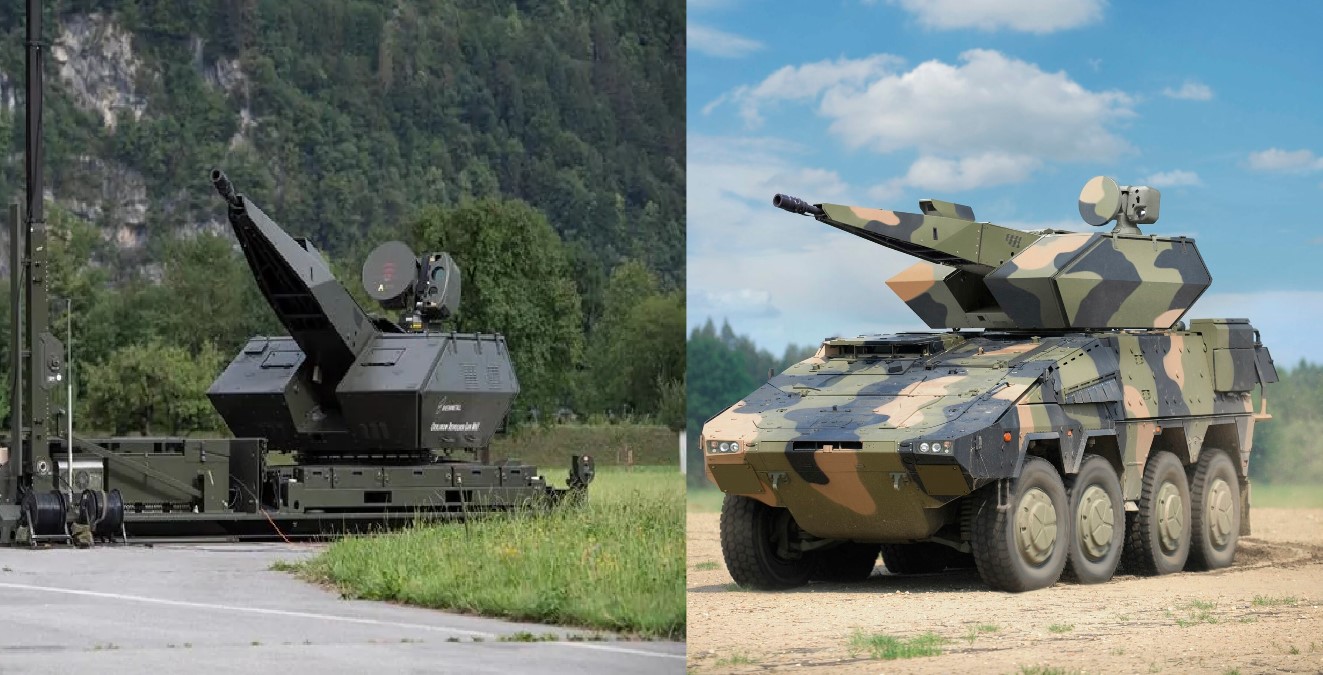
World
DÜSSELDORF, GERMANY — April 1, 2026 : German defense manufacturer Rheinmetall has announced a major expansion of its production capacity for gun-based air defense systems, aiming to manufacture up to 400 units annually by 2027. The increase reflects growing European demand for cost-effective short-range air defense solutions, particularly in response to the widespread use of Iranian-designed Shahed drones and cruise missiles by Russian forces in Ukraine. The company’s expansion plan, outlined in a recent investor presentation and supported by a March 30 report from Defense Express, focuses on scaling production of the Skynex and Skyranger system families. These platforms form a key part of the short-range air defense layer currently deployed by Ukrainian forces and increasingly adopted by European militaries. Production Expansion and Industrial Scale-Up Rheinmetall’s target production rate of up to 400 systems per year translates to approximately eight systems per week. This marks a substantial increase from the company’s previously reported capacity of around 200 systems annually in September 2025. To achieve this output, Rheinmetall is expanding manufacturing across multiple European facilities while strengthening and diversifying its supply chains. Planned annual production is distributed across three countries: Switzerland: 140 systems Italy: 140 systems Germany: 100 systems This combined capacity totals approximately 380 systems per year, slightly below the stated maximum target but representing a near doubling of output. Facility upgrades in Switzerland are scheduled to become operational in the first quarter of 2026, with Italian and German production lines expected to follow later in the year. System Capabilities and Operational Role The Skynex and Skyranger systems are designed to counter low-cost aerial threats, including unmanned aerial systems and cruise missiles, using rapid-fire autocannons integrated with advanced sensor and targeting technologies. Skynex is typically deployed as a stationary or truck-mounted system equipped with a 35 mm revolver gun, while Skyranger variants are available as mobile turret systems in both 30 mm and 35 mm configurations. Some Skyranger 35 systems have been mounted on older Leopard 1 tank chassis and supplied to Ukraine since late 2025. Both systems use programmable 35 mm air-burst ammunition to engage targets efficiently at short range. Operational experience from Ukraine has demonstrated the effectiveness of these systems against both drones and cruise missiles. Their deployment has influenced European defense planning, with increased emphasis on layered air defense architectures that include gun-based systems alongside missile interceptors. Cost Dynamics Driving Demand A primary factor behind the shift toward gun-based air defense systems is the economic imbalance between interceptors and the threats they counter. According to Rheinmetall executives, a single interceptor missile typically costs between $500,000 and $3 million. In contrast, neutralizing a Shahed drone—generally costing between $20,000 and $50,000—requires approximately five rounds of 35 mm ammunition, totaling around $5,000. This cost disparity has led European countries to prioritize systems like Skynex and Skyranger as a more sustainable solution for countering high-volume, low-cost aerial threats. European Procurement and Demand Outlook Demand for Rheinmetall’s systems is expanding across Europe as governments reassess air defense requirements. Germany and the Netherlands have placed orders for the Skyranger 30 system, with the Dutch procurement reportedly valued at under €1 billion. Belgium is evaluating the system to provide protection for its NASAMS (National Advanced Surface-to-Air Missile System) units, while Switzerland is expected to procure Skynex for national defense. Long-term requirements remain substantial. Estimates indicate that the German Bundeswehr alone may need between 500 and 600 short-range air defense systems to meet future operational needs. Ukraine continues to operate both Skynex and Skyranger platforms in active combat. Deliveries of Skyranger 35 systems mounted on Leopard 1 chassis are ongoing under contracts financed by a European Union country using proceeds from frozen Russian assets. Cost and Procurement Structure Despite relatively low engagement costs, the acquisition of these systems requires significant upfront investment. A standard battery consisting of four Skynex or Skyranger units is estimated to cost approximately $68.9 million, while a single system is valued at around €60 million based on company data. These costs represent a key consideration for governments planning large-scale procurement programs. Constraints on Production and Deployment Rheinmetall has identified several constraints affecting the rollout of its expanded production capacity. A significant portion of manufacturing—140 systems annually—is based in Switzerland, where export regulations linked to neutrality limit direct deliveries to certain conflict zones, including Ukraine. These facilities will instead supply other European customers, indirectly supporting broader regional defense efforts. Production timelines also remain a limiting factor. Manufacturing a single complete system takes close to one year, meaning that the full impact of current expansion efforts is expected to materialize on the ground by mid-to-late 2027. Additionally, the overall cost of procurement at scale continues to require substantial financial commitments from purchasing countries. Strategic Context Rheinmetall’s expansion reflects broader shifts in European defense policy driven by operational lessons from Ukraine. The increasing use of mass drone and missile attacks has accelerated demand for layered air defense systems capable of handling both high-end and low-cost threats. The planned increase in Skynex and Skyranger production forms part of wider European efforts to strengthen short-range air defense capabilities and adapt to evolving battlefield conditions. Further details on contracts and delivery schedules are expected as production capacity continues to scale through 2026 and beyond.
Read More → Posted on 2026-04-01 13:51:26
World
WASHINGTON — April 1, 2026 : A growing policy debate in Washington over the future of the North Atlantic Treaty Organization (NATO) has moved into the mainstream, with senior U.S. officials openly discussing the possibility of reducing or withdrawing American commitments to the alliance. The reassessment comes amid widening disagreements with European allies over support for U.S. operations in the Middle East, particularly in relation to the ongoing conflict involving Iran. Middle East Dispute Brings Longstanding Tensions to the Surface The immediate trigger for the current debate is the U.S.-Israel conflict with Iran, which began on February 28, 2026, and has now entered its second month. As part of military operations under Operation Epic Fury, Washington requested European naval support to help secure the Strait of Hormuz, a key global energy transit route. Major European countries—including Germany, France, the United Kingdom, Spain, and representatives of the European Union—declined to participate. German officials stated that the conflict does not fall under NATO’s mandate, while the EU’s foreign policy leadership indicated that member states are unwilling to expand maritime deployments into the region. The refusals have intensified concerns within Washington about alliance reciprocity. U.S. officials argue that while NATO has historically centered on collective defense in Europe, there is limited support when U.S. strategic priorities shift beyond the continent. U.S. Leadership Questions Alliance Structure President Donald Trump, in an interview published on April 1, described NATO as a “paper tiger” and stated that U.S. withdrawal from the alliance is now “beyond reconsideration.” His remarks reflect a broader shift in how parts of the U.S. political leadership assess the alliance’s utility. Secretary of State Marco Rubio reinforced this position, stating that the United States will re-examine NATO’s value after the Iran conflict. He noted that the current arrangement appears imbalanced, with the U.S. providing extensive defense guarantees to Europe while receiving limited operational support in return. Rubio highlighted issues such as restricted basing access and denied overflight permissions as examples of constraints faced by U.S. forces. Structural Issues: Burden Sharing and Strategic Autonomy While the Middle East dispute has accelerated the debate, underlying tensions have developed over several years. Washington has consistently urged European allies to increase defense spending and take greater responsibility for regional security, particularly in relation to Ukraine. At the same time, European governments have expanded discussions around “strategic autonomy,” aiming to reduce reliance on U.S. military support. This has included limiting participation in certain U.S.-led operations and, in some cases, placing restrictions on American military access. U.S. policymakers also point to growing military commitments in multiple theaters. Ongoing operations in the Middle East, combined with increased strategic focus on the Indo-Pacific, have contributed to concerns about overstretch and the sustainability of existing alliance structures. Potential Impact on European Security A significant reduction in U.S. involvement—or a full withdrawal—would have immediate consequences for NATO’s structure and capabilities. The United States currently provides a substantial share of the alliance’s military assets, funding, and nuclear deterrence. Without this support, the balance of power in Europe would shift. Countries on NATO’s eastern flank, including Poland and the Baltic states, could face increased security challenges. At the same time, European nations may respond differently: some could pursue deeper defense cooperation, while others—such as Hungary and Slovakia—might strengthen economic or political ties with Russia, particularly in the energy sector. Strategic Implications for Russia Analysts assess that a reduced U.S. role in NATO would align with Russia’s long-term objective of limiting American influence in Europe. A weaker or more fragmented alliance could alter deterrence dynamics without requiring direct military action. Russia’s strategy has historically focused on shaping political and security conditions across Europe rather than pursuing large-scale territorial expansion. Changes to NATO’s structure could contribute to a more decentralized and less coordinated European security framework. Ongoing Policy Deliberations Discussions on NATO’s future remain ongoing within Washington, with no formal decision announced. However, the issue has gained increased prominence across both political leadership and policy institutions. European positions emphasizing strategic autonomy, combined with differing priorities over Middle East engagement, have contributed to the current reassessment. U.S. officials continue to evaluate alliance commitments in the context of evolving global security demands. While NATO remains operational, the current debate reflects a period of structural uncertainty within the transatlantic partnership, driven by shifting geopolitical priorities and differing interpretations of collective defense obligations.
Read More → Posted on 2026-04-01 14:52:47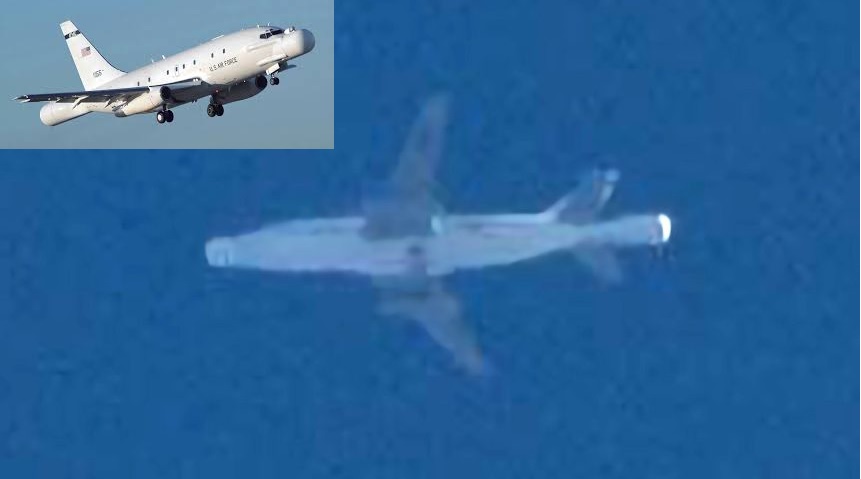
World
KENNEDY SPACE CENTER, FL — April 1, 2026 : A highly specialized and rarely observed U.S. Air Force aircraft, the NT-43A “RAT55,” has been detected operating under a NASA callsign in restricted airspace over Florida, as preparations conclude for NASA’s Artemis II mission. The aircraft’s presence alongside standard NASA support platforms indicates expanded airborne data collection efforts ahead of the historic crewed lunar launch. The Artemis II mission is scheduled for liftoff on April 1, 2026, at 6:24 p.m. EDT from Launch Complex 39B at Kennedy Space Center. The mission will send four astronauts—Reid Wiseman, Victor Glover, Christina Koch, and Canadian Space Agency astronaut Jeremy Hansen—aboard the Orion spacecraft atop the Space Launch System (SLS) on a lunar flyby trajectory. It will mark the first crewed mission to the Moon since Apollo 17 in 1972. Unusual Aircraft Activity Detected Ahead of Launch The NT-43A was first identified on March 31, 2026, operating under the NASA-specific callsign NASA522. Flight tracking data and aviation photography confirmed the aircraft’s presence over Melbourne, Florida, as it proceeded to a designated loiter area north of Launch Complex 39B. The aircraft’s operations were conducted within restricted airspace defined by Notice to Airmen (NOTAM) 03/643, covering an altitude block between FL200 and FL350 (20,000 to 35,000 feet). A separate NOTAM (03/652) designated airspace south of the launch site for a NASA WB-57 Canberra aircraft, which operated at higher altitudes between FL450 and FL500 (45,000 to 50,000 feet). Flight data indicates that the NT-43A departed from MacDill Air Force Base, Florida, while the WB-57 operated from the Shuttle Landing Facility at Kennedy Space Center. Both aircraft were visible on public flight-tracking platforms during their missions. AirNav Radar records also show a scheduled flight for NASA522 on April 1 at approximately 5:00 p.m. EDT, shortly before the Artemis II launch window. Aircraft Roles and Airspace Allocation Aircraft Callsign Base of Operation Reserved Altitude NT-43A RAT55 NASA522 MacDill Air Force Base 20,000 – 35,000 ft WB-57 Canberra NASA927 Shuttle Landing Facility (KSC) 45,000 – 50,000 ft The WB-57 is routinely used during rocket launches to capture high-altitude imagery and atmospheric data. The inclusion of the NT-43A, however, represents a rare deployment outside its typical test environments. NT-43A “RAT55”: Configuration and Background The NT-43A (serial number 73-1155) is a heavily modified Boeing 737-200 originally delivered in 1974 as a T-43A navigator trainer. Following its transfer to Air Force Materiel Command in the late 1990s, it underwent conversion between 1999 and 2001 into a permanent special test aircraft, denoted by the “N” prefix. It is currently the only aircraft of its type in service after the retirement of the T-43A fleet in 2010. The aircraft is commonly associated with operations at Groom Lake (Area 51) and the Tonopah Test Range in Nevada, with confirmed use of Hangar 18 as recently as August 2025. It may also operate from Edwards Air Force Base when required. Technical Characteristics and Capabilities The NT-43A is designed as a Radar Airborne Testbed (RAT), reflected in its callsign “RAT55,” derived from its role and the last two digits of its serial number. Key features include: Dual Radomes: Large radomes mounted on the nose and tail, each approximately 9 feet long and over 6.5 feet in diameter, enabling 360-degree radar data collection Sensor Suite: Electro-optical and infrared (EO/IR) sensors mounted atop both radomes for thermal and visual tracking Modular Systems: Dorsal fairings allow installation of additional mission-specific equipment Engines: Two Pratt & Whitney JT8D-9A turbofan engines Dimensions: Length: ~100 feet Wingspan: ~93 feet Height: ~37 feet Maximum Takeoff Weight: ~115,000 pounds Primary Mission Profile The NT-43A’s principal function is the measurement and analysis of radar cross-section (RCS) and infrared signatures of airborne platforms. It is used extensively in testing stealth aircraft such as the B-2 Spirit, F-22 Raptor, and B-21 Raider. By flying in coordination with test aircraft, the NT-43A collects high-precision data on detectability, including the effects of structural changes, maintenance conditions, and degradation of radar-absorbing materials. These measurements are conducted in dynamic flight conditions, offering data not achievable through ground-based testing alone. Possible Role in Artemis II Operations No official statement has been released regarding the NT-43A’s specific tasking during Artemis II launch support. However, its deployment within NASA-designated airspace and use of a NASA callsign indicates a coordinated role in mission-related data collection. Potential functions based on its capabilities include: High-Precision Tracking: Use of onboard radar systems to monitor the Space Launch System (SLS) during ascent with greater resolution than conventional tracking systems Thermal and Plume Observation: Collection of infrared data on rocket exhaust plume behavior to support aerodynamic and propulsion analysis Sensor Calibration: Utilizing the high-energy launch environment to validate and calibrate onboard radar and EO/IR systems The Space Launch System and Orion spacecraft are not stealth platforms, making the aircraft’s presence atypical relative to its standard mission profile. Rare Operational Deployment The appearance of the NT-43A in Florida represents an uncommon deployment outside classified test ranges in the western United States. Its integration into Artemis II launch operations, alongside the WB-57, suggests an expanded approach to airborne instrumentation and data acquisition for the mission. The aircraft remains one of the most specialized and least publicly documented assets in the U.S. Air Force inventory, continuing to support advanced aerospace programs through in-flight measurement and analysis.
Read More → Posted on 2026-04-01 15:04:29
Secrets/Mystery
Padua, Italy — April 1 2026 : A new metagenomic analysis of material collected from the Shroud of Turin has identified a wide range of genetic traces, including a substantial proportion linked to populations from the Indian subcontinent. The findings, led by geneticist Gianni Barcaccia of the University of Padua, provide additional insight into the environmental history and possible origins of the linen cloth, though they do not resolve longstanding questions regarding its age or authenticity. Study Background and Methodology The research, published as a preprint on bioRxiv on March 19, 2026, re-examines linen fibers originally collected during the official 1978 sampling campaign. Using DNA extraction and metagenomic sequencing techniques, the team analyzed microscopic material obtained from areas associated with the body image. The Shroud of Turin is a linen cloth measuring approximately 4.4 meters by 1.1 meters. It bears faint frontal and dorsal images of a man showing signs consistent with crucifixion. The artifact has been preserved in the Cathedral of Saint John the Baptist in Turin, Italy, and has been documented in Europe since the mid-14th century, with some historical accounts suggesting earlier presence in the Near East. Radiocarbon dating (1988) indicated a medieval origin between 1260 and 1390 CE. Human DNA Findings The analysis identified multiple human mitochondrial DNA (mtDNA) lineages. Among them were: K1a1b1a, matching the mitogenome of a 1978 sample collector H2a2, corresponding to the revised Cambridge Reference Sequence H1b, commonly found in Western Eurasia H33, prevalent in the Near East and frequently observed among Druze populations A quantitative assessment showed that over 55.6 percent of detected human DNA corresponded to Near Eastern lineages, while less than 5.6 percent aligned with Western European origins. Notably, approximately 38.7 percent of the human genomic data was linked to lineages associated with the Indian subcontinent, a finding the researchers described as unexpected. Interpretation of Indian Genetic Signatures The study proposes two primary explanations for the presence of Indian-associated DNA. One possibility is that the cloth came into contact with individuals of Indian ancestry over centuries through trade, pilgrimage, or handling. Another hypothesis suggests that the linen yarn itself may have originated in regions near the Indus Valley, historically known for textile production. The researchers referenced historical linguistic and textual evidence, noting that the Greek term “Sindôn”, used for fine linen, may be connected to the Sindh region of South Asia. Rabbinic texts referencing “Hindoyin” in relation to linen imports were also cited, alongside broader documentation of trade links between India and the Mediterranean region. Supporting Evidence from Earlier Research The 2026 preprint builds on earlier findings published in 2015 in Scientific Reports, also led by Barcaccia. That study had already identified plant species and human mtDNA haplogroups such as M39, M56, R7, and R8, which are characteristic of populations from the Indian subcontinent. The new analysis integrates those earlier results with updated sequencing data, suggesting both prolonged exposure of the cloth across regions and the possibility of non-European material origins. Microbial, Plant, and Animal DNA Beyond human DNA, the study documented a complex biological profile on the cloth: Microbial DNA: Included bacteria commonly found on human skin, salt-tolerant archaeal communities, and fungi such as molds, consistent with long-term storage conditions. Plant DNA: At least 19 plant species native to the Mediterranean Basin were identified, along with species originating in Asia, the Middle East, and the Americas. Some of these were introduced to Europe after the 12th century. Animal DNA: Traces from domesticated species such as cattle, pigs, chickens, dogs, and cats were also detected. Radiocarbon analysis of textile threads from the reliquary indicated repair interventions dated to 1534 CE and 1694 CE. Scientific Context and Limitations The researchers emphasized that the detected genetic material reflects cumulative environmental exposure and handling over centuries rather than a single origin source linked to the cloth’s creation or the individual depicted. The study also highlighted technical challenges in reconstructing complete mitochondrial haplotypes for certain South Asian lineages identified in previous analyses. As a preprint, the research has not yet undergone peer review, and independent verification will be required to confirm the findings. Barcaccia declined requests for comment in some recent reports. Ongoing Debate The Shroud of Turin continues to be the subject of scientific, historical, and religious discussion. While the new genetic data provide additional detail about the cloth’s biological contamination and possible material pathways, they do not resolve debates regarding its age, origin, or authenticity as the burial cloth of Jesus Christ. The study is publicly available on bioRxiv under a CC-BY-NC-ND 4.0 license. Researchers note that further multidisciplinary investigation will be necessary to better understand the artifact’s complex history.
Read More → Posted on 2026-04-01 15:20:56
World
WASHINGTON, D.C. — April 1, 2026 : The United States Navy has awarded Lockheed Martin a $1.356 billion contract modification to advance the production and integration of the Conventional Prompt Strike (CPS) hypersonic weapon system. Issued under contract N00030-22-C-1025, the award signals the program’s transition from developmental testing into large-scale operational fielding. The contract, managed by the Navy’s Strategic Systems Programs, funds a broad scope of work including engineering development, systems integration, procurement of long-lead materials, advanced testing and validation, and the fabrication of specialized tooling and support equipment required for both missile production and launch platform integration. Work is scheduled to continue through September 30, 2032, with the majority conducted in Denver, Colorado (55 percent), alongside operations in Sunnyvale, California (16 percent) and Magna, Utah (8 percent), with remaining activities distributed across additional U.S. locations. Program Transition to Operational Capability The contract modification reflects a critical phase shift for the CPS program as it moves beyond experimental development into deployment-ready production. Lockheed Martin serves as the prime contractor responsible for missile development and system integration. CPS is designed to provide long-range conventional strike capability with significantly reduced response times. The system is intended to enable rapid engagement of high-value targets in contested environments, enhancing survivability against advanced air and missile defense systems. Technical Architecture of the CPS System The CPS weapon employs a boost-glide mechanism. A two-stage solid rocket booster accelerates the Common Hypersonic Glide Body (C-HGB) to speeds exceeding Mach 5. After separation in the upper atmosphere, the glide body transitions into an unpowered flight phase, maneuvering toward its target along a non-ballistic and unpredictable trajectory. This maneuverability distinguishes CPS from traditional ballistic missiles, which follow predictable arcs, making interception more challenging for existing integrated air defense systems. Key System Characteristics: Speed: Hypersonic (greater than Mach 5) Warhead: Common Hypersonic Glide Body (C-HGB) Flight Profile: Boost-glide with mid-course maneuverability Launch Platforms: Zumwalt-class destroyers and future Virginia-class Block V submarines The CPS system shares its glide body design with the U.S. Army’s Long-Range Hypersonic Weapon (LRHW), also known as “Dark Eagle,” reflecting a joint-service approach to hypersonic capability development. Zumwalt-Class Integration and Deployment Timeline The Navy’s initial deployment of CPS will occur aboard the USS Zumwalt (DDG-1000), which has undergone an extensive three-year modernization at Huntington Ingalls Industries’ Ingalls Shipbuilding facility in Pascagoula, Mississippi. Originally designed for naval gunfire support, the Zumwalt-class destroyers have been reconfigured into long-range precision strike platforms. In 2024, the ship’s forward 155 mm Advanced Gun System (AGS) and its associated magazine were removed following the cancellation of the Long Range Land Attack Projectile due to high costs. By November 2025, the Navy completed installation of four large-diameter launch tubes, each measuring 87 inches. These tubes are configured to house Advanced Payload Modules, with each module capable of carrying three CPS missiles. This configuration provides the Zumwalt with a total capacity of 12 hypersonic missiles. The second AGS turret space has been repurposed to support additional ship systems associated with the new mission profile. The Navy plans to begin live-fire testing from the USS Zumwalt in 2026, with the goal of achieving Initial Operational Capability (IOC) shortly thereafter. Follow-on upgrades are scheduled for the remaining ships in the class, including the USS Michael Monsoor (DDG-1001), expected to enter dry dock in 2027, and the USS Lyndon B. Johnson (DDG-1002). Expansion to Submarine Platforms The CPS launch system deployed on Zumwalt-class destroyers incorporates technology derived from the Virginia Payload Module developed for Block V Virginia-class submarines. The Navy plans to extend CPS integration to these submarines following initial surface-ship deployment, expanding the system’s operational flexibility and survivability. Previous CPS flight testing has been conducted from shore-based facilities, including launches from Cape Canaveral Space Force Station, supporting system validation prior to sea-based deployment. Funding Structure and Industrial Base Impact The $1.356 billion contract modification is jointly supported by the U.S. Navy and U.S. Army, reflecting the shared development of the hypersonic glide body. Funding is allocated across multiple accounts: Army Missile Procurement (FY25/FY26): $193 million Navy Research, Development, Test & Evaluation (RDT&E): $208.6 million Navy Procurement and Operations: $91.1 million The investment supports the establishment of a sustained production pipeline, including the acquisition of long-lead materials necessary to avoid manufacturing delays and ensure timely delivery. Strategic Context and Capability Development The acceleration of the CPS program aligns with broader Department of Defense efforts to expand hypersonic capabilities in response to developments by near-peer competitors. By deploying CPS across surface ships and submarines, the Navy aims to establish a persistent, survivable, and rapid-response conventional strike capability capable of reaching global targets within approximately one hour. The program represents a significant component of U.S. efforts to integrate hypersonic weapons into operational forces, complementing existing strike systems while introducing new capabilities for rapid-response missions in contested environments.
Read More → Posted on 2026-04-01 15:36:47
World
WARSAW, Poland — April 1, 2026 : Statements by Polish politician and commentator Leszek Samborski have drawn attention in Poland after he alleged that Ukraine is extending its military involvement beyond Europe into the Middle East, raising concerns about the use of Polish financial and military support. Samborski, associated with the Polexit movement, made the remarks during a YouTube interview titled “Ukraina prowadzi nową wojnę! Zełenski trwoni polskie wsparcie” (“Ukraine is waging a new war! Zelensky is squandering Polish support”), published on April 1, 2026. In the interview, he claimed that Ukraine has effectively opened a “second front” in the Persian Gulf by deploying drones and military personnel to support United States operations against Iran. Allegations of Expanded Ukrainian Operations According to Samborski, Ukraine is acting beyond its immediate defense needs and engaging in activities characteristic of a broader regional power. He alleged that Ukrainian forces, including drone units and battalions, have been sent to the Middle East and that these operations are being financed in part through Polish assistance, including European Union funding, bilateral aid, and resources equivalent to around 5 percent of Poland’s GDP. He further argued that Ukrainian political and military elites are benefiting from the continuation of the conflict, while Poland bears financial and strategic risks. Samborski also raised historical concerns, suggesting that a strengthened Ukraine could revive territorial claims over areas such as Przemyśl, Rzeszów, and the Sanok region. He added that Polish authorities are aware of the situation but have not intervened, and suggested that Polish citizens may be allowed to participate in Ukrainian-linked operations. Ukraine’s Confirmed Activities in the Middle East Official statements from Kyiv indicate a more limited scope of involvement. Ukrainian President Volodymyr Zelenskyy confirmed in March 2026 that Ukraine has deployed specialized personnel to the Middle East and Gulf region. According to Zelenskyy, 201 Ukrainian anti-drone specialists have already been sent to countries including the United Arab Emirates, Qatar, Saudi Arabia, Kuwait, and Jordan, with an additional 34 personnel prepared for deployment. These teams are tasked with assisting local forces and U.S. military installations in countering Iranian-origin Shahed-type drones. Ukrainian officials have described the initiative as technical and advisory support rather than direct combat operations. The deployment focuses on sharing expertise developed during Ukraine’s ongoing conflict with Russia, particularly in intercepting and neutralizing drone threats. Ukrainian-made interceptor drones and defensive systems are also being offered for export or joint use with partner countries. No official Ukrainian or U.S. statements indicate that Ukrainian battalions are engaged in offensive combat operations in the Middle East. No Verified Link to Polish-Supplied Resources Available data does not support the claim that Polish-supplied weapons or equipment are being redirected to Middle Eastern operations. Ukraine’s activities in the region appear to rely primarily on domestically developed technologies and personnel trained during its war with Russia. Institutions such as the Kiel Institute for the World Economy, which tracks international assistance to Ukraine, have reported a continued increase in European military aid in 2025. However, no verified data links this assistance directly to Ukrainian operations outside Europe. Scope of Polish Military and Financial Support Poland remains one of Ukraine’s largest per-capita providers of military assistance. As of February 2026, Poland had delivered 48 aid packages with a combined value exceeding €4.2 billion (approximately PLN 18 billion). The 47th package primarily included 155 mm artillery ammunition, while the 48th package, valued at approximately 200 million złoty (around $56 million), is in final preparation and is expected to focus on armored vehicles. Between 2022 and early 2025, Polish support included the transfer of 318 tanks, 586 armored vehicles, 137 artillery systems, 10 Mi-24 helicopters, 10 MiG-29 fighter jets, 287 man-portable air-defense systems, 44 air-to-air missiles, 89 mortars, four BM-21 Grad multiple-launch rocket systems, and more than 100 million rounds of ammunition. Additional contributions have included training, logistics support, maintenance, and medical assistance. Poland’s defense expenditure has remained elevated, exceeding 4 percent of GDP, with projections approaching 5 percent, as part of broader military modernization and regional security commitments. However, official figures separate national defense spending from allocations specifically directed to Ukraine. Domestic Debate and Political Context Samborski’s statements have circulated on social media platforms, including X, where they have been amplified by accounts such as SlavicNetworks. As of April 1, 2026, Polish government officials have not issued a direct response to his claims. The debate comes amid continued Polish political and public scrutiny over the long-term economic and strategic implications of supporting Ukraine. While the government maintains its position of continued assistance to Kyiv, officials have also emphasized the need to strengthen Europe’s defense industrial capacity and reduce dependency on external suppliers. Ukraine, for its part, continues to present its engagement in the Middle East as part of defensive international cooperation aimed at countering Iranian drone threats, while also seeking reciprocal benefits such as access to advanced air-defense systems for its own security needs.
Read More → Posted on 2026-04-01 16:34:31
India
New Delhi, — April 1, 2026 : According to report American aerospace manufacturer GE Aerospace has handed over the sixth F404-IN20 engine to Hindustan Aeronautics Limited (HAL) under a 2021 contract to power India’s indigenous Tejas Mk1A fighter jets. The latest delivery, confirmed at the close of the financial year 2025–26 on March 31, remains below revised targets and underscores ongoing supply chain and production constraints affecting the programme. HAL had expected 11 engines during the fiscal year; however, only six were delivered. According to HAL sources, the sixth engine has not yet physically arrived in India, with the handover completed at GE’s facilities in the United States. A spokesperson for GE Aerospace confirmed the development, stating that the company has delivered the sixth engine against the 2021 order and continues to coordinate closely with HAL to maintain visibility on production schedules. Contract Scope and Delivery Timeline The original contract, signed in February 2021 and valued at approximately $716 million, covers the supply of 99 F404-IN20 engines along with logistics support, technical assistance, and associated equipment. These engines are intended for 83 Tejas Mk1A aircraft ordered by the Indian Air Force (IAF) on February 3, 2021. The first engine under this agreement was delivered in March 2025, followed by the fifth engine in December 2025. The sixth engine was handed over in March 2026. Earlier delays in the programme were attributed to the restart of the F404 production line, which had remained inactive for approximately five years after completion of earlier Tejas Mk1 orders. Despite these deliveries, engine availability has remained the primary constraint affecting the production timeline. Defence sources indicate that the engine supply issue has been the central bottleneck, with other challenges considered secondary. Discrepancies in Delay Attribution Sources within the defence establishment stated that GE Aerospace attributed recent delays to the ongoing conflict involving the United States, Israel, and Iran, which began on February 28, 2026. However, a review of the delivery timeline indicates that no engines were supplied between December 2025 and late February 2026—a gap of more than two months prior to the outbreak of the conflict. This sequence suggests that supply chain disruptions predated the conflict, raising questions about the extent to which recent geopolitical developments have contributed to the slowdown. Tejas Mk1A Programme Delays and Revised Timeline The Tejas Mk1A fighter, developed by the Aeronautical Development Agency (ADA) and manufactured by HAL, was originally scheduled for delivery to the Indian Air Force in March 2024. Multiple revised timelines have since been missed. Current projections indicate that the first batch of aircraft will be inducted no earlier than June or July 2026, representing a delay of more than two years from the initial schedule. To facilitate early deliveries in the current fiscal year, the Indian Air Force and the Ministry of Defence (MoD) agreed in February 2026 to grant HAL limited exemptions from certain contractual requirements. Under this arrangement, the Indian Air Force will accept the aircraft once three essential conditions are fulfilled: Completion of missile-firing tests Integration of the radar system with the electronic warfare suite Validation of the full weapons package Defence sources confirmed that missile-firing trials have been completed, and the certification process for the remaining systems is underway. These parameters have been identified as mandatory for acceptance under the revised framework. Certification Status and Acceptance Process According to programme officials, major capabilities associated with the Tejas Mk1A are currently progressing through the certification pipeline, with completion expected by the end of April 2026. Following certification, the Indian Air Force is expected to begin its acceptance trials. This process is anticipated to take several weeks before the aircraft are formally inducted into service. HAL has maintained that a significant portion of the pending work falls under the purview of the Aeronautical Development Agency and relates to certification rather than manufacturing delays at HAL’s end. Follow-On Orders and Future Production Plans In November 2025, HAL signed an additional contract with GE Aerospace for 113 more F404-IN20 engines to support an expanded Tejas Mk1A programme, which now includes 97 aircraft. Deliveries under this follow-on agreement are scheduled to begin in 2027 and continue through 2032. GE Aerospace has outlined plans to supply 20 engines in financial year 2026–27, with production expected to scale up to 30 engines annually from 2027–28 onward.
Read More → Posted on 2026-04-01 17:10:31
World
WASHINGTON, D.C. | April 1, 2026 : The United States Department of War has announced a seven-year framework agreement with Boeing and Lockheed Martin to significantly expand production of a critical component used in the Patriot Advanced Capability-3 Missile Segment Enhancement (PAC-3 MSE) system. The agreement focuses on tripling the production capacity of missile seekers, addressing a key bottleneck in interceptor manufacturing. The decision forms part of a broader effort to strengthen the U.S. defense industrial base and ensure sustained availability of advanced air and missile defense systems for both domestic and allied forces. Agreement Targets Key Supply Chain Constraint The framework centers on the PAC-3 MSE seeker, a component produced exclusively by Boeing. The seeker provides active radar-based measurement data that enables the interceptor to execute precision “hit-to-kill” engagements. Unlike blast-fragmentation systems, the PAC-3 MSE destroys incoming threats through direct kinetic impact. Under the agreement, Boeing, the Department of War, and Lockheed Martin—prime contractor for the PAC-3 MSE—will immediately begin efforts to scale production. Negotiations for a formal multi-year contract award are expected later in 2026. This move follows a separate agreement signed in January 2026 with Lockheed Martin to increase annual production of complete PAC-3 MSE interceptors from approximately 600 to 2,000 units. The expansion of seeker manufacturing is intended to align component availability with this higher missile output target. Boeing Expands Manufacturing Capacity Production work will be carried out at Boeing’s facility in Huntsville, Alabama. The company has invested more than $200 million since 2024 to expand its manufacturing infrastructure, including the addition of a 35,000-square-foot production space. Boeing reported that it produced over 500 seekers in 2024, marking a record output. In October 2025, the company secured multiyear contracts valued at approximately $2.7 billion to deliver more than 3,000 seekers at production rates of up to 750 units annually through 2030. According to Bob Ciesla, vice president of Boeing Precision Engagement Systems, the company increased deliveries by more than 30 percent in 2025 and plans to expand its workforce to support the higher production targets under the new framework. Acquisition Strategy Emphasizes Supplier-Level Engagement The agreement reflects a shift in procurement policy under the Department’s Acquisition Transformation Strategy. The approach emphasizes direct engagement with sub-tier suppliers, rather than relying exclusively on prime contractors, to reduce supply chain vulnerabilities. Officials described the initiative as part of a broader “Arsenal of Freedom” effort aimed at strengthening industrial capacity through long-term demand signals. The strategy is intended to encourage private-sector investment in manufacturing infrastructure, tooling, and workforce expansion. Michael Duffey, Under Secretary of War for Acquisition and Sustainment, stated that improving speed, volume, and supply chain resilience is central to maintaining defense readiness. Operational Demand Driven by Ongoing Conflict The production increase comes amid sustained operational demand for air and missile defense systems, particularly during Operation Epic Fury, a joint U.S.-Israeli military operation that began on February 28, 2026. During the operation, PAC-3 MSE-equipped Patriot batteries and Terminal High Altitude Area Defense (THAAD) systems have been deployed across the U.S. Central Command area of responsibility to counter Iranian ballistic missiles and drone attacks. Naval assets with ballistic missile defense capabilities have also supported these efforts. The conflict has highlighted the high consumption rates of interceptors in modern warfare. PAC-3 MSE missiles, estimated to cost approximately $4 million each, are frequently used to intercept lower-cost threats such as Shahed-type drones, which are estimated to cost around $35,000 per unit. Despite the cost disparity, officials emphasize that maintaining protection of critical infrastructure and military assets requires sustained interceptor availability. PAC-3 MSE Remains Core Air Defense System The PAC-3 MSE interceptor is designed to defeat tactical ballistic missiles, cruise missiles, aircraft, and other airborne threats. Compared to earlier PAC-3 variants, the MSE version incorporates a larger dual-pulse solid rocket motor, enhanced control surfaces, and aerodynamic improvements that extend its range, altitude, and maneuverability. The system is currently operated by the U.S. Army and multiple allied nations, with a total of 17 countries using Patriot-based air defense systems. Industrial Impact and Future Outlook Officials stated that the new framework agreement is expected to support job creation across the PAC-3 supply chain while improving production timelines and inventory replenishment rates. By expanding seeker production capacity, the Department of War aims to eliminate a critical constraint in missile manufacturing and ensure that increased interceptor assembly rates can be sustained. Further details regarding production milestones and contract values are expected to be released as negotiations progress later this year.
Read More → Posted on 2026-04-01 17:28:11
World
MANAMA, BAHRAIN — April 1, 2026 : An Iranian missile strike has damaged a major telecommunications facility operated by Batelco in the Hamala district, a site that hosts critical infrastructure for Amazon Web Services (AWS). The incident represents the first confirmed physical attack on digital infrastructure following explicit Iranian threats targeting U.S. technology companies operating in the Middle East. Strike on Hamala Telecommunications Facility Bahrain’s Interior Ministry confirmed that civil defense teams were deployed to contain a fire at a corporate site, attributing the incident to “Iranian aggression.” While the official statement did not identify the facility, financial disclosures and local media reports confirmed that the affected location is a Batelco-operated complex supporting AWS operations, including an AWS Direct Connect node. The Hamala headquarters, located in Block 1014, serves as a central hub for Batelco’s national telecommunications network and provides connectivity to AWS’s Middle East (Bahrain) cloud region, designated ME-SOUTH-1. The strike reportedly damaged server infrastructure and rendered parts of the facility inoperative. Authorities have not released detailed assessments of service disruption or recovery timelines. Connection to Prior Incidents The April 1 strike follows earlier incidents in March 2026 in which AWS confirmed that its data center infrastructure in both Bahrain and the United Arab Emirates was targeted by drones. Those attacks resulted in power outages, structural damage, and water exposure from fire suppression systems. In response, AWS issued advisories encouraging customers to migrate workloads to other global regions and temporarily waived service charges for affected users. IRGC Warning and Target List The strike occurred one day after a formal statement issued on March 31, 2026, by Iran’s Islamic Revolutionary Guard Corps (IRGC) through the Tasnim news agency. The IRGC announced a coordinated campaign targeting infrastructure linked to 18 U.S. technology and defense companies operating in the region. According to the statement, the companies were designated as targets in response to their alleged involvement in providing information and communications technology (ICT) and artificial intelligence (AI) capabilities used by the United States and Israel in operations against Iranian officials, including Ali Khamenei. The IRGC specified that strikes would begin at 8:00 p.m. Tehran time (12:30 p.m. ET) on April 1 and advised personnel within a one-kilometer radius of identified facilities to evacuate. Companies named in the statement include Apple, Microsoft, Google, Meta, Nvidia, Intel, Oracle, IBM, Dell, Cisco, HP, Palantir, JPMorgan Chase, Tesla, GE, and Boeing. U.S. Cloud Infrastructure Presence in the Gulf Over the past decade, the Gulf region has developed into a key hub for global cloud and data center infrastructure, driven by government-led economic diversification strategies and access to energy resources suitable for high-performance computing. AWS operates two primary regional cloud networks: the Bahrain-based ME-SOUTH-1 region and the UAE-based ME-CENTRAL-1 region, both of which have now experienced direct attacks. Microsoft Azure maintains active cloud regions in the UAE, Qatar, and Israel, and is developing a new Saudi Arabia East region scheduled for launch in the fourth quarter of 2026. Google Cloud operates infrastructure in Doha, Dammam, and Tel Aviv. Other companies identified in the IRGC statement maintain varying levels of regional presence. Apple provides cloud services through partnerships rather than large-scale proprietary data centers, while Nvidia supplies processing hardware used in AI and high-performance computing systems deployed by regional cloud operators. Operational and Economic Implications The targeting of telecommunications and hyperscale cloud infrastructure marks a shift in the scope of regional conflict, extending beyond traditional targets such as energy facilities, military installations, and maritime assets. Data centers in the Gulf support a wide range of critical services, including financial systems, aviation operations, logistics networks, and government platforms. Corporate responses to the latest developments have remained limited. Microsoft, Google, and JPMorgan have not issued public statements regarding the threats. Intel indicated that ensuring the safety of its regional workforce is its primary concern. Amazon has not released an updated operational status following the April 1 strike but had previously advised clients to implement contingency measures due to the unstable operating environment. Bahraini authorities have not disclosed the full extent of the damage to the Batelco facility or the broader impact on telecommunications and cloud services at the time of reporting.
Read More → Posted on 2026-04-01 17:43:55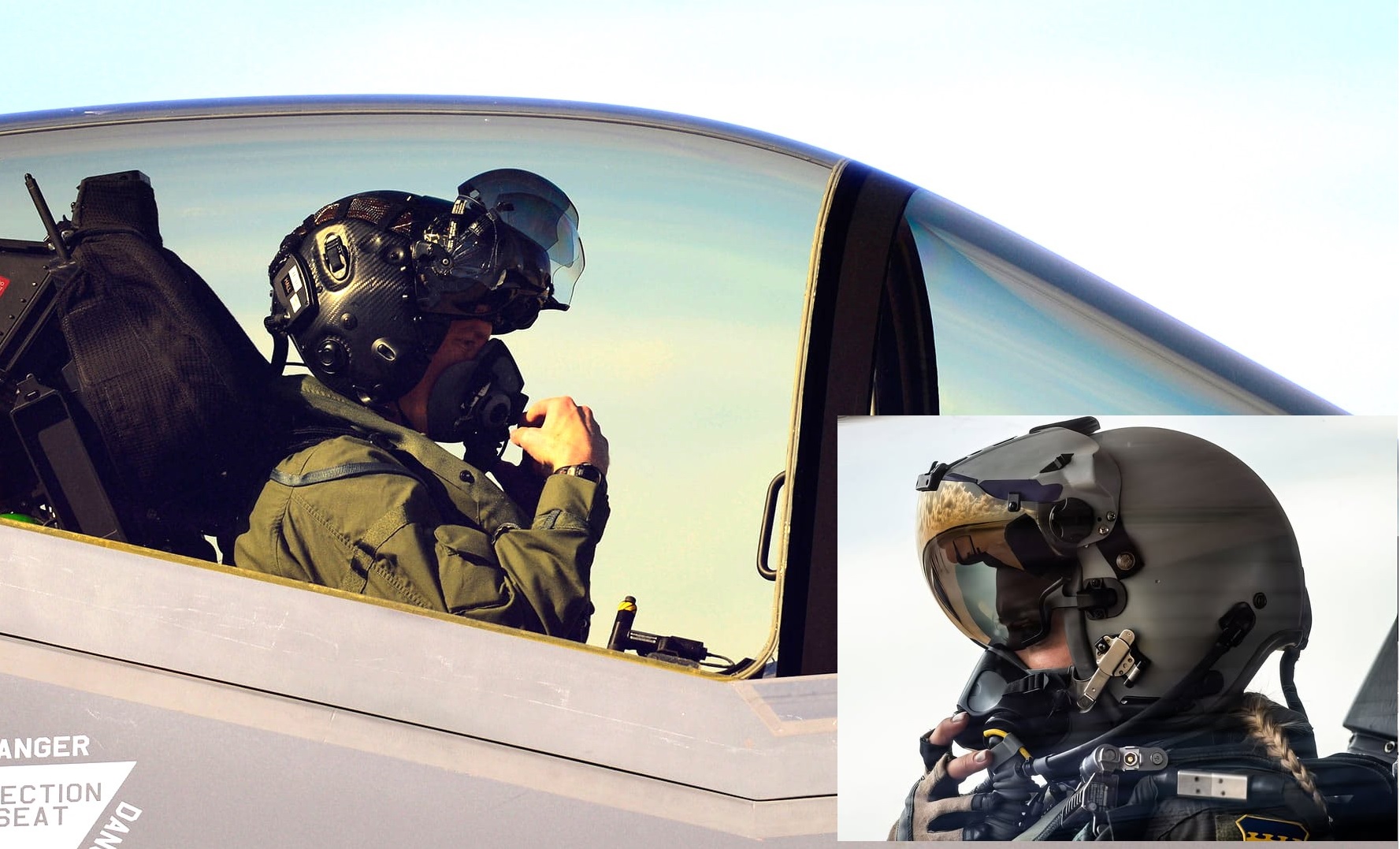
World
WASHINGTON, — April 1, 2026 : The United States Navy, through the Naval Air Systems Command, has awarded a $585 million contract to Collins Elbit Vision Systems LLC (CEVS) for the production and delivery of advanced helmet-mounted display (HMD) systems for the global F-35 Lightning II fleet. The award, announced on March 31, covers Lot 18 and Lot 19 helmet hardware and supports both U.S. military services and international operators. Contract Scope and Structure The agreement is structured as a firm-fixed-price, indefinite-delivery/indefinite-quantity (IDIQ) contract, ensuring flexibility in procurement volumes while maintaining a fixed pricing framework. Under the contract, CEVS will manufacture helmet display units, helmet assembly units, and associated interface components, along with providing program management services. The systems will be supplied to the U.S. Air Force, U.S. Marine Corps, and U.S. Navy, in addition to F-35 Cooperative Program Partners and Foreign Military Sales (FMS) customers. This reflects the expanding global footprint of the F-35 program and the continued demand for standardized pilot interface systems across allied fleets. Production activities will be divided between two primary facilities. Approximately 80 percent of the work will be carried out in Wilsonville, Oregon, while the remaining 20 percent will take place in Fort Worth, Texas. The Department of Defense has set a completion timeline extending through July 2029 for Lot 18 and Lot 19 deliveries. Helmet System Capabilities The helmet-mounted display system remains a central operational component of the F-35’s architecture. Unlike legacy fighter aircraft, the F-35 does not incorporate a traditional head-up display (HUD); instead, all critical flight and mission data are projected directly onto the pilot’s helmet visor. The contract includes both active matrix liquid crystal display (LCD) and organic light-emitting diode (OLED) helmet configurations. These systems provide real-time projection of primary flight instrumentation, targeting data, weapon alignment cues, and threat warnings directly into the pilot’s line of sight. In addition to standard flight data, the helmet integrates inputs from multiple onboard systems, including radar, electro-optical targeting systems, and the distributed aperture system (DAS). This sensor fusion capability enables the projection of external imagery onto the visor, allowing pilots to maintain situational awareness without reliance on physical cockpit views. One of the system’s defining features is the ability to display imagery that effectively allows the pilot to “see through” the aircraft structure. Industrial Background Collins Elbit Vision Systems LLC is a joint venture between Collins Aerospace, based in Cedar Rapids, Iowa, and Elbit Systems of America. The partnership focuses on advanced pilot interface technologies, particularly helmet-mounted display systems. According to company data, CEVS has delivered more than 20,000 helmet systems to military aviators worldwide. Its products have accumulated over 1 million flight hours across approximately 40 different fighter aircraft platforms. Program Context The contract aligns with ongoing procurement and production efforts for F-35 Lots 18 and 19 aircraft. The helmet systems produced under this agreement will equip aircraft delivered under these production lots, ensuring continuity in pilot interface capability as the fleet expands. The award supports the sustained integration of advanced avionics and human-machine interface systems within the F-35 program, meeting operational requirements across U.S. services and allied nations participating in the program.
Read More → Posted on 2026-04-01 17:50:23
India
BENGALURU / LYNN (Massachusetts), — April 2, 2026 : GE Aerospace has implemented a series of structural and operational measures to accelerate the production and delivery of F404-IN20 engines to Hindustan Aeronautics Limited (HAL), in support of India’s Light Combat Aircraft (LCA) Tejas Mk1A programme. The company has established an additional dedicated production line for the F404-IN20 variant, introduced higher levels of automation in engine testing processes, and appointed a new management team to oversee production and delivery timelines. These steps form part of a coordinated ramp-up plan agreed between GE Aerospace and HAL to address supply chain delays and stabilise engine availability. Delivery Schedule and Production Targets Under the revised roadmap, HAL is expected to receive 20 engines in the second half of the financial year 2026–27. HAL Chairman and Managing Director D.K. Sunil confirmed that deliveries are projected to increase to 24 engines during FY 2026–27, with further scaling to 30 engines annually from FY 2027–28 onward. As of early April 2026, GE Aerospace has delivered six engines under the original 2021 contract for 99 F404-IN20 units. Deliveries under this contract began in March 2025 after the production line was restarted. The line had previously been shut down in 2016 following completion of an earlier order of 65 engines. Initial delays in delivery were attributed to a combination of geopolitical tensions, pandemic-related supply chain disruptions, and the technical challenges associated with restarting a dormant production line. Follow-on Orders and Programme Expansion In November 2025, HAL placed a follow-on order for 113 additional F404-IN20 engines, including spares and modules. Deliveries under this contract are scheduled to begin in 2027 and continue through 2032. The order supports the production of 97 additional Tejas Mk1A aircraft approved by India’s Ministry of Defence in September 2025. To support increased production requirements, GE Aerospace has also invested $14 million in its Pune facility in India. The investment focuses on expanding component manufacturing capacity, incorporating advanced manufacturing technologies, and increasing automation for specific engine parts. Global Production Outlook and Platform Integration The F404 engine family, previously considered a mature or legacy platform, has seen its production lifecycle extended by nearly two decades due to renewed demand from multiple aerospace programmes. Current production timelines for new-build F404 engines are aligned with major platform requirements: HAL Tejas Mk1A (India): production expected until approximately 2032 Boeing T-7A Red Hawk (United States): production expected until approximately 2034 TAI Hürjet (Turkey): production expected to continue through 2030 and beyond The Boeing T-7A Red Hawk programme includes plans for more than 350 aircraft for the U.S. Air Force, with initial production deliveries beginning in late 2025 and initial operational capability targeted for 2027. Turkey’s Hürjet programme has entered mass production, supported by a manufacturing line capable of producing two aircraft per month. A memorandum of understanding signed in July 2025 between Turkish Aerospace Industries (TAI), GE Aerospace, and Turkish Engine Industries (TEI) provides for local assembly, inspection, testing, and maintenance of F404 engines within Turkey. Additional agreements, including the supply of F404 engine kits to Hanwha Aerospace in South Korea for integration into the FA-50/TA-50 aircraft family—also operated by the Polish Air Force—are contributing to sustained global demand. Technical Characteristics and Long-Term Support The F404-IN20 is the highest-thrust variant within the F404 engine family, capable of delivering up to 85 kN of thrust. It incorporates Full Authority Digital Engine Control (FADEC) and advanced single-crystal turbine blade technology designed for modern combat aircraft requirements. Although the final new-build F404 engines are projected to be produced by the mid-2030s, GE Aerospace plans to continue manufacturing spare parts and critical components until 2050 or later. This extended support framework is intended to maintain operational readiness for global fleets operating F404-powered aircraft, including those in the United States, India, South Korea, and Poland. Industrial Coordination and Programme Alignment The production ramp-up is aligned with HAL’s aircraft manufacturing expansion. HAL inaugurated a third Tejas Mk1A production line at its Nashik facility in October 2025 to meet increased aircraft output targets. GE Aerospace’s additional production line, combined with enhanced automation at its primary facility in Lynn, Massachusetts, and expanded manufacturing capabilities in Pune, is aimed at ensuring consistent engine supply. The company continues to coordinate closely with HAL on supply chain stabilisation measures to support the overall Tejas Mk1A production schedule.
Read More → Posted on 2026-04-02 15:45:05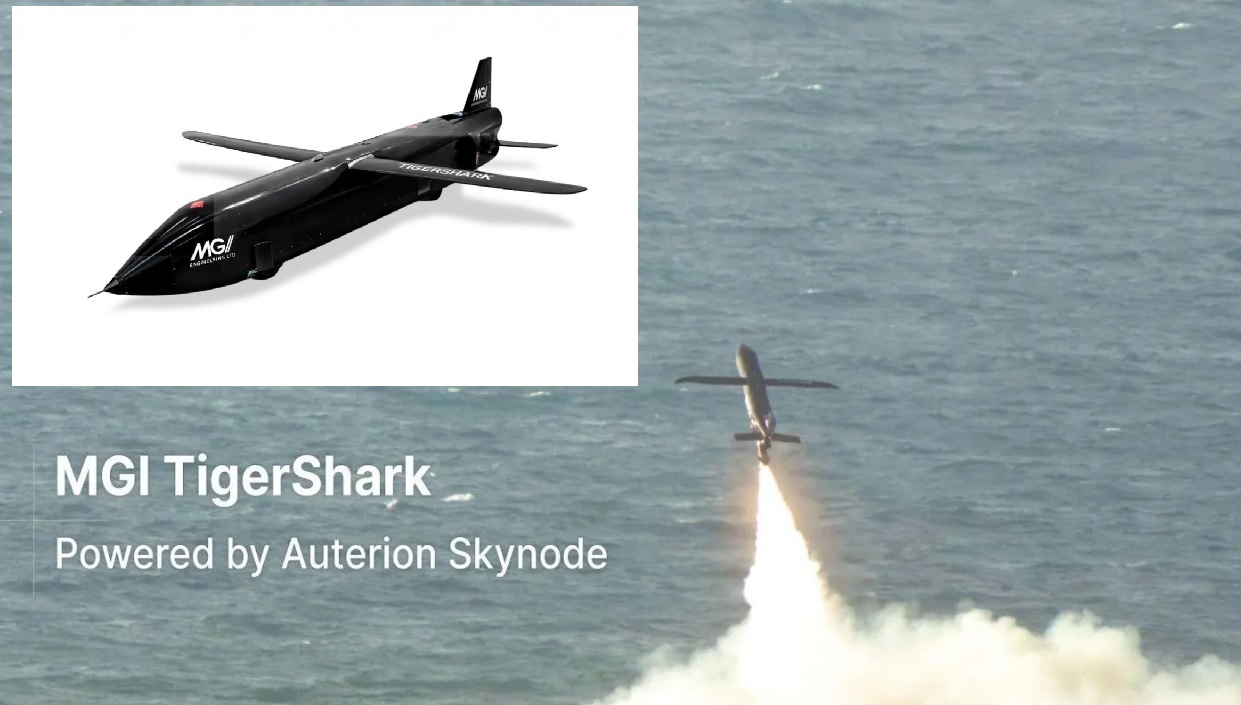
World
OXFORDSHIRE, UK — April 2, 2026 : MGI Engineering Ltd, in partnership with autonomous systems developer Auterion, has completed the first successful flight tests of the TigerShark uncrewed deep-strike platform. According to the companies, this marks the first successful European test of a newly developed autonomous system in this range and class in more than a decade. The TigerShark was first presented publicly at the DSEI 2025 defence exhibition in London. It is positioned as a scalable, software-defined alternative to traditional high-end cruise missiles, combining MGI’s expertise in rapid prototyping and advanced systems engineering with Auterion’s open, vendor-agnostic software architecture. Platform Design and Technical Characteristics TigerShark is designed as a long-range, one-way attack uncrewed aerial vehicle (UAV) intended for deep-strike missions against high-value targets in high-intensity operational environments. Technical specifications released by the companies indicate that the platform has an operational range exceeding 1,000 kilometres and a maximum cruising speed of up to 750 km/h. It can carry a payload of up to 300 kilograms, with compatibility for modular configurations including conventional warheads, electronic warfare payloads, or decoy packages. The system has a maximum take-off weight of approximately 800 kilograms and an empty mass of 170 kilograms. Payload configurations are modular within the 200–300 kilogram range, enabling mission-specific adaptability. TigerShark is designed to operate in contested environments, including scenarios where Global Navigation Satellite Systems (GNSS) are unavailable. It uses inertial navigation and terrain-mapping systems supported by onboard edge computing for guidance and targeting. Launch options include ground-based deployment using Rocket-Assisted Take-Off (RATO) as well as vehicle-mounted launch systems. The platform is engineered for salvo operations, allowing multiple units to be launched in coordinated sequences to saturate air defence systems. The estimated unit cost is approximately $549,000, placing it competitively within the category of compact cruise missile systems while offering a comparatively higher payload capacity. Software Architecture and System Integration The TigerShark platform integrates Auterion’s Skynode-N flight controller and software stack, forming the basis of a software-defined architecture. This enables continuous updates, rapid deployment cycles and interoperability across different mission profiles. The open systems design allows compatibility with third-party sensors, payloads and software, supporting integration into a wide range of operational frameworks. The architecture is intended to support long-term scalability and adaptability without requiring major hardware redesigns. MGI Engineering applied a “spiral development” methodology to the platform, drawing on its background in motorsport engineering to accelerate iteration cycles and system refinement. Statements from Company Officials Mike Gascoyne, Chief Executive Officer of MGI Engineering, stated that the program reflects the company’s engineering approach focused on rapid development and operational requirements. He said the collaboration with Auterion enabled the integration of autonomous capabilities into a flexible system designed for future upgrades and evolving mission demands. James East, UK General Manager at Auterion, stated that the project demonstrates the role of software-driven development in advancing autonomous systems. He noted that combining platform design with open architecture enables systems to evolve through software updates, improving capability and interoperability over time. Development Context and Related Systems The TigerShark builds on MGI’s earlier SkyShark platform, a tactical mid-range strike UAV with a range of approximately 250 kilometres and a payload capacity of 20 kilograms. While SkyShark is designed for shorter-range missions, TigerShark extends the same modular and scalable design principles into long-range strike operations. The platform is manufactured in the United Kingdom and is export-licensable, according to MGI Engineering. Operational Role and Strategic Relevance Systems such as TigerShark are intended to complement traditional cruise missiles by providing a lower-cost option capable of being deployed in larger numbers. Defence analysts assess that such platforms can play a role in anti-access and area denial (A2/AD) environments by increasing strike mass and complicating air defence responses. The ability to conduct operations in GNSS-denied and communications-contested environments aligns with current operational requirements observed in modern conflicts. Future Development Plans MGI Engineering and Auterion indicated that the successful flight tests mark the beginning of a broader development roadmap. The partnership is expected to expand into additional autonomous systems and capabilities aimed at defence, security and complex mission applications. Auterion’s technology is currently used by multiple defence organisations, including the United States Department of Defense, the United Kingdom Ministry of Defence, the German Bundeswehr and the Armed Forces of Ukraine. The companies stated that ongoing collaboration will focus on delivering operational flexibility through continued software and system development.
Read More → Posted on 2026-04-02 15:49:20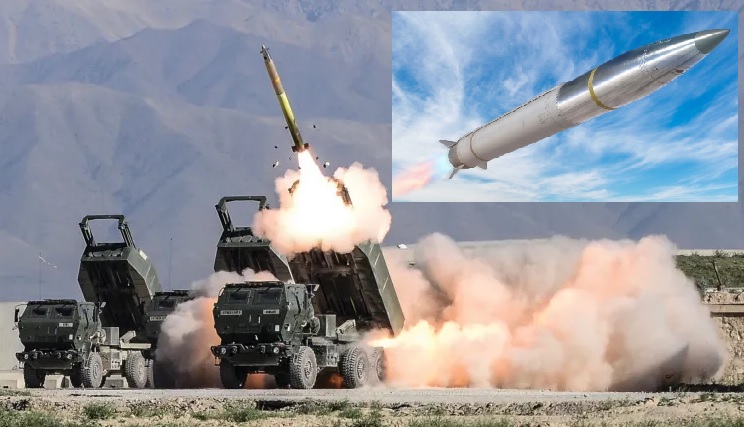
World
WASHINGTON, — April 2, 2026 : The U.S. Department of State has approved a possible Foreign Military Sale (FMS) to the Government of Singapore involving Guided Multiple Launch Rocket System (GMLRS) Alternative Warhead munitions and associated support equipment, with an estimated value of $83.14 million. The approval was formally notified to Congress on April 1. The proposed package includes forty-five (45) M30A2 GMLRS Alternative Warhead pods, each containing six rockets, bringing the total number of munitions to 270. In addition to the rockets, the sale covers telemetry kits, engineering services, technical assistance, and other elements of logistics and program support. The principal contractor for the program is Lockheed Martin, based in Bethesda, Maryland. Procurement Scope and Structure The acquisition is focused on expanding Singapore’s existing inventory of precision-guided rockets without increasing the number of launch platforms. The Singapore Armed Forces will integrate the new munitions into their current High Mobility Artillery Rocket System (HIMARS) fleet, maintaining the same operational structure while enhancing firepower. The procurement consists of: 45 M30A2 Alternative Warhead rocket pods 270 total rockets ready for deployment Supporting systems including telemetry, logistics, and technical services This approach allows Singapore to increase its strike capacity without requiring new launcher procurement, infrastructure expansion, or additional personnel training. Technical Characteristics of the M30A2 The M30A2 represents the current production configuration of the GMLRS Alternative Warhead (AW), which entered production in 2019 with the integration of the Insensitive Munitions Propulsion System (IMPS). The rocket has a range exceeding 70 kilometers and is designed to engage area targets or imprecisely located threats. The munition uses a combination of inertial measurement unit (IMU) and GPS guidance, sharing the same rocket motor, control systems, and guidance architecture as the unitary GMLRS family, including the M31 series. Unlike earlier cluster munition variants, the M30A2 employs a 200-pound high-explosive warhead containing approximately 160,000 to 182,000 preformed tungsten fragments. Upon detonation, the fragments produce a wide-area effect suitable for targeting dispersed formations such as troop concentrations, light vehicles, air-defense systems, and command posts. The design eliminates the risk of unexploded ordnance (UXO) associated with legacy Dual-Purpose Improved Conventional Munition (DPICM) systems. Accuracy and Operational Testing Testing data from U.S. military evaluations indicates that the M30A2 significantly exceeds required accuracy thresholds. Contractor specifications set a circular error probable (CEP) of less than 15 meters. Production qualification testing recorded a median miss distance of 2.1 meters Developmental and operational testing recorded a median miss distance of 2.7 meters The system maintained mission effectiveness under GPS-jamming conditions These results confirm the munition’s precision and resilience in electronically contested environments. Integration with Singapore’s HIMARS Fleet Singapore currently operates 24 M142 HIMARS launchers under the 23rd Battalion, Singapore Artillery. The systems were acquired through a 2007 Foreign Military Sale, with deliveries beginning around 2010 and full operational capability achieved by 2011. The HIMARS platform is a mobile, networked artillery system capable of firing the full family of MLRS munitions. Operational characteristics include: Readiness to fire in under 20 seconds Launch of a full six-rocket pod within 45 seconds Road mobility with speeds up to 94 km/h The system’s “shoot-and-scoot” capability enables rapid engagement and repositioning, enhancing survivability and responsiveness. Integration with Singapore’s digital battlefield management systems allows coordinated targeting and rapid execution of fire missions. Capability Expansion and Operational Role The introduction of the M30A2 provides Singapore with a precision area-effects capability that complements its existing inventory of M31 unitary GMLRS rounds, which are optimized for point targets. With both munition types available, a single HIMARS battery can engage a broader target set, including: Dispersed troop formations Artillery positions Air-defense detachments Staging and logistics areas Command and control nodes This layered capability aligns with Singapore’s operational doctrine, which emphasizes rapid, networked fires and decisive engagement due to limited strategic depth. Acquisition History and Context Singapore has developed its GMLRS capability incrementally over the past two decades. Key milestones include: 2007: Initial FMS approval for HIMARS launchers and early acquisitions of unitary rockets 2011–2012: Additional purchases of unitary GMLRS munitions 2013: Official notification for 88 M31 unitary high-explosive pods 2021: U.S. Selected Acquisition Reports (SAR) indicated production contracts supporting Singapore following the introduction of M30A2 and M31A2 variants While earlier reports suggested Singapore may have been included in broader production batches, the April 2026 notification represents the first clearly documented public acquisition of the M30A2 Alternative Warhead variant. Strategic and Program Implications The proposed sale enhances Singapore’s defensive capabilities and supports its ability to address current and future threats. It also strengthens interoperability with U.S. forces by aligning munitions, logistics, and operational frameworks. The transaction does not include the Extended-Range GMLRS (ER-GMLRS), which offers a range of approximately 150 kilometers and remains under a separate development and procurement track. By focusing on the standard GMLRS-AW variant, the acquisition maintains the existing range profile and avoids transitioning into longer-range missile categories such as the Army Tactical Missile System (ATACMS) or the Precision Strike Missile (PrSM). The sale is structured to ensure seamless integration into Singapore’s existing HIMARS and GMLRS infrastructure. No additional basing, training, or system modifications are required, allowing for immediate operational utility upon delivery. According to the U.S. government, Singapore is expected to have no difficulty absorbing the equipment and services into its armed forces. The transaction is also assessed as contributing to regional stability while maintaining the current balance of launcher capabilities in the region.
Read More → Posted on 2026-04-02 15:58:41
India
BENGALURU, — April 2, 2026 : Hindustan Aeronautics Limited (HAL) has invoked contractual penalty provisions against GE Aerospace over delays in the supply of F404-IN20 engines, a key component of the Light Combat Aircraft (LCA) Tejas Mk1A programme for the Indian Air Force (IAF). The penalties, structured as liquidated damages, are being applied for each engine delivered beyond agreed timelines under the engine procurement contract signed in 2021. HAL officials confirmed that the contract explicitly mandates financial penalties for schedule slippages, and deductions are being made as per the agreed terms. Contract Details and Delivery Status The 2021 agreement between HAL and GE Aerospace covers the supply of 99 F404-IN20 engines, valued at approximately $716 million (around $1 billion in broader programme estimates), intended to power 83 Tejas Mk1A aircraft ordered by the IAF. Deliveries, initially expected earlier, formally commenced in March 2025. As of early April 2026, HAL has received five engines. A sixth engine has been handed over in the United States and is expected to reach India by the end of April. HAL Chairman and Managing Director D. K. Sunil stated that GE Aerospace has committed to delivering at least 20 engines during the second half of calendar year 2026, between June and December. He described this projection as a “pessimistic” estimate, noting that the manufacturer has indicated the possibility of exceeding that figure. A follow-on agreement signed in November 2025 provides for an additional 113 F404-IN20 engines, including spares and modules, to support production of 97 more Tejas Mk1A aircraft. Deliveries under this second contract are scheduled from 2027 through 2032. Impact on Tejas Mk1A Production In February 2021, the Ministry of Defence awarded HAL a ₹48,000 crore contract to manufacture 83 Tejas Mk1A jets, including 73 fighter variants and 10 trainers. While HAL’s production lines remain active and multiple airframes have been completed, final assembly has been constrained by the shortage of engines. HAL currently has five aircraft fitted with engines and expects to have six aircraft integrated with Category-A engines by the end of April 2026. The company is targeting delivery of more than 20 Tejas Mk1A jets by December 2026, subject to completion of ongoing testing milestones. These include radar integration, avionics validation, and simultaneous missile-firing trials from twin launch pods. A comprehensive programme review scheduled for May 2026 will assess readiness prior to formal aircraft deliveries to the IAF. Financial and Contractual Implications The liquidated damages clause allows HAL to deduct a percentage of the value of each delayed engine. However, the delays have also created downstream contractual obligations. HAL is liable to pay penalties to the Indian Air Force for delays in delivering completed aircraft under its separate contract. HAL officials emphasized that while domestic production infrastructure is fully prepared, engine availability remains the primary constraint affecting delivery timelines. IAF Monitoring and Fleet Status The Indian Air Force is closely monitoring developments related to engine deliveries and programme progress. The planned review in May 2026 is expected to evaluate the overall status of the Tejas Mk1A programme before acceptance of aircraft. Separately, the existing Tejas Mk1 fleet, which had been grounded for approximately two months for routine maintenance checks and software updates related to its braking system, has been cleared to resume operations. The fleet is expected to return to active flying status by the second week of April 2026. Supply Chain Challenges GE Aerospace has attributed earlier delays to global supply chain constraints, which affected production schedules and delivery commitments. HAL has reiterated that its assembly lines are ready to scale output once engine supplies stabilize, indicating that future delivery rates will depend largely on the consistency of engine shipments.
Read More → Posted on 2026-04-02 16:02:46
World
ARLINGTON, Va., — April 2, 2026 : AeroVironment, Inc. has been selected by the United States Navy to provide Contractor-Owned, Contractor-Operated (COCO) Intelligence, Surveillance, and Reconnaissance (ISR) services as part of an effort to expand persistent, multi-domain surveillance capabilities across maritime and land environments. The selection, announced on April 1, places AeroVironment among several industry participants competing for delivery orders under four basic ordering agreements issued by the Navy. Other competitors include Insitu, Textron Systems, and potentially Shield AI. Individual task orders are expected to range between $10 million and $50 million. Shift Toward Maritime ISR Operations The contract reflects a broader strategic transition within the U.S. Department of Defense, where ISR demand has shifted from land-based theaters such as Afghanistan to maritime environments. The COCO model enables the Navy to obtain continuous ISR coverage and multi-domain sensor support for multiple combatant commands without assuming ownership or lifecycle maintenance responsibilities for the systems. Under this framework, contractors are responsible for providing platforms, personnel, and operational support, while revenue is recognized progressively as delivery orders are awarded and executed. The structure also includes performance-based conditions, where failure to meet operational standards may result in financial deductions. JUMP 20-X Platform Deployment AeroVironment will deploy its Group 3 JUMP 20-X vertical take-off and landing (VTOL) uncrewed aircraft system to support the Navy’s ISR requirements. The system is designed for both maritime and land-based missions and incorporates a modular open systems approach (MOSA), enabling payload-agnostic integration and compliance with STANAG-4586 standards. The JUMP 20-X provides more than 13 hours of flight endurance and an operational range of 115 miles (185 kilometers), with beyond-line-of-sight (BLOS) communication capability. It supports a payload capacity of up to 30 pounds (13.6 kilograms) and can integrate more than 70 different payload configurations depending on mission requirements. The platform is engineered for rapid deployment, requiring less than 30 minutes to become operational. Its vertical launch and recovery capability eliminates the need for traditional runway or launch equipment, reducing logistical footprint and enabling operations in constrained environments. Technical Specifications and Design Features The JUMP 20-X is a fully marinized aircraft equipped with a multi-fuel 230 cc heavy-fuel engine compatible with JP-5, JP-8, Jet A, and MoGas. It has a maximum gross takeoff weight of 215 pounds, a wingspan of 18.8 feet, and a length of 9.5 feet. The system is capable of operating at altitudes up to 17,000 feet density altitude and supports extended missions through BLOS connectivity. Its open architecture allows integration with a variety of sensors and communication systems, supporting multi-sensor intelligence gathering. Advanced onboard autonomy includes fully hands-free operation and artificial intelligence-enabled predictive algorithms designed for precision landings on moving vessels, including in high sea states. The platform incorporates AeroVironment’s SPOTR-Edge onboard computer vision system, which enables detection, classification, and tracking of targets in real time. The aircraft is also configured for contested operational environments, featuring anti-jamming capabilities, configurable Global Navigation Satellite System (GNSS) options, and alternative navigation solutions. Operational Experience and Previous Deployments The JUMP 20-X builds on the operational track record of the earlier JUMP 20 system, which has been deployed under COCO frameworks for U.S. Navy missions. Notably, it supported operations with U.S. Naval Forces Southern Command / US 4th Fleet during Operation Southern Spear in 2025. AeroVironment has also delivered ISR support services to the U.S. Marine Corps 22nd Marine Expeditionary Unit and the Republic of Korea Navy, demonstrating the system’s applicability across joint and international operations. Industry and Program Context The Navy’s ISR services initiative is intended to provide scalable, contractor-operated intelligence capabilities that can be rapidly deployed across global theaters. The inclusion of multiple vendors under basic ordering agreements is designed to maintain competition while ensuring access to a range of technological solutions. AeroVironment’s participation provides access to a growing segment of the maritime ISR market, though execution under the COCO model requires consistent operational performance to secure and retain delivery orders. The company’s revenue from the program will depend on successfully competing for and fulfilling task orders over the contract period. Company Statement Shane Hastings, Vice President of Medium Uncrewed Systems at AeroVironment, stated that the company is prepared to support the Navy’s ISR requirements with its existing technology and operational capabilities. He noted that the system is already deployed and mature, and that the company aims to provide scalable ISR services across multiple domains.
Read More → Posted on 2026-04-02 16:06:04
World
STOCKHOLM, — April 2, 2026 : Swedish defense company Saab AB has been awarded a contract valued at approximately SEK 2.6 billion (around $275 million) by the Swedish Defence Materiel Administration (FMV) to deliver a mobile and modular counter-unmanned aerial system (C-UAS). Deliveries are scheduled between 2027 and 2028. The contract forms part of Sweden’s broader GUTE II air defense procurement program, which has a total value of SEK 8.7 billion. Saab’s role within the program focuses on providing detection and electronic warfare capabilities to counter drone threats, alongside contributions from BAE Systems Bofors, Nammo, and SISU Auto. System Design and Operational Role The C-UAS platform has been developed in cooperation with the Swedish Armed Forces and FMV as a fully operational, deployment-ready system. It is designed to provide layered, adaptable, and cost-efficient protection against the growing threat posed by small- to medium-sized unmanned aerial vehicles (UAVs). The system is capable of detecting, tracking, and neutralizing low-flying drones. It combines Saab’s field-proven sensors and effectors with selected third-party technologies into a single interoperable solution that integrates with existing Swedish defense infrastructure. A key feature of the platform is its modular and mobile architecture, allowing deployment across varied terrains and operational scenarios. The system supports both vehicle-mounted and stationary configurations, enabling flexible use for territorial defense and infrastructure protection. Core Components and Capabilities The system incorporates several established Saab technologies: Giraffe 1X radar: A compact 3D multi-mission radar weighing under 150 kg, providing 360-degree air surveillance, drone detection, and engagement-quality targeting data. Trackfire weapon station: Equipped with a 30 mm cannon for kinetic engagement of aerial threats. Electronic warfare systems: Designed to disrupt or neutralize drone operations through non-kinetic means. Together, these components form a system-of-systems architecture based on military off-the-shelf solutions. This approach allows rapid integration of additional sensors or effectors depending on mission requirements and threat levels. Strategic Purpose and Deployment The C-UAS systems are intended to protect both military units and critical civilian infrastructure, including power plants, railway networks, and population centers. The procurement supports Sweden’s plan to establish territorial air defense companies tasked with area protection. The program also aligns with previously announced Swedish investments in air defense and counter-drone capabilities. It follows earlier FMV contracts, including orders for additional Giraffe 1X radar systems in December 2025 and Trackfire systems in January 2026. Carl-Johan Bergholm, head of Saab’s Surveillance business area, stated that the system enhances airspace security by enabling detection, tracking, and mitigation of unmanned aerial threats, while maintaining compatibility with other defense systems. Program Significance The acquisition reflects Sweden’s effort to address evolving aerial threats, particularly the increased use of drones in modern conflicts. By integrating mobile and modular counter-drone systems into its defense structure, Sweden aims to strengthen its layered air defense posture and improve protection of both military operations and national infrastructure.
Read More → Posted on 2026-04-02 16:09:08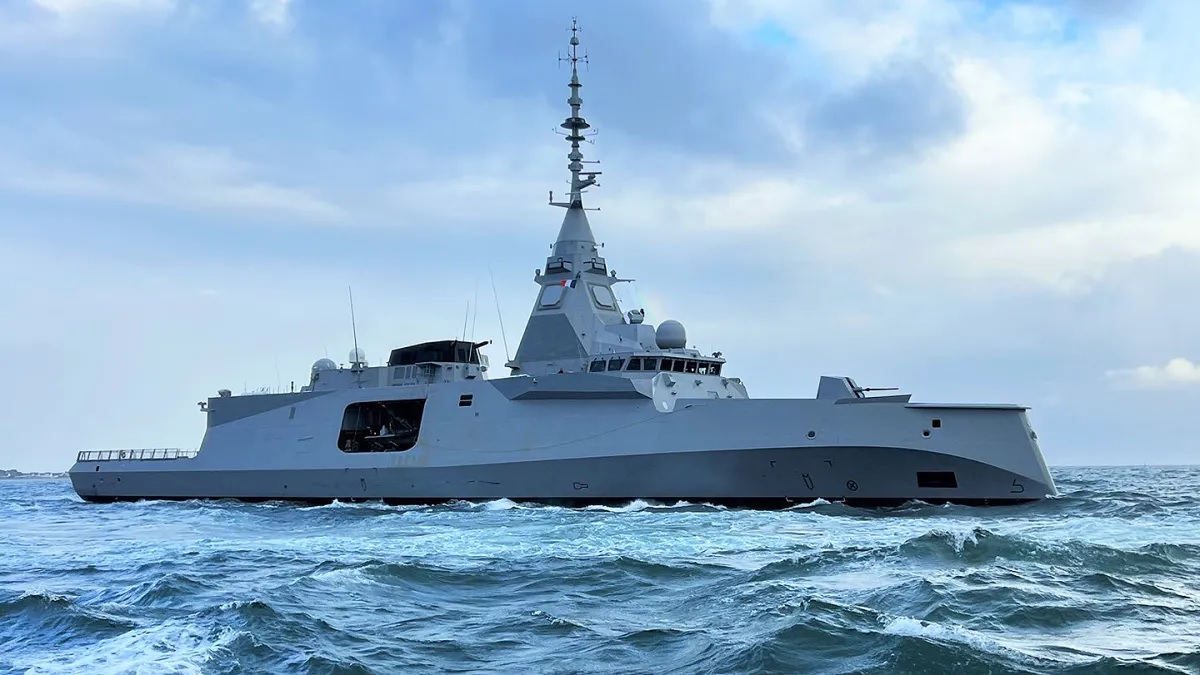
World
LORIENT / PARIS, — April 2, 2026 : France has formally placed an order for its fifth and final Frégate de Défense et d’Intervention (FDI), marking the completion of a key surface combatant program under the country’s 2024–2030 military planning law. The order was issued by the Direction Générale de l’Armement (DGA) to Naval Group, with construction to take place at the company’s upgraded shipyard in Lorient. The vessel, to be named Amiral Cabanier (hull number D664), is scheduled for delivery in 2032 and will join the French Navy (Marine Nationale) as part of the Amiral Ronarc’h-class frigates, intended to replace the aging La Fayette-class fleet. Fleet Completion and Production Status With the latest order, France confirms a five-ship FDI fleet. The program timeline reflects a phased production approach: D660 Amiral Ronarc’h — ordered April 2017; delivered October 17, 2025; currently on long-term operational deployment D661 Amiral Louzeau — ordered March 2021; launch expected in Q2 2026 D662 Amiral Castex — ordered March 2021; under construction D663 Amiral Nomy — ordered December 2025; construction pending D664 Amiral Cabanier — ordered April 2026; delivery planned for 2032 The lead ship, Amiral Ronarc’h, is presently conducting a long-duration deployment across the North Sea, North Atlantic, and Mediterranean. This deployment, often referred to as a check-down or long cruise, is designed to validate systems and operational readiness. According to its commanding officer, full operational entry is expected between summer and the end of 2026. All vessels are being built at Naval Group’s Lorient facility, which has undergone modernization to support parallel construction. The yard is now capable of producing up to two frigates per year simultaneously, as demonstrated by concurrent assembly of French and export units. Design, Displacement, and Operational Scope The FDI is a 4,500-ton, 122-meter-long first-rank frigate designed for multi-domain, high-intensity naval warfare. Its mission set includes: Anti-air warfare (AAW) Anti-surface warfare (ASuW) Anti-submarine warfare (ASW) Cyber defense and electronic resilience Asymmetric threat countermeasures Special forces deployment The platform integrates Exocet MM40 Block 3c anti-ship missiles, MBDA Aster 15 and Aster 30 surface-to-air missiles, MU90 torpedoes, and naval artillery systems including 76 mm and 20 mm guns. It is capable of simultaneously operating an NH90 NFH helicopter, an unmanned aerial vehicle (UAV), and a special forces detachment equipped with two commando boats. Digital Architecture and Sensor Suite A defining feature of the FDI class is its fully digital, cyber-secured architecture. Each vessel incorporates two redundant onboard data centers hosting combat and platform systems, ensuring operational continuity even under cyber attack conditions. The class is the first in the French Navy to deploy the Thales SEAFIRE radar, an all-digital, fixed-panel active electronically scanned array (AESA) system. Installed on a single integrated mast, the radar uses four fixed panels to provide continuous 360-degree coverage. The ships also employ advanced sonar systems, including a compact variant of the CAPTAS-4 towed-array sonar, enhancing anti-submarine detection capabilities. In addition, the FDI introduces a dedicated station for managing asymmetric threats such as unmanned systems and fast attack craft. This station operates independently from the main Combat Information Center (CIC), allowing simultaneous handling of conventional and unconventional threats. Expanded Air Defense Capability A key evolution in the FDI program is the increase in vertical launch system (VLS) capacity. The first three ships—Amiral Ronarc’h, Amiral Louzeau, and Amiral Castex—are equipped with two Sylver A50 VLS modules, providing 16 missile cells for Aster 15 and Aster 30 interceptors. Following approval by the French National Assembly’s Defense Commission, the fourth and fifth ships—Amiral Nomy and Amiral Cabanier—will be constructed with four Sylver A50 modules, doubling capacity to 32 cells. This enhancement increases the vessels’ ability to counter saturation attacks and moves the class closer to an area air-defense role. Discussions are ongoing between the DGA, the French Navy, and industry partners to retrofit the first three ships to the 32-cell configuration. Industrial Output and Delivery Schedule The first FDI hull was laid down in December 2021 and launched in November 2022, before delivery in October 2025. Under the current schedule, multiple ships for both France and export customers are expected to be delivered before 2030. The remaining French vessels—Amiral Louzeau, Amiral Castex, Amiral Nomy, and Amiral Cabanier—will enter service progressively between 2027 and 2032. Export Program and International Interest The FDI design has secured export success with the Hellenic Navy. Greece has ordered four vessels, known as the Kimon class. The first ship, HS Kimon, was delivered in December 2025, and construction of subsequent units—including Themistocles—is ongoing at Lorient alongside French vessels. The enhanced 32-cell VLS configuration aligns the French Navy’s later ships with the export standard. Naval Group continues to promote the FDI design to several international customers, including Sweden, Denmark, Saudi Arabia, and Indonesia. Program Significance The completion of the five-ship FDI program represents a central component of France’s naval modernization strategy. By combining digital architecture, advanced sensors, and expanded air-defense capacity, the FDI class is positioned to replace legacy frigates while supporting both national and allied maritime operations over the coming decades.
Read More → Posted on 2026-04-02 16:13:23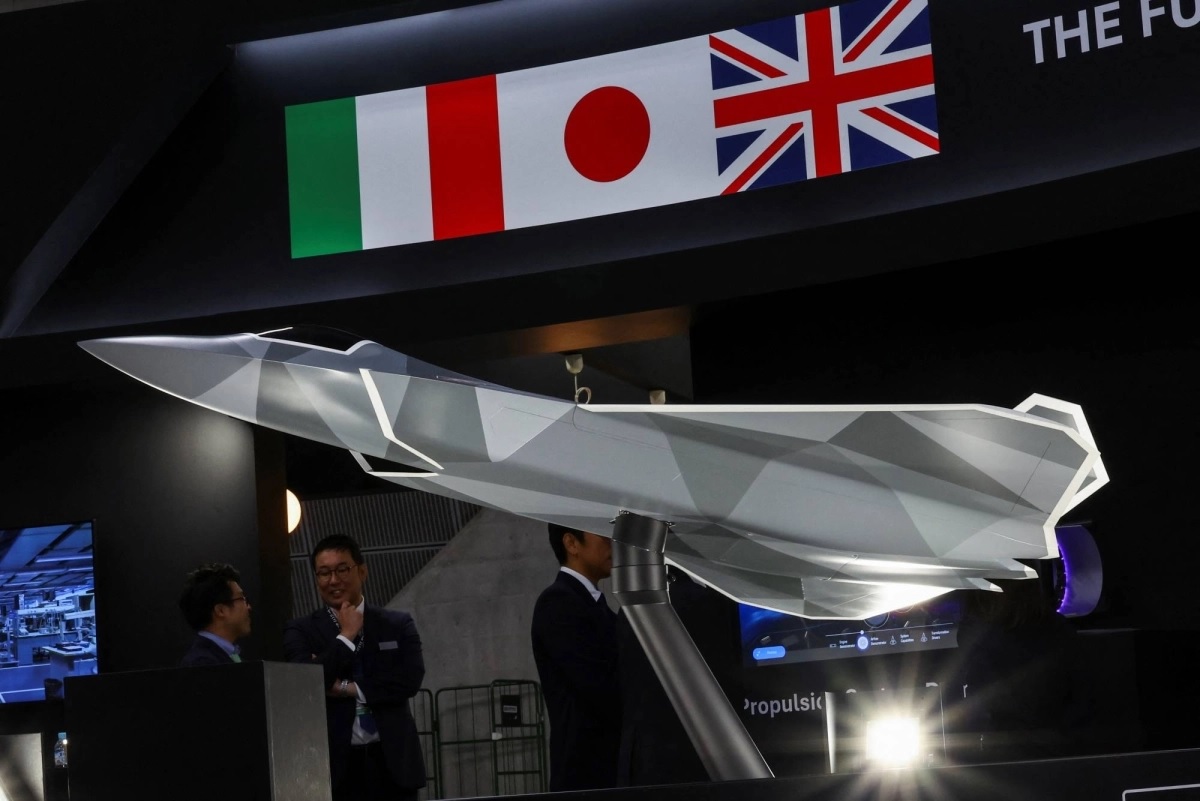
World
LONDON / READING, — April 2, 2026 : The Global Combat Air Programme (GCAP) Agency has awarded a £686 million ($905 million) contract to Edgewing to lead the design and development of a sixth-generation combat aircraft for the United Kingdom, Italy, and Japan. The agreement, announced on April 1 and running through June 30, 2026, represents the first joint international contract under the programme and formally establishes a unified trinational development structure. The contract positions Edgewing as the central authority for engineering, integration, airworthiness, and certification of the future combat aircraft. It marks a transition from parallel national development efforts into a consolidated framework managed under the GCAP International Government Organisation (GIGO). Governance Structure and Industrial Framework Edgewing was formally launched on June 20, 2025, as a United Kingdom–headquartered joint venture between BAE Systems, Leonardo, and Japan Aircraft Industrial Enhancement Co. Ltd. (JAIEC), with each partner holding an equal 33.3 percent stake. The company is designated as the design authority for the aircraft throughout its projected service life beyond 2070. Under the new governance model, Edgewing is responsible for centralized design, configuration control, and certification activities. Manufacturing and final assembly will be subcontracted to BAE Systems (UK), Leonardo (Italy), Mitsubishi Heavy Industries (Japan), and associated supply chains across the partner nations. The structure is intended to preserve national industrial capabilities while avoiding the fragmented management approaches that have affected earlier multinational defence programmes. Industry observers note that this centralized framework contrasts with ongoing industrial disagreements impacting the Franco-German-Spanish Future Combat Air System (FCAS/SCAF). Masami Oka, Chief Executive of the GCAP Agency, stated that the contract represents a key transition point, bringing activities previously conducted under separate national contracts into a single international programme. Marco Zoff, Chief Executive Officer of Edgewing, highlighted that the pace of current development reflects coordinated collaboration among the partner organisations. Programme Scope and Technical Architecture GCAP is structured as a “system of systems” designed to operate across air, land, sea, space, and cyber domains. The core crewed aircraft will function as a central command node, coordinating with uncrewed systems, including collaborative combat aircraft (drone wingmen). The programme maintains a target in-service date of 2035. The aircraft is intended to replace the Eurofighter Typhoon in the UK and Italy, and Japan’s F-2 multi-role fighter. The sensor and mission system architecture is centred on the Integrated Sensing and Non-Kinetic Effects and Integrated Communications Systems (ISANKE & ICS). This framework is being developed by the GCAP Electronics Evolution (G2E) consortium, established in September 2025 and comprising Leonardo UK, Leonardo’s Electronics Division (Italy), ELT Group, and Mitsubishi Electric. The aircraft’s radar is designed to process approximately 10,000 times more data than current systems, enabling advanced targeting, electronic warfare, and self-protection capabilities in contested environments. Weapons integration is being developed jointly by MBDA and Mitsubishi Electric under an “Effects Domain” concept, focusing on seamless management of current and future weapon systems. Propulsion and Power Systems The propulsion system is being developed through collaboration between Rolls-Royce, IHI Corporation, and Avio Aero. The design is intended to provide both conventional thrust and significantly increased electrical power output to support advanced sensors, onboard processing, and thermal management systems. The demonstrator engine programme currently involves approximately 40,000 individual components, reflecting the scale and complexity of next-generation propulsion requirements. Financial Commitments and Programme Funding The £686 million contract serves as a bridge arrangement to sustain design and engineering activities while partner governments finalise longer-term funding frameworks, particularly in the United Kingdom. Italy has approved €8.77 billion in funding for programme phases extending through 2037. Total early-phase costs are estimated at €18.6 billion. The programme is positioned as a long-term strategic investment aimed at maintaining sovereign design and engineering capabilities and ensuring supply chain resilience across participating nations. Design Characteristics and Development Progress Design imagery released by the programme indicates a broad-delta wing configuration with twin engines and canted vertical stabilisers. The configuration prioritises internal volume, reduced radar cross-section, and accommodation for large-aperture sensors. These design characteristics align with the aircraft’s intended role in contested airspace, where it will function as both a sensor platform and a command node within a distributed combat network. International Participation and Expansion Prospects Participation in GCAP may expand beyond the three core partner nations. According to reports published on April 2, 2026, Canada has entered ministerial-level discussions regarding potential observer status in the programme. If formalised at a multilateral meeting scheduled for July, such participation would provide access to selected technical data and represent a shift from exclusive reliance on United States-developed fighter platforms. Programme Integration and Location The GCAP Agency, operating under GIGO, awarded the contract on behalf of the partner governments. Edgewing’s headquarters and the GCAP international organisation are co-located in Reading, United Kingdom, to support coordination between industrial and governmental stakeholders. The contract reflects the maturity of the programme’s governance and industrial structures, following the establishment of Edgewing in 2025 and the alignment of national and international programme management frameworks.
Read More → Posted on 2026-04-02 16:24:08
India
NEW DELHI, — April 2, 2026 : The Ministry of Defence (MoD) has initiated a major procurement process for more than 200 New Generation Air Defence Gun (ADG-NG) systems for the Indian Army, issuing a Request for Information (RFI) to industry. Vendors have been asked to submit technical and product responses by June 11, 2026, marking the early stage of a program aimed at strengthening India’s short-range air defence capabilities. The planned acquisition forms a core component of Mission Sudarshan Chakra, a long-term initiative designed to establish an artificial intelligence-enabled, multi-layered national air and missile defence architecture by 2035. The program integrates sensors, command-and-control networks, and weapon systems across the Army, Air Force, and Navy, with gun-based systems forming a key layer for close-in protection. Operational Background and Threat Assessment The requirement for ADG-NG systems is based on operational lessons drawn from Operation Sindoor conducted in May 2025. During that period, adversaries deployed electrically powered drone swarms along India’s western front for surveillance and precision targeting of civilian and military infrastructure. These drones, including commercial and improvised platforms, presented detection challenges due to their low radar cross-section and minimal infrared signatures. The experience highlighted limitations in existing air defence systems, particularly against low-cost, small, and slow-moving aerial threats. In response, the ADG-NG systems are required to detect, recognise, identify, track, and engage a wide spectrum of aerial targets. These include conventional threats such as fixed-wing aircraft, helicopters, and cruise missiles, as well as unconventional platforms like micro and mini unmanned aerial systems, para-motors, paragliders, and micro-light aircraft. The systems are also expected to handle high-performance targets, including fighter aircraft such as the Dassault Rafale, alongside small commercial drones like the DJI Mavic Pro 3. Technical Specifications and System Requirements According to the RFI, the ADG-NG will be a vehicle-mounted or towed platform equipped with advanced automation and fire control technologies. Key operational and technical parameters include: The system must achieve a minimum firing range of 4,000 metres and an engagement altitude of at least 2,500 metres. It is required to sustain a rate of fire exceeding 300 rounds per minute and engage targets travelling at speeds up to 500 metres per second. The guns will use programmable smart ammunition, including pre-fragmented and proximity-fused rounds, along with conventional high-explosive tracer ammunition. All ammunition must incorporate a self-destruct mechanism to minimise collateral damage and maintain a minimum shelf life of 10 years. Each system will be fitted with an integrated Electro-Optical Fire Control System (EOFCS) capable of autonomous, all-weather, day-and-night operation. This includes target acquisition, tracking, and engagement without continuous operator input. Operational requirements specify the inclusion of an autoloader system manageable by no more than two personnel. The platforms must also support silent operations through onboard power solutions such as generators, batteries, or external mains supply to reduce acoustic detection. Industrial Participation and Competing Systems Three Indian defence manufacturers are expected to participate in the ADG-NG program based on their existing capabilities and involvement in similar projects. Larsen & Toubro (L&T) is offering its Sudarshan Close-in Weapon System (CIWS), which incorporates a 3D Active Electronically Scanned Array (AESA) radar and is designed for autonomous tracking and engagement, including high-altitude operations. Bharat Heavy Electricals Limited (BHEL), in partnership with Italy-based Leonardo S.p.A., is proposing a system focused on high fire density. This configuration is intended for point defence roles, particularly for protecting critical infrastructure and high-value assets. The partnership builds on ongoing collaboration between the two companies in gun and fire control system development. Advanced Weapons and Equipment India Limited (AWEIL), headquartered in Kanpur, is presenting an upgraded version of the legacy Bofors L-70 air defence gun. The proposed system incorporates modern electronics, digital fire control systems, and improved radar integration. Indigenous Content and Procurement Framework The MoD has stipulated that the ADG-NG systems must achieve a minimum of 50 percent indigenous content based on cost. This requirement aligns with the government’s Atmanirbhar Bharat policy, which prioritises domestic manufacturing, technology transfer, and local supply chain development in defence procurement. The systems are expected to feature modular architecture to ensure compatibility with existing Indian Army radar, communication, and navigation systems. The program also emphasises scalability and future upgrades as part of the broader integrated air defence framework. Modernisation Context and Previous Efforts The ADG-NG program is part of ongoing efforts to replace legacy air defence guns currently in service, including the ZU-23-2 twin-barrel autocannons and mechanically operated L-70 systems. These older platforms have limited capability against emerging threats such as drone swarms and precision-guided munitions. The current RFI builds on earlier procurement initiatives. In October 2022, the MoD issued a Request for Proposal (RFP) for 220 towed air defence guns under the Buy and Make (Indian) category, also requiring 50 percent indigenous content. The ADG-NG program represents a shift toward more advanced, vehicle-mounted systems with higher levels of automation and integration.
Read More → Posted on 2026-04-02 16:36:24
Space & Technology
KENNEDY SPACE CENTER, — Florida, April 2, 2026 : NASA has successfully launched the Artemis II mission, sending four astronauts aboard the Orion spacecraft toward the Moon in the first crewed mission to lunar vicinity since the Apollo 17 mission in 1972. The launch took place at 6:35 p.m. Eastern Time on April 1 from Launch Complex 39B at Kennedy Space Center. The Orion spacecraft, manufactured by Lockheed Martin, lifted off atop the Space Launch System (SLS), a 322-foot rocket generating approximately 8.8 million pounds of thrust using twin solid rocket boosters and four RS-25 engines. Shortly after liftoff, both the solid rocket boosters and the launch abort system separated as planned. The spacecraft, named “Integrity”, is carrying NASA astronauts Reid Wiseman as commander, Victor Glover as pilot, and Christina Koch as mission specialist, along with Jeremy Hansen of the Canadian Space Agency serving as mission specialist. Mission Profile and Trajectory The Artemis II mission is planned as a 10-day flight covering approximately 685,000 miles. The mission begins with two Earth orbits to evaluate spacecraft systems before executing a translunar injection maneuver. The spacecraft will then travel nearly 250,000 miles from Earth and approximately 5,000 miles beyond the far side of the Moon. Orion will follow a free-return trajectory, using the Moon’s gravitational field to loop around the lunar far side and return toward Earth without requiring major propulsion maneuvers for the return leg. Spacecraft Systems and Capabilities The Orion spacecraft used for Artemis II incorporates multiple systems designed for sustained human operations in deep space. These include an advanced Environmental Control and Life Support System (ECLSS), updated flight displays and control interfaces, and a fully operational launch abort system designed to ensure crew safety during ascent. The spacecraft interior is equipped with facilities to support extended missions, including an exercise machine, potable water supply, a galley, and a waste management and hygiene bay. Communication systems onboard include standard audio communication links and an experimental laser-based system, the Orion Artemis II Optical Communications System, designed to provide high-bandwidth data transmission with mission control in Houston. The European Service Module, which provides propulsion, power, and thermal control, was supplied by Airbus Defence and Space. The launch abort system includes components from multiple suppliers, including abort motor contributions from Northrop Grumman. In-Flight Operations and Testing During the mission, the crew will conduct a series of system tests and operational demonstrations aimed at validating Orion’s readiness for future deep space missions. These activities include proximity maneuvering operations and direct observation of the Moon’s far side. The mission will also collect baseline data on spacecraft performance and human health in a deep space environment beyond low-Earth orbit. These data are intended to support planning for subsequent Artemis missions, including crewed lunar landings. Re-entry and Recovery Operations At the conclusion of the mission, scheduled for April 10, the Orion spacecraft will re-enter Earth’s atmosphere at speeds reaching up to 30 times the speed of sound. Atmospheric drag and a parachute deployment sequence will reduce velocity to under 20 miles per hour before splashdown in the Pacific Ocean off the coast of San Diego, California. Recovery operations will involve NASA teams, contractors, and U.S. Navy personnel positioned in the designated landing zone. Industry and Program Statements Robert Lightfoot, president of Lockheed Martin Space, stated that the mission will focus on testing Orion systems and demonstrating its capability to transport crews to the lunar surface and return them safely. Kirk Shireman, vice president and Orion program manager at Lockheed Martin Space, said the mission reflects years of development work and is intended to prepare for future crewed flights beyond Earth orbit. Program Context Artemis II is the first crewed flight of both the Orion spacecraft and the Space Launch System rocket. The mission builds on uncrewed test flights and is a key step in NASA’s Artemis program, which aims to return humans to the Moon and establish a sustained presence in lunar orbit and on the surface. Data gathered during Artemis II will be used to refine mission systems and procedures for upcoming missions, including those involving crewed lunar landings.
Read More → Posted on 2026-04-02 16:44:28
World
BEIJING/TOKYO, — April 2, 2026 : A recent full-page report published by the People’s Liberation Army’s official newspaper, PLA Daily, has drawn attention to Japan’s separated plutonium reserves, stating that the country held approximately 44.4 metric tonnes of unirradiated plutonium as of the end of 2024. The publication assessed that this quantity could theoretically support the production of around 5,500 nuclear warheads, based on international standards for fissile material requirements. The report has contributed to renewed discussion regarding nuclear latency and strategic stability in East Asia, particularly as regional security dynamics continue to evolve. Verified Stockpile and Storage Distribution Official data published by the Japanese government and monitored under the safeguards of the International Atomic Energy Agency (IAEA) confirms that Japan’s total separated plutonium inventory stood at approximately 44.4 metric tonnes at the end of 2024. This represents a slight decrease from 44.5 tonnes recorded a year earlier and marks the fourth consecutive annual decline. The stockpile is geographically divided between domestic and overseas facilities. Approximately 8.6 tonnes are stored within Japan under strict security and regulatory oversight. The remaining 35.8 tonnes are held in Europe, reflecting earlier arrangements under which spent nuclear fuel from Japanese reactors was reprocessed abroad. Of this overseas inventory, around 21.7 tonnes are located in the United Kingdom and approximately 14.1 tonnes in France. Civilian Nuclear Program and Safeguards Japan’s plutonium originates entirely from its civilian nuclear fuel cycle programme. The country reprocesses spent nuclear fuel to extract plutonium for use in Mixed Oxide (MOX) fuel, a practice commonly referred to as “pluthermal” generation. This fuel is intended for use in selected commercial nuclear reactors. The material remains under comprehensive IAEA safeguards and is declared for exclusively peaceful purposes. Japan is also a signatory to the Nuclear Non-Proliferation Treaty (NPT) as a non-nuclear-weapon state and adheres to its long-standing “Three Non-Nuclear Principles,” which prohibit the possession, production, or introduction of nuclear weapons on its territory. To ensure transparency, Japan submits annual reports detailing its plutonium management and utilisation plans under international guidelines. Quantitative Assessment and Technical Context Under IAEA definitions, approximately eight kilograms of plutonium constitutes a “significant quantity” sufficient for a basic nuclear explosive device. Based on this benchmark, Japan’s total stockpile of 44.4 tonnes corresponds to a theoretical capacity of roughly 5,500 such devices. Independent assessments, including those by the Japan Atomic Energy Commission and the International Panel on Fissile Materials, confirm both the scale and composition of the stockpile. The plutonium is classified as reactor-grade material, which, while less optimal than weapons-grade material, is still considered technically usable in a nuclear explosive device. For comparison, estimates from the Stockholm International Peace Research Institute (SIPRI) indicate that Russia, which maintains the world’s largest nuclear arsenal, possesses approximately 5,400 warheads. Capability Versus Policy Position Japan does not possess nuclear weapons and maintains that its nuclear activities are strictly civilian. However, analysts note that the country’s advanced technological base, industrial capacity, and scientific expertise place it in a position of “nuclear latency,” meaning it has the capability to develop nuclear weapons within a relatively short timeframe if a political decision were made. Multiple expert evaluations suggest that Japan could assemble a basic nuclear device within six to twelve months under such circumstances. Some analyses indicate that a limited operational arsenal could be developed within three to five years, depending on factors such as fissile material utilisation and delivery system integration. This distinction between technical capability and political intent continues to shape international assessments of Japan’s nuclear posture. PLA Daily Assessment and Chinese Position The PLA Daily report characterizes Japan’s plutonium accumulation as a matter of international concern, arguing that the scale of the stockpile, combined with evolving defense policies, could have implications for regional security. The publication asserts that Japan’s expanding defense initiatives—including increased investment in advanced technologies and recent policy adjustments allowing for enhanced long-range strike capabilities—should be evaluated alongside its latent nuclear potential. It also referenced Japan’s allocation of 17.5 billion yen (approximately $109.6 million) in 2025 for research programs focused on adapting advanced civilian technologies for potential military applications, representing a significant increase compared to 2022 levels. Chinese officials have previously called for greater international scrutiny of Japan’s plutonium reserves, emphasizing the potential for rapid nuclear armament under changing policy conditions. Industrial Constraints and Stockpile Trends The accumulation of Japan’s plutonium stockpile is primarily attributed to structural and operational challenges within its nuclear energy sector rather than weapons-related objectives. Following the Fukushima Daiichi nuclear disaster in 2011, the majority of Japan’s nuclear reactors were shut down, significantly reducing the consumption of MOX fuel. At the same time, long-standing technical delays at the Rokkasho Reprocessing Plant have limited the country’s ability to process and utilize plutonium domestically. Despite these constraints, Japan has continued efforts to reduce its stockpile through MOX fuel usage in operational reactors, including Takahama Units 3 and 4, Ikata Unit 3, and Genkai Unit 3. The gradual consumption of plutonium in these facilities has contributed to the recent downward trend in total holdings. However, no significant increase in plutonium consumption or new large-scale reprocessing activity is expected in the immediate fiscal year, and the stockpile is projected to remain broadly stable at approximately 44.5 tonnes through the end of fiscal year 2025. Regional Security Context Japan’s plutonium reserves are situated within a broader regional environment in which neighboring countries—including China, Russia, and North Korea—possess operational nuclear arsenals. Japan, in contrast, relies on the United States’ extended deterrence framework, often referred to as the “nuclear umbrella,” for its strategic security. As regional tensions and defense policy debates continue to evolve, Japan’s civilian plutonium stockpile remains a subject of international attention. While the country maintains strict compliance with international safeguards and nonproliferation commitments, the scale of its fissile material reserves continues to be assessed in the context of both energy policy and regional strategic balance.
Read More → Posted on 2026-04-02 17:21:26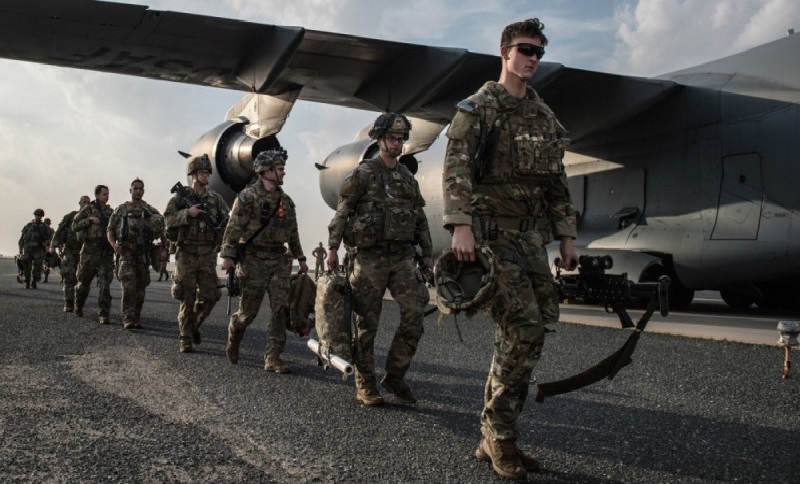
World
WASHINGTON, — April 2, 2026 : The U.S. Department of Defense has briefed President Donald Trump on a comprehensive military plan to deploy ground forces into Iran to recover approximately 1,000 pounds (about 450 kilograms) of highly enriched uranium currently buried beneath damaged nuclear facilities near Isfahan and Natanz. The material, enriched to roughly 60 percent purity—just below weapons-grade, was previously stored in fortified underground tunnel complexes. According to data from the International Atomic Energy Agency (IAEA), Iran possessed about 440.9 kilograms (972 pounds) of such uranium prior to the 2025 U.S. and Israeli airstrikes conducted under Operation Epic Fury. While those strikes caused extensive structural damage, the uranium stockpile is believed to remain intact beneath layers of rubble and reinforced underground infrastructure, in some areas more than 300 feet deep. Operational Framework and Deployment Plan According to defense officials familiar with the briefing, the proposed mission would involve a large-scale, multi-phase ground operation requiring sustained presence inside Iranian territory. The initial phase would involve parachute insertion of elements from the 82nd Airborne Division and the 75th Ranger Regiment to secure a perimeter around the target sites and establish a forward operating base. This force would be responsible for maintaining security in a potentially hostile environment while enabling follow-on operations. Once the area is secured, U.S. forces would airlift heavy excavation equipment into the zone. Engineers would begin clearing debris and constructing a temporary, purpose-built runway capable of supporting large cargo aircraft आवश्यक for transporting equipment and, eventually, the recovered material out of Iran. Specialized units, including Delta Force and Navy SEAL teams, would then conduct tunnel-breaching operations. These teams would use cutting tools, blowtorches, and other equipment to penetrate collapsed structures and access underground chambers. Personnel involved in this phase would operate in hazardous conditions, navigating confined spaces, unstable debris, and potential defensive measures such as booby traps or decoys. Handling, Decontamination, and Extraction The recovery of the uranium would require coordination between military personnel and civilian nuclear experts, likely from the U.S. Department of Energy. Teams trained in radiological handling would identify and secure the material, expected to be stored in sealed cylinders. Strict decontamination procedures would be implemented during and after retrieval to ensure safe handling and transport. Troops would operate in protective suits designed for hazardous environments, and specialized protocols would be followed to prevent contamination of personnel and equipment. Following recovery, the uranium would be transported via cargo aircraft departing from the temporary runway. These flights would operate through contested airspace, where U.S. forces could face threats from Iranian missile systems and unmanned aerial vehicles. Timeline and Logistical Scope Defense planners estimate that the operation could take several weeks to months to complete, depending on site conditions and resistance encountered. Unlike a limited-duration raid, the mission would require a temporary occupation of the operational area, with sustained logistical support and force protection. Officials emphasized that the scale of the operation goes beyond typical special operations missions. It involves complex coordination across multiple military branches, engineering units, and nuclear specialists, along with the establishment of temporary infrastructure in hostile territory. Strategic Risks and Expert Assessment Military analysts and former officials have described the mission as highly complex, citing challenges related to radiation safety, engineering requirements, and exposure to enemy fire. Retired U.S. General Joseph Votel noted that while U.S. Special Operations Forces have the capability to execute such a mission, it would carry significant risk. He stated that only a limited number of personnel are specifically trained in nuclear material retrieval and emphasized the likelihood of casualties. Some experts have suggested that personnel from the International Atomic Energy Agency (IAEA) would be better suited to manage the material under a ceasefire or negotiated arrangement, rather than during an active military operation. A former defense official compared the scale of the mission to establishing an entire operational system, rather than executing a single objective, highlighting the extensive resources required. Policy Context and Administration Position The briefing reflects one of several options under consideration by the administration to prevent Iran from retaining enriched uranium that could potentially be further processed for weapons use. However, President Trump has recently indicated that the uranium stockpile may not be an immediate priority. In an April 1 interview with Reuters, he stated that the material is located so deep underground that accessing it would take months, and suggested that U.S. forces could withdraw from Iran relatively quickly after achieving broader objectives. Despite these remarks, the Pentagon continues to prepare multiple operational scenarios. Defense Secretary Pete Hegseth stated earlier this week that the United States retains a wide range of potential ground options, indicating ongoing military planning flexibility. White House spokesperson Karoline Leavitt clarified that the existence of the Pentagon briefing does not indicate a final decision by the President.
Read More → Posted on 2026-04-02 17:35:28
World
London / Paris, — April 2, 2026 : The United Kingdom and France have formally signed a Memorandum of Understanding (MoU) to undertake a joint 12-month feasibility and concept study for the development of a next-generation beyond-visual-range (BVR) air-to-air missile. The future system is intended to replace the Meteor missile and sustain long-term air combat capability for both nations and their allies. The agreement, announced on April 1 by the UK’s Defence Equipment & Support organisation, represents a key step in advancing bilateral defence cooperation. It aligns with broader efforts to standardize future combat systems, strengthen interoperability, and modernize the defence industrial base across both countries. Framework Under Lancaster House 2.0 The missile study is a direct outcome of the Lancaster House 2.0 treaty signed in July 2025, which renewed and expanded UK-France defence and security cooperation. The treaty focuses on enhancing joint expeditionary capabilities and increasing collaboration in advanced military technologies. The initiative is also being implemented under a renewed “Entente Industrielle,” designed to improve industrial coordination and efficiency. As part of this framework, the UK and France will establish a joint Complex Weapons Portfolio Office. The office will oversee coordination of missile programmes, align national defence priorities, reduce duplication in research and development, and improve efficiency in complex weapons manufacturing. Scope of the 12-Month Study Under the MoU, both countries will conduct a comprehensive assessment of future air warfare requirements and the evolving threat environment. The study will define the operational and technological parameters needed for air combat in the coming decades. Key areas of work include the generation of concepts for next-generation missile designs capable of meeting future BVR engagement requirements. The study will also evaluate advanced propulsion technologies, including dual-pulse rocket motors and advanced ramjet systems, alongside improvements in data-link capabilities, stealth characteristics, and multi-mode seeker technologies. Another major focus will be platform integration. The study will examine how the future missile can be designed to fit within the internal weapons bays of fifth-generation stealth aircraft such as the F-35, while also maintaining compatibility with existing platforms in service. Additionally, the programme will outline a development roadmap, including timelines and potential pathways for collaborative production. The study will also consider integration requirements for future sixth-generation combat aircraft being developed by both nations under separate but related programmes. Building on the Meteor Programme The current Meteor missile, which entered operational service in 2016, is widely regarded as a leading BVR air-to-air weapon. Developed through a six-nation European partnership led by MBDA, it is currently deployed by the Royal Air Force on Eurofighter Typhoon aircraft and by the French Air Force on Dassault Rafale aircraft, among other operators. Meteor’s multinational development model demonstrated the effectiveness of European collaboration in complex weapons programmes. The new UK-France initiative is expected to build on this approach, with the potential to expand into a broader multinational effort involving additional partner nations. Strategic and Industrial Implications The agreement reflects a shared objective to maintain a technological edge against evolving peer-adversary capabilities and to reinforce NATO’s deterrence posture. By coordinating development efforts, both countries aim to ensure continued air superiority while optimizing industrial resources. Luke Pollard, UK Minister for Defence Readiness and Industry, stated that the agreement represents a continuation of closer defence cooperation in response to emerging threats. He noted that the initiative supports commitments made under the Lancaster House 2.0 framework and contributes to strengthening European security through joint capability development. Pollard also emphasized that collaboration with France on next-generation missile systems is intended to enhance NATO capabilities and improve collective deterrence. Next Steps The joint study and the establishment of the Complex Weapons Portfolio Office will begin immediately. Initial findings, including a conceptual roadmap for the successor missile, are expected within the 12-month study period. No further details regarding programme costs or timelines beyond the study phase have been disclosed. The initiative is intended as a foundational step toward a future collaborative development programme that builds on the Meteor’s established framework while addressing emerging operational requirements.
Read More → Posted on 2026-04-02 17:49:03
World
BUCHAREST, Romania — April 2, 2026 : Romania’s Ministry of National Defence is assessing whether to terminate its contract with Israel’s Elbit Systems for the procurement of Watchkeeper X unmanned aerial systems, following prolonged delivery delays, accumulated penalties, and concerns over operational relevance. The framework agreement, signed in December 2022 through state-owned CN Romtehnica, is valued at up to 1.89 billion lei (approximately $427.2 million). It предусматриes the acquisition of up to seven Watchkeeper X systems, equivalent to 21 unmanned aircraft. In June 2023, Elbit Systems received an initial purchase order worth approximately $180 million covering three systems, with deliveries originally scheduled to begin by mid-2025. As of April 2026, no units have been delivered. Program Delays and Contractual Issues The Watchkeeper X is an export variant of a system developed by U-TacS, a joint venture between Elbit Systems and Thales, and is derived from the Hermes 450 platform. It is designed for surveillance, reconnaissance, and target engagement missions and was intended to enhance the Romanian Land Forces’ intelligence and strike capabilities. The program also included provisions for partial production and assembly within Romania, involving local defense firms. However, the program has experienced repeated delays. Romanian Defence Minister Radu Miruta stated on April 2, 2026, that Elbit Systems has requested three separate postponements, invoking force majeure clauses linked to ongoing conflicts in the Middle East. While the Ministry accepted the first two extensions, continued delays have led to financial penalties. According to the Ministry, Elbit Systems has accrued approximately €60 million in delay penalties. By November 2025, delivery timelines had already exceeded five months beyond the agreed extension period. Independent investigations in the United Kingdom further indicated that key components produced by U-TacS were exported to Israel under conditions requiring re-export to Romania, but have remained in Israel, contributing to the delays cited under force majeure. Minister Miruta noted that prolonged delays could also affect the operational relevance of the system, given the rapid pace of technological development in unmanned warfare. He confirmed that the Ministry is analyzing whether to proceed with contract termination or continue enforcement under existing penalty provisions. Potential Shift Toward Bayraktar TB2 Systems The uncertainty surrounding the Watchkeeper X program comes as Romania continues to expand its existing unmanned capabilities through Turkish-made Bayraktar TB2 systems. In April 2023, Romania signed a $321 million contract with Baykar Technology for 18 TB2 drones, organized into three systems. Each system includes six aerial platforms, along with ground control stations, training, and logistical support. Deliveries of the Bayraktar TB2 systems began in mid-2024, with operations based in Timisoara. The program is currently active and progressing as scheduled. Defense analysts indicate that if the Watchkeeper X contract is terminated, Romania could reallocate the associated budget toward additional TB2 procurement. Estimates suggest that more than 20 additional drones could be acquired, potentially increasing the total fleet to around 40 units. Such a move would standardize the Romanian Land Forces’ UAV inventory and reduce deployment timelines by relying on an already operational platform. Comparison of UAV Programs The Watchkeeper X program, managed by Elbit Systems and Thales, carries a higher contract ceiling at $427.2 million for up to seven systems (21 drones), but remains stalled with no deliveries. In contrast, the Bayraktar TB2 program, valued at $321 million for three systems (18 drones), is actively being delivered and integrated into service. Strategic and Security Context Romania’s urgency in advancing its UAV capabilities is influenced by its security environment. The country shares a 650-kilometer border with Ukraine and has reported multiple incidents involving drones entering its airspace, as well as debris from Russian strikes on Ukrainian port infrastructure along the Danube River falling onto Romanian territory. In response, Romania has committed to increasing defense spending to 2.45 percent of its economic output in 2026. This effort is supported by the European Union’s SAFE initiative, which has allocated €16.6 billion (approximately $19.2 billion) for Romania’s defense modernization programs. In parallel, the government is pursuing measures to strengthen domestic defense production. Approximately €200 million has been allocated for local drone manufacturing initiatives. Following recent meetings between Romanian defense companies and 15 Ukrainian firms, the Ministry of Defence plans to shortlist Ukrainian drone manufacturers for potential joint production projects within Romania. These efforts aim to reduce reliance on external supply chains and mitigate risks associated with international disruptions. No final decision has been announced regarding the Watchkeeper X contract. The Ministry retains the option to terminate the agreement, continue applying penalties, or pursue alternative procurement strategies to meet its unmanned aerial system requirements.
Read More → Posted on 2026-04-02 17:59:46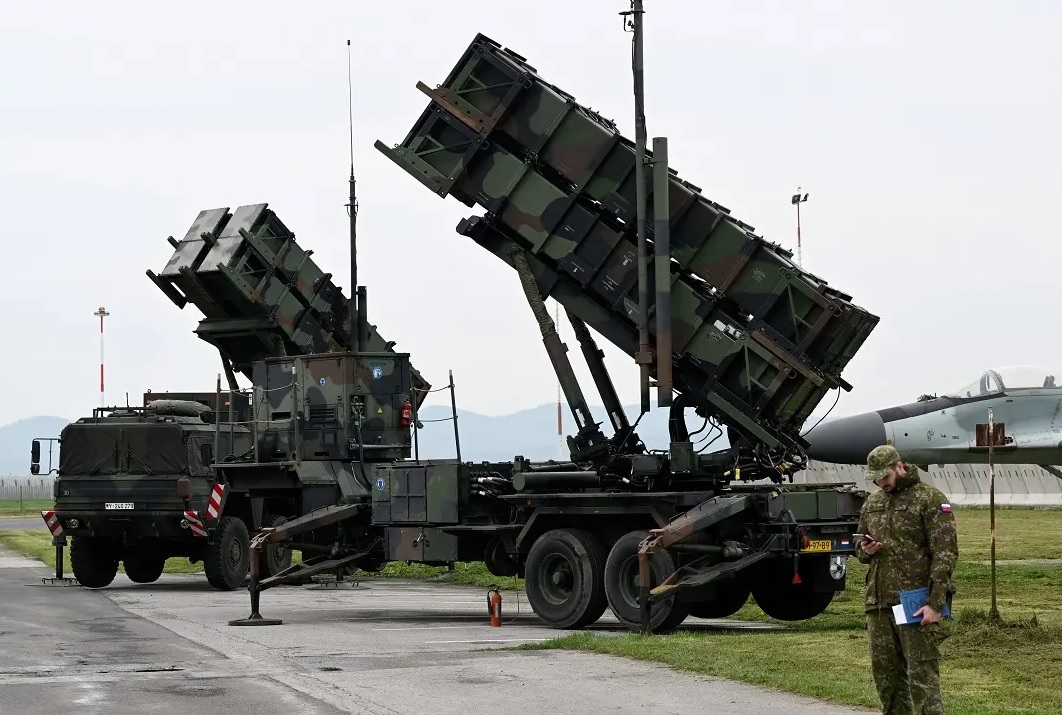
World
BERN, — April 3, 2026 : The Swiss government is reassessing its planned acquisition of the U.S.-made Patriot air defence system following significant delivery delays, financial complications, and changes in U.S. strategic priorities that have altered the original contractual framework. The review was confirmed by Defence Minister Martin Pfister, who stated that cancellation of the programme remains under consideration as Switzerland continues negotiations with the United States. The Patriot system forms a central component of Switzerland’s broader Air 2030 air defence modernisation plan. Delivery Delays Following U.S. Reprioritisation Switzerland signed an agreement in 2022 to procure five Patriot systems, with deliveries originally scheduled between 2026 and 2028. However, in July 2025, the United States reprioritised production and deliveries to support Ukraine, resulting in an estimated delay of four to five years for the Swiss order. The Swiss Federal Council has stated that this shift has “profoundly altered the contractual basis” of the agreement. Current projections suggest that initial operational capability could be pushed well into the next decade, significantly beyond the originally planned timeline. Suspension of Payments and Trust Fund Dispute In response to the delays, Switzerland suspended its payments to the Patriot System Trust Fund in autumn 2025. The government has since confirmed that no further payments will be made until the United States provides firm and updated delivery schedules along with revised payment deadlines. The financial dispute has been complicated by the structure of the U.S. Foreign Military Sales (FMS) programme. Under this system, Swiss payments for multiple defence procurements are held within a central trust fund managed by the United States. U.S. authorities redirected Swiss funds originally allocated for the F-35 fighter jet programme to the Patriot account. The redirected amount is described as a low three-digit million figure in Swiss francs—exceeding CHF 100 million and amounting to several hundred million francs in total. Urs Loher, Director General of Armaments at armasuisse, described the reallocation as “highly unsatisfactory” and “very unsatisfactory.” To mitigate the impact on the F-35 programme, Switzerland transferred additional funds at the end of 2025 and advanced a scheduled F-35-related payment to the end of March 2026. Government Position and Ongoing Negotiations Speaking on the sidelines of a press conference on April 1, 2026, Pfister said the government is exploring all available options with U.S. counterparts, including the possibility of terminating the contract. “A waiver is always an option in the event of a delay,” Pfister stated. “We are still working on the assumption that it will be delivered, but we don’t know when. A possible abandonment is part of that, but we don’t know the conditions.” The minister noted that the implications for funds already paid remain unclear and are part of ongoing discussions. A formal recommendation on the future of the Patriot procurement is expected to be submitted to the Federal Council by the end of June 2026. Broader Impact on Swiss Defence Planning The uncertainty surrounding the Patriot programme has prompted Switzerland to reassess its wider air defence strategy. In early March 2026, the Federal Council announced plans to procure a second ground-based air defence system to ensure coverage in the event of further delays. Authorities have indicated a preference for a European-produced system. At the same time, Switzerland has reduced its planned purchase of F-35 aircraft from 36 to 30 units, citing cost increases linked to broader procurement pressures. The Patriot programme is closely tied to other U.S. defence agreements under the FMS framework, including the F-35 acquisition and sustainment of the existing F/A-18 fleet. The Swiss Department of Defence has emphasized that decisions regarding the Patriot system must not disrupt access to spare parts for current aircraft or affect ongoing programmes. Officials have warned that the dispute could have wider implications for Switzerland’s overall portfolio of Foreign Military Sales agreements with the United States if not resolved. Long-Term Procurement Strategy The Federal Council has outlined a long-term objective of sourcing up to 90 percent of future armaments from domestic or European suppliers. However, limited production capacity within Europe for certain long-range air defence systems remains a constraint. Negotiations with the United States are ongoing as Switzerland evaluates whether to proceed with, modify, or terminate the Patriot acquisition while maintaining stability across its broader defence procurement programmes.
Read More → Posted on 2026-04-03 13:25:51
World
SEOUL, — April 3, 2026 : South Korea has approved an accelerated timeline for deploying its Low-Altitude Missile Defense (LAMD) system, moving the planned fielding of prototype batteries from 2031 to 2029, according to an announcement by the Defense Acquisition Program Administration (DAPA) following the 174th Defense Acquisition Program Promotion Committee meeting. The decision endorses revisions to the project’s basic strategy and system development master plan, with the aim of reducing capability gaps against large-scale, short-warning artillery and rocket threats. The LAMD system, widely referred to as the “Korean Iron Dome,” is designed to intercept dense, simultaneous barrages of low-altitude projectiles, including artillery shells, multiple rocket launcher rounds, and hybrid systems. Program Funding and Development Structure The updated plan allocates a total program budget of 842 billion won (approximately $620 million) through 2030. The increase reflects expanded interceptor testing requirements as well as additional investments in infrastructure, sustainment, and maintenance capabilities. Formal development of LAMD began in January 2025 under the leadership of the Agency for Defense Development (ADD). The program is being executed in partnership with domestic defense firms LIG Nex1, Hanwha Aerospace, and Hanwha Systems. Hanwha Systems is responsible for the system’s core sensor, having secured a 131.5 billion won contract in 2025 to develop the multifunction radar. The radar is scheduled for completion by November 2028 and is designed to detect, identify, and track hundreds of incoming targets simultaneously in dense engagement environments. The LAMD engagement sequence integrates multiple processes within seconds, including target discrimination, fire-control-quality tracking, interceptor allocation, and intercept confirmation. The system employs proximity-fuze fragmentation warheads optimized for intercepts at altitudes of up to approximately 10 kilometers. Operational Requirement and Threat Environment The acceleration decision reflects the scale and complexity of North Korea’s artillery and rocket capabilities, which continue to pose a persistent threat to the Seoul metropolitan area and surrounding military infrastructure. North Korea fields a range of long-range systems, including 170 mm self-propelled guns, 240 mm multiple rocket launchers, and the 600 mm KN-25 system. The KN-25 has a demonstrated range of approximately 380 kilometers and is assessed to bridge the operational gap between heavy rocket artillery and short-range ballistic missiles. These systems are capable of launching large volumes of projectiles in rapid succession, creating dense salvos that travel at low altitudes typically between 5 and 10 kilometers. Such trajectories reduce the effectiveness of higher-tier missile defense systems and necessitate a dedicated lower-tier interceptor layer. Recent activity has reinforced these requirements. During the allied Freedom Shield exercise in March 2026, North Korea launched approximately 10 ballistic missiles, alongside prior demonstrations of large-caliber multiple rocket launcher systems. LAMD is specifically designed to operate in this mixed-threat environment, engaging artillery, rockets, and missile-like projectiles simultaneously. Integration Within Layered Missile Defense LAMD will function as the innermost layer of South Korea’s Korea Air and Missile Defense (KAMD) architecture. It is intended to intercept targets at altitudes up to 10 kilometers, complementing existing and planned systems across higher engagement layers. The middle tier includes Patriot PAC-3 and the domestically developed Cheongung-II (M-SAM II), both capable of intercepting targets at altitudes of approximately 40 kilometers or below. The upper tier is provided by the L-SAM system, which operates in the 50–60 kilometer range, with L-SAM II and M-SAM Block III currently under development to address higher-altitude and higher-density threats. LAMD will be connected to the broader KAMD network through tactical communications and centralized engagement management. This integration is intended to ensure prioritization of defended assets and prevent inefficient interceptor expenditure on non-critical targets during high-volume attacks. Each LAMD battery is expected to include six launchers, with each launcher capable of engaging up to 32 targets simultaneously. This configuration would allow a single battery to address nearly 200 incoming projectiles in a single engagement cycle. Strategic Context and Allied Considerations The need for a domestically developed lower-tier defense layer has gained additional importance following reported shifts in allied missile defense deployments. In March 2026, elements of United States Forces Korea (USFK) Patriot systems and components of the Terminal High Altitude Area Defense (THAAD) system were reportedly repositioned toward the Middle East. While LAMD is not designed to replace upper-tier systems such as THAAD, officials assess that its accelerated deployment will strengthen the resilience of South Korea’s layered defense architecture from the lowest tier upward. DAPA has stated that LAMD is intended to provide a sovereign counter-artillery capability, reducing reliance on external systems while enhancing operational continuity during the early stages of a conflict. Additional Defense Initiatives Approved During the same committee meeting, DAPA approved several complementary defense programs aimed at reinforcing multi-layered defense and allied interoperability. A 753 billion won (approximately $555 million) program was authorized for the acquisition of Standard Missile-3 (SM-3) interceptors through the U.S. Foreign Military Sales (FMS) framework. These ship-based interceptors will be deployed on ROKS King Jeongjo the Great-class Aegis destroyers (KDX-III Batch-II), enabling interception of ballistic missiles during midcourse and terminal phases. The committee also approved a 592 billion won (approximately $436 million) initiative to replace the existing Link-11 maritime tactical data link with the more advanced Link-22 system. The upgrade is expected to enhance transmission speed, network capacity, and resistance to electronic jamming in combined maritime operations. In parallel, the “2026–2030 Defense Industry Development Master Plan” was adopted, outlining structured support and funding mechanisms for South Korea’s domestic defense sector over the next five years. Operational Role and Deployment Objective Once deployed in 2029, LAMD prototype batteries are expected to play a critical role in protecting high-value assets during the initial phase of a conflict. These include air bases, command and control centers, logistics hubs, ammunition storage facilities, and key transportation and mobilization routes. By mitigating the effects of massed artillery and rocket strikes, the system is intended to preserve operational decision-making time for military commanders while enabling counterbattery operations and precision strikes to neutralize enemy launch systems. DAPA officials stated that development and coordination efforts will continue to meet the revised deployment timeline, with a focus on ensuring system performance under high-density engagement conditions and integration within the broader national missile defense framework.
Read More → Posted on 2026-04-03 13:39:18
India
VISAKHAPATNAM, — April 3, 2026 : India on Friday commissioned its third nuclear-powered ballistic missile submarine (SSBN), INS Aridhaman, into the Indian Navy at a ceremony held in Visakhapatnam and presided over by Defence Minister Rajnath Singh. The induction marks a continued expansion of India’s sea-based nuclear deterrent and strengthens the maritime leg of its nuclear triad. The submarine, designated S4 under the classified Advanced Technology Vessel (ATV) program, is the third vessel in the Arihant-class series and the first of an enlarged subclass with improved design and capabilities. Its commissioning coincided with the induction of the stealth frigate INS Taragiri, reflecting ongoing efforts by the Ministry of Defence to expand naval capacity through indigenous platforms. Platform Development and Construction INS Aridhaman was constructed at the Ship Building Centre (SBC), Visakhapatnam, with fabrication support from Larsen & Toubro. The keel was laid around 2018, and the submarine was launched on November 23, 2021. It completed its sea trials by late 2025 before being cleared for operational service. The vessel has a displacement of approximately 7,000 tonnes, making it larger than earlier Arihant-class submarines such as INS Arihant and INS Arighaat, which displace around 6,000 tonnes. It measures about 130 metres in length with a beam of 11 metres and incorporates a more streamlined hull design aimed at improving hydrodynamic efficiency and reducing acoustic signature. Propulsion and Performance The submarine is powered by an 83 MW Compact Light Water Reactor, an upgraded pressurised water reactor developed by the Bhabha Atomic Research Centre (BARC). The reactor enables extended submerged endurance and contributes to lower detectability compared to earlier configurations. INS Aridhaman is fitted with a seven-blade propeller and is capable of speeds ranging from 12 to 15 knots on the surface and up to 24 knots when submerged. The nuclear propulsion system allows the submarine to remain underwater for prolonged periods without surfacing, enhancing operational survivability. Armament and Combat Systems The submarine is equipped with eight vertical launch system (VLS) tubes located in its missile compartment, doubling the missile capacity compared to earlier boats in the class. It can carry: Up to 24 K-15 (Sagarika) submarine-launched ballistic missiles (SLBMs) with a range of 750 km, or Up to 8 K-4 SLBMs with a range of approximately 3,500 km The platform has also been designed to integrate future K-5 SLBMs, which are currently under development and expected to have a range of around 6,000 km. In addition to ballistic missile capability, INS Aridhaman is fitted with six 533 mm torpedo tubes and is estimated to carry up to 30 munitions, including torpedoes, cruise missiles, or naval mines. The submarine is equipped with indigenous sensor and combat systems, including the USHUS integrated sonar suite and the Panchendriya unified submarine control and underwater communication system. Operational Role and Basing INS Aridhaman will operate under India’s Strategic Forces Command and is expected to be based at Project Varsha, a high-security naval facility with underground submarine pens near Visakhapatnam. With the induction of the third SSBN, the Indian Navy improves its ability to maintain continuous at-sea deterrence, ensuring that at least one nuclear-armed submarine remains on patrol while others undergo maintenance or transit. Fleet Integration and Strategic Context INS Aridhaman joins INS Arihant (commissioned in 2016) and INS Arighaat (inducted on August 29, 2024). This marks the first time India operates three Arihant-class SSBNs simultaneously. India remains among a limited group of countries operating nuclear-powered submarines, alongside the United States, Russia, China, the United Kingdom, and France. A fourth submarine of similar configuration, expected to be named INS Arisudan, is currently under construction and is projected to enter service around 2027. In parallel, India is progressing toward the development of the next-generation S5-class submarines, expected to displace around 14,000 tonnes. Concurrent Commissioning of INS Taragiri Alongside INS Aridhaman, the Indian Navy commissioned INS Taragiri, an advanced stealth frigate built by Mazagon Dock Shipbuilders Limited (MDL) under Project 17A. The 6,670-tonne frigate is equipped with a Combined Diesel or Gas (CODOG) propulsion system and features a modern weapons suite, including supersonic surface-to-surface missiles and medium-range surface-to-air missile systems. Program Continuity Officials indicated that the expanded missile capacity, improved propulsion system, and reduced acoustic signature of INS Aridhaman contribute to strengthening the credibility of India’s sea-based deterrent. Development work under the ATV program continues at the Ship Building Centre as part of India’s long-term indigenous submarine construction roadmap.
Read More → Posted on 2026-04-03 13:52:29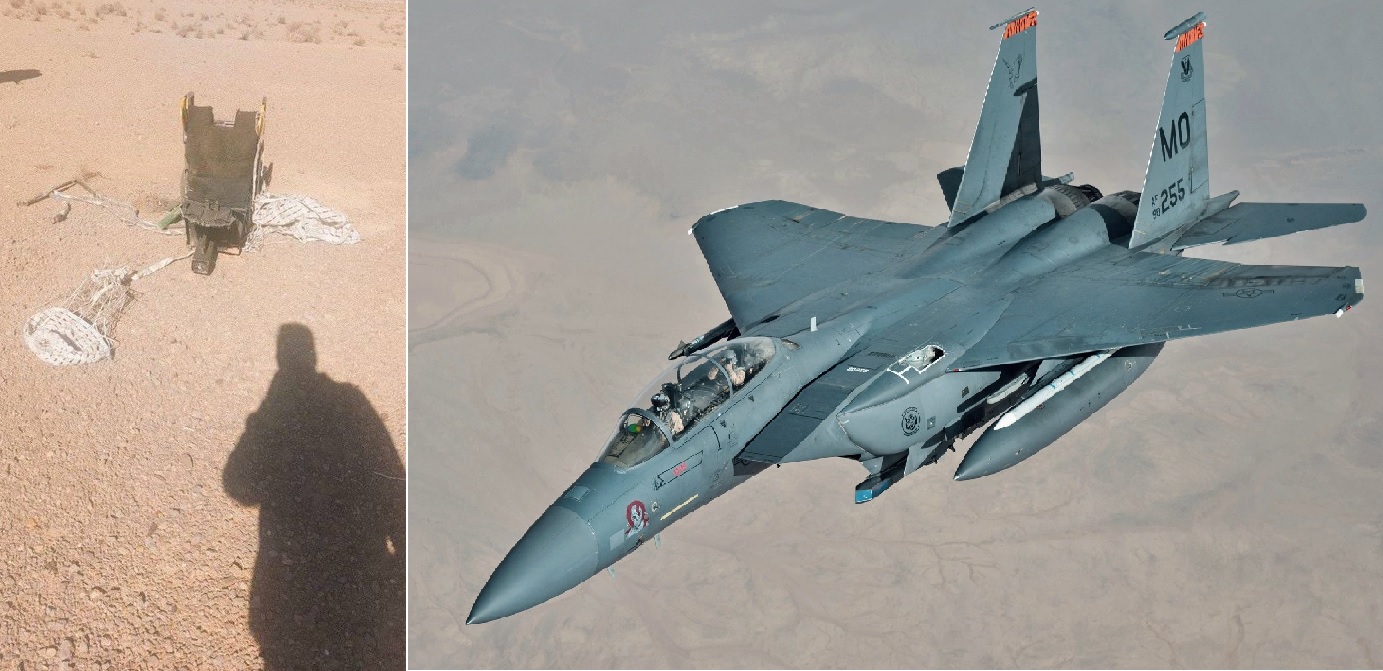
World
Washington, — April 3, 2026 : A United States Air Force F-15E Strike Eagle assigned to the 494th Fighter Squadron has been shot down over Iranian territory during ongoing military operations linked to the broader regional conflict. Both the pilot and the Weapons Systems Officer (WSO) ejected from the aircraft, while Iranian state media claims that the two crew members have been captured by the Islamic Revolutionary Guard Corps (IRGC). The United States has not officially confirmed the capture. Incident Location and Aircraft Identification The aircraft was reportedly operating over western Iran at the time of the incident. However, Iranian military statements have provided differing accounts of the exact location. Iran’s Khatam al-Anbiya Air Defense Headquarters initially claimed the shootdown occurred over Markazi Province in central Iran, while other unverified reports suggested a possible incident near Qeshm Island in southern Iran. Iranian media initially identified the aircraft as an F-35 stealth fighter. Subsequent analysis of wreckage images published by state-affiliated outlets indicated components consistent with an F-15E Strike Eagle, including a vertical stabilizer and an ACES II ejection seat. Open-source intelligence further identified the aircraft as serial number 96-204, bearing the tail code “LN,” associated with RAF Lakenheath in the United Kingdom. Status of the Aircrew The status of the two U.S. aircrew remains unclear and is the primary focus of ongoing operations. Iran’s Tasnim news agency reported that Iranian forces had apprehended both individuals. Iranian state television also broadcast public messages urging civilians to assist in locating the crew. One message offered a reward for capturing the pilots alive and handing them over to authorities, while another instructed civilians to shoot them if encountered. If confirmed, the capture would mark the first instance of American personnel being held as prisoners of war (POWs) in the current phase of the conflict. No official confirmation has been issued by the U.S. Department of Defense or U.S. Central Command (CENTCOM) regarding the crew’s status. U.S. Combat Search and Rescue Operations The United States has initiated a Combat Search and Rescue (CSAR) operation involving multiple air and ground assets. Aircraft observed in the operational area include an HC-130J Combat King II and an MC-130J Commando II, which are providing command, control, and refueling support. Rescue efforts include the deployment of at least two HH-60W Jolly Green II helicopters and additional UH-60 Black Hawk helicopters for potential extraction missions. Open-source reports and visual evidence indicate that these aircraft have been operating at low altitudes over southern and western Iran, including regions such as Kohgiluyeh and Boyer-Ahmad province and areas near Khuzestan. Reports also indicate that U.S. Special Forces and heliborne units have entered Iranian territory to conduct localized search operations for the downed crew. These operations are considered high-risk due to the contested environment. ISR and Air Cover Support The rescue mission is supported by intelligence, surveillance, and reconnaissance (ISR) assets, including at least one MQ-9A Reaper drone. The MQ-9A is equipped with advanced sensors and strike capabilities and is being used to scan terrain and provide real-time intelligence to CSAR units. Additional overwatch is being maintained by F-35 fighter aircraft and other unmanned systems to monitor the suspected ejection zones and deter hostile ground forces. Operational Background The F-15E Strike Eagle involved in the incident was part of the 494th Fighter Squadron, which has previously conducted operations in the region, including missions related to drone defense in support of Israel. The aircraft type is a two-seat, dual-role strike fighter commonly deployed under U.S. Central Command operations. The incident occurred in the context of “Operation Epic Fury,” an ongoing campaign involving U.S. and Israeli strikes on Iranian-linked targets. The loss of the aircraft and the uncertain status of its crew represent a significant development in the current conflict. Ongoing Developments The situation remains fluid, with continued search operations and conflicting reports regarding the fate of the aircrew. U.S. authorities have not issued a formal statement confirming either the loss of the aircraft or the reported capture of personnel. Iranian media continues to report that its forces have secured the crew. Further updates are expected as additional information becomes available from official sources and operational assessments.
Read More → Posted on 2026-04-03 14:07:55
India
NEW DELHI — April 2026 : The Indian Air Force (IAF) has initiated a new development program for an Unmanned Combat Search and Rescue (CSAR) aircraft under the Make-I sub-category of the Defence Acquisition Procedure (DAP) 2020, marking a step toward autonomous recovery capabilities in high-risk operational environments. The project, referenced as CF No/ Air HQ/C 18488/69/DAD and managed by the Directorate of Operations (Remote) at Air Headquarters, seeks to design, develop and manufacture a runway-independent unmanned platform capable of recovering downed aircrew in hostile territory without exposing additional personnel or manned aircraft to risk. Operational Requirement and Role Expansion The IAF’s requirement focuses on deploying an unmanned system for Combat Search and Rescue missions in contested airspace where conventional helicopter-based recovery operations may be considered too hazardous. By removing onboard crew, the platform is intended to conduct extractions in high-threat zones while reducing operational risk. In addition to personnel recovery, the aircraft is expected to perform logistics missions, including the transport of supplies and equipment to forward operating bases, remote areas and terrain inaccessible to conventional aircraft. The system is designed to operate in challenging environmental conditions, including extreme temperatures and degraded visibility scenarios such as whiteout conditions in snow-bound regions and brownout conditions in desert or dusty environments. Technical Specifications and Performance Parameters According to the project brief, the unmanned CSAR platform must meet defined operational and performance criteria. The system is required to support a minimum payload capacity of 400 kilograms, enabling it to carry at least four personnel or accommodate medical evacuation stretchers. The aircraft must have a minimum radius of action of 200 kilometers and be capable of maintaining a loiter time of at least 45 minutes over the target area. Higher operational ranges are considered desirable. Altitude requirements specify operational capability from sea level up to 16,000 feet AMSL, with a desirable ceiling of 20,000 feet AMSL to support high-altitude missions. A key requirement is runway independence, with the platform required to take off and land on unprepared or unpaved surfaces. Additionally, it must maintain stability during operations in wind conditions of up to 30 knots, with a gust tolerance of ±10 knots during takeoff and landing phases. Navigation, Autonomy and Mission Systems The unmanned system will incorporate multiple navigation frameworks, including Global Navigation Satellite Systems (GNSS), IRNSS, and NAVIC. Importantly, the platform must retain full operational capability in GNSS-denied environments or electronically contested environments. Autonomy is a central feature of the program. The aircraft must be capable of fully automated takeoff, navigation and landing without direct human intervention. For its primary mission, the system must autonomously search, detect, identify and land near downed personnel by integrating with Emergency Locator Transmitters (ELTs). Indigenous Development Framework The project is being executed under the Make-I category, which provides government funding support for prototype development. It aligns with India’s Atmanirbhar Bharat initiative aimed at increasing self-reliance in defense manufacturing. Under program requirements, the platform must achieve a minimum indigenous content level of 50 percent, covering design, materials, subsystems and software. Following prototype development, certification by CEMILAC and subsequent field trials, the Ministry of Defence plans to procure an initial batch of approximately 10 units. The acquisition will be conducted under the Buy Indian–IDDM category. Industry Participation and Timeline Indian defense companies meeting the eligibility criteria outlined in DAP 2020 have been invited to participate in the program. Desirable qualifications include experience in aviation manufacturing, maintenance, repair and overhaul (MRO), logistics support, and familiarity with certification and quality assurance processes under DGAQA and CEMILAC. Interested entities are required to submit proposals along with responses to a detailed questionnaire by April 30, 2026, to the designated nodal directorate at Air Headquarters. The IAF stated that detailed project specifications and preliminary staff qualitative requirements will be refined through industry consultations and feasibility assessments as the program progresses.
Read More → Posted on 2026-04-03 14:18:22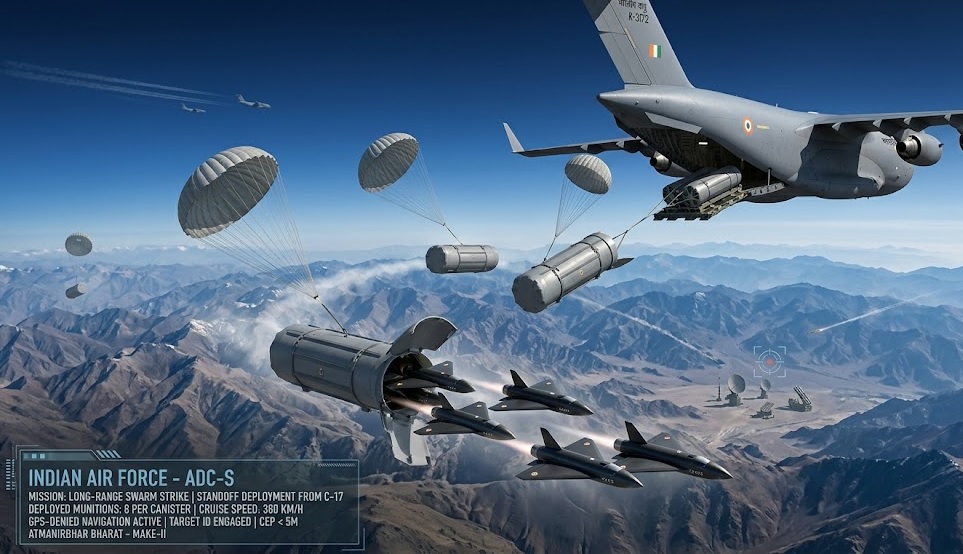
India
NEW DELHI — April 3, 2026 : The Indian Air Force (IAF) has initiated a new procurement and development program for an Air-Dropped Canisterised Swarm (ADC-S) system, advancing its push toward autonomous, long-range strike capabilities in contested environments. The project is being pursued under the Make-II category of the Defence Acquisition Procedure (DAP) 2020, with Air Headquarters’ Directorate of Operations (Remote) designated as the nodal agency. The program, referenced as CF No/ Air HQ/C 18488/69/DAD, focuses on the design, development, and manufacture of an indigenised, multi-use swarm munition system capable of engaging high-value and time-sensitive targets deep inside adversary territory. Deployment Concept and Launch Platforms The ADC-S system will be deployed using a palletised weapon airdrop mechanism from the IAF’s existing transport aircraft fleet, including the C-17 Globemaster III, C-130J Super Hercules, and C-295. This approach allows the use of transport aircraft as stand-off launch platforms rather than relying on frontline fighter jets. The system is designed to achieve a minimum operational range of approximately 500 kilometers from the point of release. This stand-off distance enables launch aircraft to remain outside hostile air defence engagement zones, particularly in anti-access/area denial (A2/AD) environments. The final range parameter will be confirmed following feasibility studies. System Architecture and Swarm Composition Each air-dropped canister will contain a minimum of six to eight swarm munitions, with the possibility of higher payload configurations depending on system design. Once deployed, the canister disperses these munitions, which operate as a coordinated swarm. Individual swarm units are required to achieve cruise speeds between 350 and 400 km/h and carry a munition payload of at least 30 kilograms. The design also incorporates modularity, allowing integration of additional sensors or mission-specific payloads alongside the primary munition package. Autonomy, Navigation, and Precision Requirements The ADC-S system is designed to operate in contested electromagnetic environments, including areas where Global Navigation Satellite Systems (GNSS) may be denied or degraded due to electronic warfare. To address this, the system incorporates advanced artificial intelligence and autonomous capabilities. These include autonomous navigation, target search, detection, identification, and engagement decision-making. The swarm must also be capable of continuing mission execution even in the absence of communication links. Precision requirements specify a Circular Error Probable (CEP) of 5 meters or less, supported by terminal guidance systems to ensure accuracy against designated targets. Operational Role and Battlefield Application In operational scenarios, the ADC-S is intended to provide the IAF with a stand-off strike capability against high-value, time-sensitive targets such as radar installations, surface-to-air missile systems, command and control nodes, and other critical infrastructure. The use of swarm tactics enables multiple munitions to be deployed simultaneously, creating a saturation effect that can overwhelm adversary air defence systems. This distributed attack profile is particularly relevant in heavily defended environments where conventional strike aircraft may face higher risk. The reliance on autonomous operation further enhances survivability and mission reliability in conditions where electronic warfare may disrupt communications or navigation systems. Industrial Participation and Procurement Pathway The project is being executed under the Make-II category, which requires Indian industry to undertake design and development using its own funding. The initiative mandates a minimum indigenous content of 50 percent, aligning with the government’s Atmanirbhar Bharat policy for self-reliance in defence manufacturing. Following successful prototype development and validation, the program is expected to transition to procurement under the “Buy Indian–IDDM” (Indigenously Designed, Developed and Manufactured) category. The IAF has indicated an anticipated minimum order quantity ranging between 1,000 and 2,000 units, subject to the outcomes of feasibility studies and recommendations from the Project Facilitation Team. Industry Engagement and Timeline A project questionnaire was uploaded on the Make in India Defence Production portal on 1 April 2026. Indian companies interested in participating in the program have been invited to submit responses by 30 April 2026. Further refinement of system specifications and preliminary service qualitative requirements will be carried out following industry consultations and feasibility assessments. The ADC-S program represents a step in expanding the IAF’s capability portfolio in autonomous warfare systems, with a focus on extending operational reach, reducing risk to manned platforms, and enabling precision engagement in contested airspace.
Read More → Posted on 2026-04-03 14:41:02
World
WASHINGTON, D.C., — April 3, 2026 : The U.S. Navy has awarded Northrop Grumman a $334.4 million sole-source contract modification for the production of up to nine additional Surface Electronic Warfare Improvement Program (SEWIP) Block 3 electronic attack systems, marking a continued expansion of the Navy’s next-generation electronic warfare capabilities across its surface fleet. The modification increases the total number of SEWIP Block 3 systems under contract to a maximum of 24 units. If all contract options are exercised, the cumulative value of the award could reach $783 million. The contract action, announced on March 30, 2026, also includes the first SEWIP Block 3 shipset designated for installation on a nuclear-powered aircraft carrier (CVN), representing a significant step in extending advanced electronic attack capabilities beyond destroyer platforms. Program Overview and System Evolution SEWIP Block 3 is the latest upgrade to the Navy’s AN/SLQ-32(V) electronic warfare suite. The system integrates a non-kinetic electronic attack subsystem with the AN/SLQ-32(V)6 configuration developed under SEWIP Block 2, forming the AN/SLQ-32(V)7 system. The AN/SLQ-32(V)7 provides wideband onboard electronic attack capability designed to counter anti-ship missiles and disrupt targeting systems operating across air, sea, and land domains. The system focuses on electronic warfare techniques such as jamming, deception, and emitter management, reducing reliance on kinetic interceptors and improving the cost-efficiency of fleet defense. The architecture incorporates Active Electronically Scanned Arrays (AESA) enabled by Gallium Nitride (GaN) transmit and receive modules. These technologies were matured through earlier research and risk-reduction efforts conducted under the Office of Naval Research’s Integrated Topside program. Platform Integration and Configuration Variants The physical integration of SEWIP Block 3 varies depending on the host platform due to size, weight, power, and cooling (SWaP-C) constraints. Destroyer Integration — Hemisphere Configuration Initial deployments are being carried out under the DDG MOD 2.0 modernization program for DDG-51 Flight IIA guided-missile destroyers. These ships utilize a “Hemisphere” configuration, where antennas and associated electronic systems are grouped into large enclosures mounted on the port and starboard sides of the main deckhouse. On these platforms, SEWIP Block 3 integrates with the Aegis Baseline 10.M combat system. The USS Pinckney (DDG-91) is the first destroyer to receive the AN/SLQ-32(V)7 system. Installed in 2023, the system is currently operational, with the vessel deployed to the Middle East in support of ongoing missions. Aircraft Carrier Integration — Quadrant Configuration The current contract modification initiates the adaptation of SEWIP Block 3 for aircraft carrier platforms. Due to the distinct structural layout of carriers, the system will employ a “Quadrant” configuration, redistributing hardware modules around the ship’s superstructure. Unlike destroyers, carrier-based systems will integrate with the Ship Self-Defense System (SSDS) MK 2 Baseline 12. U.S. Navy budget documents for fiscal years 2025 and 2026 indicate that the USS Harry S. Truman (CVN 75) is scheduled to receive the first carrier installation of SEWIP Block 3. The installation is expected to coincide with the carrier’s planned Refueling and Complex Overhaul (RCOH) at Newport News Shipbuilding, beginning in mid-2026, aligning system integration with major lifecycle maintenance. Scaled Onboard Electronic Attack (SOEA) Development In parallel with full-scale SEWIP Block 3 deployment, the Navy is advancing the Scaled Onboard Electronic Attack (SOEA) program to equip smaller surface combatants that cannot support the full system’s SWaP-C requirements. SOEA is being developed under a Middle Tier of Acquisition framework and is designed to integrate with the existing AN/SLQ-32(V)6 architecture while delivering a reduced-size electronic attack capability. In 2025, the Navy awarded two Phase 1 rapid prototyping contracts to Northrop Grumman and Lockheed Martin. Northrop Grumman’s approach leverages the core GaN and AESA technologies from SEWIP Block 3, scaled down for smaller platforms. Lockheed Martin’s solution builds on its prior SEWIP Block 2 work and incorporates technology derived from the canceled AN/ALQ-248 Advanced Offboard Electronic Warfare (AOEW) pod program. The Phase 1 effort focuses on validating performance, architecture, and system functionality, with prototype systems planned for at-sea demonstrations. Program Management and Production Outlook The SEWIP Block 3 program is managed by the Navy’s Program Executive Office Integrated Warfare Systems. Production and integration activities under the March 2026 contract modification are ongoing, supporting continued fielding of advanced electronic warfare systems across the surface fleet. The expansion of SEWIP Block 3, alongside the parallel SOEA effort, reflects a broader Navy strategy to enhance non-kinetic defensive capabilities and improve survivability against increasingly complex missile and targeting threats.
Read More → Posted on 2026-04-03 15:16:54
World
Abu Dhabi, United Arab Emirates — April 3, 2026 : Iran has issued a warning that it may target the Stargate artificial intelligence (AI) data center project under development in Abu Dhabi, marking a further escalation in tensions involving critical digital infrastructure across the Gulf region. The warning, delivered by Iran’s Islamic Revolutionary Guard Corps (IRGC), follows a series of reported drone and missile strikes over the past 48 hours on commercial data centers linked to major U.S. technology firms in Bahrain and the United Arab Emirates. The developments indicate a shift in targeting priorities, with cloud computing and AI infrastructure increasingly viewed as strategic assets in regional conflicts. Iranian Warning and Strategic Messaging In a recently released video, an IRGC spokesman stated that Iran would retaliate against energy and technology infrastructure hosting U.S. interests if Washington proceeds with threats to strike Iranian power facilities. The broadcast included satellite imagery focusing on the desert site of the Stargate project in Abu Dhabi, accompanied by messaging asserting visibility over the facility despite efforts to conceal it. The video also displayed images of chief executives from companies involved in the project, reinforcing the linkage drawn by Iranian officials between private-sector technology firms and U.S. strategic capabilities. Iranian military channels had earlier circulated a list of 18 U.S. technology and financial companies—among them Apple, Google, Meta, Microsoft, Intel, Amazon, Oracle, Nvidia, Cisco, and OpenAI—designating them as potential targets. The IRGC advised employees of these firms to evacuate facilities in the region and urged civilians residing within a one-kilometer radius of such sites to relocate. Stargate UAE Project Overview The Stargate AI data center in Abu Dhabi is a major international component of a broader global AI infrastructure initiative. The project involves an estimated investment of more than $30 billion and is designed to form part of a larger AI campus with a planned capacity of up to 5 gigawatts. The UAE-specific deployment, referred to as Stargate UAE, is structured as a 1-gigawatt compute cluster within a 5-gigawatt campus spanning approximately 19.2 square kilometers. Initial phases are expected to bring 200 megawatts of capacity online in 2026, with gradual expansion toward full operational scale. The facility is being developed by G42 and will be operated by OpenAI and Oracle. Key partners include Nvidia, which is supplying Grace Blackwell GB300 systems, and Cisco, responsible for networking and security infrastructure. Japan’s SoftBank Group and additional South Korean entities are also involved in the project. Stargate UAE represents the first international deployment of the broader Stargate Project, a global initiative announced in January 2025 with projected investments of up to $500 billion over four years. The Abu Dhabi campus is designed to deliver AI compute capacity across an estimated 2,000-mile radius, potentially serving a large portion of the global population. The project forms part of the UAE’s strategy to build sovereign AI capabilities and strengthen its role in global digital infrastructure. It was formally announced in May 2025 following diplomatic engagements that included adjustments to U.S. export policies on advanced technologies. The initiative also received public backing during a regional visit by U.S. President Donald Trump. Reported Strikes on Gulf Data Centers The Iranian warning follows reported kinetic actions against operational data centers in the region. In Bahrain, an Amazon Web Services (AWS) facility located in Hamala sustained physical damage from a reported drone or missile strike. The incident reportedly caused disruptions to cloud-based services affecting banking systems, enterprise software, and other digital operations. In Dubai, Iranian state media claimed that an Oracle data center had been successfully targeted. However, authorities in Dubai have denied these reports, describing them as unsubstantiated. No independent verification of damage in Dubai has been released. Earlier in March 2026, Iranian drone strikes targeting AWS facilities in both the UAE and Bahrain had already caused service interruptions across multiple sectors, underscoring the operational impact of such attacks on regional digital infrastructure. Amazon has acknowledged prior disruptions to its cloud services in the region linked to ongoing conflict conditions. Expanding Scope of Targeting Iran has publicly justified its actions by stating that major technology companies provide critical cloud, data, and AI infrastructure supporting U.S. and Israeli military and intelligence operations. This framing has been used to classify commercial data centers as legitimate targets. Defense analysts assess that the targeting of such facilities reflects an effort to impose economic and technological costs on U.S.-aligned states, particularly Gulf countries hosting large-scale digital infrastructure. The physical characteristics of hyperscale data centers—large, fixed installations with limited dedicated air defense—are viewed as increasing their vulnerability. The designation of commercial infrastructure as a target category represents a notable development in the conduct of regional conflict, with potential implications for the security of global digital networks. Current Status and Outlook As of April 3, 2026, UAE authorities have not issued a direct public response to the specific threat against the Stargate AI project. The facility remains under development and is not yet operating at full capacity. No independent confirmation has been released regarding the full extent of damage from the most recent reported strikes in Bahrain or the claimed incident in Dubai beyond statements from involved parties and local authorities. The Stargate UAE project continues to be part of a wider network of planned AI infrastructure sites across multiple countries, including the United States, the United Kingdom, and Norway, incorporating advanced cooling technologies and renewable energy integration where feasible. The situation remains under close observation by regional governments and industry stakeholders as tensions continue to affect both physical and digital infrastructure across the Gulf.
Read More → Posted on 2026-04-03 15:30:53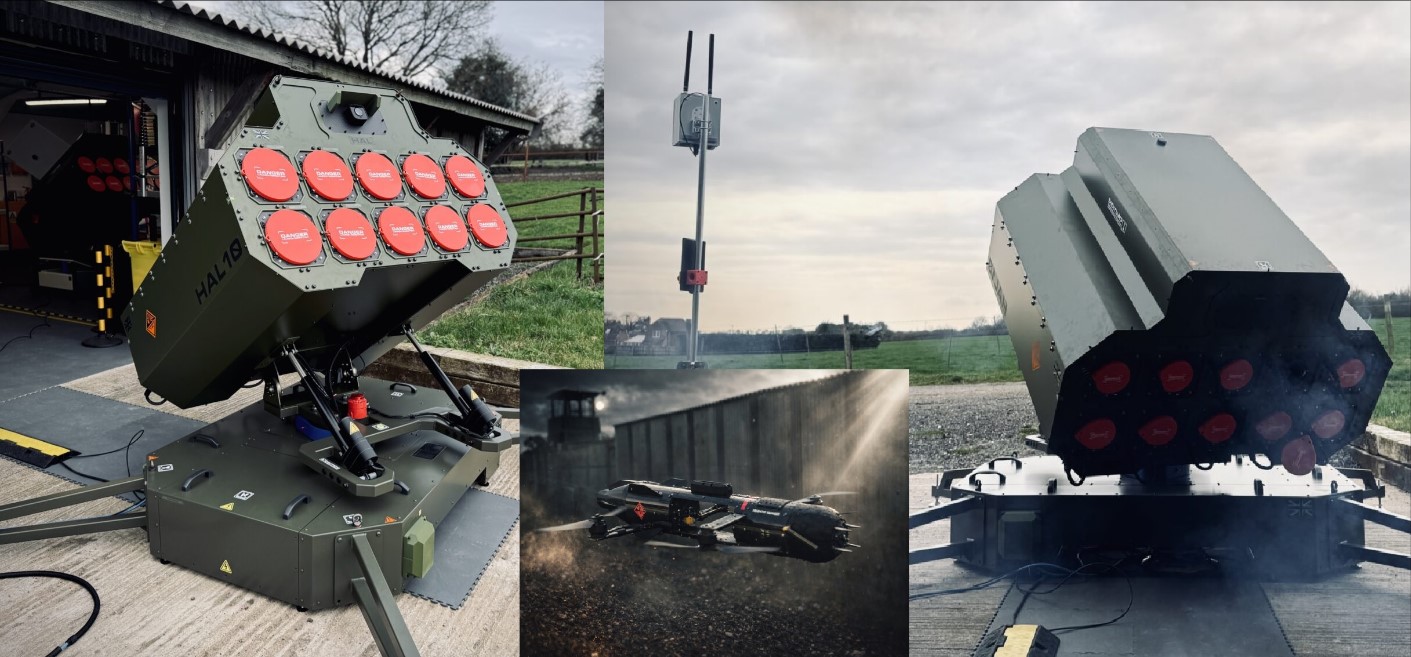
World
CHIEVELEY, UNITED KINGDOM — April 3, 2026 : UK-based uncrewed systems developer ISS Aerospace has introduced the HAL10 Hybrid Air-Systems Launcher, a modular cassette-based launch system designed to store, manage, and autonomously deploy multiple small uncrewed aerial systems (UAS) in operational environments. System Architecture and Design The HAL10 is configured as a 10-bay cassette launcher arranged in a 5 × 2 structure. It is engineered to securely house and deploy UAS platforms while operating across a wide temperature range from −32°C to +45°C. The system has a reported net weight of 555 kg and a gross weight of 350 kg. Designed as a platform-agnostic solution, the launcher is compatible with various small UAS platforms, enabling integration into fixed installations, mobile units, or forward-operating environments. It supports both standalone and networked mission profiles. A central feature of the HAL10 is its autonomous launch sequencing capability. The integrated system allows operators to deploy individual drones or multiple air vehicles with minimal manual input. This enables three primary operational modes: rapid saturation through simultaneous launches, staggered deployment at pre-programmed intervals, and sustained operations through continuous, overlapping sorties. Operational Roles and Mission Applications The HAL10 is intended to support a range of tactical and operational missions. These include multi-UAS deployment for expanded surveillance and operational reach, counter-UAS (C-UAS) missions involving interceptor or effector launches, and distributed strike operations such as precision engagement, decoy deployment, or suppression tasks in contested environments. The system is designed to provide centralized and repeatable launch capabilities, reducing manpower requirements while enabling rapid-response operations. Integration with WASP Tactical UAS The HAL10 is optimized for integration with the WASP tactical UAS, developed under the ISSOS Technologies joint venture between ISS Aerospace and OSL Technology. The WASP is a tube-launched, rocket-assisted drone designed for rapid deployment in time-sensitive missions. It can be launched in under three seconds and transitions autonomously from rocket-assisted flight into conventional multi-rotor operation. WASP Specifications and Performance The platform has a maximum take-off weight (MTOW) of 5 kg, with tube dimensions of 146 × 760 mm. It supports a modular payload capacity of up to 1.5 kg, with standard configurations including a gimbal-mounted electro-optical/infrared (EO/IR) camera and a laser rangefinder. In terms of performance, the WASP can reach speeds of up to 35 m/s (approximately 126 km/h) and operate in wind conditions of up to 18 m/s. It offers an endurance of up to 30 minutes without payload and approximately 22 minutes when fully loaded. The system has an operational range between 40 and 45 kilometers, with tested accuracy for effector payload delivery at distances of up to 24 kilometers. Network Integration and Partnerships In February 2026, ISS Aerospace announced a partnership with Anduril UK to integrate the WASP as a launched effect within Anduril’s Lattice command-and-control platform. The integration was completed within a single day and validated through a flight test conducted at the company’s Oxford facility. The WASP is positioned as a shorter-range, attritable system complementing platforms such as Anduril’s Altius, with an open-architecture flight system supporting ISR, counter-UAS, and strike missions. Company Background and Capabilities Founded in 2015, ISS Aerospace specializes in the development of autonomous UAV systems for defense, security, and commercial applications, including oil and gas, construction, and agriculture. The company focuses on resilient navigation capabilities in RF- and GPS-denied environments, integrating onboard edge computing, modular open architectures, and multi-modal sensor systems. Its portfolio includes the Sensus series of multi-mission UAV platforms. ISS Aerospace conducts in-house prototyping, field testing, and command-and-control system development within the United Kingdom. System Positioning The HAL10 launcher is positioned as a scalable and flexible solution for modern unmanned operations, enabling coordinated multi-UAS deployment from a single system. While detailed information on power requirements, exact external dimensions, and specific launch mechanisms has not been disclosed, the system emphasizes autonomous operation, modularity, and compatibility across a range of mission scenarios.
Read More → Posted on 2026-04-03 15:39:52
World
KYIV — April 3, 2026 : Ukraine’s 1st Separate Assault Regiment has begun systematically upgrading its fleet of M1A1 Abrams main battle tanks with additional protection measures designed to counter evolving battlefield threats, particularly first-person view (FPV) drones and shaped-charge munitions. The regiment disclosed on April 1 that it is fitting the tanks with a combination of overhead protective grilles, anti-drone standoff structures, and Kontakt-1 explosive reactive armor (ERA). Footage released from a workshop shows installation work being carried out on both the hull and turret sections of the vehicles, indicating an organized and repeatable modification process rather than isolated field improvisations. Physical Protection Measures Adapted to Drone Threats The upgrades focus on mitigating vulnerabilities that have emerged in an operational environment dominated by persistent aerial surveillance and precision drone strikes. FPV drones frequently target exposed areas such as the turret roof and engine deck—zones not originally optimized for overhead protection in the Abrams design. To address this, Ukrainian engineers have installed overhead grilles and metal standoff frameworks. These structures are designed to alter the attack geometry of incoming drones, forcing premature detonation of their warheads at a distance from the vehicle’s main armor. The spacing effect reduces the penetration capability of shaped-charge munitions before impact with the hull. In parallel, Kontakt-1 ERA blocks have been mounted across the turret and hull. This Soviet-era system uses explosive-filled elements, identified as 4S20, which detonate outward upon impact. The resulting counter-explosion disrupts the focused jet of high-explosive anti-tank (HEAT) warheads, including those used in anti-tank guided missiles (ATGMs) and infantry-launched systems. Integration of Mixed-Origin Systems The application of Kontakt-1 on US-supplied Abrams tanks reflects a mixed-origin approach to survivability enhancements. The M1A1 platform, originally designed for high-intensity direct-fire engagements, relies on composite armor and advanced targeting systems. Export variants delivered to Ukraine are configured without depleted uranium armor and instead use alternative materials such as tungsten-based protection. The addition of external ERA and anti-drone structures is intended to compensate for both evolving threats and differences in baseline protection levels. Ukrainian units are implementing these upgrades using available systems regardless of origin, indicating a flexible integration strategy at the unit level. Fleet Growth Enables Standardization The ability to scale these modifications is linked to the expansion of Ukraine’s Abrams inventory. The United States initially committed 31 M1A1 Abrams tanks in January 2023. This number increased following Australia’s October 17, 2024 decision to transfer 49 M1A1 SA (Situational Awareness) tanks from its retiring fleet. By early 2026, Ukraine’s total Abrams inventory had reached approximately 80 vehicles from these two sources. The increased fleet size has allowed Ukrainian forces to transition from ad hoc modifications applied to individual tanks toward more standardized configurations implemented across units. Crew Interface Localization and Training Efficiency In addition to physical protection measures, some of the Australian-supplied Abrams tanks have been equipped with localized internal control panels. These modifications involve translating and adapting system interfaces from English to Ukrainian. The localization effort is intended to reduce the cognitive burden on crews transitioning to a foreign platform. By improving usability and comprehension, the changes are expected to shorten training timelines and reduce the likelihood of operational errors during high-pressure combat situations. Sustainment and Rear-Area Support Infrastructure Sustaining the Abrams fleet under combat conditions requires an established maintenance and repair framework. Poland’s Wojskowe Zakłady Motoryzacyjne (WZM) facility in Poznań has expanded its capacity to support heavy armored vehicles, including those of US origin. The facility has developed a 20,000-square-meter maintenance site and confirmed in early 2026 that it is preparing to begin servicing Abrams tanks. Initial capabilities include depot-level repairs, with engine maintenance for the Honeywell AGT1500 gas turbine planned for subsequent phases. This rear-area infrastructure is intended to support rapid recovery, repair, and redeployment of damaged vehicles, ensuring continued operational availability despite high attrition rates. Operational Context and Ongoing Adaptation The 1st Separate Assault Regiment has previously deployed its Abrams tanks in combat operations, including engagements near Pokrovsk in December 2025. The current modifications reflect ongoing adaptation to battlefield conditions characterized by rapid target acquisition and persistent aerial threats. Similar protective measures have been observed on Abrams tanks operated by other Ukrainian units, indicating a broader pattern of field-driven upgrades across armored formations. No official figures have been released regarding the number of tanks modified under the current effort or the quantified impact of the added protection systems. The upgrades continue to be implemented as vehicles are integrated into active operations, with further adjustments expected as threat conditions evolve.
Read More → Posted on 2026-04-03 15:58:50
World
Washington, D.C. — April 3, 2026 : U.S. President Donald Trump has designated Vice President JD Vance to lead a nationwide initiative targeting fraud in federal benefit programs, formally assigning him the role informally described as “Fraud Czar.” The announcement was made on April 3 via the president’s Truth Social platform and coincided with ongoing federal enforcement actions in California. Appointment and Scope of Responsibility According to the president’s statement, Vance will oversee efforts to identify and address fraud across federal programs, working alongside multiple agencies within the administration. Trump described fraud in government spending as “massive and pervasive,” adding that the initiative would operate nationwide but with a particular focus on states led by Democratic administrations. In his statement, Trump said the initiative would concentrate “everywhere,” while emphasizing states such as California, Illinois, Minnesota, Maine, and New York as priority areas. He also asserted that the scale of alleged financial losses is significant enough that successful recovery efforts could impact the federal budget balance. Task Force Structure and Mandate The appointment builds on an executive order signed on March 16, 2026, establishing the Task Force to Eliminate Fraud within the Executive Office of the President. The task force is chaired by Vice President JD Vance, with Federal Trade Commission Chairman Andrew Ferguson serving as vice chairman. The interagency body includes cabinet secretaries and heads of relevant federal agencies. Its mandate covers auditing, investigating, and preventing fraud, waste, and abuse in federal benefit programs, including Medicaid, Medicare, housing assistance, food assistance, and cash-based welfare programs administered in coordination with state and local governments. The executive order directs participating agencies to strengthen eligibility verification systems, introduce pre-payment safeguards, identify high-risk fraud patterns, and dismantle organized fraud networks. Agencies were instructed to submit measurable implementation plans within 90 days. The task force convened its first meeting in late March 2026. California Enforcement Actions Federal enforcement activity tied to the initiative was carried out on April 2, 2026, in the Los Angeles area under an operation identified as “Operation Never Say Die.” Federal agents executed search warrants and arrests targeting alleged hospice and healthcare fraud schemes. Authorities charged 11 defendants and arrested eight individuals across multiple locations, including Covina, Anaheim, and Glendale. Prosecutors allege that the schemes involved fraudulent hospice providers billing Medicare for services rendered to patients who were not terminally ill. The total alleged fraud amount exceeds $50 million. The cases were announced by the U.S. Attorney’s Office for the Central District of California. First Assistant U.S. Attorney Bill Essayli stated that the enforcement actions were conducted in coordination with the Task Force to Eliminate Fraud. In addition to the arrests, authorities reported that 221 hospice and healthcare providers in Los Angeles County were suspended due to suspected fraudulent activity. Officials noted that this represents an increase of more than 200 percent within a one-week period. Coordination and Early Operations Administration officials indicated that the California cases are among the first enforcement actions linked to the newly established task force. Vice President JD Vance commented following the arrests that the initiative had begun operations without delay and would continue to pursue fraud cases nationwide. Trump also referenced the California activity in his public remarks, stating that federal “raids have already started” in Los Angeles as part of the broader effort. Broader Geographic Focus Prior to the California actions, the task force had examined fraud-related concerns in Minnesota, particularly involving Medicaid and public assistance programs. A White House fact sheet issued alongside the March executive order identified California, Illinois, New York, Maine, and Colorado as states where federal officials believe vulnerabilities in oversight mechanisms may exist. The California enforcement actions represent an expansion into large-scale healthcare fraud investigations. Political Response The initiative has prompted criticism from political opponents, including members of the Democratic Party, who argue that the stated focus on “Blue States” suggests a politically targeted approach. Critics have raised concerns that federal law enforcement resources could be used in a manner that disproportionately targets political jurisdictions. Some lawmakers have also accused the administration of attempting to shift attention away from ongoing scrutiny of financial activities associated with Trump-linked businesses and foreign investments during his current term. Current Status As of April 3, 2026, federal authorities have not released additional details regarding the full scope of ongoing investigations or potential enforcement actions in other states. The Task Force to Eliminate Fraud continues to operate under the leadership of Vice President JD Vance, coordinating with federal prosecutors, the Department of Justice, and other agencies on active and future cases.
Read More → Posted on 2026-04-03 16:10:07
World
WASHINGTON, — April 3, 2026 : A recent United States intelligence assessment indicates that Iran continues to retain a substantial portion of its military strike capabilities despite more than five weeks of sustained air operations conducted by the United States and Israel under Operation Epic Fury. The findings, first reported on April 2, present a detailed evaluation of Iran’s remaining missile, drone, and naval assets, offering a more nuanced picture than recent public statements from US officials. Missile and Drone Capabilities Remain Substantial According to multiple sources familiar with the assessment, approximately half of Iran’s ballistic missile launchers remain intact. Prior to the conflict, Iran was estimated to possess around 470 launch systems. Current intelligence suggests that roughly 200 launchers have been destroyed in airstrikes, while an additional 80 are assessed to be non-operational. The remaining systems include both active launchers and those rendered temporarily inaccessible. A key factor in the assessment is the classification of assets that are “intact but inaccessible.” Many missile launchers have been stored in deeply buried underground facilities. Airstrikes have collapsed tunnel entrances and restricted access to these systems, but the equipment itself has not been fully destroyed. In parallel, Iran is assessed to retain approximately 50 percent of its unmanned aerial vehicle (UAV) inventory. This includes thousands of one-way attack drones that remain stockpiled and available for deployment. Intelligence sources indicate that Iran also maintains a large number of missiles beyond the launch systems currently accounted for. Underground Infrastructure Complicates Damage Assessment Iran’s longstanding investment in underground military infrastructure continues to affect the overall assessment of damage. The country has developed extensive tunnel networks, often referred to as “missile cities,” built into mountainous terrain over several decades. Some of these facilities are located at depths of up to 500 meters. US and Israeli strikes have targeted tunnel entrances and supporting equipment, including machinery used to reopen blocked access points. However, the depth and scale of these facilities make it difficult to fully eliminate stored weapons systems. Mobile launch platforms and “shoot-and-move” tactics have further complicated efforts to track and destroy remaining assets. Coastal Defense Systems Largely Intact The intelligence assessment also highlights the continued operational status of a large percentage of Iran’s coastal defense cruise missiles. These systems have not been the primary focus of the US-led air campaign, which has concentrated on inland infrastructure, weapons production facilities, and leadership targets. The remaining coastal missile systems enable Iran to maintain a threat to maritime traffic in the Strait of Hormuz, a critical global shipping route. Intelligence sources indicate that many of these assets have either remained in or been relocated to underground storage sites. IRGC Naval Capabilities Persist While Iran’s regular navy has sustained significant damage, the naval branch of the Islamic Revolutionary Guard Corps (IRGC) is assessed to retain approximately half of its operational capacity. This includes hundreds to thousands of fast-attack small boats as well as unmanned surface vessels (USVs). US Central Command has reported that more than 155 Iranian vessels have been damaged or destroyed since the start of operations. However, public data does not consistently distinguish between losses in the regular navy and IRGC naval forces. The IRGC Navy has historically been responsible for operations targeting or harassing commercial shipping in the Strait of Hormuz. Scale of the Air Campaign Since the launch of Operation Epic Fury on February 28, 2026, US Central Command reports that more than 12,300 targets have been struck across Iranian territory. These operations have focused on missile production facilities, storage sites, command centers, and senior leadership nodes. Strikes on key production facilities, including sites at Khojir, Shahroud, Parchin, and Hakimiyeh, are assessed to have severely damaged or halted Iran’s ability to manufacture certain short- and medium-range ballistic missiles. Despite this, existing stockpiles and surviving launch infrastructure continue to support ongoing operational capability. The campaign has also resulted in the deaths of senior Iranian leaders, including Supreme Leader Ali Khamenei and Ali Larijani, head of Iran’s National Security Council. Differences in US and Israeli Assessments The US intelligence assessment differs in part from Israeli military estimates. Israeli officials assess that approximately 20 to 25 percent of Iranian missile launchers remain operational. This discrepancy is attributed to differing methodologies, as Israeli assessments typically exclude launchers that are buried or inaccessible, while US intelligence includes such systems in its overall count. Official Responses and Public Statements The intelligence findings contrast with recent public statements from the US administration. On April 1, President Donald Trump stated that Iran’s ability to launch missiles and drones had been “dramatically curtailed,” adding that very few launchers remained. On April 3, he indicated that US operations could be completed within two to three weeks. Secretary of Defense Pete Hegseth reported on March 19 that ballistic missile and UAV attacks against US forces had decreased by approximately 90 percent since the start of the conflict. He later noted that the number of launches in a 24-hour period had reached its lowest level, while acknowledging that Iran would continue limited launches and attempts to operate from underground positions. White House spokesperson Anna Kelly stated that Iranian missile and drone attacks are down 90 percent, that the Iranian navy has been largely neutralized, and that two-thirds of production facilities have been damaged or destroyed. She also emphasized continued US and Israeli air dominance. Pentagon spokesman Sean Parnell described the military campaign as delivering a “crippling series of blows” and stated that operations are progressing ahead of schedule. Ongoing Assessment and Operational Outlook One source familiar with the intelligence assessment described the projected two-to-three-week timeline for completing operations as unrealistic given the scale of remaining Iranian capabilities. The persistence of underground storage, surviving launch systems, and mobile operational tactics continues to present challenges for achieving complete neutralization. Unclassified intelligence summaries have not provided detailed figures on remaining missile inventories or specific UAV models. However, the current assessment continues to inform US and Israeli military planning as operations proceed.
Read More → Posted on 2026-04-03 16:39:45
World
Seoul, South Korea — April 3, 2026 : South Korean technology firm DAON I&C has formally entered the defense sector with the unveiling of its SWARM-X series of military-grade unmanned aerial vehicles (UAVs), expanding beyond its established role in civilian drone swarm light show operations. The company’s new platforms are designed for high-speed, swarm-enabled combat and reconnaissance missions, incorporating artificial intelligence and domestically developed systems. The announcement follows recent demonstrations conducted by Defense Advancement, during which DAON’s UAVs successfully executed payload delivery operations, including the release of mines and grenades. These trials highlighted the company’s transition toward deployable military applications and validated its strike drone capabilities under controlled conditions. SWARM-X Platform Overview The SWARM-X brand represents DAON’s next-generation swarm drone portfolio, centered on two primary systems: the XV600 and XV1200. Both platforms employ quad tailsitter vertical takeoff and landing (VTOL) configurations, allowing them to operate without conventional runway infrastructure while transitioning to fixed-wing flight for extended range and speed. The XV600 is a 600-class UAV designed for deployment at the squad or platoon level. It is engineered for high-speed operations and precision strike missions, carrying combat payloads for targeted engagements. The platform also supports day-and-night reconnaissance through electro-optical and infrared (EO/IR) sensors and is capable of conducting deception missions by altering visual signatures such as color and operational patterns. The larger XV1200 is a 1200-class VTOL fixed-wing UAV built for heavier payload operations and longer-range missions. It is specifically configured to deploy munitions equivalent to 60 mm mortar rounds. The system integrates onboard artificial intelligence for target recognition and supports direct collision or terminal dive strike profiles, enabling both operational and training applications. In addition to strike roles, both UAVs have demonstrated the ability to operate in coordinated autonomous formations, conducting real-time multi-mapping and surveying missions. Integration of Edge AI and Autonomous Targeting DAON I&C is developing a networked combat mission system that integrates reconnaissance drones with loitering munition platforms using Edge Artificial Intelligence. The system is designed to enable autonomous collaboration between multiple UAVs during combat operations. In this architecture, reconnaissance swarm drones independently identify and track targets such as enemy personnel, tanks, and armored vehicles. The collected data is processed onboard using AI-enabled image recognition and then transmitted to strike drones, which execute attacks based on the provided coordinates. According to CEO Yang Chang-yol, the company is working toward a unified AI-driven framework that combines image processing, flight control, mission execution, and communication. This system will incorporate neural processor-based Edge AI semiconductors to support onboard decision-making and reduce reliance on external control. Traffic Management and Cybersecurity Architecture To support large-scale swarm deployments, DAON is also developing the DAON Traffic Management System (D-TMS), an autonomous air traffic control framework tailored for unmanned swarm operations. The system integrates blockchain technology with AI-based flight control to manage communication between drones and ensure safe operation in dense environments. The D-TMS enables real-time coordination between UAVs to prevent mid-air collisions through autonomous communication protocols. The use of blockchain technology is intended to enhance cybersecurity, protecting against electronic warfare threats, unauthorized access, and data manipulation. Localization of Core Technologies A key aspect of DAON’s strategy is the full localization of critical drone components to mitigate supply chain risks and improve system security. The SWARM-X platforms incorporate the company’s proprietary D-FC (Flight Controller) v2.0, which operates on dedicated firmware and communication protocols to enhance flight stability and resilience. The company has also developed indigenous ground control station software (DGCS), along with localized EO/IR cameras, video transmission systems, and cryptographic modules. These components are integrated into what DAON describes as its “SWARM AI” full-stack system, consolidating over a decade of experience in swarm flight control technologies. Background and Industrial Collaboration DAON I&C has accumulated technical expertise in swarm drone operations since launching South Korea’s first drone light show platform in 2015. The company has conducted large-scale civilian projects, including Hyundai Motor Group’s “Sing Your Wish” drone show and permanent drone display installations at Nokdong Port in Goheung and Lake Sapkyo in Dangjin. In support of its defense expansion, DAON was selected for the 2025 AI Semiconductor Application Demonstration Support Project by the Ministry of Science and ICT and the National IT Industry Promotion Agency. The company is also collaborating with the Electronics and Telecommunications Research Institute on multi-drone autonomous flight systems for search-and-rescue missions. Additionally, DAON has signed a memorandum of understanding (MOU) with Indonesian UAV manufacturer BETA-UAS to develop swarm VTOL solutions for international markets. Product Portfolio and Future Plans Alongside the XV600 and XV1200, DAON’s broader UAV portfolio includes platforms such as the X450 training drone, the X850N reconnaissance drone with onboard AI capabilities, and the X500E designed for public safety applications. The company has also showcased supporting technologies, including the DCam Onix FPV camera and DGCS swarm control software, at industry exhibitions such as Drone Show Korea (DSK). Headquartered in Gwangmyeong-si, Gyeonggi-do, DAON I&C plans to establish manufacturing infrastructure and expand into defense, military, and educational technology markets by 2027. The company aims to provide integrated solutions for long-range surveillance, reconnaissance, detection, and autonomous strike missions to both domestic and international clients. While the operational roles and system architecture of the XV600 and XV1200 have been disclosed, the company has not released detailed technical specifications such as dimensions, weight, propulsion systems, or maximum speed.
Read More → Posted on 2026-04-03 16:58:36
World
Split, Croatia — April 3, 2026 : The United States Navy’s aircraft carrier USS Gerald R. Ford (CVN-78) has departed the Croatian port of Split after completing a five-day maintenance and repair period, restoring the vessel to full operational status following a non-combat onboard fire. Navy officials confirmed that the carrier has resumed its deployment schedule and is available for full mission tasking. Maintenance Period Following Onboard Fire The port visit, conducted from March 28 to April 2, followed a fire that broke out on March 12, 2026, while the carrier was operating in the Red Sea as part of Operation Epic Fury. The incident originated in the aft main laundry facility and spread through the ship’s ventilation system into adjacent compartments. Damage control teams required more than 30 hours to fully extinguish the fire. While propulsion systems and combat capabilities remained unaffected, the blaze caused extensive smoke damage, disabled laundry operations, and impacted nearby berthing areas. Approximately 100 sleeping berths were damaged, and between 200 and 600 sailors were temporarily displaced due to habitability issues. Medical evaluations reported two to three sailors sustained non-life-threatening injuries, while nearly 200 personnel were treated for smoke inhalation. Repair and Recovery Operations Initial damage control, inspection, and resupply operations were conducted at Souda Bay, Greece, between March 23 and March 26. The carrier subsequently transited to Split for further repairs and replenishment. During the Croatia port call, U.S. Navy personnel, alongside local contractors and specialized maintenance teams, carried out interior restoration work, repaired affected compartments, and replenished critical supplies. Habitability conditions, including damaged berthing spaces, were restored, and essential equipment was replaced. The stop also allowed crew members a period of shore leave. This visit marked the second time USS Gerald R. Ford has docked in Split during its current deployment, following a previous port call between October 21 and October 26, 2025. Vessel Capabilities and Design USS Gerald R. Ford is the lead ship of the Ford-class nuclear-powered aircraft carriers and represents a significant technological advancement over the Nimitz-class. The vessel measures approximately 1,106 feet in length, with a full-load displacement exceeding 100,000 tons, making it the largest warship in the U.S. Navy. The program cost is estimated at $13.3 billion. The carrier is powered by two Bechtel A1B nuclear reactors, generating nearly three times the electrical output of earlier carrier designs. This enables speeds exceeding 30 knots (approximately 56 km/h) and provides effectively unlimited operational range, constrained primarily by logistical support and maintenance cycles. The ship is designed to operate with a reduced crew size compared to previous carrier classes due to increased automation across onboard systems. Air Wing and Flight Operations The carrier supports an embarked air wing of more than 75 aircraft. This includes F-35C Lightning II stealth fighters, F/A-18E/F Super Hornets, EA-18G Growlers for electronic warfare, E-2D Advanced Hawkeye airborne early warning aircraft, and MH-60 helicopters. Its flight deck, measuring approximately 1,092 by 256 feet, incorporates the Electromagnetic Aircraft Launch System (EMALS), replacing traditional steam catapults. EMALS uses linear induction motors to provide smoother aircraft launches, reduce stress on airframes, and support a wider range of aircraft, including unmanned systems. The ship also employs the Advanced Arresting Gear (AAG) system for aircraft recovery operations. Combined with an optimized deck layout and advanced weapons elevators, the carrier is capable of generating approximately 160 sorties per 12-hour day, with a surge capacity of up to 270 sorties in a 24-hour period. Sensors and Defensive Systems USS Gerald R. Ford is equipped with the Dual Band Radar (DBR), integrating S-band and X-band radar functions for enhanced tracking and targeting capabilities. Its defensive systems include RIM-162 Evolved Sea Sparrow Missiles (ESSM), Rolling Airframe Missiles (RAM), and Phalanx Close-In Weapon Systems (CIWS), providing layered protection against aerial and missile threats. Ongoing Deployment The carrier departed Naval Station Norfolk on June 24, 2025, as the flagship of Carrier Strike Group 12. As of early April 2026, the deployment has extended to approximately 281 days and is projected to continue into an 11th month, making it the longest U.S. aircraft carrier deployment since the Vietnam War era. Throughout the deployment, USS Gerald R. Ford has conducted operations in multiple regions, including the Caribbean, Mediterranean, and Middle East, with sustained strike missions carried out in the Red Sea. Return to Operations Following completion of repairs and system checks in Split, Navy officials confirmed that the carrier has returned to full mission capability. The ship is expected to continue operations in the Mediterranean or Red Sea region, supporting U.S. strategic and security objectives. An investigation into the cause of the March 12 laundry facility fire remains ongoing.
Read More → Posted on 2026-04-03 17:09:26
World
Iran’s political and military structure is undergoing a significant internal shift, as the Islamic Revolutionary Guard Corps (IRGC) has assumed de facto control over key state functions during an ongoing conflict and leadership crisis. The development follows a prolonged absence of Supreme Leader Mojtaba Khamenei and increasing tensions between the military establishment and the civilian administration led by President Masoud Pezeshkian. Leadership Vacuum and Uncertainty The current situation stems from the deaths of Ayatollah Ali Khamenei and several senior Iranian officials in US-Israeli strikes at the outset of the conflict. Mojtaba Khamenei, his son, was subsequently appointed Supreme Leader. However, he has not appeared in public since his appointment, and all communications attributed to him have been delivered indirectly through state television, either as written statements or read by presenters. International assessments and statements from US officials indicate that Mojtaba Khamenei may have sustained severe injuries during the initial strikes. US President Donald Trump and Defense Secretary Pete Hegseth have publicly suggested that he could be critically wounded, possibly disfigured, or in a coma. Iranian authorities have not officially confirmed these claims. The absence of a visible and functioning Supreme Leader has created a leadership vacuum at the highest level of the Iranian state. This has limited the ability of the civilian government to exercise authority over national decision-making processes. Emergence of IRGC Military Council In response to the leadership gap, the IRGC has established a military council composed of senior commanders, which is currently overseeing daily executive decisions. This body is reported to be directing both internal governance and wartime operations. The IRGC has also implemented a strict security perimeter around Mojtaba Khamenei. This arrangement restricts access to official information and has effectively prevented direct communication between the Supreme Leader’s office and other branches of government. Requests from President Pezeshkian to meet the Supreme Leader have not been granted in recent days. Civil-Military Tensions Intensify Tensions between the IRGC leadership and the civilian administration have become increasingly visible. A recent attempt by President Pezeshkian to appoint Hossein Dehghan as intelligence minister was blocked by IRGC commander Ahmad Vahidi. Vahidi, who assumed leadership of the IRGC following the death of his predecessor earlier in the conflict, rejected the proposed appointment. He stated that, under current wartime conditions, all critical and sensitive government positions must be selected and overseen directly by the IRGC. This approach departs from Iran’s established governance process, which typically requires approval from the Supreme Leader for key appointments. President Pezeshkian has raised concerns regarding the IRGC’s conduct of the conflict, particularly its actions involving neighboring Gulf countries. He has warned that these policies are contributing to long-term economic strain, as Iran’s financial resources continue to be depleted by sustained military operations. The president has formally requested the restoration of executive authority to the civilian government, but these requests have not been accepted by the IRGC leadership. Strategic and Economic Implications The IRGC has expanded its operational control during the conflict, including direct management of the Strait of Hormuz. The waterway is a critical global oil transit route, accounting for approximately one-fifth of the world’s oil shipments. Iran has imposed restrictions on vessels linked to the United States, Israel, and allied countries, effectively limiting access through the strait. The IRGC Navy has declared full control over the area and has issued warnings regarding unauthorized transit. Beyond military operations, the IRGC continues to maintain extensive involvement in Iran’s economic sectors, including oil, transportation, banking, and real estate. Its influence in these areas has grown over time and now intersects directly with its expanded role in governance during the conflict. Diplomatic Context US President Donald Trump recently stated that discussions aimed at ending the conflict were underway with what he described as “moderate leaders” in Iran. Iranian officials have denied that any such negotiations are taking place. The current balance of power suggests that the civilian government has limited capacity to independently engage in diplomatic initiatives, as decision-making authority appears concentrated within the IRGC’s military leadership. Ongoing Situation No official confirmation has been issued by Iranian authorities regarding the full extent of the reported power shift. However, the IRGC continues to direct key aspects of Iran’s internal governance and military strategy. The situation reflects a consolidation of authority within the military structure amid unresolved questions about the Supreme Leader’s condition and the role of civilian leadership during the ongoing conflict.
Read More → Posted on 2026-04-03 17:28:25
World
WASHINGTON, D.C., — April 3, 2026 : The White House has submitted its budget proposal for fiscal year 2027, requesting a total of $1.5 trillion in defense spending, the highest level of military expenditure in U.S. history. The proposal combines $1.15 trillion in base discretionary defense funding with an additional $350 billion through a reconciliation measure, representing a significant increase over prior years. According to administration figures, the base defense budget alone reflects a 28 percent increase compared to fiscal year 2026 levels, which stood at approximately $838.7 billion. When including reconciliation funding, the total defense request represents an increase of roughly 42 to 44 percent over the previous year. The proposal comes as the United States continues to manage elevated military demands linked to the ongoing conflict with Iran, which has accelerated operational spending and reduced existing munition stockpiles. Defense Spending Structure and Priorities The 92-page budget outlines a combined approach of discretionary and mandatory funding aimed at expanding military capacity, modernizing forces, and strengthening the defense industrial base. Of the total request, approximately $760 billion is allocated toward weapons procurement and development. Within the base budget, procurement accounts for about $260 billion, while research, development, testing, and evaluation (RDT&E) totals $220 billion. The reconciliation component contributes an additional $280 billion toward weapons-related accounts. Key allocations include: Military Personnel Compensation: A proposed pay raise of between 5 percent and 7 percent for service members. Shipbuilding and Naval Expansion: $65.8 billion to support the construction of 18 battle force ships and 16 non-battle force vessels. Funding also supports the “Golden Fleet” initiative, including development of Trump-class battleships, next-generation frigates, and expanded shipyard capacity. Submarine and Naval Programs: Continued or increased procurement of Columbia-class ballistic missile submarines, Virginia-class attack submarines, amphibious ships, sealift vessels, cargo replenishment tankers, hospital ships, and logistics vessels. Tactical Aircraft Procurement: Funding for 85 F-35 Joint Strike Fighter aircraft, including 38 F-35A, 10 F-35B, and 37 F-35C variants. Of these, 32 aircraft are funded through the base budget and 53 through reconciliation. Missile Defense: $17.5 billion for the “Golden Dome” missile defense initiative, including $400 million in base funding and the remainder through reconciliation. The program focuses on space-based sensors and interceptors, along with kinetic and non-kinetic capabilities for layered homeland defense. Munitions and Industrial Base: Expanded production of 12 critical munitions and investments in domestic supply chains and critical minerals to increase scalability. Advanced Technologies: Tens of billions of dollars allocated for integrating artificial intelligence and emerging technologies into military systems. The administration stated that the funding is intended to restore readiness, improve lethality, and adapt U.S. forces to evolving global security conditions. Homeland Security and Law Enforcement Funding The budget proposal also includes substantial increases in funding for border security and federal law enforcement. Federal law enforcement funding would rise by more than $19 billion, a 15 percent increase, supporting operations targeting violent crime, drug trafficking, and illegal immigration. This includes expanded staffing, additional task forces focused on transnational criminal organizations such as Tren de Aragua and MS-13, and increased prosecutorial capacity. Immigration and Customs Enforcement (ICE) is allocated $75 billion to expand detention capacity to up to 100,000 single-adult beds and 30,000 family-unit beds. The funding also includes $15.4 billion for transportation and removal operations and supports a 67 percent staffing increase through 2029. Immigration courts would receive $899 million, an increase of $99 million, to hire additional judges and expand facilities. The U.S. Coast Guard budget includes a $2.1 billion increase to enhance maritime interdiction operations. Border security measures, including wall construction, surveillance technology, and enforcement activities, are allocated at least $31.4 billion for fiscal year 2027 under broader multi-year homeland security funding exceeding $190 billion. Domestic Spending Reductions To offset part of the defense increase, the administration has proposed $73 billion in cuts to non-defense discretionary spending, representing an overall reduction of about 10 percent across domestic agencies. Major reductions include: Environmental Protection Agency (EPA): A 52 percent cut totaling $4.6 billion. State Department and International Programs: A 30 percent reduction, cutting $15.5 billion. Department of Labor: A 26 percent reduction, totaling $3.5 billion. Department of Agriculture: A 19 percent reduction, cutting $4.9 billion. Program-specific reductions include: Climate and Energy Programs: Elimination of $15.2 billion in renewable energy funding established under prior infrastructure legislation. Health and Research: A $5 billion reduction to the National Institutes of Health (NIH), along with a $356 million cut to the Administration for Strategic Preparedness and Response. Immigration Programs: Cuts of $768 million to refugee resettlement programs and $819 million to programs for unaccompanied minors. Justice Programs: Elimination of nearly 30 Department of Justice grant programs. Transportation Security: A $52 million reduction to the Transportation Security Administration (TSA), including a shift toward privatized screening at smaller airports. The administration indicated that some responsibilities currently managed at the federal level, including certain health, housing, and education programs, would be shifted to state governments where feasible. Targeted Domestic Increases Despite overall reductions, the proposal includes selective increases in specific domestic areas: Aviation Safety: An additional $481 million to support hiring air traffic controllers and improving aviation safety systems. National Guard: $605 million allocated for National Guard mobilizations in Washington, D.C. Fiscal Impact and Funding Approach The administration has indicated that part of the expanded defense spending would be financed through tariff revenues on imported goods and services. The use of reconciliation procedures allows portions of the funding—particularly the $350 billion component—to be approved without requiring offsets in other spending categories. Fiscal analysts have raised concerns about the long-term budgetary impact. The Committee for a Responsible Federal Budget estimates that maintaining defense spending at $1.5 trillion could add approximately $6.9 trillion to the national debt over the next decade when accounting for interest costs. Congressional Outlook The budget proposal now moves to Congress, where lawmakers will negotiate and determine final appropriations for fiscal year 2027. Initial reactions indicate opposition from congressional Democrats, including Senate Minority Leader Charles E. Schumer, who has criticized both the scale of defense increases and the scope of domestic cuts. At the same time, senior Republican lawmakers, including Senate Armed Services Committee Chairman Roger Wicker and House Armed Services Committee Chairman Mike Rogers, have expressed support for the proposed $1.5 trillion defense topline, citing alignment with broader goals of increasing defense spending to approximately 5 percent of gross domestic product. Further detailed budget documents, including service-specific allocations for the Army, Navy, Air Force, Marine Corps, and Missile Defense Agency, are scheduled for release on April 21.
Read More → Posted on 2026-04-03 17:47:03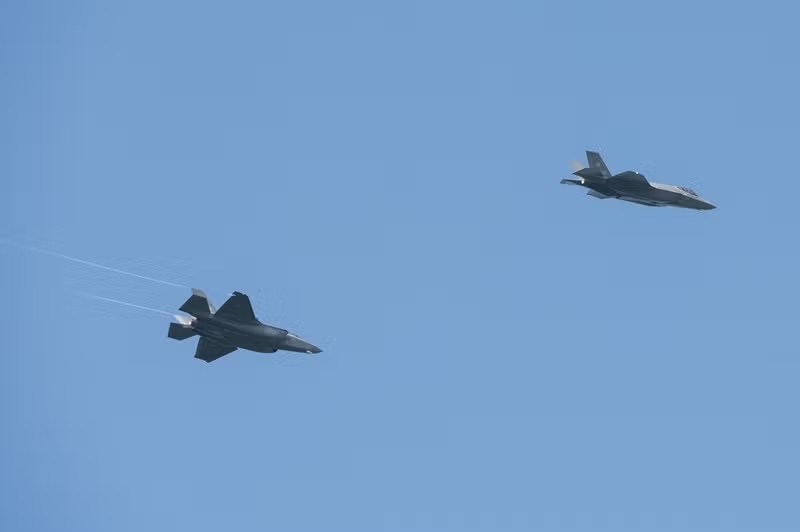
World
ÄMARI AIR BASE, Estonia — April 4, 2026 : NATO has formally concluded the Italian Air Force’s deployment to Ämari Air Base, ending two consecutive rotations under the Baltic Air Policing (BAP) mission, as operational responsibility transitions to the Portuguese Air Force for the next four-month cycle. The Italian contingent operated under Operation Baltic Eagle III as part of NATO’s Enhanced Air Policing and Eastern Sentry Vigilance Activities, maintaining continuous airspace security along the Alliance’s eastern flank. The deployment, which began on August 1, 2025, involved a combined force of approximately 800 personnel and multiple advanced air and ground-based defense assets. Deployment Composition and Assets The Italian Air Force initially deployed F-35A Lightning II aircraft from the 32nd Wing at Amendola and the 6th Wing at Ghedi. These were later replaced by Eurofighter Typhoon multirole fighters drawn from four wings: the 4th Wing (Grosseto), 36th Wing (Gioia del Colle), 37th Wing (Trapani), and 51st Wing (Istrana). In addition to fighter aircraft, the deployment included the Gulfstream G550 CAEW (Conformal Airborne Early Warning) platform, providing airborne command and control capabilities. On the ground, an Italian Army SAMP/T air defense system was integrated into NATO’s Integrated Air and Missile Defence (IAMD) architecture, ensuring layered protection and coordination between air and land-based assets. Operational Activity and Air Policing Performance Throughout the mission, Italian aircraft maintained a 24/7 Quick Reaction Alert (QRA) posture, enabling rapid response to unidentified or uncoordinated aircraft approaching NATO airspace. During the deployment, the Italian detachment recorded more than 1,300 flight hours across operational and training sorties. Pilots conducted over 40 Alpha Scrambles, responding to potential airspace incursions and irregular aerial activity. In total, more than 60 aircraft were intercepted. A notable incident occurred on March 18, 2026, when Italian Eurofighter Typhoons intercepted a Russian Navy Su-30SM multirole fighter that briefly violated Estonian airspace near Vaindloo Island. The mission also contributed to four Flexible Deterrence Options (FDOs), integrating Italian assets into NATO’s broader command and control framework and enhancing coordination with Allied forces. Multinational Training and Integration Operating within the Eastern Sentry framework launched in late 2025, the Italian deployment emphasized interoperability with NATO partners and regional forces. Personnel participated in multiple joint exercises and training activities designed to strengthen coordination across domains. Exercise Furious Wolf focused on integrating air operations with Joint Terminal Attack Controllers (JTACs), improving coordination between air and ground units. Italian aircraft also conducted close air support (CAS) training with Latvian land forces. Air-to-air training missions were carried out alongside Spanish, Portuguese, and Finnish aircraft to refine joint operational procedures. Additionally, the Italian contingent participated in counter-unmanned aerial systems (C-UAS) training, conducting defensive operations against Estonian drone systems to address evolving UAV threats. Support to the host nation included JTAC-related activities and community engagement initiatives, further strengthening cooperation with Estonian forces. Command Remarks and Mission Assessment Colonel Fabio De Michele, commander of the Italian Air Force detachment, stated that the unit fulfilled its assigned objectives in safeguarding Baltic airspace. He highlighted that sustained operations in a complex operational environment demonstrated effective coordination between Italian Air Force and Army personnel, as well as strong cooperation with Estonian counterparts. Estonian Minister of Defense Hanno Pevkur acknowledged the Italian contribution, noting that their performance during challenging operational conditions reinforced NATO’s deterrence posture in the region. Transition to Portuguese Air Force Following the formal handover ceremony on March 31, the Portuguese Air Force has assumed responsibility for the mission at Ämari Air Base. Portugal has deployed F-16 fighter aircraft to maintain uninterrupted Quick Reaction Alert coverage. This rotation marks Portugal’s second deployment to Ämari and its ninth participation in the Baltic Air Policing mission since its establishment in 2004. Continuity of NATO Air Policing Mission The Baltic Air Policing mission provides continuous protection of the airspace over Estonia, Latvia, and Lithuania, which do not operate their own fighter aircraft fleets. NATO officials stated that regular rotations of Allied air units ensure a persistent and adaptable air defense posture in the region. The conclusion of the Italian deployment and seamless transition to Portuguese forces reflects NATO’s ongoing implementation of its integrated air and missile defense strategy, maintaining operational readiness and coordination across Allied nations.
Read More → Posted on 2026-04-04 13:29:59
World
PARIS, — April 4, 2026 : The French government has confirmed it will independently finance the development of the Rafale F5 fighter aircraft standard after negotiations with the United Arab Emirates (UAE) over a co-funding arrangement ended without agreement in December 2025. The decision requires France to absorb the full estimated €5 billion cost of the next-generation upgrade programme. The proposed partnership had envisioned the UAE contributing approximately €3.5 billion—more than 70 percent of the total development budget—in exchange for expanded industrial participation and access to advanced technologies. However, discussions broke down over disagreements related to technology transfer, intellectual property access, and supply chain involvement. Dispute Over Technology Access and Industrial Role According to officials familiar with the negotiations, Emirati representatives sought access to sensitive components of the Rafale ecosystem, including advanced optronics systems, mission system architectures, and radar processing source codes. Abu Dhabi also aimed to secure joint intellectual property rights and integrate its domestic aerospace sector into high-value segments of the programme’s industrial base. France declined these requests, citing the need to maintain sovereign control over critical technologies, particularly those linked to electronic warfare systems and nuclear deterrence capabilities. French authorities also refused to grant access to certain “black box” optronics technologies, which remain tightly restricted due to their strategic importance. The impasse persisted through multiple rounds of discussions, including exchanges during a visit by President Emmanuel Macron to Abu Dhabi in late December 2025, after which the talks were formally concluded without agreement. Rafale F5 Programme Scope and Capabilities The Rafale F5 standard represents a major evolution of the Dassault Aviation Rafale platform rather than a routine upgrade. It is designed as a “system of systems” capable of operating in conjunction with unmanned collaborative combat aircraft, often described as “loyal wingman” drones derived from the nEUROn demonstrator programme. Key planned enhancements include: A next-generation RBE2-XG active electronically scanned array (AESA) radar incorporating Gallium Nitride (GaN) technology Upgraded avionics with enhanced data links, connectivity, and processing capabilities Integration of a more powerful Safran M88 engine variant, delivering approximately 20 percent increased thrust Expanded manned-unmanned teaming capabilities Compatibility with the future ASN4G hypersonic nuclear missile for France’s airborne deterrent Development contracts for the F5 standard already exceed €4 billion and have been notified by the French Directorate General of Armaments (DGA) to Dassault Aviation and its key partners, including Safran, Thales, and MBDA. The aircraft’s entry into service is currently targeted for the 2030–2035 timeframe. Budgetary Impact and Programme Timeline With the withdrawal of Emirati funding, the French Ministry of the Armed Forces will incorporate the full programme cost into a revised Military Programming Law (LPM), scheduled for review by the Council of Ministers in April 2026. The adjustment comes at a time when France is already managing increased defence expenditures linked to broader European rearmament efforts. Officials have indicated that while the programme will proceed to preserve strategic autonomy, the loss of external financing may require a redistribution of spending over a longer period. This “spreading of costs” approach could introduce delays to the development schedule and potentially shift the planned entry-into-service timeline. The broader Rafale programme, including earlier standards such as F2, F3, and F4, is estimated to have cost approximately €11.7 billion to date. Strategic and Industrial Implications The outcome highlights differing strategic priorities between France and the UAE. While France continues to emphasize sovereign control over defence technologies and systems integration, the UAE has increasingly pursued a model focused on co-development, technology access, and domestic industrial growth rather than traditional procurement roles. Despite the breakdown in this specific programme, defence cooperation between the two countries remains ongoing. France continues to act as a key security partner for the UAE, including recent operational support in regional air defence activities. For France, proceeding independently with the Rafale F5 reinforces its commitment to maintaining a fully sovereign combat aviation capability. The F5 standard is also viewed as a critical bridge capability as the separate Franco-German-Spanish Future Combat Air System (FCAS) programme continues to face industrial and political challenges. The Rafale remains in service with the French Air and Space Force and the French Navy and has been exported to multiple countries, including India, Egypt, Qatar, Greece, and Croatia. The F5 standard is expected to represent the final major evolution of the current Rafale airframe before the introduction of future combat air systems beyond the 2030s. Further updates on programme funding, timelines, and industrial participation are expected following the French government’s review of the revised defence budget framework in April 2026.
Read More → Posted on 2026-04-04 13:44:36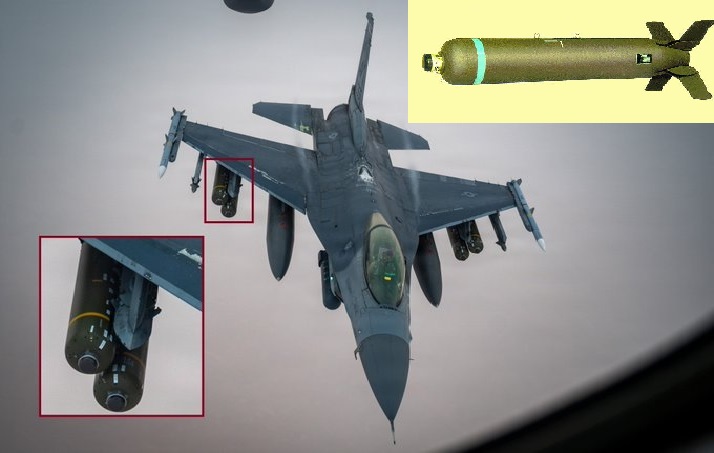
World
WASHINGTON, — April 4, 2026 A newly released image from the U.S. Defense Visual Information Distribution Service (DVIDS) has provided detailed insight into the evolving air-to-ground mission configurations employed by the U.S. Air Force during ongoing operations in the U.S. Central Command (CENTCOM) area of responsibility. The photograph captures a U.S. Air Force F-16 Fighting Falcon in flight on April 2, 2026, actively supporting Operation Epic Fury. The aircraft is shown carrying four large dispenser-type munitions, with two mounted under each wing. While the official caption confirms the aircraft type, location, and date, it does not identify the specific ordnance or mission profile associated with the sortie. Loadout Configuration and Technical Assessment Visual analysis of the underwing munitions indicates a configuration consistent with dispenser-based weapons designed for wide-area effects against ground targets. Based on external shape, size, and mounting arrangement, analysts assess that the loadout aligns with two primary U.S. munitions systems historically used for anti-armor and area-denial roles. One possible identification is the CBU-97 Sensor Fuzed Weapon, a 1,000-pound class cluster munition designed for targeting armored vehicles. Each dispenser contains 10 BLU-108/B submunitions, with each submunition deploying four infrared-guided projectiles. In total, a single CBU-97 releases 40 explosively formed penetrators (EFPs) capable of detecting and engaging individual vehicles based on heat signatures. A precision-guided variant, the CBU-105, incorporates a Wind Corrected Munitions Dispenser (WCMD) tail kit to improve accuracy. An alternative assessment points to the CBU-89/B GATOR mine-dispensing system. This system is also a 1,000-pound class dispenser that deploys a mix of anti-vehicle and anti-personnel mines. Specifically, it carries 72 BLU-91/B anti-vehicle mines and 22 BLU-92/B anti-personnel mines. The BLU-91/B employs magnetic sensing to detect vehicles and uses a shaped-charge warhead to penetrate armored hulls. The GATOR system enables rapid aerial deployment of minefields to deny terrain, restrict maneuver, and channel opposing forces into predictable routes. No official confirmation has been issued by the U.S. Air Force or CENTCOM regarding which munition was carried during the documented mission. The identification remains based solely on observable characteristics in the released image. Operational Context: Operation Epic Fury The sortie took place within the framework of Operation Epic Fury, a large-scale air campaign initiated on February 28, 2026, under the direction of the President of the United States. The operation is being conducted across the CENTCOM theater and is focused on targeting elements of Iran’s military and security infrastructure. According to CENTCOM fact sheets, the campaign includes efforts to dismantle integrated air defense systems (IADS), destroy mobile ballistic missile launchers, and neutralize unmanned aerial vehicle (UAV) production and launch facilities. Additional targets include command and control centers, weapons storage locations, and other military infrastructure. As of early April 2026, U.S. and partner forces have conducted more than 13,000 combat flights. The air campaign involves a wide range of aircraft, including F-16, F-15, F-35, B-52, B-1, and B-2 platforms, supported by aerial refueling and other enabling assets. Mission Role and Tactical Implications The presence of dispenser-type munitions on the F-16 suggests a mission set focused on engaging mobile or distributed ground targets rather than fixed infrastructure. If the loadout consists of GATOR mine systems, the aircraft may have been tasked with rapidly deploying minefields to block supply routes, isolate operational areas, or prevent the relocation of mobile missile systems. If the munitions are Sensor Fuzed Weapons, the mission profile would more likely involve direct engagement of armored formations, vehicle convoys, or other mobile assets within a defined area. These weapons provide the capability to cover large ground footprints and engage multiple targets in a single pass, making them suitable for time-sensitive targeting scenarios. Unlike conventional GPS-guided Joint Direct Attack Munitions (JDAMs), which are primarily used against fixed coordinates, dispenser-based systems are designed to address dynamic battlefield conditions involving moving targets and dispersed formations. Platform Flexibility and Historical Usage The F-16 Fighting Falcon has a long operational history of employing both the CBU-89/B GATOR and CBU-97 series munitions. The GATOR system was used during Operation Desert Storm for rapid minefield deployment, while the CBU-97 has been part of U.S. Air Force inventories for wide-area anti-armor missions across multiple platforms, including the F-15E and A-10. The April 2 image demonstrates the continued adaptability of the F-16 platform in transitioning between mission roles, including air superiority, precision strike, and complex ground-attack operations. The observed configuration reflects the aircraft’s ability to support battlefield shaping and interdiction missions as operational requirements evolve. Information Control and Ongoing Operations U.S. Air Force and CENTCOM officials have maintained operational security regarding specific loadouts and mission details associated with current sorties. No additional information has been released concerning the exact weapons employed in the April 2 mission. The DVIDS image serves as a publicly available record of ongoing air operations within the CENTCOM theater. While it provides visual confirmation of aircraft configuration, it does not constitute official confirmation of weapon type or specific tactical intent. Operation Epic Fury remains ongoing, with further updates expected through official U.S. military communication channels as the campaign progresses.
Read More → Posted on 2026-04-04 13:56:50
World
TEHRAN, — April 4, 2026 : Airstrikes attributed to United States and Israeli forces targeted multiple petrochemical facilities in Iran’s Khuzestan Province on Saturday, causing damage across key industrial sites in the Mahshahr Special Petrochemical Zone and the Bandar Imam area. Iranian officials reported that at least five individuals were injured, while firefighting and emergency measures were implemented shortly after the strikes. Strike Details and Targeted Facilities According to Iranian authorities, the strikes occurred at approximately 10:47 a.m. local time and were concentrated in the Mahshahr Special Petrochemical Zone, a major industrial hub located near the Persian Gulf. Explosions were reported in both the eastern and western sections of the zone. Facilities affected include Fajr 1 and Fajr 2 petrochemical plants, Rejal Petrochemical (also referred to as Regal, Rijal, or Redzhal), Abu Ali (Buali Sina) Petrochemical Company, Bandar Imam Petrochemical Complex, and Amir Kabir Petrochemical Company. Initial assessments indicate that multiple units sustained damage, though the full extent of structural impact remains under evaluation. As a precautionary measure, all personnel at the affected facilities were evacuated, and electricity supply to the surrounding area was temporarily cut to reduce the risk of secondary incidents, including fires or further explosions. Emergency Response and Casualties Valiollah Hayati, deputy governor of Khuzestan Province for security affairs, stated that emergency and firefighting teams were deployed immediately and were able to bring the situation under control within a short period. He confirmed that five individuals were injured and received medical treatment. Officials also addressed concerns regarding air quality, noting that visible smoke over the Mahshahr area resulted from the release of flare gases during emergency shutdown procedures. Authorities stated that the emissions were not toxic and did not pose a risk to public health. Damage to Shalamcheh Border Crossing In a separate strike, the Shalamcheh border crossing near Khorramshahr, a key transit point between Iran and Iraq, sustained significant damage. The commercial terminal and passenger reception areas were affected. Iranian and Iraqi sources reported that one Iraqi national was killed in the incident, while several others, including Iraqi citizens, were wounded. Following the attack, Iraqi authorities suspended all trade and passenger movement through the crossing. Strategic and Industrial Significance The Mahshahr Special Petrochemical Zone is a central component of Iran’s petrochemical industry, hosting production facilities for ethylene, propylene, polyethylene, aromatics, polymers, liquefied petroleum gas (LPG), and other chemical products. Supporting infrastructure, including utilities such as power, steam, nitrogen, and oxygen, is provided by companies such as Fajr Petrochemical. The Bandar Imam Petrochemical Complex is a major contributor to Iran’s chemical production and export capacity. Together, these facilities support a substantial portion of Iran’s non-oil exports and are integral to the country’s industrial supply chain. Khuzestan Province plays a critical role in processing oil and natural gas feedstocks into downstream petrochemical products used in manufacturing sectors such as plastics, fertilizers, packaging, and synthetic materials. Link to Missile Production Capabilities Petrochemical derivatives produced at facilities in Mahshahr and Bandar Imam are also utilized in the production of missile fuels. Certain chemical intermediates serve as components in liquid-propellant systems, while others are used as binders and additives in solid-propellant rocket motors. The targeting of these facilities is assessed to be part of broader operational objectives under Operation Epic Fury, which has involved strikes on Iranian military infrastructure, including missile sites, air defense systems, command centers, and associated industrial assets. The operation, conducted by US Central Command, began on February 28, 2026. Operational and Economic Impact The strikes are expected to cause short-term disruptions to production and export activities in the affected areas. The evacuation of personnel and temporary power outages have halted operations across several units within the Mahshahr zone. Additionally, the closure of the Shalamcheh border crossing is likely to impact cross-border trade and logistics between Iran and Iraq, further contributing to immediate economic disruptions. Iranian authorities have not yet released a comprehensive assessment of long-term damage or production losses. Recovery efforts are ongoing, with repair timelines and operational restoration expected to be announced through official channels. Official Responses and Reporting As of now, there have been no specific official statements from United States or Israeli authorities addressing the reported strikes on petrochemical infrastructure in Khuzestan Province. Information regarding the incidents has primarily been reported by Iranian state and semi-official media outlets, including Fars News Agency, Tasnim News Agency, and Mehr News Agency. Further updates are anticipated as Iranian officials continue to assess damage, restore operations, and provide additional details on the status of affected facilities and infrastructure.
Read More → Posted on 2026-04-04 14:22:23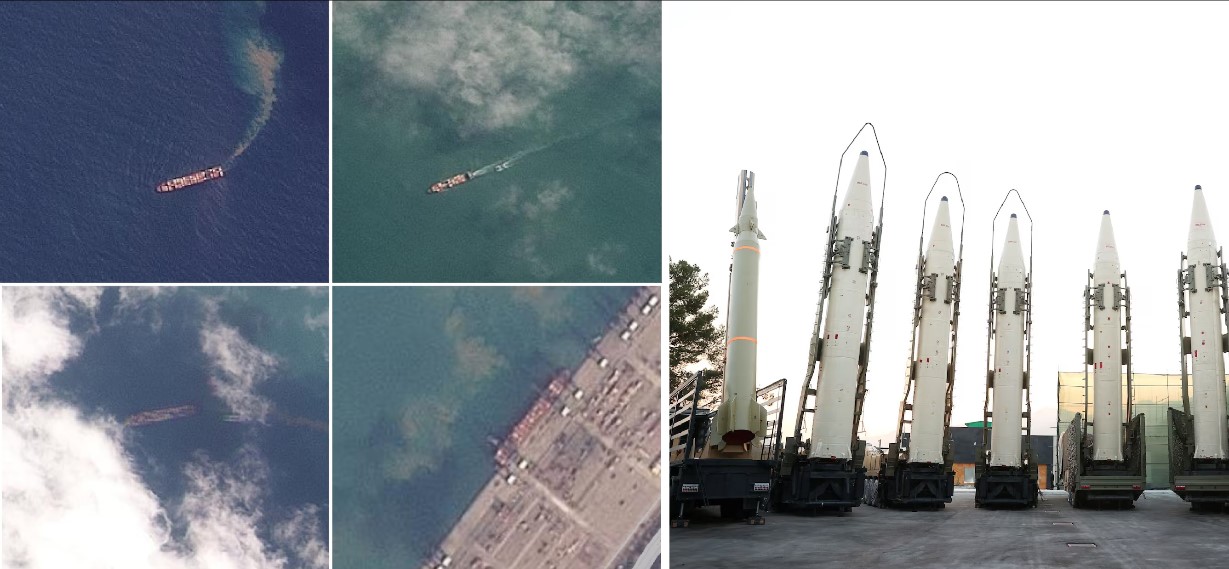
World
TEHRAN / WASHINGTON / LONDON, — April 4, 2026 : Maritime tracking data and defense analysis have revealed a series of shipments of suspected missile fuel precursor chemicals from China to Iran, raising new concerns among Western officials about the resilience of Iran’s ballistic missile supply chain during an active conflict with the United States and Israel. Shipping Data Points to Coordinated Deliveries According to vessel-tracking information from MarineTraffic and corroborated by multiple analytical reviews, at least five Iran-linked ships departed from Gaolan port in Zhuhai, China, and either docked at Iranian ports or loitered offshore in recent weeks. The vessels — Hamouna, Barzin, Shabdis, and Rayen — have already arrived at Iranian ports since 22 March 2026, while a fifth ship, Zardis, was observed waiting near Iranian territorial waters in early April, pending clearance to dock, with an expected arrival around April 2, 2026. Each vessel is operated by the Islamic Republic of Iran Shipping Line Group (IRISL), a state-owned entity under sanctions from the United States, United Kingdom, European Union, and Switzerland. The Hamouna, previously operating under the name Canreach, departed China on February 19, 2026 — roughly one week before the start of large-scale U.S.-Israeli military operations — and arrived in Bandar Abbas on March 26 after a voyage lasting approximately five weeks, including delays attributed to regional instability. Cargo Linked to Missile Propellant Production Experts assessing shipping patterns and cargo characteristics believe the vessels are carrying sodium perchlorate, a chemical oxidizer used as a precursor to ammonium perchlorate, which is a critical component in solid-fuel rocket propellants. Ammonium perchlorate forms the basis of propulsion systems used in many of Iran’s short- and medium-range ballistic missiles. The continued flow of this material suggests that Iran retains access to essential inputs required for sustaining missile production despite ongoing strikes on its military-industrial infrastructure. The shipments originated from Zhuhai’s Gaolan port, a major hub for liquid chemical storage and export, further reinforcing assessments that the cargo consists of industrial chemical feedstock rather than finished weapons. Scale Suggests Significant Replenishment Effort Analysts have emphasized the scale of the current deliveries, noting that the vessels involved are approximately twice the size of those used in comparable transfers during 2025. Earlier shipments in early 2025 — involving the IRISL vessels Golban and Jairan — carried sufficient sodium perchlorate to support the production of an estimated 102 to 157 ballistic missiles, according to assessments by nonproliferation experts. Based on the increased capacity of the five vessels tracked in the current cycle, analysts estimate that the combined cargo could enable the production of approximately 785 additional missiles. At an operational level, this volume of propellant could sustain launch rates of between 10 and 30 missiles per day for roughly one month, depending on launcher availability and operational conditions. Context of Ongoing Military Operations The deliveries coincide with an active phase of hostilities following the launch of coordinated U.S. and Israeli air campaigns on February 28, 2026, conducted under Operation Epic Fury and Operation Roaring Lion, respectively. These operations have targeted Iranian nuclear facilities, missile production sites, air defenses, and command infrastructure. Israeli officials have stated that approximately 330 out of Iran’s estimated 470 ballistic missile launchers have been destroyed or rendered inoperable. However, U.S. intelligence assessments indicate that up to half of Iran’s launcher inventory may remain functional. Despite sustained strikes, the arrival of precursor chemicals indicates continued logistical throughput into Iran’s missile supply chain. Miad Maleki, a former U.S. Treasury official and current adviser at the Foundation for Defense of Democracies, assessed that the shipments reflect an effort by Iran to address shortages in missile fuel stocks during ongoing combat operations. Sanctions Evasion and Maritime Concealment Tracking data also highlights the use of established sanctions evasion techniques by Iranian shipping operators. Several vessels intermittently disabled their Automatic Identification Systems (AIS), limiting real-time tracking visibility during transit. In addition, discrepancies were identified between declared and actual destinations. At least two vessels reported Vietnam as their intended destination, while tracking data confirmed their routes toward Iranian ports. Renaming practices were also observed, with Hamouna previously operating under a different identity to avoid detection in sanctions databases. Cargo unloaded at Bandar Abbas and, in at least one case, Chabahar, can be transported inland via established logistics networks to missile production and storage facilities across Iran. Historical Precedent and Safety Concerns The handling of sodium perchlorate in Iran has previously been associated with significant safety incidents. In April 2025, an explosion at the Port of Shahid Rajaee in Bandar Abbas resulted in 57 fatalities and more than 1,000 injuries. Analysis of the incident, including the presence of reddish smoke plumes, indicated the involvement of sodium perchlorate or related compounds. Following that Event, the United States imposed additional sanctions targeting networks involved in procuring missile-related chemicals between China and Iran. Diplomatic Implications and Dual-Use Trade The continued shipment of such materials has drawn attention to China’s role in supplying dual-use goods. While sodium perchlorate is not classified as a finished weapon, its application in missile production places it under scrutiny during periods of active conflict. Analysts note that by exporting raw chemical inputs rather than weapon systems, China maintains that it is engaged in legitimate commercial trade. However, some experts argue that the decision to allow shipments to proceed during ongoing hostilities reflects a calculated policy stance. Isaac Kardon of the Carnegie Endowment for International Peace stated that such shipments could have been halted at port, suggesting that their continuation indicates a deliberate decision rather than regulatory oversight. Interdiction Challenges Persist Efforts to interdict such shipments remain constrained by operational and legal limitations. Western naval forces deployed in the region face challenges in identifying and seizing dual-use cargo at sea, particularly when documentation classifies shipments as civilian industrial materials. As a result, analysts describe the situation as an continuation of a long-standing “cat-and-mouse” dynamic, in which sanctioned entities adapt shipping practices to maintain supply flows despite international restrictions.
Read More → Posted on 2026-04-04 14:48:20
World
WASHINGTON / BAGHDAD, — April 4, 2026 : Multiple US military aircraft have been destroyed or damaged during Operation Epic Fury, the US Central Command campaign launched on February 28, 2026, targeting Iranian military infrastructure. Compiled reports from official statements, media accounts, and open-source information detail the following known losses and incidents as of April 4, 2026. Fighter and Attack Aircraft One F-35A Lightning II was damaged by Iranian air defense fire. Three F-15E Strike Eagle aircraft were shot down on March 1, 2026, in a friendly fire incident involving Kuwaiti Air Force F/A-18 aircraft. All six crew members ejected safely. One additional F-15E Strike Eagle was shot down by Iranian air defense fire on April 3, 2026, over Iranian territory. One crew member was rescued during search and rescue operations; the status of the second crew member remained unknown, with efforts continuing. One A-10C Thunderbolt II was shot down by Iranian air defense fire on April 3, 2026. The pilot ejected and was rescued. One A-10C Thunderbolt II was damaged during related operations on April 3 and returned to base. Airborne Warning and Control System (AWACS) One E-3G Sentry AWACS aircraft was destroyed at Prince Sultan Air Base in Saudi Arabia during an Iranian missile and drone attack in late March 2026. Images confirmed significant structural damage, including to the rear fuselage. Tanker Aircraft One KC-135 Stratotanker crashed as a result of a mid-air collision, with all crew members reported killed in the incident. One KC-135 Stratotanker was damaged in the same mid-air collision and landed safely. One KC-135 Stratotanker was destroyed at Prince Sultan Air Base during the Iranian attack. Five KC-135 Stratotankers were damaged by Iranian fire while on the ground at Prince Sultan Air Base. One additional KC-135R Stratotanker transmitted emergency squawk code 7700 on April 3 and returned to base. Unmanned Aerial Vehicles Seventeen MQ-9 Reaper drones were shot down by Iranian air defenses. Additional MQ-9 losses have been reported throughout the campaign, with US officials confirming more than a dozen downed prior to early April. Helicopters One UH-60 helicopter was damaged by an FPV drone at an air base. Two HH-60G Pave Hawk (or HH-60W Jolly Green II variant) combat rescue helicopters were damaged by ground fire during a search and rescue operation on April 3. Both returned to base, with some crew members sustaining injuries. One CH-47F Chinook heavy-lift helicopter was destroyed on the ground at Camp Buehring in Kuwait during an apparent Iranian one-way drone strike. Iranian state media released images of the damaged aircraft; no casualties were reported from this incident. Over the past 10 days leading into early April 2026, reports indicated the loss or damage of 4 aircraft, 3 helicopters, and 5 drones, with approximately half of these incidents occurring within the previous 24 hours, including the April 3 events. On April 3, described in some accounts as a particularly challenging day, the following were reported: one F-15E destroyed, one A-10C destroyed, one A-10C damaged and returned to base, one CH-47 Chinook destroyed in Kuwait, one F-16 damaged and returned to base, two HH-60W combat rescue helicopters damaged and returned to base, one F-16 transmitting squawk code 7700 over Iraq and returning to base, one KC-135R squawking 7700 and returning to base, and one MQ-9 Reaper destroyed. These incidents occurred amid sustained US air operations involving thousands of sorties targeting Iranian air defenses, missile sites, command facilities, and related infrastructure. Iranian forces responded with air defenses, drones, and missile strikes reaching regional bases, including in Saudi Arabia and Kuwait. US Central Command has not released a comprehensive official tally of all losses. Information derives from US media citing officials, Iranian state media claims (some of which US sources have disputed in prior instances), and verified imagery or tracking data where available. The campaign has involved F-15, F-16, A-10, F-35, tanker, AWACS, drone, and helicopter platforms. Search and rescue operations for the missing F-15E crew member continued as of April 4. CENTCOM has provided periodic updates on overall operations but limited specific comments on individual aircraft incidents for operational security reasons. Operation Epic Fury has seen over 12,000 combat flights conducted by US forces as of early April. The reported losses represent a fraction of the total aircraft deployed but highlight risks associated with high-tempo operations against layered air defenses. Further details on cumulative impacts or adjustments to tactics remain under review by US military authorities.
Read More → Posted on 2026-04-04 15:11:07
World
LONG BEACH, Calif., — April 4, 2026 Rocket Lab USA, Inc. (Nasdaq: RKLB) has signed a $190 million agreement for a block buy of 20 hypersonic test launches, marking the largest single launch contract in the company’s history and reinforcing its expanding role in U.S. national security missions. The agreement, finalized and announced on March 18, supports the Multi-Service Advanced Capability Hypersonic Test Bed (MACH-TB) 2.0 program. The initiative is managed by the U.S. Department of Defense’s Test Resource Management Center (TRMC) in coordination with the Naval Surface Warfare Center (NSWC) Crane Division, and is designed to accelerate hypersonic technology development through frequent and standardized flight testing. Contract Scope and Program Structure Under MACH-TB 2.0, Rocket Lab will serve as the launch provider for 20 dedicated missions under Task Area 1, led by prime contractor Kratos Defense & Security Solutions. The launches are scheduled over a four-year period, with the first mission expected within months of the contract signing. The MACH-TB 2.0 program aims to establish a centralized, high-cadence testing framework for the Department of Defense. It is intended to provide an operational bridge between ground-based testing and full system-level flight trials, enabling faster validation of hypersonic technologies and reducing development timelines. HASTE Launch Vehicle Capabilities Rocket Lab will conduct the missions using its HASTE (Hypersonic Accelerator Suborbital Test Electron) vehicle, a suborbital variant of the Electron rocket tailored for hypersonic test applications. The vehicle is designed to deploy experimental payloads along controlled trajectories at speeds exceeding Mach 5 (approximately 3,800 mph). HASTE offers a payload capacity of up to 700 kilograms, significantly higher than Electron’s ~225 kilograms to low Earth orbit. The platform provides a controlled test environment for evaluating thermal protection systems, sensors, and communications technologies under extreme velocity conditions. Since its debut in June 2023, HASTE has completed seven missions with a 100% success rate. Several of these flights have supported U.S. government hypersonic testing, including earlier work under the MACH-TB program. Launch Operations and Infrastructure The hypersonic missions are expected to be conducted primarily from Rocket Lab Launch Complex 2 at the Mid-Atlantic Regional Spaceport, Virginia, providing a domestic, responsive launch capability for time-critical defense experiments. Rocket Lab also operates a launch facility at the Mahia Peninsula, New Zealand, which has supported previous HASTE missions. However, specific launch locations and payload details for the 20 contracted missions have not been disclosed, consistent with the classified nature of many hypersonic test activities. Financial Performance and Backlog Growth The $190 million contract has increased Rocket Lab’s launch backlog to more than 70 missions. When combined with its Space Systems division, which manufactures satellites and spacecraft components, the company’s total backlog now exceeds $2 billion. Rocket Lab reported strong commercial momentum at the start of 2026, selling 28 launches in Q1 2026, nearly matching the total launches sold in 2025. The agreement reflects a broader defense sector trend toward block-buy contracting, enabling predictable testing schedules and reduced cost per flight. Industry Position and Strategic Outlook While Rocket Lab continues development of its Neutron rocket for future orbital missions, its Electron and HASTE platforms remain central to current revenue and operations. The growing demand for dedicated and responsive launch services, particularly for defense applications, has positioned the company as a key commercial partner in hypersonic research and testing. Leadership Statement Sir Peter Beck, founder and CEO of Rocket Lab, said the agreement strengthens collaboration with U.S. defense agencies: “Our expanded partnership with MACH-TB and the Department of Defense strengthens America’s national security and delivers reliable, modern hypersonic capabilities with speed and affordability. Our advanced technology, responsive launch schedules, and mass production of our HASTE hypersonic rockets are enabling faster progress across a range of hypersonic experiments by our government and industry partners.” Broader Defense Context The MACH-TB 2.0 program incorporates commercial launch providers to supplement government-owned test infrastructure, increasing the pace and flexibility of hypersonic experimentation. The initiative supports broader U.S. defense priorities focused on advancing hypersonic weapons and enabling rapid transition from experimental systems to operational capabilities. Rocket Lab’s continued involvement in the program since 2023, combined with the newly awarded contract, highlights the growing reliance on commercial aerospace firms to deliver scalable, high-frequency testing solutions for next-generation defense technologies.
Read More → Posted on 2026-04-04 15:57:26
India
NASHIK, INDIA — April 4, 2026 : Hindustan Aeronautics Limited (HAL) has received foundational material kits from Russia for the licensed production of 12 Su-30MKI multi-role fighter aircraft at its Nashik division, marking the restart of assembly activities under a contract aimed at reinforcing the Indian Air Force (IAF) combat fleet. The delivery supports a ₹13,500 crore (approximately $1.6 billion) agreement signed on December 12, 2024, between India’s Ministry of Defence (MoD) and HAL. According to officials, the arrival of these kits enables HAL to begin assembly operations, with the company maintaining its target to deliver all 12 aircraft to the IAF by the end of 2026. Production Restart and Facility Role HAL’s Nashik facility in Maharashtra will serve as the lead integrator for the program, carrying out final assembly, integration, and testing of the aircraft. The production line had remained inactive for over 12 months prior to the contract’s finalization and is now being reactivated to execute the order. The facility has extensive experience with Russian-origin platforms and has previously produced 222 Su-30MKI aircraft under license since 2004. In total, HAL has manufactured and supported nearly 1,000 aircraft across multiple programs, including earlier MiG variants. Indigenous Content and Industrial Contribution The 12 aircraft will incorporate a reported 62.6 percent indigenous content, reflecting ongoing efforts under India’s Aatmanirbhar Bharat initiative to increase domestic manufacturing in defense production. Key areas of indigenization include: Mission systems and avionics: Integration of Indian-developed mission computers, avionics suites, and communication systems supplied by domestic industry partners. Engine manufacturing: The AL-31FP turbofan engines are being produced at HAL’s Koraput division, with increasing use of locally sourced raw materials and forgings. Weapons integration: Compatibility with indigenous systems such as the Astra beyond-visual-range (BVR) air-to-air missile and the BrahMos supersonic cruise missile. The higher level of local content compared to earlier production batches indicates progressive replacement of imported components with domestically manufactured systems. Fleet Role and Operational Context The Su-30MKI remains the backbone of the IAF’s combat fleet. India has procured a total of 272 aircraft, of which 50 were delivered directly by Russia, while the remainder were assembled by HAL from completely knocked-down (CKD) kits. Currently, the IAF operates approximately 30 to 31 fighter squadrons, below its sanctioned strength of 42. The additional 12 aircraft are intended to serve two primary purposes: Attrition replacement: Replacing aircraft lost in accidents over the past decade. Capability bridging: Addressing squadron shortages amid delays in the Tejas Mk-1A program linked to international engine supply constraints. The Su-30MKI fleet accounts for nearly 60 percent of India’s combat aircraft inventory, with around 270 aircraft currently in service. Technical Characteristics The Su-30MKI is a twin-engine, two-seat heavy air superiority fighter designed for both air-to-air and air-to-ground missions. Its core specifications include: Maximum speed: Mach 2.0 (approximately 2,100 km/h) Combat radius: 1,300 km without aerial refueling Radar: N011M Bars passive electronically scanned array (PESA) Payload capacity: Up to 8,000 kg across 12 hardpoints Upgrade Path and “Super Sukhoi” Program The newly produced aircraft are expected to incorporate elements aligned with the planned “Super Sukhoi” upgrade program, valued at approximately ₹60,000 crore. This modernization effort will retrofit the existing fleet with: Virupaksha active electronically scanned array (AESA) radar Advanced electronic warfare (EW) suites New digital cockpit systems developed by the Defence Research and Development Organisation (DRDO) and Indian private sector partners The program aims to extend the operational lifespan of the Su-30MKI fleet by 20 to 30 years. Strategic and Industrial Outlook The delivery of material kits reflects the continuation of Indo-Russian defense cooperation under the licensed production framework established in 2000. At the same time, the increased indigenous content highlights India’s gradual shift toward greater self-reliance in defense manufacturing. Following completion of this batch, HAL’s Nashik facility is expected to transition toward large-scale modernization work under the Super Sukhoi program, alongside ongoing maintenance, repair, and overhaul (MRO) activities for the existing fleet. No detailed breakdown of delivery milestones for individual aircraft has been released. However, officials indicate that production timelines remain aligned with the scheduled completion by December 2026.
Read More → Posted on 2026-04-04 16:11:45
World
FORT BELVOIR, Va., — April 4, 2026 : The U.S. Army has formally launched a competitive procurement process for the Infantry Squad Vehicle–Heavy (ISV-H), a new variant of its existing Infantry Squad Vehicle designed to support command, sensor, and combat support roles in dispersed operations. The solicitation, issued by Army Contracting Command–Detroit Arsenal under notice W912CH-26-S-C005, outlines a requirement for 606 vehicles. The ISV-H program represents a transition from the lighter troop transport-focused ISV toward a platform capable of supporting brigade and division-level missions. Unlike the standard ISV, which carries a nine-soldier squad, the ISV-H is configured for smaller formations and will function as a mobile node for power generation, communications, and mission systems integration. Program Scope and Operational Role According to procurement documents, the ISV-H will be employed primarily within division and brigade formations, including Mobile Brigade Combat Teams operating in distributed environments. The vehicle is intended to support a range of roles beyond personnel transport, including command and control, sensor deployment, electronic warfare, and counter-unmanned aerial systems (C-UAS). The Army is prioritizing the use of commercial-off-the-shelf (COTS) or non-developmental platforms to accelerate fielding timelines and reduce technical risk. The approach emphasizes minimal modification of existing vehicle designs while ensuring compatibility with military mission systems. Technical Requirements and Performance Criteria The ISV-H must meet a defined set of performance specifications balancing payload capacity, mobility, and deployability. The vehicle is required to carry a six-person crew with full equipment and support a total payload capacity of 1,814 kilograms (4,000 pounds). In addition, it must be capable of towing trailers weighing up to 2,948 kilograms (6,500 pounds). Mobility requirements include the ability to traverse steep gradients, operate across rugged off-road terrain, and ford water obstacles up to 30 inches (76 centimeters) deep. The platform must also meet strict transportability constraints, allowing deployment via C-5, C-17, and C-130 aircraft, as well as external sling-load operations using CH-47 Chinook helicopters. The interior configuration must be modular, enabling rapid reconfiguration of rear seating for casualty evacuation or transport of specialized mission equipment. Integrated Power Generation Capability A central requirement of the ISV-H is its role as a mobile power generation platform. The vehicle must provide up to 60 kilowatts of continuous exportable electrical power, including both 28-volt direct current (DC) and 120-volt alternating current (AC) outputs. This onboard power capability is intended to support a wide range of mission systems, including communications equipment, unmanned aerial and ground system control stations, counter-drone systems, radar sensors, electronic warfare suites, and potential directed-energy applications. The requirement reflects the Army’s increasing emphasis on integrating power-intensive technologies into mobile tactical formations. Acquisition Strategy and Evaluation Phases The ISV-H competition will follow a phased acquisition process designed to reduce development timelines and enable rapid transition to production. In Phase I, participating companies will submit conceptual proposals, conduct oral presentations, and provide detailed commercial submissions. The Army may select up to three vendors to proceed to the next stage. Phase II will involve the development of prototype vehicles, with up to three prototypes funded per selected vendor. These prototypes will undergo military testing and evaluation under operational conditions. Successful completion of testing may lead directly to low-rate initial production or full-rate production contracts. The Army has not specified a detailed timeline for selection or production decisions beyond the phased structure. Maintainability and Right to Repair Provisions The solicitation includes provisions emphasizing long-term maintainability and operational independence. Future contracts are expected to incorporate Right to Repair requirements, granting the Army access to technical manuals, schematics, proprietary software, diagnostic tools, and detailed spare parts data. This approach is intended to reduce reliance on original equipment manufacturers (OEMs) for maintenance and enable soldiers to conduct repairs in austere or contested environments, while also lowering lifecycle sustainment costs. Relationship to Existing ISV Program The ISV-H builds on the Infantry Squad Vehicle program initiated in 2020. The original ISV, produced by GM Defense and based on the Chevrolet Colorado ZR2 platform, was designed as a lightweight, high-mobility transport vehicle using approximately 90 percent commercial components. It carries a nine-soldier squad and supports rapid deployment via air transport and airdrop. As of early 2026, the Army has fielded hundreds of ISVs, with additional units awarded to GM Defense in March 2026 as part of ongoing procurement. The heavier ISV-H variant addresses capability gaps identified in operational use, particularly the need for a platform capable of supporting power-intensive systems and acting as a mobile command and support hub. Testing and Technology Demonstrations Prototype concepts aligned with ISV-H requirements have already been evaluated in field exercises. During the Ivy Sting IV exercise at Fort Carson, Colorado, in early 2026, soldiers from the 4th Infantry Division assessed vehicle mobility and onboard power capabilities in distributed operational scenarios. In parallel, the Army has explored enabling technologies through demonstrator platforms such as the Next Generation Tactical Vehicle (NGTV), a hybrid-electric system based on the Chevrolet Silverado 2500HD ZR2. The NGTV serves as a testbed for power generation and integration capabilities relevant to the ISV-H program. Broader Modernization Context The ISV-H competition aligns with the Army’s broader modernization efforts under the “Transformation in Contact” initiative, which focuses on enhancing agility, mobility, and operational endurance of forward-deployed units. The program reflects an evolving requirement for tactical vehicles that not only transport personnel but also sustain digital networks, sensor systems, and electronic warfare capabilities in contested environments. The solicitation remains open to qualified industry participants, with further details available through official Army procurement channels.
Read More → Posted on 2026-04-04 16:23:37
World
WARSAW, Poland — April 4, 2026 : On March 31, 2026, MBF Group S.A., a company listed on the NewConnect market of the Warsaw Stock Exchange, has signed a Memorandum of Understanding (MoU) with U.S.-based Advanced Digital Manufacturing LLC (ADM Works) to jointly develop a high-fidelity training simulator concept for the AH-64E Apache attack helicopter. The agreement formalizes cooperation between the two firms following a Mutual Non-Disclosure Agreement (NDA) concluded on March 3, 2026, during the Drone World Expo in Warsaw. The MoU establishes a structured framework for technical, operational, and commercial collaboration focused on creating a next-generation simulator that incorporates Mixed Reality (MR) technologies. These systems are intended to combine physical cockpit components with computer-generated environments, enabling pilots and maintenance personnel to interact with avionics, flight controls, and weapon systems in real time under simulated operational conditions. Programme Context and Operational Requirement The initiative is directly linked to Poland’s acquisition of 96 AH-64E Apache Guardian helicopters under the Kruk programme. The procurement, conducted through a U.S. Foreign Military Sales (FMS) agreement with Boeing and valued at approximately $4.7 billion, will make Poland the largest Apache operator outside the United States. Deliveries of the AH-64E fleet are scheduled to begin in 2028. As part of interim capability measures, Poland has leased eight AH-64D Apache helicopters to support initial pilot and maintainer training ahead of the arrival of the AH-64E platforms. The scale of the acquisition has created a requirement for expanded and scalable training infrastructure capable of supporting both operational readiness and long-term sustainment. The proposed simulator is intended to address these requirements by offering a cost-effective and accessible alternative to traditional full-motion simulators. The system is expected to support mission rehearsal, systems familiarization, and maintenance training across a wide range of operational scenarios. NATO Interoperability and Training Objectives In addition to national requirements, the project is designed to align with NATO standards for interoperability and joint training. The simulator concept is expected to support allied forces operating within the European theatre by providing standardized training environments compatible with NATO procedures and systems. The development of such a platform is positioned to contribute to enhanced readiness levels, particularly as multiple NATO member states expand their rotary-wing capabilities and integrate advanced attack helicopter platforms into their forces. Roles and Responsibilities Under the terms of the MoU, MBF Group S.A. will act as the project leader and business coordinator. The company is responsible for structuring the overall business model, including financial and commercial frameworks, and for managing institutional engagement with key stakeholders such as the Polish Armament Agency, the Ministry of National Defence, and selected NATO-aligned training institutions. MBF Group will also coordinate consortium activities with domestic partners, including Squadron ASE Group and the Polish Industrial Lobby (Polskie Lobby Przemysłowe). This approach is intended to increase the level of domestic industrial participation, often referred to as “Polonization,” within the project’s technology and production base. Robert Krassowski, a representative of the MBF Group S.A. Management Board, stated that the development of Apache-related training capabilities is aligned with both current operational needs and broader industrial objectives, including the integration of Polish entities into advanced NATO training system supply chains. ADM Works, headquartered in Santa Ana, California, will contribute its expertise in aerospace engineering, digital design, and advanced manufacturing. The company has previously participated in projects involving aircraft structures and autonomous systems, including collaborations with Sierra Nevada Corporation on the “Freedom Trainer” aircraft, as well as work related to autonomous cabin concepts for Uber Technologies and Safran. ADM Works also operates within regulatory environments governed by the International Traffic in Arms Regulations (ITAR), ensuring compliance with U.S. export control requirements and facilitating secure transatlantic technology cooperation. Technical Scope and Development Approach The simulator concept under development will focus on integrating Mixed Reality (MR) technologies with physical cockpit replicas and advanced software environments. This approach is intended to replicate complex combat and operational scenarios with a high degree of accuracy while maintaining flexibility in deployment and scalability. The system is expected to support a range of training functions, including flight procedures, weapons employment, mission planning, and maintenance operations. By leveraging MR technologies, the platform aims to reduce dependency on large-scale full-motion simulators while maintaining training effectiveness. Cooperation Framework and Timeline The MoU is non-binding and defines an 18-month exclusive cooperation period between MBF Group and ADM Works. During this time, both parties will conduct technical analyses, develop conceptual models, and evaluate potential implementation pathways. ADM Works has agreed not to pursue a similar project in Europe with another partner during this period without prior consultation with MBF Group. Any subsequent phases, including prototype development, system production, or deployment, will be subject to separate contractual agreements. These future steps may involve additional financing arrangements and expanded industrial participation. Integration with Broader Defence Projects MBF Group has indicated that the cooperation with ADM Works may also contribute to the development of its other defense and aerospace initiatives. These include the IRYDA Plus kinetic interceptor drone and the Mallard cargo unmanned aerial vehicle (UAV) system. The company views the partnership as part of a broader strategy to expand its presence in the defense technology sector and to strengthen transatlantic industrial links between European and U.S. partners. Outlook The project remains in the conceptual phase, with no disclosed timeline for prototype development or contract value. Further updates are expected as the technical and commercial aspects of the simulator concept are refined during the 18-month cooperation period. The agreement reflects ongoing efforts by Poland to build comprehensive training and operational support infrastructure in parallel with the introduction of new-generation military platforms, while also contributing to NATO-wide capability development.
Read More → Posted on 2026-04-04 16:39:40
World
TEHRAN, — April 4, 2026 : Iran’s Islamic Revolutionary Guard Corps (IRGC) announced that it will soon unveil new air defense systems intended for battlefield deployment against the United States and Israel, according to statements by an IRGC spokesman carried by the state-run Fars News Agency. The announcement comes one day after Iranian officials reported the downing of two U.S. military aircraft over southern Iran. According to the IRGC spokesman, the forthcoming systems are designed to strengthen Iran’s defensive posture amid ongoing military operations and heightened regional tensions. No technical specifications or deployment timelines were disclosed in the initial report. Aircraft Losses and Rescue Operations On April 3, 2026, Iranian air defense units reportedly shot down a U.S. Air Force F-15E Strike Eagle over southwestern Iran. The aircraft’s two crew members ejected prior to impact. U.S. forces conducted a combat search and rescue mission, successfully recovering one crew member. As of April 4, 2026, the second crew member remained unaccounted for, with search operations ongoing. During the same period, an A-10C Thunderbolt II operating in the region was also lost. The pilot ejected safely and was subsequently rescued. Two HH-60W Jolly Green II combat search and rescue helicopters deployed during the recovery operation sustained damage from ground fire. Despite the damage, both aircraft were able to return to base. Reported Use of Passive Detection Technology A report by ABC News indicated that Iranian forces may have used an advanced passive infrared detection system to engage the F-15E. Such systems rely on infrared sensors to detect heat signatures emitted by aircraft engines and airframes. Because they do not emit radar signals, they are not detectable by conventional radar warning receivers and are less susceptible to electronic jamming. This method of detection differs from traditional radar-based air defense systems that form the basis of many modern air superiority doctrines. The reported use of passive tracking technology could allow Iranian air defenses to operate with a reduced electronic signature in contested environments. Some reports have suggested that the system used may be linked to equipment supplied by Russia. In recent years, Russia has provided Iran with various air defense-related technologies, including radar systems and components integrated into the national air defense network. However, no official confirmation has been issued regarding the origin of the specific system involved in the April 3 engagement. Context of Ongoing Military Operations The incidents occurred during U.S. Central Command’s Operation Epic Fury, which began on February 28, 2026. The operation has included strikes targeting Iranian military infrastructure, such as air defense installations, missile facilities, and command and control centers. Iranian state media, including Fars News Agency, have reported multiple recent engagements involving IRGC air defense units. These include claims of intercepting unmanned aerial systems and aircraft using integrated elements of the country’s air defense network. The IRGC has previously reported operational successes against unmanned systems, including engagements involving MQ-9 Reaper drones, citing the ability of its systems to function in contested electromagnetic environments. U.S. Response and Information Gaps U.S. officials have acknowledged the loss of the F-15E Strike Eagle and confirmed that search efforts for the missing crew member are ongoing as of April 4, 2026. However, no official statements have verified the specific detection or engagement methods used by Iranian forces in the incident. The loss of the A-10C Thunderbolt II and the damage sustained by rescue helicopters have also not been detailed in official U.S. disclosures beyond confirmation of personnel recovery. Future Developments The IRGC’s announcement of new air defense systems follows a series of Iranian claims regarding ongoing enhancements to its integrated air defense network amid sustained U.S. and Israeli operations. While the Fars News Agency report did not provide further details on the capabilities or deployment schedule of the new systems, additional information is expected to be released through official Iranian channels in the coming days.
Read More → Posted on 2026-04-04 17:28:20
World
KYIV, — April 4, 2026 : A Ukrainian drone operator has successfully intercepted and destroyed two Russian Shahed-type loitering munitions from a distance of 500 kilometers, marking the first documented instance of such an engagement conducted at that range and against two targets simultaneously. The operation was carried out on April 4 by an operator identified as Roman, callsign “Hulk,” who serves with Ukraine’s Bulava (“Mace”) unit. The engagement employed STING interceptor drones, which were remotely controlled using HORNET VISION Ctrl technology developed by the Ukrainian defence group Wild Hornets (Dyki Shershni). According to Wild Hornets, the mission represents a new benchmark in remote drone warfare, demonstrating that interception can be conducted far beyond previously established control distances. Earlier operational ranges for such systems were typically limited to approximately 20–30 kilometers. Extended-Range Control Capability The success of the operation was enabled by HORNET VISION Ctrl, a drone control system introduced in March 2026 following several months of frontline testing. The system forms part of the broader HORNET VISION ecosystem and allows operators to control interceptor drones from hundreds of kilometers away from the launch site. The technology provides high-definition video transmission with low latency, enabling operators to maintain situational awareness and precise control over long distances. It supports both digital and analog variants of the STING interceptor and integrates with proprietary ground control stations. With this system, individual crews are now able to monitor operational areas exceeding 100 kilometers, while the April 4 mission demonstrated that engagement can be conducted at distances up to 500 kilometers from the operator’s position. The separation between operator location and launch site is designed to improve personnel safety, allowing operators to conduct missions from protected rear areas while launch teams operate closer to the front line. STING Interceptor System The STING interceptor is a Ukrainian-designed drone developed specifically to counter Shahed-type loitering munitions, including the Shahed-131 and Shahed-136 variants. The system has been in operational use since 2025. Technical specifications provided by Wild Hornets indicate that the interceptor has a top speed exceeding 340 kilometers per hour and can operate at altitudes of up to 3,000 meters. It is designed for rapid deployment from flat surfaces and emphasizes maneuverability for engaging fast-moving aerial targets. The effectiveness rate of the STING system is reported to range between 60 percent and 90 percent, depending on operator experience and combat conditions. Wild Hornets stated that STING interceptors have collectively been responsible for more than 3,000 enemy unmanned aerial vehicle interceptions. Operational Context and Unit Performance The Bulava unit has been actively employing STING interceptors in counter-drone operations against Russian Shahed-type UAVs. Roman “Hulk” has previously been credited with a high number of interceptions, including a reported 20 Shahed drones downed in a single night during earlier mass attacks. The April 4 engagement is part of a broader increase in Ukraine’s air defense efficiency. Ukrainian sources reported that in March 2026, interception rates for incoming drones and missiles reached approximately 90 percent. Production of STING interceptors has expanded significantly, with output reported at over 10,000 units per month. The system is positioned as a cost-effective component of Ukraine’s layered air defense, with individual interceptor drones estimated to cost around $2,000, compared to $20,000 to $50,000 for Shahed-type munitions. Deployment and Future Expansion Wild Hornets confirmed that the HORNET VISION Ctrl system is entering wider serial deployment, with additional units expected to be delivered to frontline forces. The company continues to refine the STING platform, including improvements to video transmission systems and control links to support extended-range operations. The development reflects a shift toward distributed and remotely operated air defense systems, enabling broader coverage of frontline areas while reducing risk to personnel. No details were released regarding the precise location of the April 4 interception or the launch points of the Russian drones, citing operational security considerations. The operation was first disclosed by Wild Hornets on social media and subsequently reported by Ukrainian media outlets, including Ukrainska Pravda and Censor.NET.
Read More → Posted on 2026-04-04 17:42:20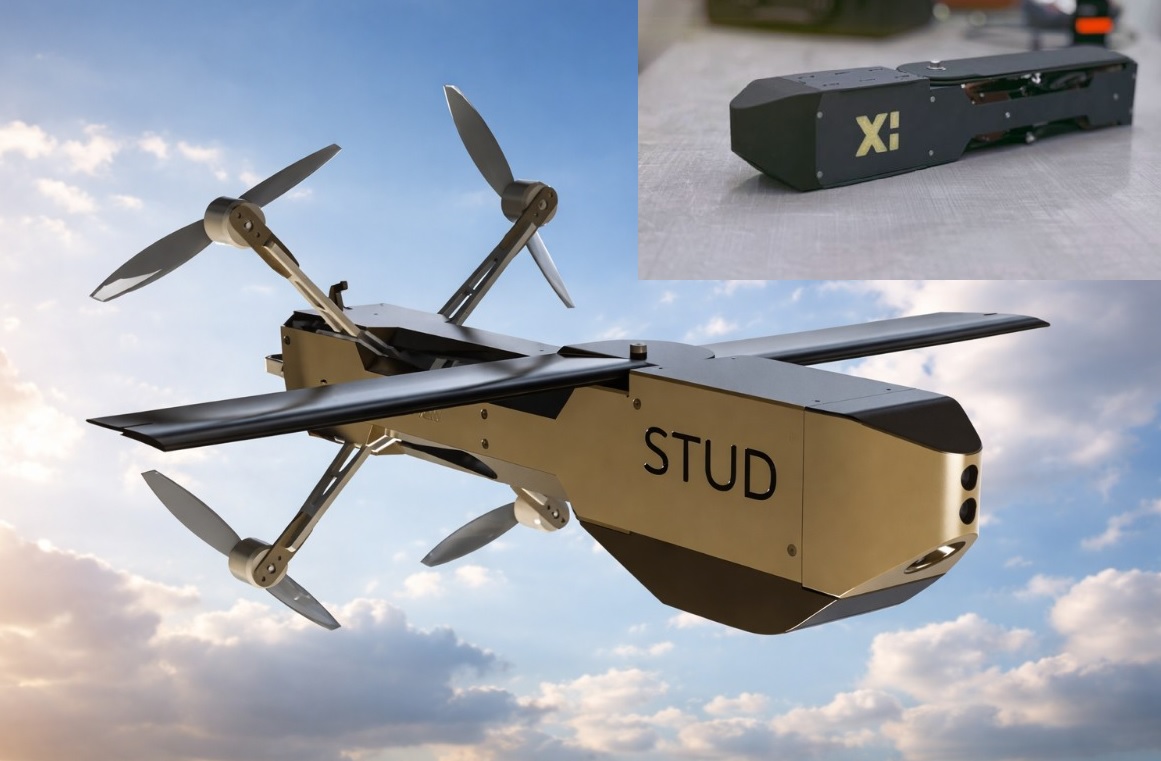
World
LOS ANGELES, — April 4, 2026 : U.S.-based defense startup XDOWN has formally unveiled the STUD (Small Tactical Unmanned Drone), a compact, rapidly deployable unmanned aerial system (UAS) designed for integration into frontline infantry units. The system is positioned as an attritable, multi-role platform intended to provide organic air support at the squad level without reliance on larger, centralized unmanned assets. The announcement was made by XDOWN founder and chief executive Alexander Balan, alongside the release of prototype imagery and testing footage. The STUD builds on the company’s earlier PSK (P.S. Killer) concept introduced in early 2025, further refining the approach to portable, soldier-operated unmanned systems. Rapid Deployment and Infantry Integration A central feature of the STUD is its “throw-and-forget” launch mechanism, eliminating the need for dedicated launch equipment. According to the company, the system can transition from a stowed state to active flight in approximately two seconds. After being powered on, the drone is thrown into the air, where onboard rotors automatically engage to stabilize and initiate controlled flight. XDOWN states that the system has been engineered for high-density portability. A single operator can carry between 8 and 12 units within a standard tactical backpack using a quick-release interceptor configuration. This approach reflects a broader shift toward distributing unmanned capabilities directly to small units, reducing dependence on traditional ammunition loads and centralized drone operators. Technical Specifications and Performance The STUD features a reinforced carbon fiber structure with a compact, aerodynamic design approximately the size of an American football. Despite its reduced form factor, the system incorporates performance characteristics typically associated with larger tactical drones. Dimensions: 17.5 inches (length) × 3.1 inches (width) × 3.1 inches (depth) Weight: 5.2 pounds total (1.7 pounds empty; payload capacity up to 1.7 pounds) Top Speed: 165 knots (approximately 190 mph / 305 km/h) Operational Range: 40 miles (approximately 64 kilometers) Endurance: 17 minutes (standard configuration), extendable to 25 minutes Radar Signature: Ultra-low radar cross-section (RCS) The combination of speed, range, and reduced radar detectability is intended to support operations in contested environments where survivability and rapid response are critical. Multi-Mission Capability and Modular Payloads XDOWN has developed the STUD as a modular platform capable of supporting multiple mission profiles through interchangeable payload configurations. Company materials identify the following primary operational roles: Intelligence, Surveillance, and Reconnaissance (ISR): Equipped with thermal imaging systems and advanced sensors for real-time battlefield awareness Precision Strike: Configured as a loitering munition for engagement of armored vehicles and high-value targets (HVTs) Counter-Unmanned Aerial Systems (C-UAS): Designed to intercept and neutralize hostile drones using kinetic impact or serial ramming techniques Electronic Warfare (EW): Capable of disrupting communications and sensor networks Anti-Personnel and Anti-Armor Operations: Adaptable payloads for engaging infantry, unmanned ground vehicles (CUGV), and unmanned surface vessels (CUSV) The system’s dual-use architecture allows units to tailor payloads based on mission requirements without altering the core platform. Manufacturing Plans and Program Status XDOWN has outlined a production target of up to 6,000 units per month, indicating an emphasis on scalable manufacturing and cost reduction. The company describes the STUD as an attritable asset, meaning it is intended to be deployed in high-risk scenarios without the expectation of recovery, thereby reducing logistical constraints compared to reusable systems. The platform is reported to be compliant with the U.S. National Defense Authorization Act (NDAA), aligning it with procurement standards for U.S. and allied military forces. Prototype testing is ongoing, with the company indicating that additional details regarding payload configurations, pricing, and operational partnerships will be disclosed in the coming weeks. No information on unit cost or confirmed customers has been released at this stage. Operational Context The introduction of the STUD reflects a broader trend in modern military doctrine toward decentralizing unmanned capabilities and integrating them directly into small-unit operations. By combining rapid deployment, modular functionality, and scalable production, systems such as the STUD are intended to expand the tactical options available to infantry units operating in complex and contested environments.
Read More → Posted on 2026-04-04 18:03:13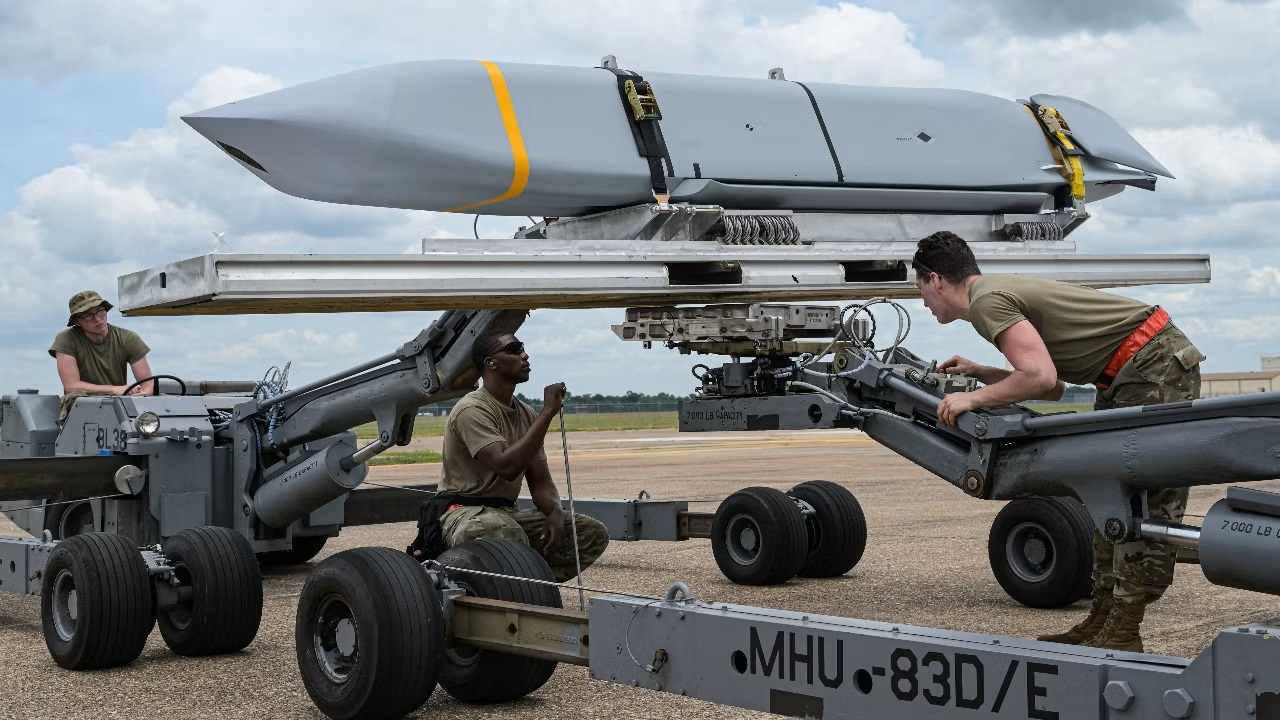
World
WASHINGTON, — April 4, 2026 : The United States has drawn down a substantial portion of its long-range stealth cruise missile inventory during the first month of military operations against Iran under Operation Epic Fury, according to defense officials, congressional briefings, and logistics data reviewed in early April. Prewar global inventories of the AGM-158B Joint Air-to-Surface Standoff Missile–Extended Range (JASSM-ER) stood at approximately 2,300 units. Since the start of the campaign on February 28, 2026, U.S. forces have expended more than 1,000 missiles in strikes targeting Iranian air defense systems, ballistic missile infrastructure, command centers, and other hardened military facilities. Current estimates indicate that roughly 425 JASSM-ER missiles remain available worldwide as of April 2026. High Expenditure Rates Exceed Projections The pace of missile usage in the opening phase of the conflict has exceeded prior Department of Defense planning assumptions. The JASSM-ER has been employed extensively due to its ability to conduct precision strikes from standoff distances exceeding 575 miles (approximately 925 kilometers), allowing U.S. aircraft to operate outside the engagement envelope of Iranian air defense systems. The missile carries a 1,000-pound penetrator warhead and incorporates low-observable design features, making it suitable for targeting fortified and heavily defended sites. It is integrated across multiple U.S. Air Force platforms, including the B-1B Lancer, B-52H Stratofortress, F-15E Strike Eagle, F-16 Fighting Falcon, and F-35 Lightning II. To sustain operational tempo during the first 30 days of the campaign, the Pentagon reallocated missile stocks originally assigned to other geographic combatant commands, including the Indo-Pacific and European theaters. Strategic Inventory Pressure Defense analysts and officials describe the remaining inventory level—approximately 425 missiles—as placing constraints on global operational flexibility. The JASSM-ER is a central component of U.S. long-range strike doctrine, particularly in scenarios involving contested airspace where non-stealth aircraft rely on standoff weapons for survivability. The drawdown has raised concerns within U.S. Indo-Pacific Command (INDOPACOM), where the missile is considered a key capability for deterrence and contingency planning against near-peer adversaries. Reduced availability limits immediate response capacity in the event of a concurrent or follow-on crisis. Production Capacity and Industrial Constraints Replenishment of expended missiles is expected to take multiple years under current industrial conditions. Manufacturer Lockheed Martin has been increasing production output, with annual production of JASSM-family missiles estimated at approximately 720 units, and plans to scale toward around 1,100 units per year. Earlier estimates from late 2025 placed production capacity at 500 to 600 units annually, indicating ongoing expansion efforts. However, several constraints continue to affect rapid replenishment: Component Lead Times: Critical elements such as turbofan engines supplied by Teledyne and stealth-integrated airframe components require extended manufacturing timelines. Shared Production Lines: The JASSM-ER is produced alongside the Long Range Anti-Ship Missile (LRASM), which uses the same industrial infrastructure and remains a priority for maritime operations in the Indo-Pacific. Industrial Base Limits: Even under surge production conditions, replacing more than 1,000 expended missiles within a short timeframe is not feasible. Current estimates suggest a recovery timeline of approximately three to five years to restore prewar inventory levels, depending on funding, supply chain performance, and production expansion. Increased Reliance on Alternative Munitions To offset reduced availability of JASSM-ER missiles, U.S. forces have increased the use of alternative long-range strike systems, particularly the Tomahawk Land Attack Missile (TLAM). Reports indicate that more than 850 Tomahawk missiles have also been launched during the early weeks of the Iran campaign. While the Tomahawk provides long-range precision strike capability, it lacks the same level of stealth characteristics as the JASSM-ER, which can affect survivability in highly contested air defense environments. Budgetary and Industrial Response The Pentagon has not publicly confirmed exact inventory figures, citing operational security considerations. However, recent budget submissions and supplemental appropriations include funding for “munitions facilitization,” aimed at expanding production infrastructure, including facilities in Alabama and Florida. Congress has approved additional funding measures to accelerate procurement of precision-guided munitions, including the JASSM-ER and related systems, as part of broader efforts to strengthen the U.S. defense industrial base. Broader Implications The current drawdown reflects longstanding assessments within defense policy circles that U.S. stockpiles of precision-guided munitions were structured for shorter-duration, high-intensity conflicts rather than sustained campaigns. The consumption rates observed during the first month of Operation Epic Fury highlight the scale of munitions demand in operations against layered and resilient air defense networks. U.S. Central Command continues strike operations using a mix of available munitions, including shorter-range precision weapons where operationally appropriate. No official changes to targeting strategy or operational tempo have been announced as of early April 2026. Further details regarding inventory levels, production scaling, and long-term replenishment plans are expected to be addressed in upcoming congressional hearings focused on defense industrial readiness and munitions supply.
Read More → Posted on 2026-04-04 18:21:03
World
WASHINGTON, — April 5, 2026 : The United States has completed the recovery of the second crew member from a downed U.S. Air Force F-15E Strike Eagle in southwestern Iran, following a complex combat search-and-rescue (CSAR) operation conducted overnight between April 4 and April 5, according to official statements. The aircraft was shot down by Iranian air defense systems on April 3, 2026, during ongoing hostilities that began on February 28, 2026. The F-15E, a dual-seat multirole strike aircraft, was carrying a pilot and a weapons systems officer (WSO). The pilot was recovered shortly after the incident, while the WSO remained isolated in hostile territory for nearly two days. President Donald Trump confirmed the successful extraction early Sunday, stating that the second crew member, a colonel, had been located and recovered during a nighttime operation. All U.S. personnel involved in the mission have since exited Iranian territory. Operational Details and Forces Involved A senior U.S. military official described the mission as one of the most complex personnel recovery operations conducted in recent history. The operation involved a coordinated multi-domain force package, including U.S. Air Force CSAR units and special operations forces. Assets deployed included HH-60W Jolly Green II and HH-60G Pave Hawk rescue helicopters, including aircraft from units such as the 55th Rescue Squadron. These were supported by MC-130 special operations aircraft and HC-130J Combat King II tankers for aerial refueling and infiltration support. Fighter escort and suppression of enemy air defenses (SEAD) were provided by F-35 aircraft, while MQ-9 Reaper drones conducted intelligence, surveillance, and reconnaissance (ISR) operations. A-10C+ aircraft delivered close air support during the extraction phase. The recovery force reportedly included Air Force pararescue personnel (PJs), Combat Rescue Officers (CROs), and special operations elements, including elite U.S. Army Special Forces units. Evasion and Ground Situation Following ejection, the WSO employed Survival, Evasion, Resistance, and Escape (SERE) procedures. He moved away from the crash site and maintained intermittent communication using a survival radio and emergency beacon. During the evasion period, the crew member was sheltered by local villagers in the Kuh-e-Siah (Black Mountain) area in Koohdasht County, a mountainous region in southwestern Iran. Iranian state media broadcast financial rewards for information leading to his capture and urged local residents to assist in locating him. Iranian forces, including units of the Islamic Revolutionary Guard Corps (IRGC) and Basij militias, conducted ground search operations in the area. Engagements During Extraction As U.S. rescue forces moved into the extraction zone, clashes occurred with IRGC-affiliated Basij militants attempting to reach the isolated crew member. U.S. aircraft conducted suppressive strikes to secure the area. An A-10C+ aircraft fired guided rockets at advancing militant positions to prevent their approach toward the extraction site. Local reports cited by Iranian media indicated that casualties from IRGC Ground Forces, FARAJA units, and Basij elements were transported from the Black Mountain area to a hospital in Dehdasht following U.S. airstrikes. Reports also indicated that at least one U.S. rescue helicopter sustained small-arms fire during the mission, resulting in minor injuries to crew members, though the aircraft remained operational. Aircraft Loss and Recovery Complications According to multiple U.S. defense sources, the operation encountered significant logistical complications during its final phase inside Iranian territory. Initial reports indicated that two U.S. transport aircraft became inoperable at a remote location, requiring rapid contingency measures. Updated information from CENTCOM sources now confirms that these aircraft—identified as one HC-130J Combat King II and one MC-130J—were deliberately destroyed on the ground by U.S. forces to prevent their capture or exploitation. Additionally, two MH-6M helicopters belonging to the U.S. Army’s 160th Special Operations Aviation Regiment (SOAR) were confirmed to have been destroyed during the operation. However, some sources indicate that as many as four MH-6M ‘Little Bird’ helicopters may have been destroyed, suggesting a higher level of equipment loss than officially acknowledged. Despite these setbacks, all crew members from the disabled aircraft and helicopters, along with U.S. Army Special Forces personnel, including elements of Delta Force, were successfully extracted. The evacuation was completed using three additional MC-130J aircraft that operated inside Iranian airspace under highly contested conditions. Operational Environment and Tactics The rescue mission was conducted in heavily contested airspace with active Iranian integrated air defense systems (IADS). U.S. aircraft operated using low-altitude, terrain-masking flight profiles to reduce radar exposure while maintaining coordination across multiple platforms. The F-15E Strike Eagle involved in the incident was conducting operations in a high-threat environment at the time it was engaged. Its loss represents the first confirmed U.S. combat aircraft shootdown by Iranian air defenses since the start of the current conflict. Outcome and Strategic Context U.S. officials stated that no American fatalities occurred during either recovery operation. All participating forces have been withdrawn from Iranian territory following mission completion. The recovery of both crew members—conducted in separate operations inside Iranian territory—aligns with established U.S. personnel recovery doctrine, which prioritizes the retrieval of isolated personnel to prevent capture and protect sensitive military information. The operation integrated air superiority assets, electronic warfare support, special operations forces, and real-time intelligence coordination across multiple domains, reflecting the scale of effort required to conduct CSAR missions in contested environments. Iranian authorities have presented differing accounts of the operation, claiming disruptions to U.S. activities and citing the loss of American aircraft as evidence of operational setbacks. U.S. officials have rejected claims of American casualties. The incident underscores the continued risks associated with air operations over defended territory and highlights the operational demands of personnel recovery missions against near-peer adversaries.
Read More → Posted on 2026-04-05 13:42:54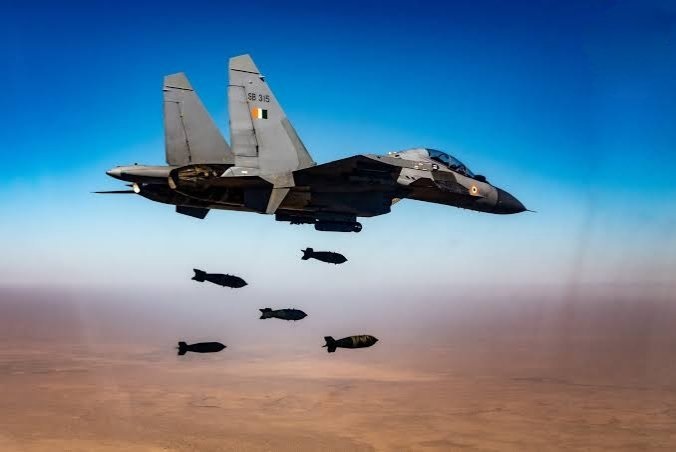
India
New Delhi, — April 5, 2026 : The Ministry of Defence (MoD) has initiated a program to indigenously design, develop, and procure 1,000-kg aerial bombs for the Indian Air Force (IAF), issuing a formal Expression of Interest (EoI) under the Defence Acquisition Procedure (DAP) 2020. According to official details, the EoI covers the development of heavy general-purpose bombs comparable to the Mk-84 class currently in service with the IAF. The ministry has outlined plans to procure an initial batch of approximately 600 such bombs following successful development and evaluation. Program Structure and Procurement Framework The project will be executed in two phases under established procurement categories. The first phase falls under the ‘Make-II’ category, which is industry-funded. Selected Indian entities will be responsible for designing and developing the bombs, including associated tail units and supporting equipment. A minimum of 50 percent indigenous content has been mandated during this stage. Development agencies will be required to produce six prototypes, including both live and inert variants. These prototypes will undergo Single-Stage Composite Trials (SSCT), along with comprehensive flight and drop testing from specified Indian Air Force aircraft at designated testing ranges. Data from these trials will be used to refine Preliminary Staff Qualitative Requirements (PSQRs) into formal Air Staff Qualitative Requirements (ASQRs). The second phase will proceed under the ‘Buy (Indian-IDDM)’ category—Indigenously Designed, Developed, and Manufactured. A commercial Request for Proposal (RFP) will be issued to qualifying agencies for the production and supply of the 600 bombs after successful completion of development and trials. The overall timeline from the issuance of the EoI to the signing of the final procurement contract is estimated at approximately 2.5 years. Technical Characteristics and Operational Role The proposed 1,000-kg (approximately 2,000-pound) aerial bomb is categorized as a high-calibre munition designed to deliver substantial blast effects, natural fragmentation, and significant peak over-pressure (PoP). Such munitions are typically employed against high-value and hardened targets, including underground bunkers, reinforced concrete structures, bridges, aircraft runways, and large ammunition storage facilities. The EoI specifies that the bombs and their associated systems must be compatible with both Russian-origin and Western-origin aircraft in the IAF inventory. This includes integration across platforms such as the Su-30 MKI, Rafale, and the indigenous Tejas, without requiring major modifications. Current Dependence and Strategic Rationale At present, the Indian Air Force procures Mk-84 class general-purpose bombs from foreign original equipment manufacturers (OEMs). The move toward indigenous production is aimed at reducing dependence on external suppliers and ensuring availability during extended operational scenarios. The requirement also reflects operational lessons observed in recent conflicts in the Middle East, where 2,000-pound class bombs have been widely used against fortified and deeply buried targets. The development of a domestic capability is intended to support long-range strike operations and improve logistical resilience. Industry Participation and Collaboration Participation in the EoI is open to eligible Indian entities, including private sector companies and micro, small, and medium enterprises (MSMEs). The MoD has permitted foreign collaboration through joint ventures or technology transfer arrangements, provided that the primary applicant complies with indigenous design and manufacturing requirements. The initiative forms part of ongoing efforts to strengthen domestic defence manufacturing capabilities and aligns with broader policy objectives focused on indigenisation under the DAP 2020 framework.
Read More → Posted on 2026-04-05 13:54:26
World
WASHINGTON, — April 5, 2026 : The United States administration has submitted its fiscal year 2027 budget request, proposing $65.8 billion in funding for naval shipbuilding within a broader $1.5 trillion national security budget presented by President Donald Trump. According to budget documents, the Department of Defense is seeking $60.2 billion for shipbuilding through the base budget, alongside an additional $5.6 billion allocated via reconciliation funding. When adjusted for inflation, the proposal represents the second-largest U.S. naval shipbuilding request since 1955. The only higher level of spending in real terms occurred in 1962 during the Navy’s “41 for Freedom” ballistic missile submarine program. Fleet Expansion and Procurement Plan The fiscal 2027 proposal outlines a significant increase in planned ship procurement. The Navy intends to acquire a total of 34 vessels, including 18 battle force ships and 16 non-battle force ships. This represents a substantial increase compared to the previous fiscal year’s request. Planned acquisitions include continued procurement of Virginia-class attack submarines and funding for the Columbia-class ballistic missile submarine program, which alone is allocated approximately $15.2 billion. The request also includes new guided-missile destroyers, amphibious warfare ships, and a range of logistics and support vessels. Additional platforms funded under the proposal include submarine tenders, fleet oilers, surveillance ships, and sealift vessels intended to strengthen operational reach and sustainment capabilities. Budget documents specify that funding also supports strategic sealift vessels, hospital ships, Consolidated Cargo Replenishment at Sea tankers, and a special mission ship. Golden Fleet Initiative and New Battleship Program The shipbuilding request is aligned with the administration’s broader “Golden Fleet” initiative, which focuses on expanding naval capacity and modernizing maritime capabilities. A central component of this initiative is the development of a new class of large surface combatants referred to as the Trump-class battleship, designated in Navy planning documents as BBG(X). This program replaces the previously planned DDG(X) next-generation destroyer effort. The lead vessel, expected to be named USS Defiant, is currently in the design phase, with construction projected to begin in the early 2030s. Officials indicate that the conventionally powered ships are expected to displace between 30,000 and 40,000 tons. Planned capabilities include integration of Conventional Prompt Strike hypersonic missiles, directed-energy laser systems, a 32-megajoule electromagnetic railgun, and the potential deployment of a nuclear-armed sea-launched cruise missile (SLCM-N). Frigate Program Restructuring The Navy has also revised its approach to the future frigate program. The Constellation-class frigate program has been canceled. In its place, the Navy will pursue a new frigate design under the FF(X) program, based on a variant of the U.S. Coast Guard’s Legend-class National Security Cutter. Secretary of the Navy John Phelan stated that the change is intended to streamline construction and reduce integration complexity that affected earlier programs. Industrial Base and Funding Strategy The fiscal 2027 proposal continues the administration’s use of reconciliation funding to support defense spending priorities, following a similar approach adopted in the fiscal 2026 budget. This mechanism enables funding to be distributed over multiple years. Defense leadership, including Secretary of Defense Pete Hegseth, has indicated that the scale of the shipbuilding request is intended to support expansion of the U.S. maritime industrial base. This includes increasing capacity at public shipyards and strengthening supply chains through a broader network of domestic suppliers. Legislative Outlook Lawmakers are expected to review and debate the $1.5 trillion national security budget, including the $65.8 billion shipbuilding request, in the coming weeks. Officials have stated that additional detailed budget documentation, including line-by-line allocations for individual ship programs, is expected to be released later in April 2026. The fiscal 2027 submission reflects a continued emphasis on naval expansion, fleet modernization, and logistics capability development in response to evolving strategic requirements.
Read More → Posted on 2026-04-05 14:12:30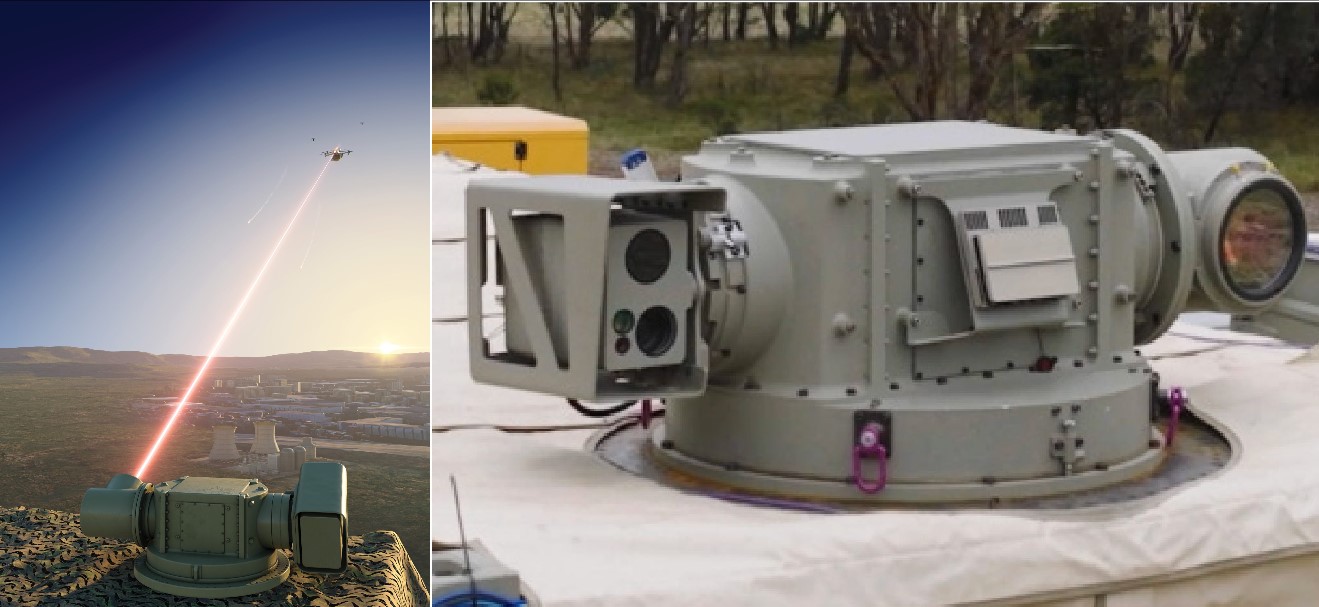
World
Sydney, — April 5, 2026 : Electro Optic Systems Holdings Limited (EOS) has secured two new defense contracts in the United States valued at a combined US$12 million (approximately A$17 million), while also providing an update on its ongoing negotiations for a conditional US$80 million high-energy laser agreement in South Korea. The developments were outlined in the company’s operational briefing and ASX release dated March 31, 2026. The contracts were awarded to EOS Defense Systems USA and are scheduled for delivery in 2026. They form part of the company’s continued involvement in remote weapon systems and counter-drone technologies within the U.S. defense market. U.S. Army Remote Weapon System Contract The first contract, valued at US$5 million, covers the development and delivery of Remote Weapon Systems (RWS) for the U.S. Army. The program is part of an ongoing development effort aimed at enhancing system capabilities to meet specific operational requirements. Manufacturing and development activities will be carried out at EOS’s facility in Huntsville, Alabama. According to the company, the systems delivered under this contract are expected to contribute to future production programs by informing design and performance benchmarks. Deliveries are scheduled to take place during 2026. Northrop Grumman Agnostic Gun Truck Program The second contract, valued at US$7 million, is a follow-on order for the production of Slinger Remote Weapon Systems to be integrated into Northrop Grumman’s Agnostic Gun Truck (NG AGT) platform. The Slinger system is primarily designed for counter-unmanned aerial system (C-UAS) applications. EOS indicated that this order builds on prior production collaboration with Northrop Grumman and reflects continued demand for counter-drone capabilities. Deliveries under this contract are also scheduled for 2026. Update on South Korea High-Energy Laser Agreement In addition to the U.S. contracts, EOS provided a detailed update on its conditional US$80 million agreement with Goldrone in the Republic of Korea for the manufacture and supply of a 100kW high-energy laser (HEL) weapon system, commonly associated with the Apollo program. Discussions between EOS and Goldrone continued through February and March 2026. The agreement remains subject to three primary conditions: Payment of an initial US$18 million deposit by Goldrone Procurement of a letter of credit covering the remaining contract value Inspection and formal approval of EOS’s Singapore manufacturing facility by the customer Recent discussions have introduced a potential change in manufacturing arrangements. Both parties are now considering producing the first laser unit in South Korea instead of EOS’s Singapore facility, as initially planned. Following these engagements, EOS and Goldrone have established a joint action plan aimed at converting the conditional agreement into a firm, unconditional contract. Based on current progress, EOS management stated that the contract could become unconditional during the second quarter of 2026. The company noted, however, that there is no certainty that all conditions will be met within this timeframe. Operational Context The latest contracts and negotiations reflect EOS’s ongoing activities across both kinetic and directed-energy defense segments. The U.S. contracts provide near-term production and revenue visibility through its Huntsville operations, while the South Korean laser program represents a larger-scale international opportunity with potential localized manufacturing components. EOS continues to operate across multiple defense domains, including vehicle-mounted remote weapon systems and high-energy laser technologies, with engagements spanning U.S. and international markets.
Read More → Posted on 2026-04-05 14:27:23
India
Visakhapatnam, — April 5, 2026 : Defence Minister Rajnath Singh on April 3, 2026, laid the foundation stone for a Large Cavitation Tunnel (LCT) facility at the Naval Science and Technological Laboratory (NSTL), a key laboratory of the Defence Research and Development Organisation (DRDO), in Visakhapatnam. The project is intended to expand India’s domestic capacity for advanced hydrodynamic testing of naval platforms and underwater systems. The Large Cavitation Tunnel is designed as a state-of-the-art facility capable of simulating complex hydrodynamic conditions encountered by submarines and surface ships. It features an integrated configuration that supports both closed-loop simulations for submarine studies and free surface simulations for surface vessels within a single setup. This combined capability is expected to enable comprehensive testing of propellers, torpedoes, and other critical underwater components. Once operational, the facility will allow detailed validation of hydrodynamic designs and propulsion systems for a wide range of naval platforms, including destroyers and aircraft carriers. It will support studies of cavitation effects—pressure-induced vapor bubble formation and collapse—which are critical in determining propulsion efficiency, structural durability, and acoustic performance of naval systems. Focus on Indigenous Capability and Data Security The development of the LCT addresses a longstanding gap in India’s defence testing infrastructure. Until now, advanced hydrodynamic testing for high-end naval systems has often been conducted at facilities in the United States, France, and Russia, or through limited domestic capabilities. This reliance raised concerns related to data security and restricted the ability to carry out full-scale validation of sensitive designs within the country. With the establishment of the LCT, India aims to reduce dependence on foreign testing infrastructure and enable end-to-end indigenous design, development, and validation of naval equipment, systems, and sub-systems. The project has been sanctioned by the Government of India and is being executed in turnkey mode with international technical collaboration. Impact on Naval Design and Underwater Warfare Systems The facility is expected to contribute to the development of quieter propulsion systems for submarines by enabling precise analysis of cavitation and fluid dynamics. Reduced acoustic signatures will improve stealth characteristics and enhance sonar performance. In addition, the LCT will support improvements in warship efficiency and durability and facilitate the development of next-generation torpedoes and underwater weapons. NSTL, which is responsible for research and development of torpedo systems, underwater mines, decoys, and autonomous underwater vehicles (AUVs), will integrate the new facility into its ongoing programs. During the visit, Defence Minister Singh was briefed by DRDO Chairman Dr. Samir V. Kamat on current and planned initiatives. He also visited the Seakeeping and Manoeuvring Basin and observed demonstrations of underwater systems, including torpedoes, naval mines, decoys, and a swarm of man-portable AUVs. The minister additionally reviewed spin-off technologies developed by the Naval Systems Materials cluster following Operation Sindoor and examined ongoing work in lithium-ion battery development for defence applications. Official Statements and Strategic Context Addressing scientists and personnel at NSTL during the foundation stone laying ceremony, Singh stated that the LCT is intended to function as an enabling system for future naval engineering efforts. He noted that the facility would strengthen work on propulsion systems, noise reduction, and stealth technologies, and serve as a foundational infrastructure for submarine and ship design. He also highlighted that, despite progress in developing defence systems domestically, India had previously depended on foreign facilities for critical testing. According to Singh, the commissioning of the LCT is expected to change this situation and contribute to strengthening India’s position in naval technology development through indigenous resources. The Defence Minister commended NSTL for its contributions to advancing underwater warfare capabilities and self-reliance in defence research, noting that its progress reflects ongoing efforts to prepare for future operational requirements. Ceremony and Related Developments The foundation stone laying ceremony was attended by senior defence leadership, including Chief of Defence Staff General Anil Chauhan, Chief of the Naval Staff Admiral Dinesh K. Tripathi, and Flag Officer Commanding-in-Chief of the Eastern Naval Command Vice Admiral Sanjay Bhalla. The event coincided with the commissioning of the stealth frigate INS Taragiri into the Indian Navy at the Naval Dockyard in Visakhapatnam on the same day, April 3, 2026. Both developments form part of broader initiatives to strengthen indigenous naval design, testing infrastructure, and shipbuilding capabilities. Project Status No official timeline for completion of the Large Cavitation Tunnel or details of the project cost have been disclosed. The facility is expected to support long-term development of India’s shipbuilding ecosystem and enhance domestic capabilities in naval research and engineering under the self-reliance initiative.
Read More → Posted on 2026-04-05 14:40:23
World
KYIV, — April 5, 2026 : Ukrainian defense firm Antabos has developed and tested a new automated artillery fire control system, designated KRIP-A, designed to digitally integrate reconnaissance, command, and firepower into a unified operational network. The system has been deployed on Ukraine’s domestically produced 155 mm 2S22 “Bohdana” self-propelled howitzer as well as the RM-70 multiple launch rocket system (MLRS), marking a significant step in the country’s artillery modernization program. The system was presented during a recent live demonstration attended by military correspondents from Ukrainian outlets, including Militarnyi and Ukrainska Pravda. Antabos representatives used the event to outline the system’s architecture and operational performance under battlefield conditions. Integrated Digital Fire Control Architecture KRIP-A functions as a network-centric fire control system that connects battlefield reconnaissance assets, command elements, and artillery units through real-time data exchange. It enables automated execution of fire missions by receiving target data from multiple sensors, including unmanned aerial vehicles (UAVs), and processing it through onboard software. The system calculates firing parameters automatically and transmits them directly to the artillery platform’s control panel. From there, targeting is conducted via the gun commander’s terminal in automatic mode. This process reduces reliance on manual input and minimizes the risk of human error during targeting procedures. According to Antabos, the system significantly reduces engagement timelines by shortening the interval between target detection and firing. It also enables continuous fire correction based on live battlefield data streams. Accuracy and Ammunition Efficiency Developers report measurable improvements in firing efficiency and accuracy. Field data indicates that the number of shells required to zero a target has been reduced by a factor of five compared to conventional methods. Additionally, total ammunition consumption required to successfully engage targets has been reduced to approximately 30 percent of previous manual benchmarks. These gains are attributed to the system’s integration of geoinformation technologies, inertial navigation systems with anti-jamming capabilities, and automated targeting supported by triple-redundant guidance mechanisms. The system is designed to maintain functionality in contested electronic warfare environments. KRIP-A’s integration with UAVs and forward reconnaissance systems enables rapid target acquisition, precise fire adjustment, and improved first-shot hit probability. The system supports secure communications and coordinated fire control operations under complex battlefield conditions. Platform Integration and Operational Mobility The incorporation of KRIP-A into the 2S22 Bohdana has elevated the system’s automation level to that of modern Western artillery platforms, including the French CAESAR self-propelled howitzer. The system supports rapid deployment, automated gun alignment, and quick withdrawal, which are critical for survivability against counter-battery threats. The RM-70 MLRS has also been equipped with the KRIP-A system, extending automated fire control capabilities beyond tube artillery to rocket artillery systems. Ukraine’s defense industry is currently maintaining a production rate of approximately 35 to 40 Bohdana systems per month, aligning with ongoing efforts to scale domestic artillery output while integrating advanced digital systems. NATO Compatibility and System Interoperability The KRIP-A system has been developed in accordance with C4ISR (Command, Control, Communications, Computers, Intelligence, Surveillance, and Reconnaissance) principles. Antabos confirmed that the system is compatible with NATO-standard artillery command and control frameworks. It can interface with systems used by allied countries, including the United States’ AFADS, Germany’s ADLER, France’s ATLAS, the United Kingdom’s BATES, Norway’s ODIN, Italy’s SIR, and Poland’s TOPAZ. The architecture is adaptable for integration with both legacy Soviet-era artillery systems and modern Western platforms, enabling broader interoperability across mixed equipment inventories. Development Background and Future Plans Initial reports regarding the development of an automated control system for the Bohdana platform emerged in late 2025, when the deputy chief of staff of the Missile Forces and Artillery Command of the Ukrainian Ground Forces disclosed ongoing work on automation and testing. The deployment of KRIP-A represents the transition of these efforts from development and testing into operational use. Antabos has indicated that future iterations of the system will expand automation capabilities further, including potential integration with ground-based robotic platforms. The objective of these developments is to reduce the number of personnel required for artillery operations while maintaining operational effectiveness. Operational Context Antabos representatives noted that despite the increasing prominence of unmanned systems on the battlefield, artillery remains a central component of modern warfare. They stated that challenges commonly associated with artillery systems—such as cost, complexity, accuracy, range, and logistics—are influenced by technological and organizational factors rather than inherent limitations of the weapon systems themselves. The introduction of the KRIP-A system reflects Ukraine’s ongoing efforts to enhance artillery effectiveness through domestic technological development, while aligning with NATO operational standards and improving battlefield integration across multiple platforms.
Read More → Posted on 2026-04-05 15:25:52
World
WASHINGTON, — April 5, 2026 : U.S. President Donald Trump stated on Sunday that the United States supplied firearms to anti-government protesters in Iran earlier this year, with the weapons routed through Kurdish militia groups that he said ultimately retained the arms. Speaking in a telephone interview with Fox News, Trump described the administration’s approach during the wave of protests that began in late December 2025 and continued into January 2026. The demonstrations, driven by economic grievances and broader opposition to the government, spread across multiple provinces, including significant activity in Kurdish-populated regions of northwestern Iran. According to Trump, the U.S. initiated a covert effort to arm demonstrators following a violent crackdown by Iranian authorities. “We sent guns to the protesters, a lot of them,” he said, adding that the delivery relied on Kurdish intermediaries. “We sent them to the Kurds, and I think the Kurds kept them.” Crackdown and Disputed Casualty Figures Iranian security forces, including the Islamic Revolutionary Guard Corps (IRGC) and the Basij militia, responded to the unrest with force, deploying snipers, conducting mass arrests, and enforcing restrictions on communications, including internet shutdowns that limited independent verification. Trump stated that the Iranian government “slaughtered” 45,000 civilians during the crackdown. However, casualty estimates vary widely. Iranian authorities have acknowledged more than 3,000 deaths. The Human Rights Activists News Agency (HRANA) has reported verified fatalities exceeding 6,000, with additional cases under review. Other activist and exile sources have cited figures ranging from approximately 7,000 to over 30,000. The differing estimates reflect the difficulty of confirming information amid restricted access and state controls. Reported Role of Kurdish Groups The reported transfer of weapons involved Kurdish factions operating along Iran’s western borders, including groups such as the Kurdistan Free Life Party (PJAK). U.S. and Israeli planners were reportedly seeking to apply pressure on the IRGC by encouraging unrest in border regions, particularly in the Zagros mountain areas, to compel Iranian forces to divert resources away from major urban centers where protests were concentrated. Analysts note that Kurdish populations in Iran, estimated between 7 million and 15 million people, have historically been involved in regional proxy dynamics. According to Trump’s account, however, the weapons did not reach protesters. Kurdish intermediaries may have retained the arms due to concerns over long-term U.S. support, operational risks, and the potential for retaliation. The IRGC has previously conducted artillery and drone strikes against Kurdish positions in neighboring Iraq, highlighting the risks faced by such groups in cross-border operations. Earlier Reports and U.S. Position Trump’s remarks are consistent with reporting from March 2026 indicating that U.S. officials and intelligence contacts had explored engagement with Kurdish factions as part of broader efforts to support opposition activity in Iran. At the time, the White House did not confirm approval of any plan for Kurdish forces to initiate an insurgency inside Iran. Reports suggested that small arms may have been provided to Iranian Kurdish groups based in Iraq, with the objective of stretching Iranian security forces or encouraging internal resistance. Kurdish organizations have generally denied involvement in cross-border armed operations during this period. No additional official U.S. confirmation has been issued regarding the scale, execution, or outcome of any such transfers beyond Trump’s April 5 statements. Strategic Context and Regional Developments The disclosure comes amid escalating tensions between the United States, Israel, and Iran. Over the weekend, Trump issued a 48-hour ultimatum to Tehran to reopen the Strait of Hormuz, a key global energy transit route that Iranian forces have restricted. He warned that failure to comply could result in strikes on Iranian infrastructure, including energy facilities and bridges. At the same time, U.S. military activity in the region has expanded. Over the weekend, U.S. forces conducted a recovery operation inside Iranian territory, successfully extracting a U.S. F-15E crew member whose aircraft had been downed in an earlier engagement. Potential Impact on Iran’s Internal Security The reported attempt to supply weapons to protesters represents an external effort to influence internal dynamics within Iran. If successfully delivered, such arms could have enabled limited armed resistance or prolonged unrest, potentially forcing the IRGC to reallocate resources toward internal security operations. However, with the weapons reportedly not reaching protesters, the immediate operational impact appears limited. The longer-term effects may include increased scrutiny of ethnic minority regions, particularly Kurdish areas, and expanded security measures by Iranian authorities. The events also highlight the challenges associated with coordinating covert support through proxy groups, as well as the broader implications for U.S.-Iran relations. For the IRGC, which maintains a central role in both domestic control and external military operations, the situation underscores ongoing concerns regarding external influence and internal stability. The full extent of any arms transfers and their outcomes remains unclear due to the covert nature of the reported activities and limited independent verification.
Read More → Posted on 2026-04-05 15:39:16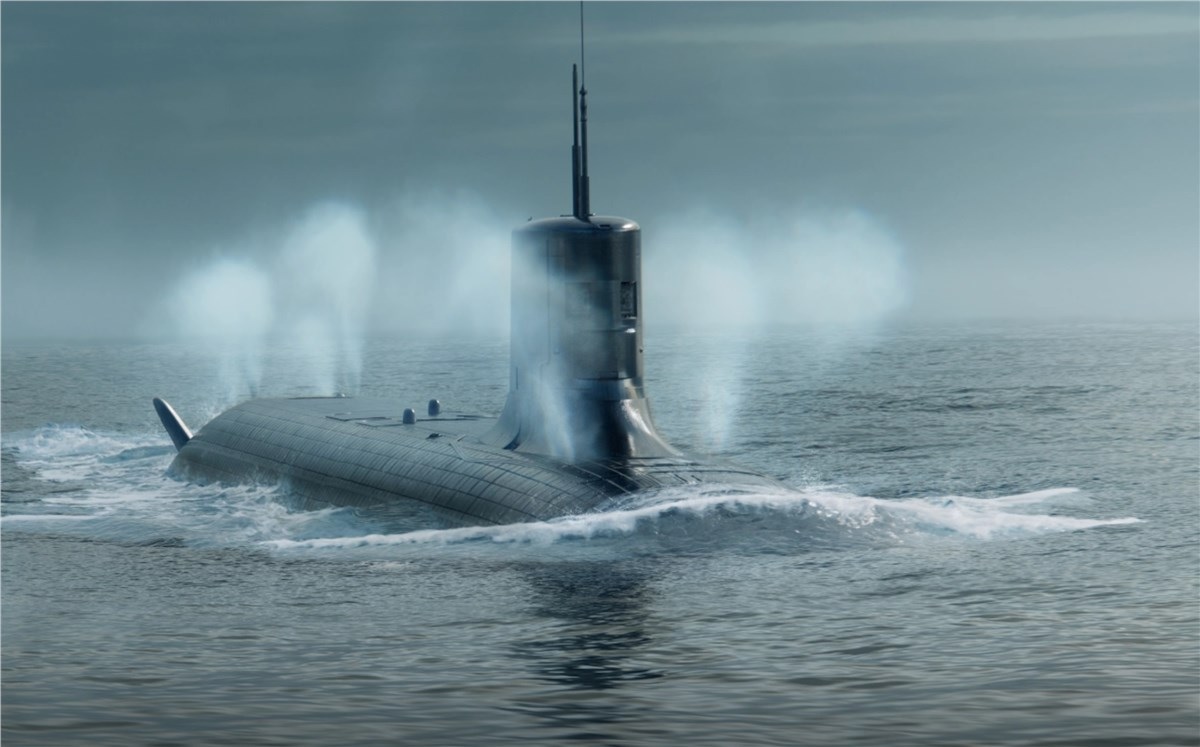
World
WASHINGTON, — April 5, 2026 : The United States has completed the recovery of the second crew member from a downed U.S. Air Force F-15E Strike Eagle in southwestern Iran, following a complex combat search-and-rescue (CSAR) operation conducted overnight between April 4 and April 5, according to official statements. The aircraft was shot down by Iranian air defense systems on April 3, 2026, during ongoing hostilities that began on February 28, 2026. The F-15E, a dual-seat multirole strike aircraft, was carrying a pilot and a weapons systems officer (WSO). The pilot was recovered shortly after the incident, while the WSO remained isolated in hostile territory for nearly two days. President Donald Trump confirmed the successful extraction early Sunday, stating that the second crew member, a colonel, had been located and recovered during a nighttime operation. All U.S. personnel involved in the mission have since exited Iranian territory. Operational Details and Forces Involved A senior U.S. military official described the mission as one of the most complex personnel recovery operations conducted in recent history. The operation involved a coordinated multi-domain force package, including U.S. Air Force CSAR units and special operations forces. Assets deployed included HH-60W Jolly Green II and HH-60G Pave Hawk rescue helicopters, including aircraft from units such as the 55th Rescue Squadron. These were supported by MC-130 special operations aircraft and HC-130J Combat King II tankers for aerial refueling and infiltration support. Fighter escort and suppression of enemy air defenses (SEAD) were provided by F-35 aircraft, while MQ-9 Reaper drones conducted intelligence, surveillance, and reconnaissance (ISR) operations. A-10C+ aircraft delivered close air support during the extraction phase. The recovery force reportedly included Air Force pararescue personnel (PJs), Combat Rescue Officers (CROs), and special operations elements, including elite U.S. Army Special Forces units. Evasion and Ground Situation Following ejection, the WSO employed Survival, Evasion, Resistance, and Escape (SERE) procedures. He moved away from the crash site and maintained intermittent communication using a survival radio and emergency beacon. During the evasion period, the crew member was sheltered by local villagers in the Kuh-e-Siah (Black Mountain) area in Koohdasht County, a mountainous region in southwestern Iran. Iranian state media broadcast financial rewards for information leading to his capture and urged local residents to assist in locating him. Iranian forces, including units of the Islamic Revolutionary Guard Corps (IRGC) and Basij militias, conducted ground search operations in the area. Engagements During Extraction As U.S. rescue forces moved into the extraction zone, clashes occurred with IRGC-affiliated Basij militants attempting to reach the isolated crew member. U.S. aircraft conducted suppressive strikes to secure the area. An A-10C+ aircraft fired guided rockets at advancing militant positions to prevent their approach toward the extraction site. Local reports cited by Iranian media indicated that casualties from IRGC Ground Forces, FARAJA units, and Basij elements were transported from the Black Mountain area to a hospital in Dehdasht following U.S. airstrikes. Reports also indicated that at least one U.S. rescue helicopter sustained small-arms fire during the mission, resulting in minor injuries to crew members, though the aircraft remained operational. Aircraft Loss and Recovery Complications According to multiple U.S. defense sources, the operation encountered significant logistical complications during its final phase inside Iranian territory. Initial reports indicated that two U.S. transport aircraft became inoperable at a remote location, requiring rapid contingency measures. Updated information from CENTCOM sources now confirms that these aircraft—identified as one HC-130J Combat King II and one MC-130J—were deliberately destroyed on the ground by U.S. forces to prevent their capture or exploitation. Additionally, two MH-6M helicopters belonging to the U.S. Army’s 160th Special Operations Aviation Regiment (SOAR) were also destroyed during the operation. Despite these setbacks, all crew members from the disabled aircraft and helicopters, along with U.S. Army Special Forces personnel, including elements of Delta Force, were successfully extracted. The evacuation was completed using three additional MC-130J aircraft that operated inside Iranian airspace under highly contested conditions. Operational Environment and Tactics The rescue mission was conducted in heavily contested airspace with active Iranian integrated air defense systems (IADS). U.S. aircraft operated using low-altitude, terrain-masking flight profiles to reduce radar exposure while maintaining coordination across multiple platforms. The F-15E Strike Eagle involved in the incident was conducting operations in a high-threat environment at the time it was engaged. Its loss represents the first confirmed U.S. combat aircraft shootdown by Iranian air defenses since the start of the current conflict. Outcome and Strategic Context U.S. officials stated that no American fatalities occurred during either recovery operation. All participating forces have been withdrawn from Iranian territory following mission completion. The recovery of both crew members—conducted in separate operations inside Iranian territory—aligns with established U.S. personnel recovery doctrine, which prioritizes the retrieval of isolated personnel to prevent capture and protect sensitive military information. The operation integrated air superiority assets, electronic warfare support, special operations forces, and real-time intelligence coordination across multiple domains, reflecting the scale of effort required to conduct CSAR missions in contested environments. Iranian authorities have presented differing accounts of the operation, claiming disruptions to U.S. activities and citing the loss of American aircraft as evidence of operational setbacks. U.S. officials have rejected claims of American casualties. The incident underscores the continued risks associated with air operations over defended territory and highlights the operational demands of personnel recovery missions against near-peer adversaries.
Read More → Posted on 2026-04-05 15:57:10
World
WASHINGTON, D.C., — April 5, 2026 : The United States military, supported by Israeli intelligence and operational coordination, successfully recovered the second crew member of a downed F-15E Strike Eagle in southwestern Iran following a high-risk combat search-and-rescue operation conducted between April 3 and April 5, 2026. The aircraft, assigned to the U.S. Air Force’s 494th Fighter Squadron, was shot down by Iranian air defenses on April 3 during ongoing U.S.-Israel military operations against Iranian targets that began on February 28, 2026. The two-person crew consisted of a pilot and a weapons systems officer (WSO). The pilot was recovered shortly after the incident in a daylight extraction, while the WSO, a colonel, remained behind enemy lines for approximately 36 to 48 hours. Evasion and Survival Following the shootdown, the WSO survived the initial incident but sustained injuries and evaded capture in mountainous terrain in southwestern Iran. According to operational accounts, the officer utilized survival training to avoid Iranian search units, including movement through rugged terrain and climbing a ridge estimated at approximately 7,000 feet in elevation. During this period, Iranian forces, including elements associated with the Islamic Revolutionary Guard Corps (IRGC), conducted active search operations in the area. Intelligence Verification and CIA Deception Operation U.S. officials initially approached the situation with caution amid concerns that distress signals could be part of a coordinated Iranian deception effort. The Central Intelligence Agency (CIA) undertook identity verification measures to confirm the stranded individual was the missing WSO. To support the recovery effort, the CIA executed a deception campaign inside Iran. Intelligence channels disseminated false information indicating that U.S. forces had already located the airman and were preparing to extract him via a maritime route. This information diverted Iranian search elements away from the actual search grid in the mountainous region. Simultaneously, CIA assets identified the WSO’s position, reportedly located within a mountain crevice. The verified coordinates were transmitted to the Pentagon and the White House, enabling mission planning to proceed. Israeli Intelligence Support and Operational Coordination Israeli support played a continuous role throughout the operation. According to an Israeli security official, Israel provided real-time intelligence to U.S. forces during both planning and execution phases. The Israel Defense Forces (IDF) also suspended planned strike operations in the relevant area to avoid interference with the rescue mission and to ensure clearer airspace for U.S. aircraft. Israeli assistance also included measures to counter local Iranian threats during the operation window. This coordination was maintained throughout the approximately 36 hours during which the WSO remained isolated. Rescue Operation and Military Timeline Following confirmation of the airman’s location, U.S. forces accelerated deployment. Operational reporting indicated that aircraft were mobilized within approximately 8 hours of location confirmation, and ground elements were inserted within roughly 12 hours. The extraction mission took place during the night of April 4–5 and involved U.S. special operations forces supported by a large air package. Assets included HH-60 rescue helicopters, MC-130 aircraft, F-35 fighter escorts, MQ-9 unmanned aerial systems, and A-10 Thunderbolt II aircraft providing close air support. During the operation, U.S. forces encountered resistance and ground fire from Iranian elements in the area. One A-10 aircraft sustained damage but was able to return safely with its pilot. The rescue teams successfully reached and extracted the WSO from the mountainous location. Equipment Losses and Withdrawal During the final phase of the extraction at a forward operating location, two U.S. C-130 transport aircraft became immobilized in mud. U.S. personnel destroyed both aircraft on the ground to prevent their capture. All participating U.S. forces were subsequently withdrawn from Iranian territory using alternate aircraft. Outcome and Official Confirmation On April 5, U.S. President Donald Trump confirmed the successful recovery of the second crew member. The WSO is reported to be in stable condition and receiving medical care, with expectations of recovery. U.S. officials described the mission as a complex personnel recovery operation conducted in contested airspace and terrain. The operation involved integrated use of special operations forces, air assets, intelligence coordination, and deception measures. The recovery of both crew members without U.S. fatalities occurred under high-risk conditions and reflected coordination between U.S. and Israeli defense and intelligence organizations during an ongoing conflict. No further official details were released regarding the specific intelligence shared by Israel or the full scope of operational coordination beyond the reported support period.
Read More → Posted on 2026-04-05 16:48:27
Space & Technology
HOUSTON, — April 5, 2026 : The four astronauts aboard NASA’s Artemis II mission have crossed the halfway point of their journey to the Moon, as the Orion spacecraft continues outbound toward a scheduled lunar flyby on Monday, April 6, 2026. The mission, which launched on April 1, 2026, from Kennedy Space Center in Florida, marks the first crewed flight beyond low Earth orbit since Apollo 17 in 1972, ending a gap of more than 53 years. The crew—Commander Reid Wiseman, Pilot Victor Glover, Mission Specialist Christina Koch, and Canadian Space Agency astronaut Jeremy Hansen—is conducting system checks and observations during the transit. The spacecraft is expected to travel more than 252,000 miles (approximately 406,000 kilometers) from Earth, surpassing the human spaceflight distance record set by Apollo 13 in 1970. Mid-Mission Operations and Flight Milestones As Orion approaches the Moon, the crew is preparing to execute a lunar fly-around trajectory rather than entering orbit. The spacecraft will pass approximately 4,000 miles (6,400 kilometers) beyond the lunar surface and capture imagery of the Moon’s far side before performing a return trajectory to Earth. Pilot Victor Glover reported during a transmission that Earth is now visibly distant, stating that “the Earth is quite small, and the Moon is definitely getting bigger.” The astronauts have also captured imagery of Earth during the outbound phase. The Artemis II crew includes several historic firsts: Christina Koch is the first woman assigned to a lunar mission, Victor Glover is the first Black astronaut on a lunar trajectory, and Jeremy Hansen is the first non-U.S. astronaut to participate in a Moon-bound mission. Waste Management System Malfunction During transit, engineers and crew have been addressing a recurring issue with Orion’s Universal Waste Management System. The spacecraft’s toilet, responsible for venting liquid waste and storing solid waste, has experienced intermittent malfunctions since shortly after launch. Mission controllers identified a suspected ice blockage in the wastewater vent line, which prevented proper venting of urine overboard. Artemis II Flight Director Judd Frieling confirmed that attempts to vent the wastewater tank overnight between April 4 and April 5 were unsuccessful due to the blockage. As a contingency, astronauts have been directed to use collapsible urine collection devices, similar to procedures employed earlier in the mission on flight day one. Engineers instructed the crew to reorient the spacecraft to expose the affected vent line to solar radiation. This maneuver partially resolved the issue, allowing approximately half of the accumulated liquid waste to be vented. The toilet system remains operational for solid waste but is not functioning at full capacity. NASA continues to monitor and troubleshoot the issue. Debbie Korth, Orion program deputy manager, stated that astronauts also reported an odor originating from the bathroom compartment, which is located in the floor of the capsule and enclosed by a door and curtain. She noted that waste management systems have historically posed engineering challenges, including during the Space Shuttle program. John Honeycutt, chair of the Artemis II mission management team, said the crew’s safety is not affected and emphasized that astronauts trained for such contingencies. He stated that the spacecraft remains in a stable condition, though efforts are ongoing to restore full toilet functionality. Additional Technical Issues In addition to the waste system problem, the crew previously resolved an early mission issue involving the toilet pump, which was attributed to insufficient water priming shortly after liftoff on April 1. That issue was corrected without further impact. NASA also confirmed that one of the crew’s onboard laptop computers has become non-operational. The astronauts are continuing mission activities using the remaining three functional laptops. International Participation and Mission Timeline The Canadian Space Agency (CSA) highlighted Jeremy Hansen’s participation as a milestone for international collaboration. CSA President Lisa Campbell, speaking from Quebec, stated that Hansen’s role reflects Canada’s contribution to human space exploration. Hansen has reported observing “extraordinary” views from Orion during the journey. The Artemis II mission is scheduled to conclude with a Pacific Ocean splashdown off the coast of San Diego on April 10, 2026, completing a flight duration of approximately 10 days. Program Objectives and Future Plans Artemis II serves as a crewed test flight of NASA’s Orion spacecraft and Space Launch System (SLS) rocket, validating systems required for future lunar missions. The mission does not include a landing but is designed to certify hardware and operational procedures. NASA’s Artemis program aims to conduct a crewed lunar landing near the Moon’s south pole by 2028, as part of a broader objective to establish a sustained human presence on the lunar surface. Aside from the ongoing waste management system issue, mission operations are proceeding as planned, with astronauts continuing scheduled activities and system evaluations during the outbound phase toward the Moon.
Read More → Posted on 2026-04-05 17:08:22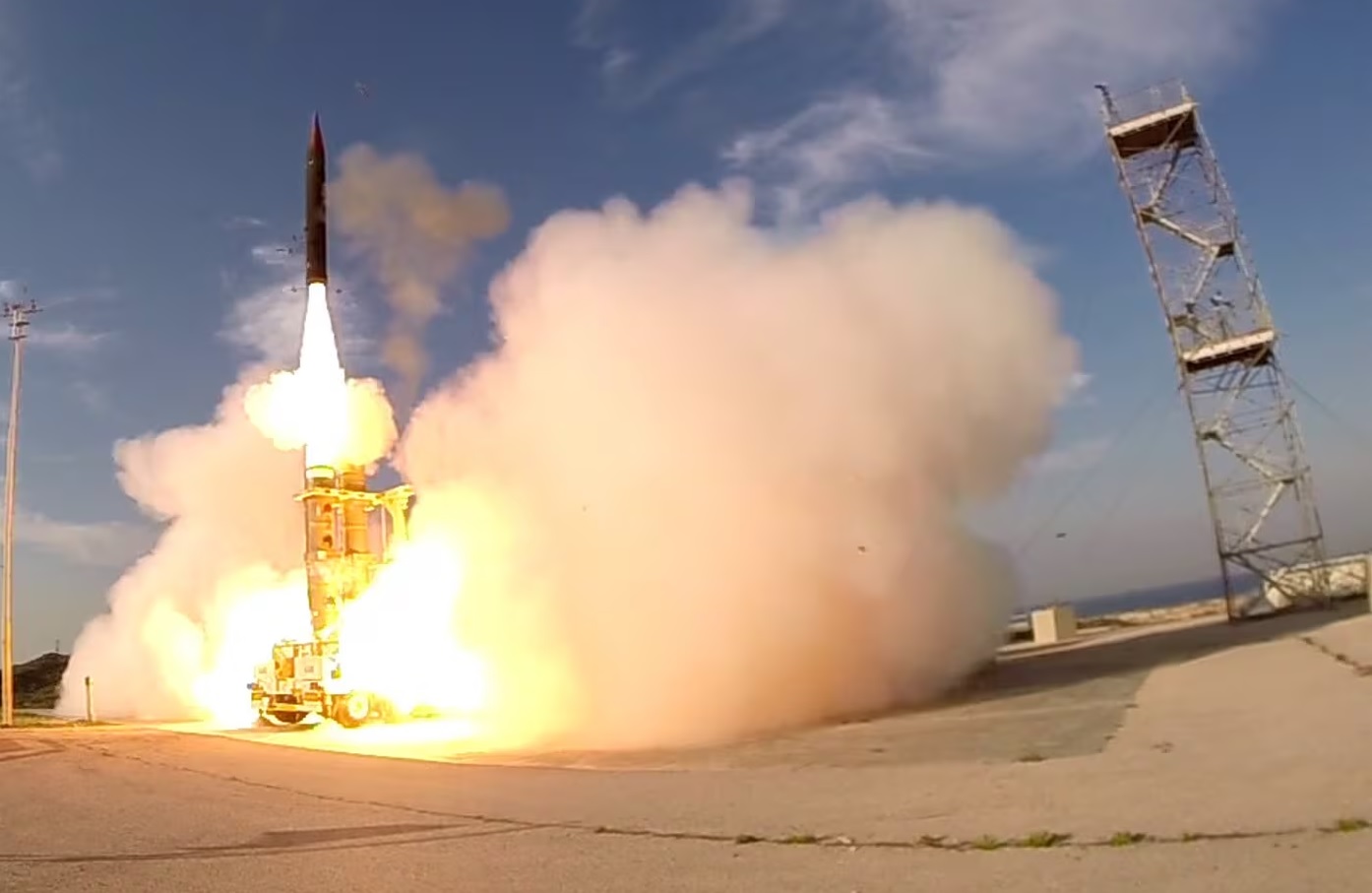
World
JERUSALEM, — April 6, 2026 : The Israel Ministry of Defense (IMOD) has approved a comprehensive plan to significantly accelerate the production of Arrow missile interceptors, aiming to expand manufacturing rates and increase available stockpiles for the country’s upper-tier air and missile defense system amid ongoing military operations. The decision was endorsed on Monday by the Ministerial Committee for Procurement, with a formal agreement between the ministry and Israel Aerospace Industries (IAI) expected to be signed shortly. The initiative was advanced by Defense Minister Israel Katz and Ministry Director General Amir Baram. Production Expansion and Program Oversight The accelerated production program is being coordinated by Moshe Patel, head of the Israel Missile Defense Organization (IMDO) within the Directorate of Defense Research and Development (DDR&D). The plan builds on a multibillion-shekel agreement signed in December 2025, which initially directed defense industries to expand output under government guidance. Officials indicated that production increases had already been underway prior to the latest approval, with the new decision formalizing and funding further scaling efforts. The IMOD, in coordination with its Budget Department and industry partners, has been operating on an emergency footing over the past year to increase production capacity across multiple defense systems. Role of the Arrow System The Arrow system—jointly developed by Israel and the U.S. Missile Defense Agency—serves as the uppermost layer of Israel’s multi-tiered air and missile defense architecture. It includes the Arrow 2 and Arrow 3 interceptors, designed to counter long-range ballistic missiles at upper-atmospheric and exo-atmospheric altitudes using hit-to-kill technology. A single Arrow 3 interceptor is estimated to cost between $2 million and $3 million and typically requires several months to manufacture. The system has been actively employed during the ongoing conflict, known as Operation Roaring Lion, intercepting a portion of more than 500 ballistic missiles launched toward Israel from Iran and Yemen, including engagements conducted outside the Earth’s atmosphere. Industrial Participation Production of Arrow interceptors is carried out by a consortium of Israeli defense firms, led by IAI as the prime contractor through its MLM division. Additional contributors include Elbit Systems and Rafael Advanced Defense Systems, along with other industry partners. The acceleration plan applies specifically to interceptors manufactured for the Israel Defense Forces (IDF) and is separate from export contracts, including those with Germany for the Arrow 3 system. Operational Context and Stockpile Status The announcement comes amid foreign reports suggesting that Israeli and allied interceptor stockpiles were being depleted or rationed due to the high tempo of missile interceptions. Defense Minister Katz stated that current inventory levels remain sufficient for national defense requirements. He noted that the acceleration effort has already resulted in a measurable increase in monthly production output, strengthening the upper layer of defense against ballistic threats from Iran and associated groups. According to Katz, the initiative is intended to ensure continued operational endurance and maintain freedom of action during ongoing military activities. Defense Ministry and DDR&D Assessments Director General Baram stated that the ministry’s early coordination with defense industries has contributed to the IDF’s sustained operational capacity during the current conflict. He added that the committee’s approval will fund measures already underway and support readiness in the coming months. Daniel Gold, head of the DDR&D, described the Arrow system as a central component of Israel’s defense array, citing its performance against ballistic missile threats from Iran and Yemen. He stated that accelerating production and procurement is necessary to preserve the IDF’s qualitative edge and reinforce protection for both civilian and military infrastructure. Gold also confirmed that the DDR&D has directed defense industries to expand capabilities and output across all strategic munitions—both defensive and offensive—based on lessons from the ongoing conflict. Industry Perspective Boaz Levy, president and CEO of IAI, highlighted the operational relevance of the Arrow 3 interceptor in addressing high-altitude threats. He stated that the system’s precision and reliability have become increasingly critical under current conditions and emphasized the company’s ongoing efforts to support national defense requirements through sustained production. Broader Defense Framework The Arrow family forms the upper layer of Israel’s integrated missile defense network, complementing systems such as Iron Dome for short-range threats and David’s Sling for medium-range missiles. The current production push is focused on strengthening the upper-tier capability to address long-range ballistic missile risks. No specific financial figures or exact production targets associated with the newly approved plan have been disclosed, consistent with the classified nature of elements of the defense budget. Officials emphasized that the initiative is designed to ensure continued readiness without altering current assessments of interceptor availability for immediate operational needs, while reinforcing long-term production capacity amid sustained military operations.
Read More → Posted on 2026-04-06 14:06:51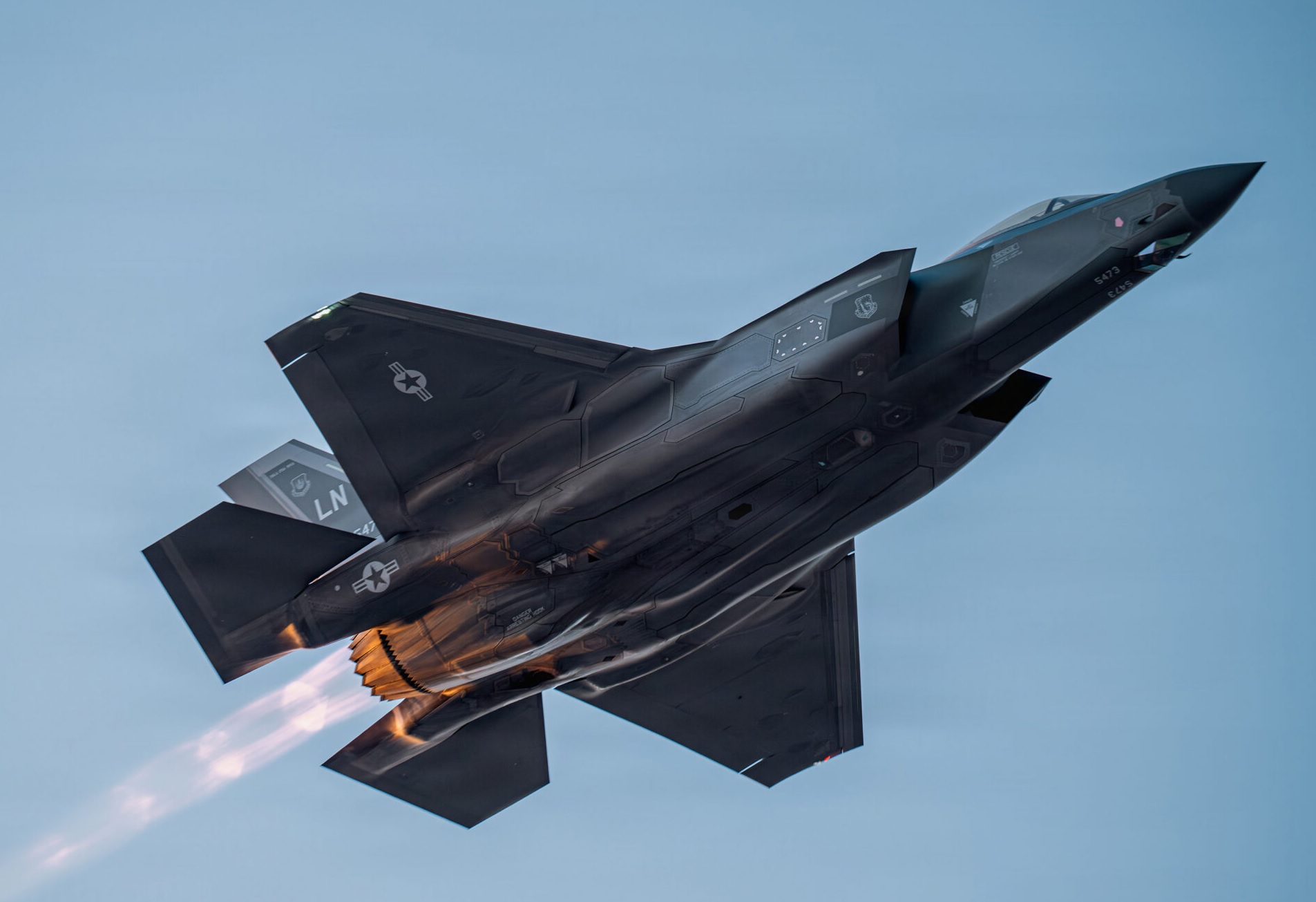
World
WASHINGTON, D.C., — April 6, 2026 : The U.S. Department of Defense has requested funding for 38 F-35A Lightning II fighters for the U.S. Air Force as part of its fiscal year 2027 (FY2027) budget submission, according to the Procurement Programs (P-1) document released in April 2026 by the Office of the Under Secretary of Defense (Comptroller). The request places the fifth-generation aircraft within a broader department-wide acquisition plan totaling 85 Joint Strike Fighters across the U.S. military. The FY2027 defense budget proposal, submitted to Congress on April 3, 2026, by the Office of Management and Budget, outlines a total national defense spending plan of $1.5 trillion. Within this framework, the Joint Strike Fighter procurement reflects a coordinated approach across the Air Force, Navy, and Marine Corps. Procurement Structure and Service Allocations The 85-aircraft total includes 38 F-35A conventional takeoff and landing variants for the Air Force, 37 F-35C carrier-based variants for the U.S. Navy, and 10 F-35B short takeoff and vertical landing aircraft for the U.S. Marine Corps. Of these, 32 aircraft are funded through the base discretionary budget, while 53 are proposed under reconciliation legislation. The FY2027 request represents an increase compared to the 47 F-35 aircraft requested in FY2026. Within the Air Force inventory specifically, the requested 38 F-35As mark a recovery from 24 aircraft funded in FY2026 and align more closely with the 40 aircraft requested in FY2025. The figures indicate a return to a steadier procurement rate following the temporary reduction in the previous fiscal cycle. The Air Force aircraft procurement account allocates a total of $30.6 billion for aviation programs in FY2027, with the F-35A forming a key component of that funding line. Platform Role and Operational Characteristics The F-35A serves as the conventional takeoff and landing variant of the Joint Strike Fighter program and is designed as a multirole combat aircraft capable of operating in high-threat environments. The platform supports up to 9g maneuverability and incorporates low observable (stealth) characteristics, sensor fusion, advanced situational awareness, and network-enabled data sharing. Operational roles assigned to the F-35A include air penetration missions, tactical counter-air operations, precision strike, and suppression of enemy air defenses (SEAD). Program documentation identifies the aircraft as a forward sensing and weapons platform capable of contributing to joint all-domain operations by linking assets across air, land, sea, space, and cyber domains. Through its onboard systems, the aircraft can collect, process, and distribute real-time battlefield data, enabling it to function both as a shooter and as a node within a wider combat network. Joint Architecture and Interoperability The procurement approach maintains a common fifth-generation combat architecture across U.S. military services. This structure supports standardized tactics, training frameworks, sustainment processes, and mission data development. It also enables interoperability with allied nations operating the F-35 in regions including Europe and the Indo-Pacific, where partner air forces rely on compatible systems for joint and coalition operations. The program continues to involve Lockheed Martin as the prime contractor, supported by a global supplier network contributing to production and sustainment. Modernization Funding and Block 4 Upgrades The FY2027 Air Force procurement tables include approximately $497.97 million allocated for F-35 modifications. This funding supports ongoing modernization of the aircraft as part of its evolution as a combat system rather than a fixed configuration platform. The allocation aligns with the Block 4 upgrade program, which is intended to integrate additional capabilities to address emerging and peer-level threats. The Government Accountability Office (GAO) has previously identified Block 4 as a long-term modernization pathway involving incremental capability enhancements across the fleet. Advance Procurement and Industrial Base Continuity The budget request also includes advance procurement funding within the Air Force F-35 program line. This mechanism allows the Department of Defense to secure long-lead production components and maintain continuity within the industrial base across fiscal cycles. Such funding supports supplier stability and production planning, ensuring that manufacturing timelines remain consistent despite annual budget variations. Budget Context and Program Outlook While the P-1 document specifies procurement quantities and associated funding lines, it does not provide a consolidated total cost for the 85 aircraft, consistent with standard budget documentation practices. Detailed cost breakdowns are typically included in accompanying justification materials and are expected to be examined during upcoming congressional budget hearings. The FY2027 request maintains the F-35 program as a central element of U.S. tactical airpower planning. By sustaining procurement across all three services and increasing the Air Force’s acquisition rate, the Department of Defense continues to prioritize fifth-generation aircraft for force recapitalization, operational readiness, and integration within joint and allied combat frameworks.
Read More → Posted on 2026-04-06 14:16:26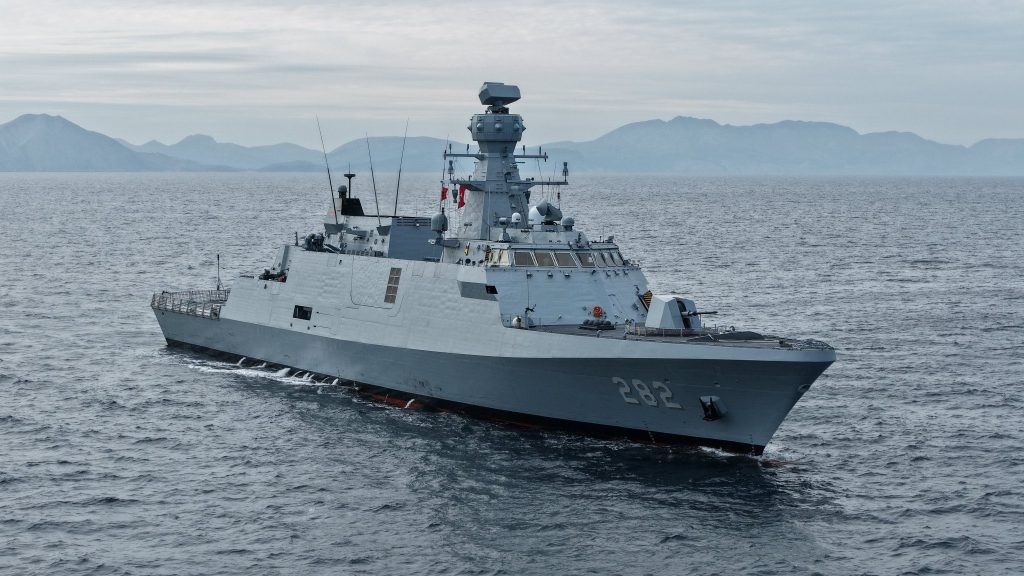
World
KARACHI, Pakistan — April 6, 2026 : The Pakistan Navy formally inducted its second Babur-class (PN MILGEM) corvette, PNS Khaibar (F-282), into active service during a commissioning ceremony held in Karachi on April 4, 2026. The induction represents a continuation of Pakistan’s naval modernization efforts and its ongoing defense-industrial cooperation with Türkiye. The ceremony was presided over by Chief of the Naval Staff Admiral Naveed Ashraf, who emphasized the importance of maintaining a technologically advanced and balanced naval force to safeguard Pakistan’s maritime interests and secure vital Sea Lines of Communication (SLOCs). He highlighted Pakistan’s strategic geographic position along key global energy and trade corridors as a central factor driving naval capability development. Prime Minister Shehbaz Sharif, in a statement issued on the same day, described the induction as a significant milestone for Pakistan’s maritime defense. He noted that platforms such as PNS Khaibar and the forthcoming Hangor-class submarines are expected to enhance operational flexibility, defense capability, and strategic reach. President Asif Ali Zardari also acknowledged the induction, stating that it reflects the Pakistan Navy’s growing professionalism and preparedness. PN MILGEM Program and Industrial Collaboration The Babur-class corvettes are part of the PN MILGEM program, initiated under a contract signed in July 2018 between Pakistan’s Ministry of Defense Production and Türkiye’s ASFAT A.Ş. (Military Factory and Shipyard Management Corporation). The agreement, valued at approximately $1.5 billion, was described by Turkish officials at the time as the largest single defense export in Türkiye’s history. The program formally commenced on March 11, 2019, with ASFAT serving as the primary contractor and Turkish defense firms supporting design and systems integration. The contract includes provisions for technology transfer, joint production, and the transfer of design and construction expertise to Pakistan. Under the program structure, two corvettes—including PNS Khaibar—are being constructed at the Istanbul Naval Shipyard, while the remaining two vessels, PNS Badr (F-281) and PNS Tariq (F-283), are under construction at Karachi Shipyard & Engineering Works (KS&EW). PNS Khaibar’s construction milestones included steel cutting on May 1, 2021, its launch on November 25, 2022, and the completion of sea trials and live-fire evaluations in Turkish waters. The vessel was formally delivered to Pakistan in December 2025 before arriving in Karachi ahead of its induction. Deliveries of the remaining domestically constructed ships are expected to continue through 2026 and early 2027, with initial timelines indicating deliveries at approximately six-month intervals starting from 2023. Design and Technical Specifications The Babur-class corvettes are based on Türkiye’s Ada-class design but incorporate modifications tailored to Pakistan Navy operational requirements. The vessels are multi-mission platforms capable of conducting anti-air, anti-surface, and anti-submarine warfare, along with reconnaissance and surveillance operations, and incorporate radar-reducing design features to lower detection signatures. The ships have a displacement of approximately 2,900–2,985 tonnes (full load), with a length ranging between 108.2 and 108.8 meters, a beam of 14.8 meters, and a draft between 4.05 and 4.1 meters. The propulsion system is based on a Combined Diesel and Gas (CODAG) configuration, consisting of one GE LM2500 gas turbine and two MTU diesel engines, generating approximately 31,600 kilowatts of total power. In terms of performance, the vessels can reach a maximum speed of 29 to 31 knots, have a range of 3,500 nautical miles, and an endurance of up to 15 days at sea. Each ship operates with a crew of 93 core personnel, with accommodation available for an additional 40 personnel. Armament and Combat Systems While certain elements remain undisclosed, available details indicate that the Babur-class corvettes are equipped with a comprehensive multi-domain weapons suite designed for modern naval warfare. The ships are fitted with a 16-cell Vertical Launching System (VLS) configured for MBDA Albatros NG (CAMM-ER) surface-to-air missiles, providing layered air defense capability. For offensive operations, the vessels carry Harbah dual-role cruise missiles capable of both anti-ship and land-attack missions, typically deployed in two triple-cell launchers. Additional armament includes a 76 mm OTO Melara naval gun, the Aselsan Gökdeniz 35 mm close-in weapon system (CIWS) for point defense, and two Aselsan STOP 25 mm remote weapon stations. For anti-submarine warfare, the ships are equipped with two triple 324 mm torpedo launchers. The corvettes are further supported by advanced sensor suites, including 3D air and surface search radars, electronic warfare systems, and sonar capabilities. An aft flight deck enables the operation of anti-submarine helicopters, enhancing their maritime patrol and warfare capabilities. Fleet Integration and Strategic Role The induction of PNS Khaibar follows the earlier commissioning of the lead ship, PNS Babur (F-280). Upon completion of all four vessels, the Pakistan Navy is expected to operate a standardized class of modern corvettes capable of forming integrated task groups. The Babur-class platforms are intended to enhance the navy’s capabilities across air defense, anti-surface warfare, and anti-submarine warfare, while also supporting long-range maritime security operations. The program also contributes to the development of domestic shipbuilding capacity through technology transfer and local construction at KS&EW. Admiral Naveed Ashraf concluded by extending best wishes to the crew of PNS Khaibar and reaffirming the Pakistan Navy’s commitment to defending national maritime interests and maintaining operational readiness.
Read More → Posted on 2026-04-06 14:23:11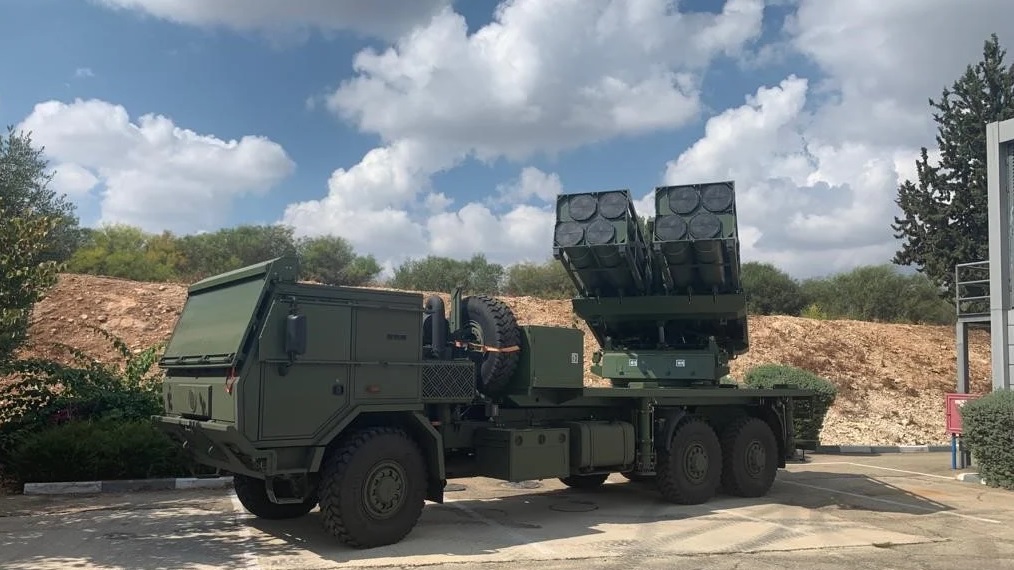
World
ATHENS / JERUSALEM, — April 6, 2026 : The Israeli Ministry of Defense and the Hellenic Ministry of National Defense have signed a government-to-government agreement for the procurement of the Precise and Universal Launching System (PULS) for the Greek Armed Forces. The contract, valued at approximately 2.3 billion Israeli shekels (around €650 million or $757.84 million), covers the supply of 36 rocket artillery systems manufactured by Elbit Systems. The agreement was formally signed in Athens on April 6, 2026, following the completion of commercial negotiations between the parties. The program will be implemented over a four-year period, with an additional ten-year support and maintenance phase to ensure operational continuity and lifecycle sustainment. System Configuration and Capabilities Under the terms of the agreement, the Hellenic Armed Forces will receive PULS launchers along with a comprehensive package of munitions and support systems. The system is designed as a modular multiple rocket launcher capable of firing both unguided and precision-guided munitions from a single platform without requiring repositioning. The munitions package includes training rockets for operational integration as well as a range of guided systems. Available munitions include Accular 122 mm rockets with a range of up to 35 kilometers, Accular 160 mm rockets with a range of up to 40 kilometers, EXTRA rockets with a range of up to 150 kilometers, and Predator Hawk rockets capable of reaching distances of up to 300 kilometers. The system supports multiple warhead types and incorporates guidance technologies such as GPS and inertial navigation. The PULS architecture is designed for integration on both wheeled and tracked platforms, allowing compatibility with existing vehicle fleets. This adaptability is intended to reduce maintenance requirements and simplify training processes for operators. Industrial Cooperation and Domestic Production A key component of the agreement is industrial cooperation between Israeli and Greek defense sectors. As part of the arrangement, selected components of the PULS system will be produced in Greece in accordance with national procurement policies. The partnership includes provisions for technology transfer and knowledge sharing, aimed at strengthening Greece’s domestic defense-industrial base. This framework is expected to support local manufacturing capabilities and align with broader national objectives related to defense self-sufficiency and industrial participation. Procurement Background and Strategic Context The acquisition forms part of the Hellenic Armed Forces’ ongoing artillery modernization program. Greek authorities have indicated that the systems are intended to enhance long-range precision strike capabilities, particularly in operational areas along the northeastern border with Turkey and across the Aegean island region. The procurement was approved in December 2025 by the Greek parliament and the Government Council for National Security (KYSEA), which authorized the required funding. Following this approval, negotiations between the Israeli Ministry of Defense, Elbit Systems, and Greek authorities were finalized, leading to the signing of the agreement. Elbit Systems will serve as the prime contractor for the program, while the Israeli Ministry of Defense is facilitating the export under a government-to-government framework. Program Scope and Operational Role The PULS system is designed to provide a flexible artillery solution capable of deploying a wide range of munitions from a single launcher. Its modular structure allows for rapid reconfiguration based on mission requirements, supporting both conventional and precision strike roles. The acquisition aligns with Greece’s broader defense procurement strategy, which emphasizes long-range strike capabilities, interoperability with allied systems, and integration with existing ground forces infrastructure. The agreement also reflects ongoing defense cooperation between Israel and Greece, which has included joint military exercises and additional equipment programs in recent years. No further financial or technical details beyond the overall contract value, number of systems, and general scope have been disclosed in official statements.
Read More → Posted on 2026-04-06 14:33:36
World
LONDON, — April 6, 2026 : The United Kingdom’s Ministry of Defence (MoD) has issued an updated early engagement notice detailing a structured grant programme aimed at expanding domestic production capacity for munitions, explosives, and energetics. The notice, published on April 2, 2026, replaces an earlier version released the same day and outlines the framework for funding up to six new manufacturing facilities across the country. The initiative is designed to establish a continuous, “always-on” domestic production pipeline to ensure a stable supply of ammunition for the British Army, while reducing reliance on foreign supply chains. It forms part of a broader effort to reinforce national defence industrial capacity in line with long-term strategic requirements. Funding Structure and Application Timeline The MoD has set out a phased competitive grant system to allocate funding for the construction of new facilities. The first application window is scheduled to open in the third quarter of 2026 (July–September), with additional rounds planned for the second and fourth quarters of 2027. Each application period will remain open for approximately three months, allowing companies sufficient time to prepare and submit detailed proposals. Financial support for individual projects is capped at £45 million (approximately $56 million), or up to 50 percent of the total project cost, whichever is lower. Final funding decisions will be based on assessments of value for money, economic feasibility, affordability, and the approval of a complete business case and operational model. Participation in the programme is open to all eligible companies, including small and medium-sized enterprises (SMEs). Applicants are not required to have prior experience with the MoD, nor must they have participated in the technical and economic feasibility studies conducted in late 2025. Site Selection and Production Scope The programme follows feasibility studies completed in November 2025, which identified at least 13 potential sites across the United Kingdom suitable for development. Final site selection will depend on the outcome of the competitive grant process and the quality of submitted proposals. The new facilities will focus on producing key components required for both small arms and heavy weapon systems. Planned outputs include gunpowder for small arms ammunition, high explosives, rocket propellants, and pyrotechnics, including advanced ignition systems. These capabilities address areas where large-scale domestic production has been limited or absent in the UK for nearly two decades. Construction of the first facilities is expected to begin in 2026, following the completion of the grant award process and approval of full business cases. Strategic Context and Investment Framework The grant scheme operates within the broader framework of the Strategic Defence Review (SDR), published in June 2025, which prioritizes warfighting readiness and the strengthening of industrial support structures. The SDR includes a £1.5 billion allocation specifically for munitions and energetics infrastructure, contributing to a projected total of approximately £6 billion in munitions spending during the current parliamentary term. The programme is managed by Defence Equipment and Support and complements wider government measures aimed at integrating civilian industrial capacity into defence supply chains. Officials have emphasized the importance of maintaining scalable production capabilities to support sustained military operations and ongoing international commitments. Economic and Industrial Impact In addition to defence objectives, the initiative is expected to generate at least 1,000 skilled manufacturing jobs across selected regions. The government has positioned the programme as part of its broader strategy to use defence investment to support regional economic development and industrial growth. By establishing new production facilities and expanding domestic manufacturing capacity, the MoD aims to ensure long-term supply resilience, improve responsiveness to operational demands, and strengthen the United Kingdom’s overall defence industrial base.
Read More → Posted on 2026-04-06 14:46:16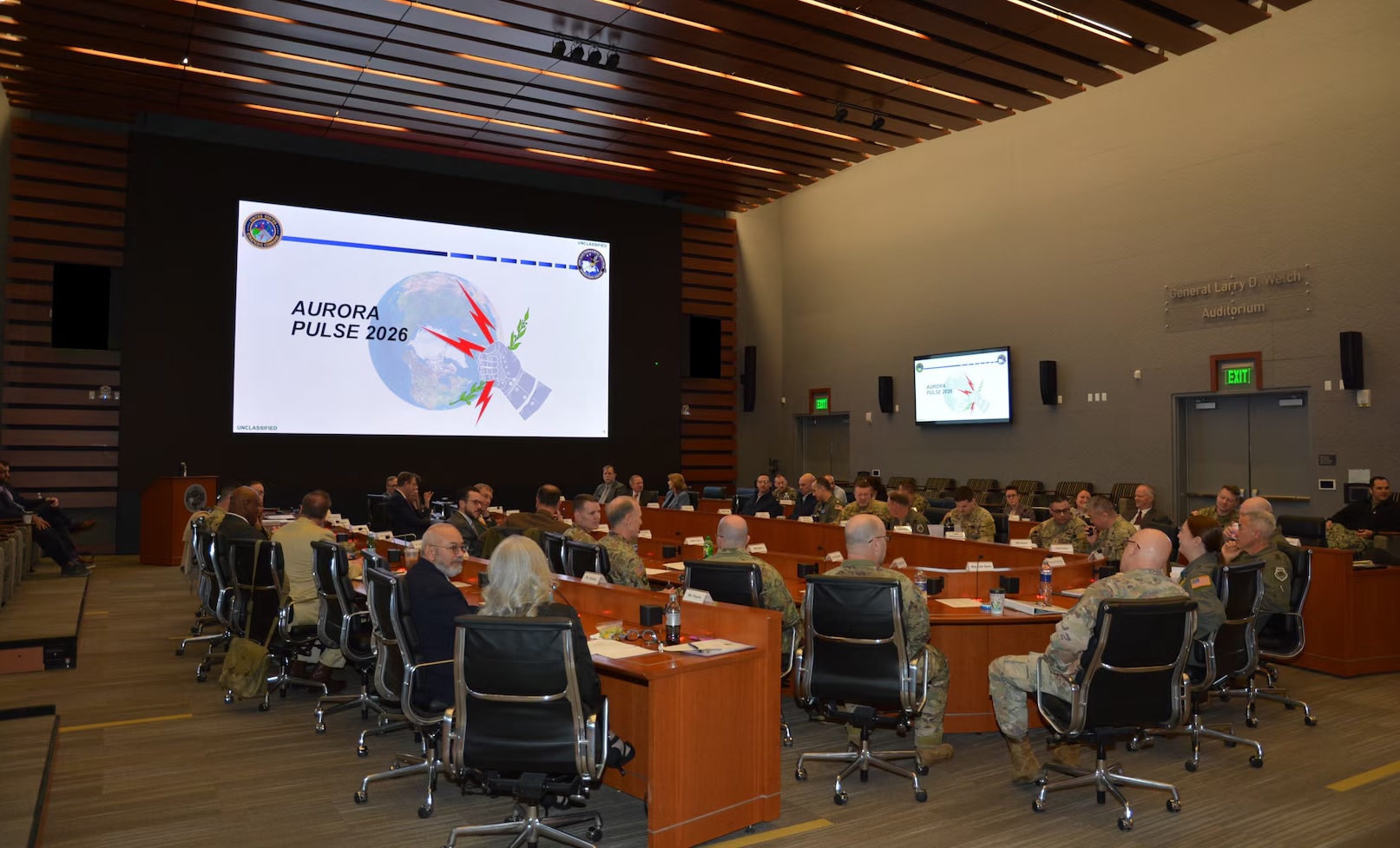
World
OFFUTT AIR FORCE BASE, Nebraska — April 6, 2026: The United States Strategic Command (USSTRATCOM) conducted its inaugural electromagnetic spectrum-focused tabletop exercise, titled Aurora Pulse, from March 24 to March 26, 2026, at the Gen. Curtis LeMay Command and Control Facility near Offutt Air Force Base. The exercise brought together military and government personnel to examine operational readiness in increasingly complex electromagnetic environments. The event was organized by USSTRATCOM’s Joint Electromagnetic Spectrum Operations Center (JEC) and included operations and planning officers from across the U.S. uniformed services, unified combatant commands, the Joint Staff, and multiple government agencies. The exercise was designed to evaluate how joint forces plan and operate within the electromagnetic spectrum during crisis and conflict scenarios. Focus on Contested and Congested Spectrum Conditions The Aurora Pulse exercise centered on challenges associated with electromagnetic spectrum operations (EMSO), particularly in environments where the spectrum is both contested by adversary forces and congested due to expanded civilian and commercial usage. Officials noted that the scenarios also incorporated austere operating conditions, adding complexity to decision-making and coordination efforts. Participants worked through two full days of simulated scenarios aimed at testing existing tactics, operational procedures, and response frameworks under degraded conditions. The exercise assessed how effectively forces could maintain operational capability when access to the electromagnetic spectrum is limited or disrupted. Leadership Emphasizes Integration in Military Planning Ahead of the exercise, U.S. Air Force Lt. Gen. Michael Lutton, deputy commander of USSTRATCOM, addressed participants and highlighted the importance of incorporating electromagnetic spectrum considerations into defense planning processes. He stated that adversaries actively operate within the electromagnetic domain and that maintaining operational freedom depends on achieving and sustaining electromagnetic spectrum superiority. Lutton also noted that the ability to function effectively in contested spectrum conditions is increasingly relevant to modern military operations. Objectives and Learning Outcomes U.S. Air Force Maj. Gen. AnnMarie Anthony, director of the Joint Electromagnetic Spectrum Operations Center, outlined the primary objectives of the exercise. She stated that one of the key goals was to improve understanding of how to approach EMSO-related challenges, including identifying the appropriate expertise and coordination mechanisms required during operations. Anthony noted that the electromagnetic environment is evolving rapidly, with increasing congestion and competition affecting both military and civilian users. She indicated that these conditions present operational challenges that require improved coordination, awareness, and planning. Role of USSTRATCOM and Future Implications Under the Department of Defense’s Unified Command Plan, USSTRATCOM is responsible for overseeing and advocating for joint electromagnetic spectrum operations across the U.S. military. Officials stated that exercises such as Aurora Pulse are intended to enhance coordination among participating organizations, identify procedural gaps, and improve overall readiness. The outcomes of the exercise are expected to support the refinement of Joint Electromagnetic Spectrum Operations Center practices and procedures, as well as contribute to future standardization efforts. These efforts aim to strengthen the integration of electromagnetic spectrum considerations into broader military planning and operational decision-making. No additional details regarding specific scenario outcomes or classified elements of the exercise were released.
Read More → Posted on 2026-04-06 15:06:29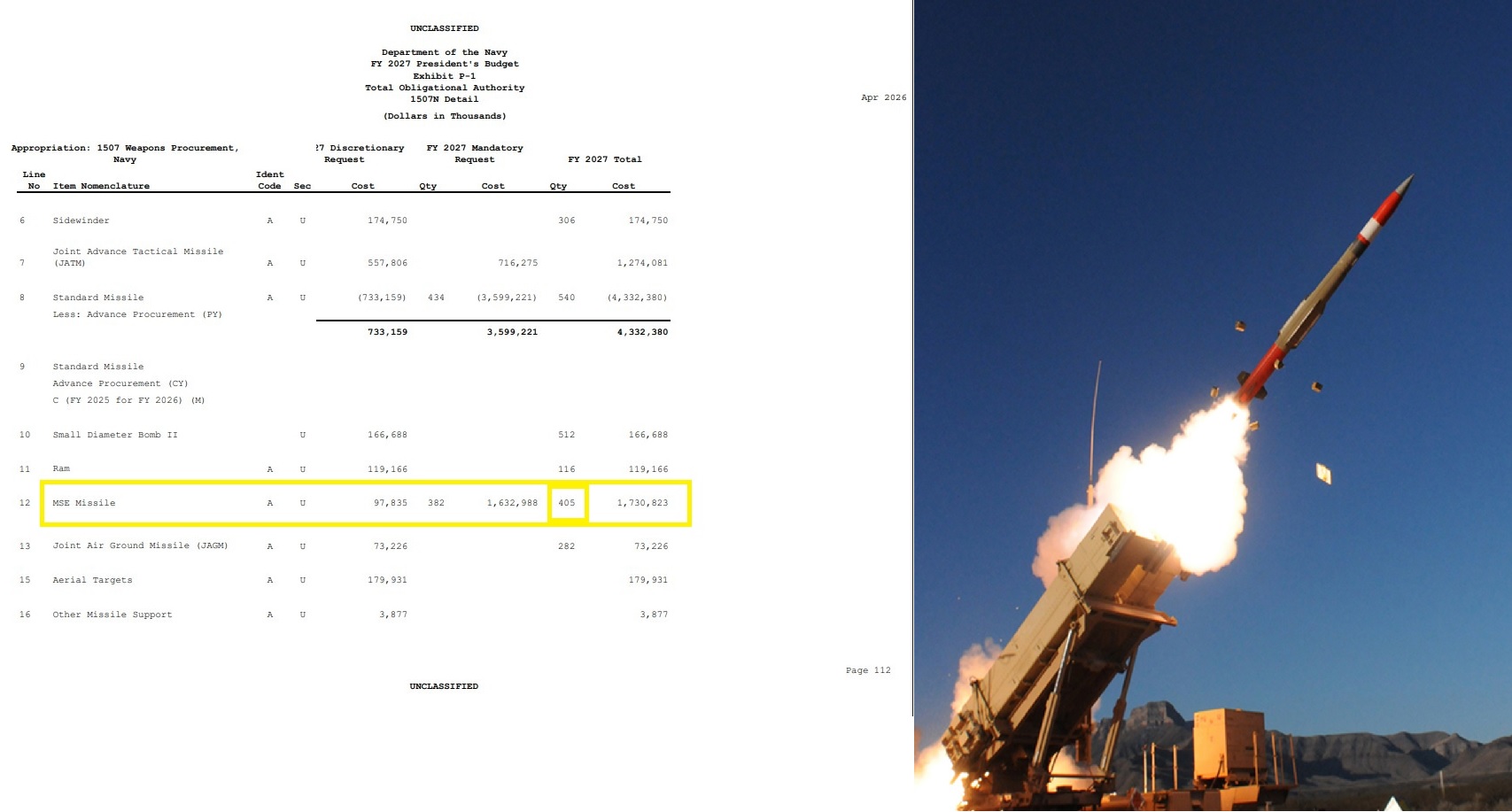
World
WASHINGTON, — April 6, 2026 The United States Navy has requested approximately $1.7 billion in its fiscal year 2027 budget proposal to procure 405 Patriot Advanced Capability-3 Missile Segment Enhancement (PAC-3 MSE) interceptors, marking a significant step toward integrating land-based missile defense technology into its surface fleet. The request, detailed in U.S. Department of Defense budget documents released in April 2026, was first identified by open-source intelligence account VirtualBayonet on X (formerly Twitter). The procurement is intended to support the adaptation of the PAC-3 MSE interceptor for use in the Mk 41 Vertical Launching System (VLS), which is deployed across U.S. Navy surface combatants, including Arleigh Burke-class guided-missile destroyers equipped with the Aegis combat system. Addressing a Capability and Cost Gap The Navy’s interest in the PAC-3 MSE reflects an effort to address a specific gap in its layered air and missile defense architecture, particularly in countering ballistic missile threats at a lower cost per interceptor. Current naval air defense systems rely on the RIM-162 Evolved SeaSparrow Missile (ESSM), which is designed primarily to intercept aircraft and cruise missiles at ranges of up to 50 kilometers, and the Standard Missile family, including the SM-2 and SM-6, which provide engagement ranges exceeding 150 kilometers. However, Standard Missiles typically cost more than $2 million to $3 million per unit. By comparison, the PAC-3 MSE is positioned within a lower cost bracket of approximately $1 million to $2 million per interceptor, while offering hit-to-kill kinetic interception capability against ballistic targets. The system uses a direct body-to-body impact approach rather than proximity-based fragmentation, increasing effectiveness against high-speed threats. In addition to cost considerations, production capacity is a key factor. Standard Missile production is currently estimated at around 125 units annually, with gradual expansion planned. In contrast, Lockheed Martin is scaling PAC-3 MSE production to between 650 and 750 units per year, providing a more readily available supply base for increasing interceptor inventories. Integration with Naval Systems The U.S. Navy does not operate Patriot air defense batteries, making integration a central component of the program. In the fiscal year 2026 budget, the Navy requested approximately $416 million to support engineering and integration efforts for adapting new interceptors to shipboard systems, including the Aegis combat system. Additionally, $65 million in FY2026 reconciliation funding was allocated specifically for integrating the PAC-3 MSE with Aegis systems on Arleigh Burke-class destroyers. Lockheed Martin has been developing the naval integration concept for several years. In January 2023, during the Surface Navy Association symposium, the company presented a full-scale mock-up of a PAC-3 MSE interceptor configured for insertion into a Mk 41 VLS cell. A key technical requirement has been enabling communication between the missile and shipboard sensors. The PAC-3 MSE datalink has been modified to operate on S-band frequencies, ensuring compatibility with the AN/SPY-1D radar, the primary sensor used in the Aegis combat system. The AN/SPY-1D is a passive phased-array radar capable of detecting aerial targets at ranges of up to 400 kilometers, although its full operational parameters remain classified. In the summer of 2023, Lockheed Martin confirmed successful integration of the PAC-3 MSE with the SPY-1D radar. This was followed by a live-fire test in May 2024, in which a PAC-3 MSE interceptor was successfully launched vertically from a Mk-70 containerized launcher, a modular variant of the Mk 41 VLS. The test employed a virtualized Aegis Weapon System and resulted in the successful interception of a cruise missile target. Technical Characteristics and Limitations The PAC-3 MSE is a hit-to-kill interceptor originally developed for the U.S. Army’s Patriot system. It incorporates a dual-pulse rocket motor to enhance maneuverability and engagement envelope, enabling high-probability intercepts against both aerodynamic and ballistic threats. When adapted for naval use, the missile would expand the range of interceptors available within the Mk 41 VLS without requiring structural modifications to the launcher itself. However, unlike smaller interceptors such as the ESSM, the PAC-3 MSE cannot currently be multi-packed within a single VLS cell, limiting the number of missiles that can be carried per ship. Future launcher developments, including the proposed 34-inch Growth Vertical Launch System (G-VLS), may enable multi-packing configurations, although no confirmed integration timeline has been provided. Future Integration and Operational Outlook While integration efforts have focused on compatibility with the legacy AN/SPY-1 radar, it remains unclear whether the PAC-3 MSE will be fully integrated with next-generation radar systems such as the AN/SPY-6 and AN/SPY-7 active electronically scanned array (AESA) radars. These systems are planned to replace the SPY-1 series on newer U.S. Navy surface combatants. The FY2027 procurement request forms part of broader Department of Defense efforts to expand PAC-3 MSE availability and diversify interceptor options across services. No additional details have been released regarding unit-level pricing breakdowns, delivery timelines, or expansion to other ship classes beyond Arleigh Burke-class destroyers.
Read More → Posted on 2026-04-06 15:27:04
World
MOSCOW, — April 6, 2026 : The Russian military has released the first video footage showing field trials of the Bagulnik-82 automated mortar module integrated onto the Kurier unmanned ground vehicle (UGV), marking a further step in the development of robotic fire-support systems. The trial footage, distributed through official channels associated with Russian ground robotics programs, depicts the tracked Kurier platform navigating a training range and engaging designated targets using 82 mm mortar rounds. The system is configured as an unmanned, remotely operated self-propelled mortar designed to deliver indirect fire while keeping personnel at a distance from the battlefield. Automated Mortar Module The Bagulnik-82 combat module consists of an 82 mm mortar mounted within a rotating turret. A key feature of the system is its integrated robotic loading mechanism, which enables fully automated ammunition handling. A mechanical arm retrieves mortar rounds and inserts them into the barrel without human intervention. According to data observed during the trials, the loading cycle takes approximately five seconds between shots, allowing the system to maintain sustained fire. The mortar configuration is understood to be derived from, or closely aligned with, existing Russian lightweight systems such as the 2B14 Podnos and 2B24. The module is also equipped with recoil mitigation components designed to stabilize the relatively lightweight unmanned platform during firing. These dampening systems reduce the impact of mortar discharge on the chassis, supporting accuracy and operational continuity during repeated firing sequences. Initial trial data indicates that the mortar system is capable of engaging targets at distances of up to approximately four kilometers using standard high-explosive ammunition. However, detailed specifications such as sustained rate of fire, onboard ammunition capacity, and full performance parameters in the robotic configuration have not been officially disclosed. Kurier Robotic Platform The Bagulnik-82 module is mounted on the Kurier UGV, a compact tracked robotic system developed between 2022 and 2023. The platform measures approximately 1.4 meters in length, 1.2 meters in width, and 0.58 meters in height, with a total weight of about 250 kilograms. The vehicle is powered by two electric motors rated at 6 kW each and can reach speeds of up to 35 km/h. Depending on mission configuration and payload, the Kurier has an operational endurance ranging from 12 to 72 hours. Control of the platform is conducted remotely via radio link at distances between 3 and 10 kilometers. In certain operational scenarios, the system can also be operated using a fibre-optic cable connection. The vehicle is equipped with onboard cameras that provide navigation and targeting data to remote operators. The modular design of the Kurier allows it to be adapted for multiple roles. In addition to the mortar configuration, previous variants have been fitted with AGS-17 and AGS-30 automatic grenade launchers, machine guns, and reactive flamethrowers. The platform has also been used for logistics support, reconnaissance missions, engineering tasks, and as a mobile drone control station. An air-defense variant equipped with a PKT machine gun has been demonstrated for countering low-flying aerial threats. Operational Context and Development Timeline The Kurier platform was first publicly displayed in early 2024 and underwent initial field testing in the Avdiivka area during the same year. Deliveries to Russian forces began in 2024, with approximately 50 units reported in service by October 2024. Production has continued since that time, with the system undergoing operational testing across multiple sectors. According to Russian military sources, the Bagulnik-82 mortar configuration has entered initial use within the zone of the special military operation, although no official confirmation has been provided by the Russian Ministry of Defence regarding deployment scale, production volumes, or timelines. Role of External Targeting Military analysts note that the effectiveness of unmanned indirect-fire systems such as the Bagulnik-82 is dependent on external targeting inputs. In current operational environments, such systems typically rely on unmanned aerial vehicles (UAVs) to identify targets, determine firing coordinates, and provide real-time correction for improved accuracy. The integration of an automated mortar onto the Kurier platform represents a shift in the evolution of Russian unmanned ground systems, expanding their role from direct-fire support to include indirect artillery capabilities. No additional official statements have been released regarding the full technical performance, procurement plans, or future deployment strategy of the Bagulnik-82 module. The system remains one of several modular weapon configurations under development for the Kurier robotic platform.
Read More → Posted on 2026-04-06 15:44:15
India
NEW DELHI, — April 6, 2026 : India is set to carry out a two-day series of Global Navigation Satellite System (GNSS) jamming trials in the Bay of Bengal from April 11 to April 12, 2026, as part of ongoing efforts to strengthen its electronic warfare (EW) capabilities. The exercise will focus on evaluating ground-based systems designed to disrupt satellite navigation signals, including GPS and other GNSS networks, within designated maritime zones. According to official notifications, including a Notice to Airmen (NOTAM), the trials will be conducted under controlled conditions to ensure the safety of civil aviation and maritime traffic operating in the region during the specified period. Focus on Denial of Satellite-Based Navigation The primary objective of the trials is to assess the effectiveness of GNSS jamming in denying Positioning, Navigation, and Timing (PNT) services in operational scenarios. PNT data is a critical component of modern military operations, supporting navigation, targeting, synchronization, and coordination across platforms. The systems under evaluation are intended to degrade or deny access to satellite-based navigation for hostile assets, including precision-guided munitions (PGMs), unmanned aerial vehicles (UAVs), and other systems dependent on network-centric operations. By limiting access to reliable PNT data, the trials aim to test India’s ability to operate in an environment where satellite navigation is contested or unavailable. Operational Relevance in Maritime Domain The Bay of Bengal has been selected as the test location due to its relevance to India’s maritime security environment and its proximity to key operational areas within the Indian Ocean Region (IOR). Conducting trials in this setting allows for realistic assessment of system performance against simulated aerial and maritime targets. Defense agencies will monitor multiple parameters during the exercise, including signal disruption range, interference density, system stability, and overall effectiveness of the jamming equipment in a dynamic operational environment. Strategic and Deterrence Implications The trials form part of a broader effort to enhance India’s preparedness for operations in electronically contested battlespaces. By demonstrating the capability to disrupt satellite navigation systems, India aims to improve the survivability of its naval and coastal assets and strengthen its defensive posture in the IOR. The ability to deny or degrade GNSS signals is increasingly viewed as a key element of modern deterrence, particularly in scenarios involving high-precision weapons and autonomous systems. Alignment with Evolving Threat Environment The initiative aligns with global trends in electronic warfare, where interference with satellite navigation systems has become more frequent in conflict zones. Incidents of GPS jamming and spoofing have been reported in various regions over the past two years, including areas near India’s western and northeastern borders. In response, India has expanded its investments in EW technologies, including ground-based VHF–UHF communication jammers and integrated mobile systems such as the Samyukta platform. These systems are designed to disrupt enemy communications and command networks in addition to navigation signals. Role of Indigenous Systems and Industry The GNSS jammer systems being tested are part of India’s broader push to develop an indigenous electronic warfare ecosystem. Key organizations involved in this effort include the Defence Research and Development Organisation (DRDO), Bharat Electronics Limited (BEL), and private sector defense firms. The trials are expected to provide operational data that will support further development and refinement of domestically produced EW systems, reducing reliance on imported technologies. India’s use of its regional navigation satellite system, NavIC, also forms part of its strategy to ensure continuity of navigation services for its own forces in environments where global GNSS signals may be disrupted. Continuity of Electronic Warfare Development India has previously conducted electronic warfare exercises and continues to invest in counter-GNSS technologies. The April 11–12 trials represent a continuation of these efforts, with a focus on improving resilience, operational capability, and integration of EW systems across different domains. No specific technical details regarding the jammer systems or exact trial coordinates have been disclosed in the public domain. The exercise will remain under close observation by defense authorities throughout its duration.
Read More → Posted on 2026-04-06 16:07:26
World
JERUSALEM / TEHRAN, — April 6, 2026 : The Israeli Air Force conducted a series of airstrikes on Iran’s largest petrochemical complex in the Assaluyeh region on April 6, 2026, according to official Israeli statements and reports from Iranian media outlets. The operation targeted facilities within the South Pars petrochemical complex, a key center of Iran’s energy production and exports. Israeli authorities stated that the strikes were based on military intelligence indicating that the targeted site produced and exported chemical materials used by Iran’s armed forces, including entities linked to the country’s nuclear ministry and the Islamic Revolutionary Guard Corps (IRGC). According to these assessments, the complex was also involved in manufacturing materials used in explosives and propellants for ballistic missiles and other weapons systems. Israeli Defense Minister Israel Katz confirmed the operation, stating that the strike on Assaluyeh marks the second major petrochemical complex targeted by Israel in Iran. He said that the two facilities together account for more than 85 percent of Iran’s petrochemical exports and are now no longer operational following the attacks. Iranian media, including Fars News Agency and Mehr News Agency, reported multiple explosions in the South Pars Special Economic Energy Zone in Assaluyeh following the strikes. The reports indicated that the operation involved U.S. and Israeli fighter jets and that several key installations were hit, including the Jam and Damavand petrochemical plants. In addition to production facilities, the strikes also targeted critical utility infrastructure supporting the petrochemical complex. The Mobin and Damavand companies, which supply electricity, water, and oxygen to the Assaluyeh industrial zone, sustained damage. As a result, power to all petrochemical plants in the area has been shut down. Iranian reports indicated that operations across the complex will remain suspended until the damaged utility infrastructure is repaired and restored. Local reports confirmed that the Pars Petrochemical Company, also located in the Assaluyeh region, was not affected by the strikes. The Assaluyeh complex is located along Iran’s southwestern coast on the Persian Gulf and serves as a central hub for the country’s petrochemical production and export activities. It is situated near the South Pars gas field, the largest natural gas reserve in Iran and one of the largest in the world. The concentration of processing plants and export facilities in this region makes it a critical component of Iran’s industrial and energy sectors. The April 6 strikes form part of a broader series of U.S.-Israeli operations targeting Iranian military and economic infrastructure, which began in late February 2026. Israeli officials have stated that these operations are aimed at limiting Iran’s capacity to produce and finance military capabilities. No official figures regarding casualties or the full extent of physical damage were released in initial statements. Iranian authorities described the affected facilities as significant to the country’s energy production and industrial output and confirmed that technical assessments are ongoing.
Read More → Posted on 2026-04-06 16:56:38
India
NEW DELHI, — April 6, 2026 : The Defence Research and Development Organisation (DRDO) is preparing to initiate user-evaluation trials (UET) of the indigenous ‘Takshak’ electric heavyweight torpedo (EHWT) aboard the Indian Navy’s Kalvari-class submarines, with testing scheduled to commence in late 2026. The trials are intended to validate the system’s operational performance ahead of its planned induction into service. The Takshak torpedo has been developed by the Naval Science and Technological Laboratory (NSTL), a Visakhapatnam-based laboratory under DRDO. It is designed as a submarine-launched heavyweight torpedo capable of engaging both enemy submarines and surface vessels. The system is positioned as an advanced electric-propulsion derivative of the Varunastra torpedo, optimized for deployment from standard 533 mm submarine torpedo tubes. According to program details, the torpedo measures approximately 6.4 meters in length and weighs over 1,300 kilograms in its operational configuration. It is powered by an electric propulsion system using silver-oxide batteries, enabling low acoustic signature movement underwater. The estimated operational range is approximately 40 kilometers, with an operational depth capability of up to 400 meters. Testing Roadmap and Schedule The evaluation process will follow a phased testing structure aligned with the refit schedules of the Kalvari-class submarines. Initial harbour-based trials will include both dry and wet testing procedures conducted while the submarine remains docked. These trials are intended to verify safe launch characteristics and ensure that torpedo deployment does not affect the submarine’s hull integrity, onboard sensors, or internal systems. Following successful harbour validation, dynamic sea trials are scheduled for late 2026. During this phase, the torpedo will be deployed under operational conditions at varying depths and speeds. A key focus of this stage will be the validation of the fibre-optic wire guidance system, particularly its performance during high-speed underwater maneuvers. A live-fire test phase is planned for 2027. This stage will involve the launch of a fully armed torpedo against a decommissioned ship or designated underwater target to assess warhead effectiveness and overall system reliability. Guidance, Navigation, and Control Systems The Takshak is equipped with a Ring Laser Gyroscope (RLG)-based inertial navigation system (INS), supported by satellite-based inputs from GPS and India’s NavIC navigation system. For tactical guidance, the torpedo uses a fibre-optic wire link, allowing real-time data exchange between the submarine and the weapon. This fibre-optic guidance enables sonar operators onboard the submarine to transmit course corrections and targeting updates during the engagement. In the event that the wire link is severed, the torpedo is programmed to transition into an autonomous homing mode, allowing it to continue toward the target using onboard sensors. The system also incorporates advanced sonar capabilities and resistance to electronic countermeasures, improving target acquisition and engagement reliability in contested environments. Launch Mechanism and Submarine Integration The Takshak torpedo is deployed using a “swim-out” launch mechanism, which allows the weapon to exit the submarine’s torpedo tube under its own propulsion rather than being expelled using compressed air. This method reduces the acoustic signature associated with launch, supporting the stealth characteristics of the submarine. Integration of the torpedo with the Kalvari-class submarines is being carried out in coordination with ongoing submarine refit programs. During the refit of INS Kalvari, the lead vessel of the class, hardware required for the torpedo’s launch system is being installed along with other upgrades. To support system integration, the Ministry of Defence signed a contract valued at ₹877 crore (approximately $102.4 million) with France’s Naval Group on December 30, 2024. The agreement covers the integration of the Takshak torpedo with the Submarine Tactical Integrated Combat System (SUBTICS), which is deployed across the Kalvari-class fleet. The integration ensures compatibility between the torpedo and the submarine’s combat management system, enabling coordinated target tracking, fire control, and weapon deployment. The effort is being undertaken jointly by the Indian Navy, DRDO, and Naval Group. Platform and Production Details The Kalvari-class submarines, also known as Scorpene-class submarines, are being constructed in India by Mazagon Dock Shipbuilders Limited (MDL) under Project 75. These submarines form a key component of the Indian Navy’s conventional underwater fleet. The Takshak torpedo is intended to be manufactured by Bharat Dynamics Limited (BDL) following successful completion of trials and acceptance into service. As of late 2024, the torpedo had completed required redesign work, including modifications to its tail section, positioning it for the upcoming evaluation phase. Separate development activity related to an extended-range or deeper-strike variant of the EHWT has been reported, though it is not part of the current trial program for the Kalvari-class submarines. Strategic Context The development and planned induction of the Takshak torpedo form part of India’s broader efforts to enhance indigenous defence manufacturing under the “Aatmanirbhar Bharat” initiative. The system is expected to reduce dependence on imported heavyweight torpedoes while strengthening the operational capabilities of the Indian Navy’s submarine fleet.
Read More → Posted on 2026-04-06 17:14:08
Space & Technology
MOSCOW, — April 6, 2026 : Newly examined historical records and declassified technical data provide a detailed account of the Soviet Union’s nuclear thermal rocket (NTR) development program, a long-running Cold War engineering effort that spanned from 1955 through the late 1980s and produced one of the most advanced ground-tested nuclear propulsion systems of its time. The program, initiated in 1955 under the leadership of academician M.V. Keldysh at NII-1 of the Ministry of Aviation Industry, evolved into a structured development effort by 1965. Engine design work was led by the Chemical Automatics Design Bureau (KBKhA), also known as the Kosberg Design Bureau, in Voronezh, with contributions from the Kurchatov Institute and NPO Luch. The objective was to develop solid-core nuclear thermal propulsion systems using liquid hydrogen for high-efficiency spaceflight, particularly for deep-space missions and heavy payload transport. Testing Infrastructure and Program Scope To support the program, the Soviet Union established specialized test infrastructure at the Semipalatinsk Test Site in present-day Kazakhstan. This included the Baikal-1 testing complex, located approximately 65 kilometers south of Semipalatinsk-21. Between 1970 and 1988, approximately 30 simulated flight tests were conducted at the site without recorded failure, demonstrating sustained operational reliability under controlled conditions. Testing operations were conducted in deep vertical shafts, with one Major Testing Facility extending about 150 meters underground to safely manage nuclear reactor operations during engine firings. RD-0410 Engine Development and Configuration The primary achievement of the program was the RD-0410 nuclear thermal rocket engine (GRAU index: 11B91), which reached full ground-test operational status. Designed as a compact, high-efficiency propulsion unit, the engine prioritized specific impulse over high thrust output. The RD-0410 utilized a solid-core reactor with uranium-based carbide fuel elements. Materials included uranium/tungsten carbide (U/W-C), uranium-zirconium carbide ((U,Zr)C), and advanced ternary carbides and carbonitrides such as (U,Zr,Nb)C and (U,Zr,Ta)C. These fuel elements were manufactured in a twisted-ribbon geometry, approximately 100 millimeters in length and 2 millimeters in diameter, increasing surface area to enhance heat transfer efficiency. A zirconium hydride (ZrH) moderator was integrated into the reactor core to maintain low neutron energy and sustain a high fission cross-section. Thermal insulation separated the moderator and fuel sections, enabling a compact core structure. Liquid hydrogen propellant was routed first through the moderator to regulate neutron behavior before being directed over the heated fuel rods. To mitigate chemical interaction between hydrogen and carbide fuel at high temperatures, approximately 1 percent hexane was introduced into the propellant stream after it passed through the moderator. Performance and Test Milestones Ground testing of the RD-0410 was conducted primarily during the 1970s and 1980s. The first physical launch of the 11B91 prototype occurred on September 17, 1977, followed by an energy launch on March 27, 1978. Subsequent fire tests in 1978 successfully demonstrated reactor startup. By 1981, the engine achieved its full design operating duration of one hour, reaching temperatures of up to 3,100 Kelvin. The reactor produced thermal power levels between 62 and 63 megawatts during testing. Performance specifications included a vacuum thrust of 35.2 kilonewtons, a specific impulse of 910 seconds—equivalent to an exhaust velocity of approximately 8,920 meters per second—and a maximum burn time of 3,600 seconds. The engine had an unfueled mass of approximately 2,000 kilograms, with overall dimensions of 3.5 meters in length and 1.6 meters in diameter, resulting in a thrust-to-weight ratio of 1.8. The RD-0410 also incorporated bimodal capability, allowing it to generate approximately 200 kilowatts of electrical power in addition to propulsion. It remains the only Soviet nuclear thermal engine to achieve full operational ground-test status. RD-0411 and Mars Mission Concepts Building on the RD-0410, Soviet engineers developed conceptual designs for a larger engine designated RD-0411 (GRAU index: 11B92) in the early 1970s. This variant was intended to serve as a primary propulsion system for interplanetary missions, including crewed Mars expeditions. Available records indicate that the RD-0411 was designed to produce approximately 392 to 400 kilonewtons of vacuum thrust. It was incorporated into mission architectures such as the Kurchatov Institute’s “Mars 1994” proposal, which envisioned assembling a multi-stage spacecraft in low Earth orbit before departure for Mars. Despite its planned role, the RD-0411 remained at the design and study stage and did not proceed to ground testing. Additional proposed variants, including RD-0412 and RD-0413, as well as hybrid nuclear thermal-electric systems under designations such as 11B97, also did not advance beyond preliminary development. Program Termination and Legacy The Soviet nuclear thermal rocket program began to slow in the late 1980s amid economic constraints, the political restructuring of Perestroika, and broader shifts in national priorities following the 1986 Chernobyl accident. Development work on the RD-0410 and associated systems ceased between 1988 and 1989, coinciding with the dissolution of the Soviet Union. None of the engines developed under the program were ever flown in space. However, the RD-0410 completed all planned ground-test objectives and provided extensive data on high-temperature carbide fuels, compact reactor configurations, and advanced fuel geometries. Current Russian Nuclear Propulsion Direction In the decades since the program’s termination, the Russian Federation has not resumed development of solid-core nuclear thermal propulsion systems such as the RD-0410 or RD-0411. Instead, research has shifted toward nuclear electric propulsion (NEP) technologies. Current efforts are centered on the Transport and Energy Module (TEM), also known as the “Zeus” system, being developed by Roscosmos and the Keldysh Research Center. Unlike nuclear thermal engines, the TEM uses a megawatt-class nuclear reactor to generate electrical power, which is then used to operate ion or Hall-effect thrusters for efficient, long-duration space missions. Recent work has included ground testing of radiator systems and electric propulsion components, with the platform intended for future uncrewed orbital and deep-space transport applications. The Soviet-era RD-0410 and its related concepts remain part of the historical record of Cold War aerospace engineering, representing a fully tested but never deployed approach to nuclear-powered space propulsion.
Read More → Posted on 2026-04-06 17:32:17
World
SUSEONG-RI, South Korea,— April 6, 2026 : A recent U.S.–Republic of Korea joint military exercise has highlighted notable differences in armored vehicle design and capability, following a detailed crew-level assessment of the Republic of Korea Marine Corps’ K808 White Tiger wheeled armored personnel carrier. The observations were made during the Korean Marine Exchange Program (KMEP) 26.1, conducted in March 2026 at Suseong-Ri. A U.S. Marine, speaking on condition of anonymity, evaluated the K808 based on direct exposure while embarked as a passenger and tactical observer. All vehicle operations during the exercise were conducted by Republic of Korea (ROK) Marine crews. Drawing on prior operational experience with U.S. platforms such as the Stryker and the Light Armored Vehicle (LAV), the Marine described the K808 as representing a more modern generation of armored vehicle design across multiple operational categories. Interior Layout and Crew Systems The assessment found that the K808’s troop compartment offers a volume broadly comparable to that of the U.S. Stryker, an eight-wheeled armored fighting vehicle developed by General Dynamics Land Systems. However, the internal configuration reflects a newer design approach. The Marine highlighted that the K808 incorporates more advanced internal communication systems and modernized weapon mounting fixtures. These systems were observed to improve operational efficiency, enabling faster coordination and equipment handling under tactical conditions. Despite these improvements, the evaluation identified limitations in seating ergonomics. The current seat configuration was reported to cause discomfort for taller personnel carrying a full combat load, which may reduce endurance during extended missions. Mobility and Handling Performance Mobility was assessed as the strongest aspect of the K808 platform. The vehicle is produced by Hyundai Rotem and configured as an 8×8 amphibious armored personnel carrier powered by a 420-horsepower Hyundai D6HA 10-liter V6 turbocharged diesel engine, coupled with a seven-speed automatic transmission and all-wheel drive. During the exercise, the K808 demonstrated superior maneuverability and driving dynamics compared to U.S. equivalents, according to the Marine’s observations. The vehicle’s power output was noted to effectively compensate for its approximately 20-ton combat weight and enhanced armor protection, which is designed to withstand up to 14.5 mm armor-piercing rounds. However, a specific handling characteristic was identified during operations on uneven terrain. When executing turns on broken ground, the Marine reported a pronounced sensation that the vehicle might tip. This behavior was attributed to the interaction between the vehicle’s higher mass and its independent hydropneumatic suspension system, representing a consideration for crews operating in complex terrain. Comparison with U.S. LAV Platform The comparison between the K808 and the U.S. Marine Corps’ LAV-25 platform was identified as the most significant contrast in the assessment. The LAV-25, introduced in the 1980s and powered by a 275-horsepower engine, was described as substantially less modern in capability and overall performance. The Marine characterized the difference in capability, handling, and design philosophy as a clear generational gap. However, the Marine also emphasized that the assessment was limited by the scope of participation, as U.S. personnel did not operate the K808 directly during KMEP 26.1. The evaluation is therefore based on passenger experience and observation rather than full operational control. Platform Specifications and Capabilities The K808 White Tiger was developed by Hyundai Rotem as a domestic program for the Republic of Korea Army and Marine Corps, entering service between 2017 and 2018 following design work initiated in the early 2000s and qualification testing completed in 2016. The vehicle is produced with approximately 98 percent locally sourced components. The platform measures 7.2 meters in length, 2.7 meters in width, and 2.1 meters in height (excluding turret), and accommodates a crew of two plus nine to ten fully equipped infantry personnel. It has a maximum road speed of 100 kilometers per hour and an operational range of 700 to 800 kilometers. The K808 is fully amphibious, utilizing twin rear-mounted waterjets to achieve water speeds of up to 8 kilometers per hour. Mobility systems include an independent hydropneumatic suspension, central tire inflation system, and run-flat tires. The vehicle is capable of negotiating 60 percent gradients, 30 percent side slopes, 0.5-meter vertical obstacles, and 1.5-meter trenches. Armor protection consists of an all-welded steel hull providing frontal protection against 12.7 mm rounds and side protection against 7.62 mm rounds, with options for add-on armor modules and mine-resistant flooring. Standard armament configurations include a roof-mounted 12.7 mm machine gun or a 40 mm automatic grenade launcher, with compatibility for remote-controlled weapon stations and 30 mm cannon systems. The vehicle is also equipped with nuclear, biological, and chemical (NBC) overpressure protection. Production, Upgrades, and Export Activity As of 2025, more than 500 units of the K808 and K806 6×6 variant had been delivered to South Korean forces. A fleet-wide upgrade program valued at 47.6 billion Korean won is currently underway and scheduled to continue through 2029. Planned enhancements include integration of remote-controlled weapon systems, tactical multiband radios, 360-degree surveillance cameras, and digital battle management displays. The K808 has entered export markets. In 2024, Peru selected the platform, receiving an initial batch of 30 vehicles. Local assembly began in November 2025, followed by a framework agreement signed in December 2025 for additional units. Exercise Context and Operational Relevance The Korean Marine Exchange Program (KMEP) is a semi-annual bilateral training initiative designed to enhance interoperability between the Republic of Korea Marine Corps and the United States Marine Corps. KMEP 26.1 included participation from the 12th Littoral Combat Team of the 12th Marine Littoral Regiment (MLR), part of the 3rd Marine Division. The 12th MLR is a key element of the U.S. Marine Corps’ force restructuring, which focuses on distributed operations in contested maritime environments and island chains. Training during the exercise included familiarization with the K808 platform to support combined capabilities in coastal assault and island defense scenarios relevant to Korean Peninsula contingencies. No changes to the assessment provided by the U.S. Marine following KMEP 26.1 have been reported as of April 6, 2026.
Read More → Posted on 2026-04-06 17:47:37
World
SEOUL, — April 7, 2026 : South Korea has reached a working-level agreement with Indonesia to transfer the fifth prototype of the KF-21 Boramae fighter, formalizing a revised financial settlement and advancing negotiations for a separate 16-aircraft export contract. The arrangement, concluded in February 2026 and disclosed through documents submitted to the National Assembly’s National Defense Committee by the Defense Acquisition Program Administration (DAPA), aligns with Jakarta’s reduced participation in the joint development program scheduled for completion in June 2026. Financial Settlement and Program Adjustment Indonesia joined the KF-X/KF-21 program in 2015 as a 20 percent partner, committing approximately 1.6 trillion won in exchange for technology transfer, a prototype aircraft, and participation in an Indonesian IF-X development pathway. However, repeated delays in payments, attributed to domestic economic conditions, led both governments to renegotiate the framework. In June 2025, Seoul and Jakarta agreed to reduce Indonesia’s financial contribution to 600 billion won (approximately $398 million), accompanied by a proportional reduction in the scope of technology transfers. As of April 2026, Indonesia has paid 536 billion won, with the remaining 64 billion won scheduled for settlement by June 2026. South Korean authorities have stated that the timing of the prototype transfer, along with associated data delivery, will be finalized only after the outstanding balance is fully paid. The revised 600 billion won value package consists of three components: the KF-21 prototype No. 5 valued at 350 billion won, technology transfer and participation costs totaling 174.2 billion won—including labor expenses for Indonesian research personnel—and development data valued at 75.8 billion won. South Korea opted to proceed with the transfer of a prototype aircraft, rather than expand sensitive combat-system technology sharing, as part of a risk-managed approach following the financial restructuring. Role and Capabilities of Prototype No. 5 The aircraft designated for transfer is the fifth KF-21 prototype, a single-seat variant that conducted its maiden flight on May 16, 2023. Since then, it has been used extensively in flight testing, focusing on validation of core avionics and operational systems. Its primary test activities have included evaluation of the indigenous Active Electronically Scanned Array (AESA) radar and aerial refueling trials. The AESA radar functions as a multi-role fire-control sensor capable of detecting and tracking air, ground, and maritime targets while simultaneously guiding missiles. These capabilities underpin the KF-21’s role as a multi-domain platform suited for both air-defense and maritime-strike missions. Although not configured as a frontline operational aircraft, the prototype provides Indonesia with immediate utility as a training and evaluation platform. It enables pilot familiarization, maintenance training, doctrine development, systems assessment, and the early establishment of a domestic support and sustainment framework. Linkage to 16-Aircraft Export Negotiations The prototype transfer is directly connected to ongoing negotiations over Indonesia’s planned acquisition of 16 KF-21 Block 2 aircraft, which would equip a full Indonesian Air Force squadron. The prospective deal is structured as a separate commercial export, rather than an extension of the development partnership, effectively positioning Indonesia as the launch export customer for the aircraft. Financing options for the acquisition are currently under review by the Export-Import Bank of Korea. For South Korea, securing an initial foreign operator is expected to strengthen production economics, reduce long-term sustainment risks, and improve supply-chain stability as the program transitions into mass production. The KF-21 program completed more than 1,600 accident-free test sorties by January 2026 and has entered its production phase following the rollout of initial serial aircraft earlier this year. Operational Context for Indonesia Indonesia’s interest in the KF-21 is driven by ongoing efforts to modernize an aging and diverse combat aircraft inventory that includes F-16s, Su-27/30s, and Hawk 200 platforms. The country began inducting Dassault Rafale fighters in late January 2026 but continues to require additional aircraft capable of supporting air-defense and maritime security missions across its geographically dispersed archipelago. The KF-21 offers a twin-engine configuration with AESA radar, aerial-refueling capability, and a modern weapons suite. Its current air combat configuration integrates the MBDA Meteor beyond-visual-range missile and the IRIS-T (AIM-2000) short-range missile. The Meteor’s ramjet propulsion enables sustained energy at extended ranges, increasing engagement effectiveness against maneuvering targets, while the IRIS-T provides high agility for close-range combat with high off-boresight targeting capability. South Korea’s ongoing cooperation with European partners also indicates potential future integration of precision-guided munitions such as the SPEAR system, expanding the aircraft’s capability for long-range strikes against land and maritime targets. The platform’s characteristics support a range of operational roles relevant to Indonesia, including long-range quick-reaction alert missions, maritime air denial, escort operations, and distributed defensive counter-air missions over remote islands and sea lanes. Strategic and Bilateral Context The agreement comes amid broader expansion of bilateral cooperation. During a summit held on April 1, 2026, South Korean President Lee Jae-myung and Indonesian President Prabowo Subianto agreed to strengthen collaboration in energy, strategic industries, and defense. Both sides highlighted progress in the KF-21 program and acknowledged the ongoing discussions regarding the 16-aircraft acquisition. The current arrangement converts a previously strained partnership into a structured framework combining financial settlement, capability transfer, and export alignment. For South Korea, it reinforces the KF-21’s position as an export-oriented platform entering serial production. For Indonesia, it provides access to an advanced fighter system while maintaining a degree of industrial participation and preparing the foundation for future operational integration. Negotiations on the 16-aircraft deal are expected to continue in the coming months, with final terms likely contingent on financing arrangements and the completion of Indonesia’s remaining financial obligations under the development program.
Read More → Posted on 2026-04-07 12:24:24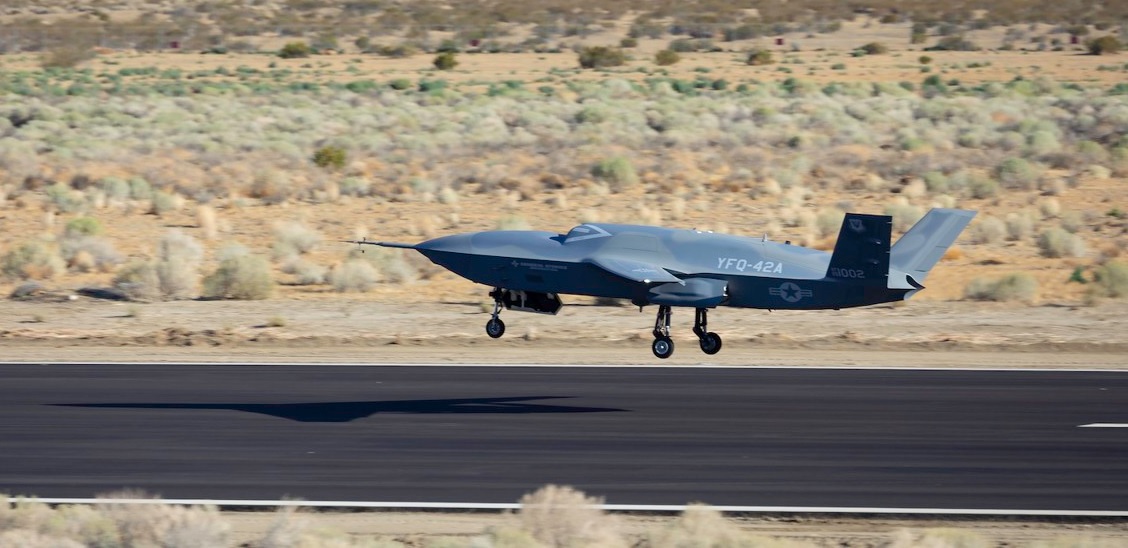
World
PALMDALE, Calif., — April 7, 2026 : General Atomics Aeronautical Systems, Inc. (GA-ASI) has temporarily halted flight testing of its YFQ-42A Collaborative Combat Aircraft following a mishap that occurred on April 6, 2026, shortly after takeoff from Gray Butte Field Airport in the California desert. The incident took place at approximately 1:00 p.m. Pacific Time at the company-owned test facility near Palmdale. The aircraft involved, a production-representative YFQ-42A platform known as “Dark Merlin,” went down under circumstances that remain under investigation. Company officials confirmed that no injuries or collateral damage were reported, and that onboard safety systems functioned as designed. GA-ASI stated that all flight test operations at its facilities have been paused as a precautionary measure while a formal investigation is conducted. The company is currently assessing the condition of the wreckage and reviewing telemetry and system performance data to determine the root cause of the incident. “At this early stage, it would be premature to speculate on the circumstances,” the company said in a statement. “As with any program, we follow a disciplined investigation process to understand exactly what occurred, and our focus right now is on gathering data and ensuring we learn from this event.” The YFQ-42A is being developed for the U.S. Air Force under the Collaborative Combat Aircraft (CCA) program. The platform is derived from GA-ASI’s XQ-67A Off-Board Sensing Station and is part of the company’s Gambit family of unmanned systems. It is designed as a semi-autonomous aircraft capable of operating alongside crewed fighters such as the F-35, supporting missions including suppression of enemy air defenses (SEAD) and controlled weapons employment. The aircraft involved in the mishap is one of several production-representative test platforms currently in the technical maturation and risk reduction phase of the program. These aircraft have been conducting regular test and evaluation flights, including demonstrations of semi-autonomous capabilities such as push-button takeoffs, landings, waypoint navigation, and integration of third-party mission autonomy software. GA-ASI was selected by the U.S. Air Force in April 2024 to develop and build these flight test articles. The YFQ-42A designation was formally assigned in March 2025, and the aircraft completed its first flight in August 2025. Since then, multiple test flights have been conducted from company-operated facilities, including Gray Butte Field Airport, which is specifically used for unmanned aircraft operations. “Safety is our top priority, for our people and the public. In this case, established procedures and safeguards worked as intended, and there were no injuries,” said C. Mark Brinkley, a spokesman for General Atomics. “We’re going to take a close look at what happened, gather all the data, and allow the investigation to guide us moving forward.” The YFQ-42A remains one of two finalists selected for Increment 1 of the Air Force’s CCA program, competing with Anduril’s YFQ-44A “Fury.” Both platforms are undergoing evaluation as part of broader efforts to develop affordable, attritable unmanned systems capable of enhancing air dominance. In addition to Air Force involvement, the U.S. Marine Corps selected the YFQ-42A platform in February 2026 for testing and evaluation under its MUX TACAIR program, further expanding its role across U.S. military services. The U.S. Air Force confirmed it is aware of the April 6 incident and will follow standard aircraft mishap protocols. The Department of Defense is also continuing to advance the CCA program, with plans to request nearly $1 billion in fiscal year 2027 funding to procure the first operational systems. A formal production decision is expected within the next six months. GA-ASI emphasized that the YFQ-42A program remains in the testing and evaluation phase, where such incidents are addressed through structured investigation and system refinement. The company noted that flight operations will resume once it is deemed appropriate based on the findings of the ongoing investigation.
Read More → Posted on 2026-04-07 12:48:04
World
WASHINGTON, — April 7, 2026 : The U.S. Department of Defense has awarded RTX Corporation a sole-source contract with a maximum value of $709 million for the 12th production lot of GBU-53/B StormBreaker precision-guided munitions. The contract covers the manufacture and delivery of all-up rounds, containers, spare components, and associated diagnostic and test equipment, with work to be carried out primarily at the company’s facility in Tucson, Arizona. Production under the agreement is scheduled to conclude by February 2030. At the time of contract award, the Department of Defense obligated an initial funding tranche of $338 million drawn from multiple fiscal procurement accounts. Of this amount, $171.5 million—representing more than half of the initial funding—is being financed by international partners through the Foreign Military Sales (FMS) program. Participating countries include Belgium, Canada, Finland, Germany, Italy, Norway, South Korea, and Switzerland. All eight partner nations are operators or customers of the F-35A Lightning II, aligning their procurement of StormBreaker munitions with existing fifth-generation fighter capabilities. In addition to these countries, RTX has previously delivered smaller quantities of the weapon to other international users, including Australia, alongside several thousand units already supplied to U.S. forces. Program Scope and Production Context The Lot 12 award follows earlier production contracts, including Lot 11, which was awarded in December 2024 with a value of approximately $282 million. The new contract reflects continued demand for precision-guided air-to-surface munitions capable of addressing evolving operational requirements, including engagements in contested and degraded environments. Defense officials indicated that the production effort supports both replenishment of U.S. inventories and fulfillment of allied requirements under FMS agreements. The contract structure includes not only the munitions themselves but also support equipment necessary for operational deployment, maintenance, and testing. Technical Characteristics and Performance The GBU-53/B StormBreaker, also designated as the Small Diameter Bomb Increment II (SDB II), is designed to engage both stationary and moving targets in a range of environmental conditions, including adverse weather and low-visibility scenarios. The weapon incorporates a tri-mode seeker system combining millimeter-wave radar, imaging infrared guidance, and semi-active laser homing, integrated with GPS-aided inertial navigation. This multi-mode guidance architecture enables the munition to operate effectively in GPS-denied or electronically contested environments, maintaining target tracking and engagement capability under conditions where traditional guidance systems may be degraded. The StormBreaker weighs approximately 93 kilograms (250 pounds) and carries a 48-kilogram multi-purpose warhead. Its compact form factor allows for increased carriage capacity on tactical aircraft. For example, an F-15E Strike Eagle can carry up to 28 StormBreaker munitions per sortie, increasing the number of targets that can be engaged during a single mission while minimizing collateral damage. The weapon provides a standoff engagement range of up to approximately 110 kilometers against stationary targets and about 72 kilometers against moving targets, depending on launch conditions and operational parameters. Operational Integration and Deployment Status The StormBreaker is currently operational on multiple U.S. combat aircraft platforms, including the F-15E Strike Eagle and the F/A-18E/F Super Hornet. The U.S. Navy approved the munition for operational use on the Super Hornet fleet in February 2026. Integration efforts are ongoing across the F-35 Lightning II variants, including the F-35A, F-35B, and F-35C, which are operated by both U.S. forces and international partners participating in the FMS program. The weapon is expected to serve as a standard air-to-surface munition across these platforms as integration progresses. According to defense officials, the continued production of the StormBreaker addresses a specific operational requirement for engaging mobile targets with precision at extended ranges. The program is also intended to support long-term inventory sustainment and ensure interoperability among allied air forces equipped with compatible aircraft systems. Industrial and Strategic Implications Work under the contract will be concentrated at RTX’s Tucson, Arizona facility, which serves as a primary production site for precision-guided munitions. The inclusion of international funding through FMS reflects sustained allied demand and ongoing alignment of procurement strategies among F-35 partner nations. Officials stated that the Lot 12 production effort is part of a broader initiative to expand precision-strike capabilities across U.S. and allied forces through the end of the decade, with an emphasis on multi-domain operational effectiveness and adaptability to complex threat environments.
Read More → Posted on 2026-04-07 13:12:14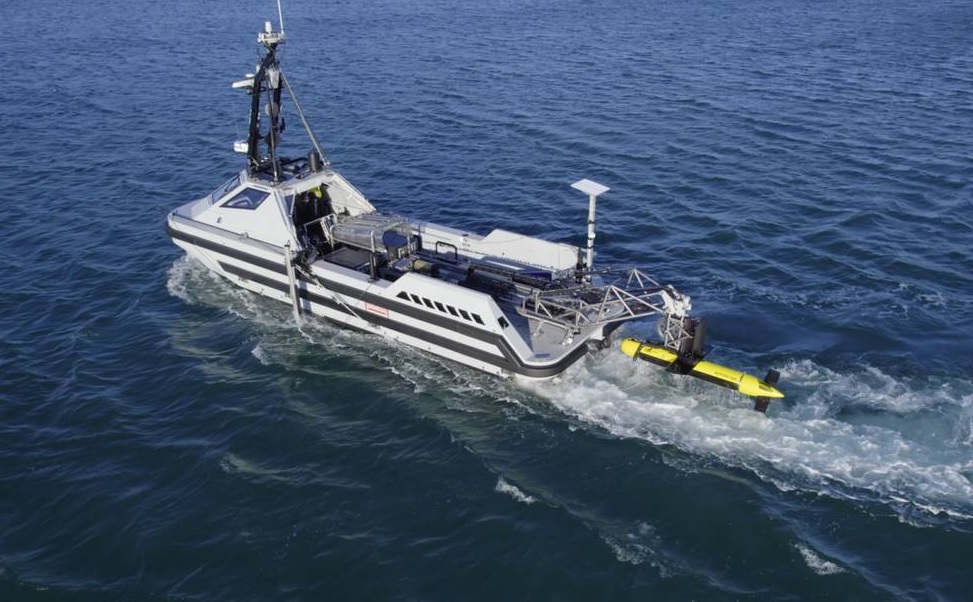
World
ISTANBUL, Türkiye — April 7, 2026 : Canada-based Kraken Robotics Inc. has announced the successful integration and live demonstration of its KATFISH towed synthetic aperture sonar (SAS) system alongside an autonomous launch and recovery system (LARS) deployed from SEFINE Shipyard’s RD-22 unmanned surface vessel (USV). The joint demonstration was conducted in coordination with SEFINE SISAM (Strategic Unmanned Systems Research Center) during the first quarter of 2026 off the coast of Istanbul. The demonstration was attended by representatives from multiple navies and government organizations and focused on operational scenarios involving the rapid detection and classification of mine-like objects, as well as the inspection of critical underwater infrastructure. Operational Performance and Capabilities During the trials, the KATFISH system produced synthetic aperture sonar imagery at a constant resolution of 3 centimeters by 3 centimeters, covering a survey range of up to 200 meters per side. The system operates at speeds between 4 and 10 knots, with survey altitudes ranging from 5 to 30 meters, and is rated for depths of up to 300 meters. In addition to high-resolution sonar imagery, the system also delivers bathymetric data at a resolution of 25 centimeters by 25 centimeters. All collected data was streamed in real time to an onshore command center, where operators utilized SEFINE SISAM’s mission planning software to detect and classify underwater contacts during the operation. Autonomous Deployment System A key component of the demonstration was the USV-compatible autonomous launch and recovery system (LARS). Designed specifically for smaller unmanned surface vessels, the LARS features an all-titanium construction that reduces overall weight while maintaining a low magnetic signature—an important factor in mine countermeasure (MCM) missions. The system enables the safe deployment and retrieval of the towed sonar without direct human intervention, allowing the host vessel to conduct operations in hazardous environments without onboard crew involvement. Industry Perspective Bernard Mills, Executive Vice President of Defence at Kraken Robotics, highlighted the operational relevance of the system in current maritime security conditions. He stated that the protection of maritime transit routes and underwater infrastructure has become increasingly important, and noted that autonomous mine countermeasure capabilities such as KATFISH allow naval forces to efficiently detect and classify mine-like threats. He added that the integration of Kraken’s sonar systems with SEFINE’s multi-role USVs enables faster deployment of advanced technologies while improving operational efficiency in complex maritime environments. Previous Demonstration and System Validation The Türkiye deployment follows an earlier integration conducted in November 2025, when Kraken Robotics partnered with TKMS ATLAS UK to demonstrate the same KATFISH and USV LARS configuration aboard an 11-meter ARCIMS USV operated by the UK Royal Navy. That demonstration took place off the coast of Portland, United Kingdom, for NATO representatives. The system was fully integrated in under two weeks and maintained operational performance in sea state 3 conditions. The trial also confirmed the system’s air-deployable capability as a 300-meter depth-rated autonomous towed survey package. Modular Design and Cross-Platform Integration According to Kraken Robotics, successive demonstrations on different unmanned surface vessel platforms validate the modular architecture and cross-platform compatibility of the KATFISH system and its associated launch and recovery equipment. The integration of high-resolution synthetic aperture sonar with autonomous USVs provides naval forces with scalable capabilities for seabed mapping, mine detection, and infrastructure inspection. The system is designed to deliver performance levels typically associated with larger crewed vessels while being deployable from smaller unmanned platforms.
Read More → Posted on 2026-04-07 13:34:35
India
Kalpakkam, Tamil Nadu, — April 7, 2026 : India’s indigenously developed 500 MWe Prototype Fast Breeder Reactor (PFBR) at Kalpakkam attained first criticality on April 6, 2026, at 20:26 IST, marking the initiation of a controlled, self-sustaining nuclear fission chain reaction. The milestone represents a key operational phase preceding calibrated power escalation and eventual commercial electricity generation, and formally advances India into Stage II of its three-stage nuclear power programme. The PFBR has been designed by the Indira Gandhi Centre for Atomic Research (IGCAR) and constructed by Bharatiya Nabhikiya Vidyut Nigam Limited (BHAVINI), a public sector enterprise under the Department of Atomic Energy (DAE). The reactor is located at the Madras Atomic Power Station site in Kalpakkam. Its commissioning follows regulatory clearance from the Atomic Energy Regulatory Board (AERB), which conducted detailed safety evaluations after the completion of initial core loading. Fuel loading for the reactor began in October 2025. The first criticality achieved on April 6, 2026, signifies that the reactor has entered a stable configuration where the nuclear chain reaction is self-sustaining under controlled conditions. The next operational steps will involve low-power physics experiments, followed by a gradual and closely monitored increase in power levels before synchronization with the electricity grid. Commercial operations are scheduled to commence by September 2026. Technical Configuration and Reactor Design The PFBR is a sodium-cooled fast breeder reactor that operates using a uranium-plutonium mixed oxide (MOX) fuel core. Surrounding the core is a blanket of fertile uranium-238. Unlike conventional thermal reactors, which rely on moderated neutrons, the PFBR uses fast, unmoderated neutrons to sustain fission and facilitate breeding. During reactor operation, neutron interactions convert uranium-238 in the blanket into fissile plutonium-239. This breeding process enables the reactor to generate more fissile material than it consumes, supporting a closed nuclear fuel cycle. The system is designed to reprocess spent fuel and reintroduce it into the reactor, improving fuel utilization efficiency and reducing dependence on imported uranium. A dedicated Fast Reactor Fuel Cycle Facility (FRFCF) is under construction at the Kalpakkam site to support reprocessing and refuelling operations associated with the PFBR and future fast breeder reactors. Role in India’s Three-Stage Nuclear Programme The PFBR forms the central component of Stage II of India’s long-term nuclear power strategy, originally conceptualized by Dr. Homi J. Bhabha. The programme is structured to optimize the use of limited domestic uranium resources while leveraging abundant thorium reserves. Stage I of the programme is based on pressurised heavy water reactors (PHWRs) fueled by natural uranium, which produce plutonium-239 as a byproduct. Stage II utilizes this plutonium in fast breeder reactors such as the PFBR to multiply fissile material inventories. Stage III is planned to deploy thorium-based systems, where thorium-232 will be transmuted into uranium-233 for sustained nuclear power generation. The PFBR is designed with provisions to incorporate thorium into its blanket in future configurations. This will enable the production of uranium-233, which is intended to fuel advanced systems such as the 300 MWe Advanced Heavy Water Reactor (AHWR), currently under development. Industrial Participation and Expansion Plans The construction and development of the PFBR involved participation from more than 200 Indian industries, including micro, small, and medium enterprises (MSMEs), contributing to the expansion of the domestic nuclear manufacturing ecosystem. India’s prior operational experience in fast reactor technology includes the 13.5 MWe Fast Breeder Test Reactor (FBTR), which has been in service at Kalpakkam since 1985. The PFBR builds on this experience at a commercial scale. Following the PFBR, plans are in place to construct six additional fast breeder reactors with capacities of 600 MWe each. Two of these units are planned at a site adjacent to the PFBR, while a separate location is to be identified for the remaining four reactors. Strategic and International Context Upon achieving full operational capability and grid connectivity, India is expected to become the second country after Russia to operate a commercial-scale fast breeder reactor. The development supports long-term energy security objectives by enabling efficient utilization of domestic nuclear resources within a closed fuel cycle framework. Prime Minister Narendra Modi acknowledged the milestone on April 6, 2026, stating that the reactor’s ability to produce more fuel than it consumes reflects advancements in domestic scientific and engineering capabilities. He noted that the PFBR represents a significant step toward enabling thorium utilization in the future stages of India’s nuclear programme. The attainment of first criticality at the PFBR marks the transition from construction and commissioning into operational testing, with subsequent phases focused on validation, scaling, and integration into the national power grid.
Read More → Posted on 2026-04-07 13:45:18
World
KYIV, Ukraine — April 7, 2026 : The Russian Navy’s Project 11356R frigate Admiral Essen sustained additional damage during a Ukrainian unmanned aerial vehicle (UAV) attack on the Black Sea port of Novorossiysk on April 6, 2026, according to open-source intelligence (OSINT) assessments. The incident marks the second confirmed strike on the vessel within just over a month, following an earlier attack on March 2, 2026. Identification Confirmed Through Imagery Analysis OSINT analysts from the CyberBoroshno group confirmed the identity of the damaged vessel after examining post-strike satellite imagery captured on April 7, 2026. The ship was conclusively identified as Admiral Essen based on its distinctive white radar antennas, a feature that differentiates it from other Project 11356R frigates, which are equipped with standard gray antenna systems. Additional verification was achieved by analyzing vessel positioning within Novorossiysk harbor. Analysts noted that the frigate Admiral Makarov remained in the same mooring location observed after earlier attacks, providing a consistent spatial reference. This allowed analysts to confirm that the vessel struck on April 6 was Admiral Essen. Damage Concentrated in Forward Section Military analysts assessing the satellite imagery reported that the April 6 strike impacted the bow section of the frigate, near the A-190 100 mm naval gun. This forward area contains anchor handling systems and auxiliary compartments. The impact zone is also located directly above the MGK-335M “Platina” hull-mounted sonar system. Although the sonar itself is positioned below the waterline, analysts assess that any structural shock or collateral damage in this section could significantly degrade the ship’s anti-submarine warfare capabilities. Repairs to such systems typically require dry-dock facilities. There is no indication that the vertical launch system (VLS) cells, which house Kalibr cruise missiles, were directly hit in the April 6 strike. However, cumulative structural and systems damage is expected to further reduce the vessel’s operational readiness and mobility. Context: March 2 Strike Caused Extensive System Damage The latest strike follows a previous UAV attack on the night of March 2, 2026, which caused significant damage to the frigate’s central superstructure. That earlier strike resulted in a fire that reportedly burned for approximately 18 hours. According to Ukrainian security sources and independent analysts, the March 2 incident triggered a secondary detonation involving onboard PK-10 passive decoy launchers. The explosion and prolonged fire led to the degradation or destruction of multiple critical onboard systems. Systems reported damaged or destroyed in the March attack include: The TK-25 electronic warfare suite MR-90 “Orekh” fire-control radars Fregat-M2M primary surveillance radar Following the March 2 strike, assessments indicated that the frigate’s ability to conduct long-range strike operations using Kalibr cruise missiles was significantly reduced. Vessel Background and Operational Role The Admiral Essen is one of three Project 11356R (Admiral Grigorovich-class) frigates in Russian service. The class was constructed at the Yantar Shipyard in Kaliningrad. The vessel was launched in 2014 and commissioned into the Russian Navy in June 2016 as part of the Black Sea Fleet. Designed for multi-role operations, the frigate is capable of anti-submarine warfare, surface combat, and long-range land-attack missions. It is equipped to carry up to eight Kalibr cruise missiles and features multiple sensor systems, including the Fregat-M2M air search radar and the 3Ts-25 Garpun-B surface search radar. Since the escalation of hostilities in 2022, Admiral Essen has been regularly employed in missile strike operations targeting Ukrainian infrastructure. Fleet Disposition and Port Activity At the time of the April 6 attack, Admiral Essen and Admiral Makarov were the only Project 11356R frigates present at Novorossiysk. The lead ship of the class, Admiral Grigorovich, was deployed in the Mediterranean Sea and not present in port. The April 6 strike was part of a broader Ukrainian Unmanned Systems Forces operation targeting Russian naval assets and infrastructure in Novorossiysk. Ukrainian officials reported strikes on a Project 11356R frigate and additional port-related targets during the operation. Russian authorities acknowledged drone activity over Novorossiysk on April 6 but did not provide specific details regarding damage to naval vessels. Strategic Context: Shift to Novorossiysk Novorossiysk, located in Russia’s Krasnodar Krai, has become the primary operational hub for the Russian Black Sea Fleet. Over the past two years, Russia relocated a significant portion of its high-value naval assets to the port due to repeated Ukrainian strikes on facilities in occupied Crimea. Despite this relocation, the April 6 and March 2 attacks indicate that Ukrainian forces retain the capability to target naval assets at extended range. As of April 7, 2026, no official Russian statement has confirmed the extent of damage sustained by Admiral Essen in either the March 2 or April 6 strikes.
Read More → Posted on 2026-04-07 15:23:01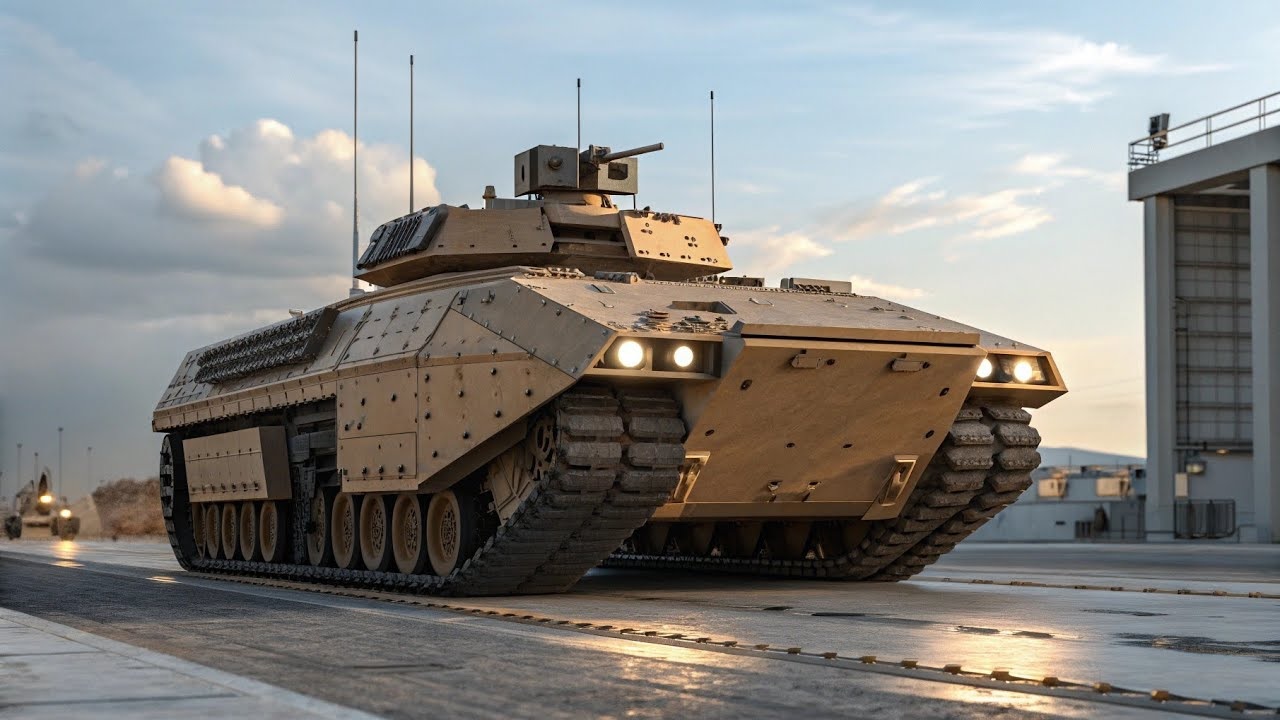
World
WASHINGTON, — April 7, 2026 : The U.S. Army has initiated the procurement phase of the XM30 Mechanized Infantry Combat Vehicle (MICV), requesting $547 million in its Fiscal Year 2027 budget to acquire an initial batch of 19 vehicles. The funding request, detailed in the Army’s FY2027 P-1 procurement documents released in April 2026, formally transitions the program from a research and development effort into a production-relevant acquisition program intended to replace the M2 Bradley Infantry Fighting Vehicle. Transition From Development to Procurement The FY2027 request follows the program’s Milestone B approval in June 2025, which authorized entry into engineering and manufacturing development. Until FY2026, the XM30 program was funded exclusively through Research, Development, Test, and Evaluation (RDT&E) accounts, receiving approximately $386.4 million that year without any procurement of vehicles. The introduction of a procurement line in FY2027 bridges the transition from digital design and prototype maturation to physical production and manufacturing readiness. The funding supports the acquisition of representative vehicles, continued testing, and industrial preparation ahead of a planned Milestone C decision in the first quarter of FY2028, which will determine entry into low-rate initial production. The XM30 procurement is part of a broader expansion in Army funding. The FY2027 budget request raises total Army procurement accounts to approximately $60.5 billion, compared to about $30.7 billion in FY2026 enacted and spend-plan resources. System Design and Combat Capabilities The XM30, previously known as the Optionally Manned Fighting Vehicle (OMFV), is designed for operations in high-intensity conflict environments against advanced adversaries. The vehicle introduces a new armament architecture centered on the XM913 50mm Bushmaster chain gun, produced by Northrop Grumman. The weapon system fires 50x228mm ammunition at a rate of 100 to 200 rounds per minute and incorporates dual-feed and first-round-select functionality. It supports programmable high-explosive air-bursting munitions and armor-piercing fin-stabilized discarding sabot rounds, expanding the range of target engagement compared to legacy infantry fighting vehicles. The vehicle is configured with a two-soldier crew and capacity for six dismounted infantry personnel. Competing designs include an uncrewed or remotely operated turret, anti-tank guided missiles, machine guns, third-generation forward-looking infrared sensors, advanced fire control systems, modular armor, and integrated active protection systems. Signature management features are also incorporated to reduce detectability. The XM30 employs a Modular Open Systems Approach (MOSA), enabling faster integration of software updates, survivability improvements, and mission systems. It also incorporates hybrid-electric propulsion elements to reduce onboard power strain and support future capabilities such as electronic warfare payloads, counter-drone systems, and advanced sensors. Operationally, the vehicle is designed to defeat dismounted infantry in cover, light and medium armored vehicles, missile teams, and drone-enabled threats while maintaining mobility compatible with Abrams-equipped armored brigade combat teams. Replacement of the M2 Bradley The XM30 program addresses limitations identified in the M2 Bradley platform, whose baseline design dates to the Cold War. The Bradley’s armament includes the 25mm M242 Bushmaster chain gun, TOW anti-tank missiles, and a 7.62mm coaxial machine gun. While the Bradley A4 variant improves mobility, power management, and onboard systems, Army assessments indicate diminishing returns from further upgrades. Constraints in electrical power generation, internal volume, protection integration, and turret lethality have driven the requirement for a new platform. The XM30’s larger 50mm ammunition system, digital engineering framework, and increased onboard power capacity are intended to provide greater standoff range and support future system integration. Industrial Base and Competitive Structure The Army continues to maintain competition within the XM30 program to reduce technical and production risk. In 2023, prototype contracts valued at approximately $1.6 billion were awarded to General Dynamics Land Systems and American Rheinmetall Vehicles. Each contractor is required to deliver prototype vehicles, ballistic hulls and turrets, armor test articles, and associated digital engineering data. These prototypes are scheduled for delivery and testing during 2026. A final downselect is expected near the Milestone C decision in early FY2028. The $547 million procurement request for 19 vehicles serves as an initial production signal to the defense industrial base. It supports suppliers involved in subsystems, armor manufacturing, weapons integration, and electronic systems, while requiring contractors to demonstrate manufacturing readiness before full-scale production commitments. Program Outlook The inclusion of the XM30 as a dedicated procurement line in FY2027 reflects its status as a central element of Army modernization efforts. The initial procurement quantity is limited but establishes the program within the acquisition system and supports continued testing and validation. With prototype deliveries scheduled for 2026 and a Milestone C decision planned for the first quarter of FY2028, the XM30 program is positioned to transition toward low-rate initial production as part of a broader effort to modernize the Army’s tracked combat vehicle fleet.
Read More → Posted on 2026-04-07 15:36:48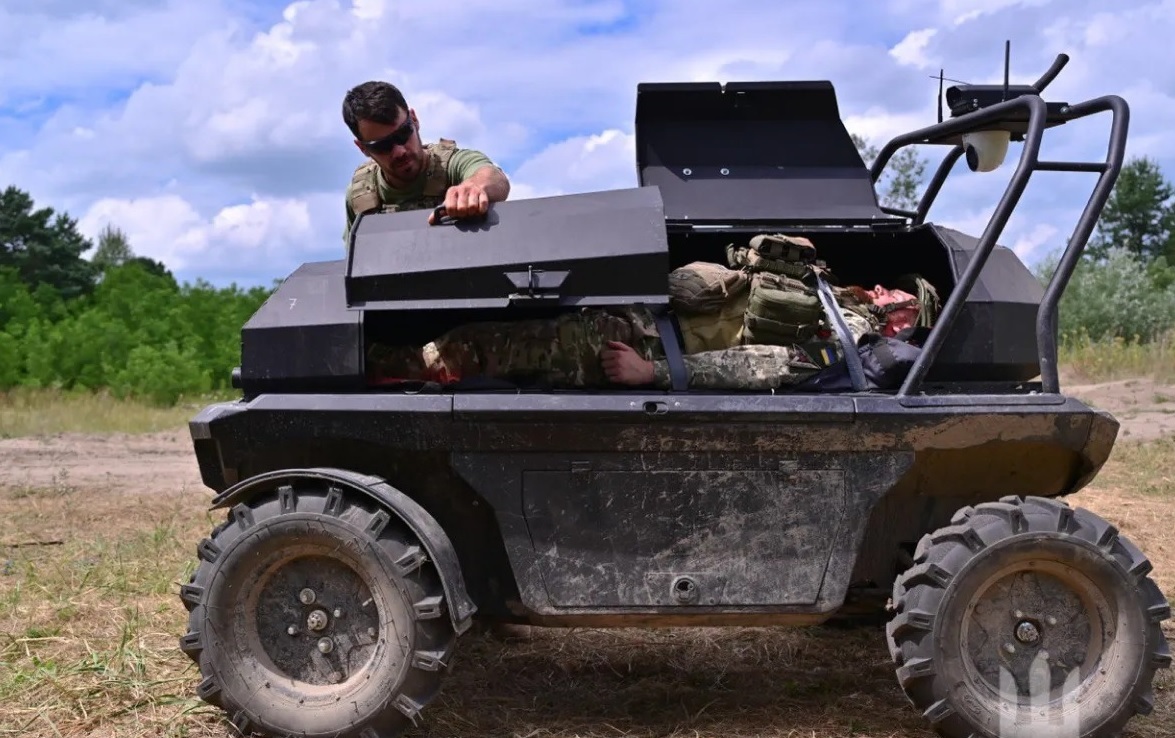
World
KYIV, — April 7, 2026 : Ukraine’s First Separate Medical Battalion conducted six successful casualty evacuation missions within a 24-hour period, using unmanned ground vehicles (UGVs) to extract wounded personnel from frontline positions under sustained threat from Russian first-person-view (FPV) drones, according to a statement reported by Ukrainian defense outlet Oboronka. The operations took place between April 6 and April 7, following evacuation requests that began arriving on April 5. Two of the wounded soldiers had remained at forward positions since April 5, while additional cases were reported on April 6. All six evacuation sorties were completed within a single day despite continued drone surveillance and attack risks along key routes. Robotic Systems Used for High-Risk Evacuation The battalion deployed two armored unmanned ground platforms identified as MAUL systems, designed specifically for casualty evacuation in contested environments. The vehicles are built on quadricycle chassis with full drive configurations and internal combustion engines, allowing them to operate across damaged roads, cratered terrain, and debris-strewn areas near the line of contact. Across the six missions, the two robotic systems covered a combined distance of approximately 300 kilometers (186 miles). Each sortie involved navigating from rear positions to frontline locations, retrieving wounded personnel, and returning to designated transfer points. Every mission was completed successfully. The MAUL platforms are equipped with armored steel capsules intended to protect casualties from shrapnel and drone-delivered explosives. The systems were operated by two parallel teams of remote operators, with each mission lasting between two and two-and-a-half hours. Casualties and Medical Transfer Chain The evacuated personnel sustained a range of injuries, including shrapnel wounds to limbs caused by FPV drone strikes. One soldier suffered a traumatic amputation of a foot due to a mine explosion and experienced significant blood loss prior to evacuation. After extraction, the wounded were transferred at designated handover points to conventional medical evacuation crews. These teams transported the patients to surgical units within the First Separate Medical Battalion for further treatment. Throughout the operations, the battalion maintained continuous remote monitoring of the wounded personnel’s condition. Coordination with adjacent military units was required to secure movement corridors and ensure timing aligned with tactical conditions on the ground. Operational Constraints and Planning According to the battalion, the missions required detailed route planning and constant communication between operators and frontline units. The unit described the operational cycle as involving “concentration, constant interaction with adjacent units, careful route planning, and constant remote monitoring,” while also noting the need to operate under persistent FPV drone threats. Russian FPV drones have increasingly targeted both static defensive positions and moving vehicles, including ambulances and armored transports. This has reduced the viability of traditional casualty evacuation methods near active combat zones. Ground robotic complexes (NRK systems) in Ukrainian terminology have been introduced to mitigate these risks. By removing onboard personnel, these systems allow evacuation operations to continue without exposing drivers and medics to direct attack. Technical and Electronic Warfare Challenges Despite their advantages, UGV operations face technical constraints. Control systems relying on analogue radio links remain vulnerable to electronic warfare (EW) jamming. Additionally, engine heat signatures can make the vehicles detectable by thermal imaging systems. To address these challenges, operators employ multi-node control networks to maintain signal continuity and conduct pre-mission reconnaissance to identify gaps in enemy surveillance coverage. Route selection is adjusted to minimize exposure to known drone flight paths and observation zones. Previous Robotic Evacuation Operations The First Separate Medical Battalion has previously conducted similar missions using robotic systems. In an earlier operation in the Kostiantynivka area, the unit worked with the Libertas Battalion over two days to evacuate a critically wounded soldier under repeated FPV drone attacks. That mission resulted in the loss of one robotic unit and the destruction of an armored vehicle but was ultimately completed. In another instance, the battalion used a UGV to evacuate a soldier suspected of suffering a stroke at a forward position, demonstrating the systems’ application beyond combat-related trauma. During a separate operation referred to as “Skittles,” the battalion evacuated two severely wounded soldiers in consecutive missions. In the second extraction, the robotic platform sustained a direct hit from a drone-dropped explosive, but the armored capsule prevented further injury to the casualty. Expanding Role of Unmanned Systems in Battlefield Medicine The use of UGVs reflects a broader shift in Ukrainian military medical practices as drone warfare alters conditions along the front line. Traditional evacuation timelines, including the “golden hour” standard for trauma care, have been increasingly difficult to maintain due to the risk posed by aerial threats. Unmanned systems are now being integrated not only for casualty evacuation but also for logistics support, including the delivery of ammunition, medical supplies, and equipment to forward units. Ukraine has continued to expand the deployment and production of ground robotic systems for these roles. Ukrainian President Volodymyr Zelensky has previously awarded state honors to members of the First Separate Medical Battalion, recognizing their use of robotic platforms in high-risk evacuation missions and supporting broader efforts to scale such technologies across the armed forces.
Read More → Posted on 2026-04-07 16:14:23
India
New Delhi, — April 7, 2026 : The Indian Navy has issued a detailed problem statement titled “Rearming by Drone (REARM-D) at Sea” under the 14th edition of the Defence India Startup Challenge (DISC-14), outlining a requirement for a heavy-lift multi-rotor unmanned aerial vehicle (UAV) capable of reloading surface-to-air missiles (SAMs) into vertical launch system (VLS) cells while warships remain deployed at sea. The requirement reflects operational challenges observed during sustained maritime deployments, where warships face rapid depletion of onboard SAM inventories while countering low-cost drones and incoming missile threats. At present, replenishment of VLS cells is conducted in harbour using jetty-based crane infrastructure, necessitating the withdrawal of combat vessels from operational areas and resulting in reduced mission availability. Operational Requirement and Concept of Employment The REARM-D concept is designed to enable ship-to-ship transfer of missile canisters without requiring vessels to return to port. Under the proposed system, a multi-rotor UAV will transport SAM canisters from a logistics or supply ship to a receiving warship under controlled movement conditions at sea. During the transfer phase, the UAV will carry the missile canister using a gyro-stabilised platform to minimise oscillation caused by wind, ship motion, and relative movement between vessels. Upon reaching the receiving ship, the UAV will establish a hover position above the designated Vertical Launch Unit (VLU) module and align precisely with the target VLS cell. A winch-based deployment system integrated into the UAV, supported by real-time stabilisation mechanisms, will then lower the canister vertically into the launch cell. The process will be assisted by a portable and removable loading interface temporarily installed on the selected VLU cell to ensure accurate alignment and safe insertion. Technical Specifications and Performance Parameters The Indian Navy has defined stringent technical parameters for the proposed UAV system. The platform must demonstrate an operational endurance exceeding two hours and a payload capacity greater than 900 kilograms, placing it significantly above the capability range of most currently available multi-rotor UAVs in India. To meet endurance and stability requirements in maritime conditions, the UAV will be powered by an internal combustion engine rather than conventional electric propulsion systems. This configuration is intended to support extended flight duration, sustained hover capability, and reliable performance across varying wind directions, sea states, and ship speeds. The UAV must also maintain precise positional control during hover and payload deployment, ensuring accurate alignment with VLS cells under dynamic conditions at sea. Missile Compatibility and Limitations The REARM-D system is intended to support reloading of medium and short-range naval air defence missiles currently deployed on Indian Navy platforms. These include the Barak-8 Medium-Range Surface-to-Air Missile (MRSAM) and Long-Range Surface-to-Air Missile (LRSAM), as well as future systems such as the Vertical Launch Short Range Surface-to-Air Missile (VLSRSAM). The payload capacity threshold excludes heavier strike weapons from the scope of the system. Notably, the BrahMos supersonic cruise missile, with an approximate weight of 3,000 kilograms, cannot be handled by the proposed UAV-based rearming solution. Industrial and Technological Challenges The development of a multi-rotor UAV capable of lifting payloads in excess of 900 kilograms represents a significant technological step for the domestic defence industry. Most multi-rotor UAVs currently developed in India for defence applications have payload capacities below 100 kilograms. Achieving the required lift capability, endurance, and stability in maritime environments places the REARM-D system in a category comparable to large electric vertical take-off and landing (eVTOL) aircraft under development. In addition to propulsion and lift challenges, the system must integrate advanced stabilisation, precision navigation, and ship-relative positioning technologies. DISC-14 Framework and Related Naval Challenges The REARM-D problem statement is listed as Challenge 35 within DISC-14, which includes a total of 82 problem statements issued by the Indian Army, Indian Navy, Indian Air Force, and Indian Coast Guard. The initiative is being conducted under the Innovations for Defence Excellence (iDEX) framework, aimed at promoting indigenous development of advanced defence technologies through startup participation. In addition to REARM-D, the Indian Navy has included multiple unmanned and autonomous system requirements in DISC-14. These include vertical take-off and landing (VTOL) UAVs for anti-submarine warfare, submersible intelligence, surveillance, and reconnaissance (ISR) unmanned surface vessels, and long-range VTOL multi-role attack drones. Global Context and Comparable Developments The Indian Navy’s focus on at-sea rearming aligns with similar efforts underway in other naval forces. The United States Navy has conducted initial trials of at-sea VLS replenishment using the Transferrable Reload At-sea Method (TRAM), which enables missile transfer from replenishment ships using specialised handling systems. In 2026, General Dynamics presented a destroyer tender concept designed to support simultaneous reloading of up to four destroyers at sea. The French Navy has also initiated testing of procedures and technologies aimed at enabling at-sea reloading of vertical launch systems. Strategic Significance The REARM-D initiative represents an early publicly disclosed indication of the Indian Navy’s intent to develop at-sea rearming capability for vertical launch systems. Such a capability would allow sustained deployment of surface combatants by reducing dependence on port infrastructure and enabling continuous replenishment during operations. If successfully developed, the system is expected to enhance operational endurance and maintain air defence readiness of naval task groups operating in high-threat environments without interruption to mission timelines.
Read More → Posted on 2026-04-07 16:30:17
World
Jerusalem, — April 7, 2026 : The Israel Defense Forces (IDF) on Tuesday released new video footage documenting an airstrike on an Iranian S-300PMU long-range air defense system, as part of its ongoing campaign targeting Iranian military infrastructure. According to the IDF, the footage shows precision-guided munitions striking a fixed surface-to-air missile (SAM) battery. While the military did not disclose the exact location of the strike in its April 7 release, defense analysts assess that the targeted system was deployed within the broader air defense network protecting the airspace around Tehran. The S-300PMU system is a Russian-supplied long-range air defense platform and represents one of the most advanced components of Iran’s imported air defense inventory. Iran originally signed a procurement contract with the Russian Federation in 2007. Deliveries were delayed due to international sanctions but resumed after restrictions were lifted, with systems delivered by the mid-2010s and becoming operational around 2016. The system is designed to detect, track, and engage a range of aerial threats, including combat aircraft, cruise missiles, and certain ballistic missile targets. In the configuration operated by Iran, the S-300PMU is assessed to have an interception range of approximately 125 to 150 kilometers, depending on missile type and engagement parameters. A standard battery consists of a primary surveillance radar, an engagement radar, command and control vehicles, and multiple transporter erector launchers (TELs), operating as an integrated unit. The April 7 footage release forms part of a broader IDF effort to document operational activity against Iranian military assets. Israeli officials have indicated that degrading Iran’s surface-to-air missile network remains a central operational objective, particularly to enable sustained aerial operations in contested airspace. This latest strike follows earlier operations conducted in June 2025, during which Israeli forces carried out a combination of airstrikes and sabotage targeting Iran’s long-range air defense infrastructure. According to regional reporting and open-source intelligence assessments, those operations resulted in the destruction of a significant portion of Iran’s S-300 inventory, reducing the effectiveness of the country’s integrated air defense network. Analysts assess that the losses sustained in June 2025 limited Iran’s ability to employ its long-range air defense systems as a primary barrier against subsequent air incursions. The continued targeting of remaining systems further reduces coverage over key strategic areas. The S-300PMU constitutes the highest-tier imported air defense capability available to Iran. As these systems are degraded, Iran is expected to rely increasingly on domestically developed alternatives, including the Bavar-373 air defense system, which employs indigenous Sayyad-4 interceptor missiles. The reduction in available S-300 systems is assessed to increase the exposure of fixed strategic sites, including military installations, command centers, and missile production facilities, to future air operations. The IDF has also released additional materials in recent weeks documenting strikes on other elements of Iran’s military infrastructure, including mobile ballistic missile launchers in areas such as Tabriz, as well as other air defense and missile-related assets. The April 7 footage release coincides with continued Israeli operations following the June 2025 conflict, during which Israeli forces conducted initial strikes on radar installations and surface-to-air missile systems, enabling sustained aerial activity over parts of Iranian airspace.
Read More → Posted on 2026-04-07 17:02:15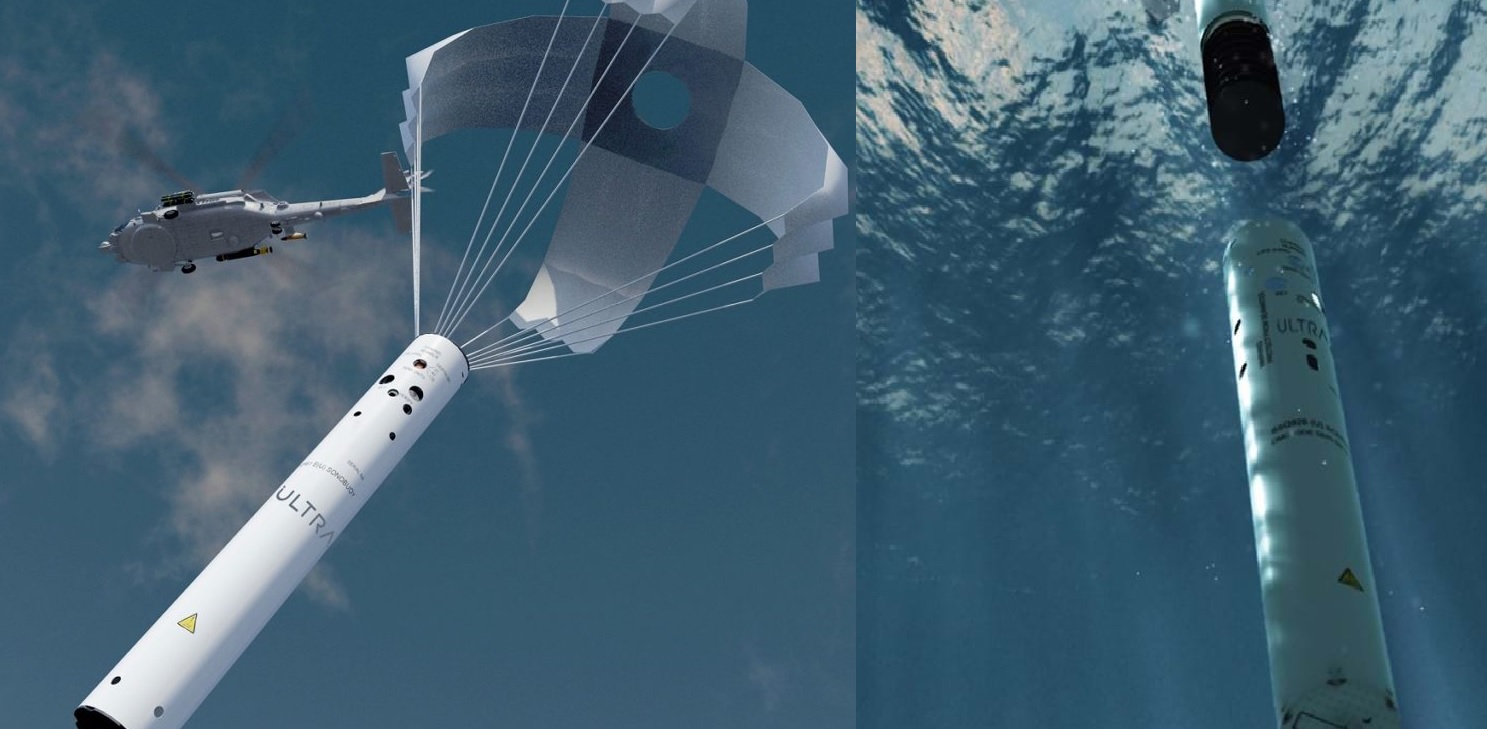
World
COLUMBIA CITY, Indiana — April 7, 2026 : Ultra Maritime has been awarded a sole-source, firm-fixed-price contract by the U.S. Navy for the Low Rate Initial Production (LRIP) of the AN/SSQ-125B sonobuoy, a next-generation acoustic sensor designed to strengthen anti-submarine warfare (ASW) operations. The award, announced on April 6, 2026, supports both immediate operational requirements and long-term force readiness objectives. Contract Scope and Operational Role The LRIP contract is structured to support a range of U.S. Navy activities, including annual training exercises, routine peacetime operations, and ongoing testing and evaluation programs. It also ensures the maintenance of sufficient inventory levels required to sustain major combat operations, in accordance with the Navy’s munitions requirements process. The AN/SSQ-125B will play a central role in maintaining operational readiness by providing deployable acoustic sensing capability across multiple mission scenarios. System Overview and Program Details The AN/SSQ-125B is the Multi-static Active Coherent (MAC) Source sonobuoy, a commandable coherent active search sensor with additional classified capabilities. It represents the latest iteration in the AN/SSQ-125 series, with U.S. Navy production plans transitioning exclusively to the B variant starting in fiscal year 2026 under a single-vendor framework. According to Navy budget documents, the estimated unit cost of the AN/SSQ-125B ranges between $11,000 and $15,000, based on vendor-provided projections. The AN/SSQ-125 series functions as the active source component within multistatic sonobuoy fields. These systems operate in coordination with receiver sonobuoys such as the AN/SSQ-101, enabling the detection, classification, and localization of submarines. Technical Capabilities and Performance Enhancements The AN/SSQ-125B has been developed to address the increasing complexity of the undersea battlespace, particularly the emergence of quieter and more technologically advanced submarines, as well as unmanned underwater vehicles. Key technical improvements include advanced signal processing capabilities that enable effective isolation of acoustic signatures in high-noise ocean environments. The system also delivers extended detection range and improved acoustic performance, expanding the coverage area and enhancing the ability to track low-signature threats. These enhancements contribute directly to improvements in the ASW kill chain by providing higher-fidelity acoustic data, reducing the time required for threat classification, and supporting more accurate operational decision-making. Carlo Zaffanella, President and CEO of Ultra Maritime, stated on April 6, 2026, that the system is designed to detect even the quietest submarines at greater distances, while improving clarity of acoustic data and accelerating response timelines for operators. Manufacturing, Infrastructure, and Scalability To support the transition to LRIP, Ultra Maritime has made strategic internal investments in advanced sonar technologies and manufacturing infrastructure. The company has established purpose-built facilities dedicated to the production of next-generation sonobuoys. These investments ensure immediate production readiness and provide scalability to meet increasing procurement demands from the U.S. Department of Defense. They also support long-term sustainment and lifecycle management of critical ASW systems. Ultra Maritime maintains established expertise in acoustic engineering and is currently the sole provider of all new U.S. specification sonobuoy variants. The company has previously contributed to the AN/SSQ-125 and AN/SSQ-125A series through joint ventures and predecessor organizations, including ERAPSCO. Earlier contracts associated with the AN/SSQ-125 family were awarded to entities such as Sparton De Leon Springs LLC for modified high-duty-cycle variants, with production activities conducted in locations including De Leon Springs, Florida, and Columbia City, Indiana. Program Context and Recent Developments The AN/SSQ-125B LRIP contract represents the first production award for the upgraded variant and aligns with ongoing procurement efforts managed by the Navy’s Air Anti-Submarine Warfare Systems Program Office (PMA-264). This award follows a separate contract issued in February 2026, under which Ultra Maritime was tasked with developing the Next-Generation Acoustic Device Countermeasure (ADC) MK6, a system intended to enhance protection of naval platforms against evolving underwater threats. Together, these developments reflect the U.S. Navy’s continued emphasis on advancing acoustic sensing technologies to address emerging challenges in undersea warfare. Ultra Maritime continues to support global naval ASW operations through its portfolio of sonobuoy systems and associated technologies.
Read More → Posted on 2026-04-07 17:10:47
World
KYIV, — April 7, 2026 : Russian forces have begun large-scale deployment of the domestically developed Spirit-030 portable satellite communication terminals across front-line positions in Ukraine, following restrictions on access to SpaceX’s Starlink network for Russian troops. The rollout, confirmed by Ukrainian defense intelligence and military communications specialists, marks a transition toward self-reliant, low-profile battlefield connectivity systems. According to data cited by Ukrainian Defense Ministry advisor Serhiy “Flash” Beskrestnov, the Spirit-030 terminals are now being distributed in significant numbers to operational units. The systems were first identified in service with Russia’s 144th Motorised Rifle Brigade in June 2025, with mass deliveries to frontline formations beginning in early April 2026 after Starlink access was curtailed. Technical Configuration and System Design The Spirit-030 is a compact satellite communications terminal designed for mobile deployment under combat conditions. It replaces earlier Russian systems that relied on large 90–120 centimeter dish antennas with a significantly smaller 30-centimeter antenna, reducing visual and electronic detectability. The terminal weighs between 5 and 7 kilograms and can be deployed in less than 10 minutes. It operates primarily in the Ku-band, with some references indicating compatibility with C/Ku-band frequencies. The system connects to geostationary (GEO) satellites within the Russian communications constellation, including the Express and Yamal satellite networks, and is also reported to be compatible with certain Chinese satellite systems. The antenna system is described as a narrow-beam parabolic array requiring precise alignment in azimuth and elevation. Parallel technical assessments suggest the possible integration of phased-array transmit/receive elements, although this has not been independently confirmed. Performance and Communications Capability The Spirit-030 provides reception speeds of up to 50 megabits per second and transmission speeds of up to 10 megabits per second. Latency is estimated at approximately 600 milliseconds due to reliance on geostationary satellites, which is higher than low Earth orbit systems but within acceptable limits for tactical military use. The system supports encrypted data transfer, including transmission of target coordinates, operational planning files, and large text-based battlefield reports. It also enables secure voice communications and, in some configurations, video data transmission. Integration with Russia’s Strela encryption framework is reported, providing resistance to interception and electronic warfare measures. Unit cost is estimated between 200,000 and 300,000 rubles, positioning the terminal as a relatively low-cost and scalable solution for widespread deployment across multiple units. Operational Role and Tactical Implications The introduction of the Spirit-030 reflects a broader shift in Russian military communications strategy toward portable, resilient systems designed for contested electromagnetic environments. By reducing hardware size and increasing mobility, the system is intended to support dispersed operations, including trench warfare, artillery coordination, and rapid maneuver units. The approach prioritizes survivability and ease of deployment over maximum bandwidth, aligning with battlefield requirements where rapid setup and reduced detectability are critical. Ukrainian Countermeasures and Initial Engagement Despite its reduced signature, Ukrainian forces have already begun targeting the new terminals. On April 5, 2026, operators from the 414th Separate Brigade of Strike Unmanned Aerial Systems, known as “Magyar Birds,” identified and destroyed a Spirit-030 unit using a drone strike. Video footage of the engagement was released, and Ukrainian defense officials subsequently advised unmanned aerial vehicle operators to prioritize detection and neutralization of similar systems. Strategic Context The deployment of the Spirit-030 highlights Russia’s effort to replicate aspects of low Earth orbit (LEO) satellite connectivity using its existing geostationary infrastructure. While the system does not match the latency or bandwidth of Starlink, it provides an independent and domestically controlled alternative that is not subject to external restrictions or sanctions. The transition indicates an emphasis on communications autonomy and the ability to sustain secure command-and-control links under conditions where reliance on foreign commercial systems is no longer viable.
Read More → Posted on 2026-04-07 17:18:36
World
Berlin, — April 7, 2026 : The German Army has taken delivery of the first batch of GL 40 underbarrel grenade launchers manufactured by Austrian firearms producer Steyr Arms, marking the start of a wider procurement program aimed at replacing legacy grenade launcher systems in Bundeswehr service. The delivery follows a framework agreement signed approximately one year ago after Steyr Arms secured the contract through a competitive tender process. Under the agreement, the German Armed Forces are expected to receive up to 4,476 units, while a parallel amended framework arrangement finalized in late February 2026 enables additional procurement to support broader distribution across operational units. Initial shipments were dispatched from the company’s production facility in Kleinraming, Austria. The GL 40 is intended to replace the AG36 underbarrel grenade launcher, previously produced by Heckler & Koch and used primarily by German special forces units. The transition to the new system forms part of the Bundeswehr’s ongoing effort to standardize and modernize its small arms inventory. Integration Across Rifle Platforms The newly delivered grenade launchers are designed for integration with the Bundeswehr’s upcoming standard-issue assault rifle, the G95, including its G95K and G95A1 variants, which are based on the HK416 platform. In addition to forward compatibility, the GL 40 retains backward compatibility with the currently fielded G36 rifle, allowing continued use across existing units during the transition period. The system is modular and can also function independently as a standalone weapon. In this configuration, it is compatible with AR15-standard pistol grips and adjustable buttstocks, allowing operators to configure the weapon according to ergonomic requirements. The conversion between underbarrel-mounted and standalone configurations can be performed rapidly without the need for specialized tools. Technical Characteristics and Design The GL 40 is a single-shot grenade launcher chambered for 40×46 mm low-velocity ammunition, with compatibility for medium-velocity rounds. It features a 180 mm cold hammer-forged steel barrel designed to provide durability under sustained use. Unlike traditional front-loading systems, the launcher employs a side-swinging breech mechanism. This articulated design allows the barrel to open laterally, enabling the use of a wide range of ammunition types and lengths, including standard, extended, and less-lethal 40 mm grenades. In its underbarrel configuration, the launcher measures 264 mm in length, 100 mm in width, and 95 mm in height, with a total weight of 1.17 kg. The compact dimensions are intended to minimize additional load on the host rifle while maintaining operational effectiveness. All steel components are treated with Steyr Mannox surface coating, providing resistance against corrosion and mechanical wear in varied environmental conditions. The launcher is also equipped with STANAG 4694 Picatinny rails, allowing the attachment of optical sights and other aiming devices. Safety Features and Operating Mechanism The GL 40 incorporates a double-action trigger system combined with multiple safety mechanisms designed to meet military operational standards. These include a two-position ambidextrous manual safety lever and an internal drop protection system. An automatic trigger lock engages when the launcher is not mounted on a rifle, ensuring safe handling during transport, maintenance, or reconfiguration. The system’s breech-loading articulated action supports reliable operation and ease of use in field conditions. Procurement and Deployment Outlook The delivery of the initial batch marks the transition from procurement to operational deployment, with further deliveries scheduled in the coming months. The program is part of a broader Bundeswehr modernization effort focused on improving infantry capabilities through updated weapon systems. Steyr Arms will continue production and delivery under the existing contract while preparing for expanded orders under the amended agreement. The GL 40 is expected to be fielded across both conventional and specialized units, providing a standardized, modular grenade launcher capability within the German Armed Forces.
Read More → Posted on 2026-04-07 17:24:32
World
SAN FRANCISCO, — April 7, 2026 : Theseus, a San Francisco-based defense technology startup, has completed a long-duration flight test of its Micro Visual Positioning System (Micro VPS) in central Florida, demonstrating the performance of a passive navigation solution designed to operate without reliance on Global Positioning System (GPS) signals. The test flight, conducted in March 2026, lasted 5 hours and 22 minutes and covered approximately 564 kilometers. The Micro VPS unit was installed in a pod mounted beneath the wing of a fixed-wing aircraft. According to the company, the mission provides a publicly releasable dataset establishing a baseline for evaluating GPS-denied navigation performance in operational conditions. Flight Profile and System Performance The aircraft operated at altitudes ranging from 500 to 900 feet above ground level and followed a non-linear flight path. The sortie included multiple loops, altitude variations, and repeated course corrections to simulate a representative Group 2–3 unmanned aerial system mission profile. This category typically includes tactical drones used for reconnaissance, targeting, and autonomous operations. During the flight, the Micro VPS recorded a median horizontal position error of 51.95 meters. The navigation system remained continuously operational throughout the mission, completing the entire flight with zero mid-flight reinitializations. This indicates that the system maintained orientation and functionality without requiring resets under sustained maneuvering conditions. The test flight was conducted by Theseus Chief Executive Officer Ian Laffey, accompanied by Roger O’Neill of Overhead Intelligence. The company stated that this marked the first time the Micro VPS had been flown on this specific aircraft platform, serving as an initial operational demonstration outside controlled environments. System Architecture and Functionality The Micro Visual Positioning System is designed to provide navigation capabilities independent of external satellite signals. The system integrates visual-inertial odometry with terrain map matching to determine position. Onboard cameras capture real-time imagery of the terrain, while an inertial measurement unit (IMU) tracks motion. The system continuously compares live visual data with preloaded reference satellite imagery to calculate position internally. Because the process is entirely passive, the system emits no radio frequency signals. To ensure compatibility with existing flight systems, the Micro VPS outputs a simulated GPS signal, allowing it to interface directly with standard drone autopilots without requiring modifications to onboard flight computers. Hardware Characteristics and Integration Theseus has emphasized low size, weight, and power (SWaP) requirements as a key design objective. The Micro VPS software can operate on commercial off-the-shelf hardware, including a Raspberry Pi 5, and can be installed using a single command-line process. The hardware payload, including the sensor pod, weighs approximately 150 grams and is comparable in size to a smartphone. According to the company, integration onto standard drone platforms can be completed in less than 30 minutes, making it suitable for smaller aircraft with limited payload capacity. Development Background and Industry Engagement Theseus was founded in 2024 by Ian Laffey, Sacha Lévy, and Carl Schoeller. The company originated from a prototype developed during a 24-hour hackathon and later participated in the Y Combinator Summer 2024 cohort. It has received backing from investors including Y Combinator and Lux Capital. The company reported that initial prototypes were delivered to the U.S. Army Special Operations Command for testing in August 2024. It also stated that multiple drone manufacturers have issued letters of intent for integrating the Micro VPS into their platforms. Operational Context and Strategic Relevance The development of GPS-independent navigation systems has gained increased attention due to the prevalence of electronic warfare tactics such as jamming and spoofing in recent conflicts, including those in Ukraine, Iran, and Syria. These tactics can disrupt or deny access to satellite-based navigation systems, affecting the performance of unmanned and autonomous platforms. Theseus indicated that it has conducted longer-duration flights associated with ongoing operations in Ukraine; however, data from those missions has not been publicly released due to operational security considerations. By publishing the dataset from the central Florida test, the company has provided a verifiable performance reference for defense and aerospace stakeholders evaluating alternatives to traditional GPS-based navigation. Theseus stated that development of the Micro Visual Positioning System is ongoing, with a focus on supporting extended-duration missions in contested electromagnetic environments.
Read More → Posted on 2026-04-07 17:28:36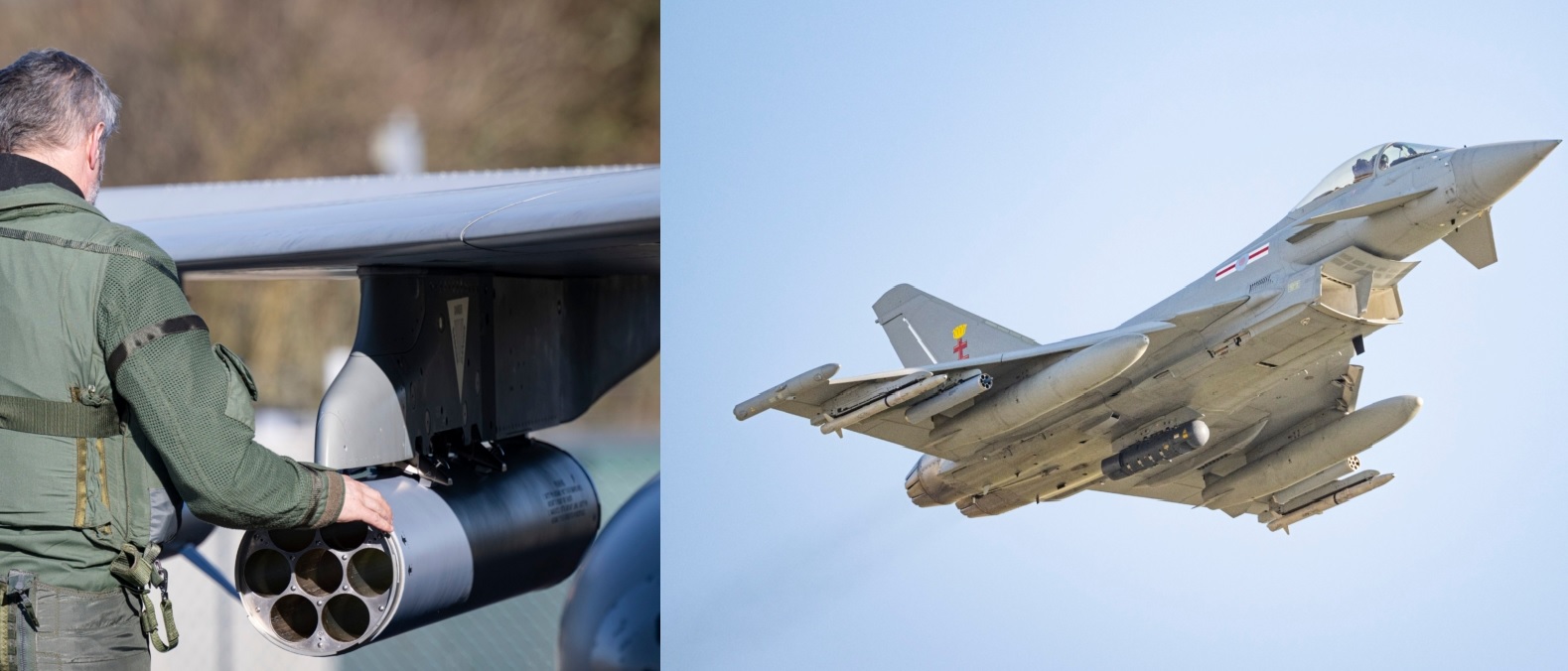
World
WARTON, Lancashire — April 8, 2026 : BAE Systems has successfully conducted a live-fire test of the AGR-20A Advanced Precision Kill Weapon System (APKWS) from a Eurofighter Typhoon, marking a step in integrating lower-cost precision weapons into the aircraft’s operational framework. The company confirmed the trial on April 8, following the test carried out in March 2026. The firing was executed from BAE Systems’ flight test development centre in Warton, Lancashire, using a Royal Air Force (RAF) Typhoon test and evaluation aircraft. During the trial, the APKWS rocket was launched against a ground-based target at a United Kingdom military testing range, achieving a direct hit. The activity was supported by the UK Ministry of Defence and forms part of ongoing efforts to expand the Typhoon’s role in counter-unmanned aircraft system (C-UAS) operations. BAE Systems stated that the trial demonstrated the ability to deploy the laser-guided rocket from the Typhoon platform without requiring structural modifications to the aircraft or its existing weapon infrastructure. System Description and Technical Characteristics The AGR-20A APKWS is a guidance kit developed by BAE Systems that converts unguided Hydra 70 (2.75-inch / 70 mm) rockets into precision-guided munitions. The system incorporates a distributed aperture semi-active laser seeker (DASALS) with folding guidance fins. The guidance unit is inserted between the rocket motor and the warhead, allowing compatibility with existing rocket components. The fixed-wing variant of the APKWS has an overall length of 73.8 inches (1.87 metres), a diameter of 2.75 inches (70 mm), and a total weight of approximately 32 pounds (15 kilograms). It features a wingspan of 9.55 inches (24.3 centimetres) when deployed. The rocket can reach speeds of up to 1,000 metres per second and has an operational range of 2 to 11 kilometres from fixed-wing aircraft, extending beyond 12 kilometres in some configurations. The system is equipped with a 10-pound high-explosive warhead, such as the M151 or Mk 152, and uses semi-active laser homing for guidance. It is designed to achieve a circular error probable of less than 0.5 metres. The rocket is typically carried in LAU-131 seven-round launch pods. Imagery from March 2026 showed a Typhoon aircraft at Warton equipped with two such pods, enabling the carriage of multiple rockets alongside other munitions. Integration Timeline and Operational Context BAE Systems first disclosed its evaluation of APKWS for the Eurofighter Typhoon during the Defence and Security Equipment International (DSEI) exhibition in London in September 2025. The March 2026 live-fire test occurred approximately seven months after that announcement, indicating a relatively rapid integration timeline. The company noted that the trial forms part of a broader set of capability enhancements planned for the Typhoon to improve its effectiveness in current and future combat air operations. Data collected during the test will be used to support further integration work on the platform. Tim Robinson, editor-in-chief of AEROSPACE, described the development pace as an “impressively fast integration for new Typhoon weapon.” Role in Counter-Unmanned Aircraft Operations The next phase of testing will focus on engagements against airborne targets. This stage is expected to assess the APKWS system’s suitability for counter-drone missions, particularly its ability to engage moving aerial threats. The integration of APKWS provides the Typhoon with a lower-cost alternative to existing high-end munitions such as Meteor long-range air-to-air missiles, Storm Shadow cruise missiles, and Brimstone precision strike weapons. The addition of APKWS is intended to address scenarios involving large numbers of small unmanned aerial systems, where the use of more expensive missiles may not be operationally or economically efficient. Recent conflicts in Ukraine and the Middle East have highlighted the increasing use of small drones and loitering munitions for reconnaissance, strike missions, and saturation attacks. These developments have driven demand for layered and cost-effective air defence solutions capable of sustained operations. A fighter aircraft equipped with precision-guided rockets such as APKWS could provide rapid-response capabilities for the protection of military bases, infrastructure, and forward-deployed forces against such threats. Platform Implications APKWS entered operational service in 2012 with the United States Marine Corps on helicopter platforms and has since been integrated across a range of aircraft, including the AH-1W, UH-1Y, MH-60, AV-8B Harrier, F-16, F-15, A-10 Thunderbolt II, and AH-64 Apache. The Eurofighter Typhoon is operated by multiple air forces across Europe and the Middle East. Successful completion of the upcoming airborne-target testing phase could expand the adoption of APKWS across these operators, depending on demonstrated performance in the counter-UAS role.
Read More → Posted on 2026-04-08 14:08:49
World
LOS ANGELES, — April 8, 2026 : Hermeus, a defense aviation company developing high-Mach unmanned aircraft, announced on April 7, 2026, that it has closed a $350 million Series C financing round, bringing its post-money valuation to $1 billion.The funding is intended to support the company’s transition from prototype testing to the development and production of mission-ready platforms. The Series C round was led by Khosla Ventures and includes participation from existing investors Canaan Partners, Founders Fund, RTX Ventures, Bling Capital, and In-Q-Tel. New investors in the round include Cox Enterprises through its venture arm Socium Ventures, Destiny Tech100, Georgia Tech Foundation, 137 Ventures, and GSBackers. In addition to equity financing, the round also includes debt participation from Silicon Valley Bank, Pinegrove Venture Partners, Hercules Capital, and Trinity Capital. Funding Structure and Capital Deployment The $350 million financing package consists of $200 million in equity and $150 million in structured debt, increasing the company’s total capital raised to more than $500 million since its founding in 2018. According to the company, the funds will be used to accelerate development timelines, scale manufacturing capacity, and enable simultaneous production of multiple aircraft systems. Hermeus stated that the investment will support its shift toward operational platforms designed for national security missions, while also advancing development of high-speed unmanned aircraft systems capable of reaching supersonic and eventually hypersonic speeds. Quarterhorse Program Progress A key milestone in the company’s development roadmap was achieved on March 2, 2026, when Hermeus completed the first flight of its Quarterhorse Mk 2.1 test aircraft. The flight took place at Spaceport America in New Mexico, operating over White Sands Missile Range airspace, and was conducted remotely from a ground-based flight deck. The flight validated multiple aspects of the aircraft, including system performance, handling characteristics, and operational procedures. It also marked the second successful first flight conducted by the company in less than a year. The Quarterhorse Mk 2.1 is comparable in size to an F-16 fighter aircraft and incorporates a delta-wing configuration along with a variable inlet design. It is powered by a Pratt & Whitney F100-229 engine and represents a significant scale-up from its predecessor, being nearly three times larger and four times heavier than the Mk 1 variant. Company officials confirmed that the Quarterhorse program is now approaching supersonic flight capability. As part of its next phase, Hermeus plans to expand to a fleet of three aircraft of similar size to support continued testing, integration of mission-specific payloads, and further progress toward sustained high-Mach operations. Long-Term Development Goals Hermeus’ broader development roadmap includes achieving speeds of up to Mach 3 with its current platform evolution and progressing toward ramjet-powered propulsion systems. The company is also pursuing a longer-term objective of developing a hypersonic aircraft, referred to as Darkhorse, with a target speed of Mach 5. The company’s approach emphasizes a hardware-first development model aimed at reducing iteration cycles by building and testing physical systems in rapid succession. Operational Expansion To support increased production and development activities, Hermeus is expanding its operational footprint. The company is establishing a new headquarters in El Segundo, California, which will serve as a central hub for engineering and program management activities. At the same time, its existing facility in Atlanta, Georgia, will transition toward a primary focus on production activities. The company expects more than 200 employees to be based at the El Segundo site by mid-2027. Executive and Investor Commentary AJ Piplica, founder and chief executive officer of Hermeus, stated that the newly secured funding will enable parallel development and manufacturing efforts. “Speed is life for us,” Piplica said. “This new funding lets us build multiple aircraft at the same time and scale our manufacturing capabilities, adding more hardware richness and robustness to our program. That accelerates our path to ramjet-powered flight.” He added that the company’s development model is structured to reduce timelines through iterative hardware testing. “We are grateful for the support of our long-term partners who share our vision of building fast planes fast. Together, we’re bringing scalable, asymmetric capabilities to our national security customers,” Piplica said. Vinod Khosla, founder of Khosla Ventures, said the firm’s continued investment reflects confidence in Hermeus’ execution and trajectory. “We’ve been believers in Hermeus from the start, and we couldn’t be happier to lead this Series C,” Khosla said. “The team is on a clear trajectory to solve a critical capability gap for their customers by building, flying, and iterating at a pace that matches the modern battlefield.” Andrew Davis, managing partner at Socium Ventures, described the financing round as a significant milestone in the company’s development. “We’ve had a front-row seat to watch this team execute at the pace and precision this mission demands,” Davis said. “This Series C marks an important inflection point for the company. Cox Enterprises and our venture fund, Socium Ventures, are proud to support them as they accomplish significant milestones this year.” Strategic Outlook Hermeus stated that the funding will be used to deliver high-speed aviation capabilities aligned with emerging defense requirements, particularly for the U.S. Department of Defense. The company’s focus remains on rapid development and deployment of advanced unmanned systems designed for high-speed, long-range missions in contested environments. Founded in 2018, Hermeus continues to position itself within the defense sector as a developer of high-Mach and future hypersonic aircraft systems, with ongoing efforts centered on scaling production and advancing flight capabilities.
Read More → Posted on 2026-04-08 14:20:47
World
GALAȚI, Romania — April 8, 2026 : Damen Shipyards Group has launched the NRP D. João II, a Multi-Purpose Vessel (MPV 10720), for the Portuguese Navy. The vessel entered the water at Damen Shipyards Galati in Romania on April 7, 2026 The launch ceremony was attended by senior naval officials and diplomats, including Vice Admiral Pires representing the Portuguese Navy, Rear Admiral Neculae of the Romanian Naval Forces, Paulo Alves Cunha, Ambassador of Portugal to Romania, and Willemijn van Haaften, Ambassador of the Kingdom of the Netherlands to Romania. Vessel Design and Technical Characteristics The NRP D. João II is based on a concept developed by the Portuguese Navy under former Chief of Staff Admiral Henrique Gouveia e Melo. It is designed as a multi-functional naval platform with a strong emphasis on unmanned, multi-domain operations and a high degree of system autonomy. The vessel is engineered for unrestricted deployment in tropical and moderate environments. The ship measures 107.6 meters in length, with a beam of 20 meters and a displacement of approximately 7,000 tonnes. It is powered by two Tier III-compliant diesel engines and azimuth thrusters, enabling a maximum speed of about 15 to 15.5 knots. Due to advanced automation, the vessel operates with a core crew of 48 personnel. It also provides accommodation for 42 scientists and can support up to 100 personnel during standard operations. In emergency scenarios, total capacity can be expanded to approximately 300 individuals. Unmanned Systems and Mission Flexibility The vessel’s design incorporates extensive capabilities for operating unmanned systems across air, surface, and subsurface domains. It features a 94-by-11-meter flight deck, a drone launch catapult, and hangar facilities for unmanned aerial vehicles (UAVs) and heavy helicopters. A stern ramp enables the deployment and recovery of unmanned surface vehicles (USVs) and unmanned underwater vehicles (UUVs). The ship is also equipped with the ROV Luso, a remotely operated underwater vehicle capable of reaching depths of up to 6,000 meters. For modular mission support, the vessel includes space for up to 18 standard 20-foot containers, which can be configured as laboratories, hyperbaric chambers, hospital units, or specialized operational modules. Additionally, the ship is equipped with a 30-tonne crane and can carry up to 18 light military utility vehicles or 10 speedboats. Funding and Industrial Collaboration Damen Shipyards signed the construction contract in 2024 following a competitive tender process. The total program cost is €132 million, of which €94.5 million is funded through the European Union’s Recovery and Resilience Facility (RRF) under the NextGenerationEU program, managed by Recover Portugal (PRR). The remaining €37.5 million is financed by the Portuguese state budget. The project involved collaboration with multiple industrial partners. Alewijnse was responsible for the vessel’s electrical systems, while Schottel supplied the propulsion equipment. The program also contributed to the development of Damen’s Multi-Purpose Support Ship (MPSS) range, covering vessels between 7,000 and 9,000 tonnes and combining military-grade systems with standardized commercial solutions to reduce costs and accelerate delivery timelines. Operational Role and Strategic Purpose According to its concept of operations, the NRP D. João II is designed to support a wide range of missions, including oceanographic research, environmental and meteorological monitoring, maritime surveillance, humanitarian assistance, and disaster relief. The vessel will also support national security tasks such as sovereignty patrols and the protection of critical maritime infrastructure, including undersea communication cables. Bram Langeveld, Chief Commercial Officer of Damen Shipyards, stated that the vessel’s relatively short development timeline and multi-role design make it suitable for both national and broader European maritime operations, particularly given Portugal’s extensive coastline. Naming and Future Service The vessel is named after King João II of Portugal, who reigned from 1481 to 1495 and played a central role in advancing the country’s maritime exploration during the Age of Discovery. Following completion of sea trials later in 2026, the NRP D. João II is expected to be delivered to the Portuguese Navy by the end of the year. Upon entering service, it will operate alongside other Damen-built vessels in the fleet, including the frigates NRP Bartolomeu Dias and NRP D. Francisco de Almeida.
Read More → Posted on 2026-04-08 14:34:00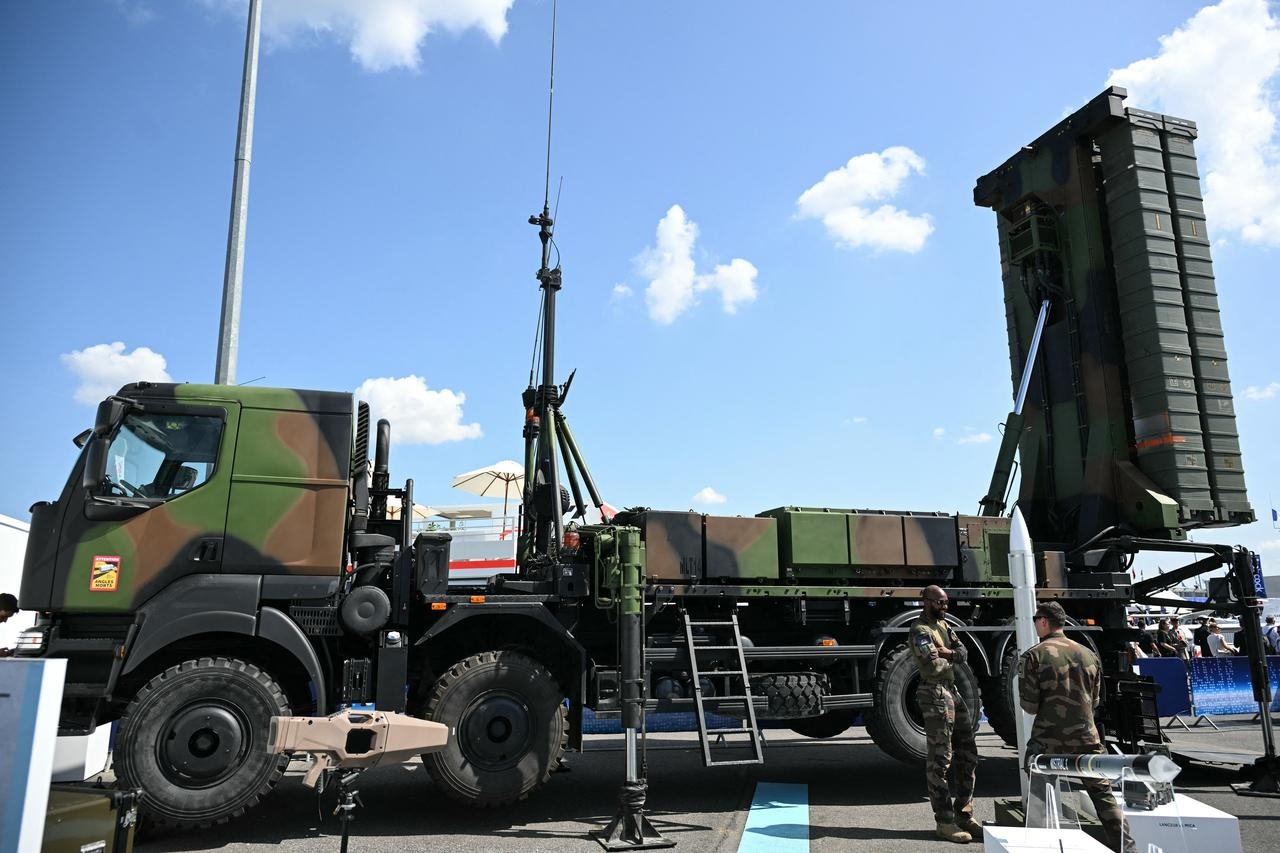
World
ANKARA, — April 8, 2026 : Türkiye is engaged in ongoing negotiations with Italy to acquire and co-produce the SAMP/T air and missile defense system, a European-developed platform designed to counter a wide range of aerial threats, including aircraft, unmanned aerial vehicles, cruise missiles, and certain ballistic missiles. The discussions involve the Eurosam consortium, a Franco-Italian joint venture comprising MBDA France, MBDA Italy, and Thales Group. Italian authorities are leading the current phase of negotiations, focusing on establishing a combined procurement and industrial cooperation framework with Ankara. The talks include both the baseline SAMP/T system and its upgraded SAMP/T NG (New Generation) variant. Program Background and Negotiation Context Türkiye has pursued the SAMP/T system for several years as part of its broader effort to develop a layered national air and missile defense architecture. In January 2018, an 18-month feasibility study agreement was signed between Eurosam and Turkish defense companies Aselsan and Roketsan to explore potential co-development and production arrangements. However, progress slowed in subsequent years due to political factors, including tensions between Türkiye and France over regional policy issues. Recent developments indicate renewed momentum in the negotiations, with Italy playing a central role in facilitating discussions. The urgency of the talks has been influenced by evolving regional security conditions, including reported interceptions by NATO forces of aerial threats near Turkish airspace. These developments have reinforced Ankara’s requirement for a long-range, high-altitude air defense capability that can operate independently while remaining interoperable with allied systems. System Overview and Capabilities The SAMP/T (Surface-to-Air Missile Platform/Terrain) is a mobile, truck-mounted system designed to provide 360-degree coverage as part of integrated air defense networks. It is currently operational with the French Air and Space Force and the Italian Army. The negotiations are centered on the SAMP/T NG variant, which is scheduled to enter service in 2026. Developed through Franco-Italian cooperation and managed by the Organisation for Joint Armament Co-operation (OCCAR), the NG version incorporates several technological upgrades over the baseline system. Key specifications of the SAMP/T NG include: Up to 48 Aster 30 missiles ready to fire per battery Detection range exceeding 350 kilometers using a multi-function radar Engagement range of more than 150 kilometers Capability to engage multiple targets simultaneously, including tactical ballistic missiles, cruise missiles, anti-radar missiles, UAVs, helicopters, and fixed-wing aircraft Deployment time of less than 30 minutes Crew requirement of approximately 20 personnel per battery The system employs a new multi-function Active Electronically Scanned Array (AESA) radar utilizing gallium nitride (GaN) technology, along with updated command-and-control software. Aster 30 Missile System The SAMP/T NG uses the Aster 30 family of interceptor missiles, including the advanced Block 1 NT variant. The missile features a two-stage solid-propellant motor and active seeker for terminal guidance. Technical characteristics of the Aster 30 missile include: Length: 4.9 meters Launch weight: approximately 450 kilograms Maximum speed: up to Mach 4.5 Operational altitude: up to 25 kilometers The Block 1 NT configuration provides enhanced capability against emerging threats, including advanced ballistic targets. NATO Interoperability and National Integration The SAMP/T NG system is fully interoperable with NATO and coalition air defense networks, a key consideration for Türkiye following complications associated with its previous acquisition of non-NATO-compatible systems. The platform is designed for rapid deployment in theater protection roles and has demonstrated extended-range and multi-threat engagement capabilities in recent test firings conducted in France and Italy. Within Türkiye’s national defense framework, the system is expected to complement ongoing indigenous programs, including the HISAR and SIPER air defense systems, as part of the country’s layered “Steel Dome” (Çelik Kubbe) initiative. This architecture aims to integrate short-, medium-, and long-range air defense assets under a unified command structure. Industrial Cooperation and Co-Production A central element of the negotiations is the inclusion of industrial cooperation and co-production arrangements. Turkish authorities are seeking participation in manufacturing components such as radar systems, fire-control elements, and missile subsystems. This aligns with existing capabilities developed by Aselsan and Roketsan, as well as recent investments in domestic missile production infrastructure. The discussions build on the earlier Eurosam–Türkiye framework and aim to establish a more concrete industrial partnership, potentially involving technology transfer and shared production responsibilities. Status of Negotiations As of April 8, 2026, neither the Turkish Ministry of National Defence nor Italian officials have disclosed specific details regarding the number of systems to be acquired, the timeline for contract finalization, or the exact scope of co-production activities. Negotiations remain ongoing, with both acquisition and industrial cooperation aspects under consideration.
Read More → Posted on 2026-04-08 14:42:44
World
SEOUL / NATIONAL HARBOR, Md., — April 8, 2026 : South Korean defense manufacturer LIG Defense & Aerospace (LIG D&A), formerly known as LIG Nex1, has established a new United States subsidiary, LIG Defense U.S. Inc., as part of its strategy to expand engagement with the American defense industrial base. The announcement was made on April 8, 2026, ahead of the company’s first participation in the Sea-Air-Space Exposition, scheduled to take place in National Harbor, Maryland. The newly formed entity will function as LIG D&A’s primary interface with U.S. government agencies and defense industry partners. According to company officials, the subsidiary is intended to support partnership development, program alignment, and potential future investment in domestic manufacturing. Options for establishing U.S.-based production capabilities are currently under review, with a focus on improving supply chain resilience and expanding surge production capacity. Leadership and Organizational Structure Kim Yong-seob, also known as YS Kim and currently head of LIG D&A’s U.S. office, has been appointed Chief Executive Officer and President of LIG Defense U.S. Inc. In a statement, he said the establishment of the subsidiary reflects the company’s long-term intent to integrate with U.S. defense priorities and industrial requirements. “Standing up LIG Defense U.S. reflects our commitment to becoming a genuine partner to the American defense industrial base – present, invested, and aligned with U.S. operational priorities for the long term,” Kim stated. The company has also appointed Rich Brown, a retired U.S. Navy Vice Admiral, as senior advisor to support its U.S. expansion. Brown previously served as Commander of Naval Surface Forces and Naval Surface Force, U.S. Pacific Fleet, where he oversaw fleet readiness, training, and operational performance, as well as large-scale organizational reforms. Brown stated that the timing of the subsidiary’s establishment aligns with U.S. efforts to expand access to cost-effective and combat-proven capabilities, particularly those supported by domestic production investments. Sea-Air-Space 2026 Participation LIG D&A will make its debut appearance at Sea-Air-Space 2026 at booth #425. The company plans to exhibit scale models of its Poniard 2.75-inch (70 mm) low-cost guided rocket and the Poniard Naval Launcher System (NLS). The systems are positioned for potential use in distributed maritime operations, including integration on unmanned surface vessels and smaller naval platforms where cost, scalability, and operational flexibility are key considerations. Poniard Guided Rocket System The Poniard rocket, also known as K-LOGIR, was developed in cooperation with South Korea’s Agency for Defense Development. It is currently operated by the Republic of Korea Marine Corps as part of a mobile coastal defense system. The system uses an imaging infrared seeker and is designed to engage multiple fast-moving maritime targets. It features a “fire-and-forget” capability and an operational range of approximately 8 kilometers. With an estimated unit cost of around $31,000, the system is positioned as a lower-cost alternative for countering maritime swarm threats and protecting high-value assets. LIG D&A has been pursuing entry into the U.S. market with the Poniard system since 2018, focusing on alignment with U.S. Navy operational requirements. U.S. Navy Testing and Certification The company’s engagement with U.S. naval stakeholders includes participation in the Rim of the Pacific Exercise 2024 (RIMPAC 2024). During the exercise, six Poniard rockets were launched from a Textron Common Unmanned Surface Vehicle (CUSV) as part of the U.S. Department of Defense’s Foreign Comparative Testing Program. All targets were successfully engaged during the test, resulting in official U.S. certification for the system. According to the company, this marks the first—and to date the only—South Korean guided munition to receive this designation. Hyung Shik Paik, Executive Vice President of LIG D&A, stated that the company has conducted multiple testing events with U.S. Navy partners and views the establishment of a U.S.-based entity as a necessary step toward deeper cooperation. Corporate Transition and Background LIG D&A formally rebranded from LIG Nex1 on March 31, 2026, marking the company’s 50th anniversary since its founding in 1976 as Goldstar Precision. The name change reflects an expansion beyond its traditional defense portfolio into aerospace. The company’s activities include precision-guided munitions, surveillance and reconnaissance systems, command and control technologies, communications, avionics, and electronic warfare. Strategic Context The establishment of LIG Defense U.S. Inc. and the company’s participation in Sea-Air-Space 2026 align with broader U.S. Department of Defense and U.S. Navy efforts to expand industrial capacity and diversify supply sources for munitions and related systems. Through the new subsidiary, LIG D&A aims to support joint partnerships, technology exchange, and localized production, positioning itself for long-term participation in the U.S. defense market while aligning with evolving operational concepts such as distributed maritime operations and increased munitions capacity.
Read More → Posted on 2026-04-08 14:54:26
World
WASHINGTON / TEHRAN / ISLAMABAD, — April 8, 2026 : The United States and Iran have agreed to a two-week ceasefire effective April 8, 2026, introducing a temporary framework that permits Iran and Oman to charge fees on commercial vessels transiting the Strait of Hormuz. The arrangement, reported by the Associated Press, is designed to restore maritime traffic through the strategic waterway while establishing a revenue mechanism for Iran’s post-conflict reconstruction. The agreement follows more than a month of hostilities that began on February 28, 2026, when Israel launched airstrikes targeting Iranian military sites, nuclear facilities, and urban areas. The United States joined the campaign shortly thereafter, focusing on Iran’s ballistic missile and nuclear infrastructure. Iran responded with missile strikes across the Gulf region. The conflict caused significant damage to Iranian infrastructure, including energy facilities, and led to a sharp disruption in maritime activity through the Strait of Hormuz. Ceasefire Framework and Maritime Provisions Under the terms of the ceasefire, Iran will suspend restrictions that had effectively limited passage through the Strait of Hormuz, a 34-kilometer-wide chokepoint connecting the Persian Gulf to the Gulf of Oman. The waterway is bordered by Iran to the north and Oman to the south and is a critical corridor for global energy supplies, handling a substantial share of international oil and liquefied natural gas shipments. In exchange for reopening the route and halting military operations, both Iran and Oman are authorized to levy transit fees on commercial vessels, including oil tankers and cargo ships. The ceasefire also includes provisions ensuring safe passage for vessels during the two-week period. Oman’s inclusion reflects its geographic position along the southern side of the strait. However, no detailed breakdown has been released regarding Oman’s fee structure, collection mechanisms, or potential revenue-sharing arrangements between the two countries. Revenue Structure and Economic Impact Iran has been charging transit fees of up to $2 million per vessel over the past month, even amid reduced shipping activity. Under the ceasefire framework, this pricing model is expected to continue as traffic normalizes. Prior to the conflict, vessel traffic through the strait averaged approximately 129 ships per day in late February. At the height of the disruption in March, traffic fell to as few as nine vessels per day, with more than 34,000 shipping routes diverted globally due to security concerns. At restored traffic levels, the $2 million per-ship fee is projected to generate approximately $8 billion in monthly revenue for Iran, equivalent to around $96 billion annually. Based on current estimates, this influx would increase Iran’s gross domestic product (GDP) from $475 billion to approximately $571 billion, representing a 20 percent rise. Iranian officials have stated that all revenue collected from these transit fees will be directed toward rebuilding infrastructure damaged during the recent strikes conducted by the United States and Israel. The funding is intended to support reconstruction of civilian, administrative, and energy-related facilities without reliance on external compensation. Diplomatic Process and Mediation The ceasefire was facilitated through diplomatic channels with Pakistan acting as a primary mediator. Further negotiations between the United States and Iran are scheduled to begin in Islamabad on Friday, April 10, 2026. The talks are expected to address longer-term arrangements for maritime security, economic measures, and a broader framework for de-escalation. The two-week ceasefire period is intended to stabilize the situation in the Strait of Hormuz, reduce pressure on global energy markets, and allow time for continued diplomatic engagement. Officials from both sides have indicated that the temporary agreement may serve as a foundation for a more comprehensive settlement. Operational and Strategic Context The Strait of Hormuz remains one of the most strategically significant maritime corridors in the world. The disruption during the conflict had immediate global effects, halting shipments, increasing insurance and transit risks, and forcing rerouting of commercial vessels. The introduction of a formalized transit fee system under the ceasefire represents a notable development in the management of the waterway during periods of conflict and recovery. While the current arrangement is limited to two weeks, its structure may influence future negotiations regarding maritime access, security guarantees, and economic compensation mechanisms in the region.
Read More → Posted on 2026-04-08 15:25:16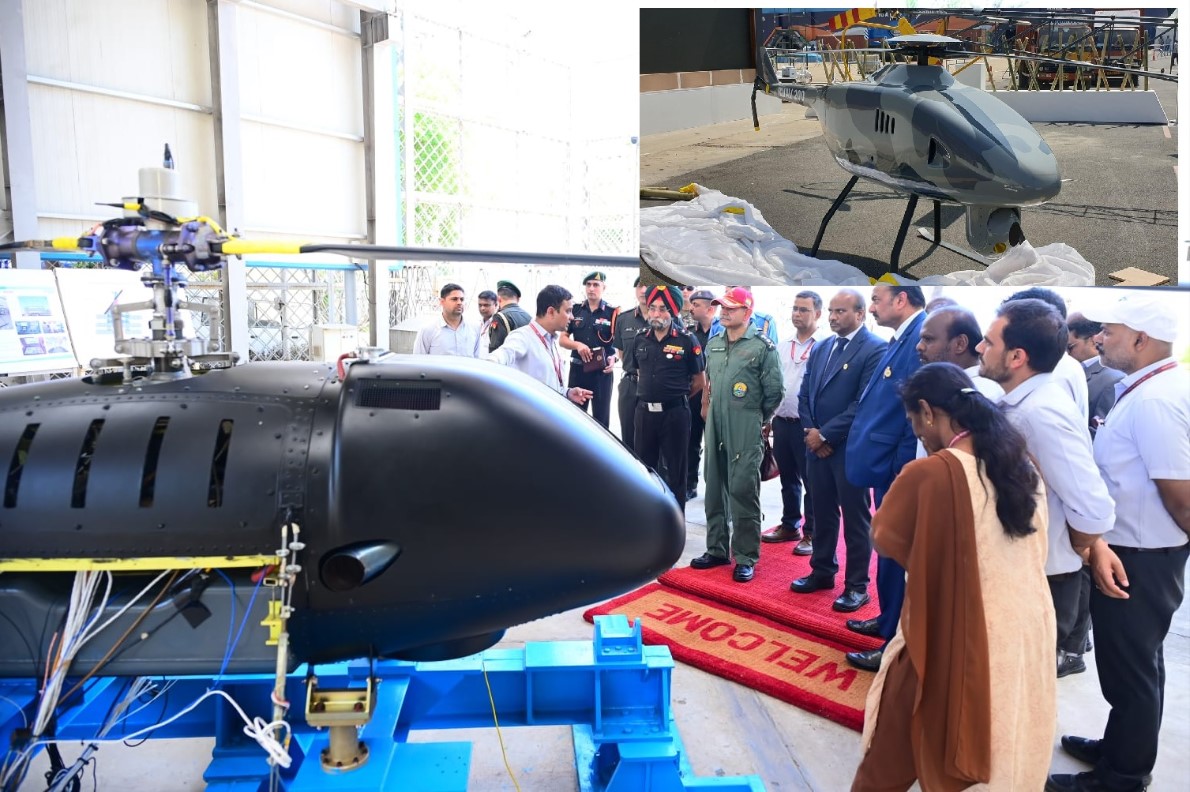
India
BENGALURU, — April 8, 2026 : General Upendra Dwivedi, Chief of the Army Staff, visited the rotary unmanned aerial vehicle (RUAV) hangar at Hindustan Aeronautics Limited (HAL) to review the development progress and operational potential of the RUAV-200 platform, an indigenous rotary-wing unmanned system designed for high-altitude missions. The visit focused on a detailed assessment of the full-scale RUAV-200 prototype, including its design configuration, onboard systems, and mission capabilities. Senior officials from HAL briefed the Army Chief on the programme’s current status, highlighting its role in meeting operational requirements for both the Indian Army and Indian Navy, particularly in challenging and inaccessible terrains. Development Background and Collaboration The RUAV-200 is being developed through a collaborative effort involving HAL, the Defence Research and Development Organisation (DRDO), specifically its Aeronautical Development Establishment (ADE), and the Indian Institute of Technology Kanpur. The programme was first publicly demonstrated as a full-scale model during Aero India 2019, and has since progressed with a focus on autonomy, mission systems integration, and high-altitude performance. Officials indicated that the platform is part of a broader national effort to expand indigenous unmanned aerial capabilities while reducing reliance on imported systems for critical defence roles. Design Configuration and Technical Specifications The RUAV-200 is a rotary-wing unmanned helicopter with an approximate length of 4.2 metres. The current prototype incorporates a two-blade rotor configuration and is powered by a locally developed petrol aero-engine producing approximately 34 kW. The platform is designed to operate across a wide environmental envelope, with an operating temperature range from -35°C to +55°C, enabling deployment in extreme conditions such as those found in high-altitude regions. According to programme specifications presented during the visit, the RUAV-200 has the following performance characteristics: All-up weight: 200 kg (250 kg at sea level) Payload capacity: 30 kg (80 kg at sea level) Endurance: 4.5 hours Service ceiling: 6,000 metres Maximum speed: 100 km/h Data link range: 100 km The system is equipped with an electro-optical and infrared payload, supporting day and night operations for intelligence, surveillance, and reconnaissance (ISR) missions. Autonomous Capabilities and Avionics A key aspect of the RUAV-200 highlighted during the review was its autonomous operational capability. The platform is integrated with a Full Authority Digital Engine Control (FADEC) system and uses an SLR-DC datalink to maintain communication with its ground control station. The UAV is designed for fully autonomous mission execution, including take-off, navigation through pre-programmed waypoints, landing, and return-to-home recovery. These features are intended to reduce operator workload while enabling sustained operations in contested or GPS-degraded environments. Operational Role and Logistics Applications In addition to ISR missions, the RUAV-200 is being developed to support logistics operations in high-altitude and remote areas. The platform is intended to function as a “mule drone”, capable of transporting essential supplies such as ammunition, medical equipment, and other critical materials to forward-deployed troops in regions such as Siachen and Ladakh. Its modular and crashworthy design is aimed at ensuring operational reliability, ease of transport, and rapid deployment under field conditions. Future Integration and Programme Outlook HAL officials outlined that the RUAV-200 programme aligns with ongoing procurement initiatives by India’s Ministry of Defence to acquire high-altitude and medium-altitude logistics UAVs with a minimum of 50 percent indigenous content. The development roadmap includes further enhancements in mission management systems and potential integration into network-centric warfare architectures. Future variants of the platform may also incorporate armed capabilities, including the ability to carry anti-tank and air-to-surface munitions. General Dwivedi’s visit marks a formal review stage as the RUAV-200 approaches subsequent testing phases. No specific timelines for flight testing completion or induction into service were disclosed following the visit.
Read More → Posted on 2026-04-08 15:37:07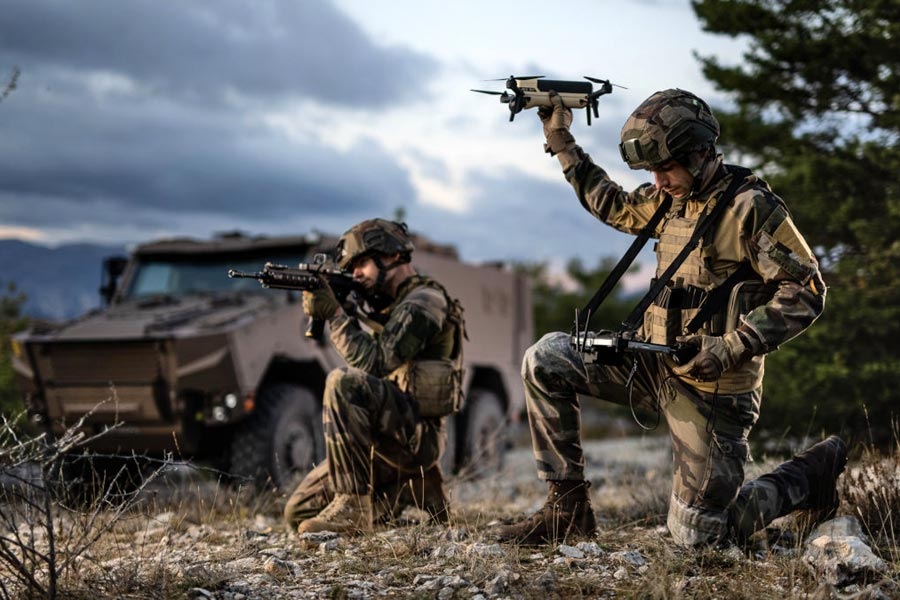
World
PARIS, France — April 8, 2026 : The French Army has formally declared its first dedicated Unmanned Aerial Vehicle (UAV) company fully operational, establishing a new organizational model designed to integrate reconnaissance and strike drone capabilities directly into ground combat formations. The unit, officially designated as the Escadron de Drones de Chasse (hunter-killer drone squadron), operates within the 1er Régiment d’Infanterie de Marine (1er RIMa) based in Angoulême. It represents the Army’s first permanent UAV-focused company and was formed through the restructuring of a former armored squadron previously equipped with AMX-10RC reconnaissance vehicles. This conversion reflects a broader shift in force structure, enabling the unit to function as a self-contained element capable of supporting brigade- and battalion-level operations. Integrated Reconnaissance-Strike Network The UAV company combines reconnaissance platforms, strike drones, and loitering munitions into a single operational framework. This integrated system enables continuous target detection, real-time data transmission, and immediate strike execution without reliance on external air or artillery assets. Its equipment includes fixed-wing intelligence, surveillance, and reconnaissance (ISR) UAVs for persistent observation, vertically launched first-person-view (FPV) drones configured for rapid engagement, and loitering munitions designed for precision strikes. The system prioritizes mobility, low visibility, and cost-controlled deployment, allowing the unit to operate within conventional maneuver formations while maintaining flexibility in contested environments. Validation Through NATO and National Exercises The operational readiness of the unit has been validated through multiple field exercises. It participated in NATO’s Exercise Hedgehog 25 in Estonia, where it operated against allied mechanized forces in a simulated combat environment. More recently, the unit served as an opposing force (FORAD) during training rotations at the Centre d’Entraînement au Combat (CENTAC) in Mailly-le-Camp. These exercises confirmed the effectiveness of coordinated UAV employment across reconnaissance, target designation, and synchronized strike roles, demonstrating the ability to compress the sensor-to-shooter cycle at the tactical level. Alignment with France’s Military Programming Law The establishment of the UAV company aligns with France’s 2024–2030 Military Programming Law (LPM), which allocates approximately €5 billion toward drone development, acquisition, and counter-UAS (C-UAS) systems. The program emphasizes both high-end platforms and scalable, lower-cost systems suitable for distributed operations. Among the systems integrated into the broader UAV ecosystem is the Safran Patroller, a medium-altitude long-endurance (MALE) UAV designed for extended ISR missions. In parallel, the Army is incorporating loitering munitions such as the MX-10 Damocles and MV-25 OSKAR, developed in cooperation with European defense firms including KNDS and Delair. These systems are engineered to operate in contested electromagnetic environments, including scenarios involving electronic warfare and GNSS denial. Ongoing development efforts also include research into autonomous drone swarming and artificial intelligence-enabled coordination, aimed at enhancing survivability and operational effectiveness against advanced air defense systems. Structural and Doctrinal Transformation The creation of a dedicated UAV company reflects a structural evolution in the French Army’s approach to combined-arms warfare. By embedding unmanned systems directly within land units, commanders gain immediate access to aerial reconnaissance and precision strike capabilities that were previously dependent on higher-level or external assets. This transformation extends beyond operational deployment. The Army is concurrently establishing dedicated logistics infrastructure, maintenance facilities, and specialized training programs to support sustained UAV operations. The goal is to institutionalize unmanned systems as a standard component of tactical-level combat formations. Expansion Plans and Future Development The 1er RIMa’s UAV squadron is intended to serve as a prototype for wider implementation. French Army leadership has confirmed plans to replicate the structure across five additional regiments within the 1st Division, with those units expected to achieve operational status by 2027. The prototype unit itself is scheduled to reach its final configuration by June 2026, following additional training cycles and operational refinement. Broader Implications The declaration of full operational readiness underscores the French Army’s ongoing adaptation to evolving battlefield conditions, particularly the increased role of unmanned systems observed in recent conflicts, including the war in Ukraine. By integrating real-time reconnaissance and strike capabilities at the unit level, the Army is standardizing the use of UAVs as a core element of land warfare rather than a supplementary capability. This development marks a measurable shift in operational doctrine, emphasizing decentralized decision-making, rapid targeting cycles, and the combined use of manned and unmanned systems within a unified combat framework.
Read More → Posted on 2026-04-08 15:53:36
World
LONDON / MADRID, — April 8, 2026 : The United Kingdom has evacuated British military personnel from operational roles in Iraq and canceled planned deployments to the country, citing heightened risks from potential Iranian missile and drone attacks linked to the ongoing regional conflict. The move makes the UK the second European nation, after Spain, to scale back its military presence in Iraq following the start of U.S.-Israeli strikes on Iran on February 28, 2026. According to UK media reports, including the i Paper, the evacuation was carried out in recent days as tensions intensified across the Middle East. British forces had been deployed in Iraq as part of ongoing operations against the Islamic State under a NATO-led framework. Officials indicated that the withdrawal of personnel was intended to reduce exposure to emerging threats rather than signal a full termination of the UK’s presence in the country. No announcement has been made regarding a complete withdrawal of all British military assets from Iraq. The UK decision follows similar action taken by Spain in March 2026, when Spanish Defence Minister Margarita Robles confirmed the relocation of Spanish troops from Iraq to Turkey due to security concerns arising from the broader Gulf situation. Spain evacuated between 99 and 300 personnel, depending on differing official and media accounts, as part of adjustments within the NATO mission structure. Policy Position and Operational Adjustments Prime Minister Keir Starmer has consistently emphasized that the Iran conflict is “not our war,” underscoring the UK government’s intention to avoid deeper military involvement. In parliamentary statements and public remarks throughout March 2026, Starmer stressed adherence to international law and referenced lessons from the 2003 Iraq War in shaping current policy decisions. The UK initially declined a U.S. request to use British military facilities—including RAF Fairford in Gloucestershire and the Diego Garcia base in the Indian Ocean—for offensive operations against Iran. Officials described the refusal as a deliberate decision based on legal considerations. Subsequent approval was granted for limited defensive use of these bases, specifically to support the protection of regional allies. This calibrated approach has contributed to policy differences with U.S. President Donald Trump, who has sought broader allied participation in operations aimed at degrading Iranian military capabilities, reopening the Strait of Hormuz, and countering Iran-backed proxy groups. Trump publicly expressed dissatisfaction with the UK’s initial reluctance and criticized delays in support. Despite these differences, the UK has expanded defensive deployments across the region. As of late March 2026, approximately 1,000 British personnel have been stationed in roles focused on air and missile defense in Gulf countries including Saudi Arabia, Bahrain, and Kuwait. The UK has also extended Royal Air Force Typhoon operations in Qatar and maintained a military presence in Cyprus to support regional security efforts. Foreign Secretary Yvette Cooper has reiterated that UK involvement is limited to lawful self-defense and the protection of allies and British nationals, distinguishing current actions from past large-scale interventions. The UK has also contributed to intercepting Iranian drones targeting allied positions in locations including Iraq and Qatar. Conflict Escalation and Ceasefire Context The current crisis escalated after U.S. and Israeli strikes targeted Iranian leadership, missile infrastructure, and nuclear-related facilities beginning on February 28, 2026. Iran responded with missile and drone attacks across multiple locations in the Middle East, including U.S. bases and allied positions in Iraq and Gulf states. Iranian-backed groups in Iraq have also claimed responsibility for additional strikes on coalition targets. Amid rising hostilities, a two-week ceasefire came into effect around April 7–8, 2026, though sporadic incidents have continued to be reported. The ceasefire includes provisions linked to maritime security, with ongoing international discussions focused on maintaining access through the Strait of Hormuz and stabilizing regional energy flows. The UK government has prioritized protective measures for British nationals, estimated at over 300,000 individuals across Gulf countries, while avoiding commitments to offensive ground operations or regime-change strategies. Spain’s Measures and European Response Spain has taken a more restrictive stance in response to the conflict. In addition to withdrawing troops from Iraq in March 2026, the Spanish government denied U.S. requests to use joint military bases at Rota and Morón for offensive operations against Iran and restricted access to its airspace for U.S. aircraft involved in the campaign. Spanish Prime Minister Pedro Sánchez and Defence Minister Margarita Robles have stated that the U.S. strikes were not aligned with international legal frameworks. In response, President Donald Trump threatened potential trade measures against Spain, though such actions were constrained by Spain’s membership in the European Union. Shifts Within NATO and Broader Strategic Implications The differing approaches of the United Kingdom and Spain highlight broader divisions within NATO regarding the Iran conflict. While both countries remain part of alliance structures and continue to support defensive operations, their decisions reflect a cautious approach shaped by legal considerations and past military experiences. The UK has also adjusted its regional military posture beyond Iraq. Earlier in 2026, the Royal Navy withdrew HMS Middleton from Bahrain without deploying a replacement, marking the first time since 1980 that Britain does not maintain a continuous maritime presence in the Middle East. Although the UK later permitted limited defensive use of bases in Cyprus and Diego Garcia, the delay in approval contributed to tensions in transatlantic relations. President Donald Trump publicly criticized the UK government’s position, citing frustration over the pace and scope of support. As of April 8, 2026, the United States and Iran have agreed to a provisional ceasefire that includes commitments related to keeping the Strait of Hormuz open. Prime Minister Keir Starmer, currently engaged in diplomatic discussions with Gulf leaders, has welcomed the ceasefire as a necessary step toward stabilizing the region. Officials in London and Madrid have both characterized their military adjustments as temporary measures based on immediate threat assessments rather than long-term strategic withdrawals. No additional changes have been announced to the UK’s maritime or air operations beyond the defensive enhancements already implemented. The developments underscore evolving dynamics within the NATO alliance as member states balance collective security commitments with national policy considerations amid a rapidly shifting regional conflict.
Read More → Posted on 2026-04-08 16:10:14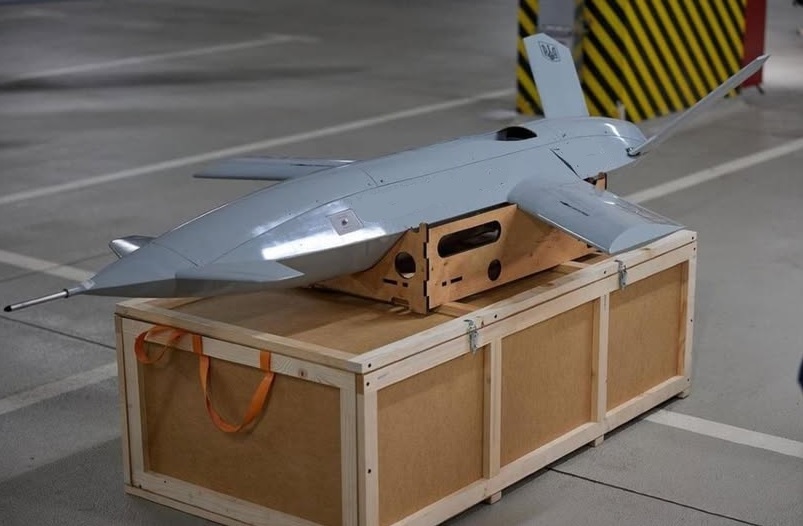
World
Prague / Kyiv, — April 8, 2026 : Ukraine’s defense industry is encountering a critical production constraint as a shortage of mini turbojet engines limits the output of long-range strike drones, a key component of its deep-strike strategy against targets inside Russian territory. Despite rapidly growing operational demand, current engine supply remains restricted to the low hundreds per month, far below the required scale of several thousand units. Supply Bottleneck Emerges as Primary Constraint Industry representatives, government officials, and arms experts across Europe confirm that the limited availability of compact jet engines has become the primary bottleneck in Ukraine’s missile-type drone programme. These engines power jet-driven unmanned aerial vehicles designed for long-range precision strikes and are increasingly viewed as a cost-effective alternative to conventional cruise missiles. A source within Ukraine’s defense sector, speaking on condition of anonymity, stated that the shortage of mini jet engines is “probably the main limiting factor” in current production levels, describing the situation as a significant challenge for the country’s broader missile programme. Maria Popova, Chief Operating Officer of the Ukrainian Defense Industry Council, also confirmed ongoing shortages not only of turbojet engines but also of the specialized materials required to manufacture them. She noted that supply constraints persist globally, with more acute limitations within Ukraine itself. Strategic Role of Jet-Powered Drones Ukraine’s shift toward jet-powered drones reflects both operational and economic considerations. These systems are capable of reaching speeds of up to 900 kilometers per hour, significantly faster than propeller-driven drones, which typically operate at around 185 kilometers per hour. The cost advantage is substantial. A single jet-powered long-range drone is estimated to cost between $50,000 and $200,000, whereas a cruise missile with comparable range capabilities exceeds $1 million. This disparity enables Ukraine to conduct sustained deep-strike operations at a fraction of the cost, making high-volume production a strategic priority. These drones are also part of Ukraine’s response to systems such as Russia’s Geran-5 drones, reinforcing the importance of scalable, lower-cost strike capabilities. Highly Specialized Engine Manufacturing Mini turbojet engines used in these drones are typically less than 30 centimeters in diameter and require advanced manufacturing techniques. They are constructed from lightweight, high-strength materials such as titanium alloys and frequently incorporate 3D-printed components to achieve the necessary balance between weight and thrust. In addition to long-range strike drones, these engines are also used in loitering munitions and missile interceptors, further increasing demand across multiple defense applications. However, the global industrial base for this class of engine remains extremely limited. Major aerospace companies have largely avoided the segment due to high development costs and relatively low margins, leaving production concentrated among a small number of specialized European manufacturers. Dependence on European Suppliers Ukraine currently relies on a narrow network of European suppliers for mini turbojet engines. Key manufacturers include PBS Group and ZofiTech in the Czech Republic, JetCat in Germany, and Destinus in the Netherlands. ZofiTech is producing approximately 200 engines per month, with nearly its entire output directed to Ukraine. Meanwhile, PBS Group has expanded its production capacity fivefold since 2023 and expects to achieve an eightfold increase by the end of 2026. Approximately 25 percent of PBS deliveries are currently allocated to Ukraine. Another defense company, CSG, has entered the segment following the acquisition of a Serbian manufacturer and aims to produce around 1,000 turbojet engines in 2026, with a significant portion intended for Ukrainian use. Despite these expansion efforts, supply continues to lag behind demand, with industry representatives noting that production scaling is constrained by material costs, manufacturing complexity, and long lead times. Domestic Development Efforts in Ukraine In response to external supply limitations, Ukrainian manufacturers have initiated multiple domestic engine development programmes aimed at reducing dependence on foreign suppliers. Among these is the Shepit engine, developed by SCOPA Industries for drone platforms with a range of approximately 200 kilometers. Another project, the AI-PBS-350, is being developed jointly by Ukraine’s Ivchenko-Progress and the Czech Republic’s PBS Group, though it is designed for larger systems, including cruise missiles rather than smaller drones. Additionally, Ukraine has introduced the Hrim-17, a low-cost pulsejet engine currently undergoing testing. While these initiatives represent progress toward self-sufficiency, most remain in development, testing, or early-stage production. Achieving large-scale, cost-efficient serial manufacturing continues to present structural challenges. Broader European Industrial Constraints The shortage of mini jet engines reflects wider limitations within Europe’s defense industrial base. Experts and officials describe the sector as a significant production bottleneck, emphasizing its importance for reducing reliance on external technologies, particularly from the United States. At the same time, Russia is reported to source comparable engines from China, highlighting a divergence in supply chain dependencies between the two sides. New entrants are attempting to address the gap. German drone manufacturer Quantum Systems, in partnership with Airbus, has begun developing jet-powered unmanned platforms. However, these efforts have not yet translated into immediate increases in available engine supply for Ukraine.
Read More → Posted on 2026-04-08 16:59:12
World
Sulaymaniyah / Erbil / Tehran — April 8, 2026 : Iran’s Islamic Revolutionary Guard Corps (IRGC) prevented Iranian Kurdish opposition groups from opening a western front during the ongoing conflict involving Iran, the United States, and Israel, according to conflict data, field reporting, and statements from Kurdish commanders. The outcome followed a combination of sustained cross-border strikes in Iraq’s Kurdistan Region, intelligence-led targeting, and internal security measures across Iran’s Kurdish-majority provinces. Conflict Timeline and Kurdish Coalition Formation The current war began on February 28, 2026, when U.S. and Israeli forces carried out large-scale airstrikes against Iranian military infrastructure, nuclear facilities, and leadership-linked targets. Iran responded with missile and drone attacks across the region, including against U.S. and allied positions. Prior to the outbreak of hostilities, on February 22, 2026, five Iranian Kurdish opposition groups announced the formation of the Coalition of Political Forces of Iranian Kurdistan. The coalition included the Kurdistan Democratic Party of Iran (KDPI/PDKI), Komala of the Toilers of Kurdistan, Kurdistan Freedom Party (PAK), Organization of Iranian Kurdistan Struggle (Khabat), and Kurdistan Free Life Party (PJAK). These groups, which maintain bases in Iraq’s semi-autonomous Kurdistan Region, collectively field several thousand fighters and have conducted intermittent operations against Iranian forces in previous years. In the early phase of the conflict, coalition members assessed the possibility of launching cross-border operations into Iran. However, no such offensive materialized. Mixed Signals from the United States Public messaging from Washington contributed to uncertainty regarding the potential role of Kurdish forces. On March 5, 2026, U.S. President Donald Trump stated in an interview that a Kurdish ground offensive from Iraq into Iran would be “wonderful” and that he would be “all for it.” Three days later, on March 8, 2026, Trump reversed that position, stating that the United States was not looking to the Kurds going in and that the conflict was already sufficiently complex. Kurdish commanders reported that no operational planning, logistical coordination, or direct military support was provided by either the United States or Israel. According to field accounts, the absence of a defined strategy, combined with concerns over long-term political outcomes, contributed to the decision not to proceed. One Kurdish commander stated that without internal unrest inside Iran or external guarantees, a cross-border operation would involve excessive risk. IRGC Cross-Border Strike Campaign Data compiled by the Armed Conflict Location & Event Data Project (ACLED) indicates that between February 28 and March 31, 2026, Iran and allied forces launched at least 388 missiles and drones into Iraq’s Kurdistan Region. Nearly half of these strikes targeted sites associated with Iranian Kurdish opposition groups. The IRGC conducted repeated strikes on positions linked to KDPI, Komala, PAK, and other coalition factions in areas near Erbil, Sulaymaniyah, Koya, and surrounding مناطق. Several incidents also involved strikes near Iraqi Kurdish Peshmerga positions. These operations were described by Kurdish officials as precise and intelligence-driven. Exiled KDPI commander Karim Parwizi stated that Iranian forces demonstrated detailed knowledge of opposition locations, adding that informants were likely tracking movements across the region. Iraqi Kurdish Response and Border Withdrawal In response to the escalation and direct threats from Tehran, forces affiliated with the Kurdistan Regional Government (KRG) withdrew from positions near the Iran-Iraq border. The KRG reiterated that it did not intend to be drawn into the broader conflict and stated that its territory would not be used as a launch point for cross-border attacks. This withdrawal limited staging areas for Iranian Kurdish opposition groups and reduced the feasibility of coordinated ground operations. Domestic Security Measures Inside Iran Parallel to external military actions, the IRGC implemented a series of internal measures in Iran’s Kurdish-majority provinces aimed at preventing coordination between local populations and exiled opposition groups. Authorities distributed mass text messages warning residents against cooperating with individuals described as “mercenaries” linked to the United States and Israel. A subsequent wave of messages targeted individuals who had accessed foreign websites. Security forces deployed vehicles equipped with signal detection systems to identify unauthorized satellite internet usage. These operations were followed by targeted house raids conducted by IRGC units. State television broadcasts reinforced warnings against collaboration with external actors and opposition factions. Local reporting indicated an increased security presence, including deployments in civilian areas such as towns and transport routes, to monitor movement and deter unrest. Concurrent Air Campaign in Northwestern Iran During the same period, joint U.S.-Israeli strikes targeted Kurdish-dominated مناطق in northwestern Iran on at least 140 occasions, according to ACLED-based analysis. These strikes focused on IRGC facilities and border-related infrastructure but were not accompanied by coordinated ground operations involving Kurdish opposition groups. Kurdish commanders stated that the absence of synchronization between external air operations and internal or cross-border movements further reduced the viability of opening a new front. Operational Outcome and Ceasefire Status By early April, the combined impact of cross-border strikes, internal security enforcement, and lack of external coordination had prevented any Kurdish ground offensive from emerging. Coalition groups maintained their positions داخل العراق but did not advance across the border. A two-week ceasefire between Iran, the United States, and Israel came into effect around April 7–8, 2026. As of April 8, 2026, no cross-border movements by Iranian Kurdish opposition forces have been reported. The sequence of events indicates that Iranian efforts to combine external military pressure with domestic control measures were effective in limiting opposition activity during the most active phase of the conflict.
Read More → Posted on 2026-04-08 17:08:01
World
DETROIT ARSENAL, Mich., — April 8, 2026 : The 75th U.S. Army Reserve Innovation Command (USARIC) has completed a comprehensive, data-driven research effort to inform the requirements for the Small Multipurpose Equipment Transport (SMET) Increment 2 program. The study, conducted between May and October 2025, collected structured feedback from soldiers across the active-duty Army, Army National Guard, and Army Reserve, and is now being used to guide the next phase of the Army’s robotic ground vehicle development. The research initiative was led by USARIC acquisition officers Lt. Col. Vikram Mittal and Lt. Col. Wesley Brown. The findings have been formally delivered to the Program Executive Office Ground Combat Systems (PEO GCS), which is responsible for refining requirements and advancing the acquisition strategy for SMET Increment 2. The effort reflects a deliberate shift toward incorporating direct operational feedback into capability development, ensuring that future systems align with real-world usage and soldier needs. Structured Approach to Capturing Soldier Feedback According to the report, the primary objective of the study was to establish a broad and representative understanding of how soldiers employ the SMET platform and what improvements are required. “The aim of this study was to gather user feedback to inform the development of SMET Increment 2,” Mittal stated, emphasizing the need to capture a wide range of operational perspectives. To achieve this, USARIC contacted every unit fielded with SMET Increment 1 across all Army components. Participating units were divided into two categories based on operational experience. Units with limited exposure to the platform completed a structured survey derived from the SMET Capability Development Document, ensuring alignment with the system’s intended design and functions. The survey used a five-point Likert scale ranging from “Strongly Agree” to “Strongly Disagree,” enabling statistical analysis, and included open-ended questions for additional context. Units with extensive hands-on experience participated in virtual and in-person interviews. These sessions focused on detailed operational insights, including mission context, employment methods, system strengths, and limitations. The research team also gathered unit-level training materials and after-action reports. Notes from interviews and documentation reviews were consolidated into the survey dataset to support both quantitative and qualitative analysis. Key Operational Questions and Data Outcomes The study was guided by four central questions: which features of the current SMET system soldiers find most useful; how units are employing the platform in tactical environments; what improvements would increase user acceptance; and which additional capabilities would provide the greatest operational value in future missions. Data collection resulted in 80 individual responses, which were consolidated into 48 company-level datasets. The report notes that this sample size exceeds the threshold required for statistical significance. Importantly, the dataset is based on feedback from soldiers with direct operational experience, providing an empirical foundation for requirements development rather than relying solely on engineering assumptions. Role and Performance of SMET Increment 1 SMET Increment 1 is an eight-wheeled, autonomous robotic ground vehicle designed to reduce the physical burden on dismounted infantry. Soldiers routinely carry combat loads exceeding 100 pounds, including weapons, ammunition, communications equipment, water, and body armor. These loads can negatively affect mobility, increase the risk of musculoskeletal injuries, and limit endurance during extended operations. The SMET platform addresses these challenges by carrying up to 1,000 pounds of equipment and autonomously following dismounted units through complex terrain or operating via radio control. In addition to load carriage, the system functions as a mobile power source, enabling soldiers to charge batteries and sustain the growing number of electronic systems used in modern operations. The platform has been fielded across multiple unit types, including Infantry Brigade Combat Teams, Explosive Ordnance Disposal units, and Security Force Assistance Brigades, spanning active-duty, National Guard, and Reserve formations. Transition to SMET Increment 2 As part of the program’s next phase, the Army awarded Other Transaction Authority Engineering and Manufacturing Development contracts in September 2024 to American Rheinmetall Vehicles, LLC, and HDT Expeditionary Systems, Inc. Each company is producing eight prototypes for SMET Increment 2 under contracts with a combined value of $22 million. The recommendations generated by the USARIC study are being incorporated into the refinement of SMET Increment 2 requirements. These recommendations focus on improving system capability, reducing user burden, and enhancing operational effectiveness based on observed field use. Mittal summarized the outcome of the research in the report’s conclusion, stating that the process resulted in “data-driven recommendations focused on improving SMET capability, reducing user burden, and informing future requirements and acquisition planning.” Integration into Army Modernization Efforts The SMET Increment 2 initiative forms part of the Army’s broader modernization strategy to integrate autonomous and robotic systems into combat formations. By leveraging direct soldier feedback from SMET Increment 1 operations, the Army aims to ensure that future systems enhance operational capability while reducing the physical demands placed on personnel. With the completion of the study, PEO GCS will continue refining formal requirements for SMET Increment 2, using the collected data to guide system design, capability prioritization, and acquisition decisions. The effort represents a structured approach to aligning technology development with operational realities across the Army’s active-duty and reserve components.
Read More → Posted on 2026-04-08 17:17:20
World
Middile East, — April 8, 2026 : A two-week ceasefire framework brokered by Pakistan between the United States and Iran has entered into force amid significant ambiguity over its scope, particularly regarding Lebanon and the role of Hezbollah, while military activity continues across parts of the Middle East. The ceasefire initiative, facilitated through backchannel communications led by Pakistan’s Prime Minister Shehbaz Sharif and Chief of Army Staff Field Marshal Asim Munir, was designed as a two-phase arrangement. The first phase called for an immediate pause in hostilities linked to the reopening of the Strait of Hormuz, followed by a second phase involving broader negotiations on regional de-escalation. However, differences in interpretation have emerged among the parties. Pakistan described the ceasefire as applying across the region, including Lebanon. In contrast, the United States and Israel have stated that the agreement does not extend to operations targeting Hezbollah in Lebanon. Iranian officials have maintained that any ceasefire must include a halt to military actions involving Lebanon, reflecting Tehran’s support for Hezbollah. Diplomatic exchanges leading up to the agreement included Pakistan relaying a 15-point proposal from the United States and facilitating responses from Iran. Contacts reportedly involved U.S. Vice President JD Vance and Iranian Foreign Minister Abbas Araghchi. While Iranian officials acknowledged Pakistan’s role in conveying proposals, the final understanding has been characterized by differing expectations among participants. Continued Military Activity in the Gulf Despite the ceasefire announcement, Gulf states have reported ongoing military incidents over the past 24 hours. Kuwait documented 17 drone attacks. Saudi Arabia reported intercepting five ballistic missiles. The United Arab Emirates stated that it faced a combined attack involving 17 ballistic missiles and 35 drones launched from Iran. Air defense systems across the region were activated in response to incoming threats. These developments have raised questions regarding the immediate effectiveness of the ceasefire, particularly in areas beyond the direct U.S.-Iran engagement framework. IRGC Statements and Lebanon Tensions Following the ceasefire announcement, the Islamic Revolutionary Guard Corps (IRGC) issued a statement under what it termed Operation True Promise 4, accusing Israel of conducting strikes in Beirut shortly after the agreement was publicized. The IRGC described the reported actions as a “savage massacre” and warned of consequences if operations in Lebanon continued. Majid Moosavi, commander of the IRGC Aerospace Force, stated that any attack on Hezbollah would be considered an attack on Iran. He indicated that forces aligned with Iran were preparing a response to Israeli actions, underscoring Tehran’s position that Lebanon remains integral to the broader conflict framework. Regional Reactions and Concerns Saudi Arabia and the United Arab Emirates have expressed dissatisfaction with the structure and implementation of the ceasefire arrangement. Officials in Riyadh and Abu Dhabi have pointed to continued Iranian military activity targeting Gulf infrastructure, stating that the agreement has not mitigated immediate security threats in the region. Both countries have long viewed Iran’s regional posture as a primary security concern and have indicated that the current ceasefire framework does not adequately address these issues. Diplomatic Outlook and Next Steps The ceasefire took effect with the intention of creating space for further negotiations, with talks scheduled to take place in Islamabad in the coming days. Key unresolved issues include clarification of the ceasefire’s geographic scope, particularly regarding Lebanon, and mechanisms related to maritime security and transit through the Strait of Hormuz. Diplomatic sources have indicated that while no formal revisions have been made to the agreement, recent developments have prompted the need for additional clarification among participating parties. The outcome of upcoming discussions is expected to determine whether the ceasefire framework can be expanded or adjusted to address ongoing areas of conflict.
Read More → Posted on 2026-04-08 17:31:03
World
Adelaide, South Australia, — April 8, 2026 : Raytheon Australia has introduced its Electronic Warfare Tactical Engagement (EWTE) vehicle as part of a broader effort to strengthen the electromagnetic spectrum operations of the Australian Defence Force, marking a step forward in the country’s sovereign electronic warfare capabilities. The EWTE platform, first unveiled in March 2025, has been developed to address the evolving operational requirements of modern electromagnetic environments. Although externally similar to a conventional military vehicle, the system is internally configured as a specialized platform for advanced electromagnetic operations, combining both electronic support and electronic attack functions. The vehicle was engineered at Raytheon Australia’s Mawson Lakes facility in South Australia, in collaboration with REDARC Defence & Space. The partnership, initiated earlier in 2025, led to REDARC delivering the vehicle following a strategic collaboration focused on integrating power systems and operational modifications tailored for electronic warfare applications. The EWTE was formally handed over to Raytheon Australia in July 2025 after its initial unveiling. Platform Designed for EMSO Transition The EWTE vehicle forms part of a wider shift within the ADF from traditional electronic warfare (EW) concepts toward Electromagnetic Spectrum Operations (EMSO), a more integrated operational framework that combines electronic warfare, intelligence, and spectrum management. Thomas Millhouse, Customer Account Manager at Raytheon Australia, stated that the platform was developed through company-funded research and local investment. He described the EWTE as the “mobile centrepiece” of the company’s Electronic Warfare Demonstration Environment, which is intended to accelerate sovereign innovation, improve collaboration with industry partners, and support faster operational decision-making. Millhouse noted that EMSO enables forces to maneuver within and control the electromagnetic spectrum, incorporating both offensive and defensive elements. These include the ability to deny, degrade, and disrupt adversary use of the spectrum while ensuring the protection of friendly systems. Role in Testing, Integration, and Training Officials indicated that the EWTE vehicle is designed as a mobile testing and evaluation platform capable of operating in real-world environments. It supports interoperability testing, system integration, and performance assessment of emerging technologies, enabling rapid experimentation and validation of new electronic warfare concepts. The platform is also intended to enhance training for electronic warfare operators, providing practical exposure to spectrum operations and techniques used to counter electronic threats. Its mobility allows it to be deployed across different operational scenarios, supporting both development and field-level training activities. Continuity of Long-Term EW Development Raytheon Australia’s involvement in Australia’s electromagnetic operations dates back to 1999, according to Brian Balshaw, Multi Domain Effects Technical Director at the company. He referenced the Electronic Warfare Test Services Learjet 35 as an early platform that provided more than 25 years of advanced testing and training support to the ADF. Balshaw said that the company has since expanded its role across multiple domains, including delivering training systems for the Royal Australian Air Force and contributing electronic warfare capabilities to naval platforms. In 2020, Raytheon Australia delivered an integrated electronic warfare subsystem for the Royal Australian Navy’s Air Warfare Destroyers, representing the first fully integrated sovereign EW capability installed within Australia’s Aegis-equipped fleet. He added that the company later became a strategic partner for the Navy’s OCTAVES program, a key element in the modernization of maritime electronic warfare capabilities. Supporting Sovereign Capability and Future Readiness Amanda Selway, General Manager for Multi Domain Effects at Raytheon Australia, said the EWTE initiative is aligned with ensuring long-term operational readiness for the ADF. She stated that the platform reflects the beginning of a new phase in Australia’s approach to spectrum operations and positions the company as a long-term EMSO partner. Ohad Katz, Managing Director of Raytheon Australia, confirmed that the EWTE enhances the ADF’s ability to operate in contested electromagnetic environments through its integrated electronic support and electronic attack capabilities. The company stated that the platform contributes to a broader objective of delivering integrated electromagnetic capabilities across land, sea, and air domains. Developed entirely through Australian industry collaboration at the Mawson Lakes site, the EWTE vehicle is expected to serve as a primary asset supporting sovereign growth in testing, evaluation, and deployment of advanced electronic warfare systems. The introduction of the EWTE vehicle aligns with Australia’s strategic objective of achieving and maintaining electromagnetic spectrum superiority through domestically developed technologies.
Read More → Posted on 2026-04-08 17:42:13
World
KYIV, Ukraine — April 8, 2026 : Ukraine’s Defense Forces carried out more than 9,000 operational missions using ground robotic systems in March 2026, according to data released by the military’s DELTA battlefield management platform, reflecting continued expansion in the use of unmanned ground vehicles (UGVs) across the front line. The March figure marks a sustained increase in deployment. Ukrainian units conducted approximately 2,900 missions with ground robotic systems in November 2025, rising to more than 7,500 missions by January 2026. With the latest data, total missions completed by ground robotic platforms during the first quarter of 2026 are estimated at approximately 24,500, with some reports indicating the cumulative figure may reach around 32,500 when including earlier tracking methodologies. The number of military formations employing the systems has also increased significantly. In November 2025, 67 units were operating ground robotic platforms, compared with 167 units actively deploying them in March 2026. Expansion of Unmanned Logistics and Evacuation The Ministry of Defense has prioritized the integration of unmanned ground systems into frontline logistics, particularly in high-risk and exposed operational sectors. These platforms are designed to function without onboard personnel and are increasingly used to transport ammunition, deliver supplies to forward positions, and evacuate wounded personnel from areas under constant aerial surveillance and artillery threat. Ground robotic systems are operating in an environment where both Ukrainian and opposing forces rely heavily on aerial drones for reconnaissance and strike missions. This has reduced the survivability of traditional troop movements near the front. By shifting logistics and casualty evacuation tasks to unmanned platforms, Ukrainian forces aim to reduce personnel exposure while maintaining operational continuity under fire. Domestically produced systems, including the Rys MAX and the Bizon-L universal robotic platform, are among the platforms deployed for these roles. While some variants are capable of carrying surveillance or support payloads and may be configured for defensive or strike functions, the majority of reported missions focus on logistics and medical evacuation. DELTA Platform and Operational Tracking The DELTA battlefield management system, a cloud-based situational awareness platform developed with support from the Aerorozvidka technology group, has expanded its functionality to incorporate planning and tracking of robotic missions. Units are able to plan logistics and casualty evacuation operations directly within the system interface. Following mission completion, results are verified through the platform, which automatically generates operational reports. DELTA also assigns performance points based on predefined mission criteria, allowing for standardized evaluation of unit activity involving ground robotic systems. Based on these verified metrics, the Ministry of Defense identified the top-performing units for March 2026 in terms of accumulated points from robotic missions. The 3rd Separate Assault Brigade recorded more than 1,850 points, followed by the 1st Separate Medical Battalion with over 1,440 points. The unmanned systems unit of the 92nd Separate Assault Brigade exceeded 1,400 points, while the 95th Separate Air Assault Polissia Brigade recorded more than 1,350 points. The 3rd Operational Brigade named after Colonel Petro Bolbochan (“Spartan”) accumulated over 1,300 points. Integration with Procurement and Incentive Systems The scoring mechanism is linked to Ukraine’s broader defense technology framework through the “Army of Drones. Bonus” initiative, which has been expanded beyond aerial systems to include ground robotic missions, sniper operations, mobile fire groups, and army aviation activities. Under this system, units accumulate points based on verified operational outcomes. These points can be redeemed through the Brave1 Market, a centralized military technology marketplace that provides access to equipment such as aerial drones, additional ground robotic systems, electronic warfare (EW) tools, spare parts, and other supplies. The procurement process is integrated with the DOT-Chain digital supply network. By linking battlefield performance directly to equipment acquisition, the system is intended to streamline resupply and reinforce units demonstrating effective operational use of unmanned technologies. Continued Growth of Robotic Systems Ground robotic systems represent a growing component of Ukraine’s broader adoption of unmanned technologies. While aerial drones remain central to reconnaissance and strike operations, the increasing number of land-based robotic missions indicates a parallel expansion into logistics and support roles. Several dozen models of ground robotic systems are currently produced domestically and made available to units through the Brave1 Market, allowing formations to select platforms based on operational requirements. Production and deployment have scaled in recent years as part of Ukraine’s defense technology development efforts. The Ministry of Defense stated that the data was released on April 7, 2026, highlighting the continued integration of robotic systems into frontline operations as part of efforts to adapt to evolving battlefield conditions.
Read More → Posted on 2026-04-08 17:49:07
World
PARIS / VIENNA, — April 9, 2026 : The French Navy has placed a follow-on order for five additional Camcopter S-100 unmanned aerial systems, further expanding its shipborne intelligence, surveillance, and reconnaissance (ISR) capabilities under its broader unmanned aviation program. The procurement is being executed through the Direction Générale de l'Armement (DGA), with Naval Group acting as the prime contractor and Austrian manufacturer Schiebel as the system provider. The order brings the French Navy’s planned inventory to a total of eight operational S-100 systems once deliveries are completed. Each system consists of two vertical takeoff and landing (VTOL) unmanned aerial vehicles (UAVs), increasing the Navy’s deployable fleet to 16 UAVs in total. Deliveries are scheduled to begin in 2026 and will be carried out progressively. Integration with FREMM Frigates The newly ordered systems are intended for deployment aboard the French Navy’s Frégates Européennes Multi-Mission (FREMM) frigates. Integration will be handled through Naval Group’s Steeris MS mission management system, which enables both physical and functional integration of the UAVs into the ships’ combat architecture. The Steeris MS system allows direct control of the UAVs from the ships’ Combat Information Center while enabling real-time data fusion with onboard sensors. In addition, operations will be supported by the Steeris Command system, a containerized operational center designed for rapid deployment at sea or ashore. This integration ensures interoperability between the UAVs and existing naval systems, allowing seamless ISR data sharing across platforms. Platform Capabilities and Performance The Camcopter S-100 is specifically designed for maritime operations and does not require dedicated launch or recovery equipment, enabling deployment from a wide range of naval vessels. Its compact dimensions—3.11 meters in length, 1.12 meters in height, and a rotor diameter of 3.4 meters—support flexible integration across ship classes and mission profiles. The system is capable of operating in challenging environmental conditions, with an operating temperature range from -40°C to +55°C and wind limits of up to 25 knots for takeoff and landing. Performance specifications include: Maximum takeoff weight: 200 kg Typical payload capacity: 50 kg Endurance: over six hours with a 34 kg payload, extendable beyond 10 hours using an external fuel tank Dash speed: 100 knots Service ceiling: 5,500 meters Operational range: up to 200 kilometers beyond line-of-sight The UAV supports day and night operations and transmits real-time high-definition imagery and sensor data. Payload options include electro-optical/infrared (EO/IR) cameras, synthetic aperture radar, and other mission-specific systems. It also features autonomous takeoff, waypoint navigation, and landing, supported by redundant inertial navigation and GPS systems, along with data links capable of transmitting up to four simultaneous video feeds. Operational History and Deployment Timeline The French Navy has accumulated more than a decade of operational experience with the Camcopter S-100 platform. Initial at-sea operations began in 2012 aboard the Gowind-class offshore patrol vessel L’Adroit. In 2019, the system was deployed on the Mistral-class amphibious helicopter carrier Dixmude, marking the first operational integration of a rotary-wing unmanned aerial system into a European naval combat management system. This milestone followed a two-year testing phase and required ship modifications carried out by Naval Group to ensure interoperability. The capability was further expanded in 2020 with the acquisition of two additional systems (four UAVs). These were deployed aboard the Mistral-class vessels Mistral and Tonnerre to enhance ISR operations. Role within the SDAM Programme The latest order forms part of the French Navy’s Système de Drone Aérien de la Marine (SDAM) program, which aims to expand unmanned aviation capabilities across multiple ship classes. Within this framework, the Camcopter S-100F variant serves as a lightweight reconnaissance platform for FREMM frigates, complementing larger unmanned systems such as the VSR700, which are being procured separately for other vessel types. Industrial Support and Statements Schiebel supports the French Navy through its French subsidiary, Schiebel Aéronaval SAS, based in Toulon, which handles assembly and maintenance of the S-100 systems. Lubos Sramek, Director of Schiebel Aéronaval SAS, stated that the follow-on order reflects continued operational confidence in the platform. He noted that the French Navy was among the first European forces to integrate the system into shipborne operations and emphasized that the additional order demonstrates both the maturity of the system and its sustained performance in maritime environments. Sramek also confirmed the company’s ongoing commitment to supporting the French Navy’s aviation programs and highlighted the platform’s established track record across military, commercial, and humanitarian applications. Program Significance The expansion of the Camcopter S-100 fleet reflects the French Navy’s continued investment in unmanned ISR capabilities, particularly for shipborne operations that do not rely on prepared infrastructure. The platform’s ability to operate autonomously and integrate with combat systems provides additional situational awareness and operational flexibility for deployed naval forces. With deliveries set to begin in 2026, the additional systems will further enhance the Navy’s capacity to conduct persistent surveillance and reconnaissance missions across maritime environments.
Read More → Posted on 2026-04-09 13:44:57
World
Paris, — April 9, 2026 France has formally withdrawn from the multinational Eurodrone programme after removing all associated funding from its revised 2024–2030 Military Programming Law (Loi de Programmation Militaire, LPM). The decision was presented to the Council of Ministers on 8 April 2026, alongside a broader update to the country’s long-term defence spending framework. The revised LPM increases the overall defence allocation by €36 billion, raising the total budget from the originally planned €413 billion to €449 billion for the 2024–2030 period. Within this adjustment, France has restructured its investment priorities in unmanned systems, concluding that the Eurodrone platform no longer aligns with operational requirements for high-intensity conflict. Programme Exit and Official Position French Armed Forces Minister Catherine Vautrin confirmed that the Eurodrone project has been excluded from the updated defence plan, stating that the programme “is not progressing satisfactorily.” The withdrawal follows an internal reassessment of performance, cost, and battlefield relevance. France had originally committed to acquiring six Eurodrone systems under the initial LPM framework, with the intention of replacing and supplementing its fleet of U.S.-built MQ-9 Reaper drones by 2035. No funding for procurement or development of the Eurodrone is included in the revised budget. In parallel, the government has also cancelled planned acquisitions of the Safran Patroller MALE drone, indicating a broader shift in France’s unmanned systems strategy. Eurodrone Programme Background and Challenges The Eurodrone programme is a joint European defence initiative involving France, Germany, Italy, and Spain, with Airbus as the prime contractor, alongside Dassault Aviation and Leonardo S.p.A.. The system is designed as a twin-engine Medium-Altitude Long-Endurance (MALE) unmanned aerial vehicle, intended to provide intelligence, surveillance, and reconnaissance capabilities while ensuring compliance with European civilian airspace regulations. However, the programme has faced sustained challenges: Diverging national requirements, particularly Germany’s preference for a heavier twin-engine configuration versus France’s earlier interest in a lighter, single-engine armed drone Repeated development delays, pushing the expected entry into service to 2031 or later Rising costs, with the total programme estimated at approximately €7.1 billion for around 60 systems French defence planners assessed that the platform’s size, cost, and operational profile reduce its effectiveness in contested environments, particularly in light of lessons drawn from the conflict in Ukraine. Large MALE drones have demonstrated vulnerability to advanced air defence systems and electronic warfare. Shift Toward Lower-Cost and Rapidly Deployable Systems Under the revised LPM, France is redirecting investment toward a broader range of unmanned and counter-unmanned capabilities. The updated plan allocates an additional €2 billion to drone and robotic warfare, bringing the total drone-related funding envelope to €8.4 billion through 2030. Key priorities include: Procurement of loitering munitions and tactical drones Development of drone swarms Expansion of Counter-Unmanned Aerial Systems (C-UAS) capabilities Acquisition of lower-cost sovereign MALE UAVs from domestic manufacturers For 2026, the Ministry of the Armed Forces has ordered 10,000 combat drones, with an additional 5,000 units scheduled for delivery. The plan also targets a 400 percent increase in stocks of explosive drones by 2030. France is also pursuing industrial cooperation with Ukraine to leverage its experience in rapid drone development and battlefield adaptation. New lower-cost MALE systems are expected to achieve operational availability between 2026 and 2027. Budgetary Reallocation and Broader Defence Adjustments Savings from the cancellation of the Eurodrone and Patroller programmes are being reallocated to address other defence priorities and capability gaps. The updated LPM includes several major adjustments: Air Defence: France will accelerate procurement of the SAMP/T NG long-range air defence system, with a target of 10 operational systems by 2030. An additional €4 billion is allocated for anti-drone defences. Long-Range Strike Capabilities : An initial €1 billion has been allocated to begin development of a conventional ballistic long-range strike capability. The number of multiple launch rocket systems will increase from 16 to 30 by 2030. Combat Aviation : France will independently finance a €3.5 billion upgrade to develop the Rafale F5 standard, following the withdrawal of the United Arab Emirates from a cost-sharing arrangement related to technology transfer. Ground Combat Systems : The joint Franco-German Main Ground Combat System (MGCS) programme continues to face delays. France is evaluating an interim, highly connected combat vehicle to bridge the capability gap between the planned retirement of the Leclerc tank in 2038 and the expected arrival of MGCS in the 2040s. Financial Outlook and Strategic Direction The revised defence plan raises annual military spending to €57.1 billion in 2026, increasing to €76.3 billion by 2030, equivalent to approximately 2.5 percent of GDP. No increase in total armed forces personnel numbers is planned. France began exploring withdrawal options from the Eurodrone programme in late 2025, with negotiations involving partner nations reported in February 2026. The French exit is expected to increase programme costs for the remaining participants—Germany, Italy, and Spain—by more than €700 million. While France has ended its participation under the current budget framework, it retains the option to procure Eurodrone systems in the future if operational requirements change. The programme will continue under the remaining partner nations, with its future timeline and cost structure subject to further review.
Read More → Posted on 2026-04-09 14:02:40
World
SYDNEY, — April 9, 2026 : Leidos Australia is progressing with trials of its Sea Archer uncrewed surface vessel (USV), as the company advances the platform toward potential operational use and alignment with future requirements of the Royal Australian Navy (RAN). Currently, only two Sea Archer vessels exist globally. One has been constructed in Australia, while the second was built in the United States. The Australian-built vessel, measuring 11.2 meters in length, is undergoing a structured trial program aimed at demonstrating system maturity and readiness. Harbour Trials Completed, Sea Trials Scheduled Kevin Quanderer, International Director of Science and Technology at Leidos Australia, confirmed in late March 2026 that the vessel successfully completed harbour acceptance trials in Tasmania without any significant issues. The next phase of testing is scheduled for May 2026, when sea acceptance trials will be conducted from Darwin in northern Australia. These trials will expose the vessel to varying sea states to validate performance and increase its Technology Readiness Level (TRL) to Level 6 in a mission-relevant environment. Following the completion of both harbour and sea acceptance trials, the Sea Archer is expected to be assessed as operationally ready. Leidos is also evaluating opportunities for participation in naval exercises, operational testing, and potential deployment activities. Alignment with Australia’s Future Fleet Plans The trials are directly relevant to Australia’s evolving naval strategy. The 2024 surface fleet review recommended the acquisition of six Large Optionally Crewed Surface Vessels (LOSV), each designed with 32 missile cells. Leidos has positioned Sea Archer as a potential candidate for this requirement. Quanderer noted that while the review provides a baseline, requirements may evolve further in 2026. He described the platform as being in a “balanced” design position, allowing it to be scaled up or down depending on mission needs. Indigenous Manufacturing and Industrial Base Leidos has emphasized a sovereign development approach for the Sea Archer program. According to Quanderer, the vessel has been “built in Australia by Australians for Australian missions,” reflecting a focus on domestic capability development. The company has identified between 14 and 16 Australian shipyards capable of producing the vessels at scale if required. The first Australian Sea Archer hull was constructed by Oceans Rivers Lakes on the New South Wales Central Coast. The platform uses an aluminium hull, enabling faster production using commercial shipbuilding techniques, particularly during periods of high operational demand. Apart from the autonomy software package, nearly all components of the vessel can be manufactured within Australia using local supply chains. Leidos is also considering Australia as a manufacturing hub for Indo-Pacific partners, with discussions underway involving regional customers. Platform Design and Technical Specifications The Sea Archer is built on a hull form designed by Gibbs and Cox, which has been in operational use for approximately 30 years and is regarded as a proven design. Key specifications include: Length: 11.2 meters Maximum speed: 40 knots Range: 1,500 nautical miles, extendable by approximately 20% using additional fuel stored within payload capacity Payload capacity: 900 kilograms The vessel is capable of full operations in Sea States 1 to 4 and can continue operating with reduced performance in Sea States 5 to 6. The Sea Archer features a closed-hull, modular payload design. This configuration prevents external identification of onboard systems or weapons, requiring adversaries to account for multiple potential mission profiles. The payload bay supports rapid reconfiguration depending on mission requirements. The platform is also expeditionary in nature. It can be transported within a standard 40-foot shipping container, airlifted via a C-17 aircraft, or deployed via trailer from boat ramps. Mission Roles and Payload Integration Leidos has defined four primary mission roles for the Sea Archer: Intelligence, surveillance, and reconnaissance (ISR) Micro-logistics and resupply Electronic warfare, including support and attack functions Kinetic strike For strike capabilities, Leidos has established agreements with Kongsberg to integrate the Naval Strike Missile, and with Australian firm Innovaero for the OWL-X loitering munition system. While the current focus is on anti-ship strike capabilities, Quanderer indicated that surface-to-air roles are technically feasible, subject to integration decisions and funding. The platform is designed to loiter on station for extended durations, supporting persistent maritime operations. Operational Use Cases and Regional Context Quanderer referenced a Chinese naval task force transit through the Tasman Sea in early 2025 as an example of operational scenarios where USVs like Sea Archer could be deployed. In such cases, the vessel could perform escort or monitoring roles within Australia’s exclusive economic zone (EEZ) or territorial waters. He noted that low-cost USVs can assume traditional roles such as ISR, logistics, and escort missions, enabling crewed naval vessels to focus on higher-priority tasks. The platform is also designed for integration into manned-unmanned teaming concepts. Multiple USVs can operate collaboratively, sharing data and coordinating actions to enhance overall mission effectiveness. Cross-domain operations with uncrewed aerial systems are also being considered. Leidos Autonomy Experience and Broader Portfolio Leidos brings more than 50 years of experience in autonomy systems, particularly through its work with the United States Navy. Its maritime portfolio includes platforms such as the Sea Hunter and Seahawk medium USVs, as well as the Sea Dart unmanned underwater vehicle. The U.S. Navy is expected to deploy two medium USVs — Sea Hunter and Seahawk — under fleet control later in 2026, including integration into a carrier strike group. Program Status and Next Steps The Sea Archer program in Australia is fully funded by Leidos as a research and development initiative. The company is continuing to mature the platform’s autonomy systems using operational data collected in Australian waters. With harbour trials completed in March 2026 and sea acceptance trials scheduled for May 2026 from Darwin, the program is progressing according to plan. Further decisions regarding operational deployment, procurement alignment, and export opportunities are expected to depend on trial outcomes and evolving naval requirements in Australia and the Indo-Pacific region.
Read More → Posted on 2026-04-09 14:12:08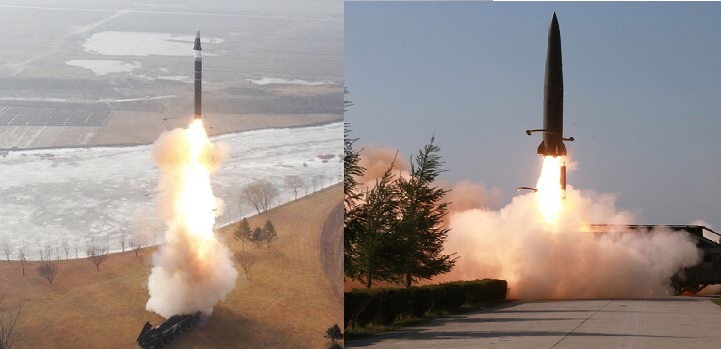
World
SEOUL, — April 9, 2026 : North Korea conducted a series of coordinated weapons tests between April 6 and April 8, 2026, demonstrating an integrated strike package that combines a Hwasong-11 (KN-23) cluster missile, a carbon-fibre blackout munition, and a non-nuclear electromagnetic weapon. The systems are designed to disable airpower, infrastructure, and command networks of United States and allied forces during the initial phase of a conflict. The tests were carried out by research agencies under North Korea’s Missile Administration and involved launches from the Wonsan area on the country’s east coast. According to South Korea’s Joint Chiefs of Staff, missiles were tracked flying approximately 240 kilometers in one set of launches, while another missile exceeded 700 kilometers. Flight analysis is continuing in coordination with the United States. Coordinated Strike Concept and Test Objectives The April test cycle demonstrated synchronized capabilities intended to blind, disrupt, and overwhelm South Korean and U.S. defenses. The integrated package combines kinetic and non-kinetic systems, enabling simultaneous attacks on physical targets, electrical infrastructure, and electronic networks. North Korean state media said the tests were conducted to evaluate the combat application and effectiveness of tactical ballistic missile warheads, including new payload configurations. Leader Kim Jong Un described the electromagnetic and blackout systems as “special means of strategic character”, indicating their intended role alongside conventional strike capabilities. The systems are designed for beyond line-of-sight operations, targeting rear-area infrastructure ahead of follow-on strikes. Hwasong-11 Missile and Cluster Warhead Capabilities The delivery platform used in the tests is a derivative of the Hwasong-11, associated with the KN-23 family. It is a road-mobile, single-stage, solid-fuel short-range ballistic missile measuring approximately 7.5 meters in length and 0.95 meters in diameter, with a launch weight of about 3,415 kilograms and a payload capacity of roughly 500 kilograms. The missile has a stated range of up to 690 kilometers, although recent test data confirmed flight distances exceeding 700 kilometers. It employs a quasi-ballistic trajectory with terminal pull-up maneuvers, complicating interception by theater missile defense systems. The variant tested, referred to as Hwasongpho-11 Ka (Hwasong-11Ga/Hwasong-11A), was equipped with a cluster warhead. This payload disperses submunitions mid-flight to cover an area of approximately 6.5 to 7 hectares, producing high-density effects across multiple targets. The configuration is designed for area targets, including airfields, logistics hubs, troop concentrations, vehicle parks, command posts, radar systems, fuel storage facilities, and assembly areas. Compared to unitary warheads, the cluster configuration shifts the missile’s role from point-target precision to wide-area coverage with simultaneous effects. Blackout Munition and Power Infrastructure Disruption Alongside the missile tests, North Korea demonstrated a carbon-fibre (graphite) blackout munition, designed as a non-destructive infrastructure weapon. The munition disperses conductive filaments over high-voltage equipment such as transformers, switchyards, and transmission lines. Once settled, the filaments create short circuits and electrical arcing, leading to localized or widespread power outages without physically destroying infrastructure. This capability is intended to disrupt power distribution networks supporting ports, rail systems, industrial facilities, and military installations, enabling rapid operational impact with limited structural damage. Electromagnetic Weapon and Counter-Electronics Capability The strike package also included a non-nuclear electromagnetic weapon system, representing an expansion of North Korea’s counter-electronics capabilities. The system operates using high-power microwave (HPM) or similar technologies to generate electromagnetic pulses that interact with electronic systems. These pulses are designed to disrupt or damage radars, communications relays, fire-control systems, data centers, missile seekers, and command networks. Unlike nuclear-generated electromagnetic pulse (EMP) effects, the system operates at tactical ranges with more localized and controllable impact. The capability is assessed as a direct threat to electronically dependent military platforms and networked command systems. Additional Systems Tested The April 2026 test cycle also included trials of a new low-cost missile engine and short-range anti-aircraft missiles, indicating efforts to improve production efficiency and expand layered air defense capabilities. State media characterized the electromagnetic and blackout systems as strategic support assets intended for integration with broader military operations. Strategic and Operational Implications The coordinated strike package reflects an evolving North Korean military approach focused on asymmetric warfare and system disruption. By targeting the electrical and digital infrastructure that underpins modern military operations, the system aims to degrade intelligence, surveillance, reconnaissance (ISR) capabilities and command-and-control networks. The integration of maneuverable missile delivery systems with area-effect warheads and electronic disruption tools allows for simultaneous engagement of multiple target categories. The cluster warhead enables wide-area coverage, while blackout and electromagnetic components provide soft-kill effects against infrastructure and electronics. The Hwasong-11 family has previously been associated with both conventional and nuclear roles, and the addition of these payloads expands its operational flexibility. Regional Context and Ongoing Analysis South Korea and the United States continue to analyze flight data and system performance, including guidance accuracy, fuse reliability, and electromagnetic output, which were not disclosed in official announcements. The April 6–8 tests build on earlier developments in the Hwasong-11/KN-23 series by incorporating new warhead types and electronic attack systems into a single operational concept. Defense analysts note that the demonstrated capabilities may require adjustments in allied defense planning, including increased focus on hardened infrastructure, resilient power systems, electromagnetic protection, and distributed military operations. North Korea stated that the tests form part of ongoing efforts to expand capabilities for infrastructure disruption, ISR denial, and command network degradation, aligning with broader trends observed in modern conflict environments.
Read More → Posted on 2026-04-09 14:21:24
World
Menlo Park, California, — April 9, 2026 : Defense technology firm Bulwark Dynamics has announced the development of the Caravel 35, a 35-foot autonomous landing craft designed to support sea-to-shore resupply operations in contested littoral environments. The platform is intended for use by the United States military and allied forces, particularly in regions where conventional port infrastructure is unavailable, degraded, or at risk. Platform Design and Operational Role The Caravel 35 has been engineered for operations in shallow and austere coastal zones. A key feature of the vessel is its ultra-shallow draft of 6 inches when fully loaded, allowing it to access shorelines beyond the reach of conventional maritime platforms. This capability is intended to support distributed logistics operations across dispersed coastal environments. The vessel is capable of carrying modular, containerized payloads, including a full 20-foot ISO container. In addition to standard cargo, the craft can transport vehicles and unmanned ground vehicles (UGVs), enabling flexibility in mission profiles that include both sustainment operations and littoral maneuver missions. Autonomous Capabilities and Testing Background The Caravel 35 builds on earlier testing conducted with a smaller 15-foot variant of the Caravel series. In late March 2026, the 15-foot platform completed an open-water demonstration that included a fully autonomous sea-to-shore delivery sequence. The trial involved unmanned beach landing and autonomous cargo offloading, carried out with zero human intervention. The newly announced 35-foot model scales these demonstrated capabilities to a mission-relevant platform, while maintaining the same autonomous navigation, landing, and delivery functions. The system is designed to operate without onboard crew or reliance on shore-based support during final delivery stages. Development Context and Strategic Focus Bulwark Dynamics developed the Caravel series to address logistical challenges associated with last-mile maritime delivery in contested environments. These challenges are particularly relevant in regions such as the Indo-Pacific, including areas along the First Island Chain, where maintaining supply lines across dispersed maritime terrain presents operational constraints. According to the company, the design of the Caravel 35 incorporates feedback from operators across the U.S. military and allied forces deployed in the Indo-Pacific. The platform is intended to reduce personnel exposure during the final segment of resupply missions by automating sea-to-shore transfer operations. Manufacturing and Industry Partnerships To transition the Caravel 35 from development to production, Bulwark Dynamics has established a partnership with a major shipbuilder. The collaboration focuses on ensuring reliability, manufacturability, and scalability for operational deployment. In December 2025, the company signed a memorandum of understanding with a leading Japanese shipbuilder to explore co-production of autonomous maritime systems. This agreement is part of a broader effort to enable production at scale. The company also opened a prototype production facility in Menlo Park in January 2026 to support ongoing development and testing of its autonomous vessels. Program Background and Applications Bulwark Dynamics, headquartered in San Francisco with operations in Menlo Park, was founded to develop autonomous beach-landing vessels for contested logistics and distributed military operations. The company completed a pre-seed funding round in September 2025 to support initial prototype development. The Caravel platforms are designed to perform autonomous navigation, shoreline approach, physical beaching, and payload delivery without crew or shore infrastructure. While primarily intended for military logistics, the system has potential dual-use applications in sectors such as disaster relief, offshore energy, port operations, industrial logistics, coastal urban supply chains, and remote island support.
Read More → Posted on 2026-04-09 14:29:14
World
MOSCOW, — April 9, 2026 : Russia-based developer LazerBuzz has confirmed that its Posokh laser air defence system successfully destroyed a fixed-wing first-person view (FPV) unmanned aerial vehicle (UAV) at a distance of 1,500 metres during recent tests, marking a further extension of the system’s operational range. According to the developer, the latest trial demonstrated a 0.5 km increase in effective engagement distance compared to previous results. The test was conducted under a mock attack scenario involving an aircraft-type UAV, where the system detected, tracked, and neutralised the target using focused ytterbium laser radiation technology. System Performance and Test Results During the April 2026 test, the Posokh system engaged the UAV and achieved target destruction in less than 0.5 seconds. The system operates with a laser beam power output of up to 80 kilowatts and is capable of functioning in a fully automatic mode. This allows it to detect, track, and engage aerial threats without manual operator intervention. The system uses an integrated radar suite for early detection and targeting. Once locked, the laser delivers a concentrated beam that physically damages critical drone components such as onboard electronics and batteries. In the recent trial, this resulted in structural and functional failure of the fixed-wing UAV. LazerBuzz stated that the increased range was achieved through the integration of new components and optimisation of software algorithms, improving both targeting precision and energy delivery efficiency at extended distances. Development Progress and Previous Testing The April 2026 results build on earlier tests conducted in late December 2025, when the Posokh system successfully engaged an FPV drone at a distance of 1 kilometre. That test itself marked an improvement over an earlier maximum operational range of approximately 700 metres. The latest trial confirms stable and repeatable performance at the extended 1.5 km range, indicating continued progress in the system’s development cycle. Earlier prototype versions of the system operated at significantly lower power levels, including configurations around 3 kW. The current 80 kW configuration represents a substantial increase in output, aligned with its intended operational role in protecting industrial and critical infrastructure. Operational Role and Design Approach The Posokh laser system is designed as a short-range air defence solution focused on countering small unmanned aerial threats, particularly FPV drones. Unlike electronic warfare systems that rely on jamming or signal disruption, Posokh applies a direct physical effect to neutralise targets. This approach is intended for scenarios where electronic suppression methods may be less effective, such as autonomous or pre-programmed UAVs. By targeting essential drone components, the system ensures immediate disablement rather than temporary disruption. The platform is primarily intended for deployment in fixed-site defence roles, including the protection of industrial facilities and other critical infrastructure assets. Development Status LazerBuzz indicated that development work on the Posokh system is ongoing, with further enhancements planned for the laser-based air defence platform. However, the company did not provide additional details regarding deployment timelines, production status, or potential integration with other defence systems. The April 2026 tests were conducted at an undisclosed location.
Read More → Posted on 2026-04-09 14:43:49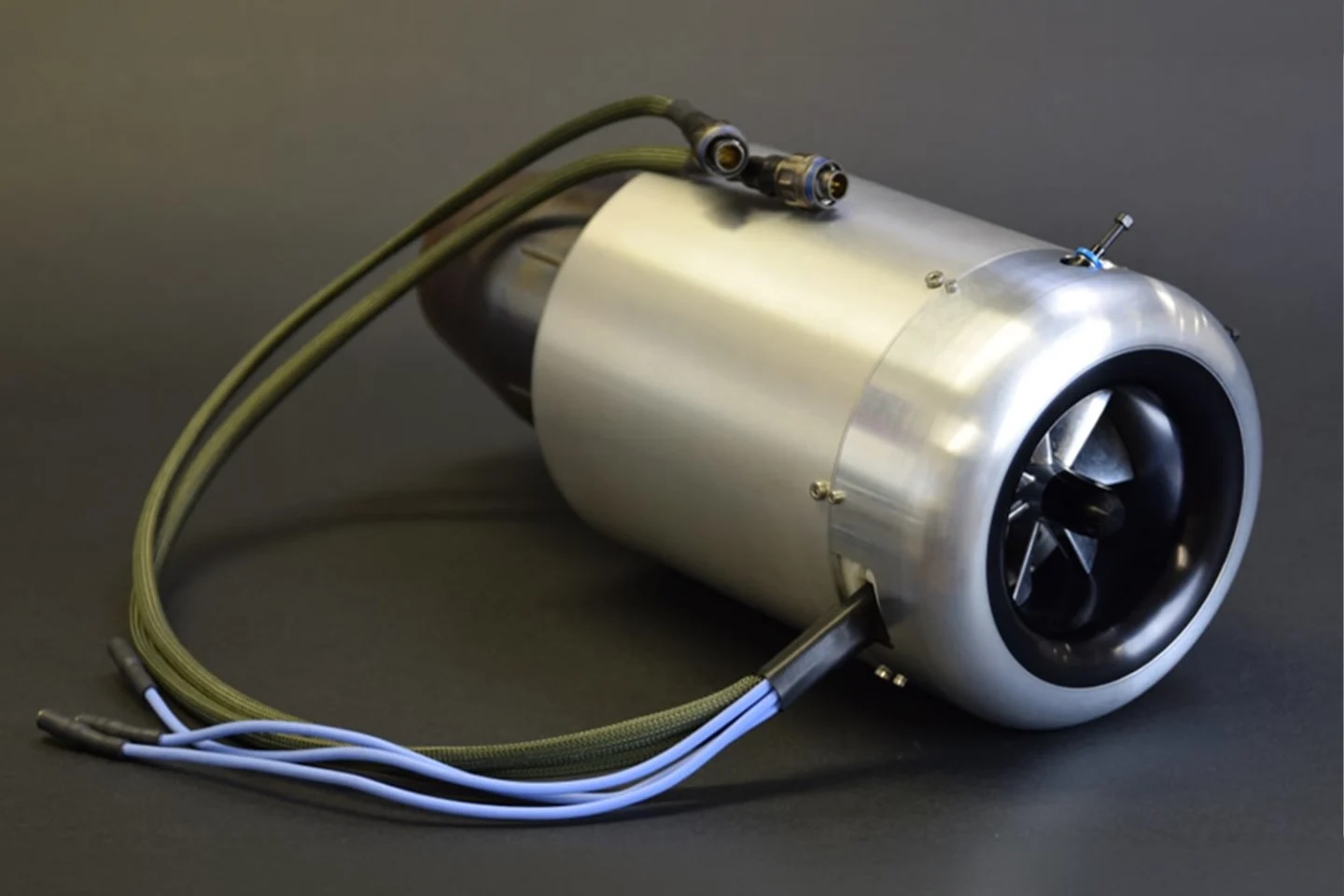
World
MUNICH, Germany — April 9, 2026 : German aircraft engine manufacturer MTU Aero Engines AG has acquired AeroDesignWorks GmbH, a Cologne-based developer of propulsion systems for unmanned platforms. The transaction will see AeroDesignWorks become a wholly owned subsidiary while remaining a legally independent entity, marking MTU’s formal entry into propulsion solutions for unmanned aerial vehicles (UAVs) and guided missile systems. The acquisition reflects MTU’s strategic expansion into the growing market for autonomous and high-precision defence systems. The company stated that the move aligns with broader European efforts to strengthen technological independence in aerospace and defence, particularly as demand increases for domestically developed propulsion technologies. Strategic Expansion into Autonomous Systems MTU indicated that integrating AeroDesignWorks fills a capability gap in its portfolio by extending its propulsion offerings beyond traditional military aircraft engines to include smaller turbojet systems used in UAVs and guided missiles. The company expects the addition to support future operational concepts in which crewed aircraft operate alongside integrated drone networks. Ottmar Pfänder, Chief Program Officer at MTU Aero Engines, said the acquisition provides immediate access to a high-growth segment. He stated that autonomous and precision-guided systems are becoming central to European aerospace and defence strategies and that the transaction enables MTU to accelerate its presence in this domain while contributing to regional technological sovereignty. Company Background and Capabilities AeroDesignWorks was founded in 2011 as a spin-off from the German Aerospace Center (DLR). The company employs approximately 40 people and generates annual revenues of around €10 million. It specializes in compact gas turbine engines with thrust levels of up to 400 Newtons and has established capabilities in taking propulsion systems from concept through to series production. The company is already supplying propulsion systems to major defence contractors, including MBDA, Airbus, and Boeing. In parallel, it is developing higher-thrust propulsion solutions for emerging UAV and guided missile programmes at both national and European levels. Industrial Integration and Operational Structure Despite the ownership change, AeroDesignWorks will continue to operate independently. MTU stated that maintaining this structure is intended to preserve the company’s operational characteristics, including development speed, cost efficiency, and flexibility. Pfänder noted that MTU will support AeroDesignWorks’ growth by providing access to its engineering expertise, industrial-scale manufacturing capabilities, and production scaling infrastructure. The combination is expected to enable faster development cycles and increased production capacity for advanced propulsion systems. The founders of AeroDesignWorks, Georg Kröger and Ulrich Siller, stated that the company has demonstrated strong performance in rapid development and high-performance turbine design. They added that MTU’s experience and position in the defence sector would complement AeroDesignWorks’ technological strengths and support its next phase of expansion. MTU’s Defence Portfolio and Market Position MTU Aero Engines is an established supplier of military aircraft engines and participates in major European defence programmes, including the Tornado, Eurofighter, and A400M. The company is also involved in the development of next-generation European fighter engine technologies. Currently, military engines and maintenance account for less than 10 percent of MTU’s total revenue. The acquisition is part of a broader strategy to expand its footprint in the defence sector, particularly in areas associated with autonomous systems and advanced propulsion technologies. MTU also maintains experience in electric propulsion through its subsidiary eMoSys, which supports developments in hybrid and autonomous flight systems. Transaction Details and Outlook Financial terms of the acquisition have not been disclosed. MTU described the purchase price as aligned with its strategic objectives. The transaction is expected to close in the coming months, subject to regulatory approvals. Through this acquisition, MTU positions itself to address increasing demand for small, high-performance turbojet engines used in UAVs and guided missile systems, while leveraging AeroDesignWorks’ existing expertise in rapid development and series production.
Read More → Posted on 2026-04-09 15:30:50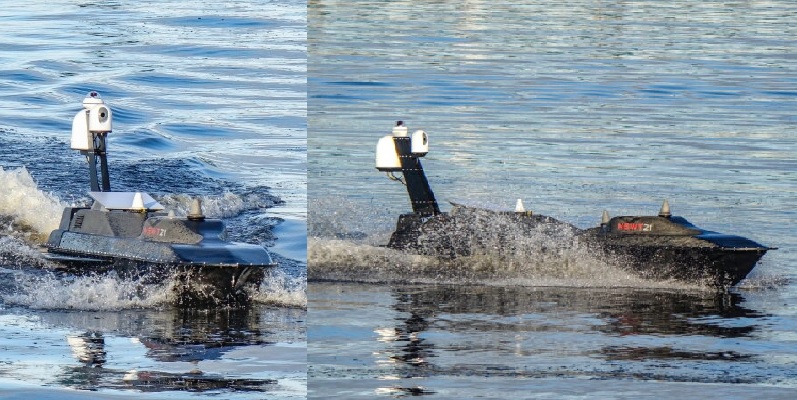
World
MADRID / CARTAGENA, Spain — April 9, 2026 : UAV Navigation–Grupo Oesía has announced the successful demonstration of its autonomous control and guidance system during recent U.S. Special Forces maritime exercises conducted in Cartagena, Spain. The system was integrated aboard NEWT21’s FOG unmanned surface vessel (USV), with the company confirming the results on April 9, 2026. The demonstration took place in an operational military environment rather than a controlled test setting, providing validated performance data under real-world conditions. The exercise highlighted the increasing adoption of autonomous surface platforms in maritime security and special operations missions. Platform Integration and System Architecture The trials centered on the FOG USV, a 4.7-metre shallow-draft, crewless surface platform developed by Latvian company NEWT21. Designed for operations in coastal environments, estuaries, and riverine areas, the vessel has a payload capacity of 200 kilograms. The platform was equipped with UAV Navigation–Grupo Oesía’s VECTOR 400 autopilot and guidance system. The integration enabled the vessel and navigation suite to operate as a unified autonomous system, supported by satellite communications (SATCOM) for connectivity and control. The collaboration between the two companies combined the surface vessel platform with advanced guidance technology into a single operational package. According to the companies, the partnership was built on proximity, mutual confidence, and a shared focus on customer requirements. Operational Demonstration in Military Exercise During the Cartagena exercise, which involved U.S. Special Forces maritime units, the FOG USV executed a fully autonomous navigation plan. The system demonstrated stable movement, accurate route tracking, and consistent performance under operational constraints. The vessel operated alongside other participating assets, adapting its navigation in real time. This included dynamic route adjustment relative to moving vessels in the operational area, allowing the system to maintain mission objectives while responding to changing conditions. One of the key operational tasks involved safe approach maneuvers toward a mothership. The onboard autopilot system successfully managed collision avoidance during proximity operations, maintaining safe distances while completing assigned movements. In addition to navigation tasks, the platform continuously performed onboard health monitoring throughout the mission. This diagnostic capability ensured system awareness and contributed to uninterrupted operation during the exercise. Fault-Tolerant Design and System Reliability A central feature of the autonomous control system is its fault-tolerant architecture, developed to meet military operational requirements. The system is designed to maintain safe functionality even in the event of partial subsystem failure. During the exercise, the USV remained stable and responsive while executing its assigned route, demonstrating the resilience of the navigation and control system under real-world conditions. The performance validated the system’s ability to operate reliably in complex maritime environments. The successful execution of navigation tasks and collision-avoidance maneuvers provided a measurable operational benchmark for the system’s current level of maturity. Role in Multi-Domain Operations The demonstration offered a practical example of how autonomous maritime platforms can be integrated into multi-domain operations involving naval forces and special operations units. The use of a crewless surface vessel in coordination with manned assets reflects evolving operational concepts in maritime security. By operating in an active military exercise, the system moved beyond laboratory validation and technology preview stages, demonstrating readiness for deployment in operational scenarios. Industry Position and Future Outlook UAV Navigation–Grupo Oesía stated that the results reinforce its position as a provider of advanced autonomous navigation and control technologies for defense applications. The company noted that its autopilot system had previously demonstrated reliable performance on the FOG USV platform in earlier trials, with the Cartagena exercise serving as further confirmation under operational conditions. The cooperation with NEWT21 enabled both companies to validate the integration of their technologies in a realistic environment. The demonstration also highlighted the operational advantages of next-generation unmanned maritime platforms, particularly in missions requiring precision navigation, adaptability, and reduced human involvement. UAV Navigation–Grupo Oesía indicated that it will continue supporting international defense partners and allied forces with field-proven autonomous navigation solutions. The exercise results confirmed both the robustness of the system and the practical applicability of autonomous USVs such as NEWT21’s FOG platform in modern maritime operations.
Read More → Posted on 2026-04-09 15:44:38
World
PRAGUE, — April 9, 2026 : The Czechoslovak Group (CSG) has signed contracts valued at nearly $2.5 billion to supply multi-layer air defense systems to customers in Southeast Asia, marking one of the company’s largest export agreements outside Europe. The agreements, announced on April 7, 2026, will be executed through CSG’s subsidiary Excalibur International, which specializes in integrated air defense solutions. The contracts cover the delivery of complete air defense batteries with varying engagement ranges, designed to counter a broad spectrum of aerial threats. Delivery Scope and Timeline Under the terms of the agreements, all systems will be mounted on high-mobility Tatra chassis, ensuring operational flexibility across diverse terrains. Deliveries are scheduled to take place over the next four to five years. The contracts include a comprehensive package beyond hardware supply. This encompasses personnel training, long-term logistical support, spare parts provision, and infrastructure development. Excalibur International will also provide export financing, enabling a full turnkey solution for the receiving countries. The industrial group confirmed the contract details to Militarnyi. System Composition and Integration While specific system configurations have not been officially disclosed, CSG indicated that the multi-layer air defense architecture is expected to integrate components from its global partners alongside in-house technologies. Industry assessments suggest the systems may incorporate elements such as the SPYDER air defense system or the Korkut air defense system, reflecting CSG’s established partnerships. Additionally, systems developed by Retia are likely to be included, particularly ReGARD multi-purpose radars and counter-unmanned aerial system (C-UAS) solutions adapted for Southeast Asian operational requirements. The overall architecture is expected to feature open-architecture command-and-control (C2) systems, allowing integration of multiple sensors and effectors for coordinated detection, tracking, and engagement. Executive Statement Miloš Šivara, CEO of Excalibur International, stated that the contracts reflect continued confidence from regional partners and build on existing deliveries. “These new contracts in the Asian region confirm the trust of our partners and build on the ongoing deliveries of these systems,” Šivara said. Regional Expansion and Previous Contracts The latest agreements build on CSG’s expanding footprint in Southeast Asia. The group has previously been involved in the MRAD (Medium Range Air Defense) program in the region, supplying medium-range systems. In 2026, another CSG subsidiary, Excalibur Army, signed contracts worth over $300 million to deliver more than 100 units of Patriot armored vehicles in multiple configurations, with deliveries planned over a three-year period. Earlier, at the end of 2025, CSG’s Ammo+ division secured contracts to supply small-caliber ammunition to customers in the same region. Corporate Profile and Industry Position CSG, a Dutch-registered company with management headquartered in Prague, operates manufacturing facilities across Europe, the United States, and India. The group employs more than 14,000 people and reported revenues of €6.7 billion in 2025. Its shares are listed on Euronext Amsterdam under the ticker CSG. The latest contracts represent one of the largest non-European deals in the company’s history and reflect its continued expansion in air defense and radar technologies, including systems designed to detect and counter unmanned aerial platforms. Customers Not Disclosed CSG has not disclosed the identities of the Southeast Asian customers involved in the agreements. However, the contracts indicate continued demand in the region for integrated, multi-layer air defense capabilities amid evolving security requirements.
Read More → Posted on 2026-04-09 16:08:59
World
AUSTIN, Texas — April 9, 2026 : U.S.-based defense technology startup Aeon has introduced Zeus, a software-defined, modular guided missile system designed to address longstanding gaps in tactical infantry munitions. Founded in 2023 and led by CEO Naweed Tahmas, the company is positioning the system as a new approach to precision weapons, emphasizing affordability, scalability, and adaptability for modern combat environments. The Austin-based firm has secured $18.6 million in venture capital funding from Quiet Capital, Silent Ventures, and 1789 Capital. Aeon’s entry into the tactical weapons market reflects a strategic shift within the defense startup ecosystem, which has largely focused on drones and loitering munitions, while infantry-carried precision weapons have remained largely unchanged for decades. System Design, Weight, and Cost Structure The Zeus system is designed within the same physical class as the AT4 unguided anti-tank rocket, weighing approximately 20 pounds and measuring about 30 inches in length. Despite its comparable size, Zeus delivers guided precision capabilities closer to systems such as the FGM-148 Javelin. Aeon has priced Zeus at approximately $50,000 per unit. This positions the system significantly below the cost of traditional guided missile systems, which can reach several hundred thousand dollars per unit, while offering greater capability than unguided rocket-propelled weapons. The system has been engineered for high-volume production, with Aeon targeting output exceeding 10,000 units annually. This production goal was incorporated during the initial design phase to ensure manufacturability at scale. ODIN Software Architecture and Targeting Capabilities At the core of Zeus is Aeon’s proprietary ODIN software-defined targeting architecture. The system enables multiple targeting modes, including automatic threat identification and persistent tracking that allows reacquisition of targets after temporary concealment. Zeus supports beyond-line-of-sight engagements and integrates with battlefield command-and-control networks, including compatibility with the Android Tactical Assault Kit (ATAK). The architecture allows operators to perform field-level software updates, enabling rapid adaptation to new mission requirements without the need for new hardware development programs. Through a partnership with webAI, Zeus incorporates “Field AI” capabilities, enabling node-to-node federation and distributed model sharing. This allows units to exchange encrypted operational insights locally and maintain functionality in contested or electronically degraded environments without transmitting raw data externally. Modularity and Multi-Platform Integration The system is built around a modular design that allows operators to swap sensors and payloads without tools. This enables Zeus to engage a wide range of targets, including main battle tanks, armored vehicles, unmanned aerial systems such as the Iranian-designed Shahed series, small tactical targets, buildings, and patrol boats. Zeus can be deployed by dismounted infantry using a shoulder-mounted configuration or integrated onto various platforms. Operators can switch between roles by attaching or removing the shoulder mount. Aeon has established multiple integration partnerships to expand the system’s operational flexibility. The company is working with a major Ukrainian drone manufacturer to enable Zeus launches from quadcopter unmanned aerial vehicles, extending engagement range beyond that of individual soldiers. A separate Ukrainian partnership focuses on integration with unmanned ground vehicles and surface vessels. Additionally, Aeon has collaborated with Moog Inc. to integrate Zeus into turret and remote weapon station platforms. The company has completed guided flight tests with Moog systems ahead of schedule. Manufacturing Strategy and Supply Chain Approach Aeon has adopted a vertically integrated manufacturing model, producing key components in-house, including solid rocket motors, propellants, fuzes, igniters, and control actuation systems. The system also incorporates low-signature propellants designed to reduce visible launch signatures. According to Tahmas, this approach is intended to control production costs and mitigate supply chain disruptions that have affected larger defense programs. The system relies on American-made commercial components and was designed from inception with manufacturability as a primary consideration. Operational Context and Development Drivers The development of Zeus was influenced significantly by observations from the ongoing conflict in Ukraine. Tahmas stated that the conflict demonstrated the high consumption rates of precision munitions in modern warfare and highlighted limitations in existing procurement models. He noted that current systems are often based on designs that are 30 to 40 years old, while threats and operational requirements are evolving more rapidly. Aeon’s design philosophy emphasizes systems that can adapt through software updates and modular changes rather than requiring entirely new weapon programs. Contracts and U.S. Army Engagement Aeon has secured eight-figure contracts with the U.S. Department of Defense for the production and fielding of Zeus. These include agreements with the Army Applications Laboratory, Army Futures Command, and a Cooperative Research and Development Agreement (CRADA) with the U.S. Army DEVCOM Aviation & Missile Center. The company has been selected under U.S. Army programs aimed at enhancing lethality for dismounted soldiers through rapid payload adaptability across multiple target sets. Aeon has conducted live-fire and jump tests with U.S. Army units, including evaluations involving the Forward Observations Group, with deliveries completed ahead of schedule. Additional testing activities have included shoulder-fired launches at a ranch in East Texas and guided flight tests from integrated turret platforms. System Positioning Tahmas has stated that Zeus is not intended as a direct replacement or copy of existing systems such as the Javelin or France’s Akeron missile. Instead, he described it as a system designed specifically for current operational demands, focusing on cost efficiency, production scale, and adaptability. Aeon’s Zeus program reflects a broader shift toward software-defined weapons systems that can evolve alongside changing battlefield conditions while maintaining compatibility with existing operational frameworks.
Read More → Posted on 2026-04-09 16:26:24
World
KHARKIV, Ukraine — April 9, 2026 : Russian forces have deployed the “Chelnok” unmanned ground vehicle (UGV) in the Kharkiv sector, marking the first recorded battlefield use of the platform since its public unveiling in April 2024. The system is currently being employed in high-risk, contested areas to support frontline operations. Deployment and Evolving Operational Role According to reports from the Ukrainian 11th Army Corps and assessments by Defence Blog, the Chelnok was initially conceived as a specialized engineering vehicle designed for mine-clearing operations. However, recent battlefield observations indicate that its role has expanded to include logistical support tasks. In its adapted function, the unmanned platform is being used as a robotic ground carrier, enabling Russian units to transport supplies across exposed sections of the front line. This approach reduces the need for personnel to operate in areas vulnerable to artillery fire, unmanned aerial vehicle (UAV) surveillance and strikes, and dense minefields. Ukrainian military sources have confirmed sightings of the system operating alongside assault elements of Russia’s “West” military grouping. Development Background and System Design The Chelnok UGV was developed by the Kurgan-based company MobiDik LLC and is built on the chassis of the “Phoenix” electric all-terrain vehicle. The platform drew public attention during its initial presentation in April 2024, which included a widely noted demonstration incident in which the vehicle reportedly collided with a serviceman. At the time of its unveiling, the Chelnok was configured primarily as a mine-clearing system equipped with the UR-83P line-charge demolition system. This system deploys a 93-meter explosive sleeve containing approximately 725 kilograms of explosive material. The charge is rocket-propelled to a distance of 450–500 meters, detonating to create a cleared corridor roughly six meters wide through anti-tank minefields. Technical Specifications and Mobility Features The Chelnok is powered by a 100 kW electric motor paired with lithium iron phosphate batteries, providing an operational endurance of approximately six hours. The vehicle measures 3.8 meters in length, 2.5 meters in width, and 3.4 meters in height, with a base weight of 1,350 kilograms excluding payload. The platform is capable of reaching speeds of up to 50 kilometers per hour on land and approximately 5 kilometers per hour in water, reflecting its amphibious capability. A defining feature of the Chelnok is its wheeled chassis equipped with ultra-low-pressure tires, similar to those used on amphibious all-terrain vehicles. This configuration enables the system to traverse difficult terrain, including ditches, craters, soft ground, and water obstacles. Additionally, the reduced ground pressure lowers the probability of triggering pressure-activated anti-tank mines, enhancing survivability in mined environments. The electric propulsion system contributes to relatively low acoustic and thermal signatures, which can be advantageous during operations requiring reduced detectability. Operational Limitations and Observed Drawbacks Despite its mobility and utility in minimizing personnel exposure, analysts have identified several limitations associated with the Chelnok’s design. The vehicle’s size—comparable in footprint to a standard passenger car and standing 3.4 meters tall—makes it highly visible on the battlefield. This large profile complicates concealment in natural terrain features such as tree lines, forest belts, or ground depressions. In its logistics configuration, the platform also presents ergonomic challenges. Cargo is positioned at approximately chest height, which can slow manual loading and unloading processes, particularly under combat conditions where speed and efficiency are critical. Broader Context of Deployment The introduction of the Chelnok in the Kharkiv sector reflects ongoing efforts by Russian forces to integrate unmanned ground systems into operational roles including engineering support, mine clearance, and logistics. The platform is one of several systems reportedly undergoing evaluation or limited deployment, alongside other unmanned solutions such as the Courier system. As of April 9, 2026, no official statement has been released by the Russian Ministry of Defence regarding the operational status, scale of deployment, or future plans for the Chelnok unmanned ground vehicle.
Read More → Posted on 2026-04-09 18:02:40
Space & Technology
NEW DELHI,— April 9, 2026 : India has successfully demonstrated a 1,000-kilometre secure quantum communication network, marking one of the longest such networks globally and a significant milestone under the National Quantum Mission (NQM). The achievement was formally announced by the Department of Science and Technology (DST) on April 8, 2026. The demonstration was completed in less than two years after the National Quantum Mission became operational in October 2024, substantially ahead of the original target of building a 2,000-km network over an eight-year period extending to 2030–31. Indigenous Development and Technology Validation The network has been developed using indigenous technology by QNu Labs, an Indian startup supported under the National Quantum Mission. The company specialises in quantum-safe cybersecurity solutions and deployed its ARMOS Quantum Key Distribution (QKD) platform for the project. The system uses Quantum Key Distribution (QKD), a technology that transmits encryption keys using quantum principles instead of classical binary signals. This method ensures that any attempt to intercept communication can be immediately detected through disturbances in quantum states. The ARMOS platform was independently validated in collaboration with VIAVI Solutions using the MAP-300 test platform. Testing confirmed secure key generation over distances of up to 200 kilometres on standard telecom fibre without the need for signal amplification. Multiple such links were combined to achieve the full 1,000-km network. According to technical data, the system supports coexistence with 10 Gbps classical data traffic while maintaining a Quantum Bit Error Rate (QBER) below 4%, indicating stable and secure transmission performance. This milestone follows an earlier 500-km defence-grade quantum communication network completed in November 2025. Strategic Applications and Operational Capabilities The network is designed to strengthen secure communications across multiple critical sectors. These include military and defence communications, banking and financial systems, and other forms of critical national infrastructure that require high levels of cybersecurity. Officials stated that the system has been engineered to operate in challenging environments, including underwater and underground conditions. This expands its applicability for both civilian infrastructure and strategic deployments. Government Review and Official Statements The achievement was reviewed during a high-level meeting at the Department of Science and Technology chaired by Union Minister of State for Science and Technology, Dr. Jitendra Singh. DST Secretary Dr. Abhay Karandikar described the development as a landmark advancement in secure quantum communication and said it positions India among leading countries working on quantum technologies. Expansion of Startup Ecosystem Alongside the network demonstration, the government has expanded its support for quantum technology startups. The number of startups backed under the National Quantum Mission has increased from eight to 17, with nine additional deep-tech ventures added to the programme. These startups are working on a range of advanced technologies, including biosensors for disease detection, precision electronics, quantum positioning systems, photon-sensing technologies, and atomic memory solutions. Research Activity and Industry Participation The Technology Development Board (TDB) has reported strong industry engagement following the rollout of government support mechanisms. More than 100 research proposals were received within two months of issuing a call for submissions. In parallel, the biotechnology sector has also seen increased activity. Nearly 200 applications have been submitted for research projects in areas such as cancer treatment, gene therapy, and bio-manufacturing, supported through the Biotechnology Industry Research Assistance Council (BIRAC). Funding Mechanisms and Policy Support To support the growth of deep-tech startups, the government is introducing new funding structures, including optionally convertible debt (OCD). This mechanism enables startups to raise capital while deferring equity dilution for founders, allowing greater operational flexibility during early growth stages. These initiatives are aligned with the broader ₹1 lakh crore Research Development Innovation (RDI) Fund aimed at strengthening India’s innovation ecosystem. National Quantum Mission Framework The National Quantum Mission was approved by the Union Cabinet in April 2023 with a total financial outlay of ₹6,003.65 crore for the period from 2023–24 to 2030–31. The mission’s objectives include the development of intermediate-scale quantum computers, satellite-based secure quantum communication over distances exceeding 2,000 kilometres, multi-node quantum networks incorporating quantum memories, and the establishment of international quantum-secure communication links. The successful 1,000-km demonstration represents a key step toward achieving these targets and advancing India’s capabilities in quantum-secure communication infrastructure.
Read More → Posted on 2026-04-09 18:07:03
World
LONDON, — April 9, 2026 : The United Kingdom has disclosed details of a coordinated, month-long operation in which British and allied forces tracked multiple Russian submarines operating near sensitive undersea infrastructure in the High North and North Atlantic, ultimately prompting their withdrawal toward Russian waters. According to the UK Ministry of Defence (MoD), the operation involved a Russian Akula-class nuclear-powered attack submarine alongside two specialist submarines linked to Russia’s Main Directorate of Deep Sea Research (GUGI). The vessels were monitored continuously for over a month after entering international waters several weeks prior to their departure. Coordinated Tracking Operation British military assets, working closely with allies including Norway, maintained persistent surveillance of the Russian vessels across a wide operational area. The Royal Navy deployed the Type 23 frigate HMS St Albans, supported by the fleet replenishment vessel RFA Tidespring and embarked Merlin helicopters. These assets operated near British territorial waters and covered thousands of miles during the mission. The Royal Air Force simultaneously deployed P-8 Poseidon maritime patrol aircraft, which conducted extended surveillance sorties and deployed sonobuoys to maintain continuous acoustic tracking of the submarines. The combined effort ensured uninterrupted monitoring of Russian movements both on and below the surface. The MoD stated that the tracking was conducted overtly, with British and allied forces deliberately signaling their presence to ensure the Russian vessels were aware they had been detected. Decoy Tactics and GUGI Activity Military assessments determined that the Akula-class submarine was likely operating as a diversion. While it attracted attention in open waters, the two GUGI-affiliated submarines conducted activity in areas associated with critical undersea infrastructure used by the UK and its allies. The operation unfolded in the North Atlantic during a period when international attention was focused on developments in the Middle East, a factor officials indicated may have reduced immediate public scrutiny of activity in northern waters. A declassified satellite image released by the MoD showed surface and sub-surface vessels associated with GUGI at the Russian naval facility in Olenya Guba, located in the High North. Government Response and Official Statements UK Prime Minister Keir Starmer stated that the government remains committed to safeguarding both national and economic security. He said the UK would continue to expose activities that threaten stability and ensure that British households are not indirectly affected by geopolitical actions impacting infrastructure and energy flows. Defence Secretary John Healey highlighted the operational complexity of the mission, noting that British personnel operated for extended periods in challenging maritime conditions. He emphasized that the UK Armed Forces were simultaneously addressing threats in multiple regions, including the Middle East and the High North. Healey also underscored that any attempt to interfere with undersea infrastructure would be met with serious consequences, reaffirming the UK’s commitment to NATO security and homeland defense. Strategic Importance of Undersea Infrastructure Subsea fibre optic cables form the backbone of global communications, carrying more than 99 percent of international data traffic, including internet services, financial transactions, and telecommunications. The GUGI program, a long-standing component of Russia’s naval capabilities, is designed to deploy specialized submarines and vessels capable of surveying, mapping, and potentially interfering with underwater infrastructure. While such activities may occur during peacetime for reconnaissance purposes, these systems are also assessed to have the capability to damage or disrupt critical networks during a conflict. Russian Withdrawal and Continued Monitoring Following sustained tracking and overt monitoring by UK and allied forces, the Akula-class submarine and the two GUGI submarines exited the area and proceeded north toward Russian territory. British defence officials confirmed that no damage to infrastructure was recorded during the operation. However, naval vessels and aircraft remain on standby to respond to any renewed activity in the region. Pattern of Increased Russian Activity The incident forms part of a broader pattern of increased Russian naval operations near UK waters. Over the past two years, the UK has recorded a 30 percent rise in the presence of Russian vessels in nearby maritime zones. In a previous incident last year, the Russian intelligence-gathering vessel Yantar was tracked near UK waters by Royal Navy and RAF assets. During that operation, lasers were reportedly directed at British aircraft. More recently, the Royal Navy completed a separate ten-day monitoring mission in the English Channel and North Sea. During that deployment, HMS Somerset and HMS Mersey, supported by RFA Tideforce and Wildcat helicopters, tracked a Russian destroyer, frigate, landing ship, and a Kilo-class submarine using radar and sensor systems. Defence Investments and Capability Expansion The UK government is expanding its capabilities to counter undersea threats as part of a broader defence strategy. An additional £100 million has been allocated to enhance the RAF’s P-8 Poseidon fleet, strengthening anti-submarine warfare capabilities. The Atlantic Bastion programme, introduced under the Strategic Defence Review, aims to integrate autonomous systems, advanced sensors, and naval platforms to improve detection and response to submarine activity. These measures are part of a wider increase in defence spending, described as the largest since the Cold War. The UK plans to raise defence expenditure to 2.6 percent of GDP from 2027, with total investment projected at £270 billion over the current parliamentary period. Ongoing Allied Coordination The UK continues to work closely with NATO allies to monitor maritime activity in the High North and North Atlantic. Defence officials stated that coordinated surveillance and rapid response capabilities remain central to deterring potential threats to critical infrastructure and maintaining regional stability. Authorities confirmed that monitoring efforts remain ongoing, with readiness measures in place to track and respond to any future deployments affecting British or allied interests.
Read More → Posted on 2026-04-09 18:15:09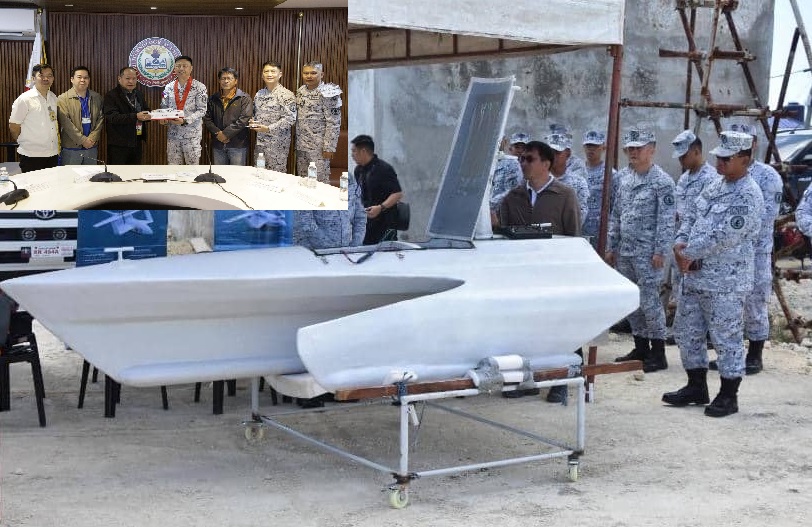
World
MANILA, — April 10, 2026 : The Philippine Navy has entered into a formal partnership with Cebu Technological University (CTU) to develop two indigenous autonomous platforms—a Hybrid Marine-Air Vehicle (HMAV) and a Maritime Autonomous Surface Ship (MASS)—as part of efforts to strengthen the country’s Self-Reliant Defense Posture (SRDP) program and expand domestic capabilities in maritime and defense technologies. The agreement was formalized through a memorandum of agreement signed on March 26, 2026, at the CTU main campus in Cebu City. The signing was led by Rear Admiral Juario C. Marayag, commander of the Naval Sea Systems Command (NSSC), representing the Philippine Navy, and Dr. Jonathan C. Maglasang, designated project leader for both platforms, representing the university. Officials from both institutions attended the ceremony, including Vice Admiral Jose Ma. Ambrosio Q. Ezpeleta for the Navy and senior CTU leadership such as Dr. Romeo P. Montecillo, Dr. Rosein A. Ancheta Jr., and Dr. Pet Roey L. Pascual. Platform Development and Capabilities The collaboration centers on the development of two autonomous systems designed to address operational requirements across the Philippine archipelago, with both prototypes scheduled for completion in 2026. The Hybrid Marine-Air Vehicle (HMAV) is an aerial hybrid platform engineered to transport at least 12 passengers and operate over a range of up to 600 nautical miles. It is intended to support inter-island mobility, logistics operations, and disaster preparedness and response, particularly in geographically dispersed and disaster-prone areas. The Maritime Autonomous Surface Ship (MASS) is a sea-based unmanned vessel incorporating environmentally sustainable or “green” maritime technologies. It is designed to function as an autonomous logistics platform capable of supporting naval operations and civilian requirements while reducing environmental impact. Research, Funding, and Training Framework Research and development activities for both platforms began in 2023 under CTU’s Center for Advanced Vehicles and Energy Systems (CAVES). The university is responsible for system design, development, integration, testing, and performance evaluation. The projects are funded by the Department of Science and Technology–Philippine Council for Industry, Energy and Emerging Technology Research and Development (DOST-PCIEERD). In addition to development responsibilities, CTU will provide technical training to Philippine Navy personnel to support future operation and maintenance of the systems. Dr. Romeo P. Montecillo, CTU Vice President for Student Affairs, stated that the initiatives are aimed at addressing national mobility challenges through advanced and environmentally responsible technologies applicable to both defense and civilian sectors. Alignment with National Defense Policy The partnership aligns with the objectives of the SRDP program, which prioritizes the development of indigenous defense technologies, including unmanned systems, domestic powder production, and maintenance, repair, and overhaul (MRO) capabilities for military assets. The SRDP framework was reinforced with the enactment of the SRDP Revitalization Act (Republic Act No. 12024), signed into law by President Ferdinand Marcos Jr. on October 8, 2024. The legislation mandates the strengthening of the domestic defense industry through sustained research and development of weapon systems and related technologies. Existing Capabilities and Prior Initiatives At present, the Philippine Navy operates a limited number of unmanned surface vessels and aerial drones, primarily sourced from the United States, for territorial defense and maritime security missions. The Navy has also undertaken previous indigenous development efforts. In 2022, it unveiled the “Buhawi” (Building a Universal Mount for Heavy-Barrel Automated Weapon Integration), a remote-controlled weapon system (RCWS) designed for a 0.50-caliber machine gun. The system was developed in collaboration with the DOST Metals Industry Research and Development Center (MIRDC) and the Mechatronics and Robotics Society of the Philippines. An initial batch of 10 units was ordered in 2023 for deployment on small naval vessels. These systems operate alongside imported platforms such as the Israeli-made 12.7mm Rafael Mini Typhoon RCWS. Broader Modernization Efforts Parallel to the Navy’s initiatives, both the Philippine Air Force and the Philippine Army are pursuing their own autonomous vehicle development programs as part of broader military modernization efforts. The collaboration with CTU reflects a wider national strategy to reduce reliance on foreign technology and build sustainable, locally developed defense capabilities amid evolving regional security challenges. No specific cost details for the HMAV and MASS programs have been disclosed. The Philippine Navy continues to monitor the progress of both prototypes as development advances toward their targeted completion later in 2026.
Read More → Posted on 2026-04-10 13:22:33
World
WASHINGTON, — April 10, 2026 : The U.S. Department of Defense has requested more than $2 billion in research, development, testing, and evaluation (RDT&E) funding for directed energy technologies in its fiscal year 2027 budget proposal, signaling an accelerated push to mature and field high-energy laser and high-power microwave systems across the military services. The requested funding level represents a significant increase compared to historical benchmarks. During the Strategic Defense Initiative period between fiscal years 1985 and 1993, the United States spent approximately $4.9 billion in total on directed energy efforts, averaging about $500 million annually. The FY2027 request therefore exceeds that historical annual average by a wide margin, reflecting a shift toward operational deployment rather than exploratory research. Integration with Golden Dome Missile Defense Initiative A substantial portion of the requested funding is tied to the Pentagon’s Golden Dome missile defense initiative. The FY2027 proposal allocates $452 million for the development, integration, and assessment of directed energy systems supporting Golden Dome, more than triple the $142 million enacted in the previous budget cycle. Golden Dome, a broader continental missile defense architecture announced in 2025, is allocated $17.5 billion overall in the FY2027 request. A significant portion of that funding is expected to depend on reconciliation legislation rather than the base defense budget. Directed energy systems are being evaluated within Golden Dome for their ability to provide rapid-response, layered defense against cruise missiles, drones, and other aerial threats. Service-Level Funding Increases The budget proposal outlines notable increases across individual military branches. The U.S. Navy’s directed energy and electric weapon systems RDT&E funding rises to $94 million, compared to $14.5 million in the FY2026 request. The Navy has previously deployed systems such as the Optical Dazzling Interdictor, Navy (ODIN) on surface combatants, and continues to explore integration of higher-power laser systems for shipborne defense. The U.S. Army is advancing plans to formalize its first directed energy program of record. Under the Enduring High Energy Laser (E-HEL) program, the Army intends to produce and field up to 24 high-energy laser systems. This follows a decision not to transition the 300-kilowatt Indirect Fire Protection Capability–High Energy Laser (IFPC-HEL), also known as Valkyrie, into a formal acquisition program. Instead, the IFPC-HEL prototype will serve as a technology demonstrator informing the Joint Laser Warfighting System (JLWS), a collaborative effort between the Army and Navy aligned with Golden Dome objectives, particularly for countering cruise missile threats. Shift Toward Operational Deployment Pentagon officials have indicated that directed energy systems are expected to transition from prototype and experimental phases to operational deployment at scale within the next three years. The emphasis is on systems capable of sustained engagement, with low per-shot costs and high magazine depth, particularly in response to the increasing use of unmanned aerial systems. Lower-power laser systems have already been deployed by the Army in limited testing roles against drones, while the Navy has operational experience with optical and laser-based systems. The FY2027 request continues to prioritize RDT&E funding rather than large-scale procurement, indicating that technology maturation remains the immediate focus. Industry Participation and Emerging Systems The accelerated timeline for deployment has prompted increased activity among defense contractors and technology firms. Industry participants are expanding development and production capabilities to align with Pentagon requirements. Among the systems positioned for potential integration is the “Archimedes” autonomous counter-unmanned aerial system, developed by Aurelius Systems. The platform combines sensor fusion and artificial intelligence to enable autonomous threat detection and engagement. Designed to operate using electrical power rather than conventional munitions, such systems aim to deliver low-cost-per-engagement performance and scalable deployment across distributed defense networks. Budget Context and Next Steps The directed energy funding request forms part of a broader FY2027 defense budget proposal totaling approximately $1.5 trillion, the largest in U.S. history. While the directed energy allocation focuses primarily on research and development, no major new procurement quantities beyond existing program lines are detailed in the current submission. The budget has been released in a preliminary “skinny” format, with detailed justification documents expected later in April 2026. Congressional review and appropriations deliberations will determine final funding levels and program authorizations. If approved, the FY2027 request is expected to further establish directed energy systems as a central component of future U.S. air and missile defense architecture, with expanded integration across land, naval, and joint operational frameworks.
Read More → Posted on 2026-04-10 13:30:59
World
WASHINGTON, — April 10, 2026 : Lockheed Martin has been awarded a $4.76 billion firm-fixed-price contract by the United States Army for the production of Patriot Advanced Capability-3 Missile Segment Enhancement (PAC-3 MSE) interceptors, along with associated hardware, equipment, technical planning, management, and manufacturing activities. The contract is scheduled for completion by June 30, 2030. The award was issued by the Army Contracting Command at Redstone Arsenal, Alabama, which will oversee execution across a distributed industrial network. Funding Structure and Foreign Military Sales Contribution Of the total contract value, $264.96 million has been obligated at the time of award using fiscal year 2026 Army missile procurement appropriations. The remaining $4.49604 billion—approximately 94 percent of the total—is funded through the U.S. government’s Foreign Military Sales (FMS) program. This funding composition indicates that international partner demand is the primary driver behind the current production expansion. Under the FMS framework, allied nations procure defense systems through the U.S. Department of Defense acquisition process, enabling standardization, supply chain oversight, and interoperability with U.S. forces. Production Scale-Up and Industrial Framework The contract supports a broader seven-year framework agreement announced in January 2026 between Lockheed Martin and the U.S. government. The initiative aims to increase annual PAC-3 MSE production capacity from approximately 600 interceptors to about 2,000 by the end of 2030. Lockheed Martin has already expanded output significantly, reporting a production increase of more than 60 percent over the previous two years. In 2025 alone, the company delivered 620 PAC-3 MSE interceptors. Work under the new contract will be carried out across 15 locations in the United States, including Huntsville, Alabama; Clearwater, Lake Mary, Ocala, and Pinellas Park, Florida; East Aurora, New York; Rocket Center, West Virginia; Vergennes, Vermont; Hollister, California; Wichita, Kansas; Camden, Arkansas; Chelmsford, Massachusetts; Grand Prairie and Lufkin, Texas; and Archbald, Pennsylvania. The distributed production model is intended to reduce bottlenecks and improve throughput across the supply chain. In parallel, Boeing is supporting increased production of PAC-3 MSE seekers under a separate framework agreement announced in April 2026. Additional supply chain contributions include international partners such as Diehl Defence, Tecnobit-Grupo Oesía, and Sener. System Capabilities and Technical Characteristics The PAC-3 MSE interceptor is designed as a hit-to-kill system that destroys incoming threats through direct body-to-body impact rather than using a blast-fragmentation warhead. It incorporates a two-pulse solid rocket motor, which provides improved altitude and range performance compared to earlier PAC-3 variants, including the Cost Reduction Initiative (CRI) model. The interceptor is capable of engaging a range of threats, including tactical ballistic missiles, cruise missiles, and other advanced aerial systems. It is compatible with the M903 launcher, which can carry up to 12 PAC-3 MSE interceptors or a mixed loadout combining PAC-3 MSE and PAC-3 CRI missiles. This configuration increases engagement flexibility and enhances the system’s ability to manage multiple simultaneous threats. Operationally, the PAC-3 MSE can reach speeds of approximately Mach 4.5, with an engagement range of up to 160 kilometers and a maximum altitude of approximately 24 kilometers, depending on mission parameters. Integration with IBCS and Networked Operations The interceptor is integrated with the U.S. Army’s Integrated Air and Missile Defense Battle Command System (IBCS), which enables operation within a distributed sensor-shooter architecture. This integration allows launchers to utilize targeting data from a wider network of sensors rather than relying solely on organic radar inputs. The U.S. Army conducted its first successful PAC-3 MSE engagement using IBCS in 2021, demonstrating the system’s ability to operate within a networked battlespace and improve engagement flexibility. International Demand and Recent FMS Cases Recent Foreign Military Sales approvals highlight sustained global demand for the PAC-3 MSE system. In January 2026, the U.S. Department of State approved a potential $9.0 billion sale to Saudi Arabia, which includes 730 PAC-3 MSE interceptors. In addition, Denmark’s Patriot acquisition program incorporated PAC-3 MSE interceptors as part of an IBCS-enabled configuration. Other operators of the system include Bahrain, Poland, and Ukraine, reflecting its adoption across a growing number of allied air and missile defense networks. Industrial Base and Supply Chain Expansion The production expansion aligns with broader U.S. efforts to strengthen the defense industrial base. The initiative includes investments in component-level manufacturing capacity and supply chain resilience to reduce lead times and increase overall missile availability. By leveraging both domestic and allied funding, the program supports sustained production growth while maintaining interoperability across partner nations. The approach is intended to ensure that both U.S. forces and allied operators have access to sufficient interceptor inventories in response to evolving threat environments. The current contract does not specify the exact number of PAC-3 MSE interceptors to be produced. The U.S. government will continue to monitor production progress as part of ongoing efforts to meet increasing demand for integrated air and missile defense capabilities.
Read More → Posted on 2026-04-10 13:46:23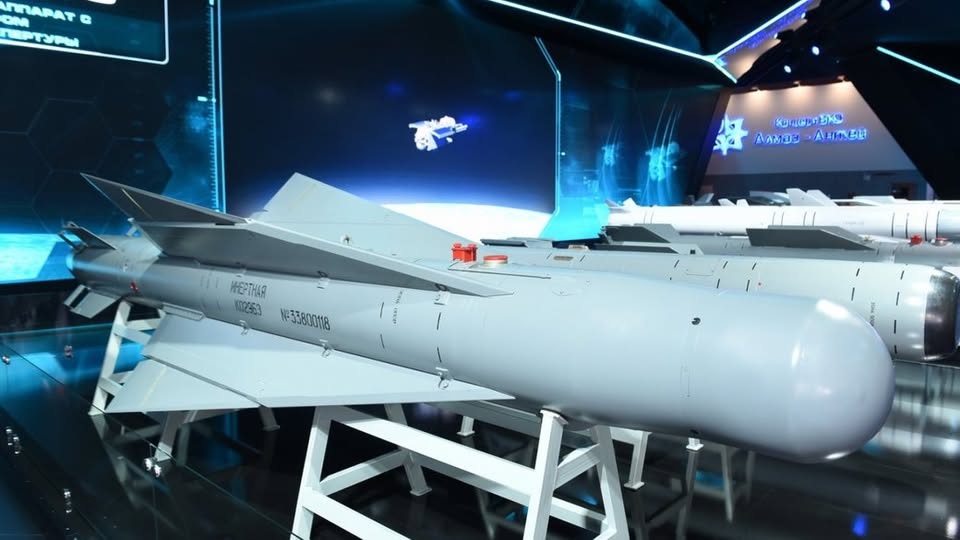
World
NEW DELHI, — April 10, 2026 : The Indian Air Force (IAF) is assessing the potential induction of Russia’s UPAB-1500-class precision-guided glide munitions for integration with its Su-30MKI fighter aircraft fleet, as part of ongoing efforts to expand long-range stand-off strike capabilities against hardened and high-value targets. The UPAB-1500 is a heavy, approximately 1,500 kg class guided glide bomb developed by Russia’s Tactical Missiles Corporation (KTRV). The munition is equipped with a penetrating high-explosive warhead designed to destroy reinforced concrete structures, underground bunkers, command-and-control facilities, and other critical infrastructure. Its guidance system combines inertial navigation with GLONASS satellite positioning, enabling precision engagement of fixed targets. Platform Integration and Operational Role The integration of the UPAB-1500 with the Su-30MKI would allow the IAF to conduct stand-off strikes from extended distances while remaining outside the engagement range of many surface-to-air missile systems. The munition can be released from high altitudes, after which deployable wings enable it to glide toward the target. Operational range is reported to be up to approximately 50 kilometers, depending on release altitude and flight conditions. The bomb is about 5 meters in length with a diameter of roughly 400 mm. It is designed for compatibility with multiple Russian-origin combat aircraft, including the Su-30, Su-34, and Su-35 platforms. The Su-30MKI remains the backbone of the Indian Air Force, with a fleet of over 270 aircraft manufactured under license by Hindustan Aeronautics Limited (HAL). The proposed integration aligns with broader efforts to enhance the aircraft’s air-to-ground strike capabilities. Modernization and Existing Capabilities The evaluation of the UPAB-1500 is part of a wider modernization framework focused on improving precision strike options. India has previously inducted Russian-origin precision-guided munitions for the Su-30MKI, including KAB-series laser-guided bombs. In parallel, the IAF is pursuing upgrades under the Super Sukhoi program, alongside additional Russian-assisted modernization tracks for aircraft not covered in the initial phase. These upgrades are expected to enhance avionics, weapon integration, and overall combat effectiveness. No official contract, procurement timeline, or acquisition quantity for the UPAB-1500 has been disclosed by the Indian Ministry of Defence as of April 10, 2026. Indigenous Development Efforts Alongside the evaluation of foreign systems, India continues to advance domestic alternatives. The Defence Research and Development Organisation (DRDO) is developing the “Gaurav” Long-Range Glide Bomb (LRGB), a 1,000 kg class precision-guided munition. In tests conducted in April 2025, the Gaurav glide bomb was released from a Su-30MKI and demonstrated a strike range of approximately 100 kilometers using a hybrid inertial navigation and GPS guidance system. The program reflects India’s ongoing efforts to reduce reliance on imported munitions while expanding indigenous strike capabilities. Strategic Context The introduction of heavy glide munitions such as the UPAB-1500 would provide the IAF with additional options for engaging fortified and high-value targets at range, without requiring aircraft to enter heavily defended airspace. This approach is consistent with current operational doctrines emphasizing precision-guided, stand-off engagement capabilities. Russia has indicated interest in exporting the UPAB-1500 family, with India identified among potential customers. The munition has been employed in operations targeting fortified positions, demonstrating its intended role against hardened structures. The ongoing assessment reflects the IAF’s broader effort to maintain operational flexibility and strengthen its precision strike portfolio in evolving regional security environments.
Read More → Posted on 2026-04-10 13:57:28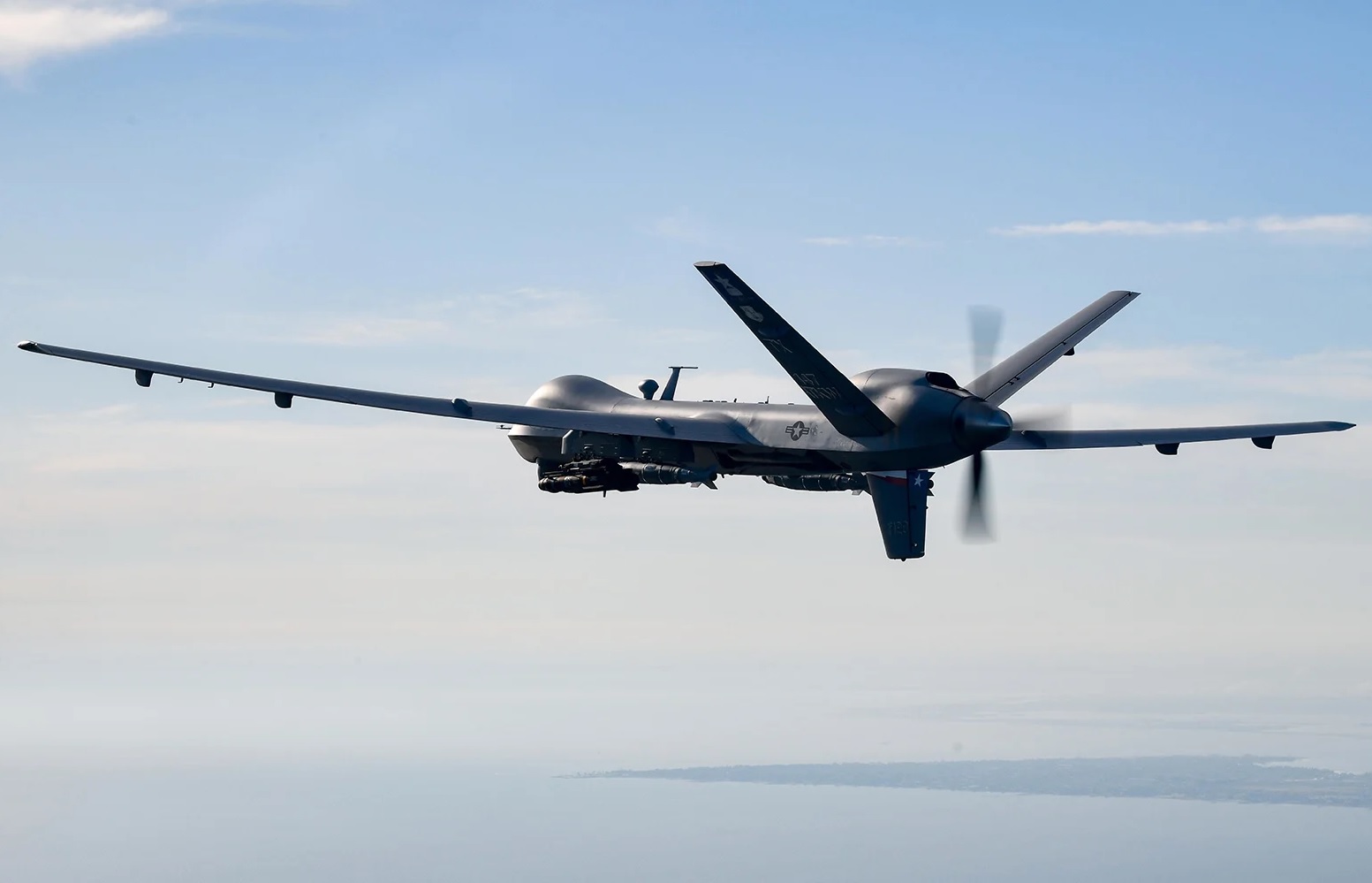
World
WASHINGTON, — April 10, 2026 : The United States has lost a total of 24 MQ-9 Reaper unmanned aerial vehicles during combat operations related to Iran, including eight drones shot down since the beginning of April, according to a report by CBS News citing U.S. officials. The Pentagon has not publicly confirmed the full extent of the losses. The reported losses mark a significant increase from earlier figures. As of March 9, 2026, 11 MQ-9 Reapers had been confirmed lost. The additional incidents in subsequent weeks bring the total to 24, reflecting the continued intensity of operations in contested airspace. Financial Impact and Cost Estimates The destruction of 24 MQ-9 Reapers represents an estimated financial loss of between $700 million and $720 million. Each aircraft has a unit cost of approximately $30 million or more, depending on configuration, onboard systems, and mission equipment. The cost estimates align with the cumulative loss figures reported by officials, although no detailed breakdown of individual incidents or configurations has been released. Operational Role in Current Campaign The MQ-9 Reaper, developed by General Atomics Aeronautical Systems, remains a central platform in U.S. operations. The aircraft is primarily used for intelligence, surveillance, and reconnaissance (ISR) missions, as well as precision strike operations. In the ongoing campaign, the drones have been deployed for a range of tasks, including reconnaissance missions, target identification, targeting support, and battle damage assessment. They have also been used to engage various targets, including airfields, ballistic missile launchers, naval vessels, and air defense systems. Military officials indicate that the losses are associated with sustained operations in defended airspace, where the risk to unmanned systems is elevated due to the presence of integrated air defense networks. Platform Capabilities and Technical Specifications The MQ-9 Reaper conducted its first flight on February 2, 2001, and has since become one of the primary unmanned systems used by the United States and allied forces. The aircraft operates at medium altitude with long endurance capabilities. It has a service ceiling of approximately 13,000 meters, with some configurations capable of reaching up to 50,000 feet. The platform can remain airborne for up to 27 hours, enabling persistent surveillance over operational areas. The MQ-9 is powered by a Honeywell TPE331-10GD turboprop engine and is operated remotely by a two-person crew consisting of a pilot and a sensor operator. The aircraft features six external hardpoints for weapons and sensors: Two inner stations, each capable of carrying up to 680 kilograms Two mid-wing stations, each capable of carrying up to 270 kilograms Two outer wingtip stations, each capable of carrying up to 90 kilograms This configuration allows the Reaper to carry a mix of precision-guided munitions, including AGM-114 Hellfire missiles, GBU-12 Paveway II laser-guided bombs, and other Mark 82-series weapons, along with additional sensor payloads. International Operators In addition to the United States, the MQ-9 Reaper is in service with multiple allied countries, including the United Kingdom, France, Italy, Spain, the Netherlands, Belgium, Denmark, Poland, India, and Japan. Ongoing Assessment No further details have been provided regarding the specific circumstances of the individual drone losses. U.S. officials cited in the CBS News report did not disclose locations, engagement methods, or attribution for each incident. Despite the losses, the MQ-9 Reaper continues to play a key role in U.S. military operations due to its combination of endurance, sensor capability, and strike capacity.
Read More → Posted on 2026-04-10 14:13:36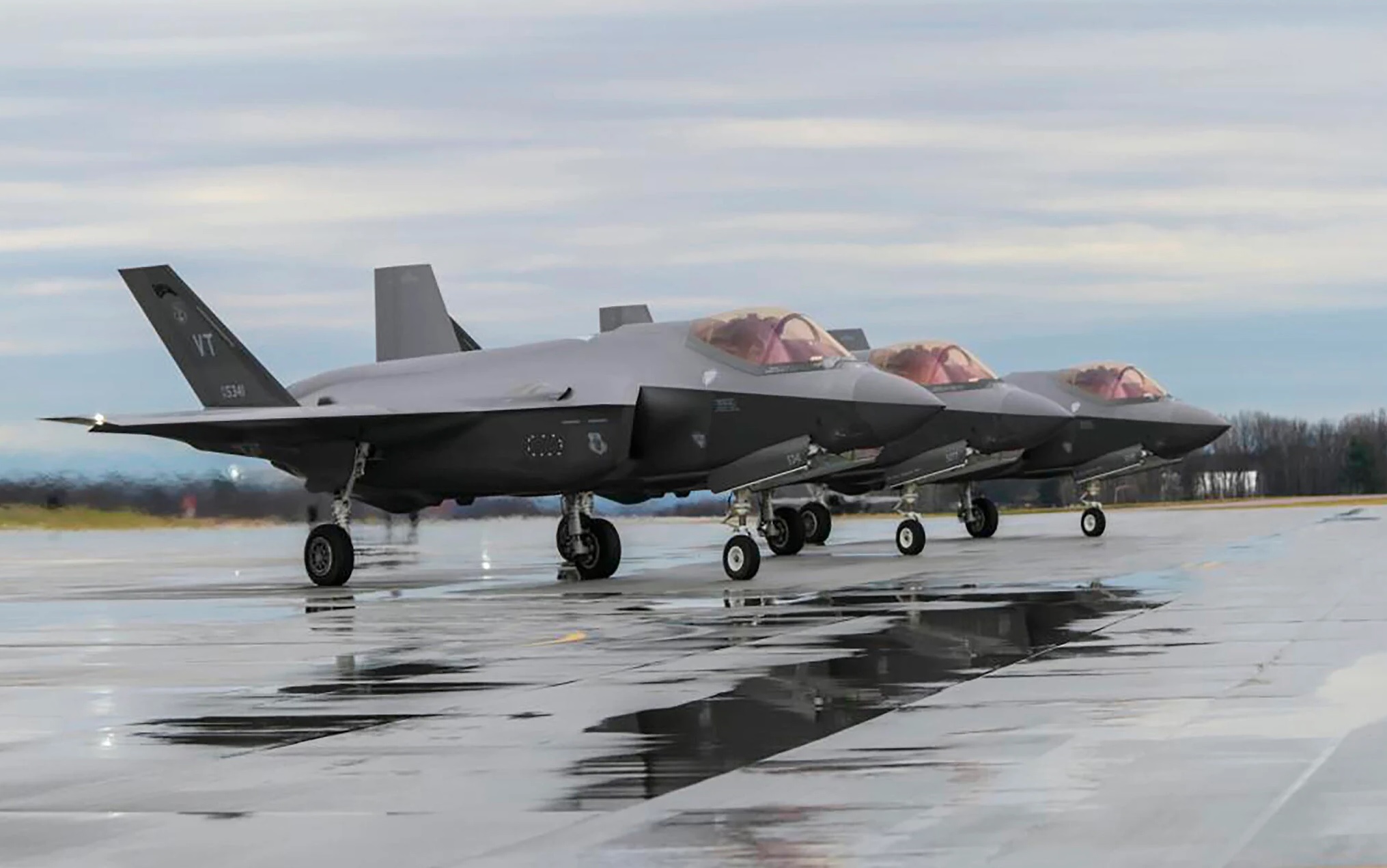
World
WASHINGTON, — April 10, 2026 : The United States Department of Defense has awarded Lockheed Martin an $11,437,794 contract modification to develop additional software upgrades for Israel’s F-35I “Adir” fleet, under an existing U.S. Navy-managed Foreign Military Sales (FMS) agreement. The modification is added to contract N0001921C0040, which supports international partners operating the F-35 Lightning II. The award is administered by the Naval Air Systems Command in Patuxent River, Maryland, with all funding provided by the Government of Israel. The Department of Defense confirmed that the full contract value was obligated at the time of award, with no financial contribution from U.S. taxpayers. Contract Scope and Execution The agreement covers the development and integration of three new software data loads, described in official documentation as “productionized plus builds.” These builds are derived from existing enterprise software baselines and are part of Israel’s System Development and Design Phase II framework. Work will be performed primarily at Lockheed Martin’s aeronautics facility in Fort Worth, Texas, accounting for approximately 80 percent of the effort, while the remaining 20 percent will take place at undisclosed locations outside the continental United States, likely within Israel. The project is scheduled for completion by March 2030. The effort includes both software development and systems engineering activities, ensuring that newly developed capabilities are tested, stabilized, and suitable for operational deployment across Israel’s active fleet. Software Architecture and Data Loads The F-35 platform operates on a highly complex, software-driven architecture. Due to restrictions on modifying core source code, international operators such as Israel implement localized capabilities through specialized software data loads that function alongside the baseline system. The “productionization” process involves transitioning software from experimental or laboratory-tested configurations into stable, scalable versions that can be safely deployed across operational aircraft. This ensures compatibility with the global F-35 software ecosystem while enabling country-specific enhancements. The three software data loads included in this contract focus on sensor fusion, electronic warfare, and weapons integration. Enhanced Sensor Fusion Sensor fusion upgrades are designed to improve the aircraft’s ability to combine data from multiple onboard and offboard sources into a unified operational picture. This includes inputs from radar systems, electro-optical and infrared sensors, and electronic support measures. The enhanced processing capability is expected to improve situational awareness for pilots, enabling faster and more accurate threat detection and decision-making during complex missions. Electronic Warfare Improvements The electronic warfare component builds on Israel’s domestically developed systems, including suites produced by Elbit Systems. These upgrades are intended to strengthen the aircraft’s ability to detect, jam, and evade hostile radar systems and integrated air defense networks. The integration of indigenous electronic warfare technologies allows the Israeli Air Force to tailor its capabilities to specific regional threats while maintaining interoperability with U.S. and allied forces. Weapons Integration Expansion The third software package focuses on expanding weapons compatibility, enabling the F-35I to more effectively carry and deploy Israeli-developed munitions. These include systems such as the Python-5 and SPICE. The upgrades enhance the aircraft’s ability to recognize, integrate, and employ these weapons within its mission systems, ensuring seamless operation alongside standard U.S.-supplied ordnance. Platform Customization and Fleet Status Israel operates the F-35I “Adir,” a customized variant of the F-35A, that retains the standard airframe and engine but incorporates nationally developed systems and software layers. The aircraft features an open architecture design that allows Israeli engineers to independently modify and upgrade mission systems within approved parameters. Israel is currently the only F-35 operator authorized to carry out sovereign modifications of this scale. The country has received 48 aircraft out of a total order of 75. Strategic Context and Program Continuity The software upgrade effort follows recent operational deployments of Israeli F-35I aircraft in early 2026 and coincides with a ceasefire agreement involving Iran. The timing allows the incorporation of operational data and lessons learned into future capability development. The upgrades also support continuity in capability development amid delays in the broader F-35 Block 4 modernization program, ensuring that Israel maintains its operational readiness and technological baseline. The contract underscores ongoing U.S.-Israel defense cooperation within the F-35 program, combining U.S.-developed platform architecture with Israeli-specific systems integration under the Foreign Military Sales framework. No additional details regarding performance benchmarks or testing timelines have been disclosed.
Read More → Posted on 2026-04-10 15:35:14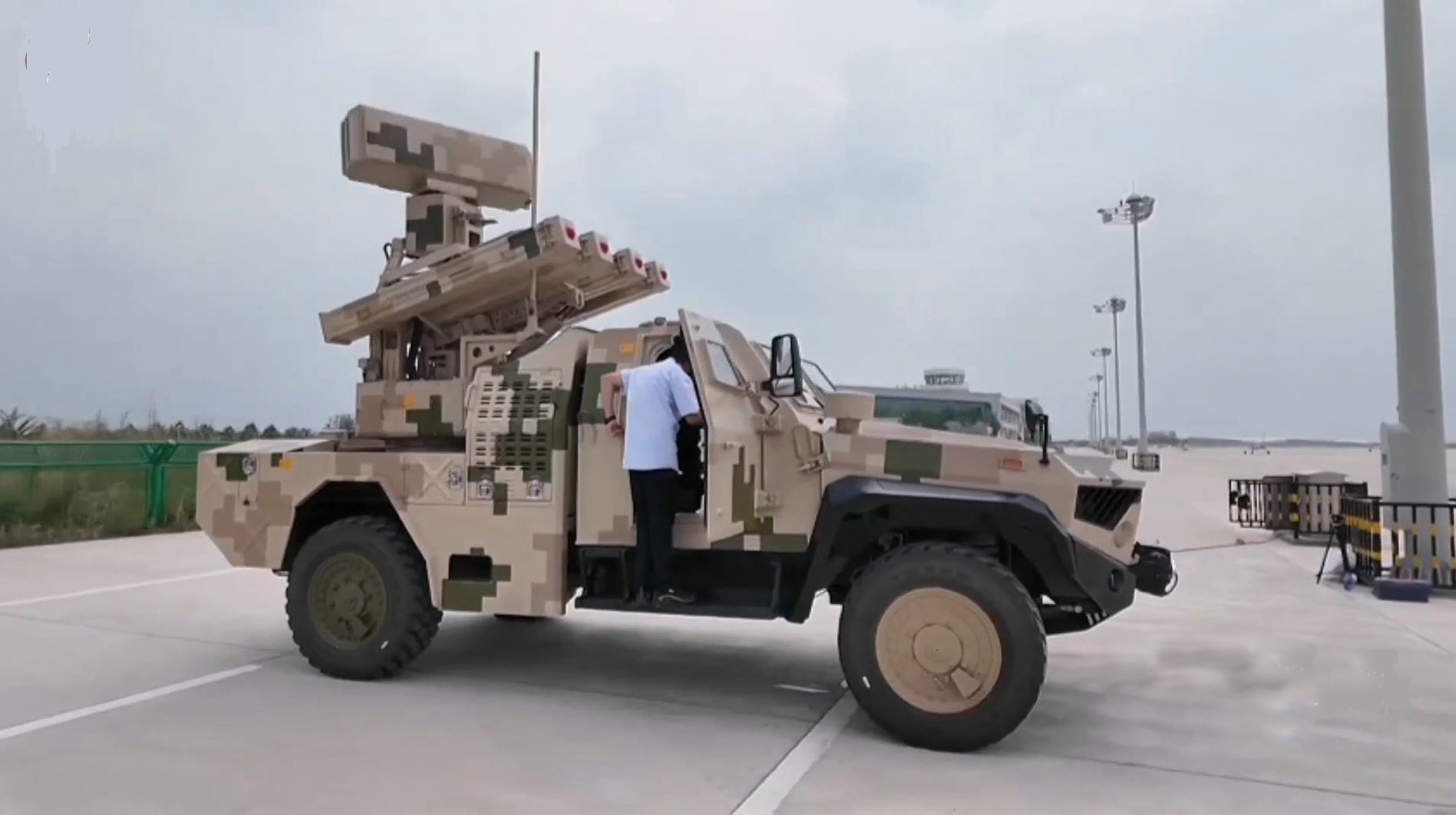
World
BAMAKO, — April 10, 2026 : The Malian Armed Forces have received a new shipment of Chinese military equipment, including YITIAN-L short-range air defense (SHORAD) systems mounted on Dongfeng Mengshi tactical vehicles, according to recently observed convoy footage and subsequent analysis by defense outlets Militarnyi and Defence Blog. The convoy, documented moving along road networks within Mali, was seen transporting multiple newly delivered Chinese-made platforms. The delivery forms part of ongoing military cooperation between Mali’s ruling junta and China, a partnership that has focused on the provision of defense equipment and associated training support in recent years. System Deployment and Platform Configuration The YITIAN-L system is developed by China North Industries Corporation (NORINCO) and is configured as a mobile surface-to-air missile platform. It is integrated onto the Dongfeng Mengshi (EQ2050) 4×4 tactical vehicle chassis, a light military utility platform designed for high mobility across varied terrain. The system is equipped with a roof-mounted combat module that includes a target-detection radar mast and four missile launch canisters. Its compact and lightweight configuration allows for deployment in operational environments where larger, more complex air defense systems are not practical, including remote terrain and dense urban areas. The platform is designed to provide localized air defense coverage for both maneuvering units and fixed positions. Missile System and Sensor Capabilities The YITIAN-L is armed with four TY-90 (Tian Yan-90) infrared-guided missiles. Originally developed as an air-to-air weapon for helicopters in the late 1990s, the TY-90 has been adapted for ground-based air defense roles. Each missile has an approximate launch weight of 20 kilograms and is fitted with a 3-kilogram high-explosive warhead utilizing an expanding rod design, optimized for engaging aerial targets such as helicopters. The missile employs an all-aspect infrared homing guidance system, allowing it to engage targets from multiple angles. It is equipped with both contact and non-contact laser fuses to improve effectiveness against fast-moving or maneuvering targets. The system incorporates an X-band 3D search radar capable of detecting fighter-sized targets at distances of up to 18 kilometers. In addition, an electro-optical and infrared sensor suite supports target acquisition and tracking, including thermal imaging, television tracking, automatic tracking, and a laser rangefinder. These systems enhance operational capability in environments where radar use may be limited or contested. Technical Specifications and Performance According to available defense industry data, the YITIAN-L system operates with the following specifications: Chassis: Dongfeng Mengshi 4×4 tactical vehicle Missile Load: 4 × TY-90 infrared-homing missiles Engagement Range: 500 meters to 6 kilometers (with some sources indicating up to 8 kilometers) Engagement Altitude: 15 meters to 4 kilometers (up to 6 kilometers in some variants) Target Speed: Up to 400 meters per second Radar Detection Range: Up to 18 kilometers for fighter-sized targets Electro-Optical Tracking Range: Up to approximately 12 kilometers Reaction Time: 6 to 8 seconds Crew Requirement: 2 personnel (driver and system operator) Control System: Digital interface with joystick-based controls The system also incorporates Identification Friend or Foe (IFF) functionality to reduce the risk of engaging allied aircraft. Operational Role and Deployment Context The YITIAN-L is designed to counter low-altitude aerial threats, including helicopters, unmanned aerial vehicles (UAVs), cruise missiles, and low-flying fixed-wing aircraft. Its mobility and rapid reaction time enable deployment in dispersed operational environments, supporting ground forces operating in both remote and populated areas. NORINCO has promoted the system as suitable for complex terrain conditions due to its compact design, reduced crew requirements, and simplified operation. These characteristics align with Mali’s operational needs across the Sahel region, where forces are engaged in counterinsurgency operations and face increasing use of drones and low-altitude aerial threats. Broader Defense Cooperation and Modernization Efforts The latest delivery continues Mali’s ongoing acquisition of Chinese defense equipment. Previous procurements have included CS/VP14 armored personnel carriers, VN22 vehicles, and other military platforms. The introduction of the YITIAN-L system represents an expansion of Mali’s capabilities in short-range air defense, reflecting a broader effort to modernize its armed forces. The focus on mobile SHORAD systems corresponds with evolving battlefield requirements, particularly the need to counter small, low-flying aerial threats that have become more prevalent in regional conflicts. Procurement Details and Integration No official information has been released by Malian authorities or Chinese officials regarding the number of YITIAN-L systems delivered, the total contract value, or the timeline for procurement and deployment. The Malian Armed Forces are currently in the process of integrating the newly delivered systems into operational service. The delivery underscores continued defense collaboration between Mali and China as Bamako seeks to strengthen its military capabilities amid ongoing security challenges.
Read More → Posted on 2026-04-10 15:50:44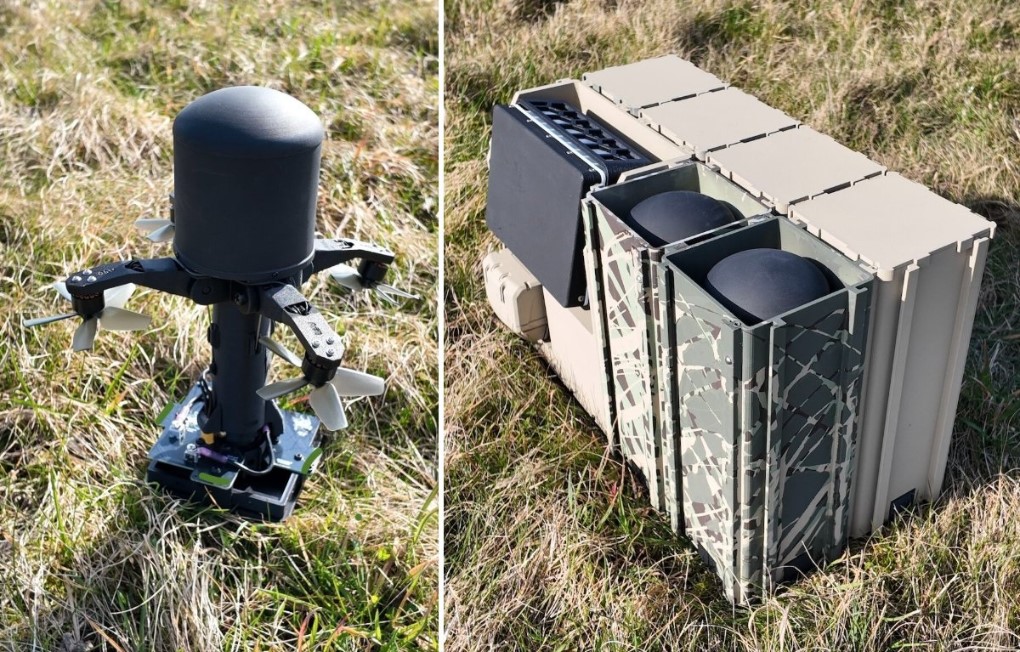
World
BOISE, Idaho — April 10, 2026 : U.S.-based defense technology firm Talon Avionics has developed a new autonomous counter-unmanned aerial system (C-UAS) platform, designated SECTR, designed to detect and neutralize low-cost aerial threats using artificial intelligence-driven acoustic targeting. The SECTR system introduces a multi-layered sensing approach that combines proprietary passive acoustic detection with conventional radar. According to the company, the acoustic subsystem can identify drone motor sound signatures at distances of up to 100 meters, often before the target becomes visible to radar. The integrated radar component provides broader airspace awareness at ranges between 200 and 1,000 meters, with the extended 1,000-meter capability expected by Q2 2027. A multi-modal sensor fusion engine processes data from both acoustic and radar inputs to classify drone types and assess threat levels. Talon Avionics stated that the system is capable of completing the full detection-to-engagement cycle in under one second. Passive Acoustic Detection and AI Processing At the core of the SECTR platform is a fully passive acoustic detection layer that does not emit radar or radio-frequency signals. Each interceptor drone is equipped with an array of 16 microphones. Using beamforming algorithms, the system scans the surrounding airspace and forms a narrow acoustic beam to isolate specific sound signatures. Onboard artificial intelligence enables the system to distinguish between hostile drone sounds, the interceptor’s own motor noise, and environmental interference such as wind. This capability allows SECTR to detect “sleeper drones”, which remain stationary with motors off and activate only shortly before engagement. Michael Mayer-Rosa, co-founder and strategic executive at Talon Avionics, stated that the passive acoustic approach allows forces to detect and track aerial threats without revealing their own position. He noted that traditional counter-UAS systems relying on radar or radio-frequency emissions can face operational limitations and typically require trained personnel. Interceptor Drone Design and Performance The SECTR interceptor is a kinetic, non-explosive platform designed for direct impact engagement. The system is optimized for countering small drones, including first-person view (FPV) and camera-equipped platforms weighing up to 1 kilogram. Key specifications include a weight of 700 grams per interceptor, including the launch tube, and dimensions of 100 mm × 100 mm × 250 mm. The interceptor can reach a maximum speed of 135 km/h (85 mph) and has a flight endurance of up to 5 minutes per engagement. Talon Avionics reports a hit probability of 95 percent or greater using a single interceptor unit. Launch System and Operational Configuration The interceptors are deployed from a modular launch platform designated the SECTR-IK-02 interceptor station. The base configuration features a 10×10 grid layout, scalable to a total of 100 launch tubes. The system is operated from a single control station and can be deployed in both vehicle-mounted and fixed-site configurations. When fully equipped with 100 interceptors, the platform can sustain continuous operations for up to 24 hours on a single battery charge. The system is designed to function across a wide environmental range, operating in temperatures from −40°C to +85°C. Autonomous Operation and Deployment Roles SECTR has been developed with what the company describes as “zero-expertise autonomy,” enabling fully automated detection, tracking, and engagement without the need for specialized operators or manual control during interception. The system uses a software-defined architecture that supports field updates to detection and engagement algorithms. Intended deployment scenarios include convoy escort, forward operating base protection, border security, law enforcement missions, and the defense of critical infrastructure. Strategic Context and Production Plans The development of SECTR reflects the increasing use of low-cost FPV and loitering drones in modern conflicts. Talon Avionics stated that the system’s kinetic interception approach is designed to maintain cost symmetry when countering inexpensive aerial threats. The lightweight and compact design of the interceptors also supports stockpiling and ease of transport. The platform is currently manufactured in the United States for domestic and allied use. The company has indicated plans for regional production expansion to support international partners. Talon Avionics has not disclosed unit pricing, production timelines, or confirmed customer contracts. Development of the SECTR platform is ongoing, with continued focus on military, law enforcement, and infrastructure protection applications.
Read More → Posted on 2026-04-10 16:02:00
India
BENGALURU, — April 10, 2026 : Hindustan Aeronautics Limited (HAL) has delivered four Advanced Light Helicopter (ALH) Mk III Maritime Role (MR) helicopters to the Indian Coast Guard (ICG) during a formal handover ceremony held in Bengaluru. The helicopters were officially received by Rajesh Makwana, Deputy Inspector General and Coast Guard Commander (Western Seaboard), from PB Rangarao, Chief Executive Officer of HAL’s Helicopter Complex. The transfer of operational documentation was carried out by the Office of the Regional Director, Aeronautical Quality Assurance (ORDAQA), along with HAL’s Helicopter Division. Following the completion of documentation formalities, the newly delivered helicopters have been assigned to Coast Guard squadrons based in Kochi and Porbandar, where they will support maritime operations along the western seaboard. Procurement and Delivery Timeline The latest delivery forms part of a broader procurement framework between the Ministry of Defence and HAL aimed at strengthening the Coast Guard’s rotary-wing fleet. HAL had earlier completed the delivery of 16 ALH Mk III (MR) helicopters to the Indian Coast Guard by 2022. A subsequent contract for nine additional helicopters was signed in March 2024, under which the four helicopters handed over on April 10, 2026, represent a partial fulfillment. More recently, in March 2026, the Ministry of Defence signed another contract valued at ₹2,901 crore for six additional ALH Mk III (MR) helicopters. This contract includes not only the airframes but also operational role equipment, an engineering support package, and performance-based logistics support. The procurement falls under the Buy (Indian-IDDM) category, reflecting a significant level of indigenous design and manufacturing. Design and Technical Enhancements The ALH Mk III represents an upgraded configuration of the earlier Mk II variant, incorporating 19 major improvements. The helicopter is powered by twin Shakti-1H1 turboshaft engines, also known as Safran Ardiden 1H1, delivering higher power output compared to the Turbomeca TM 333 engines used in the Mk II. This enhancement provides improved performance margins, especially in maritime and high-altitude environments. The platform features a fully digital glass cockpit equipped with HAL’s Integrated Architecture Display System (IADS), replacing conventional instrumentation. It also incorporates an upgraded automatic flight control system and open-architecture avionics, enabling enhanced situational awareness and improved flight handling. Additional refinements include improved vibration control, reduced empty weight through the use of lightweight avionics and sensors, and increased payload capacity. The helicopter’s maximum all-up weight has been increased to approximately 5.5 to 5.75 tonnes, contributing to better operational flexibility. Specifications of ALH Mk III (Maritime Role) The ALH Mk III (MR) is a twin-engine, multi-role helicopter designed for both shore-based and ship-borne operations. It is operated by a crew of two, consisting of a pilot and co-pilot, and can accommodate between 12 and 14 passengers or troops. The helicopter has a maximum speed ranging between 250 and 291 km/h, with a cruise speed of approximately 250 km/h. It offers an operational range of about 630 to 700 kilometers and an endurance of up to 4 hours and 20 minutes. The service ceiling is between 6,000 and 6,500 meters. The platform is capable of carrying up to 1,500 kilograms as a slung load, along with higher payload capacity for deck-based operations. Dimensionally, the helicopter has a main rotor diameter of 13.2 meters, an overall length of approximately 15.87 meters with rotors turning, and a height of around 4.98 meters. Maritime Role Equipment and Mission Systems The Maritime Role variant is equipped with a comprehensive suite of mission systems tailored for coastal and offshore operations. These include a nose-mounted 270-degree surveillance radar capable of detecting ships and boats at ranges of up to 120 nautical miles. The helicopter is also fitted with a multi-spectral electro-optical/infrared (EO/IR) pod for target identification and tracking, along with an automatic identification system (AIS) for vessel monitoring. Additional equipment includes a high-intensity searchlight, loudhailer, and a 360-degree search-and-rescue homer. For rescue operations, the platform is equipped with an electrically operated winch with a 250 kg lifting capacity and a rescue basket. Safety systems include a traffic alert and collision avoidance system (TCAS). The helicopter can also be fitted with a 12.7 mm cabin-mounted machine gun for mission-specific requirements. A removable Medical Intensive Care Unit (MICU) is integrated for casualty evacuation missions, enabling critical care during transit. The helicopter also supports pressure refueling and features folding main rotor blades and tail boom, allowing efficient operation from ships. Operational Roles and Capability Expansion The induction of these helicopters enhances the Indian Coast Guard’s operational capabilities across multiple mission profiles. These include maritime surveillance, interdiction operations, search and rescue (SAR), pollution response, medical evacuation, and logistics support. The helicopters are also capable of supporting island protection missions and can operate seamlessly from both shore bases and vessels at sea, providing flexibility in deployment. With over 57 percent indigenous content, the ALH Mk III program aligns with India’s domestic defense manufacturing objectives. The continued induction of these helicopters is expected to strengthen maritime security, offshore patrol capabilities, and disaster response readiness along India’s coastline.
Read More → Posted on 2026-04-10 16:16:48
World
JERUSALEM, — April 10, 2026 : Israel has formally removed Spain from participation in the Civil-Military Coordination Center (CMCC) in Kiryat Gat, a U.S.-led multinational facility responsible for overseeing ceasefire implementation and aid coordination in Gaza. The decision was announced on Friday by Foreign Minister Gideon Sa’ar and carried out in coordination with Prime Minister Benjamin Netanyahu and the United States. The move immediately ends Spain’s involvement in the CMCC, where it had maintained representatives and participated in ongoing coordination meetings. Israeli officials stated that Spain was formally notified of the decision, while Washington was informed in advance. CMCC Role and Structure The Civil-Military Coordination Center was established in October 2025 under the authority of United States Central Command (CENTCOM) as part of the Gaza peace framework introduced by U.S. President Donald Trump. The center was created following the Israel-Hamas ceasefire that took effect on October 10, 2025. Located at a military installation in Kiryat Gat in southern Israel, the CMCC functions as the central hub for coordinating humanitarian assistance, logistical support, and security arrangements related to Gaza. It also monitors compliance with ceasefire terms and supports post-conflict stabilization efforts. The facility includes approximately 600 personnel and representatives from multiple partner countries, including the United States, France, the United Kingdom, and the United Arab Emirates. Spain had been among the participating European contributors prior to its removal. Israeli Government Position Foreign Minister Sa’ar stated that the decision was based on what he described as a “blatant anti-Israel bias” by the Spanish government, led by Prime Minister Pedro Sánchez. According to Sa’ar, Spain’s positions and actions, including its conduct during the recent conflict involving Iran, demonstrated that it could no longer function as a constructive participant in the CMCC or in implementing the U.S.-backed Gaza framework. Prime Minister Netanyahu confirmed that he had instructed the removal of Spanish representatives, stating that Spain had repeatedly taken positions opposing Israel. He added that countries engaging in diplomatic actions against Israel would face consequences, including exclusion from cooperative mechanisms such as the CMCC. Deterioration in Israel–Spain Relations Spain’s exclusion follows a sustained decline in bilateral relations between Madrid and Jerusalem over recent years. In 2024, Spain formally recognized a Palestinian state, a move that contributed to an initial downgrade in diplomatic ties. Since then, Spain has consistently criticized Israeli military operations in Gaza. In March 2026, Spain permanently withdrew its ambassador from Israel in protest against Israeli actions in Gaza and its opposition to the joint U.S.-Israeli campaign targeting Iran. Spanish authorities also implemented restrictions on the use of their ports and airspace for weapons shipments destined for Israel. During the most recent regional tensions, Spain closed its airspace to U.S. military aircraft involved in operations against Iran and reinstated diplomatic engagement with Tehran by returning its ambassador shortly before the current decision. Spanish officials, including Foreign Minister José Manuel Albares, have also publicly called for an end to Israeli military operations in Lebanon, describing the situation as critical and urging international intervention. Additionally, Spain halted all military trade with Israel earlier in the Gaza conflict, later formalizing a comprehensive arms embargo into law. Operational and Political Implications Spain’s removal from the CMCC means it will no longer participate in discussions or operations related to humanitarian aid entry, logistical coordination, or security planning for Gaza. It also excludes Madrid from involvement in post-ceasefire stabilization policies managed through the center. Israeli officials indicated that participation in the CMCC requires alignment with the operational and political framework defined jointly by Israel and the United States. Spain’s exclusion reflects Israel’s assessment that the country no longer meets these criteria. The removal does not affect the participation of other member states, and CMCC operations continue without disruption. Current Status As of April 10, 2026, no immediate official response from the Spanish government has been detailed. The CMCC remains active, continuing its role in overseeing ceasefire implementation and coordinating international assistance to Gaza under the existing agreement.
Read More → Posted on 2026-04-10 16:26:49
World
WARSAW, — April 10, 2026 : The United States administration has approved the integration of AIM-120C Advanced Medium-Range Air-to-Air Missiles (AMRAAM) with Poland’s FA-50PL light combat aircraft, enabling the platform to field beyond-visual-range (BVR) air combat capabilities. The approval was confirmed by Deputy Commander of the Polish Armed Forces, General Ireneusz Nowak, in a recent interview. The decision resolves prior uncertainty surrounding the operational scope of the FA-50PL variant, particularly its ability to employ medium-range air-to-air weapons. Earlier constraints were linked to U.S. export control requirements under the International Traffic in Arms Regulations (ITAR), which govern the transfer and integration of U.S.-origin defense systems. With authorization now granted, integration work involving U.S. and South Korean industry partners can proceed under Foreign Military Sales (FMS) arrangements. Program Background and Fleet Composition Poland signed a contract with Korea Aerospace Industries (KAI) in July 2022 for a total of 48 FA-50 aircraft, valued at approximately $3 billion. The procurement is divided into two configurations: 12 FA-50GF (Gap Filler) aircraft and 36 FA-50PL (Block 20) aircraft. The FA-50GF aircraft, delivered beginning in 2023 and currently operated from the 23rd Tactical Air Base in Mińsk Mazowiecki, serve as an interim solution and lack advanced radar systems and BVR missile capability. In contrast, the FA-50PL represents a significantly enhanced configuration designed for multirole operations. Deliveries of the 36 FA-50PL aircraft, initially expected earlier, have been postponed to mid-2027 due to supply chain constraints and the complexity associated with integrating U.S.-origin avionics and weapon systems. Current projections place full delivery between 2027 and 2029. Technical Configuration and Integration Scope The FA-50PL is based on the South Korean FA-50 Block 20 standard and incorporates a range of upgraded systems. Central to the AIM-120C integration is the Raytheon PhantomStrike active electronically scanned array (AESA) radar, a compact and air-cooled radar designed for light combat aircraft. The approval allows the radar’s fire-control and data-link systems to interface with the AMRAAM missile. Additional features of the FA-50PL include a probe-and-drogue aerial refueling system, expanded external or conformal fuel tanks to extend operational range, a helmet-mounted display (HMD), and compatibility with precision-guided munitions such as the GBU-12 laser-guided bomb. The aircraft is also equipped with the AN/AAQ-33 Sniper Advanced Targeting Pod for enhanced targeting and surveillance functions. The AIM-120C AMRAAM is an active radar-guided, fire-and-forget missile designed for engagements against aircraft and cruise missile targets at medium ranges. Its integration enables the FA-50PL to conduct air defense and air superiority missions alongside its existing training and light attack roles. Air-to-Air Armament Standardization The AMRAAM approval complements a separate agreement signed in January 2026 between Poland and the United States for the integration of the AIM-9X Sidewinder short-range air-to-air missile on the FA-50PL. Together, the AIM-9X and AIM-120C establish a complete air-to-air weapons suite for the aircraft. Poland already operates earlier AIM-120 variants on its F-16 fleet and has procured newer AIM-120D-3 missiles for both its F-16 and incoming F-35A aircraft. The inclusion of the AIM-120C on the FA-50PL aligns the platform with existing munitions inventories, supporting logistical commonality and operational flexibility across the Polish Air Force. Role in Force Modernization The FA-50PL is intended to replace aging Soviet-era MiG-29 and Su-22 aircraft in selected roles. The platform is positioned as a cost-effective multirole asset within Poland’s broader air force structure, complementing higher-end platforms such as the F-16 and F-35A. The integration of BVR capability significantly expands the operational utility of the FA-50PL, allowing it to participate in national and NATO air defense missions. The Polish Armament Agency continues to oversee the program, including training, logistics, and sustainment elements. No additional changes to contract value or delivery timelines beyond previously announced adjustments have been disclosed. Industrial Cooperation and Next Steps KAI is responsible for executing the integration work, with technical support from U.S. defense contractors. The approval permits both software and hardware modifications required to link the aircraft’s avionics and radar systems with the AIM-120C missile. No official timeline has been released for completion of integration activities or initial live-fire testing. The authorization applies specifically to Poland’s FA-50PL configuration and does not automatically extend to other FA-50 operators. Broader Implications The U.S. decision establishes a regulatory precedent that may influence other FA-50 Block 20 customers. Countries such as Malaysia, which are evaluating or operating similar variants, have closely monitored Poland’s procurement and integration process. The clearance of AMRAAM integration could facilitate comparable approvals for allied nations seeking to equip light combat aircraft with BVR capabilities. The development supports Poland’s ongoing defense modernization efforts and contributes to strengthening NATO’s air defense posture on the eastern flank.
Read More → Posted on 2026-04-10 17:19:52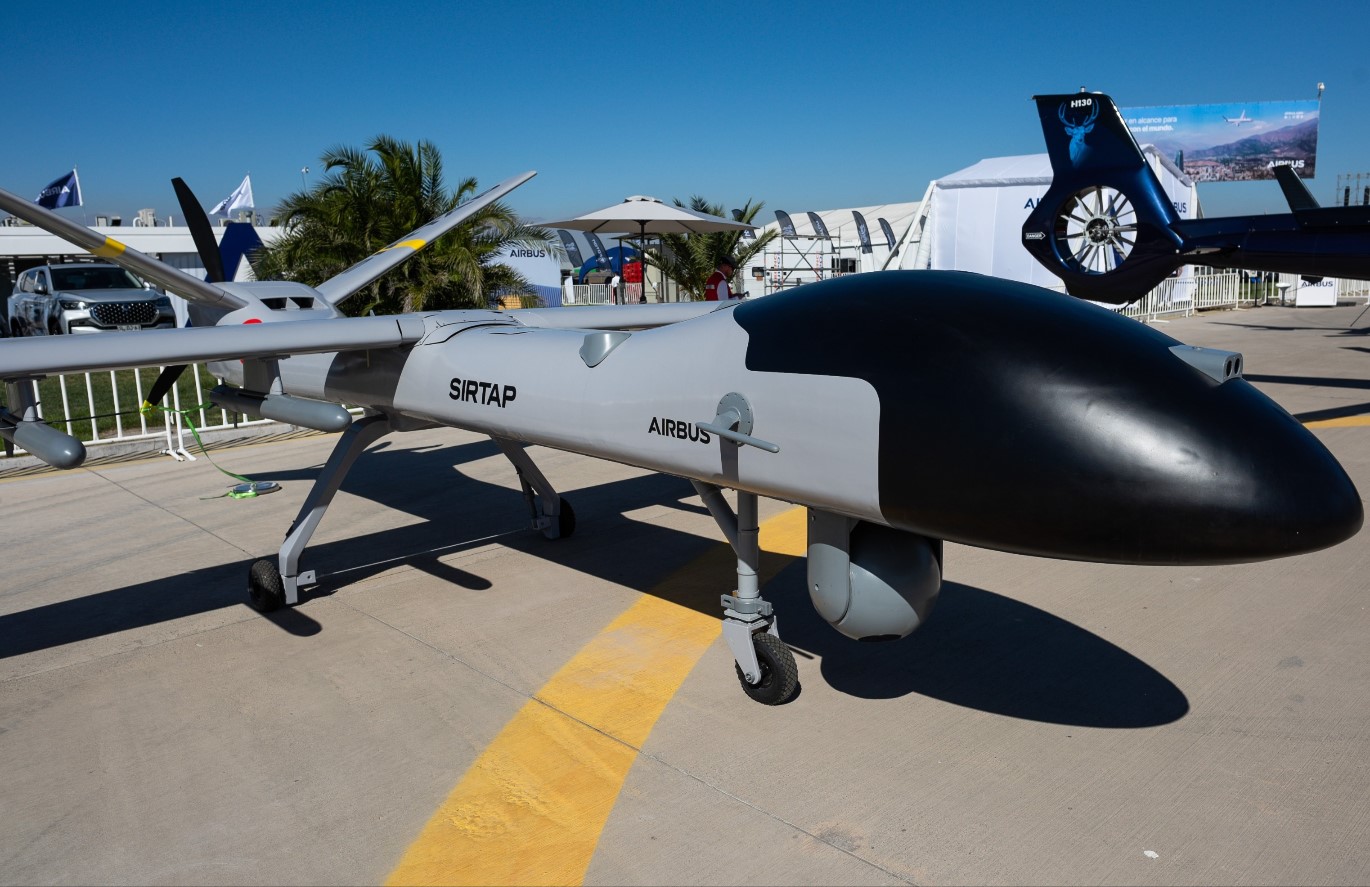
World
SANTIAGO, Chile — April 10, 2026 : Airbus Defence and Space has formally unveiled its high-end tactical unmanned aerial system (UAS), SIRTAP (Sistema Integrado de Respuesta Táctica de Altas Prestaciones), at the FIDAE 2026 airshow in Santiago. The platform is being presented publicly for the first time as part of Airbus’ effort to expand its unmanned systems portfolio for defence, security, and governmental operations. Platform Overview and Mission Profile SIRTAP is designed as a medium-altitude, long-endurance (MALE-type tactical) UAS optimized for intelligence, surveillance, and reconnaissance (ISR) missions, alongside broader tactical roles. Airbus positions the system as suitable for operations in complex and demanding environments, including maritime, border security, and high-altitude regions. A defining feature of the platform is its dual-payload capability, enabling simultaneous integration of an electro-optical/infrared (EO/IR) sensor turret and a multi-mission radar, such as synthetic aperture radar (SAR) or ground moving target indication (GMTI). This configuration allows continuous surveillance and target tracking in both day and night conditions within a single sortie. The aircraft is also engineered for all-weather operations, supported by advanced ice protection systems and high-temperature resilience. It is capable of operating in temperature ranges from –40°C to +50°C, enabling deployment across diverse climatic zones. Performance Specifications and Technical Characteristics Airbus has released detailed performance parameters for SIRTAP, highlighting its endurance, payload flexibility, and deployment efficiency: Maximum Takeoff Weight: 750–800 kg Payload Capacity: More than 150–180 kg (multi-payload configuration) Maximum Speed: Over 110 knots (true airspeed) Endurance: More than 20 hours Operational Altitude: Above 20,000–21,000 feet (approximately 6,400 meters) Range: More than 2,000 km, including line-of-sight (LOS) and beyond line-of-sight (BLOS) via SATCOM The system’s extended endurance and altitude profile enable persistent ISR coverage, particularly for long-duration missions such as maritime domain awareness and remote border monitoring. SIRTAP incorporates an advanced inertial navigation system supplied by Exail and a wideband LOS datalink developed by Patria, supporting reliable communications and navigation in contested or GPS-limited environments. Modularity, Transport, and Deployment The UAS features a modular design that allows rapid disassembly and transport. A complete SIRTAP system can be carried within an Airbus C295 tactical airlifter, enabling deployment to forward operating bases and remote areas with limited infrastructure. In addition to ISR roles, Airbus has designed the platform with four underwing hardpoints, allowing for potential integration of light precision-guided munitions (PGMs) and missiles. This configuration would enable armed ISR missions, convoy escort, and force protection roles, depending on customer requirements. Development Timeline and Program Status The SIRTAP program is primarily developed in Spain. The Spanish Ministry of Defence signed a contract in November 2023 for nine systems, comprising 27 unmanned aircraft, nine ground control stations, and two simulators. The first prototype completed assembly in mid-2025 and entered ground testing at facilities of the National Institute of Aerospace Technology. The maiden flight was scheduled for late 2025 or early 2026, with flight testing continuing through 2026. Initial deliveries to Spain are planned for 2027. Airbus is also studying the integration of SIRTAP with the Spanish Navy’s Juan Carlos I amphibious vessel, which could expand its operational scope to naval and expeditionary missions. Export Positioning and Certification SIRTAP has been developed as an ITAR-free platform, meaning it is not subject to U.S. International Traffic in Arms Regulations. This allows Airbus to offer the system to a wider range of international customers without export restrictions tied to U.S.-origin components. The platform is currently progressing toward military airworthiness certification by Spanish authorities for operations in segregated airspace. Airbus has not disclosed pricing details or additional customers beyond the Spanish contract. Regional Relevance and FIDAE Display At FIDAE 2026, Airbus is presenting SIRTAP alongside its smaller unmanned platforms, including the Flexrotor and Aliaca, to demonstrate a layered UAS offering tailored to Latin America’s operational requirements. The company highlights the platform’s applicability to regional challenges, including surveillance of mountainous terrain such as the Andes, maritime monitoring, border security, and environmental missions such as wildfire tracking and disaster response. The unveiling of SIRTAP marks Airbus’ entry into the high-end tactical UAS segment, complementing its broader portfolio of unmanned and crewed defence systems.
Read More → Posted on 2026-04-10 17:29:37
World
PARIS, — April 10, 2026 : The French Navy has confirmed that all five Frégate de Défense et d’Intervention (FDI) frigates will be equipped with 32 Sylver A50 vertical launch system (VLS) cells, doubling the originally planned capacity of 16 cells. The announcement was made on April 9, 2026, by Admiral Nicolas Vaujour during a parliamentary hearing on the update to France’s 2024–2030 military programming law. Capability Increase and Operational Impact The revised configuration doubles the number of MBDA Aster 15 and Aster 30 surface-to-air missiles carried by each vessel. Under the French Navy’s standard engagement doctrine, which allocates two interceptors per target, the increase raises the number of simultaneous intercepts from eight to 16. The change is intended to address saturation threats involving anti-ship missiles, unmanned aerial vehicles, and multi-axis attack profiles. By increasing onboard missile capacity, the FDI frigates will be less dependent on task group air defence assets and will be able to sustain multiple engagement cycles. In the baseline 16-cell configuration, the ships’ missile capacity limited their ability to fully exploit the performance of the Thales Sea Fire active electronically scanned array radar. The radar system, with four fixed panels providing continuous 360-degree coverage, is capable of tracking several hundred targets simultaneously. The expansion to 32 cells reduces the gap between detection and engagement capacity, allowing a higher proportion of tracked threats to be engaged. Phased Implementation Across the Fleet The upgrade will be implemented across the entire class through a phased schedule aligned with construction and maintenance cycles at Naval Group’s Lorient shipyard. The fourth and fifth ships, Amiral Nomy and Amiral Cabanier, will be delivered with 32 cells from the outset. The fifth unit, Amiral Cabanier, was formally ordered on March 31, 2026, completing the French FDI series. The third ship, Amiral Castex, will receive the additional launcher modules shortly after commissioning. The first two vessels, Amiral Ronarc’h—delivered on October 17, 2025—and Amiral Louzeau, will be retrofitted during their first major maintenance periods. The FDI hull design incorporates reserved space in the forward deck for additional launcher modules. This allows the increase in VLS capacity without structural modifications to the hull and without changes to core systems, including the Sea Fire radar and the SETIS combat management system. Technical Configuration and System Constraints The Sylver A50 launcher uses a one-missile-per-cell architecture, meaning each cell carries a single Aster interceptor. Unlike the Mk 41 vertical launch system, it does not support quad-packing of smaller missiles such as CAMM. The baseline French configuration consisted of two eight-cell Sylver A50 launchers, totaling 16 missiles. The upgrade standardizes the fleet at 32 cells, aligning it with the configuration already implemented in the export variant of the FDI. The Greek Navy’s Kimon-class frigates, also built by Naval Group, are equipped with 32 Sylver A50 cells. The French decision brings domestic vessels to the same configuration standard. Complementary Air Defence Developments The increase in VLS capacity is part of a broader effort to strengthen layered air defence capabilities. The French Navy is developing a Modular Launching System (MPLS) designed for short-range engagements against drones, unmanned surface vessels, and small craft at ranges below 8 kilometers. The system is intended to employ lower-cost munitions, preserving Aster missiles for higher-value targets. Naval Group is also studying a cold-launch system that would allow denser packing of smaller interceptors, including CAMM. The concept would utilize three reserved launcher positions in the FDI hull design and could increase total missile capacity to as many as 64 cells without requiring structural redesign. Programme Timeline and Fleet Structure The FDI programme maintains France’s target of 15 first-rank surface combatants through 2032. The class is intended to replace the La Fayette-class frigates and compensate for the reduction of the FREMM fleet from 17 units to eight. Deliveries of the five French FDI frigates are scheduled between 2025 and 2032. Following the delivery of Amiral Ronarc’h in October 2025, subsequent ships are planned to enter service in 2027, 2028, 2031, and 2032. All vessels are being constructed at Naval Group’s Lorient facility, which maintains a continuous production line supported by both domestic and export orders. The shipyard is currently building four additional FDI frigates for the Hellenic Navy. Industrial Outlook and Future Considerations The FDI programme is structured to support both national requirements and export demand. The Lorient production line has the capacity to deliver up to two ships per year under combined orders. Discussions are ongoing regarding a potential increase in the French Navy’s first-rank surface combatant fleet from 15 to 18 units to meet operational requirements. The confirmation issued on April 9, 2026, establishes the 32-cell configuration as the final standard for all French FDI frigates. No additional details regarding retrofit timelines or associated costs beyond the existing programme framework have been disclosed.
Read More → Posted on 2026-04-10 17:46:34
World
MOSCOW, — April 10, 2026 : Russian unmanned systems developer JSC Kronstadt, a key supplier of military drones to the country’s defense sector, is facing potential bankruptcy after a creditor filed a petition with an arbitration court in late March 2026, citing unpaid debt and continued financial deterioration. The application was submitted by SKB Elektronnogo Priborostroeniya LLC after Kronstadt failed to comply with a December 2025 court ruling requiring payment of 9.2 million rubles. Court proceedings are ongoing, and the company continues to operate while addressing claims from creditors. Financial Performance and Debt Accumulation Financial disclosures for 2025 indicate that Kronstadt’s parent company, LLC DK Kronstadt, recorded a net loss of 4.6 billion rubles. Revenue for the same period declined by 1 percent to 100.2 million rubles. The company attributed these losses to provisions for financial investments and high borrowing costs. Russia’s elevated interest rate environment, with the central bank rate at approximately 15 percent, increased the cost of servicing loans and placed additional pressure on liquidity. Market sources also point to the 2022 exit of AFK Sistema, previously Kronstadt’s primary investor, as a major factor limiting access to financing and increasing reliance on debt. Rising Legal Claims from Suppliers Kronstadt’s financial difficulties have resulted in widespread litigation related to unfulfilled supply contracts. Between 2025 and early 2026, a total of 154 lawsuits were filed against the company, with combined claims estimated between 2.6 billion and 2.7 billion rubles. By August 2025, 40 lawsuits had already been initiated, totaling 626.3 million rubles. Additional claims continued into 2026, including seven lawsuits filed during the first week of February 2026, amounting to 76.6 million rubles. Plaintiffs include several enterprises within Russia’s defense industrial base, such as Akvamash, Electromashinostroitelny Zavod, the Arsenal semiconductor device plant, Innovative Technologies and Materials, and the Research Institute of Modern Telecommunications Technologies. Court records show that most cases filed in 2025 were resolved in favor of creditors, with only limited settlements reached. This is not the first attempt to initiate insolvency proceedings against the company. In August 2023, Turboget Micro filed a separate bankruptcy petition related to unpaid equipment deliveries. Sanctions and Supply Chain Constraints Kronstadt has linked its financial condition to international sanctions imposed in response to Russia’s military operations in Ukraine. The company is subject to restrictions by the United States, the European Union, the United Kingdom, Australia, Japan, Switzerland, New Zealand, and Ukraine. These measures have limited access to foreign technologies and components, increased procurement costs, and disrupted established supply chains. The company states that these factors have directly contributed to rising expenses and reduced operational efficiency. Production Activities and Facilities JSC Kronstadt develops and manufactures unmanned aerial systems, including the Orion drone, also known as Inokhodets, along with navigation software, onboard equipment, ground control stations, and integrated unmanned aviation systems. Its primary production facility is located in Dubna, near Moscow, where Orion drones are assembled. In May 2025, the site was targeted in a Ukrainian drone strike. Ukrainian defense intelligence has stated that the facility is also associated with production of the S8000 Banderol cruise missile. Government Contracts and Ongoing Operations Kronstadt has participated in multiple government tenders and maintains contracts with the Russian Ministry of Defence. Despite this, persistent cash flow shortages have led to delayed payments to suppliers across the domestic defense sector. As of April 2026, the company has not issued a detailed public statement regarding the current bankruptcy petition beyond earlier explanations attributing financial losses to sanctions and financing costs. Arbitration court proceedings remain underway as Kronstadt continues to operate and respond to creditor claims.
Read More → Posted on 2026-04-10 17:46:36
World
ISLAMABAD, — April 10, 2026 : Planned peace negotiations between Iran and the United States in Islamabad have been postponed by one day after Tehran set preconditions linked to the ongoing conflict in Lebanon and the release of frozen financial assets. The talks, originally scheduled for Saturday, April 11, 2026, are now expected to take place on Sunday, April 12. Pakistani authorities are hosting the negotiations as part of efforts to sustain a recently announced two-week ceasefire between Washington and Tehran. Iran Sets Preconditions Ahead of Talks Iran’s parliament speaker, Mohammad Baqer Qalibaf, stated that the Iranian delegation would not participate unless two conditions are met: an immediate halt to Israeli airstrikes targeting positions of Hezbollah in Lebanon, and the unfreezing of Iranian assets held abroad. Qalibaf said both conditions had been previously agreed upon between the parties and should be implemented prior to the start of formal negotiations. Iranian officials maintain that the ceasefire framework includes Lebanon, a position disputed by Washington and Israel. Continued Israeli Strikes and Disagreement Over Scope Israeli military operations in Lebanon continued on April 9 and April 10, 2026, according to regional reports, prompting Tehran to delay its participation. Iran has argued that the ceasefire announced earlier in the week, brokered with Pakistan’s involvement, applies to multiple regional fronts, including Lebanon. However, both the United States and Israel have stated that the ceasefire agreement does not extend to Lebanese territory, creating a key point of disagreement ahead of the talks. US Delegation Proceeds Despite Delay The American delegation, led by Vice President JD Vance, has already departed for Pakistan. There has been no formal response from Washington regarding Iran’s latest conditions, beyond confirmation that Vance is en route for the rescheduled discussions. The negotiations are formally described as peace talks and are intended to address the terms and potential extension of the two-week ceasefire agreement reached earlier in April 2026. US Pressure on Israel and Anticipated Ceasefire According to reports from Israel’s Channel 12, US President Donald Trump has urged Israeli Prime Minister Benjamin Netanyahu to halt or reduce military operations in Lebanon, citing concerns that continued strikes are complicating diplomatic efforts with Iran. Trump confirmed that he had spoken with Netanyahu and encouraged scaling back the attacks. Lebanese media outlets have reported that Israel and Lebanon may announce a ceasefire agreement prior to the rescheduled Iran–US talks, a development seen as a potential step toward meeting Iran’s conditions. Public Statements and Strategic Context In a post on Truth Social, Trump stated that Iran is more effective in public relations and misinformation than in military engagement. He also remarked that Iran’s primary leverage lies in its control over the Strait of Hormuz, a critical global oil shipping route, and suggested that the negotiations are a key factor in ongoing diplomatic engagement. Iran continues to maintain influence over access through the Strait, underscoring its strategic importance in the broader regional context. Security Measures and Diplomatic Outlook Pakistan has placed Islamabad under heightened security measures, including a citywide lockdown, in preparation for hosting the high-level talks. Meanwhile, the Iranian delegation has delayed its departure from Tehran pending developments related to its stated preconditions. Separate negotiations between Israel and Lebanon are expected to begin next week in Washington, D.C., focusing specifically on a potential bilateral ceasefire. The delay in the Iran–US talks highlights ongoing disagreements over the scope of the ceasefire and the conditions required to initiate formal negotiations, with diplomatic efforts continuing across multiple fronts.
Read More → Posted on 2026-04-10 17:56:08
World
Europe — April 11, 2026 : European nations have significantly expanded their military capabilities, supported by increased defense spending, industrial coordination, and joint operational frameworks. Recent data indicates that the continent possesses substantial conventional and nuclear strength, prompting renewed assessment of its ability to operate without United States support. While aggregate capabilities are considerable, structural and technological gaps remain, particularly in advanced aviation, strategic strike systems, and unified command. Spending Expansion and Industrial Mobilization European defense expenditure reached €481 billion in 2026, surpassing the combined military budgets of Russia and China. This financial baseline is being reinforced by the European Union’s “ReArm Europe” initiative, also referred to as Readiness 2030, which is expected to mobilize an additional €800 billion through a mix of national fiscal adjustments, joint procurement loans, and reallocated EU funds. The funding surge is directed toward expanding industrial output, improving interoperability, and accelerating capability development. Defense industries across Germany, France, Italy, and the United Kingdom are increasing production of key systems, including artillery, missiles, naval platforms, and armored vehicles, with a growing emphasis on European-sourced components and reduced external dependency. Personnel Strength and Mobilization Capacity European armed forces collectively maintain more than 1.7 million active-duty personnel, exceeding Russia’s estimated 1.3 million. Reserve forces provide additional depth, particularly in Northern Europe. Finland alone retains the capacity to mobilize up to 900,000 trained reservists, many of whom are prepared for Arctic operations. The continent’s broader demographic and industrial base supports sustained mobilization in the event of prolonged conflict, offering advantages in manpower regeneration and logistical continuity compared to individual adversaries. Air, Naval, and Ground Force Capabilities European air and naval assets form a central pillar of collective defense. Air forces across EU member states and the United Kingdom operate more than 1,400 combat aircraft. In the maritime domain, European navies field five aircraft carriers, more than 60 submarines, and over 120 frigates and destroyers, enabling operations across the Atlantic, Mediterranean, and northern theaters. Land forces include more than 6,000 artillery systems, with ongoing expansion programs. Poland is acquiring 212 additional self-propelled howitzers as part of a broader rearmament effort described as the largest since the Cold War. Parallel increases in ammunition production are aimed at ensuring sustainability during high-intensity operations. Special operations units remain a critical component of European military capability. The United Kingdom’s Special Air Service (SAS) continues to influence modern special forces doctrine, while France’s Foreign Legion and Poland’s GROM are among the continent’s most capable elite units. Nuclear Deterrence and Strategic Assets Europe’s independent nuclear deterrent is maintained by France and the United Kingdom, which together possess approximately 515 nuclear warheads. These are deployed primarily through eight nuclear-powered ballistic missile submarines, ensuring continuous at-sea deterrence independent of U.S. systems. In addition to nuclear capabilities, Europe operates strategic enablers such as the Galileo satellite navigation system, providing autonomous positioning, navigation, and timing services. The European Union also oversees 75 active defense projects under the Permanent Structured Cooperation (PESCO) framework, aimed at improving coordination and capability integration. Command Structures and Joint Frameworks European defense coordination has evolved through multiple frameworks. The United Kingdom leads the Joint Expeditionary Force (JEF), a 10-nation rapid reaction grouping focused on Northern Europe and Arctic security. The European Union is also developing a dedicated rapid deployment force to enhance responsiveness. Despite these initiatives, command and control structures remain decentralized. Decision-making typically occurs through consensus within NATO or EU mechanisms, which can introduce delays due to differing political, legal, and budgetary considerations among member states. Capability Gaps and Technological Limitations Notwithstanding its aggregate strength, Europe lacks certain critical capabilities required for full-spectrum independent operations. No European country currently fields an indigenous fifth-generation fighter aircraft. Existing fleets include advanced 4.5-generation platforms such as the Eurofighter Typhoon, Rafale, and Gripen, while fifth-generation capabilities are reliant on U.S.-manufactured F-35 aircraft. Future programs, including the Future Combat Air System (FCAS) and the Global Combat Air Programme (GCAP), are under development but are not expected to enter service until the mid-2030s. Europe also does not operate strategic heavy bombers comparable to those used by the United States, Russia, or China. Long-range strike capabilities rely instead on tactical aircraft, submarine-launched systems, and cruise missiles, with only France and the United Kingdom maintaining significant inventories of long-range naval strike weapons. Additional gaps persist in integrated air and missile defense, intelligence, surveillance, and reconnaissance (ISR), aerial refueling capacity, and heavy strategic airlift. European military networks also continue to depend in part on non-European cloud and data infrastructure for advanced battlefield management. Leadership and Operational Integration In the absence of U.S. involvement, no single European country is positioned to assume comprehensive leadership across all military domains. Current assessments indicate that responsibility would likely be distributed among key states. France provides nuclear deterrence and expeditionary capabilities, the United Kingdom contributes maritime power and intelligence integration, while Germany and Poland play central roles in logistics, industrial capacity, and ground force modernization. Operational leadership would likely emerge through ad hoc coalitions or strengthened EU command mechanisms rather than a single centralized authority. Analysts describe this model as a “coalition of the capable”, reflecting Europe’s reliance on collective leadership. Reassessment of Structural Dependence The longstanding perception of European dependence on the United States has been linked primarily to structural factors, including procurement of American defense systems, reliance on U.S. intelligence and satellite networks, and alignment with U.S. strategic planning. Current initiatives aim to reduce these dependencies through expanded domestic production, joint procurement, and development of independent systems such as Galileo. Increased coordination under EU frameworks is intended to standardize equipment and improve interoperability across national forces. Outlook for Strategic Autonomy Europe’s current trajectory indicates measurable progress toward greater strategic autonomy. The combination of increased spending, expanded industrial output, substantial troop numbers, and existing nuclear deterrence provides a foundation for independent regional defense. However, the absence of indigenous fifth-generation aircraft, lack of strategic bombers, and limitations in unified command and high-end enablers indicate that full operational independence remains incomplete. Continued investment, technological development, and political coordination will be required to address these gaps and enable fully integrated military operations without external support.
Read More → Posted on 2026-04-11 13:28:47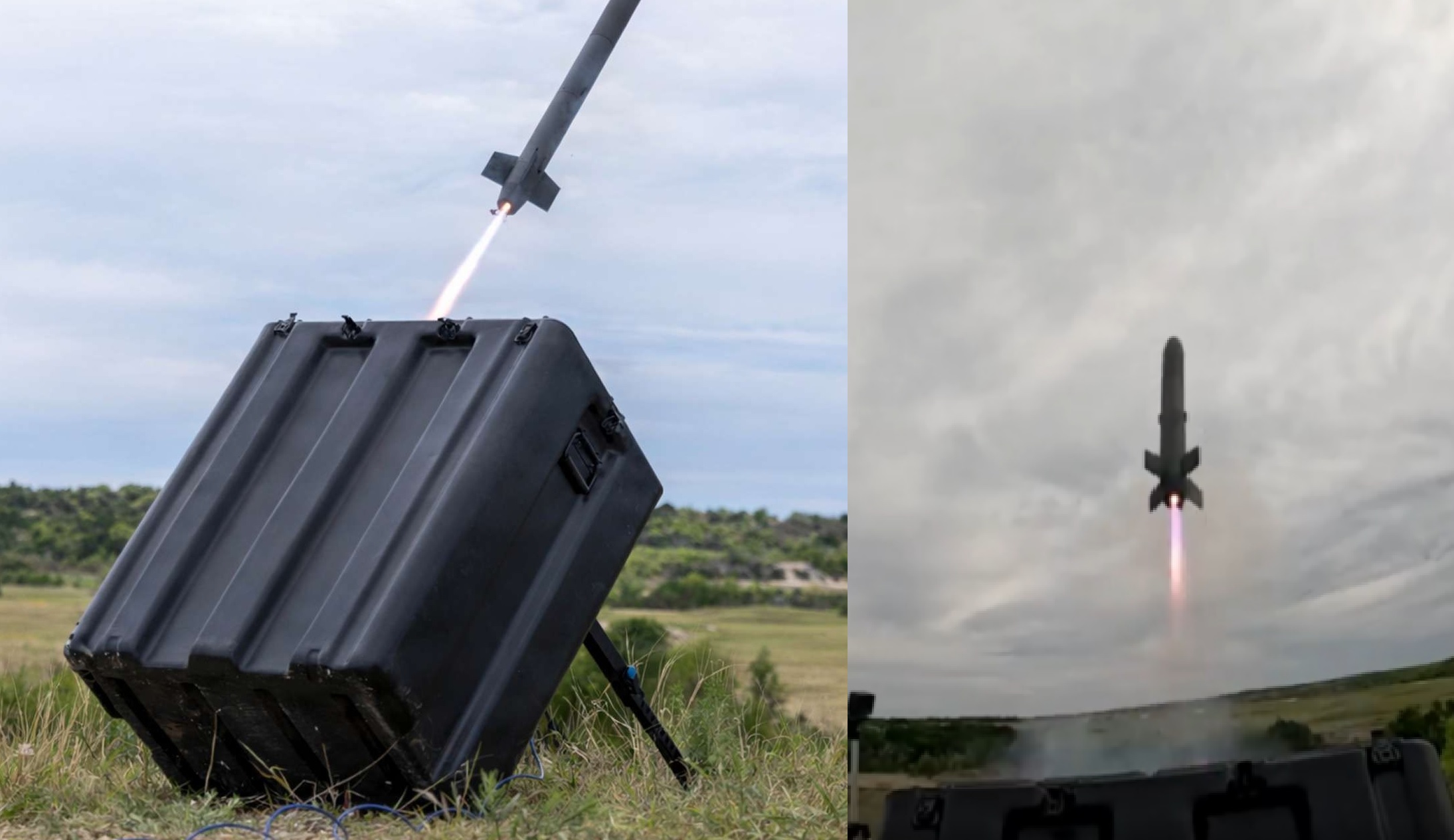
World
FORT HOOD, Texas, — April 11, 2026 : The U.S. Army’s 1st Cavalry Division conducted a series of live-fire tests from April 7 to April 9, 2026, at Fort Hood, evaluating an autonomous counter-unmanned aerial system (C-UAS) architecture during Exercise Golden Shield. The event marked the first complete end-to-end engagement in which an autonomous sensor identified, classified, and transmitted targeting data on an incoming unmanned aerial system (UAS) to a separate automated weapon platform for interception. The testing was carried out under the division’s “Pegasus Charge” initiative, which supports the Army’s broader “Transforming in Contact” modernization framework. The effort focuses on developing mobile, formation-level air defense capabilities designed to protect armored units from small drone threats while minimizing additional workload on vehicle crews. Autonomous Sensor-to-Shooter Integration During the exercise, the Army evaluated the Golden Shield network, a scalable open-architecture air defense system designed to connect distributed sensors with both kinetic and non-kinetic effectors. The system integrates next-generation command-and-control software, multiple sensor types, robotic platforms, and the Vehicle Protection System Base Kit. A key outcome of the testing was the successful demonstration of automated detect, track, and cue functions. External radar data was transmitted through the command-and-control network to weapon systems, enabling engagements at machine speed. Army evaluators confirmed that this configuration significantly compresses the sensor-to-shooter timeline and allows armored formations to maintain maneuver operations while operating under persistent drone surveillance and attack conditions. The April 7–9 exercise represented the first instance in which an autonomous sensor on one platform detected and classified a drone target before relaying that data to a separate platform for interception, validating cross-platform integration within the network. Harpe Micro-Missile System Evaluation A central component of the live-fire testing was the Harpe micro-missile interceptor developed by Perseus Defense. The company, headquartered in Buda, Texas, supplied its Mk-III surface-to-air variant for evaluation, only months after initial prototype testing conducted in mid-2025. The Harpe system was assessed for radar-cued intercept capability, multi-launch functionality, and fully active terminal guidance against live drone targets. During the exercise, the system successfully demonstrated direct hit-to-kill engagements using radar-cued targeting data. The interceptor is designed specifically to counter Group 1 and Group 2 unmanned aerial systems, which are typically small, low-flying, lightweight, and fast-moving drones. Technical Characteristics and Platform Integration According to test data and system specifications, the Harpe micro-missile has an engagement range exceeding 1,000 meters and uses a spin-stabilized rocket design with fully active terminal guidance. The missile is configured for direct impact interception rather than proximity detonation. Launcher configurations include pods capable of carrying up to 15 micro-missiles, with some configurations supporting eight-missile pods depending on platform integration. The system is designed for adaptability across multiple domains, including ground vehicles, maritime vessels, and larger unmanned aerial platforms. Each missile is approximately 15 inches in length and is categorized as attritable, allowing for lower-cost deployment in high-volume engagements. The unit cost is reported at under $10,000 per interceptor, significantly lower than traditional counter-UAS missiles, which can exceed $250,000 per unit. Development Timeline and Industry Role Perseus Defense developed the Harpe system as part of its focus on scalable and cost-effective counter-UAS technologies. Key development milestones include the construction of initial spin-stabilized rocket prototypes in June 2025, testing of the Mk-III surface-to-air variant in July 2025, and the achievement of fully guided, direct hit-to-kill flight in January 2026. The company, backed by Y Combinator, has positioned the Harpe system as a solution to the increasing operational demand for affordable interceptors capable of countering low-cost drone threats. Operational Context and Cost Considerations The proliferation of Group 1 and Group 2 drones in modern conflicts, including their widespread use in reconnaissance and strike roles, has created operational challenges for mechanized forces. Armored Brigade Combat Teams, which contain high-value assets, have historically relied on high-cost interceptors to neutralize low-cost drones, resulting in unfavorable cost-exchange ratios. The Golden Shield network, combined with systems such as the Harpe micro-missile, is intended to address this imbalance by enabling distributed, layered defense using lower-cost interceptors and automated engagement processes. By integrating autonomous sensors, robotic systems, and scalable launcher pods, the Army aims to establish an organic counter-UAS capability at the formation level. Data Collection and Future Evaluation The 1st Cavalry Division conducted the exercise in coordination with the Army Capabilities Development Command and multiple industry partners. The live-fire event generated operational data on system performance within realistic command-and-control environments. Army officials stated that the collected data will be used to evaluate system effectiveness, inform procurement decisions, and guide future integration of counter-UAS technologies into armored formations. The division will continue refining layered protection concepts as part of ongoing modernization efforts.
Read More → Posted on 2026-04-11 14:28:57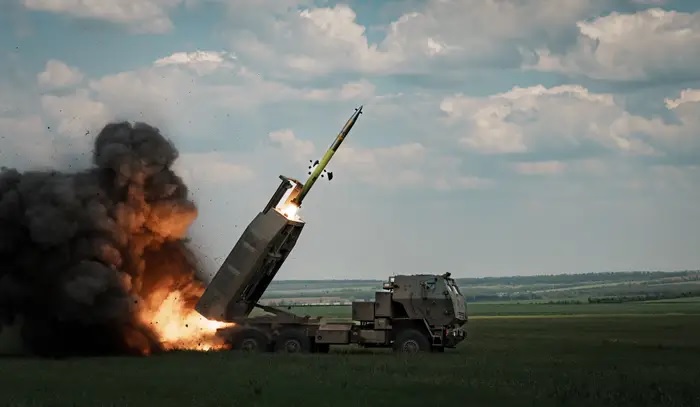
World
TALLINN, Estonia — April 11, 2026 : The Estonian Centre for Defence Investments (ECDI) has signed a contract with Lockheed Martin for the procurement of three additional M142 HIMARS platforms, expanding the country’s long-range firepower and reinforcing its role within NATO’s regional defense framework. The agreement includes an investment of approximately $11 million into Estonia’s domestic defense industry, with deliveries scheduled for 2027. Strategic Capability Expansion and NATO Integration The acquisition is intended to strengthen Estonia’s long-range precision strike capability and support the implementation of NATO defense plans on the alliance’s eastern flank. The M142 HIMARS system, mounted on a 5-ton Family of Medium Tactical Vehicles (FMTV) truck chassis and operated by a three-person crew, is capable of delivering precision-guided munitions at ranges exceeding 300 kilometers, depending on the munition type. The platform supports both Guided Multiple Launch Rocket System (GMLRS) rockets and Army Tactical Missile System (ATACMS) missiles, with each launcher capable of firing six rockets or one ATACMS missile per load. It is transportable by C-130 aircraft and designed for rapid deployment, allowing forces to operate in forward positions while retaining the ability to relocate quickly after firing. Estonian Defence Minister Hanno Pevkur stated that the additional systems will ensure the deep-strike capability required by both the Estonian Defence Forces and NATO. He described the procurement as part of a long-term effort aligned with NATO defense planning and emphasized that the investment component strengthens both national defense and broader security. The HIMARS platform is interoperable with allied systems, enabling seamless integration into NATO operational networks and joint missions. Industrial Investment and Domestic Capability Development A central element of the contract is the $11 million investment directed toward Estonia’s defense industry. The funding is allocated to establish domestic capabilities for maintaining HIMARS components, reducing reliance on external supply chains for routine sustainment. Janari Kasemets, Category Manager for Combat Platforms at the ECDI, stated that the agreement covers not only rocket systems and ammunition but also the development of local maintenance infrastructure. He noted that Estonian companies will provide HIMARS component maintenance services under the new framework. Kasemets added that the investment will be integrated into a broader regional initiative led by Lockheed Martin, combining similar investments in Latvia, Lithuania, Poland, and Finland. The objective is to develop regional expertise and ensure the availability of maintenance and support services across neighboring countries. Regional Sustainment Framework and Facility Development The agreement aligns with earlier plans to establish a HIMARS sustainment center in Estonia. The facility was announced in March 2026 following a meeting between Minister Hanno Pevkur and Lockheed Martin Vice President Paula J. Hartley. The sustainment center is intended to support all three Baltic states and is expected to become operational within two years. Initial investment for the facility is estimated at approximately €10 million, broadly equivalent to the $11 million referenced in the procurement agreement. The center will contribute to long-term maintenance, repair, and overhaul capabilities for HIMARS systems in the region. Ongoing Defense Modernization The latest procurement builds on Estonia’s earlier acquisition of HIMARS systems. Under a previous agreement with Lockheed Martin, six systems were delivered in 2025 as part of the country’s largest-ever arms procurement program. With the addition of three new systems scheduled for delivery in 2027, the Estonian Defence Forces’ HIMARS fleet will increase to a total of nine operational units. The expansion is expected to enhance Estonia’s national operational capabilities while contributing to NATO’s collective defense posture in the Baltic region. The procurement forms part of broader efforts by Baltic states to modernize long-range fire support capabilities in accordance with alliance requirements.
Read More → Posted on 2026-04-11 14:51:31
World
LONDON, — April 11, 2026 : The United Kingdom’s export credit agency, UK Export Finance (UKEF), has finalized £128 million in loan guarantee financing to support the export of British-manufactured submarine rescue vehicle systems (SRVS) to the Indonesian Navy (TNI AL). The agreements support two major contracts awarded to UK-based subsea engineering firms and are intended to enhance Indonesia’s underwater search and rescue capabilities while reinforcing the UK’s maritime and defense industrial base. The financing package is divided between two companies: Submarine Manufacturing and Products Limited (SMP), headquartered in Bristol, and Forum Energy Technologies Ltd (FET), based in York. The guarantees are backed by international financial institutions and executed in cooperation with Indonesian industry partners. Financial Structure and Contract Allocation The larger portion of the financing—£76 million—is allocated to SMP through a UKEF-backed loan guarantee arranged with JP Morgan Chase, Singapore Branch. The project is being executed in partnership with Indonesian firm PT BTI Indo Tekno (BTI Defence). This marks the first instance of UKEF support for a joint contract involving both SMP and BTI Defence. The remaining £52 million supports FET’s contract, with financing provided by Banco Santander. FET is working in partnership with PT Agrapana Nugraha Katara (ANK), an Indonesian defense company. System Capabilities and Technical Specifications Under its contract, SMP will deliver the SRV-F Mk 3 submarine rescue system. The vehicle is a free-swimming, manned submersible designed for untethered rescue operations at depths exceeding 500 meters. It is operated by a crew of three and has a rescue capacity of 50 submariners per dive, enabling a “One Out, All Out” evacuation approach for conventional submarine crews. The SRV-F Mk 3 has a displacement of 50 tonnes and is powered by advanced lithium polymer batteries providing a minimum endurance of 12 hours. It supports Transfer Under Pressure (TUP) operations at 50 meters seawater and is compatible with launch and recovery systems in sea states with wave heights up to 3.5 meters. The vehicle has a through-water speed of 3 knots under its own propulsion and can be towed at speeds up to 7 knots. It is air-transportable via A400M aircraft and incorporates a NATO ANEP MNEP 85/85.1-compliant mating skirt capable of connecting at angles of up to 45 degrees. The SMP contract also includes a 92.5-meter bespoke mothership equipped with a TUP system, dedicated decompression chamber, and medical support facilities. The vessel has a beam of 19.5 meters, draft of 5.3 meters, air draft of 28.5 meters, and an estimated displacement of 5,320 tonnes. It is capable of speeds up to 17 knots and includes a helipad. The ship design was developed by Houlder, with construction planned at an Indonesian shipyard. The underlying contract, originally announced in September 2023, spans a three-year design and production phase. FET will supply the LR600 submarine rescue system, a piloted submersible rated for operations at depths of up to 605 meters. The vehicle has a capacity of 20 personnel and is integrated with a launch-and-recovery system, a fully equipped hyperbaric rescue facility, and a decompression system. It incorporates advanced sonar and sensor systems for locating distressed submarines, along with automated depth, heading, and piloting functions. The LR600 system will be manufactured at FET’s facility in Kirkbymoorside, Yorkshire, while the launch-and-recovery system will be produced at the company’s site in Bryan, Texas. Sea trials for the system are scheduled for 2028. Initial details of the FET contract were reported in June 2025. Economic Impact in the United Kingdom UKEF stated that the SMP contract is expected to contribute more than £39 million directly to the UK supply chain through procurement of goods and services, including ship design and training. The FET contract is valued at approximately £30 million in domestic economic contribution. Combined, the two agreements are projected to generate over £67 million in direct economic benefits for the UK, supporting jobs and industrial activity in regions including Bristol and Yorkshire. The financing represents UKEF’s first major involvement in submarine rescue system contracts of this scale and underscores its role in facilitating exports within the defense and maritime sectors. Strategic Context for Indonesia The acquisition of dedicated submarine rescue systems addresses a critical operational requirement for the Indonesian Navy. The need for independent deep-water rescue capability was emphasized following the loss of the submarine KRI Nanggala (402) in April 2021. The procurement aligns with Indonesia’s broader naval modernization efforts, particularly the expansion of its submarine fleet. The country is progressing with plans to construct two Scorpène Evolved submarines domestically, with steel-cutting qualification completed and construction scheduled to begin in June 2026. In addition, the Indonesian Ministry of Defense has evaluated the potential acquisition of compact submarines from Italian manufacturer DRASS for operations across its archipelagic waters. Industrial and Operational Outlook FET, which has more than 45 years of experience in subsea systems, has delivered over 900 manned and unmanned vehicles, including four previous submarine rescue vehicles. The company reported a 50 percent increase in its workforce over the past 12 months, largely attributed to the Indonesian contract. The UKEF-backed financing framework is intended to support timely delivery of both rescue systems while facilitating the transfer of operational and maintenance expertise to Indonesian partners BTI Defence and ANK. Once operational, the systems will provide Indonesia with immediate-response submarine rescue capabilities to support its expanding underwater fleet.
Read More → Posted on 2026-04-11 14:57:39
World
ARLINGTON, Va., — April 11, 2026 : The Department of the Air Force, in coordination with the Defense Innovation Unit (DIU), announced on April 8, 2026, that Buckley Space Force Base in Colorado and Malmstrom Air Force Base in Montana have been selected as preferred locations for the deployment of advanced nuclear microreactors under the Advanced Nuclear Power for Installations (ANPI) program. The initiative is intended to establish on-site, resilient power generation capabilities at two strategically critical U.S. military installations, with deployment targeted by 2030 or earlier. Site Selection and Evaluation Process The selection follows a detailed assessment conducted by subject matter experts from the Department of the Air Force and the Pacific Northwest National Laboratory. The evaluation included environmental considerations, nuclear safety requirements, and the ability of each installation to integrate advanced energy systems into existing infrastructure. Both Buckley and Malmstrom were identified as suitable due to their established utility infrastructure, available land for development, and the operational importance of their missions. Despite being designated as preferred sites, officials emphasized that final approval remains contingent upon the successful completion of environmental reviews and nuclear regulatory licensing. Air Force spokesperson Laurel Falls stated that the designation does not guarantee deployment, noting that regulatory compliance and environmental clearance will determine whether either installation ultimately hosts a reactor. Operational Roles of Selected Bases Buckley Space Force Base serves as the headquarters of Space Delta 4 and is responsible for space surveillance, satellite communications, and providing strategic and theater missile warning to the United States and allied partners. Malmstrom Air Force Base hosts the 341st Missile Wing, which maintains continuous alert status for Minuteman III intercontinental ballistic missiles located in underground launch facilities across Montana. The operational sensitivity of both installations was a primary factor in prioritizing them for independent, on-site power generation. Strategic Rationale and Policy Direction The Department of the Air Force stated that reliance on commercial power grids presents potential vulnerabilities, including risks from cyberattacks, natural disasters, and physical disruption of infrastructure. Establishing dedicated, on-site power sources is intended to ensure uninterrupted mission execution. Nancy Balkus, deputy assistant secretary of the Air Force for infrastructure, energy and environment, said the initiative supports maintaining the operational effectiveness of both the Air Force and the Space Force. She noted that adopting next-generation nuclear energy systems strengthens energy security for critical platforms while contributing to long-term national energy capabilities. An official Air Force statement described the site selection as a step toward ensuring continuous execution of essential missions and reinforcing national security infrastructure. Microreactor Technology Characteristics Nuclear microreactors differ from conventional large-scale nuclear power plants in both scale and deployment flexibility. According to the Department of Energy, these systems are compact and can be transported via truck, rail, or aircraft. They are capable of producing up to 50 megawatts of electricity, though most designs generate less than 20 megawatts. Microreactors are designed for long-duration operation, typically capable of running for up to 10 years or longer without requiring refueling or connection to external power grids. These characteristics align with military requirements for reliable, self-contained energy systems in both fixed and remote environments. ANPI Program Structure and Industry Role Under the ANPI framework, the Department of the Air Force is partnering with commercial nuclear technology companies using a contractor-owned, contractor-operated model. Selected vendors will be responsible for siting, licensing, constructing, operating, and eventually decommissioning the reactors. This model transfers financial, regulatory, and operational responsibilities to industry partners while allowing the Air Force to receive consistent, off-grid power for mission-critical infrastructure. In the coming months, each selected installation is expected to be matched with a vendor whose reactor technology aligns with its specific energy requirements. Broader Department-Level Initiatives The ANPI program is part of a wider Department of Defense effort to treat energy resilience as a strategic requirement rather than a support function. Federal policy developments have reinforced this approach. President Donald Trump signed an executive order directing the Secretary of Defense to ensure that an Army-regulated nuclear reactor is operational at a domestic military installation by September 30, 2028. The directive highlighted the increasing energy demands associated with artificial intelligence systems and advanced military technologies, emphasizing that reliance on external power sources presents a strategic risk. Separately, the U.S. Army announced in October 2025 its Project Janus initiative, which aims to deploy small nuclear reactors across nine Army installations as part of a parallel effort to enhance energy independence. Distinction from Existing Pilot Programs The planned deployments at Buckley and Malmstrom are distinct from the ongoing microreactor pilot program at Eielson Air Force Base in Alaska. The Eielson project is designed as a standalone demonstration to validate the baseline performance and benefits of microreactor technology. In contrast, the ANPI program focuses on integrating operational systems directly into installations with active national security missions, transitioning the technology from experimental use to operational deployment. Logistics and Deployment Testing The Air Force has also conducted preliminary logistics testing to validate the feasibility of transporting microreactor components. On February 15, 2026, a U.S. Air Force C-17 aircraft transported a containerized nuclear reactor—without nuclear fuel—from March Air Reserve Base (California) to Hill Air Force Base (Utah). The reactor unit was subsequently transferred to the Utah San Rafael Energy Lab for further testing and evaluation. The exercise demonstrated the capability to rapidly deploy reactor systems to remote or operational locations using existing military airlift assets.
Read More → Posted on 2026-04-11 15:08:03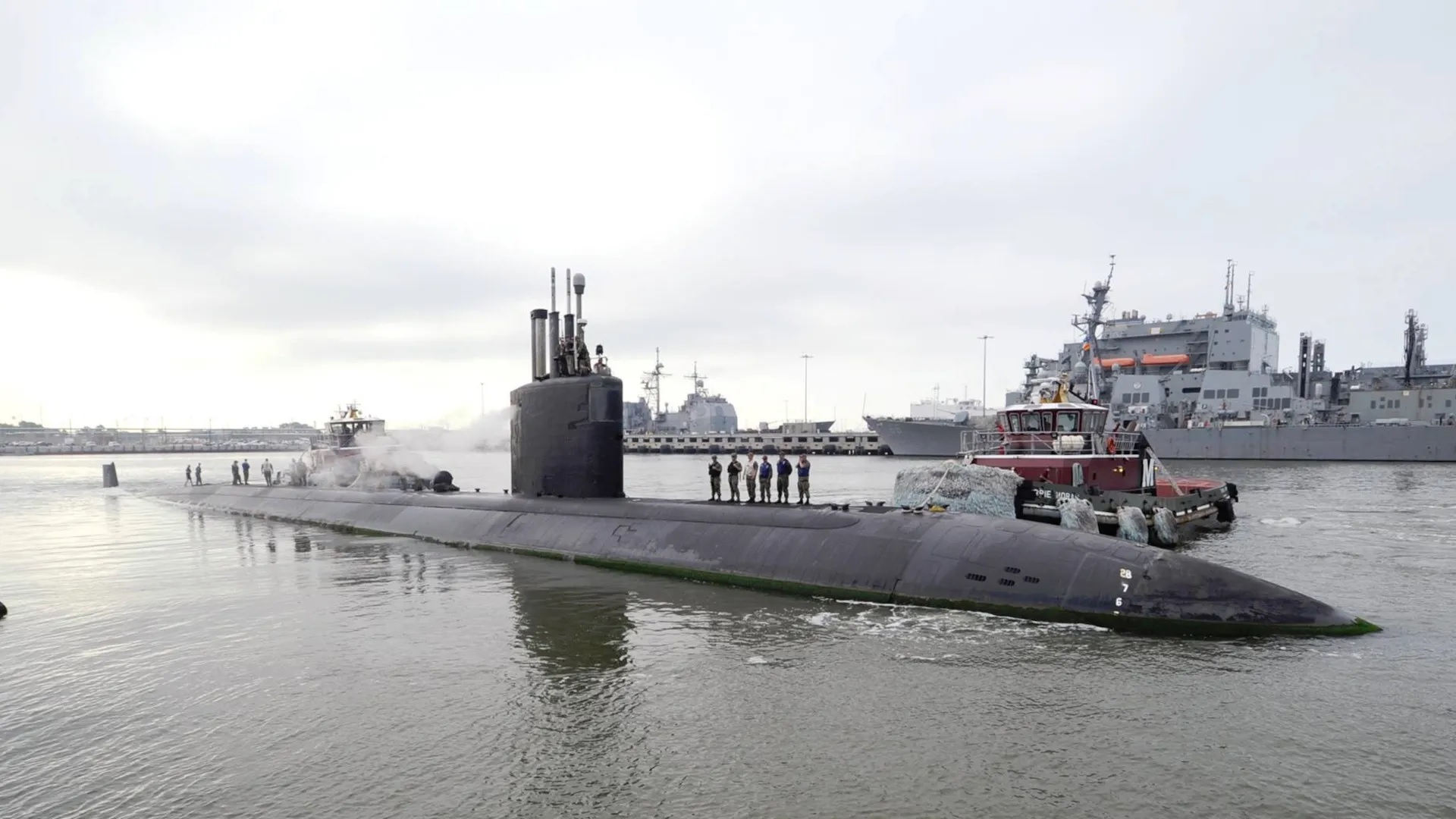
World
WASHINGTON, — April 11, 2026 : The U.S. Department of the Navy announced on April 10, 2026, that it will proceed with the inactivation of the Los Angeles-class attack submarine USS Boise (SSN 764), ending a long-delayed overhaul program that had extended for more than a decade and accumulated significant costs. The decision follows a comprehensive internal review that concluded completing the submarine’s engineered overhaul would not be cost-effective when compared to other naval priorities, particularly new submarine construction and fleet readiness programs. Background and Maintenance Timeline USS Boise, commissioned in 1992, is among the newer vessels in the Los Angeles-class fleet. Despite this, the submarine has been largely inactive since approximately 2015, following its last operational deployment. The vessel was originally scheduled to undergo a routine engineered overhaul in fiscal year 2016. However, delays associated with congestion and workforce limitations at public shipyards prevented timely maintenance. By 2017, while stationed pierside at Naval Station Norfolk, Virginia, the submarine lost its dive certification, formally removing it from operational service. Over the following years, USS Boise was relocated multiple times in an effort to begin repairs. It was towed to Huntington Ingalls Industries’ Newport News Shipbuilding facility in 2018, returned temporarily to Norfolk, and then moved back to Newport News in 2020. In February 2024, the Navy awarded a $1.2 billion contract to Huntington Ingalls Industries (HII) Newport News Shipbuilding to carry out the long-delayed overhaul. At that time, completion of the work was projected for 2029. Cost Analysis and Project Status By April 2026, the Navy had invested approximately $1.6 billion in repair efforts for USS Boise. Despite this expenditure, only about 22 percent of the planned overhaul work had been completed. Updated cost estimates indicated that an additional $1.9 billion would be required to finish the overhaul, bringing the total projected cost to nearly $3 billion. According to Navy officials, this cost level represented approximately 65 percent of the procurement cost of a new Virginia-class submarine. At the same time, the expected operational return from the completed overhaul was limited. The submarine would have provided roughly 20 percent of the service life of a new vessel, equating to approximately three deployments before retirement. Additionally, if completed as scheduled, USS Boise would not have rejoined the fleet until 2029, meaning it would have remained inactive for nearly 15 years. Official Statements and Decision Rationale Chief of Naval Operations Adm. Daryl Caudle stated that the decision was based on a detailed evaluation of costs, timelines, and operational value. “After a rigorous, data-driven analysis, we’ve made the necessary decision to inactivate the USS Boise,” Caudle said. He added that the move would allow the Navy to redirect skilled labor and financial resources toward higher-priority programs, including the construction of Virginia-class and Columbia-class submarines and improving the readiness of the existing fleet. Secretary of the Navy John Phelan also supported the decision, noting that approximately $800 million had already been spent with limited progress and that completing the overhaul would require substantially more funding for a platform with constrained remaining service life. The Navy confirmed that all funding and personnel associated with USS Boise’s overhaul will be reassigned to other submarine construction and maintenance efforts. The reallocation is intended to support timely delivery of new platforms and improve overall fleet availability. Industrial Base and Maintenance Challenges The USS Boise case highlights ongoing challenges within the U.S. Navy’s maintenance infrastructure. Public shipyards have faced persistent issues related to workforce shortages, limited dry dock capacity, and extended repair timelines. These constraints have contributed to reduced operational availability across the submarine force, with some vessels missing scheduled deployments or returning to service later than planned. To address these challenges, the Navy has increasingly relied on private shipyards, including facilities operated by Huntington Ingalls Industries and General Dynamics Electric Boat, to perform maintenance work alongside new construction programs. However, maintenance performed at private facilities has generally been more costly and competes for specialized labor required for building new submarines. Huntington Ingalls Industries stated that it has been notified of the Navy’s decision and will coordinate with the service to discontinue overhaul work on USS Boise. The company indicated that shipbuilders currently assigned to the project will be reassigned to other work at Newport News Shipbuilding, with no anticipated impact on its workforce. Expert Assessment and Strategic Implications Bryan Clark, a senior fellow at the Hudson Institute, described the situation as indicative of broader industrial base limitations while supporting the Navy’s decision to terminate the overhaul effort. The inactivation of USS Boise reflects a shift in how the Navy prioritizes resources, focusing on investments that provide measurable improvements to fleet readiness and long-term operational capability. Current Status and Next Steps USS Boise is currently in drydock at Newport News Shipbuilding. Following the April 10, 2026 announcement, the Navy will proceed with the inactivation process. Personnel assigned to the submarine will be reassigned across the fleet, and financial resources will be redirected to higher-priority submarine programs. The decision is part of a broader effort to align maintenance spending with strategic objectives and ensure that investments contribute directly to operational readiness and force structure modernization.
Read More → Posted on 2026-04-11 15:42:59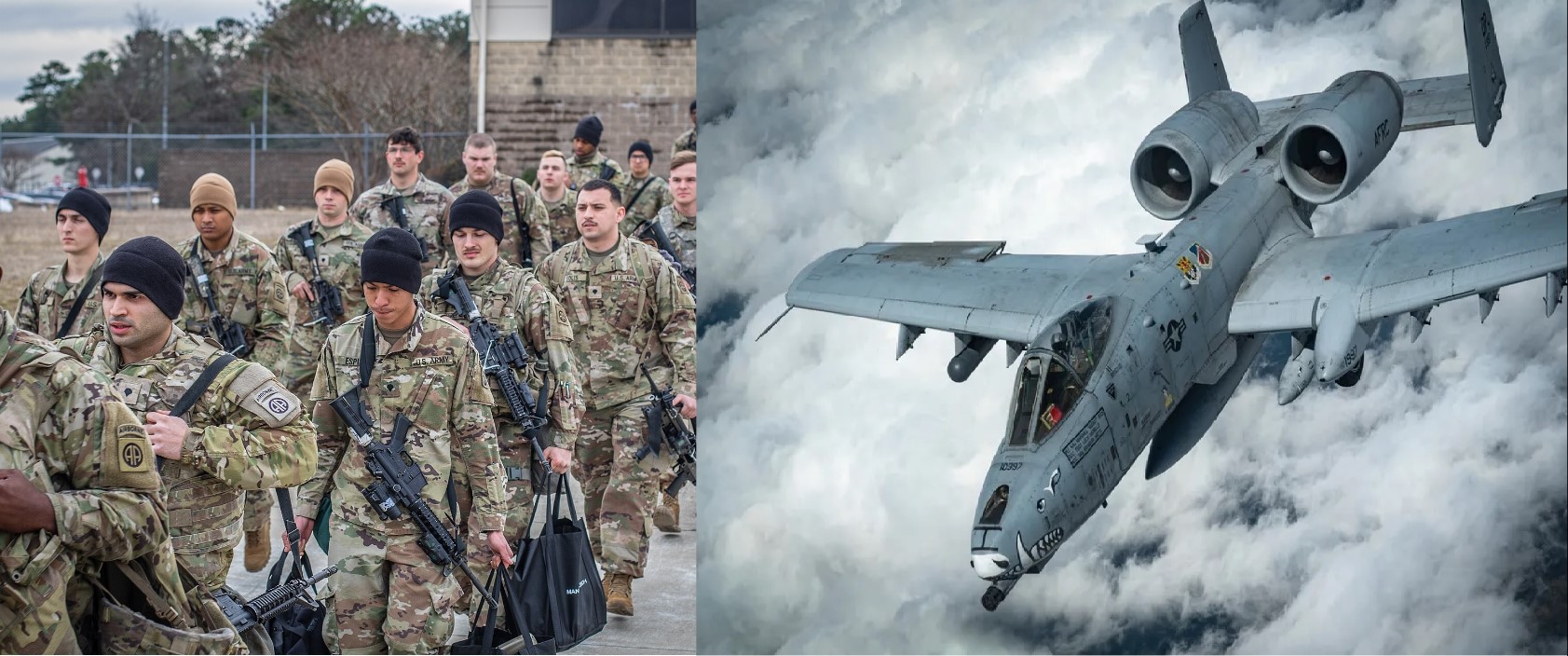
World
Washington — April 11, 2026 : The United States is continuing to expand its military presence across the Middle East as of April 11, 2026, deploying additional aircraft, ground forces, and naval assets into the U.S. Central Command (CENTCOM) area of responsibility. The movements are taking place while a ceasefire between the United States and Iran remains in effect and as diplomatic negotiations are underway in Islamabad, Pakistan. According to U.S. officials cited by The Wall Street Journal, additional attack aircraft—assessed to include A-10 Thunderbolt II platforms—have recently landed at locations within the region. These aircraft are being integrated into ongoing operations, adding to the existing airpower already deployed in theater. Ground Force Reinforcements and Rotational Movements In parallel with the aviation deployments, up to 2,000 soldiers from the U.S. Army’s 82nd Airborne Division are expected to arrive in the coming days. The deployment includes elements of the division headquarters, enabling units, and brigade combat teams trained for rapid deployment missions and the securing of key operational objectives. Some personnel from the 82nd Airborne Division have already begun arriving as part of a scheduled rotation and force surge. The division is structured to conduct immediate-response operations, including airfield seizures and contingency missions requiring rapid insertion. In addition to Army forces, thousands of U.S. sailors and Marines are scheduled to deploy to the region, further reinforcing joint operational capabilities across land and maritime domains. Naval Strike and Amphibious Groups Transit to Region Significant naval reinforcements are also underway, with multiple U.S. Navy and Marine Corps assets currently en route to the Middle East. The carrier strike group centered on the USS George H.W. Bush, which departed Naval Station Norfolk on March 31, 2026, is transiting toward CENTCOM waters. The group includes more than 6,000 sailors and is accompanied by guided-missile destroyers and support vessels. Separately, the USS Boxer Amphibious Ready Group, carrying the 11th Marine Expeditionary Unit (MEU), is also moving toward the region. The MEU consists of approximately 2,500 Marines and provides amphibious assault, expeditionary, and crisis response capabilities. Due to transit distances, both the carrier strike group and the amphibious ready group are expected to take more than one week to arrive in the operational theater. Expansion of A-10 Fleet and Operational Role The recent arrival of additional A-10 Thunderbolt II aircraft contributes to an expanded fleet presence in the region. The A-10 platform, designed for close air support, has been employed in recent operations targeting Iranian fast-attack vessels in the Strait of Hormuz. In addition to maritime missions, the aircraft have supported ground operations, including engagements involving aligned militia groups operating in Iraq. The platform’s operational flexibility allows it to be used across both land and maritime environments within the CENTCOM area. Pentagon Position and Operational Context The U.S. Department of Defense has not issued a public statement detailing the specific operational purpose of the latest deployments. However, officials have previously characterized similar force adjustments as measures intended to maintain operational flexibility and ensure readiness during ongoing regional activities. The current movements align with earlier announcements regarding reinforcements to support U.S. operations in the Middle East. No changes to the existing ceasefire terms have been announced in connection with these deployments. Diplomatic Engagements in Islamabad The military buildup is occurring alongside diplomatic efforts hosted by Pakistan in Islamabad. U.S. negotiators, led by Vice President JD Vance and including special envoy Steve Witkoff and Jared Kushner, have arrived in Pakistan for discussions with Iranian representatives. The talks are aimed at establishing a longer-term resolution following the ceasefire. Pakistan is serving as the host and mediator for the negotiations, which are ongoing as of April 11, 2026. Parallel Military and Diplomatic Tracks The simultaneous continuation of military deployments and diplomatic negotiations reflects a dual-track approach. While discussions between U.S. and Iranian delegations proceed in Islamabad, U.S. forces continue to reposition and reinforce capabilities across the Middle East. The Department of Defense has not provided additional details regarding basing locations, exact timelines for all incoming units, or further operational planning related to the deployments.
Read More → Posted on 2026-04-11 15:51:40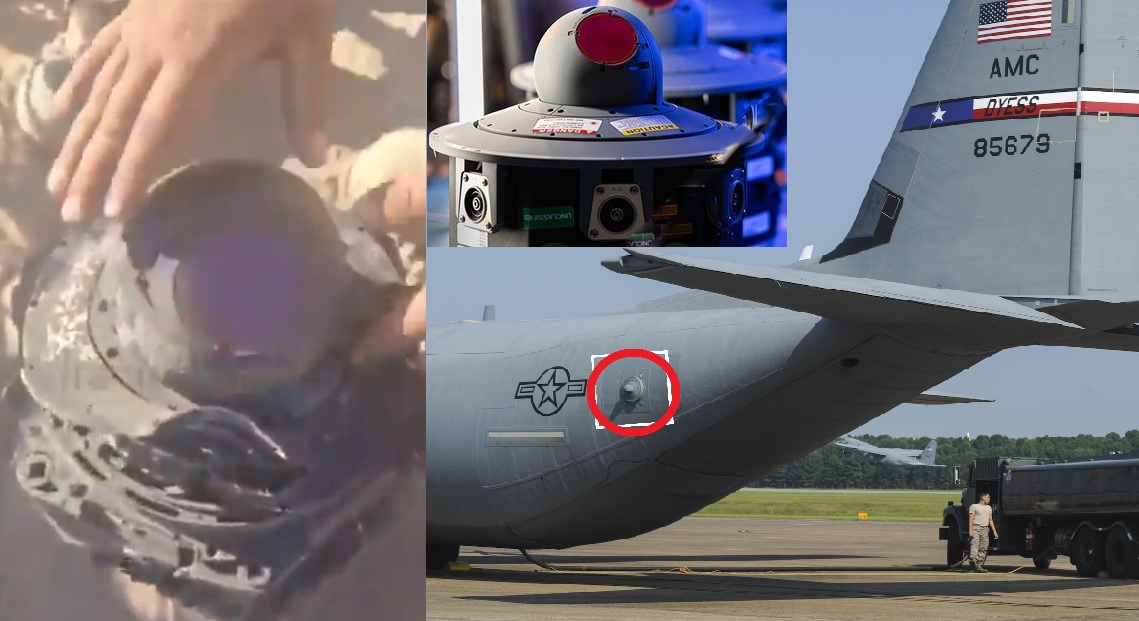
World
TEHRAN, — April 11, 2026 : Iranian forces have reported the recovery of a U.S.-manufactured AN/AAQ-24 Large Aircraft Infrared Countermeasure (LAIRCM) system following military operations earlier this month in southern Isfahan province. The system, developed by Northrop Grumman, was reportedly retrieved from wreckage linked to U.S. aircraft involved in a combat search-and-rescue mission. According to statements released by the Islamic Revolutionary Guard Corps (IRGC), the equipment was obtained after the destruction of multiple U.S. platforms, including C-130 military transport aircraft and UH-60 Black Hawk helicopters. The aircraft were deployed as part of an operation to recover crew members from a downed F-15E fighter jet. Iranian sources stated that their forces engaged the aircraft, while U.S. officials have previously indicated that at least one MC-130J aircraft was intentionally destroyed on the ground to prevent sensitive technology from being captured. The AN/AAQ-24 system, also referred to as a Directional Infrared Countermeasure (DIRCM), is a laser-based defensive suite designed to protect large aircraft from infrared-guided, heat-seeking missiles. It is deployed across a wide range of U.S. military platforms, including the C-130 Hercules, C-17 Globemaster III, CH-47 Chinook, HC-130J and MC-130J special operations aircraft, C-5 Galaxy, KC-135 Stratotanker, and various rotary-wing and tilt-rotor aircraft. Northrop Grumman manufactures the AN/AAQ-24(V) as a modular and scalable system. It remains the only laser-based DIRCM system currently in production for countering infrared missile threats and has been installed on more than 1,500 aircraft across over 85 different platform types worldwide. The system is in active operational use by U.S. forces and multiple international operators. Technically, the AN/AAQ-24(V) consists of several integrated components. These include five to six missile warning system sensors, such as the AN/AAR-54, which utilize two-color infrared detection technology to identify incoming missile launches. The system also incorporates a central processor, a cockpit interface unit—either a control indicator unit (CIU) or control interface replacement unit (CIUR)—and one to three laser transmitter assemblies. These include Guardian Laser Transmitter Assemblies (GLTA) or Small Laser Transmitter Assemblies (SLTA), which provide near-spherical defensive coverage around the aircraft. The system operates by detecting missile launches in real time across multiple infrared threat bands (Bands I, II, and IV). Once a threat is identified, the system tracks the missile’s seeker head and directs a high-intensity laser beam toward it. This laser disrupts the missile’s guidance system, causing it to lose lock on the aircraft. The process is fully automated and capable of engaging multiple threats simultaneously, including in complex or cluttered environments. Unlike traditional countermeasure systems that rely on expendable flares, the AN/AAQ-24(V) provides a continuous, non-depleting defensive capability. It functions across all weather conditions and altitudes and includes built-in self-testing mechanisms to support maintenance and operational readiness. The system uses a universal jam waveform and programmable high-capacity cards, allowing for customization of jamming techniques, maintenance protocols, and aircraft-specific configurations. Power requirements for the system include approximately 377 watts for the processor unit and up to 1,700 watts peak for the laser transmitter during active operation, with around 580 watts required in standby mode. In terms of physical characteristics, the GLTA turret measures approximately 13 inches in diameter and 14 inches in height, with a weight of about 60 pounds. Missile warning sensors are comparatively smaller and lighter. The AN/AAQ-24(V) forms a key component of U.S. efforts to enhance aircraft survivability against man-portable air-defense systems (MANPADS) and other infrared-guided threats. Continuous upgrades, including Block 30 and Block 35 configurations, are intended to improve detection sensitivity and countermeasure effectiveness against more advanced missile systems. The reported recovery marks the first known instance of this specific DIRCM technology entering Iranian possession. Analysts note that access to such systems could provide insights into U.S. defensive technologies, including detection algorithms and laser modulation techniques. Potential analysis or reverse engineering may allow the development of counter-countermeasure capabilities designed to reduce the effectiveness of laser-based defenses. The U.S. Department of Defense has not issued an official statement confirming the status or condition of the recovered equipment. Iranian authorities have also not provided detailed information regarding the operational state of the retrieved components or any ongoing technical evaluation. The incident underscores the risks associated with deploying advanced defense systems in contested operational environments and may influence future protective measures, including software updates and hardware modifications, across U.S. military aviation fleets.
Read More → Posted on 2026-04-11 16:05:27
World
Washington, April 11, 2026 : Iran has not been able to fully restore normal shipping activity through the Strait of Hormuz due to its inability to locate and clear all naval mines deployed during recent operations, according to United States officials cited by The New York Times. The officials said that incomplete documentation during the deployment phase, combined with the movement of some mines due to sea currents, has left Iranian authorities without an accurate assessment of their positions. As a result, only a limited maritime corridor remains operational, restricting broader commercial traffic through the strategic waterway. Deployment Gaps and Navigational Constraints According to U.S. officials, the mines were laid in a non-systematic manner, with some locations not recorded and others placed in conditions that allowed them to drift from their original positions. This has reduced the reliability of previously issued navigation charts and limited Iran’s ability to designate safe transit routes. At present, Iran is allowing vessel movement through a narrow corridor coordinated by the Islamic Revolutionary Guard Corps (IRGC), where ships are required to comply with toll arrangements. However, authorities have not expanded access beyond this controlled passage due to unresolved safety concerns. Technical Challenges in Mine Clearance Officials stated that the situation reflects a broader technical limitation in naval mine countermeasure operations. Mine clearance requires specialized equipment to detect and neutralize devices that may be anchored, floating, or resting on the seabed. These operations are significantly more complex than initial deployment. Iran does not possess sufficient mine countermeasure assets to rapidly address the issue, including the mines it deployed itself. U.S. officials noted that even the United States maintains limited large-scale rapid clearance capability, relying on a small number of specialized platforms such as littoral combat ships configured for mine countermeasures. Iranian Foreign Minister Abbas Araghchi acknowledged these constraints on April 8, 2026, stating that the Strait of Hormuz would remain open “with due consideration of technical limitations.” U.S. officials interpreted this statement as a reference to the challenges associated with locating and removing the mines. Types of Mines Deployed Details from earlier reports indicate that Iran employed multiple types of naval mines from its existing inventory during the operation. Among them is the Mahan 3, a 300-kilogram moored buoyant mine equipped with acoustic sensors capable of detecting vessels at a range of approximately 10 feet. This type is designed to operate in water depths of up to 100 meters and detonates based on acoustic signatures. Another system identified is the Maham 7, a 220-kilogram bottom mine that rests on the seabed and can be deployed from small boats or helicopters. Iran also fields the Maham 2, a heavier bottom influence mine weighing around 320 kilograms, which responds to acoustic, magnetic, or pressure signatures generated by passing ships. In addition, Iran maintains inventories of moored contact mines, including variants based on older designs with electrically activated horns, as well as domestically produced influence mines developed with foreign technical input. Estimates place Iran’s total naval mine stockpile between 2,000 and 6,000 units. This includes drifting mines, which float with ocean currents and detonate upon contact, increasing the difficulty of tracking and clearance. Methods of Deployment The mines were deployed using a combination of platforms, including small vessels operated by the IRGC, submarines, and other maritime assets. U.S. officials stated that the absence of comprehensive mapping during this process has contributed directly to the current inability to account for all devices. Some mines are believed to have shifted from their initial positions due to environmental factors, further complicating detection efforts and rendering earlier safe-route data incomplete. Impact on Global Shipping The Strait of Hormuz, which connects the Persian Gulf to the Gulf of Oman, is a critical maritime chokepoint handling approximately 20 percent of global oil trade. The presence of unlocated mines has led to reduced tanker traffic and continued uncertainty for commercial shipping operators. While limited transit continues under Iranian coordination, broader reopening efforts have not progressed in line with U.S. expectations for unrestricted passage. Diplomatic Context and Ongoing Talks The issue of mine clearance remains a central topic in ongoing diplomatic discussions. U.S. officials have linked the full restoration of safe maritime navigation to ceasefire-related negotiations involving Iran. Talks addressing the situation are scheduled to take place in Pakistan, where both sides are expected to discuss mechanisms for restoring full access to the waterway. No official timeline has been provided for the complete removal of the mines or normalization of shipping activity. Neither U.S. nor Iranian authorities have disclosed the exact number of mines that remain unlocated.
Read More → Posted on 2026-04-11 16:11:05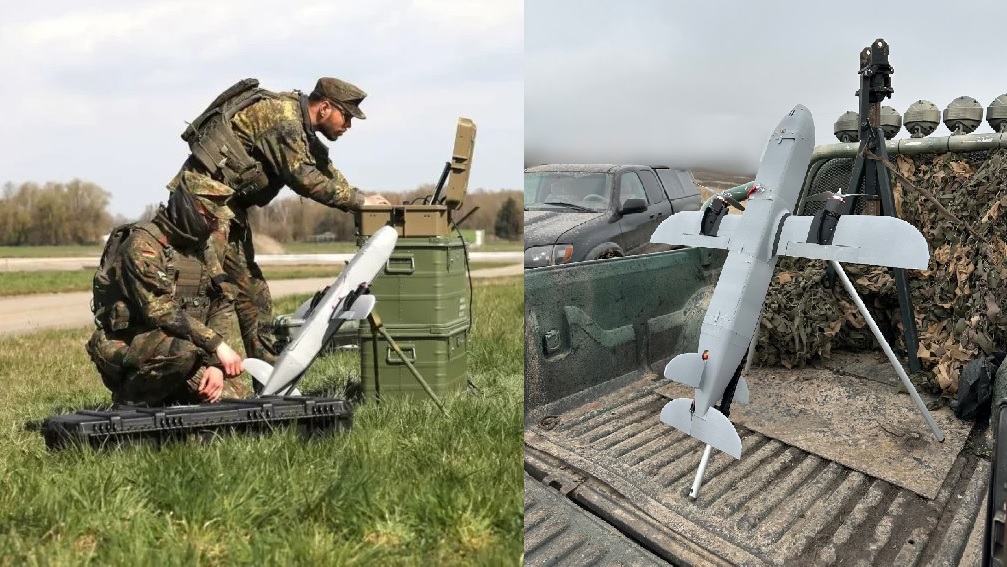
World
BERLIN, — April 11, 2026 : The German government has awarded a defense procurement contract to TYTAN Technologies, a Munich-based startup, for the supply of more than 1,000 METIS Interceptor drones to the National Guard of Ukraine. The program is fully funded by Berlin as part of ongoing military assistance to Ukraine, though officials have not disclosed the total contract value or delivery timeline. The agreement is intended to strengthen Ukraine’s layered air defense network against persistent threats from unmanned aerial systems, particularly mass deployments of loitering munitions and kamikaze drones such as the Iranian-designed Shahed series. METIS Interceptor Capabilities and Specifications The METIS Interceptor is a high-speed counter-unmanned aerial system (C-UAS) designed to engage NATO Class II drone threats. It has undergone testing in Ukrainian operational environments since late 2024, providing real-world validation under combat conditions. According to system specifications, the METIS has an operational range of up to 45 kilometers and can reach a flight ceiling of approximately 6 kilometers. The interceptor is capable of achieving a maximum speed of 400 kilometers per hour and operates with a maximum takeoff weight of around 6 kilograms. The system supports two engagement modes. In its primary configuration, it employs a kinetic “hit-to-kill” mechanism, destroying targets through direct high-speed collision. Alternatively, it can be equipped with a 1-kilogram high-explosive warhead designed to neutralize more robust or reinforced aerial threats. Earlier development variants of the METIS platform demonstrated speeds exceeding 250 kilometers per hour, operational ranges beyond 15 kilometers, and altitudes up to 5,000 meters. Testing conducted under Ukraine’s Brave1 defense innovation initiative indicated performance improvements reaching approximately 300 kilometers per hour and a range of 20 kilometers prior to the latest enhancements. Autonomous Systems and Operational Integration The METIS system incorporates onboard artificial intelligence to enable real-time detection, tracking, classification, and engagement of aerial targets. The platform uses computer vision technologies, including thermal imaging, to support operations in varied conditions. It is designed for multi-drone deployment, allowing a single human operator to supervise and control multiple interceptors simultaneously while maintaining authority over the final engagement decision within the kill chain. The system features a modular, open architecture that allows integration with existing radar systems, sensor suites, and command-and-control networks. This enables interoperability with broader air defense layers and facilitates deployment across different operational environments. Additionally, the interceptor is engineered for cost-effective mass production and deployment. Its design incorporates additive manufacturing techniques, including a largely 3D-printed airframe, enabling rapid scaling, simplified logistics, and efficient replacement of components. Production, Industrial Base, and Partnerships TYTAN Technologies, founded in 2023 and headquartered in Munich, maintains production facilities in Germany and has expanded its manufacturing footprint with a new site in Bavaria, which became operational in January 2026. This facility supports development, system integration, and scaled production of interceptor systems. The company aims to achieve manufacturing output of up to 3,000 interceptor drones per month by the end of 2026. In parallel, TYTAN has established operational and testing capabilities within Ukraine to support frontline deployment and iterative system improvements. The firm has secured prior procurement agreements with Ukrainian forces for thousands of METIS units and also holds a multi-million euro contract with the German armed forces for base protection systems. TYTAN Technologies has formed industrial partnerships with German defense companies, including HENSOLDT for sensor integration and DEUTZ for production scaling. These collaborations are intended to support system performance optimization and supply chain expansion. Funding and Strategic Context In February 2026, TYTAN Technologies raised €30 million in a Series A funding round led by Armira and the NATO Innovation Fund, bringing its total funding to approximately €46 million. The investment is being used to expand manufacturing capacity across Germany, Ukraine, and allied markets, as well as to advance development of AI-based systems for integration into broader air-defense architectures. The METIS Interceptor is designed to address the cost imbalance in modern air defense operations, where relatively expensive missile systems are often used to intercept low-cost drones. By enabling high-volume, lower-cost interception, the system supports sustained defense against large-scale unmanned aerial threats. Deployment Role and Support Structure The METIS system forms part of a layered counter-drone strategy aimed at protecting critical infrastructure and military assets. The drones can be deployed from modular container-based launch systems, which can be mounted on armored vehicles or used in static defensive configurations. The contract includes logistics and support elements aligned with the operational requirements of the National Guard of Ukraine. While specific delivery schedules remain undisclosed, the scale of the procurement indicates a focus on rapid deployment and sustained operational availability. Germany’s decision to fund and supply over 1,000 METIS Interceptor drones reflects continued European efforts to enhance Ukraine’s defensive capabilities through scalable and technologically advanced systems tailored to evolving battlefield conditions.
Read More → Posted on 2026-04-11 16:20:46
World
PARIS, — April 11, 2026 : The French government has announced a comprehensive plan to transition state workstations from Microsoft Windows to the open-source Linux operating system, marking a significant step in its broader strategy to reduce reliance on non-European technology providers and reinforce national control over digital infrastructure. The initiative is being led by the Interministerial Directorate for Digital Affairs (DINUM) and was formalized following an interministerial seminar held on April 8, 2026. The seminar was organized in coordination with the Directorate General for Enterprise (DGE), the National Agency for Information Systems Security (ANSSI), and the State Procurement Directorate (DAE), under directives issued by the Prime Minister, the Minister of Public Action and Accounts, and the Minister Delegate for Artificial Intelligence and Digital Technology. Under the directive, all ministries and public operators are required to prepare detailed implementation and dependency-reduction plans by autumn 2026. These plans must address not only desktop operating systems but also collaboration platforms, antivirus systems, artificial intelligence tools, databases, virtualization environments, and network infrastructure. Policy Framework and Strategic Objectives The transition is part of a national policy focused on achieving digital sovereignty, with the government aiming to localize control over data processing, software ecosystems, and infrastructure. Authorities have emphasized reducing exposure to external providers whose operational rules, pricing structures, and security conditions are outside direct state control. David Amiel, Minister of Public Action and Accounts, stated that the government must actively reduce dependence on foreign technologies to regain control over its digital systems. He noted that reliance on external platforms introduces operational and strategic risks that the state cannot fully manage. Anne Le Hénanff, Minister Delegate for Artificial Intelligence and Digital Technology, described the shift as a strategic necessity, emphasizing that public digital communications must be secure, confidential, and governed by domestic or European solutions. Scope of Migration and Implementation Approach The migration will affect approximately 2.5 million civil servants across France. DINUM, which employs around 250 personnel, will initiate the transition by migrating its own internal workstations to Linux, serving as a pilot phase before broader deployment across ministries. No specific Linux distribution has been mandated at the national level. Instead, individual departments are permitted to select distributions and define migration timelines based on operational requirements, a measure intended to reduce compatibility risks and accommodate legacy systems. The implementation strategy includes phased deployment, drawing on prior experience within the French public sector. The Gendarmerie Nationale began transitioning away from proprietary software in 2004 and developed its own Ubuntu-based system, known as “GendBuntu,” which is currently deployed on approximately 103,000 workstations. Replacement of Software Ecosystems The operating system transition is part of a wider overhaul of government software tools under the “La Suite Numérique” initiative, a state-developed suite of digital services designed to replace commercial platforms. For video conferencing, the government plans to replace platforms such as Zoom, Microsoft Teams, and Webex with “Visio,” an open-source solution hosted on infrastructure operated by Outscale, a subsidiary of Dassault Systèmes. The transition, scheduled for completion by 2027, is projected to generate savings of approximately €1 million annually per 100,000 users. Messaging and file-sharing services are also being replaced with domestic tools. The encrypted messaging platform “Tchap” and the secure file transfer service “FranceTransfert” are already in use by up to 600,000 civil servants. Additionally, the National Health Insurance Fund has migrated approximately 80,000 employees to these tools as part of ongoing adoption efforts. The government has also committed to migrating its national health data platform to a fully sovereign and trusted domestic infrastructure by the end of 2026. Institutional Coordination and Industrial Engagement The transition is supported by ongoing efforts to map and assess technological dependencies through the State Procurement Directorate, while the Directorate General for Enterprise is tasked with defining and promoting European digital service alternatives. Further coordination with industry stakeholders is planned through the “Rencontres industrielles du numérique,” scheduled for June 2026. This initiative aims to establish public-private partnerships and support the development of European digital ecosystems, including an alliance focused on sovereignty and interoperability standards such as Open-Interop and OpenBuro. Quantified reduction targets and detailed timelines are expected to be refined based on the outcomes of these assessments and consultations. European Context and Comparative Developments France’s policy aligns with a broader trend across Europe toward increased adoption of open-source and domestically controlled digital solutions. Austria’s Armed Forces have recently transitioned from Microsoft Office to LibreOffice. In Germany, the state of Schleswig-Holstein has migrated approximately 80 percent of its government workplaces—covering around 44,000 employee inboxes—to open-source systems. The German federal government has also announced that public-sector documents will be issued exclusively in open formats. Denmark is currently evaluating similar measures.
Read More → Posted on 2026-04-11 17:01:25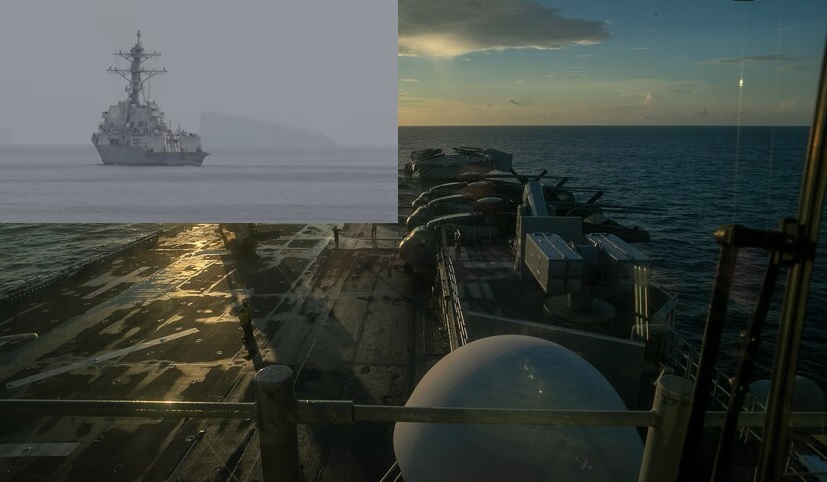
World
TAMPA, Fla., — April 11, 2026 : U.S. Central Command (CENTCOM) has initiated a mine clearance mission in the Strait of Hormuz, deploying naval forces to restore safe passage through one of the world’s most critical maritime trade routes. The operation commenced on April 11 with the transit of two U.S. Navy guided-missile destroyers, USS Frank E. Petersen Jr. (DDG 121) and USS Michael Murphy (DDG 112), through the strait into the Arabian Gulf. The deployment marks the initial phase of a broader effort to remove naval mines previously laid by Iran’s Islamic Revolutionary Guard Corps (IRGC), which had effectively halted commercial shipping in the waterway over recent weeks. Initial Naval Deployment and Capabilities Both destroyers are part of the Arleigh Burke-class and are equipped with the Aegis combat system, enabling multi-domain operations including air, surface, and undersea warfare. USS Frank E. Petersen Jr., a Flight IIA Technology Insertion variant commissioned in 2022 and homeported at Joint Base Pearl Harbor-Hickam, has recently conducted live-fire exercises and replenishment-at-sea operations within the CENTCOM area of responsibility. USS Michael Murphy, the final Flight IIA variant, is also based in Pearl Harbor and has completed multiple deployments to the U.S. Fifth Fleet region. U.S. officials described the transit of the two warships as a freedom-of-navigation mission, representing the first uncoordinated U.S. naval crossing of the strait since the escalation of hostilities in late February 2026. Iranian state television subsequently broadcast a denial from a senior military official regarding the transit, although maritime tracking data confirmed the presence of both vessels in the area. Mine Clearance Operations and Planned Reinforcements According to CENTCOM, the operation is focused on establishing a secure maritime corridor for commercial shipping. Admiral Brad Cooper, commander of CENTCOM, stated that forces have begun creating a new safe passage that will be shared with the maritime industry to restore the flow of commerce. Additional U.S. naval assets, including specialized unmanned underwater vehicles, are scheduled to join the mission in the coming days. These systems are designed to detect and neutralize mines using sonar and can operate at depths reaching several thousand feet. The U.S. Navy’s mine countermeasure capabilities also include integration with littoral combat ships and other platforms configured for mine-hunting operations. Military officials indicated that the mines were deployed by the IRGC using small boats, submarines, and other maritime assets. The deployment methods included unrecorded placement patterns and drifting configurations, increasing the complexity of detection and clearance. Iran’s inventory is assessed to include moored buoyant mines such as the Mahan-3 and bottom influence mines from the Maham series, which are triggered by acoustic, magnetic, or pressure signatures. No official timeline has been released for the completion of the clearance effort, and U.S. authorities have not disclosed the number of mines identified or neutralized during the initial phase. Strategic Importance of the Strait The Strait of Hormuz serves as a vital international sea lane, facilitating approximately 20 percent of global oil trade. The recent disruption to shipping has affected energy markets and supply chains, underscoring the strategic importance of reopening the corridor. U.S. officials have stated that ensuring uninterrupted maritime traffic through the strait remains a primary operational objective. Diplomatic Context in Islamabad The mine clearance mission is taking place alongside ongoing diplomatic efforts in Islamabad, where U.S. and Iranian officials are engaged in high-level negotiations. These talks represent the first direct engagement between the two countries since the outbreak of conflict in late February 2026. The U.S. delegation is led by Vice President JD Vance, while Iran is represented by Parliament Speaker Mohammad Bagher Ghalibaf and Foreign Minister Abbas Araghchi. Statements from Washington President Donald Trump addressed the operation on April 11, stating that U.S. forces had begun clearing the Strait of Hormuz to support global commerce. He also commented on the condition of Iran’s naval capabilities, asserting that the IRGC no longer retains the capacity to deploy additional naval mines following earlier U.S. strikes that reportedly destroyed its fleet of mine-laying vessels. Ongoing Mission CENTCOM officials emphasized that the current deployment of destroyers represents the preparatory phase of a larger operation aimed at fully restoring safe navigation in the region. The integration of additional assets, including unmanned systems and specialized mine countermeasure platforms, is expected to expand in the coming days as the clearance effort progresses.
Read More → Posted on 2026-04-11 17:11:20
World
Moscow, April 11, 2026 : Recent field reports and visual evidence dated April 9, 2026 indicate that Russian military units have begun integrating the North Korean-manufactured Type-75 107 mm multiple launch rocket system (MLRS) onto the NRTK “Kurier” unmanned ground vehicle (UGV). The development combines imported artillery systems with domestically produced robotic platforms to deliver crewless, stand-off fire support in frontline conditions. System Integration and Configuration Footage released in April 2026 shows the tracked NRTK “Kurier” platform configured with a 12-tube Type-75 launcher mounted directly onto its chassis. The integration enables remote-controlled firing of 107 mm rockets without the presence of onboard personnel. Some observed configurations indicate partial tube loading during testing phases, suggesting ongoing adjustments to weight distribution and firing stability. The Type-75 MLRS, originally produced in North Korea and based on the Chinese Type 63 system, was first observed in Russian service in Ukraine in June 2025. Prior to its integration with the UGV, Russian forces deployed the launcher primarily in towed configurations or mounted it onto UAZ-3303 utility vehicles. In those vehicle-mounted setups, operators removed the carriage wheels and welded the launcher directly to the vehicle body, a modification that often limited horizontal traverse and targeting flexibility. Type-75 MLRS Capabilities The Type-75 is a lightweight artillery system equipped with 12 launch tubes capable of firing a full salvo within approximately 7 to 15 seconds, depending on operational conditions. Each rocket measures around 840 millimeters in length and weighs between 18 and 19 kilograms. The system has an effective firing range of approximately 8.5 to 8.6 kilometers. It supports multiple ammunition types, including high-explosive fragmentation rounds such as the RSZO-107-OF and cluster munitions containing up to 15 submunitions per rocket. Supplies of compatible ammunition have reportedly included North Korean and Chinese-manufactured variants. NRTK “Kurier” Platform Specifications The NRTK “Kurier,” also referred to as the Courier or Kuryer, is a modular unmanned ground platform developed for multi-role battlefield applications. The vehicle measures approximately 1.4 meters in length, 1.2 meters in width, and 58 centimeters in height, with a total weight of around 250 kilograms. The platform is powered by two electric motors and can reach speeds of up to 35 kilometers per hour. Its battery system supports operational endurance ranging from 12 to 72 hours, with a functional control range of 3 to 10 kilometers depending on communication configuration. Some variants incorporate fiber-optic cable control to maintain functionality in environments affected by electronic warfare. Initially deployed to Russian units in late 2024, including motorized rifle brigades, the “Kurier” has been used for logistics transport, casualty evacuation, mine-laying, engineering reconnaissance, and route clearance of anti-personnel mines. Its modular architecture allows rapid adaptation for combat roles. Previous Weapon Configurations Before the integration of the Type-75 MLRS, the “Kurier” platform had been fitted with a range of weapon systems. These include automatic grenade launchers such as the AGS-17 and AGS-30, machine guns in 7.62 mm and 12.7 mm calibers, thermobaric rocket systems including Shmel modules, and the Bagulnik-82 automated 82 mm mortar system. Trials conducted in April 2026 demonstrated the Bagulnik-82 configuration performing automated loading and firing sequences from a rotating turret without onboard crew. The addition of the 107 mm rocket launcher extends the platform’s strike capability to nearly nine kilometers, exceeding the range of previously integrated systems. Operational Context and Tactical Role The integration of the Type-75 MLRS onto an unmanned platform reflects adjustments to battlefield conditions characterized by dense aerial surveillance and the widespread use of first-person view (FPV) strike drones. Traditional short-range artillery operations require crews to deploy, fire, and relocate quickly, exposing personnel to counter-battery fire and drone attacks. By transferring the MLRS to a remotely operated platform, Russian units can position the launcher closer to contested areas, including trench lines, and conduct fire missions without exposing personnel to direct risk. The system allows operators to execute strike missions from protected positions behind the front line. If the unmanned platform is destroyed during operation, the loss is limited to equipment rather than trained artillery crews. This approach aligns with ongoing efforts to expand the use of unmanned systems in combat support roles. Program Development The NRTK “Kurier” program progressed from field testing completed by the end of 2023 to operational deployment beginning in late 2024. Since then, Russian forces have continued to experiment with additional payloads and configurations as part of broader efforts to enhance unmanned combat capabilities. As of April 11, 2026, no official information has been released regarding production volumes, deployment scale, or future variants of the Type-75-equipped “Kurier” system. However, continued field testing and released footage indicate that development and evaluation of this configuration remain ongoing.
Read More → Posted on 2026-04-11 17:26:03
India
MUMBAI/COLOMBO, — April 11, 2026 : Mazagon Dock Shipbuilders Limited (MDL), a public sector undertaking under India’s Ministry of Defence, has completed the acquisition of a 51% controlling stake in Colombo Dockyard PLC (CDPLC), Sri Lanka’s largest shipbuilding and repair facility. The transaction, valued at approximately $26.8 million (₹249.5 crore to ₹250 crore), establishes CDPLC as a subsidiary of the Mumbai-headquartered shipbuilder and marks MDL’s first international acquisition. The deal was executed through a phased process under a tripartite agreement involving MDL, CDPLC, and Onomichi Dockyard Co. Ltd., the former majority shareholder. As part of the initial phase, MDL acquired a 41.73% stake by purchasing 164.9 million unsubscribed rights shares previously allotted to Onomichi Dockyard at a price of 40 Sri Lankan Rupees per share, amounting to ₹16.49 crore. This initial acquisition triggered a mandatory open offer in accordance with Sri Lanka’s Takeovers and Mergers Code. Following the completion of the open offer process, MDL acquired an additional 9.27% stake, equivalent to 36,649,271 fully paid ordinary shares at the same price of LKR 40 per share. With a total holding of 201,565,500 ordinary shares, MDL has secured a 51% majority stake in CDPLC. Indian law firm Khaitan & Co advised MDL on the structuring of the cross-border transaction. Board Reconstitution and Management Continuity Following the completion of the acquisition, the board of Colombo Dockyard PLC has been reconstituted to reflect MDL’s majority ownership. Effective April 7, 2026, Captain Jagmohan (Retd.), Chairman and Managing Director of MDL, has been appointed as the Non-Executive Chairman of CDPLC. Additional MDL nominees appointed to the board include Biju George, Director of Shipbuilding, and Ruchir Agrawal, Director of Finance. Vish Govindasamy, Deputy Chairman of Sunshine Holdings PLC, has also been inducted as an MDL nominee director. To ensure operational continuity, Thimira S. Godakumbura will continue in his role as Managing Director and Chief Executive Officer of Colombo Dockyard PLC. Strategic Alignment and Infrastructure Capabilities The acquisition aligns with the Government of India’s “Maritime Amrit Kaal Vision 2047,” a long-term policy framework issued by the Ministry of Ports, Shipping and Waterways aimed at expanding India’s maritime infrastructure and global presence. The strategy outlines more than 300 initiatives across 11 thematic areas, including positioning India among the top five global shipbuilding nations, achieving leadership in ship recycling, developing next-generation port infrastructure, and promoting sustainable maritime practices. Colombo Dockyard PLC operates within the Port of Colombo and maintains four graving dry docks, including one with a maximum capacity of 125,000 deadweight tonnes (DWT). The facility also includes multiple repair berths and services more than 200 vessels annually. CDPLC has capabilities spanning shipbuilding, ship repair, heavy engineering, and offshore engineering, supporting both civilian and military vessel construction. In addition to its Colombo operations, CDPLC is developing an engineering workshop at the Hambantota International Port in southern Sri Lanka, providing MDL access to additional infrastructure in the Indian Ocean region. Financial Context and Performance The acquisition follows a period of financial stress for Colombo Dockyard PLC. The company reported a loss of $38.3 million in 2023 amid a global downturn in shipbuilding and broader macroeconomic challenges in Sri Lanka. These pressures led to CDPLC shares being placed on a watch list by the Colombo Stock Exchange in 2024 and contributed to the termination of its management agreement with Onomichi Dockyard. Despite these challenges, CDPLC recorded consolidated revenues of LKR 36,168 million (approximately ₹976.5 crore) in FY2023 and LKR 25,447 million (approximately ₹687.1 crore) in FY2024. Integration and Operational Outlook The integration process following the acquisition is expected to focus on addressing CDPLC’s working capital constraints, enabling access to refund guarantees for new shipbuilding contracts, and aligning operations with Indian maritime supply chains. The transaction is also expected to support capacity expansion and operational improvements at the Sri Lankan yard through MDL’s technical and financial resources. Mazagon Dock Shipbuilders Limited, India’s largest warship builder, designs and constructs naval vessels, submarines, and other defence platforms for the Indian Navy and Coast Guard. The acquisition of Colombo Dockyard PLC represents a significant step in extending its operational footprint beyond India and strengthening its position within the regional maritime industry.
Read More → Posted on 2026-04-11 17:38:37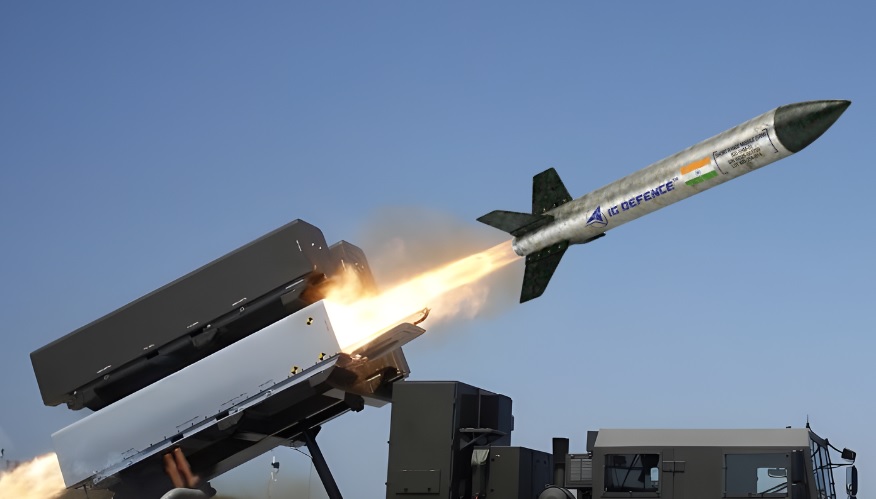
India
NEW DELHI, — April 11, 2026 : Indian defence technology startup IG Defence is developing the IG JWALA short-range missile system, marking a continued expansion of private-sector participation in India’s indigenous strike weapon programs. The IG JWALA is engineered as a fully indigenous system designed for rapid-response, high-precision battlefield operations. It utilizes solid-fuel propulsion to enhance reliability, reduce launch preparation time, and enable high-velocity engagement. The system integrates advanced inertial navigation with optimized terminal-phase guidance, allowing for precise targeting accuracy during the final stage of flight. According to the company, the missile is built for all-weather operational readiness and is capable of functioning effectively across diverse combat environments, including high-altitude regions and desert theatres. Its ruggedized construction is intended to ensure durability under harsh battlefield conditions. The system features a modular launch architecture that supports both vehicle-mounted and static deployment configurations. This multi-platform capability is designed to facilitate rapid redeployment and flexible use across different operational scenarios. IG Defence states that the IG JWALA is a 100% indigenous design and manufacturing effort, incorporating a secured supply chain lifecycle and proprietary control algorithms. The system is equipped with a decisive warhead and is intended to enhance sovereign strike capabilities through tactical mobility and adaptability. No specific performance parameters, including range or warhead weight, have been disclosed. The company has also not announced timelines for testing, production, or potential induction into the Indian armed forces. In parallel with the IG JWALA program, IG Defence is developing loitering munition systems, including the KAL loitering munition with a reported range of 1,000 km, and the IG TURBOJET loitering munition, which has a range of 100 km and is powered by a turbojet-based propulsion system. The developments reflect a broader shift within India’s defence sector, where private companies are increasingly contributing to advanced missile and unmanned strike system development—areas traditionally led by state-run organizations. IG Defence describes its approach as focused on indigenous capability development, stating that its systems are “built in Bharat for Bharat” while also being positioned for global markets.
Read More → Posted on 2026-04-11 17:54:14
India
NEW DELHI, — April 11, 2026 : SS Innovations International, Inc. (SSI), a Gurugram-based medical technology company, is developing a drone-deployed robotic surgical system under Project Vimana, aimed at enabling remote emergency medical procedures for wounded personnel in forward combat zones. The system, also referred to as the SSi Vimana Aero, was presented during the third Global SSI Multi-Specialty Robotic Surgery Conference (SMRSC 2026), held from April 9 to April 11, 2026, at Bharat Mandapam in New Delhi. The project was unveiled by Union Minister of State for Health and Family Welfare Pratap Rao Jadhav alongside other SSI initiatives, including Project Operion. Project Vimana integrates a GPS-guided heavy-lift autonomous drone with a compact robotic surgical unit. Designed for rapid deployment, the drone navigates to the casualty’s location, lands nearby, and deploys two miniature robotic arms. Each arm features seven degrees of freedom and is equipped with 5 mm surgical instruments such as forceps, scissors, cautery tools, suction devices, and needle drivers. The system is operated remotely by a trauma surgeon using the SSI Mantra Surgeon Command Center, based on the company’s SSi Mantra modular robotic surgery platform adapted for field conditions. Through real-time visual transmission and control, the surgeon can perform critical stabilisation procedures, including haemorrhage control, chest decompression, shrapnel extraction, wound repair, and suturing. These interventions are intended to stabilise injured personnel during the interval between injury and medical evacuation. According to available specifications, the drone has an estimated flight endurance of approximately 30 minutes and supports an operational window of about 30 minutes for surgical procedures. The system remains in the proof-of-concept and development stage, with no confirmed deployment timeline. SSI has indicated that ensuring resilience against electronic interference, including cyber threats and signal jamming, is a key requirement prior to operational use. The underlying SSi Mantra platform is a modular, multi-arm robotic surgery system developed for accessibility and cost efficiency. It has been used in more than 100 types of surgical procedures across India and supports telesurgery capabilities, forming the technological base for Project Vimana. SSI, founded by Dr. Sudhir Srivastava, focuses on robotic surgical technologies. While Project Vimana is primarily intended for battlefield applications, the company stated that the system could also be adapted for civilian use cases, including disaster response, road accident care, and medical support in remote or inaccessible regions. No additional performance details, including payload capacity or operational range beyond stated endurance, were disclosed during the conference. Project Vimana forms part of SSI’s broader effort to extend robotic surgical capabilities beyond conventional hospital environments.
Read More → Posted on 2026-04-11 18:05:15
World
MONTREAL, — April 12, 2026 : Swedish aerospace and defence company Saab has proposed the construction of a sovereign data centre in Montreal to support its bid to supply Gripen E/F fighter aircraft to the Royal Canadian Air Force (RCAF). The initiative is aimed at ensuring that all mission-critical and classified data generated by the aircraft remains within Canadian territory. Sovereign Data Infrastructure Proposal According to Saab, the Montreal-based facility would be purpose-built to host all activities related to the fighter mission system. This includes operational data, communications, and technical information associated with the Gripen platform. The company stated that the system is designed to meet Canadian requirements for controlled goods, security compliance, and operational independence. Sierra Fullerton, spokesperson for Saab, said the data centre would enable Canada to maintain full control over aircraft systems and sensitive data. She noted that hosting all mission system functions domestically would allow the RCAF to independently manage software, communications, and operational datasets without reliance on external infrastructure. Broader Gripen Offer and Industrial Commitments The data centre proposal forms part of Saab’s wider package, which includes 72 Gripen E/F fighter jets and six GlobalEye airborne early warning and control aircraft. Saab has also proposed assembling the aircraft in Canada and establishing a dedicated Gripen Centre in Montreal for fleet management, maintenance, and lifecycle support. The company has previously indicated that the programme could generate significant economic benefits for Canada, including technology transfer and the creation of up to 10,000 jobs across the aerospace and defence sectors. Jussi Halmetoja, a test pilot and operational adviser to Saab, said the proposed infrastructure would allow Canada to collect, store, and analyse its own operational data without external interference. He added that sensitive information such as mission profiles, electronic signatures, and intelligence data would remain under national control. Canada’s Ongoing Fighter Procurement The proposal comes as Canada continues its review of the Future Fighter Capability Project, which seeks to replace the ageing CF-18 fleet. In January 2023, Canada signed an agreement with the United States and Lockheed Martin for the acquisition of F-35 Lightning II aircraft. The initial order covers 16 jets, with options to expand the fleet to as many as 88 aircraft. Deliveries are expected to begin in 2026. Under the F-35 programme, mission and operational data are stored at a Lockheed Martin facility in Fort Worth, Texas. Chauncey McIntosh, head of the F-35 programme at Lockheed Martin, stated that the company provides customers with the infrastructure and data required to operate and sustain their aircraft independently in accordance with sovereign and operational needs. Data Sovereignty and Strategic Considerations Data sovereignty has become a key issue in modern defence procurement, as advanced fighter aircraft generate large volumes of operational data used for mission planning, threat analysis, and artificial intelligence applications. Saab has emphasised that hosting such data within Canada reduces exposure to foreign legal frameworks and limits access by external entities. Daniel Araya, a fellow at the Centre for International Governance Innovation, said that reliance on external data systems could have broader implications for national autonomy. He noted that maintaining sovereignty requires long-term planning across sectors including infrastructure, software, energy, and digital systems. Programme Status and Next Steps The Canadian government has not announced any changes to its existing F-35 commitments or confirmed the final size of the future fleet. The review is being conducted within the context of Canada’s defence obligations, including its roles in the North American Aerospace Defense Command and the North Atlantic Treaty Organization, where interoperability remains an important factor. Saab has stated that its proposal aligns with Canada’s objectives of strengthening domestic industry participation while ensuring national control over critical defence data. The Montreal sovereign data centre is presented as a central element of this approach, offering an alternative model for managing sensitive operational information within national borders.
Read More → Posted on 2026-04-12 14:14:06
World
ISLAMABAD, — April 12, 2026 : High-level negotiations between the United States and Iran concluded in Islamabad without an agreement after approximately 21 hours of discussions, marking the first direct face-to-face engagement between the two countries at this level in decades. The talks were hosted and mediated by Pakistan amid heightened regional tensions and an ongoing but fragile ceasefire. The United States delegation was led by Vice President JD Vance, accompanied by Special Envoy Steve Witkoff and Jared Kushner. Iran’s delegation was headed by Parliament Speaker Mohammad-Bagher Ghalibaf and included Foreign Minister Abbas Araghchi. Both sides held separate consultations with Pakistani Prime Minister Shehbaz Sharif and senior officials before and during the negotiations. No Agreement After Extended Deliberations Speaking after the conclusion of the talks, Vance stated that the United States had presented what he described as its “final and best offer,” but Iran declined to accept the terms. He said the discussions were substantive and involved detailed exchanges, including written proposals, but ultimately failed to resolve core differences—particularly regarding Iran’s nuclear programme. Ghalibaf, representing the Iranian position, stated that Tehran had presented constructive initiatives during the negotiations. However, he said the US delegation did not build sufficient trust to reach an agreement. Iranian state media outlets, including Tasnim, reported that Iran’s proposals were reasonable, while describing US demands as excessive and unrealistic. Key Issues Preventing Agreement The negotiations addressed several interconnected issues, but three primary areas remained unresolved. The status of the Strait of Hormuz was a central point of disagreement. Iran maintained control over the waterway, which is critical for global oil shipments. The United States sought its immediate reopening for international maritime traffic without conditions or guarantees of a future Iranian role. Iran insisted that no change to the strait’s status would occur without a broader comprehensive agreement. Reports during the talks indicated that US military forces had begun operations aimed at clearing mines and facilitating shipping. The situation in Lebanon also contributed to the deadlock. Iran pushed for the inclusion of a ceasefire covering Lebanon, where Israeli operations against Hezbollah have continued. The US delegation declined to incorporate Lebanon into the agreement, indicating that the issue would be handled separately through Israel. Iran’s nuclear programme remained the most significant obstacle. The United States reiterated its position that Iran must not develop nuclear weapons and proposed removing enriched uranium from Iranian territory. Iran rejected this proposal, describing it as a violation of its sovereign rights and reaffirming that its nuclear programme is for peaceful purposes. Tehran also declined to accept limits on its nuclear capabilities, which US officials identified as a primary barrier to any agreement. Broader Issues and Negotiation Dynamics Additional matters discussed during the talks included sanctions relief, the release of frozen Iranian financial assets, war-related reparations, and regional security arrangements. Both delegations exchanged written drafts and technical proposals during extended phases of the negotiations, but these efforts did not result in convergence. The discussions unfolded against the backdrop of a two-week ceasefire established earlier in 2026 following US and Israeli strikes on Iran. The ceasefire has remained fragile, with continued Israeli military operations in Lebanon and disruptions to maritime traffic in the Strait of Hormuz. Vice President Vance remained in communication with US President Donald Trump throughout the negotiations. Trump had previously stated that the United States would prevail regardless of the outcome and emphasized the importance of reopening the Strait of Hormuz. Uncertain Outlook for Ceasefire and Future Talks The failure to reach an agreement has introduced uncertainty regarding the continuation of the ceasefire and the stability of regional conditions. Shipping through the Strait of Hormuz remains restricted, affecting global energy markets, while Israeli officials have indicated that military operations in Lebanon may continue. Pakistani officials expressed cautious optimism that diplomatic engagement would persist despite the outcome. Reports indicated the possibility of another round of talks within 7 to 10 days, potentially involving a different level of US representation. The US delegation departed Pakistan shortly after the talks concluded, with no indication that members remained for additional back-channel discussions. Both Washington and Tehran signaled that communication channels remain open, although substantial gaps continue on key issues related to security, sovereignty, and regional influence. The Islamabad negotiations took place within the broader context of a six-week regional conflict affecting multiple countries in the Middle East. Analysts noted that factors such as intelligence sharing, control of strategic energy routes, and nuclear capabilities continue to shape the positions of both sides. No formal announcement has been made regarding any extension or modification of the current ceasefire.
Read More → Posted on 2026-04-12 14:38:21
World
RIYADH, — April 12, 2026 : Saudi Arabia has restored full pumping capacity on its East-West oil pipeline to approximately 7 million barrels per day, the Ministry of Energy confirmed on Sunday, following infrastructure attacks that disrupted operations earlier in April. The East-West pipeline, commonly known as Petroline, spans approximately 1,200 kilometres, linking oil production facilities in the kingdom’s Eastern Province to the Red Sea export terminal at Yanbu. The system is a central component of Saudi Arabia’s export infrastructure, enabling crude shipments to bypass the Strait of Hormuz, where shipping traffic remains restricted amid ongoing regional tensions. According to the ministry’s April 12 statement, the pipeline had experienced a temporary throughput reduction of about 700,000 barrels per day after a strike last week damaged one of its 11 pumping stations. Operational and technical teams completed repairs within days of the initial damage assessment, allowing the system to return to full capacity. The disruption formed part of a broader impact on Saudi energy infrastructure. On April 9, the Ministry of Energy reported that attacks linked to the ongoing regional conflict had reduced the kingdom’s overall oil production capacity by approximately 600,000 barrels per day. This included losses from both pipeline operations and upstream production facilities. Production at the offshore Manifa oil field has now been fully restored, recovering approximately 300,000 barrels per day that had been curtailed following the attacks. Meanwhile, restoration work continues at the onshore Khurais oil field, where output had also declined by about 300,000 barrels per day. The ministry stated that a further update on Khurais would be provided once full operational capacity is re-established. The East-West pipeline has assumed heightened importance in recent months, as Saudi Arabia increased reliance on the route to maintain export volumes during disruptions in the Strait of Hormuz. Prior to the attacks, the pipeline was already operating at or near its maximum capacity of 7 million barrels per day, supporting crude exports through the Red Sea port of Yanbu. The attacks occurred in early April, shortly after a two-week ceasefire between the United States and Iran was declared on April 9. The strikes targeted multiple energy-related sites, including oil, gas, refining, and electricity infrastructure across Riyadh, the Eastern Province, and Yanbu Industrial City. Saudi authorities reported that the incidents resulted in one fatality during the week of attacks, bringing the total number of civilian deaths in the kingdom to three since the escalation of the regional conflict on February 28. The Ministry of Energy stated that the rapid restoration of pipeline operations and the Manifa field was achieved through coordinated technical and operational response measures. The recovery supports continuity in both domestic supply and international crude exports. No additional details regarding the source of the attacks were provided in the April 12 statement.
Read More → Posted on 2026-04-12 14:51:00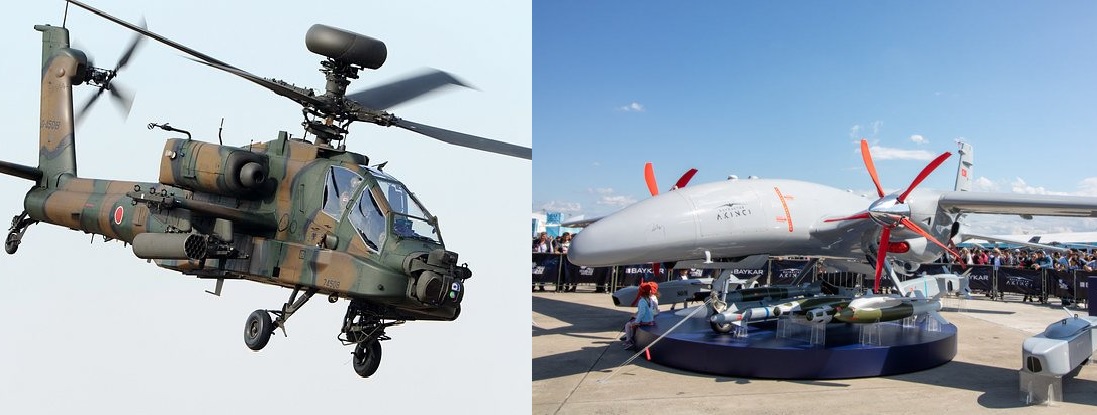
World
TOKYO, — April 12, 2026 : Japan has formally allocated ¥11.1 billion (approximately $69.7 million) in its fiscal year 2026 defense budget for the procurement of five wide-area unmanned aerial vehicles (UAVs) for the Ground Self-Defense Force (GSDF), marking a key step in the country’s transition from manned attack helicopters to unmanned systems. The budget was enacted on April 7, 2026, as part of a broader restructuring of Japan’s defense posture. The wide-area UAVs are intended to support long-range detection of surface vessels, intelligence collection, and battlefield coordination, including directing firepower. Budget documents published by the Ministry of Defense specify that the procurement is not restricted to unarmed configurations, indicating a high likelihood that the selected platforms will include strike and electronic warfare capabilities. The ¥11.1 billion allocation forms part of a larger investment strategy under which Japan is committing more than ¥100 billion (approximately $670 million) in fiscal year 2026 toward the accelerated deployment of unmanned systems. Defense officials have emphasized a “quantity over quality” approach to rapidly expand drone inventories, particularly to enhance surveillance and deterrence across remote and strategically sensitive regions such as the Ryukyu Islands. Policy Framework and Transition Timeline The procurement is rooted in the Defense Buildup Program, approved by the Japanese cabinet in December 2022. The program mandates the phased retirement of the GSDF’s AH-1S Cobra anti-tank helicopters and AH-64D Apache combat helicopters, transferring their reconnaissance and strike roles to unmanned platforms. This transition is intended to reduce operational costs and personnel risk while maintaining combat effectiveness. Under current planning, the GSDF aims to establish a dedicated multi-purpose unmanned aircraft unit by approximately fiscal year 2032. To support this timeline, the Ministry of Defense initiated a Request for Information (RFI) process, issuing the first RFI in March 2025 and a second on January 30, 2026. The submission deadline for the second RFI closed on March 12, 2026, and the ministry is currently reviewing industry responses to determine the final platform selection. The administration of Prime Minister Sanae Takaichi has also announced plans to revise Japan’s three core security documents—the National Security Strategy, National Defense Strategy, and Defense Buildup Program—before the end of 2026. Drone-centric warfare has been identified as a central focus of this review, with the potential to expand procurement targets further. Tested Platforms: Bayraktar TB2S and Heron Mk II Two UAV systems have completed formal testing and evaluation by Japan’s defense establishment and are considered leading candidates for procurement. The Bayraktar TB2S, developed by Turkish company Baykar, is an upgraded version of the widely deployed TB2 platform. It is equipped with satellite communications for beyond-line-of-sight operations, enabling coverage across Japan’s extensive maritime areas. Powered by a 100-horsepower Rotax 912 engine, the TB2S has an endurance of approximately 27 hours. It features four underwing hardpoints capable of carrying up to 150 kilograms of laser-guided munitions. The estimated unit cost is approximately ¥700 million (about $5 million). The GSDF Central Accounting Unit conducted a procurement survey for the platform in August 2023, and testing was completed during fiscal year 2025. In August 2025, Defense Minister Gen Nakatani visited Baykar’s facilities in Turkey, indicating continued interest. Japan is also monitoring further developments of the platform, including higher-altitude variants such as the TB-2T. The Heron Mk II, produced by Israel Aerospace Industries, offers extended endurance and advanced surveillance capabilities. It is powered by a 141-horsepower Rotax 915 iS engine and can remain airborne for up to 45 hours, with a maximum speed of 278 kilometers per hour. The platform integrates radar and electro-optical sensors capable of wide-area surveillance without entering foreign airspace, aligning with Japan’s operational and legal requirements. The Heron Mk II was tested at Shirahama Airport in Wakayama Prefecture, with Kawasaki Heavy Industries serving as the domestic handling partner, potentially positioning the company for local production or maintenance roles. Testing was completed during fiscal year 2024. The estimated unit cost is approximately ¥1.5 billion (around $10 million). Additional Industrial Options In addition to the two tested systems, Japan is evaluating other domestic and international options. In December 2023, the Acquisition, Technology & Logistics Agency (ATLA) awarded a ¥660 million contract to SUBARU for a concept-demonstration study of a vertical-takeoff-and-landing (VTOL) multi-purpose UAV. The study was delivered in February 2025. SUBARU has prior experience in unmanned systems, having produced the GSDF’s FFOS and FFRS observation platforms, and is considered a potential domestic alternative. Another candidate is the Gray Eagle 25M, a modernized variant of the MQ-1C developed by General Atomics. The platform is powered by a 200-horsepower heavy-fuel engine and offers endurance exceeding 40 hours. It incorporates a Modular Open Systems Approach (MOSA) architecture, allowing rapid integration of sensors and electronic warfare payloads. The Gray Eagle 25M completed its first flight in December 2023 and is currently being delivered to U.S. Army National Guard units. Japan is also separately investing ¥41.5 billion in MQ-9B SeaGuardian UAVs from General Atomics for maritime surveillance missions. Broader Defense Budget Context The UAV procurement is part of Japan’s fiscal year 2026 defense budget totaling a record ¥9.04 trillion. Within this framework, approximately ¥100.1 billion has been allocated for the development of the Synchronized, Hybrid, Integrated and Enhanced Littoral Defense (SHIELD) system by fiscal year 2027. The SHIELD initiative integrates UAVs, unmanned surface vessels, and unmanned underwater systems to strengthen coastal defense capabilities. Institutionally, the GSDF is scheduled to establish a dedicated department for unmanned systems by the end of April 2026. The unit, expected to consist of 10 to 20 personnel, will focus on drone operations and the integration of artificial intelligence technologies for automation. Transition to Implementation Phase With funding now formally appropriated and five UAVs authorized, Japan’s Ministry of Defense is moving from evaluation and planning into the procurement phase. The review of responses to the January 2026 RFI is ongoing and will inform the final platform selection. The wide-area UAV acquisition represents the first confirmed funding step in Japan’s broader effort to replace manned attack and reconnaissance helicopters with unmanned systems. The transition is expected to reshape GSDF aviation structure over the coming decade, with full operational integration targeted by the early 2030s.
Read More → Posted on 2026-04-12 14:57:55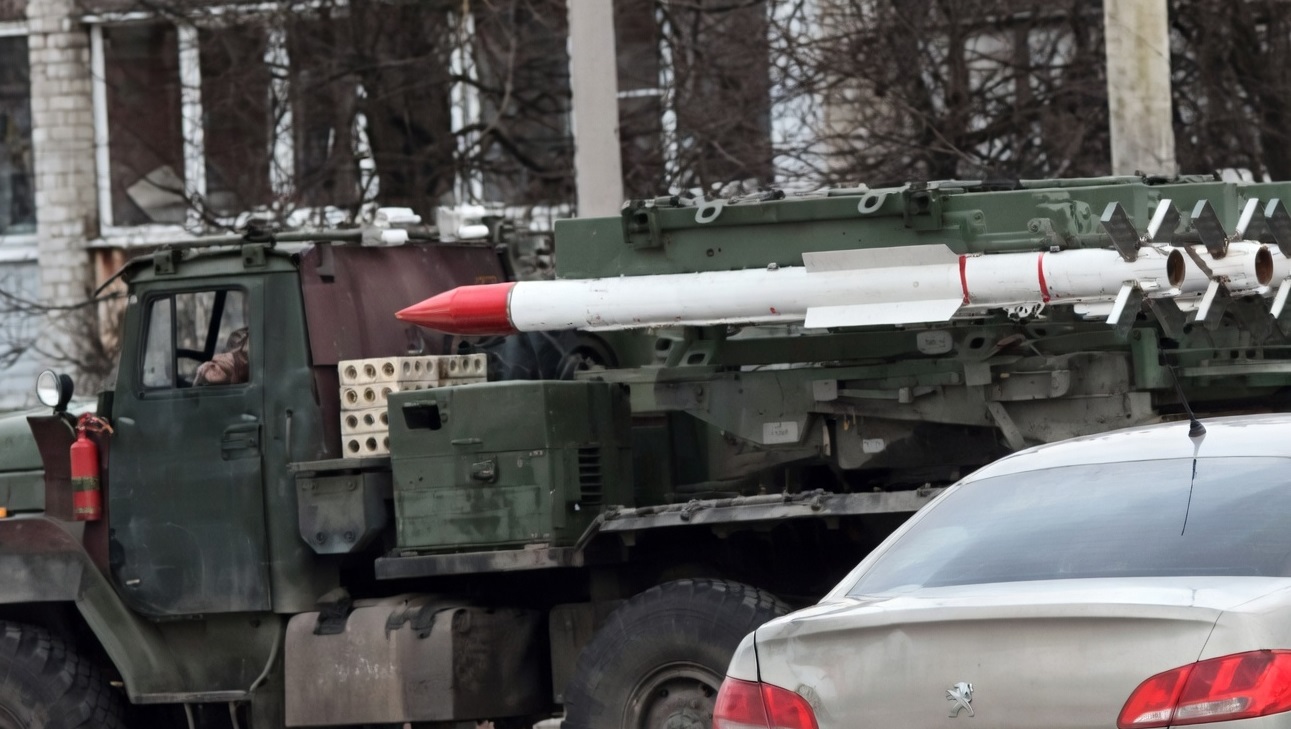
World
ORYOL, Russia — April 12, 2026 : A ground-based air defense launcher equipped with medium-range R-77-1 air-to-air missiles has been identified in the Russian city of Oryol, approximately 160 kilometers from the Ukrainian border, marking the first confirmed operational deployment of this specific improvised configuration in the region. Photographic evidence of the system was published on April 12, 2026, by the Russian military-focused Telegram channel Voenny Osvedomitel. The images show a launcher carrying four R-77-1 missiles mounted on aircraft-style pylons adapted onto a ground-based guide rail, indicating a non-standard, improvised engineering approach rather than a fully industrialized system. System Configuration and Design Approach Analysis of the imagery indicates that the launcher integrates standard aviation pylons with a rail-based ground platform, enabling the use of air-to-air missiles in a surface-to-air role. Defense analysts have described such systems as “FrankenSAMs,” reflecting their hybrid construction and rapid adaptation for operational use. The design concept parallels several established Western air defense systems that employ air-to-air missiles for ground launch. These include the Norwegian-US NASAMS system, which uses AIM-9 Sidewinder and AIM-120 AMRAAM missiles; Germany’s IRIS-T SLM system; and France’s MICA-VL system. In each case, aviation missiles are adapted to fulfill short- to medium-range air defense roles with varying degrees of integration maturity. The R-77 missile family, developed by Russia’s Vympel design bureau, is known by the NATO designation AA-12 Adder and export names RVV-AE and RVV-SD for later variants. The R-77-1 (RVV-SD), which entered Russian service in 2015, is an active radar-guided beyond-visual-range missile with an air-launched range of up to 110 kilometers. The missile measures approximately 3.71 meters in length, weighs around 190 kilograms, and features lattice grid fins designed to improve maneuverability. Performance Parameters and Expected Capabilities Manufacturer specifications for earlier ground-launched R-77 variants indicate an engagement range between 1.2 and 12 kilometers, with altitude coverage from approximately 20 meters to 9 kilometers and a lateral intercept parameter of up to 8 kilometers. These figures were based on earlier versions of the missile with an air-launched range of about 80 kilometers. Given the extended range of the R-77-1, analysts assess that ground-launched performance parameters for the newer variant are likely to be higher, although no official data has been released for this specific configuration. The adaptation to a ground-based role may also affect kinematic performance due to the absence of initial launch altitude and speed advantages provided by aircraft. Historical Development Background The concept of deploying R-77 missiles from ground-based platforms dates back to the Soviet Union in the 1980s. Early development efforts explored integrating the missile into existing air defense systems, including Kvadrat-type surface-to-air missile systems and launcher concepts derived from the AZP-57 gun used in the S-60 anti-aircraft artillery system. Following the start of Russia’s full-scale invasion of Ukraine in 2022, work on ground-based adaptations of the R-77 resumed. In 2024, a prototype system using a different launcher configuration—reportedly based on a modified BM-21 Grad multiple launch rocket system—underwent testing at the Kapustin Yar training range. The system observed in Oryol represents a distinct configuration, suggesting continued iterative development. Operational Context in Oryol Oryol has experienced repeated Ukrainian drone and missile strikes during the autumn and winter period of 2025–2026. The deployment of the R-77-1-based launcher in this area indicates that the system has likely reached at least limited operational status and is being used to augment local air defense coverage. Military analysts assess that the deployment reflects efforts to compensate for shortages in conventional surface-to-air missile systems and interceptor stocks, which have been reduced through sustained operational use and targeted strikes. Impact on Russian Aerospace Operations The use of R-77-1 missiles in a ground-based role has implications for Russian aviation operations. Ukrainian aviation sources have reported a reduction in R-77-1 usage by Russian fighter aircraft in recent months. Footage released by the Russian Ministry of Defense in early 2026 showed Su-35S fighter jets operating with older R-27 missiles instead of the more modern R-77-1. The increased reliance on legacy munitions for aerial interception missions and escort roles suggests a reallocation of available R-77-1 stocks to meet immediate ground-based air defense requirements. Strategic Implications The deployment in Oryol reflects a localized adaptation to evolving operational demands, particularly the increasing frequency of unmanned aerial vehicle (UAV) and missile threats targeting infrastructure and military assets within Russian territory. By adapting existing air-to-air missile inventories for ground-based use, Russian forces appear to be seeking a flexible and rapidly deployable solution to reinforce air defense coverage in high-risk areas. The continued development and fielding of such systems indicate an ongoing effort to mitigate capability gaps under current operational conditions.
Read More → Posted on 2026-04-12 15:05:14
World
ISLAMABAD/RIYADH, — April 12, 2026 : Pakistan’s decision to deploy fighter jets and thousands of military personnel to Saudi Arabia following a fragile ceasefire has intensified scrutiny among defence analysts, with critics increasingly questioning whether the move reflects genuine commitment to a mutual defence pact or a response shaped by financial pressures. The Saudi Ministry of Defence confirmed on April 11, 2026, that Pakistani combat and support aircraft had arrived at King Abdulaziz Air Base in the Kingdom’s Eastern Province. The deployment includes an estimated 10 to 18 Pakistan Air Force fighter jets, support aircraft, and approximately 13,000 ground troops, reinforcing an existing Pakistani military presence of around 10,000 personnel already stationed in Saudi Arabia. The move follows the conclusion of U.S.-Iran ceasefire talks hosted by Pakistan in Islamabad, which ended on April 12 without a breakthrough after approximately 21 hours of negotiations. The ceasefire, established after a 40-day conflict involving Iran, the United States, and Israel, remains fragile. During that conflict, Iran conducted sustained missile and drone strikes targeting Saudi infrastructure, including the Ras Tanura oil terminal on March 2 and areas near the Jubail industrial complex on April 7. Despite repeated attacks that caused damage and at least one casualty, Pakistan did not deploy combat forces during the active phase of hostilities. Questions Over Timing and Financial Context The delayed deployment has raised questions about the credibility of the Strategic Mutual Defence Agreement (SMDA) signed in September 2025, which states that aggression against one country will be treated as aggression against both. Analysts note that the agreement was not operationalized when Saudi Arabia faced sustained attacks. Critics argue that if the defence pact were the primary driver, Pakistan would have deployed forces during the peak of the conflict rather than after a ceasefire had taken effect. The timing has led some analysts to link the deployment to Pakistan’s financial situation rather than its defence obligations. Saudi Arabia and Qatar have recently assured Pakistan of approximately $5 billion in financial support aimed at stabilizing its foreign reserves. This comes as Islamabad faces a repayment obligation of about $3.5 billion to the United Arab Emirates by the end of April 2026. Analysts note that these financial commitments coincide closely with the timing of Pakistan’s military deployment. Some critics argue that the sequence of events suggests a transactional dynamic, where financial assistance may have influenced the decision to deploy forces. They contend that the deployment appears less aligned with immediate security needs and more consistent with efforts to secure economic support during a period of financial strain. Constraints or Strategic Calculation Pakistani officials have cited operational constraints for their earlier non-deployment, including ongoing security operations along the Afghanistan border, eastern frontier requirements, and domestic priorities. Islamabad also maintained a neutral stance during the conflict while engaging in diplomatic mediation between the United States and Iran. Foreign Minister Ishaq Dar reportedly warned Iranian leadership of Pakistan’s obligations under the defence pact, while also seeking assurances to prevent escalation. This dual approach allowed Pakistan to maintain diplomatic channels without entering direct confrontation. However, critics interpret this as strategic hesitation rather than constraint. They argue that Pakistan prioritized avoiding military risk during active hostilities, only moving to fulfill visible aspects of the defence agreement once immediate escalation risks had decreased. Limited Military Impact and Symbolic Signaling From a military standpoint, analysts widely assess that the current deployment does not significantly alter the balance of power. Iran’s demonstrated missile and drone capabilities, shown during the 40-day conflict, remain largely unaffected by the addition of a limited number of Pakistani aircraft. The deployment, which includes missile interception systems, is viewed as primarily defensive, focusing on base protection and coordination rather than offensive operations. There has been no indication of authorization for Pakistani forces to engage Iranian targets directly. This has led to the characterization of the deployment as largely symbolic. The positioning of Pakistani troops in areas previously targeted during the conflict has been described as a potential “tripwire”, but critics question whether this reflects credible deterrence or exposes personnel without a clearly defined operational role. Doubts Over Future Engagement Analysts remain skeptical about Pakistan’s likely response if hostilities resume. While the SMDA formally commits Islamabad to support Saudi Arabia, most assessments suggest that Pakistan will limit its role to defensive and technical functions. These may include air defence coordination, training, and protection of key installations rather than direct combat operations. Factors influencing this assessment include the risk of retaliation on Pakistani territory, resource constraints, and domestic considerations such as sectarian sensitivities. Some analysts also suggest that in the event of casualties, internal pressure within Pakistan could lead to calls for disengagement rather than escalation. Large-scale expansion of troop deployments is considered unlikely given existing military commitments. Balancing Economic Needs and Strategic Commitments Pakistan’s post-ceasefire deployment underscores the tension between its economic requirements and its strategic obligations. While officials continue to emphasize commitment to the defence pact and regional stability, the timing and context of the deployment have shaped perceptions among critics. The alignment of military deployment with financial assistance has reinforced arguments that economic considerations played a decisive role. For critics, the key question remains whether Pakistan’s actions reflect a consistent defence policy or a situational response influenced by financial necessity. As the ceasefire remains uncertain and diplomatic efforts show limited progress, the credibility of both the deployment and the broader defence agreement will depend on how Pakistan responds to any renewed escalation in the Gulf region.
Read More → Posted on 2026-04-12 15:54:06
World
OTTAWA, — April 12, 2026 : The Government of Canada has announced a $1.4 billion investment to expand domestic ammunition production capacity and strengthen defence supply chains, as part of a broader effort to enhance national security and industrial resilience. The funding will be delivered through the Canadian Defence Industry Resilience (CDIR) Program, a newly established initiative designed to support industrial growth, develop new manufacturing infrastructure, and reduce reliance on foreign suppliers for critical munitions components. The investment will primarily support projects in Quebec and Ontario, focusing on key elements of 155mm artillery ammunition production. The announcement follows earlier commitments made in March 2026 by Minister of National Defence David J. McGuinty in Ingersoll, Ontario, and aligns with the federal government’s defence industrial strategy titled “Security, Sovereignty, Prosperity: Canada’s Defence Industrial Strategy.” The strategy outlines plans to address supply chain vulnerabilities, expand domestic production in priority sectors, and support long-term economic and defence objectives. Strategic Announcements in Quebec On April 8, 2026, in Repentigny, Quebec, Joël Lightbound, Minister of Government Transformation, Public Works and Procurement and Quebec Lieutenant, outlined the objectives of the investment and its role in strengthening Canada’s defence industrial base. The minister stated that the initiative is intended to ensure that Canadian workers develop and sustain the capabilities required by the Canadian Armed Forces, while also improving supply chain resilience and reducing dependence on external sources for essential defence materials. A significant portion of the funding—totalling just over $1 billion—will be allocated through contribution agreements to General Dynamics Ordnance and Tactical Systems – Canada (GDOTS) for three projects in Quebec. Up to $642 million will be used to establish a new facility at the company’s Le Gardeur site for loading, assembling, and packing 155mm high-explosive projectiles. This facility is expected to support increased production capacity during periods of elevated demand. An additional $355.7 million has been allocated to construct a nitrocellulose production facility at GDOTS’ Valleyfield site. Nitrocellulose is a key energetic material used as a propellant in artillery ammunition and other munitions. The facility is expected to reach full operational capacity within three to four years and produce between 3,400 and 7,800 tonnes annually, depending on the grade. A further investment of up to $57.9 million will establish Canada’s first facility capable of loading, assembling, and packing M231 and M232 propelling charges for 155mm artillery. This facility will also be located in Valleyfield. Ian Thibault, Senior Vice President and General Manager at GDOTS Canada, stated that the agreements support Canada’s efforts to strengthen sovereign munitions capability, enhance supply chain resilience, and maintain operational readiness for both domestic forces and allied requirements. Ontario Manufacturing Expansion In Ontario, the federal government will provide up to $305.4 million in financial assistance to IMT Precision in Ingersoll. The funding will support the construction of a new manufacturing facility dedicated to producing empty metal shells, or cartridge cases, used in modern 155mm artillery systems. The Ontario project is intended to increase Canada’s sovereign production capacity while also serving as a complementary capability within North American supply chains. Addressing Supply Chain Gaps The investment responds to increased global demand for artillery ammunition and supply chain constraints affecting key materials, including propellants such as nitrocellulose. Canadian officials indicated that the new facilities will enable surge production during periods of high demand and ensure more consistent access to essential materiel. The establishment of domestic nitrocellulose production represents a notable development, as Canada has previously relied on international suppliers for this component. The new capability is expected to reduce exposure to global bottlenecks and improve supply stability. General Dynamics Ordnance and Tactical Systems – Canada operates under the federal Munitions Supply Program, which has supported domestic ammunition production since the 1970s. The new projects expand on this framework by adding additional manufacturing capacity and new production capabilities. Economic Impact and Employment Federal officials stated that the projects will contribute to economic growth and workforce development in both Quebec and Ontario. The GDOTS projects in Quebec are expected to create more than 350 jobs during construction and related activities. The IMT Precision facility in Ingersoll is projected to create at least 75 full-time skilled positions initially, with the potential to expand to between 300 and 400 jobs once the facility reaches full production capacity. Program Implementation and Future Expansion The Canadian Defence Industry Resilience Program is intended to prioritize immediate production requirements while supporting long-term industrial development. Officials indicated that additional funding may be made available in the future to help Canadian companies scale production capacity and compete in global defence markets. The initiative also supports Canada’s commitments to allied defence frameworks, including NATO, by improving the country’s ability to supply munitions and related components. No specific timeline has been provided for full operational status of all facilities beyond the three- to four-year target for the nitrocellulose plant. The projects are expected to be implemented in phases as construction and production capabilities are developed.
Read More → Posted on 2026-04-12 16:02:41
World
PARIS, — April 12, 2026 : France is advancing the development of a low-cost, long-range remotely operated munition known as “Chorus,” in collaboration with automotive manufacturer Renault and defence firm Turgis Gaillard. The project, supported by the Directorate General of Armaments (DGA), is part of a broader effort to strengthen domestic production of unmanned strike systems while maintaining cost efficiency and industrial scalability. Chorus Program: Design, Performance, and Cost Objectives The Chorus munition is designed as a long-range, one-way attack system capable of delivering a 500 kg warhead over distances of up to 3,000 km. The platform is expected to operate at speeds of approximately 400 km/h. A key requirement of the program is to limit unit costs to around €100,000, reflecting an emphasis on affordability alongside operational reach. The DGA has allocated €35 million to support development. Initial system design has been led by Turgis Gaillard, while Renault is responsible for industrialisation and large-scale manufacturing processes. The automaker contributes expertise in high-volume production, quality control, and cost management—capabilities drawn from its civilian automotive operations. Production planning includes assembly at Renault’s facility in Le Mans and engine manufacturing at its Cléon plant. The program aligns with French government efforts to leverage civilian industrial capacity to accelerate defence production timelines and reduce reliance on foreign suppliers. Industrial Strategy and Production Approach French authorities have indicated that Chorus is not intended for immediate large-scale procurement. During a Senate hearing on February 26, 2026, DGA General Delegate Patrick Pailloux stated that the system is being developed primarily to establish industrial readiness rather than to build substantial stockpiles. He noted that rapidly evolving technologies in unmanned systems could render such platforms obsolete in a short timeframe. Instead, the program aims to ensure that Renault can scale production quickly if operational requirements change. Discussions around potential production capacity have suggested output levels of several hundred units per month once industrial scaling is achieved. Earlier reports have referenced the possibility of a multi-year production agreement valued at approximately €1 billion, although no final contract value or confirmed quantities have been publicly disclosed. Benchmarking Against Ukrainian “Flamingo” System During the same February 26, 2026 hearing, Pailloux compared the Chorus concept to the Ukrainian “Flamingo” missile developed by FirePoint. The Flamingo system is reported to offer a similar range of 3,000 km but with significantly higher performance parameters. It can carry a 1,150 kg warhead and is powered by an AI-25TL turbojet engine, enabling cruising speeds between 850 and 900 km/h and operations at altitudes up to 16,000 feet. French officials acknowledged that Chorus would have more modest specifications but emphasized that the program prioritizes cost control and manufacturability over maximum performance. Parallel Procurement: MBDA and Aviation Design OWE Program In parallel with Chorus development, the French Ministry of the Armed Forces awarded a contract at the end of January 2026—following an order placed in late December 2025—to a consortium comprising MBDA and Aviation Design. The contract covers an initial batch of long-range remotely operated munitions designated as the “One Way Effector” (OWE). The OWE system features a flying-wing configuration powered by a turbojet engine. It is designed to carry a 40 kg military payload and engage targets at ranges of up to 500 km while maintaining speeds of around 400 km/h. The munition is engineered to operate effectively in contested electromagnetic environments, including scenarios involving signal jamming. Deliveries of the OWE systems to the French Armed Forces are scheduled for mid-2027. Operational Role and Manufacturing Concept for OWE According to the Ministry, the OWE is intended for deep tactical strike missions targeting command posts, logistical infrastructure, and other high-value assets. The system is also designed to support saturation tactics, in which multiple low-cost munitions are deployed simultaneously to overwhelm and exhaust adversary air defence systems. MBDA has committed to implementing manufacturing approaches that support high production volumes. In operational use, the OWE could function as a diversionary asset, drawing defensive responses and enabling higher-value cruise missiles to reach designated targets. This concept mirrors operational patterns observed in recent conflicts, including the use of Geran-2 (Shahed-derived) drones by Russian forces in Ukraine. Strategic Context and Long-Term Planning The Chorus and OWE initiatives represent complementary elements within France’s broader defence strategy. While the OWE focuses on near-term operational deployment and mass production, Chorus is oriented toward long-term industrial preparedness and cost-efficient scaling. Renault’s involvement follows earlier requests from the Ministry of the Armed Forces for the company to support the development of a domestic drone sector. The integration of civilian industrial capabilities is intended to accelerate production cycles and expand manufacturing capacity. Both programs are aligned with objectives outlined in France’s military programming law, which calls for a significant increase in inventories of drones and loitering munitions by 2030. The effort reflects lessons drawn from recent conflicts, particularly the growing role of low-cost, long-range unmanned systems in modern warfare. Work on the Chorus program continues alongside OWE procurement, with both initiatives contributing to France’s goal of enhancing sovereign capabilities in reconnaissance and strike systems while reducing dependence on external suppliers.
Read More → Posted on 2026-04-12 16:16:42
India
NEW DELHI, — April 12, 2026 : India’s Defence Research and Development Organisation (DRDO) has initiated fabrication of specialised jigs and fixtures required for integrating the H1 booster with an indigenous scramjet engine under the Extended Trajectory–Long Duration Hypersonic Cruise Missile (ET-LDHCM) program, being developed as part of the classified Project Vishnu. The booster designated for this phase is code-named “H1.” Officials confirmed that fabrication of the tooling systems is currently underway and represents a necessary step before structural assembly and integrated testing of the hypersonic vehicle can begin. Integration Tooling and Technical Role The specialised jigs and fixtures are being developed to support precise mechanical and aerodynamic alignment between the booster and the air-breathing scramjet engine. These systems are designed to ensure alignment accuracy of critical centerlines required for stable hypersonic flight, maintain structural integrity under high mechanical loads and vibration during launch, and enable repeatability in assembly to maintain consistent tolerances across test and production units. Defence analysts indicate that the initiation of tooling fabrication reflects a transition in the program from component-level validation to full system integration. ET-LDHCM Program Overview The ET-LDHCM is a scramjet-powered, long-range hypersonic cruise missile designed for sustained flight at speeds of up to Mach 8, or approximately 11,000 km/h. The system is intended to operate at lower altitudes to reduce radar detectability and is capable of carrying both conventional and nuclear payloads. The missile is projected to have an operational range between 1,500 and 2,500 kilometers. Its propulsion system relies on a scramjet engine, which uses atmospheric oxygen for combustion and requires initial acceleration by a high-speed booster such as the H1 to reach operational conditions. Development Milestones Recent work by DRDO’s Defence Research and Development Laboratory (DRDL) has supported progress toward this integration phase. In January 2026, DRDL conducted a long-duration ground test of a full-scale, actively cooled scramjet combustor at the Scramjet Connect Pipe Test (SCPT) facility, achieving operation for over 12 minutes under simulated hypersonic conditions. Earlier tests included a subscale actively cooled combustor run exceeding 1,000 seconds in April 2025, along with additional trials lasting over 60 seconds. These efforts build on earlier work from the Hypersonic Technology Demonstrator Vehicle (HSTDV) program and are focused on enabling sustained scramjet-powered cruise. Supporting technologies developed for the program include endothermic fuels for active cooling and advanced thermal barrier coatings capable of withstanding temperatures of approximately 2,000°C generated during hypersonic flight. Manufacturing and Program Status The ET-LDHCM system is being designed and manufactured at the Dr. A.P.J. Abdul Kalam Missile Complex with participation from Indian private defence firms and small and medium enterprises. Construction activities are reported to be ongoing, with preparations underway for future flight testing, although no official timeline has been announced. The fabrication of H1 booster integration tooling represents a key step toward full missile assembly. Accurate tooling is required to maintain precision in high-speed, high-temperature environments and to support consistent integration standards across developmental stages. The ET-LDHCM program forms part of India’s broader hypersonic weapons development effort, which includes both air-breathing cruise missile systems and boost-glide technologies aimed at expanding long-range precision strike capabilities.
Read More → Posted on 2026-04-12 16:27:59
India
NEW DELHI, — April 12, 2026 : The Defence Procurement Board (DPB) has cleared a procurement proposal for the Indian Army covering two additional regiments of the Medium Range Surface-to-Air Missile (MRSAM) system, the indigenously developed Man-Portable Anti-Tank Guided Missile (MPATGM), and Counter-Unmanned Aerial Vehicle (Counter-UAV) Electronic Warfare (EW) systems. The approval is part of the Ministry of Defence’s effort to strengthen ground-based air defence, improve infantry anti-armour capability, and address emerging threats from unmanned systems observed in recent conflicts. Air Defence Expansion with MRSAM The MRSAM system, jointly developed by the Defence Research and Development Organisation (DRDO) and Israel Aerospace Industries (IAI), provides medium-range air defence with an interception range of about 70 km. It is designed to engage aircraft, helicopters, cruise missiles, and other aerial threats. The addition of two regiments will augment existing MRSAM units already deployed with the Indian Army and the Indian Air Force, contributing to a more integrated and layered air defence network. The system includes radar, command and control, and launcher components with significant indigenous content. Counter-UAV Systems for Asset Protection The procurement includes dedicated Counter-UAV electronic warfare systems intended to protect high-value assets such as MRSAM batteries and other air defence installations. These systems are designed to detect, track, and neutralise hostile drones and loitering munitions through electronic jamming of radio frequencies, GPS signals, and communication links. The systems may also integrate with kinetic interceptors where required. The deployment of these systems alongside MRSAM regiments reflects operational lessons from conflicts in Eastern Europe and the Middle East, where drone swarms and low-cost unmanned systems have been used to target radar and missile infrastructure. The EW-based counter-drone layer is intended to prevent such threats from degrading air defence effectiveness. Induction of Indigenous MPATGM The DPB also cleared procurement of the MPATGM to strengthen infantry anti-armour capabilities. Developed by DRDO, the MPATGM is a third-generation, fire-and-forget missile equipped with an imaging infrared (IIR) seeker, tandem high-explosive anti-tank (HEAT) warhead, and top-attack capability. The system has a range of approximately 4 km and uses an all-electric control actuation system. Flight trials conducted in January 2026 successfully engaged a moving target, validating operational performance. The missile is designed to defeat modern main battle tanks equipped with explosive reactive armour (ERA). Production is expected to be led by Bharat Dynamics Limited (BDL) along with other domestic partners, supporting indigenous manufacturing under the Aatmanirbhar Bharat initiative. Layered Defence Approach and Procurement Process The combined procurement of MRSAM and Counter-UAV systems reflects a shift toward a layered defence approach, integrating long- and medium-range interceptors with electronic warfare capabilities to counter mixed aerial threats. The decision also aligns with broader modernisation efforts, complementing existing systems such as Akash and S-400, and supporting requirements for mobile, networked operations in contested electromagnetic environments. Following DPB clearance, the proposal will be forwarded to the Defence Acquisition Council (DAC) for Acceptance of Necessity (AoN). Subsequent stages will include contract finalisation and production. No contract value or delivery timeline has been disclosed.
Read More → Posted on 2026-04-12 17:26:58
World
PENGHU, Taiwan — April 12, 2026 : The Republic of China (Taiwan) Army conducted live-fire military exercises on April 10, 2026, under the Penghu Defense Command as part of a “Frontier Defense Exercise,” deploying U.S.-supplied M60A3 Patton main battle tanks and infantry equipped with FGM-148 Javelin anti-tank guided missiles to simulate repelling an enemy amphibious assault. Integrated Coastal Defense Operations The drills focused on coastal defense scenarios, with Taiwanese forces executing warning fires followed by direct engagements against simulated enemy targets at sea. Infantry units armed with Javelin missiles practiced engaging and destroying mock armoured landing vehicles and other maritime targets approaching the shoreline. The exercise integrated multiple battlefield systems to test coordinated operations. M60A3 tanks provided sustained fire support alongside 105mm and 155mm howitzers, 120mm mortars, and Stinger air defence missile systems. The coordinated deployment was aimed at evaluating joint combat effectiveness between ground manoeuvre units, artillery support elements, and anti-armour teams during an amphibious assault scenario. Role of Key Weapons Systems The M60A3 Patton tanks used in the exercise remain part of Taiwan’s existing armoured inventory. Taiwan has undertaken upgrade programs for a portion of these tanks, incorporating improved fire control and targeting systems, including digitized components and hunter-killer capabilities that allow simultaneous target tracking and engagement. Infantry units deployed the FGM-148 Javelin, a fire-and-forget, man-portable anti-tank guided missile system equipped with top-attack capability. The system is designed to engage modern armoured vehicles from concealed positions and strike vulnerable upper armour. Taiwan has received multiple batches of Javelin missiles from the United States, including a recent authorization covering more than 1,000 additional FGM-148F variants. In addition to anti-armour weapons, supporting assets such as mortars, machine guns, and long-range artillery were used to simulate suppressive fire against advancing amphibious forces. Strategic Importance of Penghu The Penghu archipelago, located in the Taiwan Strait between Taiwan Island and the Chinese mainland, serves as a strategic frontline outpost. Its geographic position makes it a potential early target in any conflict involving amphibious operations across the strait. Military planning assessments identify Penghu as a critical defensive layer. Control of the islands would provide a forward operating position for any attacking force and could affect Taiwan’s early warning and defensive posture. The Penghu Defense Command is tasked with maintaining continuous readiness on the islands, with a focus on anti-landing and coastal defence operations. Ongoing Modernization and Training Context While Taiwan is in the process of receiving newer M1A2T Abrams main battle tanks, the M60A3 continues to serve in operational roles, particularly in island defense missions. Upgrades carried out by domestic institutions, including the National Chung-Shan Institute of Science and Technology, have extended the platform’s service life and improved battlefield effectiveness. The April 10 drills form part of Taiwan’s regular training cycle aimed at enhancing coastal defence and anti-landing capabilities. Similar exercises have been conducted in previous years under the Han Kuang and Chen Chiang exercise frameworks, often incorporating combined arms operations involving tanks, anti-tank missiles, artillery, and air defence systems. Taiwan’s Ministry of National Defense released footage of the recent drills, highlighting the integration of mechanized units, infantry anti-armour teams, and supporting fire systems during the exercise. Regional Security Context The exercise took place amid ongoing regional military activity, including periodic drills conducted by the People’s Liberation Army in areas surrounding Taiwan and the Penghu islands. Taiwan’s armed forces continue to conduct such training operations to maintain operational readiness, improve interoperability, and sustain defensive capabilities aligned with its territorial defence requirements. No specific details were released regarding the number of personnel or units involved, and authorities did not disclose detailed outcomes of the live-fire engagements beyond confirming that the drills tested combat readiness and coordination across deployed systems.
Read More → Posted on 2026-04-12 17:34:43
World
MÖNCHENGLADBACH, Germany — April 12, 2026 : Germany has introduced a newly engineered 5-axis Computer Numerical Control (CNC) machine for aerospace manufacturing, incorporating a specialized parallel kinematic head to enable high-speed machining of complex aluminium components. The system is designed to achieve a material removal rate of up to 12 liters (12,000 cubic centimeters) per minute, targeting efficiency improvements for aerospace subcontractors and original equipment manufacturers (OEMs) producing large monolithic aerostructures. Parallel Kinematic Head Enables High Dynamic Performance The defining feature of the machine is its parallel kinematic head architecture, based on principles similar to the Sprint Z3 concept used in advanced aerospace machining systems. Unlike conventional fork-type or trunnion-based 5-axis heads that rely on sequential rotary axis movements, the system uses three radially arranged linear drives to control spindle motion simultaneously. This configuration allows continuous angular adjustment of the spindle within a conical working envelope of ±45 degrees without requiring large swivel movements. By reducing the moving mass and distributing loads across multiple drives, the system achieves acceleration levels of up to 1G along with high jerk values, enabling rapid directional changes during machining. The machine is equipped with a high-power spindle capable of continuous operation at speeds of up to 30,000 revolutions per minute. Combined with the dynamic head movement, the system maintains consistent peak aluminium removal rates of 12 liters per minute while adhering to tight dimensional tolerances required in aerospace manufacturing. Focus on Monolithic Aerostructure Production The machine is optimized for machining large monolithic components, a standard practice in modern aircraft manufacturing where parts are milled from solid aluminium or aluminium-lithium alloy billets. This approach improves structural integrity and reduces overall weight compared to assemblies made from multiple smaller components. Primary applications include wing ribs and spars, which define aerodynamic shape and load distribution, as well as fuselage frames and bulkheads that serve as critical load-bearing structures. These components typically involve complex pocketing operations, deep cavities, and freeform surfaces requiring simultaneous 5-axis machining. In typical aerospace workflows, up to 90 percent or more of the original material is removed during machining. A raw billet weighing approximately 4,000 kilograms can be reduced to a finished component weighing around 120 kilograms. The machine’s high removal rate significantly reduces cycle times during these heavy roughing operations while supporting subsequent finishing processes with high surface quality. Capability for Single-Setup Machining The system supports full 5-axis simultaneous machining, allowing complex geometries to be produced in a single setup. This reduces the need for multiple fixtures and repositioning, minimizing alignment errors and non-cutting time. The machine is also capable of handling undercuts, curved surfaces, and deep internal features, which are common in aerospace structural parts and moulds for composite layups. Applications extend to structural brackets, frames, engine casings, turbine-related aluminium components, and tooling used in composite manufacturing processes. Comparison with Global Machine Tool Systems Within the global machine tool market, the system operates in a segment defined by high-volume aluminium machining for aerospace applications. Conventional 5-axis CNC systems from manufacturers such as DMG MORI and Hermle are widely used for high-precision machining but typically employ serial kinematic architectures, including trunnion tables or swivel heads. While highly versatile, these machines generally deliver lower peak material removal rates compared to dedicated high-volume systems. At a comparable performance level, Japan’s Makino MAG series, including models such as the MAG1 and MAG3, provides similar aluminium machining capability. These machines use horizontal machining center configurations with high-speed spindles and optimized chip evacuation systems rather than parallel kinematic heads. At the upper end of volumetric material removal, Sweden’s Modig Machine Tool produces the RigiMill system, which exceeds 16.4 liters (1,000 cubic inches) per minute in aluminium removal under optimized conditions. These machines achieve higher throughput using dual-spindle configurations and highly rigid structural designs. Relation to Existing Parallel Kinematic Systems The German system aligns with established parallel kinematic machining platforms such as the Ecospeed series developed by Starrag, which also utilizes Sprint Z3-based head technology. Ecospeed machines, in operation since 1999, are used for machining large aerostructures, including components up to 20 meters in length, and achieve comparable removal rates in aluminium. Other parallel kinematic solutions, including pentapod-based systems such as those developed by Metrom, provide high dynamic motion with acceleration levels around 10 m/s² and feed speeds approaching 1 meter per second. These systems are typically deployed in specialized high-productivity machining environments. Distinction from Hard Metal Machining Systems The newly introduced CNC machine is specifically optimized for aluminium and aluminium-alloy machining. It is not designed for hard metals such as titanium or Inconel, which require different machine characteristics. Machines intended for titanium aerospace components, including systems such as Starrag’s STC series or specialized platforms from Grob, emphasize high torque, damping capacity, and structural rigidity rather than high spindle speed and maximum material removal rate. These systems represent a separate category of machining technology tailored to different material properties. Industry Context The introduction of this machine reflects ongoing efforts within Germany’s machine tool sector to improve productivity, reduce machining cycle times, and support cost-efficient production of complex aerospace components. By combining high-speed spindle operation, parallel kinematic motion control, and large-scale material removal capability, the system addresses increasing demand for lightweight, high-strength aerostructures in modern aircraft manufacturing. Further details regarding the manufacturer, model designation, and deployment timelines have not been disclosed in the initial announcement.
Read More → Posted on 2026-04-12 17:50:41
World
PEARL HARBOR, Hawaii, — April 12, 2026 : A previously unrecognized launcher system has been installed on the U.S. Navy USS Carl M. Levin (DDG-120), an Arleigh Burke-class guided-missile destroyer, according to open-source imagery and defense analysis. The system was first observed in a U.S. Marine Corps photograph taken on March 29, 2026, while the ship was at its homeport in Pearl Harbor, Hawaii. The image was publicly released on April 8, 2026. System Location and Physical Characteristics The launcher is mounted on the aft upper deck of the vessel, positioned between the port-side torpedo tubes and the rear Mk 41 Vertical Launch System (VLS) array, near the stern section of the superstructure. Visual assessment indicates a multi-cell configuration mounted on a circular base, suggesting the system may have a traversing or rotating capability. While it is not definitively confirmed whether the launcher is fixed or fully trainable, its structure appears designed to elevate for firing. The system was not visible in photographs of the ship taken as recently as December 2025, indicating a relatively recent installation. The external design does not fully correspond with any launcher currently documented in widespread operational use aboard Arleigh Burke-class destroyers. Possible System Identification and Roles Defense analysts have proposed several possible identifications based on visual similarities and prior Navy integration concepts. One possibility is that the launcher is related to the White Spike counter-drone interceptor developed by Zone 5 Technologies. The White Spike system is a modular, multi-domain interceptor designed primarily for counter-unmanned aerial system (C-UAS) missions. Publicly available configurations show a four-cell launcher with a trapezoidal front profile. Although the unit observed aboard USS Carl M. Levin differs in some details, it shares notable structural similarities that could indicate a modified or navalized variant. Another potential configuration involves the AGM-179 Joint Air-to-Ground Missile (JAGM), developed by Lockheed Martin. Lockheed Martin has previously proposed multi-cell JAGM launch modules for installation on Arleigh Burke-class destroyers in similar aft-deck positions. The JAGM, derived from the AGM-114 Hellfire family, incorporates dual-mode guidance combining millimeter-wave radar and infrared or semi-active laser targeting. Originally designed for engaging surface targets, it has also been evaluated for counter-drone and counter–fast attack craft roles, offering multi-domain engagement capability. A third possibility is that the launcher supports deployment of non-kinetic or auxiliary payloads, including decoys, electronic warfare systems, or small unmanned platforms. The U.S. Navy has been exploring containerized launch solutions capable of deploying off-board countermeasures to confuse or divert incoming threats such as anti-ship missiles. Broader Operational Context The installation aligns with ongoing U.S. Navy efforts to enhance close-in defensive capabilities against emerging threats, particularly unmanned aerial systems and drone swarms. Current naval air defense often relies on high-cost interceptors, creating an unfavorable cost-exchange ratio when engaging low-cost drones. In 2025, similar aft-deck launcher installations were observed on other Arleigh Burke-class destroyers, including the USS Bainbridge (DDG-96) and the USS Winston S. Churchill (DDG-81). Those ships were fitted with launchers for Coyote counter-drone interceptors, reflecting a broader push to integrate lower-cost, scalable defensive systems across the fleet. The addition of a compact launcher on USS Carl M. Levin suggests continued evaluation of diverse solutions to address capability gaps in layered maritime defense. Platform Background and Capabilities USS Carl M. Levin is a Flight IIA Technology Insertion variant of the Arleigh Burke class. The destroyer is equipped with a 96-cell Mk 41 Vertical Launch System, two triple torpedo tubes, a 5-inch naval gun, and a range of advanced sensors and combat systems. The newly observed launcher adds a supplementary capability layer within the ship’s close-in defense zone without replacing or displacing existing systems. Such modular additions allow for rapid experimentation and integration of emerging technologies. Open-Source Reporting and Official Status The launcher was first highlighted by open-source analysts, including the Japanese-language blog OSINFO, based on the March 29 imagery. Additional reporting by defense publication The War Zone also noted the system’s presence. As of April 12, 2026, the U.S. Navy has not issued any official statement confirming the launcher’s identity, operational role, or technical specifications. The system’s exact purpose and the type of munitions it is designed to deploy remain unconfirmed. The development is consistent with ongoing Navy initiatives to incorporate cost-effective counter-unmanned systems and adaptable payload launchers to address evolving threats in contested maritime environments.
Read More → Posted on 2026-04-12 17:59:22
World
KOMsomolsk-on-Amur, Russia — April 12, 2026 : A fire has been reported at the Komsomolsk-on-Amur Aviation Plant (KnAAZ), a key production facility in Russia’s Far East responsible for manufacturing advanced combat aircraft, including the Su-57 fifth-generation fighter and the Su-35S multirole fighter. The incident occurred at the plant’s Workshop No. 46, according to open-source intelligence assessments. Initial footage of the fire was circulated on social media by the Telegram channel Exilenova+, after which analysts from the CyberBoroshno community conducted geolocation analysis and identified the affected structure as the composite materials workshop. Composite Manufacturing Facility Identified as Impacted Area Workshop No. 46 plays a central role in the production of polymer composite material (PCM) components used in Sukhoi aircraft. Technical assessments indicate that the facility manufactures approximately 300 types of composite parts for the Su-57 program, including around 100 large structural elements. These components include aileron panels, air intake structures, flaperons, fuselage flooring sections, and outer wing tips—elements essential to both aerodynamic performance and structural integrity. The Su-57 relies extensively on such composite materials to reduce radar cross-section and overall weight, making the workshop a critical node in its production chain. Manufacturing processes within Workshop No. 46 are largely manual due to the precision required in composite layup and curing. While partial automation was introduced in 2016, including the integration of a laser-based material marking system, the production environment continues to depend on skilled technicians and controlled fabrication conditions. This specialization limits the ability to rapidly replicate the facility’s output elsewhere. Greater Impact Expected on Su-57 Production Although the workshop supports both Su-35S and Su-57 production lines, analysts assess that disruption to composite manufacturing will have a disproportionately greater effect on the Su-57 program. Compared to the Su-35S and earlier Su-30MK2 platforms, the Su-57 incorporates a significantly higher proportion of composite structures. Industry estimates indicate that producing a full set of composite components for a single Su-57 requires approximately eight times more labor than for a Su-35S. As a result, any sustained interruption at Workshop No. 46 could slow or temporarily halt final airframe assembly for the fifth-generation fighter. While production loads could theoretically be redistributed to other domestic facilities, including ONPP Technologiya, analysts note that such measures would only partially compensate for lost capacity and are likely to introduce scheduling delays. Production Context and Fleet Status The fire comes at a time when KnAAZ is operating at full capacity to meet a long-term state defense order announced in 2024, with deliveries scheduled through 2030. The plant has been working under constraints linked to Western sanctions, which have increased reliance on domestically sourced materials and manufacturing systems. Available production data indicates that in 2025 the plant delivered seven batches of Su-35S fighters. While official batch sizes are not publicly disclosed, industry estimates suggest each batch includes two to three aircraft. In the same year, two Su-57 aircraft were delivered to the Russian Armed Forces. The total number of Su-57 aircraft produced to date, including prototypes, is estimated at between 20 and 25 units. The fleet previously sustained damage in June 2024, when two Su-57 aircraft were reportedly affected by a Ukrainian drone strike at an airbase. The repair status of those aircraft has not been publicly confirmed. Lack of Official Confirmation on Cause and Damage As of April 12, 2026, Russian authorities, including KnAAZ, the Sukhoi Company, the United Aircraft Corporation (UAC), and emergency services, have not issued official statements regarding the cause of the fire or the extent of damage to Workshop No. 46 and its equipment. The Komsomolsk-on-Amur Aviation Plant, named after Yuri Gagarin, remains the only facility in Russia certified for serial production of the Su-57. It operates as part of the United Aircraft Corporation under the Rostec state conglomerate and is a central component of Russia’s military aviation manufacturing infrastructure.
Read More → Posted on 2026-04-12 18:21:59
World
CANBERRA, — April 13, 2026 : The Australian Army has successfully conducted the first test firing of a domestically manufactured Guided Multiple Launch Rocket System (GMLRS) missile, marking a significant step in the country’s efforts to establish sovereign missile production capabilities, according to the Department of Defence. The test took place on April 9, 2026, at the Woomera Test Range in South Australia, where the surface-to-surface missile was launched from an M142 High Mobility Artillery Rocket System (HIMARS). The firing represents the first experimental launch of a GMLRS missile produced within Australia and forms part of the Australian Army’s long-range fires program. The GMLRS is a precision-guided munition designed to strike targets at ranges of approximately 70 to 85 kilometers, extending well beyond traditional artillery systems. The April 9 activity also marked the third live-fire exercise involving Australian HIMARS systems since their delivery in March 2025, supporting accelerated training and the development of initial operational capability. The missiles used in the test were assembled at a newly established production facility in Port Wakefield, South Australia, which officially opened in December 2025. The facility was constructed and brought online within seven months, with key construction and fit-out work carried out by Intract Australia, an Indigenous-owned company. Prior to the commencement of operations, Australian engineers underwent specialized training at Lockheed Martin’s Camden, Arkansas facility to support technology transfer and local manufacturing readiness. The Port Wakefield site is now the second facility globally capable of assembling GMLRS missiles, following Lockheed Martin’s U.S.-based plant, and positions Australia as the only country outside the United States producing the system. The manufacturing initiative operates under the Guided Weapons and Explosive Ordnance (GWEO) Enterprise, supported by a $320 million government investment aimed at strengthening domestic industrial capability. The facility currently supports approximately 20 on-site manufacturing roles, with additional employment generated across a broader national supply chain expected to expand as Australian suppliers are progressively integrated into GMLRS component production. Australian authorities have indicated that the facility is intended to meet both domestic operational requirements and potential export demand, with the long-term objective of embedding Australian industry within global guided weapons supply chains. Australia has so far procured 42 HIMARS launchers through the United States Foreign Military Sales (FMS) program. In September 2025, the U.S. Department of State approved a potential additional sale of 48 HIMARS systems, although a final procurement agreement has not yet been concluded. Minister for Defence Industry Pat Conroy stated that domestic missile production is central to national defence planning. He noted that the successful test demonstrates progress in developing sovereign guided weapons capability and supports broader efforts to strengthen defence self-reliance. Australia and the United States are currently engaged in discussions to expand local production capabilities beyond GMLRS. These discussions include potential future manufacturing of Precision Strike Missiles (PrSM) and the exploration of hypersonic systems, with the current program intended to serve as a foundational industrial base for more advanced long-range strike capabilities. The April 9 test forms part of Australia’s wider strategy to enhance long-range strike capability, improve industrial resilience, and transition toward domestic production of advanced defence systems.
Read More → Posted on 2026-04-13 13:59:10
World
PARIS, — April 13, 2026 : France is advancing the development of the STRATUS supersonic missile program to restore its Suppression of Enemy Air Defenses (SEAD) capability and support high-intensity operations within NATO frameworks. The effort reflects a shift in operational planning toward first-day-of-war penetration requirements in contested environments. The program was detailed during an April 2026 parliamentary hearing on updates to France’s Military Programming Law (LPM) 2024–2030. Chief of the Armed Forces Staff, General Fabien Mandon, outlined the requirement for a new multi-role missile system to equip the forthcoming Dassault Rafale F5 standard and future naval platforms. The updated defense framework includes a €36 billion increase in funding across the 2024–2030 period, supporting modernization priorities including advanced strike capabilities. Program Structure and Industrial Framework The STRATUS missile family is being developed by MBDA under the multinational Future Cruise/Anti-Ship Weapon (FC/ASW) program. In September 2025, MBDA formally rebranded the system as STRATUS. The program operates under a trilateral cooperation model involving France, the United Kingdom, and Italy, combining shared development responsibilities with national design authority. The STRATUS family consists of two complementary variants designed for interoperability across multiple mission profiles. The United Kingdom is leading the development of the subsonic low-observable “STRATUS LO” variant, optimized for land-attack missions. France is responsible for the supersonic branch, designated “STRATUS RS”, previously referred to as RJ10. Technical Characteristics and Testing Progress The STRATUS RS is designed as a high-supersonic missile operating below Mach 5. It uses ramjet propulsion and emphasizes survivability through speed and maneuverability rather than stealth. The missile supports a multi-role mission set, including SEAD/DEAD (Destruction of Enemy Air Defenses), anti-ship warfare, deep strike operations, and engagement of high-value airborne targets such as Airborne Early Warning and Control (AEW&C) aircraft and aerial refueling tankers. Seeker development for the RS variant is being conducted jointly by Thales Group and MBDA UK. Propulsion trials for the ramjet engine have been completed in supersonic wind tunnels at Bourges, a key French center for ramjet research and testing. The missile is designed as a multi-role penetrator rather than a dedicated anti-radiation system, allowing flexibility across dynamic operational scenarios. Addressing Capability Gaps French defense officials indicated that dedicated SEAD and electronic warfare capabilities had declined following the Cold War. The emergence of layered Integrated Air Defense Systems (IADS), long-range surface-to-air missile systems, mobile radars, and maritime Anti-Access/Area Denial (A2/AD) networks has created a requirement for systems capable of neutralizing defenses at the outset of a conflict. The STRATUS RS is intended to fill capability gaps not addressed by current French systems. The SCALP cruise missile remains optimized for long-range, pre-planned strikes against fixed targets using subsonic, low-observable flight profiles. The Exocet family provides anti-ship capability, with the AM39 offering approximately 70 km range and the MM40 Block 3C extending to the 250 km class with enhanced electronic warfare resistance. The MdCN naval cruise missile delivers long-range land-attack capability from surface ships and submarines. None of these systems combine high-supersonic speed, maneuverability, anti-radiation targeting capability, and anti-ship functionality within a single platform. The STRATUS RS is designed to compress adversary decision cycles by reducing engagement timelines and limiting the effectiveness of modern air and missile defenses. Integration with Rafale F5 Combat System France’s 2026 update to the LPM explicitly links the development of a new SEAD and anti-ship missile to the Rafale F5 standard. The aircraft is being developed as part of a broader networked combat architecture rather than a standalone platform. Dassault Aviation is concurrently developing an Unmanned Combat Aerial System (UCAS) derived from the nEUROn demonstrator, intended for collaborative combat operations after 2030. Within this architecture, the Rafale F5, escort drones, electronic warfare assets, and STRATUS missiles will operate as an integrated system. Operationally, the STRATUS RS is designed to function as a corridor-opening weapon. When launched from outside heavily defended zones, it forces adversary radar systems to either emit signals—risking detection and destruction—or shut down, creating exploitable gaps in air defense coverage. These gaps can then be used by follow-on strike systems, including SCALP, MdCN, AASM guided munitions, uncrewed combat aerial vehicles, or manned aircraft. Operational Role and Timeline The STRATUS RS is intended as a first-day-of-war capability for operations in contested environments. Its speed and maneuverability increase penetration probability against both land-based air defenses and naval targets equipped with modern interception systems. The program remains in the assessment and development phase, with service entry planned for the early 2030s. The effort supports the European defense industrial base while maintaining sovereign design authority within MBDA and reinforcing trilateral cooperation among France, the United Kingdom, and Italy. French defense planning positions the STRATUS program as a key component in restoring a suppressed air-defense penetration capability that had diminished since the 1990s, aligning future airpower capabilities with evolving operational requirements.
Read More → Posted on 2026-04-13 14:08:58
World
KYIV, — April 13, 2026 : Ukraine’s Main Intelligence Directorate (GUR) has carried out two rocket launches into space and conducted an air-launched rocket carrier test during the ongoing war with Russia, according to Fedir Venislavsky, Chairman of the Subcommittee on State Security, Defense and Defense Innovation of the Verkhovna Rada Committee on National Security, Defense and Intelligence. Venislavsky disclosed the operations in an interview with RBC-Ukraine, stating that both space launches exceeded altitudes of 100 kilometres and 204 kilometres respectively. He said the missions were conducted as part of combat tasks under the leadership of then-GUR Chief Kyrylo Budanov and other intelligence officials. The launches were officially recorded using technical monitoring systems. Combat-Oriented Space Operations According to Venislavsky, the launches were not experimental or research-focused activities. He described them as operational missions linked to Ukraine’s military objectives, including the capability to engage hostile assets operating in space. Specific operational details were not disclosed. “The unit achieved both unique technical results and accomplished purely military objectives,” Venislavsky said, referring to the GUR working group responsible for the missions. Air-Launched Rocket Carrier Test In addition to the space launches, the same working group conducted a rocket carrier test launched from a transport aircraft flying at approximately 8,000 metres altitude. Venislavsky stated that this represents the first such launch on the European continent and the second globally, following a similar United States test in the mid-1970s. He noted that Ukraine’s launch altitude in this case exceeded that of previous comparable tests. Launching from an altitude of 8,000 metres allows the rocket to avoid the densest layers of the atmosphere, reducing energy consumption during the initial phase of flight. Venislavsky explained that this improves efficiency and enhances the effectiveness of the rocket’s mission profile. Hypersonic Weapons Capability Venislavsky also disclosed the existence of a category of Ukrainian-developed missiles that has not been widely reported. He stated that these systems are capable of striking targets at distances of up to 500 kilometres while travelling at hypersonic speeds. “We have rockets that almost no one knows about, but which are capable of striking enemy territory at distances of up to 500 kilometres and flying at hypersonic speeds,” he said. “And we are successfully using them in the course of combat operations.” He added that these systems are intended for specialized operations and are linked to the technologies used in the recent space launches and air-launch missions, suggesting that the rocket carriers involved are derived from or related to this hypersonic programme. Dual-Use Launch Platform and Space Capability The air-launch concept is expected to support both military and civilian applications. Venislavsky stated that the platform could be used in the future as an airborne launch system for deploying satellites and other spacecraft, in addition to strike missions. Ukraine has already reached preliminary agreements with international partners prepared to supply satellites. According to Venislavsky, the country possesses the technical and industrial capability to manufacture rocket carriers, refine existing systems, and place payloads into orbit. He noted that Ukraine is entering a group of fewer than ten countries with functioning space technologies, supported by existing scientific expertise and industrial capacity. “Both science and industry already have experience in this field,” Venislavsky said, adding that further development depends on funding levels. Funding Constraints and International Cooperation Venislavsky identified financing as the primary constraint on expanding these capabilities. Under current wartime conditions, Ukraine’s state budget is largely allocated to security and defense needs, limiting available resources for large-scale space and industrial programmes. He indicated that future progress will depend on increased involvement from international partners, particularly in funding and technical cooperation. The confirmation of two space launches and an air-launched rocket test during active conflict demonstrates that Ukraine has established a working technical foundation for both military and dual-use space operations.
Read More → Posted on 2026-04-13 14:28:58
World
CHEREPOVETS, Russia, — April 13, 2026 : Unmanned aerial vehicles (UAVs) struck a major chemical production facility in the city of Cherepovets, located in Russia’s Vologda region, on the afternoon of April 13, targeting key ammonia production infrastructure after traveling more than 800 kilometers. According to footage published by the analytical Telegram channel Exilenova+, fires and black smoke were observed at two of the plant’s three primary ammonia production units. The affected units—identified as Ammonia-1 and Ammonia-2—have a combined annual production capacity of approximately 900,000 tons. There were also reports indicating a possible strike on ammonia storage facilities associated with these units. The targeted facility, known as Cherepovets-Azot and part of the PhosAgro group’s Apatit JSC complex, is one of Russia’s largest ammonia producers. The impacted units account for about 6 percent of the country’s total ammonia output, while the overall plant contributes roughly 10 percent of national production. In addition to ammonia, the broader complex produces ammonium nitrate, phosphorus-based fertilizers, and other chemical materials used in agriculture and industry. Following the start of the full-scale invasion, protective measures had been implemented at the site, including the installation of a special metal structure designed to shield ammonia storage infrastructure from drone strikes. Regional authorities confirmed the aerial attack but emphasized defensive actions. Vologda region governor Georgy Filimonov initially reported that two drones had been intercepted. In a subsequent update, he stated that Russian air defense forces had shot down a total of 13 drones approaching the facility. The extent of operational disruption at the plant remains unclear. Russian authorities have not released information regarding casualties or the current status of production at the affected units.
Read More → Posted on 2026-04-13 14:36:40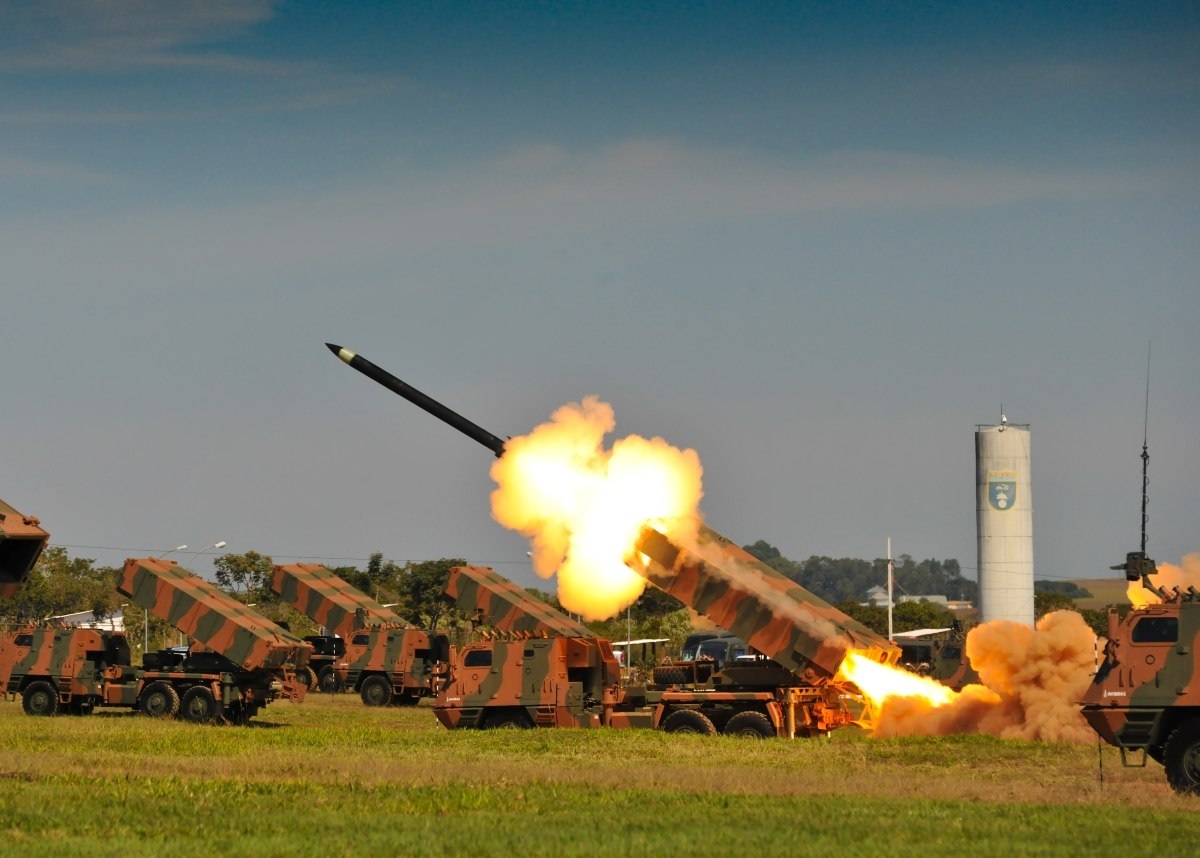
World
BRASÍLIA, — April 13, 2026 : The Brazilian Army has initiated the development of the S+100 tactical ballistic missile, a new precision-strike system intended for integration into the Astros II multiple launch rocket system (MLRS). The program is being executed by the Army’s Logistics Command and the Department of Science and Technology in partnership with Brazilian defense manufacturer Avibras. The S+100 missile builds on the earlier S-80 project and is designed to enhance Brazil’s tactical strike capabilities while remaining fully compatible with the universal launch modules currently used by the Astros II system. This compatibility allows the new missile to be deployed without requiring modifications to existing launch platforms. The Astros II, mounted on a Tectran 6×6 truck chassis, serves as the backbone of Brazil’s long-range precision artillery and has a proven operational record, including deployment by Saudi Arabia during Operation Desert Shield in 1992. The missile program is advancing alongside a broader restructuring of Avibras, which has been under judicial recovery since 2022. A newly implemented corporate structure, capitalized with approximately $499.8 million, has stabilized the company’s financial position. This restructuring enables Avibras to retain control of its intellectual property and prevents acquisition by foreign defense entities. As part of its recovery plan, Avibras is scheduled to resume production activities in May 2026. The company also plans to expand its workforce significantly, increasing personnel from around 200 employees to more than 1,000 technical specialists to support new contracts and ongoing development programs. In parallel with the S+100 initiative, Avibras engineers are nearing completion of the MTC-300 cruise missile, which is approximately 90 percent developed. The MTC-300 has a reported range of up to 300 kilometers and is powered by a turbojet engine. It is designed to achieve target accuracy within 30 meters and will also be deployed via the Astros II platform, providing a complementary strike capability alongside ballistic systems. The concurrent development of the S+100 tactical ballistic missile and the MTC-300 cruise missile reflects a continued effort by the Brazilian Army to expand the operational flexibility, range, and precision of its domestically produced missile systems.
Read More → Posted on 2026-04-13 14:42:02
World
TEL AVIV, — April 13, 2026 : The Israeli military has confirmed that more than 250 Hezbollah members and commanders were killed during a coordinated wave of airstrikes conducted on April 8, marking the largest single strike under the ongoing Operation Roaring Lion. According to the Israel Defense Forces (IDF), the strikes were carried out across multiple locations, including Beirut, the Bekaa Valley, and southern Lebanon. The operation targeted Hezbollah headquarters, intelligence and command centers, and associated military infrastructure, and was executed within a short timeframe as part of a synchronized assault. Military officials identified several senior Hezbollah figures among those killed. These include Hassan Mustafa Nasser, head of the group’s logistics support headquarters; Ali Qassem, Abu Ali Abbas, and Ali Hijazi, all described as senior intelligence commanders; and Abu Muhammad Habib, deputy commander of Hezbollah’s missile unit. Casualty figures released by Lebanon’s health ministry reported a total of 357 fatalities resulting from the April 8 strike wave. The ministry’s data does not distinguish between civilian and combatant deaths. Based on Israeli assessments, at least 70 percent of those killed were Hezbollah members. The IDF stated that, with the latest figures, the total number of Hezbollah fighters killed since the start of the current campaign has now exceeded 1,500. Operation Roaring Lion began on February 28, 2026, initially as a joint United States-Israel military initiative targeting Iranian military infrastructure. The scope of the operation later expanded into Lebanon following Hezbollah’s entry into the conflict. Israeli authorities have not released additional details regarding further casualties or the operational impact of the April 8 strikes beyond the confirmed figures. The military stated that assessments are ongoing to verify additional data and evaluate the impact on Hezbollah’s operational capabilities.
Read More → Posted on 2026-04-13 14:48:34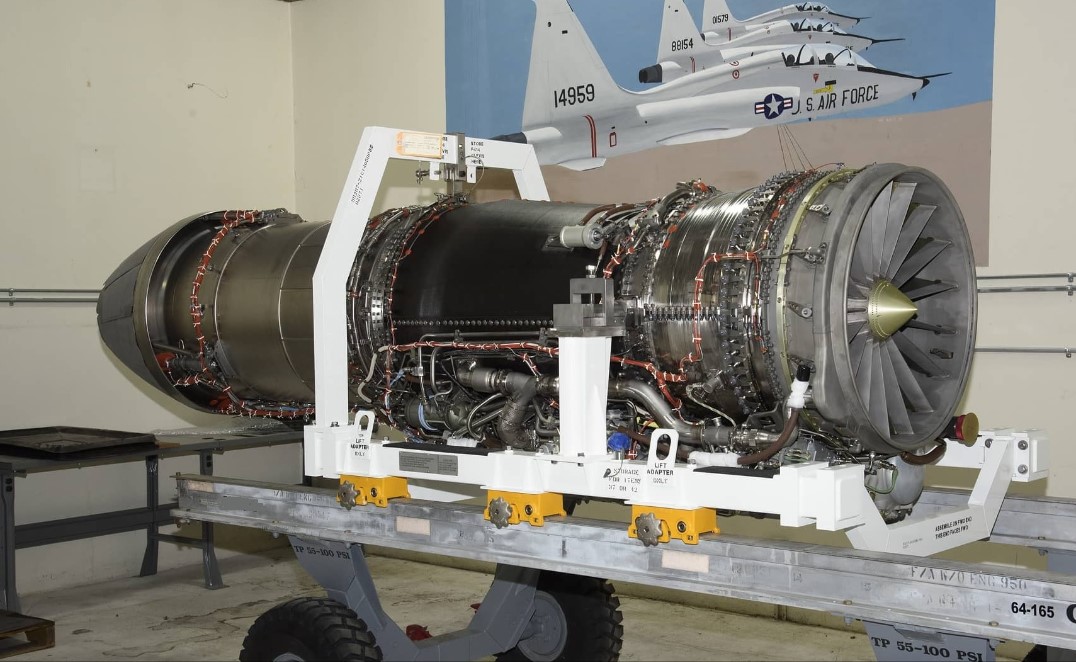
India
NEW DELHI, — April 13, 2026 : India and the United States have reached a significant milestone in defence aerospace cooperation as GE Aerospace and Hindustan Aeronautics Limited (HAL) concluded technical discussions on the co-production of the F414 fighter jet engine. In parallel, GE Aerospace has signed a contract with the Indian Air Force (IAF) to establish an in-country maintenance, repair, and overhaul (MRO) depot for the F404-IN20 engines powering the Light Combat Aircraft (LCA) Tejas fleet. F414 Co-Production Moves to Commercial Phase The completion of technical discussions marks the end of the most complex phase of the F414 engine co-production agreement, particularly covering the transfer of technology (ToT), which accounts for approximately 80 percent of the programme by value and is largely focused on manufacturing processes. With technical parameters now finalized, the programme will transition into the commercial negotiation phase. The final contract is scheduled to be signed within the current financial year. Under the agreement, a domestic production facility will be established by HAL. The manufacturing line is expected to become operational within two years following the signing of the final contract. The initial scope includes the production of 99 F414 engines, with provisions to scale output as the Indian Air Force projects a requirement for approximately 120 to 130 Tejas Mk-2 fighter aircraft. The F414 engines are designated to power the upcoming Tejas Mk-2 variant. The programme is expected to support the development of infrastructure required for manufacturing a 4.5-generation class fighter engine in India. It will also facilitate the creation of testing facilities, exposure of the workforce to advanced manufacturing technologies, and development of practical expertise in engine production processes. From an operational perspective, the arrangement aligns stakeholder interests. The Indian Air Force secures engine availability for future platforms, while the Ministry of Defence advances its objective of reducing import dependence in defence procurement. Rita Flaherty, Vice President for Sales and Business Development for Defence and Systems at GE Aerospace, stated that agreement has been reached on all technical aspects of the work related to the F414 programme. F404-IN20 Depot Facility for Tejas Fleet Alongside the F414 progress, GE Aerospace has finalized a separate contract with the Indian Air Force to establish a domestic depot-level MRO facility for the F404-IN20 engines currently in service with the Tejas Mk-1 and Mk-1A fleets. The facility will be fully owned, operated, and maintained by the Indian Air Force. GE Aerospace will provide technical support, including training of personnel, supply of specialized equipment, support staff, and necessary spare parts required to operationalize the depot. The F404-IN20 is the highest-thrust variant of the F404 engine family and is equipped with full authority digital engine control (FADEC). It currently powers the operational Tejas LCA fleet. Once operational, the depot facility is expected to eliminate the need to send engines overseas for major servicing. This is anticipated to reduce turnaround times for engine maintenance and improve fleet availability and operational readiness. Strengthening Domestic Sustainment Ecosystem These parallel developments indicate a structural shift in India’s military aviation sustainment and manufacturing ecosystem. The establishment of a domestic production line for F414 engines, combined with a local MRO facility for the F404 fleet, reduces reliance on foreign supply chains and overseas repair infrastructure. The initiatives are aligned with India’s broader defence indigenisation objectives by integrating manufacturing, maintenance, and lifecycle support capabilities within the country.
Read More → Posted on 2026-04-13 15:21:10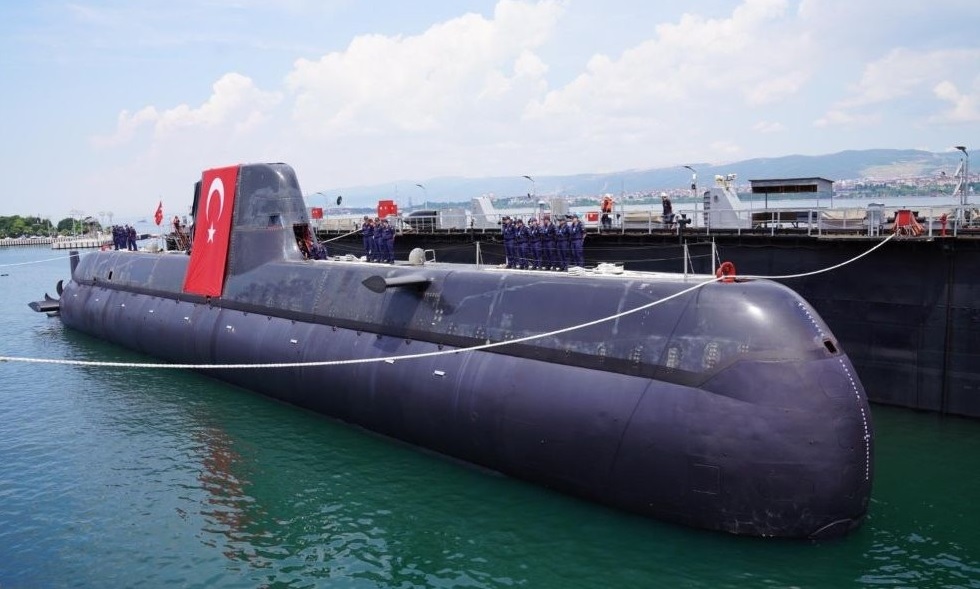
World
ANKARA, — April 13, 2026 : The Turkish Naval Forces have equipped a Reis-class submarine with a Dry Deck Shelter (DDS) module, enabling submerged deployment of SAT (Sualtı Taarruz) commandos, according to footage and official statements released on April 13, 2026 showing the submarine operating at sea. The integration marks a functional expansion of Turkey’s New Type Submarine Project, also known as the Reis-class or Type 214TN program, which forms the backbone of the country’s next-generation conventional submarine fleet. Program Background and Industrial Structure The Reis-class submarines are license-built derivatives of Germany’s Type 214 design, developed under cooperation with ThyssenKrupp Marine Systems (TKMS). Construction is being carried out at Gölcük Naval Shipyard, with Turkish industry providing substantial subsystem integration. Domestic defense firms STM and Aselsan are responsible for key structural sections and onboard electronics, including locally integrated sensors and combat systems. The program reflects a hybrid model combining foreign design support with indigenous manufacturing and system integration. A total of six submarines are planned under a contract signed in 2009, valued at approximately €2.06 billion. Deliveries are scheduled to continue through 2029. Platform Specifications and Capabilities Each Reis-class submarine measures approximately 68.5 meters in length and has a submerged displacement of around 2,040 to 2,050 tons. The vessels are capable of reaching a maximum submerged speed of about 20 knots. A defining feature of the class is its air-independent propulsion (AIP) system based on proton exchange membrane (PEM) fuel cells. This allows the submarines to remain submerged for extended durations—potentially several weeks—without snorkeling, significantly reducing detection risk. The submarines are equipped with eight 533 mm torpedo tubes capable of launching heavyweight torpedoes, guided missiles, and naval mines. The standard crew complement is 27 personnel, with additional capacity for up to 11 SAT commandos. The class integrates the ISUS 90-72 sonar and weapon control system, combined with Turkish-developed electronic subsystems. The submarines are designed to replace the Preveze-class fleet and precede future indigenous submarine programs under the MILDEN project. Fleet Status and Timeline The first submarine, TCG Pirireis (S-330), was commissioned on August 24, 2024, at Aksaz Naval Base. The second unit, TCG Hızırreis (S-331), entered service in December 2025. The third submarine, TCG Muratreis (S-332), was launched in May 2025 and is undergoing outfitting and trials. Three additional boats—TCG Aydınreis, TCG Seydi Ali Reis, and TCG Selman Reis—are in various stages of construction or outfitting, with deliveries planned through 2029. While official sources have not confirmed which specific submarine has received the DDS in the latest rollout, earlier references indicate that TCG Pirireis has previously operated with a SAT commando container. Dry Deck Shelter Integration The Dry Deck Shelter (DDS) is a modular, externally mounted structure attached to the submarine’s deck. It provides a sealed, pressurized environment connected to the submarine’s hull via an access trunk. This configuration enables SAT personnel to prepare equipment within the shelter while the submarine remains submerged. A lockout chamber allows divers to exit and re-enter the submarine underwater at periscope or shallow depths without requiring the vessel to surface. The DDS can support deployment of swimmer delivery vehicles (SDVs), combat diving gear, and small insertion craft. By maintaining a closed pressure environment, the system preserves both acoustic and visual stealth during special operations missions. Operational Role of SAT Commandos SAT (Sualtı Taarruz) commandos are the Turkish Navy’s specialized maritime special operations unit. Their mission profiles include underwater demolition, amphibious reconnaissance, sabotage of maritime infrastructure, and direct-action operations in coastal environments. The Reis-class submarines were designed with provisions to carry SAT teams. The addition of the DDS expands deployment methods beyond torpedo-tube launches or surface-based insertions, enabling more flexible and covert operational options. Strategic and Regional Context The DDS-equipped Reis-class submarines are expected to support covert maritime operations in the Black Sea and the eastern Mediterranean. These regions are characterized by dense naval activity, contested maritime zones, and strategic chokepoints. The combination of AIP-enabled endurance and DDS-supported special operations capability allows the Turkish Navy to conduct extended submerged missions while maintaining a reduced operational signature. Program Significance The integration of the Dry Deck Shelter reflects a standard capability enhancement seen in submarines configured for special operations support across multiple navies. Within the Turkish context, it aligns with broader naval modernization efforts focused on survivability, endurance, and multi-role operational flexibility. The Reis-class program continues to progress with ongoing sea trials, system integration, and phased delivery of remaining submarines through the end of the decade.
Read More → Posted on 2026-04-13 15:33:25
World
RIYADH / JERUSALEM — April 13, 2026 : A senior source within the Saudi royal family has called for a United States-led ground invasion of Iran aimed at regime change, stating that current military operations have failed to achieve their strategic objectives. The remarks, reported by Israeli media on April 13, 2026, reflect Riyadh’s internal assessment of the ongoing regional conflict and its view of potential outcomes. Call for Expanded U.S. Military Strategy According to the Saudi source, the ongoing campaign of aerial and naval strikes against Iran over the past two months has not produced the intended results. Instead of weakening Tehran’s posture, the official assessed that Iran has become more assertive toward the United States, Israel, and regional actors including Saudi Arabia. The source argued that a decisive shift in strategy is required, advocating for a ground invasion modeled on the 2003 U.S.-led operation in Iraq that resulted in the removal of Saddam Hussein’s government. The official stated that regime change in Iran cannot be achieved through limited strikes alone and requires a sustained military presence on the ground. The remarks also emphasized that Iran continues to advance its nuclear program, including uranium enrichment activities, despite ongoing military pressure. The source described the current Iranian leadership under Ayatollah Ali Khamenei as posing a greater long-term strategic challenge than Iraq under Saddam Hussein, citing the continued development of nuclear capabilities. Conditions for Post-Regime Leadership The Saudi source outlined specific criteria for any future government in Iran following a potential regime change. According to the assessment, a successor leadership must be secular in nature, capable of governing effectively, and broadly acceptable to the Iranian population across key urban centers such as Tehran, Isfahan, and Mashhad. The official explicitly advised against supporting exiled opposition figure Reza Pahlavi as a potential leader. While acknowledging his visibility and role in recent political developments, the source suggested that an alternative figure with wider domestic acceptance and stronger regional relationships would be more suitable for leading a transition. In January 2026, Pahlavi called for mass demonstrations from exile in the United States. The appeal contributed to widespread protests across all 31 Iranian provinces, followed by extensive government crackdowns and communication restrictions. Despite his prominence among some opposition groups, the Saudi assessment indicates reservations about his ability to unify the country. Saudi Arabia’s Position on the Conflict The Saudi source clarified that Riyadh does not consider itself a direct participant in the ongoing conflict between Iran, the United States, and Israel. The official stated that Saudi Arabia neither initiated nor actively supported the current military campaign. However, the Kingdom has been affected by developments linked to the conflict. In late February 2026, Iranian drone strikes targeted Saudi Aramco’s Ras Tanura refinery in what was described as a retaliatory action connected to U.S. and Israeli operations. The source reiterated that Saudi Arabia’s approach remains focused on containment and response to direct threats. Each incident involving Iranian actions would be addressed individually, but no decision has been taken to formally enter the war. Background: Escalation and Ceasefire The comments come during a temporary ceasefire that began on April 8, 2026, following a period of sustained escalation across the region. The conflict traces back to January 2026, when widespread civilian protests in Iran and subsequent state crackdowns contributed to heightened tensions. The United States responded by increasing its military presence in the region. By late February 2026, the situation escalated into direct confrontation, with U.S. and Israeli forces conducting strikes on Iranian military infrastructure and leadership targets. Iran responded with large-scale missile and drone attacks against U.S. and allied positions across the Middle East, including sites in Kuwait, the United Arab Emirates, and Saudi Arabia. Regional and Strategic Context The Saudi source’s remarks align with broader concerns among Gulf states that limited military measures may not be sufficient to alter Iran’s strategic behavior or regional influence. Officials in the region have indicated that without significant changes to Iran’s political or military posture, long-term stability is unlikely. Saudi Arabia and Iran have maintained a prolonged geopolitical rivalry. During the 1980s Iran-Iraq War, Saudi Arabia provided financial support to Iraq. Following the 2003 removal of Saddam Hussein, Iran expanded its influence across Iraq, Syria, Lebanon, Yemen, and Palestinian territories through allied governments and non-state actors. Despite a China-brokered diplomatic agreement in 2023 aimed at reducing tensions between Riyadh and Tehran, underlying disputes related to Iran’s nuclear program, regional proxy networks, and security concerns have persisted. The current conflict has included strikes on Iranian nuclear infrastructure, retaliatory missile launches, and ongoing discussions regarding potential ceasefire arrangements and maritime security measures in the Strait of Hormuz. The Saudi source indicated that ending military operations without substantive changes to Iran’s leadership or policies would not address the underlying security concerns of regional states. The remarks were delivered anonymously, and no official confirmation has been issued by the Saudi government.
Read More → Posted on 2026-04-13 15:51:22
World
WASHINGTON / TAMPA / ISLAMABAD — April 13, 2026 : The United States has initiated a targeted naval blockade restricting maritime access to Iranian ports, with U.S. Central Command (CENTCOM) confirming that enforcement began on Monday, April 13, at 10:00 a.m. Eastern Time. The operation applies to all vessels, regardless of nationality, traveling to or from Iranian ports and coastal areas. According to CENTCOM, the blockade covers maritime approaches to ports located along both the Arabian Gulf and the Gulf of Oman, forming a comprehensive restriction on Iran’s seaborne trade routes. More than 15 U.S. warships are deployed to support the blockade, according to the Wall Street Journal (WSJ), citing a senior U.S. official. The vessels include an aircraft carrier, several guided-missile destroyers, an amphibious assault ship, and additional naval platforms. These assets are capable of launching helicopters for boarding operations, while some ships can direct and hold commercial vessels in designated maritime zones as part of enforcement measures. Blockade Scope and Maritime Directives U.S. military officials described the action as a “targeted port blockade,” emphasizing that enforcement will focus specifically on ships entering or departing Iranian ports rather than imposing a full closure of regional waterways. CENTCOM stated that the blockade will be implemented impartially, with no exemptions based on a vessel’s flag or origin. Commercial vessels operating in the region have been instructed to monitor official “Notice to Mariners” communications and maintain contact with U.S. naval forces via bridge-to-bridge radio channel 16 when approaching the Gulf of Oman and the Strait of Hormuz. The command has not disclosed detailed rules of engagement or specific enforcement protocols but indicated that additional operational guidance would be communicated directly to maritime operators. Strait of Hormuz Transit Remains Open U.S. officials clarified that the Strait of Hormuz will remain open for international shipping not destined for Iran. Vessels transiting the strait to or from non-Iranian ports will not be impeded, preserving freedom of navigation through one of the world’s most critical maritime chokepoints. The distinction underscores that the measure is designed to restrict access to Iranian port infrastructure while allowing broader regional and global commerce to continue. Collapse of U.S.-Iran Talks in Islamabad The blockade follows the breakdown of high-level negotiations between the United States and Iran held in Islamabad, Pakistan, on April 11 and April 12. The talks, which lasted approximately 21 hours, concluded without agreement. U.S. Vice President JD Vance, who led the American delegation, stated that Iran declined to accept U.S. terms, particularly regarding its nuclear program and issues related to maritime access in the Strait of Hormuz. Iranian officials, in turn, characterized U.S. demands as excessive. Pakistan hosted the negotiations as part of mediation efforts aimed at achieving a ceasefire in the ongoing U.S.-Iran conflict that began earlier in 2026. No further rounds of negotiations have been scheduled following the impasse. On April 12, President Donald Trump announced that the U.S. Navy would begin steps to block ships entering or leaving the Strait of Hormuz area. CENTCOM’s subsequent clarification limited the scope of the action to Iranian ports rather than the entire strait. Enforcement Precedents and Expected Operations Recent U.S. maritime enforcement actions indicate the operational approach likely to be employed. On January 9, 2026, the United States Coast Guard, supported by U.S. Marines, boarded and seized the oil tanker MT Olina in the Caribbean Sea. The vessel was suspected of transporting embargoed oil as part of efforts to disrupt so-called shadow fleet operations. Military analysts assess that similar boarding, inspection, and seizure operations could be conducted in waters near Iran to enforce compliance with the blockade. U.S. naval forces are expected to intercept vessels, redirect them, or detain them as necessary if they attempt to access Iranian ports. Economic Impact and Trade Exposure The blockade targets a critical vulnerability in Iran’s economy, which relies heavily on maritime trade routes. According to available estimates, more than 90 percent of Iran’s annual trade, valued at approximately $109.7 billion, passes through the Gulf region and the Strait of Hormuz. A senior fellow at the Foundation for Defense of Democracies estimates that the blockade could result in daily losses of approximately $276 million in exports and $159 million in imports, totaling $435 million per day, or roughly $13 billion per month. Prior to the blockade, Iran exported approximately 1.5 million barrels of oil per day, generating about $139 million in daily revenue. In addition, petrochemical exports valued at $19.7 billion over a nine-month period—equivalent to roughly $54 million per day—are also at risk under the current restrictions. Market Reaction and Strategic Context Global energy markets responded immediately following the announcement, with crude oil prices rising by approximately 8 percent to exceed $100 per barrel. The increase reflects concerns over potential supply disruptions, reduced Iranian exports, and heightened regional uncertainty. The blockade represents a significant escalation in the ongoing U.S.-Iran confrontation. Its stated objective is to apply sustained economic pressure by limiting Iran’s ability to conduct maritime trade while maintaining international shipping flows through the Strait of Hormuz. CENTCOM has confirmed that enforcement operations began as scheduled on April 13. Further details regarding implementation and engagement protocols are expected to be released as the operation continues.
Read More → Posted on 2026-04-13 15:58:46
World
TEHRAN/WASHINGTON, — April 13, 2026 : Iran on Monday announced a counter-blockade affecting ports across the Middle East, stating that vessels will not be permitted to use regional port facilities while the United States maintains its naval blockade on Iranian ports and coastal areas. The announcement was made by Iranian armed forces through an official military spokesperson and coincided with the start of the U.S. blockade earlier in the day. Iranian authorities said the measures would remain in effect until the United States lifts its restrictions. According to the statement, maritime security in the Persian Gulf and the Sea of Oman must apply equally to all countries. “Security is either for everyone or for no one,” the spokesperson said, adding that if Iranian port access in these waters is restricted, other regional ports would also face similar conditions. The counter-blockade applies to vessels seeking access to ports across the Persian Gulf and the Sea of Oman, which include facilities belonging to multiple Middle Eastern countries. Iranian officials described the U.S. move as illegal and characterized it as an act of piracy. They said the response is conditional and will be reversed once the U.S. blockade ends. The U.S. Central Command confirmed that its naval blockade began at 10:00 a.m. Eastern Time on April 13. The operation targets all maritime traffic entering or exiting Iranian ports in the Arabian Gulf and the Gulf of Oman. U.S. officials stated that ships transiting the Strait of Hormuz to or from non-Iranian ports are not affected by the measure. The U.S. administration, under President Donald Trump, said the blockade is intended to restrict Iran’s maritime activity, including oil shipments and revenue flows, following the collapse of diplomatic efforts. The decision came after high-level negotiations between U.S. and Iranian delegations in Islamabad, Pakistan, on April 11 and 12 failed to produce an agreement on a ceasefire or related terms. Those talks, hosted by Pakistan, involved senior officials including U.S. Vice President JD Vance and Iranian Foreign Minister Abbas Araghchi. U.S. representatives said Iran did not agree to proposed terms, while Iranian officials stated that discussions had progressed before U.S. demands changed and were followed by the blockade announcement. Prior to the latest development, Iran’s Islamic Revolutionary Guard Corps (IRGC) had warned that it could assert control over maritime traffic in the Strait of Hormuz if Iranian access was restricted. The newly announced counter-blockade expands that position beyond Iranian waters to include broader regional port access. Iranian political and military officials, including parliamentary members and advisers, said the United States is attempting to increase pressure through maritime restrictions and indicated that Tehran has additional response options. The reciprocal measures have had immediate economic effects. Global oil prices moved higher amid concerns over potential disruption to shipping routes through the Strait of Hormuz, a key corridor for international energy supplies. Financial markets also reacted, with declines reported in several regions. In India, stock markets opened lower, while Pakistan’s KSE-100 index dropped sharply by nearly 6,000 intraday points following the breakdown of negotiations. International responses have begun to emerge. Israeli Prime Minister Benjamin Netanyahu expressed support for the U.S. action during a cabinet meeting, stating that Israel is coordinating with Washington on the issue. Despite the escalation, diplomatic engagement has not fully ceased. Officials from Pakistan, Egypt, and Turkey are continuing backchannel discussions with both sides. These efforts are aimed at bridging differences and reaching an agreement before the current ceasefire window, which is set to expire on April 21. No operational details have been released by Iran regarding how the counter-blockade will be enforced or which specific ports may be directly affected. Both the U.S. naval blockade and Iran’s counter-measures remain in effect as of April 13.
Read More → Posted on 2026-04-13 16:56:45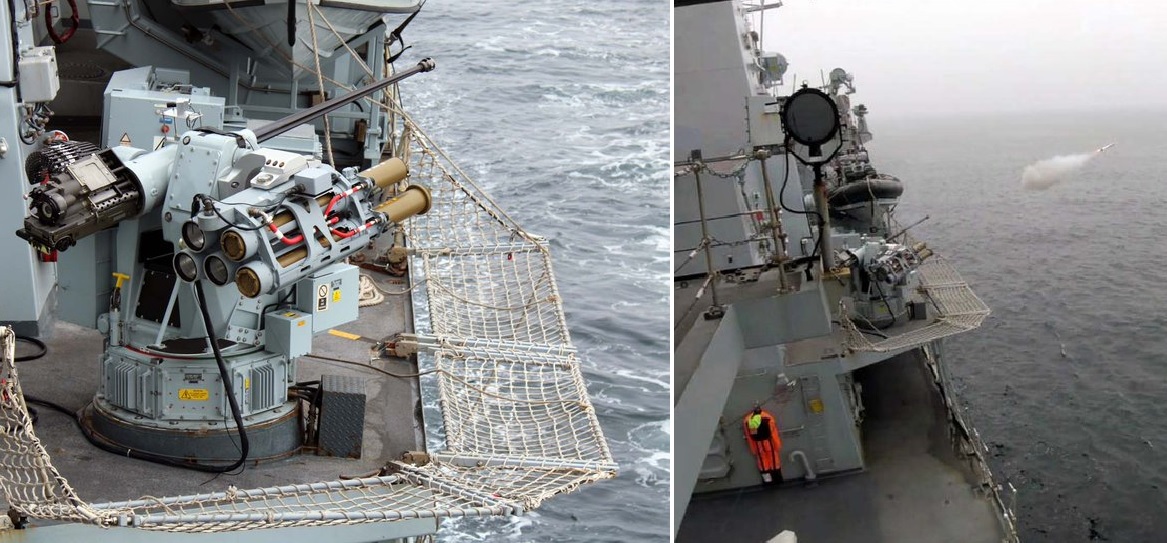
World
PARIS, — April 13, 2026 : France has approved a comprehensive upgrade to the close-range defense architecture of its frigate fleet, adding Mistral missile launchers, dedicated counter-unmanned aerial systems (C-UAS) jamming capabilities, and enhanced optronics for gun direction. The decision follows operational feedback from recent deployments, particularly in the Red Sea, where French vessels faced sustained drone threats. The upgrades will be applied primarily to the five Defense and Intervention Frigates (FDI), also known as the Amiral Ronarc’h class, with integration planned during construction or through retrofits. The lead ship, Amiral Ronarc’h, was delivered in October 2025. Under the program, each FDI frigate will receive Sadral or Simbad-RC Mistral launcher systems configured as two twin launchers (2 × 2). These systems employ MBDA’s Mistral short-range surface-to-air missile, an infrared-guided, fire-and-forget interceptor designed for close-in defense. The remotely operated Simbad-RC variant allows engagements without exposing crew. The Mistral 3 missile offers engagement ranges of up to approximately 8 kilometers and is optimized to counter low-signature targets such as drones and fast attack craft. In parallel, the French Navy is fielding dedicated electronic warfare systems to provide non-kinetic countermeasures against unmanned threats. The Neptune and MAJES electronic warfare suites, developed by MC2 Technologies, are designed to disrupt drone navigation and communication links. Neptune functions as a high-power GNSS jammer, while MAJES DB6 targets UAV command frequencies. These systems have already been deployed operationally on FREMM-class frigates, including Languedoc, Alsace, and Lorraine, where they enabled successful UAV neutralization through jamming during Red Sea escort missions. Additional systems such as Safran’s Skyjacker C-UAS solution are also being introduced to expand electronic countermeasure options. The upgrade package also includes improvements to gun direction through the integration of advanced electro-optical/infrared (EO/IR) systems. The Safran Paseo XLR optronic suite, developed under urgent operational requirements, provides high-definition TV imaging, third-generation mid-wave infrared sensors, and optional short-wave infrared capability. The system supports continuous 360-degree surveillance and enhances target detection and identification in degraded visibility conditions. These optronic enhancements are integrated with the ships’ fire-control systems, improving the accuracy and responsiveness of onboard weapons, including the 76 mm Oto Melara Super Rapid main gun and 20 mm Nexter Narwhal remote weapon stations. The upgrades enable more effective engagement of small, low-flying, or fast-moving unmanned threats and allow simultaneous direction of multiple gun systems via onboard ballistic computation. The FDI frigates already feature a baseline armament of 16 Sylver A50 vertical launch cells for Aster 15 and Aster 30 surface-to-air missiles, with the final two ships in the class to be constructed with 32 cells. Earlier units are scheduled for retrofit to reach the same capacity in the 2030s. Each vessel also carries eight Exocet MM40 Block 3c anti-ship missiles, two twin torpedo tubes for MU90 lightweight torpedoes, and remote weapon stations. Similar counter-drone upgrades have been applied or tested on the Aquitaine-class FREMM multi-mission frigates and Horizon-class air-defense destroyers, forming a fleet-wide approach. The enhancements establish a layered defense structure combining medium- to long-range interception using Aster missiles, close-range kinetic engagement via Mistral systems and naval guns, and non-kinetic disruption through dedicated electronic warfare. The modernization is being implemented under France’s current military programming law and reflects a shift toward addressing asymmetric aerial threats, including drone swarms and unmanned surface systems. While the upgrades apply broadly across the French Navy’s first-rank frigates, no detailed timeline has been disclosed beyond integration with the FDI program and planned retrofits extending into the 2030s.
Read More → Posted on 2026-04-13 17:12:41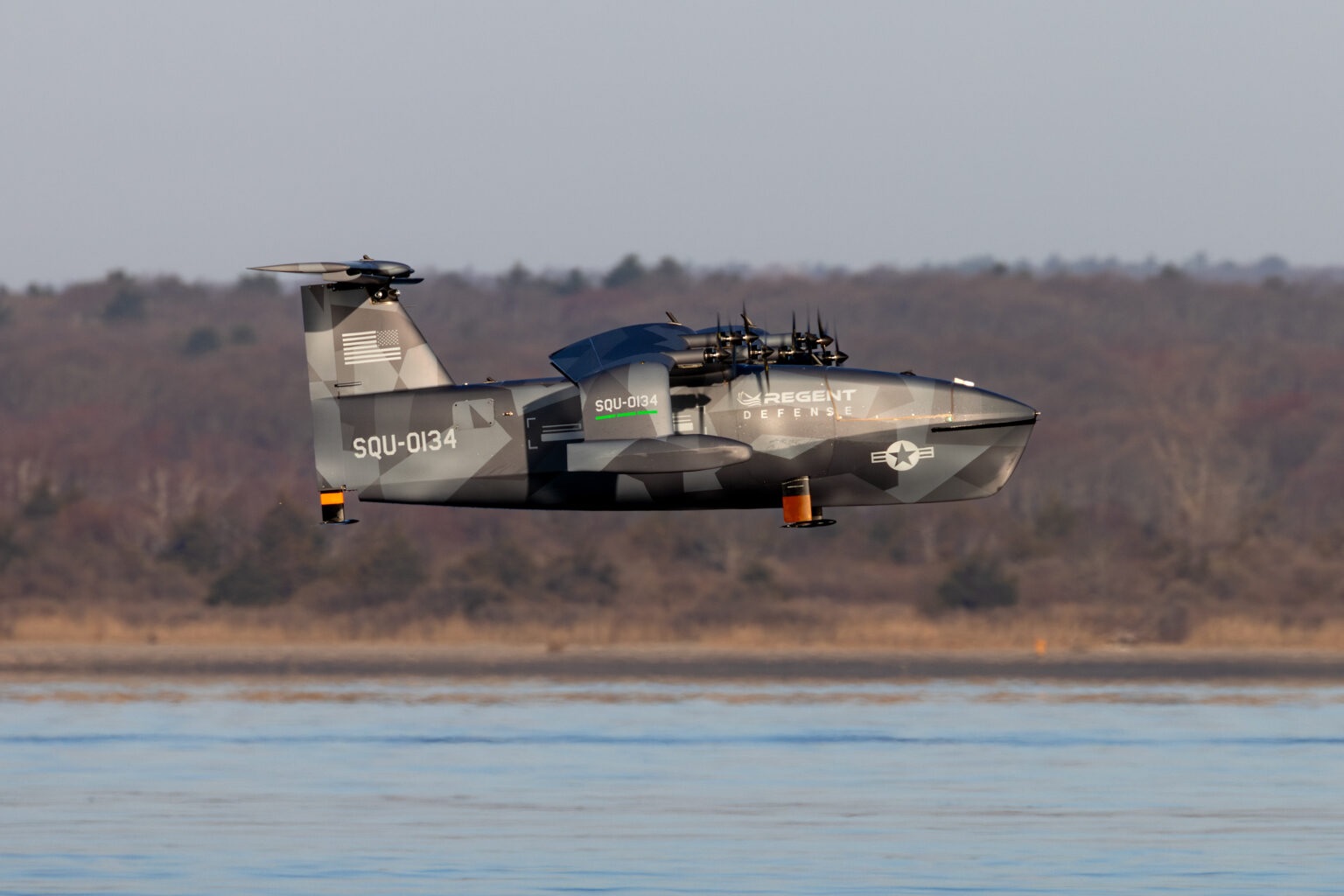
World
NORTH KINGSTOWN, R.I., — April 13, 2026 : U.S.-based maritime technology company REGENT announced on Monday that it has successfully completed a ground-effect flight test of its autonomous Squire Seaglider, marking what it described as the first U.S. flight of a defense-focused wing-in-ground effect craft. The April 13 demonstration represents a transition from early-stage validation to live flight testing, advancing the Squire platform toward potential operational deployment with military users. The test follows progressive system development after the U.S. Coast Guard granted testing clearance in 2025. Program Development and Strategic Context REGENT is positioning the Squire Seaglider to address operational requirements in contested maritime environments, particularly in coastal regions and across the Indo-Pacific. The platform is designed to support missions without reliance on traditional infrastructure such as ports, airstrips, or large surface vessels. Earlier in 2026, on February 9, company leadership briefed U.S. Secretary of Defense Pete Hegseth and senior officials at the Seabee Museum in Quonset, Rhode Island. The briefing focused on the system’s role in addressing gaps in contested logistics and distributed maritime operations. During the meeting, Hegseth emphasized the importance of accelerating field deployment of emerging operational systems. Billy Thalheimer, co-founder and chief executive officer of REGENT, stated that the flight milestone demonstrates the operational potential of Seaglider technology for defense applications. Technical Characteristics and Performance The Squire is an uncrewed, fully electric wing-in-ground effect vehicle that operates just above the water’s surface. It utilizes a cushion of compressed air between its wings and the water to reduce aerodynamic drag, enabling higher efficiency compared to conventional marine vessels while maintaining a low operational profile. According to REGENT, the platform has the following specifications: Maximum speed of 70 knots (approximately 81 mph) Operational range exceeding 100 nautical miles (around 115 miles) on a single charge Payload capacity of 50 pounds Dimensions of 13 feet in length, 5.5 feet in height, and an 18-foot wingspan The vehicle operates across multiple phases, including float, hydrofoil, and ground-effect flight modes. It reaches hydrofoil speeds of approximately 35 knots before transitioning to sustained ground-effect flight at higher speeds. REGENT stated that the Squire can take off and land in sea states of up to 2 feet and maintain operational capability across varying conditions while in flight. Its low-altitude profile allows it to remain above sonar detection while reducing radar visibility. The system is being developed for missions including intelligence, surveillance and reconnaissance (ISR), tailored logistics, search and rescue (SAR), and anti-submarine warfare (ASW) support. Tom Huntley, general manager of REGENT Defense, said the platform is intended to provide speed, range, and mission flexibility across wide maritime areas without dependence on fixed infrastructure. Testing Progress and Manufacturing Since receiving regulatory clearance, REGENT has expanded the Squire’s operational envelope, onboard systems, and autonomous flight controls through a structured test program. The April 13 flight forms part of a broader 2026 test campaign that began in March. The company is also conducting parallel development of its larger Viceroy Seaglider prototype in Rhode Island. The Viceroy is designed to carry up to 12 passengers and approximately 3,500 pounds of cargo, supporting both commercial and defense applications. Ongoing sea trials are taking place in Narragansett Bay. REGENT is establishing a 255,000-square-foot manufacturing facility in Rhode Island to support production of its Seaglider platforms. Contracts and Financial Position REGENT currently holds a contract valued at $15 million with the U.S. Marine Corps related to the Squire program. The company is backed by investors including Lockheed Martin, Founders Fund, and 8090 Industries. According to REGENT, its commercial order backlog exceeds $10 billion, reflecting demand across both civilian and defense markets. The Squire Seaglider is being developed under REGENT Defense as part of a broader portfolio of hybrid and autonomous maritime platforms.
Read More → Posted on 2026-04-13 17:33:25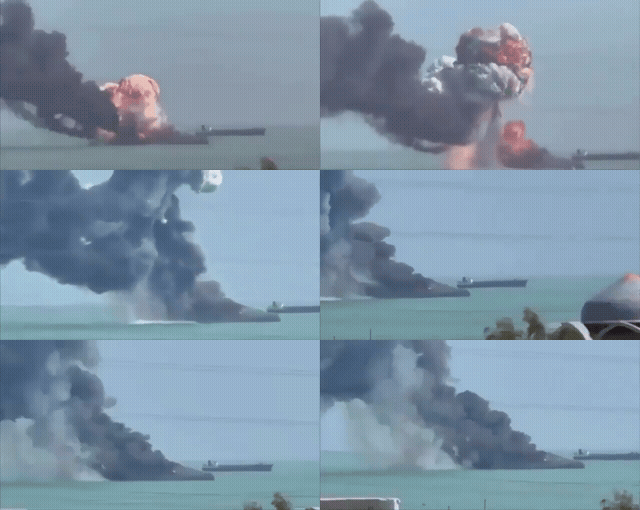
World
TEHRAN, — April 13, 2026 : Iran has claimed that its naval forces destroyed a United States vessel near the port of Bandar Abbas in the Strait of Hormuz, according to a statement issued via the official X account of the Iranian Armed Forces on April 13. Iranian authorities stated that the incident occurred after the American vessel allegedly approached Iran’s coastline. The operation was carried out by Iran’s navy, which, according to the statement, resulted in the destruction of the vessel. No details were provided regarding the ship’s classification or any potential casualties. In its statement, Iran referred to the target as a U.S. ship but did not identify it as a warship. Iran also released video footage showing a vessel engulfed in flames and producing thick smoke. The imagery does not allow clear identification of the ship type. Independent analysts have noted that the visible structure in the footage does not clearly match known classes of military warships, though no definitive conclusion has been reached. At the time of the Iranian claim, U.S. President Donald Trump stated that Iran’s naval power had been “completely destroyed.” The Iranian announcement followed shortly after this statement. There has been no official confirmation of the incident from the United States or independent maritime authorities. The United States Navy has not issued any comment, and no acknowledgment of vessel loss has been made by the U.S. Department of Defense. The claim coincided with the start of a U.S. Central Command maritime blockade initiated at 10:00 a.m. Eastern Time on April 13, targeting all maritime traffic entering or exiting Iranian ports and coastal areas. The blockade applies to Iranian ports in the Arabian Gulf and the Gulf of Oman but does not restrict vessels transiting the Strait of Hormuz to or from non-Iranian ports. The U.S. action followed the collapse of high-level negotiations between U.S. and Iranian delegations held in Islamabad, Pakistan, on April 11 and 12, 2026, which ended without agreement. The discussions had focused on Iran’s nuclear program and regional maritime security issues. Bandar Abbas, located along the Strait of Hormuz, serves as Iran’s primary naval headquarters and has been a focal point in the ongoing conflict that began earlier in 2026. Previous incidents reported in March 2026 included fires on vessels at the port following U.S. and Israeli operations; those incidents are separate from the April 13 claim. Iran has previously warned that military vessels approaching the Strait of Hormuz would face a response. The Islamic Revolutionary Guard Corps Navy has stated that it maintains operational control over the waterway and permits passage under defined conditions for non-military vessels. Earlier on April 13, Iran also announced a counter-blockade affecting ports across the Middle East, stating that vessels would not be allowed to use regional ports until U.S. measures are lifted. As of April 13, no further operational details regarding the claimed incident have been released, and the situation remains unverified pending independent confirmation.
Read More → Posted on 2026-04-13 17:45:34
World
KYIV, — April 13, 2026 : Ukraine has presented a new domestically developed long-range strike system, the Areion missile-drone, during an updated defense technology exhibition hosted at the Ministry of Foreign Affairs. The display was organized to mark the Day of the Defense Industry Worker and attended by foreign diplomats. The Areion is described as a modification of the Palianytsia turbojet-powered drone-missile system and was exhibited alongside the RK-360 Neptune anti-ship cruise missile. According to information released at the exhibition, the Areion carries a warhead of up to 120 kilograms and has an operational range of up to 600 kilometers. The system is supplied in a launch container compatible with the Neptune missile complex, allowing integration with existing Ukrainian launch infrastructure. In addition, it can be transported and launched from trailers or semi-trailers, similar to the deployment concept used for the Palianytsia, enabling flexible ground-based operations without reliance on dedicated military vehicles. The Areion builds directly on the Palianytsia platform, a domestically developed hybrid system combining characteristics of a cruise missile and an unmanned aerial vehicle. The Palianytsia was first publicly unveiled by President Volodymyr Zelenskyy on August 24, 2024, during Ukraine’s Independence Day, and was confirmed to have been used in combat operations against Russian military targets on the same day. Developed by the Kyiv-based Luch Design Bureau, which also produces the Neptune missile system, the Palianytsia has a total weight of approximately 320 kilograms and an earlier payload capacity of up to 100 kilograms. It is powered by a single-circuit turbojet engine, enabling speeds of up to 900 km/h and flight at altitudes between 15 and 500 meters. The system uses a combination of inertial navigation (INS) and GPS guidance and is launched from ground-based platforms. Upgraded versions have a reported range of up to 650 kilometers. The Palianytsia entered mass production in late 2024 and has since been used in strikes against Russian military infrastructure, including airfields and logistics facilities located within 600–700 kilometers of Ukrainian territory. While the Areion retains compatibility with existing Neptune launch systems and the mobility of trailer-based deployment, no additional technical specifications—such as speed, propulsion modifications, or guidance upgrades—have been disclosed at the current exhibition. The Foreign Ministry display also included other Ukrainian-developed systems, including the Flamingo drone, Buntar-3, GOR, January, Sova-150, interceptor drones Octopus and STING, the LTEJ Mirage electronic warfare system, and models of light-class surface-to-air missile systems. The exhibition forms part of Ukraine’s ongoing effort to demonstrate progress in domestically developed long-range strike capabilities. No operational deployment details for the Areion have been announced.
Read More → Posted on 2026-04-13 17:57:52
World
BERLIN, — April 14, 2026 : Boeing has initiated production of the first CH-47F Block II Chinook heavy-lift helicopter for the German Air Force, marking the formal start of manufacturing under Germany’s Schwerer Transporthubschrauber (STH) program. The aircraft, bearing construction number M1701, is the first of a planned 60 helicopters ordered to replace the aging CH-53G Sea Stallion fleet by 2030. Production is underway at Boeing’s facility in Philadelphia, where major structural assemblies—including the aft section, cabin, and cockpit—are currently in progress. Final assembly of the first aircraft is expected over the coming year. Deliveries to Germany are scheduled to begin in 2027 and continue into the early to mid-2030s. Program Structure and Contract Details The acquisition is being executed through the U.S. Foreign Military Sales (FMS) framework, following an intergovernmental agreement signed between Germany and the United States in July 2023. In October 2025, the U.S. Department of Defense awarded Boeing a contract valued at approximately $876 million to support production of up to 60 aircraft, along with associated logistics and training. The overall German heavy-lift helicopter program is valued at approximately €7 billion and is financed through the Bundeswehr’s special defense fund established under modernization initiatives. Industrial Support and Maintenance Framework Sustainment and training for the fleet will be supported by German industry partners. Technical personnel training will be conducted by Aero-Bildung GmbH, while airframe maintenance will be handled by Lufthansa Technik. Engine maintenance for the Honeywell T55 engines will be carried out by Rolls-Royce Germany. These arrangements are based on partnerships defined during the original selection process. Force Structure and Basing Changes The introduction of the CH-47F Block II will lead to structural adjustments within Helicopter Wing 64 (Hubschraubergeschwader 64). The wing’s headquarters will relocate from Laupheim Air Base to Holzdorf Air Base by October 1, 2026. Holzdorf Air Base will become the central hub for Germany’s transport helicopter operations, hosting the main operational element of the wing—three squadrons with 47 helicopters—as well as an additional 12-aircraft squadron linked to the headquarters relocation. One aircraft will be assigned to the Bundeswehr’s technical center WTD 61 in Manching for testing, evaluation, and certification activities. Capability and Operational Role The CH-47F Block II represents the latest configuration of the tandem-rotor Chinook platform, incorporating upgrades that enhance payload and range compared to earlier variants. The helicopter is capable of carrying up to 12 tons of payload, either internally or via external cargo hooks, and can transport up to 36 troops or 24 medical stretchers. The German configuration includes extended-range fuel tanks and provisions for air-to-air refueling, enabling compatibility with tanker aircraft such as the Airbus A400M and KC-130J. The aircraft is equipped with a digital avionics suite, automated flight control systems, and integrated self-protection systems including missile, radar, and laser warning sensors. Strategic Context Germany’s selection of the Chinook supports interoperability with NATO partners, including the United States, United Kingdom, and Netherlands, all of which operate the platform. The shared system is intended to facilitate coordinated operations, logistics integration, and joint mission readiness. The production of aircraft M1701 proceeds in line with the planned schedule, marking a key milestone in Germany’s effort to modernize its heavy-lift helicopter capability while ensuring continuity of operations as the CH-53G fleet is phased out.
Read More → Posted on 2026-04-14 13:58:53
World
ANDOVER, Mass., — April 14, 2026 : Raytheon, a business unit of RTX, has signed a $3.7 billion direct commercial sale contract to provide Patriot Guidance Enhanced Missile–Tactical (GEM-T) interceptors to Ukraine, aimed at strengthening the country’s air and missile defense capabilities. The agreement covers the delivery of GEM-T interceptors, an upgraded variant of the Patriot Advanced Capability-2 (PAC-2) missile family used by U.S. forces and international operators. The missiles are designed to counter a range of airborne threats, including tactical ballistic missiles, cruise missiles, and hostile aircraft. Raytheon did not disclose a delivery timeline. System Role and Technical Capabilities The GEM-T interceptor serves as a principal effector within the Patriot air defense system. It incorporates enhanced guidance and fuse systems to improve engagement performance against maneuvering and low-altitude targets. Unlike the PAC-3 interceptor, which uses a hit-to-kill approach optimized primarily for ballistic missile defense, the GEM-T employs a proximity-fuzed warhead and supports a broader mission set. The Patriot system is a ground-based air and missile defense network that uses phased-array radar to detect and track threats before launching interceptors to neutralize them prior to impact. In Ukraine, Patriot batteries have been deployed to protect urban centers, critical infrastructure, and military installations from long-range aerial attacks. European Production and Industrial Role Production for the contract will be centered at a new GEM-T manufacturing facility in Schrobenhausen, Germany, operated by COMLOG, a joint venture between Raytheon and MBDA Deutschland. The site is intended to support this contract as well as additional international orders. The facility is part of broader efforts to strengthen supply chain resilience and accelerate replenishment of interceptor inventories. Expansion work at the Schrobenhausen site has been underway since 2024 to address increasing demand across European and allied defense programs. Capacity Expansion and Corporate Investment Raytheon stated it is increasing production capacity for GEM-T interceptors through internal investments, second-sourcing initiatives, and expansion of its global supply chain. “Raytheon is focused on maximizing production capacity, ensuring a steady, reliable supply of these combat-proven interceptors for the U.S. and allies like Ukraine who rely on Patriot to protect their citizens, infrastructure and sovereignty,” said Phil Jasper. RTX reported more than $88 billion in global sales in 2025 and is expanding manufacturing output to meet growing international demand for air and missile defense systems. Strategic Context and Previous Procurement The contract forms part of ongoing international efforts to sustain Ukraine’s air defense requirements amid continued missile and drone attacks. Patriot remains one of the most widely fielded air and missile defense systems globally, serving as the foundation of air defense for 19 countries, including NATO members such as Germany and Netherlands. Earlier related procurement included a $478 million contract in 2024 awarded through the NATO Support and Procurement Agency to replenish GEM-T missiles donated by partner nations, including Germany, to Ukraine. The latest agreement reflects continued coordination between industry and allied governments to maintain interceptor availability and support layered air defense operations across Ukraine and other regions facing elevated demand.
Read More → Posted on 2026-04-14 14:06:21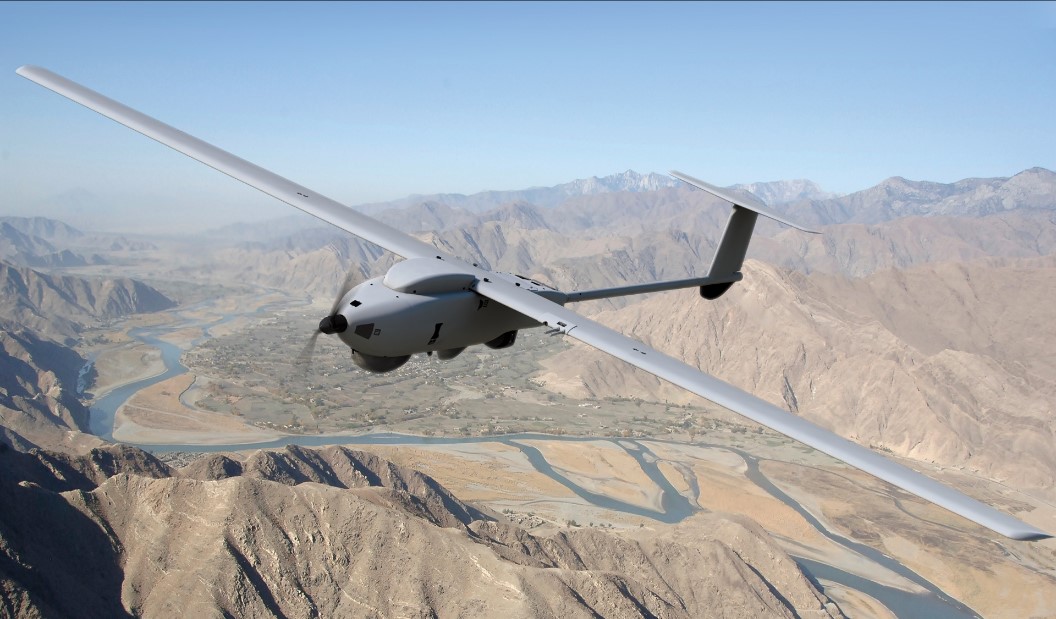
World
JACKSONVILLE, Florida — April 14, 2026 : Redwire Corporation has secured purchase orders exceeding $20 million during the first quarter of fiscal year 2026 to supply its Stalker unmanned aircraft systems (UAS) to the U.S. Navy and Marine Corps, marking a key step in upgrading small tactical drone capabilities. The awards support the Navy and Marine Corps Small Tactical Unmanned Aircraft Systems Program Office (PMA-263) under its Family of Small UAS division. The procurement was executed through the Defense Logistics Agency Tailored Logistics Support contract, an indefinite delivery/indefinite quantity (IDIQ) multi-award framework, with Atlantic Diving Supply acting as the prime contractor. The contract includes the U.S. Marine Corps’ first acquisition of the Advanced Navigation variant of the Stalker Block 30 drone. While the number of systems ordered was not disclosed, each package comprises air vehicles, intelligence, surveillance, and reconnaissance (ISR) camera payloads, ground control stations capable of short-, medium-, and long-range operations, and associated support kits. The procurement initiates a transition from the Marine Corps’ existing Stalker Block 30 fleet to the Advanced Navigation configuration. The new systems will augment more than 250 Stalker aircraft already in service. The upgraded variant is designed to operate effectively in contested electromagnetic environments, maintaining navigation and targeting functions in GPS-denied or jammed conditions. According to Redwire, the capability enhancement addresses increasing reliance on resilient guidance systems in modern combat scenarios where electronic warfare and signal disruption are prevalent. The Advanced Navigation system enables sustained reconnaissance, target tracking, and operational flexibility under such conditions. Steve Adlich, president of Redwire Defense Tech, stated that the capability is critical for long-range reconnaissance missions conducted in environments where satellite navigation may be unavailable. He noted that the Stalker platform has a 20-year operational history and supports modernization efforts within PMA-263. The Stalker Block 30 is a Group 2 small tactical UAS designed for intelligence, surveillance, and reconnaissance missions. It provides ground units with real-time aerial visibility beyond line of sight to support monitoring and targeting operations. The platform has a wingspan of 4.9 meters (16 feet) and a maximum takeoff weight of 22 kilograms (49 pounds). It can be transported in standard vehicles and assembled by a two-person team in under 20 minutes. The aircraft supports endurance of more than eight hours using either a propane solid oxide fuel cell or rechargeable batteries and offers a communication range of up to 160 kilometers (100 miles). The system features a low acoustic signature to reduce detectability and incorporates a modular open architecture, allowing integration of electro-optical and infrared payloads for day and night operations. Redwire did not disclose a delivery timeline. The awards represent follow-on orders that expand the Marine Corps’ existing Stalker inventory while supporting ongoing modernization of small UAS capabilities.
Read More → Posted on 2026-04-14 14:16:24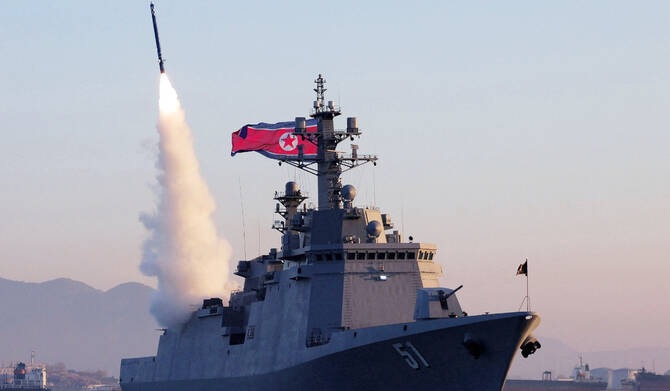
World
SEOUL, South Korea — April 14, 2026 : North Korea conducted operational efficiency trials of its newly developed 5,000-ton Choe Hyon-class destroyer on Sunday, April 12, test-firing a total of five missiles in waters off the country’s western coast, according to state media and South Korean military officials. The launches took place over the Yellow Sea and included two strategic cruise missiles and three anti-ship missiles. The Korean Central News Agency (KCNA) reported on Tuesday, April 14, that all missiles followed predetermined flight paths and successfully struck their designated targets. Telemetry data released by KCNA indicated that the two strategic cruise missiles remained airborne for between 7,869 and 7,920 seconds, exceeding two hours of flight time. The three anti-ship missiles recorded flight durations ranging from 1,960 to 1,973 seconds, or approximately 32 minutes. The classification of the cruise missiles as “strategic” suggests they are capable of carrying nuclear payloads. North Korean leader Kim Jong Un observed the test in person alongside senior military and naval officials. According to KCNA, he stated that recent developments in defense science have strengthened the country’s strategic readiness and rapid-response capability. The primary objective of the trial was to evaluate the destroyer’s integrated weapons command system and launch control mechanisms. The exercise also aimed to train the vessel’s crew in operational firepower procedures and to verify the precision of an upgraded active anti-jamming navigation system designed to maintain targeting accuracy in electronically contested environments. The Choe Hyon is the lead ship of North Korea’s new-generation multi-mission destroyer class and represents the largest surface combatant publicly acknowledged by the Korean People’s Navy. The vessel, first unveiled in April 2025, is equipped with a vertical launching system (VLS) and phased array radar and is designed to carry a range of weapons, including strategic cruise missiles, tactical ballistic missiles, and anti-aircraft systems. The destroyer is currently undergoing operational trials at facilities linked to the Nampo Shipyard on the west coast. During the visit, Kim was also briefed on weapons systems planned for two additional ships in the class, designated hull numbers 3 and 4, which are under construction at the same facility. This marks the third instance of missile testing observed by Kim from the Choe Hyon, following similar launches conducted on March 4 and March 10, 2026. South Korea’s military confirmed the launches. The Joint Chiefs of Staff (JCS) reported detecting multiple cruise missiles fired from waters near Nampho on Sunday morning. In its statement, the JCS said that South Korean and United States intelligence authorities are conducting a detailed analysis of the flight data while maintaining a coordinated defense posture to monitor further developments.
Read More → Posted on 2026-04-14 14:23:08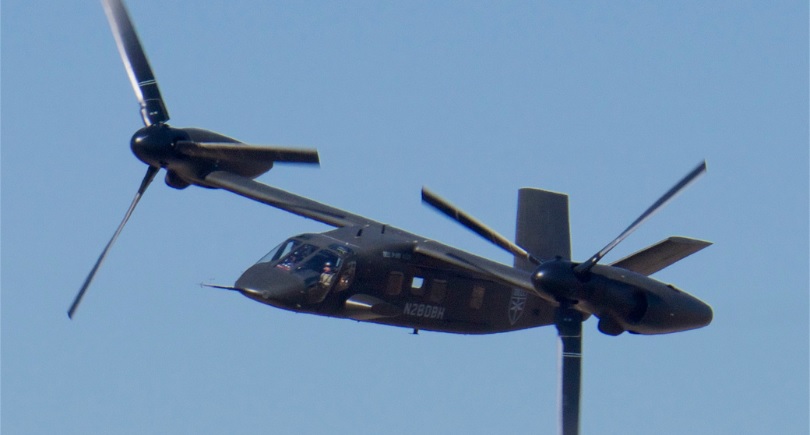
World
HUNTSVILLE, Alabama — April 13, 2026 : Collins Aerospace, a business unit of RTX, has been awarded multiple contracts by Bell Textron Inc. to supply five critical systems for the U.S. Army’s MV-75 Future Long Range Assault Aircraft (FLRAA), marking a key step in the service’s next-generation aviation modernization effort. The contracts form part of the Army’s broader Future Vertical Lift initiative, which aims to field advanced rotorcraft capable of significantly improved speed, range, and operational flexibility. Several of the awarded systems will be delivered using commercial acquisition authorities, a procurement approach intended to accelerate development timelines and integrate mature commercial technologies into military platforms. Under the agreement, Collins Aerospace will manufacture and deliver five major systems: main power generation, an interconnect drive system, the SmartProbe® air data system, cockpit seating, and an ice protection system. Development and production activities will be distributed across multiple U.S. facilities located in Colorado, Illinois, Iowa, Minnesota, New York, Ohio, and West Virginia. The MV-75 FLRAA is derived from Bell’s V-280 Valor tiltrotor demonstrator and represents the Army’s first clean-sheet rotorcraft design in decades. It is intended to replace and supplement the long-serving UH-60 Black Hawk fleet, which has been in operation since the late 1970s. The aircraft is engineered to deliver approximately twice the speed and range of current medium-lift helicopters. It is designed with a cruising speed of around 280 knots (approximately 320 mph) and a maximum speed of 300 knots. The platform offers a ferry range of up to 2,100 nautical miles and an operational combat range estimated between 500 and 800 nautical miles. In terms of payload and configuration, the MV-75 is designed to operate with a crew of four and carry up to 14 troops. It also includes dual external cargo hooks with a combined lift capacity of 10,000 pounds, enabling the transport of heavy equipment such as the M777A2 Howitzer. The program incorporates digital engineering practices and a Modular Open Systems Approach (MOSA), allowing for improved lifecycle management, system interoperability, and future upgrades. The aircraft is intended for multi-role missions, including long-range air assault, medical evacuation, utility transport, and humanitarian assistance operations. Troy Brunk, President of Collins Aerospace, stated that the company’s manufacturing and service capabilities are positioned to support accelerated delivery and long-term sustainment of the platform. Ryan Ehinger, Senior Vice President and Program Director at Bell, noted that the collaboration strengthens Team FLRAA’s ability to deliver a reliable and high-performing aircraft for future operational requirements. The FLRAA program is progressing toward its next development phase, with initial limited user testing planned between 2027 and 2028. First operational fielding of the MV-75 is currently projected for 2031.
Read More → Posted on 2026-04-14 14:33:46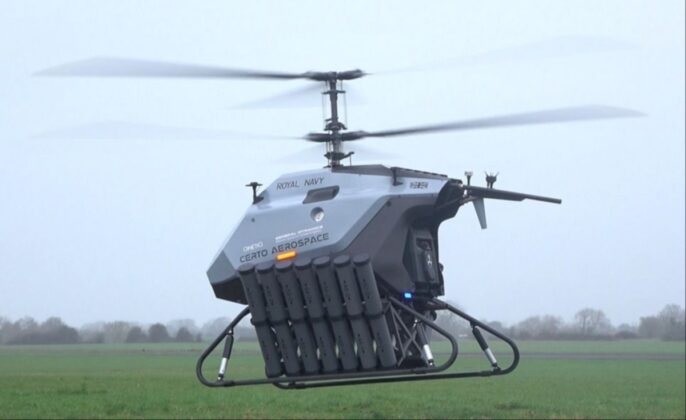
World
FROME, UNITED KINGDOM — April 14, 2026 : British aviation firm Certo Aerospace has demonstrated its CAPSTONE unmanned helicopter as a platform for anti-submarine warfare (ASW) during trials conducted for the Royal Navy under the ATLANTIC BASTION technology demonstration program. The flight trials took place in February 23, 2026 at Keevil Airfield in southwest England, a Civil Aviation Authority-approved test facility operated by Certo Aerospace. The demonstration focused on evaluating the platform’s ability to detect, locate, and track underwater targets using sonobuoys. Simulated sonobuoy signals for the exercise were provided by QinetiQ. During the test on February 23, the CAPSTONE aircraft conducted missions exceeding two hours while carrying a representative payload of sonobuoys. These floating acoustic sensors collected underwater data, which was transmitted from the unmanned aircraft to its ground control station via Starlink satellite communications. The system was integrated with the UYS-506 acoustic processor developed by General Dynamics Mission Systems (UK) Ltd.. Once received at the ground station, the sonobuoy data was routed to the processor, enabling operators to monitor underwater conditions in real time. The system provided acoustic signatures, target coordinates, and movement and tracking parameters, supporting continuous situational awareness. The demonstration also included transatlantic command and control of the UYS-506 system. CAPSTONE is a 600 kg-class vertical take-off and landing (VTOL) unmanned aircraft system featuring a coaxial rotor configuration. The platform has an approximate dry weight of 300 kg and can carry payloads of up to 300 kg. It is capable of autonomous operation for up to 10 hours and has a range of up to 300 miles. The aircraft incorporates an air-certified engine, reinforced steel airframe, modular undercarriage, and an all-folding rotor head, enabling operations from single-spot naval ship decks in maritime conditions. The trials form part of the Royal Navy’s ATLANTIC BASTION initiative, which aims to enhance anti-submarine warfare capabilities in the North Atlantic through the integration of uncrewed systems alongside crewed platforms. The CAPSTONE demonstration highlighted the use of modular payloads and autonomous operations to extend maritime surveillance and reduce reliance on manned helicopters. Justin Tooth, chief executive of Certo Aerospace and a former Royal Navy Lynx pilot, stated that the trial confirmed the platform’s ability to operate from single-spot naval vessels while carrying operationally significant payloads at useful ranges. He added that the system is intended to support a future mix of crewed and uncrewed surface, underwater, and air capabilities for ASW missions. The program aligns with broader UK defence efforts to advance unmanned aviation. In 2025, the UK division of Leonardo presented the Proteus maritime unmanned system concept for the Royal Navy. The Proteus platform is being used as a technology demonstrator to validate modularity, autonomy, and payload integration, with lessons from both initiatives expected to inform the development of future rotorcraft systems.
Read More → Posted on 2026-04-14 14:40:24
World
MOSCOW, — April 14, 2026 : A Russian anti-air unit commander has reported that the domestically developed “Yolka” interceptor unmanned aerial vehicle (UAV) is achieving a hit rate of up to 90 percent against aerial targets, according to statements given to state media outlet Sputnik. The commander stated that the system is being rapidly adopted by frontline units and is now in regular use among mobile fire teams tasked with countering small unmanned threats. In addition to intercepting first-person view (FPV) drones, the Yolka is also being deployed to defend against fixed-wing UAVs. Operational Use and Deployment The Yolka is a handheld, portable kinetic interceptor UAV designed to destroy targets through direct collision rather than using an explosive warhead. Russian forces have integrated the system into layered counter-drone defenses protecting critical infrastructure, border regions, and high-priority military units. The system has been employed in the ongoing conflict, with reported deployments in regions including Bryansk and Belgorod. It is used by both dedicated anti-aircraft units and mobile fire teams to engage FPV drones, bomber drones (30 cm to 2 meters), and fixed-wing UAVs (2 to 5 meter wingspan). According to personnel cited in Russian media, the system has also been used to intercept reconnaissance drones, including a reported engagement against a Ukrainian Leleka UAV. Design and Technical Characteristics Developed by engineers in Moscow and manufactured within the city, the Yolka represents a low-cost, disposable interceptor concept focused on countering the widespread use of small drones. The UAV operates on a “fire-and-forget” principle, using an electro-optical module integrated with artificial intelligence (AI) for autonomous target acquisition and homing. The onboard system calculates intercept trajectories and adjusts flight paths in real time. The drone can be launched either via a catapult or a pistol-like handheld launcher, enabling rapid deployment in field conditions. Reported technical specifications include: Maximum speed: 200 to 230 km/h Flight range: up to 1.6 km Operational altitude: up to 800 meters Target acquisition range: up to 3 km Weight: approximately 1.3 kg (variant) Engagement parameters vary depending on target speed. Slower targets traveling below 80 km/h can be intercepted from multiple angles at distances of 100 to 200 meters, while faster targets require more precise timing, including head-on or trajectory-aligned launches at distances of up to 600 meters. Operational Constraints The Yolka’s reliance on an optical-electronic guidance system imposes several environmental limitations. The drone is designed for daytime use only and is not equipped with night-vision capability. Its operation is restricted during rainfall, and it can function in wind conditions of up to 8 meters per second. Additional constraints include reduced performance due to sun glare, background visual interference, and rapid target maneuvering. Sudden temperature changes may also affect the onboard camera, potentially causing lens fogging and loss of target lock. Development Timeline and Production Initial observations of the Yolka system date back to May 2025, with the first public reports emerging in July 2025. The system entered service in 2025 and has since undergone continued refinement. By early 2026, production had expanded, and the system reached initial operational capability (IOC), with ongoing upgrades aimed at improving interception accuracy and performance against evolving UAV threats. No official details regarding production volumes or unit cost have been disclosed.
Read More → Posted on 2026-04-14 14:49:10
World
OSLO, Norway — April 14, 2026 : Kongsberg Defence & Aerospace has developed a mobile Counter-Unmanned Aerial Systems (C-UAS) platform for the Ukrainian armed forces by integrating Advanced Precision Kill Weapon System (APKWS) from BAE Systems onto its Protector Remote Weapon Station. The system is mounted on the Ukrainian-produced Inguar-3 MRAP and is designed to provide mobile air defense against low-altitude aerial threats. Presentation and Project Background The integrated platform was recently presented in Norway during an official visit by a Polish delegation led by Władysław Kosiniak-Kamysz. The system has been developed specifically for Ukraine and is financed through international donor funding. The project follows a hybrid manufacturing model, combining a domestically produced Ukrainian armored chassis with Western detection systems and engagement technologies aligned with NATO standards. System Configuration and Capabilities The platform is configured to counter low-flying unmanned aerial vehicles, including loitering munitions and reconnaissance drones, through a combination of sensors, mobility, and precision-guided munitions. The Protector RWS—also known in U.S. service as the CROWS system—forms the core of the platform. It is equipped with electro-optical and infrared/thermal imaging sensors for detection and tracking. The system is mounted on a telescopic mast, allowing elevation of the sensor and weapon module to improve line-of-sight against drones flying at low altitudes or using terrain masking. The weapon station integrates a four-round launcher for APKWS AGR-20A 70 mm laser-guided rockets. These rockets provide a lower-cost interception option compared to traditional surface-to-air missiles and are intended for engaging Shahed-type drones and, in some cases, cruise missiles. Inguar-3 Platform and Industrial Contribution The Inguar-3 MRAP, developed by Ukrainian company Inguar Defence, serves as the base vehicle for the system. Available in 4x4 and 6x6 configurations, the platform meets STANAG 4569 Level 3a/3b protection standards. The vehicle currently has a reported localization rate of approximately 60 percent within Ukraine. Domestic production includes the full manufacturing cycle of vehicle frames, including laser cutting, welding, suspension component machining, and final assembly. The platform was originally designed in cooperation with Ukrainian special forces to meet operational requirements during wartime. Operational Role and Deployment Status Unlike fixed air defense systems, the mobile configuration enables the platform to accompany maneuver units in the field. Its intended operational roles include protecting logistics convoys, artillery units, and forward command posts from drone threats while maintaining crew survivability through armored protection. According to Norwegian defense sources, the integrated system has completed its initial testing phase. While specific production numbers and delivery timelines have not been disclosed, the platform is currently undergoing final preparations for transfer to Ukraine. The integration of APKWS onto the Protector RWS forms part of Kongsberg’s broader counter-drone development efforts. The Protector family has been delivered to more than 31 countries and supports multiple weapon configurations across land and maritime platforms. The C-UAS variant has already been fielded in Ukraine and with the U.S. Marine Corps, and similar systems are being developed under Poland’s SAN counter-UAS program in cooperation with local partners.
Read More → Posted on 2026-04-14 15:02:02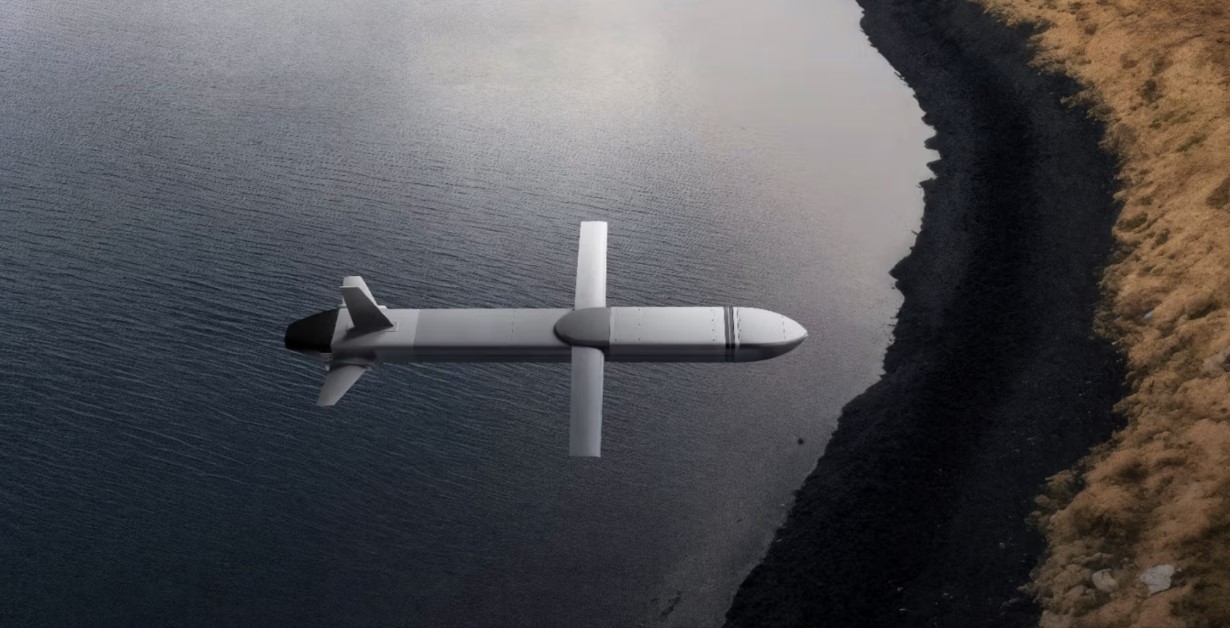
World
MUNICH, Germany / AMSTERDAM, Netherlands — April 14, 2026 : Quantum Systems and Destinus have announced a strategic partnership to integrate unmanned reconnaissance platforms, mission coordination software, and scalable strike systems into a unified operational framework for European and allied armed forces. The agreement centers on linking Quantum Systems’ MOSAIC UXS software suite with its intelligence, surveillance, and reconnaissance (ISR) platforms, alongside Destinus’ scalable strike and response systems. The integration is designed to establish a continuous operational workflow that connects real-time reconnaissance data with strike execution capabilities. Integrated Workflow and Real-Time Data Processing Under the partnership, reconnaissance data collected by Quantum Systems’ unmanned platforms will be processed and distributed through the MOSAIC UXS architecture. This data will then be made immediately accessible to Destinus’ engagement systems within a shared, automated workflow. The companies stated that the objective is to accelerate the “sensor-to-effector” cycle by enabling faster data transmission, targeting coordination, and operational response. This approach is intended to improve decision-making speed in complex and contested environments while maintaining structured command oversight. Open Architecture and Interoperability The joint framework is based on an open, vendor-neutral architecture, allowing armed forces to integrate systems from multiple manufacturers within a single digital environment. This design enables flexibility in selecting technologies suited to specific operational requirements without dependency on a single supplier. The system is also designed to be compatible with existing national command networks and NATO command-and-control structures. Despite automation in data handling and targeting processes, both companies emphasized that all decisions regarding the deployment of strike systems will remain under human command authority. Platform Capabilities and System Design MOSAIC UXS, developed by Quantum Systems, is a modular mission software platform that provides unified command and control for unmanned systems across air, land, and maritime domains. The platform supports AI-assisted mission planning, real-time sensor data fusion, and 3D mission-area mapping. It also features open interfaces that enable integration of third-party systems without requiring disclosure of proprietary technologies. Quantum Systems, headquartered in the Munich area, specializes in AI-enabled unmanned systems and develops integrated hardware and software solutions for real-time operational intelligence and decision support. Its platforms are widely used for ISR missions. Destinus focuses on the development and industrial-scale production of scalable, cost-asymmetric strike and air defense systems. Its portfolio includes autonomous strike platforms, cruise missiles, and interception solutions designed for high-intensity operational environments and rapid production requirements. Strategic Context and Operational Scope Company representatives stated that the partnership addresses the need for improved coordination between intelligence gathering and strike execution within European defense frameworks. The integration is intended to enable long-range connectivity between sensors and effectors while maintaining compatibility with existing command structures. Both companies currently supply systems to Ukraine and maintain operational and manufacturing links within the region. The partnership builds on their shared emphasis on European technological sovereignty and open-system design. No financial terms or implementation timelines were disclosed in the joint announcement.
Read More → Posted on 2026-04-14 15:15:55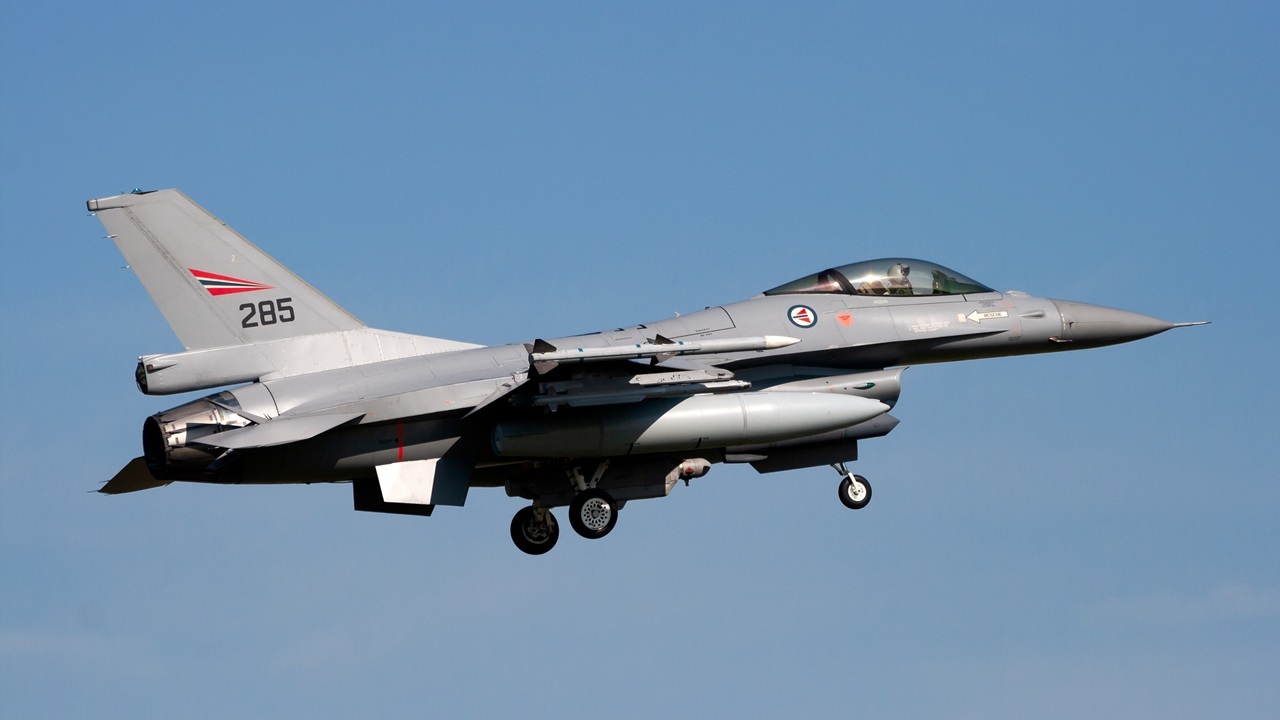
World
Oslo, Norway — April 14, 2026 : Norway has not delivered any of the six F-16 Fighting Falcon jets it pledged to Ukraine, according to the latest available information as of April 2026. All aircraft remain in Belgium undergoing preparation, and under current estimates, deliveries are not expected before spring 2027. Background and Transfer Timeline Norway first announced in August 2023 that it would supply at least six F-16 multirole fighters to Ukraine as part of a broader international coalition. Early projections indicated that deliveries could begin in 2024, with subsequent official statements suggesting completion by the end of 2025. Ownership of the aircraft was formally transferred to Ukraine between 2024 and 2025, though physical delivery has not taken place. Current Location and Aircraft Condition All six aircraft are currently located at the Sabena Engineering maintenance facility in Belgium. The fleet consists of two aircraft previously used for pilot training in Denmark and four aircraft that were not flight-ready at the time of transfer. The two training aircraft have been at the Belgian facility for more than a year undergoing required repairs and overhaul. The remaining four jets were dismantled in Norway, packed into crates, and transported by cargo aircraft from Bodø in April 2025. Each of these four airframes is reported to be missing approximately 100 components. None of the six aircraft are currently combat-ready. Sources indicate that refurbishment and reassembly work on the four dismantled jets has not yet begun, despite their arrival roughly one year ago. Maintenance Constraints and Delays The primary factor behind the delay is limited capacity at the Sabena Engineering facility, which is responsible for servicing and preparing multiple F-16 aircraft, including those already in Ukrainian service. This constraint has slowed both the overhaul of the two training jets and the planned reassembly of the four crated aircraft. Norwegian Defence Minister Tore O. Sandvik confirmed that the aircraft are undergoing preparation in Belgium and stated that Ukraine, in coordination with donor countries, determines prioritization of work at the facility. Under an optimistic scenario in which refurbishment begins promptly and takes approximately one year, the aircraft could be delivered to Ukraine by spring 2027. Preparations related to the transfer have been ongoing for about two and a half years. Domestic and Political Context The delay has drawn attention within Norway due to earlier public messaging suggesting that deliveries were progressing on schedule. Peter Frølich, head of the Norwegian parliamentary defence committee, noted that there had been a general perception that the aircraft were already operational in Ukraine. Records also indicate that Norway previously sold 32 of its most operational F-16 aircraft, along with key spare parts, to Romania. As a result, the aircraft allocated for Ukraine were in comparatively lower readiness states, contributing to the current refurbishment requirements. Wider F-16 Coalition Developments Norway’s delayed transfer reflects broader challenges within the multinational fighter coalition established in 2023. Norway and Belgium together account for 36 delayed aircraft out of a total of 79 pledged. Belgium has committed 30 F-16s but has not delivered any so far, citing delays in receiving replacement F-35 Lightning II aircraft needed to maintain its own fleet readiness. In contrast, the Netherlands and Denmark have supplied operational aircraft to Ukraine. The Netherlands has delivered all 24 of its pledged jets, while Denmark has delivered the majority of its 19 aircraft. As of April 2026, the Ukrainian Air Force operates an estimated fleet of up to 39 F-16s, all sourced from Dutch and Danish contributions, with adjustments accounting for reported combat losses. Additional Support Measures In parallel with aircraft commitments, Norway has provided support to Ukraine’s air capabilities through procurement of F-16 ammunition and air-defence systems via the JUMPSTART mechanism. No updated delivery schedule has been announced by Norwegian authorities beyond the current estimate pointing to potential delivery in spring 2027.
Read More → Posted on 2026-04-14 15:22:05
World
VILNIUS, Lithuania — April 14, 2026 : Lithuania has received a new batch of components for its National Advanced Surface-to-Air Missile System (NASAMS), as part of its ongoing efforts to strengthen national air defence capabilities. The delivery was confirmed by the Lithuanian Ministry of National Defence, which also released images showing two launcher units transported by truck to the Lithuanian Air Force Air Defence Battalion. The systems were supplied by Kongsberg Defence & Aerospace, the Norwegian defence contractor responsible for co-developing NASAMS alongside U.S.-based Raytheon Technologies. According to official information, deliveries of additional system components, including fire control centres and radar units, began in late March 2026. The newly delivered battery is expected to reach initial operational capability by the end of 2026. NASAMS is a modular, medium-range, ground-based air defence system designed to detect, track, and engage a wide range of aerial threats. These include fixed-wing aircraft, helicopters, unmanned aerial vehicles, and cruise missiles. The system primarily employs AIM-120 AMRAAM interceptors and features an open architecture that allows integration with various sensors and command-and-control networks. Procurement Timeline and System Integration Lithuania’s acquisition of NASAMS began in 2017, when the government signed an initial contract valued at €109 million for the NASAMS III configuration. Following a period of testing and integration, the first two batteries were formally handed over to the Lithuanian Armed Forces on October 30, 2020. The country has since expanded its procurement through multiple follow-on agreements. On December 14, 2023, Kongsberg and the Lithuanian government signed a second contract worth €200 million. This agreement included not only additional NASAMS units but also provisions to modernize the systems originally acquired in 2017. Further expansion was confirmed in October 2024, when Lithuania concluded a third contract valued at €193 million. This agreement covers additional NASAMS systems and continued upgrades to earlier equipment, ensuring standardization and interoperability across the country’s air defence infrastructure. Deliveries under the 2024 contract are scheduled to begin in the second quarter of 2028. Defence Funding and Associated Acquisitions In April 2025, the Lithuanian government approved €187.7 million in borrowed funds to support priority defence acquisitions. These funds were structured as advance payments to secure production timelines for key military systems tied to the development of Lithuania’s planned national combined arms division. Of this allocation, €150 million was designated for the procurement of 27 Boxer Infantry Fighting Vehicles, locally known as the “Vilkas” variant. Deliveries of these vehicles are expected between 2027 and 2029. The remaining €37.7 million was allocated to secure future NASAMS deliveries, with those systems currently scheduled for arrival in 2028. In parallel, the United States approved a Foreign Military Sale to Lithuania in October 2023 valued at approximately $100 million. The package includes 36 AIM-120C-8 AMRAAM missiles and associated support equipment, which will serve as the primary interceptors for Lithuania’s NASAMS batteries. Support to Ukraine Alongside domestic procurement, Lithuania has also contributed to strengthening Ukraine’s air defence capabilities. In June 2023, the Lithuanian Ministry of National Defence signed a €9.8 million contract with Kongsberg for the purchase of two NASAMS launchers specifically intended for transfer to Ukraine. These launchers were configured to integrate with existing NASAMS systems already operated by Ukrainian forces, supplied earlier by Norway and the United States. On November 10, 2023, Lithuanian authorities confirmed that the launchers and associated equipment had been successfully delivered to Ukraine. Ongoing Air Defence Development The latest deliveries form part of Lithuania’s broader strategy to develop a layered and integrated air defence network. The expansion of NASAMS capabilities is aligned with national defence planning objectives, including the establishment and support of the country’s 1st Division. No additional technical specifications or financial details beyond previously announced contracts have been disclosed by the Lithuanian Ministry of National Defence or Kongsberg.
Read More → Posted on 2026-04-14 15:28:56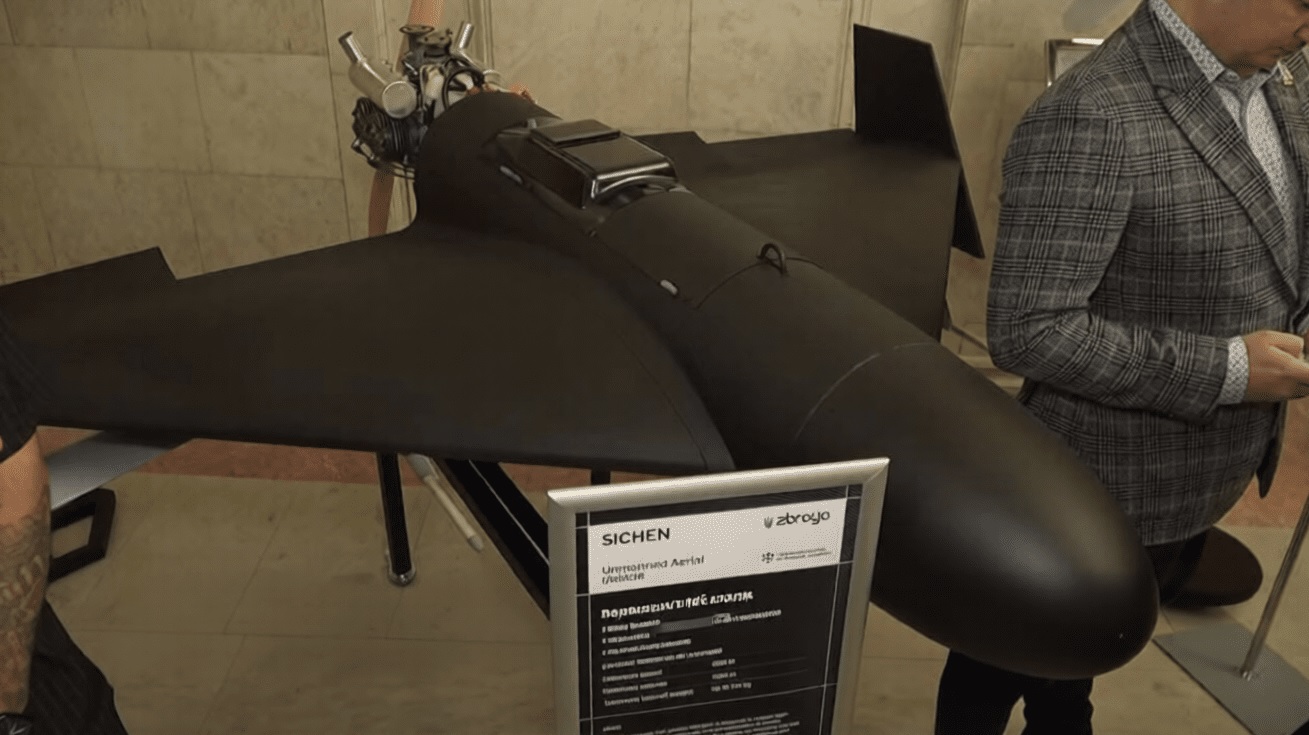
World
KYIV, Ukraine — April 14, 2026 : Ukraine has publicly presented a new domestically developed long-range strike unmanned aerial vehicle (UAV), designated Sichen, during an updated exhibition of Ukrainian-made weapons and military equipment organized by the Ministry of Foreign Affairs. The event was held to mark the Day of Ukraine’s Defense Industry Workers and was attended by foreign diplomats and officials. The Sichen is classified as a kamikaze-type unmanned system intended for deep-strike operations against high-value targets, critical infrastructure, and concentrations of enemy forces at operational-tactical depth. The system forms part of Ukraine’s ongoing effort to expand its indigenous portfolio of long-range strike capabilities. Technical Characteristics and Capabilities According to official specifications released during the exhibition, the Sichen UAV has a maximum operational range of up to 1,400 kilometers. It is capable of carrying a 40-kilogram warhead and has a maximum takeoff weight of 140 kilograms. The drone can reach speeds of up to 200 kilometers per hour and operates at altitudes of up to 1,500 meters. The system is reported to achieve strike accuracy within a margin of up to 20 meters. Preparation time prior to launch does not exceed 15 minutes, indicating a design focus on rapid deployment. The drone is also engineered to operate in environments with active electronic warfare interference and supports both daytime and nighttime missions. Development Background and Operational Use Although formally presented at the April 14, 2026 exhibition, Ukrainian sources indicate that the Sichen system was first used in operational conditions in 2023. Its inclusion in the exhibition reflects continued development and refinement of long-range unmanned strike systems under Ukraine’s domestic defense programs. No additional technical details, including the identity of the manufacturer or the propulsion system used, were disclosed in the official materials. The platform is described as having a configuration optimized for long-range one-way attack missions. Exhibition Context and Related Systems The Sichen UAV was displayed alongside a range of other Ukrainian-developed weapons and unmanned systems. These included the R-360 Neptune cruise missile, the AREION system, and the Flamingo long-range platform. Additional unmanned aerial vehicles presented at the exhibition included the Buntar-3, GOR, and Sova-150 systems, as well as interceptor and reconnaissance platforms such as STING. The exhibition featured more than 50 types of domestically produced military systems, highlighting Ukraine’s emphasis on expanding internal defense manufacturing capabilities during the ongoing conflict. Strategic Context The presentation of the Sichen coincides with recent statements by President Volodymyr Zelenskyy regarding the performance of Ukrainian long-range unmanned systems. According to these statements, platforms including the Sichen and Liutyi drones have demonstrated flight ranges exceeding 1,700 kilometers in certain configurations. The Sichen is intended to complement existing strike assets by providing a modular and rapidly deployable platform capable of engaging targets at extended distances. As of April 14, 2026, no information has been released regarding production volumes, unit costs, or detailed deployment status. All available data on the system is derived from official exhibition materials and associated government statements.
Read More → Posted on 2026-04-14 15:34:50
India
NEW DELHI, — April 14, 2026 : The Indian Army has issued an open tender for the procurement of 572,692 units of 30mm VOG-17/30 high-explosive fragmentation grenades equipped with a self-destruct mechanism (SDM), as part of its ongoing effort to maintain operational ammunition reserves for infantry units. The Request for Proposal (RFP), released on April 9, 2026, has been issued by the Integrated Headquarters of the Ministry of Defence (Army) under tender reference A/18153/30mm VOG AGL/MGS/Brig Proc. The tender was published approximately five days prior to April 14 and follows the standard Global Tender Enquiry process adopted for such procurements. Procurement Scope and Timeline According to the tender document, the total requirement stands at 5,72,692 rounds of 30×29mm VOG-17/30 ammunition. The bidding process is scheduled to open on April 22, 2026, and close on April 29, 2026, with bid opening set for April 30, 2026. The tender specifies an Earnest Money Deposit (EMD) of ₹20.27 crore, while the contract execution period has been defined as 730 days. Additionally, the bid validity period is set at 540 days. The procurement will follow a two-cover bidding system, in line with Ministry of Defence procedures. The acquired ammunition is designated for delivery to the Central Ammunition Depot (CAD) in Pulgaon, Maharashtra. No official details regarding the estimated contract value or potential participating vendors have been disclosed. Ammunition Characteristics and Operational Role The VOG-17/30 is a 30mm high-explosive fragmentation grenade designed for use in automatic grenade launchers. It is a belted 30×29mm cartridge featuring a thin-walled steel body, a copper driving band, and a pre-fragmented wire coil. The grenade contains approximately 0.032 kg of high explosive and has a total weight of about 0.35 kg. In operational terms, the ammunition is used for area suppression and anti-personnel roles. It provides effective fire support against personnel in open terrain or behind light cover. The standard VOG-17 variant has a lethal fragmentation radius of approximately 7 metres, while improved variants such as the VOG-30 offer an increased radius. The grenade has a maximum effective range of up to 1,700 metres and is fired at a muzzle velocity of approximately 185 metres per second. Platform Compatibility The ammunition is compatible with the AGS-17 “Plamya” and AGS-30 automatic grenade launchers, both of which are currently in service with the Indian Army. These Soviet-origin systems have been deployed since the 1980s and continue to serve as standard platoon-level support weapons, capable of delivering both direct and indirect fire. Self-Destruct Mechanism and Safety Features A key technical requirement in the current procurement is the inclusion of a self-destruct mechanism (SDM) integrated into the fuze system. The fuze is of the point-detonating, super-quick type and is designed to arm after the grenade has traveled a safe distance of 10 to 60 metres from the launcher. If the grenade fails to detonate upon impact, the SDM initiates automatic detonation within 28 to 36 seconds. This feature is intended to reduce the presence of unexploded ordnance (UXO) on the battlefield, thereby minimizing risks to military personnel and civilians in post-engagement environments. Sustained Inventory Management The Indian Army has operated the AGS-17 and AGS-30 systems for several decades and conducts periodic procurement cycles to replenish ammunition stocks. Previous tenders have included components such as fuzes for VOG-17 grenades and training-related cut models. The current procurement of complete rounds with integrated SDM reflects a continuation of these sustainment efforts, incorporating updated safety specifications while ensuring compatibility with existing weapon platforms.
Read More → Posted on 2026-04-14 15:40:19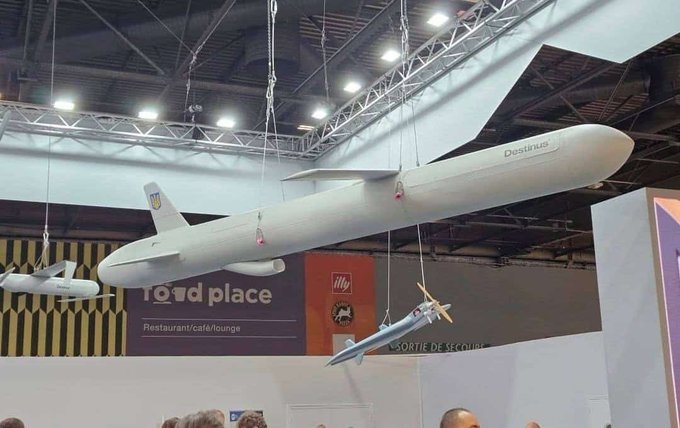
World
DÜSSELDORF, Germany — April 14, 2026 : Rheinmetall and Destinus have agreed to form a joint venture, Rheinmetall Destinus Strike Systems, focused on the manufacture, marketing, and delivery of advanced missile systems, including cruise missiles and ballistic rocket artillery. The joint venture is expected to be formally established in the second half of 2026, subject to regulatory approvals. It will be headquartered at Rheinmetall’s existing facility in Unterlüß, Lower Saxony, Germany. Under the agreed ownership structure, Rheinmetall will hold a 51 percent majority stake, while Destinus will retain a 49 percent share. Structure and Operational Framework Rheinmetall Destinus Strike Systems will utilize Rheinmetall’s industrial infrastructure in Unterlüß, which includes one of Europe’s largest privately operated testing and trial areas. The site will serve as the central hub for final assembly, qualification, and certification of missile systems in accordance with NATO standards. While core production and certification processes will be conducted in Germany, Destinus will continue to operate from its headquarters in the Netherlands. The company will maintain responsibility for the development and production of key components across its broader European network, which will supply the German-based assembly lines. Integration of Capabilities The joint venture is structured to combine Rheinmetall’s large-scale production capacity and program management experience with Destinus’s aerospace engineering and missile system design capabilities. Destinus will serve as the technological core of the initiative. The company has established expertise in autonomous flight systems and missile development, supported by a workforce of more than 700 engineers and nearly €400 million in raised capital. It currently produces over 2,000 cruise missile systems annually. Its portfolio includes systems such as the Ruta and Kryla cruise missiles, the Lord long-range effector, and the Hornet interceptor. Destinus has also supplied its Ruta missile-drone hybrid system to Ukrainian forces since 2024. A Block 2 variant of the Ruta, unveiled in early 2026, features a range exceeding 450 kilometers and a 250-kilogram warhead, supported by AI-guided multimode navigation. Rheinmetall will contribute its manufacturing facilities, qualification infrastructure, and experience in managing large-scale defense programs. The company will also oversee certification processes aligned with NATO requirements and may handle distribution of the systems, depending on program outcomes. Strategic Context and Industry Implications According to Armin Papperger, the partnership is designed to integrate Rheinmetall’s production capabilities with Destinus’s system design and technological expertise. The joint venture is intended to address existing industrial capacity constraints in Europe’s defense sector and support increasing demand from European and NATO customers. The announcement aligns with Rheinmetall’s broader expansion into missile-related activities, including air-defense integration and licensed production programs. It also reflects Destinus’s continued focus on scalable strike and interception systems. Programme Scope and Outlook At present, the companies have not disclosed detailed information regarding specific missile systems beyond cruise missiles and ballistic rocket artillery. Timelines for initial production and financial terms associated with the joint venture have also not been made public. The establishment of Rheinmetall Destinus Strike Systems represents a coordinated effort to expand Europe’s industrial base for precision strike capabilities, leveraging complementary expertise from both companies within a unified production framework.
Read More → Posted on 2026-04-14 15:45:36
World
KYIV, Ukraine — April 14, 2026 : Ukraine has publicly presented a newly developed, domestically manufactured surface-to-air missile designed for use with its existing 9K33M3 Osa-AKM short-range air defense systems. The unveiling was included in official materials released on April 13, 2026, marking the Day of the Defense Industry Worker, and forms part of ongoing efforts to sustain and modernize legacy Soviet-era air defense capabilities amid continued operational demands. Development and Design Characteristics Visual analysis of the missile, based on released imagery and video footage, indicates a design closely aligned with the Soviet-origin 9M33-series interceptors, particularly the 9M33M3 variant traditionally employed by the Osa-AKM system. The missile’s external configuration—including rear stabilizing fins, forward control surfaces, and overall dimensions—appears largely consistent with the original design, suggesting compatibility with existing launch infrastructure without major modifications. The newly introduced munition is assessed to be a direct domestic replacement for the 9M33M3 missile, developed to address diminishing stocks of legacy interceptors. While Ukrainian authorities have not disclosed official technical specifications, the use of modernized internal components is expected. These likely include updated microelectronics, improved guidance systems, and enhanced resistance to electronic warfare environments. Such upgrades are assessed to improve target tracking reliability and engagement effectiveness, particularly against contemporary aerial threats such as unmanned aerial vehicles (UAVs). Reference Specifications of Legacy Missile For context, the original 9M33M3 missile weighs approximately 126.3 kilograms and carries a 15-kilogram warhead. It has a length of 3,158 millimeters, a body diameter of 206 millimeters, and a wingspan of 650 millimeters. The missile operates using radio-command guidance, reaches speeds of up to 500 meters per second, and is capable of engaging targets at ranges between 1.5 and 10 kilometers, with an altitude envelope from 25 to 5,000 meters. Earlier system-level data for the Osa-AKM indicates a maximum engagement range of up to approximately 15 kilometers and altitude coverage extending to 12,000 meters under certain conditions. The Osa-AKM Air Defense System The 9K33M3 Osa-AKM, designated by NATO as the SA-8B “Gecko,” entered service in 1980 as a mobile, all-weather, short-range air defense system. It is designed to protect ground forces and critical infrastructure against low-flying aircraft, helicopters, cruise missiles, and, more recently, unmanned systems. Each Osa-AKM vehicle integrates radar, command guidance, and launcher components, typically carrying six containerized missiles ready for immediate deployment. Ukraine continues to operate the Osa-AKM as part of its layered air defense network, particularly for point defense and frontline coverage roles. Addressing Interceptor Shortages The introduction of a domestically produced replacement missile directly addresses a key logistical constraint faced by Ukrainian forces. Sustained operational use—particularly against reconnaissance and strike UAVs such as Shahed-series loitering munitions and Orlan-type drones—has significantly reduced available stocks of original Soviet-era 9M33M3 interceptors. Prior to the development of this new missile, Ukraine implemented several interim solutions to maintain operational readiness of its Osa systems. One such approach, referred to as the “Hornet” or FrankenSAM project, involved modifying Osa launchers to deploy R-73 infrared-guided air-to-air missiles. This adaptation introduced a limited “fire-and-forget” capability and provided an alternative to radar-guided interceptors. In parallel, Ukraine has fielded upgraded variants of the system sourced from Poland, including the Osa-AKM-P1 Żądło configuration. These upgraded platforms incorporate improved optoelectronic targeting systems and night-vision capabilities, allowing operators to detect and engage aerial targets visually when radar emissions are restricted due to tactical considerations. While these measures extended the operational life of the platform, they did not fully replicate the original system’s command-guided engagement profile. The new domestically produced missile restores this capability, enabling continued use of the Osa-AKM in its intended configuration. Broader Defense Industry Context The unveiling of the Osa-AKM-compatible missile occurred alongside other Ukrainian-developed systems presented during the same event. These included the Sichen long-range loitering munition, the Neptune cruise missile, and the Vilkha guided rocket system, reflecting broader efforts to expand domestic defense production capabilities. The development aligns with Ukraine’s strategy to reduce reliance on external military aid and finite Cold War-era stockpiles by establishing sustainable local manufacturing for critical munitions. By producing compatible interceptors domestically, Ukraine aims to maintain consistent short-range air defense coverage for both military formations and key infrastructure. No official information has been released regarding production timelines, unit costs, or the current status of serial manufacturing for the new missile.
Read More → Posted on 2026-04-14 16:09:05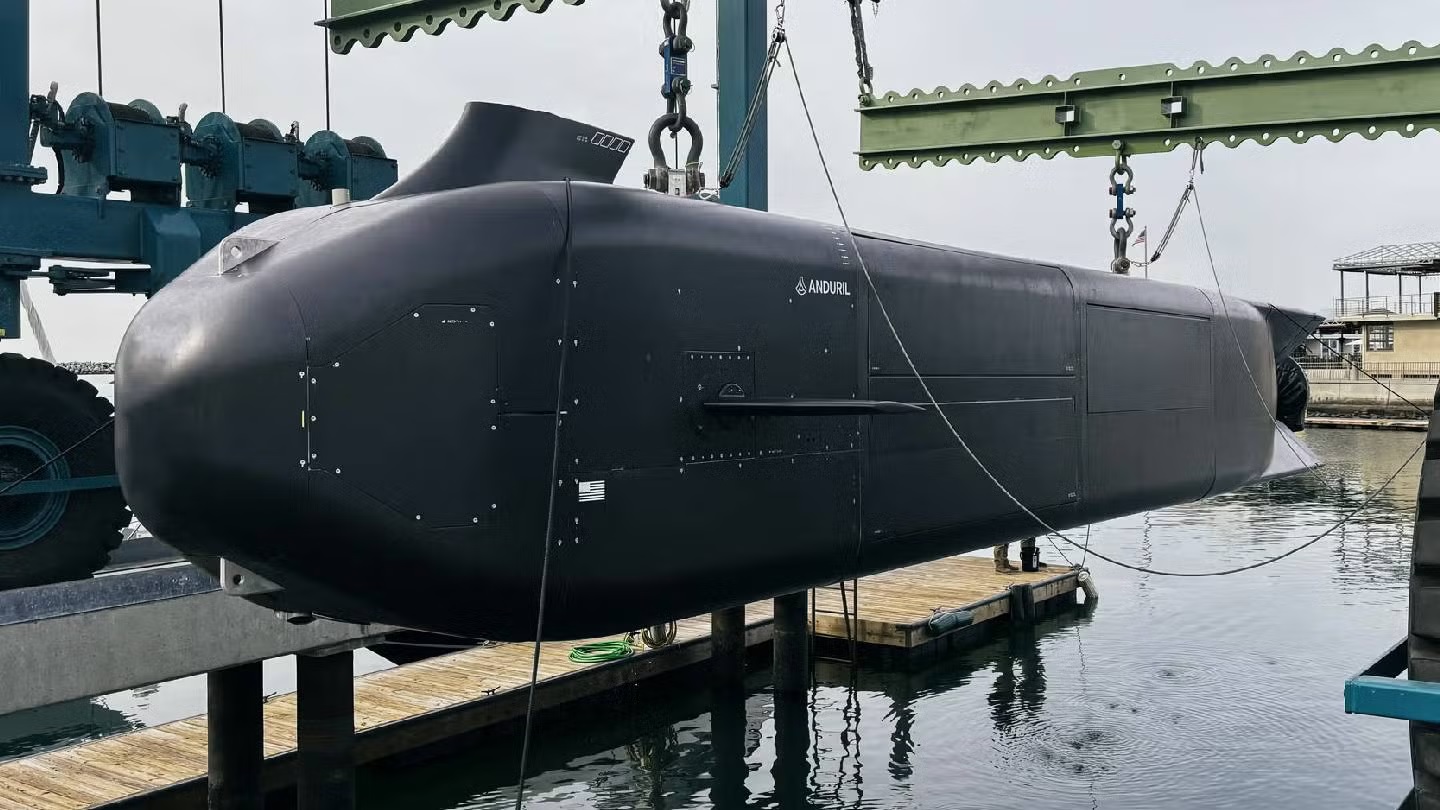
World
CANBERRA, — April 15, 2026 : The Royal Australian Navy (RAN) has formally activated the Maritime Autonomous Systems Unit (MASU) on April 14, 2026, marking the transition of Australia’s uncrewed maritime programs from prototype testing to operational deployment. Established under Project SEA 1200, the unit consolidates the Ghost Shark, Bluebottle, and Speartooth programs into a single command structure designed to deliver deployable autonomous maritime capabilities. The activation introduces an institutional framework that enables the Navy to integrate autonomous platforms into frontline operations, supporting persistent surveillance, undersea warfare, and distributed maritime presence in accordance with Australia’s 2024 National Defence Strategy. Organizational Structure and Operational Role MASU has been structured to provide centralized command and operational integration of uncrewed systems across the fleet. The unit incorporates an Uncrewed Systems Control Centre and Deployable Vehicle Teams, allowing operators to deploy, monitor, and control autonomous systems from any wharf location globally. The unit is responsible for doctrine development, operational employment, operator training, and continuous testing and evaluation of autonomous maritime technologies. It operates under the oversight of Commander Submarines, Commodore Dan Sutherland, with Commander Chris Forward serving as Officer in Charge. According to official statements, MASU is designed to function as the headquarters for a hybrid force that integrates crewed naval platforms—including submarines, surface combatants, and maritime patrol aircraft—with autonomous systems. The unit’s stated motto is “We Wait, We Strike.” Autonomous Fleet Composition MASU operates a layered architecture of three distinct uncrewed maritime platforms, each designed to fulfill specific operational roles across the maritime domain. Ghost Shark (Extra-Large Autonomous Undersea Vehicle) Ghost Shark serves as the primary high-endurance and survivable undersea platform within MASU. The program began in 2022 through collaboration between the RAN, the Defence Science and Technology Group, and Anduril Australia. It was subsequently incorporated into the Advanced Strategic Capabilities Accelerator under Mission Zero. The first prototype was delivered in April 2024, one year ahead of schedule. On September 10, 2025, the Australian Government awarded a A$1.7 billion, five-year contract to Anduril Australia covering production, sustainment, and continued development. As of April 15, 2026, the Navy has taken delivery of its first production vehicles. Ghost Shark measures between 10 and 30 meters in length and uses an all-electric propulsion system with a “flooded hull” design, eliminating the need for a pressurized crew compartment. Waterproof compartments protect propulsion and payload systems, while onboard autonomy is managed through Anduril’s Lattice AI framework. The platform is designed for long-range, long-endurance intelligence, surveillance, and reconnaissance (ISR) missions, with the capability to carry modular payloads. While specific armament details remain undisclosed, officials confirm the system is designed to deliver kinetic effects when required. Bluebottle (Uncrewed Surface Vessel) The Bluebottle uncrewed surface vessel provides persistent surface and sub-surface surveillance capabilities. It is developed by Sydney-based Ocius Technology in partnership with the Navy. Powered by a combination of solar, wind, and wave energy, Bluebottle is capable of operating continuously for months without refueling. The vessel travels at approximately 5 knots and supports a modular payload of up to 300 kilograms, with average power consumption between 100 and 120 watts. Bluebottle platforms are equipped with variable-depth sensors and operate under a “human-on-the-loop” control model. They also function as communication relay nodes, particularly for submerged autonomous systems. On March 11, 2026, the Australian Government awarded a A$176 million contract for 40 additional vessels, expanding the RAN’s operational Bluebottle fleet to 55 units. Speartooth (Large Uncrewed Underwater Vehicle) Speartooth, developed by Melbourne-based C2 Robotics, fills the capability gap between smaller surface systems and larger extra-large underwater vehicles. The platform is designed as a low-cost, scalable, and modular large uncrewed underwater vehicle optimized for rapid manufacturing. It incorporates a common command-and-control architecture, direct propeller propulsion, and variable-buoyancy propulsion systems. Speartooth is intended for long-range and long-duration missions, including seabed surveillance, scouting, decoy operations, and payload delivery in contested environments. Its lower cost profile allows deployment in scenarios where use of higher-value systems such as Ghost Shark may not be operationally optimal. The platform has also participated in interoperability activities under AUKUS Pillar Two, including trials alongside the HMS Anson. Operational Integration and Layered Employment MASU enables a distributed and layered operational model across the maritime domain. Bluebottle vessels provide wide-area maritime awareness and sensor coverage. Speartooth systems investigate contacts, conduct seabed operations, and deploy distributed payloads. Ghost Shark platforms are tasked with deeper penetration missions, including intelligence gathering and potential strike operations. The systems can be deployed from shore facilities, surface vessels, or containerized launch solutions, providing flexibility in both peacetime and contested environments. Strategic Context and AUKUS Alignment The establishment of MASU aligns with the requirements outlined in Australia’s 2024 National Defence Strategy, particularly the need for persistent surveillance and operational reach across the country’s northern maritime approaches. The Australian Government has allocated up to A$7.2 billion for subsea warfare capabilities and autonomous maritime systems as part of this effort. MASU also serves as the RAN’s central organization for advancing cooperation under AUKUS Pillar Two, focusing on the integration of autonomous systems, software development, and joint operational concepts with allied partners. Programs such as Ghost Shark and Bluebottle are structured as sovereign industrial initiatives, with domestic production and supply chains involving more than 40 Australian companies. The activation of MASU reflects the transition of these industrial efforts into operational capability within the fleet. Capability Transition to Operational Service The activation of MASU represents a shift toward introducing minimum viable capabilities into service at an accelerated pace. By combining development, experimentation, and operational deployment within a single unit, the RAN aims to reduce the time required to integrate emerging technologies into active service. Defence officials state that the unit will continue to refine operational concepts, expand fleet numbers, and enhance system interoperability as autonomous maritime systems become a permanent component of Australia’s naval force structure.
Read More → Posted on 2026-04-15 10:01:28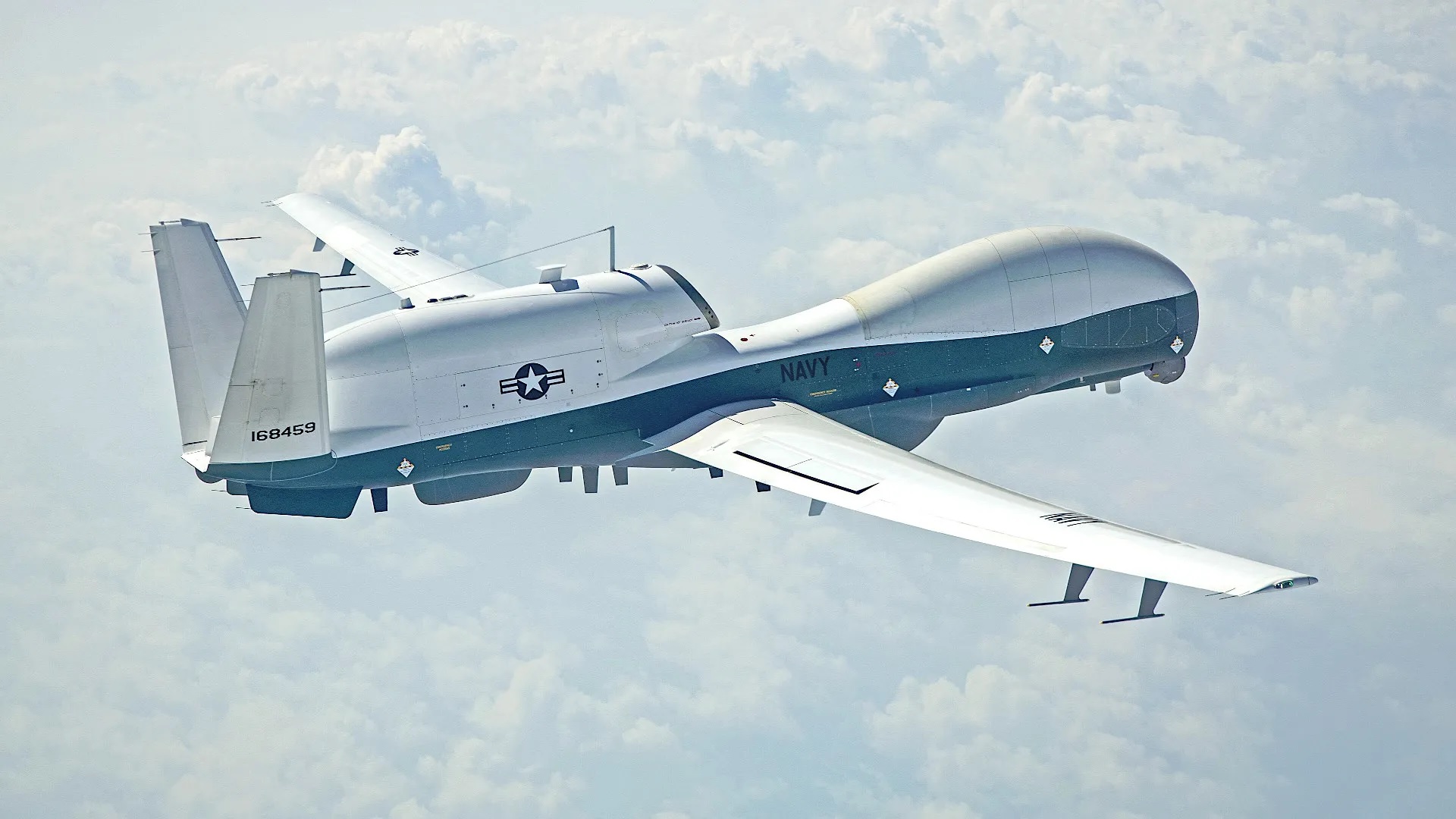
World
WASHINGTON, — April 15, 2026 : The United States Navy has confirmed the loss of an MQ-4C Triton high-altitude, long-endurance unmanned aerial vehicle following a mishap over the Persian Gulf on April 9, 2026. The aircraft, bearing registration number 169804 and valued between $238 million and $243 million, was one of the Navy’s primary maritime intelligence, surveillance, and reconnaissance (ISR) platforms. Incident Overview and Flight Timeline The MQ-4C Triton departed from its forward operating location at Naval Air Station Sigonella in Sicily, Italy, to conduct a routine surveillance mission over the Persian Gulf and the Strait of Hormuz. The platform had previously operated from Sigonella in support of high-altitude monitoring missions related to the Ukraine conflict, including observation of Russian naval activity in the Black Sea region. After approximately three hours of standard patrol operations at a cruising altitude between 50,000 and 52,000 feet, the aircraft transmitted emergency transponder signals. It first squawked code 7400, indicating a loss of communication link with ground control operators, followed shortly by code 7700, signaling a general in-flight emergency. Flight tracking data indicates that the UAV then entered a rapid and continuous descent, dropping from above 50,000 feet to below 10,000 feet within roughly 15 minutes before disappearing from radar coverage over the Gulf. The U.S. Naval Safety Command formally classified the incident as a mishap and confirmed that the aircraft crashed at a location withheld for operational security reasons. The event has been categorized as a Class A mishap, a Department of Defense classification used for incidents involving damage exceeding $2.5 million or total loss of an aircraft. No personnel were injured, as the platform is unmanned. Operational Context and Security Considerations The incident occurred during a period of fragile ceasefire between the United States and Iran, adding strategic sensitivity to operations in the region. While some unverified reports initially suggested the possibility of hostile action or electronic interference, including GPS spoofing or communications jamming, the U.S. Navy has not confirmed any such involvement and continues to describe the event strictly as an operational mishap. The precise crash location has not been disclosed, and recovery of debris remains a priority due to the sensitive nature of the Triton’s onboard systems. The aircraft carries advanced sensor technologies and signals intelligence equipment, and securing wreckage is considered essential to prevent potential exploitation by foreign actors. Platform Capabilities and Role Developed by Northrop Grumman as a naval variant of the RQ-4 Global Hawk, the MQ-4C Triton is a high-altitude, long-endurance (HALE) unmanned system designed for persistent maritime surveillance. The aircraft is equipped with the AN/ZPY-3 Multi-Function Active Sensor radar, which provides 360-degree coverage for tracking and classifying vessels across large ocean areas. Its sensor suite also includes electro-optical and infrared imaging systems, as well as signals intelligence payloads for passive data collection. The Triton is capable of remaining airborne for up to 30 hours, operating at altitudes above 50,000 feet, and covering ranges exceeding 9,400 miles. It can monitor more than 2 million square miles in a single mission. The platform includes de-icing and lightning protection systems, enabling operations in varied and adverse weather conditions, including controlled descents for closer target identification. In addition to surveillance, the aircraft functions as an airborne communications relay, supporting networked operations across maritime theaters. Integration with U.S. Navy Operations The MQ-4C Triton operates from land-based installations and supports theater-level tasking for combatant commanders. It is designed to complement crewed maritime patrol aircraft, particularly the Boeing P-8A Poseidon, by extending ISR coverage over areas where continuous manned presence may not be feasible. The system has been deployed in multiple regions, with initial operational detachments in Guam and Naval Air Station Sigonella, followed by expanded operations within U.S. Central Command. Two operational squadrons manage Triton missions: Unmanned Patrol Squadron 19 (VUP-19) and Unmanned Patrol Squadron 11 (VUP-11), the latter being more recently established to support growing operational demand. Fleet Size, Procurement, and Program Status As of 2025, the U.S. Navy maintained approximately 20 MQ-4C Triton aircraft in active service. The program’s total acquisition objective was revised from an earlier plan of 68 to 70 aircraft down to 27 units, aligning with updated joint operational requirements. In March 2025, the Navy awarded a $267 million contract for the procurement of two additional Triton aircraft, supporting ongoing production and planned fleet completion by 2028. Due to the limited fleet size and high unit cost, the loss of a single airframe represents a measurable reduction in available ISR capacity. Strategic Role and Ongoing Investigation The MQ-4C Triton forms a central component of the U.S. Navy’s strategy to enhance maritime domain awareness and improve sensor-to-shooter integration through the use of unmanned systems. Its ability to provide persistent, wide-area surveillance is particularly relevant for monitoring strategic chokepoints such as the Strait of Hormuz. The U.S. Navy has not released further details regarding the cause of the mishap. Investigation efforts remain ongoing, and no additional information on recovery operations or system failures has been disclosed as of April 15, 2026.
Read More → Posted on 2026-04-15 10:15:42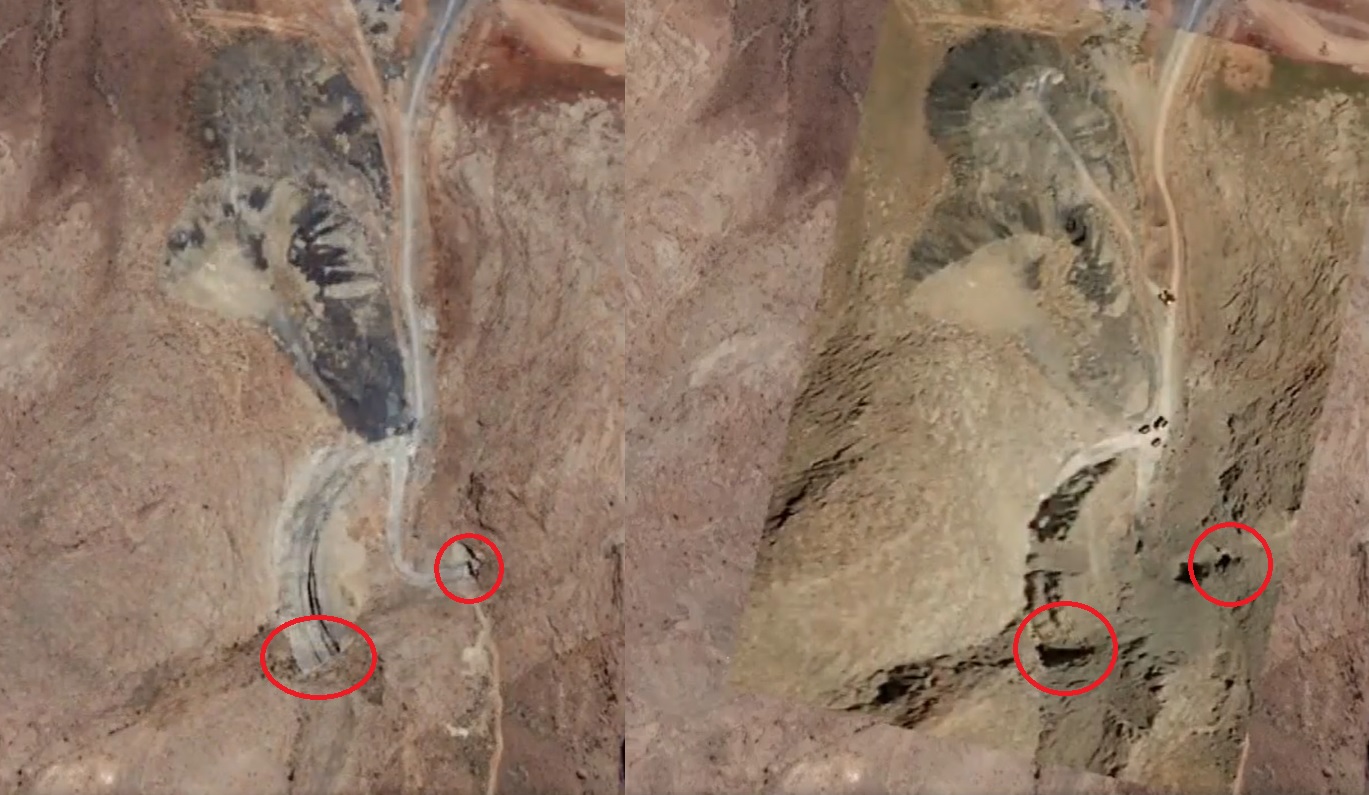
World
WASHINGTON, — April 15, 2026 : Commercial satellite imagery captured on April 10, 2026, indicates that Iran has begun clearing debris from tunnel entrances at an underground ballistic missile base near the city of Khomein in Markazi Province, following recent United States and Israeli airstrikes. The imagery, analyzed and reported by CNN, shows engineering teams using heavy construction equipment to restore access to the site during an ongoing ceasefire. The images depict front-end loaders, excavators, and dump trucks operating at the entrances of tunnel complexes that were struck during a month-long campaign of coordinated U.S. and Israeli airstrikes. The strikes focused on sealing access points rather than penetrating the deeper underground infrastructure, which remains intact inside the mountainous terrain. Targeting Strategy Focused on Tunnel Entrances The Khomein facility is part of Iran’s network of hardened underground installations, commonly referred to as “missile cities,” designed to protect ballistic missile launchers and associated systems. During the conflict, U.S. and Israeli forces targeted tunnel entrances and ventilation shafts with the objective of blocking access and restricting the movement of mobile launchers. This approach resulted in the collapse or obstruction of entry points, effectively trapping missile launchers within the tunnel networks without destroying the internal infrastructure. Prior satellite imagery from the conflict period showed multiple sites with blocked or collapsed entrances, consistent with this operational strategy. Satellite Evidence Confirms Active Excavation Analysis of the April 10 imagery shows Iranian personnel actively removing rubble from tunnel entrances. Heavy machinery is positioned on debris piles, scooping material and transferring it into a line of dump trucks stationed nearby. The activity indicates a coordinated engineering effort to reopen access routes and restore operational mobility within the underground complex. Similar recovery operations have also been observed at other locations, including the Tabriz South Missile Base, suggesting a broader effort to reconstitute access across Iran’s missile infrastructure. Intelligence Assessments on Remaining Capabilities Recent U.S. intelligence assessments, shared with CNN on April 2 and April 3, 2026, estimate that approximately half of Iran’s missile launchers remain intact despite more than a month of sustained airstrikes. This figure includes launchers that were rendered temporarily inaccessible after being buried under debris at tunnel entrances but were not destroyed. Israeli officials have provided lower estimates of intact systems, citing differences in methodology, particularly regarding whether buried or inaccessible launchers are counted as operational assets. Ceasefire Provides Window for Recovery Operations The excavation efforts are taking place during a two-week ceasefire agreed upon by the United States and Iran on April 7, 2026. The pause in hostilities has enabled Iranian forces to deploy engineering teams and heavy equipment to affected sites without the immediate risk of additional strikes. Defense analysts note that the speed of these recovery operations reflects the structural design of Iran’s underground missile facilities. Built into mountainous terrain, the complexes are intended to withstand surface-level attacks while preserving internal systems, allowing access to be restored relatively quickly once debris is cleared. Sam Lair, a researcher at the James Martin Center for Nonproliferation Studies, stated that such activity is consistent with expectations during a ceasefire. He noted that pauses in conflict typically provide opportunities for affected parties to repair or recover military capabilities targeted during active operations. Broader Context of Iran’s Missile Infrastructure The Khomein site, along with similar facilities across Iran, forms part of a dispersed and fortified ballistic missile architecture designed for survivability and rapid deployment. These underground bases enable storage, protection, and launch preparation within tunnel systems embedded in mountainous regions. U.S. intelligence reporting indicates that Iran maintains thousands of ballistic missiles in underground storage and retains the capacity to retrieve or repair launchers that were not directly destroyed during the strikes. As of April 15, 2026, neither U.S. nor Iranian officials have issued formal statements specifically addressing the satellite imagery or the recovery operations observed at the Khomein facility and other sites.
Read More → Posted on 2026-04-15 10:36:39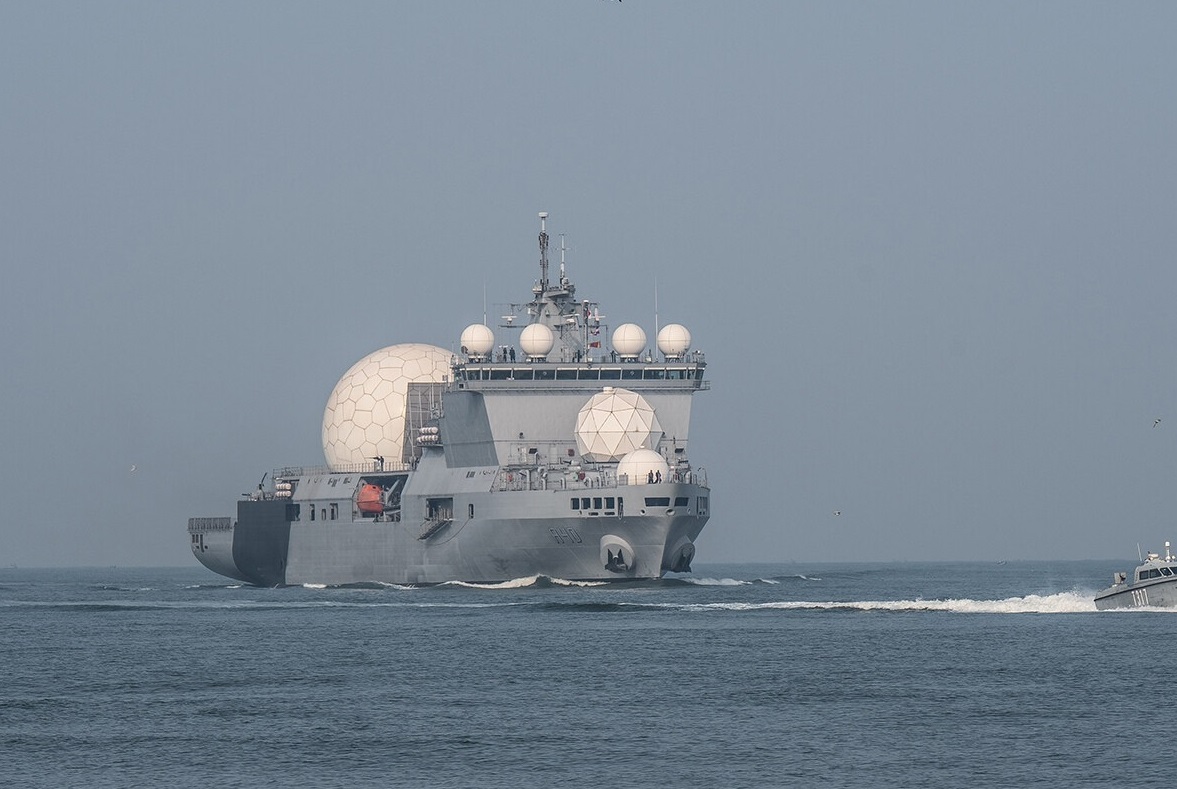
India
NEW DELHI/ISLAMABAD, — April 15, 2026 : Pakistan conducted a scheduled missile test in the North Arabian Sea on April 14 and April 15, 2026, within a designated exclusion zone announced through a Notice to Airmen (NOTAM), while India deployed its ocean surveillance vessel INS Dhruv to monitor the activity from international waters. Test Zone and Airspace Restrictions Pakistan Navy authorities established a restricted zone covering an area of approximately 415 by 450 kilometers in the northern Arabian Sea. The designated region lies off the country’s coastline near Karachi, Ormara, Gwadar, and Sonmiani. The NOTAM imposed temporary restrictions on air traffic routes over the area, extending from sea level to unlimited altitude, to ensure safety during the live-fire exercise. The exclusion zone was active across April 14 and April 15, with maritime and aviation advisories issued in advance. Pakistani officials did not disclose the specific missile system involved in the tests, and no official confirmation has been released regarding the type, range, or configuration of the missile tested. Possible System Characteristics While no formal identification has been provided, defence assessments indicate the test may involve a surface-to-surface ballistic missile, a sea-launched system, or a long-range cruise missile. Analysts note that several of Pakistan’s missile platforms incorporate design elements and technical inputs derived from cooperation with China in both ballistic and cruise missile development programs. Pakistan has previously conducted missile trials in the Arabian Sea region as part of routine validation of its strategic and naval strike capabilities, including systems launched from both land-based and maritime platforms. Indian Navy Deployment In response to the announced test window, the Indian Navy deployed INS Dhruv into the Arabian Sea on April 13, 2026, positioning the vessel in international waters outside the declared exclusion zone approximately 24 hours before the scheduled launch period. INS Dhruv (A40) is a specialized ocean surveillance and missile-tracking ship with a displacement estimated between 15,000 and 17,000 tons. The vessel was built by Hindustan Shipyard Limited with technical contributions from the Defence Research and Development Organisation (DRDO) and the National Technical Research Organisation (NTRO). The ship measures approximately 175 meters in length with a beam of 22 meters and is powered by a combined diesel and diesel (CODAD) propulsion system using twin diesel engines. Tracking and Sensor Capabilities INS Dhruv is equipped with a suite of advanced sensors designed for long-range tracking and telemetry interception. Its primary systems include an X-band active electronically scanned array (AESA) radar and a secondary S-band AESA radar, both housed within large radomes. These systems enable detection, tracking, and analysis of ballistic missile trajectories and satellite movements over extended distances. In addition to radar tracking, the vessel is fitted with telemetry receivers and electronic intelligence systems capable of capturing data related to missile flight characteristics, including velocity, trajectory, staging events, maneuver profiles, and terminal phase behavior. Intelligence Collection Role Operating from international waters allows INS Dhruv to monitor the missile test without entering Pakistan’s restricted zone or violating maritime regulations. From this position, the vessel can collect real-time technical data generated during the launch, including radar signatures and electronic emissions. The deployment enables the Indian Navy to gather direct observational data on the performance parameters of the tested system. Such information is used for analysis, system modeling, and calibration of India’s ballistic missile defence architecture, including early-warning systems and interceptor guidance algorithms. Strategic Context India is among a limited group of countries—including the United States, Russia, China, and France—that operate dedicated missile-tracking ships designed for strategic intelligence collection. The ongoing test by Pakistan forms part of its broader program to validate operational readiness and performance of its strategic missile inventory. The use of the Arabian Sea as a testing range allows for extended flight paths and controlled monitoring conditions. As of April 15, 2026, neither Pakistan’s military authorities nor India’s Ministry of Defence have issued official public statements detailing the outcome of the test or additional operational specifics regarding the deployment of INS Dhruv.
Read More → Posted on 2026-04-15 10:42:47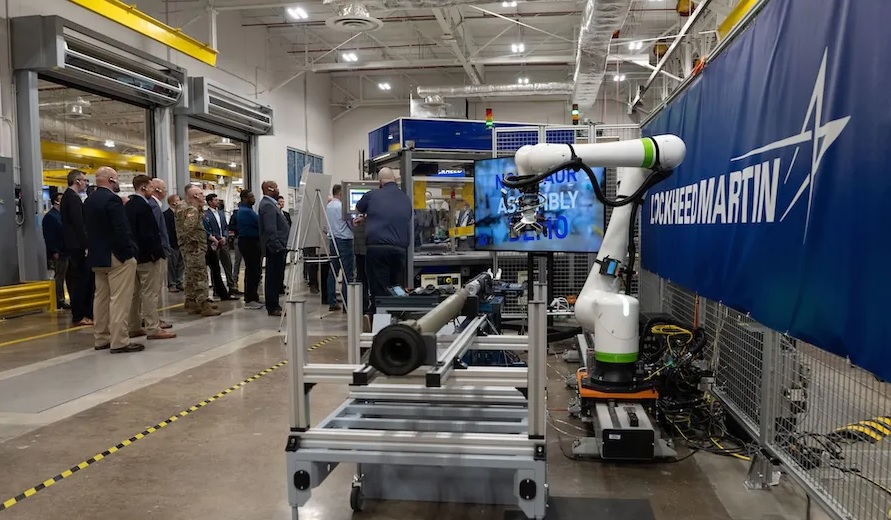
World
GRAND PRAIRIE, Texas — April 15, 2026 : Lockheed Martin has conducted a live, full-scale final assembly demonstration of its Next-Generation Short-Range Interceptor (NGSRI) for representatives of the United States Army at the company’s Advanced Manufacturing Technology (AMT) Center in Grand Prairie, Texas. The event, held in April 2026, showcased the complete assembly of a functional interceptor within a controlled production environment and was intended to validate the company’s end-to-end manufacturing readiness. Demonstration Validates Production Flow The demonstration involved the assembly of an operational interceptor using the same processes planned for full-scale production. Company officials stated that the activity was designed to confirm that the manufacturing workflow—from component integration to final assembly—can meet operational timelines required by the Army. The NGSRI is being developed under Lockheed Martin’s Missiles and Fire Control Advanced Programs portfolio as a replacement candidate for the FIM-92 Stinger missile, which has been in service since 1981. The U.S. Army initiated the replacement program to address emerging aerial threats and the limitations associated with legacy short-range air defense systems. Chris Murphy, business development lead for Lockheed Martin’s NGSRI program, stated that the successful assembly demonstration reflects confidence in the production system and its ability to deliver at scale within required timelines. Facility Built for Scalable Manufacturing The demonstration took place at the AMT Center, a facility established in October 2024 to support rapid adoption of advanced manufacturing technologies across Lockheed Martin’s missile production programs. The specific demonstration area within the center was set up over a three-month period and configured to support multiple programs simultaneously. Key features of the manufacturing setup include dual-robot work cells and modular tooling, enabling flexible production and allowing resources to be reassigned as program priorities evolve. The production line incorporates additive manufacturing (3D printing) to reduce the time required to build each interceptor. Standardized and interchangeable fixtures are used throughout the assembly process to reduce manual handling and minimize the risk of errors. According to the company, this approach allows any trained technician to operate across different stations, supporting consistency in output while improving production efficiency. Lockheed Martin indicated that the facility can scale production significantly, with the capacity to increase output to nearly three times the baseline level if required, without affecting quality or consistency. Program Development and Testing Timeline The assembly demonstration follows earlier milestones in the interceptor’s development. Lockheed Martin received an other transaction agreement for the NGSRI program in 2023. The system progressed from initial concept to flight testing within 26 months. The first flight test of the NGSRI was completed on January 13, 2026, at the White Sands Missile Range. The test marked a key step in validating the interceptor’s design and performance. The NGSRI features an open systems architecture and modular design, enabling adaptability to evolving mission requirements. It is intended to counter a range of aerial threats, including Group 2 and Group 3 unmanned aerial systems (UAS), as well as rotary-wing and fixed-wing aircraft. Competitive Program and Procurement Outlook Lockheed Martin is currently competing with RTX Corporation for the U.S. Army’s NGSRI procurement contract. The Army plans to select a single design, with low-rate initial production targeted for 2028. The company stated that the April 2026 manufacturing demonstration is aimed at reinforcing its position in the competition by demonstrating both technical maturity and production scalability. Lockheed Martin officials emphasized that the AMT Center’s infrastructure and supply chain integration are aligned with Army requirements for reliable delivery and the ability to increase production volumes in response to future operational demands. Murphy stated that the demonstration highlights the company’s capability to deliver mission-ready systems while maintaining flexibility to scale production as required by evolving defense needs.
Read More → Posted on 2026-04-15 13:05:56 Fairbanks Morse Defense Unveils AutoHook, Autonomous USV Recovery System with Sea State 4 Capability
World
BELOIT, Wisconsin — April 15, 2026 : Fairbanks Morse Defense (FMD) has formally introduced AutoHook™, a fully autonomous vessel recovery interface developed by its Norway-based subsidiary Vestdavit. The system is designed to support Unmanned Surface Vehicles (USVs) and other maritime assets and establishes a new benchmark in autonomous Launch and Recovery Systems (LARS) by enabling operations without human intervention at the critical connection point. System Overview and Design AutoHook is engineered as a compact, lightweight clamp-on-davit wire unit that can be mounted directly onto existing davit systems without requiring modifications to winches or structural components. The unit integrates multiple subsystems—including thrusters, onboard control systems, an artificial intelligence-based vision system, and its own power supply—within a single minimal-footprint configuration. The system eliminates the need for an additional cradle during loading and unloading operations, reducing both equipment requirements and handling complexity. It is designed for interoperability across allied maritime fleets and aligns with NATO operational standards, allowing integration into a wide range of naval platforms without significant capital investment. Operational Capabilities and Sea State Performance A central feature of AutoHook is its ability to operate in higher sea conditions than existing systems. Traditional autonomous recovery solutions have generally been limited to Sea State 2 conditions. AutoHook has achieved operational acceptance at Sea State 4, extending the operational envelope for unmanned maritime recovery. The system is designed with safety as a primary consideration. By removing the requirement for personnel to manually attach lifting hooks in high-energy marine environments, AutoHook reduces the risk of injuries during launch and recovery operations. Autonomous Recovery Process AutoHook operates through a four-phase automated sequence: Targeting: The system uses an AI-driven vision system to identify and track the lifting point of an approaching vessel in real time, independent of operator control units. Aligning: Integrated thrusters and automated guidance systems adjust the unit’s position to achieve precise alignment with the target. Connecting: The system performs a controlled, automated lock into the lifting receptacle and transmits confirmation to the vessel’s davit control interface. Hoisting: After verification of a secure connection, the operator initiates hoisting, enabling recovery without direct crew involvement at the connection point. This process improves operational speed and consistency while minimizing exposure of personnel to hazardous conditions. Industry Context and Company Perspective The introduction of AutoHook reflects broader developments in distributed maritime operations and the increasing deployment of unmanned naval systems. Rolf Andreas Wigand, Chief Executive Officer of Vestdavit, stated that the system addresses longstanding operational constraints associated with launch and recovery in challenging sea conditions. He noted that AutoHook enables reliable, fully automated ship-to-craft connections in environments that have historically required manual intervention, particularly beyond Sea State 2 limitations. According to Wigand, the system is intended to support fleet modernization and provide scalable capabilities for the United States and allied maritime forces operating in diverse and demanding conditions. Integration and Fleet Compatibility AutoHook is designed for universal compatibility with standard davit systems across naval fleets. Its clamp-on configuration enables straightforward retrofitting on existing vessels, avoiding the need for extensive redesign or costly infrastructure upgrades. The system supports evolving mission requirements associated with unmanned maritime platforms and is suitable for deployment across a range of naval and coast guard operations. Corporate Background Fairbanks Morse Defense, a portfolio company of Arcline Investment Management, expanded its maritime handling capabilities through the acquisition of Vestdavit in September 2025. The acquisition positioned Vestdavit as a center of excellence for davit and launch-and-recovery technologies within FMD’s broader portfolio, which includes naval power, propulsion, and mission-critical systems supplied to the U.S. Navy, U.S. Coast Guard, and allied forces. Upcoming Demonstrations FMD and Vestdavit are scheduled to conduct live demonstrations of the AutoHook system at the Sea Air Space Expo 2026, taking place from April 19 to April 22, 2026, in National Harbor, Maryland. The system will be showcased at Booth #1337, where industry professionals and maritime operators will be able to observe its functionality and discuss integration options.
Read More → Posted on 2026-04-15 13:17:07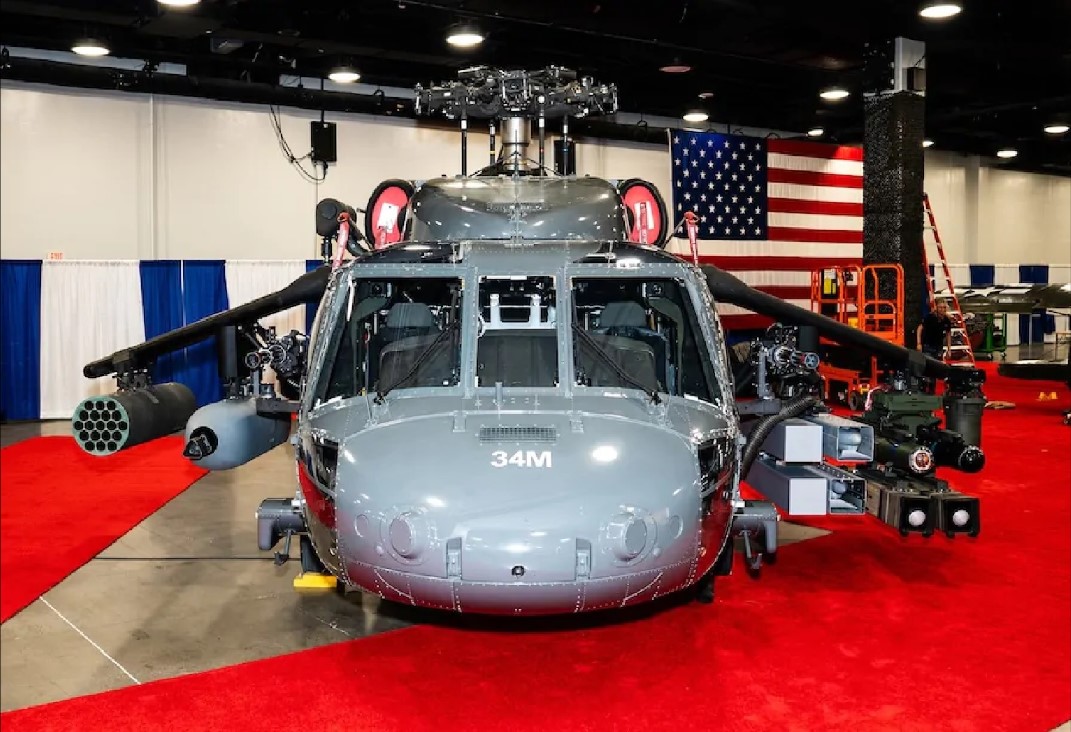
World
NASHVILLE, Tenn./STRATFORD, Conn., — April 15, 2026 : Sikorsky Aircraft, a subsidiary of Lockheed Martin, has introduced a new set of Armed Black Hawk helicopter kits designed to expand the operational capabilities of the widely used UH-60 Black Hawk platform. The announcement was made on Wednesday, April 15, 2026, during the Army Aviation Warfighting Summit in Nashville, Tennessee. The newly developed, commercially produced kits enable a single Black Hawk airframe to perform multiple mission roles, including airmobile assault, close support, medical evacuation (MEDEVAC), intelligence, surveillance and reconnaissance (ISR), and tactical lift. The development reflects an effort to extend the operational scope of the platform while maintaining a common airframe across missions. Modular Design Enables Rapid Role Transition The Armed Black Hawk kits are built around a modular design that allows operators to rapidly reconfigure aircraft for different mission requirements. According to Sikorsky, ground crews can switch configurations in approximately three hours using commercially produced components. Operators are offered two primary production-ready configurations: close support and precision strike. These configurations allow aircraft to be equipped either for direct support of ground forces or for targeted strike missions, depending on operational requirements. Each aircraft can be fitted with two external weapons wings, with up to four weapons stations controlled by the pilots. The system supports multiple weapon configurations, including fixed 12.7 mm guns, 7- or 19-shot Hydra 70 rocket pods, and air-to-ground missiles. In addition, forward-firing 7.62 mm mini-guns can be mounted at cabin windows, which can also be used in a crew-served role when required. Consolidation of Roles and Cost Efficiency The introduction of these kits is intended to allow military operators to consolidate multiple mission roles into a single helicopter fleet. By reducing the need for separate specialized aircraft, Sikorsky stated that operators can lower both acquisition and sustainment costs. The platform retains its full utility capability, including the ability to carry up to 11 troops, transport external sling-load cargo up to 9,000 pounds, support medical evacuation with stretcher configurations, and integrate ISR sensor packages. Sikorsky emphasized that the solution benefits from an established global supply chain and offers lifecycle savings through long-term operational support. The Black Hawk platform is supported by U.S. government logistics systems with sustainment planning extending beyond 2070. Statements from Sikorsky Leadership Rich Benton, Vice President and General Manager at Sikorsky, said the system is designed to provide operational flexibility while maintaining readiness. “The new Armed Black Hawk kits give warfighters one aircraft that can do it all: a single, versatile, combat-proven platform where ground units can quickly switch out the commercially-produced kits, keeping mission readiness high,” Benton said on April 15, 2026. “Offering these upgraded kits is another example of our commitment to delivering 21st Century Security solutions that deliver unmatched performance, lifecycle savings and gives soldiers the reliable, interoperable capability they need to win today and tomorrow.” Global Availability and Industrial Support The Armed Black Hawk kits are available through both Foreign Military Sales (FMS) and Direct Commercial Sales (DCS) channels. Installation can be carried out in the United States or internationally by PZL Mielec, a Lockheed Martin company based in Poland. European-built S-70 airframes and associated close-support kits are also integrated at PZL Mielec. The system maintains full parts, training, and logistics commonality with U.S. Army, Air Force, and Marine Corps Black Hawk fleets, supported by a unified Lockheed Martin sustainment team for NATO allies and partner nations. Operational Background and Qualification The development of the Armed Black Hawk kits builds on Sikorsky’s prior experience supporting armed Black Hawk fleets in the Middle East. The company has qualified a range of weapons for the platform, including small- and large-caliber machine guns, rockets, and air-to-surface missiles. Sikorsky confirmed that the weapon system has been qualified to U.S. military airworthiness standards following extensive live-fire flight testing. The configuration is currently operational with the United Arab Emirates. Ongoing Modernization and Performance Enhancements The Armed Black Hawk kits align with ongoing modernization efforts for the platform. These include upgrades such as improved engines, advanced digital architecture, and autonomy systems intended to enhance safety and operational performance. The helicopter is equipped with combat-proven GE T701D engines, providing improved one-engine-out performance. It also features composite wide-chord main rotor blades designed to improve performance in high-temperature and high-altitude environments. Sikorsky stated that the kits are designed to support interoperability across allied forces while meeting future operational requirements. The system integrates advanced technology with scalable mission configurations, reinforcing the long-term viability of the Black Hawk platform across global operators.
Read More → Posted on 2026-04-15 13:27:56
World
LONDON, — April 15, 2026 : Iran’s Islamic Revolutionary Guard Corps (IRGC) secretly acquired operational control of a Chinese-built reconnaissance satellite in late 2024 and used it to monitor United States military installations across the Middle East, according to a report published by the Financial Times on April 15, 2026, citing leaked Iranian military documents. The documents describe how the IRGC Aerospace Force utilized the satellite, designated TEE-01B, to collect pre-strike and post-strike intelligence during regional military activity, including drone and missile operations conducted in March 2026. Acquisition Agreement and Satellite Deployment The satellite, also known as Earth Eye 1 or Diqiu Zhiyan-1, was manufactured and launched by Chinese commercial space firm Earth Eye Co. (Mumei Xingkong Keji) on June 6, 2024. It operates in a low Earth sun-synchronous orbit and is equipped with high-resolution panchromatic imaging capable of capturing ground features at an estimated resolution of approximately 0.5 meters. According to the leaked materials, the IRGC Aerospace Force finalized an agreement in September 2024 to assume control of the satellite under an “in-orbit delivery” model after it reached orbit. The agreement, signed by a brigadier general within the IRGC Aerospace Force, was valued at approximately RMB250 million (around $36.6 million). The contract, denominated in renminbi, covered the satellite platform, launch services, technical support, data infrastructure, and associated operational services provided by a foreign counterparty. The arrangement allowed Iran to bypass domestic satellite development timelines by acquiring a fully operational system already deployed in orbit. Ground Infrastructure and Operational Control As part of the agreement, Iranian operators were granted access to a global network of commercial ground stations managed by Beijing-based satellite services provider Emposat. The company provided the software and infrastructure required for telemetry, tracking, command transmission, and imagery reception. The ground station network, spanning regions including Asia and Latin America, enabled IRGC personnel to control the satellite remotely and task it for specific imaging operations worldwide. Surveillance of U.S. and Allied Installations Leaked documents reviewed by the Financial Times include time-stamped coordinate lists, orbital tracking data, and satellite imagery indicating that the IRGC directed TEE-01B to observe multiple strategic locations associated with U.S. and allied forces. In March 2026, the satellite conducted repeated imaging passes over several sites: Prince Sultan Air Base (Saudi Arabia) was imaged on March 13, 14, and 15. On March 14, U.S. President Donald Trump confirmed that American refueling aircraft stationed at the base had sustained damage from projectile strikes. Muwaffaq Salti Air Base (Jordan) was monitored before and after IRGC-claimed attacks in the region. Areas surrounding the U.S. Fifth Fleet headquarters (Manama, Bahrain) were tracked during the same period. Erbil International Airport (Iraq) was observed alongside nearby strategic facilities amid regional drone and missile activity. Additional locations identified in the documents include Camp Buehring and Ali Al Salem Air Base (Kuwait), Camp Lemonnier (Djibouti), and Duqm International Airport (Oman). The satellite’s imaging capability allowed identification of aircraft, vehicles, and infrastructure changes, providing a level of detail comparable to commercially available Western satellite systems. Role in Strike Planning and Assessment The documents indicate that imagery collected by TEE-01B was used by Iranian military planners for both targeting and post-strike evaluation. The satellite enabled independent verification of damage following operations, reducing reliance on external or civilian data sources. Analysts cited in the report noted that the 0.5-meter resolution represented a significant improvement over Iran’s domestically operated Noor-3 satellite, which has an estimated resolution of approximately 5 meters. Chinese Entities and Commercial Model Earth Eye Co. describes its “in-orbit delivery” model as a commercial service in which satellites launched from China are transferred to international customers after reaching orbit. The company has publicly stated that TEE-01B was intended for civilian applications, including agriculture monitoring, ocean observation, emergency response, natural resource management, and urban transportation planning. Iran is a participant in China’s Belt and Road Initiative, which provides a broader framework for economic and technological cooperation between the two countries. Neither Earth Eye Co. nor Emposat has issued a public response to the allegations regarding the satellite’s operational use by the IRGC. Diplomatic Responses and Denials The report has contributed to increased diplomatic tension between Washington and Beijing. The White House, Central Intelligence Agency (CIA), and Pentagon have not issued formal statements specifically addressing the leaked documents. U.S. President Donald Trump has previously warned of potential economic consequences for countries providing military support to Iran. In recent remarks, he threatened to impose tariffs of up to 50 percent on China if evidence emerges confirming the transfer of military-related systems to Tehran. Chinese officials have rejected the allegations. Foreign Ministry spokesperson Lin Jian stated that claims of Chinese support for Iran’s military activities are “purely fabricated” and warned that China would respond with countermeasures if new tariffs are imposed. The Chinese Embassy in Washington also described the reports as speculative and characterized them as disinformation. Verification Status The Financial Times and Reuters reported that they were unable to independently verify the authenticity of the leaked Iranian military documents. No official confirmation has been provided by U.S. intelligence agencies or other government bodies regarding the operational use of the satellite as described in the report. The IRGC Aerospace Force, which oversees Iran’s missile, drone, and space programs, is identified in the documents as the primary operator of the TEE-01B system rather than Iran’s civilian space agency.
Read More → Posted on 2026-04-15 13:44:16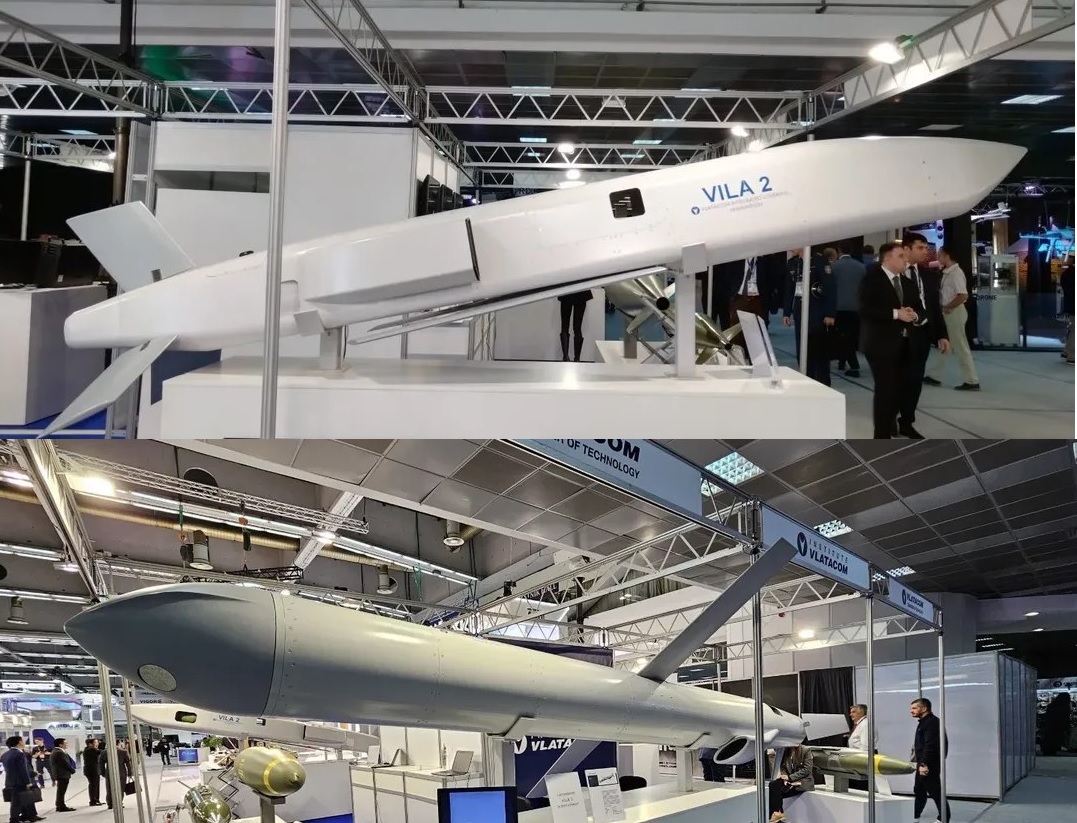
World
BELGRADE, Serbia — April 2026 : Belgrade-based defence company Vlatacom has announced that development of its new cruise missile family, the Vila-1 and Vila-2, has reached approximately 80 percent completion, with full completion of both systems scheduled by the end of 2026. The Vila family represents a hybrid class of weapons, combining the flight characteristics of conventional cruise missiles with the endurance and target-acquisition capabilities of loitering munitions. Developed by Vlatacom, a private research institute certified as a research and development centre by Serbia’s Ministry of Science since 2011, the systems are being advanced from concept through testing, while serial production is expected to be assigned to national industrial partners. Development Progress and International Cooperation According to the company’s latest statement, both missile variants are progressing toward finalization, with remaining development work focused on system integration and validation. Mock-ups of the Vila-1 and Vila-2 were previously exhibited at the Partner 2023 and Partner 2025 defence exhibitions in Belgrade, highlighting the program’s steady advancement. As reported last year by Dunav Intel, Vlatacom is cooperating with at least one Middle Eastern country to support testing and technical validation of the systems. However, no further details regarding the partner nation or the scope of cooperation have been officially disclosed. System Design and Capabilities Both Vila-1 and Vila-2 are modular unmanned aerial vehicles (UAVs) designed to function as loitering munitions with cruise missile characteristics. The systems share a common architecture, including guidance and navigation technologies, while being tailored for distinct operational roles. Navigation to the target area is conducted using a combined Global Navigation Satellite System (GNSS) and Inertial Navigation System (INS), supported by a radar altimeter during the initial flight phase. In the terminal phase, both variants employ an optoelectronic seeker integrated with artificial intelligence (AI) to enable autonomous target recognition. The missiles are equipped with a two-way radio data link, allowing real-time communication with operators. This enables “man-in-the-loop” control, where operators can validate targets prior to engagement while retaining the ability to retask the weapon mid-mission. Both systems are optimized for operations in contested airspace, featuring terrain-skimming flight profiles and extended loitering capabilities. The weapons are fitted with vAF-M17/vFI-17 fuzing systems, and warheads are selectable depending on mission requirements and target type. Vila-1: Heavy Long-Range Variant The Vila-1 is the heavier, long-range variant designed for strikes against distant and high-value targets. It is configured exclusively for ground-based launch platforms. The missile is housed in a sealed cylindrical launch tube and can be deployed from an 8×8 wheeled chassis or integrated onto compatible naval vessels. Launch is initiated by a solid-fuel booster, after which a turbofan or turbojet engine sustains the cruise phase. Technical Specifications — Vila-1: Length: 5.5 metres (excluding booster) Wingspan: 2.7 metres (deployable after launch) Operating altitude: 50 metres to over 7,000 metres Cruise speed: Mach 0.75 Warhead: 300–450 kg (some sources indicate up to 500 kg depending on configuration) Propulsion: Solid-fuel booster + turbofan/turbojet engine Range: Up to 300 km (plus loitering time) Launch platforms: Ground-based 8×8 chassis or naval vessels Estimated launch weight: Approximately 1,000 kg Vila-2: Lighter Short-Range Variant The Vila-2 serves as a lighter and more versatile short-range variant. It is designed for both ground-based and air-launched operations, with primary integration on fighter aircraft, enabling multiple weapons carriage per platform. The reduction in size and structural weight allows for a slightly higher cruise speed while maintaining similar operational altitude and range characteristics. Technical Specifications — Vila-2: Length: 4.5 metres (excluding booster) Wingspan: 2.7 metres Operating altitude: 50 metres to over 7,000 metres Cruise speed: Mach 0.75–0.8 Warhead: 300 kg (various types) Propulsion: Solid-fuel booster + turbofan/turbojet engine Range: Up to 300 km (plus loitering time) Launch platforms: Fighter aircraft (multiple weapons possible) or ground-based launch tubes Estimated launch weight: 750–800 kg Industrial and Documentation Support Vlatacom oversees the full development lifecycle of the Vila systems, from initial design through testing phases. Supporting technical documentation for both missile variants is provided by Yugoimport, Serbia’s state-associated defence export organization, via its official platforms and website. Operational Role and Outlook The Vila-1 and Vila-2 systems are designed for operations in contested airspace with complex air defence environments, supporting terrain-skimming flight profiles and enabling real-time retasking during missions. While the company has confirmed that development will be completed by the end of 2026, no further details have been released regarding production timelines, procurement plans, or potential export customers.
Read More → Posted on 2026-04-15 14:40:20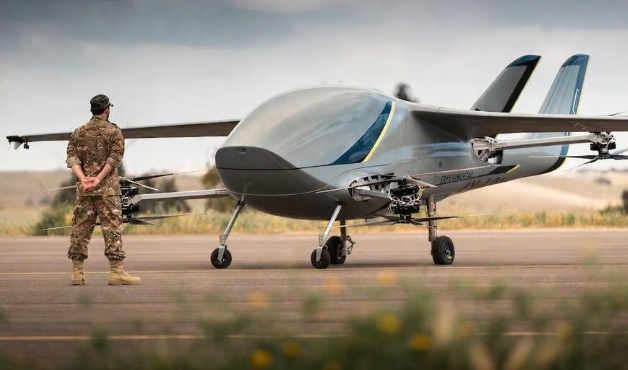
World
TEL AVIV, Israel — April 15, 2026: Israeli aviation manufacturer AIR has completed the inaugural flight of its production-configured AIR Cargo-Heavy Unmanned Aircraft System (UAS), marking a milestone in the development of autonomous, heavy-lift electric vertical takeoff and landing (eVTOL) platforms. The company confirmed that the flight took place earlier this month, concluding a development cycle of approximately two years that included ground and real-world operational testing. The aircraft is designed as an autonomous logistics platform capable of transporting medium-weight cargo without requiring a runway. AIR stated that the system has now reached “mission-ready” status, with more than 25 units already ordered and paid for. Deliveries are underway, including systems scheduled for shipment to the United States for certification and operational evaluation. Platform Overview and Technical Characteristics The AIR Cargo-Heavy UAS is categorized as a “Group 4 UAS” under U.S. Department of Defense classifications, placing it among larger unmanned systems capable of sustained operations and significant payload capacity. The platform combines vertical takeoff and landing capability with fixed-wing forward flight to improve range and efficiency. According to the company, the aircraft has a payload capacity of approximately 250 kilograms (around 550 pounds) and a cargo volume of 70 cubic feet. Its physical dimensions include a wingspan of 7.5 meters (24.6 feet), a length of 6 meters (19.2 feet), and a height of 2.3 meters (7.5 feet). The system uses electric propulsion and supports direct-current fast charging, reaching 80 percent battery capacity in approximately 30 minutes and full charge in about 60 minutes. The estimated unit cost is around $1 million, significantly lower than that of conventional manned helicopters used for comparable logistics missions. The aircraft operates autonomously after mission parameters are defined by operators. It relies on onboard flight logic and navigation systems to execute routes without continuous human control. The design does not require prepared runways, enabling deployment from confined terrain and naval vessels. Development Background and Industrial Base The cargo platform is derived from technologies developed for AIR’s piloted AIR ONE eVTOL aircraft, a two-seat system with a reported range of approximately 160 kilometers and a top speed of up to 250 kilometers per hour. The cargo variant has been reconfigured as an uncrewed system optimized for payload capacity and logistics roles. AIR was founded in 2018 by Chen Rosen, Rani Plaut, and Netanel Goldberg. The company has raised approximately $30 million in funding, including a $23 million investment round led by Entrée Capital. It employs around 70 personnel across facilities in Israel and the United States, with production centered in Kfar Yona, Israel, and additional operations in Florida. Manufacturing processes are based on automotive-style production methods intended to support scalable output. In addition to defense applications, the company states that the platform is designed for dual-use roles, including disaster response and commercial mid-mile logistics. AIR has also reported more than $1 billion in orders for its broader AIR ONE platform, with approximately 3,300 customers on a waiting list. Certification of the piloted variant by the U.S. Federal Aviation Administration is expected later in 2026. U.S. Military Interest and Evaluation AIR confirmed that multiple branches of the U.S. military, including the Air Force, Navy, and Marine Corps, have expressed interest in the cargo platform. One defense customer has already purchased a unit for approximately $1 million, and additional systems are being prepared for testing and certification processes in the United States. The aircraft is being evaluated for logistics missions that currently depend on manned helicopters, particularly ship-to-ship and ship-to-shore resupply operations. These missions include the delivery of equipment, repair tools, medical supplies, and other cargo between naval vessels or from shore bases to deployed units. Operational Context in Maritime Environments The system’s development aligns with evolving operational requirements in contested maritime regions, including the Strait of Hormuz and surrounding areas such as the Gulf of Oman. These environments have recently experienced disruptions, including shipping interference and the use of low-cost drones and missile systems to restrict airspace and maritime movement. According to AIR CEO and co-founder Rani Plaut, existing logistics operations in such regions often rely on crewed helicopters for relatively small payload deliveries. He stated that the new platform is intended to reduce the need to deploy high-value aircraft and personnel for routine resupply tasks. The autonomous cargo system enables the transport of items such as ship repair components or medical supplies without exposing aircrew to potential threats. In scenarios where an unmanned platform is lost, the financial and operational impact is lower compared to that of a manned helicopter. Role in Logistics and Cost Structure The AIR Cargo-Heavy UAS is positioned as a medium-lift, medium-range logistics solution intended to complement, rather than replace, existing aviation assets. By shifting routine resupply missions to autonomous systems, military operators can allocate crewed aircraft to higher-priority roles such as combat operations and search-and-rescue missions. The company noted that most existing vertical takeoff and landing drones are limited to payloads below 100 pounds and short operational ranges, restricting their utility for sustained logistics. The AIR platform is designed to transport several hundred pounds of cargo over operationally relevant distances, addressing a gap between small drones and large helicopters. Plaut described the system as a “work platform” rather than a strategic asset, emphasizing its role in routine logistics. The cost structure allows for potential attritable use in contested environments, where the loss of a unit would not involve personnel risk and would represent a comparatively limited financial burden.
Read More → Posted on 2026-04-15 16:53:40
World
PARIS — April 15, 2026 : France has initiated test firings of two domestically developed rocket artillery systems, the FLP-T 150 and the Thundart, as part of the Frappe Longue Portée Terrestre (FLP-T) programme aimed at replacing the French Army’s aging Lance-Roquettes Unitaire (LRU) launchers. The first test firing of one of the candidate munitions was conducted on April 14, 2026, and proceeded successfully, according to General Delegate for Armaments Patrick Pailloux, who addressed a parliamentary hearing on April 15. Additional test firings are scheduled to take place during the week of April 20, marking the continuation of the evaluation phase for the two French-developed systems. These trials follow innovation partnership contracts awarded at the end of 2024. The FLP-T programme, launched in 2023 by the Direction Générale de l’Armement (DGA), aims to restore and expand France’s long-range precision strike capability. The current LRU systems—modernised variants of the M270 multiple launch rocket system—are due to begin retirement in 2027. At present, only nine LRU launchers remain operational within the French Army. Both candidate systems are designed to achieve a range of 150 kilometres with sub-decametric precision. A central requirement for the programme is the ability to operate effectively in GNSS-denied environments, ensuring resilience against enemy electronic warfare and satellite signal jamming. The FLP-T 150 system, developed by Thales and ArianeGroup, is described as a containerised, mobile, and scalable rocket artillery solution capable of precision strikes even under GNSS-denied conditions. The system is also presented as ITAR-free, allowing export without restrictions tied to United States regulations. ArianeGroup is responsible for propulsion and rocket development, while Thales is developing the guidance systems, onboard electronics, command-and-control architecture, and launcher platform, expected to be mounted on a truck-based configuration. The Thundart system, developed by Safran and MBDA, is based on a 227 mm guided rocket and incorporates technologies from the Armement Air-Sol Modulaire (AASM) air-to-ground munition. Safran has completed three qualification test firings of an AASM bomb equipped with a dual-mode laser-infrared (LIR) seeker. With this qualification achieved, the guidance solution is expected to be available in 2027. The same LIR seeker will be integrated into the Thundart rocket, which will be produced on the same AASM production line, where output rates have quadrupled. In parallel, Thales is preparing to present a new guidance component designed to function in GNSS-denied environments. This technology is intended to be adaptable beyond long-range strike applications and forms part of a broader system solution that includes both munition and launcher elements. Following the ongoing test campaign, the DGA will conduct a comparative assessment of the two domestic systems alongside third-party foreign solutions. The selection process will focus on achieving the best balance between cost, performance, and delivery timelines. Patrick Pailloux stated that the final decision will be based on test results and a market study examining export options. The French Army has identified the FLP-T capability as a priority requirement for high-intensity operations. Under the updated military programming law, France plans to acquire between 13 and 26 launcher systems and approximately 300 munitions by 2030. This initial capability will equip an artillery battalion, with long-term objectives including supporting a division deployable within 30 days and enabling France to command an army corps within NATO. Despite operational urgency, budget constraints remain a key factor. Pailloux emphasized the importance of national sovereignty through a “Made in France” solution, while noting the need for export markets to ensure economic viability. However, competition from established systems such as American HIMARS, Israeli PULS, and South Korean Chunmoo has already captured a significant share of the European market. Highlighting the procurement dilemma, Pailloux outlined the trade-off between a quickly available, lower-cost foreign solution and a more capable but costlier domestic system with longer development timelines. He indicated that the decision will require balancing urgency, capability, cost, and sovereignty considerations. The DGA acknowledged that the final selection may represent a compromise aligned with operational needs and strategic priorities. A decision on the FLP-T programme is expected before summer 2026. The FLP-T 150 and Thundart systems represent France’s effort to establish a fully sovereign long-range rocket artillery capability. The ongoing demonstration firings are intended to support delivery of an operational system before 2030. No further technical details beyond the 150 km range and precision requirements, or information on interim foreign procurement options, have been disclosed by the DGA at this stage.
Read More → Posted on 2026-04-15 17:19:03
World
HUNTSVILLE, Alabama — April 15, 2026 : The U.S. Army has awarded Dynetics, a wholly owned subsidiary of Leidos, a $617,164,135 contract for the fiscal year 2026 production of the Indirect Fire Protection Capability Increment Two (IFPC Inc 2) air defense system. The award was issued by the U.S. Army Contracting Command at Redstone Arsenal. The contract, announced on April 14, 2026, combines cost-plus-fixed-fee and firm-fixed-price elements and supports full-rate production and sustainment of the Army’s mid-range air defense capability. Work under the agreement is scheduled for completion by November 30, 2029, with specific work locations and funding allocations to be determined on a per-order basis. The contract identifiers are W31P4Q-25-D-0003 and W31P4Q-26-F-0067. According to the Army, bids for the contract were solicited via the internet, with zero responses received. Contract Scope and Deliverables Under the fiscal 2026 production buy, Dynetics will deliver a comprehensive set of hardware and support systems associated with IFPC Inc 2. These include Enduring Shield launcher systems, retrofit prototype launchers, and sealed all-up-round (AUR) magazines designed to enable rapid reloading while enhancing safety for munitions handlers. The contract also covers soldier training systems, including weight-representative training devices, as well as initial spare parts, contractor-provided logistics support, and engineering services. These elements are intended to support both operational deployment and long-term sustainment of the system. System Design and Operational Role The IFPC Inc 2 is a mobile, ground-based air defense system developed to provide 360-degree protection for fixed and semi-fixed sites, forward operating bases, and maneuvering forces. It is designed to address a capability gap within the Army’s layered air and missile defense architecture, operating between short-range point-defense systems and higher-tier platforms such as Patriot Air Defense System and Terminal High Altitude Area Defense. The system is capable of detecting, tracking, and intercepting a range of aerial threats, including subsonic and supersonic cruise missiles, Group 2 and Group 3 unmanned aerial systems, and rockets, artillery, and mortars. The IFPC Inc 2 launcher, known as Enduring Shield, features a modular open-systems architecture that allows integration with the Army’s Integrated Battle Command System and the AN/MPQ-64 Sentinel sensor. This architecture enables coordinated engagement across a networked battlespace and supports future integration of additional interceptor types. Currently, the system employs the AIM-9X Sidewinder as its primary interceptor, housed within sealed AUR magazines. The launcher is palletized for deployment on compatible logistics vehicles, enabling flexible mobility and rapid emplacement. Program Background and Development Timeline Dynetics has served as the prime contractor for IFPC Inc 2 under the Army’s Program Executive Office Missiles and Space since the program’s early development phases. The company’s involvement began with a 2021 prototype Other Transaction Authority agreement valued at approximately $237 million. That effort included the development of 16 launcher prototypes, 60 interceptors, and associated AUR magazines. Dynetics delivered the first fieldable prototype launchers to the U.S. Army in December 2023. Following integration and testing, the system successfully conducted live-fire intercepts against cruise missile and unmanned aerial system targets in September 2024. Subsequent contract activity included a $264.6 million award in July 2025 and a $92.1 million modification in September 2025, further advancing system development and pre-production efforts. Production Strategy and Broader Contract Framework The April 2026 award forms part of a larger undefinitized Indefinite Delivery/Indefinite Quantity (IDIQ) contract granted to Dynetics in November 2024, with a ceiling value of up to $4.1 billion. This overarching contract supports low-rate initial production, full-rate production, and associated support services. The initial task order under that IDIQ included procurement of 18 IFPC Inc 2 launchers, with a not-to-exceed value of $204 million and $99 million obligated at the time of award. The program’s long-term plan предусматривает fielding up to nine battalions, with the first unit scheduled for deployment in fiscal year 2026. Initial operational units are intended to support Guam Defense System requirements and broader priorities within U.S. Indo-Pacific Command. Ongoing Fielding and Capability Expansion The fiscal year 2026 production contract advances the transition of IFPC Inc 2 into sustained full-rate production while expanding training and logistics infrastructure required for operational deployment. While the Army has not disclosed the exact number of launcher systems or interceptor quantities included in this specific production order, the listed deliverables indicate continued scaling of both operational capability and support systems. IFPC Inc 2 remains the Army’s selected solution for this layer of air defense following competitive evaluation, and its modular design is expected to accommodate future interceptor integration as threat requirements evolve.
Read More → Posted on 2026-04-15 17:27:52
World
TEL AVIV, — April 15, 2026 : The Israel Defense Forces (IDF) have reported the discovery of Russian-manufactured 9M133 Kornet anti-tank guided missile systems and associated munitions during ongoing ground operations against Hezbollah positions in southern Lebanon. The weapons were identified at multiple sites assessed to have been prepared for use against IDF personnel and Israeli civilian areas near the border. According to IDF operational updates, troops from the 7th Armored Brigade, operating in the eastern sector of southern Lebanon, located a Hezbollah anti-tank missile launch position containing several Kornet missiles alongside an unmanned aerial vehicle prepared for launch toward Israeli territory. The site was linked to a Hezbollah operative previously killed in an Israeli airstrike. The Kornet system is a laser beam-riding anti-tank guided missile equipped with a tandem high-explosive anti-tank warhead capable of penetrating approximately 1,000 to 1,300 millimetres of rolled homogeneous armour behind explosive reactive armour. The standard Kornet-E variant has an operational range of up to 5,500 metres, while the Kornet-EM variant can engage armoured targets at distances of up to 8,000 metres and up to 10,000 metres when using high-explosive fragmentation warheads. The missile travels at speeds exceeding 250 metres per second. Additional searches conducted during the initial phase of the ground campaign have led to the recovery of multiple weapons caches. Analysis conducted at Israel’s National Munition Disassembly Laboratory indicates that approximately 60 to 70 percent of the seized weapons were of Russian origin. These included Kornet systems as well as other anti-tank guided missiles such as Metis, Konkurs, Fagot, and Sagger variants. Israeli forces also reported the presence of Metis-M systems, thermobaric variants, RPG-29 and RPG-27 rocket-propelled grenade launchers, and Strela-2 man-portable air defense systems. Inspection of the recovered munitions provided further insight into supply routes. Markings on several Kornet missiles indicated production dates as recent as 2020. Israeli assessments state that the systems were originally transferred from Russian stockpiles to Syria and subsequently moved into southern Lebanon in recent years, indicating an ongoing logistical pipeline supporting Hezbollah’s arsenal. The IDF reported that Hezbollah has deployed Kornet systems in positions both above and below ground, including bunkers and structures located less than one kilometre from the Israeli border. The weapons have been used in engagements targeting Israeli armored vehicles and positions. Footage released by Hezbollah shows Kornet strikes against Merkava main battle tanks. The group has also used a dual-launch configuration known as the “Tharallah” system, introduced around 2015, which enables the rapid firing of two missiles to counter active protection systems such as Israel’s Trophy defense system. In a separate operation, reservists from the 8th Armored Brigade operating under the 91st “Galilee” Regional Division identified and dismantled another anti-tank guided missile launcher aimed toward Israeli territory, along with additional missiles and related equipment. Israeli officials have stated that some of the weapons were stored within civilian structures and underground tunnel networks. The presence of such systems south of the Litani River has been described by Israeli authorities as a violation of United Nations Security Council Resolution 1701, which restricts armed presence in the area to the Lebanese Armed Forces (LAF) and UNIFIL peacekeeping units. The IDF continues to conduct operations in southern Lebanon to locate, document, and dismantle Hezbollah infrastructure and weapons stockpiles. No official figures have been released regarding the total number of Kornet launchers or missiles recovered in the most recent operations.
Read More → Posted on 2026-04-15 17:38:45
World
KUALA LUMPUR, — April 20, 2026 : Russia’s state arms exporter Rosoboronexport has signed multiple export contracts for the Su-57E fifth-generation fighter jet during the opening of the Defence Services Asia (DSA) 2026 exhibition in Kuala Lumpur, according to a statement published on the company’s official website. The announcement was made at the start of the exhibition, which is being held from April 20 to April 23, 2026, in Kuala Lumpur. Rosoboronexport is presenting the Su-57E as a central platform in its display, alongside other Russian defence systems. Expanding Export Portfolio Rosoboronexport stated that the Su-57E is attracting increasing attention from international partners. “The Su-57E is generating considerable interest among Rosoboronexport’s partners, a number of which have already contracted the Russian fighter. The list of customers for this aircraft is steadily expanding,” the company said. Despite the reported signing of additional contracts, the company has not disclosed the identities of any new customers. As of April 2026, Algeria remains the only confirmed foreign operator of the Su-57E. Rosoboronexport Director General Alexander Mikheev stated that the aircraft is being offered to what the company describes as reliable strategic partners, particularly those already operating Russian-made aviation systems. Algerian Acquisition and Delivery Timeline The Algerian procurement of the Su-57E followed a multi-year negotiation process. Initial discussions began in 2019, when an Algerian delegation evaluated the export variant at the MAKS Air Show 2019. At that time, reports indicated a potential agreement valued at approximately $2 billion for 14 aircraft. The deal experienced delays attributed to production timelines within Russia and requirements to adapt onboard avionics to Algerian operational specifications. Throughout 2023 and 2024, Russian officials referenced a “foreign customer” without identifying the country involved. The status of the agreement remained undisclosed during this period. Evidence of delivery emerged in late 2025 and early 2026, when observers recorded the presence of Su-57 aircraft in Algerian airspace and at Algerian Air Force bases. Reports indicated that an initial batch, understood to include two aircraft, had been delivered by late 2025. Algerian pilots had also completed training in Russia prior to the aircraft entering operational service. Operational Characteristics and Presentation at DSA-2026 At DSA-2026, Rosoboronexport described the Su-57E as a fifth-generation multirole fighter designed for air superiority and strike missions. The company stated that the aircraft has undergone testing in real-world operational conditions, including the use of long-range air-to-air and air-to-surface guided weapons in environments involving active air defence systems and electronic countermeasures. The Su-57E shares systems and weapons compatibility with aircraft from the Su-30 family. This was highlighted in the context of the Royal Malaysian Air Force, which operates the Su-30MKM fighter. Rosoboronexport presented the Su-57E as a potential modernization option that could integrate with Malaysia’s existing infrastructure and logistics framework. Interest from Southeast Asia and India Potential interest in the Su-57E has been noted from India and several Southeast Asian countries, including Malaysia and Indonesia. These countries operate or have operated aircraft from the Su-30 series and have prior experience with Russian aviation platforms. Indonesia previously explored acquiring Su-35 fighter jets under a deal structure that included barter-based payments involving commodities such as coffee, tea, rubber, and palm oil. Such arrangements reflect the financial and contractual complexities often associated with defence procurement in the region. Ongoing Production and Export Positioning Rosoboronexport, part of the Rostec state corporation, continues to promote the Su-57E exclusively to selected international partners. The aircraft remains in serial production for the Russian Air Force, with domestic deliveries ongoing alongside the export program. While the company reports that multiple export contracts have been signed during DSA-2026, no additional agreements have been officially confirmed by purchasing countries, and no further details on quantities, delivery schedules, or contract values have been disclosed. The DSA-2026 exhibition continues to serve as a platform for presenting Russian defence technologies, with the Su-57E positioned among systems that have demonstrated operational performance under combat-relevant conditions.
Read More → Posted on 2026-04-15 17:57:51
India
POKHRAN, Rajasthan — April 15, 2026 : India has successfully conducted a flight and strike test of the indigenous Sheshnaag-150 long-range loitering munition at the Pokhran test range, marking a significant step in the country’s development of AI-enabled autonomous strike systems. The trial was carried out by the Indian armed forces in coordination with Bengaluru-based defense start-up NewSpace Research and Technologies (NRT). The test validated the platform’s long-range navigation, endurance, and precision targeting capabilities under operational conditions. During the trial, the Sheshnaag-150 covered a flight distance of 720 kilometers and demonstrated a Circular Error Probable (CEP) of less than 10 meters. The munition successfully delivered a 25-kilogram high-explosive (HE) warhead to the designated target area. System Performance and Technical Parameters The Sheshnaag-150 is an indigenous 150 kg-class loitering munition designed for deep-strike missions. Although the Pokhran test recorded a 720-kilometer flight, the system is engineered for an operational range exceeding 1,000 kilometers, with an endurance of approximately three to five hours. The platform supports a payload capacity ranging from 25 to 40 kilograms. The drone is powered by a high-performance air-cooled Boxer engine optimized for long-endurance missions. It has been developed as part of a broader family of collaborative autonomous systems and is capable of executing multiple mission profiles, including precision strikes, suppression of enemy air defenses (SEAD), intelligence, surveillance and reconnaissance (ISR), and electronic warfare support. Development of the Sheshnaag-150 began as an internal initiative by NRT, with its first flight conducted around early 2025. Subsequent trials included launches from mobile highway-based platforms and evaluations across multiple test ranges. Earlier controlled tests reportedly achieved CEP values as low as five meters. AI-Driven Swarm Capability A key feature of the Sheshnaag-150 is its integration of artificial intelligence-driven swarm technology. The system uses proprietary autonomy algorithms that enable multiple loitering munitions to operate as a coordinated unit. These drones can communicate with each other, share targeting data, synchronize flight paths, and execute saturation attacks designed to overwhelm layered air defense systems. The platform is also designed to operate in GPS-denied or jammed environments. It incorporates a visual navigation system and onboard sensors that allow it to identify targets and maintain its flight path without reliance on satellite navigation signals. This capability is intended to improve survivability and mission reliability in contested electromagnetic environments. Operational Role and Strategic Context The Sheshnaag-150 is optimized for SEAD missions, targeting high-value enemy assets such as radar installations, surface-to-air missile systems, and communication nodes. By deploying coordinated swarms, the system is intended to degrade or neutralize enemy air defense networks prior to the use of manned aircraft or conventional strike systems. The platform is positioned as a cost-effective and expendable alternative to traditional cruise missiles. Its relatively lower cost allows for mass deployment, enabling saturation tactics without the financial constraints associated with high-value munitions. NRT has indicated that the Sheshnaag-150 draws conceptual inspiration from global loitering munitions such as Iran’s Shahed-136, while incorporating advanced indigenous swarm algorithms and navigation resilience tailored to Indian operational requirements. Testing, Development, and Future Induction The Pokhran trial focused specifically on range validation, strike accuracy, and warhead performance. Additional testing has been conducted at multiple facilities, including evaluations of high-altitude operations, endurance, and autonomous coordination. The system was publicly showcased at the World Defense Show 2026 in Riyadh, highlighting India’s progress in autonomous combat systems. NRT, founded in 2017 by aerospace entrepreneurs Sameer Joshi and Julius Amrit, specializes in AI-enabled unmanned systems and swarm robotics. The company is also developing shorter-range variants within the Sheshnaag family, including the canister-launched Sheshnaag-20, designed for battlefield missions with ranges up to 50 kilometers. Following the successful validation of flight mechanics and strike accuracy at Pokhran, defense sources indicate that India may proceed with the induction of the Sheshnaag-150 into active service. Plans under consideration include procurement of large numbers of such systems for theatre-level operations. The development and testing of the Sheshnaag-150 align with India’s broader push for indigenous defense capabilities under the Aatmanirbhar Bharat initiative. The system is expected to complement existing manned aircraft and missile systems, enhancing the armed forces’ long-range precision strike capabilities through scalable, AI-enabled unmanned platforms. No official timeline for full-scale induction has been announced.
Read More → Posted on 2026-04-15 18:02:30
World
DAHLGREN, Virginia — April 3, 2026 : The United States Missile Defense Agency (MDA) has awarded Northrop Grumman Systems Corporation a $475.3 million contract modification to accelerate development of the Glide Phase Interceptor (GPI), the Pentagon’s primary program for countering hypersonic glide vehicles during mid-flight. The modification increases the total value of the company’s Prototype Project Other Transaction Agreement (HQ0851-22-9-0002) from $832.8 million to approximately $1.31 billion. Of the newly awarded amount, $174.1 million was obligated at the time of award using funds authorized under Section 20003 of Public Law 119-21. The agreement is managed by the MDA’s office in Dahlgren, Virginia, and utilizes authorities under 10 U.S. Code 4022(a)(2)(B), allowing the Department of War to accelerate prototyping outside traditional acquisition processes. The revised contract establishes an accelerated development schedule with a target completion date of June 2028. Program Scope and Technical Objective The Glide Phase Interceptor (GPI) is designed to engage hypersonic glide vehicles during their unpowered glide phase, which occurs after separation from a boost rocket and before terminal descent toward a target. This segment of flight presents a distinct challenge due to the speed and maneuverability of such weapons. Hypersonic glide vehicles travel at speeds exceeding Mach 5 and operate along relatively flat, maneuverable trajectories in the upper atmosphere. These characteristics complicate detection, tracking, and interception compared to traditional ballistic missiles, which follow predictable, high-arc trajectories. Existing U.S. missile defense systems are not optimized for this engagement window. The Ground-Based Midcourse Defense (GMD) system is designed for intercepting intercontinental ballistic missiles during the midcourse phase in space, while the Terminal High Altitude Area Defense (THAAD) system focuses on intercepting threats during their final descent. The GPI is intended to fill this capability gap by providing a dedicated intercept solution within the glide phase. The interceptor is being developed as a ship-launched, hit-to-kill system compatible with the Mk 41 Vertical Launch System deployed on Aegis-equipped U.S. Navy destroyers and Aegis Ashore sites. It is designed to integrate into the Aegis Ballistic Missile Defense architecture, supporting a layered defense framework. The system incorporates advanced seeker technology, a re-ignitable upper-stage engine, and dual engagement modes to operate across varying altitudes and threat profiles. Development Background and Industrial Participation Northrop Grumman has been developing the GPI concept under the MDA agreement since 2022. The program originated in November 2021, when the MDA awarded Other Transaction Authority agreements to Northrop Grumman, Raytheon, and Lockheed Martin for initial concept studies. Following a system requirements review, Lockheed Martin’s participation was discontinued. Northrop Grumman was selected as the sole contractor in September 2024 after a competitive prototyping phase. A prior contract modification in November 2024 increased the agreement value to approximately $833 million before the latest April 2026 award. Work under the program is being conducted at multiple Northrop Grumman facilities, including locations in Chandler, Arizona. Development efforts include design refinement, hypersonic environment testing, and accelerated flight experimentation supported by digital engineering methodologies. L3Harris Technologies is contributing solid rocket motors for the interceptor’s first and third stages. International Cooperation The GPI program is being developed in cooperation with Japan’s Ministry of Defense under a bilateral research, development, test, and evaluation memorandum of understanding formalized in 2024. The partnership предусматривает a roughly equal division of work, with Japan contributing to rocket motor and propulsion component development. Strategic Context The acceleration of the GPI program reflects increased emphasis within the Department of War on countering hypersonic threats. Several countries have advanced operational or developmental hypersonic glide vehicle capabilities. Russia has deployed the Avangard system on intercontinental ballistic missiles. China has fielded the DF-17 medium-range hypersonic system and demonstrated it in military exercises and public displays. North Korea has conducted multiple tests of systems it describes as hypersonic glide vehicles, although independent assessments of their performance remain varied. These systems are designed to evade or complicate existing missile defense architectures, increasing the importance of a glide-phase interception capability. Future Development and Timeline The current agreement runs through June 2028 and is structured to support a potential transition to the Engineering and Manufacturing Development (EMD) phase before the end of the decade. The program aligns with broader MDA and combatant command priorities focused on hypersonic defense. Initial operational capability is projected for the period between the end of 2029 and the early 2030s, with full operational capability targeted for the early 2030s, subject to testing outcomes and funding availability. The Fiscal Year 2026 budget includes continued support for hypersonic defense initiatives, including tracking systems such as the Hypersonic and Ballistic Tracking Space Sensor. No production decision has been made. Advancement to full-scale manufacturing will depend on the interceptor meeting defined technical performance requirements during testing and evaluation.
Read More → Posted on 2026-04-15 18:08:11
World
NASHVILLE, Tenn. — April 16, 2026 : Boeing on April 15, 2026, presented a computer-generated concept for deploying swarms of launched effects from the CH-47 Chinook during the Army Aviation Warfighting Summit held by the Army Aviation Association of America in Nashville, Tennessee. The concept outlines a potential evolution of the heavy-lift platform into a forward operational node capable of supporting reconnaissance, threat detection, and manned-unmanned teaming in contested environments. The presentation aligns the Chinook with ongoing U.S. Army modernization priorities, including distributed operations, survivability enhancements, and faster decision-making cycles across the battlefield. Rear-Ramp Launch Concept and Deployment Mechanics The concept video depicts a reconnaissance and special operations scenario in which the Chinook releases launched effects through its rear ramp using an internal palletized dispenser. The system is visually configured as a 16-cell launcher, indicating a structured, high-capacity deployment mechanism rather than a conventional payload drop approach. Boeing officials, including Kathleen Jolivette, vice president and general manager of the company’s Vertical Lift division, stated that the initiative is currently funded through internal investment, with assessments underway for a future physical demonstration phase. As of April 2026, launched effects have not been physically tested from the Chinook platform. Industry specifications referenced in the concept indicate that larger launched effects compatible with the Chinook could weigh up to 225 pounds, significantly exceeding standard 25-pound systems. These systems are projected to achieve operational ranges between 350 and 650 kilometers, with flight endurance of up to one hour. The increased payload capacity is enabled by the aircraft’s internal volume and heavy-lift design. Integration with CH-47F Block II Modernization The concept is directly linked to the CH-47F Block II modernization roadmap. The Block II configuration incorporates structural, propulsion, and avionics upgrades designed to support modular mission systems and future capability integration. Key upgrades include a strengthened fuselage, redesigned fuel tanks, and an improved drivetrain. The avionics suite integrates the Common Avionics Architecture System cockpit along with the Digital Automatic Flight Control System (DAFCS), supporting enhanced situational awareness and flight control precision. The aircraft retains a maximum gross weight of 54,000 pounds and a useful load capacity of 27,700 pounds. Performance specifications include a mission radius of 165 nautical miles and a top speed of 170 KTAS. Power is provided by two T55-GA-714A engines, each producing 4,777 shaft horsepower. These parameters provide the electrical and mechanical margins required to integrate launcher modules, communication gateways, and additional mission operators. The tandem-rotor configuration and unobstructed rear-ramp design eliminate tail-rotor clearance constraints, supporting palletized systems and rear-ramp deployment concepts. Doctrinal Context and U.S. Army Launched Effects Development The concept builds on ongoing U.S. Army work in launched effects integration. In February and March 2026, the Army demonstrated the deployment of an A700-class unmanned aircraft from an AH-64E Apache during testing at Yuma Proving Ground. Army doctrine defines launched effects as autonomous or semi-autonomous aerial systems capable of conducting reconnaissance, electronic warfare, and kinetic strike missions. In parallel, the Army is advancing the Launched Effects Dispenser for Ground and Rotorcraft (LEDGR) program to establish a standardized launcher architecture across aviation and ground platforms. Compared to the Apache-based demonstrations, the Chinook concept represents a higher-capacity, multi-role implementation. A heavy-lift platform equipped with internal launch cells could simultaneously execute route reconnaissance, decoy deployment, electronic support operations, and airborne relay functions while carrying troops, cargo, or sustainment supplies. Autonomy and Long-Term Operational Evolution Boeing projects that the Chinook platform will remain in operational service through 2060 and beyond. Autonomy is identified as a central component of its long-term development trajectory. In addition to the existing DAFCS, Boeing is advancing the Active Parallel Actuator Subsystem (APAS), designed to enable supervised autonomy, reduce pilot workload, and improve safety during complex flight conditions. The integration of open mission systems and digital flight controls supports an optimally crewed or optionally crewed operational model. Under this framework, the Chinook transitions from a transport-focused platform to a vertical maneuver node within a broader sensor-effector network. The aircraft would be capable of coordinating distributed sensing and deploying attritable systems while maintaining its primary lift and assault support roles. Operational Status and Technical Considerations As of April 15, 2026, the rear-ramp launched effects system remains a concept rather than an operational capability. Several technical factors require validation before implementation, including rotor downwash interaction, safe separation during deployment, launch envelope constraints, and electromagnetic compatibility. Additional considerations include datalink resilience under electronic warfare conditions, onboard mission computing requirements, and human-machine interface workload management. Trade-offs between launched-effects payload capacity and conventional cargo or troop transport must also be addressed. Program Developments and Production Status On April 15, 2026, the U.S. Army awarded Boeing a contract for six additional CH-47F Block II helicopters, increasing the total number under contract to 24 units. Boeing has previously delivered six aircraft, with production continuing. The concept presented at the summit establishes a baseline for evaluating future heavy-lift platforms. Beyond lift capacity, operational effectiveness is increasingly measured by the ability to deploy sensing systems, integrate unmanned capabilities, and sustain survivability in contested operational environments.
Read More → Posted on 2026-04-16 13:21:45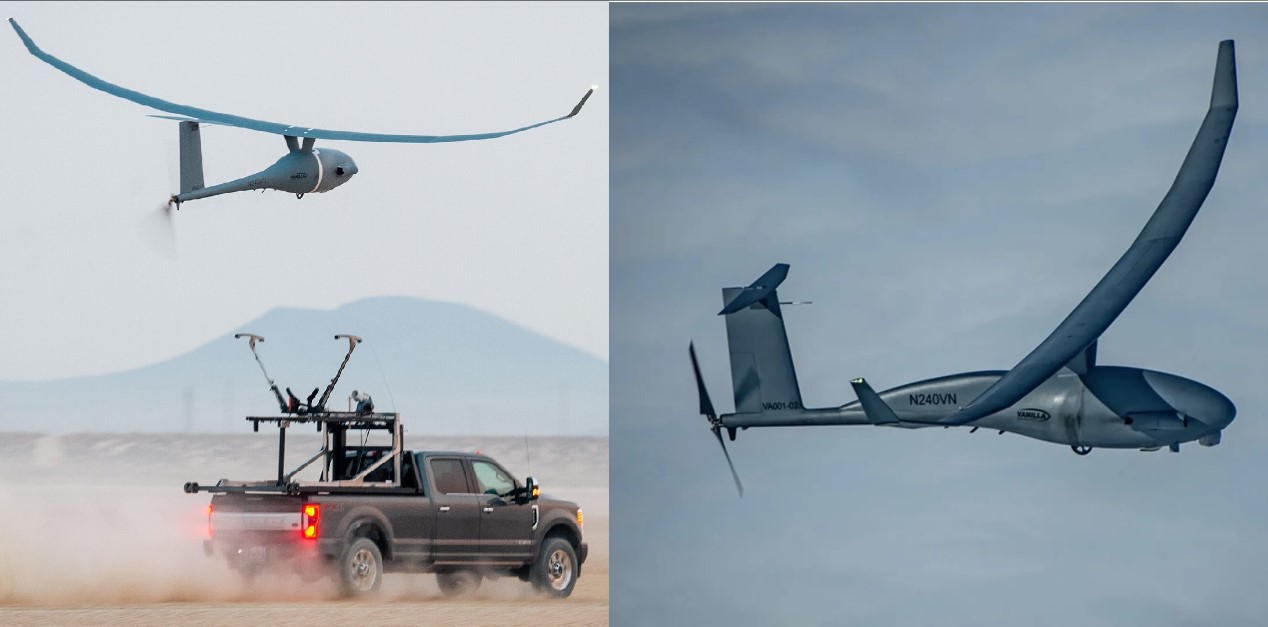
World
HOLLYWOOD, Maryland — April 16, 2026 : The U.S. Navy has awarded Platform Systems Inc., operating as Platform Aerospace, a $12,893,010 contract modification to continue support for the Vanilla long-endurance unmanned aircraft system (UAS) through August 2026. The funding is drawn from the Navy’s fiscal 2026 research, development, test, and evaluation accounts and will sustain operational availability of the system as testing and potential operational use continue. The work will be carried out at Platform Aerospace’s facility in Hollywood, Maryland. The company, a service-disabled veteran-owned small business, develops and supports the Vanilla UAS, a Group 3 ultra-long-endurance unmanned platform designed for persistent operations measured in days rather than hours. Contract Scope and Program Continuity The contract modification includes the provision of Vanilla UAS hardware, spare parts, engineering services, and logistics support. It also covers continued integration and sustainment of mission payloads, indicating an ongoing transition from demonstration-focused activities toward sustained operational readiness and repeated deployment cycles. Engineering and logistics support elements are structured to maintain system availability for extended testing, demonstrations, and mission integration efforts. The award supports continued evaluation of the platform across a range of naval and joint operational scenarios, including maritime surveillance, reconnaissance, communications relay, and persistent overwatch missions. Aircraft Design and Technical Specifications The Vanilla UAS features a modular airframe with a wingspan of 36 feet and is designed for flexible payload integration. It can carry a maximum payload of 150 pounds (68 kilograms) distributed across seven installation points, while providing up to 500 watts of onboard power to mission systems. Performance characteristics include a dash speed of 70 knots and a loiter speed between 45 and 55 knots. The aircraft operates at a service ceiling of 15,000 feet and can achieve a range exceeding 13,000 to 15,000 nautical miles depending on payload configuration. Endurance exceeds eight days with lighter payloads and is approximately four days at maximum payload capacity. The platform is land-launched using a truck-based mechanism and does not require a runway for takeoff. It is capable of beyond-visual-line-of-sight (BVLOS) operations, enabling long-duration missions over extended distances without direct operator visibility. Endurance Record and Flight History The Vanilla UAS holds the world record for unrefueled endurance in its class using an internal combustion engine. In October 2021, the aircraft completed a continuous flight lasting 8 days, 50 minutes, and 47 seconds at Edwards Air Force Base, California, covering approximately 12,200 miles. Earlier testing demonstrated endurance of 121 hours in 2017, reflecting the platform’s progressive development in long-duration flight capability. Payload Integration and Mission Capability The system is designed to integrate more than 40 different payload types, supporting a wide range of mission profiles. These include multi-spectral and electro-optical/infrared imaging sensors for intelligence, surveillance, and reconnaissance (ISR); signals intelligence (SIGINT) systems; and electronic warfare (EW) payloads. Vanilla can also function as a communications relay platform, carrying equipment such as Link-16 and satellite communications systems to maintain connectivity in environments where ground infrastructure is limited or degraded. Additional payload options include synthetic aperture radar and environmental sensing systems. The aircraft supports air-launched effects (ALE) configurations for both kinetic and non-kinetic payloads and has been tested with swarms of micro-drones. Its architecture allows multiple mission sets to be conducted during a single extended-duration flight. Operational Testing and Deployment Experience The Vanilla UAS has participated in U.S. Navy and joint exercises, including operations conducted at Andersen Air Force Base, Guam. Testing has included applications related to anti-submarine warfare and other maritime mission sets. Platform Aerospace has operated the system in diverse environmental conditions, including desert, tropical, and Arctic regions. The aircraft has flown missions for NASA in Greenland and conducted Arctic operations extending more than 1,000 miles into polar ice cap areas. These deployments have demonstrated system reliability in extreme climates and long-range mission profiles. The platform incorporates flight management systems and autonomy features designed to support continuous operations over extended durations with reduced operator workload. Program Background and Development Framework The Vanilla program originated from efforts to develop ultra-long-endurance unmanned aircraft capabilities, initially under Vanilla Aircraft and later expanded through acquisition and development by Platform Aerospace. The program has received support through multiple Small Business Innovation Research (SBIR) contracts from the Office of Naval Research, Naval Air Systems Command, the Air Force Research Laboratory, and other organizations. A Phase III SBIR contract awarded in 2022 established a five-year framework for continued advancement, supporting system maturation, payload integration, and expanded operational testing. Strategic Context The Navy’s latest contract modification reflects continued investment in long-endurance unmanned systems designed for persistent coverage in maritime and expeditionary environments where frequent recovery and relaunch are impractical. By combining extended endurance, modular payload capability, and relatively low operating costs, the Vanilla UAS is positioned as an attritable yet reusable platform suitable for distributed operations. The contract ensures that the system remains available for ongoing testing and mission integration activities through August 2026, supporting the Navy’s broader efforts to expand the role of unmanned systems in sustained surveillance, reconnaissance, and communications support missions.
Read More → Posted on 2026-04-16 13:33:13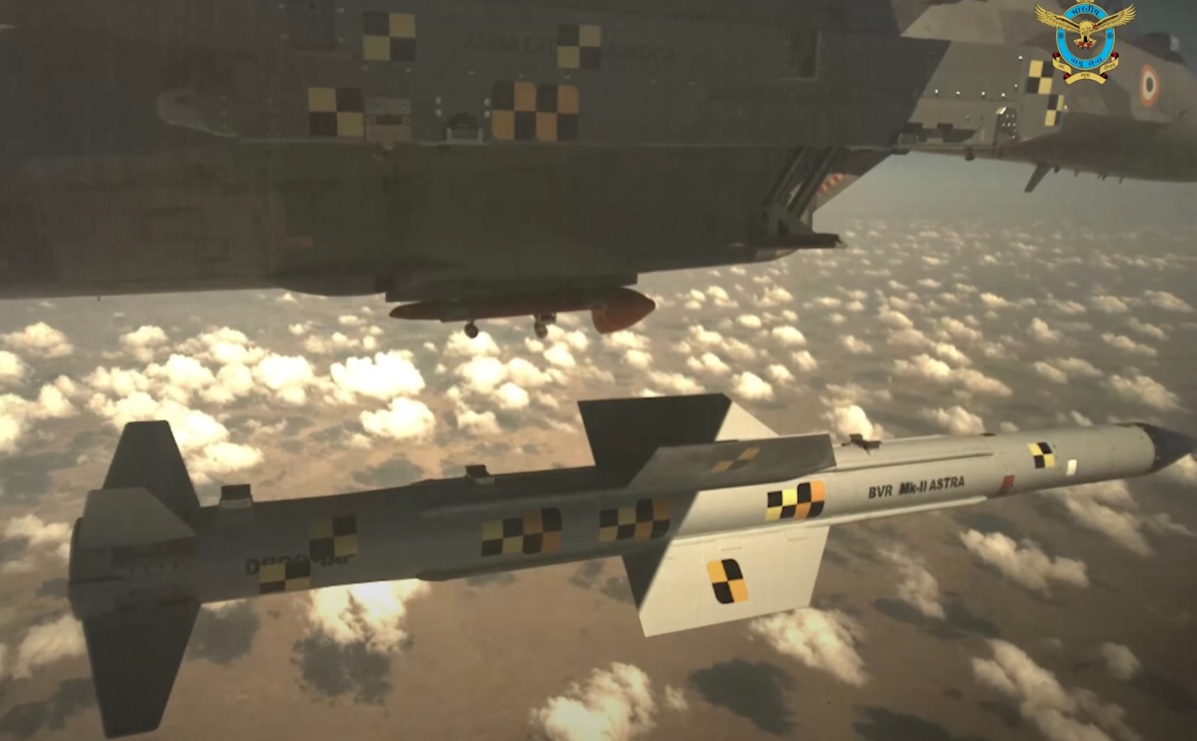
India
NEW DELHI — April 16, 2026 : India’s Defence Research and Development Organisation (DRDO) has successfully completed preliminary trials of the Astra Mk2 beyond-visual-range air-to-air missile (BVRAAM), validating key performance parameters including aerodynamics, propulsion, and guidance systems. The missile, designed as an extended-range variant of the Astra family, is intended to provide the Indian Air Force (IAF) with a long-range air combat capability of approximately 240 km. Subsystem Validation and Flight Performance The preliminary trials assessed the missile’s performance across multiple flight conditions, focusing on core subsystems. DRDO confirmed aerodynamic stability, including controlled maneuverability at high speeds and varied engagement profiles. The propulsion system, based on a dual-pulse solid rocket motor, demonstrated consistent thrust delivery across two phases of flight, enabling improved energy management and extended engagement range. Guidance and control systems, including the onboard seeker and datalink, were also validated for accuracy and reliability. Propulsion and Guidance Enhancements The Astra Mk2 incorporates a smokeless dual-pulse solid rocket motor, which differs from conventional single-pulse systems by reserving energy for a second thrust phase during terminal engagement. This configuration enhances the missile’s no-escape zone and maintains higher kinetic energy against maneuvering targets at long distances. The missile is equipped with an indigenous Active Electronically Scanned Array (AESA) radar seeker operating in the Ku-band, integrated with electronic counter-countermeasure (ECCM) capabilities. This enables improved resistance to jamming and enhances target acquisition and tracking in contested environments. A two-way datalink supports mid-course updates from the launch aircraft or networked platforms, enabling real-time trajectory corrections before terminal guidance activation. Integration and Production Timeline Following successful preliminary trials, the Astra Mk2 will proceed to integrated user trials with the Indian Air Force. These trials, involving live-fire testing on operational platforms, are scheduled for completion by the end of 2026. Limited series production is expected to begin around July 2026, subject to successful validation during this phase. Initial integration will be carried out on the Su-30MKI fighter aircraft, followed by the Light Combat Aircraft (LCA) Tejas Mk1A. Integration activities for the Astra family on Tejas platforms are already underway, including captive and planned firing trials. The missile is also expected to be compatible with future IAF fighter platforms. It supports both direct hot-launch and cold-ejection modes, allowing flexibility across different aircraft configurations. Design, Specifications, and Compatibility The Astra Mk2 weighs approximately 170–175 kg and includes a laser proximity fuze designed to support a high single-shot kill probability in beyond-visual-range engagements under all-weather conditions. The missile retains compatibility with existing Astra Mk1 production infrastructure, facilitating a smoother transition to manufacturing through established supply chains and industrial partners such as Bharat Dynamics Limited (BDL). Procurement and Strategic Context The Indian Air Force is expected to procure a substantial number of Astra Mk2 missiles, with reported plans indicating up to 700 units to equip its fighter fleet. The system is positioned to become a primary BVR weapon within the IAF inventory, offering extended standoff engagement capability comparable to contemporary global systems. The Astra Mk2 builds on the operational Astra Mk1, which has a range exceeding 110 km and is already deployed on the Su-30MKI platform. The Mk2 introduces advancements in propulsion, seeker technology, and datalink integration to address evolving air combat requirements. The program aligns with India’s broader effort to strengthen indigenous defense manufacturing under the Atmanirbhar Bharat initiative and reduce dependence on imported long-range air-to-air missile systems. DRDO officials have indicated that the Astra Mk2 program remains on schedule, with full user trials and production clearance expected following the completion of integrated testing. Future development within the Astra series includes the Astra Mk3, which is projected to incorporate Solid Fuel Ducted Ramjet (SFDR) technology for further range enhancement.
Read More → Posted on 2026-04-16 13:44:28
World
THOUSAND OAKS, California — April 16, 2026 : Teledyne FLIR Defense, a subsidiary of Teledyne Technologies Incorporated, has been awarded a contract valued at more than $35 million by WB Electronics S.A., part of WB Group, to supply TacFLIR 280-HDEP medium-range multi-spectral surveillance systems for integration onto Polish reconnaissance armored vehicles. The agreement, announced on April 16, 2026, marks Teledyne FLIR Defense’s third contract this year involving sensor and drone technology for European armored vehicle programs. Combined, the company’s 2026 European contracts exceed $85 million in value. Earlier awards include a $32 million January contract to provide long-range thermal imaging and radar systems for Bulgaria’s incoming Stryker fleet, followed by a February agreement to integrate Black Hornet 4 nano-drones onto Switzerland’s Piranha 8x8 vehicles. The TacFLIR 280-HDEP system is designed and manufactured at Teledyne FLIR Defense facilities in Billerica, Massachusetts. It is a stabilized, gimbal-mounted electro-optical/infrared (EO/IR) imaging system configured for ground vehicle integration. The payload combines high-definition midwave infrared (MWIR) thermal imaging with a daylight camera and low-light capability, enabling detection, identification, and tracking of personnel and vehicles during day, night, and adverse weather conditions across varied terrain. The system supports continuous target tracking while the host reconnaissance vehicle is stationary or moving. It incorporates an onboard video processing suite, Aided Target Recognition (AiTR), and a modular Control Electronics Unit (CEU) that allows integration of third-party algorithms alongside Teledyne’s software. The platform also includes a removable one-terabyte hard drive capable of recording more than 80 hours of compressed mission imagery. A primary function of the TacFLIR 280-HDEP is to reduce operator workload on reconnaissance platforms that generate large volumes of imagery. The AiTR capability uses onboard processing to automatically identify and flag objects of interest, enabling faster detection and classification timelines while minimizing continuous manual monitoring. WB Group will integrate the sensors into its reconnaissance vehicle platforms alongside its existing C4ISR architecture. This includes the FONET digital internal communications system and the TOPAZ integrated combat management system, both widely deployed across Polish military platforms. The integration is intended to enhance situational awareness, target identification, and operator safety. According to Teledyne FLIR Defense, the TacFLIR 280-HDEP has undergone nearly a decade of field testing in European environments, including cold weather, dust, and rain, demonstrating reliability under regional operating conditions. The combination of WB Group’s digital systems with the TacFLIR sensor suite aligns with interoperability requirements of NATO member states seeking field-proven reconnaissance capabilities. Dr. JihFen Lei, president of Teledyne Defense and Aerospace, stated that the program builds on long-standing collaboration with WB Electronics and is intended to deliver improved battlefield awareness through advanced EO/IR imaging and automated target recognition. Delivery timelines were not disclosed. The TacFLIR 280-HDEP will support reconnaissance missions by providing persistent medium-range multi-spectral surveillance and automated target recognition capabilities integrated into Polish armored platforms.
Read More → Posted on 2026-04-16 14:13:46
World
ANKARA — April 16, 2026 : Turkey’s Ministry of National Defence has announced the initiation of a plan to increase the number of commando brigades in the Turkish Armed Forces from 25 to 40, involving the formation of approximately 15 additional brigades over a multi-year period. According to the ministry’s statement released on April 16, the expansion is part of ongoing structural updates aimed at adapting the army to evolving warfare conditions, technological developments, and operational requirements. The new brigades will be established using updated organizational models aligned with current threat assessments, differing in structure and operational approach from existing units. The decision reflects assessments shaped by recent regional and international developments, including the ongoing Russia–Ukraine conflict and recent U.S. and Israeli strikes on Iran. Turkish defence officials indicated that these events have influenced the need for enhanced specialized infantry capabilities, particularly for asymmetric warfare and cross-border operations. The planned increase will be implemented in phases, with some reports indicating a projected three-year timeline to allow for training, equipping, and integration of the new formations. The ministry stated that the additional brigades will incorporate modern training standards, updated equipment, and revised operational concepts designed for rapid deployment and flexible mission profiles. Turkey’s commando brigade capacity has expanded steadily over the past decades, rising from four brigades in 1994 to 12 by 2018, increasing to 16 following Supreme Military Council decisions after 2018, then to 18 in 2020, and reaching 25 by early 2026. The new target of 40 brigades represents a continuation of this restructuring and professionalization process within the Turkish Land Forces. The expansion is also aligned with broader defence priorities outlined in Turkey’s 2026 budget, which includes increased allocations for personnel, procurement, and modernization programs. The Turkish Land Forces constitute a significant portion of the country’s approximately 550,000 active military personnel. Officials stated that the restructuring supports Turkey’s ongoing operational commitments, including participation in NATO activities and cross-border missions. While no specific completion date has been formally confirmed, the initiative is expected to be carried out over several years as part of wider adjustments within the Turkish Armed Forces.
Read More → Posted on 2026-04-16 14:19:44
World
BEIRUT — April 16, 2026 : The Israeli army has withdrawn its forces from the southern Lebanese villages of Deir Siryan and Qantara in recent days, following extensive demolition operations that left much of both locations destroyed. The move is assessed as a tactical repositioning linked to Israel’s broader effort to consolidate a buffer zone in southern Lebanon rather than maintain troops in exposed forward positions. Local officials confirmed that Israeli forces remained active in Deir Siryan until shortly before the withdrawal. The village’s mokhtar, Ali Ibrahim, reported hearing fresh explosions on Sunday and Monday, indicating continued demolition activity immediately prior to the pullback. Both Deir Siryan, located in the Marjayoun district on the southern bank of the Litani River, and Qantara experienced widespread destruction, with dozens of homes and structures systematically demolished. According to available reports, Israeli forces employed a demolition strategy previously used in other border villages, including Taybeh and Naqoura. Buildings were rigged with explosives and destroyed in controlled blasts. Satellite imagery and accounts from residents in early April 2026 indicated near-total destruction in Deir Siryan, with little of the village remaining intact. The villages were occupied during Israeli ground operations that followed clashes with Hezbollah in the area, including along the Taybeh–Qantara axis. Deir Siryan had an estimated population of approximately 1,400 residents prior to the escalation, all of whom had evacuated during the early phase of the offensive. Military analysts describe the withdrawal as part of a broader operational adjustment aimed at reducing troop exposure to potential Hezbollah attacks in vulnerable frontline positions. By pulling back from heavily exposed locations, Israeli forces are seeking to maintain control over the wider area while consolidating positions along more defensible lines within an expanded buffer zone extending toward the Litani River. The repositioning aligns with Israel’s stated objective of establishing a deeper security zone in southern Lebanon to push Hezbollah forces further from the border and limit cross-border threats. Demolition of infrastructure in evacuated villages is being used as part of this approach to prevent the areas from being reused for military purposes. The developments come amid ongoing Israeli military operations in southern Lebanon that began after the violation of the November 2024 ceasefire. Israeli forces have since expanded their ground presence across multiple sectors, including reported movements toward areas such as Debbine, located approximately one kilometer from the Litani River. The strategy of clearing and demolishing villages within a depth of roughly three to eight kilometers from the border reflects operational models previously observed in other theaters, including Israeli operations in Gaza in locations such as Beit Hanoun and Rafah. The objective is to remove infrastructure and conditions that could support militant activity near the border. No official Israeli statement detailing the exact timing or specific rationale for the withdrawal from Deir Siryan and Qantara had been issued at the time of reporting. Lebanese authorities and Hezbollah have not publicly provided detailed responses regarding the specific pullback, as the situation on the ground in southern Lebanon continues to evolve.
Read More → Posted on 2026-04-16 14:53:55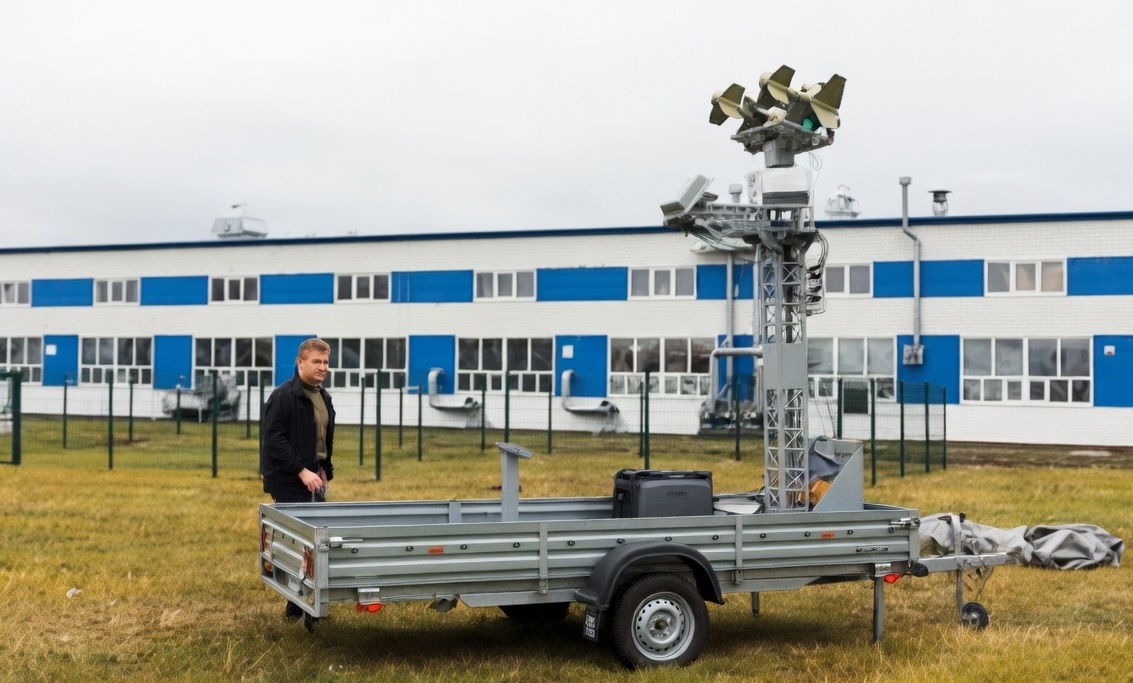
World
MOSCOW — April 16, 2026 : Newly circulated open-source intelligence footage indicates a technical shift in the deployment of Russia’s “Yolka” (Ёлка) interceptor drone, showing the system operating in an integrated configuration with a dedicated launcher and paired radar unit. The development marks a transition from earlier man-portable versions that relied on handheld or tripod-based catapult launches. The footage shows the Yolka mounted on a launcher system and linked to an external radar, reportedly produced by Yumirs, enabling earlier target detection and automated cueing. This configuration supports semi-automated operation and suggests a move toward fixed or platform-based point-defense roles rather than exclusive use by individual operators. System Development and Background First reported in mid-2025 and manufactured by the Moscow-based company Nashe Nebo (“Our Sky”), the Yolka is designed for short-range counter-unmanned aerial vehicle (UAV) operations. The system operates on a fire-and-forget principle, using onboard processing to autonomously track and engage targets after launch with minimal operator input. Earlier deployments involved handheld, pistol-like launchers or tripod systems, as well as mounting on platforms such as the Impulse-PVO tracked robotic chassis. The newly observed launcher-and-radar pairing reflects ongoing adaptation toward integrated air defense roles. Technical Characteristics Available technical data from Ukrainian defense advisors and Russian sources indicate the following specifications: Launch weight: approximately 1.3 kg to 2.0 kg Operational range: up to 3 kilometers Maximum speed: 200–230 km/h Climb rate: up to 40 meters per second Altitude ceiling: up to 2,000 meters Target engagement: capable against UAVs moving up to 115 km/h The drone is constructed from lightweight materials, including an 8×100 mm carbon tube, carbon structural elements, and 3D-printed aerodynamic components. It uses Skystars KOKO RS 2275 1950KV motors and a Gaoneng GNB2200 6S lithium-polymer battery. Targeting and Guidance The system’s core processing unit, known as the “Igolka” module, integrates machine learning algorithms with a dual-channel optoelectronic system for visual identification and tracking of targets. Detection range for small drones is reported between 600 and 1,000 meters. Once a target enters a range of approximately 700 to 1,000 meters, the onboard visual tracking system takes over for terminal guidance. If visual contact is lost, the drone is programmed to climb to about 50 meters and initiate a glide-based search pattern. Payload Variants The Yolka is deployed in two configurations: Kinetic interceptor (baseline): a non-explosive variant that neutralizes targets through direct impact Fragmentation variant: equipped with a 360-gram warhead designed to detonate on proximity or impact The baseline version is described as simpler and lower-cost due to the absence of an explosive payload. Operational Constraints The system’s reliance on optical targeting imposes environmental limitations. Current versions operate only during daylight and are affected by high-contrast lighting conditions such as direct sunlight or dense cloud cover. The drone cannot be used in rain and is limited to wind conditions below 8 meters per second. Operational Use and Role Expansion The Yolka has been deployed by Russian forces since 2025 for countering small UAVs, including FPV drones, quadcopters, and bomber-type systems. It has been used for point defense of infantry positions, supply convoys, air defense systems, and critical infrastructure. Russian sources report multiple successful interceptions, including engagements against Lyutyi-type attack drones in the Bryansk region. The integration of radar with the launcher system indicates a shift toward layered air defense applications. By enabling earlier detection and automated targeting, the updated configuration is positioned to improve response times and expand the system’s role in protecting stationary and high-value assets. The Yolka continues to undergo iterative development, with adjustments based on operational feedback. No official production figures have been disclosed.
Read More → Posted on 2026-04-16 15:05:11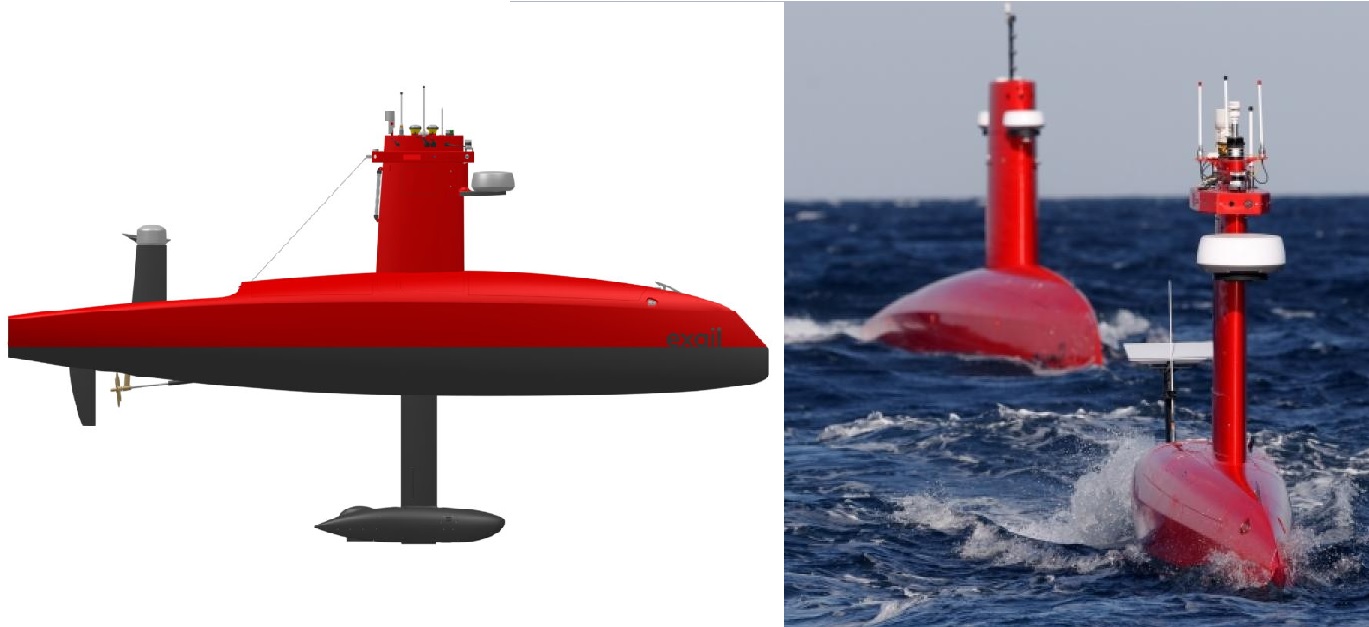
World
PARIS, — April 16, 2026 : Exail has secured a contract to supply its long-range uncrewed surface vehicle (USV), the DriX H-9, to a leading defense research organization for counter-unmanned aerial system (C-UAS) missions. The announcement was made on April 16, 2026. Under the agreement, the DriX H-9 will be equipped by the customer with advanced sensor technologies to detect, track, and mitigate aerial threats. The system will adapt C-UAS technologies originally developed for land-based platforms to the maritime environment, enabling mobile and autonomous protection of coastal and open-water airspace. This marks the second defense-focused DriX H-9 order within a few months. A previous order was placed in January 2026 by the innovation branch of a leading navy for similar C-UAS missions, while another unit was acquired by Service Hydrographique et Océanographique de la Marine (SHOM) for hydrographic operations. The platform has also been selected by a European client for offshore civil survey work. According to industry reporting, the recent C-UAS-related acquisitions are understood to be linked to the United States Navy, potentially through the Office of Naval Research or the Strategic Capabilities Office. The DriX H-9 is part of Exail’s DriX Series of uncrewed surface vessels designed for multi-mission use across defense and commercial sectors, including hydrography, maritime security, and domain awareness. The platform combines long-range autonomy, high payload capacity, and a modular architecture that allows rapid integration of mission systems. Its customizable stern section supports additional payloads and remotely operated towed vehicle (ROTV) operations. The vessel measures 9 meters in length with a displacement of 2.1 tonnes. It offers an endurance of up to 20 days depending on payload, a range of approximately 2,000 nautical miles, and a maximum speed of less than 13 knots. The fuel capacity is 550 litres. The system operates using Exail’s CortiX autonomy solution, enabling remote control or supervised autonomous operations, including over-the-horizon missions. It incorporates obstacle avoidance capabilities using video cameras, infrared sensors, LiDAR, radar, and software-based processing. Communications are supported through a multi-channel redundant architecture, including line-of-sight and over-the-horizon links via 4G/5G, broadband radio, satellite, and other channels. The DriX H-9 also supports low-noise payload operations for high-quality data collection and is designed to operate in high sea states above Sea State 5. According to the company, the platform operates with a significantly reduced environmental footprint compared to conventional crewed vessels. Marine Slingue, President of Exail Defense Systems Inc., stated that the contract reflects the increasing role of uncrewed surface systems in defense applications and highlights the adaptation of the DriX Series to new mission profiles such as C-UAS. The contract expands the operational role of the DriX H-9 in maritime security and domain awareness, as defense organizations continue integrating autonomous systems for tracking, mitigation, and data collection in maritime environments.
Read More → Posted on 2026-04-16 15:22:41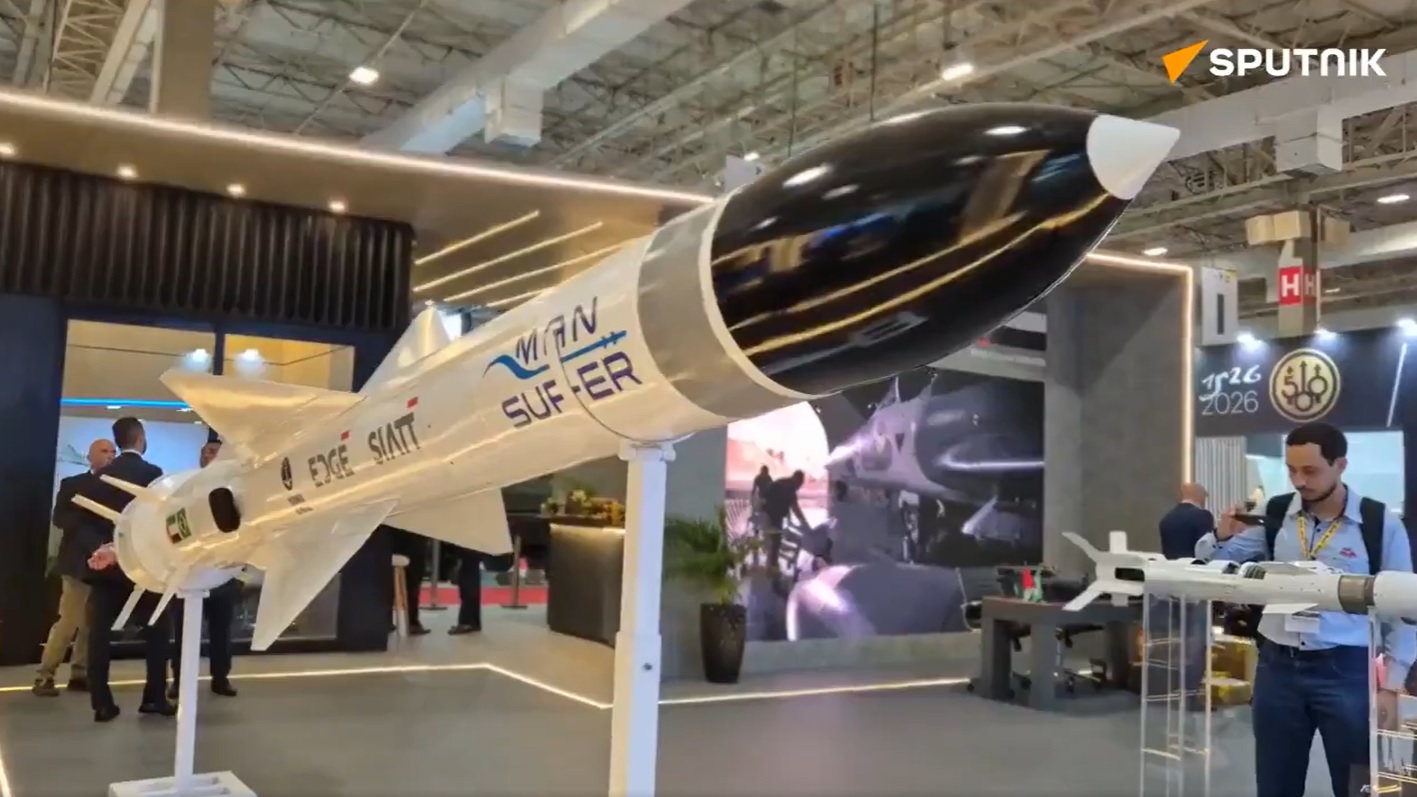
World
SÃO PAULO, — April 16, 2026 : The Brazilian Navy (Marinha do Brasil) has presented the MANSUP-ER (Míssil Antinavio Nacional de Superfície – Extended Range) anti-ship missile at the LAAD Security Milipol Brazil 2026 exhibition, held from April 14 to April 16 at the Transamerica Expo Center in São Paulo. The MANSUP-ER is an extended-range development of the baseline MANSUP missile, increasing operational reach from approximately 70 kilometers to over 200 kilometers. The system is being developed by Brazilian defense company SIATT in cooperation with the UAE-based EDGE Group, which holds a 50 percent stake in the firm, alongside participation from the Brazilian Navy. The missile uses a turbojet propulsion system combined with a solid-propellant booster, enabling transonic speeds of approximately 950–954 km/h. It measures about 4,700 mm in length with a diameter of 330 mm and carries a 150 kg warhead. Guidance is based on inertial navigation with GNSS assistance, supported by a jamming-resistant active radar seeker for terminal engagement. The MANSUP-ER is designed for sea-skimming flight with adaptive profiles based on sea-state conditions. It supports programmable 3D waypoints, terminal maneuvering, and coordinated time-on-target attacks, allowing multiple missiles to strike simultaneously. In addition to maritime targets, the system includes overland flight capability and land-attack functionality. The missile can be launched from naval platforms or land-based systems configured for coastal defense. A coastal variant is under development, and studies are ongoing for a potential air-launched version. The program also includes integration of Turkish KTJ-3200 turbojet engines, ordered by the Brazilian Navy to support propulsion requirements. The MANSUP-ER is planned for deployment on future Brazilian Navy surface combatants, particularly the Tamandaré-class frigates, each expected to carry eight launch containers. These vessels are scheduled for commissioning between 2026 and 2029 and are intended to support coastal defense, exclusive economic zone (EEZ) patrol, and maritime security operations. The system is part of a broader effort to expand domestic defense manufacturing and reduce reliance on foreign-supplied munitions. It is expected to replace or supplement existing systems such as the Exocet MM40 Block II currently in service. The LAAD Security Milipol Brazil 2026 exhibition brings together military officials, defense companies, and security agencies from more than 60 countries, with a focus on defense and public security technologies.
Read More → Posted on 2026-04-16 15:34:10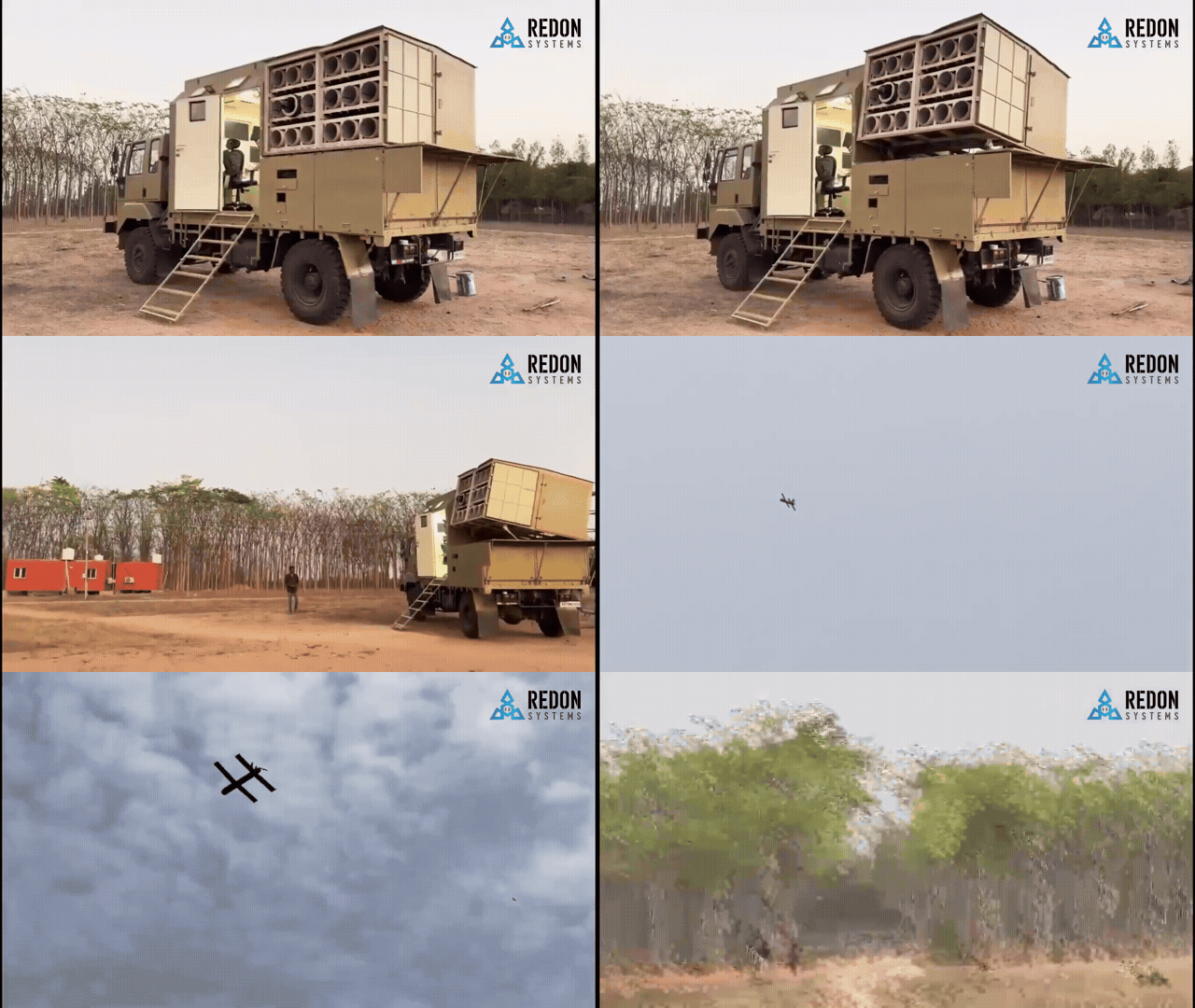
India
HYDERABAD — April 16, 2026 : Redon Systems has developed the Bheeshan Multi-Barrel Munition Launcher System (MBMLS), a vehicle-mounted platform designed for rapid deployment of loitering munitions to support precision strikes and coordinated multi-target engagements. The system is described as India’s first multi-barrel loitering munition launcher and has been developed entirely in-house as part of the company’s indigenous unmanned systems portfolio. Mounted on a Stallion 4x4 vehicle, the Bheeshan system is capable of launching up to 18 loitering munitions within two minutes, with a firing interval of four seconds per munition. It has an operational strike range of up to 30 km and supports deployment in high-altitude environments up to 4,500 metres, while the munitions operate at approximately 500 metres above ground level. The platform also carries an additional 18 munitions onboard, enabling a second salvo without requiring reloading. The system weighs approximately 7,000 kg, including the vehicle and launcher, and offers road mobility of up to 60 km/h. It is designed for operations across varied terrain and can function in temperatures ranging from -10°C to +50°C. The launcher uses a pneumatic ejection mechanism powered by a 200-bar compressor, with adjustable launch pressure and speed depending on munition weight. The loitering munitions feature foldable wings for compact storage and are equipped with warheads for precision targeting. Command and control are managed through a Linux-based Ground Control Station (GCS) equipped with a graphical interface for mission planning and execution. The system includes dual workstations, allowing operators to control nine munitions each simultaneously, enabling coordinated strikes against multiple targets. The system can be made operational within 15 minutes. The Bheeshan MBMLS is part of Redon Systems’ broader Bheeshan series of multi-barrel UAV launchers and is intended for artillery support, counter-insurgency operations, and high-altitude warfare. It is designed to enhance rapid deployment capability, improve precision engagement, and enable swarm-like attack profiles to overwhelm adversary defences. The system integrates with the company’s indigenous platforms, including the Achuk loitering munition series and the Pehra tethered surveillance drone. The Achuk platform supports semi-autonomous and autonomous missions, with electric propulsion and AI-enabled targeting. It offers modular payload configurations, including High Explosive (HE) and High-Explosive Anti-Tank (HEAT) warheads, with payload capacities ranging from 1.1 kg to 3.5 kg and operational ranges between 10 km and 30 km depending on the variant. Redon Systems recently demonstrated the Bheeshan system during Exercise TOPCHI at the Artillery School in Deolali, attended by senior Indian Army officials, including Lt Gen NS Sarna. The development aligns with India’s Atmanirbhar Bharat and Make in India initiatives aimed at strengthening domestic defence manufacturing. No official details regarding production timelines or induction status have been disclosed.
Read More → Posted on 2026-04-16 15:48:44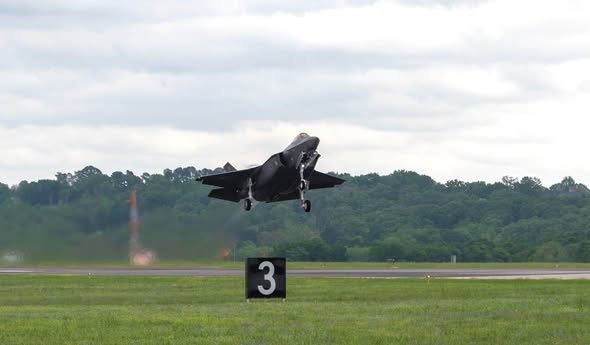
World
HELSINKI — April 16, 2026 : The Finnish Air Force has confirmed that a Finnish pilot conducted the first flight of a Lockheed Martin F-35A Lightning II on April 15, 2026, at Ebbing Air National Guard Base in Fort Smith, Arkansas. The sortie began at 2:17 p.m. local time and was carried out using aircraft JF-502, the second F-35A delivered to Finland. The flight marks the transition of Finnish personnel into the live-flight phase of initial F-35 training in the United States. Prior to this stage, pilots and support staff completed theoretical instruction and simulator-based training at Eglin Air Force Base in Florida. Flight training operations at Ebbing are conducted by the U.S. Air Force’s 57th Fighter Squadron. Training Progression and Pilot Experience The pilot, a former instructor and experienced operator of the F/A-18 Hornet, described the aircraft’s performance during the mission. He reported that the F-35A demonstrated strong acceleration during takeoff, with afterburner enabling rapid attainment of takeoff speed at full power. He also noted that aircraft handling remained stable and intuitive throughout all phases of flight, allowing greater focus on mission execution rather than aircraft control. According to the pilot, the training programme has progressed in a structured manner, covering aircraft systems, emergency procedures, and tactical flight operations designed to utilize the capabilities of the F-35 platform. He stated that U.S. instructors involved in the programme have extensive experience and are accustomed to training international personnel. The pilot also highlighted the importance of simulator preparation due to the F-35A’s single-seat configuration. Unlike the F/A-18 Hornet, which allows for instructor presence during initial flights, the F-35 requires pilots to operate independently from the outset. He noted that simulator training provided a sufficient foundation to support the first live flight. Following the sortie, Finnish and U.S. personnel were present on the ramp at Ebbing Air National Guard Base, reflecting the coordinated effort supporting the training programme. Aircraft Deliveries and Training Fleet Finland has so far received eight F-35A aircraft, designated JF-501 through JF-508. These aircraft are currently stationed at Ebbing Air National Guard Base and are being used for pilot and maintainer training. Each aircraft undergoes airworthiness verification and acceptance inspections conducted by Finnish personnel before being cleared for operational use. Aircraft JF-501 arrived at Ebbing on January 20, 2026, followed by JF-502 on February 18, 2026. The remaining aircraft in this initial batch were delivered subsequently as part of the training allocation. Approximately 150 Finnish personnel are scheduled to complete training in the United States, including around 20 pilots, 80 maintenance technicians, and 50 additional support staff. The training programme is expected to continue in phases through early 2028. Transition Timeline and Infrastructure Development Further deliveries of Finnish F-35A aircraft are scheduled to begin in fall 2026, with aircraft starting from JF-509 to be delivered directly to Finland. The first Finland-based aircraft will be stationed at Rovaniemi Air Base, which hosts the Lapland Air Wing. Infrastructure upgrades at Rovaniemi are currently underway to support the introduction of the F-35A. These include the installation of simulators and modifications to operational and maintenance facilities required for fifth-generation aircraft operations. Finland aims to achieve initial operational capability (IOC) with the F-35A at the beginning of 2028, coinciding with the Lapland Air Wing’s transition from the F/A-18 Hornet fleet. Full operational capability (FOC) across the Finnish Air Force is projected by the end of 2030. HX Programme and Fleet Replacement Finland has ordered a total of 64 F-35A aircraft under the HX fighter replacement programme, which was approved in February 2022. The aircraft will gradually replace the current fleet of F/A-18C/D Hornets during the transition period. The eight aircraft currently based at Ebbing Air National Guard Base will continue to support training activities before being transferred to Finland at a later stage. The April 15, 2026 flight represents a scheduled milestone in Finland’s phased integration of the F-35A into its air defence structure.
Read More → Posted on 2026-04-16 16:54:44
World
WASHINGTON — April 16, 2026 : The United States Department of Defense is deploying more than 10,000 additional military personnel to the Middle East, expanding its force posture in the region as part of ongoing operational planning under U.S. Central Command. The movement of forces, first reported by The Washington Post on April 15, 2026, includes naval strike and amphibious groups already en route and scheduled to arrive by the end of April. Deployment Overview According to U.S. officials cited in the report, approximately 6,000 personnel are deploying with the USS George H. W. Bush Carrier Strike Group, which departed Naval Station Norfolk, Virginia, in late March 2026. The carrier, a Nimitz-class aircraft carrier, is transiting toward the U.S. Central Command area of responsibility with its escort ships. The strike group is currently navigating around the coast of Africa en route to the Middle East. A further 4,200 troops are expected to arrive by the end of April 2026 with the Boxer Amphibious Ready Group and the embarked 11th Marine Expeditionary Unit. This formation departed San Diego between March 19 and 20, 2026, and includes the USS Boxer (LHD-4), the USS Portland (LPD-27), and the USS Comstock (LSD-45). The group has been conducting integrated training operations during its transit and is currently operating within the U.S. 5th Fleet area. The Boxer group carries more than 800 Marines along with aviation assets, including helicopters and landing craft, as part of the 11th Marine Expeditionary Unit’s forward-deployed capability. Total Force Presence Once all incoming units arrive, the total U.S. military presence in the Middle East is expected to exceed 60,000 personnel. Prior to these deployments, approximately 50,000 U.S. troops were already operating in the region, a figure that had increased earlier in 2026 following additional deployments, including elements of the 82nd Airborne Division and other Marine units. The USS George H. W. Bush Carrier Strike Group will join other U.S. naval forces already present in the region, including the USS Abraham Lincoln and the USS Gerald R. Ford carrier strike groups. Operational Context The deployments are part of ongoing force posture adjustments managed by U.S. Central Command throughout 2026. According to officials quoted in The Washington Post, the additional forces are intended to support continued operations and prepare for a range of contingencies in the region. The report notes that planning is taking place ahead of the scheduled expiration of a two-week regional ceasefire on April 22, 2026. U.S. military planners are reportedly assessing potential operational scenarios should the ceasefire not be extended. At the same time, U.S. naval forces are involved in enforcing a maritime blockade affecting traffic entering and exiting Iranian ports. More than a dozen U.S. warships are currently positioned across the Gulf of Oman and the Arabian Sea, including areas surrounding the Strait of Hormuz, a key maritime chokepoint. According to current and former officials cited in the report, contingency planning includes a range of possible operations, including ground force deployments, special operations missions targeting sensitive sites, and amphibious operations aimed at securing coastal areas and protecting international shipping routes. Official Position The Pentagon has not released a detailed public statement outlining the specific mission or operational tasks assigned to the incoming forces. U.S. Central Command has also declined to comment on exact timelines or directives associated with the deployments. Official U.S. Navy statements have described the movements of naval groups, including the USS George H. W. Bush Carrier Strike Group and the Boxer Amphibious Ready Group, as routine deployments in support of operations within the U.S. 5th Fleet area of responsibility. The White House stated that the administration continues to monitor developments in the region and is maintaining a range of strategic options in relation to regional stability and nuclear-related concerns. Continuing Adjustments The current deployments represent a continuation of a broader pattern of U.S. military adjustments in the Middle East throughout 2026. The increase from a baseline presence to more than 50,000 personnel earlier in the year, and now projected to exceed 60,000, reflects sustained operational activity and planning under evolving regional conditions. No additional official details have been released regarding the duration of these deployments or any further reinforcements beyond those already reported.
Read More → Posted on 2026-04-16 17:00:44
World
HAIFA, Israel — April 16, 2026 : The Israeli military has released new operational details outlining the scope of naval activities conducted during recent multi-front conflicts, including previously undisclosed long-range missions by its commando and submarine forces. The information was made public in conjunction with a formal change of command ceremony held Thursday evening at the Atlit naval base near Haifa. According to official statements, the Navy’s elite Shayetet 13 commando unit carried out a long-range operation thousands of kilometers from Israel during the conflict. Military officials noted that the mission took place in a region where the unit had not previously operated. No further details were provided regarding the timing, location, or specific objectives of the operation. The Navy also confirmed a record deployment involving its submarine fleet. One submarine operated at the farthest distance ever recorded in the history of Israeli naval operations. During the peak of the conflict, submarines were deployed simultaneously across three separate maritime theaters, reflecting a significant expansion in operational reach. Additional data released by the military detailed the Navy’s role across multiple operational domains. Naval warships conducted 53 targeted strikes in Lebanon and six strikes in the Gaza Strip. In support of broader military operations, the Naval Intelligence Division contributed intelligence and operational planning for approximately 95 airstrikes carried out inside Iran. Naval forces were also engaged in aerial defense missions. During the conflict, they responded to around 40 separate aerial threat incidents and intercepted several dozen unmanned aerial vehicles. The operational summary was disclosed as Vice Adm. Eyal Harel formally assumed command of the Israeli Navy, succeeding Vice Adm. David Saar Salama. The handover ceremony took place on April 16, 2026, at the Atlit base. Salama is retiring after a 39-year military career, including more than four and a half years as head of the Navy. His tenure included overseeing naval operations during the October 7 attacks, when naval units engaged Hamas militants attempting to infiltrate Israeli territory by sea near Zikim. Since the onset of the war, senior military officials have stated that Hamas’s maritime capabilities have been significantly reduced. Vice Adm. Harel assumes leadership of a naval force that has expanded its operational profile, integrating long-range deployments, aerial defense responsibilities, and cross-branch intelligence coordination. The Navy’s latest disclosures provide a summary of selected activities across multiple theaters, without additional details beyond the figures and general descriptions released.
Read More → Posted on 2026-04-16 17:12:15
World
WASHINGTON, D.C., April 16, 2026 — The House Select Committee on the Chinese Communist Party has raised concerns over the role of commercial satellite imagery in exposing U.S. military positions prior to an Iranian strike, with Chairman John Moolenaar formally questioning whether data from Airbus Space assets was indirectly used by a Chinese firm. In a letter dated April 13, 2026, addressed to U.S. Secretary of War Pete Hegseth, Moolenaar cited a technical analysis conducted by the committee indicating a high likelihood that Airbus Space imagery was obtained by MizarVision, a Hangzhou-based geospatial artificial intelligence and software company founded in 2021 with a small ownership stake held by the Chinese government, in the days preceding Operation Epic Fury. Detailed Timeline and Strike Context The inquiry centers on events leading up to the Iranian missile and drone strike on March 27, 2026, targeting U.S. forces at Prince Sultan Air Base. The strike wounded between 10 and 12 U.S. service members, including two seriously, and damaged multiple aircraft. Operation Epic Fury, the U.S.-led military operation against Iran, began on February 28, 2026. In the days leading up to the strike, MizarVision published detailed satellite imagery of U.S. forces in the Middle East without disclosing its data sources. The imagery included high-resolution, annotated views of U.S. military aircraft at Prince Sultan Air Base, identifying specific platforms such as KC-135 aerial refueling aircraft and E-3 Sentry airborne warning and control system aircraft. These same categories of aircraft were among those impacted in the March 27 attack. Technical Analysis by the Committee According to the Select Committee’s investigation, Airbus-operated satellites were tracked over a 48-hour window prior to the strike. The analysis determined that these satellites had multiple daily observation opportunities, with viewing windows totaling up to 10 hours, during which imagery of U.S. troop positions and equipment could have been collected. To assess feasibility, the committee established three technical conditions that had to be met simultaneously: the satellite had to be in the correct orbital position, the onboard camera needed the capability to orient toward the area of interest, and there had to be sufficient daylight for optical imaging. Time periods satisfying all three criteria were identified as plausible collection opportunities. A technical review conducted with a satellite systems expert concluded that Airbus Space satellites were the most plausible source of the imagery later published by MizarVision. Experts also noted that the imagery was highly unlikely to have originated from Chinese state-operated satellites based on known technical parameters. In his letter, Moolenaar wrote:“These documented facts present a troubling scenario: 1. A Chinese firm with undisclosed satellite sourcing published precise, annotated imagery of U.S. military assets at a specific base. 2. That imagery identified the exact aircraft types that were subsequently destroyed in a precise Iranian strike. 3. A technical analysis suggests Airbus Space satellites were the most plausible sources for that imagery.” MizarVision’s Capabilities and Publications MizarVision has released AI-processed satellite imagery throughout the lead-up to and during Operation Epic Fury. The company’s outputs feature automated object recognition and tagging of military assets, including bases, aircraft, naval vessels, and air defense systems across the Middle East. Its analytical models process large volumes of open-source data, including commercial satellite imagery, ADS-B aircraft tracking data, and AIS maritime tracking signals, enabling near-real-time identification of military equipment and monitoring of operational changes. The company has also published analyses of U.S. aerial tanker operations and aircraft carrier movements during the conflict. Some imagery released by MizarVision matches the resolution and characteristics of commercial satellite data from Western providers, including Airbus and Planet Labs, as well as other providers such as Vantor. U.S. defense intelligence officials have assessed that datasets of this type have been used by Iran’s Islamic Revolutionary Guard Corps to support planning and execution of missile and drone strikes. MizarVision’s activities have been documented in public posts since at least late February 2026, showing daily changes in U.S. military deployments across the Middle East. Industry and Pentagon Response Airbus has denied the allegations outlined in the committee’s letter. A company spokesperson stated: “Airbus denies these allegations, and this letter contains many inaccuracies regarding our operations and commercial relationships. We strictly comply with all applicable sanctions, export controls and international regulatory frameworks.” No determination has been made regarding any direct transfer of imagery from Airbus to MizarVision, and the Select Committee has requested further information from the Department of Defense regarding commercial satellite data flows in the region. Moolenaar urged the Pentagon to engage with Airbus to restrict the release of imagery of the region. He noted that other commercial satellite companies, including Planet Labs and Vantor, have voluntarily withheld or delayed imagery at the request of the U.S. government. Vantor stated that its decision was intended to ensure its services do not inadvertently increase risks to U.S. and allied forces. At a recent Space Symposium conference in Colorado, U.S. Space Command Commander Gen. Stephen Whiting stated that the military must adapt to a new operational environment in which commercial satellite imagery enables near-transparent observation of global activities. Broader Oversight and Previous Inquiry The current review is part of ongoing congressional oversight into the national security implications of commercial satellite imagery and open-source intelligence during active conflicts. The Select Committee has previously investigated aerospace companies’ ties to China. In December 2025, Moolenaar sent a separate letter to Secretary Hegseth concerning Airbus’s role in advancing China’s military-civil fusion strategy. The latest findings highlight the increasing intersection of commercial satellite providers, artificial intelligence-driven analytics, and military operations, as well as the challenges governments face in managing the availability and use of geospatial intelligence in conflict zones.
Read More → Posted on 2026-04-16 17:47:28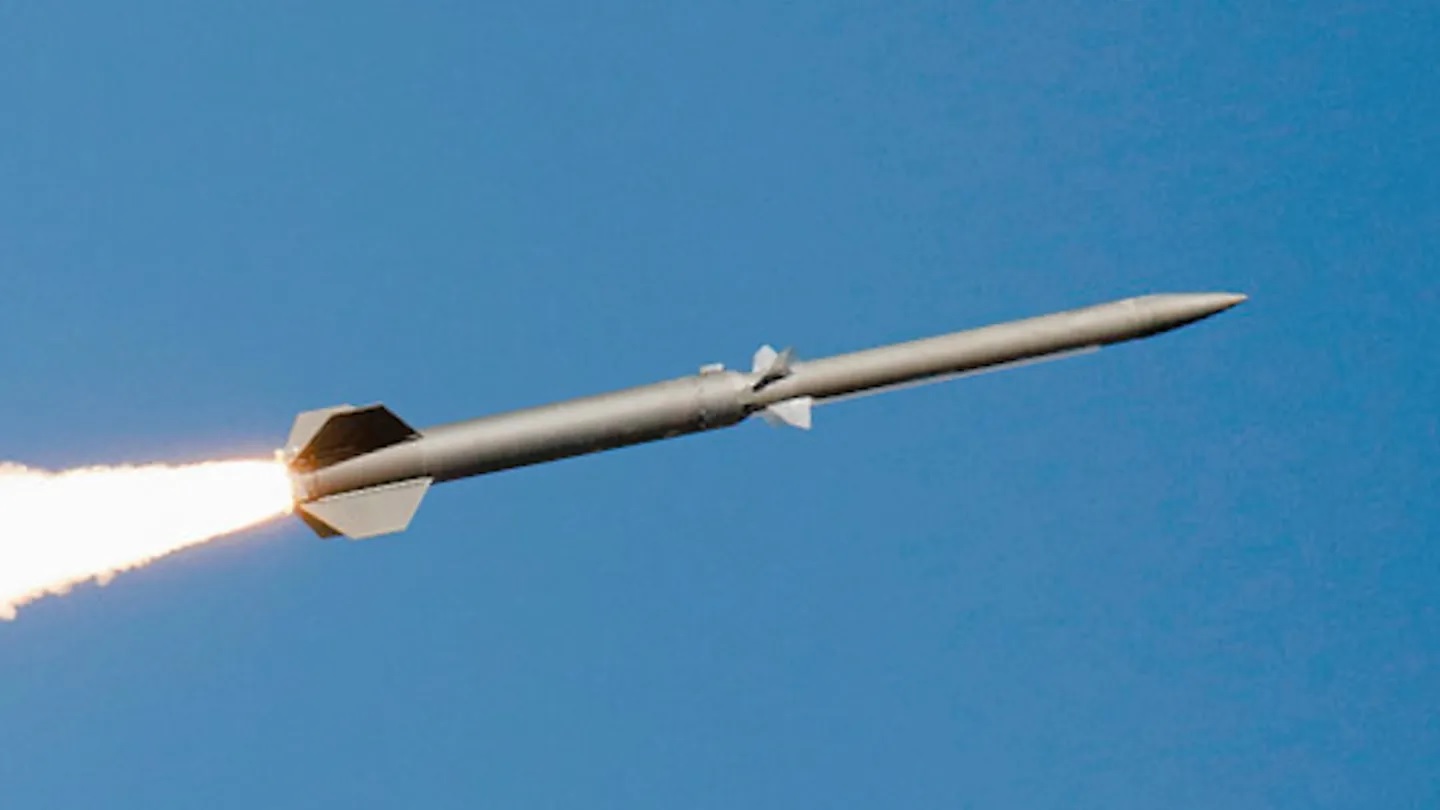
World
WASHINGTON — April 16, 2026 : The United States Navy has selected the Blackbeard hypersonic missile, developed by defense technology startup Castelion, as the first weapon candidate under its Multi-mission Affordable Capacity Effector (MACE) program, marking a significant step in the service’s effort to field affordable, high-volume precision strike systems. The Navy confirmed on April 15, 2026, to defense reporter Colby Badhwar that a $49,998,005 firm-fixed-price Small Business Innovation Research (SBIR) Phase III contract awarded to Castelion on February 25, 2026, is dedicated to advancing the MACE initiative. The contract funds full-scale prototype development, flight testing, and early operational fielding of the Blackbeard missile through November 2027, with primary work conducted at the company’s headquarters in Torrance, California. The confirmation identifies Blackbeard as the first concrete missile system selected under MACE since the program was initially disclosed in 2024, concluding a period of limited visibility following the early requirements phase. Program Origins and Requirements The MACE program originated from a Naval Air Systems Command Request for Information issued in February 2024. The Navy sought a modular, air-launched stand-off weapon designed to enhance the survivability of manned aircraft operating against advanced air defense systems. MACE is structured as a miniature cruise missile intended to complement the AGM-158C Long Range Anti-Ship Missile (LRASM). The requirement specifies a range exceeding 370 kilometers, comparable to LRASM’s unclassified range. LRASM is derived from the AGM-158B JASSM-ER platform, which has an operational range of approximately 925 kilometers. The system is subject to strict dimensional and weight constraints. The primary launch platform is the F/A-18E/F Super Hornet, which is expected to undergo near-term flight testing to validate carrier-based integration. The objective requirement further mandates that four all-up rounds must be carried internally within the weapons bays of both the F-35A and F-35C variants. Each missile is required to carry a 75-pound (34-kilogram) warhead, which will be integrated by the government, and must incorporate terminal guidance capable of engaging moving targets, including maritime threats. The design must adhere to digital engineering practices and Weapons Open System Architecture (WOSA) standards, allowing for modular payloads and sensor integration without disrupting production. The Navy has established a unit cost ceiling of $300,000 per missile and a minimum annual production objective of 500 units. These parameters position MACE in a similar operational category to the U.S. Air Force’s Extended Range Attack Munition (ERAM). The program emphasizes the use of existing propulsion technologies and mature subsystems to accelerate development timelines and reduce technical risk. Blackbeard System Development Castelion, founded in 2022 by former SpaceX personnel Bryon Hargis, Sean Pitt, and Andrew Kreitz, developed the Blackbeard missile to operate at speeds exceeding Mach 5 while maintaining maneuverability within the atmosphere. The missile is designed to support the Department of Defense’s “high-low mix” approach to hypersonic capabilities. Rather than replicating high-cost systems such as the Conventional Prompt Strike (CPS) or the Army’s Dark Eagle program, Blackbeard is intended to provide a lower-cost, high-volume option that bridges the capability gap between strategic hypersonic weapons and subsonic cruise missiles such as JASSM. As of early April 2026, the Blackbeard program has completed more than 20 flight tests evaluating propulsion, aerodynamics, thermal protection, and control systems. The missile is designed to engage moving and hardened targets at ranges of several hundred kilometers. A ground-launched variant is being developed in parallel for the U.S. Army, which is contributing $25 million to integrate the system with the M142 HIMARS and the Common Autonomous Multi-Domain Launcher (CAML). This joint-service applicability positions Blackbeard as a tactical strike system bridging conventional rocket artillery and theater-level hypersonic weapons. Accelerated Acquisition Timeline The MACE program is being executed under an accelerated acquisition framework. Following initial integration awards to Castelion by both the Army and Navy in October 2025, an aircraft integration contract was issued in November 2025, followed by an airframe development contract in January 2026. The program is structured within the fiscal year 2026 Navy Research, Development, Test, and Evaluation (RDT&E) budget as a new start under the Precision Strike Weapons Development Program. It combines Other Transaction Authority mechanisms with fixed-price prototyping contracts to reduce administrative timelines and enable rapid development. MACE is scheduled to transition to a formal Program of Record within fiscal year 2026. Early Operational Capability (EOC) is targeted for fiscal year 2027, with full flight envelope certification accelerated from fiscal year 2028 to fiscal year 2027. Funding Structure and Procurement Plans Total funding for the MACE program in fiscal year 2026 has reached $379 million. This includes a base request of $106 million, of which $60 million is allocated to airframe development and subsystem integration. Congressional additions increased the funding by $140 million, while reconciliation funding contributed an additional $133 million. Within the reconciliation allocation, $44 million is designated for long-lead procurement items, and $89 million supports integration, range testing, and certification activities, including requirements associated with the Weapons Systems Explosives Safety Review Board. For fiscal year 2027, the Navy has requested $156 million for the procurement of an initial batch of 353 MACE missiles. This results in an average unit cost of approximately $442,000, exceeding the program’s target threshold. Defense officials indicate that unit costs are expected to decline below $300,000 as production scales to the planned minimum of 500 units annually. Industrial Expansion and Manufacturing Strategy To support projected demand, Castelion has committed $220 million in private capital to develop “Project Ranger,” a 1,000-acre hypersonic manufacturing facility in Sandoval County, New Mexico. The site is designed for vertically integrated production, incorporating in-house manufacturing of propulsion and guidance systems. All 21 planned structures at the facility are expected to become operational by the end of 2026. Castelion’s industrial strategy is structured to enable production of thousands of missiles annually, leveraging combined procurement from the Navy and Army to stabilize output and reduce per-unit costs over time. System Architecture and Integration The MACE system is based on an all-up round architecture, integrating propulsion, guidance, control actuators, communications systems, and software into a single deployable unit. Warhead integration remains a government responsibility. The design complies with Weapons Open System Architecture (WOSA) standards, enabling interchangeable seekers and payload configurations for different mission requirements. The missile is intended to remain compatible with existing aircraft interfaces and support infrastructure. The selection of Blackbeard as the first MACE candidate advances the Navy’s approach to fielding cost-effective, scalable strike capabilities through rapid prototyping and early operational deployment.
Read More → Posted on 2026-04-16 17:52:40
World
NASHVILLE, Tennessee — April 17, 2026 : The U.S. Army is examining the integration of aerial refueling capabilities into its future MV-75A Cheyenne II tiltrotor fleet, alongside potential investment in uncrewed tanker aircraft modeled on the U.S. Navy’s MQ-25 Stingray. The initiative reflects the Army’s effort to extend operational reach and sustain long-range air assault missions, particularly in geographically expansive and contested environments such as the Indo-Pacific. The discussion was highlighted during the 2026 Army Aviation Association of America (AAAA) Warfighting Summit, where Army aviation leaders and industry representatives outlined emerging requirements tied to the Future Long-Range Assault Aircraft (FLRAA) program. Aerial Refueling Considerations for MV-75A The MV-75A Cheyenne II, derived from Bell’s V-280 Valor tiltrotor, is being developed to replace a significant portion of the Army’s UH-60 Black Hawk helicopter fleet. Designed for higher speed and extended range, the platform is central to the Army’s future air assault doctrine. Army Maj. Gen. Clair A. Gill, Program Executive Officer for Aviation and Maneuver Air, stated that the service is considering equipping some MV-75A aircraft with probe-and-drogue aerial refueling capability. However, he indicated that not all aircraft in the fleet would necessarily be configured this way. “Our last chief used to talk to me all the time about aerial refueling. We think that’s something. Maybe we don’t get all of them configured for that, but they’ll have the capability,” Gill said during the summit. He emphasized that the Army is engaging industry to address a key limitation: the absence of an organic aerial refueling capability. “One of the challenges… is getting somebody to give them the gas,” Gill noted, pointing to reliance on external tanker support as a constraint on operational flexibility. Absence of Organic Tanker Fleet Unlike the U.S. Air Force and U.S. Navy, the Army does not operate dedicated aerial refueling aircraft. Fixed-wing tanker platforms such as the KC-135 Stratotanker and KC-46 Pegasus are operated by the Air Force, while the Navy and Marine Corps rely on KC-130 variants and carrier-based solutions. As a result, Army aviation units currently depend on joint-force support for aerial refueling, limiting responsiveness and availability in high-demand operational scenarios. The introduction of the MV-75A, with its extended range and speed, is expected to increase the need for organic or readily accessible refueling options, particularly for distributed operations. Uncrewed Tanker Concept: MQ-25 Stingray To address this gap, Army officials have pointed to uncrewed aerial refueling systems as a potential solution. Gill referenced ongoing Navy efforts in unmanned aviation, widely interpreted as a reference to the MQ-25 Stingray program. Developed by Boeing under the Navy’s Carrier-Based Aerial Refueling System (CBARS) program, the MQ-25 is designed to autonomously deliver up to 15,000 pounds of fuel at a range of approximately 500 nautical miles. The aircraft is powered by a Rolls-Royce AE 3007N turbofan engine and has already demonstrated aerial refueling with platforms including the F/A-18 Super Hornet, E-2D Hawkeye, and F-35C. Although designed for carrier operations, the MQ-25 is capable of operating from land bases. Boeing has also proposed land-based derivatives of the platform, including concepts supporting Air Force tanker requirements and operations alongside collaborative combat aircraft such as the MQ-28 Ghost Bat. Coinciding with the AAAA summit, Bell released a promotional video depicting an MV-75A conducting mid-air refueling with an aircraft resembling the MQ-25 or a similar derivative, reinforcing the concept’s relevance to Army requirements. Special Operations and Conventional Force Integration The approach to aerial refueling within the Army is expected to differ between special operations and conventional aviation units. The 160th Special Operations Aviation Regiment (SOAR), known as the Night Stalkers, is slated to receive a specialized version of the MV-75 equipped with in-flight refueling capability as standard. This aligns with current practices, as the regiment’s MH-60M Black Hawk and MH-47G Chinook helicopters already employ probe-and-drogue refueling. In contrast, conventional Army aviation units have not historically operated aircraft with this capability. The extent to which the broader MV-75A fleet will incorporate aerial refueling remains under evaluation. Training and Operational Preparation The 101st Airborne Division, designated as the first conventional unit to receive the MV-75A, is already preparing for the platform’s extended operational envelope. Maj. Gen. David W. Gardner, commander of the division, stated that recent training exercises with U.S. Marine Corps MV-22 Osprey tiltrotors were conducted to familiarize personnel with increased range and speed characteristics. The MV-75A is expected to significantly expand the division’s ability to conduct long-range air assault operations, reduce reliance on forward arming and refueling points, and enhance maneuverability in contested environments. Broader Joint Refueling Landscape If the Army adopts probe-and-drogue refueling for the MV-75A, it will operate within a joint environment where tanker demand remains high. Current aerial refueling assets include: U.S. Air Force KC-135 and KC-46 tankers, as well as HC-130J and MC-130J aircraft U.S. Navy and Marine Corps KC-130 variants Carrier-based buddy refueling using F/A-18F Super Hornets The Air Force has also expanded probe-and-drogue compatibility to additional platforms, including the A-10 Warthog, increasing flexibility across the joint force. Despite these capabilities, tanker availability remains constrained in large-scale or distributed operations, reinforcing the case for Army-controlled refueling solutions. Platform Capabilities and Program Status The MV-75A Cheyenne II is designed to deliver more than twice the speed and range of legacy rotorcraft, with a cruise speed exceeding 300 mph. It can transport up to 14 soldiers or carry external loads of up to 10,000 pounds. The platform supports a wide range of missions, including air assault, medical evacuation, tactical resupply, and humanitarian assistance. Bell has initiated assembly of the first prototype, with plans to deliver six test aircraft. While the program schedule has been accelerated, officials have not confirmed specific timelines for first flight or operational deployment. Gill described the program timeline as a “success-oriented schedule” with limited flexibility, noting that development progress is constrained by available resources and engineering capacity. Future Implications and Related Programs The Army’s decisions regarding aerial refueling integration and uncrewed tanker acquisition may influence broader U.S. military aviation programs. The Marine Corps is currently refining requirements for a successor to the MV-22 Osprey, while the Navy is leveraging FLRAA data for its Future Vertical Lift-Maritime Strike (FVL-MS) program, intended to replace MH-60 Seahawk helicopters and MQ-8C Fire Scout drones. Bell has also presented navalized variants of the V-280 platform and concepts integrating uncrewed systems such as the V-247 Vigilant. Naming and Designation The MV-75 designation was formally announced on April 15, 2026, during the AAAA summit. The name “Cheyenne II” honors the Northern Cheyenne Tribe and the Cheyenne and Arapaho Tribes. The “MV” prefix denotes Multi-Mission Vertical Takeoff, while “75” references the founding year of the U.S. Army in 1775.
Read More → Posted on 2026-04-17 13:39:26
World
WOLGAST, Germany — April 17, 2026 : Construction of the third and final signals intelligence (SIGINT) vessel in the German Navy’s Type 424 class has officially commenced, following a steel-cutting ceremony held at the Peene-Werft shipyard in Wolgast. The event was attended by representatives of the Bundeswehr and key project officials, marking the point at which all three ships in the class are now in active production. The Type 424 program, managed by Rheinmetall Naval Systems through its NVL Group operations, has reached a significant milestone with the early start of construction on the final vessel. The accelerated timeline reflects a broader push to enhance Germany’s maritime intelligence capabilities in response to evolving security requirements. Tim Wagner, Chief Executive Officer of Rheinmetall’s Naval Systems division, stated that initiating steel cutting ahead of schedule demonstrates a deliberate effort to increase production speed. He noted that all three vessels being under construction simultaneously represents both an industrial and strategic development, with faster delivery timelines becoming increasingly important in the current security environment. The vessels, designated as Flottendienstboote Klasse 424, are designed as advanced maritime reconnaissance platforms. Each ship measures approximately 130 to 132 meters in length and will be equipped with modern sensor systems capable of collecting and processing signals intelligence across a broad frequency spectrum. Their capabilities include electronic intelligence (ELINT), communications intelligence (COMINT), and imagery intelligence (IMINT). In addition to intelligence-gathering systems, the ships are being designed with integrated command and control (C2) capabilities, self-protection systems, and low-noise propulsion technology to reduce acoustic signatures during operations. While detailed specifications of onboard systems remain classified, the design emphasizes long-term operational flexibility and compatibility with future technological developments. Once commissioned, the vessels will be operated jointly by the German Navy and the Cyber and Information Domain Service (CIR), reflecting an integrated approach to maritime intelligence operations within the Bundeswehr. The Type 424 ships are intended to replace the existing Oste-class (Type 423) fleet service vessels — Oste, Oker, and Alster — which entered service in the late 1980s and have remained operational for more than three decades. The program originated on June 23, 2021, when the Federal Office of Bundeswehr Equipment, Information Technology and In-Service Support (BAAINBw) signed a design and construction contract with Lürssen Werft GmbH, now operating as NVL Group. The agreement also includes the provision of associated onshore training facilities, scheduled for delivery by 2027. Following parliamentary approval in July 2023, a contract amendment was signed on July 10, 2023, enabling full-scale construction of the vessels. The total program value has since increased to approximately €3.3 billion, compared to the initial estimate of €2.1 billion. Construction work for the Type 424 class is distributed across multiple NVL Group facilities. The fore hull sections are being built at Peene-Werft in Wolgast, while the aft hull sections and final hull integration are carried out at the Lürssen Werft facility in Bremen-Vegesack. Final outfitting of the vessels will take place at Blohm & Voss in Hamburg. Earlier milestones in the program include the start of construction of the first vessel, with steel cutting conducted on November 21, 2024, in Lemwerder, followed by keel laying on February 25, 2025, at Peene-Werft in Wolgast. The second vessel began construction with steel cutting on September 4, 2025, at Peene-Werft, and its keel was laid on November 19, 2025, also ahead of schedule. The first Type 424 vessel is currently scheduled to enter service between 2027 and 2029. Full operational capability for the three-ship class is expected between 2029 and 2031. NVL Group, now integrated into Rheinmetall’s Naval Systems division following the company’s acquisition, serves as the prime contractor for the program. The overall effort is focused on delivering the new intelligence vessels within shortened timelines to meet current and future operational requirements of the Bundeswehr.
Read More → Posted on 2026-04-17 13:48:38
World
WASHINGTON — April 17, 2026 : A global outage in SpaceX’s Starlink network in August 2025 temporarily disrupted U.S. Navy testing of unmanned surface vessels off the coast of California, according to internal Navy documents reviewed by Reuters and a person familiar with the matter. The incident halted operations for nearly an hour after communications links used to control approximately two dozen autonomous boats were lost. The vessels, which form part of the Navy’s expanding autonomous systems program, were left idle in the water as operators were unable to maintain contact during the outage. The tests are intended to support the development of distributed maritime operations, particularly in scenarios involving high-threat environments such as a potential conflict with China. The August 2025 outage, which affected millions of Starlink users globally, was not an isolated case. Internal documents indicate that intermittent connectivity issues had already been recorded in the weeks leading up to the disruption. These earlier problems affected multiple test events involving unmanned systems. A separate Navy safety report detailing trials conducted in April 2025 highlighted additional limitations. During those tests, which involved both unmanned surface vessels and aerial drones operating simultaneously in California, Starlink was unable to sustain stable connections under high data loads required for multi-system control. The report noted that reliance on the network exposed performance constraints when handling simultaneous vehicle operations. The same April 2025 report also identified concurrent technical issues with supporting communication systems, including radios supplied by Silvus Technologies and network infrastructure provided by Viasat. These combined factors contributed to reduced network stability during testing scenarios. Starlink has been adopted by the Pentagon due to its relatively low cost, rapid deployment capability, and extensive global coverage. The system operates a low Earth orbit constellation of more than 10,000 satellites, significantly exceeding the scale of competing commercial networks such as Amazon’s Project Kuiper, which currently has fewer than 240 satellites in service. Despite the disruptions, U.S. defense officials continue to view Starlink as a critical enabler for certain operations. Kirsten Davies stated that the Department of Defense “leverages multiple, robust, resilient systems for its broad network,” indicating that Starlink is part of a wider communications architecture rather than a standalone solution. External analysts have also assessed the trade-offs involved. Bryan Clark, an expert in autonomous warfare at the Hudson Institute, stated that the operational advantages of Starlink as a commercially available and cost-effective service outweigh the risks associated with potential outages. Similarly, Clayton Swope of the Center for Strategic and International Studies noted that the U.S. government currently lacks an alternative low Earth orbit communications system of comparable scale and availability. The reliance on SpaceX extends beyond satellite communications. The company also provides space launch services and other capabilities to the U.S. military, increasing its role across multiple operational domains. SpaceX is preparing for a potential initial public offering in 2026, with valuations reported to be as high as $2 trillion. Lawmakers have previously raised concerns regarding dependence on a single commercial provider for critical national security infrastructure. The August 2025 outage has reinforced those concerns by illustrating a potential single point of failure within communications systems supporting unmanned operations. The unmanned surface vessels involved in the disrupted tests resemble small, seatless speedboats and are being developed by defense firms including BlackSea and Saronic. These platforms are designed to expand maritime surveillance and operational reach while reducing risks to personnel. The Navy has not disclosed specific program names or detailed technical specifications of the vessels involved, and both the service and SpaceX have declined to provide additional public comment. The incidents remain under internal review. The disruptions highlight the increasing integration of commercial satellite networks into military testing and operations, while also underscoring the challenges associated with ensuring redundancy and resilience when relying on a limited number of providers for mission-critical communications.
Read More → Posted on 2026-04-17 14:15:17
World
Washington — April 17, 2026 : The United States, in coordination with Israel and select allied nations, has deployed a force of more than 500 combat aircraft across the Middle East, with approximately 250 configured specifically for close air support (CAS) missions, according to U.S. military assessments released on April 17, 2026. The aircraft are distributed across a network of regional air bases and naval platforms, including land-based installations and multiple carrier strike groups operating in adjacent waters. The deployment falls within the U.S. Central Command (CENTCOM) area of responsibility and is part of an ongoing reinforcement posture amid heightened tensions with Iran and continued military operations in the region. Close Air Support Configuration and Role Of the total aircraft deployed, roughly half are assigned to close air support (CAS) missions. CAS operations are designed to provide direct air assistance to ground forces, requiring aircraft capable of operating at low altitudes and reduced speeds. These missions involve targeting enemy personnel, armored vehicles, small boats, and fortified positions located near friendly troops. The CAS-configured fleet includes a mix of dedicated attack aircraft and multirole fighters: The A-10 Thunderbolt II (Warthog) remains a central component of the CAS force. Designed specifically for ground attack, the aircraft is equipped with a 30-millimeter GAU-8/A Avenger rotary cannon and reinforced with a titanium armor structure to withstand significant battlefield damage. The U.S. Air Force has recently expanded its A-10 presence in the Middle East, deploying an additional 18 aircraft to join approximately a dozen already operating in the theater. These aircraft are equipped with systems such as 70mm APKWS II guided rockets and AGM-65 Maverick missiles, enabling engagement of both land and maritime targets, including small vessels operating in areas such as the Strait of Hormuz. The F-15E Strike Eagle is being utilized for both precision strike and direct support missions. With its high payload capacity and extended range, the aircraft is capable of delivering a wide range of air-to-ground munitions in support of ground forces over sustained operations. Variants of the F-16 Fighting Falcon are also assigned to CAS roles. These aircraft are configured to carry precision-guided munitions and are deployed at multiple regional bases, allowing for rapid response to developing ground situations. Carrier-based F/A-18E/F Super Hornet aircraft contribute to CAS and strike operations from U.S. Navy carrier strike groups. These aircraft are equipped with air-to-ground weapons and are used to engage both inland and coastal targets, supporting ground and amphibious operations. Broader Airpower Composition Beyond the CAS-designated aircraft, the broader deployment includes additional advanced platforms focused on air superiority and strike missions. These include F-22 Raptor and F-35 Lightning II fighters operated by the U.S. Air Force, as well as F-35C variants assigned to carrier air wings. Electronic warfare support is provided by EA-18G Growler aircraft, while allied contributions include platforms such as Eurofighter Typhoons from the United Kingdom. The aircraft are positioned across key regional installations, including Muwaffaq Salti Air Base in Jordan, Al Udeid Air Base in Qatar, and multiple facilities in Israel. These locations provide geographic coverage across the eastern Mediterranean, Red Sea, Arabian Sea, and the Persian Gulf. Naval and Logistical Support Structure The air deployment is supported by a large naval presence, including three U.S. carrier strike groups operating in the region. These are led by the USS Abraham Lincoln, USS Gerald R. Ford, and USS George H.W. Bush. Each carrier group provides a combination of strike aircraft, airborne early warning systems, electronic warfare capabilities, and logistical support required to sustain continuous air operations. Additional support is provided by aerial refueling tankers and intelligence, surveillance, and reconnaissance (ISR) platforms, enabling extended mission durations and real-time battlefield awareness. Integration With Ground and Amphibious Forces The configuration of approximately 250 aircraft for CAS roles corresponds with the presence of deployed ground and amphibious units. These include the 11th Marine Expeditionary Unit (MEU) and the 31st Marine Expeditionary Unit, as well as elements of the 82nd Airborne Division. These forces include personnel, landing craft, and equipment designed for rapid deployment and expeditionary operations. The integration of air and ground assets reflects a combined operational structure capable of supporting a range of scenarios, including maritime security operations, enforcement measures near strategic waterways such as the Strait of Hormuz, and potential ground maneuver support. Operational Context The deployment represents one of the largest concentrations of U.S. and allied airpower in the Middle East in recent years. U.S. officials have stated that the force posture is intended to maintain operational flexibility and readiness across multiple mission sets, including deterrence, defensive operations, and support for ongoing regional security objectives. The U.S. Department of Defense has not released a detailed breakdown of aircraft numbers by type or precise basing arrangements, citing operational security considerations.
Read More → Posted on 2026-04-17 14:23:25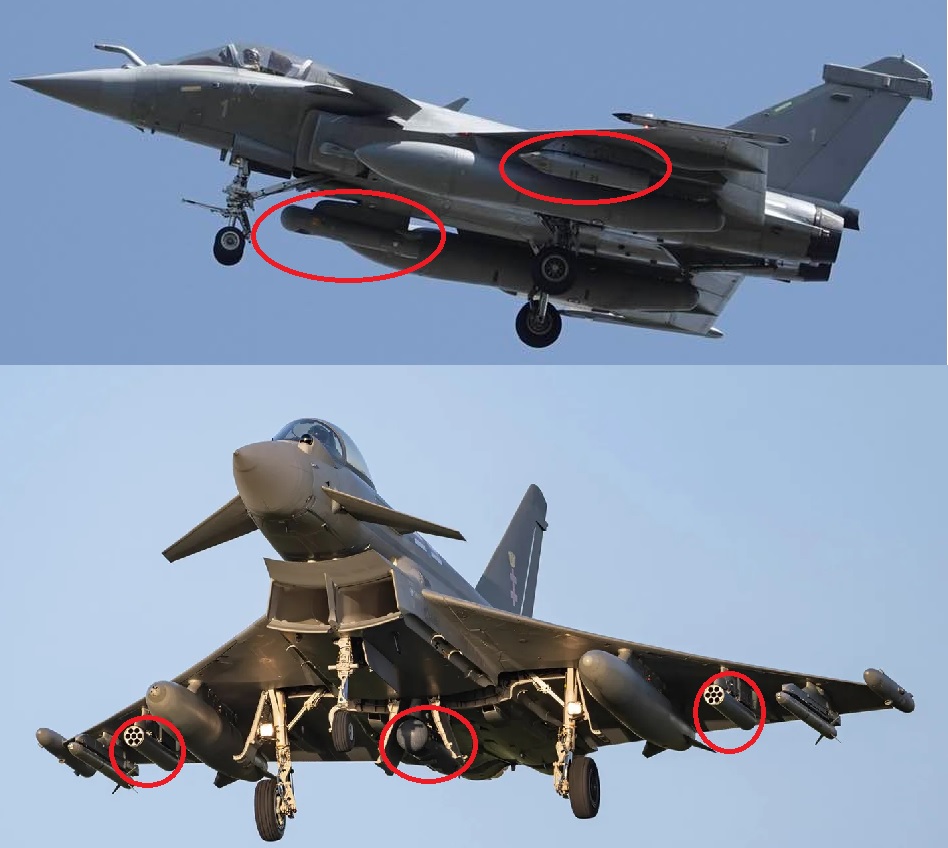
World
PARIS / LONDON — April 17, 2026 : European air forces are advancing the rapid integration of short-range, laser-guided rockets on frontline fighter aircraft to address the growing threat posed by low-cost strike drones and drone swarms. The initiative reflects a broader operational shift toward cost-efficient interception methods that preserve high-value air-to-air missiles while maintaining sustained combat availability. The effort focuses on adapting existing rocket systems with laser-guidance kits and integrating them with modern fighter sensors and targeting pods. By doing so, air forces aim to combine precision engagement capability with significantly reduced per-shot costs compared to conventional missile systems. French Rafale Program Advances Toward Summer 2026 Readiness In France, testing is actively underway to establish a dedicated counter-drone configuration for the Rafale fleet using domestically developed systems. On April 16, 2026, a French Navy Rafale M fighter was observed at Dassault Aviation’s flight test center in Istres equipped with two TELSON 12 JF rocket pods and a TALIOS targeting pod mounted on the centerline. Each TELSON 12 JF pod, developed by TDA Armements (a subsidiary of Thales), carries 12 induction-activated 68 mm SNEB rockets, enabling a total loadout of 24 rockets per aircraft when two pods are installed. The SNEB system, originally introduced in the 1950s as an unguided rocket, has been upgraded with laser guidance under the SYROCOT program, converting it into a precision-guided munition suitable for engaging aerial and ground targets. This configuration marks the first integration of the SNEB rocket pod on the Rafale platform. The TALIOS targeting pod provides target acquisition, tracking, and laser designation required for guided rocket employment. On April 15, 2026, during a parliamentary hearing, the head of the French Directorate General of Armaments (DGA), Patrick Pailloux, confirmed that the capability is expected to reach operational readiness by summer 2026. The system is intended to complement existing air-to-air weapons by offering a lower-cost alternative for engaging drones. Recent operational experience has informed this development. French Rafale aircraft deployed in the Gulf reportedly expended approximately 80 MICA air-to-air missiles against Shahed-type drones, highlighting the cost imbalance between high-value interceptors and low-cost aerial threats. Royal Air Force Integrates APKWS on Typhoon Fleet In parallel, the United Kingdom’s Royal Air Force (RAF) is progressing with the integration of the Advanced Precision Kill Weapon System II (APKWS II) on its Eurofighter Typhoon aircraft. In March 2026, images emerged showing an RAF Typhoon fitted with two LAU-131 rocket pods and a LITENING III targeting pod. Each LAU-131 pod accommodates seven 70 mm rockets, allowing a total of 14 laser-guided rockets per aircraft in this configuration while preserving other weapon stations. The APKWS II system, developed in the United States, converts standard Hydra 70 unguided rockets into precision-guided munitions through the addition of a laser guidance kit with a seeker and control fins. On April 8, 2026, BAE Systems, in coordination with the RAF, conducted test firings of APKWS rockets from a Typhoon test and evaluation aircraft at a UK military testing range. The trials included engagement of a ground-based target and validated the system’s integration with Typhoon avionics and targeting systems. The rockets are equipped with proximity fuzes, enabling detonation near aerial targets such as drones without requiring a direct impact. This feature is particularly relevant for intercepting small, maneuverable unmanned systems. BAE Systems stated that the integration provides a cost-effective counter-uncrewed aerial system capability, with significantly lower unit costs compared to traditional air-to-air missiles. Broader Operational Context and NATO Alignment The adoption of laser-guided rockets for air-to-air interception has already been implemented extensively by the United States. U.S. Air Force platforms, including the F-16 Fighting Falcon, F-15E Strike Eagle, and A-10 Thunderbolt II, routinely employ APKWS-equipped rocket pods as a primary countermeasure against one-way attack drones in operational theaters such as the Middle East. Ukraine has also begun employing similar systems in a limited capacity. Recent defense reporting indicates that APKWS rockets are being used alongside newly delivered F-16 aircraft for counter-drone operations, although detailed information on deployment and effectiveness remains limited. The parallel programs in France and the United Kingdom indicate a wider standardization trend across European and NATO air forces. The approach emphasizes the use of fighter aircraft for short-range drone interception using lower-cost munitions, supported by onboard sensors and targeting pods. Transition Toward Cost-Efficient Air Combat Engagement The integration of laser-guided rockets represents a shift in air combat doctrine driven by the increasing prevalence of low-cost unmanned threats. By employing precision-guided rockets instead of high-cost missiles, air forces can maintain operational sustainability while addressing large volumes of targets. These systems are designed to engage small, slow-moving aerial targets at short ranges, as well as provide secondary air-to-surface capabilities. Their compatibility with existing aircraft systems enables rapid integration without extensive platform modifications. France and the United Kingdom are progressing toward full operational capability in 2026. The developments reflect an ongoing adjustment in force structure and procurement priorities, aligning air combat capabilities with evolving threat environments characterized by widespread drone use.
Read More → Posted on 2026-04-17 14:37:28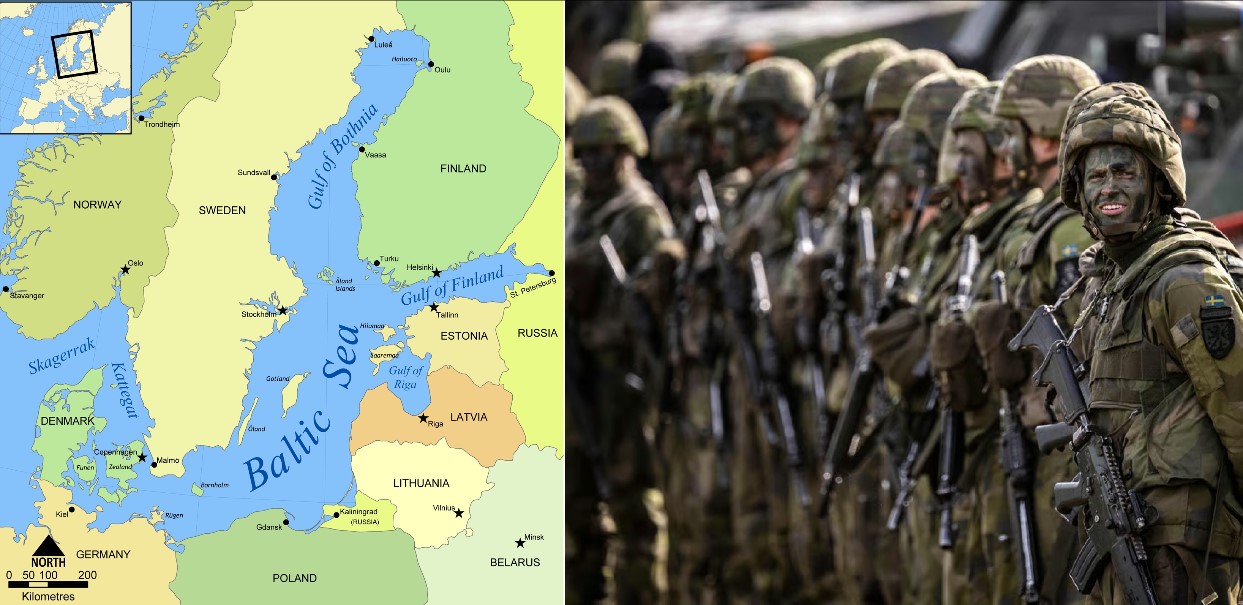
World
STOCKHOLM, — April 17, 2026 : Sweden is preparing for a contingency in which Russia could conduct a limited operation to occupy an island in the Baltic Sea as a means of testing NATO’s political cohesion and response mechanisms, according to recent statements by the country’s top military leadership. Lieutenant General Michael Claesson, Chief of Defence and Supreme Commander of the Swedish Armed Forces, outlined the assessment in an interview published on April 16, 2026. He stated that Russia could initiate a limited naval or amphibious action “at any time,” potentially with little or no warning, including within a very short timeframe. According to Claesson, such an operation would likely be designed not for territorial expansion but to assess the unity and decision-making speed of the NATO alliance. He indicated that the Kremlin could seek to exploit perceived divisions among member states, particularly in light of recent public remarks by U.S. President Donald Trump regarding the level of American commitment to European defense. Claesson emphasized that the Baltic Sea’s geography presents a unique vulnerability. “We have in the order of 400,000 islands in the Baltic Sea, so it’s just a matter of Russia choosing,” he said. He added that many of these islands are lightly defended or uninhabited, making them potential targets for a limited and symbolic operation. “I believe that you can occupy almost any of them. This does not necessarily have to be a large-scale operation — rather a symbolic step to see what the political reaction will be.” Swedish defense planners assess that such an incursion would likely be a controlled, short-duration maritime or airborne action aimed at creating a political dilemma rather than triggering immediate large-scale conflict. The objective, according to Claesson, would be to observe NATO’s reaction under Article 5 obligations without escalating into full-scale war. These concerns align with findings from a joint report released in September 2025 by the Swedish Armed Forces and the Swedish Civil Defence and Resilience Agency. The report outlined scenarios involving surprise amphibious or airborne assaults targeting Swedish territory, including strategically significant locations such as Gotland, the country’s largest island in the Baltic Sea. The assessment concluded that Russia already possesses the capability to conduct limited military operations in Sweden’s immediate vicinity and could expand to more extensive operations within a five-year timeframe. Gotland has been identified as a critical strategic asset due to its central position in the Baltic Sea, as well as its airfield and port infrastructure. Control of the island would provide significant operational advantages in terms of surveillance, air defense, and sea lane control across the region. However, recent Swedish assessments suggest that Russia may avoid heavily defended or strategically prominent targets such as Gotland, Denmark’s Bornholm, or Estonia’s Hiiumaa and Saaremaa. Instead, it may focus on smaller, less fortified islands to achieve a political effect while minimizing the risk of immediate military escalation. Swedish military intelligence assessments further indicate that Russia continues to expand its operational capabilities in the Baltic region. The Swedish Military Intelligence and Security Service (MUST) has reported ongoing increases in Russian naval activity, as well as improvements in the ability to rapidly deploy forces in the vicinity of Sweden and neighboring NATO states. Officials have also pointed to the potential for a shift in Russian military posture following developments in the war in Ukraine. Swedish defense authorities assess that a reduction in operational commitments elsewhere could enable Moscow to redeploy forces toward Northern Europe and the Baltic Sea. Recent incidents in the region have contributed to heightened concern. In late February 2026, a Russian unmanned aerial vehicle approached the French nuclear-powered aircraft carrier Charles de Gaulle while it was docked in Malmö during joint exercises. The drone was intercepted and neutralized by Swedish forces, and the incident was later confirmed by Sweden’s Ministry of Defence. In addition to conventional military activity, Sweden and its partners have reported ongoing hybrid operations in the Baltic Sea region. These include interference with GPS and navigation systems, suspected sabotage of undersea energy and communication infrastructure, and the use of civilian or commercial vessels for intelligence-gathering purposes, often described as part of a “shadow fleet.” Analysts within the Swedish defense establishment assess that a limited island seizure would fit within this broader pattern of gray-zone tactics. Such actions are designed to remain below the threshold of formal armed conflict while still exerting pressure on NATO members and testing alliance responses. The scenario described by Swedish officials highlights several strategic considerations. A limited incursion targeting a low-value or uninhabited island could complicate NATO’s decision-making process, particularly if member states differ on whether the situation warrants a collective military response. It could also be used to evaluate the alliance’s ability to coordinate without strong leadership from the United States. Sweden formally joined NATO in March 2024, becoming the alliance’s 32nd member. Its geographic position at the entrance to the Baltic Sea, combined with close proximity to Finland and the Baltic states, places it in a central role in regional defense planning. In response to evolving security conditions, the Swedish Armed Forces have increased readiness levels in recent years. Measures include enhanced maritime and aerial surveillance, reinforcement of military units on Gotland, and expanded participation in joint exercises with NATO allies. Claesson underscored the importance of maintaining a visible and credible deterrence posture. “We should be on the alert and deter Russia from such adventures through our presence in interesting areas in the north and, of course, in the Baltic Sea,” he said. Swedish officials have clarified that there is no specific intelligence indicating an imminent Russian operation. However, they describe the scenario as plausible and stress the need for preparedness at both the national and alliance levels. The warning comes amid ongoing discussions within NATO regarding burden-sharing, deterrence, and alliance cohesion, particularly in the context of evolving geopolitical dynamics and differing political signals among member states.
Read More → Posted on 2026-04-17 14:57:40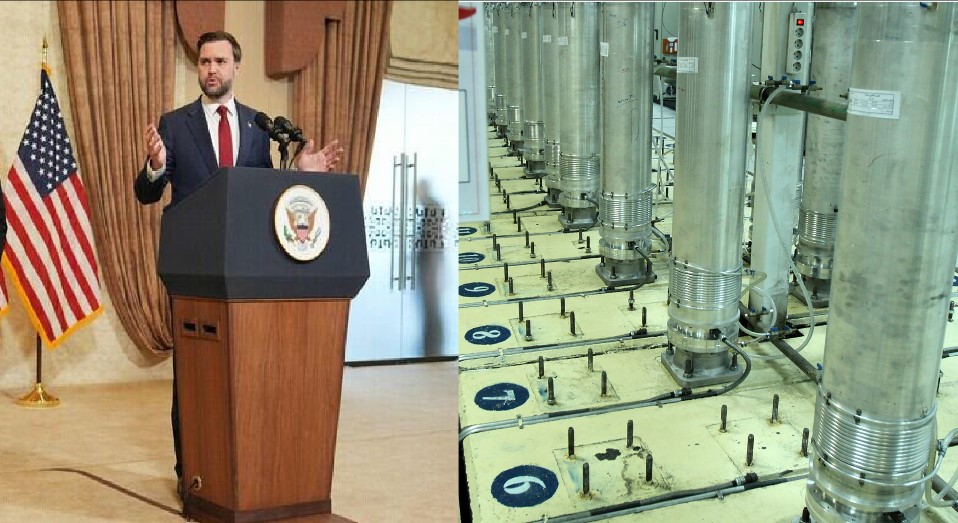
World
WASHINGTON, — April 17, 2026 : The United States and Iran are engaged in advanced negotiations over a proposed three-page framework agreement that aims to end the military conflict that began in late February, with a central provision linking the release of $20 billion in frozen Iranian assets to Tehran’s surrender of its enriched uranium stockpile. According to U.S. officials and sources briefed on the discussions, the financial arrangement is part of a broader effort to resolve hostilities and address concerns over Iran’s nuclear program. The proposal under consideration represents a compromise between earlier positions, with Washington previously indicating readiness to release $6 billion for restricted humanitarian use, while Iran had sought access to $27 billion in frozen funds. Uranium Stockpile and Handling Mechanism A primary objective for the United States is securing and neutralizing Iran’s existing stockpile of nearly 2,000 kilograms of enriched uranium, including approximately 450 kilograms enriched to 60 percent purity. The material is currently stored in underground nuclear facilities. Negotiators are working to finalize a technical framework for handling the stockpile. Initial U.S. proposals required the complete transfer of all enriched uranium outside Iran. Iranian officials, however, proposed domestic dilution of the material. A compromise under review предусматривает shipping a portion of the highly enriched uranium to a third country while down-blending the remainder within Iran under strict international monitoring. Under the draft terms, Iran would be required to permanently close all underground nuclear facilities. The country would be permitted to operate only above-ground nuclear research reactors, limited strictly to the production of medical isotopes. The framework also includes a formal Iranian commitment not to produce or pursue nuclear weapons. Sanctions Relief and Outstanding Differences The financial component of the agreement remains a central point of negotiation. The current working figure of $20 billion reflects the latest compromise position, though disagreements persist regarding how the funds would be used. The United States is seeking to impose strict oversight and conditions on expenditures, while Iran continues to push for broader sanctions relief with fewer restrictions. Another unresolved issue concerns the duration of limits on uranium enrichment. The United States has proposed a minimum 20-year suspension of enrichment activities. Iran has countered with an offer of a five-year restriction period. Officials involved in the talks have described the “cash-for-uranium” arrangement as one element within a broader framework that also addresses regional security concerns and verification mechanisms. Timeline and Ongoing Negotiations The negotiations are taking place under a defined timeline, with a two-week ceasefire between the two countries set to expire on April 22, 2026. A second round of in-person discussions is scheduled for Sunday in Pakistan, following earlier mediated talks in Islamabad. Upcoming discussions are expected to focus on narrowing differences over the duration of enrichment restrictions, finalizing arrangements for transferring uranium to a third country, and establishing mechanisms for monitoring the use of released funds. Previous negotiations had addressed Iranian assets held in foreign accounts, including funds in Qatar linked to earlier prisoner-swap arrangements and humanitarian transactions. The current proposal seeks to connect a larger release of such assets to verifiable actions concerning Iran’s nuclear material. No final agreement has been reached. Officials from both sides have indicated that progress has been made, but significant gaps remain on key technical and financial conditions.
Read More → Posted on 2026-04-17 15:09:35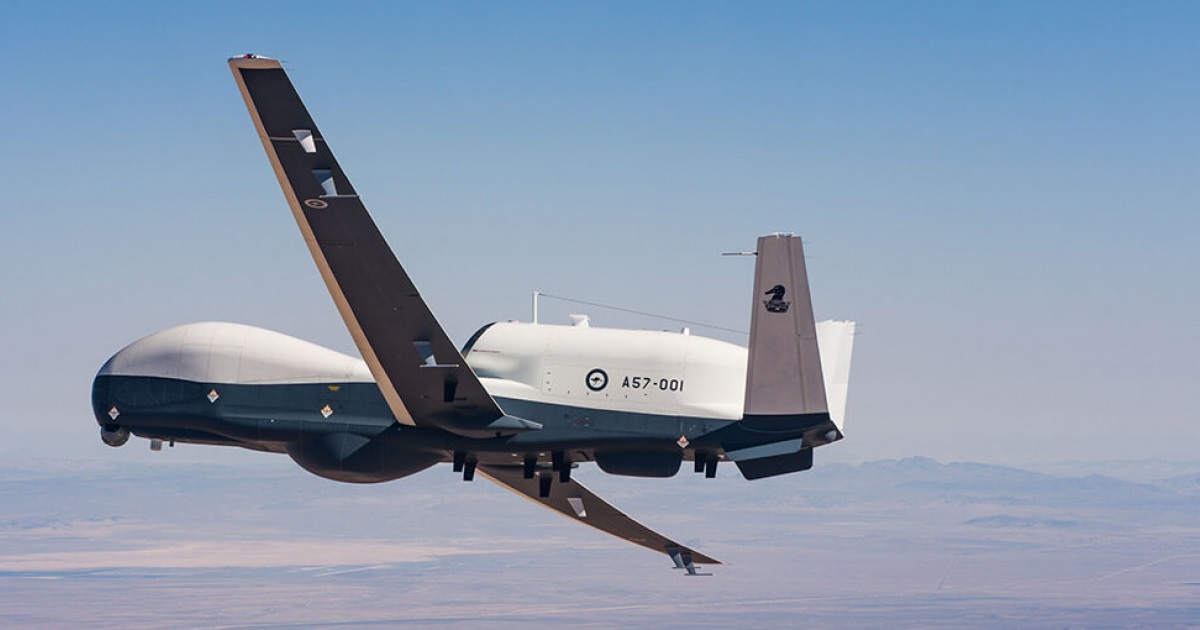
World
JACKSONVILLE, Florida — April 17, 2026 : A United States Navy MQ-4C Triton unmanned surveillance aircraft conducted a reconnaissance mission lasting more than 12 hours off the coast of Cuba, according to flight tracking data and open-source reporting. The aircraft, operating under the callsign BLKCAT6 and registered as 169806, departed from Naval Air Station Jacksonville in Florida and flew a structured surveillance route over the Gulf of America and the northern Caribbean Sea. The mission included repeated flight patterns near key locations, including Havana, Guantanamo Bay, and areas near Pinar del Río, as well as segments along Cuba’s southern coastline. Tracking data indicates the aircraft maintained a consistent high-altitude profile at approximately 49,000 to 49,100 feet, with a ground speed near 290 knots throughout the mission. The route consisted of multiple loops and back-and-forth tracks, a pattern consistent with sustained monitoring rather than transit. The drone also operated near critical maritime corridors, including the Windward Passage and the Yucatán Channel, where commercial and strategic shipping activity is concentrated. The MQ-4C Triton, developed by Northrop Grumman, is a high-altitude, long-endurance unmanned aircraft designed for maritime intelligence, surveillance, and reconnaissance operations. The platform is equipped with a 360-degree radar system and an array of onboard sensors capable of scanning large areas of ocean and coastline. With an endurance exceeding 24 hours and an estimated unit cost of approximately $240 million, the aircraft is intended to provide continuous coverage over designated areas without the need for frequent returns to base or crew rotation. During the mission, the Triton maintained persistent observation over waters surrounding Cuba, conducting multiple passes near Havana and the Guantanamo Bay region. The repeated orbit patterns indicate the aircraft was tasked with continuous surveillance of these zones, enabling the collection of data on maritime movements, coastal activity, and electronic signals over an extended period. The flight took place amid increased policy focus by the United States on Cuba. On April 15, 2026, USA Today reported that military planning for a potential Pentagon-led operation involving Cuba is being developed, citing two sources familiar with the matter. In response, the Pentagon stated that it routinely prepares for a range of contingencies and remains ready to execute presidential directives if required, without providing details on specific plans. Surveillance missions of this type support operational planning by providing updated intelligence on regional activity. High-altitude, long-duration coverage allows analysts to monitor patterns over time rather than relying on isolated observations. This includes tracking maritime commercial traffic, monitoring fuel shipments, and observing electronic infrastructure activity in areas near Havana and surrounding coastal zones. The U.S. Navy has not issued a public statement regarding this specific flight. All details of the operation are based on available flight tracking data and open-source intelligence reporting.
Read More → Posted on 2026-04-17 15:32:19
World
BRATISLAVA, — April 17, 2026 : Slovakia has received the first battery of the Israeli-made Barak MX air defense system, marking the initial delivery under a €560 million procurement agreement signed in December 2024. The system arrived approximately ten days prior to the official confirmation and has since been deployed at an undisclosed location within the country. According to Slovak Defence Minister Robert Kaliňák, the battery has been positioned at what he described as the “intersection between our nuclear power plants.” He stated that the primary purpose of the deployment is the protection of critical national infrastructure, particularly energy facilities. The exact location has not been disclosed for security reasons. Deployment and Integration Process The integration of the Barak MX system into the Slovak Armed Forces is currently underway and is expected to take several weeks. The process is being conducted under the supervision of technical specialists from Israel Aerospace Industries, the manufacturer of the system. Slovak personnel have already completed the initial phase of training and have transitioned to practical instruction using the newly delivered equipment. This hands-on training is part of a broader effort to ensure operational readiness as the system becomes fully incorporated into national defense structures. Procurement Timeline and Delays The acquisition of six Barak MX batteries was formally approved and signed at the end of 2024. Under the original schedule, initial deliveries were expected around the transition period between 2025 and 2026. However, the timeline experienced delays. Minister Kaliňák noted that production setbacks were caused by global instability, including disruptions linked to the war in Iran. These factors affected manufacturing schedules and delayed the planned handover of the first system. Despite these challenges, the first battery has now been delivered. The remaining five systems are scheduled for delivery in phases, with the full set expected to be operational by the end of 2030. System Capabilities The Barak MX is a modular air defense system designed to address a wide range of aerial threats. It can be configured with multiple types of interceptor missiles, offering engagement ranges from approximately 15 kilometers to 150 kilometers depending on the variant used. The system is capable of intercepting aircraft, helicopters, unmanned aerial vehicles (UAVs), cruise missiles, and tactical ballistic missiles. Its modular design allows for flexible deployment across different operational environments, including land-based and naval configurations. Replacement of Legacy Systems The Barak MX systems will replace Slovakia’s existing KUB medium-range air defense systems, which are based on older Soviet-era technology. This transition is part of a broader modernization effort aimed at strengthening national defense capabilities and improving interoperability within the NATO framework. The introduction of the new system represents a shift toward more advanced, networked air defense capabilities. The procurement package includes not only the hardware but also associated support elements such as training programs and technical documentation. Current Status The arrival of the first battery marks the beginning of the implementation phase of the contract. While integration and training activities continue, no additional official statements have been released by the Slovak Ministry of Defence regarding the system’s operational status beyond the minister’s remarks. All six batteries are expected to be fully delivered and operational by 2030, completing Slovakia’s transition to a modern air defense architecture.
Read More → Posted on 2026-04-17 15:49:21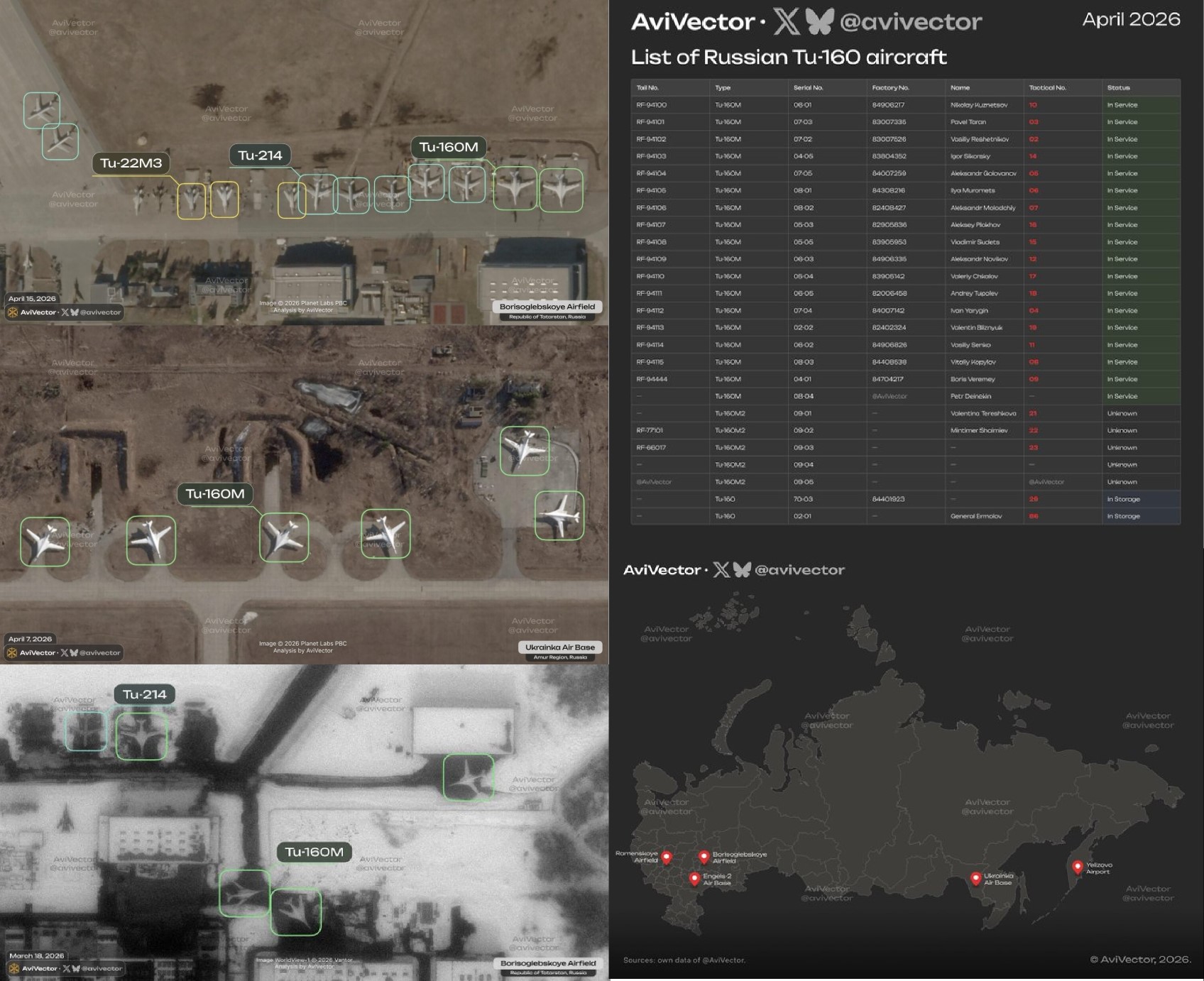
World
MOSCOW / AMUR OBLAST — April 17, 2026 : Recent open-source intelligence and registry data indicate that only a limited portion of Russia’s modernized strategic bomber fleet is currently being used in combat operations against Ukraine. According to analysis conducted by monitoring group AviVector, just seven out of the 18 Tu-160M “Blackjack” aircraft in service with the Russian Aerospace Forces are actively participating in strike missions. The remaining two-thirds of the fleet are not engaged in frontline operations and are instead assigned to testing, pilot training, scheduled maintenance, modernization programs, or remain under production. Fleet Composition and Operational Availability Registry data confirms that Russia maintains a total inventory of 18 Tu-160M aircraft as of April 2026. Of these, only seven are considered operational for combat use. Two additional aircraft are currently held in storage, with analysts assessing that at least one of them has likely been decommissioned and is being used as a source of spare parts to sustain the operational fleet. In parallel, five newly built Tu-160M2 bombers have been identified. However, their operational or combat-ready status remains unclear based on currently available information. A significant number of aircraft—estimated between seven and nine Tu-160M and Tu-160M2 units—are located at the Kazan Aircraft Production Association (KAPO). These aircraft are undergoing modernization, assembly, or testing as part of Russia’s ongoing effort to sustain and expand its strategic aviation capability. Basing and Deployment Structure Following a Ukrainian strike on Belaya Air Base in June 2025, attributed to the Security Service of Ukraine, Russia reorganized the basing of its strategic bomber fleet. The Tu-160M aircraft are now primarily deployed at Ukrainka Air Base in the Amur region. The relocation to Ukrainka reflects a strategic decision to position high-value assets farther from densely populated areas and major transport routes, thereby reducing vulnerability to potential long-range attacks or sabotage. Operational patterns indicate that Tu-160M bombers typically depart from Ukrainka Air Base and transit to Engels-2 Air Base in the Saratov region. At Engels-2, the aircraft are equipped with cruise missiles, including the Kh-101. After completing strike missions, the bombers either return to Ukrainka Air Base or remain temporarily at Engels-2. Current Distribution of Aircraft Satellite imagery and registry analysis as of April 16, 2026, provide the following distribution of Tu-160M aircraft across multiple locations: Ukrainka Air Base — 6 aircraft Engels-2 Air Base — 2 aircraft Ramenskoye Airport — 3 aircraft Borisoglebskoye Airfield — 2 aircraft Yelizovo Airport — 1 aircraft Additionally, in March 2026, Tu-22M3, Tu-95, and Tu-160 aircraft were observed at Ramenskoye airfield near Moscow. Construction activity at the site indicates ongoing development of new hangars intended to support strategic aviation assets. Industrial Activity and Production Developments Satellite imagery dated March 18, 2026, shows two Tu-160M aircraft being moved into a newly constructed production workshop at KAPO. The facility has been under development since 2020 and is part of broader efforts to enhance manufacturing and modernization capacity. Imagery from April 15, 2026, further indicates that two Tu-160M aircraft remain positioned outdoors at the Kazan facility. As of April 16, 2026, these aircraft were still located in open areas, suggesting they may be awaiting final assembly, testing, or transfer. Recent deliveries of Tu-160M aircraft to the Russian Aerospace Forces were reported in late 2025 and early 2026, reflecting continued, though limited, production and upgrade efforts. Technical and Operational Considerations Available reporting suggests that the limited number of combat-ready aircraft may also be influenced by technical and reliability factors. The Tu-160M platform is based on a Cold War-era airframe, and sustained operational use has increased pressure on critical components. In a documented incident on September 3, 2025, during a large-scale strike operation, two Tu-160 aircraft experienced failures. One aircraft, identified as “Ivan Yarygin” (tail number 04), encountered a malfunction in its missile launch mechanism. Another aircraft, “Aleksey Plokhov” (tail number 16), aborted its mission after sustaining cockpit damage caused by a lightning strike. These incidents, combined with maintenance demands and modernization requirements, contribute to reduced operational availability across the fleet. Infrastructure Expansion Despite current limitations in active deployment, infrastructure development for strategic aviation continues. Construction of large-scale hangars at Ramenskoye airfield is ongoing, indicating efforts to improve storage conditions and reduce environmental exposure for aircraft. Recent satellite imagery from both Kazan and Ukrainka shows multiple Tu-160M bombers parked in open areas, highlighting existing constraints in covered storage capacity. The expansion of hangar infrastructure is expected to support long-term fleet preservation and operational readiness. No official statement from the Russian Ministry of Defence has been released regarding the specific figures outlined in the AviVector analysis.
Read More → Posted on 2026-04-17 16:04:04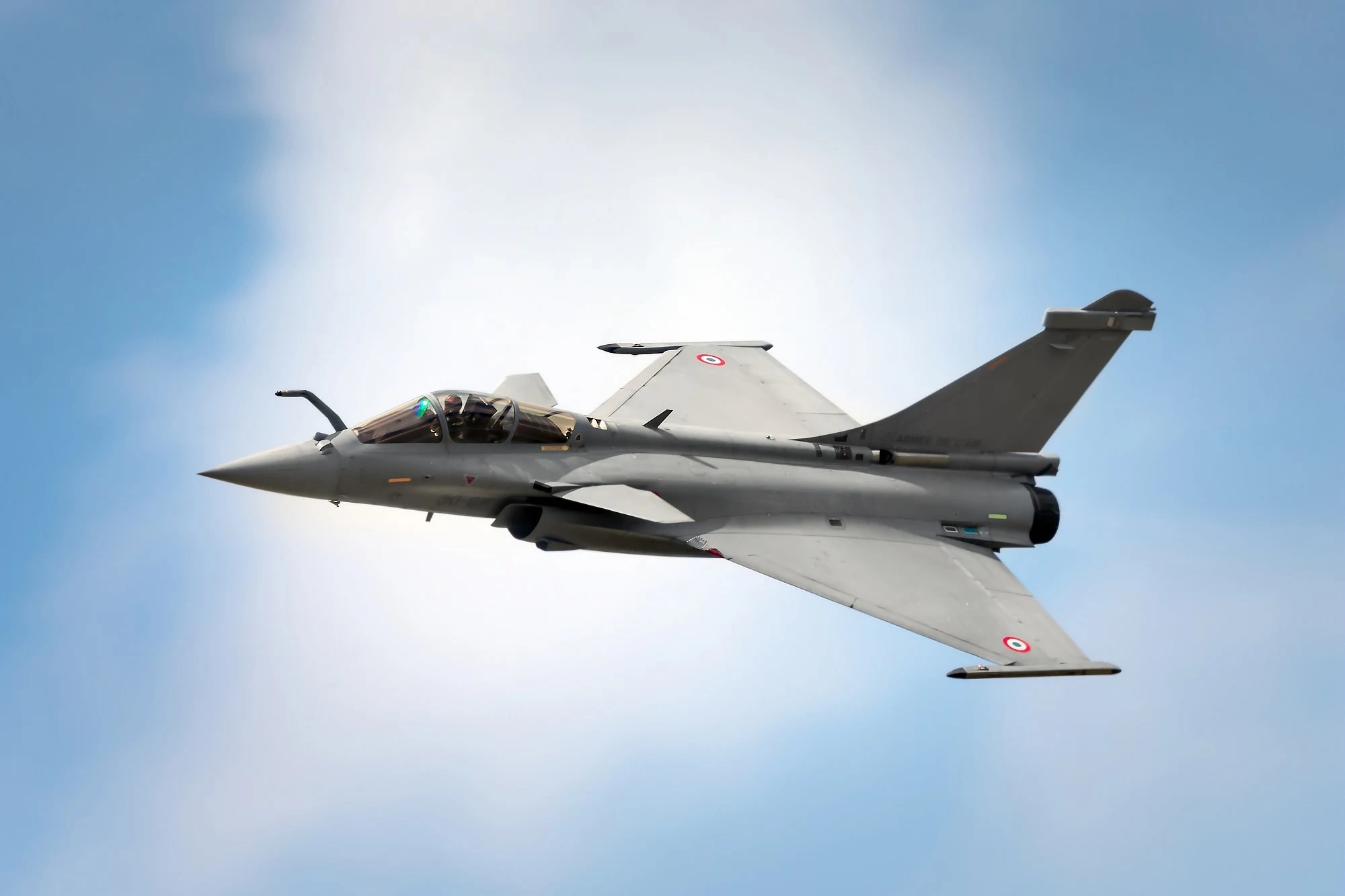
India
PARIS — April 17, 2026 : France’s Dassault Rafale program is undergoing a period of adjustment across key export markets, as discussions in India, the United Arab Emirates (UAE), and Indonesia reflect differing positions on technology transfer, financing, and future procurement. At the same time, France is continuing development of the Rafale F5 standard, supported by updated national defense spending plans and the integration of a next-generation missile system. India Reviews MRFA Procurement Amid Technology Access Concerns India’s planned acquisition of 114 additional Rafale fighter aircraft under the Multi-Role Fighter Aircraft (MRFA) program remains under consideration. The program, estimated at approximately $36 billion (Rs 3.25 lakh crore), received Acceptance of Necessity (AoN) from the Defence Acquisition Council earlier in 2026. The proposal now awaits final approval from the Cabinet Committee on Security. Discussions over the past month have focused on access to aircraft source codes and system-level integration. India has requested the ability to integrate indigenous weapons and radar systems, which would require access to key software and interface frameworks. French authorities have not agreed to provide source code access for systems including the Thales RBE2 AESA radar, the Modular Data Processing Unit, and the SPECTRA electronic warfare suite. New Delhi has instead sought interface control documents to enable partial integration of domestic systems. The outcome of these discussions may influence the final scale and structure of the MRFA procurement. Separately, India continues to process its planned acquisition of 26 Rafale-M carrier-based aircraft for naval operations. UAE Withdraws from Rafale F5 Co-Financing Plan The United Arab Emirates has withdrawn from a proposed co-financing arrangement for the Rafale F5 development program. The UAE, which signed a $19.2 billion agreement in 2021 for 80 Rafale aircraft, had been expected to contribute approximately €3.5 billion toward the estimated €5 billion cost of the F5 initiative. According to reporting published earlier in April 2026, the withdrawal followed France’s position on limiting the transfer of sensitive technologies, particularly in the field of optronics, which are critical for advanced targeting and electronic warfare systems. With the UAE no longer participating in funding, France is expected to finance the F5 development independently. Deliveries under the UAE’s existing Rafale order are scheduled to begin at the end of 2026. Indonesia Maintains Existing Order, No Expansion Decision Indonesia has confirmed that it is not proceeding with an additional Rafale purchase at this stage. In 2022, Indonesia signed an $8.1 billion contract for 42 aircraft. Recent speculation suggested a potential follow-on order of 12 to 24 additional units. Following a meeting in Paris on April 14, 2026, between Indonesian President Prabowo Subianto and French President Emmanuel Macron, reports of a possible expansion gained attention. However, on April 16, 2026, Indonesian Defense Ministry spokesman Rico Ricardo Sirait stated that no decision had been made and that the government continues to review the proposal. The first three aircraft from Indonesia’s existing order are scheduled for delivery in May 2026. French Defense Planning Supports Rafale F5 Development France is proceeding with development of the Rafale F5 variant under an updated 2024–2030 Military Programming Law. The revision, reviewed on April 8, 2026, allocates an additional €36 billion to defense spending, bringing the total planned expenditure to €449 billion over the period. The Rafale F5 standard is intended to expand the aircraft’s operational role, including integration with unmanned systems and enhanced electronic warfare capabilities. The aircraft is expected to operate alongside unmanned combat aerial vehicles derived from the nEUROn program, supporting missions such as suppression and destruction of enemy air defenses (SEAD/DEAD). The upgrade also includes improvements to propulsion and onboard power generation under the T-REX program led by Safran, aimed at increasing engine thrust and supporting next-generation avionics. STRATUS RS Missile to Equip Rafale F5 A central component of the F5 standard is the STRATUS Rapid Strike (RS) missile, developed by MBDA in cooperation with the United Kingdom under the Future Cruise/Anti-Ship Weapon (FC/ASW) program. The system was rebranded as STRATUS in September 2025. The missile is ramjet-powered and operates at high supersonic speeds below Mach 5. It is designed for multiple mission profiles, including suppression and destruction of enemy air defenses (SEAD/DEAD), anti-ship operations, engagement of moving ground targets, and strikes against high-value airborne platforms such as airborne early warning and control aircraft and aerial refueling tankers. Testing of propulsion systems has been conducted in supersonic wind tunnels at Bourges, France, while seeker development involves contributions from Thales and MBDA UK. The STRATUS RS is intended to complement existing weapons deployed on current Rafale variants, including the SCALP (Storm Shadow) cruise missile, the Exocet AM39 and MM40 anti-ship missiles, and the MdCN naval cruise missile. Unlike subsonic cruise missiles that rely on stealth and terrain-following guidance, the STRATUS RS combines high speed and maneuverability to penetrate advanced air defense systems. Program Outlook The Rafale F5 standard is expected to enter service after 2030, incorporating increased processing capacity, expanded sensor integration, and collaborative combat capabilities with unmanned systems. Recent developments in India, the UAE, and Indonesia reflect ongoing negotiations and national policy considerations related to technology access, financing, and procurement timelines. France continues to advance the Rafale program within its broader objective of maintaining sovereign control over critical defense technologies while supporting future operational requirements.
Read More → Posted on 2026-04-17 16:39:43
World
MANILA, Philippines — April 17, 2026 : Japan has deployed a large military contingent to the Philippines for the upcoming Balikatan 2026 joint exercises, marking the first time Japanese combat units will participate as active operational forces in the drills. The development reflects a significant shift in regional defense cooperation and follows the implementation of the Reciprocal Access Agreement (RAA) between Tokyo and Manila in September 2025. The annual exercise is scheduled to take place from April 20 to May 8, 2026, and is expected to involve more than 17,000 personnel from seven countries: the Philippines, the United States, Australia, Japan, Canada, France, and New Zealand. Additional nations will attend as observers. The 2026 iteration is described by officials as the largest Balikatan exercise conducted to date. Japanese Deployment and Assets The Japan Self-Defense Forces (JSDF) have contributed approximately 1,400 personnel, making Japan the third-largest participant after the United States and the Philippines. The deployment includes a combination of naval, air, and ground assets: Naval platforms: Helicopter carrier JS Ise (DDH-182), landing ship JS Shimokita, and destroyer JS Ikazuchi Aircraft: C-130H Hercules transport aircraft and US-2 amphibious search-and-rescue aircraft Ground systems: Type 88 surface-to-ship missile systems The JS Ise, a 19,000-ton helicopter carrier, is among the largest vessels in Japan’s fleet and forms part of the Japan Maritime Self-Defense Force Indo-Pacific Deployment 2026. Operational Scope of Participation Unlike previous Balikatan exercises, where Japanese participation was limited to observation or humanitarian assistance and disaster relief operations, the 2026 drills will involve full operational engagement by JSDF units. Key training activities include: Maritime strike operations: The Type 88 surface-to-ship missile system, with an operational range of approximately 100 kilometers, will be used in live-fire exercises for the first time during Balikatan Field training and combined maneuvers: Joint ground and amphibious operations Command post exercises: Coordination and planning simulations among participating forces Integrated air and missile defense drills Cyber defense and infrastructure protection exercises Logistics and support operations, including airfield repair and joint medical missions The maritime strike phase of the exercise is expected to be observed by Japanese Defense Minister Shinjiro Koizumi. Strategic and Legal Framework Japan’s expanded participation follows the entry into force of the Reciprocal Access Agreement (RAA) in September 2025, which facilitates the movement and deployment of military personnel and equipment between Japan and the Philippines. Prior to this agreement, Japan’s involvement in Balikatan was limited in scope and did not include combat-capable units. The agreement aligns with existing Philippine defense arrangements with the United States and Australia and supports broader multilateral cooperation in the Indo-Pacific region. Regional Security Context Japan’s decision to deploy combat units to the Philippines for the first time is closely linked to evolving security conditions in the region, particularly the increasing presence and activity of China in the South China Sea. China has continued to expand its naval capabilities and military infrastructure, including the development of artificial islands, deployment of advanced missile systems, and increased frequency of maritime patrols. These developments have raised concerns among regional countries regarding freedom of navigation and territorial disputes. Japanese defense planners assess that the pace of China’s military modernization, especially in naval and missile forces, requires a corresponding increase in Japan’s operational readiness and external defense cooperation. The deployment to Balikatan is viewed as part of Japan’s broader effort to strengthen its deterrence posture and enhance interoperability with partner nations. Officials in Tokyo have also indicated that delaying such measures could reduce Japan’s ability to respond effectively to future security challenges in the region. As a result, Japan has gradually expanded its defense role beyond its immediate territory while remaining within its constitutional framework. Exercise Objectives Balikatan remains a joint exercise primarily hosted by the Philippines and the United States, aimed at improving interoperability, coordination, and readiness among allied and partner forces. According to statements from Philippine and U.S. officials, the 2026 drills are designed to: Strengthen collective defense capabilities Enhance coordination in multi-domain operations Maintain regional stability Ensure a security environment that discourages unilateral changes to the status quo Training activities will be conducted across multiple locations in the Philippines, including areas facing the South China Sea and the Luzon Strait, both of which are considered strategically important maritime zones. Official Statements and Transparency Details of Japan’s participation are based on official announcements from the Japanese Ministry of Defense, as well as statements from Philippine and U.S. authorities. No additional operational specifics beyond the declared assets and exercise scope have been publicly disclosed. The inclusion of Japan as an active combat participant represents a notable development in Indo-Pacific defense cooperation and signals a shift toward more integrated, multilateral military engagements in the region.
Read More → Posted on 2026-04-17 16:55:37
World
BERLIN — April 17, 2026 : The German Army (Bundeswehr) has unveiled an extensive restructuring of its artillery forces, placing loitering munition systems (LMS) at the center of a new doctrine designed to enhance precision strike, mobility, and deep operational reach across all tactical levels. The plans were outlined in a keynote address delivered on April 14, 2026, by Heico Hübner, Deputy Inspector of the Army and Commander of the Basic Military Organization, during the parliamentary evening of the Förderkreis Deutsches Heer e.V. in Berlin. Multi-Tiered Integration of Loitering Munitions At the core of the Bundeswehr’s modernization strategy is the creation of a fully integrated, multi-layered loitering munition capability spanning corps, division, brigade, and battalion levels. Hübner described this approach as a “continuum of means and ranges,” essential for enabling mobile operations and effective indirect fire. At the corps level, Germany is initiating a procurement project for long-range loitering munitions capable of striking targets at distances between 200 and 300 kilometers. This capability is intended to reflect the operational effectiveness demonstrated by similar systems in Ukraine. A formal tender for this project is expected before the end of 2026. At the brigade and division levels, every artillery battalion will be assigned a dedicated LMS battery tailored to its operational range requirements. The first such battery will be deployed with the 45th Armoured Brigade, also known as the “Lithuania Brigade,” stationed on NATO’s eastern flank. This will be followed by deployment to the 21st Armoured Brigade, based in Augustdorf. The 21st Brigade, composed primarily of three Jäger (light infantry) battalions rather than armored units, has been designated as a continuous test unit for the integration and operational evaluation of loitering munition systems. At the battalion level, the Bundeswehr plans deep integration of short-range loitering munitions within combat troop units. This capability is scheduled to be fully realized by the end of 2027, with procurement tenders expected to be issued before the end of 2026. Industrial Partnerships and Systems The German Army has already secured contracts with several defense companies to support the initial rollout of these systems. Helsing will supply the HX-2, an AI-driven loitering munition designed for autonomous targeting and precision engagement.STARK Defence is providing the Virtus system, a vertical take-off and landing (VTOL) drone with a range exceeding 100 kilometers.Rheinmetall, in cooperation with UVision, will deliver the HERO family of loitering munitions along with the FV-014 tactical kamikaze drone. These systems will equip the first LMS batteries assigned to operational brigades. Expansion of Conventional Artillery Systems Alongside unmanned capabilities, the Bundeswehr is also significantly upgrading its traditional artillery assets. The EuroPULS (MARS III) rocket artillery system, a successor to MARS II, is expected to see its first delivery in 2026, with a major influx planned for 2028 under a framework that could include up to 500 units. The RCH 155 wheeled self-propelled howitzer, designed for high mobility, is also scheduled for substantial deliveries beginning in 2028. To address capability gaps created by earlier transfers of equipment to Ukraine, Germany will procure additional PzH 2000 A4 howitzers in the near term. Hübner indicated that further procurement of these systems remains possible, with an emphasis on maintaining active production lines and maximizing the total number of artillery “tubes” available by 2029. Continuous production of future variants of the PzH 2000 is also planned toward that same timeline. Operational Readiness and Transition Hübner emphasized that the introduction of new systems will follow a phased transition process. While the Bundeswehr integrates the RCH 155 and EuroPULS platforms, existing systems such as the PzH 2000 and MARS II must remain fully operational. Training and exercises will continue until newly equipped units achieve full operational readiness, ensuring no capability gaps during the transition period. Strategic Shift in Doctrine The expansion reflects a broader doctrinal shift within the German Army toward prioritizing indirect fire and precision strike capabilities. According to Hübner, indirect fire is a prerequisite for enabling maneuver warfare and mobile operations, requiring a comprehensive range of systems across all tactical echelons. The integration of loitering munitions—alongside modernized barrel and rocket artillery—signals Germany’s intent to strengthen its deterrence posture and ensure operational credibility across the European theater. Details of these plans are based on the official manuscript of Lieutenant General Heico Hübner’s April 14, 2026 keynote address and associated reporting. No additional official statements have been released regarding contract values or exact system quantities beyond those outlined.
Read More → Posted on 2026-04-17 17:13:46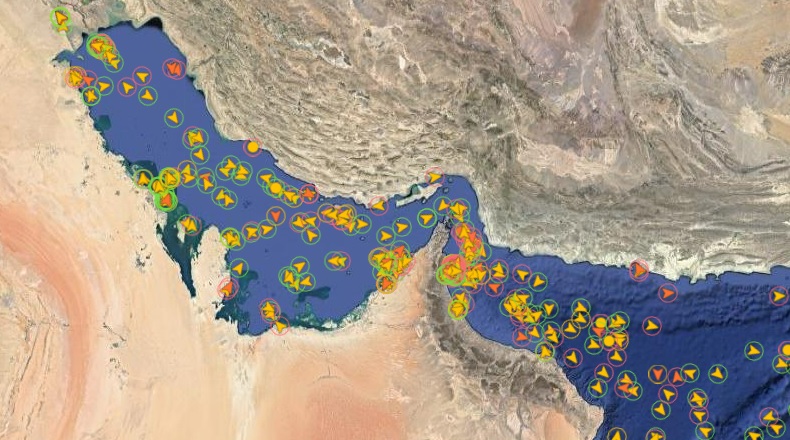
World
BEIRUT / WASHINGTON — April 17, 2026 : Iran announced that the Strait of Hormuz will remain open to all commercial vessels for the duration of the ongoing Lebanon ceasefire, even as the United States confirmed that its naval blockade targeting Iranian shipping will continue. The statement was issued by Iranian Foreign Minister Abbas Araghchi in the early hours of April 17 via social media platform X. Araghchi said the strategic waterway is “completely open” for commercial transit along routes coordinated by Iran’s Ports and Maritime Organisation for the remainder of the ceasefire period. Within minutes, U.S. President Donald Trump publicly echoed the announcement, stating that Iran had declared the strait “fully open and ready for full passage.” However, Trump added that the United States would maintain its naval blockade in the region “in full force” until a broader agreement is reached with Tehran to end the ongoing conflict. The simultaneous announcements introduced uncertainty regarding the operational environment for global shipping. Neither side provided clarification on how commercial navigation would function under conditions where the waterway is declared open by Iran but remains subject to U.S. naval enforcement measures. Strategic Importance of the Strait The Strait of Hormuz, located between Iran and Oman, is one of the most critical maritime chokepoints in the global energy supply chain. Approximately 20 percent of the world’s petroleum trade passes through the narrow corridor, making it a focal point in geopolitical tensions involving Iran, the United States, and regional actors. Iran indicated that vessels would be permitted to transit using previously designated maritime corridors. Despite this, the continued U.S. blockade introduces potential constraints on vessels linked to Iranian ports or entities, leaving shipping operators awaiting further operational guidance. Initial market reactions included reports of a sharp decline in global oil prices, with estimates indicating a drop of around 10 percent following the reopening announcement. Market participants appear to be factoring in the possibility of improved supply flows, though the durability of this trend remains uncertain. Lebanon Ceasefire Takes Effect The maritime developments coincided with the start of a 10-day ceasefire between Israel and Hezbollah that came into force at midnight local time on April 17, 2026. In Beirut, residents marked the beginning of the truce with celebratory gunfire shortly after midnight. Displaced civilians began returning toward southern Lebanon and the southern suburbs of the capital, despite official advisories urging caution until security conditions stabilize. A spokesperson for the United Nations Interim Force in Lebanon (UNIFIL) confirmed that no airstrikes had been observed since the ceasefire took effect. At the same time, the spokesperson accused Israeli forces of violating Lebanese airspace and conducting artillery shelling in southern areas after midnight. The Israeli military had not issued an immediate response to those allegations. Terms and Early Challenges of the Agreement According to details released by the U.S. State Department, the ceasefire agreement permits Israel to take defensive action against imminent threats but prohibits offensive military operations in southern Lebanon. The distinction between defensive and offensive actions emerged as a point of contention in the initial hours of the truce, particularly in light of the reported artillery activity. Observers noted that interpretation of these provisions will be critical to maintaining the ceasefire over its 10-day duration. The agreement is intended to create a temporary halt in hostilities to facilitate negotiations between Israel and Lebanon, with international mediators continuing to engage both sides. U.S. Position and Broader Negotiations Speaking at an event in Las Vegas on April 17, President Donald Trump described the ceasefire as a “historic day for Lebanon” and expressed confidence that the broader conflict involving Iran could conclude in the near term. Trump stated that the war with Iran “should be ending pretty soon,” indicating that U.S. officials view the Lebanon ceasefire as part of a wider diplomatic process. According to officials involved in mediation efforts, ongoing discussions between Washington and Tehran are focused on several key issues, including Iran’s nuclear program, long-term arrangements for the Strait of Hormuz, and compensation related to wartime damages. The U.S. administration has indicated that the naval blockade will remain in place until a comprehensive agreement is finalized, suggesting that current measures are being used as leverage in negotiations. Outlook for Shipping and Regional Stability Iran’s decision to declare the Strait of Hormuz open represents a significant development, but its practical impact remains dependent on how U.S. enforcement measures are applied in the coming days. Shipping companies, insurers, and energy markets are closely monitoring the situation for further clarification on transit conditions and risk exposure. At the same time, the sustainability of the Lebanon ceasefire will be a key factor influencing broader regional stability. The initial hours of the truce have already highlighted areas of dispute, and its continuation will depend on adherence to agreed terms by all parties. As of April 17, 2026, no additional operational guidance has been issued regarding commercial shipping through the Strait of Hormuz, and both diplomatic and military developments remain ongoing.
Read More → Posted on 2026-04-17 17:25:39
India
Moscow/New Delhi, — April 18, 2026 : India and Russia have published the full text of an intergovernmental agreement governing the procedures for the reciprocal deployment of military formations, warships and military aircraft, along with provisions for technical and logistical support. The document appeared on Russia’s official legal information portal on April 17, 2026, bringing into the public domain a framework that had already entered into force earlier this year. The agreement, formally titled the Reciprocal Exchange of Logistics Support (RELOS), establishes standardized procedures for dispatching and hosting military units between the two countries during authorised activities. It defines the administrative, logistical and operational arrangements required when forces of one country are temporarily present on the territory or within the airspace of the other. Deployment Limits and Operational Scope According to the published document, unless otherwise agreed by both sides, the number of deployed assets at any one time is capped at five warships, 10 military aircraft and up to 3,000 military personnel from the sending state. These limits apply both to the physical territory and the airspace of the receiving state. The agreement allows visiting forces to utilise ports, airspace and airfield infrastructure, with clearly defined procedures governing access, movement and support. It does not establish any provisions for permanent basing, and all deployments are explicitly temporary and limited to agreed purposes. Logistical and Technical Support Framework The RELOS agreement outlines comprehensive support mechanisms to be provided by the host country. These include accommodation, transportation and medical services for personnel, as well as the supply of food, water and electricity. It also covers fuel, lubricants, spare parts and maintenance services for deployed military equipment. For naval deployments, the agreement provides for port services, berthing arrangements and access to repair facilities. These provisions are intended to ensure continuity of operations during joint activities without the need for case-by-case negotiations. Application Areas The procedures established under the agreement apply to a range of activities, including joint military exercises and training programmes, humanitarian assistance missions, and operations related to the mitigation of natural disasters and man-made catastrophes. The framework also allows for its use in other situations as may be mutually agreed by India and Russia. Strategic and Operational Implications By formalising logistics support arrangements, the agreement is expected to streamline operational coordination between the armed forces of both countries. It removes procedural delays related to refuelling, resupply and maintenance during overseas deployments. For India, the framework facilitates logistical support for long-range naval and air operations, particularly in extended regions such as the Indo-Pacific. It also supports India’s scientific and civilian activities in the Arctic by enabling access to Russian infrastructure and ports. For Russia, the agreement provides structured access to logistical facilities in the Indian Ocean region, supporting the sustainment and mobility of its naval and air assets operating in that region. Timeline and Legal Status Discussions on such a framework date back to 2018. The agreement was formally signed in Moscow on February 18, 2025. Russia ratified the document through Federal Law No. 458-FZ on December 15, 2025, signed by President Vladimir Putin. The agreement entered into force on January 12, 2026. Its publication on April 17, 2026, marks the first time the detailed provisions, including deployment limits and operational procedures, have been made publicly accessible. Duration and Extension Clause The RELOS agreement is valid for an initial period of five years. It includes a provision for automatic renewal for successive five-year terms unless either party decides to terminate it in accordance with the procedures outlined in the document. Overall, the agreement codifies existing patterns of defence cooperation between India and Russia by introducing a structured and predictable framework for logistical support and temporary deployments during authorised bilateral activities.
Read More → Posted on 2026-04-18 13:47:05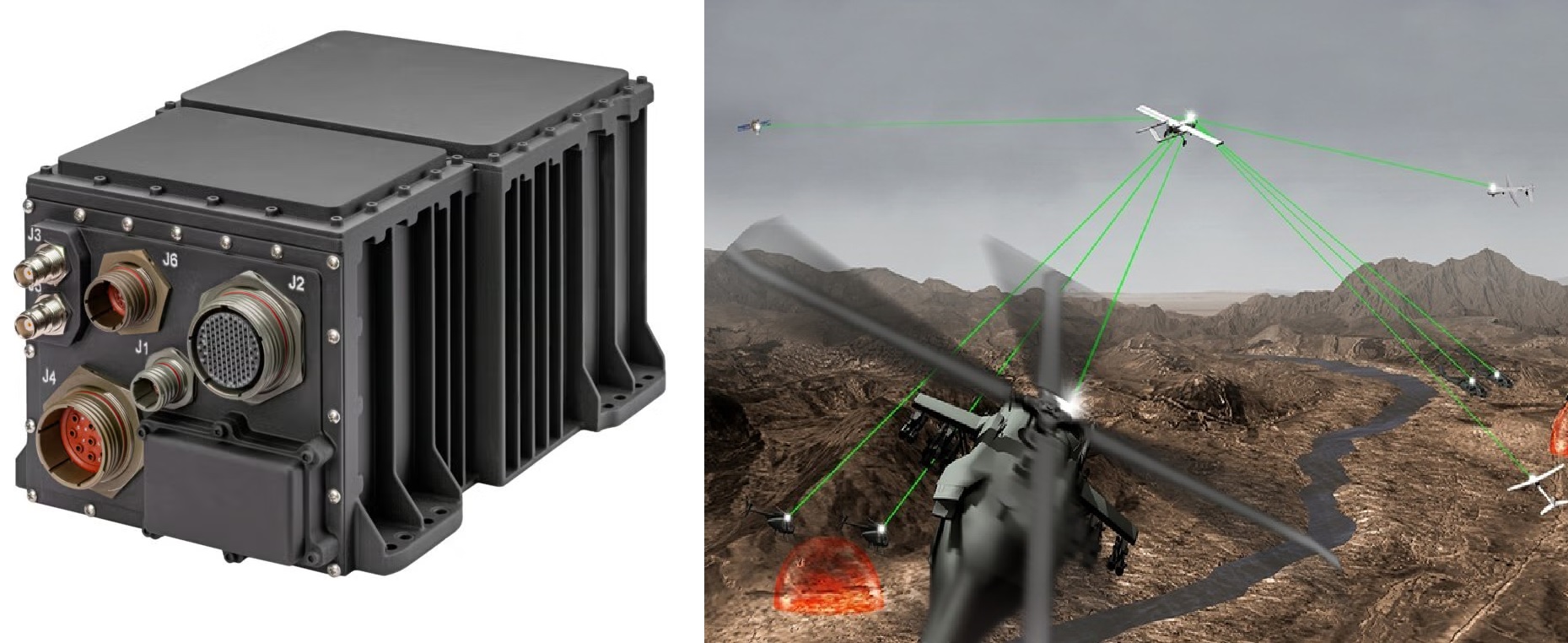
World
Woodland Hills, California — April 18, 2026 : Northrop Grumman Corporation has delivered the first production unit of its Embedded Global Positioning System/Inertial Navigation System-Modernized (EGI-M), also designated as the LN-351. The airborne navigation system is designed to provide accurate positioning, navigation and timing (PNT) data for military platforms operating in contested and GPS-denied environments, marking a transition of the program toward full-scale production. The EGI-M is intended to support global military operations by maintaining navigational accuracy in conditions where satellite signals may be degraded, jammed or denied. The system integrates GPS and inertial navigation technologies into a unified hardware and software architecture, enabling continuous navigation performance across a range of operational scenarios. System Design and Navigation Function The system combines Global Positioning System (GPS) inputs with an Inertial Navigation System (INS). While GPS relies on external satellite signals for positioning and timing, the INS uses internal sensors, including accelerometers and gyroscopes, to calculate position, velocity and orientation independently of external inputs. This dual-architecture allows seamless transition to inertial navigation when GPS signals are unavailable or compromised. The EGI-M incorporates a tightly coupled GPS/INS configuration derived from the earlier LN-251 system, with the addition of modern fiber optic gyro technology. The system is designed as a fully integrated, digital, non-dithered navigation unit that minimizes self-induced acceleration and velocity noise. It provides free inertial performance in the range of 0.4 to 2.0 nautical miles per hour and features low angle random walk characteristics to improve stabilization and targeting accuracy. Resilient PNT and Anti-Jam Capabilities According to Northrop Grumman, the EGI-M delivers resilient and trusted navigation through military-code PNT capabilities. It includes Blended Navigation Assurance (BNA), a feature that cross-checks navigation data to ensure GPS information remains accurate and secure under electronic attack conditions. The system is equipped with a 24-channel All-In-View Military GPS User Equipment (MGUE) receiver capable of tracking M-code, P(Y)-code and coarse/acquisition (C/A) signals. It also integrates anti-jam subsystems featuring beam-steering and nulling technologies to counter interference and maintain signal integrity in contested electromagnetic environments. Open Architecture and Integration Flexibility The EGI-M is built on a flexible, open systems architecture that enables operators to host third-party PNT applications without requiring direct manufacturer involvement. This approach allows integration with additional sensors and supports tracking of non-GPS satellite signals, enhancing adaptability to evolving operational requirements. The system provides four independent navigation solutions: blended INS/GPS, INS-only, GPS-only and Blended Navigation Assurance. It supports geo-location for sensor targeting, transfer alignment of remote sensors and stabilization functions for advanced mission systems, including Synthetic Aperture Radar (SAR), Active Electronically Scanned Array (AESA) radars and Electro-Optical/Infrared (EO/IR) sensors. Interface options include RS-422, ARINC-429, MIL-STD-1553B and Ethernet, with provisions for future integration of fiber-optic and high-speed SerDes connections. Testing, Standards and Program Timeline Northrop Grumman stated that the EGI-M has undergone extensive hardware and software testing to meet military performance standards. The system also complies with DO-178C and DO-254 standards, supporting interoperability with civil aviation systems while meeting military requirements. The program was developed under an engineering and manufacturing development contract awarded by the U.S. Air Force. The system completed its critical design review in 2020. A prototype conducted its first flight test in May 2023 aboard a testbed aircraft, where it demonstrated performance comparable to the LN-251 while incorporating M-code capabilities. Initial Platforms and Deployment Scope Initial integration platforms for the EGI-M include the U.S. Navy’s E-2D Advanced Hawkeye and the U.S. Air Force’s F-22 Raptor. Additional fixed-wing and rotary-wing aircraft across the Department of Defense, as well as allied military forces, have selected the system as a future navigation solution. The system is produced at Northrop Grumman facilities and is intended for use on platforms requiring precise PNT data for navigation, pointing, stabilization and flight control functions. Official Statements Ryan Arrington, vice president of navigation and cockpit systems at Northrop Grumman, stated that the company continues to deliver navigation systems designed for operational reliability and adaptability. He said the EGI-M enhances operational effectiveness and is built to address current and future threat environments. Lt. Col. Chris Grover of the U.S. Air Force said the system provides military assets with the capability to operate with required precision and timing in contested environments. Ongoing Development Northrop Grumman indicated that it continues to develop positioning, navigation and timing technologies across multiple domains, including air, land, sea, underwater and space. The company stated that its systems are designed to ensure reliable navigation performance in environments affected by electronic warfare and signal disruption.
Read More → Posted on 2026-04-18 13:51:56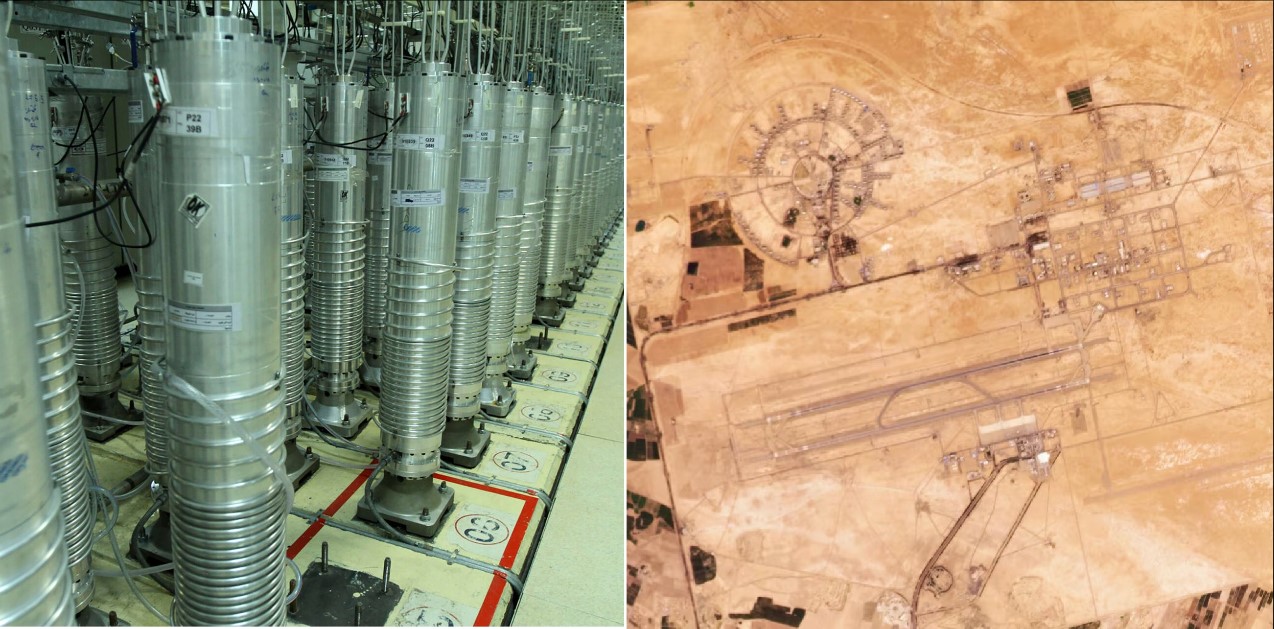
World
WASHINGTON / TEHRAN, — April 18, 2026 : The United States is engaged in reported negotiations with the Islamic Republic of Iran over logistical arrangements for the removal of a stockpile of uranium enriched to 60 percent located at the Isfahan nuclear complex. The discussions include provisions that would allow Iranian representatives to be present during the removal process, according to information attributed to U.S. government sources and reported on April 17, 2026. The proposed arrangement outlines a framework under which Iranian personnel would observe the handling and transfer of the material, while operational responsibility for the removal would involve U.S. personnel and international inspectors. No official confirmation has been issued by the U.S. government regarding the specifics of the plan. Equipment and Engineering Considerations As part of the ongoing discussions, U.S. officials are negotiating the use of Iranian engineering equipment for excavation and access operations at the Isfahan site. This approach would replace earlier plans to deploy U.S. military engineering assets to the location. The adjustment reflects logistical considerations associated with transporting heavy machinery over long distances into central Iran. The Isfahan nuclear complex includes underground tunnel facilities, some of which sustained structural damage during military strikes in 2025, requiring excavation to reach stored nuclear material. The uranium stockpile is estimated at approximately 400 kilograms enriched to 60 percent. According to prior assessments by the International Atomic Energy Agency (IAEA), a portion of this material had been transferred to Isfahan before the strikes on Iranian nuclear facilities in 2025. Some of the stockpile is believed to be located within underground sections of the complex. Airfield Access and Transport Planning Negotiations also address revisions to air transport arrangements supporting the operation. Earlier planning identified the Shahreza agricultural runway as a potential landing site for U.S. military aircraft. The runway, a dirt strip approximately 1,200 meters in length located south of Isfahan near coordinates 32°13'17.37"N 51°54'3.99"E, was used in a U.S. military operation in early April 2026 involving MC-130J and HC-130J aircraft. Current discussions indicate that the Iranian Air Force may instead provide access to its 8th Tactical Fighter Base in the Isfahan area. The installation would serve as the primary entry point for U.S. aircraft transporting personnel, technical teams, and inspectors associated with the removal effort. The base has previously been referenced in operational planning related to activities in the region. Background and Operational Context The reported negotiations follow military operations conducted against Iranian nuclear facilities in 2025, including strikes that affected infrastructure at the Isfahan site. Subsequent U.S. military activity in April 2026, initially described by the Pentagon as a search and rescue mission involving a downed F-15E airman, occurred in proximity to locations associated with nuclear material storage. Analysts have noted that the removal of uranium from the site would require specialized procedures. Prior to the 2025 strikes, the material was reportedly stored in gaseous form as uranium hexafluoride (UF6), which requires controlled handling, protective equipment, and technical infrastructure for safe transfer. Damage to underground facilities has added complexity to potential recovery operations. Iranian Response and Official Positions Iranian officials have publicly denied all aspects of the reported arrangements. Foreign Ministry spokesperson Esmaeil Baqaei has stated that Iran’s enriched uranium stockpile remains under national control and will not be transferred outside the country under any circumstances. Tehran has rejected reports of negotiations involving U.S. extraction operations, the use of Iranian equipment for such purposes, or access to military installations for foreign aircraft linked to the effort. Ongoing Developments The discussions are part of broader U.S.–Iran engagement following the 2025 military actions targeting Iran’s nuclear infrastructure. U.S. officials have referenced plans involving ground access, excavation, and removal of highly enriched uranium from the Isfahan complex, though detailed operational decisions remain under discussion. As of April 18, 2026, the reported arrangements remain unconfirmed by official U.S. statements, while Iran continues to publicly deny that any such agreement exists.
Read More → Posted on 2026-04-18 14:14:49
World
Tehran, — April 18, 2026 : Iran’s Supreme National Security Council (SNSC) has confirmed that the first round of negotiations with the United States concluded without agreement after U.S. negotiators, who had initially accepted Tehran’s proposed 10-point plan as a framework, introduced what Iran described as excessive demands during the discussions. The talks were held in Islamabad over April 12–13, 2026, as part of a Pakistan-mediated diplomatic effort following a temporary ceasefire announced on April 8, 2026. The ceasefire is scheduled to remain in effect until April 22, 2026, unless extended through further agreement. Negotiation Status and Mediation Channel According to the SNSC, a second round of negotiations remains contingent on the United States aligning its demands with what Iran termed “battlefield realities.” No date has been set for further talks. New U.S. proposals have been submitted to Tehran through Pakistan’s Army Chief, Field Marshal Asim Munir, who has been engaged in mediation alongside Prime Minister Shehbaz Sharif. Munir met Iranian officials in Tehran on April 17, 2026. Iranian authorities confirmed the proposals are under review and that no formal response has been issued. Iran has also informed Pakistan’s army chief that it will not give up its missile programme, indicating that the issue remains outside the scope of concessions under consideration. The 10-point plan referenced by the SNSC served as the basis for the initial discussions. Elements associated with the framework include lifting U.S. sanctions, recognition of Iran’s uranium enrichment programme, withdrawal of U.S. military forces from the region, cessation of hostilities across all fronts, and regulated maritime access through the Strait of Hormuz. U.S. Position U.S. President Donald Trump stated that Washington is engaged in “very good conversations” with Iran and that the process is “working out very well.” He said Iran had “got a little cute” and attempted to close the Strait again, adding that “they can’t blackmail us.” Trump also stated that Iran “has no navy and no air force,” and noted that many ships are now heading toward ports in Texas and Louisiana. Ceasefire Scope and Lebanon Condition Iran has maintained that the temporary ceasefire must apply across all active fronts, including Lebanon. Following reported Israeli violations of initial ceasefire terms, Tehran pressed for the inclusion of a Lebanon-specific ceasefire. Israel subsequently accepted the arrangement, resulting in a 10-day truce in Lebanon that aligned with Iran’s condition for broader de-escalation. Strait of Hormuz Access Conditions Under the ceasefire-related arrangement, Iran has conditionally opened the Strait of Hormuz for commercial maritime traffic with defined restrictions: Passage is restricted to commercial vessels only; military or hostile ships are not permitted. Transit remains under Iranian control and supervision. Vessels must obtain permits from Iranian authorities. Ships are required to follow designated maritime routes. The arrangement applies only for the duration of the ceasefire. Warning on Maritime Disruption The SNSC stated that any U.S. naval blockade or disruption of maritime traffic under the current arrangement would be treated as a ceasefire violation. Iran indicated that in such a case it would suspend the conditional access framework and prevent all vessel passage through the Strait of Hormuz, including commercial shipping. Outlook No further details have been released regarding the content of the revised U.S. proposals or the timing of a potential second round of negotiations. Pakistan continues mediation efforts as both sides assess their positions within the remaining ceasefire period ending April 22, 2026.
Read More → Posted on 2026-04-18 14:36:59
World
MOSCOW — April 18, 2026 : Russia has conducted field trials of the NRTK Kurier ground robotic complex, demonstrating the tracked unmanned platform’s ability to tow a 122 mm D-30 howitzer weighing more than three tons. The tests were carried out in the area of responsibility of the Dnepr group of forces, according to information released in mid-April 2026. Video footage published by the NRTK Telegram channel shows the remotely controlled Kurier platform towing the artillery system in its marching (transport) configuration across open terrain. The platform maintained mobility while moving the towed load over field conditions. Towing Capability Demonstrated in Field Conditions The towing of the D-30 howitzer represents a significant operational test for the compact robotic system. The 122 mm D-30 is a widely used towed artillery system with a combat weight exceeding three tons, typically requiring a crew-operated vehicle for displacement. During the trials, operators reported that the Kurier platform successfully traversed fields, sandy terrain, and small elevations while towing the artillery system. The test expands the known capabilities of the platform beyond its previously demonstrated logistics role. Platform Specifications and Performance The Kurier is a multi-purpose tracked unmanned ground vehicle (UGV) developed since 2022 by engineers from Buryatia, specifically the Sadaev Group, with support from the People’s Front organization under the Kulibin Club initiative. The platform has a base weight of approximately 250 kilograms and is capable of reaching speeds of up to 35 kilometers per hour. Its standard payload capacity is 200 kilograms. When equipped with a trailer, it can tow an additional 200 kilograms, with earlier tests indicating the ability to transport up to 400 kilograms in total using a trailer configuration. Military sources involved in testing stated that the platform demonstrates stable mobility across varied terrain types, including fields, sand, and uneven ground. Development Background and Support Framework The Kurier program forms part of a broader effort to introduce unmanned ground systems into operational use. Development began in 2022 under the Sadaev Group in Buryatia, with institutional support provided through the People’s Front initiative. The Kulibin Club framework has been used to identify, test, and scale technical solutions for deployment in military units. Modular Design and Operational Roles The Kurier platform is designed with a modular architecture, allowing it to be configured for multiple roles depending on mission requirements. Its primary logistical and support functions include: Delivery of ammunition to forward positions Evacuation of wounded personnel from high-risk areas Engineering reconnaissance and terrain assessment Demining and mine-laying operations In addition to support roles, the platform can be adapted for combat configurations. Tested variants have included mounting of: Heavy and light machine guns Automatic grenade launchers Mortar systems Multiple launch rocket systems (MLRS), including adapted 107 mm rocket pods and thermobaric launchers Operational Benefits in Conflict Environments The integration of unmanned ground platforms such as Kurier provides operational advantages in combat and conflict zones, particularly in high-risk areas. By enabling remote execution of tasks such as artillery displacement, ammunition resupply, and casualty evacuation, the system reduces direct exposure of personnel to enemy fire, surveillance, and artillery strikes. This contributes to force preservation while maintaining logistical continuity. The towing capability demonstrated during the mid-April 2026 trials indicates potential use in repositioning artillery systems closer to or away from frontline positions without requiring crewed vehicles. This can support more flexible deployment patterns and reduce vulnerability during movement phases.
Read More → Posted on 2026-04-18 14:48:11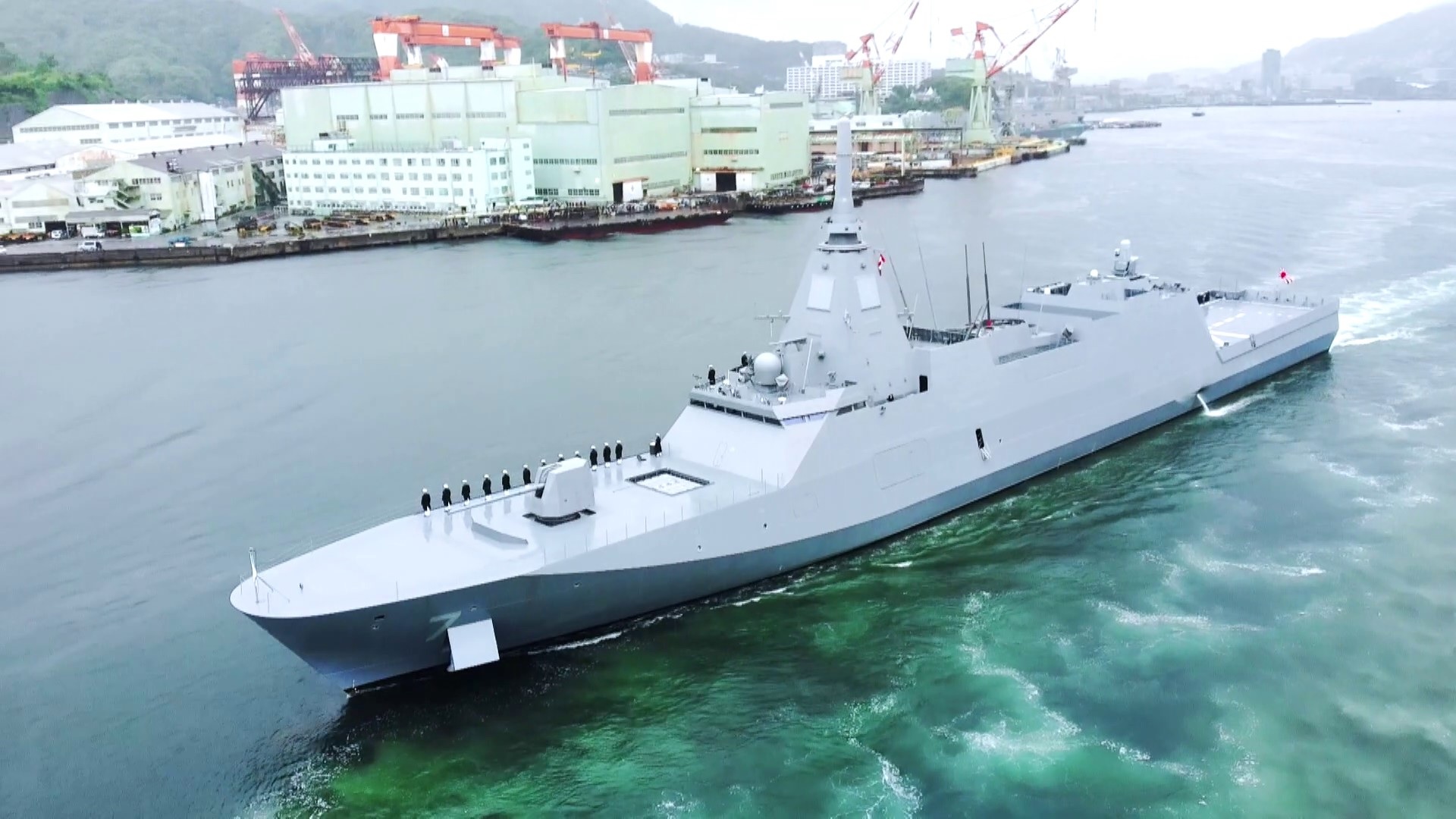
World
MELBOURNE, — April 18, 2026 : The Australian Government has formally signed contracts with the Government of Japan and Mitsubishi Heavy Industries for the procurement of three upgraded Mogami general purpose frigates, marking the first phase of the SEA 3000 naval acquisition program. The first vessel is scheduled for delivery to the Royal Australian Navy in 2029. The agreement represents a significant milestone in Australia’s long-term naval modernization effort, with the SEA 3000 program structured to deliver up to 11 general purpose frigates. Under the 2026 Integrated Investment Program, the government has allocated up to 20 billion Australian dollars for the program across the period from financial year 2026 to 2035. Program Structure and Shipbuilding Plan The initial three frigates will be constructed by Mitsubishi Heavy Industries at its shipyard in Nagasaki Prefecture, Japan. Subsequent vessels are planned for domestic construction in Australia at the Henderson Defence Precinct in Western Australia, subject to the precinct’s consolidation and infrastructure readiness. Eight of the total 11 ships are expected to be built in Australia by Austal, designated as the national shipbuilder. The transition from offshore to onshore construction is intended to support a continuous naval shipbuilding strategy while expanding Australia’s industrial base. The program is projected to support approximately 10,000 high-skilled jobs in Western Australia over the next two decades, driven by sustained investment in shipbuilding and defence capability development at Henderson. Platform Design and Capabilities The ships will be based on the upgraded Japanese Mogami-class design, known as the New FFM or 06FFM variant. This configuration incorporates improvements over the baseline Mogami class, including enhanced multi-function radar systems and expanded air defence capabilities. Each frigate will have a range of up to 10,000 nautical miles and will be equipped with a 32-cell Vertical Launch System. The vessels will be capable of deploying both surface-to-air missiles and anti-ship missiles. The Australian variant will integrate a combination of United States and European weapon systems, including the Evolved Sea Sparrow Missile Block 2 for medium-range air defence, Mk 54 lightweight torpedoes for anti-submarine warfare, and the Naval Strike Missile for anti-ship operations. Each ship will be crewed by 92 Royal Australian Navy personnel and will support operations of the MH-60R Seahawk maritime combat helicopter. Role Within the Fleet The upgraded Mogami-class frigates are intended to replace the Anzac-class frigates currently in service with the Royal Australian Navy. The new vessels will primarily perform undersea warfare and air defence roles, contributing to broader fleet capability. The acquisition aligns with recommendations from the 2024 independent analysis of the Navy’s surface combatant fleet, which called for an expansion and modernization of Australia’s naval forces. The Albanese Government has stated that the program supports its commitment to more than double the size of the Navy’s surface combatant fleet. Bilateral Agreement and Defence Cooperation The contract signing was formalized during a bilateral engagement involving Deputy Prime Minister and Minister for Defence Richard Marles and Japan’s Minister of Defence Koizumi Shinjirō. Both officials endorsed the “Mogami Memorandum”, which outlines commitments to the delivery of the frigates and expanded defence industry cooperation between the two countries. The agreement builds on existing operational collaboration. Royal Australian Navy personnel previously conducted training with the Japan Maritime Self-Defense Force aboard the Mogami-class frigate JS Kumano during its transit to Australia for Exercise Kakadu. Australia’s Department of Defence is working with Japanese industry partners and the Japan Maritime Self-Defense Force to establish initial sustainment and operational capabilities for the upgraded Mogami class within Australia, supported by domestic industry. Acquisition Context and Selection Process The selection of the upgraded Mogami design followed a competitive evaluation process that included alternative platforms such as the German MEKO A-200 frigate. The final decision was based on the platform’s ability to meet capability requirements while enabling accelerated delivery timelines. Japan plans to construct at least 12 New FFM frigates for its own fleet. The Australian program represents Japan’s largest defence export contract to date, marking a significant development in Japan’s defence industrial engagement with international partners. Government Statements Richard Marles stated that the acquisition reflects the government’s focus on strengthening national security capabilities and ensuring maritime protection. “Acquiring upgraded-Mogami class frigates demonstrates the Albanese Government’s focus on investing in the capabilities we need to keep Australians safe. Our surface fleet is more important than at any time in decades. These general purpose frigates will help secure our maritime trade routes and northern approaches as part of a larger and more lethal surface combatant fleet,” he said. Minister for Defence Industry Pat Conroy described the program as the fastest peacetime acquisition undertaken by the Royal Australian Navy and highlighted its industrial and workforce impact. “This is the fastest acquisition for the Royal Australian Navy in peacetime. We are working closely with Japanese and Australian industry partners as we acquire one of the most, if not the most, advanced general-purpose frigate in the world. We are delivering these commitments at pace, supporting and creating jobs for Australians, and deepening Australia’s industrial base. The first three frigates will be built offshore in Japan. We will then transition to an onshore build in line with the Government’s commitment to continuous naval shipbuilding and a future made in Australia,” he said. Industrial and Strategic Significance The SEA 3000 program reflects a broader strategic effort to enhance Australia’s maritime capabilities while strengthening defence industrial cooperation with Japan. It also establishes a framework for long-term collaboration in shipbuilding, sustainment, and operational integration. The program’s execution over the next decade is expected to play a central role in reshaping Australia’s surface fleet and supporting regional maritime security objectives.
Read More → Posted on 2026-04-18 15:12:48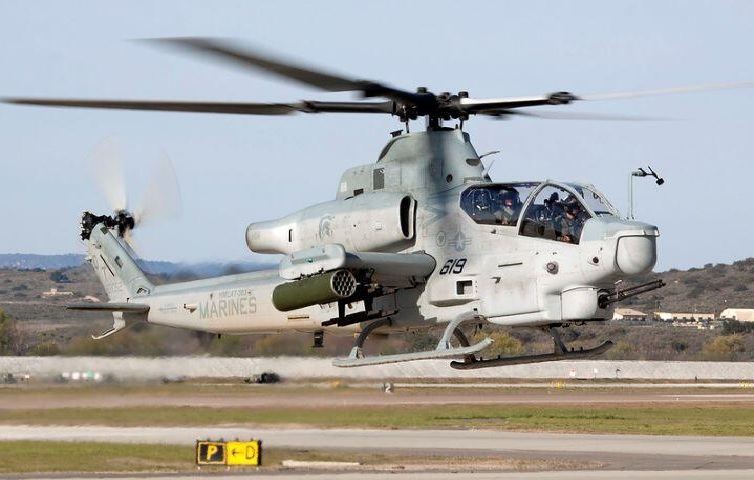
World
WASHINGTON, D.C., — April 18, 2026 : Bell Textron Inc., a subsidiary of Textron Inc. (NYSE: TXT), has announced the establishment of a new subsidiary in Ukraine as part of its long-term strategy to expand industrial cooperation in the country and support future rotorcraft programs. The newly formed entity, Bell Textron Ukraine, will serve as the company’s central operational hub for activities within Ukraine. According to the company, a permanent office location has not yet been finalized, and further details regarding timelines for physical establishment remain undisclosed. Industrial Structure and Scope of Activities The creation of Bell Textron Ukraine represents an initial step toward the localization of helicopter-related operations in the country. The subsidiary will oversee and support a range of activities, including the assembly, maintenance, and repair of Bell rotorcraft, as well as coordination of ongoing and future projects. The company stated that the structure is designed to facilitate long-term cooperation with Ukraine’s defense-industrial base while enabling incremental development of local capabilities. The initiative is aligned with broader efforts to expand industrial participation and technical collaboration within Ukraine. Official Statements Jeffrey Schloesser, Senior Vice President of Strategic Pursuits at Bell, described the move as a foundational step in building practical cooperation with Ukraine. “This is a meaningful step toward building a practical, mutually beneficial cooperation with the Ukraine defense and industrial base,” Schloesser said. He added that Bell intends to establish a sustained presence in the country to promote collaboration and long-term growth. Platform Focus and Operational Considerations Bell identified two of its military helicopter platforms—the AH-1Z Viper and the UH-1Y Venom—as central to its proposed cooperation framework with Ukraine. According to the company, these platforms could contribute to strengthening Ukraine’s defense capabilities while forming the basis of a long-term industrial partnership. The AH-1Z and UH-1Y share approximately 85 percent common components, which enables simplified logistics, reduced maintenance complexity, and improved operational efficiency. This high level of commonality is expected to support sustainment and training requirements if adopted. Background Agreements and Policy Framework The announcement follows Letters of Intent signed in October 2025 between Bell Textron, the Ministry of Economy of Ukraine, and UkraineInvest. These agreements were intended to evaluate potential areas for industrial cooperation, including the prospective supply of AH-1Z and UH-1Y helicopters under the U.S. Foreign Military Sales (FMS) program. The discussions also included the possibility of establishing a Final Assembly and Check-Out (FACO) capability in Ukraine to support localized production and sustainment. Operational Outlook Bell Textron Ukraine will function as the primary entity responsible for advancing these initiatives within the country. While the company has outlined its intent to develop local industrial capabilities, it has not released specific timelines regarding the establishment of facilities or the commencement of production activities. The formation of the subsidiary formalizes Bell’s entry into Ukraine’s defense-industrial landscape and provides an organizational framework for future cooperation, subject to further agreements and program developments.
Read More → Posted on 2026-04-18 15:29:52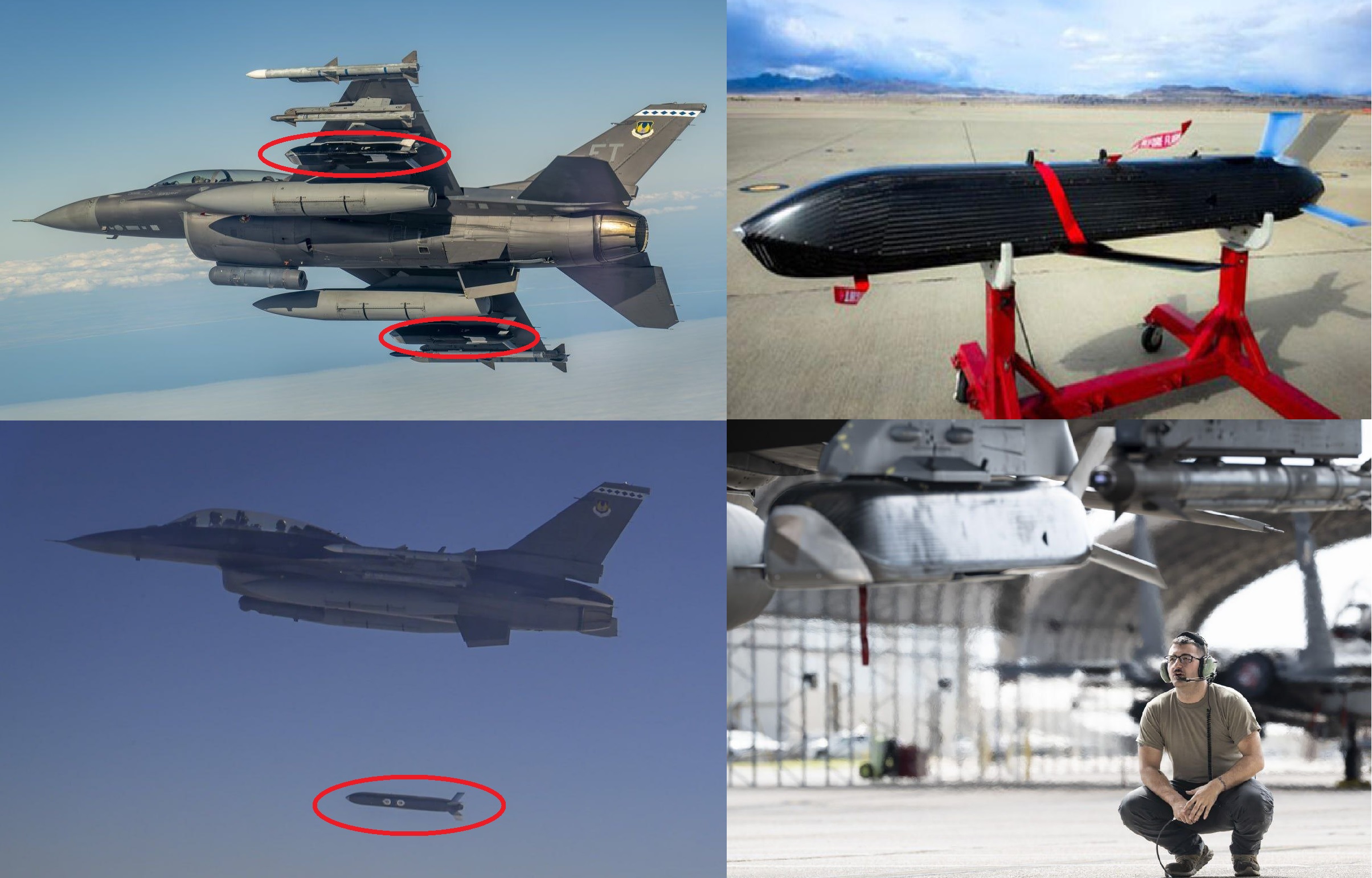
World
EGLIN AIR FORCE BASE, Florida — April 18, 2026 : The United States Air Force has completed a series of flight tests of the FAMM-L (AGM-188A “Rusty Dagger”) small cruise missile, including launches from an F-16D fighter aircraft over the Gulf of Mexico. The service also released new images from the testing campaign, providing additional insight into the integration of the missile on tactical aircraft. The tests were conducted as part of the Extended Range Attack Munition (ERAM) program, managed by the Air Force Life Cycle Management Center’s Armament Directorate. The effort is focused on fielding a lightweight, low-cost, and mass-producible precision-guided stand-off weapon for use across multiple platforms. Flight Test Campaign and Validation According to official information, the recent testing campaign included captive carry evaluations, fit and function checks, and airborne release trials conducted over the Eglin Test and Training Range in Florida. The missile was launched from an F-16D assigned to the 40th Flight Test Squadron. Engineers validated loading procedures and aircraft compatibility prior to live-release testing. The missile demonstrated controlled separation from the aircraft and completed its flight profile successfully. A live-warhead test conducted earlier on January 21, 2026, met all primary objectives, including full warhead detonation and data collection to support further system maturation. The U.S. Air Force has not disclosed specific parameters of the most recent F-16D launch, including altitude, speed, or exact timing. Program Background and Development Timeline The AGM-188A “Rusty Dagger” is being developed by Zone 5 Technologies under the ERAM program, which began in August 2024. Contracts for the program were awarded in October 2024, with a total program budget of approximately $225 million. The missile received its official designation, AGM-188A, in 2025. ERAM includes a competing design developed by CoAspire, known as the Rapidly Adaptable Affordable Cruise Missile (RAACM). The program has progressed from contract award to live-fire demonstration in under 16 months, reflecting an accelerated development approach aimed at rapid fielding. Technical Characteristics The AGM-188A is designed as a compact, long-range cruise missile with performance approaching larger systems while maintaining a significantly reduced size and cost. The missile has a weight of approximately 230 kilograms and carries a 500-pound-class warhead. It is powered by a PBS Aerospace TJ80 turbojet engine, enabling high-subsonic flight. Its reported range exceeds 900 kilometers. The guidance system combines inertial navigation with GPS, and includes the capability to operate in electronic warfare environments. The system maintains an accuracy of approximately 10 meters circular error probable (CEP), even under degraded GPS conditions. The design also supports autonomous visual navigation options. The FAMM-L designation refers to the lightweight air-launched variant within the broader Family of Affordable Mass Missiles concept. Cost and Operational Concept The AGM-188A is intended to address cost-efficiency challenges in modern warfare. The estimated unit cost is approximately $250,000 in serial production, which is up to ten times lower than comparable long-range precision munitions such as the JASSM-ER. The lower cost and reduced size enable large-scale production and deployment. The system is designed for use in large salvos, allowing forces to saturate adversary air defense systems while maintaining precision strike capability. This approach allows operators to reserve higher-cost strategic munitions for more demanding targets while using the AGM-188A for a broader set of missions. Integration and Platform Compatibility The Rusty Dagger is designed as an open-architecture weapon with modular features, allowing integration across multiple aircraft types. In addition to the F-16, the system is being developed for compatibility with other Western and legacy platforms. Ongoing integration efforts include compatibility with aircraft such as the MiG-29, supporting broader operational flexibility. International Deliveries and Ukraine Allocation The ERAM program includes provisions for international delivery through foreign military sales channels. Ukraine has been cleared to procure up to 3,350 ERAM units, including spares and associated support equipment, with an estimated total value of $825 million. Initial deliveries of the first batch of 840 missiles are planned for October 2026. The system is intended to enhance long-range strike capabilities while maintaining cost efficiency and scalability. Strategic Role The AGM-188A extends the strike range of tactical aircraft, enabling engagement of distant and defended targets while allowing launch platforms to remain outside of enemy air defense coverage. The system’s combination of range, cost, and production scalability aligns with current operational requirements for distributed and sustained strike capabilities.
Read More → Posted on 2026-04-18 15:43:10
World
VIATOR, ALMERÍA, Spain — April 18, 2026 : King Felipe VI of Spain visited the Spanish Army’s Third Tactical Experimentation Campaign (TEC 3) at Base Álvarez de Sotomayor in Viator, Almería, between April 16 and April 17, where he observed live demonstrations of emerging autonomous military technologies, including the Destinus Hornet B1 counter-drone system. The TEC 3 campaign, conducted from April 7 to April 17, 2026, is organized by the Spanish Army’s Future Force 2035 Center in cooperation with the “Alfonso XIII” II Brigade of the Legion. The exercise serves as a primary field validation framework for Spain’s ongoing military modernization program aimed at developing the Experimental Brigade 2035, with emphasis on robotics, sensor integration, and autonomous systems. Head of State Visit and Engagement King Felipe VI, acting in his role as Captain General of the Spanish Armed Forces, arrived at the base on April 16 by Super Puma helicopter from Cuatro Vientos Air Base. During the visit, he spent an extended period at the Destinus demonstration area, where he received technical briefings on the Hornet B1 system and its operational concept. According to Destinus, the King engaged directly with engineers and operators, asking detailed questions regarding system performance, deployment procedures, and operational integration. His interaction reflected his background in military training across all three branches of the Spanish Armed Forces, as well as his qualification as a helicopter pilot. Following the technical demonstrations, the King met with commanders of the “Alfonso XIII” II Brigade of the Legion at brigade headquarters and later attended a formal social engagement with military personnel, defense industry representatives, and participants involved in TEC 3. TEC 3 as a Field Experimentation Framework The TEC 3 exercise is structured as a multi-zone experimentation environment rather than a conventional static exhibition. Activities were distributed across up to five separate zones within the training grounds at Base Álvarez de Sotomayor, located in the Almería desert with operational visibility toward the Mediterranean. More than 20 Spanish defense companies and two universities participated in the campaign, working alongside Legion units to test and refine systems under realistic field conditions. The event is designed to accelerate the transition of emerging technologies from development into operational evaluation. Technologies assessed during TEC 3 included unmanned ground vehicles (UGVs) for combat and logistics roles, unmanned aerial systems (UAS) for cargo delivery, reconnaissance, and intelligence, surveillance, and reconnaissance (ISR) missions, first-person view (FPV) drone systems, loitering munitions, and counter-UAS solutions deployed from both ground and aerial platforms. Hornet B1 Live Interception Demonstration During the exercise, Destinus conducted a live interception demonstration using its Hornet B1 autonomous counter-drone system. The system was launched from a containerized unit designed for mobility and rapid deployment, including compatibility with light armored vehicles such as the URO VAMTAC. The Hornet B1 is designed to counter a range of aerial threats, including kamikaze drone swarms, reconnaissance UAVs, loitering munitions, unguided projectiles, and helicopters. It operates through a distributed network of anti-drone nodes combining detection sensors with interceptor drones. The system demonstrated at TEC 3 enables small units to establish a defensive perimeter quickly without reliance on fixed infrastructure, reducing logistical requirements while maintaining operational flexibility. System Characteristics and Operational Role The Hornet B1 is engineered as a near-autonomous interception layer intended to address cost asymmetry in modern air defense. Conventional interceptor missiles can exceed one million euros per unit, while adversary drones may cost approximately 35,000 euros. The system supports scalable deployment and can operate independently or as part of integrated ground-based air defense networks. Key characteristics include: Electrically powered interceptor platform Range exceeding 70 kilometers Payload capacity of approximately 3 kilograms AI-driven multimode guidance system Low-altitude flight capability Integrated anti-jamming suite for operation in contested electronic environments Earlier variants in the Hornet family, including Block 1, demonstrated ranges exceeding 45 kilometers with payloads of approximately 1.5 kilograms. The system has also been tested with Shield AI’s Hivemind autonomy software. Ruta Platform Static Display In addition to the Hornet B1 demonstration, Destinus presented its Ruta platform in a static configuration. The Ruta system is a low-cost missile-drone designed for long-range strike missions against stationary, high-value targets. The Block 2 variant features a range exceeding 450 kilometers and a payload capacity of approximately 250 kilograms. It incorporates AI-powered multimode guidance and navigation systems designed to operate in GPS-denied and electronically contested environments, along with a low-level flight profile for survivability. The platform is intended for scalable production and integration with mobile launch systems and modern command-and-control architectures. Earlier variants of the Ruta system have already been supplied for operational use. Industry Participation and National Integration Destinus maintains engineering and development operations in Spain and participates in national defense research programs, including the CRIPICOM project focused on propulsion and auxiliary aircraft systems. The company stated that Spain remains central to its activities, with local teams responsible for design, development, and testing. The TEC 3 campaign provided an opportunity to demonstrate domestically developed capabilities within a military evaluation environment. Role in Future Force 2035 Initiative TEC 3 forms part of a broader series of experimentation campaigns supporting the Spanish Army’s Future Force 2035 initiative. The program aims to transform land forces through the integration of autonomous systems, artificial intelligence, and advanced battlefield networking. The campaign emphasizes direct collaboration between military units and industry partners, enabling real-time testing, feedback, and iteration of systems under operational conditions. This approach is intended to streamline the pathway from technological development to potential procurement and deployment. The 2026 iteration of TEC 3 continues to serve as a key platform for validating the maturity, interoperability, and tactical relevance of emerging defense technologies within the Spanish Army’s modernization framework.
Read More → Posted on 2026-04-18 15:57:10
World
WASHINGTON, — April 18, 2026 : On April 17, 2026 United States Department of State has approved a possible Foreign Military Sale (FMS) to the Government of Germany valued at an estimated $11.9 billion, covering advanced AEGIS-based combat systems, sensors, and associated support equipment for the German Navy’s future F127 air and missile defense frigates. The approval includes eight complete shipsets of integrated combat and sensor systems intended to equip the full planned F127 fleet, marking one of the largest naval air and missile defense procurements undertaken by Germany in recent decades. Program Scope and Approved Systems According to the U.S. Defense Security Cooperation Agency notification, the German government has requested a comprehensive package of Major Defense Equipment (MDE) and supporting systems designed to provide integrated, layered air and missile defense capability. The approved MDE package includes: Eight shipsets of AEGIS-based Integrated Combat System (ICS) MK 6 MOD X computing infrastructure Eight shipsets of AN/SPY-6(V)1 Active Electronically Scanned Array (AESA) S-band radars Eight shipsets of MK 41 Baseline VIII Vertical Launch Systems (VLS) Eight shipsets of Cooperative Engagement Capability (CEC) Eight shipsets of GPS-based Positioning, Navigation, and Timing (PNT) services Nine Command and Control Processors Ten Multifunctional Information Distribution Systems (MIDS) on Ship Modernization systems Nine MK 45 naval gun mounts Three AN/SLQ-32(V)6 Electronic Warfare systems Eight shipsets of AN/SPQ-9B radar systems Eight shipsets of AN/WSN-12 Inertial Navigation Systems In addition to the primary systems, the package includes a wide range of non-major defense equipment (non-MDE) and support elements. These comprise Integrated Combat System software, Identification Friend or Foe (IFF) Mod 5/S systems, cryptographic equipment such as KIV-78 appliques, AN/PYQ-10 Simple Key Loaders, and Global Command and Control Systems for Maritime operations. Further components include Gigabit Ethernet Data Multiplex Systems, MK 99 MOD 14 fire control radars, MK 38 MOD 4 Gun Weapon Systems, and MK 34 Gun Weapon System components, including the MK 160 gun computing system and MK 20 electro-optical sight system. Additional equipment such as AN/WSN-9 digital hybrid speed logs, AN/SPQ-15 signal conversion systems, and Moriah wind systems are also included. The agreement also covers engineering, technical and logistics support, software delivery, development and testing hardware in U.S. facilities, training programs, spare parts, installation materials, technical documentation, and foreign liaison services required for program execution. The principal contractors for the sale are Lockheed Martin Corporation (Bethesda, Maryland) and RTX Corporation (Arlington, Virginia). Role in U.S. and NATO Security Policy The U.S. State Department stated that the proposed sale supports American foreign policy and national security objectives by strengthening a NATO ally that contributes to political stability and economic security in Europe. The integration of AEGIS and associated systems is expected to significantly enhance the German Navy’s capability for national and territorial defense, while improving interoperability with U.S. and NATO maritime forces in high-threat operational environments. F127 Frigate Program Overview The procurement forms a central component of Germany’s F127 frigate program, initiated approximately two years prior to replace the existing three Sachsen-class (F124) air defense frigates. The original program called for six vessels, but this was expanded to eight ships in response to evolving European security requirements. The F127 vessels are being developed under a joint program led by thyssenkrupp Marine Systems (TKMS) and NVL Group. The ships will be based on the MEKO A-400 Air and Missile Defense (AMD) design, incorporating the AEGIS combat system paired with the AN/SPY-6(V)1 radar, which Germany selected in October 2025, becoming the first international customer for the SPY-6 system. Design Evolution and Technical Characteristics The F127 design has undergone notable expansion compared to earlier concepts. The original MEKO A-400 AMD configuration featured 64 MK 41 VLS cells, but the current F127 design increases capacity to 96 cells, significantly enhancing missile loadout and engagement capability. As a result of these changes, vessel dimensions have grown. Current estimates indicate: Full-load displacement: approximately 10,000 to 12,000 tonnes Length: approximately 160 to 178 meters Beam: approximately 21 to 24 meters Draft: approximately 5.5 to 7.8 meters The ships will employ a combined diesel and gas turbine propulsion system, providing a maximum speed of 32 knots, an operational range of approximately 4,000 nautical miles, and an endurance of around 30 days. Crew complement is projected at approximately 150 personnel, with additional accommodation for up to 70 personnel depending on mission requirements. Capability Transition and Armament Changes The F127 program represents a transition in German naval combat systems from the European-developed TACTICOS/APAR suite used on the Sachsen-class to the U.S.-developed AEGIS/SPY-6 architecture. Key armament and system changes include: Replacement of the Leonardo 127 mm main gun with the MK 45 naval gun mount Integration of the MK 38 Mod 4 30 mm remote weapon system, addressing close-range threats including unmanned aerial systems Expanded missile capacity via 96-cell MK 41 VLS configuration for air and missile defense and strike missions Related Missile Procurement and Timeline The combat system approval follows a prior U.S. authorization in November 2025 for the sale of Standard Missile-6 (SM-6) Block I and Standard Missile-2 (SM-2) Block IIIC interceptors, intended for integration with the F127 class. The F127 frigates are expected to enter service beginning in the mid-2030s, with the first unit targeted for delivery around 2034. Construction timelines remain subject to final contracting and budget approvals, though preparatory work on the program is already underway. Strategic Outlook Once operational, the F127 class will serve as the German Navy’s primary air and missile defense platform, supporting operations in contested maritime environments and contributing to NATO’s integrated air and missile defense architecture. The adoption of AEGIS and SPY-6 systems positions Germany among a limited group of navies operating advanced ballistic missile defense-capable surface combatants, while ensuring full interoperability with U.S. naval forces
Read More → Posted on 2026-04-18 16:05:36
World
PALMDALE, California — April 18, 2026 : Northrop Grumman announced on April 17, 2026, that its YFQ-48A Talon Blue autonomous combat aircraft has successfully completed its first engine run, marking a key development milestone in the prototype’s progression toward flight testing. The event was carried out in coordination with Pratt & Whitney and the United States Air Force. The company confirmed the development in a brief statement, noting: “YFQ-48A Talon Blue started its engine for the first time today, a significant advancement achieved with Pratt & Whitney and the United States Air Force.” No further details regarding the exact test location, timeline specifics, or subsequent testing schedule were disclosed. Propulsion Integration Milestone The first engine run represents a transition point from a structurally complete airframe to an operational propulsion-integrated system. This stage enables engineers to validate the interaction between the engine, fuel systems, onboard electronics, and the aircraft structure under real ground conditions. Such testing is required before proceeding to taxi trials and eventual flight testing. The propulsion system for the YFQ-48A is supplied by Pratt & Whitney, an RTX business, and is based on the PW500 family of commercial turbofan engines. Originally developed for business jet applications, the engine has been adapted to meet the operational requirements of the Collaborative Combat Aircraft (CCA) program. According to Pratt & Whitney, the PW500 family has accumulated more than 24.5 million flight hours. The company conducted an extensive internal test program to simulate mission-specific conditions associated with autonomous combat aircraft operations. These evaluations resulted in measured performance across thrust, operational range, and system reliability parameters. The company also self-funded validation and capability improvements as part of the integration effort. Peter Sommerkorn, Vice President of Military Development Programs at Pratt & Whitney, stated that the use of a commercial baseline engine enabled faster development timelines while maintaining cost and performance targets. He added that the integration process combined an in-service engine platform with targeted enhancements aligned to CCA mission requirements. Role in the Collaborative Combat Aircraft Program The YFQ-48A Talon Blue is Northrop Grumman’s prototype submission for the U.S. Air Force’s Collaborative Combat Aircraft program, a priority modernization effort focused on developing autonomous, uncrewed platforms designed to operate alongside crewed fighter aircraft. The CCA concept emphasizes the deployment of cost-effective, semi-autonomous aircraft capable of executing missions such as intelligence, surveillance, electronic warfare, and forward strike operations. These systems are intended to expand operational capacity while reducing risk to human pilots. The YFQ-48A is designed to integrate with existing and future fighter platforms, including the F-35 Lightning II, F-22 Raptor, F-15EX Eagle II, and the planned Next Generation Air Dominance (NGAD) fighter. The aircraft received its Mission Design Series designation from the U.S. Air Force on December 22, 2025. The “Y” prefix indicates a prototype status, while the “FQ” designation identifies it as an uncrewed fighter-category platform developed specifically for the CCA program. Aircraft Design and Development The Talon Blue is developed under Northrop Grumman’s Project Talon portfolio, previously referred to as Project Lotus, in collaboration with its subsidiary Scaled Composites. The design incorporates lessons learned from the company’s earlier, unsuccessful bid for CCA Increment 1. Compared to previous concepts, the YFQ-48A is smaller, less complex, and optimized for cost and manufacturability. The aircraft features approximately 50 percent fewer parts and is around 1,000 pounds lighter than earlier designs. These changes are intended to support a production process that is up to 30 percent faster through the use of modular construction methods and composite materials. The airframe configuration includes a long, slender fuselage, swept lambda wings, a V-tail arrangement, and a dorsal air intake positioned above the fuselage. The aircraft is powered by a small turbofan engine. Its landing gear configuration includes widely spaced main gear that retract into the wings, supporting ground handling and structural efficiency. Program Status and Next Steps The prototype aircraft, registered as N444LX, is currently undergoing ground-based trials as part of a broader test campaign leading up to its first flight, which is projected to occur in 2026. The YFQ-48A is positioned as a candidate for the next phase of the CCA competition, referred to as Increment 2. Northrop Grumman’s Project Talon portfolio focuses on delivering modular, scalable, and cost-effective autonomous aircraft systems. The program prioritizes rapid development cycles and mission-ready autonomy, combining software and hardware advancements to accelerate deployment timelines. The Collaborative Combat Aircraft program remains one of the U.S. Air Force’s central modernization initiatives. It aims to field advanced, affordable autonomous aircraft capable of operating in contested environments alongside crewed platforms. Progress on milestones such as the first engine run contributes to the evaluation of industrial performance, integration maturity, and overall program risk among competing industry participants.
Read More → Posted on 2026-04-18 16:51:06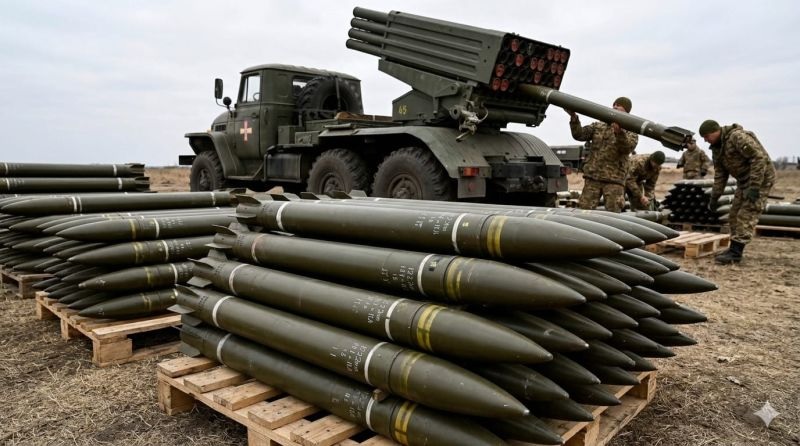
India
NOIDA, UTTAR PRADESH — April 18, 2026 : Brahmastra Explosives and Ammunition Private Limited has announced the immediate availability of its 122mm GRAD rockets with an extended operational range of up to 40 kilometers. The Noida-based defense manufacturer stated that the munitions are ready for supply to address both urgent operational requirements and long-term procurement demands from domestic and international customers. The company confirmed that availability is subject to prior sale and existing inventory conditions. Interested buyers have been advised to contact the firm directly for detailed technical specifications, pricing structures, and delivery timelines. System Compatibility and Technical Characteristics The 122mm GRAD rockets are designed for deployment across standard Multiple Launch Rocket Systems (MLRS), including the widely used BM-21 Grad platform and its derivatives. The extended-range variant offers a maximum reach of 40 kilometers, representing a significant increase over legacy configurations that typically operate within a 20 to 30 kilometer range. In addition to the extended-range system, Brahmastra Explosives continues to manufacture the standard 20-kilometer variant of the 122mm GRAD rocket, ensuring availability across different operational requirements. The rockets are configured as High-Explosive Fragmentation (HE-Frag) munitions. They are intended for targeting personnel concentrations, field fortifications, lightly armored vehicles, and for breaching minefields. Flight stability is achieved through a combination of fin and spin stabilization mechanisms, supporting trajectory consistency over extended distances. Manufacturing Capacity and Supply Chain Brahmastra Explosives and Ammunition stated that it has secured manufacturing arrangements with its original equipment manufacturer (OEM) partners. These arrangements are intended to ensure consistent production output and supply chain reliability. The company emphasized that its current inventory is positioned for immediate deployment, enabling rapid fulfillment of operational requirements where needed. Strategic Partnerships and International Agreements The company’s production and technology capabilities are supported by two key agreements concluded in early 2026. In February 2026, Brahmastra Explosives signed an exclusive business and technical cooperation agreement with Holding Corporation Krušik, a Serbian state-owned defense manufacturer established in 1939. Under this arrangement, Brahmastra is responsible for domestic sales, localization, and product development aligned with Indian armed forces requirements, while Krušik provides technical expertise and operational support. The agreement includes provisions for technology transfer and joint development of ammunition and related defense systems. Additionally, during the World Defence Show 2026 in Riyadh, the company entered into a partnership with Nadrah Trading Company of Saudi Arabia. This agreement focuses on facilitating defense market advisory services, coordinating tenders, and supporting engagement with end users within the Kingdom of Saudi Arabia, thereby strengthening Brahmastra’s access to international markets. Role in Domestic Defence Manufacturing The indigenous production of 122mm GRAD rockets contributes to the Indian Army’s artillery capabilities, where such systems have long been used for area saturation roles. Domestic manufacturing reduces dependence on external suppliers, supports quality control, and enables scalable production based on operational requirements. The company also noted that localized production opens opportunities for export to countries that operate 122mm GRAD-compatible systems, expanding India’s presence in the global defense supply chain.
Read More → Posted on 2026-04-18 17:06:05
India
NEW DELHI / MUSCAT — April 18, 2026 : India’s Ministry of External Affairs (MEA) on Saturday summoned Iran’s Ambassador to India, Dr. Mohammad Fathali, and lodged a formal protest following firing incidents involving two Indian-flagged commercial vessels in the Strait of Hormuz. The developments occurred amid Iran’s decision to reimpose restrictions on maritime transit through the strategic waterway. Incidents Reported on April 18 According to the United Kingdom Maritime Trade Operations (UKMTO), two separate security incidents were recorded on April 18, 2026, in waters northeast of Oman. At 09:20 UTC, approximately 20 nautical miles northeast of Oman, a tanker reported being approached by two gunboats belonging to Iran’s Islamic Revolutionary Guard Corps (IRGC) Navy. The vessels reportedly did not establish communication via VHF radio before opening fire. The tanker and its crew were reported safe, and an investigation is ongoing. At 11:25 UTC, around 25 nautical miles northeast of Oman, a container ship reported being struck by an unidentified projectile. The incident caused damage to cargo containers onboard. No fire or injuries were reported. Maritime tracking service TankerTrackers.com and ship tracking data indicated that the vessels involved in these incidents were Indian-flagged. Indian-Flagged Vessels Identified The two Indian vessels directly affected were identified as: Sanmar Herald (IMO 9330563), a Very Large Crude Carrier (VLCC) owned by Chennai-based Sanmar Shipping, carrying approximately 2 million barrels of Iraqi crude oil. Jag Arnav (IMO 9705354), a bulk carrier owned by Mumbai-based Great Eastern Shipping Company. Both vessels had reportedly received clearance to transit the Strait of Hormuz before being intercepted by IRGC Navy gunboats. Warning fire was directed at the vessels, forcing them to abort their passage and turn back westward into the Persian Gulf. No damage or injuries were reported on either vessel. An audio transmission recorded on maritime Channel 16 from the Sanmar Herald was released by TankerTrackers.com. In the recording, the vessel’s master is heard stating:“Sepah Navy! Motor Tanker Sanmar Herald! You gave me clearance to go. My name second on your list. You gave me clearance to go. You are firing now! Let me turn back!” Additional Indian Shipping Affected Ship tracking data further indicated that multiple Indian-flagged vessels altered course following the incidents. These included: Desh Vaibhav and Desh Vibhor, both operated by the state-owned Shipping Corporation of India. Additional vessels, including Desh Suraksha, were also reported to have turned back after the firing incidents. At least four Indian-flagged ships reversed course after Iran announced renewed restrictions on transit through the strait. One Indian tanker, Desh Garima, had successfully transited earlier in the day before the enforcement measures were reinstated. At the time of the incidents, approximately 14 Indian-flagged vessels were reported to be present in the Persian Gulf. Diplomatic Response from India During the meeting at the MEA in New Delhi, Foreign Secretary Vikram Misri conveyed India’s “deep concern” regarding the firing on Indian merchant vessels. The Indian government emphasized the safety of its seafarers and reiterated that the Strait of Hormuz constitutes an international trade route that should remain open to all commercial shipping. India urged that vessels bound for Indian ports be allowed safe passage through the strait. The MEA stated that the protest was conveyed in the “strongest terms,” though further details of the diplomatic exchange were not disclosed. Iran Reimposes Strait Restrictions The incidents followed Iran’s announcement on April 18, 2026, that the Strait of Hormuz had returned to its previous operational status under the control of its armed forces, effectively restricting civilian maritime traffic. Earlier, on April 8, Iranian Foreign Minister Abbas Araghchi had stated that the strait would remain open to commercial vessels following a ceasefire in Lebanon that came into effect on April 16. However, transit was limited to routes approved by Iran’s Ports and Maritime Organization due to the presence of previously laid sea mines that had not been fully cleared. Iran’s decision to reimpose restrictions was linked to ongoing tensions with the United States. On April 16, the United States expanded its naval blockade measures targeting Iranian and sanctioned vessels globally. Iranian authorities cited these actions as the basis for restoring stricter control over maritime access in the strait. Radio broadcasts from Iranian forces were reported to have informed civilian vessels that the strait had been closed again and that vessel movement was prohibited without authorization. Impact on Maritime Traffic The Strait of Hormuz remains a critical global energy corridor, handling a significant share of international crude oil shipments. Following the incidents, multiple commercial vessels, including Indian-flagged ships, were reported to have halted movement or anchored in nearby waters awaiting further clarity. No casualties or confirmed structural damage to the Indian-flagged vessels involved in the April 18 incidents were reported by UKMTO or maritime tracking sources.
Read More → Posted on 2026-04-18 17:36:01
World
BERLIN — April 18, 2026: The German Ministry of Defence has confirmed the delivery of the 53rd and final Airbus A400M Atlas military transport aircraft, completing the country’s full procurement programme and marking the end of an 11-year delivery cycle. The aircraft, bearing tail number 54+63, was formally handed over by Airbus Defence and Space at its delivery centre in Seville, Spain, on April 16, 2026. Following the ceremony, the aircraft was ferried to Wunstorf Air Base in Lower Saxony, where it will join the German Air Force’s Air Transport Wing 62 (Lufttransportgeschwader 62, LTG 62). Germany placed the largest single order for the A400M Atlas programme, originally committing to 60 aircraft in 2010 before revising the order to 53 units. Deliveries began in December 2014, and the final handover concludes the extended procurement schedule. Fleet Modernisation and Capability Expansion The A400M fleet has replaced the Luftwaffe’s ageing Transall C-160 transport aircraft, forming the backbone of Germany’s military airlift capability. The introduction of the platform has expanded the Bundeswehr’s operational scope across strategic and tactical airlift, aerial refuelling, medical evacuation, and cargo transport missions. The aircraft is capable of carrying payloads of up to 37 tonnes, with an operational range exceeding 8,700 kilometres. It can operate from short and unpaved runways, including strips as short as 750 metres, and is designed to conduct airdrop operations in both logistics and tactical environments. Germany’s A400M fleet is also undergoing integration of advanced self-protection systems. These include the J-MUSIC directional infrared countermeasures (DIRCM) developed by Elbit Systems, intended to improve survivability against infrared-guided threats. Operational Use in Humanitarian and Military Missions Since entering service, the Luftwaffe’s A400M aircraft have been deployed across a broad range of missions. Humanitarian operations have included the transport of aid to the Caribbean following natural disasters and participation in evacuation efforts, notably during the Kabul evacuation in 2021 and subsequent crisis-response operations including Sudan. In military roles, the aircraft have supported coalition operations in the Middle East. German A400M aircraft have operated from Jordan as aerial refuelling platforms during missions against the Islamic State, using underwing refuelling pods to support receiver aircraft such as the Eurofighter. Additional operational deployments have included troop transport missions to Afghanistan and logistical support for NATO and European Union operations. Fleet Management Decisions and Programme Adjustments During the course of the procurement programme, the German government assessed options to adjust fleet size and utilisation. Proposals included the potential resale of 13 aircraft; however, no agreements were concluded, and all aircraft were subsequently integrated into operational service. A separate initiative proposed the creation of a multinational transport squadron using approximately 10 German A400M aircraft, but the plan was not implemented due to insufficient partner participation. Programme Status and Industrial Outlook With Germany’s final delivery completed, Airbus has delivered a total of 139 production A400M Atlas aircraft globally. The programme’s current order backlog stands at 39 aircraft, with future deliveries planned for Kazakhstan, France, and Spain. To support long-term fleet sustainment, Airbus is constructing a dedicated A400M maintenance facility adjacent to Wunstorf Air Base. The centre is expected to become operational in 2027, providing technical support and maintenance services for the German fleet. Completion of Procurement Cycle The conclusion of Germany’s A400M acquisition marks the completion of a major modernisation effort within the Luftwaffe. The fleet now serves as the central component of Germany’s airlift capability and supports its ongoing commitments to NATO and international operations.
Read More → Posted on 2026-04-18 17:47:35
World
WASHINGTON — April 18, 2026 : The USS Gerald R. Ford has reentered the Red Sea escorted by two U.S. Navy destroyers following more than a month of maintenance and repairs at Naval Support Activity Souda Bay, according to U.S. defense officials cited by the Associated Press. The move marks the carrier’s return to active operations in the Middle East. Fire Incident and Repair Period A fire broke out in the carrier’s main laundry room on March 12, 2026, while the ship was operating in the Red Sea. The non-combat incident burned for more than 30 hours before being extinguished. The fire damaged hundreds of berthing spaces and adjacent compartments, displacing more than 600 sailors. Two sailors sustained non-life-threatening injuries, and additional crew members experienced smoke inhalation. The ship’s propulsion plant was not affected, and the vessel remained operational. The carrier arrived at Souda Bay in Crete on March 23, 2026, where it remained for over a month to complete structural repairs. During this period, the ship also conducted a port call in Split, Croatia. It departed Croatia on April 2, 2026, resuming operations in the Eastern Mediterranean before transiting back toward the Red Sea. Deployment Timeline and Record Duration The USS Gerald R. Ford departed Naval Station Norfolk on June 24, 2025, initially assigned to European operations. The deployment was later redirected to the Caribbean in support of activities linked to Venezuela before being reassigned to the Middle East. The carrier reached 296 days at sea on April 15, 2026, setting a record for the longest U.S. aircraft carrier deployment in a combat zone since the Vietnam War. The deployment has included operations under both U.S. Southern Command in the Caribbean and U.S. Central Command in the Middle East. Operational Context The USS Gerald R. Ford is the lead ship of the Ford-class and the largest aircraft carrier in the U.S. Navy. Its Carrier Strike Group includes Carrier Air Wing 8. The carrier’s return to the Red Sea places it again within the operational area of U.S. Central Command, where it had previously conducted missions as part of Operation Epic Fury. A second U.S. carrier, the USS George H.W. Bush, is also en route to the region. Additional Operational Details The extended deployment has involved multi-theater operations and has placed sustained demands on both personnel and ship systems. In addition to the March 12 fire, the carrier experienced maintenance issues earlier in the deployment, including a malfunction in the ship’s sewage system that temporarily affected approximately 650 toilets. Officials have not disclosed the identities of the two destroyers escorting the carrier into the Red Sea or provided updated timelines for the conclusion of the deployment.
Read More → Posted on 2026-04-18 18:02:39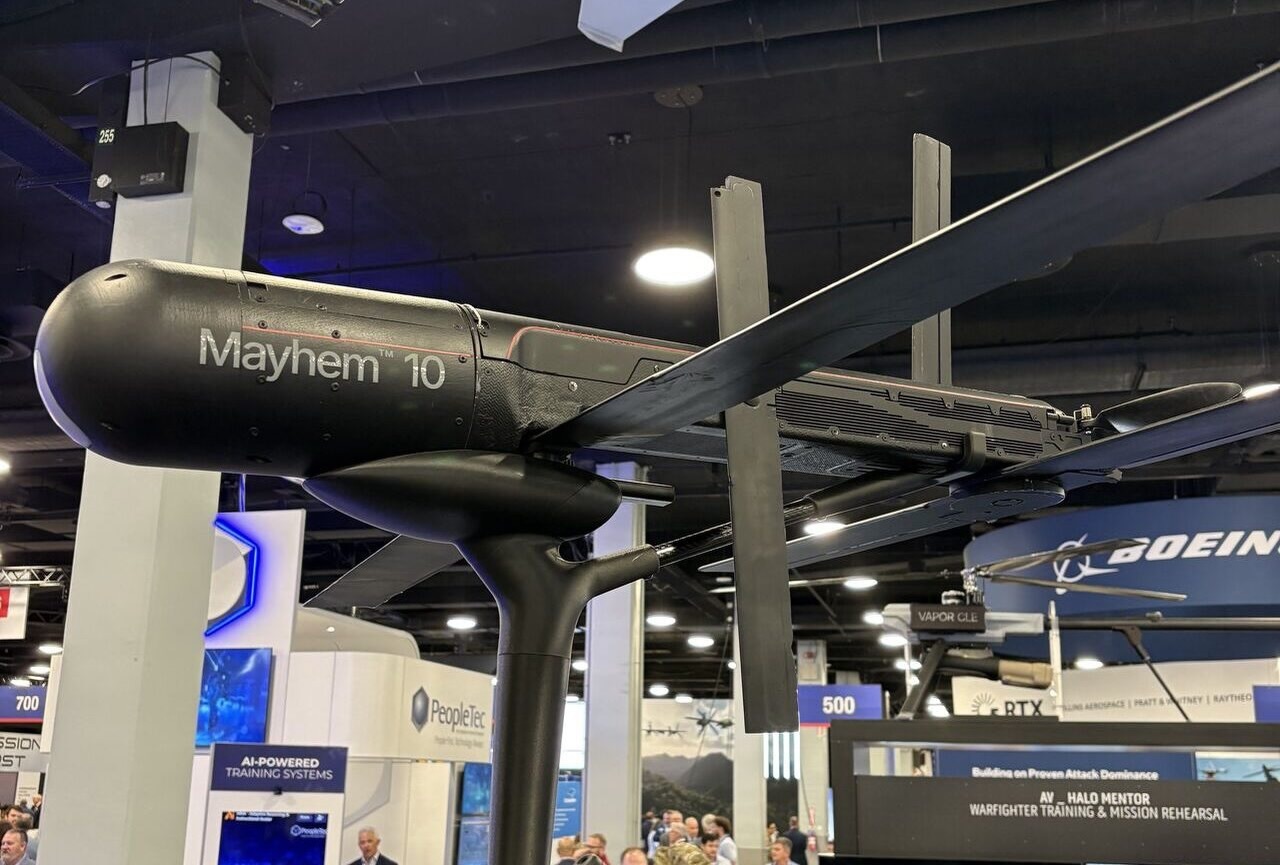
World
ARLINGTON, Va. — April 19, 2026 : On April 15, 2026, AeroVironment, Inc. (NASDAQ: AVAV) has introduced the MAYHEM 10, a new autonomous multi-role launched effects system designed for deployment across air, ground, and maritime platforms. The system was formally unveiled during the 2026 Army Aviation Association of America (AAAA) Mission Solutions Summit. The MAYHEM 10 builds on the company’s two-decade experience with its Switchblade family of loitering munitions and is classified as a Group 2 unmanned system. It is engineered to operate in contested environments and supports both independent and coordinated operations. Modular Payload and Mission Flexibility The platform features a modular payload capacity of up to 10 pounds (4.5 kilograms), enabling rapid reconfiguration between lethal and non-lethal roles without requiring changes to launch systems. Supported mission profiles include intelligence, surveillance, and reconnaissance (ISR), electronic warfare, communications relay, and deception or decoy operations, alongside precision strike capabilities. The system can also integrate munitions such as a Javelin multi-purpose warhead for anti-armor applications. A removable forward payload bay supports a Modular Open Systems Approach (MOSA), allowing integration of third-party payloads and facilitating future upgrades. Performance and Deployment Characteristics The MAYHEM 10 has an all-up round (AUR) weight of 42 pounds (19 kilograms), with a base system weight of approximately 29 pounds. It offers an operational range exceeding 100 kilometers and an endurance of more than 50 minutes. The system cruises at 80 mph (128 km/h) and can reach a dash speed of 120 mph (193 km/h). Designed for rapid deployment, the system can be assembled and made launch-ready in under five minutes. It uses a self-contained launcher compatible with dismounted, vehicle-mounted, mobile ground, and air-launched configurations, extending operational standoff distances beyond 100 kilometers. Autonomy, Navigation, and Networking The system incorporates an AI-driven processor that enables continued operation in GPS-denied, jammed, or spoofed environments. Navigation and communications rely on M-Code GPS and a Silvus datalink, while a MANET secure mesh network provides command-and-control connectivity over distances of 25 to 40 kilometers. Operators control the system using AeroVironment’s Tomahawk Grip controller and AV_Halo COMMAND interface, supporting distributed and scalable operations. Swarm Operations and System Integration The MAYHEM 10 is designed to operate either individually or as part of coordinated swarms. This capability allows multiple systems to execute simultaneous effects, including surveillance, electronic warfare, and strike missions across a distributed battlespace. AeroVironment collaborated with Applied Intuition to develop and test the platform’s autonomy and swarming functions. According to Wahid Nawabi, Chairman, President, and Chief Executive Officer of AeroVironment, the system integrates advanced autonomy and multi-domain payload capabilities to support operations in contested environments while reducing risk to personnel and high-value assets. Brian Young, Senior Vice President of Loitering Munitions, stated that the system enables collaborative employment at scale, allowing operators to expand coverage and execute synchronized effects without increasing force concentration. Production and Acquisition Outlook AeroVironment has not disclosed the unit cost of the MAYHEM 10. The company confirmed it is establishing a dedicated production line with a capacity of up to 2,000 units per year and is initiating low-rate initial production (LRIP). Materials are being procured in advance of expected demand, although no formal orders have been announced. The U.S. Army has been identified as the primary intended customer, with the U.S. Marine Corps also expected to be a potential operator. The MAYHEM 10 is the first system in AeroVironment’s new MAYHEM family of launched effects, positioned as part of the company’s broader portfolio supporting multi-domain autonomous operations.
Read More → Posted on 2026-04-19 13:43:55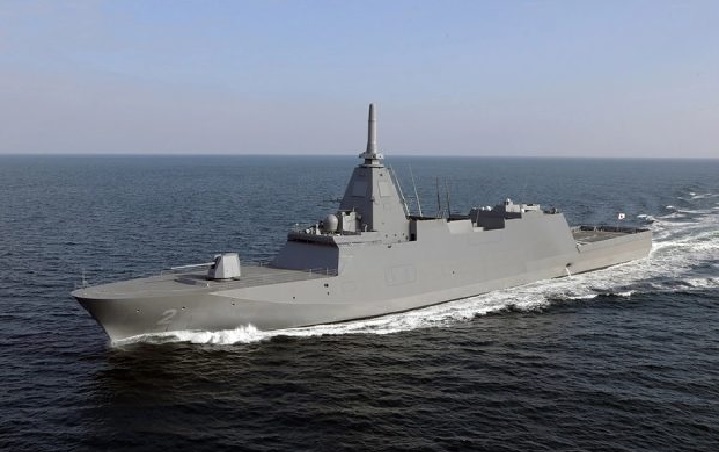
World
TAIPEI — April 19, 2026 : The Republic of China (ROC) Navy is assessing Japan’s New FFM frigate design—also known as the upgraded Mogami-class or 06FFM—as a leading candidate for its planned 6,000–6,500-ton next-generation surface combatant, according to multiple Taiwanese media reports published in mid-April. Evaluation of Japanese Design The evaluation follows reports that the ROC Navy has examined foreign warship designs to accelerate development timelines for its future surface fleet. The service has focused on Japan’s New FFM due to its alignment with Taiwan’s operational and technical requirements, particularly in the 6,000-ton class. On April 15, 2026, UP Media reported, citing an anonymous source, that Japan had eased restrictions on exporting warship blueprints to Taiwan amid expanding security cooperation. Subsequently, on April 17, Liberty Times Net (LTN) reported that an individual familiar with Taiwan–Japan relations approached Japanese authorities regarding potential cooperation on warship development, including the possibility of blueprint transfers or joint development. According to the report, Japan did not oppose the proposal. Operational Requirements and Platform Suitability The ROC Navy’s next-generation combatant is being designed around network-centric warfare concepts with a high degree of automation, targeting a crew size of approximately 100 personnel. This requirement excludes larger Japanese Aegis-equipped destroyers—such as the Kongo-, Atago-, and Maya-class vessels—which displace around 10,000 tons. While smaller Japanese destroyers, including the Akizuki- and Asahi-class, fall closer to Taiwan’s displacement requirements, the New FFM is considered more suitable due to its enhanced stealth features and higher automation levels. The platform’s combat management system (CMS) and ability to integrate unmanned systems support reduced crew workload and improved operational efficiency. The design is also compatible with U.S.-origin systems, enabling interoperability with weapon systems currently used by Taiwanese forces. Japan has promoted the New FFM for export to partner nations, including Australia, where it has been selected as the basis for a general-purpose frigate program. Technical Characteristics The New FFM has a standard displacement of approximately 4,880 metric tons and a full-load displacement of about 6,200 metric tons. The vessel measures around 142 meters in length with a beam of approximately 17 meters and can achieve speeds exceeding 30 knots. Compared to the baseline Mogami-class, the upgraded variant features a 32-cell vertical launch system (VLS), doubling the capacity of earlier configurations. The ship supports operations with a single helicopter or unmanned aerial vehicle (UAV) and incorporates a high level of onboard automation across its systems. Domestic Systems Integration Even if Taiwan acquires the New FFM platform design and associated combat systems from Japan, the resulting vessels are expected to be equipped primarily with domestically developed weapon systems. These systems would be supplied by the National Chung-Shan Institute of Science and Technology (NCSIST), Taiwan’s principal defense research organization. Program Background and Development Timeline Taiwan’s next-generation frigate program dates back to 2016, initially focused on a 4,500-ton platform intended to replace the aging Cheng Kung-class frigates—derived from the U.S. Oliver Hazard Perry-class—and the Kang Ding-class frigates, based on the French La Fayette-class. In 2022, the program encountered delays after the ROC Navy required an active electronically scanned array (AESA) radar system, while NCSIST had developed a passive electronically scanned array (PESA) system. This mismatch led to a shift toward producing two types of 2,500-ton light frigates—one configured for anti-air warfare (AAW) and the other for anti-submarine warfare (ASW). The large surface combatant program was revived in 2024. President Lai Ching-te confirmed the restart and stated that the new class would displace approximately 6,500 tons. Funding for design and evaluation activities was included in the Ministry of National Defense’s 2026 budget. Earlier concept models of the future frigate had been displayed at the Taipei Aerospace & Defense Technology Exhibition (TADTE) in 2017. Separately, the ROC Navy continues plans to construct ten light frigates—five AAW and five ASW variants—scheduled to enter service between 2028 and 2040. Export Policy and Political Constraints Despite technical compatibility, the potential transfer of the New FFM to Taiwan faces political challenges. Yoshihiro Inaba, a Japan-based contributor to Naval News, noted that Japan has relaxed defense export restrictions to strengthen its industrial base and security partnerships, which could facilitate exports of platforms such as the FFM. However, he emphasized that Japan does not formally recognize Taiwan as a sovereign state and maintains no official diplomatic relations. While limited, non-public defense cooperation may exist, transferring a major naval platform would represent a significant shift and could negatively affect Japan–China relations. As a result, despite reported interest and improving security ties, the export of the New FFM to Taiwan remains uncertain.
Read More → Posted on 2026-04-19 14:05:49
World
TEHRAN — April 19, 2026 : A sequence of conflicting directives and military actions in the Strait of Hormuz has revealed a widening divide between Iran’s diplomatic leadership and the Islamic Revolutionary Guard Corps (IRGC), raising concerns over the reliability of official assurances regarding maritime transit. On April 17, 2026, Iranian Foreign Minister Abbas Araghchi announced that the Strait of Hormuz was “completely open” to all commercial vessels for the remaining duration of a ceasefire linked to the Lebanon front. The statement, delivered via a post on X, specified that ships must follow designated transit corridors established by Iran’s Ports and Maritime Organisation. According to the routing plan, vessels were instructed to use two separate entry and exit channels through Iranian territorial waters, running alongside Larak and Qeshm islands and avoiding Omani waters. The announcement was interpreted as a signal of Iran’s compliance with ongoing ceasefire arrangements involving the United States. However, the IRGC, which maintains operational control over the Strait, was not consulted prior to the declaration. Within hours, on the night of April 17, a message broadcast over international maritime radio Channel 16 by an individual identifying as an IRGC Navy member stated that the Strait would remain closed. The transmission explicitly rejected the authority of the civilian government and indicated that any reopening would occur only under orders from the Supreme Leader. Subsequently, IRGC naval units moved to enforce the closure. On April 18, heavily armed IRGC gunboats intercepted and opened fire on multiple commercial vessels attempting to transit the waterway. Among the ships targeted were two India-flagged vessels, Sanmar Herald and Jag Arnav. Radio communications indicated that both crews attempted to reference the Foreign Ministry’s clearance but were ordered to withdraw under fire. The IRGC has confirmed attacks on at least three commercial vessels and issued repeated radio warnings stating that no ships, regardless of nationality, were permitted to pass. The force cited the ongoing U.S. naval blockade of Iranian ports as justification for maintaining the closure. Since the escalation began earlier in the crisis, the IRGC has conducted 21 confirmed attacks on merchant shipping and reportedly deployed sea mines in the area, significantly reducing traffic through the Strait. The incident underscores the structure of authority within Iran, where the IRGC operates directly under the Supreme Leader rather than the elected government. Following the death of Ali Khamenei in February 2026, his successor Mojtaba Khamenei has remained largely inaccessible due to security conditions. Current reporting indicates that only senior IRGC commanders maintain direct communication with him, while civilian leadership, including the president and foreign ministry, lacks direct access. This situation has contributed to increased autonomy for the IRGC in both military operations and aspects of foreign policy execution. The lack of coordination between diplomatic and military institutions has complicated Iran’s engagement in negotiations with the United States and regional actors. The developments also introduce operational risks for international shipping. Maritime authorities have advised heightened caution in the Persian Gulf, noting that clearances issued by Iran’s civilian agencies may not reflect conditions enforced by military units on the ground. The Strait of Hormuz remains a critical global energy transit route, and the recent sequence of announcements and enforcement actions has created continued uncertainty over its accessibility during the ongoing ceasefire period.
Read More → Posted on 2026-04-19 14:15:08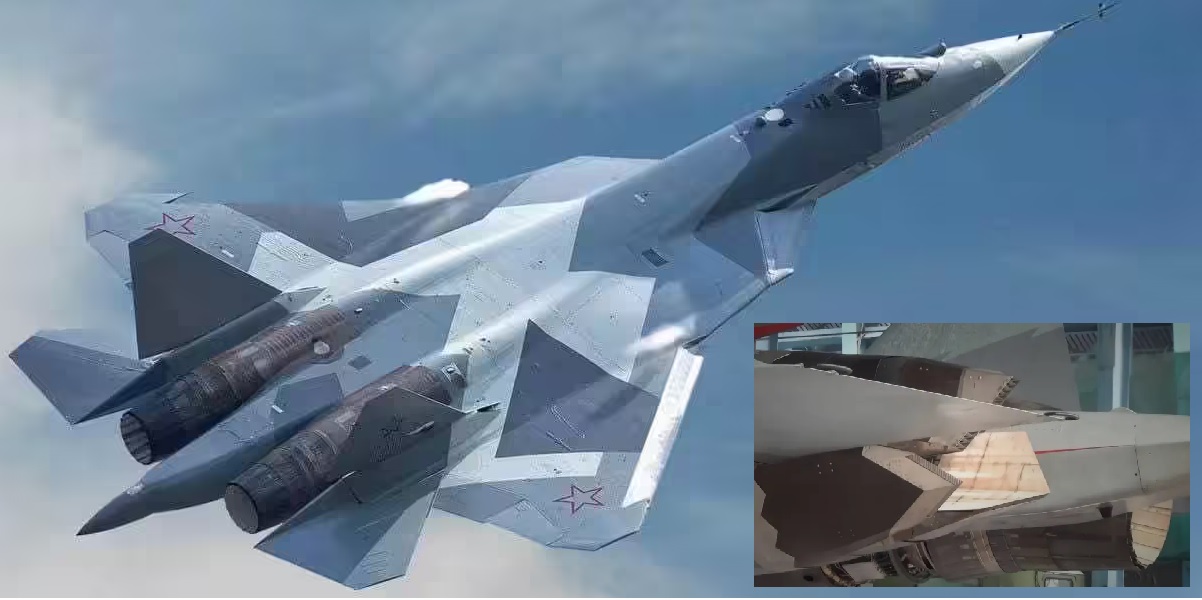 India to Procure Initial Su-57 Fighters Off-the-Shelf While Awaiting Su-57M1 for Licensed Production
India
NEW DELHI — April 19, 2026 : India’s Ministry of Defence has finalised contracts to procure Su-57 fifth-generation fighter aircraft from Russia, adopting a phased acquisition strategy that combines immediate off-the-shelf purchases with long-term licensed production of an upgraded variant. The decision follows confirmation by Russia’s state arms exporter, Rosoboronexport, that multiple countries have placed orders for the Su-57, with Algeria already receiving deliveries beginning in late 2025 and additional interest reported from Iran. Two-Phase Acquisition Plan According to defence sources, India is evaluating the near-term procurement of approximately 40 baseline Su-57 fighters to rapidly strengthen the Indian Air Force’s frontline capabilities. These aircraft will be sourced directly from Russia while negotiations for local production continue. The approach mirrors India’s late-1990s acquisition of Su-30MK fighters, which were inducted ahead of the more advanced Su-30MKI variant that later entered licensed production in the early 2000s. In January 2026, the Ministry confirmed that discussions on licensed production of the Su-57 had reached an advanced technical stage. However, large-scale domestic manufacturing is expected to proceed only after the improved Su-57M1 variant becomes available for export. Transition to Su-57M1 Variant The Indian Air Force is expected to procure the enhanced Su-57M1 in significant numbers under a future license production agreement. The interim induction of baseline aircraft is intended to familiarise pilots, engineers, and maintenance personnel with the platform before transitioning to the upgraded version. The Su-57M1 incorporates major technological improvements over the current model. Central to the upgrade is the AL-51F-1 engine (Izdeliye 30), which enables sustained supersonic flight without afterburners while improving thrust, fuel efficiency, and maintenance cycles. The engine is assessed to provide performance exceeding the U.S. F-22 and comparable to China’s J-20. Additional enhancements include a widened airframe for improved lift and supersonic stability, a flatter fuselage and redesigned internal weapon bays to reduce radar and infrared signatures, and a new primary sensor replacing the N036 AESA radar. The aircraft will also feature AI-assisted avionics, an advanced helmet-mounted targeting system, and compatibility with the Izdeliye-810 hypersonic air-to-air missile, capable of speeds of Mach 6–7 and a range of approximately 300 kilometres. Strategic Context India’s move comes amid a widening capability gap with China’s expanding fleet of J-20 stealth fighters and the Pakistan Air Force’s induction of J-10C aircraft. With U.S. F-35 fighters and Chinese platforms excluded for political and strategic reasons, the Su-57 remains India’s only near-term option for acquiring a fifth-generation combat aircraft. The urgency is further reinforced by delays in India’s indigenous Advanced Medium Combat Aircraft (AMCA) programme, which is now projected to enter service in the 2040s. Technology Transfer and Local Production The long-term plan involves using the Su-57M1 as the baseline for a heavily customised Indian variant, potentially incorporating indigenous avionics, local subsystems, and a twin-seat configuration. This model is expected to follow the trajectory of the Su-30MKI programme, under which more than 270 aircraft were produced. Russia has reportedly offered extensive technology transfer to support the deal. In June 2025, the Russian Defence Ministry proposed providing full access to the aircraft’s source code. In December 2025, Dmitry Shugayev, Director of the Federal Service for Military-Technical Cooperation, indicated the possibility of a joint development programme for an India-specific variant. Hindustan Aeronautics Limited (HAL) has assessed that approximately 50 percent of its existing infrastructure can support Su-57 production, though additional investments will be required. Russia has proposed manufacturing at least 100 aircraft in India, including at HAL’s Nashik facility. Industrial and Export Outlook The proposed collaboration could provide India with partial ownership of key technologies, enabling future export opportunities. Defence analysts note that a customised Su-57M1 variant developed jointly by India and Russia could be positioned competitively in international markets. India’s procurement strategy is therefore structured to address immediate operational requirements while establishing a foundation for long-term domestic production and technological integration.
Read More → Posted on 2026-04-19 14:32:09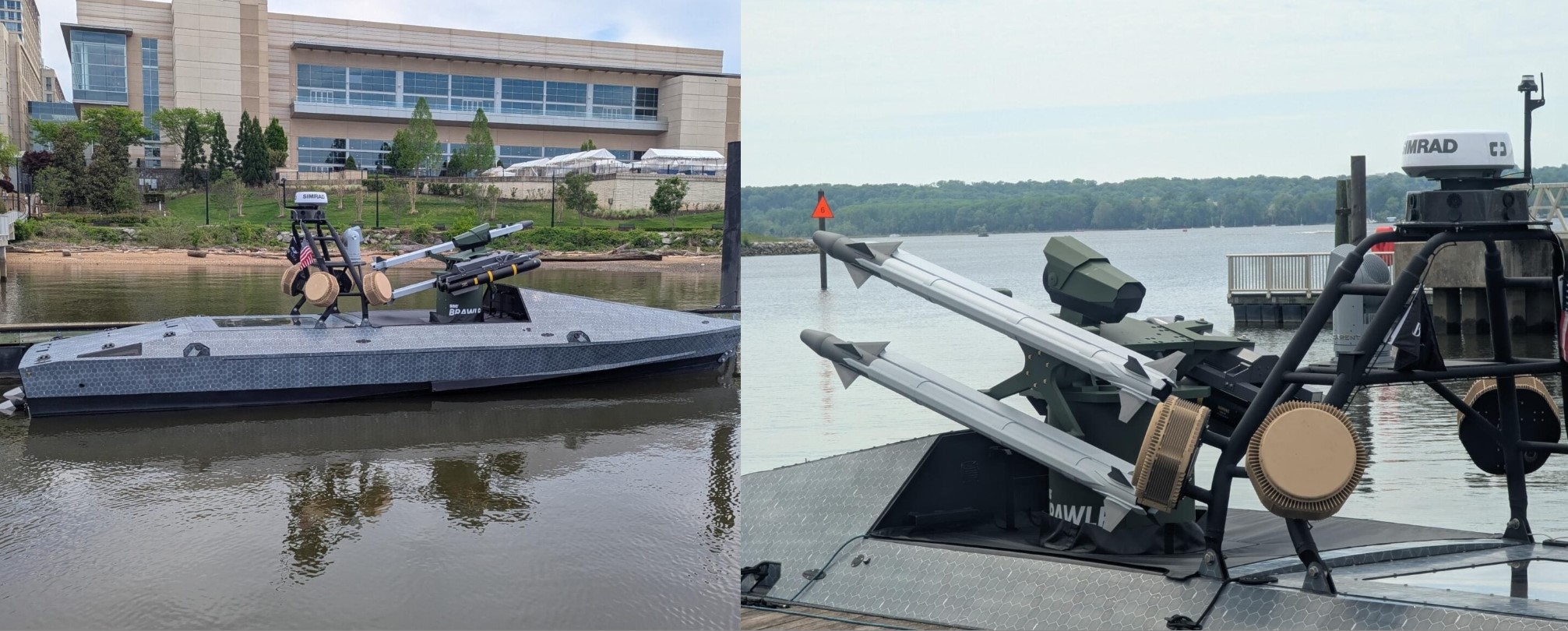
World
NATIONAL HARBOR, Md. — April 19, 2026 : Baltimore-based defense firm BlackSea Technologies has publicly unveiled its new unmanned surface vessel (USV), Comet, at the Sea-Air-Space 2026 exposition near Washington, D.C., presenting the platform in a fully armed configuration at Dock D2. Combat-Ready Configuration on Display The Comet was exhibited with a dual-rail missile launcher mounted forward, paired with a forward electro-optical and infrared (EO/IR) targeting turret and a Simrad navigation radar. Defense observers note the launcher is compatible with AIM-9X and AGM-114 Hellfire missiles, enabling both air defense and surface strike roles. Unlike many platforms shown as prototypes, BlackSea Technologies presented the vessel as a combat-ready operational system capable of engaging drones, helicopters, and low-flying aircraft without onboard crew. Design, Construction, and Performance The vessel measures 13.1 meters (43 feet) in length with a 3-meter (9 ft 7 in) beam and is built on a semi-planing aluminum hull featuring a hexagonal pattern. According to the company, the hull design is an evolution of a concept with more than two decades of operational history in the U.S. Navy. BlackSea stated the platform was constructed in one month, emphasizing rapid production capability. The USV is powered by twin Volvo D6 engines and integrates Seakeeper stabilization, allowing it to exceed 45 knots (approximately 83 km/h) while maintaining stability. Payload Capacity and Endurance The Comet has a total payload capacity of 10,000 pounds, including fuel, and supports two primary operational profiles under Sea State 3 conditions: High-speed profile: 1,000 nautical miles (1,852 km) range with a 3,000-pound payload at 40 knotsHeavy-lift profile: 500 nautical miles (926 km) range with a 7,500-pound payload at 20 knots The vessel features reinforced deck architecture with forward and aft payload bays, enabling rapid integration of sensors, launch systems, and mission modules without major redesign. Autonomy and Mission Flexibility The platform incorporates a full autonomy stack covering navigation, remote operation, and scalable command-and-control systems. Its modular design allows rapid reconfiguration for multiple mission sets, including: Mine Countermeasures (MCM) Electronic Warfare (EW) Anti-Submarine Warfare (ASW) Maritime Domain Awareness (MDA) High-value unit escort BlackSea stated the design philosophy follows a “move fast and carry more” approach, with the vessel named after a historic Baltimore privateer. Industry Positioning and Background The Sea-Air-Space exposition is the United States’ premier naval defense industry event, attended by Department of Defense officials, acquisition authorities, and allied naval representatives. BlackSea’s decision to display Comet in an armed configuration indicates its positioning as an immediately deployable system for distributed maritime operations. BlackSea Technologies currently supports the U.S. Navy’s Small Unmanned Surface Vehicle program and has delivered its Global Autonomous Reconnaissance Craft (GARC) platforms, which have accumulated more than 10,000 operational hours. The Comet represents a larger and higher-performance evolution within the company’s unmanned surface vessel portfolio.
Read More → Posted on 2026-04-19 14:42:23
World
KYIV / TAGANROG — April 19, 2026 : The Ukrainian Naval Forces carried out a cruise missile strike during the night of April 18–19, 2026, targeting the Atlant Aero defense-industrial facility in Taganrog, Rostov Oblast, Russia. The attack was executed using domestically developed Neptune coastal anti-ship cruise missiles adapted for land-attack roles. According to the General Staff of the Armed Forces of Ukraine and the Ukrainian Navy, the strike hit a production building at the Atlant Aero plant, which operates within Russia’s military-industrial complex. A fire broke out at the site following the impact. Local residents reported multiple explosions before dawn, followed by thick black smoke rising above the facility. Atlant Aero conducts the full cycle of design, manufacturing, and testing of Molniya-series strike and reconnaissance unmanned aerial vehicles, including Molniya-1, Molniya-2, and Molniya-2R systems. The plant also produces components for the Orion unmanned aerial vehicle, a larger platform with an approximate weight of one ton and a payload capacity of up to 250 kilograms. The Orion system can be equipped with aerial reconnaissance systems, electronic intelligence modules, electro-optical payloads, KAB-20 guided aerial bombs, and Kh-50 missiles. Ukrainian military officials stated that the strike was intended to disrupt Russia’s UAV production capacity and reduce the deployment of such systems in operations against Ukraine. The Atlant Aero facility is located approximately 40–50 kilometers from the Ukrainian border and has been targeted previously, including a strike in January 2026 that damaged multiple production workshops. Russian regional authorities confirmed that an overnight strike occurred in Taganrog. Rostov Oblast Governor Yuri Slyusar stated that a missile hit what he described as commercial infrastructure, resulting in a fire at warehouse premises. He reported that three individuals were injured but did not specify the Atlant Aero facility. The Russian Ministry of Defense stated that air defense systems intercepted 274 Ukrainian drones, guided aerial bombs, and one Neptune missile overnight. The ministry did not clarify how many munitions reached their intended targets. The strike on Taganrog was part of broader overnight operations conducted by Ukrainian defense forces. Additional targets included an ammunition depot near Trudove in Zaporizhzhia Oblast, fuel and lubricant storage facilities near Novopoltavka, and logistics warehouses in the areas of Manhush, Topolyne, Mariupol, and Smile. Ukrainian officials said the extent of damage across these locations is still being assessed.
Read More → Posted on 2026-04-19 15:46:05
World
WASHINGTON / MANAMA, Bahrain — April 19, 2026 : The United States Navy has deployed a range of unmanned underwater vehicles (UUVs) to the Strait of Hormuz to detect and clear naval mines laid by Iranian forces, as part of an ongoing effort to restore safe commercial navigation through one of the world’s most critical maritime chokepoints. U.S. Central Command (CENTCOM) confirmed on April 11, 2026, that additional U.S. assets, including autonomous underwater drones, would join the mine-countermeasure mission. The operation is being conducted under the broader framework of Operation Epic Fury, with the objective of reopening the waterway to commercial shipping. The Strait of Hormuz, which narrows to approximately 21 nautical miles, handles nearly 20 percent of global crude oil shipments. Recent mining activity attributed to Iran’s Islamic Revolutionary Guard Corps (IRGC) disrupted maritime traffic, leaving hundreds of commercial vessels unable to transit the corridor. Mine Clearance Operations Underway The U.S. Navy is employing unmanned and remotely operated systems to reduce risk to personnel and maintain operational distance from mined areas. The effort is supported by Littoral Combat Ships equipped with the Mine Countermeasures (MCM) mission package, which integrates unmanned surface vessels, underwater drones, and MH-60S helicopters. Three Littoral Combat Ships are currently deployed for the mission. They are supported by two Avenger-class mine countermeasures vessels, USS Chief and USS Pioneer, which were recently deployed from Singapore to augment clearance operations. Additionally, Arleigh Burke-class guided-missile destroyers USS Frank E. Petersen Jr. (DDG 121) and USS Michael Murphy (DDG 112) transited the strait to provide layered air and surface protection for ongoing operations. Unmanned Systems and Capabilities The mine-clearing effort relies on advanced sonar-equipped UUVs capable of mapping the seabed and identifying explosive threats in complex underwater environments. The Knifefish UUV, developed by General Dynamics, is a medium-class, torpedo-shaped system designed for deployment from Littoral Combat Ships. It uses low-frequency broadband sonar to detect, classify, and identify both buried mines and mines located in high-clutter environments. Operating as an off-board sensor, Knifefish allows host vessels to remain outside minefield boundaries while also collecting environmental data to support broader mine warfare systems. The Navy is also deploying the Mk 18 Mod 2 Kingfish UUV, part of the Mk 18 family of unmanned systems. These autonomous vehicles conduct high-resolution seabed mapping and persistent mine detection using advanced sonar technologies. Once mines are identified, neutralization is carried out using systems such as the Archerfish expendable remotely operated vehicle. Guided via fiber-optic cable, Archerfish delivers a shaped explosive charge to safely destroy detected mines. Airborne support is being provided by MH-60S helicopters, which assist in coordination, surveillance, and surface-level detection alongside unmanned surface and underwater platforms. Operational Context and Challenges According to U.S. officials, Iranian forces deployed a mix of bottom mines, moored mines, and drifting mines using small boats. Reports indicate that Iran has not been able to account for the full extent of the mines laid in the area, complicating clearance operations. CENTCOM Commander Admiral Brad Cooper stated that the immediate goal is to establish a secure transit corridor. He noted that once verified, the safe route will be communicated to the maritime industry to facilitate the resumption of commercial shipping. The operation follows a breakdown in ceasefire negotiations between the United States and Iran. In parallel, U.S. President Donald Trump announced a blockade of maritime traffic entering and exiting Iranian ports, which took effect on April 13, 2026. Defense analysts indicate that mine clearance in the Strait of Hormuz is expected to be gradual due to dense shipping lanes and challenging seabed conditions. The process requires repeated, high-resolution sonar sweeps to ensure that designated transit routes are fully cleared of explosive hazards before commercial operations can resume.
Read More → Posted on 2026-04-19 15:53:42
World
BEIJING — April 19, 2026 : China’s state-affiliated media and a recent analysis published in Aerospace Knowledge, a magazine linked to Beihang University, have outlined the development goals of the country’s next-generation medium-lift tactical transport aircraft, the Y-30, positioning it as a platform designed to exceed the performance of the U.S.-built Lockheed Martin C-130J Super Hercules across multiple technical parameters. The Y-30 is being developed by Shaanxi Aircraft Industry Corporation under the Aviation Industry Corporation of China (AVIC). The aircraft conducted its maiden flight in December 2025 from the Xi’an Aircraft Corporation airfield and is currently in the early prototype and flight-testing phase. Chinese authorities have not released an official production timeline, procurement numbers, or finalized operational specifications. Also referred to in some Chinese defence commentary as the Y-15 and informally designated “Xin Zhong Yun” (new medium-lift transporter), the aircraft is intended to bridge the capability gap between the Shaanxi Y-9 tactical airlifter and the larger Xian Y-20 strategic transport within the People’s Liberation Army Air Force (PLAAF). Claimed Performance Characteristics According to the Aerospace Knowledge analysis, the Y-30 has been designed with specific performance targets intended to surpass those of the C-130J in several areas. The aircraft is powered by four domestically developed AEP-500 (EP-500) turboprop engines. Chinese sources state that these engines provide higher output compared to the Rolls-Royce AE2100D3 engines used on the C-130J. The propulsion system is paired with six-bladed propellers optimized for short takeoff and landing (STOL) operations, including operations from unpaved runways of approximately 800 meters. In terms of payload, the Y-30 is reported to have a target capacity of around 30 tonnes, with some configurations potentially reaching up to 35 tonnes. This compares with the C-130J’s typical maximum payload range of approximately 19 to 21 tonnes. The aircraft incorporates a wide, straight-through cargo cabin design, allowing it to transport larger equipment that may not fit within the C-130J’s cargo hold. The Y-30 is expected to carry systems such as the Type 15 light tank, ZBL-08 armored vehicles, and PCL-191 multiple-launch rocket systems, along with other medium-weight armored platforms and artillery. From a structural standpoint, the aircraft makes extensive use of composite materials, a departure from the largely all-metal construction of the C-130J. This approach is intended to reduce overall airframe weight while maintaining structural strength and durability. The design includes a T-tail configuration, high-mounted wings, and reinforced landing gear suitable for austere and semi-prepared airstrips. The avionics suite and flight control architecture are described as fully integrated modern digital systems developed in the 2020s. Chinese analysts suggest these systems provide improved automation, flight management, and situational awareness compared to earlier-generation transport aircraft. Range and Design Features Despite the claimed advantages in payload and engine output, the analysis notes that the Y-30 is expected to have a slightly shorter operational range than the C-130J. No exact range figures have been publicly confirmed. The aircraft features a rear cargo ramp for rapid loading and unloading, a straight cargo bay for efficient vehicle transport, and heavy-duty landing gear designed for repeated operations on unprepared surfaces. The overall configuration is optimized for tactical airlift missions, including troop transport, equipment deployment, and logistical resupply. Operational Role Within PLAAF The Y-30 is intended to complement the larger Y-20 strategic airlifter by handling medium-lift missions that require higher frequency and operational flexibility. Within PLAAF planning, the aircraft is expected to support logistics and mobility operations across key strategic regions, including the South China Sea, the Indian Ocean, and areas surrounding the Diaoyu Islands. The platform may also serve as a base for future specialized variants, including aerial refueling, electronic warfare, and other mission-specific configurations, although no official confirmation of such variants has been released. Development Status and External Assessment As of April 2026, the Y-30 remains in the testing phase, and its performance characteristics have not been independently verified. Analysts note that while the aircraft’s stated specifications indicate a significant capability increase on paper, real-world performance will depend on factors such as engine reliability, airframe durability, and sustained operational testing. While the claims originate from Chinese military publications, analysts note that Chinese weapons systems have not been fully tested in sustained wartime conditions and that stated performance figures often differ from verified real-world results. The C-130J Super Hercules, by contrast, has been in operational service for decades and has accumulated extensive experience in diverse environments, including combat and humanitarian missions worldwide.
Read More → Posted on 2026-04-19 16:04:08
World
PARIS — April 19, 2026: The Airbus A400M Atlas is being developed into a modular “mothership” platform capable of deploying long-range cruise missiles and large numbers of unmanned systems, marking a significant expansion of the aircraft’s operational role beyond airlift. The initiative, currently underway for an undisclosed European client, will enable the aircraft to carry and release up to 12 heavy cruise missiles comparable in size to the Taurus KEPD 350 or alternatively deploy as many as 50 medium-sized drones from its cargo hold. The payloads can be released individually or in coordinated swarms while the aircraft remains at standoff distances, outside contested air defense zones. Modular Payload System and Deployment Concept The A400M’s large cargo compartment forms the basis of the new capability. Measuring approximately 17.71 metres in length (excluding the ramp), 4 metres in width, and 3.85 metres in height, with a total volume of 340 cubic metres, the hold will accommodate a roll-on, roll-off modular system designed for rapid loading and in-flight deployment of missiles or unmanned systems. This configuration allows flexible mission preparation and enables sequential or mass release through both the rear cargo ramp and paratroop doors. The approach is intended to support a range of operational scenarios, including saturation strikes and distributed swarm deployments. Real-Time Control via Satellite Link Airbus is integrating a high-bandwidth, encrypted satellite communication system into the aircraft to enable real-time control of deployed assets. Crew members onboard the A400M will be able to monitor, guide, and retarget missiles or drones throughout their flight. The system architecture includes an open-architecture mission interface, allowing rapid integration of different payload types and control systems. This connectivity is designed to support coordinated operations involving multiple unmanned platforms operating simultaneously. Test Campaigns and Validation The concept builds on a series of trials conducted by France’s Direction générale de l’armement (DGA). These included both simulation work and live release testing. In recent trials, the DGA conducted three flight campaigns involving the release of 72 inert drone mock-ups from an A400M. Of these, 21 were deployed through paratroop doors and 51 via the rear cargo ramp. The tests focused on validating separation dynamics, flight trajectories, aerodynamic interactions in the aircraft wake, and overall safety margins, while also refining numerical simulation models. Earlier, in late 2022, Airbus, in cooperation with the German Bundeswehr and the German Aerospace Center, successfully launched a Remote Carrier demonstrator from an A400M during flight, further validating the feasibility of airborne deployment of unmanned systems. Integration with Future Combat Concepts The mothership configuration is being developed as part of broader European efforts to integrate manned and unmanned systems, including those associated with the Future Combat Air System (FCAS). Programme officials indicate that, in a medium-sized configuration, the aircraft will be capable of carrying either 50 small drones or up to 12 heavy Remote Carriers, supporting coordinated and networked operations across multiple domains. Airbus aims to deliver a concept mothership version of the A400M by 2029, with ongoing work focused on command-and-control integration, payload compatibility, and mission system development in coordination with the European customer. Expanding the Role of a Tactical Airlifter Originally designed as a tactical and strategic transport aircraft with a maximum payload of 37 tonnes, the A400M is already in service with several European operators, including Germany, France, Spain, and the United Kingdom. Powered by four turboprop engines and capable of operating from short and unpaved airstrips, the aircraft offers the range, payload capacity, and operational flexibility required for the new role. The mothership concept would allow it to deploy strike assets from significant distances, extending operational reach without requiring forward-based launch platforms. Strategic Implications The adaptation positions the A400M as a deep-strike and standoff delivery platform, enabling European air forces to enhance offensive capabilities using existing fleets rather than acquiring new strategic bombers. By combining long-range missiles with large numbers of networked drones, the system is intended to support a range of missions, including precision strikes, suppression of enemy air defenses (SEAD), and distributed operations using coordinated unmanned assets. Development continues under Airbus leadership in collaboration with the undisclosed European client, with further testing and system integration activities expected ahead of the targeted 2029 concept deployment.
Read More → Posted on 2026-04-19 16:19:24
World
WASHINGTON — April 19, 2026 : The U.S. Army has detailed plans to integrate long-range uncrewed aerial systems, known as “launched effects,” with its forthcoming ME-11B High Accuracy Detection and Exploitation System (HADES) intelligence aircraft, significantly expanding the platform’s operational reach while maintaining survivability in contested environments. Program Overview and Timeline The ME-11B HADES aircraft is based on the Bombardier Global 6500 business jet and is being modified by Sierra Nevada Corporation, which was selected for the program in 2024. The first prototype is scheduled to begin flight testing in summer 2026, with formal delivery expected before the end of 2026. Two additional prototypes are currently undergoing conversion. The Army plans to procure a total of six production aircraft in addition to the three prototypes. Officials have indicated that fleet size is constrained by budget considerations and the need to balance competing modernization priorities. For the past eight years, the Army has relied on contractor-owned and operated intelligence, surveillance, and reconnaissance (ISR) business jets, including Global 6500 variants, as an interim capability while transitioning to the HADES platform. Integration of Launched Effects Army officials have outlined the integration of long-range drones capable of operating at distances of approximately 620 miles (1,000 kilometers) or more. These systems are designed to extend the sensing and operational reach of the ME-11B while allowing the aircraft to remain outside high-threat air defense zones. Andrew Evans, Director of Strategy and Transformation in the Office of the Deputy Chief of Staff of the Army, G-2, stated during a roundtable at the Army Aviation Association of America’s 2026 Warfighting Summit that the combined range of the aircraft and its launched systems would provide broad operational coverage. He noted that from a sensing perspective, the integration is intended to meet future operational requirements, adding that the Army has already engineered hardpoints on the aircraft to support the deployment of launched effects. The drones are expected to be lower-cost, expendable systems optimized for networked and swarm operations. While individual platforms may carry limited sensor payloads, their collective use is intended to enable wide-area coverage. The Army is pursuing near-term experimentation contracts in the coming months, followed by a demonstration later in 2026 and additional contracts anticipated in 2027. Aircraft Design and Capabilities The ME-11B incorporates a modular open-systems architecture that allows for incremental capability upgrades across the fleet. Each aircraft will feature an onboard sensor suite and communications systems capable of near-real-time data transmission. The baseline configuration includes a variant of the Advanced Synthetic Aperture Radar System-2B (ASARS-2B), originally developed for U.S. Air Force U-2 aircraft. The radar provides both synthetic aperture radar imaging and ground moving target indicator capabilities. Modifications to the Global 6500 platform include the addition of four underwing pylons. These pylons support both the deployment of launched drones and the carriage of podded sensor systems, enabling rapid reconfiguration based on mission requirements. Army Col. Joe Minor, Capability Program Executive for Aviation, stated that the use of external hardpoints allows faster integration of new systems compared with internal modifications. He also highlighted the aircraft’s performance characteristics, including a range of approximately 6,000 miles and a cruising speed of Mach 0.87, along with improved altitude, endurance, and payload capacity compared with earlier ISR platforms. Survivability and Operational Concept Army officials have emphasized survivability as a central factor in the design of the HADES platform. According to Evans, analysis indicates that the aircraft will conduct ISR missions in permissive environments for approximately 99.9 percent of its operational life without entering high-threat areas. For the remaining fraction of operations involving elevated risk, launched effects will enable the aircraft to continue mission execution without direct exposure to enemy air defenses. The ME-11B is also intended to function as a coordinating node within a broader operational network. Officials described the platform as capable of managing and integrating multiple assets, including uncrewed systems, to support high-priority missions. Transition from Legacy Platforms The HADES program represents a shift away from legacy turboprop ISR aircraft such as the RO-6A Airborne Reconnaissance Low-Enhanced (ARL-E). These earlier systems were primarily used in counterinsurgency operations and relied heavily on full-motion video sensors. Army Col. Matt McGraw, commander of the 116th Military Intelligence Brigade, noted that current systems equipped with synthetic aperture radar and moving target indicator technologies allow operators to track hundreds of targets simultaneously, compared with one or two targets on older platforms. Broader Context and Support Infrastructure The selection of the Global 6500 airframe provides access to an established production line and global support network. The platform is also used in other roles, including the U.S. Air Force’s E-11A Battlefield Airborne Communications Node aircraft. Integration work by Sierra Nevada Corporation is ongoing, with continued efforts focused on sensors, communications systems, and compatibility with launched effects. The ME-11B is intended to deliver persistent, deep-sensing ISR capabilities in support of multi-domain operations, combining high-speed jet performance with modular systems and extended operational reach through drone integration.
Read More → Posted on 2026-04-19 17:36:57
World
TEHRAN / ISLAMABAD — April 19, 2026 : Iran has formally rejected reports that it has agreed to participate in a second round of negotiations with the United States in Islamabad, stating that no such arrangement currently exists and no date has been set for further talks. According to Iran’s state news agency IRNA, Tehran has declined to proceed with additional negotiations under existing conditions, citing what it described as excessive and unrealistic U.S. demands, inconsistent positions, and continued threatening rhetoric. Iranian media characterized recent U.S. statements about imminent talks as a “media game” and a “blame game” aimed at increasing political pressure. Iranian authorities conveyed their position to Washington through Pakistani mediators, confirming that they have not agreed to a second round. Tasnim News Agency also reported that Tehran’s refusal is linked to the ongoing U.S. naval blockade of Iranian ports and what it considers maximalist demands during negotiations. The blockade, reportedly initiated by U.S. Central Command (CENTCOM) following the first round of talks, targets maritime commercial traffic near the Strait of Hormuz and the Gulf of Oman. Iranian officials state that the measure violates the two-week ceasefire understanding currently in place. Iran maintains that lifting the blockade is a necessary condition for any further diplomatic engagement. Pakistan’s foreign ministry has confirmed that no schedule has been finalized for another round of talks. Islamabad continues to act as a mediator and has indicated that efforts to facilitate dialogue remain ongoing, though no timeline has been established. The first round of face-to-face negotiations between Iranian and U.S. delegations took place in Islamabad in mid-April 2026 and concluded on April 12 after approximately 21 hours of discussions, without producing a joint framework agreement. The talks involved senior officials, including U.S. Vice President JD Vance and Iranian Parliament Speaker Mohammad Bagher Qalibaf. Issues discussed included Iran’s nuclear program, sanctions, regional security, the Strait of Hormuz, and matters related to the ceasefire. U.S. proposals reportedly included conditions such as ending uranium enrichment, dismantling key nuclear facilities, transferring enriched uranium stockpiles, and halting regional support activities. Iran rejected these demands, stating that its right to civilian nuclear enrichment is non-negotiable. Iranian Foreign Ministry spokesperson Esmaeil Baqaei stated that Washington’s unilateral approach and shifting positions were the main obstacles during the initial negotiations. He emphasized that Iran would not accept talks based on imposed conditions or dictation and that any future engagement must respect Iran’s legitimate rights and interests. U.S. officials, including President Donald Trump, had indicated that a follow-up meeting in Islamabad was under consideration, with a delegation expected to include senior envoys such as Jared Kushner and Steve Witkoff. However, Iranian sources and state media have consistently stated that no agreement for such talks exists. Pakistan has continued diplomatic outreach to support the process, with Prime Minister Shehbaz Sharif engaging regional partners including Saudi Arabia, Qatar, and Turkey in an effort to sustain dialogue and prevent escalation. With the current ceasefire set to expire on April 22, 2026, negotiations remain stalled. Iranian officials maintain that progress depends on the removal of the naval blockade and a shift away from what they describe as excessive U.S. demands. Contacts through mediators are ongoing, but no further meetings have been confirmed.
Read More → Posted on 2026-04-19 17:49:56
World
WASHINGTON — April 20, 2026 : The U.S. Navy has selected Shield AI to provide contractor-owned, contractor-operated (COCO) intelligence, surveillance, and reconnaissance (ISR) services in support of naval and joint force operations, the company announced. Under the multi-vendor arrangement, Shield AI will compete for task orders alongside AeroVironment, Insitu, and Textron. The contract vehicle carries a ceiling of up to $800 million across all awardees, with individual delivery orders competed rather than guaranteed to any single company. COCO Model Expands Flexible ISR Procurement The Navy’s use of the contractor-owned, contractor-operated (COCO) framework allows industry partners to retain ownership of aircraft and provide operational crews. This model enables the service to access persistent ISR capabilities without assuming the costs and logistics associated with government-owned fleets, including procurement, maintenance, and personnel training. The approach also supports faster deployment timelines and demand-based scaling of ISR capacity, while transferring operational and sustainment risks to contractors. The program reflects a broader Department of Defense shift toward commercially provided ISR services, particularly for missions requiring rapid fielding and flexible force structure. V-BAT System and Technical Characteristics Central to Shield AI’s offering is the V-BAT unmanned aircraft system, classified as a Group 3 UAS, a category covering platforms with maximum takeoff weights between 55 and 1,320 pounds. The V-BAT has a gross weight of approximately 161 pounds, a length of 12.5 feet, and a wingspan of 9.6 feet. The system uses a ducted-fan vertical takeoff and landing (VTOL) design powered by a heavy-fuel engine compatible with JP-5. It is capable of operating for more than 12 hours and requires only a 12-by-12-foot footprint for launch and recovery. Its enclosed-rotor configuration allows unassisted vertical operations from confined ship decks and austere land sites without the need for runways or complex launch infrastructure. This reduces crew size requirements and preserves deck space, enabling deployment from vessels that cannot support larger aviation systems. Operations in Contested Environments The V-BAT was designed for operations in contested electronic warfare environments where GPS and communications links may be degraded or denied. The system integrates Shield AI’s Hivemind autonomy software, developed in collaboration with Palantir Technologies, allowing it to continue missions with reduced reliance on continuous human control. According to Shield AI, the platform has conducted hundreds of targeting operations in Ukraine under conditions where GPS and communications are routinely jammed. The system has also supported counter-narcotics missions in the Caribbean and Pacific, contributing to the interdiction of more than 100,000 pounds of illicit drugs. Maritime Operational Record The V-BAT has established a track record in maritime ISR operations prior to the Navy’s latest selection. The system has been deployed with the U.S. Marine Corps from Navy ships and supported the U.S. Coast Guard under a separate $198 million COCO contract awarded in 2024. It also participated in the UNITAS 2025 exercise, operating from the littoral combat ship USS Cooperstown. These deployments demonstrated long-endurance surveillance capabilities aligned with naval ISR requirements, including shipboard compatibility without dedicated launch and recovery systems. Industry Competition and Task Order Structure The Navy’s ISR services vehicle is structured under basic ordering agreements, allowing multiple vendors to compete for individual task orders for both land- and sea-based UAS operations. The $800 million ceiling represents the total potential value across all participating companies rather than a fixed award to any single contractor. Shield AI will continue to deliver ISR services under existing contracts while competing for future Navy task orders within this framework. International Adoption and Expansion Beyond U.S. operations, the V-BAT has also been adopted by international partners. The Royal Netherlands Navy declared the system operational in March 2026 following shipboard testing aboard the HNLMS Johan de Witt off northern Norway. The service is acquiring 12 systems for deployment across eight vessels. Shield AI has additionally supplied the platform to other partners, including the Japan Maritime Self-Defense Force and the European border agency Frontex, and is supporting production through a $90 million manufacturing joint venture in India with JSW Defense. Program Outlook The Navy’s adoption of contractor-operated ISR services is expected to expand as part of broader efforts to enhance surveillance coverage while maintaining flexibility in force deployment. Shield AI’s inclusion in the program positions the company to compete for a share of future task orders as operational demand evolves.
Read More → Posted on 2026-04-20 14:01:17
World
ARABIAN SEA / TAMPA, Fla., — April 20, 2026 : U.S. military forces intercepted and seized an Iranian-flagged cargo vessel in the northern Arabian Sea on April 19, enforcing an ongoing naval blockade directed by the U.S. Central Command against Iran. The guided-missile destroyer USS Spruance (DDG 111) intercepted the motor vessel Touska as it transited at approximately 17 knots toward Bandar Abbas, Iran. U.S. personnel tracked the vessel and issued repeated warnings over a six-hour period, informing the crew that the ship was in violation of the blockade and instructing it to alter course. After the vessel failed to comply, U.S. forces directed the crew to evacuate the engine room. Audio released by Central Command captured the warning instructing the crew to prepare for disabling fire. The Spruance subsequently fired multiple rounds from its 5-inch MK 45 deck gun into the vessel’s engine room, disabling its propulsion. Following the disabling action, U.S. Marines from the 31st Marine Expeditionary Unit boarded the vessel from helicopters operating in coordination with the amphibious assault ship USS Tripoli (LHA 7). The Marines secured the non-compliant vessel, which is now under U.S. custody. No casualties were reported among the crew or U.S. personnel. Central Command stated that U.S. forces acted in a deliberate, professional, and proportional manner to ensure compliance with the blockade. Video footage of the operation released by the command includes recordings of the warnings issued prior to the use of force. The interception marks the first confirmed instance of a vessel being physically disabled and boarded since the blockade began on April 13. Prior to this operation, U.S. forces had directed 25 commercial vessels to turn around or return to Iranian ports without using kinetic force. The enforcement action took place amid a two-week ceasefire between the United States and Iran, scheduled to expire on April 22. Donald Trump confirmed that U.S. forces had taken full custody of the vessel and stated that authorities are inspecting its cargo. Iranian authorities condemned the interception. The Hazrat Khatam al-Anbiya Central Headquarters described the action as maritime piracy and a violation of the ceasefire, warning of a potential response by Iran’s armed forces. Separately, Iranian state media reported that Iran intercepted and redirected two oil tankers flying the flags of Botswana and Angola in the Strait of Hormuz on the same day, underscoring rising maritime tensions in the region. The Touska, approximately 900 feet in length, remains under U.S. control as inspections continue.
Read More → Posted on 2026-04-20 14:14:11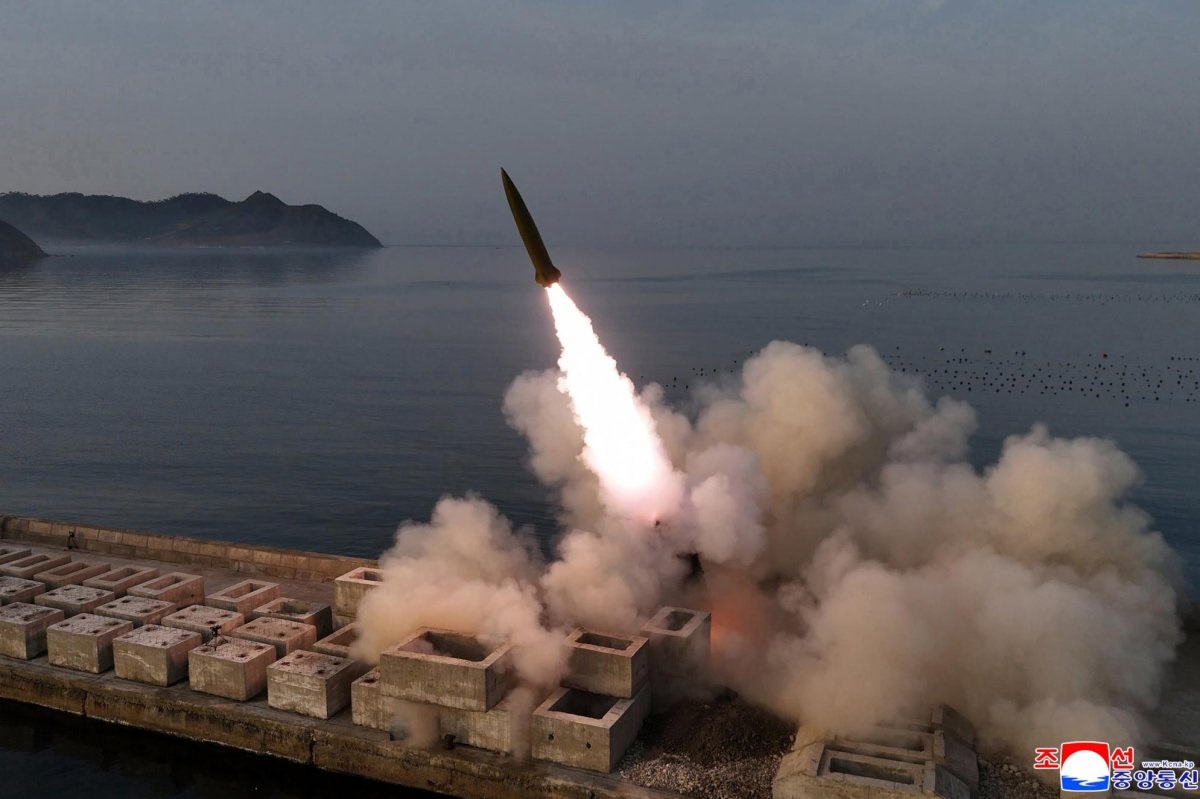
World
SEOUL, — April 20, 2026 : North Korea conducted a test of tactical ballistic missiles equipped with cluster bomb warheads and fragmentation mine warheads on April 19, according to the state-run Korean Central News Agency (KCNA). The launches were also detected by South Korea’s military earlier the same day. Test Details and Missile Specifications The test involved five upgraded short-range Hwasong-11 Ra (also referred to as Hwasongpho-11 Ra) surface-to-surface tactical ballistic missiles. The missiles were launched from the Sinpo area on North Korea’s eastern coast at approximately 6:10 a.m. local time, according to South Korea’s Joint Chiefs of Staff. All five missiles struck a designated target island located 136 kilometers from the launch site. The barrage covered an area of approximately 130,000 square meters, equivalent to around 12.5 to 13 hectares, achieving what KCNA described as very high-density saturation of the target zone. The Hwasong-11 series is a short-range ballistic missile system designed for low-altitude flight profiles. South Korean military authorities noted that the Sinpo launch location raises the possibility of submarine-linked operations, although no additional confirmation was provided. Warhead Characteristics and Test Objective According to KCNA, the primary objective of the test was to verify the characteristics and operational effectiveness of cluster bomb warheads and fragmentation mine warheads integrated into tactical ballistic missiles. Cluster warheads disperse multiple submunitions over a wide area, while fragmentation mine warheads are designed to maximize area denial and fragmentation effects. The test specifically assessed both the power and coverage density of these payloads. KCNA reported that the missile strike achieved dense coverage across the target area, indicating enhanced capability for wide-area impact using short-range delivery systems. Leadership Oversight and Remarks North Korean leader Kim Jong Un personally oversaw the test. He was accompanied by his daughter, Kim Ju Ae, according to images released by KCNA. Following the test, KCNA stated that Kim Jong Un expressed satisfaction with the results. He noted that the development of cluster bomb warheads contributes to improving both high-density strike capability against specific target areas and precision strike effectiveness. Comparison with Earlier April Test The April 19 launch marks the second test involving cluster munitions by North Korea in April 2026. Earlier in the month, North Korea conducted a test of a Hwasong-11 Ka missile equipped with a cluster bomb warhead. That test demonstrated coverage of approximately 6.5 to 7 hectares, significantly smaller than the 12.5 to 13 hectares coverage reported in the latest test. The comparison indicates an increase in area saturation capability between the two tests conducted in April. Detection and Regional Monitoring South Korea’s military reported detecting multiple short-range ballistic missile launches from the Sinpo area, tracking them toward the East Sea (Sea of Japan). The missiles traveled approximately 136 to 140 kilometers. Following the detection, South Korean authorities maintained a combined defense posture with the United States. The South Korean presidential office convened an emergency security meeting to review the situation. Japan also monitored the launches as part of regional missile tracking activities. Strategic Context The integration of cluster warheads and fragmentation mine warheads into North Korea’s short-range ballistic missile systems reflects ongoing modifications to its tactical strike capabilities. The 136-kilometer range demonstrated in the test places key regional targets within reach if launched from forward positions, including areas near the Korean Peninsula’s Demilitarized Zone. North Korea is not a signatory to the 2008 Convention on Cluster Munitions, which prohibits the use, production, transfer, and stockpiling of cluster weapons. South Korea and the United States are also not signatories to the treaty. KCNA published photographs of the April 19 test but did not release additional technical specifications beyond details related to warhead performance and coverage area.
Read More → Posted on 2026-04-20 14:33:45
World
AIX-EN-PROVENCE, France — April 20, 2026 : NHIndustries (NHI) has signed a €15 million ($17.6 million) contract with the NATO Helicopter Management Agency (NAHEMA) to conduct a two-year architecture study for the NH90 Block 2 upgrade, marking a key step in the long-term evolution of the NH90 military helicopter program. The agreement initiates work on defining the technical foundations and structural scope of the next-generation NH90 configuration, aimed at meeting the operational requirements of the 2040s battlespace and beyond. The study will run for two years and is aligned with broader European defense research timelines to ensure coherence with future rotorcraft development efforts. Program Background and Industrial Structure NHIndustries is a European consortium formed by Airbus Helicopters, Leonardo, and GKN Aerospace, responsible for managing the NH90 program. The Block 2 architecture study has been developed based on high-level operational requirements defined by NAHEMA in coordination with participating NATO nations. The study will be conducted in parallel with other ongoing European initiatives, including the European Next Generation Rotorcraft Technologies (ENGRT) program, which focuses on assessing future vertical lift capabilities and advanced aviation technologies. Scope of the Block 2 Architecture Study The Block 2 study is designed to establish a modular and scalable avionics framework that enables rapid and seamless integration of future technologies. A key objective is to ensure the platform remains adaptable to evolving mission requirements over the coming decades. The architecture work will focus on improving configuration commonality across NH90 variants, including both the Tactical Transport Helicopter (TTH) and NATO Frigate Helicopter (NFH) versions. It will also define structural and systems enhancements to support long-term platform evolution. In addition, the study will outline a simplified maintenance concept aimed at increasing fleet availability while reducing overall life cycle costs. This includes improving maintainability and streamlining support requirements across operator fleets. Advanced mission capabilities form a central component of the study. These include the integration of enhanced connectivity systems, support for collaborative combat operations, and the development of crewed–uncrewed teaming capabilities, enabling coordination with autonomous and remotely operated systems. Link to Ongoing Block 1 Upgrade The Block 2 architecture study builds upon the ongoing Block 1 upgrade program, also known as Software Release 3, which was launched under a separate contract in 2024. That program covers approximately 200 NH90 helicopters operated by Belgium, Germany, Italy, and the Netherlands. The Block 1 upgrade introduces a range of interim capability enhancements, including the integration of Link 22 datalink systems, Leonardo’s LEOSS-T electro-optical gimbal, upgraded sonar systems, and expanded weapons integration. The Block 2 study will capitalize on these advancements while defining a longer-term development pathway. Operational Milestone and Strategic Alignment The contract announcement comes as the global NH90 fleet surpasses 500,000 flight hours, reflecting sustained operational use across multiple NATO and partner nations. The Block 2 study is structured to ensure industrial continuity while supporting long-term capability planning. Its outputs will provide NAHEMA and participating countries with multiple technical evolution options tailored to their operational and sovereign requirements. Official Statements Axel Aloccio, President of NHIndustries, stated that the agreement marks the start of the next phase in the platform’s development and reflects continued cooperation between industry partners and customer nations on the future of the NH90. Michael Kohlhaas, General Manager of NAHEMA, said the study will serve as a framework for evaluating future capability pathways, enabling participating nations to make informed decisions on how to evolve the platform in response to long-term operational challenges. Next Steps Upon completion of the two-year study, NHIndustries will deliver a set of architecture options outlining potential upgrade paths for the NH90 fleet. These will support decision-making by NAHEMA and partner nations regarding future development, configuration choices, and potential procurement strategies for the next-generation NH90 platform.
Read More → Posted on 2026-04-20 14:47:52
World
WASHINGTON, D.C. — April 20, 2026 : The United Arab Emirates has initiated discussions with the United States to secure a potential financial safety mechanism as the ongoing regional conflict involving Iran raises risks to the Gulf nation’s economic stability and external liquidity position. The discussions took place last week during the Spring Meetings of the International Monetary Fund and the World Bank in Washington. UAE Central Bank Governor Khaled Mohamed Balama held meetings with U.S. Treasury Secretary Scott Bessent and officials from the Federal Reserve to explore the possibility of establishing a currency-swap arrangement. Emirati officials described the proposal as precautionary and confirmed that no formal request has yet been submitted. However, they emphasized that continued disruption to energy infrastructure and restricted access to critical export routes could significantly affect foreign reserves and investor confidence if the conflict persists. Currency-Swap Proposal and Dollar Liquidity Concerns At the center of the discussions is a proposed currency-swap line, a mechanism that would allow the UAE Central Bank to exchange dirhams for U.S. dollars at a predetermined rate. The tool is typically used by central banks to ensure short-term liquidity during periods of financial stress without requiring a direct loan. The UAE maintains a long-standing peg of its currency (the dirham) to the U.S. dollar, supported by approximately $270 billion in foreign exchange reserves. This framework depends on stable inflows of dollar revenues, primarily from oil exports. Officials indicated that disruptions to maritime oil transport—particularly through the Strait of Hormuz—have constrained the country’s ability to generate dollar inflows. The resulting pressure could complicate efforts to maintain the currency peg and meet domestic liquidity needs. Impact of Conflict on Energy and Infrastructure According to the UAE Ministry of Defense, Iran has launched more than 2,800 drones and missiles toward the UAE and neighboring states since the escalation began. While most of these projectiles have been intercepted, officials confirmed that the conflict has directly affected energy infrastructure and logistical operations. The disruption of tanker traffic through the Strait of Hormuz has significantly affected global energy flows. The International Energy Agency has characterized the current situation as the most severe oil-supply shock on record. UAE authorities stated that although the country retains strong fiscal buffers, prolonged instability could trigger capital outflows and weaken its position as a regional financial hub. Potential Shift Toward Yuan-Based Oil Trade During the Washington discussions, Emirati representatives also raised the possibility of adopting alternative currencies for oil transactions if dollar liquidity becomes constrained. Specifically, officials indicated that the UAE could consider settling energy trade in the Chinese yuan under a worst-case scenario. Such a shift would represent a departure from the current system in which global oil transactions are predominantly conducted in U.S. dollars. A move toward yuan-based oil trade by a major exporter like the UAE would have broader implications for global financial markets, as the existing dollar-based framework underpins consistent international demand for U.S. currency. Institutional Constraints in Washington The proposal faces procedural and policy constraints within the United States. Currency-swap lines are typically authorized by the Federal Reserve’s Federal Open Market Committee (FOMC), which has historically limited such arrangements to central banks with deep financial integration with U.S. markets, including those in the United Kingdom, Canada, Japan, and the European Union. Market analysts expect that the Federal Reserve may be reluctant to extend a formal swap line to the UAE under current conditions. As an alternative, the U.S. Treasury could explore other financial mechanisms. Precedent exists in the Treasury’s use of the Exchange Stabilization Fund to implement a $20 billion swap arrangement for Argentina in 2025 without requiring Federal Reserve approval. U.S. Treasury officials have indicated a willingness to engage with Gulf partners and have invited regional governments to outline financial and infrastructure support requirements as the conflict continues. Regional Financial Stabilization Measures The UAE’s discussions with the United States are part of a broader set of financial measures being implemented across the Gulf to address liquidity pressures. In Abu Dhabi, authorities recently raised approximately $4 billion through private debt placements coordinated by major financial institutions, including Goldman Sachs. Bahrain has established a $5 billion bilateral currency-swap arrangement with the UAE to support regional financial stability. Meanwhile, Saudi Arabia’s Finance Minister Mohammed Al-Jadaan stated last week that restoring normal oil logistics and infrastructure operations may take until at least the end of June 2026. Outlook UAE officials stated that while the country has so far avoided the most severe economic consequences of the conflict, contingency planning remains necessary. The proposed currency-swap line is being positioned as a safeguard to preserve exchange-rate stability, maintain adequate foreign reserves, and support the UAE’s role as an international financial center under conditions of sustained geopolitical disruption.
Read More → Posted on 2026-04-20 15:02:22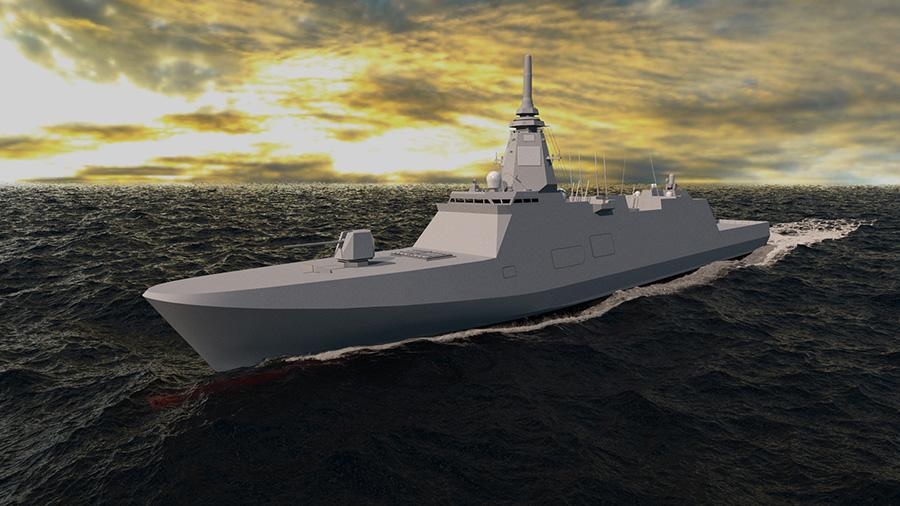
India
NEW DELHI / TOKYO — April 20, 2026: Japan has formally offered India the design and co-production framework for its advanced upgraded Mogami-class frigates, known as the New FFM or 06FFM, in a move aimed at strengthening bilateral defence cooperation and supporting India’s domestic shipbuilding capability. The proposal предусматривает construction of the frigates in Indian shipyards under a “Make in India” model, with technical support and partial material supply from Japan. The design has been developed by Mitsubishi Heavy Industries for the Japan Maritime Self-Defense Force (JMSDF), which has already placed contracts for the first ships of the upgraded class and plans to induct up to 12 vessels. Design and Technical Characteristics The upgraded Mogami-class represents an evolution of the baseline 30FFM design currently in service with the JMSDF. The New FFM features a standard displacement of approximately 4,880 tonnes and a full-load displacement of around 6,200 tonnes. The vessel measures about 142 metres in length with a beam of 17 metres. Propulsion is based on a combined diesel and gas (CODAG) configuration, enabling speeds exceeding 30 knots. Despite its size and multi-mission capability, the ship operates with a crew of around 90 personnel due to a high degree of automation. The upgraded variant incorporates a 32-cell Mk 41 vertical launch system, doubling the missile capacity of the original Mogami-class. It also includes an improved radar suite, a redesigned main mast, and additional systems carried over and enhanced from the baseline platform. The design integrates an advanced “clean” integrated mast (UNICORN), which consolidates sensors and antennas to reduce radar cross-section. The hull and superstructure use sloped surfaces and shaping techniques to further enhance stealth characteristics. Baseline Mogami-Class and Core Capabilities The original Mogami-class frigate, already in service with the JMSDF, has a standard displacement of 3,900 tonnes and a length of 133 metres. It is equipped with a 16-cell vertical launch system and incorporates extensive automation, allowing operations with a similarly small crew of approximately 90 personnel. A distinguishing feature of the baseline design is its integrated mine countermeasures capability. The ship includes an internal mission bay and stern ramp for deploying unmanned surface vehicles (USVs) and unmanned underwater vehicles (UUVs), making it the first JMSDF escort vessel with organic mine warfare functions. Enhanced Features of the New FFM Upgrade The upgraded Mogami-class builds on these capabilities with a larger hull to accommodate additional sensors and weapons, alongside enhanced air-defence performance. The platform is designed for multi-mission roles, including anti-submarine warfare, anti-surface warfare, air defence, and mine countermeasures. A key feature is its support for crewed-uncrewed teaming, enabling integrated operations with unmanned platforms for reconnaissance, mine clearance, and other missions. The ship’s modular design allows for rapid integration of future systems and mission packages. The combat information centre (CIC) features a 360-degree circular display system, providing integrated situational awareness by combining sensor inputs and visual data. Automation extends to ship control, damage management, and combat operations, contributing to reduced manpower requirements. Comparison with India’s Nilgiri-Class Frigates The upgraded Mogami-class differs notably from India’s Nilgiri-class (Project 17A) frigates in both design philosophy and operational emphasis. The Nilgiri-class has a displacement of around 6,700 tonnes, a length of approximately 149 metres, and a crew complement of about 200 to 250 personnel. In contrast, the Mogami-class operates with significantly fewer crew—around 90—due to its high level of automation. While the Nilgiri-class is a stealth multi-role frigate optimized for blue-water operations with strong emphasis on anti-submarine and air defence capabilities, the Mogami-class prioritizes automation, modularity, and reduced radar signature. Its integrated mast and advanced shaping techniques provide a lower observable profile compared to more conventional stealth designs. Additionally, the Mogami-class incorporates organic mine countermeasure capabilities using unmanned systems—an area not inherently built into the Nilgiri-class design. The Japanese platform also offers greater flexibility for modular mission configurations and unmanned operations through its dedicated mission bay. Industrial and Strategic Implications The Indian Navy has shown interest in the Mogami-class automation model, particularly as it explores ways to reduce crew requirements in future surface combatants. Senior Indian Navy officers have recently visited JMSDF Mogami-class vessels as part of ongoing bilateral engagement. Under the proposed arrangement, Indian shipyards would construct the frigates domestically using the Japanese design, with partial supply of materials and technical inputs from Japan. The framework is intended to support local manufacturing while maintaining industrial collaboration between the two countries. If implemented, the project would mark a significant step in Japan’s evolving defence export policy, involving the construction of a frontline Japanese-designed warship in a foreign shipyard. It would also deepen Japan’s role as a strategic defence partner for India. The New FFM upgraded Mogami-class is positioned as a next-generation multi-mission frigate tailored for Indo-Pacific operations, combining automation, stealth, modularity, and seamless integration of unmanned systems within a single platform.
Read More → Posted on 2026-04-20 15:21:18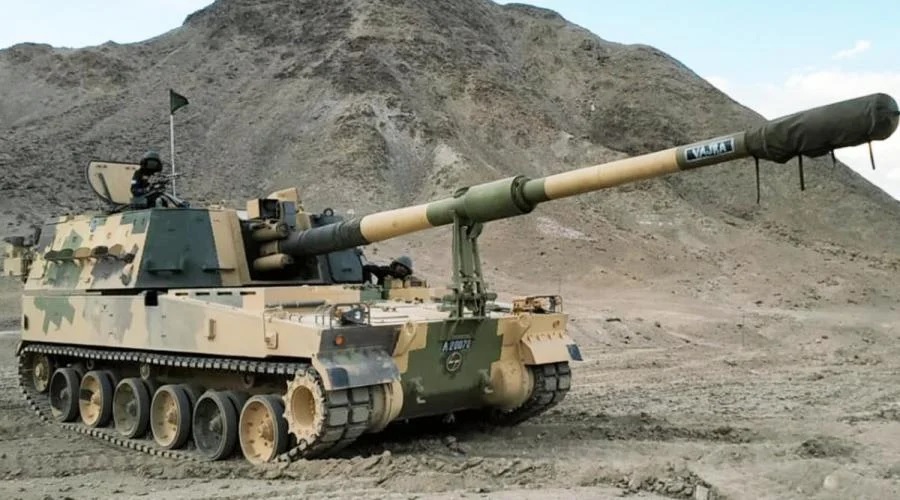
India
NEW DELHI — April 20, 2026 : India has initiated negotiations for Phase 3 of the K9 Vajra self-propelled howitzer programme, with the Ministry of External Affairs (MEA) and the Ministry of Defence (MoD) confirming plans to procure an additional 100 to 200 units. The expansion is intended to strengthen the Indian Army’s heavy artillery capabilities along the Line of Actual Control (LAC) and the western borders, while advancing domestic manufacturing under the Aatmanirbhar Bharat initiative. The proposed phase places a strong emphasis on increasing indigenous content. Earlier batches of the programme achieved approximately 50 percent localisation, while some systems have reportedly crossed 60 percent and, in certain cases, reached up to 82 percent. Phase 3 negotiations are focused on establishing a consistent domestic content level of 60 to 70 percent, with particular attention on local production of engines, advanced sensors, and electronic warfare subsystems that were previously imported. Programme Background and Current Status The K9 Vajra-T is the Indian variant of the South Korean K9 Thunder 155 mm/52-calibre tracked self-propelled howitzer. It is manufactured by Larsen & Toubro (L&T) at its Armoured Systems Complex in Hazira, Gujarat, under licence from Hanwha Aerospace. The system is designed for high mobility and automated fire control, and it has demonstrated operational capability in both desert and high-altitude environments, including deployments in Ladakh. The howitzer carries 48 rounds and supports multiple firing modes, including burst firing of three rounds in 30 seconds, intense firing of 15 rounds in three minutes, and sustained firing of up to 60 rounds per hour. The programme has progressed through two earlier phases. The initial contract, signed in 2017, covered 100 units, with the first 10 supplied from South Korea and the remaining 90 assembled in India. A second order for 100 units was approved by the Cabinet Committee on Security in December 2024 and contracted in early 2025. A follow-up component supply agreement valued at approximately $253 million was finalised between L&T and Hanwha Aerospace to support production. Deliveries from this second batch are expected to begin by late 2025, bringing the total fleet to 200 units upon completion. Expanded Role and System Enhancements While originally designed for indirect fire support, the K9 Vajra platform is undergoing capability upgrades in response to evolving battlefield requirements. The Phase 3 configuration is expected to introduce a multi-role profile combining artillery operations with enhanced survivability against aerial threats. One of the key upgrades involves the integration of anti-drone electronic warfare systems under the D4 (Drone Detect, Deter and Destroy) framework. These systems include directional jammers and a 360-degree electronic protection suite designed to reduce vulnerability to reconnaissance drones and loitering munitions. In addition, new units are expected to incorporate automated Remote Weapon Stations (RWS) to replace manual machine guns. These systems use thermal and electro-optical sensors and are capable of engaging aerial threats using programmable airburst ammunition. The upgraded fleet will also be integrated with Project Akashteer, an artificial intelligence-driven air defence command-and-control network developed by Bharat Electronics Limited (BEL). This integration enables real-time data sharing with external sensors, including radars and satellites, allowing faster detection and response to aerial threats. India–South Korea Defence Cooperation Phase 3 discussions are being conducted in coordination with South Korean defence company Hanwha Aerospace, which has been a long-standing partner in the K9 programme. The MEA has indicated that additional artillery systems are under consideration as part of ongoing modernisation efforts. Industry assessments suggest that discussions may also include short-range air defence technologies. Among the systems referenced is the K30 Biho (Flying Tiger), a South Korean self-propelled anti-aircraft platform equipped with twin 30 mm cannons and surface-to-air missile capability. There is ongoing analysis within defence circles regarding the feasibility of integrating similar air defence turrets onto the K9 tracked chassis, streamlining maintenance and logistics across mechanised formations. No procurement decision on this system has been confirmed. Production and Industrial Impact Production of Phase 3 units will continue at L&T’s Hazira facility, which has served as the primary manufacturing hub for the programme. The increased localisation of key components, particularly engines and sensors, is expected to reduce dependence on foreign supply chains and improve lifecycle support within India. The push for higher indigenisation aligns with broader national objectives to strengthen domestic defence manufacturing capacity. By expanding local production and technology transfer, the programme supports operational readiness while enabling adaptation of systems to specific Indian requirements, including high-altitude deployment conditions along the LAC. Strategic Significance The expansion of the K9 Vajra fleet reflects the Indian Army’s ongoing artillery modernisation programme and the need to address emerging threats, particularly from unmanned systems observed in recent conflicts. The integration of electronic warfare and air defence features into a traditionally artillery-focused platform indicates a shift towards multi-role survivability in contested environments. Negotiations for Phase 3 are ongoing, and no formal timeline for contract finalisation has been announced. However, the continuation of deliveries from earlier phases and the establishment of supply chain agreements indicate a steady progression toward expanded deployment in the coming years.
Read More → Posted on 2026-04-20 15:39:30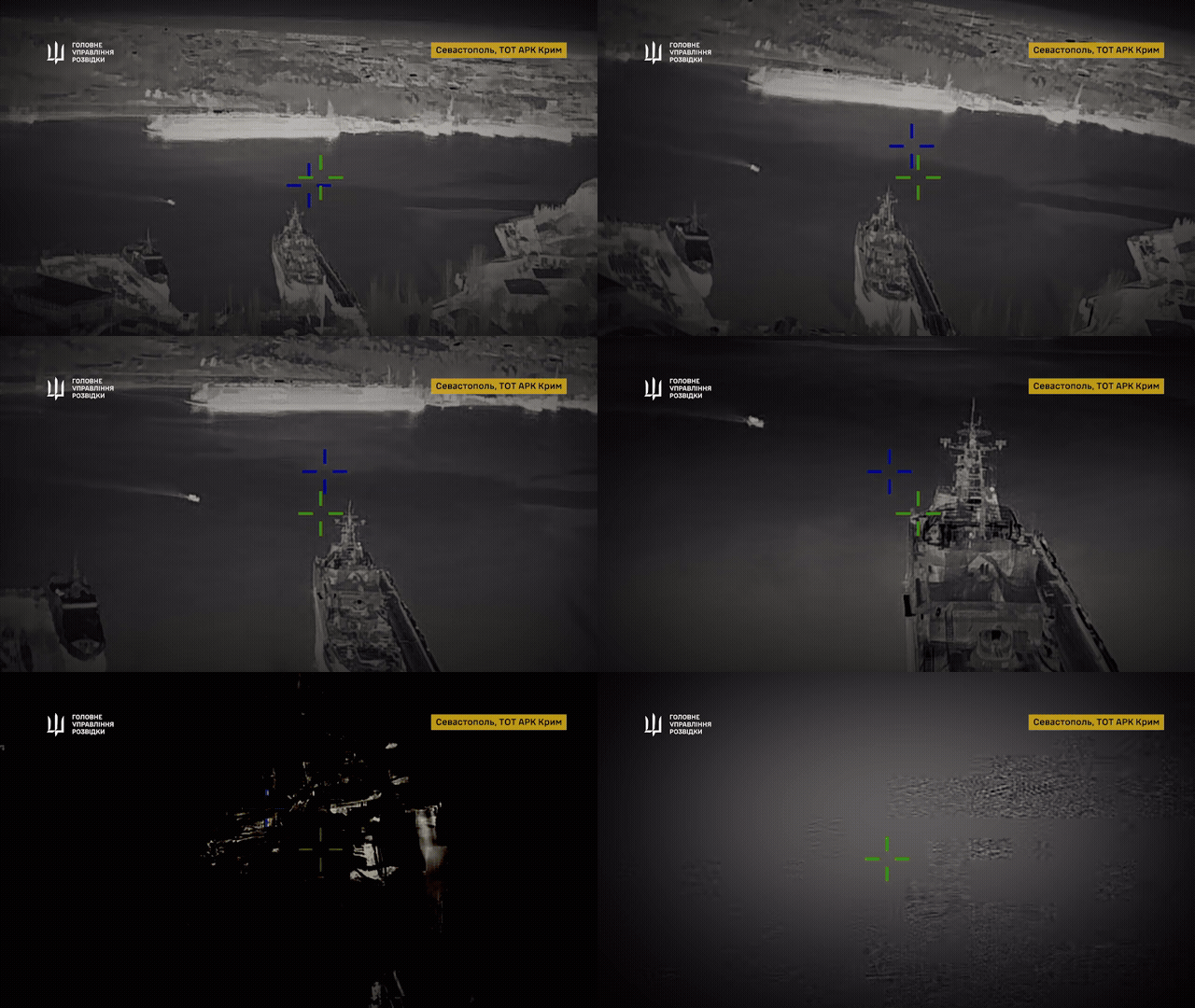
World
Kyiv, — April 20, 2026 : Ukraine’s Main Intelligence Directorate (GUR) reported that a coordinated overnight operation conducted on April 18–19, 2026, targeted key Russian military assets in temporarily occupied Sevastopol, Crimea, resulting in the disabling of two large landing ships and the destruction of an advanced radar system. Operation Overview According to GUR, the strike was carried out by its “Prymary” special unit, which deployed kamikaze drones against naval and air defense targets located in Sevastopol Bay. At the time of the attack, both vessels were moored within the harbor. Video footage released by Ukrainian intelligence shows multiple drone impacts on the targets. GUR stated that the operation resulted in both ships being rendered inoperable, while the radar installation was destroyed. Targeted Naval Assets The two vessels struck belong to Russia’s Black Sea Fleet and have been used in operations linked to the ongoing war in Ukraine. Yamal (Project 775, Ropucha-class) Built in 1988 at the Stocznia Północna shipyard in Gdańsk, Poland, the vessel measures 112.5 meters in length and is capable of transporting up to 500 tons of cargo. It is designed for amphibious operations, including the deployment of armored vehicles and troops. Ukrainian intelligence estimated the ship’s value at approximately $80 million. Nikolay Filchenkov (Project 1171, Tapir-class) Constructed in 1975, this landing ship has a cargo capacity of up to 1,000 tons and can carry a large number of troops along with armored vehicles. GUR assessed its value at around $70 million. Ukrainian officials indicated that both ships were actively employed prior to the strike in support of Russian military logistics. Radar System Destruction In addition to the naval targets, the operation also destroyed a Podlet-K1 (48Ya6-K1) radar system. This mobile radar, produced by Russia’s Almaz-Antey corporation, is designed to detect and track low-altitude air targets, including aircraft, cruise missiles, and unmanned aerial vehicles. The system operates in the S-band using a phased-array antenna and has a reported detection range of up to 300 kilometers, with a maximum target altitude of 10 kilometers. GUR estimated the value of the radar system at approximately $5 million. Damage Assessment and Impact Ukrainian intelligence stated that the total estimated cost of the damaged and destroyed assets exceeds $155 million. The disabling of the two landing ships reduces the amphibious and logistical transport capacity of the Russian Black Sea Fleet. The destruction of the Podlet-K1 radar system is expected to temporarily affect localized air defense coverage in and around the Sevastopol naval base, particularly in detecting low-altitude threats. Operational Context GUR described the strike as part of ongoing operations targeting Russian military infrastructure in occupied Crimea. The agency emphasized that the vessels had been actively used in support of Russia’s military campaign prior to the attack. As of April 20, 2026, there has been no immediate comment or confirmation from Russian authorities regarding the reported strikes.
Read More → Posted on 2026-04-20 15:47:12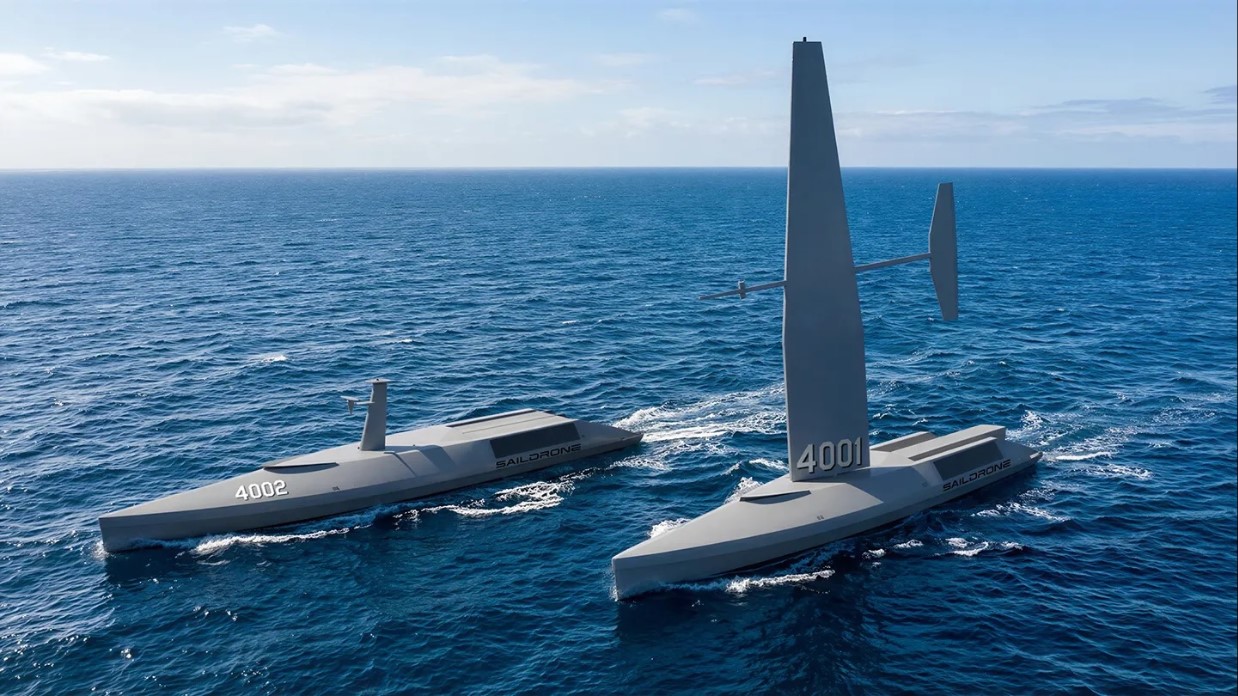
World
National Harbor, Maryland — April 20, 2026 : Saildrone has unveiled the design of its largest and most capable unmanned surface vehicle (USV), named Spectre, during the Sea Air Space 2026 conference. Developed in partnership with Lockheed Martin under a $50 million agreement signed in October 2025, the 52-meter platform is intended for anti-submarine warfare (ASW), intelligence, surveillance and reconnaissance (ISR), and strike missions for the United States Navy and allied forces. Platform Design and Development The Spectre USV is the result of more than two years of design work based on operational data gathered over Saildrone’s 12-year history, during which its fleet has logged over 2 million nautical miles at sea. The platform builds on earlier systems such as the Voyager and Surveyor, incorporating lessons learned from real-world deployments to meet evolving maritime operational requirements. Measuring 52 meters (170 feet) in length and displacing approximately 250 tonnes, Spectre is the largest vehicle in Saildrone’s portfolio. The vessel is engineered to operate with an ultra-quiet acoustic signature, a critical requirement for ASW missions where onboard noise can interfere with the detection of submarines. Variants and Mission Profiles Saildrone has developed two primary configurations of the Spectre to support different mission sets. The Spectre Silent Endurance variant incorporates the company’s signature wing system, enabling extended range operations exceeding 8,000 nautical miles with near-silent propulsion. This configuration is optimized for long-duration ISR and ASW missions requiring persistent presence. The Spectre Stealth Strike variant removes the wing structure to reduce radar cross-section and overall visual profile, allowing for higher speeds and suitability for kinetic strike operations. Propulsion and Performance The vessel uses a hybrid propulsion system combining wind, solar, and diesel power. Twin shaftlines integrate dual electric and diesel propulsion systems, allowing Spectre to operate in near-silent electric mode at speeds up to 12 knots. For higher-speed operations, two 5,000-horsepower Caterpillar diesel engines enable speeds of up to 27 knots with a full payload. At a cruising speed of 25 knots carrying a 25,000-kilogram payload, Spectre achieves a range of approximately 3,280 nautical miles in calm seas and 2,790 nautical miles in Sea State 4 head seas. Controllable-pitch propellers support efficient operation across speed ranges and facilitate low-speed, low-noise performance required for towed sonar systems. Payload Capacity and Modular Architecture Spectre features a concealed payload deck located close to the waterline, designed to accommodate modular, containerized payloads. The vessel can carry configurations including two 40-foot containers, five 20-foot containers, or mixed arrangements, with a total payload capacity exceeding 70 tonnes. The deck is optimized for transom deployment and protects equipment from sea spray during high-speed operations. The platform provides up to 50 kW of payload power and supports mission durations exceeding six months without resupply. Integrated Systems and Partnership with Lockheed Martin Under the strategic partnership, Saildrone and Lockheed Martin are integrating a range of advanced payloads and mission systems. These include Lockheed Martin’s TB29 thin-line towed array for ASW, the Mk70 vertical launch system with capacity for two launchers, and the CAPTAS-4 variable-depth sonar system developed by Thales. The collaboration also includes enhancements to command-and-control systems and broader integration of defense technologies to support multi-mission capability. Paul Lemmo, Vice President and General Manager at Lockheed Martin, stated that the Spectre platform provides a persistent, low-observable capability capable of supporting a wide spectrum of naval missions, including undersea surveillance and strike operations. Testing, Certification, and Autonomy The Spectre design has undergone physical validation using a one-seventh-scale model tested at Force Technologies’ tow tank facility in Copenhagen, Denmark. Testing confirmed propulsion performance and seakeeping capabilities at full operational speeds in Sea State 5 conditions. The platform has received Approval in Principle (AIP) from the American Bureau of Shipping (ABS) under High Speed Naval Craft classification standards. Saildrone’s autonomy software, refined over more than a decade, complies with international collision regulations (COLREGS) for both day and night operations. Manufacturing and Production Plans Construction of the Spectre will take place at Fincantieri Marine Group shipyards in Wisconsin, with a production capacity of up to five vessels per year. The vessels will be built using aluminum hull structures suited for high-speed naval applications. The 43-meter composite wing used in the Silent Endurance variant will be manufactured by American Magic Services at its High Performance Center in Pensacola, Florida, also with an annual production capacity of five units. Fincantieri Marine Group CEO George Moutafis stated that the program aligns with the company’s experience in serial production of aluminum vessels and its role in supporting advanced naval platforms. American Magic Services CEO Tyson Lamond noted that the company’s composite manufacturing capabilities and proximity to U.S. naval operations support the production requirements of the Spectre program. Deployment Timeline and Related Programs Construction of the first Spectre vessel is scheduled to begin in the near term, with initial sea trials planned for early 2027. The platform builds on Saildrone’s existing collaboration with the U.S. Navy and broader efforts to integrate unmanned systems into naval operations for persistent maritime presence. In a related program, Lockheed Martin is integrating its Joint Air-to-Ground Missile (JAGM) launcher onto the smaller 20-meter Saildrone Surveyor platform. A live-fire demonstration is planned during the U.S. Navy’s Rim of the Pacific (RIMPAC) exercise in summer 2026, supporting payload integration efforts applicable to the Spectre system. Operational Context The Spectre USV reflects ongoing efforts by the U.S. Navy and defense industry partners to expand the role of unmanned systems in maritime operations. With its combination of endurance, modular payload capacity, and low acoustic signature, the platform is designed to address operational requirements in anti-submarine warfare and distributed naval operations.
Read More → Posted on 2026-04-20 15:56:21
World
PARIS, — April 20, 2026 : The French Army has confirmed plans to establish a third division dedicated to the Operational Defense of the Territory (DOT), marking a structural shift aimed at strengthening homeland security while maintaining overseas operational commitments. The announcement was made by General Pierre Schill, Chief of Staff of the French Army (CEMAT), during a military thought conference in Paris. The new division will be primarily composed of reservists and volunteers and is intended to safeguard critical national functions if France’s active combat forces are deployed abroad, including potential high-intensity engagements in Europe. Strategic Reorganization for Domestic Defense France’s land forces have historically relied on two primary divisions: the 1st Division based in Besançon and the 3rd Division based in Marseille. Under existing doctrine, one division is typically committed to NATO missions while the other remains available for national protection or secondary operations. The evolving security environment, described by General Schill as increasingly constrained and unpredictable, has led to a reassessment of this structure. In scenarios where both active divisions are deployed—such as a large-scale “Central Europe” type operation—the new third division would assume responsibility for territorial defense, protection of vital infrastructure, and continuity of government functions within France. Expansion of the Operational Reserve The viability of the third division is tied to a significant expansion of France’s operational reserve forces and the rollout of the National Service (SNU). Military planning outlines the following targets: 80,000 reservists by 2030 105,000 reservists by 2035 A force ratio of one reservist for every two active-duty soldiers As of September 2025, the French Army reported 29,527 operational reservists, with an average age of 38. More than half of the projected reserve force—approximately 40,000 to 50,000 personnel—is expected to support the new division. The National Service program, scheduled to begin in September 2026, will further expand personnel availability. Initial intake figures include 3,000 volunteers in 2026–2027, increasing to 4,000 in 2027–2028, and reaching 10,000 annually by 2030. Participants aged 18 to 25 will serve 10-month contracts, with pathways into the operational reserve (RO1) or availability reserve (RO2). Organizational Development and Timeline The creation of the third division follows a phased approach already underway: 2024–2025: Each of the seven combined-arms brigades established a dedicated reserve battalion 2025: Support brigades added additional reserve battalions, bringing the total to around a dozen units 2026: Formation of a consolidated reserve brigade 2030: Full integration into a division-level territorial structure These developments build on recent training activities, including the Vulcain exercise in October 2025 in Haute-Loire, where 800 reservists conducted simulations involving destabilization scenarios. Larger exercises such as the ORION series continue to integrate reserve and active units. “Combat Garrison” Concept and Local Response A central feature of the new structure is the “combat garrison” concept, designed to ensure local responsiveness. More than 50 percent of reservists reside within 30 kilometers of their assigned units, enabling rapid deployment in support of internal security operations. This localized presence allows reservists to assist civil authorities, including law enforcement, firefighting services, and medical responders, particularly during crises affecting population resilience. Equipment and Funding Framework To ensure operational effectiveness, the French government has allocated increased funding under the Military Programming Law (LPM) 2024–2030: 30 percent increase in reserve funding between 2020 and 2025 €550 million earmarked for equipping reservists and National Service personnel The Army is developing a dedicated equipment framework known as the DAGUE program (Défense de l'Arrière et Gestion des Unités Élargies). This program will provide equipment tailored to territorial missions, including: Mobile-network-compatible communication systems Individual and collective weapon systems Transport vehicles and logistical trucks The DAGUE system complements the SCORPION program, which equips active combat units, ensuring that reserve forces receive adapted but effective capabilities. Equipment will include both modernized legacy systems and new acquisitions, with full capability targeted by 2030. Command, Structure, and Legal Considerations The project remains under development, with ongoing work focused on command arrangements, legal frameworks, and integration with regional defense structures. Key considerations include: Coordination with France’s defense and security zones Command relationships between active and reserve components Potential expansion of existing regiments versus creation of dedicated reserve units These elements are being addressed as part of broader updates to France’s military programming framework. Operational Rationale and Force Structure Impact The establishment of the third division addresses several operational requirements: Maintaining territorial security while fulfilling NATO and EU commitments Providing sufficient force mass for sustained operations Enhancing national resilience through integration of civilian volunteers With approximately 118,600 active personnel, the French Army is adapting its force structure to enable simultaneous high-intensity operations abroad and continuous domestic protection. The third division is expected to serve as a structural link between professional forces, reservists, and civilian volunteers, forming a layered defense model aligned with current strategic requirements.
Read More → Posted on 2026-04-20 16:07:08
World
ROSYTH, SCOTLAND — April 20, 2026 : The Royal Navy’s flagship, HMS Queen Elizabeth, has departed the Rosyth dockyard following the completion of a major upkeep period and is currently anchored in the River Forth. The aircraft carrier exited the non-tidal basin on April 19 and is now awaiting a suitable tidal window to pass beneath the Forth Bridges before beginning a planned series of sea trials. The movement marks the conclusion of an extensive maintenance and inspection cycle lasting just over eight months. The work, originally scheduled for approximately seven months, was extended to accommodate the complexity of engineering upgrades and regulatory requirements. Maintenance Timeline and Regulatory Framework The upkeep programme began in November 2024 while the carrier was alongside in Portsmouth. This initial phase focused on preparatory engineering work, including early upgrades to key onboard systems. On July 16, 2025, the vessel departed Portsmouth and transited to Rosyth to enter dry dock for the second phase of maintenance. The docking formed part of a mandatory six-year inspection cycle conducted under Lloyd’s Register Rules, which govern safety certification for much of the Royal Navy fleet. These regulations require comprehensive dry-dock inspections, including structural surveys and system validation to ensure continued seaworthiness. At Rosyth, the programme was managed by Babcock International, which described the ship’s departure as a milestone within the broader 10-year dry-dock maintenance cycle for the Queen Elizabeth-class carriers. Engineering Work and System Upgrades The maintenance period included a wide range of technical work covering propulsion, structural integrity, and underwater systems. Significant upgrades were carried out on the carrier’s propulsion system to improve long-term reliability following sustained operational use since entering service in 2017. Comprehensive inspections were conducted on the hull, rudders, and propellers as part of the dry-dock survey. In addition, engineers carried out maintenance on underwater fittings, including hull valves and sea chests, which are critical for ship operations and susceptible to corrosion over time. The vessel also underwent rigorous safety inspections required to maintain its maritime certification under Lloyd’s standards. One planned enhancement—the installation of the “Bedford Array,” a precision visual landing aid designed to support Shipborne Rolling Vertical Landing (SRVL) operations for F-35B Lightning II aircraft—was ultimately not implemented. Officials cited cost-saving measures and the ongoing development of the Royal Navy’s hybrid aircraft carrier concept as the primary reasons for cancelling the upgrade. Current Status and Sea Trial Preparations Following its departure from the dockyard, HMS Queen Elizabeth remains at anchor in the River Forth. The next stage of activity will involve transiting through the narrow Rosyth lock system and passing under the Forth Bridges, a maneuver that requires precise timing due to tidal constraints and weather conditions. Once clear of the estuary, the carrier will begin sea trials to test the performance of upgraded propulsion systems and other engineering modifications. These trials will also validate the readiness of the ship’s company after the extended maintenance period. Upon successful completion of trials, the vessel is expected to return to its home port in Portsmouth. Operational Outlook and Fleet Positioning Although HMS Queen Elizabeth currently has a full complement of crew, its immediate operational schedule has not been formally confirmed. There is internal speculation that the carrier could enter a period of reduced readiness after completing sea trials, allowing the Royal Navy to balance maintenance cycles between its two carriers. Its sister ship, HMS Prince of Wales, is currently held at five days’ notice to deploy. The vessel is expected to lead Operation FIRECREST in the coming weeks, a NATO-aligned deployment to the North Atlantic and High North regions. The operation will involve coordination with United States, Canadian, and European naval forces and is intended to support regional security objectives, including the protection of undersea infrastructure and deterrence of Russian maritime activity. Wider Royal Navy Fleet Context The return of HMS Queen Elizabeth to operational availability comes amid broader efforts to improve readiness across the Royal Navy’s surface fleet, particularly among frigates and destroyers. Work is ongoing to return HMS Portland and HMS Iron Duke to active service, with challenges related to crew availability and funding. Meanwhile, HMS Sutherland has not yet resumed operational deployment following the completion of its Life Extension (LIFEX) programme in January 2025, and HMS Kent is expected to emerge from its own major upkeep period in the near term. The Royal Navy is prioritising the availability of escort vessels to support carrier strike operations and wider NATO commitments. Transition to Operational Status The successful exit from Rosyth’s confined dock system represents a key milestone in HMS Queen Elizabeth’s maintenance cycle. Navigation through the dockyard lock and onward transit under the Forth Bridges is constrained by narrow tidal windows and specific weather conditions, requiring careful coordination. Sea trials will serve as the final validation phase before the carrier returns to active operational status. These trials will confirm the performance of propulsion upgrades and other engineering work completed during the upkeep period. HMS Queen Elizabeth, launched in 2014 and commissioned in 2017, remains central to the United Kingdom’s carrier strike capability. The completion of this maintenance cycle ensures compliance with safety regulations while preparing the vessel for future operational deployments.
Read More → Posted on 2026-04-20 16:56:04
World
Kyiv, — April 20, 2026 : Ukraine’s Defence Intelligence Directorate (GUR) has published detailed findings identifying 103 Russian enterprises involved in the production of the Su-57 multirole fighter aircraft, revealing that approximately one-third of these entities remain outside international sanctions regimes. The data, released on the Ukrainian government’s War & Sanctions portal on April 20, 2026, includes a comprehensive breakdown of the aircraft’s industrial network along with an interactive three-dimensional model illustrating how each company contributes to the platform’s systems and components. Supply Chain Mapping and Sanctions Gaps According to the GUR, roughly 34 of the 103 identified companies have not been sanctioned by any member of the international sanctions coalition. Ukrainian intelligence assessed that this gap enables continued access to foreign technologies and components necessary for sustaining Russia’s military aviation programs. In its official statement accompanying the publication, the agency noted that the absence of restrictions on these firms allows them to procure critical inputs without limitation, thereby supporting ongoing aircraft production despite broader sanctions imposed on Russia’s defense sector. The published dataset outlines cooperative links among all 103 enterprises, providing a system-level view of the Su-57 production chain. The interactive model assigns specific components and subsystems of the aircraft to each participating organization, offering a structured visualization of industrial dependencies. Key Enterprises in the Production Network Among the companies identified, several play specialized roles in the aircraft’s development and manufacturing process. Krasny Oktyabr, located in St. Petersburg, produces auxiliary power units and gas turbine-based onboard power systems used in the Su-57. The National Institute of Aviation Technologies is responsible for designing advanced multifunctional cockpit glazing, including silicate-based transparent structures used in pilot interfaces. The Institute of Theoretical and Applied Electrodynamics of the Russian Academy of Sciences develops and applies radar-absorbing materials and coatings, which are integral to reducing the aircraft’s radar signature. YASHZ Avia manufactures aircraft tires designed to withstand the operational requirements of high-performance fighter jets such as the Su-57. Development Background and Manufacturing Structure The Su-57 fighter was developed by the Sukhoi Design Bureau as Russia’s fifth-generation combat aircraft program. Serial production is carried out at the Komsomolsk-on-Amur Aircraft Plant (KnAAZ), which operates under the United Aircraft Corporation. Development of the aircraft began in the early 2000s, with the prototype completing its first flight on January 29, 2010. The Russian Armed Forces inducted the first serially produced Su-57 into service at the end of 2020. As of 2026, analysts estimate that approximately 42 units, including prototypes, have been produced. The program has recently incorporated the “Izdeliye 30” (Stage 2) engine, designed to enable sustained supersonic flight without afterburner use, commonly referred to as supercruise capability. Export Activity and International Interest The continued operation of unsanctioned suppliers has supported both domestic production and export activity. In April 2026, Russia’s state arms exporter Rosoboronexport announced new export contracts for the Su-57E variant during the Defence Services Asia (DSA-2026) exhibition held in Kuala Lumpur. Algeria remains the only confirmed foreign operator of the export variant. Deliveries to Algeria began in late 2025 following a reported agreement for 14 aircraft valued at approximately $2 billion. Russian officials indicated that the number of prospective customers is increasing. Available data points to ongoing negotiations with India regarding licensed production arrangements, as well as reported interest from countries including North Korea, Iran, and Vietnam. Industrial Constraints and Procurement Channels Despite the continued functionality of parts of the supply chain, the Su-57 program faces industrial challenges. Ukrainian intelligence and independent assessments indicate that Russia has relied on intermediary channels to obtain microelectronics and other restricted components, particularly through third-party routes involving Kazakhstan and China. These procurement methods have increased costs and contributed to slower-than-anticipated production rates, even as assembly continues. Operational Context and Targeting The Su-57 has also been targeted during the ongoing conflict. On June 8, 2024, Ukrainian forces conducted drone strikes on the Akhtubinsk airfield in Russia’s Astrakhan region. Russian sources later acknowledged that two Su-57 aircraft were damaged while stationed on the ground. The incident marked one of the first confirmed strikes against the aircraft and demonstrated its vulnerability when deployed at fixed airbases. Strategic Objective of the Disclosure The GUR stated that the publication of the 103-company network is intended to support international efforts aimed at tightening sanctions enforcement and identifying remaining gaps. By documenting the structure of the production ecosystem and highlighting unsanctioned participants, Ukrainian authorities aim to facilitate additional restrictive measures targeting suppliers that continue to enable Russia’s advanced military aviation capabilities. The War & Sanctions platform is expected to be updated with further data as investigations into Russia’s defense-industrial networks continue.
Read More → Posted on 2026-04-20 17:06:37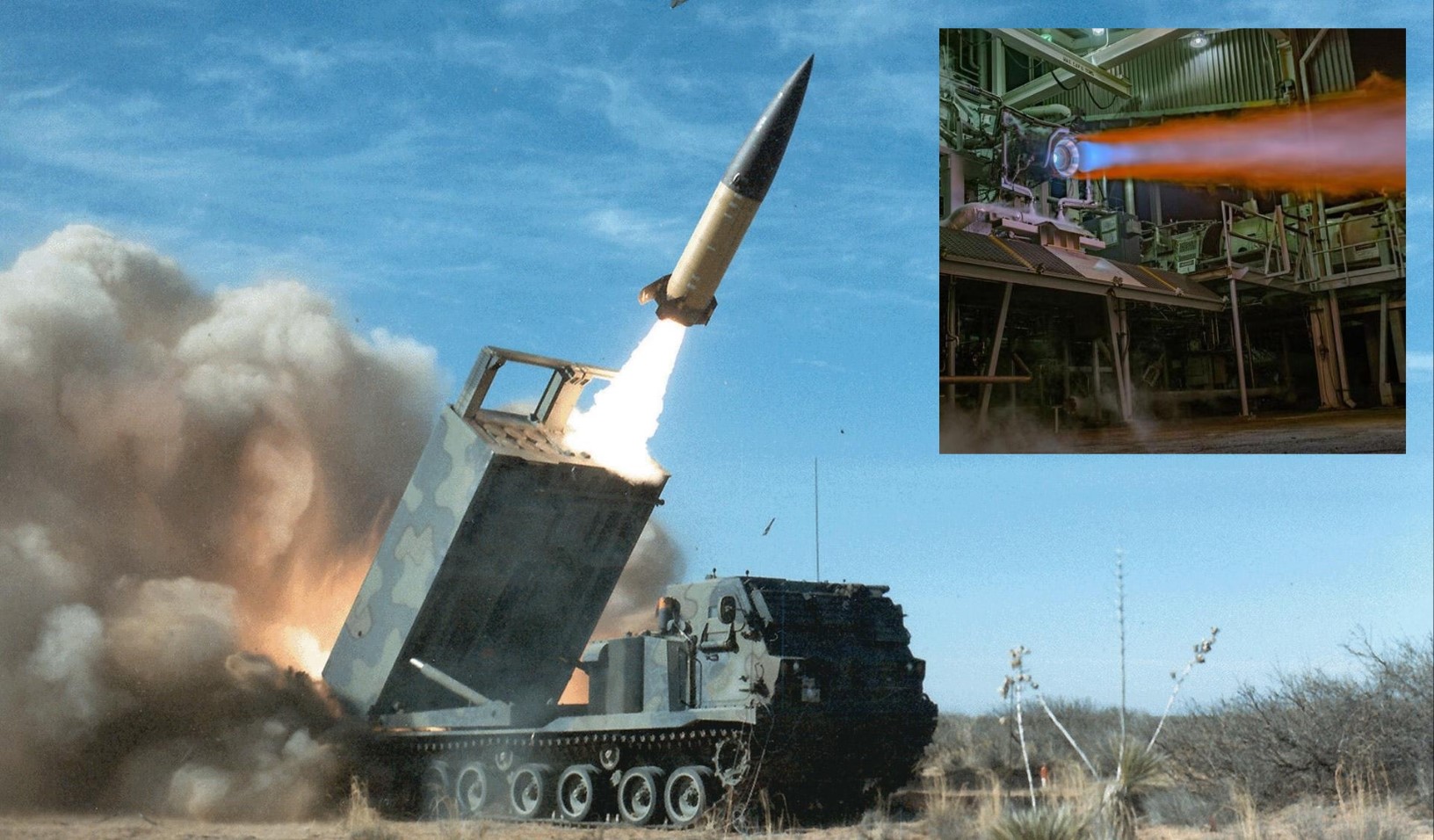
World
Camden, Arkansas / Washington, — April 20, 2026 : Lockheed Martin has awarded L3Harris Technologies a contract valued at more than $65 million to produce solid rocket motors for the U.S. Army’s Army Tactical Missile System (ATACMS), supporting continued production of propulsion components for the long-range guided missile system. Contract Scope and Deliverables Under the agreement, L3Harris will fabricate, test, and deliver M124 solid rocket motors, along with igniters, exit cones, and associated components and services. The contract covers both manufacturing and validation activities required for integration into the ATACMS missile system. Deliveries under the contract are scheduled to take place between 2027 and 2028, aligning with ongoing U.S. Army procurement and sustainment timelines for long-range precision strike capabilities. Program Background and Operational Role The ATACMS is a combat-proven long-range precision weapon system used by U.S. and allied forces for deep-strike missions. The missile system remains a key component of battlefield strike capability, designed to engage high-value targets at extended ranges with guided accuracy. The latest contract reflects sustained demand for propulsion systems supporting operational readiness, as the U.S. Army continues to maintain and replenish its missile inventory. Industry Role and Company Statement Scott Alexander, President of Missile Propulsion within the Missile Solutions sector at L3Harris, stated that the company remains focused on delivering propulsion systems tailored to the requirements of the ATACMS program. He noted that such contracts underscore L3Harris’ continued role in supporting the U.S. Army and allied forces with established missile technologies. Production Facilities and Capacity Expansion L3Harris has supported the ATACMS program for more than 30 years, with production activities primarily based in Camden, Arkansas. The facility manufactures a wide range of solid rocket motors and serves as a central hub for propulsion system development and testing. The Camden site currently produces more than 115,000 rocket motors annually and conducts over 6,000 hot-fire tests each year. The company is also expanding its infrastructure at the location, with more than 20 new advanced propulsion facilities under development to meet increasing demand. In addition to propulsion components, L3Harris manufactures ATACMS arm and firing devices at its facility in Cincinnati, Ohio. Broader Program Support The contract reinforces L3Harris’ role in supporting U.S. Army missile programs and broader defense requirements. It also reflects continued industrial activity tied to long-range strike systems, with emphasis on sustaining production capacity and ensuring availability of critical propulsion components for operational use.
Read More → Posted on 2026-04-20 17:25:42
World
NATIONAL HARBOR, Md., — April 20, 2026 : The U.S. Navy will award the Engineering and Manufacturing Development (EMD) contract for its F/A-XX sixth-generation carrier-based fighter in August, Chief of Naval Operations Adm. Daryl Caudle confirmed on Monday at the Sea-Air-Space Conference 2026. The timeline follows a series of senior-level discussions between Navy leadership, the Pentagon, and Deputy Secretary of Defense Steve Feinberg, resulting in agreement to proceed with the long-delayed program. The planned award represents a transition of the F/A-XX from concept and preliminary design into full development, marking a key milestone in the Navy’s effort to field a next-generation strike fighter for carrier air wings in the 2030s. Program Role and Operational Requirements The F/A-XX is intended to replace the Boeing F/A-18E/F Super Hornet and the Boeing EA-18G Growler while complementing the Lockheed Martin F-35C Lightning II. It is being developed as a multirole platform capable of air combat, ground attack, surface warfare, and close air support, with additional roles in electronic warfare and intelligence, surveillance, and reconnaissance. The aircraft is designed to operate in contested anti-access/area-denial (A2/AD) environments, with requirements including advanced stealth, increased combat radius, higher payload capacity, and compatibility with both Nimitz-class and Ford-class aircraft carriers. Navy officials have indicated the platform will provide approximately 25 percent greater range than the F-35C. The program originated from a Navy request for information issued in 2012 and has since evolved into the crewed component of the service’s broader Next Generation Air Dominance (NGAD) family of systems, distinct from the Air Force’s parallel effort. Industrial Competition and Contractor Selection The competition for the EMD contract has narrowed to Boeing and Northrop Grumman. Lockheed Martin, initially part of the competition, was eliminated in March 2025 following reported difficulties in meeting Navy-specific requirements, including carrier suitability and advanced radar integration. Adm. Caudle stated that industrial base considerations influenced the decision timeline, noting that Boeing has already been selected to produce the Air Force’s sixth-generation F-47 fighter, while Northrop Grumman remains heavily engaged in production of the B-21 Raider. According to Caudle, the Department of Defense adopted a “check twice, cut once” approach to ensure that the selected contractor can meet schedule requirements without overextending existing production capacity. Strategic Drivers and Threat Environment The Navy’s decision to advance the F/A-XX program is driven by evolving threat conditions, particularly the expansion of advanced air defense systems among peer competitors and the increasing availability of sophisticated weapons to regional actors and non-state groups. Navy leadership has assessed that current aircraft, including the F/A-18 series, will face growing limitations in survivability and operational effectiveness in high-threat environments over time. The F/A-XX is expected to address these challenges through a combination of low observable design, extended range, and integrated electronic warfare capabilities. Technology and System Integration The F/A-XX is being developed as part of a broader “family of systems” concept. It will incorporate manned-unmanned teaming (MUM-T) capabilities, enabling it to control multiple Collaborative Combat Aircraft (CCA), often described as semi-autonomous “loyal wingmen.” The Navy is currently working with five companies—Anduril Industries, Boeing, General Atomics, Lockheed Martin, and Northrop Grumman—to develop these systems. In addition, the aircraft will operate alongside the MQ-25A Stingray, which is expected to reach initial operational capability (IOC) later in 2026. The MQ-25A will provide carrier-based aerial refueling to extend the operational reach of both current and future carrier aircraft, including the F/A-XX. The platform is also expected to feature an open architecture design, allowing rapid integration of new sensors, weapons, and software updates throughout its service life. Funding, Budget Disputes, and Congressional Action The program’s progression to an August 2026 contract award follows a period of budget uncertainty. In the Fiscal Year 2026 budget request, the White House and Pentagon proposed allocating approximately $74 million for the F/A-XX while suggesting delays due to concerns about managing two sixth-generation fighter programs simultaneously. Congress subsequently intervened, restoring funding through a combination of appropriations and legislation, including the One Big Beautiful Bill Act. Lawmakers added approximately $897 million in one tranche and ultimately directed the Navy to proceed with a single EMD contract award. Additional funding actions increased total support to roughly $1.69 billion for fiscal year 2026, following earlier allocations including $750 million to support the final contractor selection process. The Navy’s fiscal year 2027 budget request includes a further $140 million for continued development. Program Timeline and Outlook The F/A-XX program will formally enter the Engineering and Manufacturing Development phase following the August 2026 contract award. While specific design characteristics, payload configurations, and performance metrics remain classified, early conceptual designs from competing contractors have included tailless, twin-engine stealth configurations with options for manned or optionally unmanned operation. Initial flight testing is projected toward the end of the decade, with initial operational capability expected in the mid-2030s. The program is intended to ensure the continued effectiveness of U.S. Navy carrier air wings in contested environments, integrating with both existing platforms and emerging unmanned systems as part of a networked operational architecture.
Read More → Posted on 2026-04-20 17:38:58
World
TOKYO, — April 21, 2026 : The Japanese government on Tuesday approved a comprehensive revision of its long-standing framework governing the transfer of defense equipment and technology, formally allowing the export of lethal military systems under defined conditions. The decision was endorsed by both the Cabinet and Japan’s National Security Council, marking a significant policy adjustment within the country’s existing security framework. Updated Framework and Classification System The revisions modify the implementation guidelines of Japan’s “Three Principles on Transfer of Defense Equipment and Technology,” replacing earlier categorical limits with a broader classification system. Previously, exports were largely restricted to five non-combat categories: rescue, transport, warning, surveillance, and minesweeping. Under the updated policy, defense equipment is now divided into two classifications based on capability: Weapons: This category includes systems with lethal or destructive capability, such as fighter aircraft, warships, destroyers, missiles, and tanks. Non-weapons: This includes equipment without direct lethal function, such as radar systems, protective gear, and related support technologies. Exports of non-weapons remain subject to existing screening mechanisms without additional restrictions. In contrast, exports of weapons are permitted only to countries that have formal agreements with Japan regarding the protection of classified defense-related information. Japan currently maintains such agreements with 17 countries. Approval Process and Oversight Measures All proposed exports of lethal equipment are subject to case-by-case review by the National Security Council, which includes the prime minister and relevant cabinet ministers. The government confirmed that exports associated with the Global Combat Air Program (GCAP), a joint fighter development initiative with the United Kingdom and Italy, will continue to require separate Cabinet-level approval. The revised guidelines retain the prohibition on transfers to countries engaged in active armed conflict. However, provisions allow for exceptions in specific cases if deemed necessary after consideration of Japan’s security requirements. The government also emphasized that strict post-export controls will be applied. These include end-user verification procedures, monitoring mechanisms, and safeguards to prevent diversion or unauthorized re-transfer of exported equipment. Policy Continuity and Evolution The current revision builds on a series of earlier policy adjustments. In 2014, Japan revised its original arms export principles to allow transfers supporting joint development and production with partner nations. Subsequent updates permitted limited exports of co-developed lethal systems, including provisions related to the GCAP program. The latest changes remove remaining categorical restrictions on lethal equipment, consolidating prior reforms into a unified framework. Strategic and Industrial Considerations Government officials stated that the revised guidelines are intended to strengthen Japan’s defense industrial base and expand cooperation with partner countries. Chief Cabinet Secretary Minoru Kihara indicated that the policy aims to support domestic industrial capabilities while contributing to Japan’s security environment. Japanese defense manufacturers, including major firms such as Mitsubishi Heavy Industries, are expected to benefit from broader export opportunities, potentially enabling increased production scale and technological development. International Cooperation and Potential Applications Japan’s existing defense cooperation agreements include partnerships with countries such as the United States, Australia, and the Philippines. Reports indicate that one of the early potential applications of the revised rules could involve the transfer of used Japanese naval vessels to the Philippines, although no formal agreements have been confirmed. The revised framework also facilitates exports linked to multinational development programs. In the case of the GCAP fighter project, the updated rules simplify the process for transferring jointly developed aircraft to third-party countries, subject to approval procedures. Legislative Position and Implementation The government confirmed that the revised guidelines do not require legislative approval by the National Diet. Instead, the administration will notify parliament after the completion of weapon export decisions. All transfers will continue to be assessed under the core principles governing destination, end-user reliability, and potential impact on regional and international security. The revisions, approved on April 21, 2026, represent the most substantial update to Japan’s defense equipment transfer policy in recent years and will be implemented on a case-by-case basis under the established regulatory framework.
Read More → Posted on 2026-04-21 07:21:11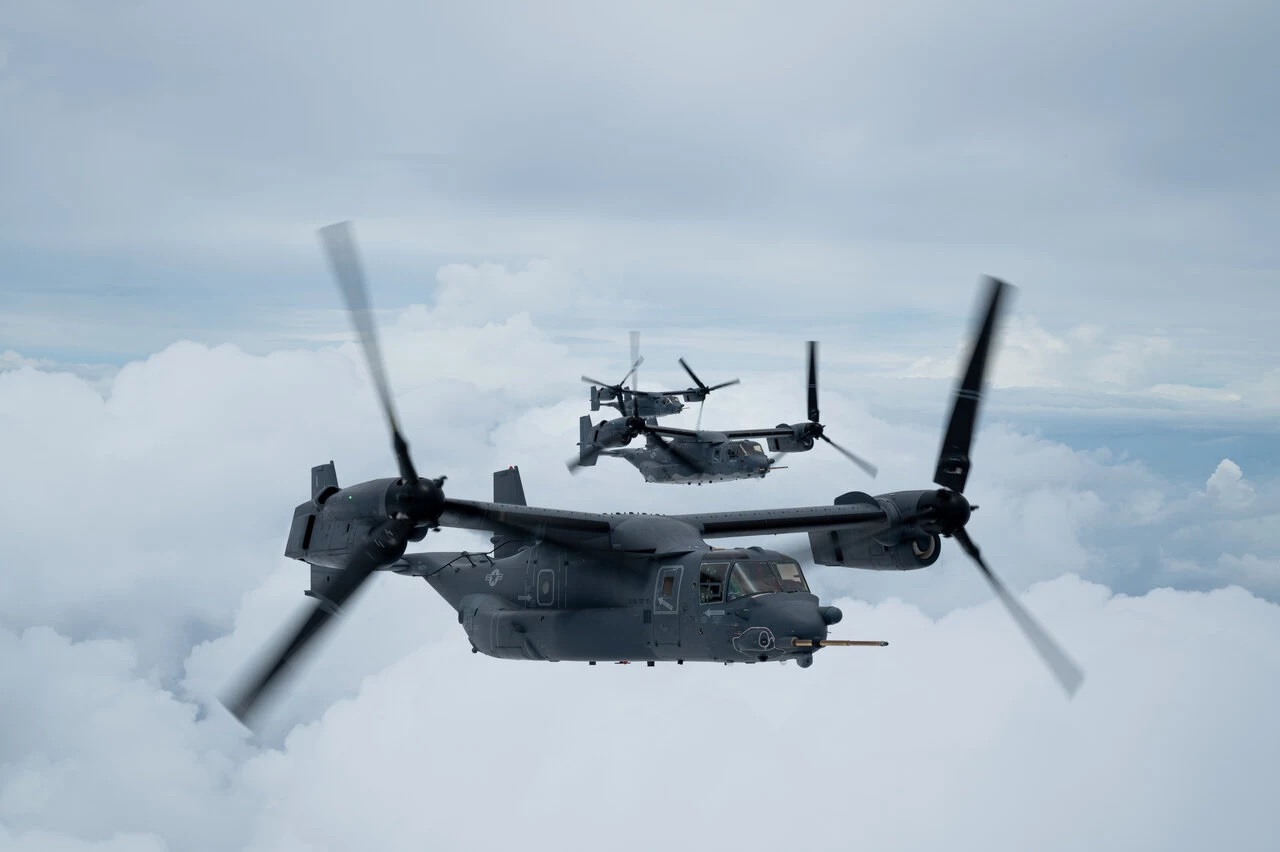
World
AMARILLO, Texas — April 21, 2026 : Bell Textron Inc., a subsidiary of Textron Inc. (NYSE: TXT), has reported substantial improvements in maintenance efficiency and operational readiness for the U.S. Air Force’s CV-22 Osprey fleet following implementation of its Nacelle Improvement (NI) Program. The company released performance data based on more than 10,000 flight hours of upgraded aircraft operated by Air Force Special Operations Command (AFSOC). According to the data, the upgraded nacelle configuration has reduced maintenance hours by approximately 75 percent, while increasing overall aircraft readiness by more than 10 percent. The results are based on operational use since the first modified CV-22 was delivered in 2021 to the 20th Special Operations Squadron at Cannon Air Force Base, New Mexico. Nacelle System as Primary Maintenance Driver The V-22 Osprey’s nacelle, located at the wingtips, houses critical propulsion components including the engine, transmission, and proprotor system. These nacelles rotate to enable vertical takeoff and landing as well as conversion to forward flight. Due to the complexity and concentration of systems, approximately 60 percent of total maintenance actions across the V-22 fleet are associated with the nacelle. The NI Program was developed to address this maintenance concentration through targeted redesign and system simplification, using fleet performance data and direct input from maintainers. Technical Modifications and Design Changes The upgrade introduces a simplified point-to-point wiring architecture, replacing legacy systems that relied on complex junctions and dense wiring bundles. This change reduces the number of potential failure points and improves fault isolation during troubleshooting. More than 1,300 individual parts were redesigned or eliminated as part of this effort, lowering overall system complexity. Structural improvements were also implemented in areas identified as high-wear zones. These include reinforced hinges, latches, access panels, and internal structural elements such as frame stations and baffles. The modifications are intended to reduce the frequency of fatigue-related damage and unscheduled repairs. Access to internal components was reconfigured based on maintainer feedback. The updated layout allows faster inspection and servicing by improving physical accessibility to critical systems. In addition, the design increases the reuse rate of repairable components, reducing replacement demand. The program also extends the replacement interval for key components by a factor of four, contributing directly to reduced maintenance frequency. Measured Maintenance and Reliability Outcomes Performance data from the NI-equipped aircraft show a significant reduction in required maintenance labor. Over the initial 4,000 flight hours, upgraded nacelle components recorded zero failures, compared to an estimated 140 failures projected under the legacy configuration. Maintenance labor associated with NI-specific components was reduced to 12 man-hours over the same 4,000-hour period, compared to a projected 2,195 man-hours for the previous design. These reductions contribute directly to increased aircraft availability. Across the AFSOC CV-22 fleet, the NI Program has saved more than 24,000 maintenance hours. This corresponds to over 1,000 days of maintainer time that can be reassigned to other operational requirements. Impact on Operational Readiness The reduction in maintenance time has increased the number of mission-capable aircraft available for deployment and training. According to the V-22 Joint Program Office, CV-22 readiness rates improved by more than 10 percent following implementation of the upgrades. A senior official from the program office stated that the maintenance time savings have enabled greater aircraft availability on the flight line, supporting both operational readiness and safety through increased training opportunities. Production and Fleet Implementation All nacelle modifications are carried out at Bell’s Amarillo Assembly Center in Texas, which also serves as the primary production site for all variants of the V-22 platform, including the MV-22, CMV-22, and CV-22. The NI Program was initiated under a 2021 contract and has since expanded with congressional support, including a $160 million authorization to accelerate fleet-wide upgrades. As of late 2025, 31 out of 51 CV-22 aircraft assigned to AFSOC had received the modification. Long-Term Sustainment and Fleet Expansion The improvements are designed to extend the operational viability of the CV-22 fleet for at least the next 30 years. While initially applied to the Air Force variant, the program’s design framework supports broader integration across the joint V-22 fleet. The U.S. Navy and Marine Corps are incorporating similar nacelle improvements into their midlife upgrade programs, with a focus on addressing component obsolescence, improving safety, and sustaining long-term readiness. Bell stated that the NI Program reflects a data-driven and maintainer-informed approach to modernization, targeting high-impact reliability issues while maintaining cost efficiency. The company indicated that further collaboration with the Department of Defense will continue to focus on safety, sustainability, and operational performance of the V-22 platform.
Read More → Posted on 2026-04-21 07:44:24
World
ATLANTIC OCEAN / ARLINGTON, Va. — April 21, 2026 : The U.S. Navy has conducted a live-fire demonstration of a high-energy laser weapon system aboard an aircraft carrier, marking the first such test from a carrier platform under operational maritime conditions. The demonstration, carried out on October 5, 2025, aboard the USS George H.W. Bush (CVN-77), was officially detailed on April 21, 2026, following a post-test validation period. The test involved AeroVironment’s LOCUST Laser Weapon System (LWS), deployed in a palletized high-energy laser (P-HEL) configuration. Installed directly on the flight deck of the Nimitz-class carrier, the system operated as a standalone unit and was not integrated with the ship’s combat systems or fire control network. The unit was secured using standard lashing methods and required no structural modifications to the vessel. The demonstration was conducted in collaboration with the U.S. Army Rapid Capabilities and Critical Technologies Office (RCCTO), with participation from Navy personnel and AeroVironment engineers. According to official statements, the system successfully detected, tracked, engaged, and neutralized multiple unmanned aerial vehicle (UAV) targets during the test. The engagement involved real aerial targets rather than simulated threats, and was carried out while the carrier was underway in a dynamic sea environment. System Configuration and Technical Characteristics The LOCUST system is based on solid-state fiber laser technology and is designed for modular deployment across multiple platforms. The tested configuration delivers a nominal power output between 20 and 26 kilowatts, with scalability beyond 35 kilowatts in higher configurations such as the X3 variant. The system is optimized for countering Group 1, Group 2, and Group 3 UAVs, which include small to medium-sized tactical drones constructed from lightweight materials such as plastics and composite structures. At this power level, the laser achieves target neutralization through sustained thermal effects, requiring a defined dwell time to concentrate energy on a specific point of the target. Sensor systems integrated into the LOCUST platform include electro-optical and infrared cameras, supported by radar and radio-frequency detection capabilities. During the test, the system demonstrated the ability to maintain stable tracking and beam focus despite the motion of the carrier, including pitch and roll effects associated with sea-state conditions. The system operates either through an onboard battery bank or by drawing power from the host platform’s electrical grid. Its software architecture incorporates AeroVironment’s AV_Halo PINPOINT system, enabling automated detection, tracking, and engagement processes supported by artificial intelligence-based functions. Operational Performance and Kill Chain Validation The demonstration confirmed the system’s ability to execute a complete engagement sequence, commonly referred to as the “kill chain,” under maritime conditions. This included initial detection of targets using multi-band sensors, continuous tracking of moving UAVs, and engagement through directed-energy output sufficient to disable or destroy the targets. Officials stated that the system maintained effective dwell time on targets while compensating for platform movement. The test also generated data on beam stability, tracking precision, and sensor performance in high-humidity and variable sea-state environments. Although the tested power range is not sufficient for intercepting high-speed cruise missiles or hardened anti-ship weapons, it is designed to address short-range threats posed by unmanned aerial systems, particularly in scenarios involving multiple low-cost drones. Platform and Deployment Characteristics The USS George H.W. Bush is a Nimitz-class aircraft carrier with a displacement of approximately 102,000 tons. It is powered by two A4W nuclear reactors and supports an embarked air wing of approximately 90 aircraft, along with a crew of more than 3,500 personnel. The palletized configuration of the LOCUST system allows for roll-on, roll-off deployment without permanent integration into the host platform. This approach differs from earlier naval laser programs that required structural modifications and dedicated installation within a ship’s architecture. Prior to the carrier demonstration, the LOCUST system had been deployed on land-based platforms, including the Joint Light Tactical Vehicle (JLTV) and the Infantry Squad Vehicle (ISV). The October 2025 test demonstrated that the same configuration can operate effectively in a maritime environment without major adaptation. Cost and Logistical Considerations One of the primary operational considerations associated with directed-energy systems is cost per engagement. Conventional missile-based interceptors can cost hundreds of thousands of dollars per use. In contrast, laser engagements are estimated to cost between approximately $0.18 and $5.00 per shot, depending on power consumption. The system’s ability to draw power from the host platform, particularly from nuclear-powered vessels such as aircraft carriers, enables sustained operation without reliance on conventional ammunition. This provides a theoretical “deep magazine” capability limited primarily by available electrical power and thermal management constraints. Post-Test Validation and Data Release The six-month interval between the October 2025 test and the April 2026 public release was used to conduct detailed technical assessments. These included evaluation of sensor accuracy, beam control, dwell time effectiveness, and environmental impacts such as humidity and atmospheric interference. Imagery and data from the test were released through official Navy channels on April 20, 2026. According to AeroVironment, the results confirm that the LOCUST system can operate effectively on a moving carrier without interfering with standard flight deck operations. John Garrity, Vice President of Directed Energy Systems at AeroVironment, stated that the system’s modular design enables rapid deployment across naval platforms without requiring extensive ship modifications. Future Integration Considerations While the LOCUST system was operated independently during this demonstration, the Navy has indicated that future efforts may focus on integrating directed-energy systems with existing combat management and sensor networks. This includes potential linkage with shipboard systems to provide layered defense capabilities. The demonstration provides baseline data for further development of directed-energy weapons in naval service, particularly in addressing short-range aerial threats and reducing reliance on conventional interceptors for certain engagement scenarios.
Read More → Posted on 2026-04-21 14:11:03
World
WARSAW, Poland / WEST PALM BEACH, Florida — April 21, 2026 : MBF Group S.A., a company listed on the NewConnect market of the Warsaw Stock Exchange, has entered into a Strategic Cooperation and Investment Intent Agreement with Fairchild Aerospace Corporation, a United States-based aerospace and defense entity headquartered in West Palm Beach, Florida. The agreement was formally concluded on April 19, 2026, and establishes a framework for cooperation in capital investment, technology development, and operational integration focused on advanced unmanned aerial vehicles (UAVs) and dual-use systems. The agreement represents the first stage of a potential multi-year partnership between the two companies. It builds upon a previously signed Mutual Confidentiality, Non-Disclosure, and Non-Circumvention Agreement dated November 16, 2025, which enabled initial technical and strategic discussions. The current framework formalizes the intent to expand cooperation into structured investment and joint development activities. Fairchild Aerospace Corporation operates across aerospace, defense, and dual-use technology sectors and continues the industrial and engineering legacy historically associated with the Fairchild Republic A-10 Thunderbolt II close air support aircraft. This heritage informs the company’s current focus on survivability, precision engineering, and operational reliability in modern system design. Under the terms of the April 19 agreement, the parties have initiated discussions regarding Fairchild Aerospace Corporation’s potential capital participation in MBF Group S.A. The initial level of investment under consideration is approximately 10 percent of MBF Group’s share capital. During negotiations, Fairchild Aerospace also submitted a counterproposal indicating the possibility of increasing its stake to approximately 20 percent, subject to further negotiations, project progress, and evaluation of joint technological and operational outcomes. The agreement provides for a preliminary framework governing share subscription, with an issue price not lower than PLN 10.00 per share at the current stage. Final terms of any capital increase will require formal corporate approvals, including authorization from the Supervisory Board of MBF Group S.A., in accordance with applicable market regulations. The investment structure outlined in the agreement allows for multiple forms of participation. In addition to direct cash contributions, Fairchild Aerospace Corporation may provide in-kind contributions, including defense technologies, engineering capabilities, intellectual property, licenses, products, and access to military and governmental procurement channels. Hybrid contribution models are also предусмотрены, reflecting established practices in the defense sector where operational capability and deployable systems form a significant component of enterprise value. The agreement further предусматривает the potential use of subscription warrants as a mechanism to enable phased increases in Fairchild Aerospace Corporation’s equity participation. This structure is intended to align long-term incentives and provide flexibility as projects progress from development stages through validation and potential procurement. Beyond financial investment, the cooperation model is designed to support long-term integration of capabilities and shared economic interests. The parties have indicated that, contingent upon achieving defined operational and technological milestones, future structural options may be considered. These include potential forms of deeper integration, such as a reverse takeover, subject to compliance with applicable legal frameworks and the interests of MBF Group S.A. The partnership is aligned with increasing global demand for unmanned and dual-use systems in defense applications. MBF Group S.A. is currently developing UAV platforms that combine technological innovation with operational deployment capability. The company serves as the leader of a strategic technology consortium established in September 2025, which includes Squadron Sp. z o.o. and the Polish Industrial Lobby named after Eugeniusz Kwiatkowski. The consortium focuses on advanced UAV technologies, counter-unmanned aerial systems (C-UAS), and dual-use solutions, as well as projects associated with the Central Industrial District 2 concept. MBF Group S.A. also holds a NATO NCAGE (NATO Commercial and Government Entity) code, confirming its eligibility to cooperate with military organizations and allied partners within NATO frameworks. Fairchild Aerospace Corporation’s participation is expected to enhance MBF Group’s position within the global defense and UAV value chain. The agreement incorporates provisions addressing compliance with United States export control regulations, including the International Traffic in Arms Regulations (ITAR) and the Export Administration Regulations (EAR). Both parties have confirmed their intention to structure cooperation in a manner that ensures full regulatory compliance and operational security. The agreement also forms part of MBF Group S.A.’s broader strategy to establish a limited network of international defense and technology partners across Europe, the United States, Turkey, and India. The company is currently concluding discussions with selected entities in these regions and is preparing to transition into an execution phase focused on system development, field validation, and commercialization. As part of the cooperation roadmap, the partnership includes the development of advanced unmanned systems, including a potential unmanned fighter jet serving as a technology demonstrator. MBF Group S.A. is also positioning itself to participate in the Center for Autonomous Systems (OSA), a program led by the Ministry of Defense aimed at testing unmanned technologies under near-operational conditions. Demonstrations are expected during the summer of 2026, with the possibility of progressing to procurement and implementation phases depending on performance outcomes. Management at MBF Group S.A. considers the agreement a significant step in the company’s transition toward a defense-focused technology platform with international operational scope. The company has stated that future developments, including project milestones, prototype testing, and investment decisions, will be disclosed through ESPI current reports in accordance with applicable regulatory requirements.
Read More → Posted on 2026-04-21 14:17:37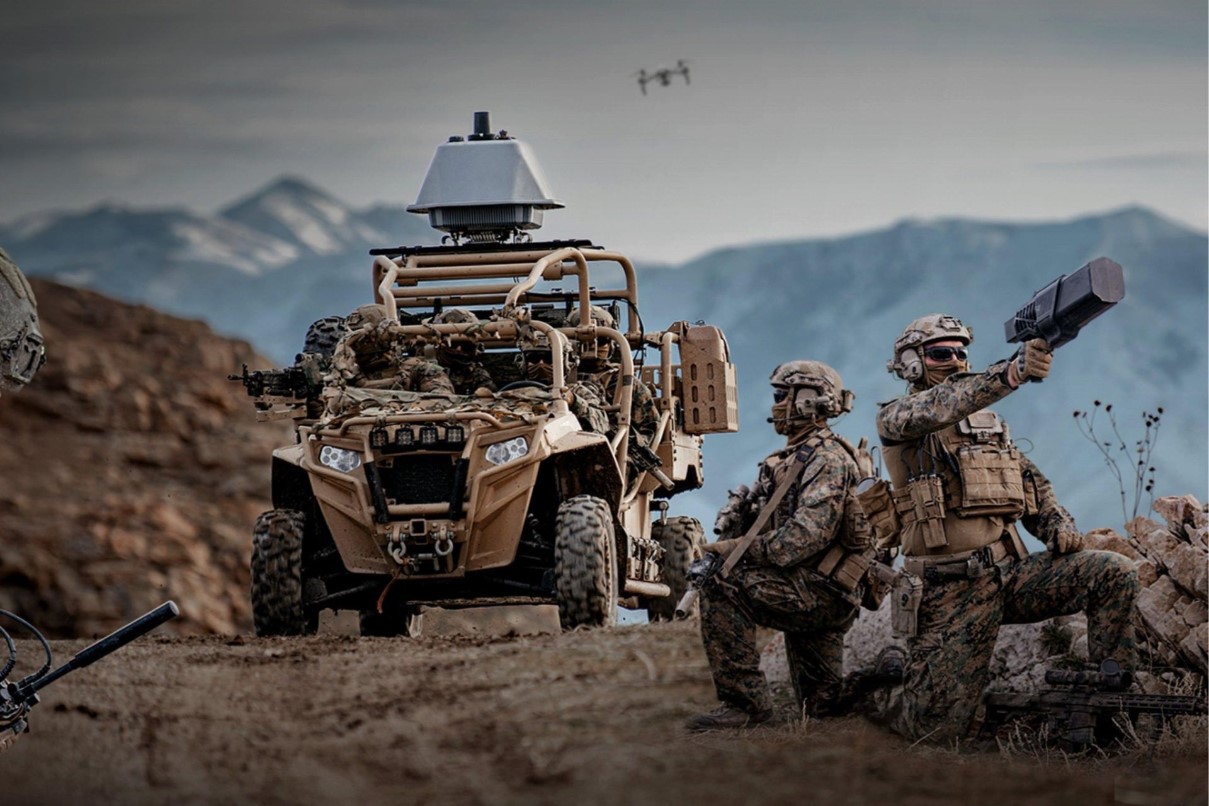
World
CANBERRA / MELBOURNE — April 21, 2026 : The Australian Government has allocated up to $7 billion over the next decade to develop and deploy counter-drone capabilities within the Australian Defence Force (ADF), as part of the 2026 National Defence Strategy and the Integrated Investment Program (IIP) released on April 16, 2026. The funding more than doubles previous investment levels in this sector and forms a central element of Australia’s shift toward distributed and cost-effective defence systems. Defence Industry Minister Pat Conroy announced the funding on April 21, 2026, outlining that the initiative is designed to strengthen sovereign industrial capability while addressing the growing operational role of uncrewed aerial systems (UAS) observed in conflicts such as Ukraine and the Middle East. Initial Contracts Under Mission Syracuse The first phase of implementation is being executed through the Advanced Strategic Capabilities Accelerator (ASCA) under Mission Syracuse, launched in May 2025. The program focuses on developing sovereign effector solutions capable of countering small and medium-sized drones and integrating them into the ADF’s wider defence architecture. Two initial contracts, valued at approximately $31.7 million, have been awarded to Australian companies: AIM Defence has received $21.3 million to advance the Fractl high-powered laser system.SYPAQ Systems has been awarded $10.4 million to develop the Corvo Strike interceptor drone. These contracts represent the first awards under Mission Syracuse, with further contracts and milestones expected as the program progresses. Fractl Directed-Energy System The Fractl system, developed by Melbourne-based AIM Defence, is a portable high-energy laser designed for counter-drone operations. The suitcase-sized, battery-operated platform is capable of tracking objects as small as a 10-cent coin moving at speeds exceeding 100 kilometres per hour at a distance of one kilometre. The system uses artificial intelligence-based tracking with positional accuracy of plus or minus one millimetre. It offers multiple engagement modes, including: Sensor dazzling at distances up to three kilometres Sensor disabling at distances up to two kilometres Hard-kill capability at distances up to one kilometre Fractl is capable of burning through steel and engaging both individual drones and coordinated swarms. The system has previously been supplied to the ADF under earlier contracts and is now being further developed for expanded operational deployment. Corvo Strike Interceptor Drone The Corvo Strike, developed by SYPAQ Systems, is a quadcopter interceptor drone designed to track, target, and destroy larger uncrewed aerial vehicles. The system is intended to counter threats comparable to Iranian-designed Shahed-class drones used in contemporary conflicts. The platform builds on SYPAQ’s Corvo family of low-cost uncrewed air vehicles, which have previously been used for logistics and precision payload delivery. The Strike variant introduces a kinetic interception capability, including a warhead designed to physically neutralise airborne targets. Integration Under LAND 156 Program Both the Fractl and Corvo Strike systems will be integrated into the ADF’s broader counter-UAS architecture under the LAND 156 program. This program provides a layered and distributed defensive framework that includes detection, tracking, identification, and neutralisation of aerial threats. ASCA will oversee the integration of these systems into existing command and control networks to ensure interoperability with other defence assets and sensors. Broader Investment Framework The $7 billion counter-drone allocation forms part of a wider commitment of up to $22 billion over the next decade for drone, counter-drone, and autonomous systems under the 2026 Integrated Investment Program. This represents a significant increase from the $13 billion allocated for similar capabilities in the 2024 Integrated Investment Program. The expanded funding reflects a strategic shift toward “small, smart, and many” systems aimed at improving the cost-effectiveness of air defence. Government assessments indicate that traditional missile-based interception can cost several million dollars per engagement, while emerging counter-drone systems are expected to operate at significantly lower per-engagement costs, potentially in the tens of thousands of dollars. Strategic Rationale and Statements Minister Pat Conroy stated that the investment is intended to strengthen Australia’s defence industry and ensure operational readiness against evolving aerial threats. “The Albanese Government is building a stronger and more resilient defence industry through investing in Australian innovation, skills and disruptive technologies that will keep Australians safe,” he said. “Record investment in drone and counter-drone capabilities will ensure Australia can respond to threats to its security.” He added that lessons from ongoing conflicts demonstrate the increasing use of uncrewed systems, making sovereign counter-drone capability essential for detection, assessment, and response. Major General Hugh Meggitt, Head of ASCA, stated that Mission Syracuse will leverage Australian expertise in kinetic and directed-energy technologies to “find, fix, track, target and engage” uncrewed aerial vehicles. Domestic and Operational Applications In addition to battlefield applications, the government indicated that counter-drone systems developed under this program may also be deployed to protect domestic critical infrastructure and major events, including the 2032 Brisbane Olympics. The government has emphasised that both Fractl and Corvo Strike are Australian-designed and manufactured systems, supporting national supply chain resilience and reducing reliance on foreign defence technologies.
Read More → Posted on 2026-04-21 14:25:53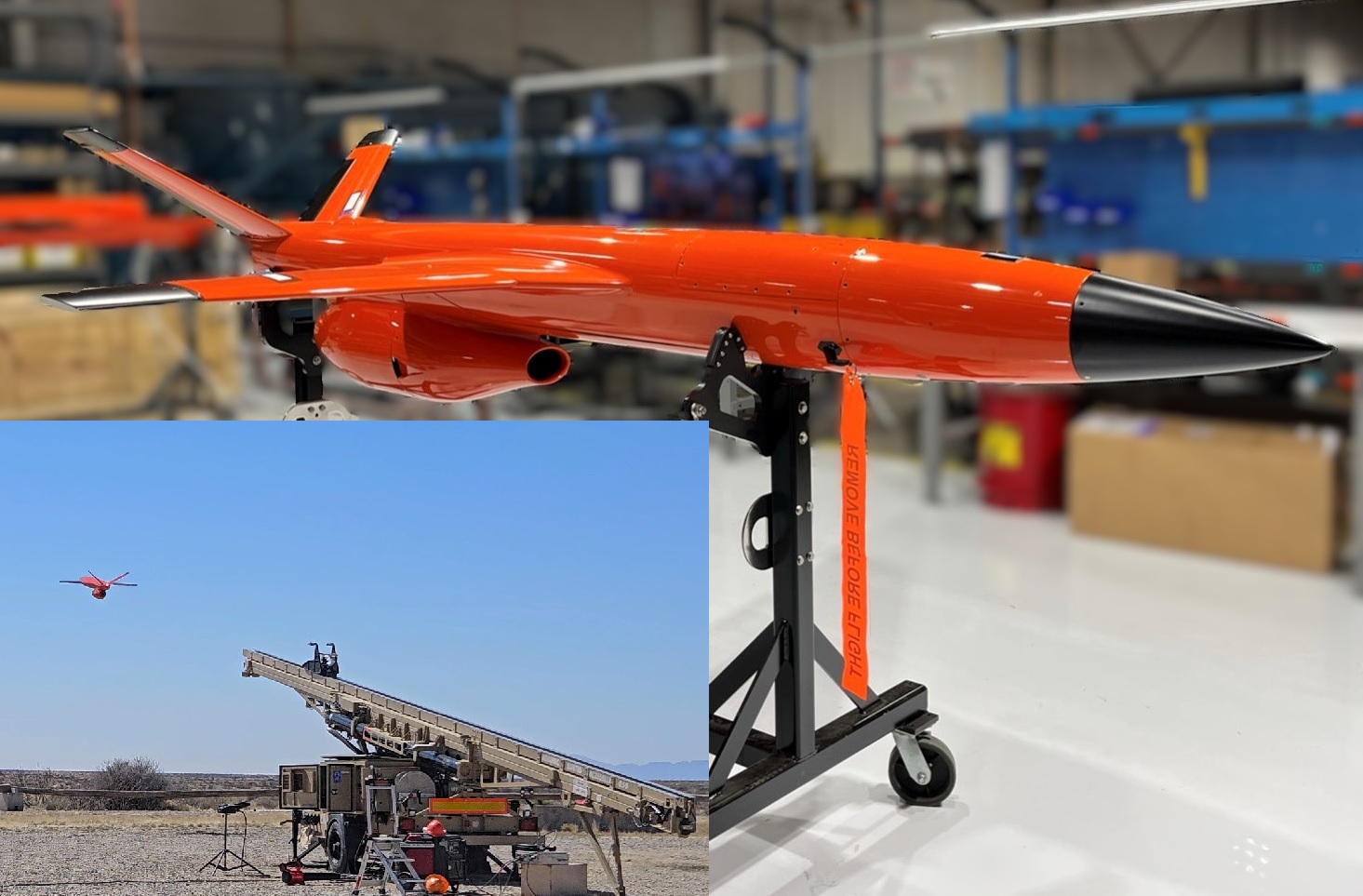
World
SAN DIEGO, — April 21, 2026 : Kratos Defense & Security Solutions has completed the initial flight series of its J85-powered Mk1 Firejet unmanned aerial system (UAS), marking a significant development in the company’s expansion of high-performance, low-cost tactical jet drones. The Mk1 configuration was developed in coordination with the U.S. Army Target Systems Management Office. The Mk1 Firejet represents the second major configuration within the Firejet family, building on the baseline “Classic Firejet,” also known as the MQM-178. The new variant integrates the American-made Kratos J85 turbojet engine, produced at the company’s Spartan propulsion facility in Auburn Hills, Michigan. The upgraded propulsion system delivers increased thrust, resulting in measurable improvements in range, endurance, speed, and climb rate compared to earlier configurations. Kratos positions the Mk1 Firejet as a first-to-market tactical jet UAS in the high-performance category priced below $500,000. The system is designed to support both tactical mission profiles and high-performance target operations, allowing operators to select between the Classic and Mk1 variants depending on mission requirements and readiness conditions. Propulsion and Manufacturing Expansion A central component of the Mk1 Firejet program is the integration of domestically produced propulsion systems aimed at reducing supply chain risk. The J85 engine used in the platform is part of Kratos’ Spartan engine family and is manufactured at the 22,500-square-foot Spartan Propulsion Manufacturing Facility in Auburn Hills, which became operational in November 2025. The Spartan facility supports concurrent production of four engine models, ranging from 30 to more than 200 pounds of thrust. The TDI-J85 variant integrated into the Mk1 Firejet produces approximately 200 pounds of thrust. According to company projections, production rates are expected to scale to thousands of units by late 2026, with long-term capacity reaching tens of thousands of engines annually. This expansion is intended to address recapitalization requirements driven by the depletion of U.S. and allied inventories. All propulsion components are sourced from U.S. suppliers, and the facility incorporates manufacturing, assembly, and test infrastructure optimized for high-rate, low-cost output. Platform Characteristics and Performance The Firejet platform uses carbon-fiber composite construction to achieve a balance between durability and weight. The Tactical Firejet variant measures 10.8 feet in length, has a wingspan of 6.5 feet, and a maximum takeoff weight of approximately 320 pounds. It operates across a wide altitude envelope ranging from 20 feet to 35,000 feet. The Classic Firejet configuration achieves speeds of up to Mach 0.69 and supports payloads of up to 70 pounds. Both Classic and Mk1 variants utilize a reusable parachute recovery system, enabling rapid turnaround cycles, with refueling, preparation, and relaunch possible within approximately one hour. The Mk1 variant, powered by the J85 engine, provides enhanced aerodynamic performance, including higher speed thresholds, improved climb rates, and extended operational range. These improvements support fast ingress and egress profiles in contested environments and allow for greater flexibility in mission planning. Operational Use and International Adoption The Classic Firejet has been in operational service with the U.S. Army TSMO since the early 2010s, originally powered by JetCat engines. Over time, the platform has been modified to meet evolving threat-representation and performance requirements in training and testing environments. It has also been adopted by allied nations for similar roles. The Firejet family supports both surface-to-air and air-to-air weapons training missions, as well as tactical applications. It has been used in international exercises and test programs, including activities conducted by QinetiQ and in artificial intelligence–enabled flight demonstrations with Shield AI. Taiwan has selected a localized Tactical Firejet configuration designated the Mighty Hornet IV. Developed in collaboration with the National Chung-Shan Institute of Science and Technology, the system integrates indigenous payloads and guidance technologies for roles including manned-unmanned teaming and loitering munition operations. The Mighty Hornet IV has demonstrated speeds approaching Mach 0.8, high-G maneuverability, and operational ceilings above 35,000 feet. Program Context and Industry Positioning The introduction of the Mk1 Firejet expands the operational envelope of the Firejet family while maintaining its cost-focused design approach. By keeping the system within a sub-$500,000 price range, Kratos aims to address demand for scalable, attritable air systems suitable for modern combat environments. Eric DeMarco, President and CEO of Kratos, stated that the company has made internal investments to align with U.S. defense requirements for affordable, high-performance systems. He noted that integration efforts conducted jointly with the U.S. Army TSMO have enabled the incorporation of a production-ready, military-grade engine into the Firejet platform without compromising survivability or operational effectiveness. With the completion of the initial flight series, the Mk1 Firejet enters the next phase of evaluation and potential deployment, as Kratos continues to scale production and expand its role in the tactical unmanned systems market.
Read More → Posted on 2026-04-21 14:29:07
World
RIYADH — April 21, 2026 : A recent investigative report by The Wall Street Journal indicates that up to half of the nearly 1,000 drone attacks targeting Saudi Arabia during the latest phase of regional hostilities originated from Iraqi territory and were carried out by Iran-backed militias, according to intelligence assessments cited in the report. Scale and Geographic Shift in Drone Operations The findings point to a notable shift in the origin of aerial threats facing Saudi Arabia. While previous attacks were largely associated with Houthi-controlled areas in Yemen, recent intelligence data shows that Iraqi territory has emerged as a primary launch point for long-range drone operations. Saudi assessments referenced in the report estimate that the Kingdom faced close to 1,000 drone attacks during more than five weeks of fighting linked to the broader conflict that began in late February 2026 involving U.S. and Israeli operations against Iran. Of these, as many as 50 percent were traced back to Iraq, specifically to militias aligned with Tehran. The drone strikes targeted key infrastructure, including the Yanbu oil hub on the Red Sea and multiple النفط installations in Saudi Arabia’s Eastern Province. Additional reported targets included Kuwait’s only civilian airport and sites in Bahrain. Some attacks continued even after a ceasefire was announced earlier in April 2026 by U.S. President Donald Trump. Militia Networks and Operational Structure The report identifies Iranian-backed Shia militias operating in Iraq as central actors in the campaign. These groups, including Kataib Hezbollah and Asaib Ahl al-Haq, originated following the 2003 U.S. invasion of Iraq and have since developed into organized paramilitary networks. Collectively, these militias are estimated to have a combined strength of approximately 250,000 personnel. They possess access to advanced weapon systems, including long-range missiles and unmanned aerial platforms. According to the report, their operations were conducted in coordination with Iranian military structures, particularly the Islamic Revolutionary Guard Corps (IRGC). Gen. Esmail Qaani, the IRGC official responsible for overseas operations, was reported to have visited Baghdad during the period of escalation, underscoring the level of coordination between Iranian command elements and militia groups operating within Iraq. In addition to cross-border strikes, some attacks were directed at diplomatic and regional targets, including the Kuwaiti consulate in Basra and the United Arab Emirates consulate in Iraq’s Kurdistan region. Diplomatic Developments and Regional Response The increase in drone launches from Iraqi territory has contributed to heightened diplomatic tensions between Saudi Arabia and Iraq. On April 12, 2026, the Saudi Ministry of Foreign Affairs summoned Iraq’s ambassador to Riyadh and issued a formal protest note. Saudi officials stated that the communication addressed ongoing drone attacks originating from Iraqi territory and warned that the Kingdom would take necessary measures to ensure its national security and territorial integrity. The issue has also drawn responses from regional organizations. The Gulf Cooperation Council (GCC) called on Baghdad to take action to prevent its territory from being used for cross-border attacks. Abdel Aziz Aluwaisheg, assistant secretary-general for political and negotiation affairs at the GCC, stated that the Iraqi government needs to exercise control over such activities. Neighboring Gulf states, including the United Arab Emirates, Kuwait, Qatar, and Bahrain, also reported interceptions of drones and missiles linked to networks operating from Iraq during the same period. Air Defense Measures and Security Coordination Saudi Arabia has reported high interception rates against incoming drones, particularly in sensitive areas such as Prince Sultan Air Base and the Shaybah oil field. Military sources indicated that in several instances, multiple drones launched simultaneously were intercepted before reaching intended targets. To enhance its defensive posture, Saudi Arabia activated a defense cooperation arrangement with Pakistan. This resulted in the deployment of Pakistani fighter aircraft and specialized personnel tasked with supporting airspace security and interception operations. Strategic Assessment and Ongoing Challenges Analysts cited in the report describe the use of Iraqi territory by Iran-aligned militias as part of a broader operational approach that allows indirect engagement while avoiding direct attribution. This approach enables continued pressure on Gulf energy infrastructure while maintaining a degree of separation from Iranian territory. The findings also highlight challenges faced by the Iraqi government in controlling armed groups within its borders. Internal political dynamics, including ongoing tensions and preparations for parliamentary elections, have limited Baghdad’s ability to restrict militia activities. Although some militia groups have recently announced a temporary suspension of operations following a ceasefire between the United States and Iran, the infrastructure used for launching long-range drone attacks remains in place within Iraq. Broader Context The report situates the recent wave of drone operations within a wider pattern of regional tensions. Saudi Arabia and other Gulf states have previously experienced similar attacks attributed to Iran-aligned groups, including incidents recorded in 2019 and 2021. The latest data underscores the evolving nature of cross-border threats and the expanding geographic scope of drone warfare in the region, with Iraqi territory now identified as a significant operational base for such activities.
Read More → Posted on 2026-04-21 15:16:16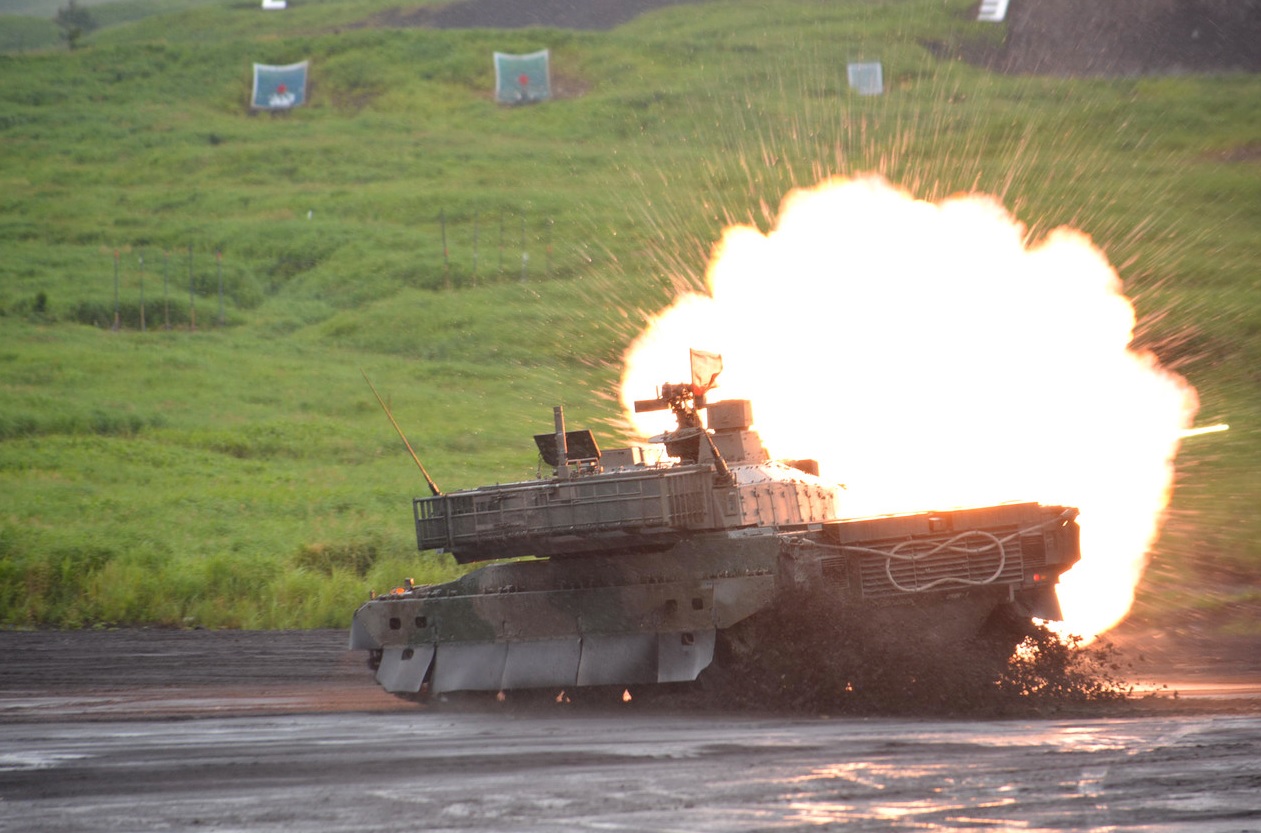
World
OITA, Japan — April 21, 2026 : Three members of the Japan Ground Self-Defense Force (GSDF) were killed and one seriously injured after a tank shell detonated prematurely inside a Type 10 main battle tank during a live-fire training exercise at the Hijudai maneuver area in Oita Prefecture. According to GSDF officials, the incident occurred at approximately 8:40 a.m. on April 21 during a scheduled firing drill conducted by the Western Army Tank Unit, which is based at Camp Kusu. The unit was carrying out target practice when a 120mm anti-tank high-explosive shell exploded inside the tank’s turret before it could be fired. Incident Details and Casualties At the time of the explosion, four crew members were inside the vehicle. Three personnel positioned within the turret were killed instantly. They have been identified as Sgt. 1st Class Kentaro Hamabe (45), serving as tank commander; Sgt. Shingo Takayama (31), the gunner; and Sgt. Kozo Kanai (30), the safety officer. All were assigned to the Western Army Tank Unit. The fourth crew member, the driver — a female GSDF member in her 20s — survived the blast but sustained severe injuries, including serious facial burns. She was airlifted to a hospital and remained conscious during transport, according to officials. Location and Training Context The Hijudai maneuver area, a major GSDF training facility spanning approximately 5,000 hectares, extends across parts of Yufu city and the towns of Kokonoe and Kusu in southwestern Japan. The site is routinely used for armored and live-fire training exercises by the Western Army Tank Unit. The Type 10 main battle tank, which entered service in 2011, is Japan’s most modern armored platform. Developed by Mitsubishi Heavy Industries and equipped with a 120mm smoothbore gun manufactured by Japan Steel Works, the tank incorporates advanced fire-control systems and an autoloader mechanism. It is capable of carrying up to 36 rounds of ammunition. Immediate Response and Investigation GSDF Chief of Staff Gen. Masayoshi Arai confirmed the details of the incident at a press briefing, stating that the ammunition involved was a 120mm anti-tank high-explosive shell. He announced that all live-fire exercises involving Type 10 tanks have been suspended as a precautionary measure. The suspension has also been extended to Type 90 tanks, as they utilize the same category of 120mm ammunition. In addition, all drills involving dummy rounds have been halted. The GSDF has established a formal investigation committee to determine the cause of the premature detonation. Preliminary areas of investigation include the possibility of a malfunction in the tank’s autoloader system, a defect in the ammunition, or procedural factors during the loading and firing process. Investigators from the GSDF, along with local authorities, have begun a forensic examination of the damaged turret and related components at the training site, which has been closed to further exercises. Government Response Prime Minister Sanae Takaichi issued a statement on April 21 expressing condolences to the families of the deceased personnel and acknowledging the seriousness of the incident. In a message posted on the social media platform X, she stated that the government would work to determine the exact cause and ensure thorough safety management to prevent recurrence. Defense Minister Shinjiro Koizumi also addressed reporters at the National Diet building in Tokyo, confirming that the Ministry of Defense is coordinating closely with GSDF officials to verify details and support the ongoing investigation. Operational Impact The indefinite suspension of live-fire exercises involving both Type 10 and Type 90 tanks represents a significant interruption to GSDF armored training activities. The decision reflects concerns that the issue may not be limited to a single platform but could involve shared ammunition or system components. No additional information regarding the precise cause of the explosion has been released. Authorities stated that updates will be provided as the investigation progresses.
Read More → Posted on 2026-04-21 15:27:11
India
NEW DELHI — April 21, 2026 : The Ministry of Defence (MoD) on Tuesday signed contracts valued at approximately ₹975 crore for the procurement of indigenous TRAWL (Track Width Mine Plough and Roller) assemblies for the Indian Army’s T-72 (Ajeya) and T-90 (Bhishma) main battle tanks. The agreements were finalized in the presence of Defence Secretary Rajesh Kumar Singh with Bharat Earth Movers Limited (BEML) and Electro Pneumatics and Hydraulics (India) Private Limited. The procurement has been executed under the ‘Buy (Indian–IDDM)’ (Indigenously Designed, Developed and Manufactured) category, aligning with the government’s Aatmanirbhar Bharat policy aimed at strengthening domestic defence manufacturing capabilities and reducing reliance on imports. Contract Structure and Industrial Participation Under the contractual arrangement, BEML has secured a major share of the order valued at approximately ₹590 crore. The remaining portion of the contract has been awarded to Electro Pneumatics and Hydraulics (India) Private Limited. The Ministry stated that the programme is expected to generate direct and indirect employment, particularly through the participation of Micro, Small and Medium Enterprises (MSMEs), which will be involved in the supply of sub-components and manufacturing support for the system. The contracts mark the transition from development to series production, following earlier transfer-of-technology arrangements signed between DRDO and BEML in 2023. System Development and Technical Configuration The TRAWL assembly has been designed and developed by the Defence Research and Development Organisation (DRDO), specifically through its Research and Development Establishment (Engineers) unit in Pune. The system integrates multiple subsystems, including a trawl roller, a track-width mine plough, and an electro-magnetic device (EMD). The equipment is mounted on the front of the tank and is engineered to neutralize various types of anti-tank mines. It combines mechanical and electronic countermeasures to address both pressure-activated and proximity-fused threats. A key feature of the system is its ability to counter mines equipped with proximity magnetic fuses. The electro-magnetic device generates a magnetic signature that triggers such mines at a safe distance ahead of the tank. Simultaneously, the roller and plough components physically detonate or displace mines, enabling the creation of cleared lanes. The system underwent blast trials in collaboration with the High Energy Materials Research Laboratory (HEMRL), Pune, in 2017, where it demonstrated survivability under repeated mine detonations. Operational Parameters and Deployment The TRAWL system is designed to support rapid minefield breaching operations. Operational parameters indicate a trawling speed of approximately 4 km/h. Tank alignment for deployment takes around five minutes, while clearing a distance of 1,000 metres requires approximately 30 minutes under standard conditions. The system enables the creation of “vehicle-safe lanes”, allowing not only the lead tank but also follow-on armoured vehicles, infantry carriers, and logistics elements to traverse mined areas without additional clearance. It is designed for operation across diverse terrains and environmental conditions, supporting both day and night missions. Role in Mechanised Warfare The integration of TRAWL assemblies into the T-72 and T-90 fleets enhances the Indian Army’s minefield breaching capability within mechanised operations. By enabling tanks to clear mines independently, the system reduces reliance on dedicated combat engineering units during forward movement. This capability supports sustained operational tempo by minimizing delays at obstacle zones. In combat scenarios, minefields are often used to restrict manoeuvre or channel advancing forces. The TRAWL system allows armoured units to breach such obstacles while maintaining formation movement. Additionally, the system improves survivability by reducing the risk of immobilisation or damage caused by anti-tank mines, thereby lowering exposure of crews and supporting elements to enemy observation and fire. Strategic and Industrial Significance The Ministry of Defence described the procurement as a step toward strengthening indigenous capability in combat engineering equipment. The programme contributes to domestic industrial capacity through participation of both public and private sector entities, along with MSMEs. The induction of TRAWL assemblies into operational service is expected to enhance battlefield mobility, ensure safer movement of armoured columns, and support integrated operations involving infantry and logistics units. No details regarding delivery timelines or the total number of systems to be supplied were disclosed in the official statement.
Read More → Posted on 2026-04-21 15:41:19
India
BENGALURU / NEW DELHI, — April 21, 2026 : Bharat Electronics Limited (BEL), a Navratna defence public sector undertaking, has initiated a new technology development programme under its DRISHTI framework to address emerging gaps in the detection and tracking of hypersonic cruise missiles. The challenge, titled “Detection of Hypersonic Missile,” is being executed under the broader DPSU-driven Research & Innovation for Strategic and High-impact Technology Integration (DRISHTI) programme in coordination with the Innovations for Defence Excellence (iDEX) platform. The initiative targets one of the most complex operational challenges in modern air defence: reliably detecting and continuously tracking hypersonic threats operating at speeds above Mach 5. These systems combine high manoeuvrability, low-altitude flight profiles, and reduced radar cross-sections, which significantly degrade the performance of existing Multi-Function Surveillance Radars. Operational Challenge and Technical Scope According to the official problem statement issued by BEL, current radar systems face limitations in both early detection and sustained tracking due to the unique signatures generated by hypersonic vehicles, including plasma effects and rapidly changing trajectories. The DRISHTI challenge calls for solutions capable of addressing three key technical requirements: Detection of low-altitude, high-speed targets with reduced radar cross-sections amid ground clutter and atmospheric interference Processing of non-linear and manoeuvring trajectories involving rapid changes in velocity and direction Maintenance of continuous tracking despite intermittent or degraded radar returns To meet these objectives, proposed solutions are expected to integrate advancements in radar signal processing, multi-domain sensor fusion, and artificial intelligence and machine learning. These technologies would enable identification of hypersonic targets within complex signal environments, improve classification accuracy, and support predictive tracking models for highly manoeuvrable threats. System Architecture and Indigenous Focus BEL’s approach reflects a “system-of-systems” architecture, combining multiple sensing and processing layers rather than relying on a single detection mechanism. Key technological elements under consideration include: Multi-static radar configurations, where distributed transmitters and receivers improve detection probability by capturing scattered signals, including those affected by plasma sheaths AI-driven predictive algorithms, trained on simulated and real trajectory datasets to anticipate target movement and reduce decision latency Enhanced AESA radar modules, including upgrades in refresh rates and tracking fidelity using advanced materials such as Gallium Nitride (GaN) Sensor fusion frameworks, integrating radar, infrared, and potentially space-based inputs to generate a unified operational picture The programme places strong emphasis on fully indigenous development, covering both hardware and software components. This aligns with national objectives to strengthen domestic capabilities in strategic defence electronics. Programme Structure and Participation BEL has allocated a tentative budget of ₹3.60 crore for the development phase of the challenge. The programme is open to a broad ecosystem, including defence technology firms, startups, MSMEs, and academic or research institutions with expertise in radar systems, signal processing, and high-speed tracking technologies. Selected proposals will progress through structured stages, including proof-of-concept validation and subsequent development phases. Submissions are being accepted through the iDEX platform, and BEL has conducted an online outreach session to brief potential participants. The nodal officer for the challenge is Smt. Vani KN, Additional General Manager, Advanced Defence Systems-Navy, BEL, Bengaluru. BEL’s Existing Capabilities and Integration Path BEL currently produces a range of radar and defence electronic systems, including the Swathi Weapon Locating Radar, various AESA-based multi-function radars, and land-based surveillance systems used across the Indian armed forces. These platforms are designed for conventional air and surface threat environments. However, hypersonic threats introduce requirements that exceed existing design parameters, particularly in tracking continuity and early detection timelines. The DRISHTI challenge is intended to bridge this gap by leveraging external innovation while retaining system integration and production within BEL’s framework. Solutions developed under this programme are expected to be integrated into India’s broader air defence network, complementing ongoing radar upgrades and existing systems such as the Akash air defence system. Comparison with International Efforts Hypersonic missile detection remains a global technological challenge due to the combination of extreme speed, manoeuvrability, low-altitude flight, and radar signal attenuation caused by plasma formation. United States: Focuses on space-based detection through the Hypersonic and Ballistic Tracking Space Sensor (HBTSS) programme under the Space Development Agency. This includes low-Earth orbit satellite constellations equipped with infrared sensors for persistent tracking. Ground-based systems, including Upgraded Early Warning Radars (UEWR), are being enhanced for improved classification. The U.S. is also developing the Glide Phase Interceptor for mid-course engagement. China: Has reportedly developed advanced ground-based radar systems capable of tracking multiple hypersonic targets simultaneously, supported by integrated sensor networks. Detailed information on signal processing and fusion techniques remains limited in open sources. Russia: The S-500 Prometheus air defence system is designed to counter hypersonic and ballistic threats using a multi-layered radar architecture integrated with command systems. Testing has included engagements against hypersonic-representative targets. In contrast, India’s DRISHTI initiative prioritises ground- and platform-based radar enhancements combined with AI-driven processing and sensor fusion, rather than immediate reliance on large-scale space-based constellations. This approach is intended to complement national programmes such as DRDO’s radar developments and the Project NETRA space situational awareness initiative. Strategic Context and Next Steps The launch of the DRISHTI challenge comes amid increasing global deployment and testing of hypersonic weapons by countries including the United States, Russia, China, and India. These systems reduce reaction times for defensive networks, necessitating parallel advancements in detection and tracking technologies. The DRISHTI programme forms part of a broader set of 101 problem statements issued across multiple defence public sector undertakings. It is designed to accelerate targeted innovation through structured collaboration with industry and research entities. By focusing on indigenous solutions and leveraging a distributed innovation model, BEL aims to strengthen India’s capability in a critical area of air defence where existing systems require significant augmentation.
Read More → Posted on 2026-04-21 16:05:35
World
RIO DE JANEIRO / BRASÍLIA, — April 21, 2026 : The Brazilian Navy is scheduled to commission its first Tamandaré-class frigate, Tamandaré (F200), on April 24, marking a key milestone in the country’s Surface Fleet Renewal Programme (PROSUPER). The commissioning follows the vessel’s delivery to the Navy on March 9, 2026, and its subsequent arrival at its home port in Rio de Janeiro. The development coincides with an announcement by President Luiz Inácio Lula da Silva during Brazil’s participation in the Hannover Industrial Fair in Germany this week, where he confirmed that negotiations have advanced for the acquisition of four additional frigates of the same class. A related agreement between Brazilian and German defence ministries supporting this expansion was signed on April 20, 2026. If finalized, the second batch would increase the planned fleet of Tamandaré-class vessels from four to eight. Programme Structure and Industrial Framework The Tamandaré-class programme, formally designated as the Programa Fragatas Classe Tamandaré (PFCT), is executed under PROSUPER and managed through the Águas Azuis Consortium. The consortium comprises thyssenkrupp Marine Systems, Embraer Defesa & Segurança, and Atech. The initial contract, awarded in March 2020, covers the construction of four frigates at the Itajaí shipyard in Santa Catarina. The vessels are based on the MEKO A-100 modular design developed by thyssenkrupp Marine Systems. The programme incorporates technology transfer from Germany and includes workforce qualification measures, with local industrial participation estimated at 31.6 percent for the lead ship and increasing to approximately 41 percent for subsequent units. Construction Timeline and Fleet Progress The lead ship Tamandaré (F200) was launched on August 9, 2024. Construction of follow-on ships is progressing according to schedule. The second vessel, Jerônimo de Albuquerque (F201), was launched on August 8, 2025, and is currently undergoing outfitting. The keel of the third frigate, Cunha Moreira (F202), was laid in June 2025, while the fourth ship, Mariz e Barros (F203), remains under construction. Deliveries of the initial four vessels are scheduled between 2026 and 2029. Design Characteristics and Propulsion The Tamandaré-class frigate has a full-load displacement of approximately 3,500 tonnes. It measures 107.2 metres in length, with a beam of about 16 metres and a draught of 5.2 metres. The vessel accommodates a crew of 130 personnel and features a flight deck and hangar capable of operating a medium helicopter. Propulsion is provided by a combined diesel and diesel (CODAD) configuration consisting of four MAN 12V 28/33D STC engines, generating a total output of approximately 21,840 kW. Power is transmitted through two shafts equipped with five-bladed controllable-pitch propellers. Electrical power is supported by four Caterpillar C32 diesel generators. The ship achieves a maximum speed of approximately 27 knots and has an operational range of around 5,200 kilometres. Weapons and Combat Systems The frigate is equipped with a Leonardo 76/62 mm Super Rapid main gun and a Rheinmetall Sea Snake 30 mm close-in weapon system. Additional close-range defence is provided by two Sea Defender 12.7 mm remote weapon stations. Its missile armament includes the MBDA Sea Ceptor air-defence system housed in a 12-cell vertical launch system, along with eight MANSUP anti-ship missiles. Anti-submarine warfare capability is supported by the SEA TLS-TT torpedo launch system configured for Mk 54 lightweight torpedoes. Defensive countermeasures include the Terma C-Guard decoy launching system. The combat management system is the Atlas-ANCS supplied by Atlas Elektronik, while the integrated platform management system is provided by L3Harris (L3 Mapps). Sensors, Electronics and Navigation The sensor suite includes the Hensoldt TRS-4D ROT active electronically scanned array volume search radar and the Thales STIR 1.2 fire-control radar. Additional systems include a Raytheon S-band surface-search radar, X-band navigation radars, and the Atlas Elektronik ASO 713 hull-mounted sonar. Electronic warfare capabilities are provided by the MB/Omnisys Defensor MK3 electronic support measures system, complemented by Safran PASEO XLR optronic systems. Internal and external communications systems were designed and integrated by Rohde & Schwarz, while navigation is supported by the Anschütz SYNAPSIS integrated bridge system. Trials and Certification Activities Between April 9 and April 13, 2026, the Brazilian Navy conducted live-fire certification trials for the frigate’s combat and weapons systems in the Cabo Frio region of Rio de Janeiro state. The exercises included firing of the Leonardo 76 mm gun and deployment of Mk 54 lightweight torpedoes, with systems integrated through the combat management system alongside onboard sensors, radars, and electronic warfare components. The trials involved participation from the Niterói-class frigate Defensora (F41) and an AH-11B Wild Lynx helicopter to support multi-unit operational integration. Deck-landing qualification training with the Super Lynx Mk21B helicopter was also completed during the evaluation phase. Operational Role and Fleet Transition Following commissioning, Tamandaré (F200) will replace ageing Niterói-class frigates and contribute to Brazil’s maritime security requirements. Its operational profile includes maritime surveillance, anti-surface warfare, anti-submarine warfare, and anti-air warfare missions in support of the country’s National Maritime Strategy. The planned expansion to eight vessels, if concluded, would extend the programme timeline into the next decade while reinforcing Brazil’s domestic shipbuilding capabilities through continued industrial participation under the Águas Azuis Consortium.
Read More → Posted on 2026-04-21 16:52:42
World
BRASÍLIA — April 21, 2026 : The Brazilian Armed Forces are continuing efforts to address a critical gap in long-range precision strike and suppression of enemy air defenses (SEAD) capabilities, as no operational cruise missiles or anti-radiation missiles are currently fielded across the services. The absence extends to both domestically developed systems and commercially available foreign acquisitions, leaving Brazil without dedicated assets in these categories. At present, the longest-range strike capability available within Brazil’s land forces remains the unguided SS-80 rocket, produced by Avibras for the ASTROS II multiple-launch rocket system. The SS-80 has a maximum range of 90 kilometers and lacks precision guidance, underscoring the limitations in current deep-strike options. Interim Capability Through MANSUP-ER Near-term capability development is centered on the MANSUP-ER (Extended Range) missile program, led by SIATT in partnership with the UAE-based EDGE Group. Originally designed as an anti-ship missile, the system is scheduled to conduct its first launches in the coming months. Technical specifications indicate that MANSUP-ER has a range of approximately 200 kilometers and carries a 150-kilogram fragmentation warhead. The missile integrates an inertial navigation system (INS) combined with GPS guidance and supports flexible three-dimensional waypoint programming. An onboard altimeter enables low-altitude flight profiles, allowing the system to operate effectively over land and maritime environments. This dual-role capability positions MANSUP-ER as an interim solution for land-attack missions while dedicated cruise missile systems remain under development. Anti-Radiation Capability Development Brazil currently lacks operational anti-radiation missiles, which are required to target and neutralize radar systems and integrated air defense networks. SIATT has outlined a development pathway based on the MANSUP-ER platform to address this requirement. The proposed solution involves adapting the air-launched variant, MARSUP, by integrating a passive radar seeker and proximity fuse into the existing airframe. This configuration is expected to retain a range exceeding 200 kilometers and a 150-kilogram warhead. Development studies for the MARSUP program began in early 2026 under a memorandum of understanding with the Brazilian Navy. SIATT has presented conceptual designs and mock-ups of both cruise missile and anti-radiation variants, supported by prior testing progress within the MANSUP program. Avibras Programs and Judicial Recovery Brazil’s primary long-range missile development efforts have historically been led by Avibras, which entered judicial recovery proceedings following financial difficulties. Prior to this, the company had progressed significantly on multiple cruise missile programs. The AV-TM 300 (also referred to as MTC-300) is a surface-launched tactical cruise missile designed for deployment from the ASTROS II system. The missile has a range of approximately 300 kilometers, subsonic speed near Mach 0.85, and is powered by a turbojet engine. Guidance is provided through a combined GPS and INS system, with a circular error probable of less than 30 meters. Warhead configurations range from 200 to 500 kilograms, including unitary high-explosive fragmentation types. The program reached approximately 90 percent completion before development was halted, with only final warhead firing tests and certification remaining. In addition to the AV-TM 300, Avibras developed the MICLA-BR air-launched cruise missile for integration with the Brazilian Air Force’s F-39 Gripen fleet, as well as a proposed naval variant designated AV-TCM AN, expected to have a comparatively shorter range. These systems were designed to achieve ranges between 300 and 1,000 kilometers and utilize the indigenous TJ1000 turbojet engine. Avibras entered a restructuring phase with new management and a controlling shareholder appointed in August 2025. The company is currently working toward financial stabilization through creditor agreements and government support. As part of its recovery plan, Avibras has indicated it will resume certification activities for the AV-TM 300 and re-offer the MICLA-BR program to the Brazilian Air Force. Industry Participation and Alternative Efforts Other domestic firms have attempted to expand their role in missile development during Avibras’ restructuring period. SIATT has emerged as a primary contributor, leveraging ongoing MANSUP-related programs and international collaboration with EDGE Group to support near-term capability development. Mac Jee has also presented a range of conceptual missile systems, including cruise missiles, ballistic missiles, anti-radiation missiles, and air-to-air weapons. In late 2025, the company acquired intellectual property rights and full design documentation for the MAR-1 anti-radiation missile and the MAA-1B Piranha air-to-air missile, both originally developed by Mectron. Despite these acquisitions, no confirmed flight tests or operational systems have been reported from Mac Jee’s programs to date, and available materials remain limited to mock-ups and conceptual representations. Complementary Missile Programs In parallel with cruise missile development, the Brazilian Army initiated the S+100 tactical ballistic missile program in April 2026. The system is intended to complement the ASTROS II platform by expanding strike capabilities through ballistic trajectories, providing an additional approach to long-range engagement requirements. Strategic Outlook The restoration of Brazil’s cruise missile capability is closely tied to the outcome of Avibras’ judicial recovery process. Given the advanced stage of the AV-TM 300 program, completion of certification remains the most direct pathway to operational deployment. If restructuring efforts are delayed or unsuccessful, the Brazilian Army retains the option to transfer intellectual property and development responsibilities for the AV-TM 300 to another contractor. While SIATT has demonstrated technical progress and international collaboration, the development of entirely new long-range cruise missile systems would require extended timelines due to propulsion integration, guidance system validation, environmental testing, and platform compatibility requirements. Current planning reflects a dual-track approach, combining short-term interim solutions such as MANSUP-ER with long-term reliance on completing existing Avibras programs. The absence of operational cruise and anti-radiation missiles continues to limit Brazil’s ability to conduct long-range precision strikes and SEAD missions, with ongoing domestic programs intended to close this capability gap across land, air, and naval platforms.
Read More → Posted on 2026-04-21 17:16:44
World
WASHINGTON, D.C., — April 21, 2026 : The Intelligence Advanced Research Projects Activity (IARPA) has issued a Request for Information (RFI IARPA-RFI-26-01) to assess the current state of biologically derived materials for use in transient propulsion systems for unmanned aerial vehicles (UAVs). The notice, published on April 20, 2026, expands ongoing U.S. research into transient technologies by targeting propulsion components rather than structural airframes. Scope of the RFI The RFI seeks technical input on whether bio-derived materials can be applied to propulsion subsystems—including turbines, engines, electric motors and auxiliary components—while maintaining operational performance during mission execution and degrading in a controlled manner afterward. Current propulsion systems rely on metal alloys, engineering plastics and advanced composites engineered for long-term durability. As a result, UAVs that are lost or downed can leave recoverable components in operational environments for extended periods. IARPA is examining whether alternative materials can reduce the persistence of such hardware. The agency is specifically interested in materials that can sustain required performance thresholds and subsequently degrade under environmental conditions, limiting the possibility of recovery and technical exploitation. Transition from Structural to Propulsion Systems The initiative builds on prior work conducted under the Defense Advanced Research Projects Agency program known as ICARUS program (Inbound, Controlled, Air-Releasable, Unrecoverable Systems). That effort demonstrated the feasibility of transient airframe materials using ultraviolet-triggered photopolymers and mycelium-based composites capable of degrading on command. However, propulsion systems introduce significantly more complex requirements. Internal components operate under high temperatures, sustained mechanical stress and exposure to fuels and lubricants. Because these systems are enclosed, ultraviolet-triggered degradation mechanisms used in earlier programs are not considered reliable. As a result, IARPA is prioritizing degradation triggers based on environmental and biological mechanisms, including enzymatic activity, microbial action, humidity, thermal cycling, oxidation and pH variation. Candidate Materials and Technological Basis The RFI identifies several categories of materials under consideration. These include structural proteins such as silk, keratin and collagen; polysaccharides such as chitin and cellulose; fungal and mycelium-based composites; bio-acrylic materials; bio-derived ceramics; and broader biocomposite systems. Additional materials referenced include wood, paper, gums, cottons and waxes, which have seen limited defense-related applications. Recent developments in synthetic biology and biomanufacturing are central to this effort. Advances have enabled the production of genetically engineered structural proteins with tailored mechanical characteristics, as well as polymers designed with programmable degradation profiles that respond to specific environmental triggers. Technical Requirements and Performance Criteria IARPA is requesting detailed technical responses addressing whether such materials can meet defined operational thresholds. These include the ability to withstand temperatures exceeding 500 degrees Celsius and mechanical stresses above 100 megapascals while maintaining dimensional tolerances and surface finishes required for propulsion system reliability. Respondents are also asked to address multiple integration and engineering considerations. These include compatibility with existing propulsion architectures, interaction with fuels and lubricants, electromagnetic properties, manufacturability, quality assurance processes, production scalability and projected cost structures. The agency has outlined five primary performance objectives for candidate technologies: achieving operational performance comparable to conventional materials during mission duration; enabling controlled transience triggered by environmental conditions beyond ultraviolet exposure; ensuring predictable degradation kinetics suitable for mission planning; minimizing residual material after degradation; and supporting scalable manufacturing compatible with rapid prototyping and production timelines. Submission Guidelines and Timeline Responses to the RFI are due by 5:00 p.m. Eastern Time on May 15, 2026. Submissions must be provided electronically in PDF format to dni-iarpa-rfi-26-01@iarpa.gov. The point of contact listed in the notice is Dr. Michael Patterson, Program Manager. Submissions are required to include a cover sheet, executive summary, detailed technical response and optional references, following specified formatting requirements. IARPA has stated that the RFI is issued for planning purposes only and does not constitute a formal solicitation. Information received may inform future research initiatives and could support the organization of an invitation-only workshop. Operational Context The effort is aligned with operational requirements in intelligence and military missions where UAVs are deployed in denied or contested environments and recovery is not feasible. Under such conditions, propulsion systems capable of degrading after mission completion would reduce the intelligence value of captured hardware and address the long-term environmental persistence of debris. IARPA notes that while laboratory demonstrations of bio-derived transient materials have progressed, significant gaps remain between experimental results and the performance demands of real-world propulsion systems. The RFI is intended to identify approaches capable of bridging this gap and advancing the applicability of transient technologies to active propulsion components.
Read More → Posted on 2026-04-21 17:38:28
World
SAN ANTONIO, Texas / WASHINGTON — April 21, 2026 : The U.S. Air Force Installation and Mission Support Center (AFIMSC), operating under the Air Force Materiel Command (AFMC), has issued a Sources Sought notice to assess industry capability for the TEAL Drones Black Widow small unmanned aerial system (sUAS). The notice, published on April 20, 2026, sets a response deadline of April 27, 2026, at 5:00 a.m. Central Daylight Time. The request is categorized as market research and does not constitute a formal solicitation. The contracting office is located at 1517 Billy Mitchell Boulevard, Building 954, San Antonio, Texas, with Meredith Parker listed as the primary point of contact and LaTasha Boyd as the alternate. Compliance Framework and Certification Requirements The notice specifies that the system must comply with federal procurement restrictions governing unmanned systems. The platform is required to meet the provisions of the National Defense Authorization Act (NDAA) 2020 Section 848 and NDAA 2023 Section 817, which regulate the sourcing and cybersecurity of unmanned aerial systems. Additionally, the required platform must be listed on the Defense Innovation Unit (DIU) BLUE LIST, confirming that it has undergone cybersecurity and operational vetting for U.S. military use. The TEAL Drones Black Widow was confirmed to be included on the BLUE LIST as of April 20, 2026. These requirements align with broader Department of Defense efforts, supported by enforcement measures such as FCC Section 1709, to reduce reliance on foreign-manufactured drone systems. Operational Requirement: Manned-Unmanned Teaming with F-35 A central requirement outlined in the notice is the capability for Manned-Unmanned Teaming (MUM-T) with the F-35 fighter aircraft. The Air Force specifies that the sUAS must be capable of operating in proximity to a target while transmitting live video feeds and target telemetry data directly to an in-flight F-35 to support kinetic ordnance delivery. This requirement represents a shift from traditional small UAS operations, where data transmission is typically limited to ground control stations. The integration of a lightweight tactical drone into a direct data-sharing role with a fifth-generation fighter indicates ongoing development of tactical-level data link architectures and operational concepts. ATAK Integration and Networked Operations The Air Force mandates native integration with the Android Tactical Assault Kit (ATAK). The requirement specifies that ATAK functionality must be embedded within the system’s core architecture rather than implemented through third-party interfaces. This is intended to enable seamless data exchange between dismounted personnel, command elements, and aerial platforms. The system must support coordinated operations across air and ground units, with an emphasis on reducing latency and simplifying user workflows in contested environments. Platform Specifications and Performance Parameters The Sources Sought notice defines baseline performance and physical characteristics for the system. The required platform must feature a ruggedized, portable airframe weighing approximately 3.6 pounds, with a minimum flight endurance of 35 minutes. The specified sensor payload is the Teledyne FLIR Hadron 640R+, an electro-optical and infrared (EO/IR) imaging system designed for combined daylight and low-light surveillance and targeting. The TEAL Drones Black Widow platform exceeds several of these baseline parameters in its standard configuration. The system has an actual weight of 4.26 pounds, endurance exceeding 45 minutes, a maximum speed of 13 meters per second, and an operational range of approximately 5 miles. The Hadron 640R+ payload integrates a 64-megapixel electro-optical camera with a 67-degree horizontal field of view, capable of 4K video at 30 frames per second, alongside a Boson+ 640 radiometric infrared camera with a 32-degree horizontal field of view. The system incorporates both mechanical stabilization and electronic image stabilization. Communications, Navigation, and Electronic Warfare Resilience The Black Widow incorporates a modular architecture designed for adaptability in contested environments. It is equipped with a Doodle Labs Helix hex-band radio, supporting frequency-hopping across multiple bands to enhance resilience against electronic warfare and signal interference. Navigation options include configurable GPS modules supporting civilian GNSS, M/Y-Code, or dual-band L1/L2 configurations, enabling operation in degraded or jammed environments. The system also supports visual navigation and forward-looking obstacle avoidance, allowing continued operation in GPS-denied conditions. The platform utilizes onboard processing, including a Qualcomm RB5 processor, to support edge computing functions and real-time data handling. Software, AI Capabilities, and ATAK Compatibility The Black Widow is compatible with ATAK through an industry-developed UAS Tool interface, while the Air Force requirement emphasizes deeper native integration. The platform also supports FLIR Prism AI, which provides automated target identification, tracking, and classification capabilities. These features are intended to reduce operator workload and improve decision-making speed in ISR missions. Procurement Model and Cost Structure The Air Force specifies a non-subscription procurement model, requiring that the system operate without mandatory recurring fees for software licensing, support, or warranties. This condition addresses concerns regarding lifecycle cost predictability and long-term sustainment expenses associated with commercial drone systems. Industrial Base and Program Context TEAL Drones, a subsidiary of Red Cat Holdings and based in Salt Lake City, Utah, manufactures the Black Widow in the United States. The platform is positioned as a domestically produced, NDAA-compliant alternative for tactical intelligence, surveillance, and reconnaissance operations. The Black Widow serves as the successor to the Teal 2 and is part of the U.S. Army’s Short Range Reconnaissance (SRR) program of record. It is designed as a rucksack-portable, field-repairable quadcopter for deployment in contested operational environments. The platform has also been included in the NATO Support and Procurement Agency (NSPA) catalogue and has reportedly been selected for deliveries to international partners, including a NATO ally and an Asia-Pacific military customer in 2026. Broader Implications The Sources Sought notice reflects ongoing Department of Defense efforts to field secure, domestically manufactured small UAS platforms while integrating them into advanced operational concepts. The requirement for direct interoperability with the F-35 highlights continued development of tactical data-sharing frameworks between small unmanned systems and fifth-generation aircraft. Industry responses to the notice will inform the Air Force’s assessment of available capabilities and potential acquisition strategies, but the current request remains limited to information gathering and does not initiate a procurement process.
Read More → Posted on 2026-04-21 17:57:23
World
MOSCOW — April 21, 2026 : Russia is expected to continue supplying natural gas to China at significantly discounted rates compared to its remaining European customers through the end of the decade, reflecting a sustained reorientation of its export strategy toward Asian markets, according to government forecasts and industry data reported on April 21, 2026. Pricing Trends and Forecast Outlook Financial projections indicate that Russian pipeline gas exports to China will remain substantially cheaper than supplies delivered to Europe, with the pricing gap persisting despite a gradual narrowing over time. For 2026, the average price of Russian natural gas supplied to China is projected at $258.80 per 1,000 cubic meters, representing a discount of more than 38% compared to the average price charged to Europe’s remaining pipeline gas buyers. This pricing structure is consistent with 2025 data, when Russia sold gas to China at an average price of $248.70 per 1,000 cubic meters, also more than 38% lower than European rates. Looking ahead, internal government forecasts suggest that while the disparity will decrease, it will remain significant. By 2029, the discount for Chinese buyers is expected to stand at just over 27% relative to European prices. The projections are based on Russian Economy Ministry data incorporated into budget planning documents, with sources noting that detailed figures have not been publicly disclosed. Gazprom Chief Executive Alexei Miller previously stated that pricing differences are “objectively lower” for China, attributing the gap in part to geographic factors. Gas fields supplying the Chinese market are located closer to end consumers in Asia, reducing transportation and infrastructure costs compared to westward deliveries. Expansion of Pipeline Deliveries to China Russia has steadily increased gas exports to China through the Power of Siberia pipeline system, which has become the central artery of its eastern export network. Operational data shows that deliveries through the pipeline reached 38.8 billion cubic meters in 2025, exceeding its designed annual capacity of 38 billion cubic meters. This marked a rise of nearly 25% compared to the 31 billion cubic meters delivered in 2024. The pipeline reached full design capacity in late 2024, with daily flows at times exceeding 100 million cubic meters, according to Gazprom. Further expansion is already underway. Russia and China have agreed to increase annual deliveries via the Power of Siberia route from 38 billion cubic meters to 44 billion cubic meters in the coming years. Additional infrastructure projects are also planned to support rising export volumes: The Far Eastern route, scheduled to begin operations around 2027, is expected to deliver up to 12 billion cubic meters annually. The proposed Power of Siberia 2 pipeline, which would pass through Mongolia, has a planned capacity of 50 billion cubic meters per year and remains under discussion. Combined, these developments are projected to raise total Russian gas exports to China via eastern routes to approximately 52.5 billion cubic meters annually by 2029. The expansion is supported by long-term agreements between Gazprom and the China National Petroleum Corporation (CNPC), covering both pricing mechanisms and infrastructure development. Declining European Market Share Russia’s pivot toward Asia comes as its gas trade with Europe continues to contract sharply following the geopolitical shifts of 2022. Pipeline exports to Europe are projected to decline to approximately 32 billion cubic meters annually between 2028 and 2029, down from 36 billion cubic meters in 2025 and an estimated 38 billion cubic meters in 2026. Before 2022, Russia supplied up to 200 billion cubic meters per year to European markets, highlighting the scale of the contraction. Currently, only a limited number of countries—including Hungary, Slovakia, Serbia, and Turkey—continue to receive Russian pipeline gas, primarily through routes such as TurkStream. The European Union has outlined plans to phase out remaining Russian gas imports by the end of 2027, replacing pipeline supplies with liquefied natural gas (LNG) imports from alternative sources, including the United States and Norway. Market Implications and Structural Shifts The divergence in pricing between Asian and European markets reflects differences in contractual structures, logistics, and broader market conditions. Long-term contracts with CNPC underpin the pricing framework for Chinese deliveries, while European supplies are now limited in volume and subject to different commercial arrangements. Despite rising volumes to China, analysts note that Russia’s increased eastern exports have not fully offset the loss of revenue and market share resulting from reduced European demand. At the same time, higher energy costs in Europe compared to major global economies such as the United States and China continue to influence industrial competitiveness, with energy pricing identified as a contributing factor in broader economic assessments. The outlook for Russian gas exports remains closely tied to infrastructure development timelines, bilateral agreements, and evolving global energy market conditions, with both pricing and volumes subject to change based on contractual and geopolitical factors.
Read More → Posted on 2026-04-21 18:05:11
World
WASHINGTON, — April 21, 2026 : Recent defense assessments indicate that the United States has expended a substantial portion of its key missile inventories during ongoing military operations against Iran, reducing the depth of high-end munitions available for other potential contingencies. According to analyses derived from Pentagon-aligned data and independent research institutions, including the Payne Institute for Public Policy and the Center for Strategic and International Studies (CSIS), the United States has used significant quantities of both offensive and defensive missile systems in the opening phase of the campaign, identified in assessments as Operation Epic Fury. Data indicates that at least 45 percent of the US inventory of Precision Strike Missiles (PrSM) has been expended. In parallel, defensive interceptor stocks have been drawn down heavily, with at least half of Terminal High Altitude Area Defense (THAAD) interceptors and nearly 50 percent of Patriot air defense interceptor missiles used during operations. High Expenditure Rates in Initial Phase Detailed assessments of the first 16 days of high-intensity operations show that US forces expended more than 6,000 munitions, including both strike weapons and air defense interceptors. During this period alone, approximately 198 THAAD interceptors were fired, representing around 40 percent of available US-operated THAAD systems at the time. Patriot air defense systems, including PAC-3 interceptors, accounted for 402 missile launches in the same timeframe. These interceptors were used extensively to counter Iranian ballistic missile and drone attacks, often requiring multiple interceptors per incoming threat to ensure successful engagement. Offensive missile usage also increased sharply. Combined expenditure of the Precision Strike Missile (PrSM) and the legacy Army Tactical Missile System (ATACMS) reached nearly 46 percent of available stock within the first 16 days. The PrSM, which is designed as a longer-range successor to ATACMS and launched from HIMARS platforms, saw its first operational combat use during these strikes. Pre-Conflict Inventory and Production Constraints Prior to the conflict, procurement levels for newer missile systems such as PrSM were relatively limited. Approximately 130 PrSM units were procured in fiscal year 2024, followed by about 250 units in fiscal year 2025, reflecting early-stage production levels. THAAD interceptor inventories before the conflict were estimated between 534 and 632 units. Annual production capacity for THAAD has remained constrained, typically not exceeding around 100 interceptors per year, with some years recording no deliveries. Patriot PAC-3 Missile Segment Enhanced interceptors have seen comparatively higher production rates, with recent annual procurement averaging close to 270 units. However, the scale of usage during the Iran operations has significantly reduced available stocks across all major air defense systems. Sustainment of Current Operations and Strategic Implications US defense officials have stated that existing inventories remain sufficient to sustain ongoing operations against Iran without immediate disruption. However, the reduction in high-end munitions has affected the broader strategic reserve required for other scenarios. Pre-conflict war games and independent assessments had already projected rapid depletion of advanced munitions in a high-intensity conflict involving a near-peer adversary, particularly in the Indo-Pacific region. The current expenditure levels have further constrained these reserves. Analysts note that, at the observed rate of usage, stockpiles of systems such as PrSM/ATACMS and THAAD could have been exhausted within approximately one month if sustained at similar intensity. Industrial Base and Replenishment Timelines Replenishment of depleted inventories is expected to take multiple years, driven by existing industrial capacity and production timelines. Estimates suggest that restoring THAAD interceptor levels alone could require between three and eight years under current production constraints. Efforts are underway to expand manufacturing output. The US Department of Defense has initiated supplemental funding requests and entered into framework agreements with defense contractors, including Lockheed Martin, to increase production capacity. Plans include scaling up output of key systems such as PrSM and Patriot interceptors. Despite these measures, analysts estimate that full restoration of missile inventories to pre-operation levels may take approximately three to five years, even with increased production rates. Operational Adjustments and Global Stockpile Management To sustain ongoing operations, the US military has drawn from global and theater-level stockpiles, including redeployments from other regions. These adjustments have affected availability of certain systems outside the Middle East. The high tempo of operations has reflected sustained precision strike requirements combined with intensive air and missile defense activity. Thousands of targets have been engaged using precision-guided munitions, while defensive systems have been continuously employed to counter large-scale missile and drone attacks. While current assessments indicate no immediate impact on the continuation of operations against Iran, defense planning continues to focus on rebuilding stockpiles and addressing longer-term readiness requirements for potential multi-theater contingencies, including scenarios involving near-peer adversaries such as China.
Read More → Posted on 2026-04-21 18:22:21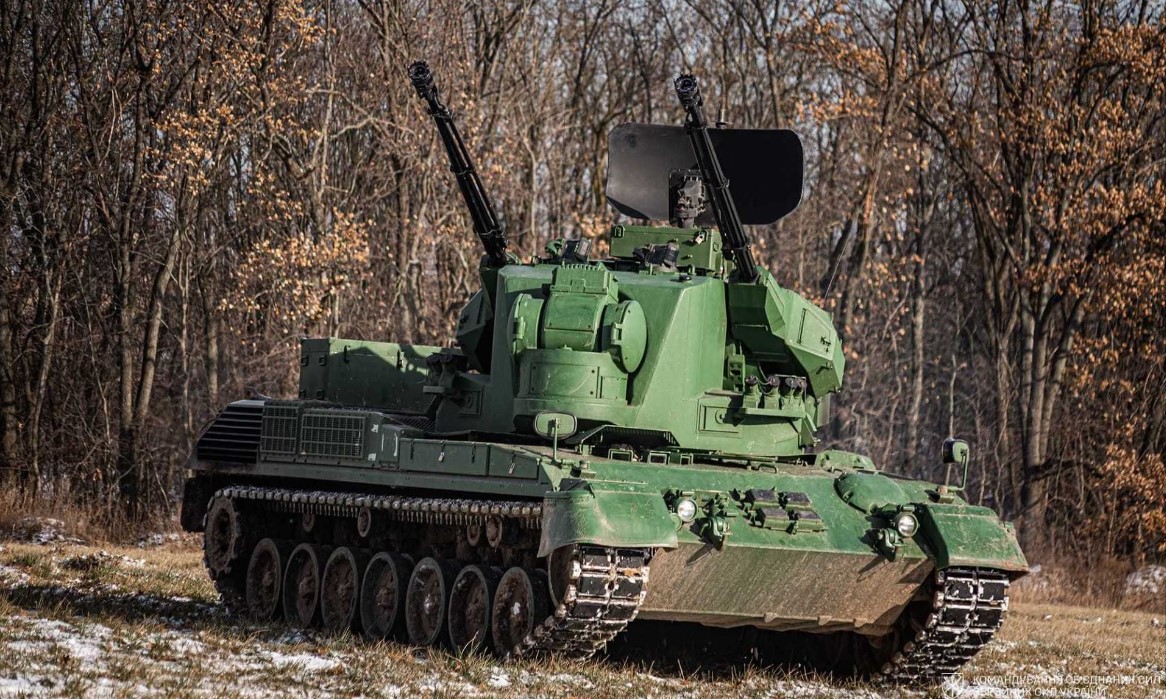
India
BRUSSELS, — April 22, 2026 : The Belgian government has confirmed it will acquire and transfer 15 refurbished Gepard self-propelled anti-aircraft systems to Ukraine as part of a €1 billion military assistance package approved earlier in April 2026. The decision formalizes a procurement process involving the reacquisition of decommissioned systems currently held within Belgium’s private defence inventory. The Gepard systems will be purchased from OIP Land Systems, a Belgian company that operates as a subsidiary of Elbit Systems. The vehicles were originally part of the Belgian Army’s inventory before being retired in the 1990s and sold to private industry in the early 2000s. The transaction represents a domestic acquisition rather than a drawdown from active military stocks. Procurement Structure and Validation The procurement was approved under Belgium’s broader €1 billion aid envelope announced in early April 2026. Minister of Defence Theo Francken validated the structure of the acquisition, indicating a preference for sourcing equipment from domestically held private inventories rather than relying on external suppliers. The approach is intended to reduce procurement timelines and limit dependency on foreign supply chains. No official figures have been released regarding the acquisition cost, refurbishment expenses, or the delivery schedule. Belgian parliamentary disclosures have also not provided a detailed financial breakdown for the Gepard component within the overall aid package. Inventory Background and Storage The 15 systems selected for transfer originate from a larger stock of approximately 38 Gepard vehicles currently held by OIP Land Systems. These systems are stored alongside other armoured vehicles in facilities near Tournai. The vehicles have remained in storage for roughly two decades. Belgium initially acquired 55 Gepard units between 1977 and 1980. Manufactured in the 1970s by a German industrial consortium, the systems formed part of Belgium’s Cold War-era air defence network. Following the end of the Cold War and subsequent reductions in defence spending, the Belgian Army began phasing out the Gepard fleet after 1994. The systems were fully retired in the early 2000s and sold to the private firm Sabiex, which was later integrated into OIP Land Systems. Refurbishment and Transfer Plan The refurbishment process will be conducted in two stages across Belgium and Ukraine. Belgian contractors will carry out initial restoration work focused on the vehicle chassis and propulsion systems. After this phase, the systems will be transferred to Ukraine, where further work will be undertaken on the turret assemblies and systems integration. The division of refurbishment responsibilities reflects both logistical considerations and Ukraine’s existing technical capacity to complete integration work domestically. Technical Characteristics and Operational Role The Gepard is a tracked self-propelled anti-aircraft platform based on the Leopard 1 main battle tank chassis. It is equipped with twin 35 mm Oerlikon KDA autocannons capable of a combined rate of fire of approximately 1,100 rounds per minute. The system incorporates an S-band search radar and a Ku-band tracking radar, each with an operational range of around 15 kilometers. The platform is designed for short-range air defence, with an effective engagement range of up to 5.5 kilometers. Its configuration enables sustained rapid-fire engagement against low-altitude threats, including unmanned aerial vehicles (UAVs), helicopters, and cruise missiles, under all-weather conditions. Although the system was phased out by NATO operators between the 2000s and 2010s in favor of missile-based air defence solutions, recent operational use has demonstrated its continued relevance in countering high-volume, low-cost aerial threats. The Gepard offers a lower cost per engagement compared to surface-to-air missile systems, making it suitable for sustained defensive operations. NATO Service History and Exports Belgium, Germany, and the Netherlands were the primary NATO operators of the Gepard system during its service life. The platform was also exported in limited numbers to countries including Romania, Brazil, and Jordan. Its gradual withdrawal from service reflected a broader shift toward missile-centric air defence architectures in the post-Cold War period. Context Within Ongoing Military Support Belgium’s decision follows earlier transfers of Gepard systems to Ukraine, primarily led by Germany through both national stocks and third-party arrangements. Those systems have reportedly been used to counter drones and cruise missiles. Initial constraints related to ammunition supply—previously affected by Swiss export restrictions—have been addressed through resumed production in Germany, enabling continued operational use of the platform. Belgium had previously assessed the potential transfer of its former Gepard inventory but did not proceed at that time. The current decision marks the first confirmed transfer of Belgian-origin Gepard systems to Ukraine under a structured procurement and refurbishment framework aligned with the April 2026 aid package.
Read More → Posted on 2026-04-22 13:51:50
World
WASHINGTON, — April 22, 2026 : The U.S. Department of the Treasury has imposed sanctions on 14 individuals, entities, and aircraft linked to procurement and transport networks supporting Iran’s ballistic missile and unmanned aerial vehicle (UAV) programs, according to an announcement issued on April 21 by the Office of Foreign Assets Control (OFAC). The measures form part of the U.S. government’s “Economic Fury” campaign, a sanctions initiative aimed at disrupting financial and logistical networks associated with Iran’s military-industrial activities. The designations target actors operating across Iran, Türkiye, and the United Arab Emirates, including procurement agents, trading firms, and aviation assets. Procurement Networks Supporting Shahed UAV Program OFAC designated three individuals for their roles in supporting Iran-based Pishgam Electronic Safeh Company (PESC), a firm previously sanctioned in September 2023 for its involvement in UAV component procurement. The company, led by chief executive Hamid Reza Janghorbani, has sourced thousands of servomotors used in one-way attack drones, including systems recovered from downed Shahed-136 UAVs operated by the Islamic Revolutionary Guard Corps Aerospace Force Self Sufficiency Jihad Organization. The newly sanctioned individuals include Kamal Sabah Balkhkanlu, a Tehran-based currency exchanger who facilitated payments for PESC’s procurement activities using third-country bank accounts; Mohammad Vahidi, who received routed shipments of materials and equipment at a Dubai address; and Danial Khalili, who acted as an agent responsible for receiving and delivering procured items. Ballistic Missile Supply Chain Designations The Treasury also imposed sanctions on the Türkiye-based Emti Fiber Textile Import Export Trade Limited Company for completing hundreds of shipments of cotton linters to Iran-based Pardisan Rezvan Shargh International Private Joint Stock Company. Cotton linters are processed into nitrocellulose, a key material used to enhance the performance of solid propellant rocket motors commonly employed in ballistic missile systems. Pardisan Rezvan Shargh had previously been sanctioned in December 2025. Additional designations include Iran-based Adak Pargas Pars Trading Company, which had been sanctioned earlier in February 2026, along with two of its executives: chairman Hamidreza Roknifard and vice chairman Mostafa Roknifard. Actions Targeting Mahan Air Network OFAC expanded sanctions related to Mahan Air, an Iranian airline previously designated for transporting weapons, equipment, and financial support on behalf of the Islamic Revolutionary Guard Corps (IRGC). The April 21 action targets associated entities and individuals involved in maintaining the airline’s operational and logistical network. Those designated include Sepehr Kaveh Kish, identified as an owner or controller of Mahan Air; Gholam Abbas Ataei Aghdam and Jamshid Hosseinzadeh, described as leaders or officials of Sepehr Kaveh Kish; and Mohammad Hossein Mahdian. Entities designated include Saman Air Services and Chabok FZCO, the latter based in the United Arab Emirates and involved in procurement activities linked to aviation components. In addition, two Boeing 777 aircraft operated by Mahan Air were identified as blocked property under U.S. jurisdiction. Strategic Context and Iran’s Military Production Efforts U.S. officials assess that Iran is attempting to reconstitute its production capacity for both ballistic missiles and UAVs following recent regional hostilities. According to reporting cited by Militarnyi, Iran retains approximately 40 percent of its pre-war stockpile of strike drones. Officials have also indicated that efforts are underway to recover missiles buried under debris following strikes on weapons depots and storage facilities. Iran has continued to rely on Shahed-series one-way attack UAVs in regional operations, including strikes targeting energy infrastructure. Legal Authorities and Financial Restrictions The sanctions were issued pursuant to Executive Order 13382, which targets proliferators of weapons of mass destruction and their supporters, and Executive Order 13224, as amended, which addresses terrorist organizations and affiliated networks. The measures are part of broader nonproliferation efforts following the reimposition of United Nations sanctions on Iran in September 2025. Under the designations, any assets belonging to the sanctioned individuals and entities that fall within U.S. jurisdiction are blocked. U.S. persons are prohibited from engaging in transactions with them. Foreign financial institutions that knowingly facilitate significant transactions involving the designated parties may also face secondary sanctions, including restrictions on access to the U.S. financial system. Statement from Treasury Secretary Treasury Secretary Scott Bessent stated that the sanctions are intended to hold Iran accountable for activities affecting regional security and global energy markets. He said the Treasury Department will continue to target financial networks supporting Iran’s missile and drone programs as part of the Economic Fury campaign. The April 21 designations represent the latest action in a series of U.S. measures aimed at constraining Iran’s procurement channels for military technologies and dual-use materials.
Read More → Posted on 2026-04-22 14:02:00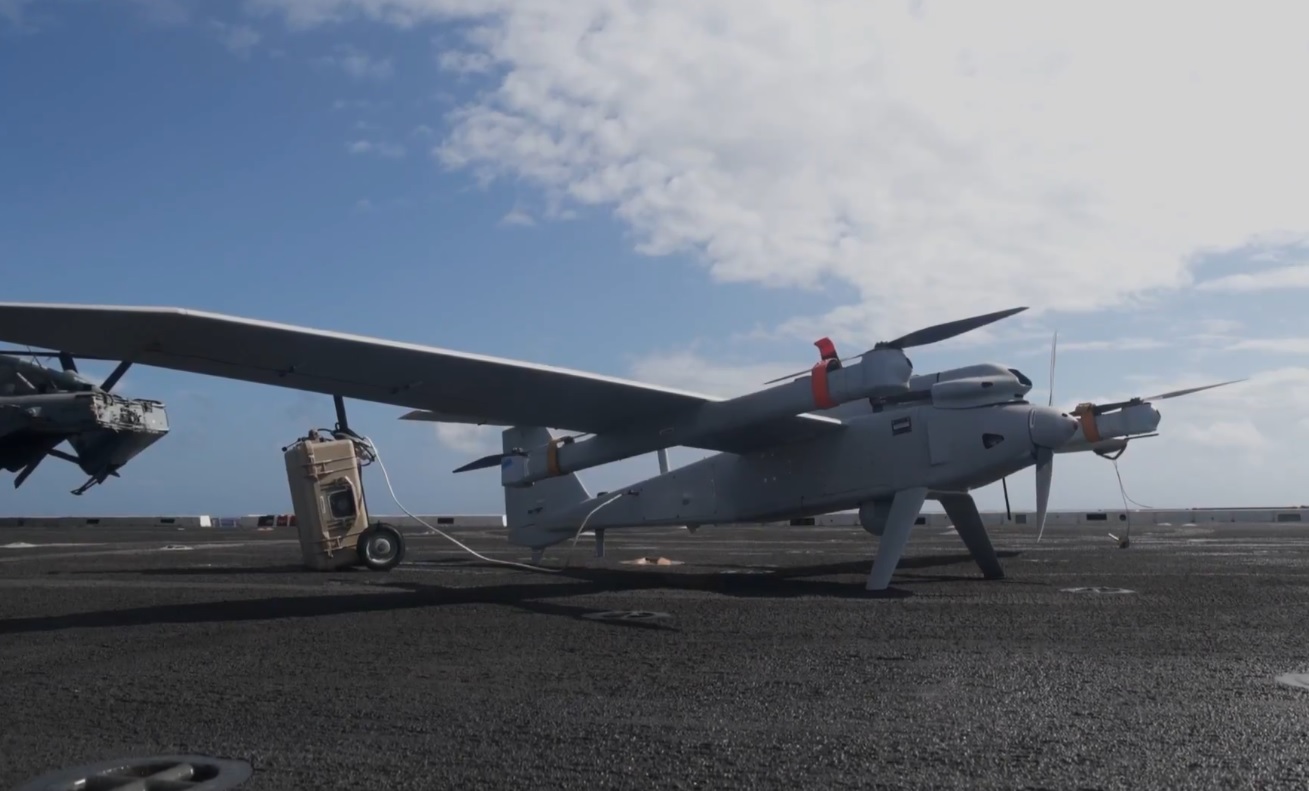
World
MIAMI, — April 22, 2026 : The U.S. Southern Command (SOUTHCOM) has announced the establishment of a new operational unit, the SOUTHCOM Autonomous Warfare Command (SAWC), aimed at integrating autonomous, semi-autonomous, and unmanned systems into military operations across Latin America and the Caribbean. The initiative, directed by SOUTHCOM Commander Francis L. Donovan, was confirmed in an official press release issued on April 21. The command is intended to connect tactical-level missions with broader strategic objectives, enhancing U.S. operational capabilities across land, sea, air, space, and cyber domains. Strategic Framework and Operational Scope According to SOUTHCOM, SAWC has been structured to support the national security priorities of the current U.S. administration and align with the Department of War’s National Defense Strategy. The command will operate in coordination with regional allies and partners, focusing on two primary mission areas: countering illicit networks and improving crisis response capabilities. The counter-illicit mission will target narcoterrorist organizations and transnational cartel operations, with an emphasis on disruption and degradation. In parallel, the crisis response mission will strengthen the command’s ability to respond to large-scale natural disasters and other life-threatening emergencies across the region. Donovan stated that the command will employ advanced technologies to extend operational reach and coordination. He emphasized that SOUTHCOM intends to utilize capabilities “from the seafloor to space and across the cyber domain,” supported by collaboration with regional partners. SOUTHCOM’s area of responsibility includes South America, Central America, and the Caribbean. Donovan noted that the region’s diverse geography and operational conditions provide an environment suitable for testing and deploying emerging technologies, while also highlighting the readiness of partner nations to adopt new systems. Integration with Defense Autonomous Warfare Group The timeline for SAWC to achieve full operational capability has not been disclosed. In preparation, SOUTHCOM is working with U.S. military services and the Department of War’s Defense Autonomous Warfare Group (DAWG) to identify the technical architecture, expertise, and systems required for implementation. DAWG has emerged as a central component of broader Pentagon restructuring related to unmanned and autonomous warfare systems. The organization replaced earlier initiatives, including the Biden-era Replicator program, and is associated with a proposed $55 billion research and development funding request for Fiscal Year 2027. The funding is intended to accelerate the development and deployment of collaborative autonomous systems and unmanned platforms across the U.S. military. Expanding U.S. Military Posture in the Region The establishment of SAWC reflects a broader pattern of increased U.S. military activity and organizational changes in the Western Hemisphere over the past year. In January 2026, the U.S. Space Force activated its regional component, Space Forces Southern, to oversee space-based capabilities in the region. The unit became operationally effective on December 1, 2025, and is responsible for integrating satellite communications, navigation, and surveillance support. Recent operations have also highlighted expanded coordination between combatant commands and space-based assets. The U.S. Space Command provided critical satellite communications, navigation, and positioning support during a high-risk operation that resulted in the capture of Venezuelan leader Nicolás Maduro. Leadership changes have accompanied these developments. Donovan assumed command of SOUTHCOM on February 5, 2026, succeeding Navy Adm. Alvin Holsey, who retired following scrutiny over Operation Southern Spear. That operation involved strikes on suspected drug-smuggling vessels and drew attention for its scope and operational impact in the region. Emphasis on Autonomous Systems and AI Integration In his March 2026 posture statement to lawmakers on Capitol Hill, Donovan outlined a shift in SOUTHCOM’s operational approach toward greater reliance on emerging technologies. He identified unmanned platforms, artificial intelligence, and commercial tools as key enablers for future missions. Donovan stated that integrating human-machine teaming would be essential to increasing operational effectiveness, including improvements in lethality, situational awareness across multiple domains, and data-sharing capabilities among U.S. and partner forces. He also emphasized the need to develop cost-effective and modernized force structures tailored to SOUTHCOM’s mission requirements, with a focus on scalable autonomous systems. Command Role and Future Outlook SOUTHCOM is one of the United States’ six geographically focused unified combatant commands and is responsible for defense cooperation and military operations across the Caribbean, Central America, and South America. The creation of SAWC represents a continuation of efforts to incorporate advanced technologies into regional operations while strengthening partnerships with allied nations. Although a specific operational timeline has not been announced, ongoing coordination with DAWG and military services indicates that planning and capability development are currently underway. The April 21 announcement was accompanied by a video presentation showcasing unmanned and autonomous systems supporting SOUTHCOM missions, illustrating the range of technologies expected to be integrated under the new command structure.
Read More → Posted on 2026-04-22 14:11:10
World
PRINCE SULTAN AIR BASE, Saudi Arabia — April 22, 2026 : The United States military has deployed a Ukrainian-developed counter-drone command-and-control platform, known as Sky Map, at Prince Sultan Air Base in Saudi Arabia, as part of ongoing efforts to strengthen defenses against repeated Iranian drone and missile attacks. The deployment took place in recent weeks following a series of strikes that damaged U.S. aircraft and infrastructure at the base. Ukrainian military personnel have arrived on site to train U.S. forces in operating the system, according to officials familiar with the development. System Overview and Capabilities Sky Map is a software-based command-and-control platform developed by the Ukrainian company Sky Fortress, which was established in 2022 by engineers with ties to the Ukrainian military. The company has been supported by Brave1, Ukraine’s military innovation unit. The system integrates data from radar networks and a wide array of acoustic sensors to provide real-time detection of aerial threats. It presents this information through a centralized dashboard featuring maps and live video feeds. The platform is designed to identify and track low-cost, mass-produced drones, including Iranian-developed Shahed systems, and to coordinate responses such as interception using counter-drone assets. Sky Fortress has deployed more than 10,000 acoustic sensors across Ukraine, where the system has been widely used in operational conditions. Within Ukrainian forces, Sky Map functions as a primary tool for coordinating counter-drone activities. Integration with U.S. Systems At Prince Sultan Air Base, Sky Map is being integrated alongside existing U.S. counter-unmanned aerial system infrastructure. These include the Northrop Grumman Forward Area Air Defense (FAAD) command platform and RTX-produced Coyote interceptor drones. Additional systems under evaluation at the base include Merops interceptor drones, developed by Project Eagle, a U.S. firm backed by former Google chief executive Eric Schmidt. Early testing of the Merops system has encountered technical challenges, including an incident earlier in April 2026 in which an interceptor drone lost control and impacted a base facility. U.S. defense officials have emphasized that no single system provides comprehensive protection against the full range of drone threats, particularly those involving coordinated or swarm-style attacks. Operational Context and Recent Attacks Prince Sultan Air Base, located approximately 400 miles from Iran, has been subjected to multiple waves of drone and missile attacks since the escalation of regional hostilities. One of the most significant incidents occurred on March 27, 2026, when a strike damaged a U.S. Air Force E-3 Sentry airborne warning and control aircraft. The same and subsequent attacks also caused damage to several KC-135 refueling tankers, base infrastructure, and a radar system supporting the Terminal High Altitude Area Defense (THAAD) battery. Casualty reports indicate that at least one U.S. service member was killed in attacks linked to operations at or near the base, with multiple personnel injured. Across the broader conflict, U.S. military casualties have reached 13 killed and more than 300 wounded. Funding and Broader Defense Efforts The deployment of Sky Map is part of a wider U.S. Department of Defense initiative to enhance counter-drone capabilities. The Pentagon’s Joint Interagency Task Force 401 has allocated more than $350 million for procurement and development of counter-unmanned aerial system technologies under Operation Epic Fury. This effort reflects ongoing assessments of air and missile defense gaps at forward-deployed locations. Analysts have previously identified vulnerabilities in detecting and intercepting low-flying, small, and inexpensive drones, which can be deployed in large numbers. Strategic and Political Context The integration of Ukrainian technology into U.S. defense operations follows earlier political exchanges between Washington and Kyiv regarding defense cooperation. On March 6, 2026, U.S. President Donald Trump stated in a media interview that the United States did not require external assistance for drone defense, declining an earlier offer from Ukrainian President Volodymyr Zelenskiy. Despite that position, the operational deployment of Sky Map indicates continued technical collaboration at the tactical level. Neither U.S. Central Command, which oversees operations at Prince Sultan Air Base, nor Sky Fortress has provided official comment on the deployment. The office of President Zelenskiy has also not responded to requests for comment. Continuing Integration U.S. forces continue to test and integrate multiple counter-drone technologies at Prince Sultan Air Base as part of broader force protection measures. The addition of Sky Map represents an effort to expand detection and response capabilities tailored to evolving drone threats, particularly those involving low-cost systems used in repeated attacks. Officials involved in the program have indicated that layered defense approaches—combining detection, tracking, and interception—remain central to addressing the operational challenges posed by unmanned aerial systems in the region.
Read More → Posted on 2026-04-22 14:34:17
World
BETHESDA, Md., — April 22, 2026 : Lockheed Martin has announced a $25 million investment in Fortem Technologies, marking the initial tranche of Fortem’s ongoing Series B funding round. The funding is intended to expand manufacturing capacity and accelerate deployment of Fortem’s counter-unmanned aerial systems (C-UAS) technologies within Lockheed Martin’s Sanctum ecosystem. The investment builds on an existing partnership between the two companies and supports the transition of a jointly developed counter-drone framework into wider operational use. Under a contract announced on March 19, 2026, Fortem is supplying its TrueView radar systems and DroneHunter autonomous interceptors for integration with Lockheed Martin’s Sanctum C-UAS Mission Management software, aimed at protecting critical infrastructure and military assets. Integrated Counter-UAS Architecture Fortem Technologies, headquartered in Lindon, Utah, develops the SkyDome system, a multi-layered counter-UAS solution comprising three primary components. The TrueView radar family—including R20, R30, and R40 Active Electronically Scanned Array (AESA) sensors—provides 360-degree airspace coverage and three-dimensional tracking. These systems are designed with low size, weight, power, and cost (SWaP-C) parameters and incorporate AI-based processing using onboard computing, including NVIDIA GPU-enabled edge analysis, to classify targets and reduce false detections such as birds or environmental interference. The SkyDome Manager software serves as the command-and-control layer, integrating sensor data and applying AI-driven threat analysis to coordinate responses. The system is paired with DroneHunter F700 autonomous interceptors, which are deployed from fixed or mobile DroneHangar launch systems. The interceptors use onboard radar and a net-based capture mechanism to neutralize hostile drones with limited collateral effects. Fortem reports nearly 5,000 successful captures in operational use, with an approximate success rate of 85 percent. The system is designed to counter Group 1, 2, and 3 unmanned aerial systems, including platforms such as the Orlan-10 and Shahed-136. It is capable of operating in all weather conditions and supports both fixed-site and mobile deployment configurations. Fortem is currently the only company authorized to deploy a drone-on-drone kinetic interceptor within U.S. airspace. Its systems have been used in operational environments across Ukraine, the Middle East, and East Asia. Integration with Sanctum Platform Fortem’s systems are being integrated into Lockheed Martin’s Sanctum architecture, a modular, open-architecture C-UAS platform designed for multi-domain operations. Sanctum employs artificial intelligence and cloud-based processing to detect, track, and neutralize unmanned threats, including coordinated drone swarms. The platform has been developed with interoperability in mind and is compatible with Modular Open Systems Approach (MOSA) standards. It allows integration with existing air defense systems, allied networks, and joint force command-and-control frameworks. Sanctum also incorporates cloud infrastructure, including Microsoft Azure, to enable distributed data processing and coordination across airborne and ground-based nodes. Operational and Economic Considerations The combined system is structured to create a streamlined detection-to-engagement process, enabling operators to identify and mitigate threats more efficiently. By integrating Fortem’s detection and interception technologies with Sanctum’s mission management layer, the system supports automated or semi-automated responses to drone incursions, including loitering munitions and swarm attacks. Lockheed Martin states that the approach offers cost advantages compared to traditional kinetic interceptors such as missiles, rockets, or directed-energy systems. The use of reusable interceptor drones and software-centric radar platforms reduces the cost per engagement by more than 80 percent while maintaining effectiveness against low-observable targets. Increased production of these systems is expected to support a more sustainable logistics model, reducing maintenance requirements and enabling more frequent training and readiness activities. Manufacturing Expansion and Market Outlook The $25 million investment will enable Fortem Technologies to at least double its manufacturing capacity at its Lindon, Utah facility. The expansion is expected to support additional hiring in engineering and production roles, contributing to the broader defense industrial base. The global counter-UAS market is projected to exceed $12 billion by 2030, driven by the increasing proliferation of low-cost, autonomous drone systems that pose risks to military operations, critical infrastructure, and civilian airspace. This investment aligns with Lockheed Martin’s broader strategy to expand its portfolio in counter-UAS technologies. The company recently increased the capacity of its venture capital arm to $1 billion, targeting emerging national security technologies. Industry Context and Investor Background Fortem Technologies is a privately held company backed by multiple investors, including Lockheed Martin Ventures, DCVC, Toshiba, AE Industrial Partners, AIM13, and Signia Venture Partners. Lockheed Martin has not disclosed additional financial terms related to the Series B funding round. Executive Statements Stephanie C. Hill, President of Lockheed Martin Rotary and Mission Systems, stated that the collaboration is intended to deliver scalable and rapidly deployable capabilities aligned with evolving operational requirements, with an emphasis on affordability and production speed. Fortem Technologies CEO Jon Gruen noted that the increasing scale and autonomy of drone threats require integrated and scalable countermeasures. He stated that the partnership is focused on accelerating deployment of systems that have already demonstrated performance in operational environments.
Read More → Posted on 2026-04-22 14:46:29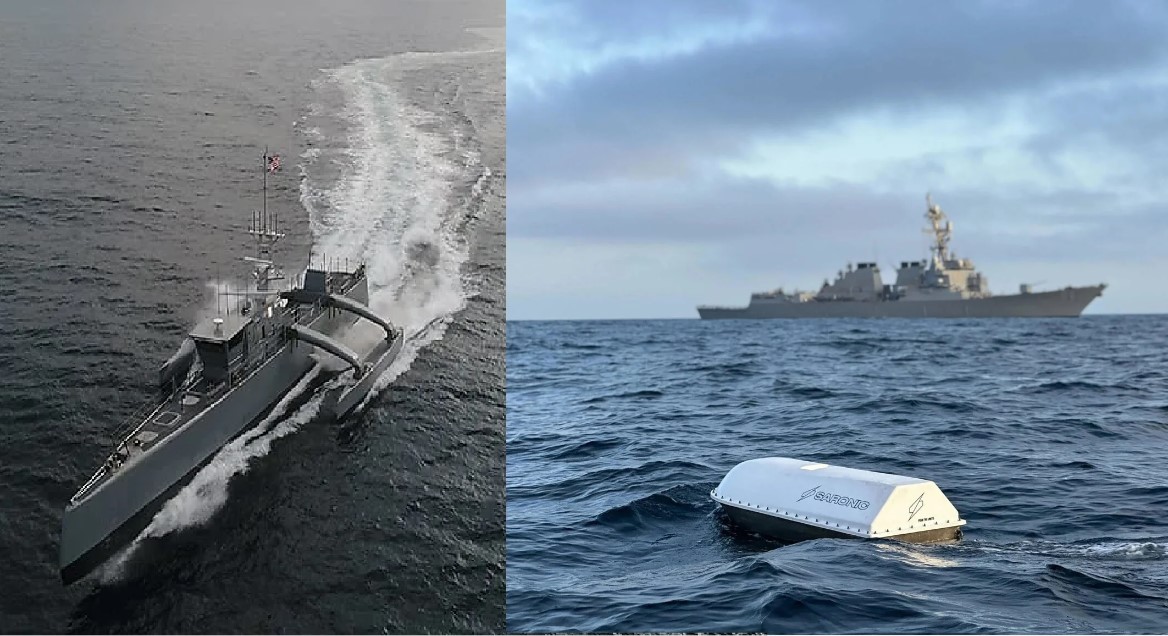
World
NATIONAL HARBOR, Md., — April 22, 2026 : The U.S. Navy is preparing a significant expansion of unmanned maritime capabilities in the Indo-Pacific, with plans to deploy more than 30 Medium Unmanned Surface Vessels (MUSVs) and thousands of smaller unmanned surface vessels (USVs) across the region by 2030, according to officials speaking at the Navy League’s Sea-Air-Space Symposium. Capt. Garrett Miller, commander of Surface Development Group One, stated during a panel discussion on Monday that the planned deployments are based on Indo-Pacific operational requirements and long-term surface force planning data extending through 2045. The projected force structure also includes a substantial number of unmanned aerial systems (UAS) operating from both manned and unmanned naval platforms. Miller indicated that the expansion reflects priorities identified by U.S. Indo-Pacific Command (INDOPACOM), particularly in response to evolving maritime challenges in the region. The People’s Liberation Army Navy (PLAN) has expanded both fleet size and long-range strike capabilities in recent years, transitioning from a primarily near-shore operational focus to sustained blue-water deployments across the Indo-Pacific. Force Structure and Operational Concepts The planned increase in MUSVs represents a significant rise from the Navy’s current inventory of approximately four vessels. Expanding to more than 30 MUSVs in the Indo-Pacific by 2030 would mark a roughly sevenfold increase in this category alone. In parallel, the Navy expects to field thousands of smaller USVs designed to operate in distributed and networked formations. These developments are aligned with a broader operational concept supported by INDOPACOM leadership, including Adm. Samuel Paparo, who in 2024 outlined the use of large numbers of autonomous systems to complicate adversary planning and enhance distributed maritime operations. The concept includes coordinated use of surface, aerial, and subsurface unmanned platforms for surveillance, targeting, and deterrence missions, including scenarios involving Taiwan. The Navy’s approach also aligns with the Department of Defense’s Replicator initiative, which focuses on accelerating the procurement and deployment of autonomous systems. According to Navy statements, the first tranche of capabilities under this initiative reached initial operational status in August 2025. Lessons from Recent Conflicts U.S. officials have examined the employment of uncrewed systems in recent operational environments, including Ukrainian use of maritime drones against the Russian Black Sea Fleet, as well as USV activity in the Persian Gulf and Red Sea during ongoing Middle East conflicts. Rear Adm. Douglas Sasse, director of the Assessment Division (N81) in the Office of the Chief of Naval Operations, noted that these cases demonstrate the effectiveness of unmanned systems in constrained maritime environments. He described such scenarios as allowing rapid deployment from coastal areas with relatively short operational distances. Sasse emphasized, however, that conditions in the Indo-Pacific differ significantly. The region’s vast distances between islands and archipelagos create operational challenges for unmanned systems, including endurance, sustainment, and survivability over long transit routes. He stated that these factors require different operational approaches compared with those used in confined seas such as the Black Sea or Red Sea. Logistics and Sustainment Developments To address long-range operational requirements, the Navy is advancing sustainment concepts for unmanned platforms. On April 15, 2026, Military Sealift Command announced that the fleet replenishment oiler USNS Guadalupe (T-AO 200) conducted an astern refueling of the MUSV Seahawk off the coast of Southern California. The operation transferred nearly 700 gallons of diesel fuel and was described as a proof-of-concept demonstration for supporting MUSVs during extended deployments alongside carrier strike groups. The event represents a step toward integrating unmanned vessels into standard naval logistics frameworks. Integration with Carrier Strike Groups The Navy has also outlined near-term operational integration plans. During the WEST 2026 conference in San Diego, officials confirmed that unmanned systems are expected to deploy alongside the Theodore Roosevelt Carrier Strike Group later in 2026. Miller stated that MUSVs are expected to support a range of missions, including maritime domain awareness and intelligence collection. He noted that onboard sensor systems, including advanced camera suites, could provide fleet commanders with additional operational flexibility and expanded situational awareness. Surface Development Group One, based in San Diego, continues to oversee the development, testing, and operational evaluation of unmanned surface vessels. The organization is responsible for integrating these platforms into fleet operations as part of the Navy’s broader transition toward distributed and autonomous maritime capabilities. Regional Coordination and Strategic Context Recent Pentagon engagements with Indo-Pacific allies have included commitments to expand missile and unmanned system capabilities along the first island chain. The planned deployment of large numbers of USVs and associated systems is expected to complement these efforts by enhancing surveillance coverage and distributed operational capacity across the region. The Navy’s long-term planning framework indicates that unmanned systems will form a core component of future maritime operations in the Indo-Pacific, with continued development focused on scalability, endurance, and integration with existing naval forces.
Read More → Posted on 2026-04-22 15:01:53
World
WASHINGTON, — April 22, 2026 : The U.S. Navy has requested $907 million in its fiscal year 2027 (FY2027) budget submission to procure 177 AGM-158C Long Range Anti-Ship Missiles (LRASM), continuing a multi-year effort to expand inventories of long-range maritime strike weapons. The request, included under the Department of the Navy’s weapons procurement account, allocates funding for 48 missiles in the base budget and 129 missiles through mandatory reconciliation funding mechanisms. The proposal is subject to congressional authorization and appropriation. Procurement Profile and Year-on-Year Comparison Budget documents indicate that the planned FY2027 procurement of 177 missiles is 23 fewer than the 200 missiles funded in FY2026, which were valued at approximately $1 billion. However, the request maintains a sustained high procurement rate, marking the third consecutive year of large-scale LRASM acquisition. Recent procurement figures show: FY2025: 164 missiles FY2026: 200 missiles FY2027 (requested): 177 missiles When combined with U.S. Air Force procurement plans, total LRASM acquisition across both services is projected at 333 missiles in FY2027, compared with 314 missiles in FY2026. The Air Force portion of the FY2027 request includes 156 missiles valued at $738 million, an increase from 114 missiles in FY2026. Program Background and Development The LRASM is a stealthy, precision-guided anti-ship cruise missile developed by Lockheed Martin. The program originated from a Defense Advanced Research Projects Agency (DARPA) initiative conducted in partnership with the U.S. Navy and U.S. Air Force to address identified gaps in Offensive Anti-Surface Warfare (OASuW) capabilities. The missile is derived from the AGM-158 Joint Air-to-Surface Standoff Missile–Extended Range (JASSM-ER) airframe and incorporates a range of semi-autonomous guidance technologies designed for operations in contested electromagnetic environments. Technical Characteristics Available technical data indicates that the LRASM: Weighs approximately 2,760 pounds Measures about 14 feet in length Carries a 1,000-pound blast-fragmentation penetrator warhead Has an operational range publicly estimated at over 200 nautical miles, with some assessments extending to approximately 500 nautical miles The missile integrates multiple guidance and navigation systems, including: Global Positioning System (GPS) Inertial Navigation System (INS) Imaging Infrared (IIR) seeker Onboard autonomous targeting algorithms These features enable the missile to identify and engage targets with reduced dependence on external intelligence, surveillance, and reconnaissance (ISR) inputs, as well as limited reliance on data links or GPS signals in electronic warfare conditions. Platform Integration and Operational Use The LRASM achieved early operational capability on the U.S. Air Force’s B-1B Lancer bomber and the U.S. Navy’s F/A-18E/F Super Hornet. It is also planned for integration with the P-8 Poseidon maritime patrol aircraft. Recent testing has expanded integration efforts to the F-35 Lightning II platform. Flight tests conducted by the F-35 Pax River Integrated Test Force included: September 2024: Captive-carry testing on the F-35C carrier variant Early 2025: Captive-carry testing on the F-35B short takeoff and vertical landing variant These tests evaluated aircraft handling characteristics, including flutter, loads, and flying qualities with externally mounted LRASM. Integration is being carried out under the F-35 Block 4 upgrade program, which is expected to enable external carriage of the missile on both F-35B and F-35C aircraft. Production and Industrial Base Procurement of LRASM is executed through a joint Navy–Air Force contract with Lockheed Martin, with production aligned alongside the JASSM family of missiles. Manufacturing activities are supported by facilities and supply chains common to both programs. Contract modifications issued in 2024 and 2025 funded additional tooling, test equipment, and infrastructure upgrades to support increased production rates. The multi-year procurement approach, including the use of reconciliation funding, is intended to provide industrial stability and facilitate capacity expansion. Role in Force Structure and Planning Budget justification materials describe the LRASM as providing long-range, flexible engagement capability against surface targets in high-threat maritime environments. The missile is designed to complement existing strike systems by enabling stand-off engagement from beyond the range of many adversary air defense systems. The continued procurement at elevated levels reflects assessments by the U.S. Navy and U.S. Air Force regarding the missile’s role across current and planned platforms. The FY2027 request aligns with broader Department of Defense efforts to increase stockpiles of long-range precision munitions and sustain production throughput. The funding request remains under review as part of the congressional budget process for fiscal year 2027.
Read More → Posted on 2026-04-22 16:23:06
World
NATIONAL HARBOR, Maryland — April 22, 2026 : U.S.-based defense contractor Northrop Grumman and South Korea’s Hanwha Aerospace have signed a Memorandum of Agreement (MOA) to jointly develop a first-stage solid rocket booster for the Advanced Reactive Strike (AReS) missile system.The agreement was formally signed on April 21 during the Sea-Air-Space 2026 exhibition held in National Harbor, Maryland. Senior representatives present at the signing included Kevin Schoonover, Executive Vice President of Missiles at Hanwha Defense USA; Michael Coulter, Chief Executive Officer of Hanwha Defense USA; Frank Morley, Vice President of International Business Development at Northrop Grumman; and Ron Boxall, Vice President of Government Programs at Northrop Grumman. AReS System Overview The Advanced Reactive Strike (AReS) system is a deployable, surface-launched, extended-range precision strike weapon currently under development by Northrop Grumman. Designed for both land and maritime targets, the system is intended to operate in highly contested and denied environments, providing stand-off strike capability beyond enemy integrated air defense systems and cruise missile engagement ranges. AReS is based on the AGM-88G AARGM-ER (Advanced Anti-Radiation Guided Missile – Extended Range), an air-launched supersonic missile developed for suppression and destruction of enemy air defenses. The AReS configuration adapts this core missile into a ground-launched system by integrating an additional booster stage to extend range and improve survivability. The system is designed to use containerized launch platforms, enabling discreet deployment and flexibility for multiple mission profiles, including both point and area defense roles. Propulsion Development Focus The newly signed MOA centers on the initial development phase of the first-stage solid-fuel rocket motor, which is critical for the ground-launched configuration of AReS. The booster is intended to provide the high-performance propulsion required for rapid mobility, immediate launch capability following deployment, and effective operation in contested environments. Hanwha Aerospace will participate from the early stages of the booster’s development. The collaboration combines Northrop Grumman’s system design and missile integration expertise with Hanwha’s manufacturing capabilities, advanced production technologies, and global industrial scale. The companies aim to streamline development and production processes while supporting future scalability of the system. Development Timeline and Industrial Cooperation Under the current project schedule, the partners are targeting an operational demonstration of the jointly developed first-stage propulsion system by mid-2027. The agreement is part of broader efforts to accelerate delivery timelines for next-generation strike capabilities while strengthening industrial cooperation between U.S. and allied defense sectors. The collaboration also reflects ongoing initiatives to integrate international industrial bases to meet the technical and manufacturing requirements of advanced missile systems, particularly in the area of propulsion. Official Statements Frank Morley of Northrop Grumman stated that the agreement supports efforts to deliver cost-effective and advanced solutions in response to evolving air and maritime threats, while reinforcing collaboration with the Korean industrial base. Michael Coulter of Hanwha Defense USA said the partnership highlights the importance of a strong industrial base in addressing modern threat environments and noted that Hanwha’s manufacturing capabilities will support the development and future production of the AReS system. Broader Context The agreement forms part of Hanwha Aerospace’s ongoing efforts to expand its presence in the United States defense market. For Northrop Grumman, the partnership aligns with its strategy to enhance international collaboration in the development of advanced missile systems. The AReS program represents an extension of existing anti-radiation missile capabilities into surface-launched configurations, with added propulsion to achieve greater operational range and deployment flexibility.
Read More → Posted on 2026-04-22 16:27:28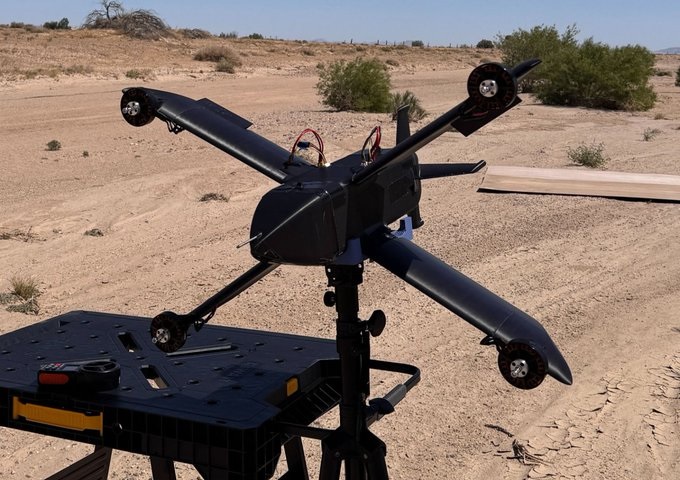
World
WIESBADEN, Germany — April 22, 2026 : The U.S. Army has procured ten Valinor Condor unmanned aerial systems (UAS) for flight testing and operational evaluation during Exercise Arcane Thunder 26, a multinational training event running from April 6 to April 29, 2026, across Germany, Poland, and the United States. The systems have been assigned directly to unmanned aircraft system operators within the U.S. Army Multi-Domain Task Force – Europe (MDTF-Europe), also referred to as Multi-Domain Command – Europe (MDC-E). The decision places the drones into active unit-level operations, allowing soldiers to assess performance under realistic field conditions rather than controlled test environments. Exercise Scope and Operational Context Arcane Thunder 26 involves U.S. Army Europe and Africa forces alongside NATO allies and is designed to validate the effectiveness of Multi-Domain Company Teams. These formations integrate capabilities across land, air, cyber, space, and electronic warfare domains to deliver coordinated effects in joint and allied operations. The exercise is organized under Multi-Domain Command – Europe, which is responsible for planning and executing long-range precision fires and synchronized multi-domain operations aimed at countering anti-access/area denial (A2/AD) challenges in the European theater. By incorporating the Valinor Condor into MDTF-Europe formations, the Army is collecting data on how the system performs when integrated into distributed, multi-domain missions rather than operating as a standalone platform. Platform Overview and Design Characteristics The Valinor Condor is a Group 1 unmanned aircraft system developed by Valinor Enterprises. It is designed as a modular and attritable aerial platform optimized for high-volume production and rapid deployment in contested environments. The system features an open architecture software framework, enabling compatibility with third-party command-and-control systems. Its modular hardware design allows rapid reconfiguration for different payloads and mission requirements, including reconnaissance and targeting support roles. A key design feature is its portability. The Condor is backpack-portable and can be carried and deployed by individual soldiers without the need for dedicated ground support equipment. The platform supports both ground-launch and air-launch operations. Technical Specifications According to available data, the Valinor Condor has the following performance characteristics: Maximum range: 40 kilometers (25 miles) Top speed: 161 kilometers per hour (100 miles per hour) Endurance: 25 minutes Maximum takeoff weight: 22.49 pounds The drone is also described as high-speed skid steer capable and transitions autonomously into fixed-wing flight after launch. Deployment Methods and Autonomous Capabilities During Arcane Thunder 26, operators conducted hands-on testing that included both conventional and alternative deployment methods. One of the primary evaluation areas is high-altitude balloon deployment, in which the drone is released from an elevated platform. This method extends the system’s effective operational reach and reduces its acoustic and visual signature compared to ground-based launches. Following release, the Condor stabilizes automatically and transitions into controlled flight. The platform also supports autonomous long-range operations. It can execute pre-programmed mission profiles without continuous operator input, enabling operations in environments where communications may be degraded or denied. This reduces reliance on persistent data links and lowers operator workload. Modularity, Sustainment, and Field Support The Condor’s construction emphasizes modularity and maintainability in forward operating environments. The system incorporates commercially available off-the-shelf components where feasible, allowing for rapid field repairs. Units can replace damaged parts using locally available materials, including 3D-printed components, to maintain operational readiness. This approach is intended to support sustained operations in dispersed formations with limited logistical support. The platform’s design reflects requirements for low-cost, high-volume attritable systems, consistent with recent operational lessons that highlight the rapid consumption of small unmanned systems in high-intensity environments. Evaluation Objectives and Next Steps The ongoing evaluation during Arcane Thunder 26 is focused on assessing the Condor’s integration into multi-domain operations at the unit level. Data collected from the ten deployed systems will inform the Army’s assessment of the platform’s suitability for operational use within formations preparing for contested environments in Europe. No decision has been announced regarding additional procurement or broader fielding of the system beyond the current evaluation phase.
Read More → Posted on 2026-04-22 16:33:36
World
WASHINGTON, — April 22, 2026 : U.S. intelligence assessments indicate that Iran continues to retain a substantial portion of its military capability following the conclusion of the 38-day U.S. and Israeli campaign known as Operation Epic Fury, despite public statements from senior U.S. officials describing the operation as having eliminated Tehran’s ability to project power. According to multiple U.S. officials familiar with classified battle damage assessments, as of the ceasefire that took effect in early April 2026, approximately half of Iran’s ballistic missile stockpile and associated launch systems remained intact. Intelligence estimates suggest Iran still possesses thousands of ballistic missiles overall, including more than 1,000 medium-range systems from a pre-conflict inventory of roughly 2,500. Officials said a significant number of launchers were preserved due to dispersal strategies and storage in hardened underground facilities. Some of these sites were damaged or buried during strikes but remained recoverable, and Iranian forces are assessed to have used the ceasefire period to restore access to certain systems. Missile and UAV Capabilities Remain Intact In written testimony submitted ahead of an April 2026 hearing of the House Armed Services Committee, Marine Lt. Gen. James Adams, director of the Defense Intelligence Agency, stated that Iran retains “thousands of missiles and one-way attack UAVs” capable of threatening U.S. and partner forces across the region. The assessments indicate that while the campaign degraded missile production and deployment infrastructure, attrition and expenditure did not eliminate Iran’s ability to conduct further strikes. Naval Forces: Conventional Fleet Hit, IRGC Assets Survive U.S. officials confirmed that Operation Epic Fury inflicted extensive losses on Iran’s conventional naval forces. Pentagon spokesman Sean Parnell stated that U.S. and allied strikes destroyed approximately 92 percent of Iran’s largest naval vessels and about 44 minelayers. He described the operation as the largest elimination of naval capacity over a three-week period since World War II. However, intelligence assessments indicate that roughly 60 percent of the naval forces of the Islamic Revolutionary Guard Corps (IRGC) remained operational at the start of the ceasefire. The IRGC Navy, which relies on asymmetric tactics, was not the primary focus of strikes targeting larger warships. Pre-conflict estimates placed the IRGC’s inventory of small, fast-attack craft in the thousands. These vessels, designed for swarm tactics and operations in confined waterways, have continued to operate in the Persian Gulf and Strait of Hormuz. On Wednesday, shortly after President Donald Trump announced a unilateral extension of the ceasefire to allow additional time for negotiations, Iranian gunboats conducted attacks on commercial shipping in the Strait of Hormuz. The incidents involved IRGC vessels firing on multiple tankers, including Indian-flagged ships, causing damage in at least one case and forcing several vessels to alter course. The attacks disrupted maritime traffic and contributed to upward pressure on global energy prices. Iranian Foreign Minister Abbas Araghchi stated on the same day that responsibility for the economic impact “lies with the aggressors.” Air Force Degraded but Operational U.S. intelligence further assesses that Iran’s air force, while degraded, remains largely operational. Approximately two-thirds of Iran’s aircraft are still assessed to be in service. The fleet continues to consist primarily of older U.S.- and Soviet-origin platforms, including F-14 Tomcats, F-4 Phantom II fighters, F-5 Tiger II aircraft, MiG-29s, and Su-24 strike aircraft, along with domestically upgraded systems. Although air operations were significantly disrupted during the campaign, officials said available aircraft and infrastructure remain sufficient for limited operational use. Scale of the Campaign According to Pentagon data, Operation Epic Fury lasted approximately 38 days and involved more than 10,200 air sorties targeting over 13,000 sites across Iran. Targets included command and control facilities, missile production centers, air defense systems, and elements of Iran’s defense industrial base. Pentagon officials maintain that the campaign achieved its primary objectives of degrading Iran’s missile forces, naval power, and military infrastructure. Sean Parnell stated that “in less than 40 days, the United States military delivered a crippling series of blows,” while emphasizing the scale and coordination of the operation. Divergence Between Public Statements and Intelligence Assessments Public statements from senior U.S. officials have characterized the outcome of the operation in broader terms. President Trump said on Tuesday that U.S. forces had “taken out their navy, taken out their air force, taken out their leaders.” Defense Secretary Pete Hegseth, speaking on April 8, 2026, described the campaign as “a historic and overwhelming victory” that “rendered [Iran’s military] combat ineffective for years to come.” However, intelligence officials have indicated that these statements do not fully reflect the current operational status of Iran’s remaining forces. Officials said Iran’s pre-conflict planning—including dispersal of assets, use of hardened underground facilities, and reliance on decentralized and asymmetric capabilities—limited the overall effectiveness of the strikes against certain elements of its military. Ongoing Situation U.S. forces remain deployed in the Middle East as negotiations for a broader agreement continue following the early April ceasefire. Officials stated that contingency plans remain in place should hostilities resume. Current intelligence assessments suggest that while Iran’s military capability has been significantly reduced in several areas, key components—including missile forces, IRGC naval assets, and portions of the air force—remain operational and capable of influencing regional security dynamics.
Read More → Posted on 2026-04-22 16:42:32
World
LONDON, — April 22, 2026, At least 34 tankers linked to Iran have transited through the U.S.-enforced naval blockade in the Strait of Hormuz since the restrictions were implemented on April 13, according to shipping data compiled by maritime analytics firm Vortexa and cited in a Financial Times report published on April 21. The data indicates continued vessel movement through one of the world’s most critical maritime chokepoints despite ongoing U.S. enforcement measures aimed at restricting maritime traffic connected to Iran. Vessel Movements in Both Directions According to Vortexa’s analysis of satellite imagery and transponder signals, the 34 tankers navigated the blockade zone in both outbound and inbound directions. A total of 19 tankers exited the Persian Gulf through the restricted area, while another 15 vessels entered the Gulf from the Arabian Sea, heading toward Iranian ports. The figures expand on earlier reporting, including a Wall Street Journal assessment that identified at least 26 Iran-linked oil and gas vessels bypassing restrictions in the initial days following the blockade’s introduction. Some vessels were reported to have modified their operational patterns while transiting the area. Tracking data shows that certain tankers disabled their transponders or adopted routes closer to the Iranian coastline, including passages between islands such as Larak and Qeshm. One such case involved the Iranian-flagged supertanker Dorena, which reportedly exited the region with its tracking system turned off. Cargo Volumes and Estimated Revenue Of the outbound tankers, six vessels were confirmed to be carrying Iranian crude oil. These shipments accounted for a combined volume of approximately 10.7 million barrels. Based on an assumed discount of $10 per barrel relative to Brent crude — a common pricing adjustment for Iranian oil under sanctions — the cargoes are estimated to have generated roughly $910 million in revenue for Iran-linked entities. Vortexa’s broader tracking data has also documented significant volumes of Iranian oil held in floating storage. Estimates from late March placed approximately 174 million barrels at sea, including around 158 million barrels of crude. U.S. Enforcement Measures and Official Statements The United States established the naval blockade on April 13, 2026, as part of expanded measures targeting Iranian maritime activity. On April 16, the scope of restrictions was extended to include Iranian vessels operating in international waters and ships suspected of transporting materials linked to Iran’s military efforts. U.S. Central Command (CENTCOM) has reported multiple enforcement actions since the blockade began. According to official statements, U.S. naval forces have: Directed at least 28 vessels to return to port Detained one container ship in the Gulf of Oman Boarded a sanctioned tanker in the Indo-Pacific region Despite the continued movement of Iran-linked tankers, U.S. officials have maintained that the operation is achieving its objectives. President Donald Trump stated that the United States “totally controls” the strait and described the blockade as a “tremendous success,” adding that restrictions would remain in place until a final diplomatic agreement is reached. No official U.S. response addressing the specific Vortexa figures cited in the April 22 Financial Times report was immediately available. Strategic and Market Context The Strait of Hormuz remains a central artery for global energy trade, handling roughly 20% of worldwide oil shipments and a substantial share of liquefied natural gas flows, along with approximately one-third of seaborne fertilizer trade. The blockade forms part of a broader regional escalation that began in late February 2026. The disruption to shipping traffic has contributed to elevated insurance premiums for vessels operating in the area, with shipping companies increasingly relying on short-term war-risk coverage. Energy analysts indicate that reduced throughput in the strait, combined with constraints on Iranian exports and regional production, has affected global commodity markets. The situation has contributed to tighter supply conditions for crude oil and liquefied natural gas, with downstream effects on industrial sectors, including fertilizer production and agricultural input costs. The Vortexa data highlights the operational complexity of enforcing maritime restrictions across a wide geographic area extending from the Omani coastline toward the Iran–Pakistan border, where commercial shipping traffic continues alongside ongoing military monitoring.
Read More → Posted on 2026-04-22 16:55:05
World
WASHINGTON, — April 22, 2026 : Lockheed Martin has presented a new ship-integrated counter-unmanned aerial system (C-UAS) configuration featuring its JAGM Quad Launcher (JQL) mounted on a scale model of an Arleigh Burke-class destroyer during the Navy League Sea-Air-Space 2026 exposition held from April 20 to April 22 in Washington, D.C. System Display and Configuration The company displayed the JQL installed on the aft section of the destroyer’s superstructure, illustrating a compact, modular launcher footprint intended for integration on existing surface combatants. The configuration demonstrates potential deployment on large warships without requiring significant structural modification. The JQL, pronounced “Jackal,” is a four-cell launcher designed to employ the in-service AGM-179 Joint Air-to-Ground Missile (JAGM) for maritime defensive roles. The system is positioned as a layered defense capability against unmanned aerial systems (UAS), unmanned surface vehicles (USVs), and other short-range air threats. Launcher Architecture and Design The JQL consists of four independent modular composite canisters, each housing a single JAGM missile. The system is derived from the existing M299 launcher and incorporates technologies adapted from the Mk 41 Vertical Launching System (VLS), which is widely deployed across U.S. Navy surface combatants. The launcher integrates the qualified Launcher Electronics Assembly (LEA) from the M299 system and introduces a Launcher Management Assembly (LMA) based on VLS open-architecture electronics and software. This configuration enables compatibility with both local and remote weapon control systems through wired or wireless interfaces. It also supports incremental software upgrades and the integration of new sensors without requiring hardware modifications. A pivot fixture allows missiles to be launched at both angled and vertical orientations. The system includes a self-contained gas management solution, incorporating a plenum and uptake assembly to safely vent missile exhaust gases during vertical launch operations. Naval variants include a metallic hatch for below-deck missile protection and an exhaust cover designed to prevent ingestion of seawater. The system has been marinized for sustained operation in harsh maritime environments. Missile Characteristics and Engagement Modes The AGM-179 JAGM used by the launcher features a dual-mode seeker combining semi-active laser (SAL) guidance and millimeter-wave (MMW) Doppler radar. The SAL mode enables precision engagement of laser-designated targets, while the MMW radar provides fire-and-forget capability, allowing target detection and tracking in adverse weather and low-visibility conditions. The missile supports both lock-on-before-launch and lock-on-after-launch (LOAL) engagement modes, using targeting data provided by the host platform or external sensors. It is powered by a solid rocket motor and equipped with a multi-purpose warhead consisting of a shaped charge within a fragmenting casing. Standard operational range is approximately 8 kilometers, with an extended medium-range variant reaching up to 16 kilometers. The JAGM replaces the out-of-production Longbow Hellfire variant and remains in full-rate production. Operational Integration and Reload Capability A primary feature of the JQL is its ability to be reloaded at sea. Each canister cell operates independently, allowing individual missiles to be fired and reloaded within minutes. Due to the relatively low weight of the JAGM—approximately 100 pounds (around 50 kilograms)—naval crews can manually transport and reload the missiles using standard shipboard handling systems without requiring heavy port infrastructure. The system supports both above-deck and below-deck installations on surface combatants, including destroyers, frigates, corvettes, and patrol vessels. It is also compatible with Littoral Combat Ships through existing surface-to-surface missile modules or direct deck mounting. A ground-based variant is available for vehicle integration, incorporating the same gas management system for safe vertical exhaust. The open-architecture design allows integration with existing combat management systems, enabling rapid engagement cycles and compatibility with evolving sensor networks. Vertical Launch Capability and Test Validation The JQL supports vertical launch at a 90-degree angle, providing a full 360-degree engagement envelope without requiring a forward-facing launch corridor. This reduces the need for ship maneuvering and enables deployment in constrained deck spaces. This capability was validated during a live-fire demonstration conducted on January 15, 2026, at Naval Air Weapons Station China Lake. In that test, a JQL mounted on a Richard Childress Racing Mothership 6×6 vehicle executed a vertical launch using the missile’s MMW Doppler radar mode to successfully neutralize an unmanned aerial target. An earlier test conducted in 2025 at Yuma Proving Ground demonstrated a 45-degree angled launch, achieving a direct hit on a stationary target with telemetry collected from ignition through impact. Cost Considerations and Role in Layered Defense Lockheed Martin has positioned the JQL and JAGM combination as a lower cost-per-engagement option compared to long-range interceptors such as SM-6 or RAM Block 2 missiles. With an estimated unit cost of approximately $212,000 per JAGM, the system is intended to address medium-tier threats, including drones and loitering munitions, while preserving higher-value interceptors for more complex engagements. The vertical launch capability and modular design allow deployment across multiple domains, including naval, ground, and expeditionary platforms. The system has also been demonstrated on a Richard Childress Racing 6×6 vehicle and is planned for further integration with unmanned surface platforms such as Saildrone. Development Status Lockheed Martin officials stated that the JQL remains in development and testing, with additional live-fire demonstrations planned to further validate its adaptability across platforms. The system’s compatibility with existing JAGM inventory, established logistics chains, and standard handling procedures is intended to support streamlined adoption by naval forces. The display at Sea-Air-Space 2026 reflects ongoing efforts to expand counter-UAS capabilities for surface combatants in response to increasing use of unmanned systems in maritime operational environments.
Read More → Posted on 2026-04-22 17:33:46
World
WASHINGTON, D.C., — April 22, 2026 : Leidos, through its naval architecture subsidiary Gibbs & Cox, presented updated details of its Mobile Defense/Depot Platform (MODEP) and associated Vertical Launch System (VLS) “Speed Reloader” concept during the Sea Air Space 2026 exhibition held in National Harbor, Maryland from April 20 to 22. The MODEP concept outlines the conversion of surplus commercial semi-submersible offshore oil and gas rigs into relocatable maritime platforms designed to support U.S. Navy operations. These platforms are intended to function as afloat forward staging bases, combining resupply, re-arming, maintenance, and missile defense roles without requiring new hull construction within the naval shipbuilding industrial base. Concept Overview and Operational Role According to Leidos, MODEP is designed to address logistical constraints associated with sustaining surface combatants in forward operating areas, particularly across the Indo-Pacific region. The concept leverages the structural stability, deck space, and payload capacity of existing offshore energy infrastructure to provide a mobile alternative to fixed land-based facilities. The semi-submersible platforms feature a height of approximately 45 to 90 meters above the waterline, enabling elevated placement of radar and sensor systems for enhanced surveillance and missile defense coverage. Their design supports operations in high sea states, including wave heights of up to 60 feet, while maintaining a shallow and variable draft. This allows navigation through constrained waterways such as Pacific atolls and operations in sheltered harbors. The platform is self-propelled, with cruising speeds ranging from 5 to 9 mph (8 to 14 km/h), or approximately 8 to 11 knots following pontoon modifications. At lower speeds, the platform can cover about 200 nautical miles per day. Its unrefueled range is between 4,000 and 4,600 miles (6,400 to 7,400 kilometers), supported by a fuel capacity of approximately 2.3 million gallons (8.7 million liters). The system is designed for extended independent operations exceeding 12 months, with an endurance interval of up to 150 days between resupply. The platform supports a payload capacity of approximately 8,000 metric tonnes and generates an additional 6 to 20 megawatts of electrical power to sustain onboard systems, maintenance facilities, and mission equipment. VLS “Speed Reloader” System A central focus of the 2026 presentation was the “Speed Reloader,” a structural and mechanical system designed to enable rapid reloading of VLS cells at sea. Current U.S. Navy procedures typically require 40 to 60 minutes to reload a single VLS cell, often necessitating a return to port. The Speed Reloader introduces a frame-based mechanism integrated with MODEP storage magazines. The system lifts multiple missile canisters simultaneously and transfers them to a receiving warship using two heavy-duty gantry cranes standard on semi-submersible rigs, each capable of lifting up to 100 tonnes. The mechanism allows simultaneous extraction of expended canisters and insertion of new ones. Under Sea State 4 conditions, it can reload six to eight VLS cells within the same time normally required for a single-cell reload. The system operates alongside existing Navy reloading concepts but increases throughput while maintaining open-ocean operability. Depot Configuration and Logistics Capacity In its depot configuration, MODEP functions as a re-arming and logistics hub. The platform incorporates 16 magazines capable of storing between 384 and 446 VLS canisters, depending on storage orientation. This capacity is sufficient to fully replenish the missile inventories of approximately 4.5 Arleigh Burke-class destroyer vessels, each equipped with 96 VLS cells. The depot variant also supports refueling operations using established offshore oil and gas transfer systems, as well as maintenance and repair facilities for both surface ships and submarines. The semi-submersible design enables ballast adjustments to improve stability during reloading or to reduce draft for navigation. Defense Configuration and Missile Capacity MODEP’s defense-oriented variant is configured for air and ballistic missile defense missions. The platform can accommodate between 128 and 256 VLS cells, or alternatively up to 100 large missile launchers sized for future hypersonic weapons consistent with DDG(X) requirements. This represents approximately five times the missile capacity of a single Arleigh Burke-class destroyer. Earlier iterations of the concept proposed up to 512 VLS cells; however, the design has since been refined to balance capacity with operational and structural considerations. The elevated structure provides an advantageous position for radar and sensor integration, supporting extended detection and engagement ranges. Leidos estimates that a ballistic missile defense configuration based on a converted rig would cost approximately 10 percent of an equivalent new land-based system. Additional Mission Variants Beyond resupply and missile defense roles, MODEP has been developed with multiple mission configurations. These include a submarine tender variant aligned with the U.S. Navy’s AS(X) Submarine Tender Recapitalization Program, featuring sheltered internal docking areas for repair and refit operations. Other proposed configurations include a hospital ship and an unmanned systems hub. The unmanned systems variant is designed to deploy and support unmanned surface and underwater vehicles, incorporating onboard additive manufacturing capabilities to produce and repair drone components while deployed. The platform’s modular design allows multiple mission sets—such as logistics, reloading, maintenance, and unmanned operations—to be integrated on a single unit. Industrial and Strategic Context Leidos and Gibbs & Cox have identified between 10 and 12 surplus semi-submersible rigs as suitable candidates for conversion. Acquisition of these platforms represents a relatively small portion of total program cost, with conversion timelines estimated at approximately 24 months. The concept aligns with broader trends in distributed maritime operations and the repurposing of aging offshore energy infrastructure. Thousands of oil and gas platforms worldwide are expected to be decommissioned in the coming decades, creating a potential pool of assets for conversion into military support platforms. By utilizing the commercial offshore industrial base, the MODEP approach avoids additional strain on naval shipyards while providing a scalable solution for forward logistics, missile defense, and multi-role maritime operations. Leidos officials stated that the concept remains under development, with ongoing engineering analysis focused on platform modifications, system integration, and operational validation. The Sea Air Space 2026 presentation outlined potential configurations and performance parameters for future consideration by the U.S. Navy.
Read More → Posted on 2026-04-22 17:45:06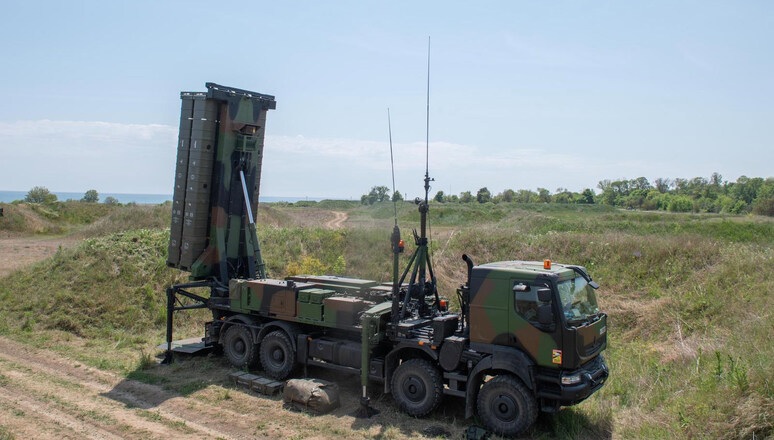
World
COPENHAGEN / PARIS — April 22, 2026 : Denmark has formally signed a contract for the Franco-Italian SAMP/T NG long-range air-defense system, with deliveries scheduled to begin in 2028, according to an April 21 announcement by Thales. The agreement confirms Denmark as the first export customer of the next-generation system and the third operator overall, following France and Italy. The contract, signed in the first quarter of 2026, covers an initial acquisition of four systems valued at approximately €1.47 billion. The purchase forms part of Denmark’s broader €7.8 billion national air-defense program, which envisions the procurement of up to eight systems over time. The system is produced by Eurosam, a joint venture between Thales and MBDA. System Configuration and Radar Capabilities Denmark’s SAMP/T NG configuration will integrate the Thales Ground Fire 300 radar, a fully digital active electronically scanned array (AESA) system operating in the S-band. The radar provides 360-degree coverage with a stated detection range of up to 400 kilometers and is capable of tracking approximately 1,000 targets simultaneously. Designed for rapid deployment, the system is containerized and can be set up in under 15 minutes. In addition to the radar, Thales will supply the command-and-control architecture, including the Next Generation Engagement Module (ME-NG), as well as the seeker for the interceptor missile. The radar family entered serial production in early 2025 and is designed to perform both air-surveillance and fire-control functions, with high resistance to electronic jamming. Aster 30 B1NT Interceptor and Testing The SAMP/T NG system will employ the Aster 30 Block 1 New Technology (B1NT) interceptor developed by MBDA. The missile is designed to engage aerodynamic targets at ranges exceeding 150 kilometers and to counter medium-range ballistic missiles and emerging hypersonic threats. It incorporates a Ka-band seeker and reaches speeds of approximately Mach 4.5. The Aster 30 B1NT underwent its first test firing in October 2024 in a complex multi-target scenario, followed by a second qualification firing in July 2025 that validated its long-range performance. The system’s fire-control unit has been updated with new software to support integration of the upgraded interceptor. To meet increasing demand, MBDA plans to double production of the Aster missile family in 2026, targeting an annual output exceeding 300 missiles by 2028. The Aster 30 is also deployed in naval air-defense systems used by the French, Italian, and British navies. MBDA has not disclosed the precise delivery schedule of missiles for Denmark. Procurement Decision and Patriot Delays Denmark selected the SAMP/T NG system in September 2025 over the U.S.-manufactured Patriot air-defense system. The decision followed emerging concerns regarding delivery timelines for U.S. systems, particularly in the context of increased demand linked to the conflict involving Iran. In March 2026, Switzerland reported delays of four to five years in Patriot deliveries and indicated plans to pursue a second European-produced system, identifying SAMP/T NG as the only viable regional alternative. The Netherlands accelerated its Patriot procurement the same month to secure production slots and avoid potential delivery delays extending to 2033. U.S. authorities have also signaled possible delays in supplying weapons and ammunition to Baltic countries due to operational demands associated with the ongoing conflict involving Iran. Production, Deliveries, and European Cooperation Thales stated that Denmark will benefit from expanded production capacity for both the SAMP/T NG system and Aster missiles, enabling deliveries to begin in 2028. The Danish contract was recorded as one of seven large orders exceeding €100 million secured by Thales in the first quarter of 2026, contributing to €1.62 billion in such contracts. The company reported total order intake of €4.65 billion, a 23 percent increase year-on-year, with sales rising 7.2 percent to €5.32 billion. France and Italy placed orders for eight and ten SAMP/T NG systems respectively in September 2024. The Italian Army received its first system in January 2026, equipped with the Kronos Grand Mobile HP radar developed by Leonardo, which provides an air-surveillance range of at least 300 kilometers. France’s Air Warfare Center (CEAM) received its first system in February 2026 and has initiated operational testing focused on mobility, energy autonomy, and integration into broader air-defense networks. International Interest and Deployment Outlook Beyond Denmark, additional countries are advancing or considering adoption of the SAMP/T NG system. Ukraine is expected to receive a system in 2026 and plans to conduct testing against ballistic missile threats, according to statements made in March 2026 by Volodymyr Zelenskyy. Turkey has resumed discussions with Italy regarding a potential acquisition that could include technology transfer and joint production. The renewed talks follow a March 2026 incident in which NATO air-defense systems intercepted ballistic missiles originating from Iran that entered Turkish airspace. The SAMP/T NG program is managed through the Organisation Conjointe de Coopération en matière d’Armement (OCCAR) and is designed to integrate into both national and NATO air-defense architectures. The system is intended to provide layered defense against a full spectrum of aerial threats, including aircraft, cruise missiles, ballistic missiles, and emerging hypersonic systems.
Read More → Posted on 2026-04-22 17:59:38
World
RIYADH / MOSCOW — April 22, 2026 : Saudi Arabia is expanding its search for alternative security partnerships with China, Pakistan, and Turkiye as confidence in the United States continues to decline, according to an assessment by Prof. Mohsin Raza Khan of O.P. Jindal Global University. Speaking to Sputnik on April 22, 2026, Khan said Saudi strategic thinking is increasingly shaped by what regional policymakers view as inconsistent US policies, particularly those perceived to prioritize Israel over Gulf security concerns. He noted that decision-making in Saudi Arabia now reflects a broader effort to diversify security arrangements rather than rely on a single external guarantor. Emerging security framework Recent developments indicate that Riyadh is formalizing new defense relationships alongside its longstanding US ties. In September 2025, Saudi Arabia and Pakistan signed a Strategic Mutual Defense Agreement, committing both sides to mutual defense cooperation. Analysts have interpreted the agreement as a step toward reducing reliance on Western security frameworks. By January 2026, discussions had advanced on the possible inclusion of Turkiye in the Saudi-Pakistani framework. Officials in Ankara confirmed ongoing talks, while Pakistani defense production authorities indicated that a draft trilateral arrangement already exists. Diplomatic sources describe these discussions as progressing steadily, although specific provisions—such as joint exercises, technology transfer, or command structures—have not been publicly disclosed. Foreign ministers from Pakistan, Turkiye, Egypt, and Saudi Arabia also met in Islamabad in recent weeks to address regional stability, Middle East tensions, and pathways for advancing US-Iran dialogue, reflecting a broader pattern of coordination among these states. Complementary defense capabilities According to Khan’s analysis, a potential trilateral arrangement would combine complementary strengths. Pakistan’s air force, supported by Chinese-origin platforms and systems, provides capabilities in air defense, electronic warfare, and fighter operations. Turkiye contributes in areas such as unmanned aerial systems, naval platforms, and defense manufacturing. Saudi Arabia, for its part, offers financial capacity, geographic depth, and growing domestic defense-industrial ambitions. China’s role in this framework remains indirect but significant. Beijing’s defense relationship with Pakistan—particularly in aviation, missile systems, and electronics—positions Islamabad as a channel through which Chinese-origin capabilities could support a broader regional security structure. China’s expanding role Saudi Arabia has simultaneously deepened defense and strategic ties with China. Historically centered on energy and trade, the relationship has expanded to include military and industrial cooperation. China previously supplied DF-3 intermediate-range ballistic missiles to Saudi Arabia and is reported to be assisting with infrastructure linked to missile production and drone manufacturing. Riyadh joined the Shanghai Cooperation Organization as a dialogue partner in 2023, further integrating into China-led multilateral frameworks. Beijing’s approach—characterized by non-interference and the absence of political conditionality—has been cited by analysts as a factor in its growing appeal to Gulf states. Drivers of policy recalibration Saudi Arabia’s shift toward diversified partnerships is linked to a series of geopolitical developments over the past decade. Analysts point to perceived inconsistencies in US security commitments, including responses to regional crises and a strategic pivot toward East Asia, which has raised questions about long-term Gulf security. Events such as the 2019 Abqaiq attacks and subsequent escalation in the Israel-Iran confrontation have reinforced Saudi assessments that external security guarantees are conditional and influenced by US domestic and foreign policy priorities. Maritime tensions and disruptions affecting key energy routes in early 2026 have further underscored these concerns. Saudi officials have also maintained that normalization with Israel remains contingent on the establishment of a credible pathway toward a Palestinian state and an end to military operations in Gaza. This position has been linked to broader concerns about regional stability and has contributed to friction with US policy approaches. Strategic autonomy and Vision 2030 The evolving defense posture aligns with Saudi Arabia’s long-term objective of strategic autonomy under its Vision 2030 program. A central component of this strategy is the localization of 50 percent of military expenditure by 2030, alongside expanded domestic production and technology transfer agreements. Cooperation with Turkiye has already advanced in areas such as defense manufacturing and joint production discussions. Engagement with Pakistan provides operational depth, while links with China support industrial and technological development. Despite this diversification, the United States remains Saudi Arabia’s primary defense partner in terms of advanced weapons systems, training, and intelligence sharing. Ongoing arms sales and joint exercises continue to underpin the bilateral relationship. Regional implications Observers note that Saudi Arabia’s approach reflects a broader regional trend. Other Gulf states have also accelerated efforts to diversify security partnerships following recent conflicts involving Iran and Israel. The emerging Saudi-Pakistan-Turkiye alignment, with indirect Chinese support, is viewed as one component of a wider shift toward multi-aligned security structures. Analysts describe the strategy as “strategic hedging,” aimed at building redundancy in defense arrangements rather than replacing existing alliances. By expanding its network of partners, Saudi Arabia seeks greater flexibility in responding to evolving threats while strengthening its negotiating position in dealings with major powers. Further details on the scope and timeline of any formal trilateral pact have not been released. However, current diplomatic and defense engagements indicate that Saudi Arabia is steadily advancing a multi-layered security framework designed to operate alongside, rather than in place of, its traditional partnerships.
Read More → Posted on 2026-04-22 18:08:57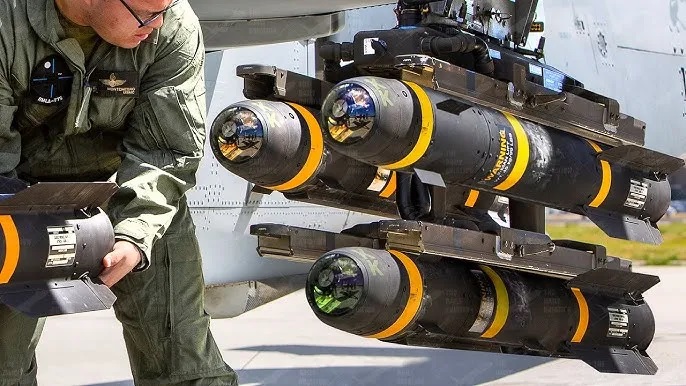
World
WASHINGTON — April 23, 2026 : The U.S. Department of State has approved a potential Foreign Military Sale (FMS) to the Government of the Netherlands for AGM-114R2 Hellfire missiles and associated support systems, with an estimated total value of $200 million. The Defense Security Cooperation Agency (DSCA) formally notified the U.S. Congress of the proposed transaction on April 22, 2026, initiating the statutory review process required before finalization. Procurement Details and Cost Structure According to the DSCA certification, the Netherlands has requested a total of 530 AGM-114R2 Hellfire missiles. Based on an approximate unit cost of $160,000 per missile, the munitions account for the majority of the overall package value, with remaining funds allocated to support services, integration, and logistics. The proposed package includes a comprehensive set of non-major defense equipment and technical services intended to ensure operational readiness and sustainment. These provisions cover technical assistance from the U.S. Army Aviation and Missile Command Security Assistance Management Directorate, as well as support from the Tactical Aviation and Ground Munitions Project Office. Additional elements include integration support, non-standard technical publications and documentation related to the Hellfire system, and broader logistics and program support services. The primary contractor for the procurement will be Lockheed Martin, with work to be carried out at its facility in Orlando, Florida. Strategic Rationale and NATO Context U.S. officials stated that the proposed sale is consistent with Washington’s foreign policy and national security objectives, particularly in strengthening the capabilities of allied nations within the NATO framework. The Netherlands is regarded as a key European ally contributing to regional stability and collective defense. The acquisition is expected to support several operational priorities for the Dutch armed forces. These include modernization of existing munition inventories through the adoption of the AGM-114R2 variant, enhancement of national defense and deterrence capabilities, and improved interoperability with U.S. and NATO forces through the use of standardized weapon systems. The State Department’s assessment indicates that the proposed transaction will not alter the overall military balance in Europe. It also confirms that fulfilling the order will not negatively affect U.S. defense readiness. Operational Background and Platform Integration The Netherlands has operated Hellfire missile systems for more than two decades. The initial acquisition dates back to 1995, when approximately 600 missiles were procured to equip AH-64D Apache helicopters. The current request focuses on the AGM-114R2 variant, which will be deployed across two primary platforms in Dutch service. These include the Boeing AH-64E Apache and the General Atomics MQ-9A Reaper. Both platforms are configured to employ precision-guided munitions for a range of mission profiles, including close air support and target engagement. This procurement follows an earlier U.S. approval in early 2024 for a separate $150 million sale of 386 AGM-114R2 missiles to the Netherlands. Officials noted that the country’s long-standing operational experience with the system is expected to facilitate seamless integration of the additional missiles and associated support infrastructure. Congressional Review Process The proposed sale remains subject to review by the U.S. Congress, as required under the Foreign Military Sales framework. If no objections are raised during the review period, the transaction will proceed to contract negotiation and implementation, including scheduling of deliveries and associated support services.
Read More → Posted on 2026-04-23 13:15:58
World
KOBLENZ / DÜSSELDORF — April 23, 2026 : Rheinmetall has signed a framework agreement with the Bundeswehr to supply FV-014 loitering munition systems, also referred to as kamikaze or autonomous reconnaissance and strike drones. The contract was signed on April 22, 2026, in Koblenz by the Federal Office of Bundeswehr Equipment, Information Technology and In-Service Support (BAAINBw). The framework agreement has a value in the billions of euros, with a reported ceiling of approximately €2.4 billion. It includes an initial call-off order worth approximately €300 million gross, which will be booked in April 2026. This first tranche covers around 2,500 units. The agreement provides options for a five-figure number of additional systems, potentially exceeding 10,000 drones in total. Deliveries under the initial order are scheduled to begin in the first half of 2027, following qualification activities that are set to start in the second quarter of 2026. The systems will be developed and manufactured entirely within the European Union, with production taking place in Neuss, Germany. The design supports rapid industrial-scale production. The FV-014 is a portable, fixed-wing loitering munition system developed by Rheinmetall. It features a launch weight of approximately 20 kg, including a 6 kg payload. The system has an operational range of up to 100 km, with a data link range of 60 km, and a flight endurance of 70 minutes. It is equipped with a High-Explosive Dual Purpose (HEDP) warhead that provides penetration of more than 600 mm of rolled homogeneous armor (RHA) while remaining effective against unarmored targets and infrastructure. The drone supports target reconnaissance, tracking, and precise engagement, including single-unit or swarm attacks. It operates under human-in-the-loop control via a ground station, allowing real-time target identification, mission abort capability, and coordinated swarm operations managed by a single operator. The system is designed for use in GNSS-denied environments and incorporates low acoustic and thermal signatures. Launch occurs from a container using a booster, after which the wings unfold for aerodynamic flight. It is intended for tactical deployment at brigade and battalion levels. Rheinmetall CEO Armin Papperger stated: “Within a very short time, Rheinmetall has developed an autonomous drone that combines reconnaissance and strike capabilities. The FV-014 will enable the Bundeswehr to protect its own forces and engage critical targets in a fast, controlled and effective manner. We are grateful for the trust placed in us and will begin producing the system in large quantities on an industrial scale very soon.” This agreement forms part of the Bundeswehr’s loitering munition procurement program. It represents the third framework contract of this type signed in 2026, following similar deals with Helsing for the HX-2 and STARK for the Virtus systems. The German Budget Committee approved the Rheinmetall framework on April 15, 2026. The systems are expected to support tactical units, including potentially the Panzerbrigade 45 stationed in Lithuania. The FV-014 was previously demonstrated by Rheinmetall in February 2026 at a NATO customer event. The company has also offered the system to Ukraine, with discussions for an initial batch of 200 units reported earlier in 2026, though those talks faced funding delays. The contract contributes to the expansion of Germany’s uncrewed aerial capabilities within its broader defense procurement efforts. It adds to Rheinmetall’s portfolio of uncrewed systems and supports the scaling of domestic and EU-based production for precision munitions. Qualification and delivery timelines align with the program’s requirements for proven maturity through testing. No further financial or operational details beyond those outlined in the announcement have been disclosed.
Read More → Posted on 2026-04-23 13:32:54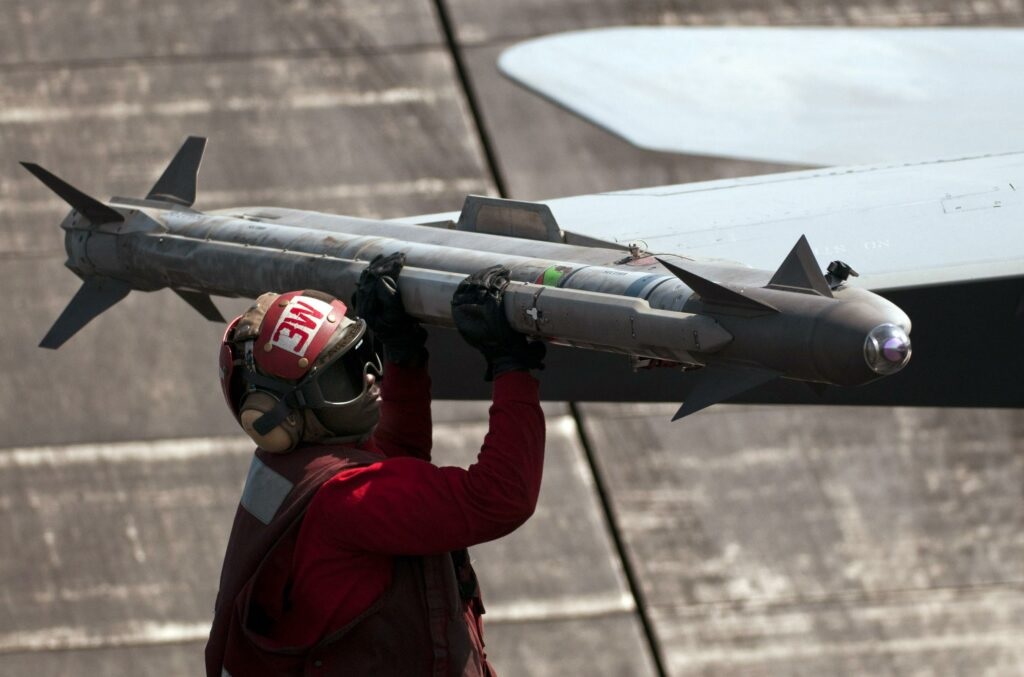
World
WASHINGTON, — April 23, 2026 : The U.S. Department of State has approved a possible Foreign Military Sale (FMS) to the Government of Lithuania for AIM-9X Sidewinder Block II missiles and associated equipment, with an estimated total value of $214 million. The proposed transaction was formally notified to the U.S. Congress on April 22, 2026, and will proceed under standard FMS procedures. The package represents a substantial expansion of an earlier FMS case valued at $19.5 million, which had remained below the congressional notification threshold. That initial case included 16 AIM-9X Block II tactical missiles, two tactical guidance units, and a range of support elements such as training, spare parts, and logistics assistance. Procurement Expansion and Combined Inventory The newly approved request significantly increases Lithuania’s planned inventory. It includes 152 additional AIM-9X Block II tactical missiles, eight tactical guidance units, and six captive air training missiles. The package also incorporates U.S. government and contractor-provided engineering, technical, and logistics support services, along with training equipment, spare parts, and broader program support. Following the addition of the new procurement, Lithuania’s combined acquisition will total 168 AIM-9X Block II tactical missiles, 10 tactical guidance units, and six captive air training missiles. The inclusion of training variants is intended to support operational readiness without requiring the use of live munitions during exercises. The principal contractor for the deal will be RTX Corporation, headquartered in Arlington, Virginia. U.S. officials stated that the proposed sale will not adversely affect American defense readiness. System Capabilities and Technical Characteristics The AIM-9X Block II is a short-range air-to-air missile equipped with an imaging infrared seeker and thrust-vectoring control, enabling high maneuverability. It incorporates a two-way datalink that allows for lock-on-after-launch capability and in-flight target updates. The missile measures approximately 3.02 meters in length and has a launch weight of about 84 kilograms, powered by a solid-propellant rocket motor. Designed to engage a range of aerial threats, the missile is capable of targeting fixed-wing aircraft, helicopters, cruise missiles, and unmanned aerial vehicles. In addition to air-to-air applications, the AIM-9X Block II is also employed in ground-based configurations as a short-range interceptor. Integration with NASAMS and Air Defense Architecture Lithuania integrates the AIM-9X Block II into its NASAMS (National Advanced Surface-to-Air Missile System), where it functions as a short-range interceptor within a layered air defense network. The country has received multiple NASAMS deliveries, including additional systems reported in April 2026, as part of an ongoing effort to expand its ground-based air defense capability. Within this framework, AIM-9X missiles complement other systems such as IRIS-T, contributing to a multi-layered defensive structure. Lithuania does not operate fixed-wing combat aircraft, making ground-based air defense systems the central component of its national airspace protection strategy. The addition of missiles under this FMS is expected to increase the operational inventory available to NASAMS batteries, supporting both training requirements and potential operational deployment. The inclusion of captive air training missiles enables routine drills that replicate real engagement conditions without expending live ordnance. Strategic Context and NATO Interoperability According to the U.S. State Department, the proposed sale supports U.S. foreign policy and national security objectives by strengthening the defense capabilities of a NATO ally. Lithuania occupies a strategic position on NATO’s eastern flank, bordering Belarus and the Russian exclave of Kaliningrad, and has prioritized the development of integrated air defense systems. The transaction is also aligned with NATO interoperability standards. NASAMS is operated by multiple alliance members, and the use of AIM-9X missiles enhances compatibility in joint operations and training environments. U.S. officials indicated that Lithuania is expected to integrate the systems without difficulty. The State Department further noted that the sale will not alter the basic military balance in the region. Program Implementation and Support Structure In addition to hardware, the package includes a comprehensive support structure covering engineering assistance, technical services, logistics, and training. These elements are intended to ensure sustainment, maintenance capability, and operational proficiency over the lifecycle of the system. No offset agreements have been identified in connection with the proposed sale at this stage. The Defense Security Cooperation Agency has completed the required certification process, enabling the program to move forward into the contracting and implementation phase. The transaction forms part of Lithuania’s broader effort to expand its air defense capacity, improve readiness levels, and maintain a sufficient запас of interceptors for both operational use and training within its NASAMS-based architecture.
Read More → Posted on 2026-04-23 13:44:44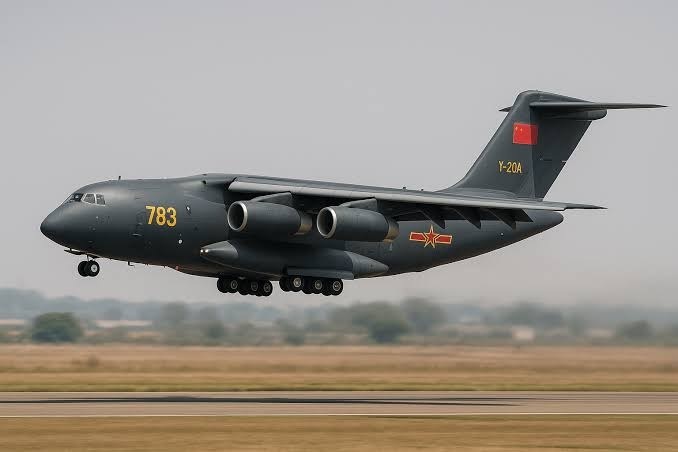
World
TEHRAN — April 23, 2026 : Iranian sources have reported that six Chinese Air Force cargo aircraft arrived in Iran over a four-day period in mid-April, with aviation monitoring data indicating that the planes switched off their transponders before entering Iranian airspace. The reported flights occurred during a two-week ceasefire between the United States, Israel, and Iran that began around April 8–9, 2026. According to the claims circulating in Iranian media and opposition-linked channels, the aircraft were carrying air defense equipment and anti-ship missiles. No official confirmation has been issued by Iranian or Chinese authorities regarding the number of aircraft, their routes, or the specific cargo. Similar unverified reports earlier in April 2026 had indicated that four Chinese cargo aircraft conducted comparable operations within a 48-hour period under similar conditions. U.S. intelligence assessments and defense-sector reporting in early April 2026 had suggested that China was preparing to deliver military systems to Iran. The reported cargo is believed to include man-portable air-defense systems (MANPADS), specifically FN-6 shoulder-launched missiles, along with radar components designed to improve detection and tracking of low-flying aircraft. Such systems are typically used to counter helicopters and aircraft operating at low altitude. Additional reported equipment includes export variants of Chinese supersonic anti-ship missiles, assessed to be related to the YJ-12 system. Separately, Iran has been engaged in negotiations with China for the acquisition of CM-302 anti-ship cruise missiles, which have an estimated range of about 290 kilometers and are designed for low-altitude maritime strike roles. Iranian sources also indicated the possible transfer of HJ-12E anti-tank guided missiles intended for ground combat and defensive deployments. The timing of the reported deliveries aligns with the ongoing ceasefire period, during which diplomatic efforts are underway to reach a longer-term agreement. Iranian sources state that Tehran is using the pause in hostilities to replenish military inventories and strengthen defensive capabilities. The focus includes improving resilience against suppression of enemy air defense operations (SEAD) and enhancing coastal defense in strategic waterways such as the Strait of Hormuz, where partial commercial transit has resumed while U.S. restrictions on Iranian state-linked maritime activity remain in place. Defense analysts assess that the introduction of additional MANPADS and radar systems could increase the survivability of Iranian ground forces against aerial operations, while anti-ship missile deployments would expand Iran’s ability to contest naval movements in the Persian Gulf. Some analysts have also suggested that Chinese support, if confirmed, could contribute to a broader strategy aimed at increasing the operational costs for U.S. forces by encouraging higher expenditure of precision-guided munitions and missile defense interceptors. Chinese officials have denied allegations of providing military assistance to Iran during the ceasefire. Statements from Beijing have described such reports as unfounded and emphasized China’s role in facilitating de-escalation. U.S. President Donald Trump has previously stated that he received assurances from Chinese President Xi Jinping that no weapons transfers would occur during the current period, and U.S. officials have indicated that any confirmed deliveries could affect ongoing diplomatic and economic discussions. No independent verification of the aircraft movements or cargo has been provided by commercial flight-tracking services or third-party observers. Aviation analysts note that transponder deactivation can be associated with sensitive military logistics, although it may also occur due to operational or technical factors. Diplomatic contacts between Washington and Tehran remain ongoing, with a second round of talks expected in the coming weeks. Officials on both sides have indicated that developments during the ceasefire, including any reported military transfers, will influence the prospects for extending or formalizing the agreement.
Read More → Posted on 2026-04-23 13:59:42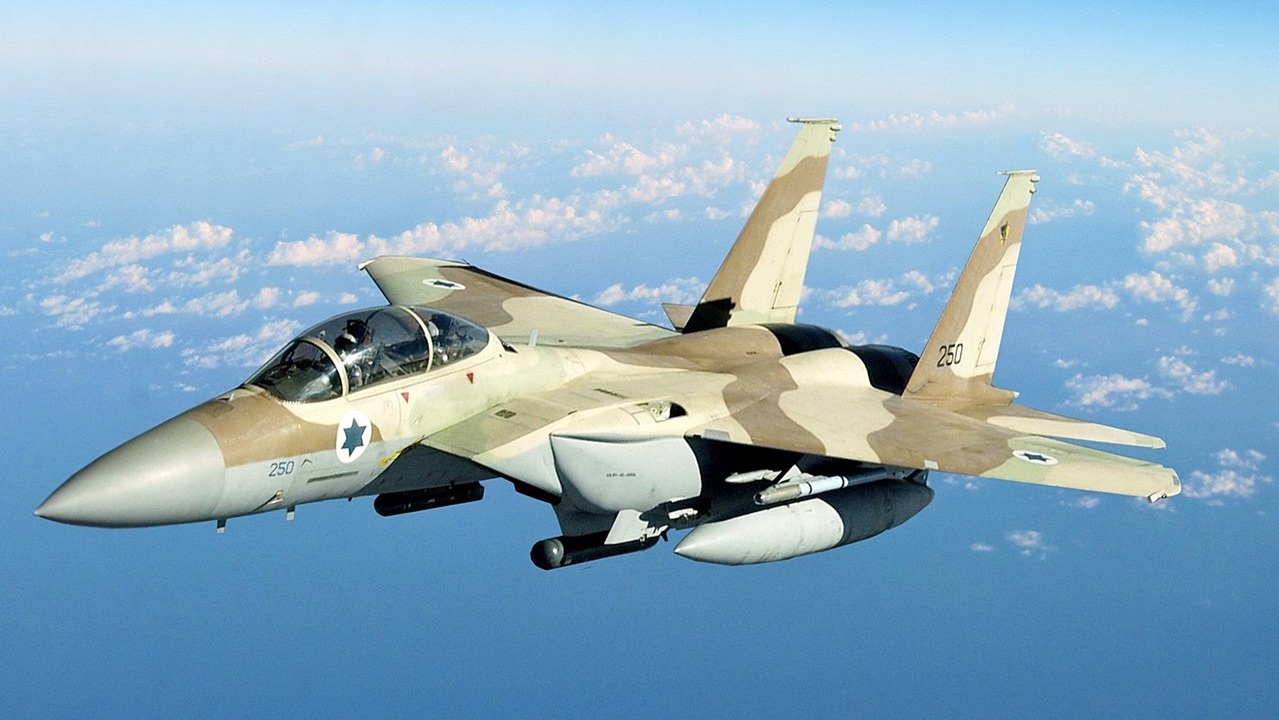
World
JERUSALEM — April 23, 2026 : Two technicians from the Israeli Air Force (IAF) are set to be prosecuted on espionage charges following an investigation into the alleged transfer of classified F-15 fighter jet information to Iranian intelligence, according to Israeli security authorities. The suspects, identified in local reports as Asaf Shitrit and Sagi Haik, served as mechanics and avionics specialists in the 133rd “Knights of the Twin Tail” Squadron at Tel Nof Airbase. Both have been detained for several weeks, with an indictment expected to be filed at the Central District Court in Lod. Charges under preparation include assisting the enemy during wartime, with prosecutors considering elevating one case to treason. Investigation Findings and Allegations The probe, led by the Israel Security Agency (Shin Bet) and military prosecutors, found that the technicians allegedly maintained contact over several months with operatives from the Islamic Revolutionary Guard Corps (IRGC) Intelligence Organization. Authorities state that the suspects transferred classified material during the period of military activity referred to as Operation Roaring Lion in early 2026. According to investigators, the compromised information includes technical data on the F-15 “Baaz” (A/C/D variants), specifically covering avionics and self-protection systems, as well as internal documentation such as engine schematics. The suspects are also accused of providing photographs revealing the identity of an IAF flight instructor, in violation of military censorship rules. In addition to technical data, Iranian handlers reportedly tasked the suspects with gathering intelligence on senior Israeli figures, including former IDF Chief of Staff Herzi Halevi and National Security Minister Itamar Ben-Gvir. Wider Security Probe at Tel Nof The investigation has expanded beyond the two primary suspects. Israeli authorities confirmed that eight additional soldiers stationed at Tel Nof Airbase are under investigation for allegedly being aware of the activity and failing to report it. Officials also stated that Haik, a 19-year-old from Ness Ziona, had agreed to travel to an unspecified Arab country for intelligence training and was instructed to recruit additional personnel into the network. Following the arrests, Shin Bet summoned the base commander for clarification regarding procedural lapses. A comprehensive information security briefing has since been mandated for all personnel at the base. Operational Context and Military Response The 133rd Squadron operates the F-15 Baaz fleet, which forms part of Israel’s air defense and strike capabilities and has participated in joint exercises such as “Desert Eagle” with the United States Air Force. The aircraft are equipped with electronic countermeasures, radar warning receivers, and other survivability systems. Israeli military officials described the case as a serious security breach. While no official assessment has been released on the operational impact, authorities indicated that stricter monitoring, counter-intelligence vetting, and digital security measures are being implemented for technical personnel handling sensitive systems. Broader Intelligence Concerns The case aligns with reported efforts by Iranian intelligence services to recruit Israeli citizens and military personnel through digital platforms, targeting individuals with access to restricted environments and technical systems. Israeli authorities have stated that the investigation remains ongoing, with the possibility of additional charges or suspects. No official details have been released regarding the full scope or format of the transferred material.
Read More → Posted on 2026-04-23 14:09:22
World
DAMASCUS — April 23, 2026 : The Islamic State group (ISIS) has shifted its operational approach in Syria, moving away from attempts to seize and hold territory toward a sustained guerrilla-style insurgency aimed at increasing the cost of governance for the Syrian state led by President Ahmed al-Sharaa. The transition follows the withdrawal of United States forces from eastern Syria and the transfer of formerly Kurdish-administered areas to central government control. Post-Withdrawal Security Transition The change in ISIS strategy comes after a significant reconfiguration of control in eastern Syria during early 2026. A 14-point ceasefire agreement in January enabled the integration of the Syrian Democratic Forces (SDF) into Syrian state structures, allowing Damascus to expand its authority over areas east of the Euphrates River, including Deir ez-Zor, Raqqa, and parts of Hasakah province. The United States subsequently completed a phased military withdrawal. Control of the al-Tanf base was handed over in February 2026, followed by the transfer of Qasrak air base in mid-April 2026. Earlier handovers also included al-Shaddadi installations. Syrian government forces, including units such as the 60th Division, assumed responsibility for security across these areas following the departure of U.S. troops. Increase in Low-Level Attacks Following the transition, ISIS has intensified a campaign of small-scale attacks targeting Syrian government forces. The group conducted approximately 22 operations in March 2026, based on compiled reports from its own claims and monitoring sources. These attacks primarily involved improvised explosive devices (IEDs), ambushes, and direct assaults on checkpoints, patrols, and isolated security positions. The operations have been concentrated in rural and desert areas along the Euphrates River valley, where ISIS cells operate with mobility and rely on local terrain. Attackers frequently withdraw into civilian populations after engagements, limiting the ability of security forces to conduct immediate counteractions. No large-scale offensives or territorial seizures have been reported in April 2026, and the group is assessed to lack the capability to reestablish territorial control following its defeat in 2019. Current activity remains limited to low-intensity harassment operations. Propaganda and Political Targeting ISIS has coupled its operational shift with a coordinated propaganda effort aimed at undermining the Syrian leadership. Messaging disseminated through its weekly publication al-Naba and statements by spokesman Abu Hudhayfa al-Ansari has focused on discrediting President Ahmed al-Sharaa. The group characterizes the Syrian government as illegitimate and influenced by foreign actors, including the United States and Turkey. It has labeled the leadership as secular and accused it of deviating from Islamist governance principles. Communications also emphasize calls for defections among government-aligned fighters and attempt to position ISIS as the primary armed opposition. Recruitment and Local Dynamics ISIS recruitment efforts have focused on eastern Syria, particularly Deir ez-Zor province, where tribal dynamics and economic conditions present opportunities for infiltration. Analysts note that the transition of authority from SDF administration to central government control has created localized grievances. Poor living conditions in displacement and detention facilities in northeastern Syria, including camps such as al-Hol, remain a factor in recruitment. Earlier security disruptions in 2026 reportedly enabled some ISIS-linked individuals to leave detention environments and reconnect with active cells. The group has sought to leverage these conditions by portraying the Syrian government as unable to address economic challenges, unemployment, and service delivery gaps in newly integrated areas. Government Response and Coalition Role Syrian government forces have initiated security operations across Deir ez-Zor, Raqqa, and surrounding provinces in response to the increase in ISIS activity. These measures include targeted raids, arrests of suspected operatives, and efforts to secure key infrastructure and transit routes. The Syrian authorities have also formally joined the U.S.-led international coalition against ISIS, despite the withdrawal of American troops, in an effort to maintain coordination on counterterrorism measures. Officials report that the threat remains contained and that ISIS operations have not disrupted overall governance or resulted in territorial losses. However, security forces continue to address gaps created during the transition period. Strategic Assessment Analysts assess that ISIS is now operating within a defined insurgency model focused on attrition rather than expansion. The group’s objective is to increase operational and administrative burdens on the Syrian state by targeting personnel, infrastructure, and local stability. The timing of the increased activity aligns with the handover of U.S. bases and the rapid expansion of Syrian government control into eastern regions, conditions that created temporary vulnerabilities. While the scale of attacks remains limited, the continuation of such operations indicates an effort to sustain long-term pressure. The developments occur as the Syrian government consolidates control approximately one year after the fall of the previous regime in December 2024. As of April 2026, monitoring indicates continued low-level ISIS activity without significant escalation. Further operational details from official sources have not been publicly disclosed.
Read More → Posted on 2026-04-23 14:19:04
World
ATAQ, Yemen — April 23, 2026 : Saudi Arabia has financed a total of 11 military brigades in Shabwa province, covering salaries, supplies, and operational requirements for the units, according to a statement issued by the province’s deputy governor. The arrangement includes the formation of four additional brigades alongside seven previously active units, expanding the overall force structure in the governorate. The deputy governor confirmed that the funding mechanism supports both personnel payments and logistical needs, enabling the brigades to maintain readiness across multiple operational fronts. Shabwa currently faces Houthi movement forces on six active fronts, primarily concentrated in the western and northern districts of the province. Expanded Force Structure and Operational Coverage The expansion to 11 brigades reflects an effort to sustain defensive operations in one of Yemen’s key energy-producing regions. Shabwa, located in eastern Yemen, contains significant oil and gas infrastructure and serves as a geographic link between northern conflict zones and southern coastal areas. Local forces operating in the province include government-aligned formations and regionally organized units such as the Shabwa Defense Forces. These units have historically conducted anti-Houthi operations in coordination with coalition-backed elements. The addition of new brigades is intended to reinforce positions across six contested fronts, where terrain and proximity to neighboring governorates such as Marib continue to influence operational planning. Financial Commitment and Logistics Saudi Arabia’s support encompasses direct salary payments, military supplies, and broader logistical assistance. The funding ensures consistent payroll distribution and provision of equipment, ammunition, and operational resources necessary to sustain long-term deployments. In 2026, Riyadh has allocated nearly $3 billion to finance salaries for Yemeni military personnel and civil servants. This funding extends beyond Shabwa to include southern governorates that were previously supported by the United Arab Emirates. Saudi Arabia assumed responsibility for these payments following the UAE’s phased withdrawal from Yemen during late 2025 and early 2026. The transition has shifted the financial and administrative burden of supporting local security forces largely to Riyadh. Consolidation of Military Structures The funding initiative is part of a broader Saudi strategy to consolidate influence and standardize military structures in southern Yemen. By directly financing multiple brigades, Riyadh is working to unify previously fragmented forces under centralized command frameworks linked to the Presidential Leadership Council. This process includes integrating units that were earlier aligned with UAE-backed formations into a coordinated system supported by Saudi funding. The approach emphasizes predictable financial flows to reduce fragmentation among local forces and improve command cohesion. Saudi-backed efforts have also included the establishment and support of organized military formations operating under unified leadership, alongside ongoing coordination with Yemeni government authorities. Strategic Context and Security Implications Shabwa’s role in Yemen’s conflict remains tied to its hydrocarbon resources and its position along key supply and transit routes. The province’s oil fields and facilities, including infrastructure linked to export operations, contribute to its importance in maintaining economic stability. Analysts assess that increasing the number of brigades enhances the capacity of government-aligned forces to manage security challenges across multiple fronts without significantly altering the broader balance of power in eastern Yemen. The expanded force presence supports control over energy infrastructure and strengthens defensive depth in contested areas. The six fronts involving Houthi forces continue to require sustained personnel deployment and logistical support, particularly in areas bordering Marib and other northern regions where conflict activity has historically been concentrated. Ongoing Implementation No detailed information has been released regarding the exact troop strength, command hierarchy, or specific equipment allocations for the newly established brigades. However, provincial authorities have indicated that implementation of the funding is ongoing, with a focus on maintaining operational stability and ensuring continuity of defensive operations. The deputy governor emphasized that the Saudi-backed funding arrangement provides practical support for maintaining security conditions in Shabwa amid continued pressure from Houthi forces. The initiative forms part of Saudi Arabia’s wider assistance framework for Yemen’s military and administrative sectors in 2026, reflecting an expanded role following shifts in coalition dynamics.
Read More → Posted on 2026-04-23 14:26:57
World
LONDON / NEW MEXICO — April 23, 2026 : Tiberius Aerospace has completed a controlled flight test of its Sceptre precision-guided, liquid-fueled ramjet 155mm artillery projectile, marking a first-of-its-kind demonstration involving a NATO-standard howitzer and in-flight ramjet ignition under operational conditions. The test campaign, conducted at a U.S. range in New Mexico, validated the projectile’s ability to endure extreme launch stresses and transition into sustained powered flight. According to the company, the munition was successfully fired from a standard 155mm artillery system, survived setback forces of approximately 18,000 g, and achieved stable ramjet ignition following barrel exit. Flight data confirmed controlled rotation, stable aerodynamic behavior, and effective in-flight stabilization throughout the engagement profile. System Design and Performance Characteristics The Sceptre projectile, also designated TRBM 155HG, has a total launch mass of 47.5 kg and measures approximately 155 centimeters in length with a 155mm diameter. Its structural mass without fuel and payload is 36.8 kg. The munition carries a 5.2 kg warhead within a payload volume of 3,150 cubic centimeters. During testing, the projectile demonstrated a maximum operational range of up to 150 kilometers (approximately 93 miles), with sustained speeds of around Mach 3.5, equivalent to roughly 5,600 km/h. The system operates at altitudes exceeding 65,000 feet, a flight envelope intended to reduce exposure to conventional short-range air defense systems and certain electronic warfare effects. The propulsion system is based on a liquid-fueled ramjet capable of generating peak thrust exceeding 8 kN. Fuel injection and combustion were initiated after launch, with onboard systems regulating thermal and aerodynamic loads to maintain performance across varying conditions. The projectile is compatible with widely available fuels, including diesel, JP-4, JP-8, and Jet-A, and can be fueled by operators using a dedicated ground station. Guidance, Accuracy, and Targeting Sceptre employs a hybrid guidance architecture combining GPS and inertial navigation systems (INS), designed to provide rapid time-to-first-fix (TTFF) after launch. The system demonstrated a circular error probability (CEP) of approximately 3.5 meters, maintaining precision in GPS-contested or degraded environments. The baseline navigation suite is supplemented by optional seeker configurations, including semi-active laser (SAL) and active radar homing (ARH), allowing engagement of both fixed and moving targets. The projectile incorporates forward flight control surfaces for maneuvering and trajectory correction during powered flight. Targeting and coordination functions are integrated with Tiberius Aerospace’s proprietary GRAIL platform, an AI-enabled system that supports real-time position correction, targeting refinement, and multi-asset coordination. Warhead Configurations and Operational Use The munition supports multiple warhead options tailored to mission requirements, including high-explosive fragmentation (HE-Frag), penetrator, and high-explosive anti-tank (HEAT) variants. An optional tungsten alloy ballistic tip is available for enhanced armor penetration. While the Sceptre’s warhead is smaller than those used in larger guided rocket or missile systems, the system is designed for precision engagement of point targets such as radar installations, command nodes, and logistical infrastructure, where high explosive yield is not the primary requirement. Cost Structure and Manufacturing Approach Tiberius Aerospace has set a baseline unit price of approximately $52,000 per projectile, excluding payload, fuel, and fuze components. This pricing represents roughly 10 percent of the cost of an extended-range guided rocket such as ER-GMLRS. The company states that the system is designed to offer a cost-effective alternative for long-range precision strikes while reducing reliance on more expensive missile inventories. The projectile’s architecture consists of 68 unique components and follows a modular, open design intended to enable incremental upgrades and simplified maintenance. The system is compatible with existing NATO-standard 155mm artillery platforms and does not require modifications to current howitzers. It is also designed to integrate with platforms equipped with automatic loading systems, where compatible. Tiberius Aerospace has indicated that the limited parts count and open architecture support licensed domestic production, allowing allied nations to manufacture the system within national industrial bases. The munition is specified to have a shelf life exceeding 20 years. Development Background and Testing Progress Development of the Sceptre system has proceeded through iterative live-fire and synthetic testing cycles since its public unveiling in 2025. In September 2025, the program received a contract from the United Kingdom’s Ministry of Defence to support trials and further maturation. The April 2026 New Mexico test series represents a key milestone, particularly the successful ignition of the liquid-fueled ramjet following artillery launch, which had previously been a critical technical challenge. Chad Steelberg, Founder and CEO of Tiberius Aerospace, stated following the trials that the results validate both the underlying propulsion concept and the broader engineering approach. He added that the company is preparing for extended-range testing and certification activities as part of the next development phase. Operational Positioning and Next Steps Tiberius Aerospace positions the Sceptre as a system designed to bridge the gap between conventional tube artillery and long-range precision-guided missile systems. Traditional artillery provides high rates of fire and lower cost but is limited in range and accuracy, while missile systems offer extended reach and precision at higher cost and lower production scalability. By combining ramjet propulsion, precision guidance, and compatibility with existing artillery infrastructure, the Sceptre is intended to deliver missile-like performance within the logistical framework of conventional artillery forces. The company has stated that further testing will focus on expanding the validated range envelope, refining guidance performance under contested conditions, and completing certification requirements. As of April 23, 2026, no procurement contracts or operational deployment timelines have been formally announced.
Read More → Posted on 2026-04-23 14:34:23
World
WASHINGTON — April 23, 2026 : The United States is intensifying its naval posture in the Middle East as the aircraft carrier USS George H.W. Bush is expected to enter the U.S. Central Command (CENTCOM) area of responsibility within the next 48 hours. The deployment coincides with new directives issued by Donald Trump targeting maritime mine threats in the Strait of Hormuz. The carrier departed Naval Station Norfolk on March 31, 2026, and has been transiting via the Cape of Good Hope, a route assessed by U.S. officials as reducing exposure to potential threats in the Red Sea and the Bab el-Mandeb Strait. Upon arrival, it will reinforce U.S. operations in the Arabian Sea and Persian Gulf. Carrier Strike Group Composition and Regional Posture The George H.W. Bush carrier strike group includes the guided-missile destroyers USS Ross (DDG-71), USS Donald Cook (DDG-75), and USS Mason (DDG-87), along with the fast combat support ship USNS Arctic (T-AOE-8). Once in theater, the carrier will join the USS Abraham Lincoln, which has been operating in the northern Arabian Sea. The addition of the George H.W. Bush will bring the total number of U.S. carrier strike groups in the CENTCOM area to three, significantly expanding airpower, surveillance, and maritime strike capabilities during ongoing regional operations. Presidential Directive on Mine-Laying Activities In a statement posted on April 23, 2026, via Truth Social, President Donald Trump directed the U.S. Navy to employ immediate lethal force against any vessel engaged in laying sea mines in the Strait of Hormuz. The order instructs forces to “shoot and kill any boat” involved in such activities without hesitation. The directive also mandates a substantial increase in mine countermeasure operations. According to the president’s statement, ongoing mine-clearing efforts are to be expanded to three times their current operational level. These operations involve specialized mine countermeasure vessels, divers, and unmanned systems tasked with identifying and neutralizing naval mines. Trump further stated that 159 Iranian naval vessels are currently “at the bottom of the sea.” No independent confirmation or denial of this claim has been issued by CENTCOM or other U.S. defense authorities. Strategic Importance of the Strait and Ongoing Operations The Strait of Hormuz remains a critical global energy transit route, accounting for approximately 20 percent of worldwide oil shipments. Disruptions linked to mine-laying activities have complicated commercial navigation and prompted a sustained U.S. military response. The United States initiated a maritime blockade of Iranian ports and coastal areas earlier in April 2026 following escalations in the broader regional conflict that began in late February 2026. As part of enforcement actions, U.S. forces recently boarded the Guinea-flagged tanker Majestic X in the Indian Ocean over allegations of transporting sanctioned Iranian crude. Pentagon assessments indicate that, under current operational conditions, full clearance of mines in the strait could require up to six months. The expansion of mine-sweeping efforts is intended to accelerate this timeline and mitigate risks to commercial and military vessels. Iranian Naval Capabilities and Regional Context Iran’s naval forces, operated by both its regular navy and the Islamic Revolutionary Guard Corps Navy, include a mix of frigates, corvettes, submarines, patrol boats, fast-attack craft, and smaller support vessels. Pre-conflict estimates placed the combined fleet at over 100 vessels, with broader counts—including auxiliary and small craft—aligning with the 159 figure referenced by the U.S. president. Iranian officials have indicated that maritime transit through the Strait of Hormuz will remain restricted as long as U.S. blockade measures continue. The security environment remains complex, with naval operations ongoing despite a fragile ceasefire that has been in place since early April 2026. Diplomatic Efforts and Outlook Diplomatic negotiations aimed at establishing a durable ceasefire—previously mediated in Islamabad—remain stalled. While military activity continues at sea, U.S. officials maintain that operations are focused on ensuring freedom of navigation and maintaining maritime security. The arrival of the USS George H.W. Bush is expected to further strengthen U.S. operational capacity in the region. However, detailed timelines regarding its exact entry into the CENTCOM area and specific implementation measures for the new mine-related directives have not been publicly released beyond the president’s statements.
Read More → Posted on 2026-04-23 14:45:11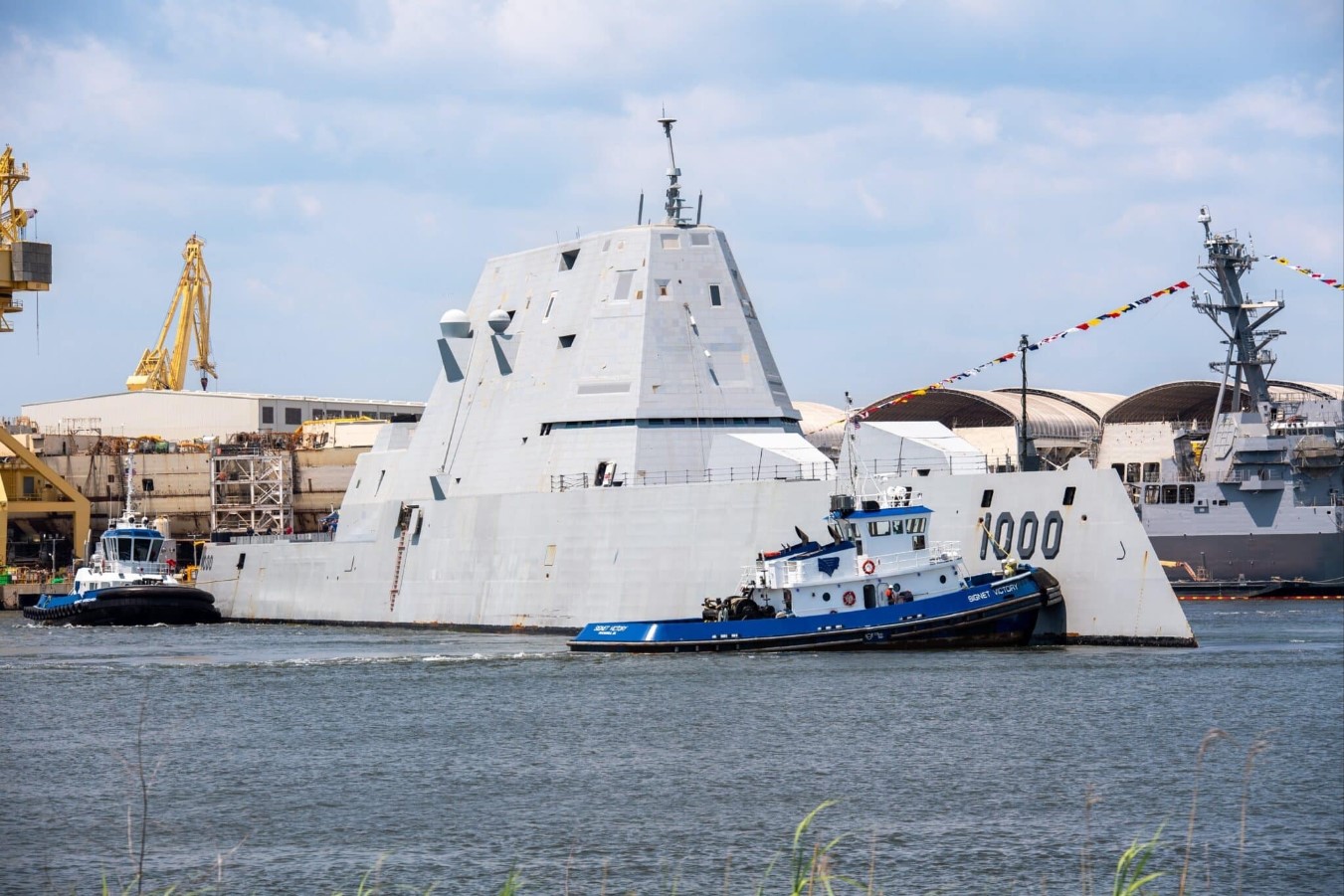
World
PASCAGOULA, Mississippi — April 23, 2026: A fire aboard the USS Zumwalt (DDG-1000) at the HII Ingalls Shipbuilding facility in Pascagoula, Mississippi, injured three U.S. Navy sailors on the night of April 19, 2026, as the vessel continued a major modernization program to integrate hypersonic missile capabilities. Incident Details According to U.S. Navy officials, the fire broke out at approximately 9:45 p.m. local time on Sunday while the ship was pierside undergoing scheduled work at the shipyard. The crew onboard the destroyer responded immediately and extinguished the fire without requiring intervention from external emergency services. The specific location and cause of the fire have not been disclosed. A spokesperson for Naval Surface Forces confirmed the incident in a statement provided on April 22, 2026, noting that an investigation has been initiated to determine the origin of the blaze and evaluate any potential impact on the ship. Casualties and Medical Response Three sailors sustained injuries during the incident. One sailor was transported to a local hospital and is reported to be in stable condition. The other two sailors received first aid treatment at the scene and were not hospitalized. Officials have not released further details regarding the nature of the injuries. The incident marks the second reported fire aboard a U.S. Navy vessel in April 2026, following a separate fire involving the USS Dwight D. Eisenhower (CVN-69) while it was undergoing maintenance in Virginia. That earlier fire was also contained without major escalation. Modernization and Hypersonic Integration The USS Zumwalt has been at the Pascagoula shipyard since August 2023 as part of a comprehensive refit to transform the vessel into a platform capable of deploying hypersonic weapons. The modernization centers on integrating the U.S. Navy’s Conventional Prompt Strike (CPS) system. The upgrade includes the removal of the ship’s original twin 155 mm Advanced Gun Systems, which faced operational limitations due to the high cost and limited availability of specialized ammunition. In their place, the Navy is installing large missile tubes designed to accommodate hypersonic weapons. The configuration involves four Advanced Payload Module canisters, enabling the ship to carry up to 12 hypersonic missiles. These structural and systems modifications required the vessel to be placed on land during earlier phases of the refit. Program Status and Timeline Following the installation of the CPS capability, the USS Zumwalt completed builder’s sea trials in January 2026, marking its first period underway in nearly three years. The ship remains in the shipyard phase of the modernization program. U.S. Navy officials have not indicated whether the April 19 fire will affect the timeline for the ship’s return to operational service. Assessments are ongoing to determine whether any equipment or newly integrated systems, including CPS components, sustained damage. Class-Wide Upgrades The USS Zumwalt is the lead ship of the Zumwalt-class destroyers undergoing this conversion. Its sister ships, USS Michael Monsoor (DDG-1001) and USS Lyndon B. Johnson (DDG-1002), are scheduled to receive similar hypersonic missile upgrades as part of the Navy’s broader effort to field operational hypersonic strike capabilities from surface combatants. Ongoing Investigation The Navy continues to investigate the incident, focusing on identifying the source of the fire and assessing the extent of any structural or system-level impact. As of April 23, 2026, no additional details have been released regarding damage to the vessel or changes to the modernization schedule.
Read More → Posted on 2026-04-23 15:38:43
World
TEHRAN — April 23, 2026 : Iran’s Islamic Revolutionary Guard Corps (IRGC) Navy seized two foreign-flagged container ships and fired upon a third vessel during a series of maritime security incidents in the Strait of Hormuz on Wednesday, according to statements from Iranian authorities, maritime security agencies, and shipping industry sources. The incidents occurred amid heightened regional tensions following the earlier interception of an Iranian-flagged vessel by the United States Navy in the Gulf of Oman on April 20, 2026. Shipping companies have since begun diverting traffic away from the strategic waterway, the Wall Street Journal reported, citing shipowners and analysts. Incident Overview According to the United Kingdom Maritime Trade Operations (UKMTO) and maritime security firm Vanguard, three separate commercial vessels were involved in the events during the morning hours of April 22. The first vessel, MSC Francesca, is an 11,312 TEU container ship flying the Panamanian flag and operated by Mediterranean Shipping Company. Iranian authorities stated that the vessel was linked to Israel, though no supporting evidence was provided. Footage released by the IRGC showed armed personnel boarding the ship from fast boats using pilot ladders. The vessel was subsequently redirected toward Iranian territorial waters. The second vessel, Epaminondas, is a Liberian-flagged container ship owned by Greece-based Technomar Shipping and time-chartered to Mediterranean Shipping Company. The ship was traveling from Jebel Ali, Dubai, to Gujarat, India, when it was approached by an IRGC gunboat. The vessel’s master reported that no prior warning was issued before it came under fire from rocket-propelled grenades and small arms, causing significant damage to the navigation bridge. A third vessel, Euphoria, a 2,478 TEU container ship flagged in Panama and operated by Silmar Shipping, was also fired upon approximately eight nautical miles west of Iran while transiting eastbound. The ship halted briefly following the incident but sustained no reported damage and later resumed its voyage toward the Gulf of Oman. Both MSC Francesca and Epaminondas were escorted by IRGC forces to Iran’s southern coast and anchored at the Port of Bandar Abbas. Crew Status and Nationalities Initial reports from maritime authorities indicate that no injuries or environmental damage resulted from the incidents. Across the affected vessels, at least 22 Indian nationals were among the crew members. A relative of one of the seafarers stated that approximately 20 armed Iranian personnel boarded the ship. According to the account, crew members remain under Iranian control with restricted movement, but are being treated appropriately and have not been harmed. IRGC Statement and Justification The IRGC Navy Command stated that the vessels were intercepted for violating maritime regulations. According to the official statement, the ships were operating without necessary permits and had allegedly tampered with navigation systems, actions described as posing risks to maritime security. Iranian state media reported that the vessels had ignored repeated warnings prior to interception. However, the master of the Epaminondas stated that the ship had initially been informed it had authorization to transit the strait and did not receive prior warning before being fired upon. The IRGC further described the operations as enforcement measures targeting vessels attempting to transit the strait in violation of established navigational procedures. International Response and Shipping Impact The incidents prompted responses from multiple countries connected to the vessels. Greece’s Ministry of Shipping stated that the Epaminondas had not been formally seized but confirmed that the vessel sustained extensive damage during the attack and remains stationary near Iranian waters under the command of its captain. Panama condemned the seizure of MSC Francesca, describing the action as unlawful and stating that the vessel had been forcibly redirected into Iranian territorial waters. No official response from Liberia regarding the Epaminondas had been reported at the time of writing. Shipping companies have begun rerouting vessels to avoid the Strait of Hormuz, a key global energy and trade corridor, reflecting increased concern over maritime security risks in the region. Geopolitical Context Maritime analysts assess that the IRGC’s actions are likely linked to developments earlier in the week. On April 20, 2026, the U.S. Navy intercepted and seized the Iranian-flagged container ship Touska in the Gulf of Oman after it allegedly attempted to enter the Strait of Hormuz despite warnings. The incidents also occurred during an extended temporary ceasefire between the United States and Iran. U.S. President Donald Trump recently confirmed the continuation of the ceasefire, stating that the Iranian government is “seriously fractured.” In a subsequent statement, the IRGC emphasized its readiness to respond to any perceived aggression and indicated that it would continue monitoring developments closely during what it described as a “so-called ceasefire.” Current Status As of April 23, 2026, both MSC Francesca and Epaminondas remain under Iranian control at Bandar Abbas. No timeline has been provided regarding the release of the vessels or their crews, and no formal legal proceedings have been publicly disclosed. The Euphoria has continued its transit toward the Gulf of Oman following the incident, with no reported damage or casualties.
Read More → Posted on 2026-04-23 16:03:48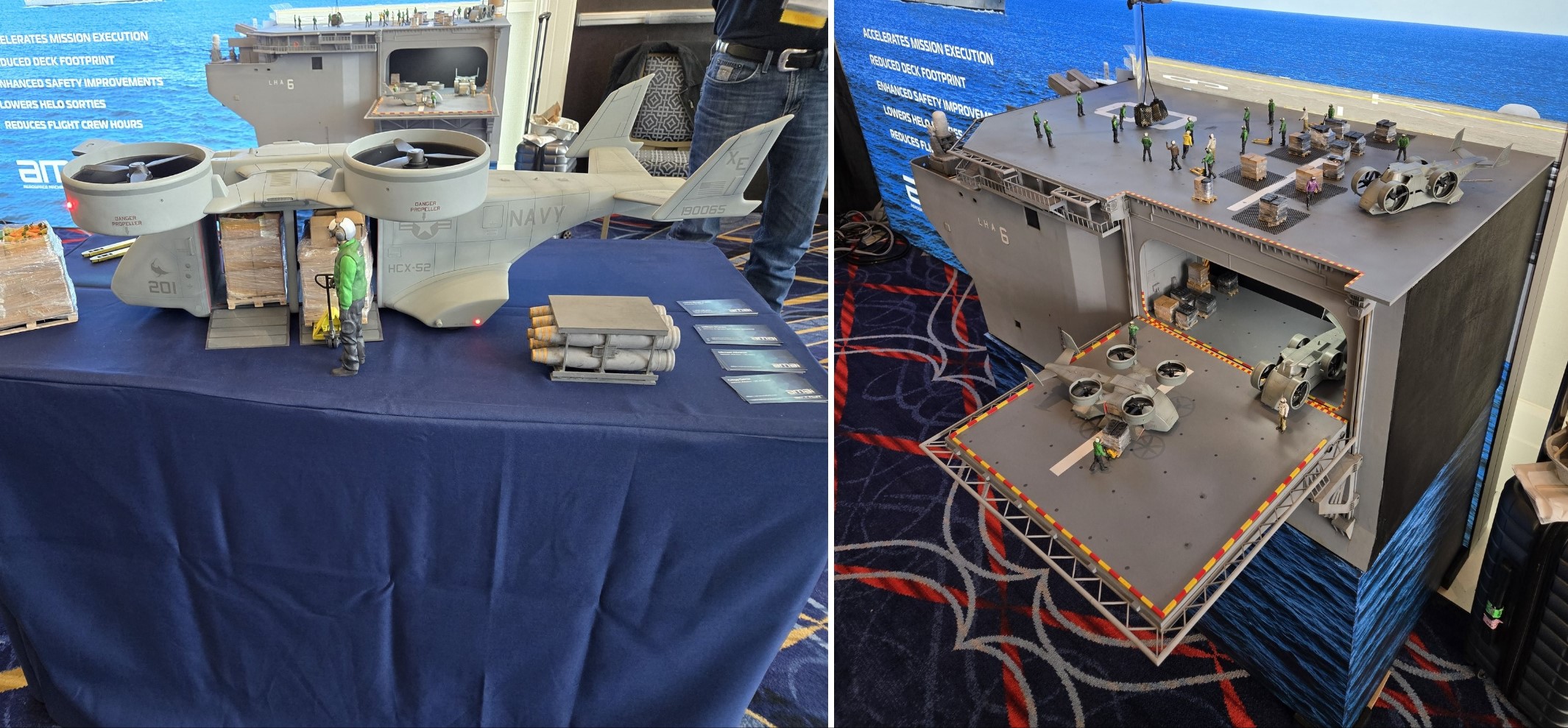
World
NATIONAL HARBOR, Md., — April 23, 2026 : Tacoma-based Aerospace Machining & Assembly Inc. (AMAI) has unveiled a new autonomous maritime logistics concept, the Marlin HCX-52, during the Sea-Air-Space 2026 held on April 19–22, 2026 at the Gaylord National Resort & Convention Center. The platform is designed as a fully autonomous, all-electric Vertical Replenishment (VERTREP) system intended to support future logistics requirements of the United States Navy. The Marlin HCX-52 is positioned as a purpose-built unmanned cargo delivery platform capable of conducting ship-to-ship and ship-to-shore resupply missions without onboard crew. According to information released at the company’s exhibition booth, the system is being engineered to carry a payload of 2,500 to 3,000 pounds (1,133 to 1,360 kilograms). This capacity is aligned with standard military logistics requirements, including palletized cargo, provisions, and essential munitions. Transition in Naval Logistics Operations Current VERTREP operations within the U.S. Navy rely primarily on manned rotary-wing aircraft such as the MH-60S Knighthawk. These platforms are routinely used to transfer supplies between combat logistics force vessels and carrier strike groups. While effective, their use for routine cargo movement allocates high-value aviation assets to non-combat roles and exposes aircrew to operational risks. The Marlin HCX-52 concept reflects a shift toward automated logistics systems. By removing onboard personnel requirements, the platform is intended to reduce operational risk while enabling more efficient allocation of manned aviation resources for missions such as anti-submarine warfare, search and rescue, and combat support. Platform Design and Technical Overview AMAI has outlined key baseline characteristics of the Marlin HCX-52, although the system remains at the concept stage. The platform is designed for maritime durability and operational compatibility with existing naval infrastructure. Platform Name: Marlin HCX-52 Manufacturer: Aerospace Machining & Assembly Inc. (AMAI) Primary Role: Vertical Replenishment (VERTREP) and Maritime Logistics Operation: Fully Autonomous Propulsion System: All-Electric Target Payload Capacity: 2,500–3,000 lbs (1,133–1,360 kg) Target Operator: United States Navy The system incorporates corrosion-resistant materials to support long-term deployment in maritime environments. According to the company, the design does not require structural modifications to existing naval vessels, enabling integration with current shipboard logistics procedures. Electric Propulsion and Operational Efficiency The Marlin HCX-52 utilizes an all-electric propulsion architecture. This approach is intended to reduce acoustic and thermal signatures compared to turbine-powered helicopters, which may have implications for operations in contested or sensitive environments. Additionally, electric propulsion is expected to lower maintenance requirements and reduce operating costs per flight hour. The absence of traditional aviation fuel requirements for the platform itself also simplifies aspects of the logistics chain, although broader operational integration details have not been disclosed. Development Background and Industry Collaboration The platform has been developed by a team with more than 80 years of combined commercial aviation experience, working in collaboration with industry partners. AMAI stated that the design emphasizes reliability, sustainability, and compatibility with naval operational requirements. Bill Boyer Jr., CEO and Founder of Aerospace Machining & Assembly Inc., stated during the event that the system is intended to improve safety and cost efficiency in vertical replenishment operations by enabling autonomous cargo transfer between vessels. Strategic and Operational Context The introduction of the Marlin HCX-52 aligns with the U.S. Navy’s broader adoption of Distributed Maritime Operations (DMO), a concept focused on dispersing fleet elements across wider operational areas. This approach increases the importance of flexible and resilient logistics networks capable of sustaining distributed forces. Unmanned VERTREP platforms are being evaluated as potential enablers for maintaining supply lines without exposing personnel to risk, particularly in contested environments. The Marlin concept places AMAI within a growing segment of defense industry efforts focused on autonomous logistics and electric vertical takeoff and landing (eVTOL) systems. Potential Commercial Applications Although primarily developed for military use, AMAI has identified potential commercial applications for the Marlin HCX-52. These include cargo transport in geographically constrained regions, such as the Hawaiian Islands, where conventional aviation access may be limited. The platform’s vertical lift capability and autonomous operation could support logistics in remote or infrastructure-limited environments. Program Status and Future Outlook The Marlin HCX-52 is currently presented as a concept model. No detailed information has been released regarding system range, endurance, dimensions, or specific power system architecture. Additionally, AMAI has not disclosed development timelines, prototype testing schedules, acquisition costs, or any procurement contracts associated with the platform. As of April 2026, the system remains in the conceptual phase, with further evaluation and development expected before any operational deployment decisions by the U.S. Navy or other potential users.
Read More → Posted on 2026-04-23 16:14:34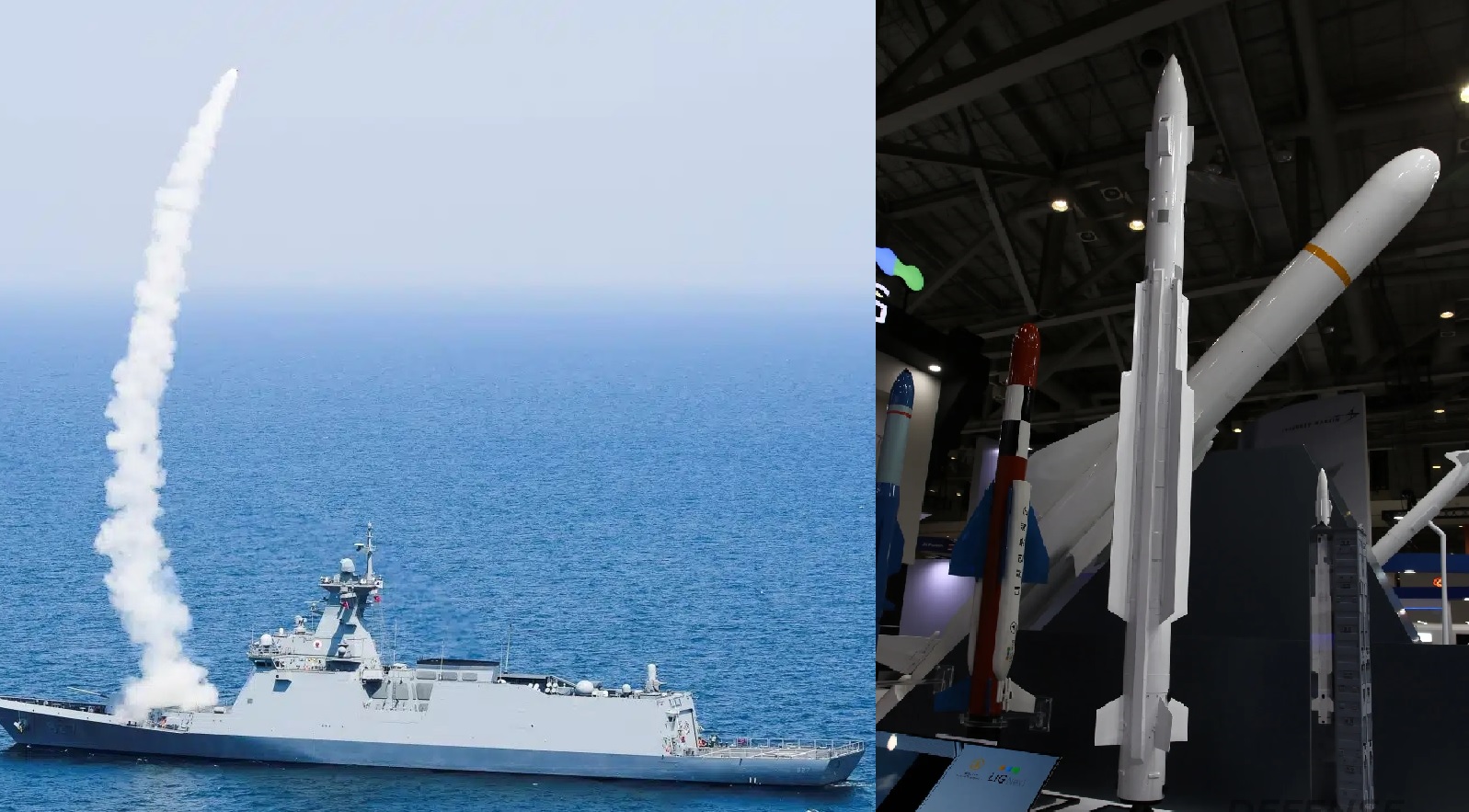
World
KUALA LUMPUR — April 23, 2026 : South Korean defence firm LIG Nex1, also operating as LIG Defense & Aerospace, has signed its first export contract for the Haegung (K-SAAM) ship-based surface-to-air missile system with Malaysia’s Ministry of Defence. The agreement, valued at $94 million (approximately KRW 140 billion), was concluded on April 22, 2026, during the Defence Services Asia (DSA) 2026 exhibition held in Kuala Lumpur. The contract covers the supply and integration of the Haegung system onto three Royal Malaysian Navy Littoral Mission Ship Batch 2 (LMSB2) vessels. These ships are currently under construction by Turkish state-owned defence firm STM Defence and are based on the Ada-class corvette design. The programme forms part of Malaysia’s ongoing naval modernisation effort under its 15-to-5 fleet rationalisation plan, which seeks to reduce the number of ship classes while enhancing operational capability in littoral environments. According to the agreement, each of the three LMS Batch 2 vessels will be equipped with a 16-cell vertical launching system configured to deploy the Haegung missiles. The system supports quad-pack canisters, enabling up to 16 missiles per ship in a 2×2 configuration as part of the vessels’ short-range air defence suite. The Haegung, also known as the Korean Surface-to-Air Anti-Missile (K-SAAM), was developed by South Korea’s Agency for Defense Development in partnership with LIG Nex1. Development of the missile began in 2011, with mass production commencing in 2019 and operational deployment starting in 2021 with the Republic of Korea Navy. Designed for point defence of naval platforms, the system is intended to intercept anti-ship missiles, aircraft, and other aerial threats. The missile measures approximately 3.08 to 3.36 metres in length, has a maximum speed of up to Mach 2, and an operational interception range of between 15 and 20 kilometres. It uses inertial mid-course guidance combined with a dual-mode terminal seeker that integrates radio frequency radar and imaging infrared sensors, enabling engagement in complex electronic warfare environments. The missile employs a vertical launch mechanism followed by rapid directional manoeuvring to engage targets shortly after launch. Prior to this agreement, the system was exclusively operated by the Republic of Korea Navy, including deployment on platforms such as the Daegu-class frigates and the ROKS Marado. The LMS Batch 2 vessels will incorporate a mix of Turkish and international systems. In addition to the K-SAAM, the ships are expected to be equipped with Roketsan Atmaca surface-to-surface missiles, a 76 mm main gun, and a 30 mm secondary gun. Construction of the vessels is underway at STM facilities in Istanbul, with keels laid in 2025. Daniel Lee, head of LIG Nex1’s Malaysia office, stated that the agreement reflects the Royal Malaysian Navy’s confidence in the company’s technology and builds on cooperation developed over the past seven years. The contract represents the first overseas sale of the Haegung system and marks an expansion of South Korea’s defence exports into the maritime guided weapons segment in Southeast Asia. It follows previous export successes of LIG Nex1’s Cheongung-II (M-SAM II) systems to Middle Eastern countries, including the United Arab Emirates, Saudi Arabia, and Iraq. Malaysian defence authorities announced that the Haegung contract was one of 24 agreements and industrial collaboration programmes signed during DSA 2026, with a combined value exceeding RM3.54 billion. No specific delivery schedule or integration timeline for the missile systems has been disclosed.
Read More → Posted on 2026-04-23 16:20:52
World
HANOI — April 23, 2026 : Vietnam is expected to move forward with plans to acquire between 12 and 24 Sukhoi Su-57 stealth fighters from Russia in the early 2030s, as part of a long-term effort to modernize the Vietnam People’s Air Force and replace aging combat aircraft. Deliveries are anticipated to take place between 2030 and 2035, aligning with the projected maturity of the Su-57 production program and ongoing upgrades to the platform. Fleet Modernization and Replacement The planned acquisition is structured to address both replacement and capability expansion requirements within Vietnam’s current fleet. The incoming fifth-generation aircraft are expected to directly replace 12 Sukhoi Su-27 fighters and approximately 30 Sukhoi Su-22 aircraft, both of which are approaching the end of their operational service lives. In addition to replacing older platforms, the Su-57 will operate alongside Vietnam’s existing inventory of around 35 Sukhoi Su-30MK2 multirole fighters, which currently serve as the backbone of the country’s combat aviation capability. This layered fleet structure is intended to maintain operational continuity while introducing advanced capabilities associated with fifth-generation aircraft. Initial reporting on Vietnam’s interest in the Su-57 dates back to mid-2017, including coverage by Dat Viet newspaper, with subsequent references by local analysts in early 2019. The program has since remained part of Vietnam’s long-term defense planning framework, with continued analytical support from regional defense observers. Strategic Context and Regional Dynamics Vietnam’s decision to pursue a fifth-generation platform reflects broader regional security considerations, particularly in the South China Sea. Ongoing territorial disputes and the rapid modernization of regional air forces have influenced procurement priorities. China currently operates a large fleet of Chengdu J-20 stealth fighters and continues development of next-generation combat aircraft. Within this context, Vietnam’s planned acquisition is intended to ensure credible airpower capabilities for long-range operations, maritime strike missions, and airspace control over its coastline and contested areas. The Su-57’s operational profile, including extended combat range and heavy payload capacity, is considered suitable for wide-area maritime patrol and strike roles across the South China Sea. Operational Integration and Technical Considerations Defense analysts emphasize that compatibility with Vietnam’s existing Russian-origin systems is a central factor in the selection of the Su-57 over Western alternatives. Vietnam’s military infrastructure is built largely around Russian platforms, enabling streamlined integration. The Su-57 is expected to operate in conjunction with existing assets such as the Su-30MK2 fleet and S-300 missile system air defense systems. This interoperability reduces logistical complexity, minimizes maintenance costs, and limits the scale of pilot retraining requirements compared to transitioning to NATO-standard aircraft. The aircraft’s sensor suite and weapons integration are designed to support both air superiority and precision strike missions, enhancing Vietnam’s ability to respond to evolving operational requirements. Future Configuration and Upgrade Path Vietnam is expected to receive a more advanced configuration of the aircraft, potentially aligned with the “5+” generation standard. Reports indicate that deliveries in the 2030–2035 timeframe could include the Su-57M1 variant equipped with the AL-51F-1 engine engine. This upgraded propulsion system is designed to provide increased thrust, improved supercruise capability, reduced radar and infrared signatures, and lower maintenance demands. The timing of the acquisition allows Vietnam to benefit from incremental improvements in the aircraft’s design, production processes, and operational reliability as the program matures. International Export Status and Procurement Outlook If finalized, Vietnam would become the second international operator of the Su-57 after Algeria, which has reportedly completed procurement agreements with Rosoboronexport and begun receiving aircraft between late 2025 and early 2026. Russia has indicated growing international interest in the export variant, commonly referred to as the Su-57E, with multiple contracts reported in recent months, although additional buyers have not been officially disclosed. No formal contract between Vietnam and Russia has been publicly announced. The final number of aircraft within the 12 to 24 range is expected to depend on budgetary considerations and procurement planning. The acquisition aligns with Vietnam’s broader strategy of maintaining a Russian-centric defense inventory across its air force, navy, and air defense systems, while gradually introducing more advanced capabilities to replace aging platforms. Further details on contract timelines, financing arrangements, and integration schedules are likely to emerge closer to the planned delivery window in the early 2030s.
Read More → Posted on 2026-04-23 17:10:26 Spanish Army VAMTAC Destroyed After Rigging Failure During Airborne Training Exercise in Guadalajara
World
MADRID / GUADALAJARA — April 23, 2026 : A URO VAMTAC operated by the Spanish Army was completely destroyed following a rigging failure during a heavy equipment parachute drop carried out in mid-April 2026. The incident occurred at the Campo de Maniobras y Tiro de Uceda training range in Guadalajara province during a scheduled airborne logistics exercise conducted by the Brigada Paracaidista “Almogávares VI” (BRIPAC). The vehicle was deployed from a Airbus A400M Atlas transport aircraft belonging to the Spanish Air and Space Force at an altitude of approximately 300 metres. According to official information and preliminary assessments, the parachute deployment sequence was initiated as planned, but the rigging system — including harness components and steel cable anchor points — failed to sustain the load. As a result of the structural failure, the vehicle detached from its restraints during descent. The parachutes did not maintain control of the load, and the VAMTAC entered an uncontrolled free fall before impacting the ground at high speed within the secured drop zone. The impact caused total destruction of the vehicle, rendering it unusable. No personnel were inside the vehicle at the time of the drop, in accordance with standard operating procedures for heavy equipment airdrop missions. Authorities confirmed that no injuries were reported among participating military personnel or in surrounding areas. The destroyed platform formed part of a batch of 38 VAMTAC ST5 vehicles procured by the Spanish Army in June 2024 from manufacturer UROVESA. The acquisition contract was valued at €23.6 million, including value-added tax, placing the estimated cost of the lost vehicle at approximately €600,000. The VAMTAC (Vehículo de Alta Movilidad Táctico) is a 4×4 high-mobility tactical vehicle designed for multiple operational roles, including troop transport, reconnaissance, and light combat support. Airborne-configured variants used by BRIPAC are adapted for parachute deployment, with structural modifications intended to withstand descent forces and landing impact under controlled conditions. The exercise was part of routine training focused on aerial resupply and rapid deployment capabilities. Such operations require coordinated procedures involving load preparation, rigging integrity checks, and precise timing of parachute deployment systems to ensure safe delivery of equipment. Following the incident, the Spanish Army confirmed the loss through official spokespersons and initiated a formal technical investigation. The inquiry will examine the failure of the rigging system, including the performance of harness assemblies and anchoring mechanisms, as well as procedural and environmental factors present during the drop. The crash site was secured after the incident, and recovery teams were tasked with collecting wreckage and associated deployment equipment for analysis. The Brigada Paracaidista “Almogávares VI”, based in Paracuellos del Jarama near Madrid, regularly conducts airborne insertion and resupply exercises as part of its operational readiness cycle. The brigade has previously demonstrated its airdrop capabilities with VAMTAC vehicles to international partners, including the Portuguese Army in January 2026. While the destruction of the vehicle represents a material loss within BRIPAC’s equipment inventory, military officials indicated that the incident did not disrupt the broader training programme. No details have been released regarding replacement timelines for the lost platform or whether procedural modifications will be introduced pending the outcome of the investigation.
Read More → Posted on 2026-04-23 17:21:40
World
TEHRAN — April 23, 2026 : Iran’s Supreme Leader Mojtaba Khamenei continues to oversee state affairs while recovering from severe injuries sustained during the opening phase of the war involving the United States and Israel, according to a detailed report published by The New York Times citing current and former Iranian officials. Khamenei, who assumed leadership following the death of his father Ali Khamenei, remains mentally alert but physically constrained after the February 28, 2026 airstrikes that targeted a leadership compound in central Tehran. The same strikes resulted in the deaths of senior defense officials and members of the Khamenei family. Extent of Injuries and Medical Status According to intelligence and medical details referenced in the report, Khamenei sustained multiple severe injuries. He has undergone three surgical procedures on one leg and is currently awaiting a prosthetic limb. In addition, he suffered burns to his face and lips, which have limited his ability to speak, along with injuries to one of his hands. Officials familiar with his condition state that he is under continuous medical supervision, supported by a dedicated team of doctors, and is gradually regaining function in affected areas. Despite this, his recovery remains incomplete, influencing how he carries out his duties. Since being appointed by Iran’s Assembly of Experts in March 2026, Khamenei has not made any public appearances or released audio or video statements. Officials indicate that this absence reflects both security considerations and a deliberate effort to avoid projecting physical vulnerability during an ongoing conflict environment. Governance Through Secure Courier Communication Due to security risks and physical limitations, Khamenei is operating from an undisclosed location. The report states that he communicates exclusively through sealed handwritten messages delivered via a tightly controlled courier network. These couriers transport directives across road networks between the Supreme Leader’s location and key institutions in Tehran. This system has replaced conventional electronic communication channels to reduce the risk of interception or targeting. All major decisions, including those related to military posture, control over the Strait of Hormuz, and relations with neighboring countries, are being transmitted through this method. Written directives have also been used to convey positions on ceasefire negotiations with the United States. Expanded Role of the Islamic Revolutionary Guard Corps The current governance structure has shifted toward a more decentralized and military-influenced model. Khamenei has delegated significant operational authority to senior commanders within the Islamic Revolutionary Guard Corps (IRGC), particularly in areas related to wartime strategy, internal security, and foreign policy execution. This arrangement has resulted in IRGC commanders playing a central role in shaping Iran’s military posture and diplomatic engagements during both the conflict and the subsequent ceasefire period that began in early April 2026. Analysts and individuals familiar with Iran’s internal dynamics describe the evolving system as differing from the previously centralized clerical model. Abdolreza Davari, a former senior adviser to ex-president Mahmoud Ahmadinejad, stated that Khamenei is effectively managing governance in a structure comparable to a board, with IRGC generals functioning as key decision-making members. Sanam Vakil, director of the Middle East and North Africa program at Chatham House, assessed that the Supreme Leader is not exercising full operational control in all areas and is at times presented with decisions already implemented by military authorities. Ali Vaez, Iran director at the International Crisis Group, noted that the structural changes have increased the relative influence of the Revolutionary Guards within the state hierarchy. Continuity of Leadership Amid Ceasefire Conditions Despite the delegation of authority, Khamenei remains the formal head of state and retains ultimate decision-making authority. His written messages have emphasized continued resistance policies and the preservation of strategic leverage, including maritime control considerations. The April 23, 2026 report aligns with earlier accounts from Iranian and Israeli officials and reporting by Reuters on April 11, 2026, which also described significant leg injuries and facial damage resulting from the February 28 strike. U.S. officials, including Defense Secretary Pete Hegseth, have previously referenced the injuries in public statements. Iran is currently operating under a fragile ceasefire with the United States that took effect in early April 2026. While this arrangement has allowed continuity in governance and security operations, it has also coincided with a redistribution of practical authority toward military leadership structures. No official statement has been issued by Iranian authorities regarding the full extent of the Supreme Leader’s injuries or the specific mechanisms of his communication system.
Read More → Posted on 2026-04-23 17:35:25
India
BENGALURU, — April 24, 2026 : Dynamatic Technologies Limited, through its unmanned systems division Dynauton Systems, has signed a Memorandum of Understanding (MoU) with Germany-based aviation firm Aerodata AG to jointly develop and manufacture the AeroForce X unmanned aerial vehicle (UAV) platform tailored for Indian requirements. The agreement was signed on April 22, 2026, in Bengaluru by Udayant Malhoutra, CEO and Managing Director of Dynamatic Technologies Limited, and Neset Tükenmez, CEO of Aerodata AG. It establishes a framework for collaboration on an unmanned airborne surveillance and reconnaissance solution designed for operations across the Indian region. Platform Development and Technical Framework The partnership centres on the AeroForce X, a modular Medium Altitude Long Endurance (MALE) unmanned aircraft system (UAS) designed for Intelligence, Surveillance, and Reconnaissance (ISR) missions over both land and maritime environments. Under the MoU, both companies will evaluate the development and deployment of the platform to meet Indian operational requirements. The AeroForce X platform falls within the 5-tonne UAV category, with a maximum take-off weight of approximately 4,800 kg and a payload capacity of up to 1,300 kg. The system is designed to support both MALE and High Altitude Long Endurance (HALE) variants. Operational specifications include: MALE variant capable of flying at altitudes exceeding 30,000 feet above mean sea level HALE variant designed for operations above 50,000 feet Endurance of up to 40 hours for extended missions The UAV features a modular architecture that allows rapid reconfiguration for different mission profiles. It is designed to integrate advanced mission systems and sensor technologies, enabling a wide range of surveillance and reconnaissance roles. The platform is classified as ITAR-free, meaning it is not subject to United States export control regulations, allowing flexibility in international deployment and collaboration. Operational Roles and Mission Scope According to the companies, the AeroForce X is being developed for multi-domain ISR missions, including maritime surveillance and reconnaissance, border patrol, monitoring of exclusive economic zones (EEZ), pollution surveillance, anti-narcotics operations, fishery patrol, search and rescue, and anti-piracy operations. The system is being specifically adapted for sustained operations in high-altitude terrain such as the Himalayas and in maritime environments across the Indian Ocean Region. Division of Responsibilities Under the terms of the MoU, Dynauton Systems will contribute its engineering and manufacturing capabilities in unmanned systems, while Aerodata AG will provide expertise in integrating complex airborne surveillance, reconnaissance, and mission management systems. The collaboration also includes plans to combine Aerodata’s mission systems and sensor technologies with Dynauton’s proprietary software stack. Production elements of the adapted UAV platform are expected to be carried out in India using Dynauton’s manufacturing infrastructure. Corporate Background Dynauton Systems was established in 2023 as a deep-technology startup by Dynamatic Technologies Limited, focusing on unmanned systems and mission-critical technologies for surveillance and security applications. The division was formally incorporated as Dynauton Limited in mid-April 2026. Dynamatic Technologies Limited is a precision engineering company with operations in India and Europe, engaged in the design and manufacture of products for aeronautics, hydraulics, metallurgy, and security sectors. Aerodata AG, headquartered in Braunschweig, Germany, specializes in aviation solutions, particularly airborne surveillance, flight inspection systems, and mission management technologies. Executive Statements Neset Tükenmez stated that the agreement represents a step toward adapting the AeroForce X platform for ISR missions in the Himalayas and the Indian Ocean Region, combining the technological strengths of both companies. Udayant Malhoutra said the collaboration enables Dynauton Systems to build on an established platform and jointly develop solutions for complex surveillance and reconnaissance requirements. Industry Context and Next Steps The partnership aligns with India’s ongoing efforts to expand domestic aerospace manufacturing capabilities and reduce reliance on imported unmanned systems. By integrating European mission system expertise with local engineering and production, the collaboration is positioned to address requirements of Indian defence and security agencies. The companies indicated that further evaluation and development activities will follow under the MoU framework. No financial details or specific timelines for deployment or production were disclosed.
Read More → Posted on 2026-04-24 13:31:16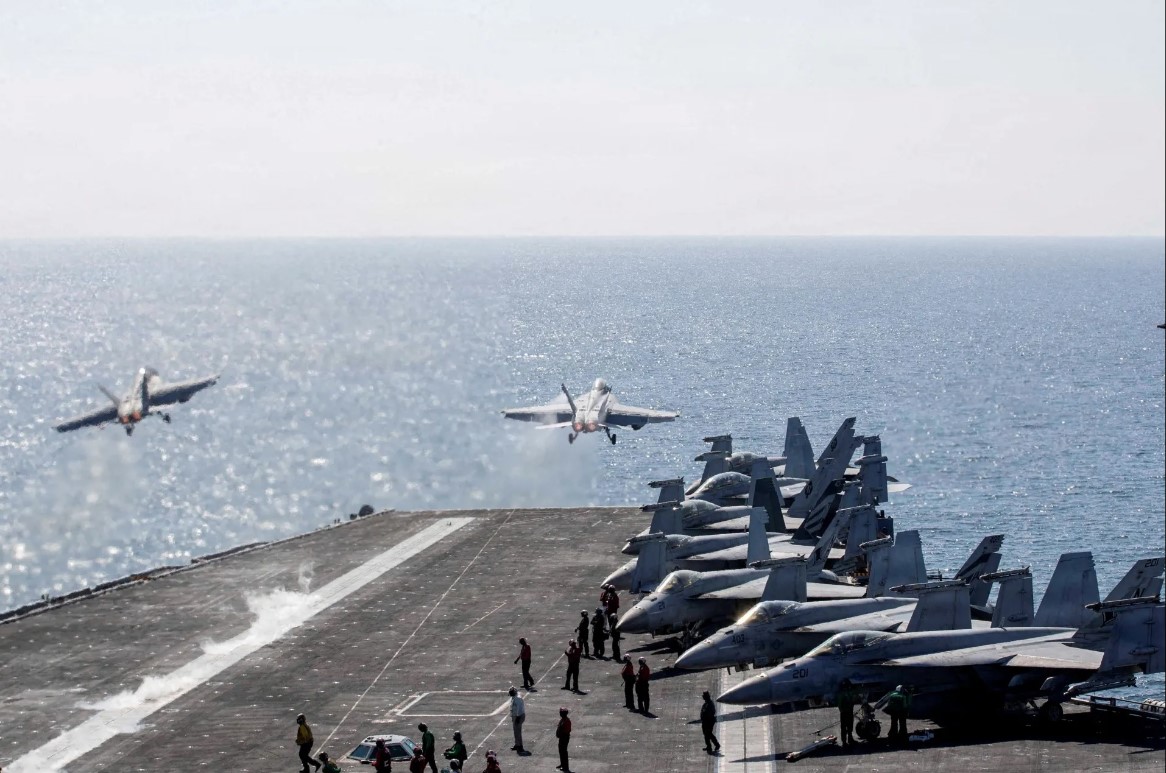
World
WASHINGTON — April 24, 2026 : The United States military is actively preparing contingency plans for potential strikes against Iranian targets across the Strait of Hormuz, the southern Persian Gulf, and the Gulf of Oman if the current ceasefire agreement with Iran collapses, according to multiple officials familiar with the planning. The proposed actions are being developed as part of a potential second phase of Operation Epic Fury, a U.S. Central Command-led campaign launched in late February 2026. The operation’s initial phase involved 38 days of sustained combat that significantly degraded Iran's conventional military infrastructure, including air defense systems and elements of its defense industrial base. U.S. assessments indicate that approximately 80% of Iran’s air defense network was destroyed during this period. Operational Focus on Maritime Access Planning for a second phase centers on ensuring the reopening and sustained security of the Strait of Hormuz, a strategic waterway through which roughly one-fifth of global oil shipments pass. The strait was effectively closed by Iran during earlier stages of the conflict, contributing to disruptions in global energy markets and shipping. The current ceasefire, which took effect around April 7–8, 2026, remains conditional and limited in scope. While Iran has coordinated vessel passage during the pause, U.S. officials assess that Tehran has simultaneously repositioned surviving military assets within the region. Dynamic Targeting Framework Pentagon planning emphasizes a “dynamic targeting” approach aimed at Iranian capabilities that could threaten maritime transit. These include assets associated with Iran’s anti-access/area-denial (A2/AD) strategy, particularly within confined and contested waters. Primary targets under consideration include: Networks of small, high-speed attack boats operated by the Islamic Revolutionary Guard Corps, often described as a “mosquito fleet” Mine-laying vessels and midget submarines capable of disrupting shipping lanes Mobile coastal defense systems, including anti-ship cruise missile launchers One-way attack drones launched from fortified cave and tunnel complexes along the coastline U.S. intelligence assessments indicate that a substantial number of Iranian missile launchers and drone systems survived the initial phase of operations. In addition, clearance of naval mines in the strait could require up to six months, complicating efforts to fully restore secure passage. Military planners are also maintaining broader options that include potential strikes on Iranian energy infrastructure and the targeting of senior military personnel involved in coordinating maritime disruption activities. Force Posture and Airpower Deployment To support these objectives, the U.S. Department of Defense has deployed a range of combat aircraft and support systems to forward bases in the Middle East, including Al Dhafra Air Base in the United Arab Emirates and Prince Sultan Air Base in Saudi Arabia. The deployed assets include: 12 F/A-18C/D Hornets assigned to the U.S. Marine Corps’ Marine Fighter Attack Squadron 312 (VMFA-312), known as the Checkerboards. These aircraft transited through Lajes Field in the Azores with aerial refueling support from KC-46A Pegasus tankers. Approximately 30 A-10C+ Thunderbolt II aircraft drawn from the 74th and 75th Fighter Squadrons at Moody Air Force Base, Georgia; the 107th Fighter Squadron at Selfridge Air National Guard Base, Michigan; and the 190th Fighter Squadron at Gowen Field Air National Guard Base, Idaho. Six AC-130J Ghostrider gunships configured for precision strike and close air support missions. Multiple uncrewed aerial systems tasked with intelligence, surveillance, reconnaissance, and strike roles. The composition of these forces indicates a focus on close air support and maritime interdiction operations rather than deep-strike strategic bombing. The A-10C+ aircraft and AC-130J gunships are particularly suited for engaging fast-moving, dispersed targets such as small boats and mobile launch platforms. Potential Ground and Maritime Operations Most of the deployed aircraft are tasked with supporting U.S. Navy and Marine Corps units in potential operational scenarios that could include direct engagement with Iranian coastal defenses. This may involve neutralizing missile batteries positioned along the shoreline or conducting operations to secure Iranian-held islands that overlook critical shipping lanes in the strait. U.S. Navy forces continue to enforce a blockade of Iranian ports, conducting vessel redirection and selective boarding operations as part of ongoing maritime security measures. Strategic Context and Outlook The U.S. military buildup in the region, which includes carrier strike groups and additional air assets, is part of a broader reinforcement effort that began in January 2026 within the U.S. Central Command area of responsibility. Pentagon officials have declined to comment on specific operational timelines or detailed strike plans, stating that all options remain available to the President. The current posture reflects a transition from initial large-scale conventional operations to a readiness framework focused on rapid re-engagement if the ceasefire breaks down. No formal decision on initiating a second phase of operations has been announced.
Read More → Posted on 2026-04-24 13:51:17
India
LONDON / MUMBAI — April 24, 2026 : UK-based advanced air mobility developer LYTE Aviation Ltd has received ten conditional purchase orders from Vman Aviation Services IFSC Pvt Ltd for its SkyClinic vertical take-off and landing (VTOL) aircraft, in a deal valued at €500 million. The agreement includes milestone-linked deposits totaling €10 million and represents a significant early-stage commitment in the emerging aeromedical mobility sector. Agreement Structure and Strategic Rationale The order was placed by Vman Aviation Services, a boutique aviation leasing firm established in India’s GIFT City financial hub. The company intends to deploy the aircraft to address gaps in healthcare infrastructure, particularly across Tier 2 and Tier 3 cities, remote regions, and disaster-affected areas. Vishok Mansingh, Chief Executive Officer of Vman Aviation Services, stated that the SkyClinic platform is designed to deliver advanced medical capabilities directly to underserved areas where building and maintaining conventional hospital infrastructure is not feasible. The initiative is aligned with broader efforts to improve healthcare accessibility and reduce the need for patient transfers to major urban centres. Aircraft Design and Technical Specifications The SkyClinic is a purpose-built aeromedical aircraft derived from LYTE Aviation’s LA-44 SkyBus platform. It uses a tandem tilt-wing configuration and hybrid-hydrogen electric propulsion system. Key technical characteristics include a payload capacity of 4.5 tonnes and an operational range of up to 1,000 kilometres. The aircraft is designed to operate with minimal infrastructure, requiring approximately 50 metres of landing space and no dependence on traditional runways or helipads. The propulsion system is based on LYTE Aviation’s proprietary “PowerBridge” architecture, integrating combustion engines, electric motors, liquid hydrogen fuel cells, and compatibility with sustainable aviation fuels. Following a preliminary design review completed in 2025, the aircraft’s configuration was revised from eight engines to four, improving efficiency, reliability, and maintenance requirements. Medical Capabilities and Onboard Systems Unlike conventional air ambulances, the SkyClinic is configured as a deployable flying hospital. The cabin includes a fully equipped surgical suite capable of accommodating up to six patients simultaneously. The onboard medical infrastructure features an operating theatre designed to support remote robotic surgery, advanced diagnostic equipment, and continuous patient monitoring systems. The aircraft is also equipped with high-speed 5G and 6G connectivity, enabling real-time data transmission and remote specialist consultation. These capabilities are intended to support a wide range of use cases, including emergency response, specialised medical outreach, and humanitarian assistance in underserved or inaccessible locations. Operational Use Cases and Broader Applications In addition to civilian healthcare delivery, the SkyClinic platform is designed for deployment in disaster relief scenarios and conflict zones. Its rapid deployment capability and integrated medical logistics systems allow it to function as a mobile field hospital. The aircraft’s potential applications extend to military use cases, including frontline medical response, casualty evacuation, and support for operations in remote or infrastructure-limited environments. Programme Status and Development Timeline LYTE Aviation, founded in 2023 and headquartered in London, is developing a portfolio of heavyweight hybrid-hydrogen-electric VTOL aircraft. This includes the passenger-focused SkyBus, the cargo-oriented SkyTruck, and the medical SkyClinic variant. The company completed a preliminary design review in 2025 and is progressing toward the development of a subscale prototype. Discussions with fuel cell and propulsion system partners are ongoing as part of the next phase of development. The SkyClinic orders contribute to LYTE Aviation’s total pre-order pipeline, which the company states is valued at approximately €1.42 billion across its aircraft portfolio. Commercial Outlook and Next Steps Freshta Farzam, Chief Executive Officer of LYTE Aviation, described the agreement as an indication of market interest in advanced aeromedical mobility solutions and validation of the company’s platform strategy. The current agreement remains conditional, with conversion to firm orders dependent on specified technical and commercial milestones. Neither LYTE Aviation nor Vman Aviation Services disclosed timelines for certification, delivery schedules, or entry-into-service dates. Both companies indicated that further updates regarding programme progress and contractual developments will be provided as milestones are met.
Read More → Posted on 2026-04-24 14:03:46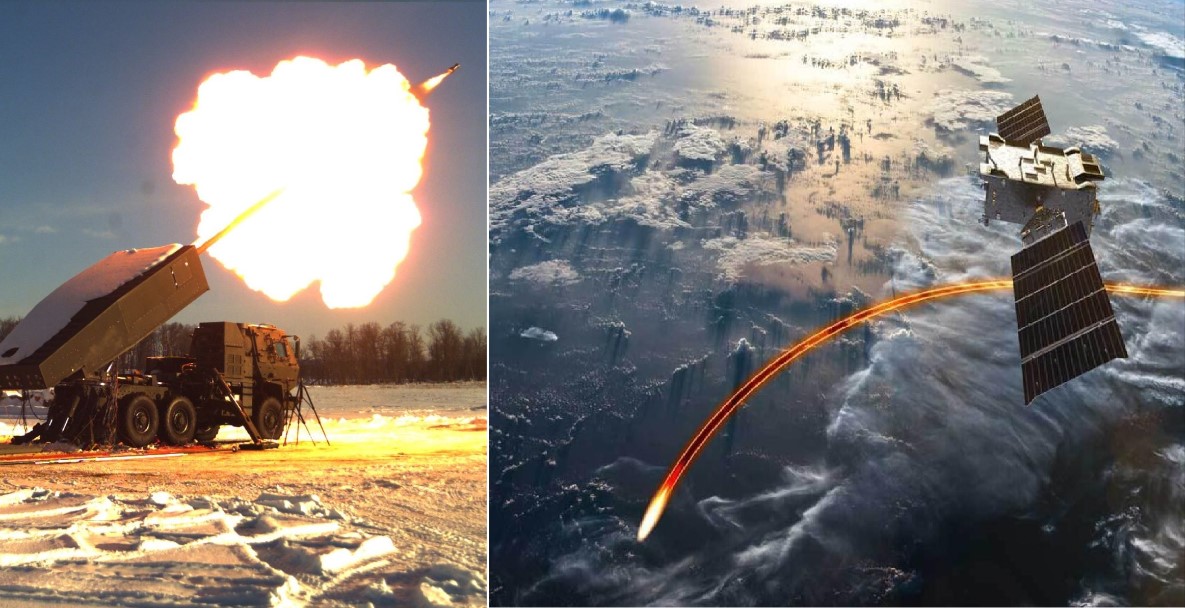
World
WASHINGTON, — April 24, 2026 : The U.S. Army is advancing development of its Multi-Domain Artillery Cannon System (MDACS), a new artillery-based air and missile defense capability that will be integrated into the Pentagon’s “Golden Dome” homeland defense architecture, according to defense officials familiar with the program. The system is being developed under the Army’s Rapid Capabilities and Critical Technologies Office (RCCTO) as part of a broader effort to expand layered air and missile defense coverage across the United States and deployed force locations. System Role Within Golden Dome MDACS is designed to function as a lower-tier, high-capacity defensive layer within the Department of Defense’s Golden Dome initiative, a multi-domain architecture announced in 2025. The framework combines space-based sensors, advanced interceptors, and ground-based systems to counter ballistic, hypersonic, cruise missile, and low-altitude aerial threats. Within this structure, MDACS is intended to address short- to medium-range threats such as unmanned aerial systems, cruise missiles, fixed-wing aircraft, and rotary-wing platforms, complementing higher-tier interceptor systems. The program also expands the Army’s role in homeland defense operations within the continental United States by contributing a scalable, ground-based capability integrated into joint command networks. System Architecture and Components According to Army technical specifications, a full MDACS battery consists of multiple integrated subsystems designed to operate as a cohesive air defense unit. Each battery includes eight Multi-Domain Artillery Cannons (MDAC), which are wheeled, self-propelled 155 mm platforms modified for air defense missions. These systems are air-transportable, capable of rapid repositioning, and equipped with automated loading mechanisms that support a high rate of fire. Supporting the cannons are four Multi-Function Precision Radars (MFPR), which provide target acquisition and continuous tracking. These sensors operate as offboard systems, supplying targeting data rather than relying on onboard seekers within each projectile. Command and control is managed through two Multi-Domain Battle Managers (MDBM), which process sensor inputs, prioritize threats, and generate firing solutions. These elements are connected through the Integrated Air and Missile Defense Battle Command System (IBCS), enabling networked operations across multiple layers. A standard battery is configured with a minimum of 144 hypervelocity projectiles (HVP), forming the system’s primary intercept capability. Hypervelocity Projectile Technology The HVP used by MDACS was originally developed by BAE Systems for the U.S. Navy’s electromagnetic railgun program before being adapted for conventional 155 mm artillery systems. When fired from a standard 155 mm cannon, the projectile can reach speeds approaching Mach 6 and achieve an effective range of approximately 80 kilometers. Unlike traditional missile interceptors, the HVP relies on offboard radar guidance, receiving course-correction data from MFPR sensors via networked command systems. This approach reduces reliance on expensive onboard guidance packages, enabling a significantly lower cost per engagement while maintaining precision against aerial targets. Cost and Operational Concept The MDACS concept is centered on addressing the cost imbalance associated with modern air defense operations. Conventional surface-to-air missiles can cost millions of dollars per interceptor, while many emerging threats—such as drones or low-cost cruise missiles—are significantly cheaper. By shifting guidance functions to external sensors and using artillery-fired projectiles, MDACS enables a higher volume of fire at reduced cost. This allows the system to respond more effectively to saturation attacks, including drone swarms and coordinated missile strikes. The system’s mission profile includes defending fixed and semi-fixed installations, including forward operating bases and critical infrastructure, while operating in coordination with higher-tier missile defense systems. Integration and Networked Operations MDACS is designed as a fully integrated component rather than a standalone system. In addition to IBCS connectivity, the Army requires interoperability with broader command-and-control frameworks, including joint battle management systems used across the services. This network-centric approach allows MDACS units to receive targeting data from external sensors beyond their immediate operational area, increasing engagement range and improving situational awareness. The integration also supports coordinated defense operations across multiple domains, aligning MDACS with other Golden Dome elements such as space-based sensors and advanced interceptor systems. Development Timeline and Contracting In January 2025, the Army awarded a prototype development contract to BAE Systems for the design, integration, and testing of a complete MDACS battery configured for base defense missions. The program builds on earlier work conducted by the Strategic Capabilities Office within the Pentagon and the Air Force Research Laboratory under the Hypervelocity Ground Weapon System initiative. The development schedule outlines several key milestones. Initial funding began in fiscal year 2025, with approximately $67 million allocated to initiate prototyping and integration. Total program funding across fiscal years 2025 through 2027 is estimated at approximately $646 million. The Army plans to deliver the first complete prototype battery by the fourth quarter of fiscal year 2027. This will be followed by a battery-level operational demonstration in fiscal year 2028, including live-fire testing against representative aerial threats. Program Status Pentagon officials have stated that all components of the Golden Dome architecture remain under active development, with MDACS representing one of several new systems being integrated into the layered defense framework. While MDACS has been confirmed as part of the architecture, no specific timeline has been released for its full operational integration within Golden Dome. The Army continues to conduct iterative testing and soldier evaluations as the system progresses toward its planned 2028 operational demonstration.
Read More → Posted on 2026-04-24 14:17:15
World
WASHINGTON, — April 24, 2026 : The administration of Donald Trump is reviewing a range of military and strategic options that include the potential targeting of Ahmad Vahidi, the current commander-in-chief of Iran’s Islamic Revolutionary Guard Corps (IRGC), according to a report by CNN citing U.S. military and intelligence officials familiar with the planning. The deliberations come amid stalled diplomatic efforts between Washington and Tehran and follow a fragile ceasefire that took effect earlier in April 2026. According to the report, U.S. officials view Vahidi’s position and recent actions as a central obstacle to reviving negotiations, particularly as tensions remain high following the initial phase of the 2026 U.S.–Iran conflict. Contingency Planning and Targeting Considerations Officials familiar with internal discussions said the options under consideration are part of broader contingency planning tied to the ceasefire framework. One option includes direct action against specific Iranian military leaders and associated figures assessed to be actively undermining diplomatic engagement. Vahidi has been explicitly identified within this category. The U.S. Department of Defense has not confirmed any operational decisions. A Pentagon spokesperson stated that while specific or hypothetical operations are not discussed publicly, military planners continue to provide the president with a range of options and that all courses of action remain available. Leadership Transition Within the IRGC Vahidi assumed command of the IRGC on March 1, 2026, following the death of his predecessor, Mohammad Pakpour, during the opening phase of U.S. and Israeli military operations earlier in the conflict. Prior to his appointment, Vahidi served as deputy commander of the IRGC from December 2025 and previously held senior roles including commander of the IRGC Quds Force and Iran’s interior minister. U.S. officials assess that since taking command, Vahidi has consolidated influence across both military operations and strategic decision-making channels within Iran’s leadership structure. Internal Iranian Political Developments The reported U.S. considerations follow notable changes within Iran’s political leadership. Mohammad Bagher Ghalibaf recently stepped down from his role as head of Iran’s negotiating team in talks with the United States. According to multiple reports, his departure came after internal disagreements, including pressure from IRGC-linked factions over his willingness to include nuclear-related issues in negotiations. Ghalibaf had been associated with a more pragmatic approach to negotiations, particularly in seeking arrangements that could ease the impact of the ongoing U.S. naval blockade on Iranian ports. His removal is viewed by analysts as indicative of increasing influence held by hardline elements within the IRGC and affiliated institutions. Negotiation Breakdown and Policy Positions Following Ghalibaf’s exit from the negotiating process, Vahidi publicly stated that Iran would continue uranium enrichment activities and maintain its missile development program. He rejected the possibility of renewed talks under current conditions and indicated that Iran would continue its current course until U.S. military forces withdraw from the Middle East. Vahidi also reiterated Iran’s position regarding sovereignty over the Strait of Hormuz and opposed any concessions related to nuclear capabilities or missile restrictions. U.S. officials cited in the report describe Vahidi as playing a central role in shaping Iran’s negotiating stance and its military posture. He is reported to maintain direct access to Supreme Leader Mojtaba Khamenei and to have significant influence over enforcement of key policy positions, including the retention of uranium enrichment capabilities and control over strategic maritime routes. Regional and Operational Context The developments are taking place as the second phase of U.S. Central Command’s Operation Epic Fury remains paused under the terms of the current ceasefire. The agreement is contingent on conditions including the reopening of the Strait of Hormuz to international shipping. U.S. forces continue to enforce a naval blockade targeting Iranian ports while monitoring compliance with ceasefire conditions. The blockade has affected maritime trade flows, including energy exports, and remains a key element of U.S. pressure on Tehran. According to defense officials cited in the report, U.S. military planners are also reviewing broader “dynamic targeting” scenarios across the Persian Gulf, the Strait of Hormuz, and the Gulf of Oman, focusing on individuals and assets considered critical to Iran’s military decision-making. Diplomatic Efforts and Collapse of Talks Recent diplomatic efforts, including extended talks held in Islamabad with mediation support, failed to produce an agreement. Sources indicate that during the negotiations, factions aligned with Vahidi opposed proposed concessions, contributing to the breakdown of discussions. The internal divisions within Iran’s leadership structure, particularly between pragmatic and hardline factions, have reduced the negotiating authority of previous delegations and complicated efforts to reach a settlement. U.S. Strategic Position The United States has maintained that any agreement would require the full reopening of the Strait of Hormuz and steps addressing Iran’s stockpile of highly enriched uranium. Officials have indicated that without measurable progress on these issues, both military and economic pressure measures will continue. President Trump has signaled a firm position on the ceasefire, indicating that an extension is not guaranteed. U.S. officials have also noted that recovery and cleanup operations at Iranian nuclear facilities following earlier strikes—referred to in reports as Operation Midnight Hammer—are expected to take an extended period. No timeline has been provided for any potential actions under consideration. Officials emphasized that planning remains ongoing and subject to change based on developments in both diplomatic and military conditions.
Read More → Posted on 2026-04-24 14:32:37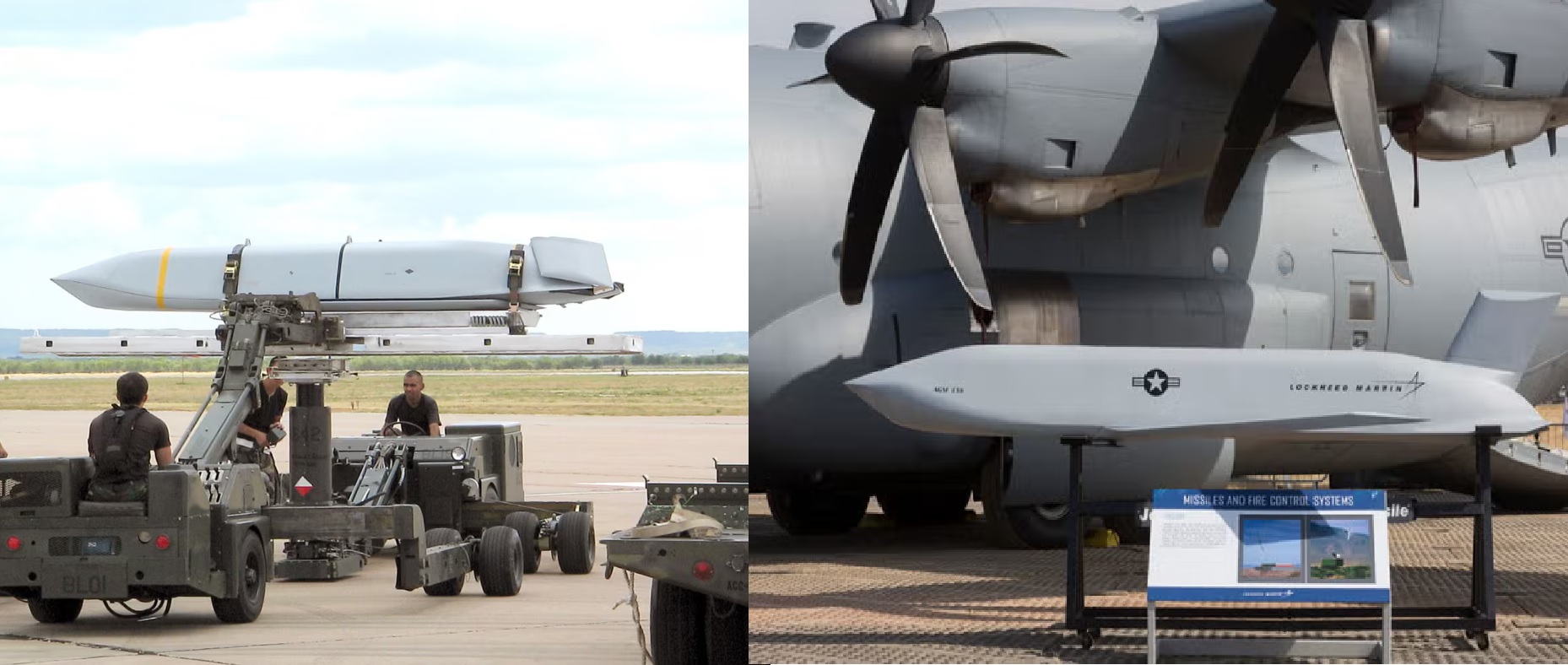
World
WASHINGTON, — April 24, 2026 : The United States Air Force is preparing a major multiyear procurement of approximately 4,300 Joint Air-to-Surface Standoff Missile–Extended Range (JASSM-ER) stealth cruise missiles from Lockheed Martin through fiscal year 2031, according to budget documents and reporting by Bloomberg. The acquisition is intended to rebuild precision-strike inventories that have been significantly reduced during high-intensity operations, particularly the ongoing conflict with Iran.The procurement plan reflects the operational demands placed on long-range standoff munitions and highlights ongoing pressure on the U.S. defense industrial base to scale production capacity. Officials indicate that additional stockpile depletion remains possible if hostilities continue or expand. Inventory Depletion and Strategic Reallocation Since the onset of combat operations against Iran in late February 2026, the U.S. military has expended between 1,000 and 1,100 JASSM-ER missiles. This level of usage accounted for roughly two-thirds of the pre-war inventory within a short period. Pre-conflict global availability stood at approximately 2,300 missiles.To sustain operations, the Pentagon redistributed JASSM-ER stockpiles from multiple regions, including the Indo-Pacific and the continental United States, to forward locations under United States Central Command, as well as to Fairford in the United Kingdom. Following combat expenditures and reallocation, internal estimates in early April 2026 indicated that roughly 425 missiles remained available for other global theaters, with total remaining inventory assessed at approximately 1,500 units.Defense analysts note that these weapons were originally positioned in part to support deterrence scenarios in the Indo-Pacific. Their rapid consumption has introduced planning challenges for U.S. force posture in Europe and East Asia. Procurement Plan and Budget Outlook Under the Air Force proposal, procurement will increase sharply beginning in fiscal year 2027. The service is seeking to acquire 821 missiles in FY2027, compared to 144 missiles in the current fiscal year. Planned purchases are expected to rise to nearly 900 units in FY2028, followed by approximately 860 missiles annually in subsequent years.If executed as planned, the acquisition would bring the total U.S. JASSM inventory to approximately 11,000 missiles by the end of the procurement period. Pentagon officials state that the expansion is aligned with broader readiness objectives and contingency planning requirements.However, implementation of long-term production expansion remains subject to congressional funding approvals. Previous Pentagon efforts to secure multiyear contracts aimed at significantly increasing precision-guided munition output have faced delays in the legislative process. System Capabilities and Technical Characteristics The AGM-158B JASSM-ER is an extended-range, stealthy air-launched cruise missile designed for deep-strike missions against high-value, hardened, and relocatable targets. It incorporates low-observable features intended to reduce detection by advanced air-defense systems.The missile has a range exceeding 900 kilometers (approximately 575–600 miles), enabling launch platforms to operate outside heavily defended airspace. It carries a 450-kilogram (1,000-pound) penetrating blast-fragmentation warhead.Guidance is provided through a combination of inertial navigation and anti-jam GPS, supported by an imaging infrared seeker for terminal-phase targeting. This configuration enhances accuracy in contested electronic warfare environments. The missile is powered by a turbofan engine and maintains the external dimensions of the baseline JASSM while integrating increased fuel capacity for extended range.The JASSM-ER is compatible with multiple U.S. Air Force platforms, including the B-1B Lancer, B-2 Spirit, and B-52 Stratofortress bombers, as well as fighter aircraft such as the F-15, F-16, and F-35. Unit costs are estimated to range between approximately $1.1 million and $1.66 million depending on production lot and contract structure. Industrial Base and Production Constraints Lockheed Martin manufactures the JASSM-ER at its facilities in Orlando, Florida. Current production output is projected at 396 missiles for fiscal year 2026. Under accelerated conditions, annual production could increase to approximately 860 units.Achieving this upper production rate would likely require reallocation of manufacturing capacity shared with the Long-Range Anti-Ship Missile (LRASM) program, which uses a related production line. Industry officials note that scaling output to meet Air Force targets will require sustained investment, workforce expansion, and supply chain adjustments.At current production levels, replacing missiles expended in recent months would take several years, underscoring the gap between operational consumption rates and manufacturing capacity. Adjustments in Operational Tactics In response to reduced inventories of long-range standoff weapons, U.S. military planners have begun modifying operational approaches. When air superiority conditions permit, there has been an increased reliance on deploying strategic bombers closer to target areas.This approach enables the use of lower-cost precision-guided bombs, preserving remaining JASSM-ER missiles for high-risk, heavily defended targets where standoff capability is required. Officials describe this as a resource management measure intended to balance operational effectiveness with inventory preservation. Strategic Context The planned acquisition underscores the logistical demands of sustained high-intensity warfare and the importance of maintaining adequate reserves of advanced precision munitions. Defense officials state that rebuilding stockpiles is necessary not only for ongoing operations but also to support deterrence and contingency planning across multiple regions.
Read More → Posted on 2026-04-24 14:43:01
World
TALLINN, Estonia — April 24, 2026 : Estonian defense startup Frankenburg Technologies has released new footage documenting ground test firings of its Mark I missile configured for air-to-air operations, marking a key phase in the system’s development ahead of full airborne trials. The test campaign focuses on validating three critical technical parameters that govern the viability of any air-launched weapon: rail and pylon configuration, safe separation from the launch platform, and the missile’s transition to stable flight immediately after release. These elements are widely regarded as gating requirements in missile integration, as failures in separation dynamics or post-launch stability can result in safety risks to the launch platform and render the weapon ineffective regardless of its terminal guidance performance. According to the company, conducting these evaluations in a controlled ground environment allows engineers to isolate and resolve aerodynamic and mechanical variables before progressing to live air-launch testing. The geometry of the rail and pylon system, in particular, plays a decisive role in determining how the missile departs the aircraft and clears aerodynamic disturbances generated by the host platform. Air-Launch Integration and Risk Reduction The air-to-air configuration represents one of the most technically demanding aspects of the Mark I’s multi-domain architecture. Unlike ground or sea launches, air deployment introduces additional variables, including forward velocity at release, airflow turbulence, and limited time for stabilization. The missile must separate cleanly from a moving aircraft, avoid recontact with the platform, and achieve controlled flight within a short distance. Frankenburg’s current ground tests are designed to validate these conditions prior to airborne trials. By refining separation characteristics and ensuring predictable aerodynamic behavior, the company aims to reduce integration risk and accelerate the transition to operational testing. Platform-Agnostic Design Philosophy The Mark I missile has been developed using a platform-agnostic and domain-agnostic design approach. The core system is engineered to function across land, sea, and air launch configurations without requiring fundamental redesign. Instead, domain-specific adaptations—such as mounting systems, software interfaces, and integration protocols—are implemented in collaboration with industry partners. This approach contrasts with conventional missile programs, which typically require extensive and costly modifications when adapted to different platforms. These modifications often include bespoke pylons, unique integration software, and separate certification processes. By standardizing the core architecture, Frankenburg aims to reduce integration complexity and enable deployment across a wider range of assets. Operationally, the multi-domain capability allows a single missile design to support a range of mission profiles. Ground-launched variants can be configured for area defense, direct fire, or anti-armor roles. Sea-based configurations may be used for vessel self-defense, anti-surface warfare, or shore attack. Air-launched versions, which are currently under development, are intended for air-to-air engagements, counter-drone operations, and potentially air-to-ground or anti-ship missions depending on the selected seeker and warhead configuration. Technical Characteristics of the Mark I The Mark I is a compact, precision-guided interceptor primarily designed for counter-unmanned aerial vehicle (C-UAV) missions. The missile measures approximately 660 millimeters in length, has a diameter of 60 millimeters, and weighs less than 2 kilograms at launch. It is powered by a solid-fuel rocket motor and carries a 0.5-kilogram high-explosive fragmentation warhead equipped with a proximity fuse and a self-destruct mechanism. The system has an operational range of up to 2 kilometers and can engage targets at altitudes reaching 1,500 meters. The missile operates on a fire-and-forget principle, using an electro-optic seeker capable of functioning in both daylight and low-light conditions. The guidance system incorporates artificial intelligence-based targeting algorithms designed to improve engagement accuracy against small and maneuvering aerial threats. Frankenburg has stated that the Mark I can achieve high-subsonic speeds exceeding 1,000 kilometers per hour, enabling rapid interception within short engagement windows typical of counter-drone scenarios. Development Timeline and Industrial Partnerships Frankenburg Technologies has progressed the Mark I from initial concept to prototype testing within a 13-month development cycle. The program has conducted more than 50 test firings to date, including ground-based and live-fire evaluations. The company has secured funding to support the transition to mass production and has entered into a framework agreement with Polska Grupa Zbrojeniowa (PGZ) for long-term cooperation on the missile’s development and manufacturing. In parallel, Frankenburg has collaborated with Airbus Defence and Space to integrate the Mark I onto the “Bird of Prey” interceptor drone. On March 30, 2026, the system completed a live demonstration flight in northern Germany, during which the drone autonomously detected and engaged a one-way attack drone using the Mark I missile. The platform, based on the Do-DT25, carried four missiles in the test configuration, with future variants expected to carry up to eight. Production and Next Steps Frankenburg has not disclosed detailed timelines for the next phase of airborne testing in the air-to-air configuration. However, the current ground test campaign is intended to complete risk reduction activities required before advancing to live aerial trials. Production of the ground-launched variant of the Mark I is scheduled to begin in May 2026, with initial deliveries planned for July 2026. The company has indicated that additional flight tests, including those involving live warheads, are planned throughout the remainder of 2026 to further validate the system for operational deployment. Market Context and Operational Drivers Frankenburg Technologies is entering a precision munitions market traditionally dominated by large defense contractors. Its development strategy emphasizes affordability, rapid production, and multi-domain flexibility. Recent conflicts, including the war in Ukraine, have highlighted significant shortages in precision-guided munitions and exposed limitations in existing production capacity. Armed forces have increasingly relied on high-cost interceptor missiles to counter low-cost aerial threats such as loitering munitions, creating cost asymmetries in air defense operations. The Mark I’s compact design and use of commercially available components are intended to support scalable manufacturing while addressing this cost imbalance. By enabling a single system to operate across multiple domains, the program also seeks to reduce procurement and sustainment burdens for military users. Frankenburg and its partners plan to continue iterative testing and integration activities through 2026 as the Mark I progresses toward broader deployment within allied defense frameworks.
Read More → Posted on 2026-04-24 15:47:29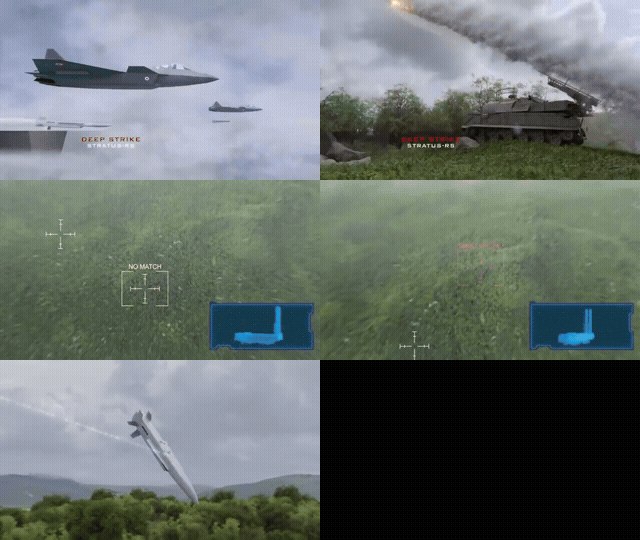
World
PARIS — April 24, 2026 : France has confirmed that the upcoming F5 standard of the Dassault Rafale will be equipped with the next-generation Stratus RS supersonic missile, following an update to the country’s 2024–2030 Military Programming Law published by the French National Assembly on April 8, 2026.The decision formally incorporates the Stratus RS into France’s future air combat and strike architecture, with integration planned as part of the Rafale F5 upgrade. Entry into operational service for the F5 configuration is expected no earlier than 2030, while full combat readiness of the missile system is projected for 2035. Programme Framework and Development Structure The Stratus RS missile is being developed by the European missile manufacturer MBDA under a trilateral cooperation framework involving France, United Kingdom, and Italy. France is leading development of the Stratus RS variant. The missile forms part of the broader Future Cruise/Anti-Ship Weapon programme (FC/ASW or FMAN/FMC), which has now been rebranded as the “Stratus” family. The programme adopts a dual-missile approach designed to penetrate advanced air defence environments through complementary capabilities. This family includes two variants: Stratus RS (Rapid Strike): A high-speed, supersonic missile optimized for rapid penetration and high survivability. Stratus LO (Low Observable): A subsonic, stealth-focused cruise missile led by the United Kingdom, designed for long-range land-attack missions with reduced radar visibility. Both variants are designed for interoperability and can be launched from air platforms such as the Rafale as well as from naval vessels. MBDA publicly unveiled the “Stratus” designation and displayed full-scale models of both variants at the DSEI 2025 exhibition in London in early September 2025. The programme has completed its assessment phase and is expected to enter the development phase during 2026. Stratus RS Capabilities and Technical Characteristics Previously designated as RJ10 during early development, the Stratus RS is a precision-guided missile engineered for high-speed strike operations against heavily defended targets. The missile is powered by a ramjet propulsion system currently under development, enabling speeds of approximately Mach 3.5, with broader estimates placing its operational velocity within the high-supersonic range between Mach 3 and Mach 5. This propulsion approach supports sustained high-speed flight and enhances penetration capability against layered air defence systems. Stratus RS incorporates advanced manoeuvrability, allowing it to alter its trajectory dynamically during flight and evade intercept attempts by modern air defence missiles. Its design focuses on overcoming anti-access and area-denial (A2/AD) environments. In terms of operational roles, the missile is designed for: Deep-strike missions against strategic surface targets located far behind enemy lines Suppression and destruction of enemy air defences (SEAD/DEAD) Anti-ship warfare missions Engagement of high-value airborne targets, including airborne early warning and control (AWACS) aircraft, using passive radio-frequency sensing The missile also features a next-generation guidance system with both active and passive radar capabilities, enabling it to detect, track, and engage emitting targets such as radar installations. With a length of slightly over five meters, the Stratus RS is compatible with both airborne and ship-based launch systems, aligning with the broader interoperability goals of the Stratus programme. Integration with Rafale F5 and Strategic Role The integration of Stratus RS into the Rafale F5 standard represents a significant enhancement in France’s strike and suppression capabilities. The F5 upgrade is being developed in parallel with the missile to ensure compatibility from initial deployment. The addition of a dedicated SEAD/DEAD capability addresses a longstanding gap in French air power following the retirement of the AS37 Martel missile in the 1990s. The Stratus RS is expected to serve as the primary system for neutralizing enemy air defence networks in future operations. The updated armament programme confirms the missile as France’s designated future SEAD weapon within the Rafale fleet, supporting broader operational requirements to counter advanced air defence systems and access-denial strategies. Timeline and Replacement of Legacy Systems Under current planning: Development phase entry is expected in 2026 Initial testing activities are anticipated to begin during the development cycle Early deliveries of missile systems are projected around 2028 Rafale F5 operational deployment is expected no earlier than 2030 Full operational capability for the missile system is targeted for 2035 The Stratus programme is intended to replace existing legacy systems, including the SCALP EG / Storm Shadow and Exocet-type anti-ship missiles currently in service. In addition to air-launched configurations, the missiles will also be deployed on naval platforms, expanding their operational flexibility across France’s armed forces. Current Status While the updated Military Programming Law confirms the selection and future role of the Stratus RS, no additional details have been disclosed regarding production volumes, exact integration schedules, or further technical specifications beyond those already released. The programme remains in transition from assessment to development, with further milestones expected as work progresses through the latter half of the decade.
Read More → Posted on 2026-04-24 16:00:00
World
ISLAMABAD / WASHINGTON — April 24, 2026 : U.S. President Donald Trump has directed Special Envoy Steve Witkoff and senior adviser Jared Kushner to travel to Pakistan this weekend for a new round of talks with Iranian Foreign Minister Abbas Araghchi, according to administration officials. The meetings, scheduled to take place in Islamabad, are part of ongoing efforts to negotiate a permanent ceasefire following the recent U.S.-Iran conflict. Pakistani authorities are facilitating the discussions, with Deputy Prime Minister and Foreign Minister Mohammad Ishaq Dar playing a central mediating role. Diplomatic Representation and Participation U.S. Vice President JD Vance will not attend the initial round of talks and will remain in Washington on standby. Officials indicated that he is prepared to travel to Islamabad if negotiations show measurable progress toward an agreement. On the Iranian side, Parliament Speaker Mohammad Bagher Ghalibaf is also not participating in this round. His absence follows his previously stated opposition to negotiations while a U.S. naval blockade of Iranian ports remains in effect. The U.S. decision to send Witkoff and Kushner instead of Vice President Vance reflects an effort to align diplomatic representation levels after confirmation of Ghalibaf’s non-participation. Background of Previous Talks The upcoming discussions follow an earlier round of high-level negotiations held in Islamabad on April 11–12, 2026. That session lasted approximately 21 hours and was led on the U.S. side by Vice President Vance, alongside Witkoff and Kushner. The Iranian delegation at that time was headed by Ghalibaf and included Foreign Minister Araghchi. Those talks concluded without a comprehensive agreement, though they contributed to establishing a temporary ceasefire framework. Key Issues on the Agenda The Islamabad meetings are expected to focus on several core issues tied to the fragile ceasefire that took effect earlier in April 2026 and has since been extended on a conditional basis. Primary areas of discussion include: Stabilizing and extending the current ceasefire agreement The status and reopening of the Strait of Hormuz The ongoing U.S. Central Command (CENTCOM) naval blockade of Iranian ports Maritime security and vessel movement restrictions, including recent reports that U.S. forces redirected 34 ships Broader concerns such as sanctions, nuclear-related issues, and regional infrastructure security Regional Mediation Efforts In addition to Pakistan’s role, regional actors including Egypt and Turkey are supporting diplomatic efforts. Ahead of the talks, Foreign Minister Araghchi held consultations with regional leaders, including Kurdistan Region President Nechirvan Barzani, to review ceasefire developments and coordination. Uncertainty Over Participation and Outcomes Iran has not formally confirmed its participation in the upcoming talks with the U.S. delegation. No official details have been released regarding the duration, structure, or expected outcomes of the meetings. The White House has described the engagement as part of continued diplomatic efforts to reach a lasting resolution. The outcome of the Islamabad discussions is expected to determine whether Vice President Vance will travel to Pakistan to finalize any potential agreement. With the ceasefire deadline approaching, the negotiations are taking place under time-sensitive conditions, though officials have not disclosed a specific timeline for decisions.
Read More → Posted on 2026-04-24 16:24:55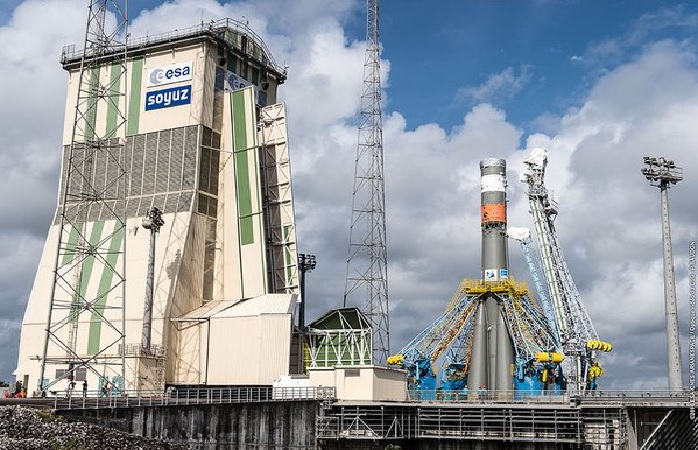
Space & Technology
KOUROU, French Guiana — April 24, 2026 : MaiaSpace has initiated dismantling work at the former Soyuz-ST launch complex at the Guiana Space Centre, marking the start of site conversion activities for its upcoming two-stage Maia launch vehicle. The facility, known as the Ensemble de Lancement Soyouz (ELS), has remained inactive since its last Soyuz-ST mission on February 10, 2022. Operations ceased after the European Space Agency ended cooperation with Russia following the suspension of joint space activities. Dismantling and Site Preparation Initial dismantling work has focused on removing key launch infrastructure. The service tower at the pad has been demolished, while earlier phases included cutting the four primary support arms used to hold the Soyuz rocket prior to liftoff and dismantling cable masts. Progress at the site was reported by the Russian Telegram community Zakrytyy kosmos. Transition to Maia Rocket Operations MaiaSpace, a subsidiary of ArianeGroup, was selected in September 2024 by the CNES to operate from the former Soyuz launch site. The selection followed a call for applications issued in April 2024. On February 24, 2026, MaiaSpace signed a Temporary Public Domain Occupancy Agreement with CNES and local authorities, formally granting access to the site and enabling modification work to begin. The facility has since been renamed ELM2, and the company plans to conduct all Maia launches from this location. Infrastructure Reuse and Investment The redevelopment strategy is based on reusing approximately 80 percent of existing infrastructure. Retained elements include assembly buildings, propellant and fuel storage systems, and railway tracks used for transporting rocket components. Total investment for the upgrade is expected to remain within several tens of millions of euros. Commercial Contracts and Launch Plans MaiaSpace has secured Eutelsat as a launch customer. A multi-launch agreement signed on January 16, 2026, covers deployment of satellites for the OneWeb low Earth orbit constellation, with missions scheduled to begin in 2027. The company’s development roadmap includes a suborbital test flight planned for late 2026. The mission will use a reduced propellant load and is intended to validate key flight phases such as liftoff, stage separation, and second-stage engine ignition, targeting an altitude of at least 100 kilometres. Ahead of this, the first Maia rocket is scheduled to be erected vertically on the launch pad by the end of 2026 for ground testing. Timeline for First Flights The first full orbital launch of the Maia rocket and the start of commercial operations are planned for 2027. MaiaSpace has not disclosed a detailed schedule for completion of dismantling activities or the start of new construction at the site. The Maia launcher is designed to deliver approximately 500 kilograms to low Earth orbit in reusable configuration and up to 1,500 kilograms in expendable mode.
Read More → Posted on 2026-04-24 16:32:16
World
WASHINGTON, — April 24, 2026 : U.S. President Donald Trump has stated that no formal invitation has yet been sent to Russian President Vladimir Putin for the upcoming Group of 20 (G20) leaders’ summit scheduled for December 14–15, 2026, in Miami, clarifying conflicting reports about Washington’s position. The summit will be hosted at the Trump National Doral Miami, as the United States holds the G20 presidency for 2026 following South Africa. Conflicting Reports Prompt Clarification The clarification follows a report published by The Washington Post on April 23, 2026, which cited unnamed administration officials as saying that the United States intended to invite Putin to the Miami summit. According to a senior U.S. official quoted in the report, no formal invitations have been issued so far. However, the official emphasized that Russia remains a full member of the Group of Twenty and is therefore expected to be invited to both ministerial-level meetings and the leaders’ summit as part of standard protocol. Trump’s Remarks at the White House Speaking to reporters at the White House, Trump directly addressed the reports, stating that no official invitation has been sent. “No, but if he came, it would probably be very useful,” Trump said, adding that he remains uncertain about Putin’s attendance and “doubts that he will come.” The president reiterated his broader diplomatic approach, noting that he believes in maintaining dialogue with all global leaders. He also referenced Russia’s removal from the Group of Eight in 2014 following the annexation of Crimea, suggesting the move had negatively affected relations. Russian Response Remains Non-Committal Responses from Moscow have indicated interest in the forum but no firm decision on participation. Kremlin spokesperson Dmitry Peskov said on April 24 that Putin may attend the summit, send another representative, or choose not to participate, describing the G20 as an important platform amid ongoing global challenges. Earlier the same day, Deputy Foreign Minister Alexander Pankin told RIA Novosti that Russia had received an invitation “at the highest level,” while noting that developments ahead of December remain uncertain. Background on Russia’s Participation If Putin attends the Miami summit, it would mark his first in-person appearance at a G20 leaders’ meeting since 2019. His absence from recent summits has been linked initially to the COVID-19 pandemic and later to geopolitical tensions following Russia’s 2022 invasion of Ukraine. An arrest warrant issued by the International Criminal Court has also complicated his ability to travel internationally. Summit Outlook The White House has not released additional details regarding the timing of formal invitations or potential bilateral meetings during the summit. The U.S. State Department has only confirmed that Russia retains its standing as a G20 member and would be included in summit-related processes. The December 2026 gathering in Miami is expected to bring together leaders of major economies to address global economic conditions and ongoing geopolitical challenges, with participation details still evolving.
Read More → Posted on 2026-04-24 16:37:58
Secrets/Mystery
WASHINGTON, — April 24, 2026 : Federal agencies and congressional committees are conducting coordinated investigations into a series of deaths and disappearances involving U.S. scientists, aerospace engineers, and government-linked researchers reported between 2022 and 2026. While public speculation has suggested the possibility of a coordinated campaign or foreign involvement, authorities have not established any verified connection linking the cases. Congressional Inquiry and Federal Response On April 20, 2026, the House Committee on Oversight and Government Reform formally initiated an inquiry, requesting classified briefings by April 27 from the Department of Energy, Department of Defense, Federal Bureau of Investigation, and NASA. Lawmakers stated that if any connection exists, the incidents “may represent a grave threat to U.S. national security.” Representative Eric Burlison suggested the possibility of a “foreign operation,” while Committee Chairman James Comer emphasized that Congress remains concerned and is seeking verified information. The White House confirmed that the administration of Donald Trump is reviewing the matter. Press Secretary Karoline Leavitt stated that multiple federal agencies are involved. President Trump described the situation as “pretty serious,” while noting that investigators have not determined whether the incidents are connected. The FBI is leading efforts to examine any potential links. NASA spokesperson Bethany Stevens stated that the agency is cooperating fully and that, at present, there is no indication of a national security threat tied specifically to NASA personnel. Aerospace and Astrophysics Cases Several cases involve individuals connected to NASA’s Jet Propulsion Laboratory and affiliated institutions: Monica Reza (60), Director of Materials Processing at JPL and co-inventor of the Mondaloy superalloy, disappeared on June 22, 2025, while hiking the Mount Waterman Trail in California’s Angeles National Forest. She was last seen approximately 30 feet ahead of a companion. Despite extensive search operations, she remains missing. Michael David Hicks (59), a JPL research scientist involved in missions such as DART, Dawn, and Deep Space 1, died in July 2023. He authored more than 80 peer-reviewed papers. Frank Maiwald (61), a principal investigator at JPL overseeing Earth-observing and space instrumentation programs, died on July 4, 2024, in Los Angeles. Carl Grillmair (67), an astronomer at the California Institute of Technology’s IPAC Science Center, died on February 16, 2026, after being shot outside his home in Llano, California. Defense and Advanced Physics Maj. Gen. William Neil McCasland (68), former commander of the Air Force Research Laboratory at Wright-Patterson Air Force Base, was reported missing on February 27, 2026, from Albuquerque, New Mexico. Investigators found his phone, glasses, and wearable devices at home, while his hiking boots and a .38-caliber revolver were missing. A Silver Alert remains active. His family has rejected speculation linking his disappearance to classified or extraterrestrial research. Nuno Loureiro (47), director of the Plasma Science and Fusion Center at the Massachusetts Institute of Technology, was shot and killed at his home in Brookline, Massachusetts, in December 2025. Authorities identified the suspect as Claudio Manuel Neves Valente, a former classmate with a known grievance and a suspect in a separate incident at Brown University. Amy Eskridge, co-founder of the Institute for Exotic Science, died in 2022 from a self-inflicted gunshot wound. Although her work involved experimental propulsion concepts, her family, including her father—a former NASA employee—has stated they do not consider her death suspicious. Nuclear Security and Laboratory Personnel Several individuals had connections to sensitive nuclear research facilities: Steven Garcia (48), associated with the Kansas City National Security Campus, which produces non-nuclear components for U.S. weapons systems, was last seen on August 28, 2025, in Albuquerque, reportedly carrying a handgun. Melissa Casias (53), an administrative employee with security clearance at Los Alamos National Laboratory, disappeared in June 2025 near Ranchos de Taos, New Mexico. Family members have disputed suggestions that she left voluntarily. Anthony Chavez (79), a retired engineer who worked at Los Alamos’ Dual-Axis Radiographic Hydrodynamic Test facility, was last seen on May 8, 2025, leaving his home on foot without personal belongings. Pharmaceutical Sector Case Jason Thomas (45), a researcher at Novartis focused on cancer treatment development, was reported missing in December 2025. His body was recovered from Lake Quannapowitt, Massachusetts, in March 2026. Ongoing Investigations and Expert Views Local and federal authorities continue to investigate each case individually while assessing whether any connections exist. The Bernalillo County Sheriff’s Office, handling McCasland’s disappearance, has emphasized reliance on verified evidence and public assistance. Experts familiar with some of the individuals have urged caution. Joe Masiero, who worked with multiple deceased scientists, stated that the events may be coincidental, noting that independent tragedies can occur without a broader pattern. Families of several individuals have also publicly rejected conspiracy-based interpretations, emphasizing known personal, medical, or criminal factors in specific cases. Status of Findings As of April 24, 2026, federal agencies, including the FBI and NASA, have not confirmed any coordinated link or foreign involvement in these incidents. Investigations remain ongoing, and Congress is awaiting further briefings. No official timeline has been provided for final conclusions.
Read More → Posted on 2026-04-24 17:21:04
World
WARSAW / USTKA — April 24, 2026 : Poland has begun a new phase of operational testing for acoustic reconnaissance systems and electronic warfare (EW) systems at the Central Air Force Proving Ground in Ustka, as part of the Ministry of National Defense’s accelerated technology evaluation framework under the Tarcza Wschód (Shield East) program. The trials form part of a broader effort to strengthen Poland’s eastern and northern defensive posture, particularly along its borders with Belarus and the Russian exclave of Kaliningrad. The Shield East initiative, first announced in May 2024 with an initial allocation of 10 billion Polish złoty (approximately $2.5 billion), combines infrastructure development, military capability enhancement, and civilian resilience measures. Acoustic Systems Under Evaluation Seven acoustic reconnaissance systems are currently undergoing operational testing at the Ustka range. These systems are designed to detect and localize sound sources, identify incoming drones, determine their direction of approach, and track and classify aerial objects. According to manufacturer submissions, the platforms incorporate artificial intelligence tools capable of distinguishing drone acoustic signatures—such as rotor and motor noise—from background environmental sounds. The systems are also designed to integrate with Polish military command and control networks, enabling near real-time transmission of detection and tracking data. Acoustic reconnaissance provides a passive sensing capability, complementing traditional radar and optical systems. Unlike active sensors, acoustic systems do not emit signals, reducing the risk of detection by adversaries while maintaining effectiveness against low-altitude or low-observable aerial platforms. Electronic Warfare Trials Completed The acoustic trials follow a completed round of electronic warfare (EW) evaluations conducted at the same Ustka facility between April 13 and April 17, 2026. During that period, eight EW systems were tested for their ability to detect and disrupt radio frequency signals used by unmanned aerial systems. These systems focus on identifying control, navigation, and data transmission links between drones and their operators. By jamming or interfering with these signals, EW platforms can disrupt or neutralize drone operations without requiring kinetic engagement. Defense specialists involved in the program assess that combining acoustic detection with EW capabilities creates a layered counter-drone architecture. Acoustic systems enable passive detection and tracking, while EW systems address the electronic dependencies of unmanned platforms, including command links and telemetry. Technology Evaluation Framework The Ustka trials are organized and overseen by the Ministry of National Defense’s Department of Innovation, which launched a comprehensive technology evaluation initiative at the beginning of 2025. Since its inception, the program has received more than 715 submissions across a wide range of defense technology domains. These include sensors, autonomous systems, military engineering, logistics, communications, and cybersecurity. Submissions have been provided by universities, major defense contractors, startup companies, and foreign entities. Specialized working groups composed of military experts systematically review each proposal, assessing its suitability for operational testing and potential integration into the Polish Armed Forces. To date, 36 systems have advanced to testing under conditions designed to replicate real combat environments. Previous Field Testing and Exercises A significant portion of earlier evaluations was conducted during the Żelazna Brama 25 (Iron Gate 25) exercises held in 2025 by the 18th Mechanized Division. These exercises provided a structured environment for testing 21 technologies, including unmanned aerial and ground systems, optical reconnaissance equipment, communications systems, camouflage solutions, and fortification components. The current Ustka trials build on that framework, with a stronger emphasis on counter-drone capabilities within the Intelligence, Surveillance, and Reconnaissance (ISR) domain. Reporting and Next Evaluation Phase Following the completion of the ongoing tests in Ustka, the Department of Innovation will prepare a detailed report for the Minister of National Defense. The report will include technical assessments and military expert recommendations regarding each system’s operational effectiveness and feasibility for adoption. The next evaluation milestone is scheduled for June 2026, when 17 कंपनियों (companies) will participate in further testing during the Amber Defender 26 exercise federation. These trials will involve units from the 16th Mechanized Division and are expected to expand the scope of technology validation under field conditions. Strategic Context of Shield East The Tarcza Wschód program integrates these technology trials into a broader national defense strategy. In addition to ISR and counter-drone systems, the initiative includes the construction of physical defensive infrastructure such as barriers, bunkers, and anti-tank obstacles. The program’s objectives include deterrence of potential threats, protection of military personnel and civilians, and the development of domestic defense capabilities in cooperation with allied partners. No detailed information has been released regarding specific manufacturers participating in the Ustka trials or the performance outcomes of the systems under evaluation. The Ministry of National Defense continues to assess submitted technologies for possible integration into Poland’s defense structure.
Read More → Posted on 2026-04-24 17:26:19
World
FORT WORTH, Texas / PATUXENT RIVER, Maryland — April 24, 2026 : Lockheed Martin Aeronautics Co. has been awarded a $177,493,428 contract modification by the Naval Air Systems Command to design and manufacture three new F-35 flight science aircraft, one for each variant of the Joint Strike Fighter program. The award, announced following the April 23, 2026 modification, is intended to sustain flight test capacity as the program transitions toward advanced upgrade phases. The modification, designated P00022, is issued under an existing cost-plus-incentive-fee contract (N0001923C0003). It covers all “touch labor” and reach-back engineering support required to produce the replacement aircraft. Program completion is scheduled for April 2031. Contract Scope and Aircraft Allocation Under the agreement, one flight science aircraft will be produced for each of the three F-35 variants. These include the F-35A conventional takeoff and landing variant operated primarily by the U.S. Air Force, the F-35B short takeoff and vertical landing variant used by the U.S. Marine Corps, and the F-35C carrier-based variant deployed by the U.S. Navy. The aircraft will be purpose-built or modified with extensive instrumentation to support flight testing across the operational envelope. These platforms are designed specifically for evaluation activities rather than combat deployment. Funding Breakdown and Fiscal Details At the time of contract award, $37,672,648 has been obligated. This includes $18,836,324 from Fiscal Year 2025 research, development, test, and evaluation (RDT&E) funds allocated by the U.S. Air Force and an equal $18,836,324 from U.S. Navy RDT&E accounts. An additional $8,390,436 has been contributed by F-35 cooperative program partner nations. The obligated funding is set to expire at the end of the current fiscal year. Workshare Distribution Across Locations Work associated with the contract will be distributed across seven sites spanning three countries. Fort Worth, Texas, where Lockheed Martin maintains its primary F-35 production line, will account for 30 percent of the total effort. El Segundo, California, will handle 25 percent, while Warton, United Kingdom—home to BAE Systems F-35 operations—will account for 20 percent. Additional work will be carried out in Orlando, Florida (10 percent), Nashua, New Hampshire (5 percent), Grenaa, Denmark (5 percent), and Baltimore, Maryland (5 percent). Role of Flight Science Aircraft Flight science aircraft are specialized test platforms equipped with sensors and instrumentation to measure aerodynamic performance, structural loads, and system behavior throughout the aircraft’s flight envelope. These aircraft enable controlled validation of both hardware and software modifications. They are used to conduct edge-of-envelope flight testing that would be impractical or high-risk for operational aircraft due to the level of instrumentation required. Their role is central to certifying upgrades before they are cleared for operational use. The current fleet of F-35 flight science aircraft has been in service since the early developmental phase of the program. After more than a decade of continuous testing activity, these airframes are approaching the end of their usable life. The newly contracted aircraft are intended to replace aging assets and ensure continuity in testing capability. Support for Block 4 Modernization The replacement aircraft will support testing requirements associated with the F-35 Block 4 modernization program. Block 4 is the program’s primary upgrade effort, incorporating expanded weapons integration, enhanced sensor capabilities, improved electronic warfare performance, and updates to pilot interface systems. While elements of Block 4 are already being introduced incrementally, many capabilities require structured and instrumented flight testing before they can be formally approved for operational deployment. The new flight science aircraft will provide dedicated capacity for these validation efforts. Program Context and Production Outlook The F-35 Joint Strike Fighter program remains the largest defense acquisition program undertaken by the United States. More than 1,000 aircraft have been delivered to U.S. and partner nation operators to date. In 2025, Lockheed Martin delivered a record 191 F-35 aircraft. Production of the platform is expected to continue into the 2030s, with ongoing upgrades forming a central component of the program’s lifecycle. Maintaining a dedicated and modern flight test infrastructure is considered necessary to support future capability development and integration. The Naval Air Systems Command is serving as the contracting authority for the modification. No additional details regarding the precise configuration of the new flight science aircraft or interim delivery milestones beyond the April 2031 completion timeline have been disclosed.
Read More → Posted on 2026-04-24 17:42:35
World
BEIJING — April 24, 2026 : China’s Ministry of Commerce on Friday announced the addition of seven European Union–based entities to its export control list, imposing an immediate ban on the export of dual-use items to the companies over their alleged links to Taiwan-related defence cooperation. The decision, effective April 24, 2026, prohibits Chinese exporters from supplying dual-use goods, technologies, or services to the listed entities. It also extends to foreign organisations and individuals, who are now barred from re-exporting China-origin dual-use items to the same companies. All ongoing transactions and related activities must cease immediately, according to the official statement. Targeted European Entities The seven entities named by Beijing span Germany, Belgium, and the Czech Republic, and operate across defence, aerospace, and advanced technology sectors. They include: HENSOLDT AG (Germany) FN Herstal / Fabrique Nationale de Herstal (Belgium) FN Browning (Belgium) OMNIPOL a.s. (Czech Republic) EXCALIBUR ARMY spol. s r.o. (Czech Republic) SPACEKNOW INC., odstepny zavod s.r.o. (Czech Republic) VZLU AEROSPACE a.s. (Czech Republic) China’s Commerce Ministry stated that these entities have either participated in arms sales to Taiwan or engaged in cooperation with Taiwanese authorities. Scope of Export Restrictions Under the new controls, “dual-use items”—defined as goods, software, and technologies with both civilian and military applications—are subject to a blanket export prohibition. These include advanced electronics, semiconductor-related components, specialised materials, aerospace systems, and certain rare earth-related inputs. The directive also explicitly blocks third-party transfers, meaning companies outside China cannot supply Chinese-origin components to the listed entities. This provision is aimed at tightening enforcement across global supply chains. While the ministry noted that exceptional approvals could be granted on a case-by-case basis if transactions are deemed necessary, it emphasised that a general halt to all related exports is required. Rationale and Official Position A spokesperson for the Ministry of Commerce described the action as “necessary and limited,” stating it is intended to safeguard China’s national security and interests while fulfilling international non-proliferation obligations. The ministry further clarified that the measures target “a small number” of EU military-related entities and do not affect normal trade and economic exchanges between China and the European Union. It added that law-abiding European businesses need not be concerned. Chinese authorities also confirmed that the European Union had been informed in advance through an existing bilateral export control dialogue mechanism. Background on Taiwan Links The move marks a rare instance of China applying Taiwan-related export restrictions directly to European entities. Beijing claims Taiwan as part of its territory and routinely opposes foreign military cooperation with the island. Taiwan continues to receive the majority of its military equipment from the United States, while European involvement has historically been limited, particularly regarding major platforms such as fighter aircraft or naval vessels. However, Taiwan has increasingly sourced specialised subsystems and technologies from European firms, including radar components, sensor systems, and advanced materials. For example, HENSOLDT AG previously confirmed the delivery of two TRML air defence radar units to Taiwan in 2024, according to statements made by then-CEO Thomas Mueller during an analyst call. Central and Eastern European countries, particularly the Czech Republic, have shown growing openness toward cooperation with Taiwan in recent years, influenced in part by shifting geopolitical dynamics following Russia’s 2022 invasion of Ukraine. Broader Geopolitical Context The announcement comes one day after the European Union adopted its 20th sanctions package against Russia on April 23, 2026. That package included measures targeting entities in third countries—including several in mainland China and Hong Kong—accused of supplying dual-use goods to support Russia’s military-industrial base. The proximity of the two developments highlights the increasing use of export controls and dual-use technology restrictions as instruments of geopolitical policy by both China and the European Union. Industry and Diplomatic Response As of April 24, 2026, neither the European Union nor the listed companies had issued comprehensive official responses. Initial reactions indicate that companies are assessing the implications. HENSOLDT AG stated it is reviewing the situation, while EXCALIBUR ARMY spol. s r.o. indicated it does not rely directly on Chinese dual-use imports and expects limited operational impact. Czech Foreign Minister Petr Macinka confirmed that diplomatic channels have been activated, with the Czech embassy in Beijing seeking clarification regarding the inclusion of four domestic firms. Supply Chain Implications The immediate effect of the restrictions is expected to prompt affected companies—and potentially the wider European defence sector—to reassess supply chains, particularly for components and materials sourced from China. The prohibition on third-party re-exports adds an additional compliance burden, requiring firms globally to ensure that Chinese-origin inputs are not indirectly supplied to the listed entities. No further details have been released regarding specific product categories or technical thresholds covered under the dual-use classification beyond the general prohibition.
Read More → Posted on 2026-04-24 17:52:18
World
ATHENS — April 25, 2026 : Emmanuel Macron has called on European leaders to accelerate efforts to protect the continent’s industrial base, identifying China’s state-backed manufacturing expansion and shifting United States strategic priorities as dual pressures shaping Europe’s economic future. The remarks were delivered during high-level talks in Athens with Kyriakos Mitsotakis, where the French president outlined concerns that Europe has underestimated the scale and speed of industrial competition emerging from China. Chinese Industrial Expansion and European Impact Macron stated that China’s industrial model—characterized by large-scale production capacity and state-supported exports—has become a central challenge for Europe’s “industrial sovereignty” agenda. He pointed specifically to sectors such as automotive manufacturing and machine tools, where European producers are facing sustained competitive pressure. “One of the main challenges of the European industry today, if we want to deliver this sovereignty agenda, is about China,” Macron said, adding that Chinese competition is “literally killing a large part of the European industry” while policymakers have been “too slow” to respond. He described what he termed a “landslide approach” by Chinese manufacturers, referring to rapid gains in global market share across industrial sectors. As an example, Macron cited Germany’s manufacturing downturn, noting that approximately 250,000 industrial jobs were lost in the country last year. Broader data indicates that Germany has lost nearly 250,000 industrial jobs since 2019 amid a prolonged contraction in its manufacturing base. France, Macron noted, has been less affected in these specific sectors, though he attributed this to earlier phases of deindustrialization rather than current resilience. Machine Tool Sector and Trade Imbalance Recent trade data underscores the structural shift highlighted by Macron. In 2025, China surpassed Germany as the world’s largest exporter of machine tools, increasing exports by 13 percent to €8.6 billion. In contrast, German machine tool exports declined by 10 percent to €7 billion over the same period. China now accounts for approximately 37 percent of global machine tool production, consolidating its position in a sector that underpins advanced manufacturing. The shift has contributed to a widening imbalance in trade between Europe and China. The European Union’s goods trade deficit with China exceeded €300 billion in 2025, driven by high import volumes across sectors including electric vehicles and industrial components. European policymakers have responded with a combination of anti-subsidy investigations, tariffs on Chinese electric vehicles, and discussions on minimum pricing mechanisms and safeguard measures aimed at restoring competitive balance. “De-risking” Strategy and Industrial Policy Macron reiterated that Europe should pursue a strategy of “de-risking” rather than full economic decoupling from China. Speaking earlier at the World Economic Forum in January 2026, he stated that Chinese investment in Europe remains welcome, particularly where it includes technology transfer and contributes to economic growth. However, he emphasized that such engagement must be conditioned on fair competition, arguing against the import of subsidized products that do not align with European regulatory standards. He also called for stronger industrial policy tools, including “European preference” in public procurement and targeted incentives to support domestic manufacturing capacity. Reassessment of U.S. Strategic Priorities In parallel with concerns about China, Macron urged European leaders to adopt a long-term perspective on United States policy. He argued that Washington’s strategic orientation has, for more than a decade, prioritized domestic economic interests and competition with China over transatlantic considerations. “We have to be lucid on the US strategy… This is not just Trump’s character or behavior,” Macron said. “The United States, I would say, for now 15 years, decided the number one issue is America — America first. The second priority is China.” He added that U.S. global strategies “don’t put European interests at the center,” reflecting a structural shift rather than a temporary policy direction tied to any single administration. European Strategic Autonomy Debate Macron’s comments are consistent with his longstanding advocacy for greater European strategic autonomy across defense, energy, and critical technologies. During the Athens discussions, he also noted that the geopolitical positioning of major powers—including the United States, China, and Russia—is increasingly exerting pressure on European interests. Within the European Union, policymakers are continuing to debate measures aimed at strengthening industrial resilience. These include proposals for joint borrowing to finance strategic investments, expanded “Buy European” provisions, and coordinated responses to external subsidies. Macron has argued that timely and coordinated action will be necessary if Europe is to maintain competitiveness in key industries and reduce structural dependencies in the coming years.
Read More → Posted on 2026-04-25 13:47:37
India
PUNE / NEW DELHI — April 25, 2026 : The Defence Research and Development Organisation (DRDO) has rolled out the first two prototypes of the Vikram VT-21 Advanced Armoured Platform (AAP), marking a key stage in India’s effort to develop a next-generation infantry combat vehicle and armoured personnel carrier for the Indian Army. The prototypes comprise two distinct configurations developed under a public-private partnership model led by DRDO’s Vehicles Research and Development Establishment (VRDE). The tracked variant has been developed in collaboration with Tata Advanced Systems Limited (TASL), while the wheeled variant has been produced with Kalyani Strategic Systems Limited (KSSL), a subsidiary of Bharat Forge Limited. Development Timeline and Programme Context The Vikram VT-21, also referred to as the Advanced Armoured Platform, is being developed as a candidate for the Future Infantry Combat Vehicle (FICV) programme. The programme is intended to replace the Army’s existing fleet of BMP-2 vehicles deployed across approximately 49 mechanised infantry battalions. The Indian Army’s projected requirement under the FICV programme is estimated at 1,750 to 1,770 vehicles across multiple configurations, including infantry combat, command, reconnaissance, and surveillance roles. The metal-cutting ceremony for the prototypes was conducted on April 2, 2025, at manufacturing facilities in Pune. The rollout of the first prototypes has been completed within three years of project initiation, reflecting accelerated timelines under the Development cum Production Partner (DcPP) framework adopted by the Ministry of Defence. Firepower and Combat Systems The Vikram VT-21 is equipped with a 30 mm crewless turret designed as a remote-controlled weapon station. The turret uses standard 30×165 mm ammunition and eliminates the need for personnel inside the turret structure, reducing vehicle silhouette and improving crew protection. The platform is integrated with an anti-tank guided missile (ATGM) system to provide capability against heavily armoured targets. DRDO has scheduled the integration and testing of the Nag Mk-2 ATGM on the platform as part of the next phase of development and trials. Protection and Survivability The platform incorporates modular armour compliant with NATO STANAG 4569 Level 4 and Level 5 protection standards. The armour design includes layered composite panels developed using GFRP, CFRP, and PVC foam materials. This configuration provides scalable protection against ballistic threats, artillery fragments, and explosive shocks. The vehicle structure also incorporates a double-floor design and a V-shaped hull configuration to enhance resistance against mine blasts and improvised explosive devices (IEDs). Mobility and Platform Characteristics Both tracked and wheeled variants are powered by high-output diesel engines coupled with automatic transmission systems, targeting a power-to-weight ratio of approximately 30 hp per tonne. The overall vehicle weight is in the 18 to 25 tonne class. The wheeled variant follows an 8×8 configuration derived from the Wheeled Armoured Platform (WhAP) programme. It includes run-flat tyre inserts and is designed for high mobility across varied terrain conditions. Both variants are amphibious and capable of operating in riverine and water-crossing environments with minimal preparation. The platform accommodates a crew of three personnel and can carry eight infantry soldiers. It is equipped with advanced thermal and optical sights, a fire control system, a digital dashboard, and enhanced crew vision systems. Modular Design and Multi-Role Capability The Vikram VT-21 has been designed with a modular, plug-and-play architecture that allows rapid reconfiguration for multiple operational roles. These include infantry combat vehicle (ICV), armoured personnel carrier (APC), command-and-control vehicle, reconnaissance platform, and medical evacuation configurations. This modularity is intended to reduce lifecycle costs and improve operational flexibility for the Indian Army. Indigenisation and Industrial Participation At the prototype rollout stage, the Vikram VT-21 platform has an indigenous content level of approximately 65 per cent. Plans are in place to increase this to 80–90 per cent through phased localisation of key subsystems, including power packs and critical components. The programme is aligned with the Atmanirbhar Bharat initiative, which seeks to enhance self-reliance in defence manufacturing. The development model under the DcPP framework has enabled direct participation of private-sector companies such as Tata Advanced Systems Limited and Bharat Forge Limited in core design and production activities. Trials and Next Steps Following the rollout, the Vikram VT-21 prototypes are expected to enter Indian Army trials in the coming months. The evaluation process will include testing across varied terrain and climatic conditions to assess operational performance, mobility, protection, and system integration. Successful completion of trials could lead to further development phases and potential production orders under the FICV programme. The Vikram VT-21 programme reflects DRDO’s continued focus on developing modular, reconfigurable armoured systems in collaboration with domestic industry partners to meet the evolving operational requirements of the Indian armed forces.
Read More → Posted on 2026-04-25 13:54:28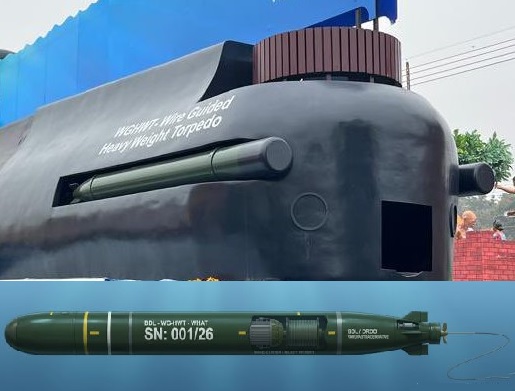
India
VISAKHAPATNAM — April 25, 2026 : On April 23, 2026 Bharat Dynamics Limited (BDL) has delivered India’s first production-grade Wire-Guided Heavy Weight Torpedo (WGHWT) to the Naval Science and Technological Laboratory (NSTL) at its Visakhapatnam unit, marking a key development in the country’s indigenous naval weapon production. The torpedo was developed under the Development-cum-Production Partner (DcPP) framework in collaboration with NSTL, a laboratory of the Defence Research and Development Organisation (DRDO). BDL acted as the production partner, with participation from Indian Navy teams throughout the realisation process. The system has been produced in both practice and combat configurations, enabling commonality between training and operational deployment. The WGHWT incorporates a fibre-optic wire-guided mechanism combined with active-passive acoustic homing. The system allows real-time guidance updates from the launching platform, improving resistance to acoustic countermeasures. It is equipped with advanced homing and propulsion systems, along with programmed search, attack, and re-attack capabilities designed to operate across varied underwater environments. The manufacturing process involved a network of industrial partners, including multiple micro, small, and medium enterprises (MSMEs) supplying key components. Officials stated that the integration of these suppliers supported the transition from development to production-grade realisation. The handover ceremony was held at BDL’s Visakhapatnam facility and attended by senior officials from BDL, NSTL, DRDO, and the Indian Navy. Among those present were R V Hara Prasad, Distinguished Scientist and Director General (Naval Systems & Materials); A Madhavarao, Chairman and Managing Director of BDL; and Abraham Varughese, a senior defence official, along with specialised teams from all participating organisations. The production-grade units will support further evaluation and integration activities by NSTL and the Indian Navy. The development also builds on earlier indigenous torpedo programmes, including the ship-launched Varunastra heavyweight torpedo, and contributes to expanding the Navy’s anti-submarine warfare inventory. With this delivery, India joins a limited group of around eight countries capable of producing advanced wire-guided heavyweight torpedoes.
Read More → Posted on 2026-04-25 14:23:54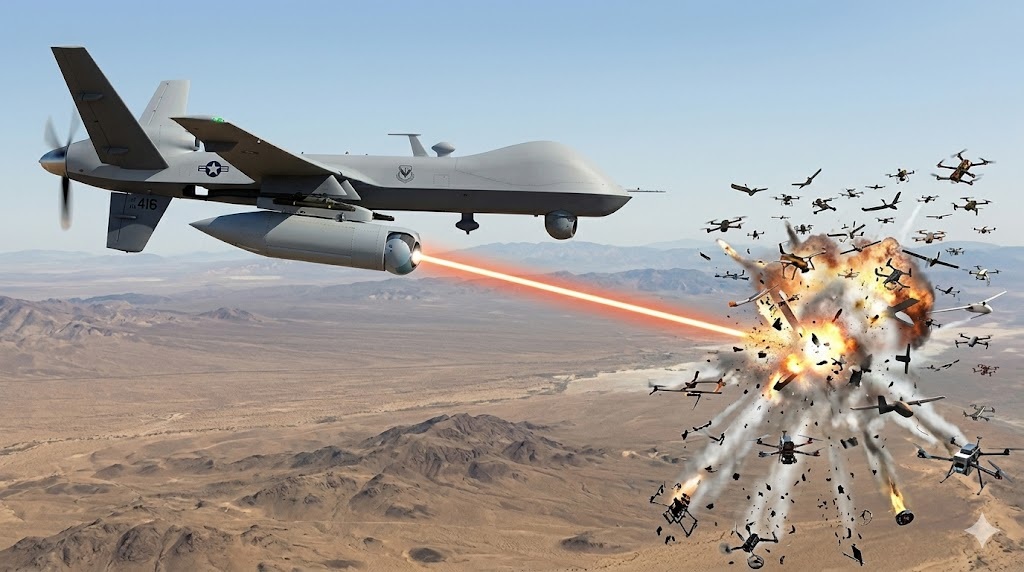
World
WASHINGTON — April 25, 2026 : The U.S. Missile Defense Agency (MDA) is renewing its push to develop airborne directed energy weapons, with a primary focus on integrating high-energy laser systems onto unmanned aerial platforms for air and missile defense missions. The effort was outlined by Air Force Lt. Gen. Heath Collins, director of the MDA, during testimony before the House Armed Services Subcommittee on Strategic Forces on April 15, 2026. Collins stated that the agency is “all in” on directed energy capabilities and is prioritizing unmanned aircraft to extend defensive coverage against drones and other airborne threats. He told lawmakers that an airborne platform would allow the military to deploy laser systems closer to operational environments, improving the ability to counter unmanned aerial systems and similar targets. In written testimony, Collins added that the MDA is accelerating efforts to field high-energy lasers as a “critical, non-kinetic layer” within the United States’ broader missile defense architecture. Budget Framework and Program Alignment The initiative is linked to the Pentagon’s fiscal year 2027 budget request and the broader Golden Dome for America program. Early budget documents indicate increased funding for directed energy research and development, including approximately $452 million allocated for high-energy laser and high-powered microwave technologies within the Golden Dome framework. Overall funding for the Golden Dome effort is estimated between $17.1 billion and $17.9 billion, while total MDA-related activities for fiscal year 2027 are projected in the range of $24 billion to $26 billion. Public documents do not specify the exact portion of funding dedicated exclusively to airborne directed energy integration. Operational Rationale Directed energy systems are being pursued as a cost-effective complement to traditional kinetic interceptors. Existing missile defense systems, such as the Patriot missile system and SM-6 missile, rely on expensive interceptors to destroy relatively low-cost threats like drones. In contrast, solid-state laser systems offer significantly lower cost per engagement, near-instantaneous targeting at the speed of light, and a deep magazine limited primarily by onboard power generation. The MDA is also advancing sensor support, including the Hypersonic and Ballistic Tracking Space Sensor (HBTSS), to improve detection and tracking of fast-moving targets required for effective laser engagement. Technical Constraints and Historical Programs Previous U.S. efforts to deploy airborne laser systems have faced challenges related to size, weight, power, and atmospheric interference. Programs dating back decades illustrate these constraints. The Airborne Laser Laboratory in the 1970s explored early airborne laser concepts. More recently, the YAL-1 Airborne Laser Test Bed successfully demonstrated the interception of ballistic missiles in 2010 but was canceled in 2011 due to cost and technical limitations. Other initiatives included the High Energy Liquid Laser Area Defense System (HELLADS), launched in 2003 to develop a 150-kilowatt-class laser, and the Low Power Laser Demonstrator (LPLD), which focused on integrating lasers onto unmanned systems. Both programs encountered limitations in power generation and beam control. In 2020, Michael Griffin, then Undersecretary of Defense for Research and Engineering, highlighted the difficulty of powering airborne lasers and mitigating atmospheric turbulence, which can degrade beam quality. Recent Air Force efforts, including the Airborne High Energy Laser (AHEL) and the Self-Protect High-Energy Laser Demonstrator (SHiELD), also faced integration challenges that limited their progression to operational testing. Industry and Future Development The MDA established a roadmap in 2024 that begins with lower-power laser systems for tracking and progresses toward higher-energy weapons capable of target destruction. The agency is continuing prototyping and demonstration efforts as part of this phased approach. Defense industry activity reflects growing alignment with these objectives. General Atomics has released concept designs showing laser-equipped MQ-9B SkyGuardian and MQ-20 Avenger unmanned aircraft, although these are not yet tied to a specific government program. Elbit Systems has also reported progress in miniaturizing airborne laser systems. In parallel, the U.S. Navy has outlined concepts for autonomous drone wingmen equipped with directed energy weapons to support manned aircraft. Current Status The MDA is continuing to evaluate airborne directed energy systems as part of a layered defense approach against drones, cruise missiles, hypersonic threats, and ballistic missiles. While Collins’ testimony confirms renewed emphasis on unmanned airborne platforms, specific system configurations, power levels, and deployment timelines were not disclosed. The agency’s fiscal year 2027 plans indicate continued investment in directed energy technologies, with a focus on integrating them into operational missile defense architectures through incremental development and testing.
Read More → Posted on 2026-04-25 14:41:15
World
WASHINGTON — April 25, 2026 : The U.S. Department of Defense is evaluating a range of measures targeting NATO allies that declined to support American military operations during the ongoing conflict with Iran, with Spain emerging as a central focus of internal deliberations. According to an internal Pentagon email prepared by Elbridge Colby and reported by Reuters on April 24, 2026, U.S. officials are considering steps including the potential suspension of Spain from NATO and limiting certain allies’ roles within the alliance. The proposals stem from concerns over the denial of access, basing, and overflight (ABO) rights, which U.S. officials describe as a baseline expectation for alliance cooperation. Operational Disruption and U.S. Response Spain’s decision not to authorize the use of its airspace or military facilities for strikes against Iran forced the Pentagon to rapidly reconfigure operational logistics. The United States maintains key installations in Spain, including Naval Station Rota and Morón Air Base, both of which were unavailable for the Iran-related missions. As a result, U.S. strategic bombers such as B-52 and B-1 aircraft were rerouted around the Iberian Peninsula. Refueling operations were shifted to Istres-Le Tubé Air Base in France, while approximately fifteen KC-135 tanker aircraft were relocated to bases in France and Germany. The United Kingdom supported revised operations by hosting B-52 and B-1 bombers at RAF Fairford. A Pentagon spokesperson, Kingsley Wilson, reiterated the administration’s position, stating that U.S. leadership expects reciprocal support from allies and that NATO cannot function as a “one-way street.” The policy direction aligns with statements by Donald Trump emphasizing burden-sharing within the alliance. Legal Constraints on NATO Membership Suspension Despite the severity of the options under review, NATO’s legal framework presents significant limitations. The alliance is governed by the North Atlantic Treaty, signed in 1949, which does not include provisions for suspending or expelling member states. The only formal mechanism available is voluntary withdrawal under Article 13, requiring a one-year notice period. Any attempt to suspend Spain would likely require unanimous agreement among member states or reliance on broader international legal interpretations, such as those under the Vienna Convention on the Law of Treaties. Both pathways present substantial diplomatic and procedural challenges. As an alternative, the Pentagon is considering reducing the influence of non-cooperative allies by removing them from senior NATO command roles and committees, a step viewed as more feasible within existing alliance structures. Reasons Behind the Dispute The primary issue identified in the Pentagon communication is Spain’s refusal to grant ABO rights during operations against Iran. Spanish officials have framed the decision as limited to this specific conflict and consistent with national positions on international law and military engagement. Spanish Prime Minister Pedro Sánchez dismissed the significance of the internal email, while Defense Minister Margarita Robles defended Spain’s stance, emphasizing its commitment to peace and continued NATO membership. Potential Impact on Spain Any U.S.-driven action would likely be symbolic rather than operational in the near term. Spain would retain bilateral defense arrangements with Washington, including agreements governing the Rota and Morón bases, which remain under Spanish sovereignty. However, exclusion from NATO decision-making structures or a hypothetical suspension could reduce Spain’s influence within the alliance and weaken its strategic position in European security discussions. A full suspension—if legally achievable—could also affect Spain’s access to NATO’s collective defense framework under Article 5, though such an outcome remains unlikely under current treaty rules. Regional Considerations Spain’s geopolitical environment adds further complexity. The country maintains longstanding territorial disputes with Morocco over the enclaves of Ceuta and Melilla. Analysts note that any perceived weakening of Spain’s standing within NATO could be viewed positively in Rabat, potentially influencing regional dynamics, although no official Moroccan response has been issued. Parallel Developments in the Strait of Hormuz Separately, the United Kingdom and France are organizing a multinational maritime coalition to restore commercial shipping in the Strait of Hormuz following the conflict. The effort will focus on protecting merchant vessels and conducting mine clearance operations, which U.S. estimates suggest could take up to six months. The Ukrainian Navy has indicated readiness to participate. Spokesperson Dmytro Pletenchuk confirmed that two mine countermeasure vessels based in Portsmouth are available for deployment upon formal invitation. Ongoing Deliberations The Pentagon’s internal review reflects broader tensions within the alliance over burden-sharing and operational support. No final decisions have been taken regarding Spain or other NATO members, and discussions remain ongoing within the U.S. administration.
Read More → Posted on 2026-04-25 15:01:42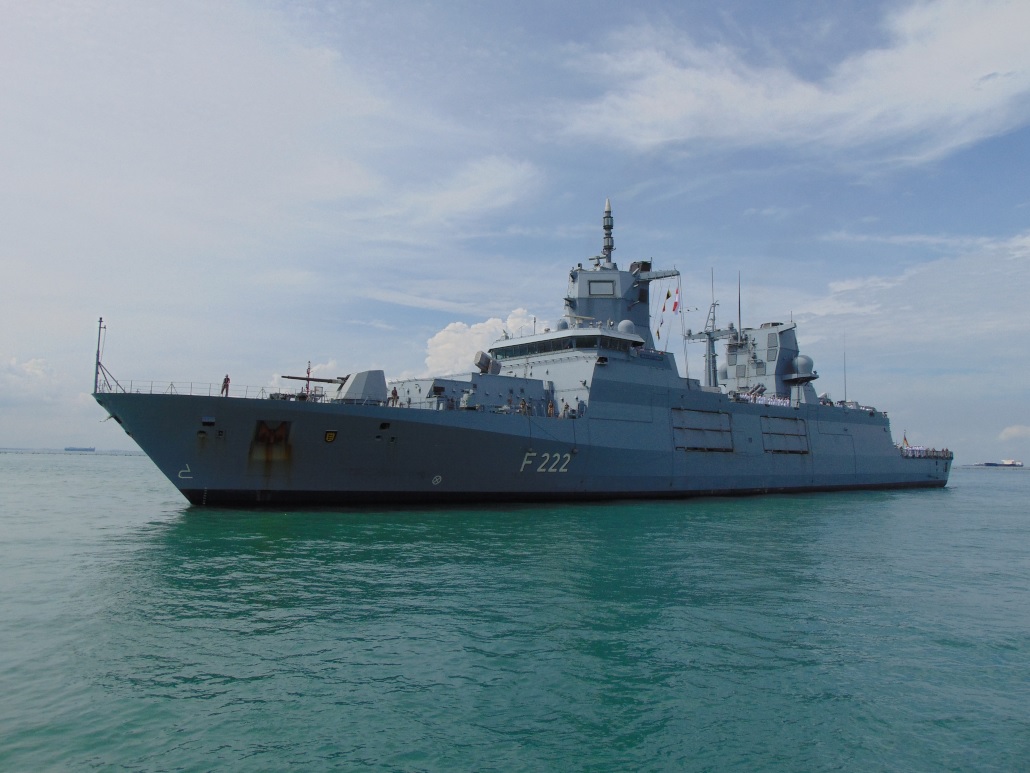
World
BERLIN — April 25, 2026 : Germany has begun preparations to deploy naval vessels to the Mediterranean Sea as part of contingency planning for a possible multinational mission in the strategically vital Strait of Hormuz, amid ongoing instability linked to the conflict involving the United States, Israel, and Iran. German Defence Minister Boris Pistorius confirmed on April 25 that the Bundeswehr will dispatch a minesweeper, identified as the Fulda, along with a command and supply ship. The vessels are being positioned in advance to enable rapid deployment once formal authorization is granted by the Bundestag. According to Pistorius, the forward positioning is intended to reduce response time for Germany’s participation in a possible international maritime security operation. The Fulda, designed for mine detection and neutralization, operates with a crew of approximately 45 personnel. The proposed mission would center on mine clearance and maritime reconnaissance to restore safe navigation in the Strait of Hormuz, a corridor that handles roughly one-fifth of global daily oil shipments. Commercial shipping through the strait has been severely disrupted since hostilities escalated on February 28, followed by Iranian restrictions and a U.S.-led naval blockade initiated on April 13. German officials emphasized that any deployment into the Gulf region remains conditional. Pistorius stated that operations would only proceed in the event of a sustained ceasefire or a confirmed end to hostilities, alongside the establishment of a clear international legal mandate. Berlin is exploring the possibility of expanding the scope of the European Union naval mission Operation Aspides to cover Hormuz-related operations, a move that would also require participation from the United States and the United Kingdom. Chancellor Friedrich Merz has reiterated Germany’s readiness to contribute to a multinational coalition under such conditions, highlighting the country’s established role within NATO in mine countermeasure operations. The Bundeswehr currently maintains a fleet of eight minehunting vessels and two mine-diving units, though officials have not specified how many assets would be committed. The German initiative aligns with broader European coordination among the E3 group — Germany, France, and the United Kingdom — aimed at securing maritime routes and stabilizing energy supply chains affected by the crisis. The United Kingdom and France have already begun efforts to organize a coalition focused on protecting commercial shipping and conducting mine clearance operations in the region. U.S. estimates suggest that clearing naval mines in the area could take up to six months. Germany’s naval planning remains defensive in scope, focusing on surveillance and hazard removal rather than combat operations. Military planners are currently assessing logistical and operational requirements, with deployment timelines described only as “in the coming days” for the Mediterranean positioning phase. Parallel to military preparations, diplomatic efforts are ongoing. Representatives from the United States and Iran are expected to hold talks in Islamabad over the weekend, aimed at negotiating a potential de-escalation framework. Until a formal agreement is reached and conditions are met, German naval units will remain stationed in the Mediterranean, prepared for rapid activation under an approved international mandate.
Read More → Posted on 2026-04-25 16:06:08
World
WASHINGTON — April 25, 2026 : The U.S. Department of the Treasury, through its Office of Foreign Assets Control (OFAC), announced a new round of sanctions on Friday aimed at disrupting Iran’s oil export network. The measures target a major China-based refinery, Hengli Petrochemical (Dalian) Refinery Co., Ltd., along with approximately 40 shipping firms, operators, and vessels linked to the transport of Iranian crude oil and petrochemical products. The sanctions are part of Washington’s broader effort to restrict Iran’s primary source of revenue by penalizing entities involved in the purchase and movement of its energy exports. The action was taken under Executive Order 13902, which focuses on Iran’s petroleum and petrochemical sectors. Refinery at the Center of Sanctions Hengli Petrochemical’s facility in Dalian, Liaoning province, is identified as the primary target. The refinery, one of China’s largest independent “teapot” processors, has an estimated capacity of 400,000 barrels per day. According to the Treasury Department, the company has purchased billions of dollars’ worth of Iranian crude oil and petroleum products since at least 2023. U.S. officials stated that Hengli received shipments coordinated by Sepehr Energy Jahan Nama Pars Company, an entity linked to Iran’s Armed Forces General Staff. These transactions reportedly generated hundreds of millions of dollars in revenue for Iran. Sanctioned vessels, including BIG MAG, GALE, and ARES, delivered more than five million barrels of Iranian crude oil to the refinery. Additional vessels identified in the action include LISBOA, which transported over 2.5 million barrels of Iranian naphtha to the United Arab Emirates; SEVAN, which carried approximately 750,000 barrels of propane and butane to Bangladesh; SEEKER 8, which delivered over four million barrels of crude to China in early 2026; and LIN 9, involved in transporting Iranian ethylene. Expansion of “Shadow Fleet” Designations OFAC also designated 19 vessels and about 21 shipping-related entities forming part of Iran’s so-called “shadow fleet.” This network has been used to move oil, liquefied petroleum gas (LPG), and petrochemicals through methods such as ship-to-ship transfers and disabling tracking systems. The Treasury Department said these activities have enabled continued exports primarily to Asian markets, with China accounting for more than 80 percent of Iran’s shipped oil, based on 2025 data from Kpler. Financial Restrictions and Compliance Measures Under the sanctions, all U.S.-based assets of the designated entities are blocked, and U.S. persons are prohibited from engaging in transactions with them. The Treasury also issued a general license allowing the wind-down of existing dealings with Hengli Petrochemical until May 24, 2026. Treasury Secretary Scott Bessent stated that the measures are intended to further limit Iran’s ability to generate revenue through oil exports. The department also warned that additional actions could be taken against financial institutions facilitating such transactions, including two Chinese banks currently under review for potential exposure to Iranian funds. Diplomatic and Market Context The sanctions were announced weeks before a planned meeting between U.S. President Donald Trump and Chinese President Xi Jinping in Beijing, where trade and economic issues are expected to be discussed. The timing also coincides with anticipated diplomatic engagements between Washington and Tehran. China criticized the measures, with its embassy in Washington stating that the United States should refrain from using unilateral sanctions against Chinese companies and described the action as disruptive to global trade. Independent refineries such as Hengli account for roughly a quarter of China’s refining capacity and are considered less exposed to U.S. financial systems. Analysts note that this has led U.S. authorities to increase pressure not only on trading entities but also on financial channels supporting the transactions. The Treasury Department said the latest designations are part of ongoing efforts to constrain Iran’s oil sector and reduce the financial networks supporting its exports.
Read More → Posted on 2026-04-25 16:14:09
World
NORFOLK, Virginia — April 25, 2026 : The United States Army has initiated domestic deployment of the first operational component associated with its emerging Golden Dome multi-layer missile defense architecture, marking a transition from overseas testing to homeland-based evaluation. The Army Long-Range Persistent Surveillance (ALPS) system was confirmed as operational at Joint Expeditionary Base Little Creek–Fort Story on April 23, 2026, during a conference attended by senior Department of Defense officials. The deployment represents the first acknowledged placement of a Golden Dome-affiliated capability within the continental United States. Michael Guetlein, appointed in 2025 to oversee the program’s ground and space segments, described the installation as a measurable step in establishing a layered homeland defense network. Previous ALPS deployments were conducted under operational requirements in overseas theaters, including U.S. Central Command, U.S. European Command, and U.S. Indo-Pacific Command. System Design and Detection Method The ALPS system is designed as a passive radio frequency sensing platform that operates without emitting electromagnetic signals. Instead of functioning as a traditional radar, the system intercepts and processes electromagnetic emissions from external sources, including communication transmissions, navigation signals, and radar reflections originating from airborne objects. This passive coherent location approach allows the system to detect, classify, and track targets while remaining difficult to identify or disrupt. Because it does not transmit signals, ALPS reduces susceptibility to electronic warfare measures, such as jamming or anti-radiation targeting. The system is configured to address coverage limitations associated with conventional active radar systems, particularly in detecting low-altitude and low-observable threats affected by terrain masking or reduced radar cross-sections. ALPS is capable of tracking a range of aerial platforms, including cruise missiles, fixed-wing aircraft, rotary-wing aircraft, and unmanned aerial systems. The deployed configuration corresponds to Increment 2 of the system and is mounted on the Family of Medium Tactical Vehicles platform, allowing for relocation across operational sites as required. Despite its deployment, ALPS remains in a prototype evaluation phase and has not yet transitioned into a formal program of record within the U.S. defense acquisition structure. The Department of Defense has not released quantitative performance metrics, including detection range, simultaneous tracking capacity, or angular resolution. Deployment Environment and Testing Objectives The selection of Fort Story places the system within a complex electromagnetic and operational environment. Located in the Virginia Beach–Norfolk region, the area experiences a high density of civilian and military air traffic, providing conditions suitable for real-world data collection and system validation. The ALPS installation is positioned in proximity to a Terminal High Altitude Area Defense battery, enabling direct comparison and correlation between passive detection data and active radar-generated tracks. This arrangement supports evaluation of track accuracy, detection consistency, and data fusion performance across different sensor types. Physical characteristics of the deployed system include a low-visibility array consisting of poles and wire elements arranged in a triangular geometry optimized for signal collection. The configuration is designed to minimize visual and electromagnetic signature while maintaining wide-area coverage. Integration Within Golden Dome Architecture Within the broader Golden Dome framework, ALPS forms part of the terrestrial sensor layer responsible for generating detection and tracking data. This information is transmitted to command-and-control networks for processing and potential cueing of interceptor systems. The Golden Dome concept is structured as a multi-layered defense architecture intended to address a spectrum of threats, including ballistic missiles, hypersonic glide vehicles, cruise missiles, and unmanned systems. A key operational objective is the development of boost-phase intercept capabilities, enabling threat neutralization shortly after launch. Supporting the integration of sensor data is a digital infrastructure centered on the Apex Arc data environment, which aggregates inputs from multiple domains. The system incorporates AI-assisted tools for data processing, track correlation, and decision support. An ecosystem hub established in April 2026 coordinates collaboration among government agencies, industry participants, and academic institutions to accelerate development. At present, there is no confirmed operational linkage between the ALPS deployment and space-based missile warning or interceptor systems, indicating that current efforts remain focused on regional and terrestrial sensor validation. Industrial and Program Context The ALPS system is developed with involvement from PAE, with historical associations across the broader architecture including other defense industry participants. The current operational iteration reflects continued refinement under field conditions rather than finalized production standards. The Department of Defense maintains a baseline cost estimate of approximately $185 billion for the complete Golden Dome architecture. Budget projections for fiscal year 2027 allocate between $17 billion and $17.9 billion to support ongoing development, integration, and testing across system components. No Initial Operational Capability (IOC) timeline has been formally established for ALPS. As of April 2026, no additional Golden Dome components have been publicly confirmed as deployed within the United States. The Fort Story installation represents the initial step in transitioning the program’s terrestrial sensor layer into a domestic operational testing phase.
Read More → Posted on 2026-04-25 16:21:32
World
KYIV — April 25, 2026 : Monitoring sources and defense analysts report that Russian forces have completed preparations for a potential large-scale, combined-arms aerial strike targeting critical infrastructure across Ukraine, according to current intelligence assessments reviewed on Saturday. Strike Package and Asset Composition Available intelligence indicates that a substantial inventory of strike systems has been assembled and placed on high readiness. The reported strike package includes a mix of unmanned aerial vehicles (UAVs) and multiple categories of missile systems launched from air, sea, and ground-based platforms. The assets assessed to be prepared for potential use include: 600 to 800 unmanned aerial vehicles (UAVs) Up to 48 Kh-101 cruise missiles, expected to be launched from Tu-95 and Tu-160 strategic bombers Up to 24 Kalibr cruise missiles, typically deployed from naval platforms Up to 24 Iskander-M and KN-23 ballistic missiles Up to 16 Iskander-K cruise missiles Up to 12 Kh-22 and Kh-32 cruise missiles, associated with Tu-22M3 bombers Up to 8 Kinzhal air-launched ballistic missiles Up to 4 Tsirkon hypersonic missiles Analysts note that the combination of these systems reflects a layered strike approach designed to integrate saturation tactics with high-speed precision weapons. Intended Targeting Scope According to monitoring reports, the primary targets identified for the potential strike include Ukraine’s energy infrastructure, municipal water supply systems, and military facilities. Geographic analysis of deployment patterns suggests a focus on the capital, Kyiv, along with multiple regions in western Ukraine. No official confirmation has been issued by the Russian Ministry of Defence regarding these preparations. Tactical Adjustments and Platform Utilization Defense analysts assess that the composition of the current strike package is consistent with recent operational adaptations by Russian forces. Open-source monitoring has documented a shift in strike methodology following Ukrainian long-range drone attacks on Russian airbases, including the Engels and Olenya facilities. In response, Russian forces have increasingly emphasized ground-based launch systems to reduce exposure of strategic aviation assets such as the Tu-95, Tu-160, and Tu-22M3 bomber fleets. The increased allocation of Iskander-series systems, including both ballistic and cruise variants, as well as KN-23 ballistic missiles, reflects this adjustment. Ground-launched systems provide the ability to conduct long-range strikes while limiting vulnerability to airfield-targeted attacks and interception risks associated with bomber operations. Use of Saturation Tactics The reported deployment of 600 to 800 UAVs aligns with continued reliance on saturation tactics observed in recent operations. High-volume drone usage is assessed to serve multiple operational purposes, including overwhelming Ukrainian air defense systems and forcing the expenditure of interceptor missiles. This approach is intended to create temporary gaps in air defense coverage, enabling follow-on strikes by higher-speed and more advanced systems such as the Kinzhal and Tsirkon hypersonic missiles. Context from Recent Strike Patterns The current assessments are consistent with an observed increase in the scale and frequency of Russian aerial operations throughout April 2026. Ukrainian officials have previously indicated that intelligence assessments point to a potential tempo of up to seven large-scale aerial attacks per month, each involving at least 400 drones in combination with 20 or more missiles. Ukrainian Foreign Minister Andriy Sybiha referenced this estimate during a public discussion on April 17, 2026. Recent operational data supports this trend. On April 15–16, Russian forces conducted a large-scale strike involving 659 drones and 44 missiles within a 24-hour period, representing one of the largest coordinated aerial attacks recorded that month. Similar strike packages involving hundreds of drones and dozens of missiles have been documented multiple times in recent weeks. Earlier in April, Ukrainian President Volodymyr Zelenskyy stated that intelligence assessments suggest a seasonal adjustment in targeting priorities, with increased focus on water supply systems and logistical infrastructure during the spring and summer months, when disruptions to the energy sector may have comparatively reduced immediate impact. Current Status Monitoring organizations continue to observe activity at relevant launch sites, airbases, and naval deployment areas. As of April 25, 2026, no confirmed launch timeline has been reported. The Ukrainian Air Force remains in a state of heightened readiness, with ongoing monitoring of airspace and defensive posturing as the situation develops.
Read More → Posted on 2026-04-25 16:31:40
World
BEIJING — April 25, 2026 : During the 77th anniversary of the People's Liberation Army Navy (PLAN) on April 23, 2026 , the Type 956EM destroyer Taizhou (Hull 138) was placed on public display, coinciding with the announcement that the navy has completed a comprehensive mid-life modernization of the vessel, according to newly released official imagery and exhibition photographs. The upgrade represents a full-scale transition from legacy Russian-origin systems to standardized, domestically developed Chinese combat technologies. The Taizhou, the third of four Sovremenny-class destroyers procured from Russia, was originally laid down at the Severnaya Verf shipyard in Saint Petersburg in 2002 and commissioned into PLAN service on December 28, 2005. Assigned to the Eastern Theater Command Navy, the vessel was built to the improved Project 956EM standard. Its modernization forms part of a broader PLAN program initiated around 2014 to extend the operational lifespan of imported hulls while aligning them with contemporary fleet requirements. Replacement of Russian-Origin Weapon Systems The refit has resulted in the near-total removal of the destroyer’s original Russian-supplied weapons and defensive suites. The most significant change involves the replacement of the 3M80E Moskit (SS-N-22 Sunburn) anti-ship missile system. The earlier configuration of two quadruple launchers has been removed and replaced with two quadruple launchers for the Chinese YJ-12 supersonic anti-ship missile. The YJ-12 provides improved engagement range, higher terminal speed, and enhanced targeting capability. In the area of air defence, the legacy Shtil system, which relied on a single-arm beam launcher, has been fully dismantled. It has been replaced with the Chinese HHQ-16 medium-range surface-to-air missile system, deployed through the H/AJK-16 vertical launch system. The installation consists of 48 vertical launch cells capable of firing both HHQ-16 surface-to-air missiles and Yu-8 anti-submarine rockets. This transition introduces a modern, multi-role launch capability consistent with other PLAN surface combatants. Modern Close-In Defence and Anti-Submarine Systems Close-in defence capabilities have also been upgraded. The original Kashtan combined gun-and-missile CIWS mounts have been removed and replaced with two Type 1130 (H/PJ-11) 11-barrel rotary close-in weapon systems. These systems provide higher rates of fire and improved interception performance against incoming missiles and aerial threats. Additionally, a 24-cell HQ-10A short-range air defence system has been installed, enhancing layered air defence coverage. Anti-submarine warfare systems have been modernized through the replacement of the original Russian torpedo tubes with Chinese 324 mm triple torpedo launchers. The ship is also equipped with Yu-8 anti-submarine missiles deployable from the vertical launch system, extending its engagement envelope against underwater threats. To improve survivability, the vessel has been fitted with four 24-tube launchers for the H/RJZ-726-4A decoy system. This provides enhanced electronic countermeasure and soft-kill defence capabilities against anti-ship missiles. Retained Gun System and Structural Configuration Despite the extensive overhaul, the forward-mounted 130 mm AK-130 twin naval gun—one of the defining features of the Sovremenny-class—has been retained. This preserves the ship’s capability for naval gunfire support and surface engagement. The aft AK-130 gun, which was never included in the Project 956EM design due to the extension of the helicopter flight deck, remains absent in the upgraded configuration. Sensors, Electronics, and Fleet Integration All radar systems, fire-control equipment, and onboard electronics have been replaced with Chinese-produced equivalents. These upgrades are intended to improve interoperability with other PLAN assets, particularly modern platforms such as the Type 052D destroyers and Type 054A frigates. The integration of standardized combat systems allows the Taizhou to operate more effectively within network-centric naval operations. Modernization Timeline and Program Context The PLAN’s Sovremenny-class modernization program began with the earlier Project 956E ships, Hangzhou (Hull 136) and Fuzhou, which completed their upgrades between 2015 and 2019. The two improved Project 956EM vessels, including Taizhou, followed in subsequent phases. Taizhou entered its refit period around early 2022 at a Chinese shipyard. It reappeared in late 2025 with its upgraded configuration, and official imagery released in November 2025 confirmed the completion of the modernization work. The fourth ship in the class, Ningbo (Hull 139), is expected to undergo a similar upgrade in the near future. Operational Implications With the installation of vertical launch systems, modern air defence layers, and upgraded anti-ship and anti-submarine capabilities, the Taizhou now aligns with current PLAN operational standards. The modernization enhances its strike range, defensive coverage, and overall combat effectiveness. The refit underscores China’s capacity to sustain and extensively modify foreign-built naval platforms using indigenous technologies. It also reflects a broader strategy to maintain fleet size and capability by upgrading existing vessels alongside the introduction of new-generation warships.
Read More → Posted on 2026-04-25 16:49:25
World
BUENOS AIRES — April 25, 2026 : Argentine President Javier Milei has issued an emergency decree authorizing the United States Navy’s Nimitz-class aircraft carrier USS Nimitz (CVN-68) to enter Argentina’s Exclusive Economic Zone (EEZ) to conduct joint naval exercises, marking a significant step in bilateral defense cooperation and a notable procedural bypass of congressional approval. The decree, numbered 264/2026 and signed on April 17, permits the carrier and its accompanying vessels—including the Arleigh Burke-class destroyer USS Gridley (DDG-101)—to carry out Passing Exercises (PASSEX) with the Argentine Navy between April 26 and April 30. The authorization was issued while Argentina’s Congress was not in session, allowing the executive branch to proceed without legislative debate, which is typically required for foreign military deployments in national territory. Southern Seas 2026 Deployment and Regional Engagement The deployment forms part of the United States Southern Command-led Southern Seas 2026 initiative, a regional maritime engagement designed to enhance interoperability and strengthen security partnerships across Latin America and the Caribbean. In addition to Argentina, planned engagements include naval forces from Brazil, Chile, Colombia, Ecuador, Peru, Mexico, El Salvador, Guatemala, and Uruguay. Port visits are scheduled in Brazil, Chile, Panama, and Jamaica. The exercises with Argentina are expected to follow the format of the established “Gringo-Gaucho” bilateral training series, focusing on coordinated flight operations, tactical maneuvers, and professional exchanges. This will be the first instance of a U.S. supercarrier operating in Argentine waters under the Milei administration. Timing Coincides with Falklands Diplomatic Developments The authorization comes amid renewed diplomatic attention surrounding the sovereignty dispute over the Falkland Islands (Malvinas). A report by Reuters on April 24 cited a leaked internal Pentagon communication outlining policy options under consideration by the U.S. administration of Donald Trump. The document suggested a potential reassessment of Washington’s diplomatic stance toward certain European “imperial possessions,” explicitly referencing the Falkland Islands. While the memo does not propose changes to existing U.S. basing arrangements or NATO commitments, it reflects ongoing internal deliberations linked to broader tensions with allied countries over their level of support during recent U.S. military operations against Iran. The United States has historically maintained a neutral position on the Falklands sovereignty dispute while recognizing the United Kingdom’s de facto administration. During the Falklands War, the administration of Ronald Reagan initially pursued diplomatic mediation led by Secretary of State Alexander Haig before ultimately providing logistical and intelligence support to the United Kingdom following the breakdown of negotiations. Argentina Reaffirms Sovereignty Claim In recent statements, President Milei reiterated Argentina’s long-standing claim over the Falkland Islands, South Georgia, South Sandwich Islands, and surrounding maritime areas, describing them as territories “illegally occupied” by the United Kingdom since 1833. He emphasized that the issue remains non-negotiable while underscoring a diplomatic approach. On April 24, Milei stated that his government is “doing everything humanly possible” to secure the return of the islands and indicated that “unprecedented progress” has been made in advancing Argentina’s position internationally. The United Kingdom has maintained that sovereignty over the islands is determined by the principle of self-determination. In a 2013 referendum, 99.8 percent of Falkland Islands residents voted to remain a British Overseas Territory. A spokesperson for Downing Street reaffirmed on April 24 that the UK’s position remains unchanged. Strategic Context and Military Cooperation The arrival of USS Nimitz also reflects broader shifts in defense alignment between Buenos Aires and Washington. The Milei administration has moved to deepen military and political ties with the United States, with the carrier deployment representing a high-visibility component of that cooperation. The USS Nimitz, one of the longest-serving carriers in the U.S. fleet, is currently on what is expected to be its final operational deployment before decommissioning. The vessel departed Naval Base Kitsap–Bremerton in March 2026 and is scheduled to circumnavigate South America before returning to Naval Station Norfolk. Southern Seas 2026 activities include flight operations, joint maritime drills, and engagements with regional partners and defense officials. However, neither government has released detailed information regarding the specific scope of PASSEX activities or the number of Argentine naval assets involved. Broader Diplomatic and Strategic Implications The timing of the exercises coincides with reported tensions between Washington and London related to allied military cooperation during recent Middle East operations. According to the leaked Pentagon communication, policy discussions include potential diplomatic measures aimed at allies perceived as offering limited operational support. One reported development includes U.S. approval for Argentina to proceed with acquiring F-16 fighter aircraft from Denmark, a move that effectively bypasses longstanding British restrictions on Argentine military modernization linked to the Falklands dispute. Analysts note that while no formal shift in U.S. policy toward the Falklands has been announced, the combination of increased military engagement with Argentina and internal policy reviews suggests a more fluid diplomatic environment surrounding the issue. For Argentina, the emergency decree enabling the USS Nimitz deployment highlights a willingness to accelerate defense cooperation with the United States, even outside traditional legislative processes. The broader diplomatic context, particularly regarding the Falklands, remains under active discussion among the involved parties.
Read More → Posted on 2026-04-25 18:05:56
World
WASHINGTON — April 25, 2026 : The U.S. Navy has awarded California-based defense startup Castelion a $105 million contract to integrate its Blackbeard hypersonic strike weapon onto the Navy’s carrier-based F/A-18E/F Super Hornet fleet, advancing the system toward Early Operational Capability (EOC) by 2027. The award reflects an accelerated effort to field air-launched hypersonic weapons within existing carrier air wings. Integration and Certification Scope The contract funds both hardware and software integration of the Blackbeard missile with the F/A-18 platform. Work includes a full series of flight tests, system validation, and the safety and airworthiness certification processes required before a new munition can be cleared for storage, handling, and carriage aboard aircraft carriers. These activities represent the final phase before a production decision, allowing the Navy to evaluate operational readiness of the system within deployed squadrons. The effort builds on an earlier $49.998 million firm-fixed-price contract issued on February 25, 2026, under the Multi-mission Affordable Capacity Effector (MACE) program, which supported prototype development, testing, and initial fielding preparations. Work under both contracts is being conducted primarily in Torrance, California, with completion scheduled for November 2027. System Role and Design Characteristics Blackbeard is Castelion’s first long-range hypersonic strike weapon, designed to engage time-sensitive and hardened naval or land-based targets. The missile is engineered to exceed five times the speed of sound and carries a 95-pound warhead. The system has been selected as the primary munition for the Navy’s MACE program, which emphasizes affordable, scalable weapons procurement to maintain sufficient magazine depth during sustained operations. The program prioritizes reducing per-unit cost while maintaining operational effectiveness. According to Pentagon budget documents, the projected average unit cost of a Blackbeard missile is approximately $384,000. This is significantly lower than legacy systems such as the AGM-158C Long Range Anti-Ship Missile (LRASM), which can exceed $3 million per unit. Castelion’s approach relies on automotive-grade electronics and vertically integrated propulsion and guidance subsystems, reducing reliance on space-rated components and shortening manufacturing lead times compared with traditional missile programs. Platform Integration and Future Compatibility The F/A-18E/F Super Hornet serves as the threshold integration platform under the current contract. Future MACE requirements include potential compatibility with the F-35A Lightning II and F-35C Lightning II, with provisions for internal carriage of up to four all-up rounds. The integration enables carrier-based aircraft to deploy hypersonic weapons without reliance on land-based launch systems, expanding operational flexibility for naval forces. Hypersonic glide vehicles and similar systems are characterized by high speed and maneuverability, making them difficult to intercept using existing air defense systems. Industrial Expansion and Production Plans To support anticipated demand, Castelion is scaling its manufacturing capacity through “Project Ranger,” a 1,000-acre production facility under development in Sandoval County, New Mexico. The project is backed by approximately $250 million in private investment and is intended to produce thousands of hypersonic missiles annually once operational. The Navy’s Fiscal Year 2027 budget request outlines an initial procurement of 353 all-up rounds, funded at $156 million. Over a five-year period, the service plans to acquire approximately 4,500 air-launched hypersonic missiles, positioning Blackbeard as a high-volume strike option within naval aviation inventories. Program Context Castelion, founded in 2022, has conducted multiple developmental tests of the Blackbeard system, including ground-launched variants evaluated for potential U.S. Army applications. The company’s development model emphasizes rapid iteration and cost control through commercial manufacturing practices. A statement issued alongside the contract award noted that the Navy’s approach reflects a focus on “fielding affordable, innovative hypersonic capability” with an emphasis on speed of deployment. The current integration effort is expected to determine the timeline for broader operational deployment and large-scale production decisions as the Navy advances its hypersonic weapons portfolio.
Read More → Posted on 2026-04-25 18:14:04
World
WASHINGTON / TEL AVIV — April 25, 2026 : The United States Air Force and the Israeli Air Force are preparing to initiate sustained joint deployments of strategic bombers and armed unmanned aerial systems over missile infrastructure operated by the Islamic Revolutionary Guard Corps Aerospace Force, as part of preparations for the second phase of Operation Epic Fury. The deployment is designed to establish a continuous operational presence over key missile sites, with a focus on targeting mobile ballistic missile launchers and entrances to underground tunnel networks. According to officials familiar with the planning, the primary objective of the upcoming phase is to prevent further missile launches toward Israeli territory by neutralizing launch capabilities before they can be activated. The approach reflects a shift toward persistent aerial surveillance and rapid strike capability, enabling coalition forces to engage transporter erector launchers (TELs) and access points to subterranean storage complexes immediately upon detection. Phase One Operational Data Drives Tactical Shift The revised operational concept follows an extensive review of intelligence and combat data from the first phase of Operation Epic Fury, which began on February 28, 2026, alongside Israel’s parallel campaign, Operation Roaring Lion. During the initial 38 to 39 days of operations, U.S. and Israeli forces conducted more than 10,200 sorties and struck over 13,000 targets across Iran. Target sets included more than 1,500 air defense systems, over 450 ballistic missile storage facilities, and more than 800 one-way attack drone storage sites. Approximately 80 to 85 percent of Iran’s integrated air defense network was destroyed, along with substantial portions of its missile production infrastructure and solid rocket motor manufacturing capability. In addition, more than 50 Iranian naval vessels were destroyed or rendered inoperable, and over 2,000 command-and-control nodes were degraded. Despite these outcomes, coalition forces were required to intercept a large volume of retaliatory strikes. U.S. and allied air and missile defense systems intercepted more than 700 ballistic missiles and over 1,000 incoming drones. Broader operational data indicates that Iran launched approximately 1,357 ballistic missiles and 3,200 one-way attack drones during the initial phase, targeting Israeli territory, U.S. military installations in the Gulf, and infrastructure in several Gulf Cooperation Council states. Some of these ballistic missiles were equipped with cluster warheads intended to complicate interception. While interception rates remained high, military planners assessed that sustained reliance on mid-flight interception posed logistical and operational constraints. The data analysis led to a strategic adjustment emphasizing pre-launch disruption rather than reactive defense. Persistent Overhead Operations and Targeting Strategy With Iran’s air defense coverage significantly reduced, U.S. and Israeli aircraft are expected to operate over Iranian airspace with comparatively lower risk in the second phase. Strategic bombers and long-endurance drones will maintain continuous patrols over known IRGC Aerospace Force complexes, including facilities in Lorestan, Kermanshah, Hormozgan, Tehran Province, and other regions. These sites include deeply buried “missile cities,” consisting of tunnel networks embedded in mountainous terrain and connected by internal transport systems. Facilities such as the Imam Hossein missile complex near Yazd, the Bid Ganeh site in Tehran Province, and the Chamran base near Bushehr have previously been targeted in surface strikes. However, assessments indicate that while external infrastructure sustained damage, many underground components remain operational. Under the Phase Two concept, coalition forces intend to strike reinforced tunnel entrances to restrict access to stored missile inventories. By targeting these entry points and engaging mobile launchers as they attempt to deploy, planners aim to prevent missiles from reaching firing positions. This approach is intended to physically contain remaining stockpiles within underground facilities and limit the IRGC’s ability to conduct further launches. Data from the first phase indicates that approximately 330 out of an estimated 470 Iranian ballistic missile launchers were destroyed or rendered inoperable. The remaining systems are believed to be either mobile or housed within hardened underground structures, contributing to their survivability during earlier strikes. Impact of Initial Campaign on Iranian Capabilities Operational assessments indicate that the first phase of the campaign resulted in a significant reduction in Iran’s offensive output. Ballistic missile launch activity declined by approximately 86 to 90 percent compared to initial strike levels, while one-way attack drone launches decreased by between 73 and 95 percent. The degradation of air defenses and command infrastructure has enabled increased freedom of operation for coalition aircraft. At the same time, the persistence of underground missile infrastructure and mobile launch platforms has necessitated the transition to continuous surveillance and rapid engagement tactics. Ceasefire Context and Transition to Phase Two The preparations for Phase Two follow a temporary two-week ceasefire brokered by Pakistan. While diplomatic engagement remains ongoing, defense officials indicate that operational planning has continued, with a focus on consolidating gains from the first phase and addressing remaining threats. No official start date for the second phase of Operation Epic Fury has been publicly confirmed. However, the planned deployment of persistent bomber and drone patrols suggests that U.S. and Israeli forces are positioning to expand operations aimed at further degrading the IRGC Aerospace Force’s missile capabilities and limiting its capacity for retaliatory strikes.
Read More → Posted on 2026-04-25 18:23:33
World
Washington — April 25, 2026 : Newly disclosed Pentagon damage assessment data, shared in classified briefings with U.S. officials and congressional aides and reported by NBC News, indicates that an Iranian Air Force Northrop F-5 fighter jet successfully conducted a strike on Camp Buehring in Kuwait during the opening days of the 2026 conflict involving the United States, Israel, and Iran. According to the assessment, the incident occurred in early March 2026, shortly after the launch of U.S. and Israeli operations under Operation Epic Fury. Camp Buehring, located in northeastern Kuwait near the Iraqi border, functions as a major U.S. Army logistics and training hub and has been repeatedly targeted during the conflict. Details of the F-5 Strike Pentagon data reviewed by officials describes the F-5 strike as limited in physical impact but notable in operational terms. The aircraft involved is a legacy platform first introduced in the 1960s and lacks modern stealth features. Despite this, it was able to penetrate layered U.S. and allied air defense systems, including radar coverage and surface-to-air missile networks, to reach and attack a rear-area installation. Military analysts cited in the assessment characterized the strike as largely symbolic. However, the successful entry of a non-stealth aircraft into defended airspace has prompted internal scrutiny of detection, tracking, and engagement protocols across coalition systems. No official details have been released regarding the extent of damage caused specifically by the F-5 strike, and no U.S. casualties have been directly attributed to that particular incident. Broader Iranian Strike Campaign The F-5 mission formed part of a wider Iranian retaliatory campaign launched following initial U.S. operations on February 28, 2026. Pentagon data indicates that Iranian forces targeted more than 100 sites across 11 bases in seven countries during the early phase of the conflict. Targets included warehouses, command centers, aircraft shelters, satellite communication nodes, runways, and radar installations. Equipment losses included MQ-9 Reaper drones, MC-130 aircraft, and transport helicopters, many of which were damaged or destroyed on the ground. U.S. officials noted that prior evacuation measures significantly reduced personnel casualties across affected installations. Nonetheless, overall repair and recovery costs across the region are expected to reach several billion dollars. Camp Buehring itself has been struck multiple times during the conflict, including through drone attacks documented in open-source video and satellite imagery. One such strike near a running track on the base caused visible localized damage. Additional attacks on Kuwaiti territory included a drone strike near Port Shuaiba that resulted in the deaths of six U.S. service members. Air Defense Strain and Friendly Fire Incident The penetration of Kuwaiti airspace by an Iranian manned aircraft contributed to sustained high alert conditions within Kuwait’s air defense network. Officials described a shift from assumptions of uncontested allied air superiority to a more uncertain operating environment marked by continuous threat activity. This environment contributed to at least one major friendly fire incident. On March 2, 2026, a Kuwaiti Air Force F/A-18 Hornet mistakenly engaged and shot down three U.S. F-15E Strike Eagle aircraft during coalition operations. U.S. Central Command confirmed the incident, stating that all six American crew members ejected safely and survived. The episode highlighted coordination challenges among allied air defense units operating under conditions of high operational tempo involving Iranian ballistic missiles, drones, and manned aircraft. Operational Implications Pentagon officials have not publicly released full battle damage assessments, citing operational security considerations. However, the data presented in briefings underscores the complexity of defending against a combination of legacy and modern threat systems in a contested environment. The reported F-5 strike is one of the few confirmed cases of an Iranian manned aircraft successfully reaching and attacking a U.S. installation during the conflict. Analysts note that the broader Iranian approach has relied on a mix of unmanned systems, missile strikes, and limited manned aviation operations to test and strain coalition defenses. The findings are expected to inform ongoing reviews of regional air defense integration, identification protocols, and response coordination among U.S. and partner forces operating in the Gulf region.
Read More → Posted on 2026-04-25 18:30:32
World
Jerusalem / Abu Dhabi / Washington — April 26, 2026 : Israel deployed an Iron Dome air defense battery, along with interceptors and several dozen operators from the Israel Defense Forces (IDF), to the United Arab Emirates (UAE) during the early phase of the ongoing conflict with Iran, according to Israeli and U.S. officials cited in reporting on April 26, 2026. The deployment was authorized by Israeli Prime Minister Benjamin Netanyahu following a phone call with UAE President Mohammed bin Zayed Al Nahyan. Israeli officials stated that the system was sent shortly after the outbreak of hostilities and was used operationally to intercept incoming threats targeting Emirati territory. According to the officials, the Iron Dome battery successfully intercepted dozens of Iranian missiles during the conflict. This marks the first time Israel has deployed the Iron Dome system abroad with its own personnel operating it, and the first instance of the system being used to defend a country outside of Israel and the United States. Scale of Iranian Attacks on the UAE The deployment took place as Iran carried out a large-scale missile and drone campaign across the region following U.S.-Israel strikes that began the conflict on February 28, 2026. Data released by the Emirati Ministry of Defense indicated that the UAE was the most heavily targeted country during this phase. According to the figures: Approximately 550 ballistic and cruise missiles were launched toward the UAE. More than 2,200 drones were also deployed in attacks. Most of these threats were intercepted by UAE air defense systems, including the Israeli-operated Iron Dome battery. However, some projectiles struck military and civilian targets, prompting the UAE to seek additional assistance from allied countries. Military and Intelligence Coordination Israeli and Emirati officials described a significant expansion in military, intelligence, and security coordination between the two countries since the start of the war. The cooperation included both defensive and offensive measures. In parallel with the Iron Dome deployment, the Israeli Air Force conducted strikes in southern Iran aimed at neutralizing short-range missile systems before they could be launched toward the UAE and other Gulf states. These operations were intended to reduce the volume of incoming threats and support regional air defense efforts. Officials also confirmed ongoing intelligence sharing and strategic coordination between the two countries throughout the conflict period. Diplomatic Context and Strategic Significance Israel and the UAE established formal diplomatic relations under the Abraham Accords in 2020. Since then, ties have expanded across economic, technological, and security domains. Officials from both countries stated that their partnership has reached its closest level to date during the current conflict, despite earlier differences on regional issues such as Gaza. Tareq al-Otaiba, a former official in the UAE’s national security council, noted that Israel was among the countries that provided direct and practical assistance to the UAE, alongside the United States. This support included military aid, intelligence cooperation, and diplomatic backing. A senior Emirati official said the UAE would “not forget” the assistance provided by Israel and Netanyahu, while another described the period as an “eye-opening moment” in identifying reliable international partners. Political Sensitivity and Regional Impact The presence of Israeli military personnel operating an air defense system on UAE soil represents a politically sensitive development in the Gulf region, where public opinion has historically been cautious regarding overt military cooperation with Israel. However, Emirati officials indicated that the scale and intensity of Iranian attacks have influenced public perception, with defensive assistance viewed more positively in the context of national security. The deployment is also the first documented operational use of the Iron Dome system by Israeli forces to protect a Muslim-majority country. Background on Iron Dome and Previous Discussions The Iron Dome system, developed by Israel with support from the United States, is designed to intercept short-range rockets, artillery shells, and missiles. It has been extensively used within Israel and has also been operated by U.S. forces. Discussions regarding potential sales or transfers of Iron Dome systems to the UAE had taken place in 2021 and 2022 following Houthi attacks on Emirati territory. However, no operational deployment or transfer occurred at that time. The current deployment represents the first instance in which the system has been deployed abroad and operated directly by IDF personnel in an active conflict zone. Confirmation Status Neither Israel nor the UAE has issued official public statements confirming the deployment. The details were first reported by Axios on April 26, 2026, and later corroborated by Israeli media citing the same sources. The development reflects a significant shift in regional defense cooperation, extending beyond diplomatic normalization to include direct, operational military support between Israel and the UAE.
Read More → Posted on 2026-04-26 13:20:55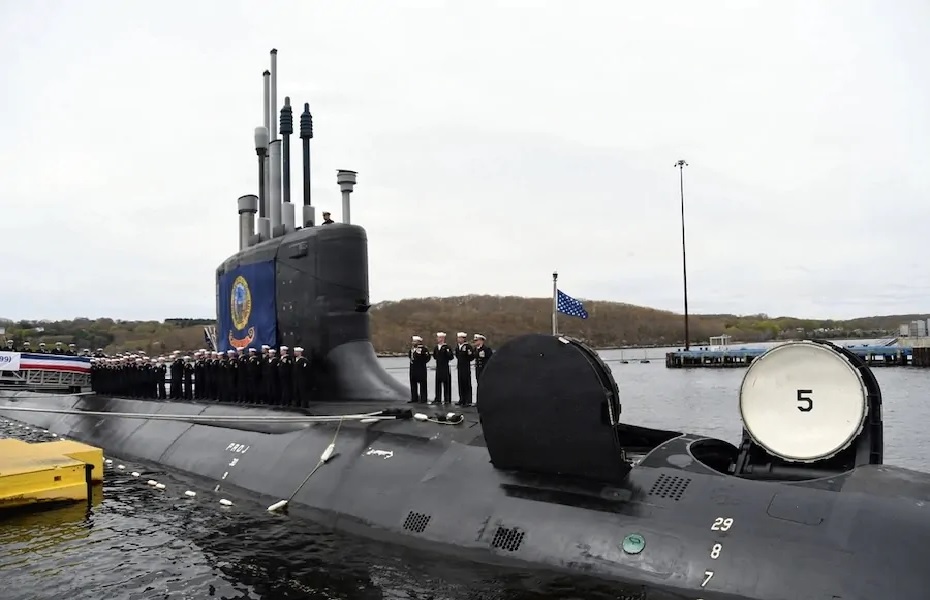
World
GROTON, Connecticut — April 26, 2026 : The United States Navy commissioned the Virginia-class fast-attack submarine USS Idaho (SSN 799) into active service during a formal ceremony held at Naval Submarine Base New London. The event marked the submarine’s official entry into operational status as the 26th vessel in the Virginia-class program and the eighth constructed under the Block IV configuration. Commissioning Ceremony and Leadership Remarks The ceremony featured remarks from several senior officials and political leaders. U.S. Senator James Risch delivered the keynote address. Acting Secretary of the Navy Hung Cao emphasized the strategic importance of maintaining secure maritime routes, stating that U.S. naval forces remain focused on ensuring safe sea lines of communication under current national defense priorities. Additional speakers included Idaho Governor Brad Little, U.S. Senator Richard Blumenthal, Representatives Joe Courtney and Michael Simpson, and Admiral William Houston. Mark Rayha, president of General Dynamics Electric Boat, also addressed attendees. The submarine’s sponsor, Teresa Stackley, issued the traditional order to “man our ship and bring her to life,” prompting the crew to board the vessel in a ceremonial activation. Commanding Officer Cmdr. Chad J. Guillerault noted the historical continuity associated with the vessel’s name and acknowledged the contributions of the crew, which includes Executive Officer Lt. Cmdr. John Whitaker, 15 officers, and approximately 120 enlisted sailors. Construction Timeline and Industrial Partnership USS Idaho was built through a long-standing teaming agreement between General Dynamics Electric Boat and HII Newport News Shipbuilding. Construction began with the keel laying on August 24, 2020, at the Quonset Point facility in Rhode Island. The submarine was christened on March 16, 2024, at the Electric Boat shipyard in Groton. Following construction, the vessel underwent alpha sea trials in November 2025 and was formally delivered to the Navy on December 15, 2025. The total program cost for the submarine is estimated at approximately $2.6 billion. Historical Lineage of the Name “Idaho” The SSN 799 is the fifth U.S. Navy vessel to carry the name Idaho. Its most recent predecessor, USS Idaho (BB-42), was a New Mexico-class battleship commissioned in 1919. That vessel earned seven battle stars for service during World War II, including operations at the Battle of Iwo Jima and the Battle of Okinawa. Technical Specifications and Capabilities USS Idaho incorporates the Block IV design, which focuses on reducing maintenance intervals and increasing deployment availability. The submarine displaces approximately 7,800 tons and measures 377 feet in length, with a 34-foot beam and a 32-foot draft. The vessel is powered by an S9G nuclear reactor, designed to operate for the full service life of the submarine without refueling, supplemented by an auxiliary diesel engine. It can achieve submerged speeds exceeding 25 knots and sustain underwater operations for extended durations, typically up to three months depending on mission requirements. Its armament includes two Virginia Payload Tubes capable of launching a combined total of 12 Tomahawk land-attack cruise missiles, along with four 21-inch torpedo tubes for Mk-48 Advanced Capability torpedoes. The submarine also features advanced acoustic stealth systems, some of which were developed and tested at the Navy’s Acoustic Research Detachment in Bayview, Idaho, located on Lake Pend Oreille. The platform is equipped for a range of missions, including anti-submarine warfare, anti-surface warfare, intelligence collection, surveillance, reconnaissance, and special operations support. Operational Assignment and Program Context USS Idaho will be assigned to Submarine Squadron Four and homeported in Groton, Connecticut. The commissioning completes a multi-year process involving design, construction, testing, and delivery, and represents the 14th Virginia-class submarine delivered by General Dynamics Electric Boat. Block IV submarines are designed to reduce the number of major maintenance periods over their lifecycle, allowing for more deployments compared to earlier variants. This design approach supports the Navy’s broader objective of maintaining consistent undersea presence and operational readiness. The commissioning ceremony also included a musical performance by students and faculty from the University of Idaho’s Lionel Hampton School of Music, with additional watch events held across Idaho to coincide with the ceremony. No further details regarding future deployment schedules or mission assignments were disclosed during the event.
Read More → Posted on 2026-04-26 13:42:09
World
HAWTHORNE, Calif. — April 26, 2026: ThinKom Solutions, Inc. has demonstrated a mobile High Power Microwave (HPM) directed energy system mounted on a standard pickup truck during the Cross Domain Fires Concept Focused Warfighting Experiment, highlighting a compact counter-drone capability designed for multi-domain operations. The demonstration took place during the U.S. Army exercise conducted from March 2 to 13, 2026, across multiple locations, including Fort Sill, Yuma Proving Ground, and White Sands Missile Range. The experiment evaluated emerging technologies for sensor-to-shooter integration, cross-domain fires, and operational performance in realistic battlefield conditions, with participation from soldiers of the 1st Armored Division and multiple industry partners. System Demonstration and Integration During the exercise, ThinKom’s HPM system—referred to as Alecto in company materials—was integrated with the EchoShield radar developed by Echodyne. The combined system demonstrated the ability to detect, track, and engage drone targets by directing concentrated microwave energy at their onboard electronics. Radar data from EchoShield cued the HPM effector in real time, enabling the system to identify incoming threats and respond without delay. The vehicle-mounted platform maintained full operational capability while in motion, providing continuous 360-degree coverage without requiring the platform to halt. High Power Microwave Engagement Mechanism High Power Microwave systems function by emitting concentrated electromagnetic energy that couples into a target’s electronic components. This interaction can cause immediate and permanent damage to critical subsystems, including flight controllers, GPS receivers, and motor control circuits. This mechanism constitutes a “hard-kill” effect, distinguishing it from radio-frequency jamming systems that only disrupt communication links and can be bypassed by autonomous drones. The HPM approach enables physical destruction of electronic systems at tactically relevant ranges without the use of kinetic projectiles. The system’s design supports simultaneous engagement of multiple targets across a wide area, particularly against Group 1 and Group 2 drone threats, and provides near-instantaneous effects with no reliance on expendable munitions. VICTS Technology and Power Architecture The core of the Alecto system is ThinKom’s proprietary Variable Inclination Continuous Transverse Stub (VICTS) antenna technology. Originally developed for satellite communications, VICTS is a mechanically steered phased-array system. Unlike electronically scanned arrays, which steer beams through electronic phase shifting, VICTS uses mechanical steering. This architecture allows the antenna to handle gigawatt-level peak power inputs while maintaining precision beam control, rapid agility, and a low-profile conformal structure. The antenna is paired with high-efficiency vacuum electronics to generate the required microwave energy, achieving high power density within a compact footprint. ThinKom reports that internal development and testing since 2025 have validated the system’s ability to operate at these power levels. Mobility and SWaP Characteristics A key aspect of the demonstration was the system’s size, weight, and power (SWaP) optimization. The Alecto unit was mounted directly on the flatbed of a standard pickup truck finished in military olive drab, without the need for a large trailer or dedicated external generator. This configuration reflects a shift from traditional HPM systems, which have historically required large platforms and significant support infrastructure. The reduced SWaP footprint enables deployment on light tactical vehicles and supports mobile operations such as convoy protection and maneuvering unit defense. The system’s ability to operate while the vehicle is moving addresses a critical operational requirement, allowing forces to maintain mobility while retaining active air defense against drone threats. Role in Counter-UAS and Air Defense ThinKom positions the HPM system for both mobile and fixed-site applications, including Counter-Unmanned Aircraft Systems (C-UAS) and Integrated Air and Missile Defense (IAMD). Within the counter-UAS domain, the system offers an alternative to kinetic interceptors, which are constrained by ammunition supply and cost per engagement, and to RF jamming systems, which face limitations against autonomous drones. By delivering a hard-kill effect with a deep magazine and rapid re-engagement capability, HPM systems address gaps in existing defensive approaches. Corporate Development and Strategy ThinKom, headquartered in Hawthorne, California, entered the High Power Microwave directed energy weapons market on August 26, 2025, expanding from its established role in phased-array antenna systems for satellite communications. According to Bill Milroy, the company’s Chief Technology Officer and co-founder, the transition builds on existing technical capabilities. He stated during the 2025 announcement that ThinKom’s antenna designs are inherently suited for handling extremely high power levels, supporting the development of HPM systems for military applications. The company continues to supply satellite communication antennas for commercial, government, and defense customers while advancing its directed energy portfolio. Exercise Outcomes and Future Work No specific performance metrics—such as engagement range or power output—were disclosed from the CDF CFWE demonstration. However, the exercise validated system integration, mobility, and operational concepts under realistic conditions. ThinKom has indicated that further testing and demonstrations are planned throughout 2025 and 2026, with ongoing development focused on refining system performance and expanding deployment configurations. The pickup truck–mounted demonstration represents an early operational example of the company’s approach to mobile directed energy systems, emphasizing scalability, integration, and field deployment flexibility.
Read More → Posted on 2026-04-26 14:07:57
World
TOKYO — April 26, 2026 : Japan has received its first shipment of United States crude oil since the recent geopolitical crisis involving Iran disrupted traditional supply routes from the Middle East, prompting refiners to accelerate diversification of procurement and logistics. The Suezmax-class tanker OTIS (IMO: 9408217) arrived at an offshore jetty in Tokyo Bay on Sunday, delivering approximately 910,000 barrels of Texas light crude oil to a refinery in Chiba Prefecture. The cargo was transferred through an undersea pipeline to a facility operated by Cosmo Oil, a subsidiary of Cosmo Energy Holdings Co., where it will be processed into petroleum products including gasoline for domestic distribution. Vessel Specifications and Delivery Details The OTIS, sailing under the flag of the Marshall Islands, was built in 2010 and measures 274 meters in length with a deadweight capacity exceeding 156,000 tonnes. The vessel loaded its cargo at a port in Houston, Texas, on March 22 and completed the voyage in approximately 35 days. This delivery marks the first U.S. crude shipment secured by Japanese companies following the onset of the Iran-related crisis, according to Japan’s Ministry of Economy, Trade and Industry (METI). Narumi Hosokawa, deputy director-general for immediate crisis management at METI, confirmed on April 24 that the cargo represents a new procurement effort initiated after disruptions to Middle Eastern supply chains. Strategic Shift in Maritime Logistics Japanese refiners are adjusting shipping strategies to ensure continuity of supply while avoiding risk-prone routes, particularly the Strait of Hormuz. Traditionally, crude oil shipments to Asia are carried on Very Large Crude Carriers (VLCCs), which can transport up to 2 million barrels but are too large to transit the Panama Canal. To address this limitation, refiners are increasingly chartering midsize vessels such as Aframax and Suezmax tankers, including the OTIS, which can navigate the canal. This routing reduces transit time to approximately 30 to 35 days, compared with about 50 days for VLCCs forced to travel around the southern tip of Africa. The shift has contributed to a rise in traffic through the Panama Canal, where daily vessel transits have recently increased to between 36 and 38 ships, reflecting growing U.S. energy exports to Asian markets. Energy Security and Supply Diversification Japan remains heavily dependent on the Middle East, historically sourcing more than 90 to 95 percent of its crude oil imports from the region, with most shipments passing through the Strait of Hormuz. The current disruption has led to an expansion of procurement efforts beyond traditional suppliers. Despite its significance, the 910,000-barrel shipment represents less than one day of Japan’s total national oil consumption, underscoring the scale of the country’s energy requirements. In response, Japanese authorities and refiners are pursuing multiple measures to stabilize supply. Imports of U.S. crude are expected to increase substantially, with volumes projected to quadruple year-on-year in May. Additional sourcing efforts are also targeting suppliers in Central America, South America, and Central Asia. Strategic Reserves and Domestic Supply Measures Alongside increased imports, Japan is drawing on its national strategic petroleum reserves. A second release totaling approximately 36 million barrels (5.8 million kiloliters), valued at around 540 billion yen (approximately $3.4 billion), is scheduled to begin on May 1. The released volumes—equivalent to roughly 20 days of national consumption—will be distributed among four major refiners: ENEOS, Idemitsu Kosan, Cosmo Oil, and Taiyo Oil, across 10 national stockpile sites. An earlier alternative shipment of Saudi crude, transported via a route bypassing the Strait of Hormuz, arrived in late March at a refinery in Ehime Prefecture, indicating that diversification efforts were already underway prior to the arrival of the U.S. cargo. Refinery Operations and Outlook Japanese refineries have been operating at approximately two-thirds of their normal capacity in recent weeks due to supply uncertainties. The arrival of the OTIS cargo provides partial relief, though additional shipments will be required to restore full operational levels. No further details on upcoming U.S. crude shipments were released by METI or Cosmo Oil as of April 26. However, the combination of diversified sourcing, adjusted shipping logistics, and strategic reserve releases indicates a coordinated approach to maintaining energy stability amid ongoing geopolitical disruptions.
Read More → Posted on 2026-04-26 14:16:35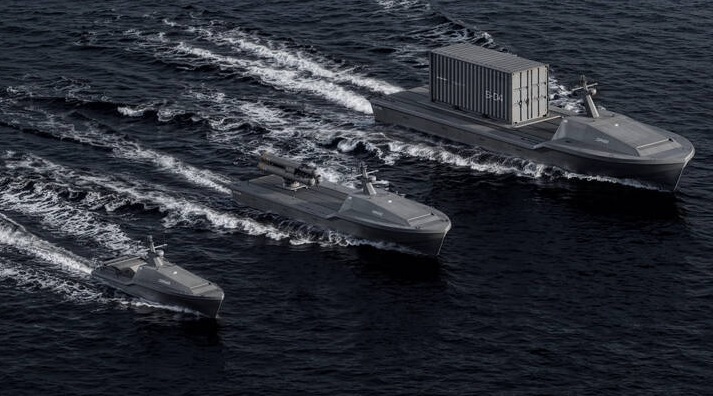 Saronic Technologies Signs MOU with Taiwan’s NCSIST on Autonomous Navigation and Maneuvering for USV
World
TAIPEI — April 26, 2026 : On April 24, 2026 U.S.-based autonomous vessel developer Saronic Technologies has signed a memorandum of understanding (MOU) with Taiwan’s National Chung-Shan Institute of Science and Technology (NCSIST) to cooperate on autonomous maritime operations and maneuvering technologies for uncrewed surface vessels (USVs). The agreement was formalized during a signing ceremony in Taiwan attended by Saronic Technologies Chief Executive Officer Dino Mavrookas—also known as Kostadino George Mavrookas—and NCSIST President Li Shiqiang, also referred to as Li Shih-chiang. Collaboration Scope and Technical Focus Under the MOU, both organizations will collaborate on a wide range of technologies related to modular USVs and artificial intelligence-enabled maritime systems. The partnership includes joint work on command-and-control (C2) software, ship design, and full system integration, alongside the development of AI-based target recognition and tracking capabilities. Additional areas of cooperation include autonomous interception systems, defensive barrier deployment, synchronized multi-vessel operations, and obstacle avoidance technologies. The agreement also covers kinetic interception methods and autonomous tactical decision-making systems intended to enhance operational effectiveness in complex maritime environments. The modular approach to USV development is expected to support rapid manufacturing, facilitate parts replacement, and enable remote software upgrades, contributing to reduced production timelines and lower overall costs. Strategic Context and Prior Agreements The MOU builds on an earlier agreement signed in September 2025 between NCSIST and Maritime Tactical Systems (MarTac). The new partnership is intended to further accelerate deployment of mission-ready systems, improve resilience, and diversify access to advanced technologies for Taiwan’s defense sector. According to Taiwan’s Military News Agency, the collaboration will facilitate direct exchange of research, development, and engineering expertise between Saronic and Taiwan’s state-backed defense research ecosystem. Support for Taiwan’s Domestic Programs The cooperation is expected to directly support Taiwan’s domestic USV initiatives, including the Kuai Chi attack unmanned surface vehicle program, which completed sea trials in 2025. NCSIST is currently responsible for advancing production and integration of such systems within Taiwan’s military structure. Over the coming years, NCSIST is contracted to produce 1,320 Kuai Chi USVs. These systems are planned for deployment across multiple branches, including the Navy’s Coastal Combat Command, the Marine Corps, and the Army’s Special Forces Command. The partnership also aligns with Taiwan’s broader objective of strengthening its domestic defense industrial base. It is expected to support local shipbuilding capabilities while enabling Taiwan’s electronics and software sectors to integrate into global defense supply chains. Industrial Capabilities and Platform Development Headquartered in Austin, Texas, Saronic Technologies specializes in the rapid design, development, and production of dual-use autonomous surface vessels for defense and commercial applications. Its portfolio includes platforms such as the Corsair, a 24-foot autonomous surface vessel capable of carrying payloads of up to 1,000 pounds over a range of 1,000 nautical miles, as well as the Mirage and Marauder models, including a larger 150-foot Marauder variant. These systems are designed for missions including intelligence, surveillance, and reconnaissance (ISR), maritime patrol, logistics support, and operations in contested environments. The company has previously secured contracts with the U.S. Navy and has received significant private investment for its autonomous maritime programs. NCSIST, Taiwan’s primary defense research and development institution, plays a central role in aligning advanced technologies with the operational requirements of Taiwan’s armed forces. The institute is responsible for systems integration, testing, and production support across multiple defense programs. Supply Chain, Sustainment, and Long-Term Outlook Both parties stated that they will evaluate opportunities to expand supply chains, improve sustainment and maintenance frameworks, and enhance long-term operational readiness. The agreement includes provisions for collaboration across both defense and commercial maritime sectors. The MOU also forms part of Taiwan’s wider efforts to expand unmanned maritime capabilities, including support roles for the Coast Guard Administration during peacetime operations and the establishment of rapid production capacity during emergencies. Taiwan’s Ministry of National Defense, through the Armaments Bureau’s Materiel Production Center, is leading procurement efforts for a proposed fleet of 1,320 suicide USVs under a special budget framework. No specific timelines, financial terms, or follow-on contracts related to the agreement were disclosed at the time of signing.
Read More → Posted on 2026-04-26 14:27:04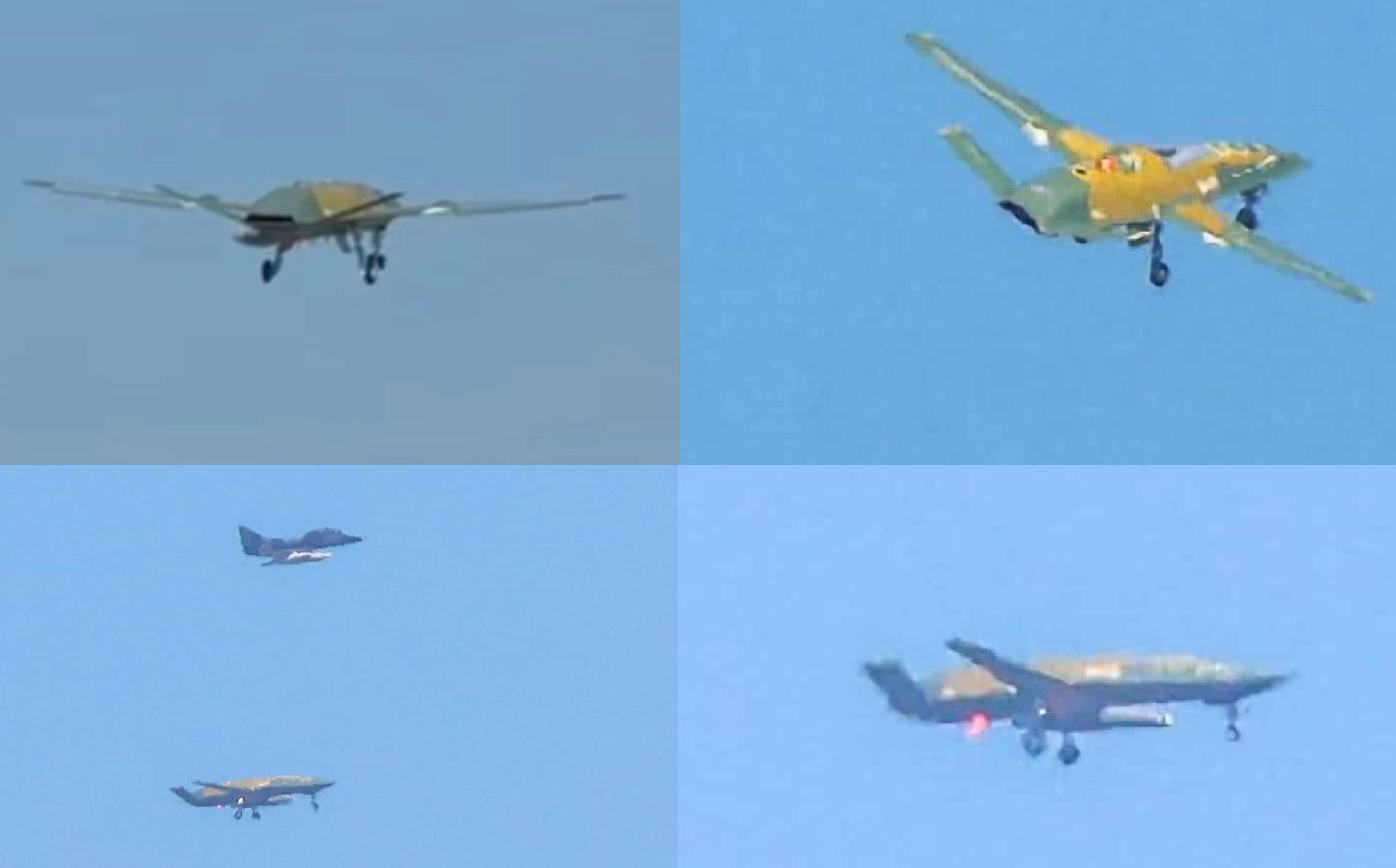
World
ST. LOUIS — April 26, 2026 : The MQ-25 Stingray program reached a key development milestone as the U.S. Navy’s first production-representative aircraft successfully completed its maiden flight on April 25, 2026, marking the transition of the service’s first carrier-based unmanned tanker from ground testing into full flight-test operations. Maiden Flight and Test Operations The aircraft departed from MidAmerica St. Louis Airport, where Boeing operates its MQ-25 production facilities. The sortie followed an aborted takeoff attempt on April 22 for undisclosed reasons. During the successful flight, the Stingray was accompanied by two chase aircraft: a Boeing-owned TA-4J Skyhawk and a U.S. Navy UC-12M Huron. No additional performance data from the flight has been released. The milestone comes nearly seven years after the first flight of the MQ-25 T1 demonstrator on September 19, 2019. Compared to the earlier test asset, the production-representative configuration incorporates design updates, including a retractable electro-optical/infrared (EO/IR) sensor turret to support expanded mission roles. Transition to Flight Testing Phase The successful maiden flight formally transitions the program from ground-based testing into sustained flight-test operations. Earlier in January 2026, the aircraft completed low- and high-speed autonomous taxi trials conducted by Air Test and Evaluation Squadron 23 (VX-23) and Air Test and Evaluation Squadron 24 (UX-24). UX-24, which specializes in unmanned systems development, will continue to support the program alongside VX-23 throughout the flight-test campaign. Following initial flight testing, the Navy plans to conduct envelope expansion flights to validate the aircraft’s performance limits. Data gathered during this phase will be used to certify the updated configuration ahead of carrier-based flight testing. Previous trials involving the T1 asset focused on deck handling and carrier suitability without launch operations. The program is overseen by Naval Air Systems Command, which will coordinate continued developmental and operational testing. A total of nine aircraft are currently under construction to support these efforts. Operational Role and Capabilities The MQ-25 Stingray is designed primarily to perform carrier-based aerial refueling using the Cobham Aerial Refueling Store, the same system employed by F/A-18E/F Super Hornet tanker variants. The aircraft is capable of transferring between 14,000 and 16,000 pounds of fuel at a radius of 500 nautical miles. This capability is intended to reduce reliance on Super Hornets for “buddy tanker” missions, which currently account for up to one-third of their sorties. By shifting this workload to the MQ-25, the Navy aims to increase the availability of crewed strike fighters for operational missions while extending the reach of carrier air wings aboard Nimitz- and Ford-class aircraft carriers. In addition to refueling, the MQ-25 will support intelligence, surveillance, and reconnaissance (ISR) missions. Its onboard systems include the EO/IR turret, along with signals intelligence (SIGINT) and Automatic Identification System (AIS) capabilities, enabling persistent maritime surveillance and operational support functions such as recovery tanking. Vice Adm. Daniel Cheever has described the MQ-25 as a foundational platform for future carrier aviation, emphasizing its role in enabling manned-unmanned teaming concepts and supporting the development of collaborative combat aircraft within carrier air wings. Technical Specifications The MQ-25 employs a straight-wing design optimized for endurance and subsonic cruise operations. Key specifications include: Length: 51.0 ft (15.5 m) Wingspan (extended): 75.0 ft (22.9 m) Wingspan (folded): 31.3 ft (9.5 m) Height (extended): 9.8 ft (3.0 m) Height (folded): 15.7 ft (4.8 m) Powerplant: 1 × Rolls-Royce AE 3007N turbofan engine producing over 10,000 lbf of thrust Maximum takeoff weight: approximately 44,000 lb (20,000 kg) Top speed: approximately 620 km/h (subsonic) The aircraft is built under a Boeing-led industrial team, with Rolls-Royce supplying the engine and multiple partners contributing subsystems, including vehicle management and mission systems. Mission Control and Manned-Unmanned Teaming A central component of the MQ-25 program is the development of the Unmanned Carrier Aviation Mission Control System (UMCS), led in partnership with Lockheed Martin. Between 2024 and 2025, UMCS installations were completed at shore facilities and aboard the USS George H.W. Bush (CVN-77). Through UMCS, Navy operators have demonstrated the ability to control the MQ-25 and other unmanned platforms, including the MQ-20 Avenger. Boeing has also tested concepts enabling pilots of crewed aircraft, such as the F/A-18, to directly interact with and control MQ-25 systems during aerial refueling operations. Budget, Production, and Schedule Despite progress, the MQ-25 program has experienced schedule adjustments. Pentagon Selected Acquisition Reports and Government Accountability Office (GAO) assessments cited in August 2025 indicated that key milestones, including the first flight of engineering and manufacturing development aircraft and initial operational capability (IOC), have been delayed by approximately two years. The Navy now targets IOC in fiscal year 2027. To support testing and future low-rate initial production (LRIP), Boeing opened a $200 million, 300,000-square-foot production facility at MidAmerica Airport in 2024. The Navy’s FY2026 budget request includes approximately $1.04 billion for procurement and research, development, test, and evaluation (RDT&E), covering continued program development and the first three LRIP aircraft. The GAO has cautioned that initiating LRIP before sufficient completion of developmental testing could introduce additional cost risks. Program Trajectory Following completion of early flight testing, the MQ-25 program will proceed with envelope expansion and carrier-based flight trials. These steps are intended to validate the aircraft’s operational suitability for deployment aboard U.S. Navy aircraft carriers. The Navy plans to acquire up to 76 MQ-25 aircraft as part of its long-term strategy to integrate unmanned systems into carrier air wings, with the Stingray serving as the first operational step in that transition.
Read More → Posted on 2026-04-26 14:43:42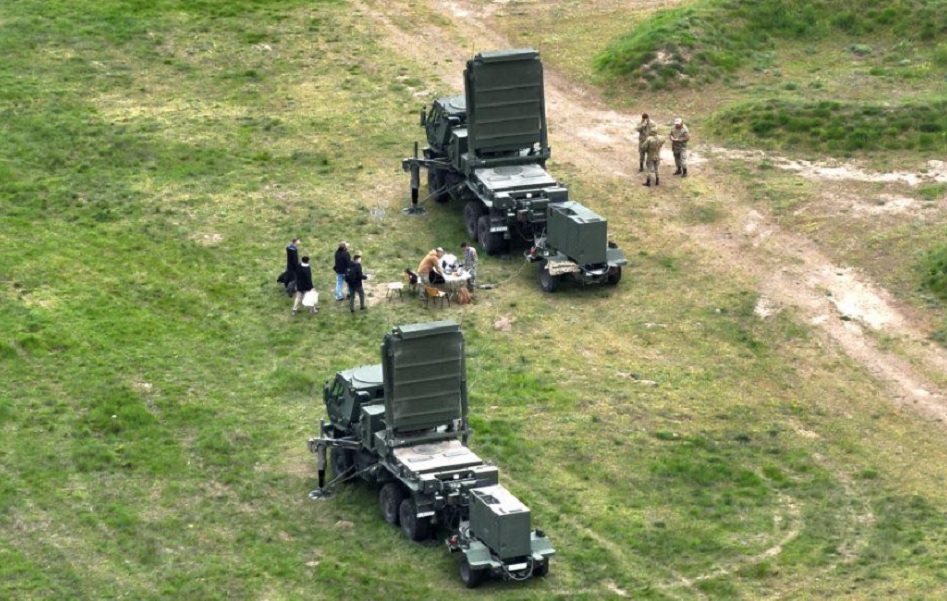
World
CAPU MIDIA, Romania — April 26, 2026 : The Romanian defense company Optoelectronica, in collaboration with Israeli firm SkyLock Systems, has successfully demonstrated the Sky Dome integrated counter-drone system during the multinational exercise LCI-X Crucible Eastern Phoenix 2026. The trials were conducted from April 14 to April 24 at the Capu Midia Shooting Range in Constanța County, where the system achieved a 100 percent intercept rate against all unmanned aerial threats deployed during testing. The exercise was organized under the coordination of the Romanian Ministry of National Defense and NATO Allied Command for Transformation. It focused on evaluating rapid-response technological solutions designed to counter Unmanned Aerial Systems (UAS) in the Black Sea coastal region. More than 400 participants, including military personnel and representatives from defense industry manufacturers across 21 NATO allied nations, took part in the ten-day operational event. Operational Testing and System Performance Unlike static demonstrations, Eastern Phoenix 2026 emphasized real-world operational conditions. Within this framework, the Sky Dome system successfully detected, tracked, and neutralized a wide spectrum of aerial targets. These included First-Person View (FPV) quadcopters as well as Class II military-grade unmanned systems comparable to the Shahed drone platform. According to Optoelectronica, Sky Dome was the only integrated counter-UAS system presented during the exercise that incorporated a directed-energy laser component. The system is structured around two primary operational matrices. The first matrix consists of detection and identification technologies, including Laser Rangefinder (LRF) detectors, electro-optical and infrared (EO/IR) sensors, advanced radar systems, and acoustic sensors. These components enable multi-layered surveillance and target acquisition in complex operational environments. The second matrix focuses on neutralization capabilities. These include SkyBeam portable jammers, OmniJAM omnidirectional jamming systems, GPS/GNSS spoofing technologies, and cyber takeover solutions. Additional countermeasures include kinetic interceptors (drone-on-drone systems) and the Sky Laser directed-energy weapon, which provides precision engagement against aerial threats. Leadership Observations and Strategic Context The system demonstration was observed during the Distinguished Visitors Day by Romania’s Minister of National Defense, Radu Miruță, along with senior leadership from the Defense General Staff led by Lieutenant General Dragoș-Dumitru Iacob. Military officials highlighted the operational relevance of the Sky Laser component, particularly for securing airspace near Romania’s border with Ukraine. Romanian generals noted that similar systems deployed in regions such as the Danube Delta could enable rapid and effective neutralization of aerial threats. The evaluation aligns with Romania’s defense modernization objectives, including plans outlined in the 2026 Strategic Defense Analysis to integrate directed energy weapons into national defense infrastructure. Arnoud Stallman, representing NATO Allied Command for Transformation, stated that Eastern Phoenix 2026 is the first in a planned series of multinational exercises. Follow-on iterations are scheduled to take place in the Netherlands and Latvia, with the goal of identifying systems capable of integration into NATO’s Command and Control (C2) architecture. Industrial Cooperation and Production Framework The Sky Dome system is being developed under a strategic industrial cooperation agreement between Optoelectronica and SkyLock Systems. If selected for procurement by the Romanian government, the system is structured to comply with the European Union’s SAFE (Security Action for Europe) program, which is intended to strengthen defense capabilities across member states. Under the current proposal, more than 65 percent of the system’s components would be manufactured domestically in Romania. This localization strategy is designed to support national industry, ensure eligibility for EU funding mechanisms, and address the growing demand for counter-UAS solutions across the Euro-Atlantic region. Exercise Framework and Environmental Measures Eastern Phoenix 2026 brought together approximately 250 Romanian military personnel and an additional 250 industry representatives. The exercise forms part of NATO’s broader effort to enhance counter-drone capabilities on its eastern flank, where airspace security has become a growing operational priority. Organizers also implemented environmental protection measures during testing at Capu Midia. Specialized teams were deployed to locate and recover drone debris, ensuring compliance with environmental standards following live operational trials. No official procurement decisions or contract timelines have been announced following the conclusion of the exercise. However, the results of the Sky Dome demonstration contribute to ongoing NATO and national evaluations of deployable counter-UAS technologies suitable for integration into allied defense systems.
Read More → Posted on 2026-04-26 14:57:40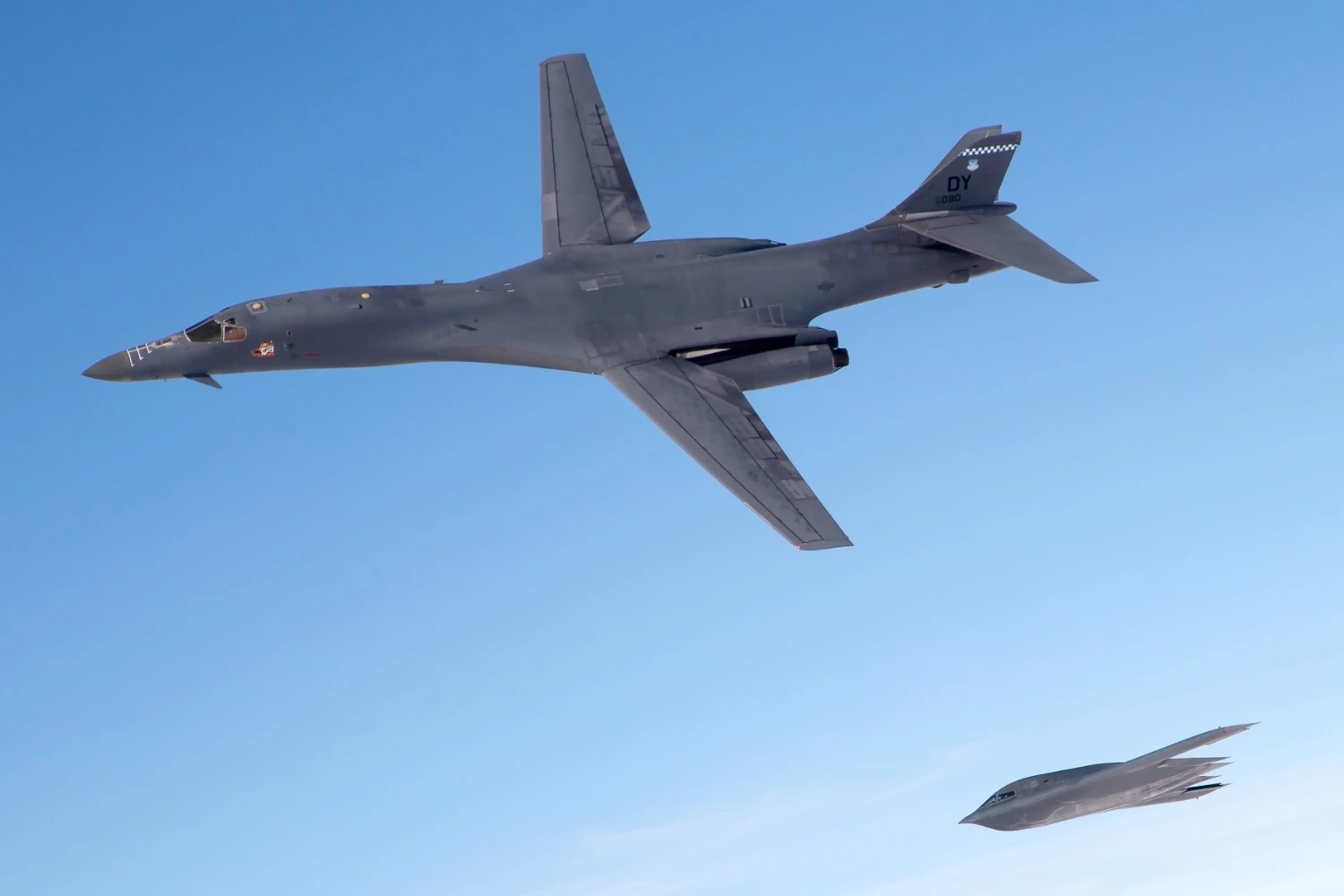
World
WASHINGTON, D.C., — April 26, 2026 : The United States Air Force has approved a funding plan of nearly $1.7 billion to extend the operational life and enhance the capabilities of its legacy bomber fleet, specifically the B-1B Lancer and the B-2 Spirit. The decision reflects adjustments in long-term force planning as the service manages delays in fielding the next-generation B-21 Raider, ensuring that long-range strike capacity remains intact during the transition period. Funding Allocation and Modernization Plans According to budget documents released by the Department of the Air Force, the $1.7 billion investment will be distributed over a five-year period, covering fiscal years 2027 through 2031. The funding is divided between both bomber platforms to support modernization, sustainment, and operational readiness. For the B-1B Lancer fleet, approximately $342 million has been allocated. These funds are intended to maintain the aircraft’s combat effectiveness and extend its operational service life through 2037. The Air Force currently operates 44 B-1 aircraft, which are capable of carrying the largest payload of conventional guided and unguided munitions in the service’s inventory. Planned upgrades are expected to focus on sustaining structural integrity, improving mission systems, and ensuring compatibility with modern weapons. The larger portion of the funding, approximately $1.35 billion, is designated for the B-2 Spirit fleet. The Air Force maintains 19 B-2 aircraft, all of which are based at Whiteman Air Force Base. As the only operational U.S. stealth bomber capable of delivering nuclear weapons, the B-2 remains a critical component of the strategic deterrence posture. The allocated funding will support ongoing modernization and maintenance efforts to ensure the aircraft remains viable for national security missions for as long as required. No revised retirement timeline for the B-2 has been specified. Shift in Bomber Transition Strategy The funding decision marks a revision of earlier Air Force plans that envisioned retiring both the B-1 and B-2 fleets in the early 2030s. Those plans were based on the assumption that the B-21 Raider would be fielded in sufficient numbers within that timeframe. However, while the B-21 program remains on schedule and within cost estimates, the rate of production and deployment has required adjustments to avoid a gap in operational capability. The aircraft began deliveries in 2025 and is expected to achieve initial operational presence at Ellsworth Air Force Base in 2027. Despite this progress, the number of available aircraft in the near term will not be sufficient to fully replace existing bomber capacity. In response, the Air Force and Northrop Grumman reached an agreement in February 2026 to increase B-21 production capacity by 25 percent. This expansion is supported by $4.5 billion in previously authorized funding, though additional aircraft will take several years to enter operational service. The Air Force has stated its intent to procure at least 100 B-21 bombers, with some policymakers advocating for a fleet size of up to 145 aircraft. Sustaining Global Strike Capability Officials from U.S. Strategic Command and other defense entities have indicated that global demand for bomber operations remains steady, requiring a balanced approach between modernization and sustainment. Maintaining the B-1 and B-2 fleets ensures the Air Force can meet current operational requirements while continuing the transition to newer systems. The modernization effort also complements the ongoing upgrade of the B-52 Stratofortress into the B-52J configuration, which includes new engines and updated avionics. Together, these initiatives form a layered approach to preserving long-range strike capabilities. Budget documents emphasize that the allocated funding will support spare parts procurement, depot-level maintenance, and personnel requirements necessary to sustain both aircraft types. While specific upgrade packages—such as avionics enhancements, weapons integration, or structural modifications—have not been detailed, the overall objective is to maintain combat effectiveness across the bomber fleet.
Read More → Posted on 2026-04-26 15:16:35
World
LIMA / GREENVILLE, S.C., — April 26, 2026 : The Government of Peru has formally confirmed the acquisition of 12 F-16 Block 70 fighter aircraft from Lockheed Martin, marking a significant step in the modernization of the Peruvian Air Force (FAP). The program is aimed at replacing aging combat platforms and strengthening national air defense capabilities. The aircraft will be manufactured at Lockheed Martin’s production facility in Greenville. With this purchase, Peru will become the 30th country to operate the F-16 platform, which currently has a global fleet of more than 2,800 aircraft in service. Program Structure and Financial Details A technical signing between authorized parties was completed on April 20, 2026, followed by an initial payment of $462 million on April 22. The total value of the initial tranche is estimated at approximately $3.42 billion. The package includes not only the aircraft but also a comprehensive set of weapons, pilot training, logistics support, and long-term sustainment services. The agreement also includes an option for a second batch of 12 additional aircraft, which could expand the fleet to a total of 24 fighters. The first tranche will consist of 10 single-seat F-16C aircraft and two twin-seat F-16D variants intended for training and operational flexibility. No official delivery timeline has been disclosed, and the program remains subject to standard U.S. government approval procedures and congressional notification requirements. Fleet Modernization and Replacement Strategy The acquisition is part of a broader effort by Peru to modernize its air combat capabilities. The Peruvian Air Force currently operates aging Soviet-era MiG-29 fighters and French-built Mirage 2000 aircraft, both of which have faced increasing maintenance and operational challenges. The F-16 Block 70 was selected after evaluation against competing platforms, including the Swedish JAS 39 Gripen and the French Dassault Rafale. The decision reflects a focus on interoperability, lifecycle cost efficiency, and operational capability within a widely used and supported platform. Technical Capabilities of the F-16 Block 70 The F-16 Block 70 represents the most advanced configuration of the aircraft to date and incorporates several upgrades designed to enhance mission effectiveness and pilot safety. Key features include the APG-83 Scalable Agile Beam Radar (SABR), an Active Electronically Scanned Array (AESA) system that provides improved targeting accuracy and all-weather operational capability. The aircraft is also equipped with the Automatic Ground Collision Avoidance System (Auto GCAS), which has been designed to reduce incidents of controlled flight into terrain. The platform offers a structural service life of up to 12,000 flight hours, enabling extended operational use over several decades. Additional capabilities include conformal fuel tanks that increase range and endurance without significantly affecting aerodynamic performance, as well as advanced avionics that improve pilot situational awareness. Strategic and Industrial Cooperation Lockheed Martin described the agreement as a continuation of long-standing defense cooperation between Peru and the United States. The program includes provisions for industrial collaboration, supporting both operational readiness and economic engagement between the two countries. Mike Shoemaker, Vice President of the Integrated Fighter Group at Lockheed Martin, stated that the selection of the F-16 reflects its operational track record and adaptability to modern defense requirements. He noted that the program would contribute to Peru’s national security while reinforcing bilateral ties and supporting economic activity within the defense industrial base. Political Context and Decision Process The finalized acquisition follows a period of domestic political debate in Lima regarding defense spending priorities. Interim President José María Balcázar had initially proposed postponing the purchase until the next administration takes office in July. The proposal led to the resignations of Defense Minister Carlos Diaz and Foreign Minister Hugo de Zela, both of whom opposed delaying the procurement on national security grounds. Following internal review, the interim government reversed its position and proceeded with the acquisition, citing the urgency of maintaining air defense readiness and continuity. The purchase will be financed through domestic borrowing, reflecting the government’s decision to prioritize military modernization amid evolving regional security considerations. Operational Impact The introduction of the F-16 Block 70 is expected to significantly enhance Peru’s ability to monitor and secure its airspace. The platform’s interoperability with allied forces also positions the country to participate more effectively in joint operations and regional security initiatives. Lockheed Martin characterized the agreement as a major milestone in the transformation of the Peruvian Air Force, with long-term implications for operational capability, training, and defense cooperation.
Read More → Posted on 2026-04-26 15:29:41
World
WASHINGTON — April 26, 2026 : The U.S. Army has requested $486 million in its Fiscal Year 2027 budget to procure 34 Sentinel A4 air defense radars, marking a continued step in the service’s effort to modernize short-range air and missile defense capabilities. The Sentinel A4, designated AN/MPQ-64A4 and developed by Lockheed Martin, is an X-band Active Electronically Scanned Array (AESA) radar powered by Gallium Nitride (GaN) technology. It is intended to replace the legacy Sentinel A3 (AN/MPQ-64A3) and serve as the Army’s primary short-range air defense sensor. Production and Acquisition Plan The Army plans to transition the Sentinel A4 program from low-rate initial production (LRIP) to full-rate production (FRP), with a Full Rate Production decision scheduled for August 2026. This milestone will support a broader acquisition objective of more than 200 radars over the life of the program. As of Fiscal Year 2026, the Army has received, ordered, or requested more than 60 Sentinel A4 systems. This includes a batch of 33 radars expected to be ordered during the current fiscal year. Following the anticipated full-rate production decision, deliveries are planned to begin at a rate of approximately two radars per month, increasing to four units per month as production stabilizes. Recent program activity includes the delivery of the first Sentinel A4 unit under LRIP 2 phase. The system has also completed the first phase of Initial Operational Test and Evaluation (IOT&E), supporting its transition into higher-rate production. System Design and Capabilities The Sentinel A4 features a digital, open-architecture AESA design with GaN transmit/receive modules and sub-array digital beamforming. Compared to the Sentinel A3, the new radar offers significant performance improvements, including more than a 75 percent increase in detection range, with some assessments indicating improvements of up to 175 percent, and a 225 percent increase in sensitivity. The radar provides full 360-degree azimuth coverage and hemispheric surveillance from ground level to zenith, eliminating the cone-of-silence limitation seen in earlier systems. It has a detection range of up to 200 kilometers and can track hundreds of targets simultaneously in real time. The system is capable of detecting a wide range of threats, including cruise missiles, unmanned aerial systems (UAS)—including low-observable targets (0.01 m² RCS)—fixed-wing and rotary-wing aircraft, and rocket, artillery, and mortar (RAM) threats. It can also trace RAM threats back to their point of origin and calculate impact points to support force protection. Additional technical specifications include a system weight of approximately 6,070 kilograms (13,382 pounds) and power requirements of 10 kW, 400 Hz, 115/200 VAC. The radar incorporates an open architecture with approximately 60 percent built-in growth potential, enabling future upgrades to address evolving threats. Integration and Operational Role The Sentinel A4 is designed to integrate with the Army’s broader air and missile defense network, including the Integrated Battle Command System (IBCS) and Forward Area Air Defense Command and Control (FAAD-C2). It provides surveillance, target acquisition, and fire-control quality tracking data to support systems such as Maneuver Short-Range Air Defense (M-SHORAD) and Indirect Fire Protection Capability Increment 2. The radar is mounted on mobile platforms and designed for expeditionary operations. It can be transported via air, sea, rail, or ground, enabling rapid deployment across operational environments.
Read More → Posted on 2026-04-26 16:19:45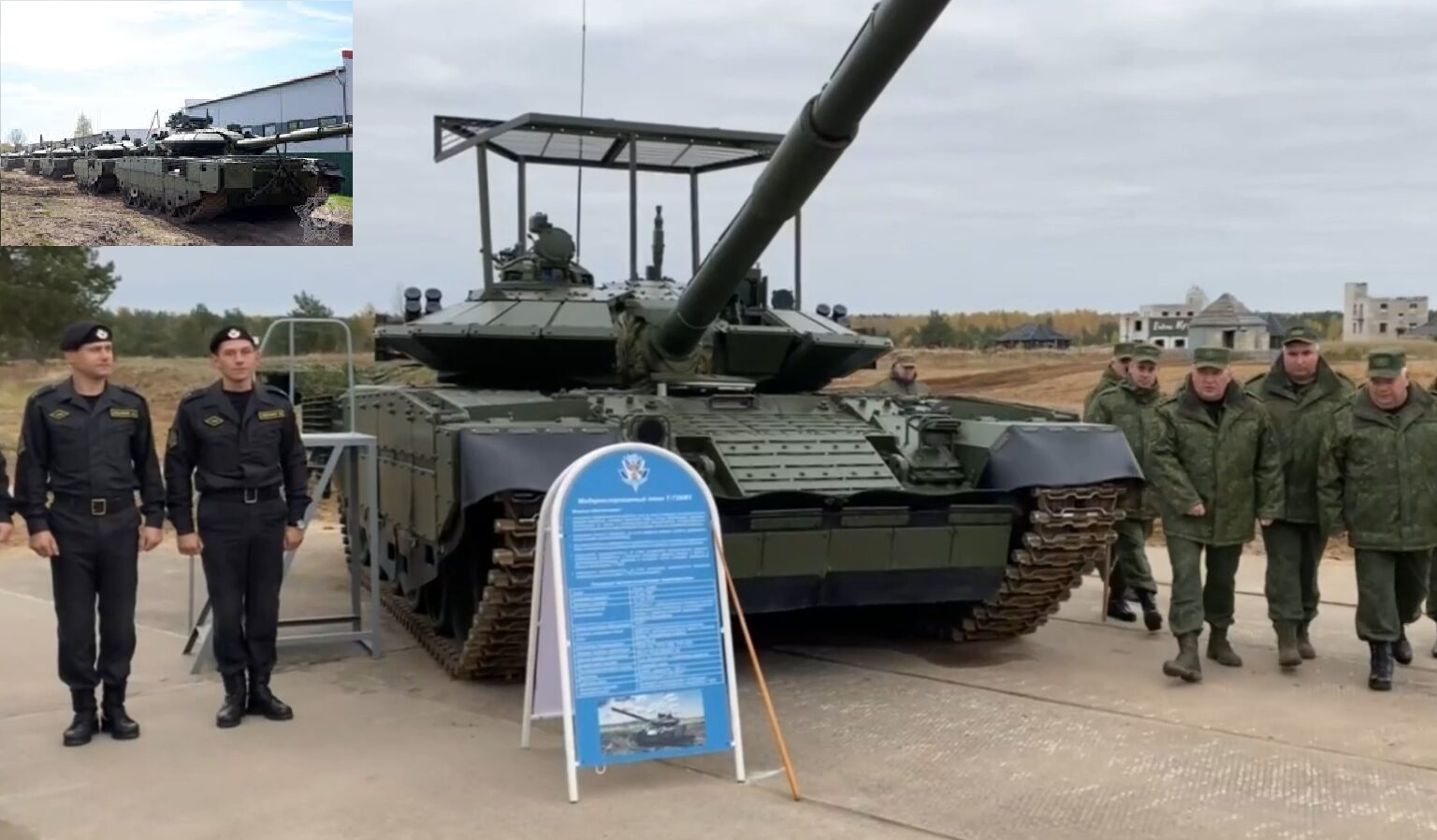
World
MINSK, BELARUS — April 26, 2026 : The Belarusian Ministry of Defense has confirmed that a tank battalion of the 11th Guards Separate Mechanized Brigade has received the first serially produced batch of locally upgraded T-72BM2 main battle tanks, marking the transition of the program from testing to operational deployment. The delivery represents a key stage in Belarus’s broader effort to modernize its armored forces through domestic upgrades of legacy Soviet-era platforms. While officials did not disclose the exact number of vehicles delivered, photographs released by the ministry show at least five tanks being transported to the unit. Deployment and Operational Context The 11th Guards Separate Mechanized Brigade operates under Belarus’s Western Operational Command and is based in the city of Slonim. The brigade’s location places it approximately 100 kilometers east of the Polish border, 110 kilometers southeast of Lithuania, and 125 kilometers north of Ukraine, giving it strategic positioning along Belarus’s western axis. Colonel Vadim Ilnitsky, commander of the brigade, confirmed the receipt of the upgraded tanks and indicated that additional deliveries are planned as part of a phased rearmament program. “Today, we received combat vehicles that meet all the requirements of modern combined arms combat. This is only the first stage of receiving the latest combat vehicles. In the near future, this practice will continue, and we will receive new weapons, military and special equipment to perform assigned tasks,” he said. Development and Production Background The T-72BM2 modernization program was developed by Belarusian engineers at the 140th Armored Repair Plant in Borisov, near Minsk. The upgraded variant was first presented publicly in July 2022 and subsequently underwent field testing and service evaluation within army units. The April 2026 delivery marks the first confirmed serial production batch entering operational service, indicating that the platform has completed its initial testing phase and is now being integrated into frontline formations. Technical Modernization Features The T-72BM2 upgrade package introduces a range of improvements aimed at enhancing firepower, targeting accuracy, and battlefield awareness compared to the baseline T-72B. A central component of the upgrade is a new multi-channel gunner’s sight, reportedly based on the Sosna-U system. This includes optical and thermal imaging channels, a missile guidance channel, and a laser rangefinder. These systems are supported by an expanded sensor suite that incorporates meteorological data inputs, crosswind measurement, roll and pitch detection, and propellant charge temperature monitoring. An automated ballistic computer processes this data to calculate firing solutions in real time, improving first-round hit probability. The system also introduces a “Double” control mode, enabling the tank commander to independently operate and fire the main gun. Both the commander and driver positions have been equipped with updated optical and thermal imaging observation systems, allowing operations in day, night, and reduced-visibility conditions. To improve operational efficiency, the tank is fitted with an auxiliary power unit (APU), which allows onboard systems—including targeting optics and communications—to operate without running the main engine. This reduces fuel consumption and lowers thermal and acoustic signatures. The platform also incorporates upgraded radio communication systems designed to support secure and reliable coordination within combined-arms formations. The upgraded tank is powered by a V-84MS diesel engine producing 840 horsepower. Belarusian officials have stated that the modernization level of the T-72BM2 reaches approximately 88 percent, with performance comparable to the Russian T-72B3 and exceeding it in certain parameters. Armor and Protection Assessment A defining feature of the T-72BM2 is its Belarusian-developed explosive reactive armor (ERA) system. The configuration is visually similar to the Russian “Relikt” ERA but has been produced domestically as part of the country’s self-reliance strategy. The upgrade also includes anti-cumulative protection screens. However, analysis of official imagery has highlighted certain limitations in the protection layout. Exposed sections remain on the upper glacis, the area between the turret and hull (often referred to as the “décolletage”), and parts of the turret’s upper front plate. Additionally, the serial production tanks delivered to Slonim do not appear to include anti-drone protection measures such as cage armor or protective grills, nor are electronic warfare (EW) jamming systems or active protection systems (APS) visible. This absence is notable given that earlier demonstration models displayed in October 2022 featured basic anti-drone cage structures.
Read More → Posted on 2026-04-26 16:29:19
World
PHILADELPHIA — April 27, 2026 : Boeing has completed the first fully automated approach and landing of a CH-47F Chinook helicopter during flight tests of newly developed software for the United States Army, marking a key step in the service’s effort to expand autonomous flight capabilities within its existing aviation fleet. The demonstration involved a CH-47F Chinook executing a complete landing sequence without pilot input during the final descent phase. The aircraft touched down with all four wheels on the runway using Boeing’s Approach-to-X (A2X) technology integrated with an upgraded Digital Automated Flight Control System (DAFCS). The test confirmed the system’s ability to deliver consistent and repeatable automated landings under controlled conditions. System Design and Operational Framework The A2X capability is designed as a supervised autonomy system rather than a fully independent autopilot. Flight crews remain in control of mission parameters and retain the ability to intervene at any stage of the approach. Under the system’s operational workflow, pilots first define key landing parameters, including the designated landing zone, final altitude—either a hover at approximately 100 feet (30 meters) or a full ground landing—approach angle, and initial airspeed. Once configured, the software assumes control of the flight path, managing descent, alignment, and touchdown to guide the aircraft precisely to the selected landing point. The system allows for real-time pilot intervention, enabling manual adjustments to heading, glide path, or descent profile if environmental or tactical conditions change. This design maintains operational flexibility while reducing the physical and cognitive workload on the flight crew. Flight Testing and Performance Metrics Since its first flight on a U.S. Army CH-47F platform in January 2026, the A2X system has conducted more than 150 automated approaches across multiple test profiles. These included scenarios ranging from stabilized hovers at 100 feet to full landings on prepared surfaces. According to Boeing, the system achieved an average final positioning error of less than five feet (approximately 1.5 meters). The level of accuracy demonstrated during testing is intended to support operations in environments where visual cues are limited, including degraded visual environments (DVE) such as dust, snow, or low-light conditions. The recent flight tests confirmed consistent performance across different approach profiles and validated the integration of A2X with the Chinook’s upgraded DAFCS architecture. Human Factors and Interface Development Development of the A2X system involved collaboration between Boeing engineers and military pilots, with a focus on aligning the software’s behavior with standard pilot practices. Working groups contributed to refining cockpit interface elements, control laws, and safety systems to ensure predictable handling characteristics. “We built the interface and control laws around how pilots would naturally fly an approach,” said Deanna DiBernardi. “Our goal is to reduce pilot workload so crews can maintain more eyes-out awareness in a tactical situation.” The emphasis on human-centered design is intended to ensure that automation complements, rather than replaces, pilot decision-making during complex operations. Role in Army Modernization Strategy The autonomous landing capability forms part of broader modernization efforts focused on software-driven upgrades to existing platforms. The CH-47 Chinook, a tandem-rotor heavy-lift helicopter that has been in service for more than six decades, continues to be a central component of U.S. Army logistics and air mobility operations. By integrating supervised autonomy features such as A2X, the Army aims to enhance operational effectiveness without requiring entirely new aircraft. The approach aligns with current Department of Defense initiatives to introduce “optimally crewed” systems that combine human oversight with automated execution. “Improving DAFCS is just one of the ways we’re making the Chinook even more capable than it already is,” said Heather McBryan. “The Army wants to add layers of optimally crewed capability quickly, and we’re working side by side with them to make those upgrades a reality.” Next Steps and Integration Timeline Boeing indicated that additional flight testing will continue to further refine the A2X software and validate performance across a wider range of operational scenarios. Following completion of the testing phase, the company plans to deliver a finalized version of the system to the U.S. Army. The service is expected to integrate the capability across its CH-47F fleet after evaluation, extending automated approach and landing functions to operational units. Boeing stated that the technology will remain a supervised autonomy system, allowing pilots or ground operators to define mission parameters while the aircraft executes the approach and landing sequence. The April 2026 demonstration builds on earlier integration work completed this year and represents a verified step toward expanding autonomous flight functions within legacy military aircraft platforms.
Read More → Posted on 2026-04-27 13:33:39
World
BEIJING, — April 27, 2026 : China has surpassed the United States in total research and development (R&D) spending for the first time, marking a structural shift in global science and technology investment patterns, according to newly released data from the Organisation for Economic Co-operation and Development. Figures from the OECD’s Main Science and Technology Indicators, published in March 2026, show that China’s gross domestic expenditure on research and development (GERD) reached approximately $1.03 trillion in 2024, slightly exceeding U.S. spending of $1.01 trillion. The data, adjusted using purchasing power parity (PPP) to account for cost differences, confirm that both countries crossed the $1 trillion threshold in the same year. The United States had maintained its position as the world’s largest R&D spender for decades, dating back to the post-World War II period. The 2024 data mark the first recorded instance of China taking the lead in overall spending. Growth Trends and Investment Structure China’s rise reflects sustained long-term growth in R&D investment. Since 2004, the country’s R&D expenditure has increased at an average annual rate exceeding 14 percent, more than double the pace observed in the United States over the same period. By 2024, China’s R&D intensity—measured as a share of gross domestic product (GDP)—reached 2.7 percent, approaching levels typical of advanced OECD economies. A significant portion of China’s R&D funding is driven by the private sector. Business enterprises accounted for approximately 80 percent of total R&D expenditure in recent years, up from around 75 percent in 2015, indicating a shift toward industry-led innovation. In comparison, the United States continues to rely heavily on private sector contributions, with businesses performing roughly 78 percent of total R&D. However, federal R&D spending as a share of GDP has declined over time, falling from a peak of 1.86 percent in 1964 to about 0.66 percent in recent years. Scientific Output and Research Performance The increase in China’s R&D investment corresponds with measurable gains in research output. In 2024, China overtook the United States in the total number of scientific publications. It has also led globally in the share of the top 1 percent most-cited scientific papers since 2019. Chinese research institutions hold a leading position in several metrics tracked by international indexes, including publication share in high-impact journals and performance in fields such as artificial intelligence and strategic technologies. China also records a high volume of patents in emerging sectors, reflecting the translation of research into applied innovation. Key Technology Areas China’s R&D spending is concentrated in a range of strategic and high-technology sectors. These include artificial intelligence, semiconductor technologies, advanced manufacturing systems, and green energy development. In artificial intelligence, China has expanded both its research workforce and deployment of advanced computational models. In quantum information science, the country has developed prototype communication networks linking major cities, including satellite-based systems. Energy research includes investment in fusion projects such as the Experimental Advanced Superconducting Tokamak, alongside advances in energy storage technologies. Additional investments target high-performance computing infrastructure and telecommunications. Historical Context and Innovation Systems Since the end of World War II, the United States has led global scientific innovation, supported by a network of universities, federal laboratories, and private sector research institutions. U.S. R&D investment contributed to the development of foundational technologies, including the internet, the transistor, the Global Positioning System (GPS), and mRNA vaccines. These advances have been associated with a substantial share of long-term productivity growth. China’s position has changed significantly over the past four decades. In the 1980s, its R&D expenditure ranked among the lowest globally. Continued policy emphasis on science and technology, combined with industrial expansion, has driven its rapid increase in research funding. Policy Direction and Future Targets Chinese authorities have indicated continued expansion in R&D investment. Data from national agencies show that total domestic R&D spending reached 3.92 trillion yuan in 2025, equivalent to approximately $569 billion at then-current exchange rates, with R&D intensity rising to 2.8 percent of GDP. Basic research accounted for 7.08 percent of total spending, marking an increase in focus on foundational science. Under the country’s 15th Five-Year Plan (2026–2030), China has set a target of at least 7 percent average annual growth in nationwide R&D spending. The plan also includes the establishment of three international centers for science and technology innovation. Global Comparison According to OECD assessments, China’s 2024 R&D expenditure places it ahead of all individual countries. The European Union, considered as a regional bloc, trails both China and the United States in total spending. Japan, Germany, and South Korea remain among the next largest R&D-performing economies. While the United States retains leadership in specific areas, including university-based basic research and certain high-impact scientific domains, the OECD data indicate a shift in overall spending leadership. Further updates to global R&D statistics are expected as data for 2025 and subsequent years become available.
Read More → Posted on 2026-04-27 13:51:02
World
Strait of Hormuz, — April 27, 2026 : Maritime tracking data and shipping analytics indicate that Iran-linked oil and gas shipments continue to move through regional waters despite the United States’ naval blockade on Iranian ports, highlighting operational and legal constraints in enforcing the measure. The blockade, announced by U.S. President Donald Trump and implemented on April 13, 2026, was described as a “total” restriction on maritime access to Iranian ports. U.S. naval forces deployed under United States Central Command (CENTCOM) were tasked with monitoring and interdicting vessels suspected of transporting Iranian oil through the Strait of Hormuz and surrounding waters. Continued Vessel Movements Despite Blockade According to data compiled by maritime intelligence firms including Vortexa, at least 34 Iran-linked tankers and gas carriers have successfully transited the strait since the blockade came into effect. Of these, 19 vessels exited the Persian Gulf carrying cargo, while others entered the region. Six of the outbound vessels were confirmed to be transporting crude oil totaling approximately 10.7 million barrels. Many ships reduced their visibility by switching off Automatic Identification System (AIS) transponders, with movements instead tracked through satellite imagery. U.S. officials have stated that between 29 and 33 vessels were directed to turn back or return to port, and several tankers have been boarded as part of enforcement operations. However, the number of ships completing transit indicates that maritime flows have slowed but not stopped. Use of Coastal Navigation Routes Shipping data shows that Iranian vessels have adjusted routes to reduce exposure to U.S. naval patrols concentrated in international shipping lanes. Tankers have remained close to Iran’s coastline while exiting the strait, navigating toward the Gulf of Oman before proceeding into the Arabian Sea. From there, vessels continue along the coastal waters of Pakistan and India. This routing allows them to invoke “innocent passage” provisions under the United Nations Convention on the Law of the Sea, which permits transit through territorial seas provided ships do not engage in restricted activities or enter ports. By remaining within the territorial waters of non-combatant states, these vessels operate in zones where U.S. naval forces face legal limitations on interdiction. This has enabled continued movement of cargo while avoiding direct confrontation. Indian Arrivals Mark Policy Shift India has emerged as one of the destinations for recent shipments. Two very large crude carriers (VLCCs) delivered Iranian oil to Indian ports in mid-April, the first such deliveries in nearly seven years following earlier sanctions restrictions. The Iran-flagged tanker Felicity docked at Sikka port in Gujarat, while the Jaya, sailing under a Curacao flag, arrived near Paradip port in Odisha. Each vessel carried approximately two million barrels of crude oil. These shipments were facilitated under a temporary U.S. sanctions waiver granted after bilateral discussions. The waiver expired shortly after the deliveries were completed. Additional vessels, including the tanker Dorena, have been observed off India’s southern coastline after departing Iranian waters. Some ships reactivated AIS signals near Indian ports following extended periods of signal absence. Traffic Patterns and Routing Adjustments Shipping intelligence from firms such as Lloyd's List and Kpler indicates that while traffic through the Strait of Hormuz has decreased, it continues at a reduced pace. Vessels have adopted more complex navigation paths, including movement between Iranian islands such as Larak Island and Qeshm Island, allowing them to remain within or close to territorial waters for extended segments of their journey. Expanded U.S. Interdiction Efforts In response to these routing adaptations, U.S. enforcement efforts have extended beyond the immediate blockade zone. Naval assets have conducted interdictions in the Indian Ocean and other regions, targeting vessels suspected of providing material support to Iranian oil exports. Recent operations have included the interception and redirection of Iranian-linked tankers in waters near India, Malaysia, and Sri Lanka once vessels entered international waters. U.S. officials have indicated that enforcement actions are not geographically limited and may occur globally. Ongoing Oil Flows and Strategic Implications Despite the blockade, Iranian crude exports continue, with China remaining the primary destination. Limited volumes have also reached India under temporary arrangements. The movement of at least 34 documented tankers since mid-April demonstrates that while the blockade has increased operational complexity, it has not fully halted maritime oil flows. The continued use of coastal navigation and legal protections under international maritime law highlights the challenges of enforcing a comprehensive naval embargo in a region with dense shipping activity and overlapping jurisdictions. Further updates on vessel movements and enforcement actions are expected as additional tracking data for late April 2026 becomes available.
Read More → Posted on 2026-04-27 14:06:16
Space & Technology
New Delhi, — April 27, 2026 : An Indian hacktivist group operating under the name HackShyen has announced the deployment of a newly developed Critical National Infrastructure (CNI) exploitation framework, stating that the system is now fully operational and actively targeting infrastructure in Pakistan. According to information released by the group, the framework is being used in an ongoing campaign identified as BlackOutOp2026 and Revolutionize Indian Hacktivism. HackShyen describes the initiative as the largest cyber operation conducted by the group to date, with more than 400 industrial control systems (ICS) reportedly targeted across multiple sectors. Framework Deployment and Structure HackShyen stated that the exploitation framework has been made freely available to the broader Indian hacktivist community to support coordinated cyber operations. The system is designed to function autonomously, combining reconnaissance, exploitation, and disruption capabilities into a single integrated platform. The framework reportedly begins with an automated discovery phase that uses the Shodan Enterprise API to identify internet-exposed and potentially vulnerable ICS devices. These include systems operating on widely used industrial communication protocols such as Modbus and DNP3, as well as infrastructure associated with Siemens industrial technologies. Once targets are identified, the framework transitions directly into exploitation without requiring manual intervention. It operates on pre-configured instructions that determine which modules to activate, enabling continuous execution across multiple targets simultaneously. Exploitation Methods and Capabilities A central component of the framework involves protocol-specific exploitation techniques. HackShyen has highlighted the use of Modbus coil rewrite methods, which allow unauthorized modification of discrete outputs within industrial systems. In operational terms, these outputs function as switches controlling physical equipment. Through this approach, the framework enables remote manipulation of connected machinery by issuing direct ON/OFF commands. The system is designed to execute these actions without authentication where vulnerabilities exist, leveraging known weaknesses in legacy ICS protocols that lack built-in security controls. The framework also includes destruction-oriented modules intended to disrupt system functionality. These modules are activated automatically once access is established, according to the group’s description of its operational workflow. Reported Impact on Infrastructure HackShyen claims that the framework has already achieved scanning and access across hundreds of ICS devices within Pakistan’s critical infrastructure environment. The group reports that exploitation modules have been deployed on multiple systems, resulting in operational disruptions. The types of infrastructure identified as potential targets include electricity distribution systems, water supply networks, industrial manufacturing facilities, and other sectors dependent on automated control systems such as oil and gas and transportation. According to the group, the ability to manipulate ICS components can lead to direct physical consequences. These include power outages, disruption of water distribution, and shutdown or damage to industrial machinery through abrupt command execution. Previous Activity and Context HackShyen has previously claimed involvement in cyber operations targeting Pakistani entities. In January 2026, the group reported a data breach affecting the Water and Power Department in Gilgit-Baltistan, which it said impacted hydel power stations. Additional activity was reported in April 2026 involving operations against commercial sector domains. Pakistan has recorded 98 cyber incidents during the first quarter of 2026, affecting a range of sectors including federal and provincial institutions, businesses, and educational organizations. However, there has been no independent confirmation from Pakistani authorities directly linking these incidents to the current campaign. Verification and Ongoing Developments As of now, there is no independent verification of the scale of disruption claimed by HackShyen or official confirmation of widespread infrastructure impact. The group’s statements remain the primary source of information regarding the operation. The release and active deployment of an automated ICS exploitation framework represent a notable development in hacktivist activity, particularly in its focus on critical infrastructure systems and its use of scalable, protocol-based attack methods. Further details regarding the extent of the operation and its real-world impact are expected as additional information becomes available from official or independent sources.
Read More → Posted on 2026-04-27 14:18:24
World
Düsseldorf, Germany — April 27, 2026 : Rheinmetall has been awarded a €1.04 billion (gross) contract by the German armed forces to modernise existing soldier systems and deliver additional units under the “Infantry Soldier of the Future – Enhanced System (IdZ-ES)” programme. The contract marks a significant step in Germany’s ongoing effort to digitise and upgrade its infantry capabilities. The order was placed by the Federal Office of Bundeswehr Equipment, Information Technology and In-Service Support with Rheinmetall Electronics GmbH under an existing framework agreement. Deliveries are scheduled between November 2027 and December 2029 and will equip approximately 8,600 additional German soldiers with updated digital combat systems. Programme Scale and Deployment Upon completion of the contract, the Bundeswehr will operate a total of 353 IdZ-ES platoon systems, comprising more than 12,000 individual soldier equipment sets. The contract, formally awarded in April 2026, will be reflected in Rheinmetall’s financial results for the second quarter of the year. Germany’s parliament has approved €1.3 billion in funding for the broader IdZ-ES programme, a move that Rheinmetall indicated could lead to additional call-off orders under the current framework arrangement. Each platoon system typically includes around 35 individual soldier kits, along with supporting platoon-level equipment. These systems integrate a combination of advanced information technology, optics, optronics, protective gear, military clothing, and load-carrying systems. System Modernisation and Technical Enhancements The updated IdZ-ES configuration removes obsolete components and introduces a range of improvements focused on communication, interoperability, and power efficiency. The revised hardware enables direct connectivity to Germany’s “Digitisation of Land-based Operations (D-LBO)” network, allowing real-time data exchange across units. Enhanced communication architecture supports interoperability with combat vehicle platforms such as the Boxer armored transport and the Puma infantry fighting vehicle, which serve as operational hubs for dismounted troops. Additional upgrades include a redesigned ergonomic interface, with a back-mounted control unit integrating the UHF radio to optimise space on body armour. The modernised VJTF+ variant incorporates expanded sensor and countermeasure capabilities, including portable drone warning systems, helmet-mounted laser sensors, and a unified controller for reconnaissance and strike drones. Power management has also been improved, with battery capacity increased by approximately 40 percent, reducing the number of batteries required per soldier from six to four. Industrial Scope and Integration As prime contractor, Rheinmetall is responsible for full system integration and coordination of contributions from more than 30 subcontractors involved in the programme. The company oversees the development, assembly, and delivery of the integrated soldier systems. The current order is part of a broader framework agreement signed in February 2025 between BAAINBw and Rheinmetall Electronics GmbH. That agreement, valued at up to €3.1 billion and valid through the end of 2030, represents the largest soldier systems contract ever concluded by both Rheinmetall and the German procurement agency. The initial agreement included a firm order worth approximately €417 million for the modernisation of 68 systems already in service and the procurement of 24 new platoon systems. The framework allows for the regeneration of existing equipment as well as the production and delivery of up to 368 IdZ-ES platoon systems, along with options for additional components and services. Operational Context Rheinmetall stated that networked soldier systems are becoming increasingly relevant for modern battlefield operations. The IdZ-ES programme is designed to support the Bundeswehr’s digitisation strategy by enabling integrated communication, improved situational awareness, and coordinated action across infantry units. Further orders are expected under the framework agreement following the recent parliamentary funding approval, indicating continued expansion of Germany’s digital soldier capabilities through the remainder of the decade.
Read More → Posted on 2026-04-27 14:27:35
World
KYIV, — April 27, 2026 : Ukraine’s Main Directorate of Intelligence (GUR) has published a comprehensive technical analysis of the Russian S-71K “Kovyor” air-launched cruise missile, providing one of the most detailed public breakdowns of a modern Russian strike system since the start of the full-scale conflict. The report, released via the GUR’s War and Sanctions portal under its “Components in Weapons” section, includes an interactive 3D model alongside a full teardown of the missile’s internal systems and electronic architecture. The disclosure focuses on both the structural design and the international sourcing of components used in the missile, highlighting continued gaps in export control enforcement despite ongoing sanctions targeting Russia’s defense industry. Origins and Development According to the GUR, the S-71K represents a departure from traditional Russian missile development practices. The system is assessed to be the first significant cruise missile project undertaken by United Aircraft Corporation (UAC/OAK), a firm historically associated with aircraft production rather than guided munitions. The missile was developed specifically for deployment from the Sukhoi Su-57, Russia’s fifth-generation stealth combat aircraft. Ukrainian intelligence indicates that the S-71K entered operational use in late 2025. By combining a low-observable launch platform with a standoff weapon, Russian forces are able to reduce exposure to air defense systems. The GUR also reported that Russian defense planners are evaluating integration of the missile with the Sukhoi S-70 Okhotnik unmanned combat aerial vehicle, which would enable forward deployment of the weapon without risking manned aircraft. Structural Design and Warhead Integration The GUR’s analysis identifies a design approach centered on adapting existing Soviet-era ordnance into a guided delivery system. The missile incorporates a 250-kilogram OFAB-250-270 high-explosive fragmentation aerial bomb directly into the load-bearing structure of its forward section. This configuration eliminates the need for a purpose-built warhead and is optimized for strikes against fixed targets, including infrastructure, logistics hubs, and exposed military facilities. The airframe is constructed from multi-layer fiberglass-based composite material (glass-textolite), reinforced to withstand aerodynamic and structural loads during carriage and powered flight. Internal load-bearing components are manufactured from aluminum alloys to balance structural rigidity with weight reduction. The GUR report notes that available data does not confirm whether the missile incorporates low-observable shaping or materials. Propulsion and Range The S-71K is powered by an R500 turbojet engine produced by Reynolds LLC, a subsidiary within the United Aircraft Corporation structure. The propulsion system is supported by one main fuel tank and two lateral tanks. Based on available data, the GUR estimates the missile’s operational range at up to 300 kilometers. This range allows the launch platform to remain outside certain air defense engagement zones while conducting strikes against pre-identified targets. Guidance and Navigation Systems The missile’s onboard control architecture is described as relatively simple and optimized for pre-planned strikes rather than dynamic target engagement. The system relies on an inertial navigation system (INS) using basic sensor inputs. Identified onboard components include a flight controller, air-pressure measurement module, accelerometer, gyroscope, battery management board, onboard voltage regulator, DC-DC converter, servo drives, and rechargeable battery units. The guidance system is designed for coordinate-based targeting against fixed or pre-surveyed locations. The GUR noted that earlier independent reporting had described the broader S-71 series as incorporating features such as swept wings, twin-fin control surfaces, and optical sensors with automated target recognition. However, the specific S-71K variant analyzed in this report appears to rely on a simpler INS-based guidance architecture. Foreign Components and Supply Chain Analysis A central element of the GUR publication is the identification of foreign-manufactured electronic components used within the missile. The intelligence directorate states that the majority of the S-71K’s electronics originate from suppliers outside Russia. According to the report, components were traced to manufacturers in the United States, China, Switzerland, Japan, Germany, Taiwan, and Ireland. These include critical subsystems such as flight control electronics, sensing modules, power regulation systems, and actuator components. The GUR presents this finding as evidence of persistent vulnerabilities in global export control regimes. Despite sanctions imposed on Russia’s defense sector, the continued availability of foreign microelectronics and precision components has enabled the development and production of new guided weapons systems. Operational Context and Future Outlook The S-71K is designed to function as a standoff strike weapon, extending the engagement range of its launch platforms while maintaining operational flexibility. Its integration with stealth aircraft such as the Su-57 enhances survivability during mission execution, while potential deployment on unmanned platforms like the S-70 Okhotnik could further expand its operational applications. The GUR report forms part of a broader effort by Ukrainian intelligence to document and expose the technological and industrial foundations of Russian weapons systems. The agency has previously released data on production networks associated with the Su-57 and continues to publish technical findings through its War and Sanctions portal. Ukrainian officials have called for strengthened international measures to restrict the flow of sensitive technologies into Russia’s defense supply chains. The latest disclosure underscores the role of globally sourced components in sustaining Russia’s ability to field new strike capabilities. No additional information on production volumes, deployment scale, or specific strike outcomes beyond the missile’s initial use in late 2025 was included in the release. Further technical disclosures are expected as part of GUR’s ongoing analysis of Russian military systems.
Read More → Posted on 2026-04-27 14:45:43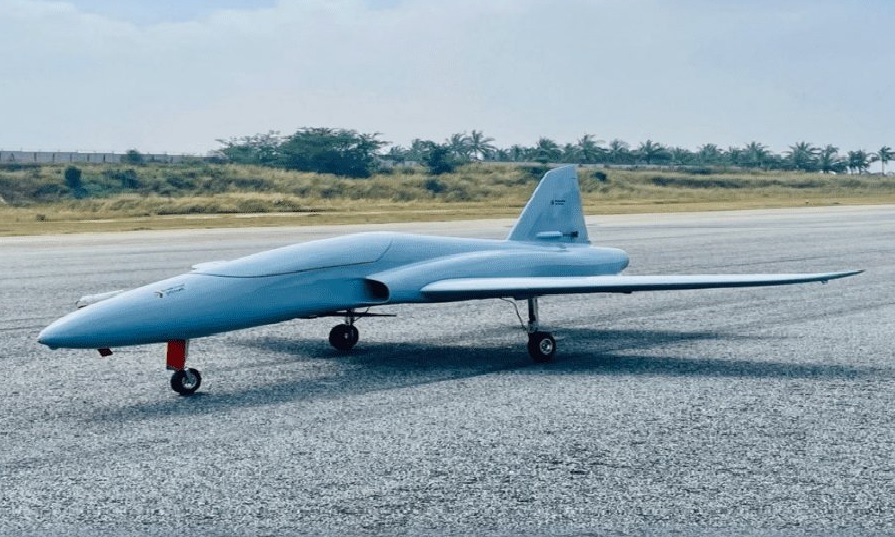
India
BENGALURU — April 27, 2026 : Dynamatic Technologies has outlined plans for a new supersonic loitering munition, designated “Super Kaatil,” under its Dynauton Systems division. The programme focuses on expanding India’s indigenous capabilities in long-range autonomous strike systems designed for deep-penetration missions. The Super Kaatil is being developed as a jet-powered loitering munition that combines high-speed transit with precision strike functionality. According to the company, the system is configured as a 100 kg-class platform and is powered by a compact jet engine, enabling it to achieve supersonic speeds—significantly higher than conventional subsonic loitering munitions currently in service. The munition is designed with an operational strike range of up to 350 kilometres and carries a 35 kg warhead. This payload capacity is intended to support engagement of high-value and fortified targets at extended stand-off distances. Flight Profile and Survivability The Super Kaatil incorporates a terrain-following flight capability, allowing it to operate at low altitudes by tracking ground contours. This flight profile is intended to reduce radar visibility during ingress into contested airspace. The system is also designed to function in GPS-denied and electronically contested environments. Its onboard guidance architecture is expected to maintain navigation and targeting performance under conditions of signal jamming or disruption, a requirement for operations against modern integrated air defence systems. The use of a jet propulsion system enables faster time-to-target compared to propeller-driven or electrically powered loitering munitions. This reduces exposure time to interception and enhances mission survivability. Evolution from Earlier Kaatil System The Super Kaatil represents an upgraded iteration of the original “Kaatil” loitering munition developed by Dynauton Systems. The earlier platform featured a range of approximately 100 kilometres and operated at speeds of around 600 km/h. The baseline Kaatil system is a compact jet-powered kamikaze unmanned aerial vehicle with a maximum take-off weight of about 12 kg and a wingspan of roughly 2 metres. It is capable of carrying a 1 kg modular payload and supports both catapult and short-runway launch configurations. For guidance, the original system uses GNSS combined with optical and electro-optical systems, enabling autonomous “fire-and-forget” operation, including in environments where satellite navigation signals are degraded or unavailable. The Super Kaatil extends the operational range to 350 kilometres—more than three times that of the earlier version—while introducing supersonic flight capability and a substantially increased payload capacity. Industrial Context and Development Status Dynauton Systems, the unmanned systems division of Dynamatic Technologies, has been involved in the design and development of unmanned aerial platforms as part of broader defence manufacturing efforts in India. The Super Kaatil programme aligns with ongoing national initiatives to increase domestic production of advanced unmanned and precision-strike systems. As of now, the company has not disclosed a timeline for prototype rollout, testing phases, or potential induction into service. Additional technical and programme details are expected to be released as development progresses.
Read More → Posted on 2026-04-27 15:42:50
India
NEW DELHI — April 27, 2026 : Anil Chauhan, India’s Chief of Defence Staff (CDS), has formally submitted the final proposal for the creation of Integrated Theatre Commands to Defence Minister Rajnath Singh, marking the completion of inter-service deliberations internally referred to as “Operation Tiranga.” The proposal will now undergo examination within the Ministry of Defence before being placed before the Cabinet Committee on Security for final approval. The submission follows extensive consultations among the Indian Army, Indian Navy, and Indian Air Force (IAF), including discussions during the Ran Samwad 2026 seminar in Bengaluru, and reflects a consolidated military consensus on long-pending structural reforms initiated after the creation of the CDS post in 2019. Transition to Joint Theatre-Based Structure The plan outlines a comprehensive reorganization of the Indian Armed Forces, shifting from the current single-service command system to an integrated, theatre-based operational framework. At present, India maintains 17 single-service commands—seven each under the Army and Air Force, and three under the Navy—along with two tri-service commands: the Andaman and Nicobar Command and the Strategic Forces Command, supported by the Headquarters Integrated Defence Staff. Under the proposed model, operational control will be reorganized into three primary Integrated Theatre Commands: Northern Theatre Command: Focused on the Line of Actual Control (LAC) with China, likely headquartered in Lucknow and led by a senior Indian Army officer. Western Theatre Command: Responsible for the Pakistan front, likely headquartered in Jaipur and expected to be commanded by an Indian Air Force officer. Maritime Theatre Command: Covering the Indian Ocean Region (IOR), likely headquartered in Thiruvananthapuram and led by an Indian Navy officer. The Andaman and Nicobar Command is expected to be subsumed into the Maritime Theatre Command. Existing service commands will continue to function for administrative and training roles while operating under theatre commanders for operational tasks. Concept and Function of Theatre Commands An Integrated Theatre Command combines assets from the Army, Navy, and Air Force under a single operational commander within a defined geographical area. This structure replaces the current system where each service operates independently through separate regional commands. Each theatre will have a Theatre Commander responsible for unified operational planning and execution across land, air, and maritime domains. To reinforce jointness, a Deputy Commander from a different service will be appointed in each theatre. Theatre commanders will exercise authority over integrated forces, including combat units, logistics, intelligence systems, and communication networks, enabling coordinated decision-making without multiple layers of inter-service approvals. Leadership and Organizational Changes The implementation of theatreisation will introduce significant changes to the higher defence management structure: Four-Star Theatre Commanders: Commanders of the three theatre commands will hold four-star rank, placing them at parity with the Chief of Army Staff (COAS), Chief of Naval Staff (CNS), and Chief of Air Staff (CAS). Vice Chief of Defence Staff (Vice CDS): A new four-star position will be created to oversee day-to-day operational coordination alongside the CDS and service chiefs. This restructuring would result in eight four-star officers at the apex level: the CDS, Vice CDS, three service chiefs, and three theatre commanders. Service headquarters will retain responsibility for force generation, training, and sustainment, while operational employment will be assigned to theatre commanders. Handling of Strategic and Air Assets A key issue during deliberations involved the allocation of high-value and limited air assets. The proposal addresses concerns of the Indian Air Force by retaining centralized control of strategic assets under Air Headquarters in New Delhi. Assets such as mid-air refuellers, Airborne Warning and Control Systems (AWACS), heavy-lift transport aircraft, and future space-based surveillance platforms will not be permanently assigned to individual theatres. Instead, they will be dynamically allocated based on operational requirements across different theatres. Integration of Multi-Domain Capabilities The theatre command structure incorporates emerging domains of warfare. Each command will integrate capabilities related to cyber operations, space-based systems, and electronic warfare, alongside enhanced Intelligence, Surveillance, and Reconnaissance (ISR) frameworks. This integration is intended to support real-time information sharing, coordinated targeting, and unified operational responses across multiple domains. Rationale for Reform The move toward theatre commands is driven by operational and structural requirements identified over the past two decades. The Kargil Review Committee and subsequent Group of Ministers report highlighted deficiencies in inter-service coordination during the 1999 Kargil conflict. The current service-centric model has been associated with duplication of resources, fragmented planning, and slower decision-making processes. The proposed structure aims to address these issues through: Resource Optimization: Consolidation of logistics and infrastructure across services. Faster Decision-Making: Reduction in command layers during operational scenarios. Improved Jointness: Unified planning and execution across services. Enhanced Multi-Domain Operations: Integration of land, air, sea, cyber, and space capabilities. Rapid Mobilisation: Improved response capability for potential simultaneous threats along northern and western borders. The restructuring also aligns with ongoing military modernization initiatives, including the development of integrated battle groups and domain-specific operational capabilities. Implementation Process Following approval by the Cabinet Committee on Security, the government is expected to announce a phased implementation plan. Initial steps will likely include the appointment of theatre commanders and the establishment of supporting command structures. Operational details such as precise command locations, asset distribution, and transition timelines are expected to be refined during the implementation phase under the supervision of the Department of Military Affairs. The proposal represents the most significant restructuring of India’s military command system since independence, with the objective of creating a unified, efficient, and responsive operational framework.
Read More → Posted on 2026-04-27 15:58:43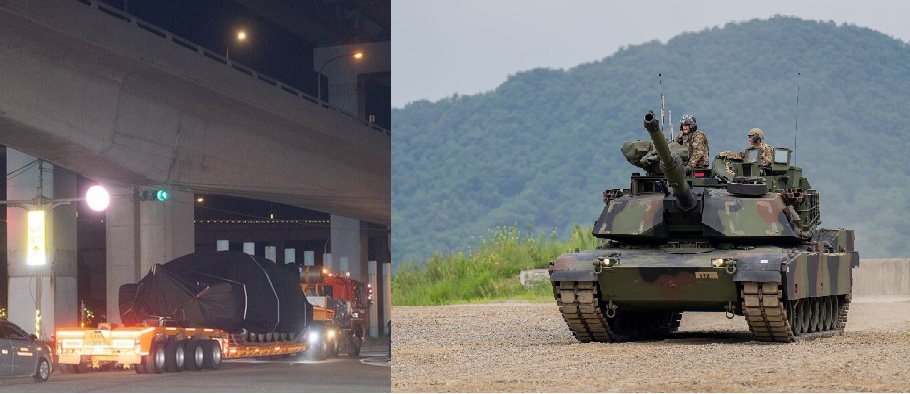
World
TAIPEI — April 27, 2026 : Taiwan has received the third and final batch of 28 M1A2T Abrams main battle tanks from the United States, completing a total procurement of 108 vehicles under a long-running Foreign Military Sales (FMS) program launched in 2019.The shipment arrived without disruption at Port of Taipei on the night of April 26. Beginning at approximately 12:10 a.m. on April 27, the tanks were unloaded and transferred onto civilian heavy transport trailers under coordinated military and police escort. The convoy proceeded to the Armored Forces Training Command in Hukou Township, Hsinchu County, where the vehicles will undergo final integration and evaluation. Procurement Program and Delivery Phases The completed delivery marks the conclusion of a defense acquisition program valued at approximately NT$40.5 billion (US$1.28–1.45 billion), approved by the United States in 2019. The order was executed in three phases: Batch 1: 38 tanks delivered in December 2024 Batch 2: 42 tanks delivered in July 2025 Batch 3: 28 tanks delivered on April 26, 2026 In addition to the tanks, the package included supporting equipment designed to enable sustainment and mobility of heavy armored units. This comprises 14 M88A2 armored recovery vehicles, 16 M1070A1 heavy equipment transporters, and 16 M1000 flatbed trailers.Deliveries were completed ahead of the originally projected schedule, ensuring earlier availability for operational integration. Deployment Structure and Unit Allocation All 108 M1A2T tanks are assigned to the Republic of China Army’s 6th Army Corps, which is responsible for defense operations in northern Taiwan. The deployment forms a concentrated armored capability positioned to respond to potential amphibious landing scenarios. The majority of the tanks are being distributed to the 242nd and 584th Combined Arms Brigades, both based in northeastern Taiwan. Within the 584th Brigade, two tank battalions—the 1st and 3rd Combined Arms Battalions—have already inducted the Abrams into operational service. With the arrival of the final batch, one additional tank company will be fully equipped. Further allocations are planned for additional companies within the 1st and 2nd Combined Arms Battalions, as well as elements of the 269th Mechanized Infantry Brigade. The new platforms are replacing Taiwan’s legacy armored fleet, including CM-11 Brave Tiger and M60A3 main battle tanks that have remained in service for more than two decades. Technical Configuration of the M1A2T Variant The M1A2T is a Taiwan-specific configuration derived from the M1A2 SEPv3 Abrams platform and manufactured by General Dynamics Land Systems in Lima, Ohio. The configuration incorporates several features aligned with Taiwan’s operational requirements. The tank is equipped with a 120mm XM256 smoothbore main gun designed to engage modern armored threats. Secondary armament includes a .50 caliber M2 machine gun and a 7.62mm M240 coaxial machine gun. A key feature is the commander’s independent thermal viewer, enabling “hunter-killer” targeting. This allows the commander to identify and designate targets while the gunner engages another, reducing engagement time and improving battlefield responsiveness. The platform also includes reconfigured turret armor and an under-armor auxiliary power unit (APU). The APU enables the tank to operate onboard electronics and surveillance systems without running the primary 1,500-horsepower turbine engine, reducing both thermal and acoustic signatures during stationary operations. Integration, Training, and Operational Timeline The final batch of 28 tanks will undergo a structured process at the Hukou training facility, including system integration, live-fire exercises, crew training, and formal evaluation. These steps are required prior to full operational commissioning. Taiwan’s Ministry of National Defense expects the complete fleet of 108 tanks to achieve full operational capability by the end of 2026. The acquisition forms part of a broader effort to modernize Taiwan’s armored forces and enhance ground defense capacity in northern operational sectors.
Read More → Posted on 2026-04-27 16:12:13
World
ANKARA, — April 27, 2026 : Hakan Fidan has issued a strong response to remarks made by Emmanuel Macron, who recently pledged support to Greece in the event of any challenge to its sovereignty. The exchange marks a new phase in the ongoing geopolitical tensions across the Eastern Mediterranean, where overlapping security, energy, and territorial disputes continue to shape regional alignments. Macron’s Athens Statement and Strategic Context President Macron delivered his comments during a visit to Athens on April 24–25, 2026, where he participated in an open session alongside Greek Prime Minister Kyriakos Mitsotakis. Addressing a question regarding potential threats to Greek sovereignty, Macron stated that France would stand by Greece if such a situation arose, citing the strengthened strategic partnership and defence agreements between the two countries. France’s position reflects its broader policy of reinforcing European security architecture in the Mediterranean, particularly in support of European Union member states Greece and Cyprus. In recent years, Paris has deepened defence ties with Athens through agreements that include the sale of Rafale fighter jets and naval frigates, alongside expanded military cooperation. Turkey’s Response and Clarification of Remarks In response, Foreign Minister Hakan Fidan reiterated Turkey’s commitment to defending its national interests, maritime rights, and the Turkish Cypriot population. He emphasized that Turkey would continue to support the Turkish Republic of Northern Cyprus and maintain its position on regional security matters, while asserting that France should not interfere in Cyprus-related issues. Fidan also criticized the growing defence cooperation involving Greece, the Republic of Cyprus, Israel, and France, describing it as a development that increases mistrust and regional instability. He stated that Greece and Cyprus already benefit from NATO and EU frameworks and questioned the necessity of additional military partnerships. It is important to note that some widely circulated remarks attributed to Fidan—describing France as a “small European country” and challenging it to act independently—originated from statements made in January 2025 in a different context, specifically regarding French activities in Syria. In the current April 2026 situation, Fidan’s comments have focused on regional security concerns and opposition to expanding military alignments. Military Movements and Emerging Defence Posture The latest tensions are occurring alongside new military developments in the region. France and Greece have outlined plans to increase their presence in Cyprus, including the deployment of military assets. Greece is preparing to send a tank unit to the island, while France is considering stationing troops in Southern Cyprus, potentially alongside Israeli-linked missile infrastructure. From Ankara’s perspective, these developments represent an attempt to alter the regional balance and limit Turkey’s strategic space in both the Mediterranean and the Aegean Sea. Turkish officials argue that such moves risk undermining the established status quo and marginalizing Turkish Cypriots. France, however, maintains that its actions are defensive and aligned with international law, emphasizing the right of Greece and Cyprus to secure their sovereign territories and exclusive economic zones (EEZs). Historical Background: Cyprus and Maritime Disputes The dispute is rooted in longstanding disagreements between Turkey and Greece, particularly over maritime boundaries in the Aegean Sea and the unresolved Cyprus issue. The island has remained divided since 1974, with the internationally recognized Republic of Cyprus controlling the south and the Turkish-backed administration in the north. Turkey continues to support a two-state solution for Cyprus and maintains a military presence in the north, while Greece and the Republic of Cyprus advocate for a bi-zonal, bi-communal federation under international frameworks. Complicating the situation further is the growing energy and security cooperation between Greece, Cyprus, and Israel, which Turkey has repeatedly described as forming a de facto military alignment. NATO Dynamics and Limits of Escalation Despite the sharp rhetoric, both Turkey and France are members of NATO, a factor that imposes structural constraints on direct military confrontation. Analysts assess that France’s increased presence in the region is intended as a form of strategic deterrence rather than a precursor to direct engagement. France has already deployed naval assets to the Eastern Mediterranean in recent years and continues to rely on a combination of defence cooperation, diplomatic support, and limited forward presence to reinforce its position. In the event of escalation, European Union-led economic measures are considered more likely than unilateral military intervention. Diplomatic Channels Remain Open As of April 27, 2026, there has been no immediate public response from the French government to Fidan’s latest remarks. However, diplomatic engagement between Ankara and Paris continues. The two countries held discussions as recently as January 2026 covering bilateral relations, EU-Turkey dynamics, and regional security issues. The evolving situation reflects broader geopolitical competition in the Eastern Mediterranean, where competing claims over maritime rights, energy resources, and security arrangements remain unresolved. Further developments are expected as regional actors continue to navigate a complex mix of alliance commitments and national interests.
Read More → Posted on 2026-04-27 16:21:29
World
CANBERRA, —April 27, 2026 : The Australian government has approved a A$2.3 billion investment to expand the Army’s long-range strike capability, selecting additional High Mobility Artillery Rocket Systems (HIMARS) and Precision Strike Missiles (PrSM) for a second long-range fires regiment to be based in South Australia. The procurement decision was taken under Project LAND 8113 Phase 2 following an evaluation that included a domestically developed alternative known as StrikeMaster. The new regiment will be integrated into the 10th Fires Brigade, headquartered near the Edinburgh Defence Precinct. The formal announcement is expected on Tuesday as part of a broader expansion of Australia’s long-range fires program aligned with the National Defence Strategy. Program Expansion and Acquisition Background The Phase 2 decision builds on earlier commitments under Project LAND 8113. Australia had previously agreed to acquire 42 HIMARS launchers, with the United States approving a further request for 48 systems in September 2025. An earlier 2023 agreement had also covered an initial batch of 20 truck-mounted launchers, reflecting a phased approach to capability development. The additional systems will support the establishment of a second regiment, complementing existing capabilities within the 10th Brigade, which has already conducted multiple live-fire exercises using HIMARS and PrSM, including participation in Exercise Talisman Sabre 2025. Evaluation of StrikeMaster Alternative During Phase 2, the Department of Defence assessed HIMARS equipped with PrSM against the Australian-designed StrikeMaster system. StrikeMaster integrates two Norwegian Naval Strike Missiles (NSM) mounted on a Thales Australia Bushmaster protected mobility vehicle. The system, developed by Kongsberg Defence Australia in partnership with Thales Australia, underwent successful live-fire testing in Norway in October 2025. It was positioned as a lower-cost and sovereign option, with proponents highlighting its potential to involve more than 150 Australian suppliers and its suitability for land-based maritime strike roles using an existing vehicle platform already in service. Despite these factors, the government selected HIMARS to maintain interoperability with United States forces and to support integrated operations under the AUKUS partnership framework. Capability and Operational Range HIMARS currently provides an operational strike range exceeding 500 kilometres when using Guided Multiple Launch Rocket System (GMLRS) munitions. The PrSM, which remains under development, is expected to extend strike distances beyond 1,000 kilometres once fully operational. The system has demonstrated operational effectiveness in recent conflicts, including use by Ukrainian forces, and is designed to deliver precision fires at extended ranges with high mobility. Domestic Production and Supply Chain Measures The acquisition decision comes amid concerns that the United States Department of Defense could impose export restrictions on missile systems due to supply pressures linked to the ongoing Iran conflict. In response, Australia is accelerating domestic manufacturing efforts to reduce reliance on external supply chains. Defence Industry Minister Pat Conroy stated that Australian HIMARS systems will use missiles assembled domestically. A memorandum of understanding signed between Australia and the United States in June 2025 covers production, sustainment, and follow-on development of the PrSM, enabling Australian industry participation in the supply chain. A key milestone in this effort was achieved on April 8, 2026, when the first Australian-assembled GMLRS missile was successfully test-fired from a HIMARS launcher at the Woomera Test Range in South Australia. The missile was produced by Lockheed Martin Australia at a dedicated facility opened at Port Wakefield in December 2025. Strategic Context and Force Structure Reforms Defence Minister Richard Marles said the investment supports the objectives of the National Defence Strategy, which emphasizes the ability to defend Australia at distance through enhanced deterrence and denial capabilities. The long-range fires program forms part of broader force structure reforms aimed at strengthening Australia’s position in the Indo-Pacific region. The expansion is intended to provide increased operational reach and integration with allied forces. Further details, including the exact number of additional launchers and missiles as well as delivery and integration timelines, are expected to be released following the government’s formal announcement.
Read More → Posted on 2026-04-27 16:36:32
World
WASHINGTON, — April 28, 2026 : The United States Space Force is advancing development of a space-based Air Moving Target Indicator (AMTI) capability built around a layered architecture combining high-band and low-band radar systems, according to U.S. defense budget documents and program disclosures.The initiative forms part of a broader effort by the Department of Defense to transition airborne surveillance and tracking missions from crewed aircraft to orbital platforms, with fiscal year 2027 funding proposals outlining both technical and industrial expansion plans. Layered Dual-Band Radar Architecture At the core of the Space-Based AMTI concept is a dual-band radar approach designed to provide persistent, global detection and tracking of airborne targets from orbit. Low-band radar systems are being developed to deliver wide-area search capabilities, enabling continuous monitoring across large geographic regions and initial detection of airborne objects over extended ranges. High-band radar systems, operating in parallel, are intended to provide higher-resolution tracking and generate target-quality data necessary for engagement and integration into operational decision-making systems. By combining the two, the Space Force aims to establish a layered sensing framework capable of tracking advanced threats, including low-observable aircraft and cruise missiles, within a single integrated architecture. The service has described the overall construct as a “system-of-systems,” integrating space-based sensors, artificial intelligence-enabled ground processing, and secure communications networks. Budget Allocation and Industrial Scaling The Department of Defense’s fiscal year 2027 mandatory spending request includes $140 million specifically allocated for the Space-Based AMTI low-band radar development effort. The funding is designated to mature system designs and expand manufacturing capacity, particularly by onboarding additional vendors to support production. This allocation complements a broader procurement request of approximately $7.056 billion for Space-Based AMTI Global Coverage. The larger funding line is intended to scale the high-band radar component, address regional operational requirements, and progress toward full global coverage for joint force applications. Additional research, development, test, and evaluation funding is included under the Space-Based Moving Target Indicator program line. In April 2026, the Space Force awarded a baseline indefinite-delivery, indefinite-quantity contract to nine aerospace firms, enabling competition for the first operational increment of the satellite constellation. The multi-vendor strategy is designed to strengthen the industrial base and achieve economies of scale as production ramps up. Transition from Airborne Warning Platforms The Space-Based AMTI architecture is expected to eventually replace the airborne AMTI mission currently performed by the United States Air Force using platforms such as the E-3 Sentry and the planned Boeing E-7 Wedgetail. The E-3 Sentry fleet has provided airborne early warning and control capabilities for decades, while the E-7 Wedgetail had been intended as its successor. However, defense planners increasingly assess that crewed aircraft operating within range of modern air defense systems face growing survivability challenges. Space-based systems are expected to offer persistent coverage, reduced vulnerability in contested environments, and the ability to operate globally without reliance on forward basing or airborne patrol cycles. Prototyping and Integration Efforts Prototype AMTI sensors have already been deployed on orbit through collaboration between the Space Force and the National Reconnaissance Office. These early demonstrations have supported validation of sensor performance, tracking accuracy, and data transmission requirements. The program is now transitioning from prototyping toward procurement, with a focus on ensuring that space-based sensors can deliver low-latency, high-quality tracking data compatible with existing command-and-control networks. The Space-Based AMTI effort is being developed alongside ground moving target indication capabilities, also coordinated with the National Reconnaissance Office, as part of a broader moving target indication mission area. Program Scope and Remaining Unknowns Despite continued funding and contract activity, key operational details remain undisclosed. The Space Force and Air Force have not released timelines for achieving initial or global operational capability, nor have they specified the planned size of the satellite constellation, orbital configurations, or integration schedules. Officials have indicated that system requirements are structured to support scalability, allowing incremental deployment and adaptation as technologies mature and operational needs evolve. Strategic Context The Space-Based AMTI program aligns with the 2026 U.S. national defense strategy, which emphasizes operational flexibility and the ability to conduct missions in contested environments. By shifting airborne tracking functions to orbital assets, the Department of Defense aims to mitigate vulnerabilities associated with traditional platforms and enhance situational awareness across joint force operations. The capability is intended to support continuous detection and tracking of airborne threats, including aircraft and other fast-moving objects, providing a persistent surveillance layer to complement existing defense systems. Further program details, including vendor selections for the first operational increment and integration with other space-based sensing architectures, are expected following finalization of fiscal year 2027 funding and subsequent contract awards.
Read More → Posted on 2026-04-27 17:36:40
India
New Delhi, — April 27, 2026 : India has issued a Notice to Airmen (NOTAM) along with a corresponding Maritime Area Restriction (MAR), designating a temporary no-fly and restricted sea zone over the Bay of Bengal for likely missile testing activity scheduled between May 1 and May 3, 2026. According to the notification issued by the Directorate General of Civil Aviation and maritime authorities, the restricted corridor will be active daily from 05:00 UTC to 07:00 UTC during the three-day window. The designated hazard zone extends to a maximum length of approximately 1,680 kilometres, originating from the eastern coast and projecting southward into the Bay of Bengal toward the broader Indian Ocean region. The launch is expected to take place from Abdul Kalam Island, which hosts the Integrated Test Range (ITR) operated by the Defence Research and Development Organisation. The facility serves as India’s primary site for testing strategic and tactical missile systems, including the Agni-series ballistic missiles, BrahMos cruise missiles, and various hypersonic technology demonstrators. Civil aviation operators and maritime traffic have been instructed to avoid the specified corridor during the notified timeframes to ensure safety along the projected flight path and potential impact area. Based on the declared range profile and testing window, defence analysts assess that the trial may involve one of several systems currently under development or validation. These include the Agni-Prime (Agni-1P), a two-stage, solid-fuelled, canister-launched medium-range ballistic missile with an estimated range of 1,000 to 2,000 kilometres and advanced guidance systems derived from the Agni-IV and Agni-V programmes. Other potential candidates include the Extended Trajectory-Long Duration Hypersonic Cruise Missile (ET-LDHCM), a scramjet-powered system developed under Project Vishnu. The missile has demonstrated speeds of up to Mach 8 and a range of approximately 1,500 kilometres in earlier trials conducted in July 2025, with capabilities for sustained hypersonic flight and flexible payload configurations. The Long Range Anti-Ship Missile (LR-AShM), a hypersonic boost-glide system designed for maritime strike roles, is also considered a possible candidate. The system employs a two-stage booster to deploy a hypersonic glide vehicle capable of engaging moving and static targets at ranges near 1,500 kilometres. Officials have not confirmed the specific system scheduled for testing. The issuance of NOTAMs and maritime advisories is a standard procedural measure ahead of missile trials to ensure the safety of civilian air and sea operations. Similar notifications have been issued in recent months for test activities in the same region, reflecting ongoing validation cycles within India’s missile development programmes.
Read More → Posted on 2026-04-27 17:44:32
World
NEWPORT NEWS, Virginia — April 27, 2026 : Huntington Ingalls Industries (HII) has been awarded a contract by the Defense Innovation Unit (DIU) to develop a Torpedo Tube Launch and Recovery (TTLR) system designed to autonomously deploy and retrieve the company’s REMUS unmanned underwater vehicles (UUVs) from U.S. Navy submarines. The award represents a procedural step in the U.S. Navy’s broader effort to integrate autonomous maritime systems into routine submarine operations, with the objective of extending operational reach and improving underwater surveillance capabilities. Integration of Autonomous Systems into Submarine Operations The TTLR system is engineered to function through standard submarine torpedo tubes, enabling submarines to deploy and recover UUVs without requiring diver intervention. The capability is intended to expand mission flexibility, enhance stealth characteristics, and reduce operational risk and crew workload. HII’s selection reflects its dual role as one of two primary builders of U.S. nuclear-powered submarines and a major producer of unmanned underwater systems. The company stated that the system will support manned–unmanned teaming concepts, allowing submarines to conduct extended intelligence, surveillance, and reconnaissance (ISR) missions using autonomous platforms. Duane Fotheringham, president of the Unmanned Systems group within HII’s Mission Technologies division, said the contract builds on the company’s 25-year experience in autonomous maritime platforms and their integration into submarine operations. He noted that HII continues to work with the U.S. Navy on deploying operational capabilities in the subsea domain. REMUS UUV Operational Background HII’s REMUS family of UUVs has been deployed globally for defense, scientific, and commercial applications. According to company data, more than 750 REMUS vehicles have been delivered to over 30 countries, including 14 members of NATO. Over 90% of these systems remain in active service after more than two decades, indicating long-term operational durability. The REMUS platform originated from research sponsored by the Office of Naval Research and has since evolved into a widely used unmanned maritime system. The product line recently marked its 25th anniversary. Recent Testing and Demonstrations The DIU contract follows a series of tests conducted in 2025 involving the REMUS platform and submarine integration. In June 2025, the United States Navy, in partnership with the Woods Hole Oceanographic Institution (WHOI), advanced the “Yellow Moray” UUV capability program. The effort included the first forward-deployed torpedo tube launch and recovery of a REMUS 600 vehicle from the USS Delaware (SSN-791), a Virginia-class fast attack submarine constructed by HII. During the deployment, personnel from Unmanned Undersea Vehicle Squadron One (UUVRON-1), supported by WHOI, conducted three fully autonomous launch and recovery sorties through the submarine’s torpedo tubes without diver assistance. The operations demonstrated the feasibility of autonomous manned–unmanned teaming for ISR missions and other maritime tasks. In July 2025, further testing was carried out by a joint team from HII, WHOI, and the Navy’s Naval Undersea Warfare Center Division Newport (NUWC). The trials took place at a torpedo tube and shutterway test facility located at Seneca Lake. The test involved the latest generation REMUS 620 UUV. During in-water trials, the vehicle demonstrated advanced autonomous navigation and communication capabilities. It successfully docked with a shock and fire enclosure capsule (SAFECAP) inside a submerged test fixture and executed reverse swim-out launch and safe separation procedures. These tests validated key mechanical and software systems required for operational deployment. Industrial and Strategic Context HII, headquartered in Virginia, is the largest shipbuilder in the United States and employs approximately 44,000 personnel. The company has more than 140 years of experience supporting U.S. national security programs and delivers capabilities across shipbuilding, mission technologies, unmanned systems, C6ISR, artificial intelligence and machine learning, electronic warfare, and training systems. The TTLR program aligns with HII’s broader strategy of combining nuclear-powered submarine design with autonomous systems development. The integration of UUVs into standard submarine interfaces is expected to expand mission endurance, improve stealth operations, and reduce demands on submarine crews. The contract continues HII’s collaboration with the U.S. Navy, WHOI, and other partners to advance undersea autonomous capabilities. No contract value was disclosed in the announcement.
Read More → Posted on 2026-04-27 17:49:52
World
PATUXENT RIVER, Maryland — April 28, 2026 : The U.S. Navy has awarded GE Aerospace a $46,532,340 firm-fixed-price contract modification to supply nine additional T408-GE-400 turboshaft engines for the U.S. Marine Corps’ CH-53K King Stallion program. The award was issued by Naval Air Systems Command as part of an expansion to the existing Lot 10 production order. The modification represents a variation in quantity within an already active procurement lot rather than the initiation of a new contract. Funding is sourced from fiscal year 2026 aircraft procurement appropriations and will be obligated at the time of award, with no funds scheduled to expire at the end of the fiscal year. Completion of the work is projected for September 2032. Contract Scope and Production Framework Under the agreement, manufacturing will be carried out at GE Aerospace’s facility in Lynn, Massachusetts. The site is federally designated as a labor surplus area, a classification that can influence federal contracting considerations. The Lynn facility remains a central hub for military engine production, with the CH-53K program representing a major component of its ongoing workload. The contract was awarded on a sole-source basis, reflecting GE Aerospace’s position as the original designer and exclusive manufacturer of the T408 engine. In military aviation programs, sole-source procurement is standard for propulsion systems due to proprietary engineering, certification requirements, and lifecycle sustainment considerations tied to a single qualified supplier. The modification builds on a broader acquisition strategy tied to the CH-53K program. In September 2025, airframe manufacturer Sikorsky Aircraft, a subsidiary of Lockheed Martin, received a $10.855 billion multi-year contract covering Lots 9 through 13 for up to 99 helicopters, with deliveries extending through 2034. Subsequently, in January 2026, GE Aerospace was awarded a $1.42 billion contract to definitize engine procurement for Lots 9 and 10 while expanding scope to include Lots 11 through 13. That agreement includes new production engines, spare units, and sustainment support and is projected to generate more than $174 million in savings over the Future Years Defense Program. The current $46.5 million modification supplements Lot 10 quantities, contributing additional engines to support operational readiness and maintenance cycles. Engine Design and Performance Characteristics The T408-GE-400 engine was developed specifically for the CH-53K platform. Each helicopter is powered by three engines, mounted across its three pylon configuration. Each T408 engine produces approximately 7,500 shaft horsepower. Collectively, the three-engine configuration delivers roughly 57 to 60 percent more power than the T64 engines used on the legacy CH-53E Super Stallion. The engine incorporates full-authority digital engine control (FADEC), advanced materials, and an architecture optimized for sustained high-power output in demanding operating environments. In addition to increased power, the T408 offers approximately 18 percent improved specific fuel consumption and includes about 63 percent fewer parts compared to the T64 engine, contributing to efficiency and maintenance simplification. Production of the T408 is centered in Lynn, with additional component manufacturing distributed across GE facilities in New Hampshire, Vermont, Kentucky, Ohio, and Florida. MTU Aero Engines contributes to the power turbine assembly as an international program partner. Aircraft Capability and Operational Role The CH-53K is designed to meet the Marine Corps’ requirement for heavy-lift transport in expeditionary environments where infrastructure such as runways and road networks may be absent. The aircraft supports missions including the transport of artillery, vehicles, fuel, and ammunition, as well as ship-to-shore movement and aerial refueling operations. The helicopter is capable of carrying up to 36,000 pounds of external cargo under standard conditions. In high-altitude and hot-weather environments—conditions that typically reduce rotorcraft performance—the CH-53K can lift approximately three times the external load capacity of the CH-53E. Other platform enhancements include a wider cabin, composite rotor blades, and fly-by-wire flight control systems. Program Status and Fleet Integration The CH-53K program achieved initial operational capability with the U.S. Marine Corps in April 2022. The Department of the Navy approved full-rate production in December 2022 following completion of operational testing and production readiness evaluations. The program of record calls for a total of 200 aircraft. As of early 2026, Sikorsky had delivered approximately 20 CH-53K helicopters, with additional units from earlier production lots in various stages of manufacturing. The latest engine procurement supports the continued expansion of the fleet as the Marine Corps transitions away from the aging CH-53E platform. Additional engines are required not only for new aircraft production but also to sustain operational availability across multiple squadrons through maintenance rotations and spare capacity. Naval Air Systems Command, headquartered at Patuxent River, Maryland, serves as the contracting authority for the program. The continued procurement of T408 engines aligns with the broader objective of establishing the CH-53K as the primary heavy-lift helicopter across Marine Corps aviation units, ensuring sufficient fleet density for distributed and sustained expeditionary operations.
Read More → Posted on 2026-04-28 13:33:14
India
NEW DELHI — April 28, 2026 : The Ministry of Defence has issued a Request for Information (RFI) seeking the damp lease of three ultra heavy-lift helicopters to strengthen the Indian Air Force (IAF) ability to rapidly move heavy equipment, troops, and supplies, particularly in high-altitude and remote border regions. The RFI outlines an accelerated procurement timeline, requiring delivery within three to six months of contract signing, alongside a mandated 95 percent fleet availability. The requirement is intended to address an immediate operational gap in transporting heavy artillery, armored vehicles, and large troop contingents to forward areas along India’s northern and eastern borders. Operational Requirement and Lease Model The proposed acquisition will follow a “damp lease” model, under which the supplier provides the aircraft, flight crew, maintenance, insurance, and technical support, while the IAF supplies loadmasters or cabin crew. This arrangement shifts maintenance responsibility to the vendor and is structured to help achieve the high availability benchmark specified in the RFI. The helicopters are expected to support a range of missions, including logistics sustainment in terrain with limited road access, high-altitude deployments, disaster relief operations, and routine heavy transport tasks. Technical Specifications The RFI defines stringent performance criteria for the platform. The Ministry requires a helicopter capable of carrying a minimum payload of 20,000 kilograms (20 tonnes), either internally or as an external load. The aircraft must have a cruising speed exceeding 230 km/h and be capable of transporting at least 45 fully equipped troops or accommodating 20 medical stretchers. In addition to performance metrics, the Ministry has emphasized rapid induction and sustained operational readiness, with a delivery window of three to six months and a 95 percent availability requirement. Only Platform Meeting 20-Tonne Payload Requirement A key technical condition in the RFI is the 20,000 kg payload threshold, which significantly narrows the pool of eligible platforms. As of 2026, the Mil Mi-26 is the only operational helicopter in the world that fully meets this requirement. The Mi-26 offers a certified maximum payload of 20 tonnes, both for internal and external lift operations, along with a cruising speed of approximately 255 km/h. It can carry up to 90 troops or 60 stretchers, exceeding the Ministry’s baseline troop and medical evacuation requirements. Its capability to transport extremely heavy and oversized loads, including artillery systems and armored vehicles in a single sortie, aligns directly with the operational intent behind the RFI. No other helicopter currently in active service matches this 20-tonne payload benchmark, making the Mi-26 uniquely compliant with the Ministry’s stated ultra heavy-lift criteria. Sikorsky CH-53K King Stallion as Second Near Contender The Sikorsky CH-53K King Stallion, the U.S. Marine Corps’ newest heavy-lift helicopter, emerges as the second closest contender after the Mi-26, though it does not meet the full payload requirement. The CH-53K has demonstrated external lift capabilities of up to 16,329 kg (36,000 lb) during testing, with a standard operational payload of approximately 15,876 kg (35,000 lb). While these figures fall short of the 20,000 kg threshold, they represent the highest payload capacity among Western heavy-lift helicopters currently in service or entering service. The platform is designed with modern avionics, fly-by-wire controls, and improved lift efficiency, making it relevant for high-intensity logistics operations. However, the CH-53K is not yet in widespread international service and would require further evaluation against the full set of RFI parameters, including availability, delivery timelines, and sustainment requirements under a damp lease model. Chinook as a Practical Option Despite Payload Gap The Boeing CH-47F Chinook, already in service with the IAF, represents another operationally relevant platform, though it does not meet the 20-tonne payload requirement. The IAF operates 15 Chinooks, inducted starting in 2019 under a 2015 contract. The platform has a maximum payload capacity of approximately 10–12 tonnes and can carry up to 55 troops. It exceeds the RFI’s speed requirement and is optimized for high-altitude operations. Despite not meeting the payload threshold, the Chinook’s established logistics chain, maintenance infrastructure, and operational familiarity within the IAF may position it as a practical candidate under a damp lease arrangement, particularly given the urgent delivery timeline and the need for high availability. Fleet Context and Capability Gap The IAF’s heavy-lift capability has historically relied on a mix of Mi-26 and Chinook helicopters. The Mi-26 provided unmatched single-lift capacity, while the Chinook enhanced reliability and operational flexibility. However, India’s Mi-26 fleet, inducted in the late 1980s, has faced prolonged grounding due to maintenance challenges and technical life expiry, despite ongoing overhaul efforts. This has resulted in a gap in true ultra heavy-lift capability. Next Steps Responses to the RFI will allow the Ministry of Defence to evaluate available options and leasing models. Potential pathways may include Mi-26-based solutions, CH-53K evaluation, or alternative platforms offering partial compliance with strong support packages. The RFI represents a short- to medium-term measure aimed at restoring critical heavy-lift capacity while broader modernization and long-term acquisition plans continue.
Read More → Posted on 2026-04-28 13:59:46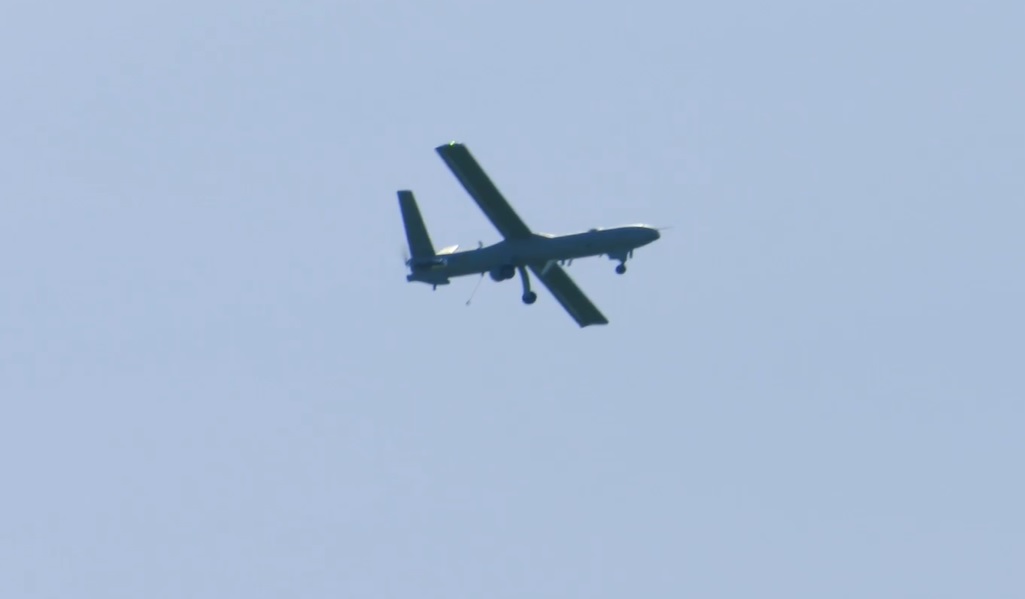
World
HITILA, Romania — April 28, 2026 : On April 27, 2026 Elbit Systems inaugurated a new unmanned aerial systems (UAS) production facility in Chitila, marking a further expansion of its industrial footprint in Romania. The opening coincided with the first flight of the Watchkeeper XR tactical drone in Romanian airspace, demonstrated in the presence of officials from the Romanian government and armed forces. The facility represents the seventh production site established by Elbit Systems in Romania and has been developed under the Watchkeeper XR procurement program for the Romanian Armed Forces. It is designed to deliver a full-spectrum industrial capability, covering manufacturing, system integration, testing, and long-term maintenance of advanced unmanned aerial platforms. Watchkeeper XR Demonstrates Operational Capability The Watchkeeper XR completed its inaugural flight on the same day as the facility’s launch, signaling the system’s progression from industrial setup to operational readiness. The aircraft is a tactical UAS intended for intelligence, surveillance, and reconnaissance (ISR) missions, with the ability to operate at medium altitudes for extended durations. Derived from the Watchkeeper W system currently in service with the British Army, the XR variant incorporates updated technologies and operational refinements informed by recent combat environments. The system is designed for use in contested airspace and is equipped with advanced sensor payloads to support persistent, wide-area surveillance. Among its upgrades are enhanced communications systems and the integration of the Spectro XR multi-spectral electro-optical payload, aimed at improving target detection and situational awareness across diverse operational conditions. Industrial Capability and Technology Transfer The Chitila facility establishes localized, end-to-end UAS production capability within Romania. This includes manufacturing structural components, assembling electronic systems, integrating UAV platforms, and producing ground control stations domestically. The approach is intended to ensure that the Romanian Armed Forces can sustain and maintain the system without reliance on external supply chains or foreign maintenance infrastructure. Elbit Systems has maintained a presence in Romania for more than 30 years and currently employs over 1,000 personnel across its operations in the country. The company’s investments have included technology transfer initiatives, local manufacturing development, and lifecycle support programs, aimed at strengthening Romania’s domestic defense industry. The Watchkeeper XR program is part of a broader agreement signed in December 2022 between Elbit Systems and the Romanian Ministry of National Defence. The contract has a maximum value of approximately 1.89 billion Romanian lei (around $428.75 million) and covers the potential supply of up to seven UAS systems configured for Romanian requirements. Official Remarks at Inauguration The inauguration ceremony was attended by senior representatives from the Romanian Ministry of National Defence and executives from Elbit Systems. Yoram Shmueli, General Manager of Elbit Systems Aerospace, confirmed the successful first flight of the Watchkeeper XR earlier in the day. He stated that the establishment of the Chitila facility reflects the company’s continued commitment to Romania’s defense sector and industrial ecosystem. He also emphasized that the systems delivered under the program are designed to provide operational capability rather than standalone platforms, highlighting reliability and readiness for deployment in operational environments. Role in European Defense Framework The new production site provides Elbit Systems with a manufacturing base within the European Union, aligning with broader regional efforts to strengthen defense industrial capacity. European countries have increasingly emphasized the need for domestically supported surveillance and reconnaissance systems, particularly in response to evolving security requirements. By establishing integrated production and support capabilities in Romania, the Chitila facility contributes to both national defense modernization and wider European initiatives aimed at improving self-reliance in defense manufacturing and maintenance.
Read More → Posted on 2026-04-28 14:11:02
World
DUBAI — April 28, 2026 : The United Arab Emirates has announced it will withdraw from both the Organization of the Petroleum Exporting Countries and the broader OPEC+ alliance, with the decision set to take effect on May 1, 2026. The move marks a significant change in the country’s approach to oil production and its role in global energy coordination mechanisms. The announcement was issued through the state-run Emirates News Agency, which described the withdrawal as a strategic decision aligned with the UAE’s long-term economic planning and evolving energy priorities. Officials emphasized that the country intends to maintain a responsible and reliable position in global energy markets while increasing flexibility in its production strategy. Policy Review and Production Strategy The decision follows a comprehensive review of the UAE’s oil production policy, current capacity, and long-term national interests. UAE Energy Minister Suhail Mohamed al-Mazrouei stated in remarks to Reuters that the country has been a longstanding participant in both OPEC and OPEC+ frameworks but now sees a need to adapt to anticipated growth in global energy demand. Mazrouei said the UAE did not consult other member states, including Saudi Arabia, prior to announcing the decision. He added that the policy shift is driven by national considerations and reflects the country’s assessment of future market requirements. By exiting OPEC and OPEC+, the UAE will no longer be subject to the production quotas set by the alliance. This will allow it to adjust output levels independently, although officials indicated that any production increases will be gradual and responsive to market demand. Production Capacity and Expansion Plans The UAE has expanded its oil production capabilities in recent years through the Abu Dhabi National Oil Company. The company currently reports a maximum production capacity of approximately 4.85 million barrels per day and aims to raise this to 5 million barrels per day by 2027. This capacity expansion has been a central factor in the country’s reassessment of its participation in coordinated output frameworks. The UAE is one of the few producers within OPEC+ that maintains significant spare production capacity alongside Saudi Arabia. Market Conditions and Timing The withdrawal comes amid ongoing disruptions in global oil markets linked to regional tensions involving Iran. Restrictions affecting flows through the Strait of Hormuz have contributed to supply constraints across several Gulf producers and elevated oil prices. According to Mazrouei, current market conditions, particularly constraints in the Strait of Hormuz, mean the UAE’s exit is not expected to have an immediate large impact on global supply dynamics. Production increases, if implemented, are likely to be phased and dependent on broader market stabilization. Implications for OPEC and OPEC+ Analysts view the UAE’s departure as a notable development for OPEC and the wider OPEC+ alliance. The country’s exit removes one of the group’s key producers with available spare capacity, potentially affecting the alliance’s ability to coordinate output and manage price stability. The development has also drawn attention to internal dynamics within the group. Saudi Arabia, widely regarded as the de facto leader of OPEC, is reported to be reviewing its oil policy in response to the UAE’s decision. The move highlights broader divergences among Gulf producers regarding production strategy and market positioning. Over the longer term, some analysts suggest that increased UAE production could place downward pressure on oil prices once current geopolitical and logistical constraints ease. In the near term, however, market volatility is expected to remain influenced by regional factors. Historical Context The UAE’s relationship with OPEC dates back to 1967, when the Emirate of Abu Dhabi joined the organization. Membership continued after the formation of the United Arab Emirates in 1971. The country has since played a consistent role in coordinated production efforts within OPEC and later OPEC+. The withdrawal represents one of the most significant changes in the organization’s composition in recent years. It follows the exit of Qatar in 2019 and Angola in 2023, reducing the number of core OPEC members further. Future Energy Strategy UAE authorities have stated that the decision does not diminish the country’s commitment to supporting global energy supply. Instead, it reflects a shift toward operating independently while continuing to contribute to market stability through increased capacity and targeted production growth. The country’s low-cost reserves and expanding infrastructure position it to scale output in line with future demand. Officials reiterated that production increases will be measured and aligned with global requirements, rather than abrupt changes. The exit from OPEC and OPEC+ signals a recalibration of the UAE’s role in international energy markets, with greater emphasis on national flexibility, capacity utilization, and long-term economic strategy.
Read More → Posted on 2026-04-28 14:18:11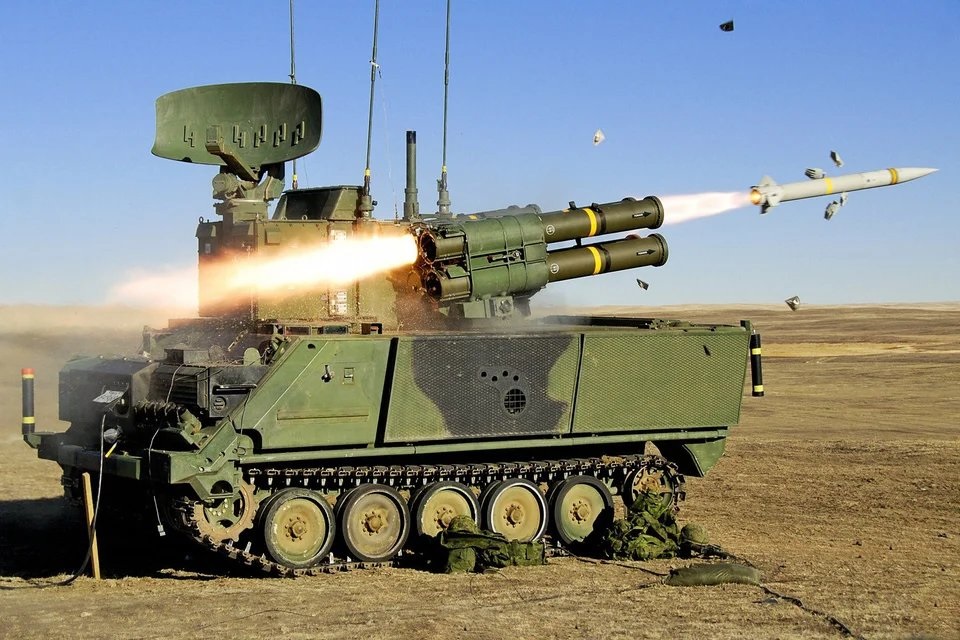
India
NEW DELHI — April 28, 2026 : The Ministry of Defence has issued a Request for Proposal (RFP) for the procurement of 83 Carrier Air Defence Tracked (CADET) systems intended to modernize the Indian Army’s air defence architecture for mechanised formations. The programme will be executed under the “Buy (Indian-IDDM)” category, mandating a minimum of 65 per cent indigenous content. The CADET platform is defined as a high-mobility, tracked command-and-control vehicle designed to host and operate the Akashteer Air Defence Control and Reporting System. It is intended to function as a mobile node within the Army’s air defence network, accompanying armoured and mechanised units across varied operational environments. Key Technical Requirements The RFP specifies a set of operational, environmental, and technical parameters to ensure the platform’s suitability for deployment across plains, deserts, semi-deserts, and high-altitude sectors: Operating Altitude: Certified capability up to 5,000 metres for high-altitude operations Operational Range: Minimum range of 320 kilometres Auxiliary Power: Integration of a 30 kW Auxiliary Power Unit (APU) to support onboard systems without running the main engine Navigation Systems: Integration of Global Navigation Satellite System (GNSS) Electronic Compliance: Full adherence to military-grade Electromagnetic Interference and Electromagnetic Compatibility (EMI/EMC) standards Service Life: Minimum operational lifespan of 20 years The tracked configuration is intended to ensure mobility parity with tanks and infantry combat vehicles, allowing the system to operate alongside frontline formations in difficult terrain. Operational Role and System Integration The CADET system is structured to act as a forward-deployed command-and-control node within ground-based air defence networks. By integrating the Bharat Electronics Limited-developed Akashteer system, the platform will process real-time inputs from multiple radar and sensor networks. Akashteer enables automated detection, tracking, and engagement coordination for aerial threats, including aircraft, helicopters, unmanned aerial systems (UAS), and missiles. The system assigns engagement tasks to nearby Self-Propelled Air Defence units and anti-aircraft guns, reducing response times and improving coordination. The system operates within a broader C4ISR framework and is designed to interface with the Integrated Air Command and Control System of the Indian Air Force and the Indian Navy’s TRIGUN network, creating a unified air picture across services. CADET is also designed with an open architecture, allowing integration of future counter-UAS systems such as the Integrated Drone Detection and Interdiction System. Its vehicle-mounted configuration enables deployment in contested electronic warfare environments while maintaining operational continuity. Platform Design and Configuration The CADET platform features a tracked chassis with a box-type superstructure to house crew, mission systems, and electronic equipment. External mounting provisions are included for sensors, communication modules, and potential weapon systems. The design allows for scalability and modular integration, enabling the platform to support evolving air defence technologies while maintaining compatibility with existing systems. Global Operational Comparisons The concept of tracked, mobile air defence command platforms is consistent with operational doctrines followed by major militaries: Russia: The Barnaul-T Air Defence Command System provides automated command and control for short-range air defence units and is deployed on tracked chassis to accompany manoeuvre formations. United States: The Armored Multi-Purpose Vehicle (AMPV) in its Mission Command variant (M1286) functions as a protected mobile command post for brigade-level operations, though not exclusively dedicated to air defence. Other mobile air defence platforms globally include systems such as the Pantsir-S1 and 2K22 Tunguska, which combine guns and missiles on mobile platforms for close-range protection of mechanised forces, and the AN/TWQ-1 Avenger mounted on wheeled chassis. However, no foreign system is clearly documented as fully certified for multi-terrain operations up to 5,000 metres altitude in the same way the CADET requirement specifies. This requirement, combined with the strict indigenous content mandate, increases the likelihood that a domestically developed platform will be selected. Indigenous Platform Options To meet the indigenous content requirement, the CADET system must be integrated onto a domestically produced tracked platform. Two primary options are under consideration: BMP-2 “Sarath” (Legacy Platform):The BMP-2 Sarath, produced by Armoured Vehicles Nigam Limited, is currently in service in large numbers. Variants of this platform are already used for specialized roles such as the NAMICA missile carrier and Akash missile launch systems. Its established logistics and maintenance ecosystem make it a viable option. Vikram VT-21 Advanced Armoured Platform (Modern Platform):The Vikram VT-21 Advanced Armoured Platform, developed by the Defence Research and Development Organisation in collaboration with Tata Advanced Systems Limited and Bharat Forge Limited, represents a newer alternative. The tracked variant (AAP-Tr), flagged off for trials in April 2026, aligns with CADET requirements through: High power-to-weight ratio and automatic transmission suited for operations up to 5,000 metres Modular design capable of reconfiguration from a combat role to command-and-control functions Internal volume sufficient for hosting Akashteer systems and the 30 kW APU Advanced composite construction (including GFRP and CFRP) providing STANAG 4569 Level 4 and 5 protection Gross weight below 25 tonnes Indigenous content exceeding 65 per cent At present, Indian-developed platforms already meet the 65 per cent indigenous content baseline, directly fulfilling the procurement categorization requirements outlined in the MoD’s RFP, further strengthening their position in the selection process. Procurement Context and Expected Outcome The RFP emphasizes domestic development under the government’s indigenous procurement policy, aligning with broader self-reliance objectives in defence manufacturing. The CADET system is envisioned as a common tracked platform capable of carrying current and future air defence systems while maintaining mobility alongside mechanised units. Upon induction, the system is expected to enhance the Army’s ability to deploy layered air defence in forward areas without dependence on fixed infrastructure. The selection process will involve evaluating the operational suitability, production timelines, and lifecycle support of candidate platforms, particularly between the established BMP-2 base and the newer Vikram VT-21 platform. The programme represents a step toward integrating automated command-and-control capabilities with mobile air defence assets, enabling real-time co
Read More → Posted on 2026-04-28 14:41:44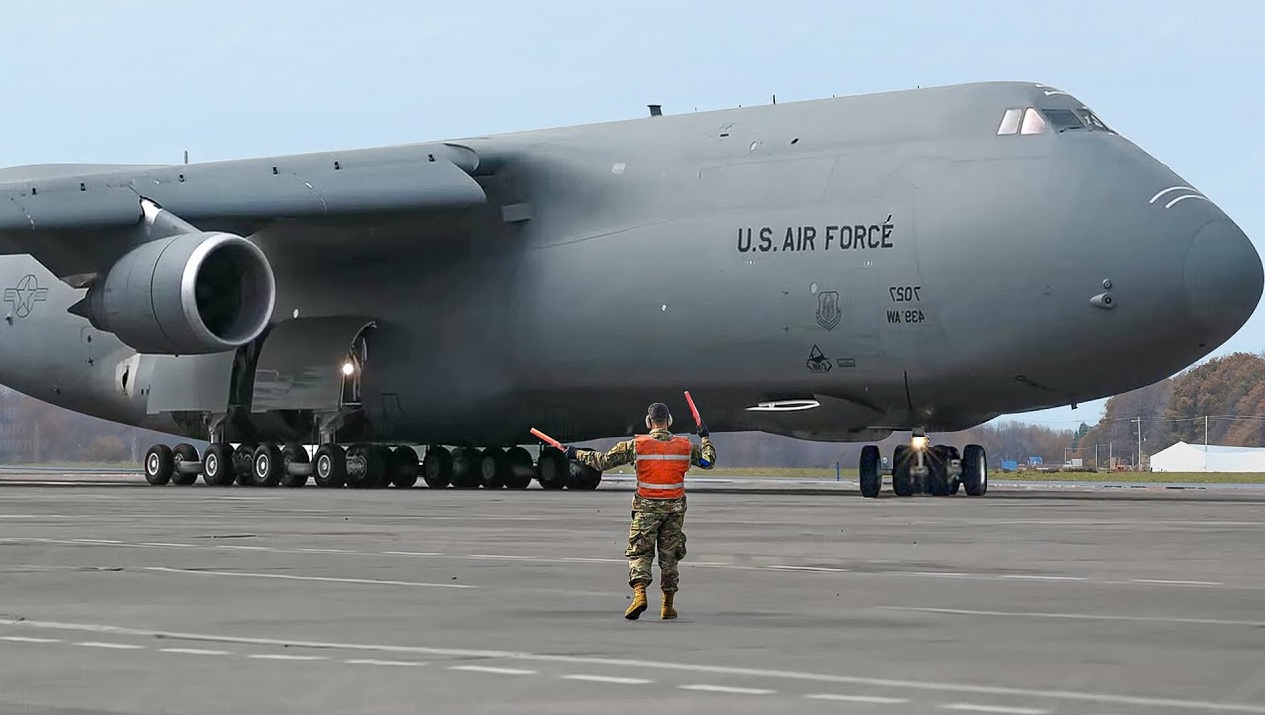
World
WASHINGTON — April 28, 2026 : The United States has conducted a sustained military airlift operation into the Middle East over the past several days, with continuous flights of heavy transport aircraft reinforcing logistics networks across the U.S. Central Command (CENTCOM) area of responsibility. Open-source flight tracking data and defense monitoring indicate that multiple waves of C-17A Globemaster III and C-5M Super Galaxy aircraft have transited from the United States and Europe into the region. Many of these flights routed through European hubs, including Ramstein Air Base, before continuing toward operational locations in the Middle East. Sustained Airlift Activity Data collected over the past 24 hours shows at least 31 heavy transport aircraft delivering cargo to destinations supporting U.S. operations in Israel, Saudi Arabia, and Djibouti. Over a 72-hour period, the total number of such missions reached approximately 97 flights, reflecting a continuous logistical flow rather than isolated sorties. The airlift has been supported by aerial refueling platforms, including the KC-135 Stratotanker and KC-46A Pegasus, enabling long-range operations from the continental United States and forward bases such as RAF Lakenheath in the United Kingdom. Munitions and Logistics Role The primary purpose of the operation appears to be the replenishment and buildup of munitions stockpiles at CENTCOM facilities. The transported cargo is assessed to include precision-guided missiles, aerial bombs, and other military supplies required to sustain ongoing and potential operations. The C-17A Globemaster III is designed for rapid deployment of troops and cargo into both established and austere airfields, while the C-5M Super Galaxy is capable of carrying oversized equipment, including large air defense systems and bulk munitions loads. Together, they form the backbone of the U.S. Air Force’s strategic airlift capability. Regional Force Posture The airlift coincides with a broader increase in U.S. military presence across the CENTCOM region. Defense assessments indicate that approximately 330 U.S. military aircraft are currently deployed in the Middle East, representing an increase of about 10 percent in recent days. Key operational hubs receiving logistical support are believed to include Al Udeid Air Base, Muwaffaq Salti Air Base, and Prince Sultan Air Base, although specific delivery points have not been officially confirmed. This logistics effort follows the deployment of additional combat assets, including F-35A Lightning II, F-15E Strike Eagle, and F-22 Raptor aircraft, along with missile defense systems such as Patriot missile system and Terminal High Altitude Area Defense. Official Position U.S. Central Command has not issued a formal statement detailing the specific objectives of the current airlift activity. However, the pattern of sustained transport flights aligns with established logistical practices aimed at maintaining supply levels and operational readiness for forward-deployed forces. The ongoing operation reflects standard military sustainment procedures designed to ensure that personnel and equipment in the region remain adequately supported.
Read More → Posted on 2026-04-28 15:48:53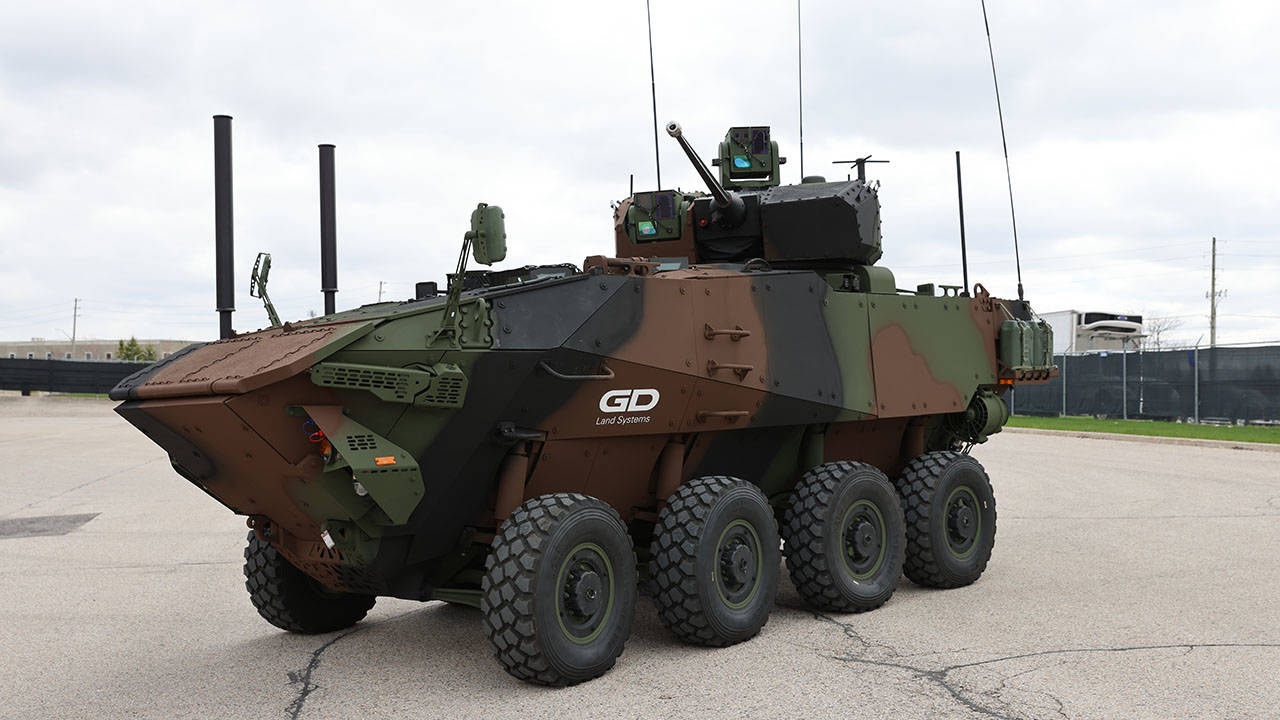
World
WASHINGTON — April 28, 2026 : General Dynamics is presenting a range of land combat, communications, and engineering systems at Modern Day Marine 2026, held April 28–30 at the Walter E. Washington Convention Center. The exhibit integrates capabilities from its Land Systems, Mission Systems, and European Land Systems divisions, aligned with the U.S. Marine Corps’ Force Design 2030 modernization framework. Combat Vehicles and Sustainment Systems At Booth 2206, General Dynamics Land Systems is exhibiting the Advanced Reconnaissance Vehicle ARV-30, an 8×8 wheeled amphibious platform equipped with a 30 mm autocannon mounted in a remote turret. The vehicle is designed to operate alongside the ARV-C4UAS variant, supporting command, control, communications, computers, and unmanned aircraft systems missions. The ARV platform incorporates open architecture, automated data fusion, and cybersecurity features to enable coordination between manned and unmanned systems. The prototype on display follows a $450 million pre-production development contract awarded for multiple test variants, supporting the Marine Corps’ plan to replace the aging LAV-25 fleet by the mid-2030s. Testing activities for the ARV-30 include land mobility trials, amphibious swim evaluations, and lethality demonstrations, with further evaluations scheduled through 2026. Also displayed is the Digital Twin Sustainment Suite (DTSS), a software-based logistics and training system. It includes self-guided e-learning modules, instructor-led training, and advanced maintenance simulations. The system functions as an integrated logistics support tool aimed at improving training throughput, retention, and maintenance efficiency across ground vehicle fleets. Communications, Electronic Warfare, and PNT Capabilities At Booth 2113, General Dynamics Mission Systems is presenting systems focused on electronic warfare, communications, and assured positioning, navigation, and timing (PNT). The RAMPART CMOSS Chassis consolidates PNT, radio, and electronic warfare functions into a single unit compatible with standard SINCGARS radio space, eliminating the need for vehicle modifications. Built on modular 3U OpenVPX processor cards, it supports high data throughput with a 100-gigabit interconnect and enables rapid upgrades for C5ISR missions. PhantomLink, a Free Space Optics communication system, uses waveform-adaptable optical modems to deliver high-bandwidth laser communications for mobile command posts. Operating outside the radio frequency spectrum, it avoids frequency deconfliction and enhances transmission security. The system has demonstrated a 52-kilometer link with data rates of up to 10 Gbps. The PNT portfolio includes GPS Source’s ED3M PNT Hub, with more than 1,000 units fielded, along with the Modified Reception Pattern Antenna for operations in GPS-contested environments. Secure communications systems on display include TACLANE high-assurance encryptors, the Sectéra vIPer Universal Secure Phone for VoIP and analog networks, the ProtecD@R Multi-Platform Encryptor, and the GEM One Encryptor Manager. Bridging and Tactical Mobility Systems General Dynamics European Land Systems is exhibiting three bridging and mobility systems designed to support expeditionary operations. The COBRA Armored Assault Bridge is integrated onto a Dok-Ing KOMODO unmanned ground vehicle, enabling bridge deployment while maintaining the carrier’s operational functions. The system supports Military Load Classification (MLC) 120 and is scheduled for formal testing on the KOMODO platform beginning in July 2026. The HYDRA Multifunctional Floating Platform is a modular pontoon system configurable as a ferry, floating bridge, working platform, or transport vessel, with a load capacity of up to MLC 50. The VIPER Modular Trackway Bridge, mounted on a Joint Light Tactical Vehicle, can be configured in spans of 5, 7, or 9 meters and supports loads up to MLC 50. The system enables forward units to conduct rapid gap-crossing operations without waiting for dedicated engineering assets. Operational Context The combined display reflects an integrated approach to mobility, sustainment, and networked operations. The systems presented address requirements for distributed maritime operations, including reconnaissance, secure communications, and rapid maneuver across complex terrain, consistent with the U.S. Marine Corps’ ongoing force restructuring objectives under Force Design 2030.
Read More → Posted on 2026-04-28 15:59:19
World
WASHINGTON — April 28, 2026 : The U.S. Department of Defense is progressing with development of the Joint Laser Weapon System (JLWS), a collaborative program between the United States Army and the United States Navy aimed at countering cruise missile threats as part of the broader Golden Dome for America missile defense architecture. The JLWS is designed as a containerized high-energy laser system initially rated at 150 kilowatts, with scalability to at least 300 kilowatts. The system incorporates a Joint Beam Control System capable of supporting laser outputs between 300 and 500 kilowatts. Its modular configuration is intended to enable deployment across both ground-based platforms and naval vessels without extensive structural modification. Program Foundations and Technology Integration Development of JLWS draws on existing directed-energy programs. The Navy’s 60-kilowatt High Energy Laser with Integrated Optical-Dazzler and Surveillance (HELIOS) system, deployed aboard the Arleigh Burke-class destroyer USS Preble, provides operational data for integration. The Army’s 300-kilowatt Indirect Fire Protection Capability–High Energy Laser (IFPC-HEL) prototype, scheduled for delivery later in 2026, will be used to inform JLWS development rather than transition into standalone operational service. The Navy will also upgrade its High Energy Laser Counter Anti-Ship Cruise Missile Project (HELCAP) test bed to support JLWS testing. Earlier experimentation included a live-fire demonstration in October 2025 using the Army’s 20-kilowatt Palletized High Energy Laser system from the flight deck of the aircraft carrier USS George H.W. Bush. Funding Structure and Timeline Budget projections indicate combined Army and Navy research and development spending of approximately $675.93 million for JLWS through fiscal year 2031. The Navy has accelerated near-term funding. Its fiscal 2027 request includes $94.825 million under the Directed Energy and Electric Weapon Systems program element, up from $14.5 million in fiscal 2026. Of this, $79.84 million is allocated to the Surface Navy Laser Weapon System effort to initiate JLWS research, sustain HELIOS operations, and support HELCAP upgrades, including $14.978 million specifically for the test bed. The Navy plans an additional $243.3 million in JLWS funding through fiscal 2031. Planned contracting includes $31.7 million for Joint Beam Control System development in the fourth quarter of 2026 and $30 million for procurement and testing of the containerized JLWS by March 2027. The Army has not requested JLWS research funding in fiscal 2027, following earlier allocation of $51 million in mandatory funding through fiscal 2026 under the Expanded Mission Area Missile program. It plans to commit $337.8 million between fiscal 2028 and fiscal 2031 after completion of IFPC-HEL testing activities. Industrial Participation and System Design Lockheed Martin is expected to serve as the primary contractor for JLWS development, based on its role as technical lead for both HELIOS and IFPC-HEL programs and its ongoing work on a containerized HELIOS variant. The program reflects a broader shift toward modular, containerized directed-energy systems. This approach supports rapid deployment and interoperability across platforms, aligning with Navy requirements for mission-specific systems that can be installed or removed without shipyard-level modifications. Additional modular efforts include the 30-kilowatt Enduring High Energy Laser system, with plans to procure up to 24 units in the coming years. Golden Dome Integration and Operational Context The Pentagon’s fiscal 2027 budget includes $452 million for development, integration, and assessment of directed-energy weapons supporting the Golden Dome initiative. Navy funding also supports creation of a consolidated implementation plan for directed-energy systems in coordination with the Missile Defense Agency. Golden Dome for America is structured as a multi-layered defense architecture intended to counter ballistic, hypersonic, and cruise missile threats through integrated sensors, interceptors, and directed-energy systems. Within this framework, JLWS addresses cruise missile defense requirements, which involve engaging low-altitude, high-speed targets with hardened structures under atmospheric interference conditions. Technical and Historical Context Cruise missile interception presents challenges distinct from other aerial threats, requiring sustained beam energy, precise targeting, and resistance to atmospheric distortion. Previous programs, including the Navy’s ARPA Chemical Laser, the Mid-Infrared Advanced Chemical Laser, and the Airborne Laser program canceled in 2012, encountered limitations in operational scalability. More recent progress includes the Navy’s Layered Laser Defense system, which demonstrated engagement of a subsonic cruise missile surrogate at White Sands Missile Range in 2022. Current JLWS development builds on these efforts with emphasis on higher power output, modular deployment, and integration within a layered missile defense network.
Read More → Posted on 2026-04-28 16:11:50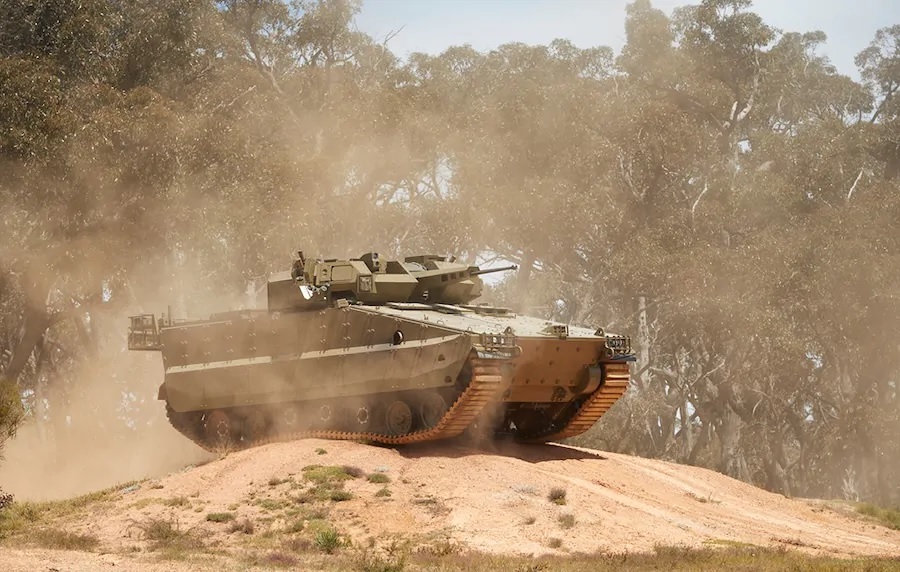
World
WASHINGTON — April 28, 2026 : The U.S. fiscal year 2027 defense budget request allocates $16.8 billion under the Land Power pillar to modernize armored combat capabilities across the Army and Marine Corps. The funding focuses on three major programs: the Armored Multi-Purpose Vehicle (AMPV), the M1E3 Abrams main battle tank, and the XM30 Mechanized Infantry Combat Vehicle. According to the U.S. Department of Defense FY2027 Budget Overview Book, Land Power remains a central component of military modernization planning. The allocation is part of a broader budget strategy that shifts emphasis toward procurement, research and development, and industrial base expansion rather than sustaining legacy systems. Land Power Modernization Framework The $16.8 billion investment supports the restructuring of heavy ground forces to operate in high-intensity conflict environments characterized by drones, precision-guided munitions, electronic warfare, persistent intelligence-surveillance-reconnaissance (ISR), and contested logistics. Defense planners aim to enhance survivability, digital connectivity, and adaptability of armored formations through the 2030s. The funding aligns with wider Department priorities that include rebuilding combat capability, reforming acquisition processes, and increasing production capacity for ground systems. Armored Multi-Purpose Vehicle (AMPV) The AMPV program replaces the M113 family of tracked vehicles, which currently account for approximately 30 percent of tracked platforms in Armored Brigade Combat Teams. Designed and produced by BAE Systems, the AMPV addresses critical limitations in survivability, mobility, force protection, and onboard power generation. The platform is fielded in five variants: general-purpose transport, mission command, medical treatment, medical evacuation, and mortar carrier. It provides protected command-and-control capability, casualty evacuation, and indirect-fire support within contested environments. To improve logistical efficiency, the AMPV shares a common powertrain and suspension system with the M2 Bradley Infantry Fighting Vehicle and the M109A7 Paladin self-propelled howitzer. Full-rate production is ongoing, with recent orders including 50 additional vehicles funded through reconciliation spending to replenish stocks following M113 transfers. Planned production rates support brigade-level fielding. M1E3 Abrams Main Battle Tank The M1E3 Abrams program represents a redesign of the Army’s main battle tank. Initiated in September 2023, it replaces the previously planned M1A2 SEPv4 configuration. The redesign prioritizes reduced weight, improved mobility, and lower sustainment requirements while maintaining survivability. The platform incorporates selected technologies from the SEPv4 upgrade but is built around a Modular Open Systems Approach (MOSA), enabling faster integration of future technologies. The Army has requested $474 million in FY2027 research, development, test, and evaluation funding. Prototypes are scheduled for operational testing with the 1st Cavalry Division in 2026, with a transition to production planned for FY2028. Expected design features include improved fuel efficiency, reduced logistical footprint, and compatibility with advanced protection and sensor systems. XM30 Mechanized Infantry Combat Vehicle The XM30 program, intended to replace the M2 Bradley, is currently in the prototype development phase. The Army has requested $547 million in FY2027 funding, including procurement of 19 vehicles. The total acquisition objective is 108 XM30 platforms by FY2031. The program uses a middle-tier acquisition pathway, with prototype development led by General Dynamics Land Systems and American Rheinmetall Vehicles. Milestone B approval was achieved in June 2025, and low-rate initial production is targeted for FY2028. The XM30 emphasizes lethality, survivability, and digital connectivity, with a focus on network-enabled targeting in electronically contested environments. Its open architecture design supports continuous upgrades to sensors, software, and weapons systems without requiring major structural modifications. Integrated Armored Force Structure Together, the AMPV, M1E3 Abrams, and XM30 programs form a coordinated modernization effort across multiple layers of the armored force. The approach integrates command support, heavy armor, and mechanized infantry into a digitally connected ecosystem capable of sustaining combined-arms operations in future conflict scenarios. The FY2027 request reflects a shift toward maintaining operational credibility in evolving threat environments while ensuring long-term sustainability and adaptability of U.S. ground combat forces.
Read More → Posted on 2026-04-28 16:24:25
World
TEHRAN/WASHINGTON — April 28, 2026: Iran is facing tightening storage capacity for unsold crude oil following a sharp decline in exports after the United States imposed a naval blockade on April 13, restricting tanker access to key ports in the Persian Gulf and the Strait of Hormuz. According to shipping data cited by The Wall Street Journal and commodity analytics firm Kpler, Iranian crude and condensate loadings averaged approximately 2.1 million barrels per day between April 1 and April 13. After the blockade took effect, exports dropped significantly, with only five cargoes recorded between April 14 and April 23, reducing average loadings to about 567,000 barrels per day. The decline in exports has led to a rapid buildup of oil inventories onshore. Estimates indicate that stockpiles increased by roughly 4.6 million barrels during the blockade period, bringing total stored volumes to around 49 million barrels. While Iran’s theoretical storage capacity is estimated between 86 million and 95 million barrels, operational limitations reduce the amount of usable space. Kpler assesses that Iran has between 12 and 22 days of remaining onshore storage capacity before reaching maximum levels, commonly referred to in the industry as “tank tops.” The country’s main export terminal at Kharg Island, which has an estimated buffer capacity of 20 to 30 million barrels, is filling more quickly due to reduced tanker departures. Earlier in the year, Iran also maintained floating storage of about 127 million barrels, although part of this volume has already been utilized or committed. To manage the surplus, Iran has begun deploying alternative storage and transport measures. Authorities are reactivating older, previously unused or poorly maintained tanks—often described as “junk storage”—in southern oil hubs such as Ahvaz and Asaluyeh. In addition, improvised containers are being used to hold excess crude. Offshore, Iran is expanding floating storage by bringing retired oil tankers, including vessels around 30 years old, back into service. These ships are estimated to provide an additional 15 million barrels of temporary storage capacity in the Persian Gulf. Iran is also exploring overland export options to bypass maritime restrictions. Efforts are underway to transport crude by rail toward Chinese commercial centers such as Yiwu and Xi’an. However, analysts note that higher transportation costs could reduce demand from China’s independent refineries, which previously accounted for the majority of Iranian oil imports. Despite the blockade, limited export activity has continued. TankerTrackers.com reported that approximately 4.6 million barrels were loaded at Iranian terminals in recent days, with an additional four million barrels appearing to have passed beyond the blockade zone. The U.S. Central Command has stated that multiple vessels, including oil tankers, have been intercepted or redirected since operations began. To prevent storage overflow, Iran has already begun reducing crude production from pre-blockade levels. Kpler projects that output could decline by as much as 1.5 million barrels per day by mid-May, potentially lowering total production to between 1.2 million and 1.3 million barrels per day. Energy consultancy Rystad Energy has indicated that such production cuts may pose technical risks. A significant portion of Iran’s oil fields operate with low reservoir pressure, and abrupt shutdowns in these conditions can damage wells and complicate the resumption of production. Before the blockade, Iran exported around 1.8 million barrels per day in March, primarily to Asian markets led by China. The current restrictions are part of broader U.S. efforts to limit Iranian oil trade, with ongoing impacts on the country’s production, storage, and export logistics.
Read More → Posted on 2026-04-28 17:08:15
World
WASHINGTON — April 28, 2026 : Textron Systems, in collaboration with its subsidiary Howe & Howe, unveiled the wheeled RIPSAW M1 unmanned ground vehicle (UGV) at the Modern Day Marine 2026 exhibition, presenting a new robotic platform aligned with the Force Design 2030 framework. Platform Design and Architecture The RIPSAW M1 is introduced as the first variant in a planned family of scalable robotic vehicles, developed using a Modular Open Systems Approach (MOSA). The design enables continuous integration of hardware and software from government and third-party developers, avoiding reliance on proprietary systems while supporting long-term upgrades. The platform is engineered to operate alongside the Advanced Reconnaissance Vehicle and Amphibious Combat Vehicle, functioning as an autonomous force multiplier within Marine formations. Technical Specifications The vehicle prioritizes speed, maneuverability, and payload flexibility rather than heavy armor. It has a curb weight of 4,300 pounds and a gross vehicle weight rating of 6,300 pounds, allowing for a mission payload of up to 2,000 pounds. With a compact structure measuring 10.5 feet in length, 5 feet in width, and 4 feet in height, the M1 is designed for rapid transport and deployment. It provides 18 inches of ground clearance and a turning radius of 7.5 feet, enabling operation in confined urban and littoral environments. The all-electric drivetrain supports a silent operational range of 30 miles, reducing acoustic detectability during reconnaissance missions. The vehicle can reach speeds of up to 53 miles per hour in high range and 20 miles per hour in low range. It is also capable of fording water obstacles up to 48 inches deep without modification. Operational Roles and Payload Integration The flat-deck payload configuration allows rapid reconfiguration for multiple mission profiles at the unit level. These include reconnaissance, surveillance, and target acquisition (RSTA), hard-kill counter-unmanned aerial system operations, and deployment of loitering munitions. At the exhibition, the M1 was demonstrated with the integration of “Damocles,” a compact search-and-strike drone system. This configuration enables the platform to support precision engagement of targets, including armored assets, from a standoff distance without requiring fixed launch infrastructure or manned aviation support. Operational Concept The system is designed to support distributed operations across coastal and island environments, where logistics constraints limit the deployment of heavy armored platforms. By operating as an uncrewed forward asset, the M1 reduces risk to personnel while extending the operational reach of Marine units in contested areas. Development and Future Testing According to Sara Willett, Vice President of Programs at Textron Systems, the demonstrator reflects the application of autonomous system experience across land, air, and maritime domains, with emphasis on scalable size, weight, and power (SWaP) while maintaining a common robotic core. Following its debut, Textron plans to deploy the RIPSAW M1 in operational environments as part of a “campaign of learning.” This phase will collect user feedback from military units to refine the system and support its transition from a technology demonstrator to a field-deployable capability.
Read More → Posted on 2026-04-28 17:28:40
World
BAMAKO, Mali — April 28, 2026 : Armed militants from Jama’at Nusrat al-Islam wal-Muslimin (JNIM), an Al-Qaeda-linked group, have launched a coordinated nationwide offensive and declared a total siege of the capital, Bamako, following simultaneous attacks on military and strategic targets across Mali. The escalation began on April 25, when JNIM fighters, operating alongside the Tuareg-aligned Azawad Liberation Front (FLA), carried out attacks in multiple regions, including Kati, Kidal, Gao, Mopti, Sévaré and surrounding areas of Bamako. The offensive represents one of the most extensive coordinated operations in the country in recent years. Defense Minister Killed in Kati Attack Mali’s Defense Minister, Sadio Camara, was killed during the early phase of the offensive. According to government confirmation, a vehicle-borne improvised explosive device (VBIED) struck his residence in the garrison town of Kati, approximately 15 kilometers north of Bamako. He later died from injuries sustained in the blast and subsequent engagement. JNIM claimed responsibility for the attack, stating that it specifically targeted senior military leadership. Kati, which hosts a major military base and serves as a central hub for Mali’s ruling junta, was among the primary targets during the opening phase. Infrastructure Damage and Prisoners of War Claims JNIM stated that it destroyed multiple military installations on the outskirts of Bamako, including positions near Modibo Keita International Airport. The group also reported overrunning checkpoints and forward operating bases, claiming it is holding an undisclosed number of Malian Armed Forces (FAMa) personnel as prisoners of war. A spokesman identified as Abu Hudheifah al-Bambari (also known as Bina Diarra) announced on April 28 that the group had initiated a full siege of Bamako and warned civilians to avoid areas of active combat between militants and government forces. Territorial Gains and Ongoing Fighting JNIM and its allied elements claimed varying degrees of control in several regions, including Mopti, Sévaré and Gao. The FLA separately announced control over Kidal following intense fighting. In contrast, Malian authorities stated that Bamako and Kati remain under government control, though clashes continue in surrounding areas. Combat operations remain active across key transit corridors and urban centers, including Bourem, Gao, Mopti and Sévaré, with reports of localized sieges and disruptions to movement and supply routes. Russian Africa Corps Faces Setbacks The Russian Africa Corps, which supports Malian forces and succeeded the Wagner Group’s presence, has faced operational difficulties during the offensive. The force confirmed its withdrawal from Kidal on April 27 after coordinated attacks by JNIM-aligned fighters and Tuareg separatists. In northern and eastern regions, including Ménaka, Russian and Malian units have reportedly retreated from exposed positions, in some cases consolidating within fortified bases rather than holding urban centers. The Islamic State in the Greater Sahara (ISGS) has also increased pressure in these areas, contributing to territorial losses and defensive repositioning. Broader Security Context The current situation reflects ongoing instability in Mali and the wider Sahel region. The withdrawal of French forces under Operation Barkhane in 2022 and the subsequent departure of the United Nations Multidimensional Integrated Stabilization Mission in Mali (MINUSMA) between 2024 and 2025 reduced external military and intelligence support available to Malian authorities. Analysts note that these developments have altered the regional security environment, enabling armed groups such as JNIM and ISGS to expand operations and coordinate attacks across wider areas. Government Response Mali’s transitional government has stated that national forces are actively responding and that the situation in Bamako and Kati remains under control. However, fighting continues in multiple regions as militant groups consolidate positions around key cities and infrastructure. JNIM, formed in 2017 through the merger of several Al-Qaeda-aligned factions, remains active across Mali, Burkina Faso and Niger and has continued to conduct attacks on military and civilian targets throughout the Sahel.
Read More → Posted on 2026-04-28 17:39:07
World
WASHINGTON — April 28, 2026 : The U.S. Navy has reaffirmed its plan to achieve Initial Operational Capability (IOC) for the AGM-88G Advanced Anti-Radiation Guided Missile–Extended Range (AARGM-ER) by September 2026, despite implementing a temporary pause in domestic procurement during fiscal year 2027.The decision reflects a programmatic adjustment rather than a change in operational timelines, with Navy officials emphasizing that testing completion and software validation remain the immediate priorities before resuming large-scale acquisition. Program Status and Procurement Strategy The AGM-88G AARGM-ER, developed by Northrop Grumman, is designed to enhance the capability of carrier air wings to suppress and destroy advanced integrated air defense systems. The Navy has already procured dozens of missiles under earlier production contracts. Under the fiscal year 2027 budget request, no funding has been allocated for additional U.S. procurement of the AGM-88G. Instead, production during that period will be redirected بالكامل toward fulfilling Foreign Military Sales (FMS) commitments tied to five signed international agreements. A Navy spokesperson stated that U.S. procurement will resume in fiscal year 2028 following successful completion of all required testing milestones and software upgrades. At that point, production is expected to scale up to address a backlog exceeding 150 missiles. During the interim year, manufacturing output will be dedicated to international customers, ensuring continuity of production lines while allowing additional time for system validation. International Participation and Sales Italy is a full development partner in the AARGM-ER program, contributing to both design and production phases. The United States has also approved or notified potential sales of the missile to multiple allied countries. These include Australia, Finland—where up to 150 missiles have been cleared—the Netherlands with a potential acquisition of 265 units, and Poland. Norway has publicly indicated its intent to procure the system, although a finalized agreement has not yet been confirmed. The U.S. Air Force is also acquiring the AGM-88G as part of its broader modernization efforts. Design Evolution and Capabilities The AGM-88G represents a significant redesign of the earlier AGM-88E AARGM, itself an evolution of the original AGM-88 High-speed Anti-Radiation Missile (HARM) developed in the 1970s. The updated missile incorporates a newly designed air vehicle optimized for higher speed and extended range, supported by a more powerful rocket motor and an improved control actuation system. Despite these structural changes, it retains the AGM-88E’s multi-mode guidance architecture. This guidance suite combines a GPS-assisted inertial navigation system with a millimeter-wave radar seeker. The configuration enables the missile to continue tracking and engaging enemy radar systems even if those emitters shut down, a common countermeasure used by modern air defense networks. In addition to its primary role, the AGM-88G maintains a secondary capability to strike fixed land or maritime targets using pre-designated coordinates. Platform Integration Plans Initial operational integration of the AARGM-ER is planned on the Boeing F/A-18E/F Super Hornet and the Boeing EA-18G Growler, both of which already employ the AGM-88E variant. The missile has also been dimensioned for internal carriage within the Lockheed Martin F-35A Lightning II and Lockheed Martin F-35C Lightning II. Future plans include external carriage compatibility across all F-35 variants as well as legacy Boeing F/A-18C/D Hornet aircraft. Testing Progress and Technical Challenges The program has experienced a series of technical and production challenges that have contributed to schedule adjustments. Issues identified during testing include deficiencies in the rocket motor, structural components, and software performance. A June 2025 report by the Government Accountability Office cited these technical issues alongside supply chain constraints and delays in constructing a new production facility as key factors affecting the timeline. During fiscal year 2025, three integrated weapon employment tests were conducted using F/A-18F aircraft. Only one test met all performance criteria, while the remaining two revealed discrepancies, prompting a temporary suspension of further testing pending corrective measures. Additional oversight from the Office of the Director of Operational Test and Evaluation in its March 2026 report indicated that the IOC milestone could potentially shift into the first quarter of fiscal year 2027 if testing challenges persist. However, the Navy has continued live-fire testing activities, including a successful missile event conducted in January 2026 at the Point Mugu Sea Range. Related Programs and Future Concepts In parallel with the AARGM-ER effort, the Navy is assessing requirements for a next-generation Advanced Emission Suppression Missile (AESM). The proposed system is expected to incorporate expanded capabilities, including the ability to engage airborne targets in addition to surface emitters. The AESM concept does not appear in the fiscal year 2027 budget request, indicating that it remains in early exploratory stages. Separately, the U.S. Air Force is advancing its own derivative program, designated the AGM-88J Stand-in Attack Weapon (SiAW). This variant is intended as a bridge capability focused on engaging time-sensitive, high-value ground targets such as missile launchers, air defense systems, electronic warfare assets, and anti-satellite infrastructure. The Air Force has requested continued funding for the AGM-88J in fiscal year 2027 and maintains a target for fielding in 2026. Flight testing has included carriage on F-16 aircraft. Northrop Grumman has also proposed a ground-launched version of the missile family, known as the Advanced Reactive Strike Missile (AReS), expanding potential deployment concepts beyond air-launched platforms. Forward View The Navy’s fiscal year 2027 procurement pause reflects a structured approach aimed at completing developmental testing and ensuring software reliability before expanding domestic acquisition. At the same time, ongoing production for international partners allows the program to maintain industrial momentum. With IOC still targeted for September 2026, the program’s near-term trajectory will depend on the successful resolution of remaining technical issues and the completion of validation testing.
Read More → Posted on 2026-04-28 17:56:55
World
WASHINGTON — April 28, 2026 : American Rheinmetall presented a coordinated suite of unmanned logistics systems and next-generation infantry weapons at the Modern Day Marine 2026, held from April 28 to 30 at the Walter E. Washington Convention Center. The company’s exhibit focused on systems designed for squad- and platoon-level operations, emphasizing autonomous resupply, expeditionary deployment compatibility, and increased individual lethality. The display at Booth 1907 combined multiple platforms into a single operational concept, highlighting how unmanned ground systems and advanced weapons can be integrated within small Marine units operating in dispersed and littoral environments. The systems presented are configured to minimize additional training and infrastructure requirements, aligning with expeditionary use cases. Amphibious Autonomous Logistics Platform The central platform on display was the Mission Master Silent Partner Hotel (MMSP-H), part of the broader Rheinmetall Mission Master family of autonomous uncrewed ground vehicles. The MMSP-H is manufactured in the United States and is designed to operate across both land and water without requiring configuration changes or separate transport systems. The vehicle has a payload capacity of 2,200 pounds on land and 880 pounds when operating afloat. Its amphibious capability is intended for Marine Corps missions involving ship-to-shore movement, beach landings, and operations across water obstacles. The system can transition directly between terrain types, maintaining continuity in logistics operations. The MMSP-H holds certification from Naval Air Systems Command, confirming compliance with airworthiness and safety requirements for aviation-related operations. This certification enables multiple insertion methods, including external sling-load transport under heavy-lift helicopters such as the CH-53K King Stallion and parachute delivery into operational areas. The platform is also compatible with internal transport in rotary-wing aircraft. The vehicle incorporates an electric drive system and is designed with reduced acoustic and thermal signatures. These features support its use in contested environments where detection risk is a factor. Its operational roles include logistics resupply, casualty evacuation, reconnaissance, and surveillance. Testing and evaluation activities involving the Mission Master platform family have been conducted by U.S. Marine Corps units in multiple locations, including Okinawa, Japan, and at the National Training Center in California. Exercises included casualty evacuation scenarios with the 4th Marine Regiment, validating the platform’s use in expeditionary conditions. Fielded Unmanned Resupply System Also presented was the “Wild Goose” unmanned logistics system developed by Marom Dolphin Ltd.. The system represents a fully fielded platform with a Technology Readiness Level (TRL) of 9, indicating operational use and maturity. Wild Goose is designed for short-range resupply missions at the tactical level. It can carry payloads of up to 330 pounds and has an operational range of approximately 25 kilometers. The system is electrically powered and configured for mobility across varied terrain conditions. The platform is compatible with multiple military transport systems, including the Infantry Squad Vehicle (ISV), High Mobility Multipurpose Wheeled Vehicle (HMMWV), Joint Light Tactical Vehicle (JLTV), and the UH-60 Black Hawk. It can be transported internally or externally depending on mission requirements. A key feature of the system is its door-bundle deployment capability, which allows it to be pushed from a helicopter during flight as part of an airborne resupply operation. This method does not require specialized delivery equipment or a dedicated aircraft, enabling rapid deployment in austere environments. Squad-Level Precision Weapon System The third system showcased was the Highly Advanced Multi-Mission Rifle (HAMMR), a magazine-fed, semi-automatic 40 mm grenade launcher derived from Rheinmetall’s Squad Support Weapon 40 (SSW40) architecture. The HAMMR is designed to provide squad-level precision fires and is compatible with both low-velocity and medium-velocity 40 mm ammunition. It uses 3-round and 5-round detachable box magazines and is capable of firing programmable airburst munitions. The system integrates with the Aimpoint FCS15 fire control system, enabling target calculation and munition programming via an infrared interface. This allows engagement of targets behind cover and at extended ranges, increasing first-round hit probability. The HAMMR is also compatible with existing U.S. Army standard 40 mm low-velocity ammunition. The weapon is positioned for consideration in programs such as the Precision Grenadier System, reflecting ongoing efforts to enhance infantry capabilities at the squad level. Operational Integration and Marine Corps Context The systems presented by American Rheinmetall align with the U.S. Marine Corps’ ongoing efforts to expand the use of unmanned platforms in ground operations. By integrating autonomous logistics platforms such as the MMSP-H and Wild Goose, units can reduce reliance on manual resupply and limit exposure during transport tasks. At the same time, the introduction of systems like the HAMMR supports increased firepower and precision at the individual Marine level. The combination of these capabilities is intended to extend operational reach, support distributed operations, and improve efficiency in environments where traditional logistics and support structures are limited. The company’s presentation at Modern Day Marine 2026 demonstrated how these systems can function together within squad and platoon formations, providing a combined approach to logistics and combat capability without requiring large-scale system integration.
Read More → Posted on 2026-04-28 18:15:05
World
WASHINGTON, D.C. — April 29, 2026 : AeroVironment, Inc. (NASDAQ: AVAV) has launched Halo_Shield, a modular counter-unmanned aircraft system designed to detect, track, identify and defeat drones, drone swarms and subsonic cruise missiles targeting military forces and critical infrastructure. The company announced the system on April 28 during the Modern Day Marine 2026 at the Walter E. Washington Convention Center. According to AeroVironment, the platform is intended for deployment across U.S. and allied operations, including border security, military installations and other high-value sites. System Scope and Deployment Status Halo_Shield is part of AeroVironment’s broader counter-UAS strategy and is engineered to address a wide spectrum of aerial threats. The system covers targets ranging from small Group 1 drones to larger Group 5 unmanned aircraft, as well as coordinated drone swarms and subsonic cruise missiles. The company stated that the system is currently undergoing demonstrations and has already been deployed at selected critical locations. Wahid Nawabi, chairman, president and chief executive officer of AeroVironment, said the system was developed in response to evolving aerial threats characterized by low-cost and coordinated platforms that challenge conventional point-defense systems. Modular Tile-Based Architecture Halo_Shield is built on a distributed, tile-based architecture designed to extend coverage across air, land, sea and space domains. The system consists of five primary components, each tailored to specific operational roles: Sentinel Tile: Provides point defense against Group 1–5 threats with configurations for fixed and mobile deployments. Terrestrial Tile: Enables passive and scalable detection and tracking around borders and ground assets. Nautical Tile: Supports maritime environments such as coastlines, ports and inland waterways. Aerial Tile: Uses elevated sensing to fill detection gaps in complex terrain and along known threat corridors. Celestial Tile: Delivers early warning and “left-of-launch” intelligence using satellite-based GEOINT and SIGINT capabilities. Each tile integrates sensors, effectors and command-and-control systems into a self-contained unit that can operate independently or as part of a larger network. Command, Control and Integration The system is powered by AV_Halo, AeroVironment’s AI-enabled command-and-control platform. AV_Halo enables operators to manage multiple tiles and systems through a unified interface while automating detection, classification and response processes. The architecture is designed to reduce personnel requirements and simplify operational workflows. Halo_Shield supports plug-and-play integration and can be deployed through portable fly-away kits. It is also designed to integrate with existing customer sensors, weapons and command systems, allowing interoperability with legacy defense architectures. Larry Lloyd, senior vice president of strategic initiatives at AeroVironment, said the system’s modular design allows operators to scale and reconfigure capabilities in real time without requiring system redesign or additional training. Sensors, Effectors and Existing Systems Integration The system incorporates a range of sensor technologies, including electro-optical/infrared, radar, passive radio frequency, acoustic systems and satellite-derived intelligence. Its layered defense approach combines multiple effector types, including radio frequency disruption, directed energy and kinetic interception. Halo_Shield integrates several existing AeroVironment systems, including the LOCUST directed-energy laser weapon, Switchblade loitering munitions and Titan 4 and Titan MS radio frequency counter-UAS systems. The integration of these systems is intended to improve detection ranges, accelerate response times and expand defensive coverage across large operational areas. Operational Design and Future Expansion AeroVironment describes Halo_Shield as a modular, distributed and cost-effective system capable of autonomous operation. The architecture is designed to support multi-domain operations and remain adaptable as threats evolve. The system’s hardware-agnostic approach allows for the integration of future technologies without requiring major structural changes. The company stated that additional details on individual tiles and system capabilities will be released in future announcements. Further information is available on AeroVironment’s official website.
Read More → Posted on 2026-04-29 13:30:17
World
KYIV, Ukraine — April 29, 2026 : Ukraine’s Ministry of Defense has conducted a new round of field trials for next-generation strike First-Person View (FPV) drones, marking a coordinated effort to accelerate the deployment of unmanned systems to frontline units while restructuring procurement and testing processes. The trials were carried out in cooperation with the Brave1 defense technology cluster and involved FPV drone systems developed by eight domestic manufacturers. According to Defense Minister Mykhailo Fedorov, the evaluations took place at a dedicated proving ground using newly introduced methodologies tailored to each drone type. Field Testing Under Electronic Warfare Conditions During the trials, the drones demonstrated operational ranges of up to 25 kilometers. Test scenarios included active interference from multiple electronic warfare (EW) systems, with several drone models successfully navigating contested environments and striking designated targets. The Ministry reported that some of the systems fully completed assigned missions under conditions designed to replicate real combat as closely as possible. Serhiy Sternenko, who serves as an advisor on unmanned systems effectiveness, participated in the development of this new class of FPV drones. Technical specifications of the tested systems, including payload capacity, guidance systems, and resistance mechanisms to jamming, were not disclosed. Revised Testing Framework and Deployment Strategy As part of broader reforms, the Ministry has implemented a standardized but flexible testing framework, with separate methodologies developed for each class of unmanned aerial vehicle (UAV). The approach is intended to ensure systematic evaluation while reducing the time required to validate and deploy new technologies. The updated model prioritizes operational efficiency in resource allocation. According to the Ministry, 80 percent of available resources are directed toward systems that have already demonstrated effectiveness on the battlefield, while the remaining 20 percent is reserved for the development and testing of emerging technologies. Regular field testing cycles have been institutionalized in coordination with the Brave1 cluster, creating a continuous pipeline for evaluating new unmanned platforms. Inclusion of Independent Manufacturers The evaluation process has been expanded to include all Ukrainian drone developers, including those without existing government contracts. Under the revised framework, manufacturers can submit their systems for testing alongside established suppliers. If a drone demonstrates effectiveness under combat-simulated conditions, the Ministry initiates contracting procedures and production scaling without delay. This rapid-approval mechanism is intended to shorten the timeline between prototype development and operational deployment. A new type of FPV drone has already been tested using this model, confirming the viability of the streamlined process. Procurement Reforms and Advance Payment Mechanism In parallel with testing reforms, the Defense Procurement Agency has introduced financial changes within the DOT-Chain Defence system, a digital marketplace for military equipment procurement. Under the new mechanism, verified manufacturers that have maintained continuous participation in the system for at least three months and have no overdue liabilities are eligible for advance payments. The size of these payments is determined by the company’s recent delivery performance, specifically the speed of order fulfillment over the preceding three months. For contracts with shorter delivery timelines—typically around 30 calendar days—advance payments can reach up to 70 percent of the contract value. For longer production cycles, the advance is capped at approximately 30 percent. The funding is intended to enable manufacturers to procure components and initiate production prior to final delivery, reducing delays associated with limited working capital or insufficient finished-product inventory. Objective: Accelerated Frontline Delivery The Ministry stated that the combined measures—revised testing methodologies, expanded participation of manufacturers, and financial restructuring—are designed to ensure that effective technologies are rapidly scaled and delivered to Ukraine’s Defense Forces. Photographs of the tested FPV drones were released by Minister Fedorov following the trials. The Ministry emphasized that regular field evaluations will continue in cooperation with Brave1, with each UAV category undergoing structured assessment to maintain a steady flow of deployable systems. The initiative reflects an ongoing effort to align technological development, procurement policy, and battlefield requirements within Ukraine’s unmanned systems program.
Read More → Posted on 2026-04-29 13:45:55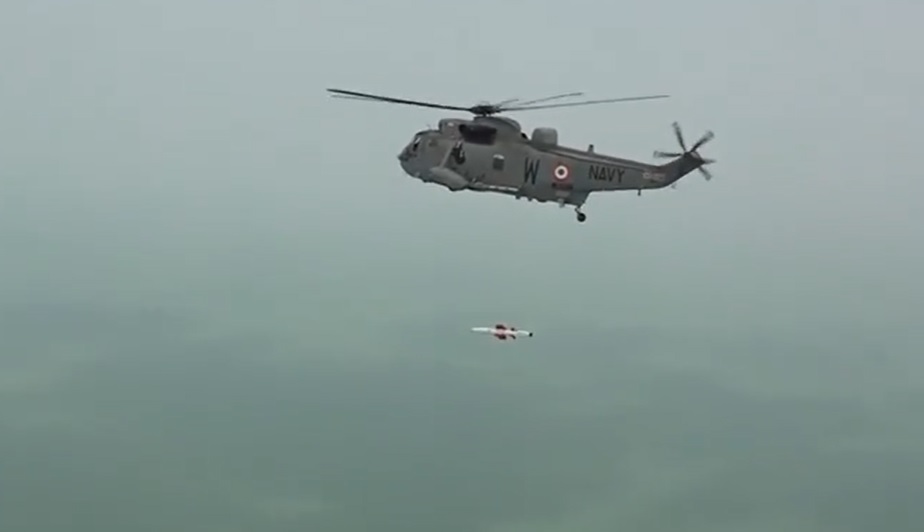
India
NEW DELHI — April 29, 2026 : Defence Research and Development Organisation and the Indian Navy have successfully carried out the maiden salvo launch of the Naval Anti-Ship Missile-Short Range (NASM-SR), marking a key milestone in India’s indigenous naval strike capability development. The test was conducted from an Indian Navy helicopter platform off the coast of the Bay of Bengal near Chandipur. During the trial, two missiles were launched in rapid succession from the same helicopter, representing the first successful salvo firing of this air-launched anti-ship missile system. The launch validated the missile’s ability to engage maritime targets with coordinated multi-shot capability. A salvo launch involves firing multiple missiles within a short interval to overwhelm enemy air defence systems and improve strike probability. In this configuration, medium-lift helicopters such as the Westland Sea King—used as the standard test platform—typically carry two NASM-SR missiles on side pylons. The trial therefore demonstrated a full single-platform operational salvo. The NASM-SR is India’s first indigenously developed air-launched anti-ship cruise missile, designed to replace legacy systems such as the Sea Eagle missile. It is intended to neutralize small to medium-sized vessels and strengthen the Navy’s close-range maritime strike capability. The missile has a launch weight of approximately 380 kg, a length of around 3.6 metres, and a diameter of 300 mm. It carries a 100 kg high-explosive insensitive munition warhead, including a multi-explosively formed penetrator configuration with a radio proximity fuze. Propulsion is provided by a solid-propellant rocket motor with an in-line ejectable booster and sustainer engine, enabling subsonic speeds of about Mach 0.8. With an operational range of approximately 55 kilometres, the missile follows a sea-skimming flight profile to evade radar detection. It operates at altitudes up to 3 km during mid-course and descends to as low as 5 metres in the terminal phase. Launch altitude ranges from 91 metres to 3 km. The guidance system combines a fibre optic gyroscope-based inertial navigation system (FOG-INS), GPS updates, and a radio altimeter for mid-course navigation. In the terminal phase, an indigenous imaging infra-red (IIR) seeker enables precise target identification and engagement. The missile also features a high-bandwidth two-way datalink, allowing man-in-the-loop control and in-flight retargeting by the helicopter crew. The system has been developed through collaboration among multiple DRDO laboratories, including the Research Centre Imarat, Defence Research and Development Laboratory, High Energy Materials Research Laboratory, and Terminal Ballistics Research Laboratory. It is planned for integration across several Indian Navy helicopter platforms, including the Sea King, MH-60R, and HAL Dhruv. The successful salvo test concludes the primary developmental phase of the NASM-SR programme. The missile is expected to transition toward serial production, with Bharat Dynamics Limited identified as the production partner ahead of induction into operational service. Separately, DRDO’s Naval Science and Technological Laboratory, in collaboration with the Indian Navy’s Warship Design Bureau, recently completed hydrodynamic performance assessments for a frontline warship project. The work included computational fluid dynamics simulations and model testing covering hull resistance, propulsion efficiency, sea-keeping, and maneuverability. Project deliverables were handed over by DRDO Chairman Samir V Kamat to Sanjay Sadhu, Controller of Warship Production and Acquisition. Officials did not disclose additional operational parameters of the missile test or specify the exact helicopter variant used during the salvo launch.
Read More → Posted on 2026-04-29 13:54:53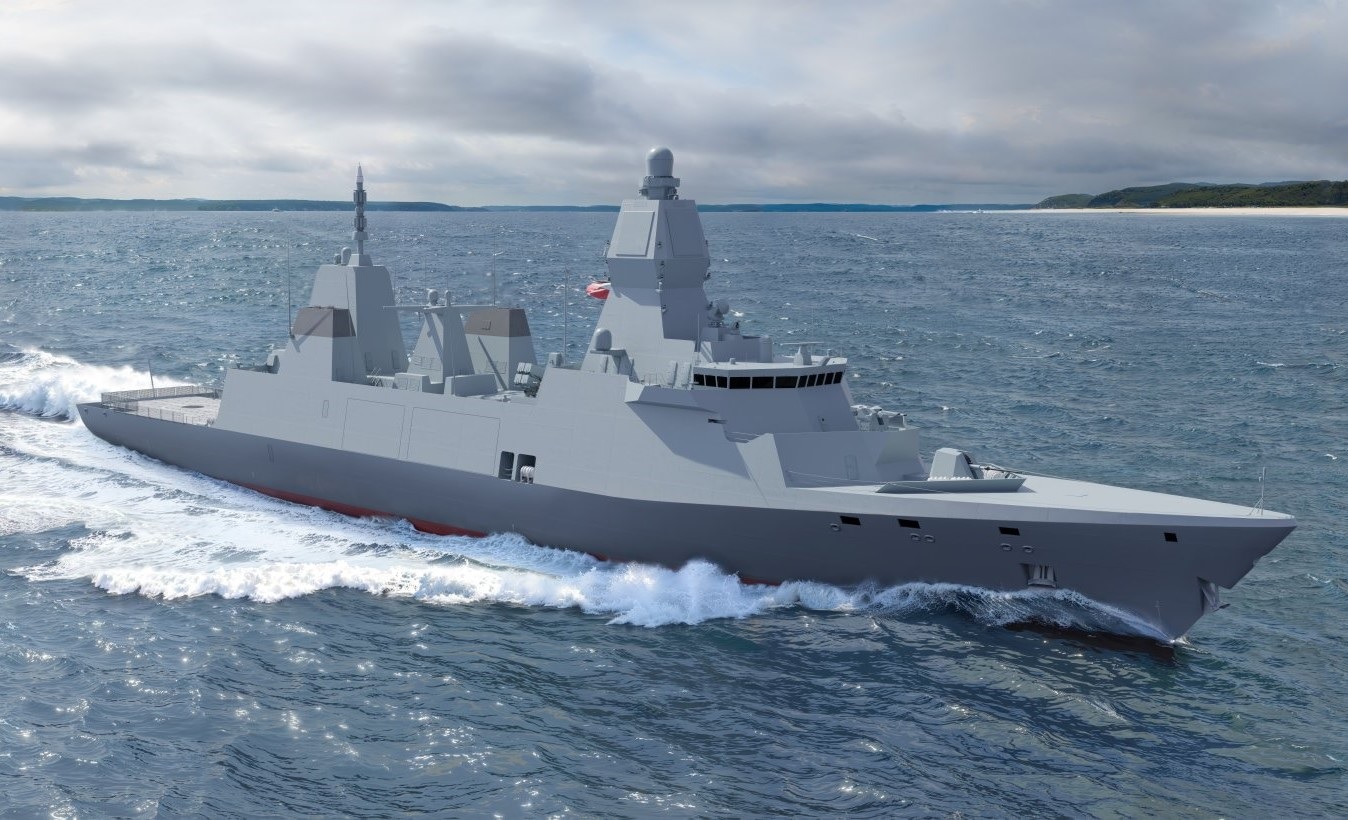
World
GDYNIA, Poland — April 29, 2026 : The PGZ-MIECZNIK Consortium has initiated construction of the third and final multi-purpose frigate under the Miecznik programme, marked by a steel-cutting ceremony for ORP Huragan at PGZ Stocznia Wojenna in Gdynia. The ceremony formally begins work on the third Project 106 vessel, with PGZ Stocznia Wojenna serving as the technical lead for the programme. The event was attended by senior Polish government and military officials, including Paweł Bejda, Konrad Gołota, Andrzej Kowalski, Jarosław Ziemiański, and Krzysztof Jaworski, alongside representatives from the Polish Navy, Armaments Agency, and international partners. Marcin Ryngwelski, CEO of PGZ Stocznia Wojenna, stated that the start of construction on Huragan marks the next phase of the Miecznik programme. He confirmed that work across all three vessels is progressing on schedule, supported by expanded infrastructure, including the Miecznik Hull Hall—the largest ship assembly facility in Poland. He also noted that the programme has strengthened the shipyard’s industrial capabilities for future naval projects. The Miecznik programme involves the construction of three multi-role frigates for the Polish Navy. The vessels are based on the Arrowhead 140 design developed by Babcock International. The consortium is led by Polska Grupa Zbrojeniowa and includes Polish partner CRIST S.A., along with international collaborators Thales UK and MBDA UK. The contract for the three ships was signed on July 27, 2021. Construction activities are being carried out at PGZ Stocznia Wojenna’s Hull Hall and production facilities, while bow sections are manufactured at CRIST S.A. in Gdynia. The frigates have an overall length of approximately 138 meters, a beam of around 20 meters, and a displacement of about 7,000 tonnes. They are designed for a range of approximately 8,000 nautical miles and a maximum speed of 28 knots. Propulsion is provided by four CODAD diesel engines driving two controllable-pitch propellers. Each vessel will accommodate a core crew of 120 personnel, with additional capacity for approximately 60 more. The ships are intended to support maritime area protection, base defense, and engagement of surface, submarine, and coastal targets, as well as maritime air defense within national and allied operations. Combat systems include the TACTICOS combat management system, SM400 Block 2 and NS50 radars, ARTEMIS infrared search and track system, hull-mounted and towed sonars, and the Sea Ceptor system using CAMM missiles in a 32-cell Mk 41 vertical launch system. Additional armament includes a 76 mm Leonardo Super Rapid gun, 35 mm close-in weapon systems, and torpedo launchers. Programme progress on the first two vessels continues. The lead ship, Wicher, is in an advanced stage of hull assembly and is scheduled for launch in August 2026, with commissioning planned for 2029. The second vessel, Burza, completed steel cutting in May 2025 and keel-laying in December 2025 and is currently undergoing further hull construction. Delivery of the third vessel, Huragan, is scheduled for the end of 2031, marking completion of the Miecznik programme. Steel cutting for the first ship took place in August 2023, followed by the second in May 2025, with the latest milestone completing the start of physical construction across the full three-ship series.
Read More → Posted on 2026-04-29 16:22:53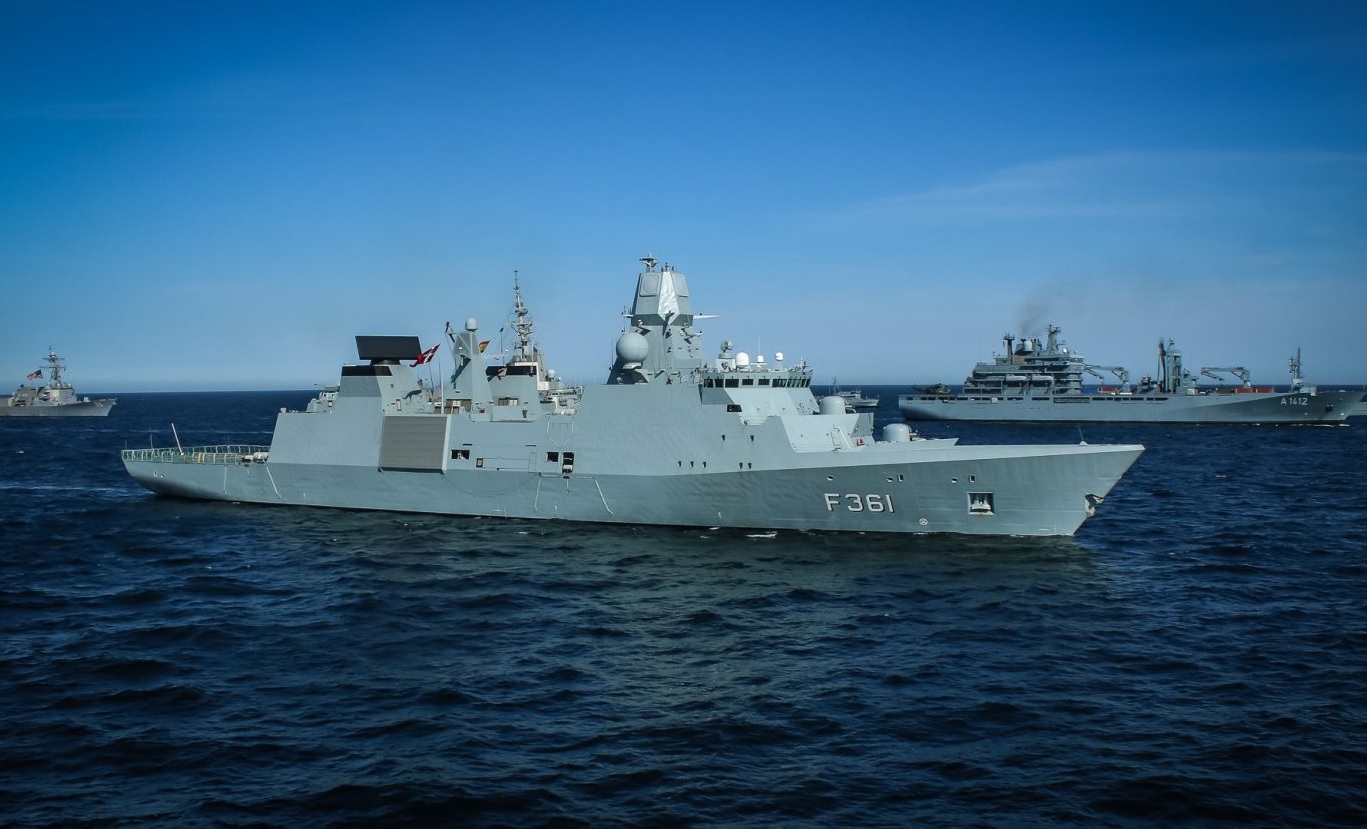
World
COPENHAGEN — April 29, 2026 : South Korean shipbuilder HD Hyundai Heavy Industries has submitted a formal bid to supply a new class of frigates to the Royal Danish Navy, positioning itself as a competitive alternative to established European defense contractors. The proposal emphasizes reduced procurement costs and accelerated delivery timelines as Denmark advances its naval modernization programme. According to information reported by DR, the company has indicated it can lower overall programme costs by approximately 20 to 30 percent compared to rival European bids. HHI has also committed to delivering the lead vessel within 3.5 years of contract signature. If an agreement is concluded within 2026, all four frigates could be delivered and operational by 2031. Programme Context and Industrial Background The Danish frigate acquisition is part of a broader effort by the Ministry of Defence to strengthen maritime capabilities under existing defence agreements. The programme seeks to replace and expand current naval assets with modern, multi-mission surface combatants capable of long-endurance operations. HHI enters the competition with prior experience in Denmark’s commercial maritime sector. The company previously constructed 19 vessels for the Danish shipping and logistics group A.P. Møller–Mærsk, a record it is using to demonstrate industrial reliability and delivery capacity in support of its defense bid. Competing European Proposals The procurement process has attracted bids from shipbuilders in Germany, France, and the United Kingdom. Among the prominent contenders is Babcock International, which is offering its Arrowhead 140 frigate design. The platform serves as the baseline for the United Kingdom’s Type 31 frigate programme. The competition has also drawn direct political attention. UK Prime Minister Keir Starmer has confirmed that discussions are ongoing at the government level regarding the British proposal, reflecting the strategic and industrial importance of the Danish contract. Technical Characteristics of HHI Proposal HHI’s offer is centered on its HDF-6000 class frigate, a multi-role warship designed for sustained operations across a range of mission profiles. The vessel is expected to have a displacement of approximately 6,500 tonnes, with a length of 139 metres and a beam of 18.6 metres. The design is intended to support air defence, anti-surface warfare, and maritime security operations within NATO frameworks. Nordic Defence Alignment and Armament Changes Alongside the selection of a hull platform, Denmark is planning adjustments to the weapons configuration of its future fleet. The Ministry of Defence intends to replace existing Italian-manufactured naval guns with Swedish-made systems produced by BAE Systems Bofors. Currently, the Royal Danish Navy operates 76 mm OTO Melara guns across several vessel classes, including the three Iver Huitfeldt-class frigates—HDMS Iver Huitfeldt (F361), HDMS Peter Willemoes (F362), and HDMS Niels Juel (F363)—as well as four Thetis-class ocean patrol vessels and three Knud Rasmussen-class patrol ships. The planned transition to Bofors systems reflects a broader effort to align equipment standards with Sweden and enhance interoperability within Nordic defence cooperation frameworks following Sweden’s integration into NATO. Ongoing Evaluation Negotiations between Danish authorities and international bidders remain underway. The final selection will determine not only the design and construction of the four frigates but also the associated industrial partnerships and long-term support arrangements. The outcome is expected to play a significant role in shaping Denmark’s naval capabilities and regional defence cooperation in the coming decade.
Read More → Posted on 2026-04-29 16:31:36
World
JERUSALEM, — April 29, 2026 : Israel is advancing plans to sell minority stakes in its two largest state-owned defence companies, Israel Aerospace Industries and Rafael Advanced Defense Systems, as part of broader fiscal measures aimed at supporting a sharp increase in military expenditure approved for 2026. Government officials have indicated that the initial divestments will involve the sale of 25 to 30 percent stakes in each company. The offerings are expected to be conducted in tranches during 2026, with a structure designed to limit market disruption while ensuring the state retains majority ownership. Authorities have also left open the possibility of increasing total divestments to a ceiling of 49 percent in later phases, subject to cabinet approval and market conditions. Valuation and Listing Framework Under the proposed framework, Israel Aerospace Industries is preparing for a public listing on the Tel Aviv Stock Exchange, with estimated valuations ranging between 80 billion and 100 billion shekels (approximately $25 billion to $34 billion). The company reported record financial performance in 2025, including revenues of $7.4 billion and net profit of $712 million, contributing to strong investor interest expectations. In parallel, Rafael Advanced Defense Systems is expected to pursue a private placement, potentially through the TASE UP platform, which is geared toward institutional investors. Market estimates place Rafael’s valuation between 50 billion and 60 billion shekels. The offerings will be limited to the domestic exchange, with institutional investors expected to form the primary buyer base. Preparatory work is being coordinated by the Government Companies Authority in conjunction with the Ministries of Defence, Finance and Justice. Fiscal Context and Defence Spending The divestment initiative is directly linked to Israel’s expanded fiscal requirements following sustained military operations. The national budget for 2026 totals approximately 850 billion shekels, with 143 billion shekels allocated to defence spending. This represents more than a twofold increase compared with pre-war levels of roughly 65 billion shekels in 2023. Officials have stated that proceeds from the share sales are intended to generate billions of shekels for the state budget, helping offset costs associated with ongoing combat operations, force expansion, and long-term rehabilitation commitments. Defence planners have described the current period as requiring sustained procurement of interceptors, munitions and advanced combat systems over the coming decade. Strategic and Industrial Considerations Both companies play central roles in Israel’s defence industrial base. Israel Aerospace Industries develops a range of systems including missile defence platforms, unmanned aerial systems, satellites and cyber technologies. Rafael Advanced Defense Systems is responsible for key air defence systems such as Iron Dome and David’s Sling. Combined order backlogs across the two firms exceeded $80 billion in 2025, reflecting increased global demand for advanced defence systems. Government officials have noted that the timing of the offerings is intended to align with this elevated demand environment. To avoid competitive imbalances between the companies, the government is pursuing a coordinated approach in which both offerings are advanced simultaneously. Officials have expressed concern that staggered privatization could lead to workforce migration between firms, particularly among engineering personnel. Regulatory, Security and Labor Challenges The privatization process involves several regulatory and structural challenges. A central issue is the protection of classified technologies, particularly within Rafael Advanced Defense Systems. Authorities are preparing regulatory mechanisms, including “interest orders,” to ensure continued state oversight of sensitive operations. These measures are expected to function similarly to enhanced “golden share” arrangements, allowing the government to intervene in decisions affecting national security. Labor considerations also remain significant. At Israel Aerospace Industries, employee representatives have linked support for the listing to revisions in existing wage regulations under Israel’s Budget Foundations Law. As a state-owned entity, the company is currently subject to public-sector salary caps, which unions argue limit its ability to compete with private-sector firms, including Elbit Systems, in attracting and retaining skilled personnel. Proposals under discussion include adjustments that would enable more flexible compensation structures and the introduction of equity-based incentives. Timeline and Next Steps The government expects the sales process to take up to a year, reflecting the complexity of regulatory approvals, labor negotiations and security arrangements. Initial tranches are scheduled for 2026, with additional offerings potentially extending into 2027 depending on market conditions and policy decisions. Final approval of the transaction structures remains subject to cabinet authorization. The Ministry of Defence has provided preliminary backing for the initiative following extended internal deliberations on balancing national security considerations with fiscal requirements. The planned divestments form part of a broader strategy to address increased defence spending while maintaining state control over critical military-industrial assets.
Read More → Posted on 2026-04-29 16:45:26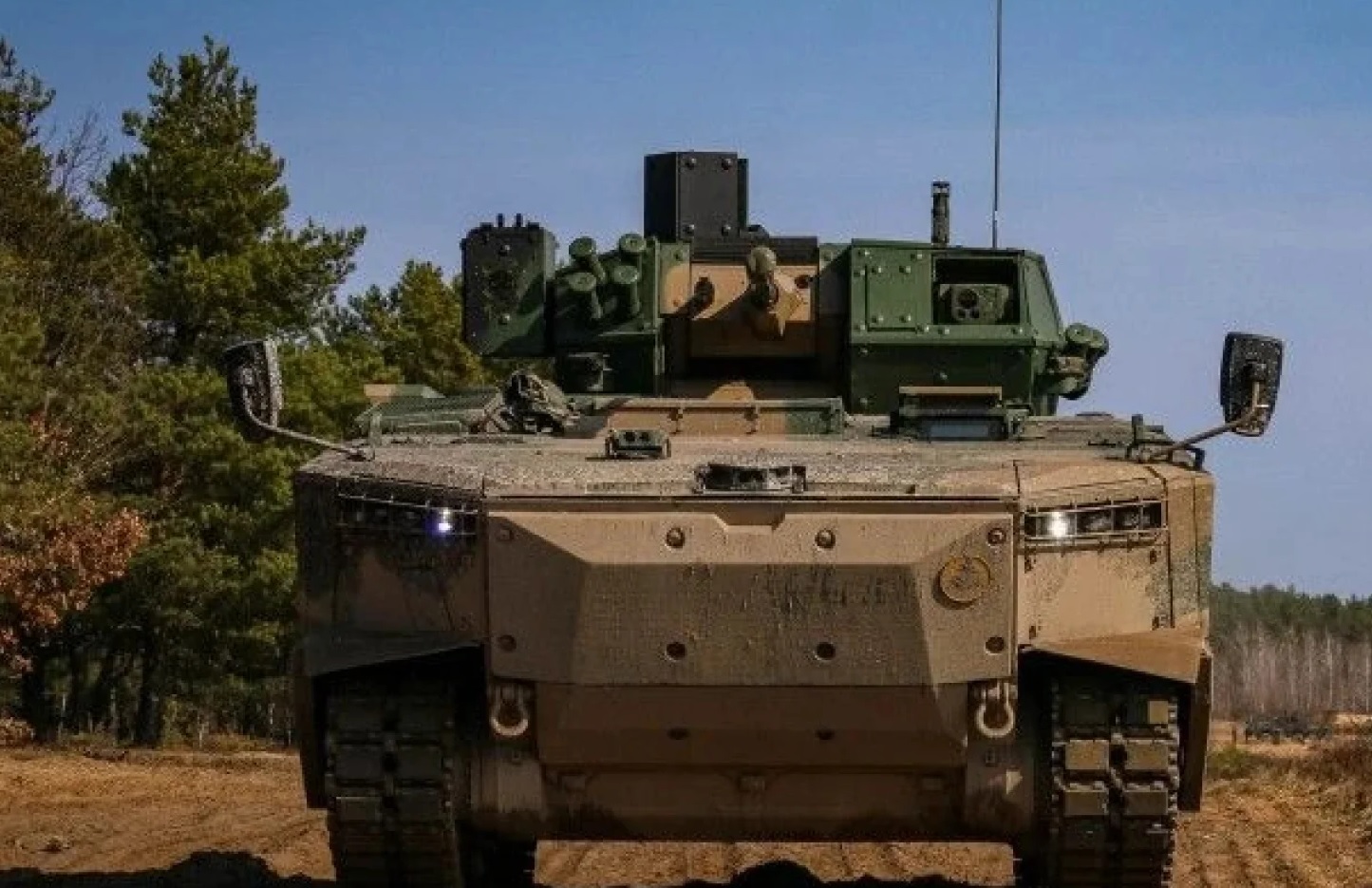
World
RZESZÓW / WARSAW — April 29, 2026 : Poland is preparing to test domestically developed military equipment, including unmanned aerial vehicles (UAVs), under real combat conditions in Ukraine, as part of a broader effort to accelerate defense innovation and deepen bilateral cooperation with Kyiv. Deputy Minister of National Defence Cezary Tomczyk said Ukraine provides a unique operational environment due to its ongoing war against a conventional adversary. His remarks were delivered in an interview with the Polish Press Agency and during the Road to URC – Security and Defence Dimension conference held in Rzeszów on April 28, 2026. Two-Stage Evaluation Framework According to Tomczyk, Poland will adopt a structured, two-stage evaluation model to validate new systems. In the first stage, equipment will undergo standard testing and verification at domestic military training grounds. Once initial requirements are met, selected systems will proceed to the second stage, where they will be deployed in Ukraine for assessment under active combat conditions. The approach is intended to generate operational data that cannot be replicated in controlled training environments. Polish officials view battlefield testing as critical to identifying system performance, limitations, and adaptability in modern warfare conditions shaped by high-intensity conflict. Expansion of Bilateral Defence Cooperation The initiative forms part of a wider push to strengthen defence-industrial ties between Poland and Ukraine. Tomczyk emphasized increased technology exchange and joint capability development, particularly in drones and counter-drone systems, which have become central to current battlefield operations. Poland and Ukraine are also considering joint production of unmanned systems, potentially on Polish territory. Officials indicated that such arrangements would depend on establishing a cooperation model that aligns with both countries’ industrial interests while addressing Ukraine’s wartime requirements. Industry Collaboration and Existing Programs Tomczyk cited WB Electronics, part of the WB Group, as an example of ongoing cooperation. The company has worked with the Ukrainian military since the beginning of Russia’s full-scale invasion, supplying reconnaissance and strike capabilities. WB Electronics has established local production of the FlyEye reconnaissance drone in Ukraine and provides Warmate loitering munitions, both of which have been used extensively in operational settings. Polish officials highlighted these programs as a basis for expanding similar joint initiatives across the defence sector. Focus on Unmanned Systems Development Poland has increased investment in unmanned technologies in recent years, reflecting the growing importance of drones in reconnaissance, strike operations, and electronic warfare. Current efforts include collaboration with Ukrainian partners to develop what officials describe as a modern “drone armada,” combining Polish funding with Ukrainian operational expertise. The testing program is expected to support faster refinement cycles for new systems by incorporating real-world performance data. Defence planners aim to use these insights to improve system reliability, adapt designs to evolving threats, and align production with operational needs. Strategic Context Discussions on testing and industrial cooperation were also linked to preparations for the upcoming Ukraine Recovery Conference scheduled in Gdańsk in June 2026. The Rzeszów conference brought together government representatives and defence industry stakeholders to coordinate military assistance and explore long-term industrial partnerships. Polish officials stated that integrating testing, joint production, and technology exchange is intended to strengthen both countries’ defence capabilities while supporting Ukraine’s ongoing operational requirements.
Read More → Posted on 2026-04-29 16:51:49
World
WASHINGTON / KYIV — April 29, 2026 : The United States has announced it will provide up to $100 million to support the restoration of the New Safe Confinement (NSC) structure at the Chornobyl Nuclear Power Plant, following damage caused by a Russian drone strike in February 2025. The funding commitment was confirmed by the U.S. Department of State and positions Washington as a leading contributor within a broader G7-backed recovery effort. Funding Framework and International Coordination The U.S. contribution forms part of a coordinated initiative among the Group of Seven nations to address nuclear safety risks at the site. Officials stated that total restoration requirements are currently estimated at approximately €500 million (around $530 million), following consultations with international partners and technical assessments. The U.S. share represents roughly one-fifth of the projected total. The State Department indicated it will work with Congress to secure the funding allocation and has called on European partners and other G7 members to provide additional financial support. The European Bank for Reconstruction and Development, which administers the International Chernobyl Cooperation Account, is overseeing coordination of donor funding and project implementation. Initial preparatory financing of about $30 million has already been approved to support early engineering assessments and procurement activities. Contributions or pledges have also been made by the European Union, France, and the United Kingdom. Ukraine has established a dedicated national fund to manage incoming international assistance, with the Chornobyl Nuclear Power Plant formalizing grant agreements to initiate the restoration process. Structure Background and Technical Specifications The New Safe Confinement (NSC) is a large steel arch designed to isolate the remains of Reactor No. 4, which was destroyed during the Chernobyl disaster. Constructed between 2016 and 2019, the structure cost approximately €1.5 billion and was financed through international contributions. The NSC measures 257 metres in width, 162 metres in length, and 108 metres in height, with a total weight of about 36,000 tonnes. It was engineered with a service life of 100 years and designed to enclose both the damaged reactor and the original Soviet-era sarcophagus built immediately after the 1986 incident. The structure also supports long-term dismantling and decommissioning operations. Details of the February 2025 Strike On 14 February 2025, a Russian Geran-2 unmanned aerial vehicle struck the NSC, causing a fire in the outer cladding and damaging both the external and internal layers of the structure. The impact created a pass-through opening of approximately 15 square metres in an area classified as low contamination. Emergency response teams carried out temporary repairs, including installation of a patch over the damaged section. Despite these measures, the structure’s primary confinement capability was compromised. Assessment by International Agencies Inspections conducted by the International Atomic Energy Agency in late 2025 concluded that the NSC no longer fulfills its core safety functions, particularly the confinement of radioactive material. The agency confirmed in December 2025 that while no immediate radiation release or spike had been detected, the loss of hermetic sealing significantly reduces the structure’s effectiveness. The IAEA further reported that the load-bearing framework and monitoring systems remained intact, and no permanent structural damage was identified in those components. However, both the IAEA and the EBRD warned that without comprehensive repairs, the structure could face progressive degradation, including potential irreversible corrosion within a period of up to four years. Scope of Restoration Work Planned repair activities will focus on restoring the integrity and functionality of key systems affected by the strike and subsequent fire. These include the cladding and membrane layers, ventilation and filtration systems, electrical power supply, and associated technological infrastructure necessary for maintaining controlled environmental conditions inside the enclosure. The €500 million estimate is intended to fully reinstate the NSC’s original design capabilities. Until these repairs are completed, several ongoing operations at the site—including stabilization measures and preparatory work for dismantling the original sarcophagus—remain suspended. Long-Term International Involvement The EBRD has played a central role in financing Chornobyl safety initiatives since the early 1990s, mobilizing more than €2.5 billion across multiple projects. The current restoration effort continues that long-term international engagement, with coordination between donor countries, financial institutions, and Ukrainian authorities. The United States has previously contributed over $365 million toward the construction of the NSC, reflecting its longstanding involvement in nuclear safety efforts at the site. Current Safety Status Monitoring of the Chornobyl site continues, and authorities report no current radiological threat to the public or the environment resulting from the damage. However, officials emphasize that restoring the confinement structure is necessary to ensure long-term containment and enable future decommissioning activities at Reactor No. 4.
Read More → Posted on 2026-04-29 16:57:34
World
ROME / JAKARTA — April 29, 2026 : The Italian Parliament has approved the free transfer of the decommissioned aircraft carrier Giuseppe Garibaldi (C 551) to Indonesia, completing the final legal step required for the vessel’s handover after a multi-stage legislative and administrative process. Legislative Clearance and Transfer Structure The approval, granted on April 28, 2026, formalizes a “free cession” arrangement under Italian military law, meaning the Italian state will receive no financial compensation. The measure follows a ministerial decree transmitted on February 19, 2026, and subsequently assigned on February 24 to parliamentary committees on foreign affairs and defence. The process advanced through several stages: the Italian Senate approved the decree on March 24, the Budget Committee issued a favourable opinion on April 14, and final parliamentary clearance was granted on April 28. The transfer is legally framed under provisions that allow the donation of obsolete, non-offensive military equipment. No competing international requests were recorded during the evaluation phase. The decision concludes a disposal process that included cost analysis, political review, and alignment with bilateral defence cooperation objectives. Administrative processing, technical preparation, and delivery are scheduled for completion by December 2026. Indonesian officials, including Navy Chief of Staff Admiral Muhammad Ali, have indicated a target to receive the vessel before October 5, 2026, coinciding with the 81st anniversary of the Indonesian National Armed Forces. Cost Considerations and Strategic Context The transfer allows Italy to eliminate approximately €5 million in annual maintenance and security costs associated with the inactive vessel, as well as avoid an estimated €19 million required for dismantling. For Indonesia, the acquisition forms part of a broader defence cooperation framework with Italy, which has included the transfer of other naval units and discussions involving systems such as DGK-class midget submarines, Leonardo M-346 trainer aircraft, and ATR 72 maritime patrol platforms. Bilateral engagement on the transfer dates back to 2021, when Indonesia first expressed interest in acquiring decommissioned Italian naval assets. Vessel Status and Configuration at Transfer At the time of transfer, the Giuseppe Garibaldi will be fully stripped of combat systems. All original armaments—including Aspide surface-to-air missiles, Teseo Mk2 (Otomat) anti-ship missiles, 324 mm torpedo tubes, and 40 mm naval guns—are non-functional and will not be restored. Sensor and fire-control systems previously used for combat operations are also inactive. The ship retains only propulsion systems, navigation equipment, safety systems, flight deck infrastructure, and command facilities necessary for transit and non-combat roles. This configuration places the vessel within Italy’s legal classification for non-offensive transfers, eliminating any immediate combat capability and limiting its operational use until further modification. Technical Characteristics The Giuseppe Garibaldi was commissioned in 1985 as Italy’s first post-war aircraft carrier and served for nearly four decades before being placed in reserve on December 31, 2024. Key specifications include a full-load displacement of 14,150 tons, a length of 180.2 metres, and a beam of 30.4 metres. The propulsion system consists of four GE-Avio LM2500 gas turbines generating 60,400 kW, driving two shafts and enabling a maximum speed of 30 knots. The vessel has an operational range of approximately 7,000 nautical miles at cruising speed. Electrical power is provided by six diesel generators and one emergency generator, ensuring redundancy for onboard systems. The crew complement is approximately 570 personnel, including aviation support elements. Obsolescence and Withdrawal from Italian Service The Italian Navy’s decision to retire the vessel was driven by system obsolescence, structural degradation, and reduced interoperability with modern platforms. Despite modernization efforts in 2003 and 2013, the ship’s command-and-control systems became incompatible with Italy’s current digital and network-centric operational standards. Integration with modern aircraft, including advanced short take-off and vertical landing platforms, was not feasible without significant structural modifications. Long-term structural fatigue increased maintenance requirements and reduced operational availability. The introduction of newer assets, particularly the landing helicopter dock Trieste (L9890), further diminished the vessel’s operational relevance in multi-domain missions involving air, sea, and information domains. Indonesia’s Modernisation and Intended Role Indonesia plans to convert the vessel into a hybrid helicopter and unmanned aerial vehicle (UAV) carrier, with an estimated budget ceiling of up to $450 million for retrofitting and system integration. Local shipyards and defence firms are expected to participate in the modernization process. Once adapted, the ship is intended to function as a mobile maritime command platform supporting distributed operations across Indonesia’s archipelago. Planned roles include persistent maritime surveillance, anti-illegal fishing operations, disaster response, and humanitarian assistance missions. The acquisition will position Indonesia as the second country in Southeast Asia to operate an aircraft carrier-type platform, following Thailand, and represents the country’s first such capability. Timeline and Final Steps With parliamentary approval completed, the program now enters its final phase, including administrative processing, technical preparation, and transfer logistics. Delivery remains scheduled for completion by December 2026, subject to preparatory work and coordination between Italian and Indonesian authorities. The April 28 decision concludes a multi-year process combining legal authorization, defence cooperation planning, and asset disposal considerations, transitioning the Giuseppe Garibaldi from a decommissioned Italian naval unit into a future operational platform for Indonesia.
Read More → Posted on 2026-04-29 17:03:07
World
BERLIN — April 29, 2026 : The government of Germany is preparing a large-scale borrowing program totaling approximately €800 billion over four years, as policymakers respond to a sharp economic slowdown linked to global energy market disruptions. Finance Minister Lars Klingbeil confirmed that nearly €200 billion in new debt is planned for 2027, with an additional €600 billion projected between 2028 and 2030 under the federal government’s medium-term financial strategy. The borrowing framework forms part of the 2027 federal budget plan approved by the cabinet on April 28, 2026, and reflects mounting fiscal pressure caused by rising energy costs, weaker growth, and persistent uncertainty in global markets. Officials indicated that the full scale of financial requirements remains under review, particularly in light of evolving geopolitical developments. Growth Outlook Revised Downward Germany’s economic projections have been significantly downgraded. The government now expects gross domestic product growth of 0.5 percent in 2026, down from an earlier estimate of 1.0 percent. The 2027 forecast has also been revised to 0.9 percent from 1.3 percent. The revisions are linked to a surge in global energy and commodity prices following the escalation of conflict involving Iran. Disruptions affecting key transit routes, particularly the Strait of Hormuz, have contributed to volatility in oil and gas markets, increasing input costs across European economies. Klingbeil stated that the energy shock has had a direct impact on Germany’s economic outlook, noting that external developments have significantly altered domestic growth expectations. Inflation is now projected at approximately 2.7 percent in 2026 and 2.8 percent in 2027, reflecting higher energy and transportation costs. Fiscal Strategy and Debt Brake Constraints Germany’s fiscal expansion will take place within the framework of its constitutional “debt brake,” which limits structural borrowing to 0.35 percent of GDP. However, the government has previously relied on special funds and exemptions to finance major expenditures, including defense and infrastructure programs. Klingbeil said the government has not ruled out declaring an emergency, a mechanism that would allow temporary suspension of borrowing limits under exceptional circumstances. While no formal decision has been made, officials confirmed that the option remains under consideration as economic conditions evolve. The planned borrowing comes on top of existing fiscal commitments, including a €500 billion special fund approved in 2025 to support defense modernization and public investment initiatives. Industrial and Economic Pressures Germany’s export-oriented economy, particularly its manufacturing and chemical sectors, is facing increased strain from elevated energy prices. Higher costs for oil and natural gas are affecting production across energy-intensive industries, reducing competitiveness in global markets. The current slowdown follows two consecutive years of economic contraction in 2023 and 2024, followed by near-stagnation in 2025. Private investment remains subdued amid uncertainty, while ongoing global trade fragmentation and protectionist policies continue to weigh on export demand. Supply chain disruptions linked to geopolitical tensions have further complicated industrial activity, affecting the flow of raw materials and finished goods between Europe and international markets. Policy Measures and Budget Adjustments In response to these challenges, the government is advancing a set of structural and fiscal measures aimed at stabilizing the economy. These include targeted income tax relief for low- and middle-income households, accelerated expansion of renewable energy capacity, and continued investment in infrastructure. Authorities are also considering spending reductions of approximately €20 billion by July to help manage the fiscal balance. At the same time, temporary relief measures—such as fuel tax adjustments—have been introduced or expedited to mitigate the impact of rising energy costs on households. Klingbeil emphasized that strengthening economic resilience and reducing dependence on fossil fuels remain central policy objectives. The government is also maintaining its financial and political support commitments related to the conflict in Ukraine. Political Process and Next Steps The 2027 budget and medium-term financial plan will require agreement within the governing coalition led by Chancellor Friedrich Merz, whose Christian Democratic bloc is working alongside Klingbeil’s Social Democratic Party. The budget proposals will be submitted to the Bundestag in the coming months, where lawmakers will review borrowing levels, spending priorities, and potential use of emergency fiscal provisions. Additional details on allocations and implementation timelines are expected as the legislative process advances.
Read More → Posted on 2026-04-29 17:13:21
World
MADRID — April 29, 2026 : Indra has been selected to lead the Shipborne MultiBand AESA Demonstrator (SHIMBAD), a European research programme focused on developing the first fully European 4D multiband radar system for naval platforms. The initiative is supported by the European Defence Fund and aims to advance next-generation sensor capabilities for future warships. Programme Scope and Funding The SHIMBAD programme carries an estimated total budget of €42.5 million, with €29.4 million provided by the European Commission. The project is scheduled to run for 48 months and will involve a multinational consortium of defense companies, research institutions, and technology firms from across Europe. Indra will coordinate the consortium responsible for the design, manufacturing, and validation of a scalable radar prototype. The programme is positioned as a strategic effort to strengthen Europe’s technological sovereignty in naval defense while establishing a common technological framework to enhance interoperability among European naval forces. Multinational Consortium The SHIMBAD consortium includes participants from multiple European countries, reflecting a broad collaborative approach. Among the identified partners are VTT Technical Research Centre of Finland and Cafa Tech, alongside additional entities from Austria, Lithuania, Sweden, Italy, Germany, and France. Radar Architecture and Technology At the core of the SHIMBAD system is a 4D Active Electronically Scanned Array (AESA) radar capable of simultaneous multi-band operation. The system is designed with a fully digital and modular architecture, allowing it to consolidate multiple sensor and combat support roles into a single platform. The radar is intended to provide extended air surveillance and wide-area surface monitoring, combined with high-precision tracking of multiple targets. Its architecture integrates detection, tracking, and engagement support functions, including fire-control capabilities, within one system. The 4D capability enables the radar to track targets in range, azimuth, elevation, and velocity simultaneously, improving situational awareness and response timing in complex operational environments. Operational Capabilities The SHIMBAD radar is being developed to address a range of emerging threats, including hypersonic missiles, unmanned aerial systems, and uncrewed surface vessels. It incorporates advanced electronic protection features to maintain performance in contested electromagnetic environments where jamming and interference are present. The system is also designed to enhance littoral combat performance. It improves detection of small, low-altitude aerial objects and surface targets while reducing the effects of coastal clutter that typically degrade radar accuracy in near-shore operations. Additionally, the radar will be capable of guiding multiple defensive missiles simultaneously, supporting naval forces in countering saturation attacks involving multiple incoming threats. Testing and Validation A technology demonstrator developed under the programme will undergo testing in a real operational environment. These trials are intended to validate the radar’s performance against modern naval threat scenarios and confirm its integration potential within future combat systems. The Spanish Navy has expressed support for the programme and considers it a key element in shaping future operational requirements for naval platforms. Industry Perspective María del Mar Pomares, responsible for Naval Business Development at Indra, stated that the programme focuses on developing the architecture for a multifunction sensor system capable of performing air and surface surveillance, threat tracking, and fire-control support while maintaining resilience to electronic interference. She added that the system is intended to be integrated into future European collaborative combat architectures, enabling improved situational awareness and higher accuracy in detection and response. Strategic Context SHIMBAD forms part of broader efforts under the European Defence Fund’s 2025 calls for proposals, which prioritize the development of advanced naval sensor technologies. The programme is intended to contribute to long-term capability development across European fleets and support greater interoperability between allied systems. Indra’s leadership role in SHIMBAD reflects its continued involvement in European defense research. The company has participated in more than 90 European defense projects supported by the European Commission and has led 13 of them. Under the latest EDF 2025 call, Indra is involved in 15 projects, including two as coordinator, among them SHIMBAD. The programme is expected to establish a technological foundation for future European naval radar systems, with a focus on scalability, integration, and operational effectiveness across a range of maritime environments.
Read More → Posted on 2026-04-29 17:18:16
World
NEW DELHI / MOSCOW / THIRUVANANTHAPURAM — April 29, 2026: Russia’s state nuclear corporation Rosatom has delivered and commissioned its RusBeam 2800 industrial 3D printer in India, marking a significant step in bilateral technological cooperation and the expansion of advanced manufacturing capabilities in the country’s aerospace sector. The system has been installed at the Vikram Sarabhai Space Centre (VSSC), a key facility of the Indian Space Research Organisation (ISRO) in Thiruvananthapuram, where it is now fully operational. The delivery represents Rosatom’s first major export of a large-scale industrial 3D printer of this class. Advanced Manufacturing System Delivered The RusBeam 2800 was developed by Rosatom Additive Technologies in Moscow and is regarded as one of the most advanced industrial additive manufacturing systems produced in Russia. The equipment was supplied and commissioned by Rosatom’s Fuel Division following an international tender process. The machine is based on Electron Beam Additive Manufacturing (EBAM), specifically using electron-beam wire deposition technology. Operating within a vacuum-controlled environment, it is currently the largest such system installed in India. Custom-built for the Indian client, the system integrates proprietary software developed by Rosatom, enabling precise control over the additive manufacturing process and compatibility with a wide range of advanced materials. Technical Capabilities and Specifications The RusBeam 2800 is designed for large-scale industrial production of metal components. It offers a build height of up to 2.8 metres and can manufacture parts weighing as much as 4 tonnes. The system achieves a print speed of up to 50 millimetres per second and is capable of producing a 50-kilogram component in approximately five hours. The printer supports multiple material types, including titanium alloys, nickel-based superalloys, cobalt-chrome alloys, stainless steel, as well as refractory and reactive metals. Its functionality extends beyond additive manufacturing, combining 3D printing, welding, and forging processes within a single system. This integrated approach enables the production of complex geometries and near-net-shape components, reducing the need for extensive post-processing and minimizing material waste. Applications in India’s Space Programme At VSSC, the RusBeam 2800 will be used to manufacture large-scale metal components for India’s aerospace and space programs. These include structural and functional parts for rockets, satellites, and other space systems. The high deposition rate and vacuum environment allow for faster production cycles while maintaining the material properties required for space applications. The system is expected to reduce manufacturing lead times for missions such as Gaganyaan and other ongoing and planned programs. VSSC officials stated that the installation represents a significant enhancement in ISRO’s capability to produce large-scale components domestically. Industrial and Economic Impact The adoption of EBAM technology aligns with India’s efforts to expand domestic high-technology manufacturing under initiatives such as Make in India. Additive manufacturing enables efficient use of materials by depositing only the required volume, improving utilization rates and reducing waste compared to conventional subtractive methods. The system also allows multiple components to be produced as a single structure, eliminating the need for assembly and reducing production complexity. The vacuum-based process supports improved material integrity and recyclability. The value of the RusBeam 2800 unit delivered to India is approximately ₹20 crore. In addition, Indian entities have entered into framework agreements with Rosatom valued at around 1.5 billion roubles (approximately ₹150 crore) for the supply of additional additive manufacturing equipment and materials. Expansion of India–Russia Technological Cooperation The delivery of the RusBeam 2800 marks Rosatom’s entry into the Indian additive manufacturing market and reflects the competitiveness of its technology in international tenders. The contract included a comprehensive offering covering hardware, software, materials, and associated services tailored to Indian requirements. The development is part of broader cooperation between India and Russia in advanced engineering and high-technology sectors. Both sides are also exploring further collaboration in additive manufacturing, including potential joint research and development initiatives and expanded equipment supply. With the successful commissioning of the system at VSSC, the RusBeam 2800 is now operational and expected to play a role in supporting India’s aerospace, defense, and advanced manufacturing sectors.
Read More → Posted on 2026-04-29 17:24:37
World
WASHINGTON — April 29, 2026 : North Korea’s continued expansion of its nuclear weapons program and long-range missile capabilities is approaching a level that could challenge the operational limits of the United States’ homeland missile defense system, according to a recent analysis published by Bloomberg.The assessment indicates that a combination of increasing warhead production, a growing inventory of intercontinental ballistic missiles (ICBMs), and technological advancements in delivery systems is shifting Pyongyang’s posture from a minimal deterrent toward a more scalable strike capability. U.S. Missile Defense Capacity and Operational Constraints The United States relies on the Ground-based Midcourse Defense (GMD) system as its primary safeguard against limited ICBM threats originating from states such as North Korea. The system is operated by the Missile Defense Agency and consists of interceptor sites at Fort Greely, Alaska, and Vandenberg Space Force Base, California. Currently, the GMD architecture includes a total of 44 deployed interceptor missiles. Developed over approximately three decades at a cost of around $65 billion, the system is designed to engage incoming warheads during the midcourse phase of their trajectory. Standard engagement doctrine requires the launch of at least two interceptors per incoming target to increase the probability of a successful interception. Based on this firing protocol, the system is assessed to be capable of countering approximately 20 to 25 simultaneous incoming ICBMs before exhausting available interceptors. While the United States is developing a follow-on system, the Next Generation Interceptor (NGI), the existing GMD fleet remains the core operational layer of homeland missile defense. Growth in North Korea’s Nuclear Warhead Production Recent intelligence estimates and open-source assessments, including data referenced from the Stockholm International Peace Research Institute, indicate that North Korea has significantly increased its capacity to produce fissile material for nuclear weapons. Current production rates are estimated at approximately 12 to 15 nuclear warheads per year. North Korea’s existing stockpile is assessed to include around 50 assembled warheads. Some analysts further assess that the country now has the infrastructure to support production of up to 20 additional warheads annually, reflecting ongoing expansion of its nuclear fuel cycle capabilities. This steady increase in warhead numbers contributes directly to the potential scale of any future missile salvo. Diversification of ICBM Systems and Launch Capabilities North Korea has also expanded and diversified its ICBM inventory through the development and testing of multiple missile systems. These include the liquid-fueled Hwasong-15 and Hwasong-17, as well as newer solid-fuel systems such as the Hwasong-18 and the recently unveiled Hwasong-19. The Hwasong-17 is assessed to be capable of carrying multiple warheads, while the Hwasong-19, estimated at approximately 28 meters in length, is considered the largest road-mobile ICBM currently known. These systems are designed to provide extended range coverage, including the ability to reach the continental United States. To support these missile systems, North Korea has deployed a fleet of transporter erector launchers (TELs), including heavy multi-axle platforms capable of transporting and launching large ICBMs. Analysts estimate that Pyongyang operates dozens of such launchers, enabling the possibility of simultaneous launches from dispersed and concealed locations. This mobility complicates detection and pre-launch targeting, increasing survivability of the missile force. Technological Developments Affecting Interception In addition to numerical growth, North Korea has introduced qualitative improvements to its missile technology that affect interception dynamics. The transition from liquid-fueled to solid-fueled ICBMs, particularly with the Hwasong-18 and Hwasong-19, reduces launch preparation time. Solid-fuel missiles can be maintained in a ready-to-launch state, significantly shortening the window available for detection by early-warning systems such as satellites and ground-based radar. North Korea is also assessed to be incorporating countermeasures into its missile payloads. These include the deployment of decoys during the midcourse phase, which are designed to mimic the radar signature of actual warheads. Such measures can complicate target discrimination and increase the number of interceptors required for effective defense. The combination of multiple warhead configurations, decoys, and potential maneuvering reentry vehicles increases the complexity of interception for systems like GMD. Emerging Strategic Balance According to the Bloomberg analysis, the combined effect of North Korea’s growing warhead inventory and expanding missile force may already be approaching the engagement limits of the current U.S. missile defense system. The GMD system was originally designed to counter a relatively small number of incoming missiles, rather than a large-scale, coordinated salvo. Looking ahead, projections suggest that North Korea’s nuclear arsenal could continue to expand over the next decade. If current production trends persist, the country’s stockpile may reach levels comparable to or exceeding those of other nuclear-armed states such as the United Kingdom, Pakistan, and Israel. The analysis highlights a developing imbalance between the fixed number of U.S. interceptors and the increasing scale and sophistication of North Korea’s strategic capabilities. Ongoing Developments The United States continues efforts to modernize its missile defense architecture, including development of the Next Generation Interceptor intended to improve reliability and capacity. However, until such systems are deployed, the existing GMD framework remains the primary line of defense. North Korea, meanwhile, continues to advance its nuclear and missile programs through ongoing testing, infrastructure expansion, and production of both warheads and delivery systems. The evolving dynamics underscore the increasing complexity of missile defense planning as both the quantity and quality of offensive capabilities continue to develop.
Read More → Posted on 2026-04-29 17:27:17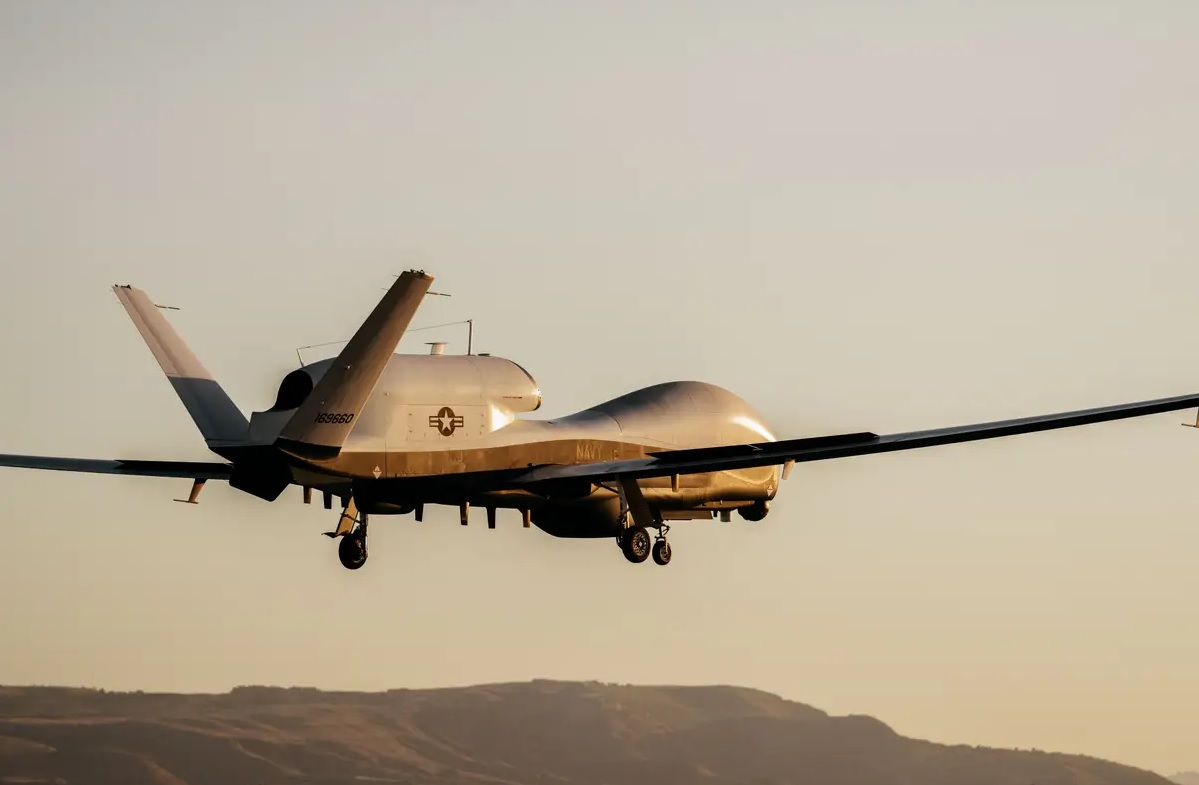
World
WASHINGTON — April 30, 2026 : A United States Navy MQ-4C Triton unmanned aerial vehicle sustained damage while operating over the Persian Gulf on April 27, 2026, but completed its assigned mission and landed safely without injuries, according to information released by the Naval Safety Command. The incident involved airframe 169661, operating under the callsign OVRLD01 from Muwaffaq Salti Air Base in Jordan. During the flight, the aircraft experienced unspecified damage classified by the Navy as a “damaged-in-flight” occurrence. Despite the issue, the drone maintained sufficient operational capability to return to base without further incident. The Navy has not disclosed the precise location of the event, citing operational security, and no official cause has been identified. Operational Context and Mission Details Available flight data and operational reporting indicate the aircraft was conducting a standard maritime intelligence, surveillance, and reconnaissance (ISR) mission over the Persian Gulf. The MQ-4C Triton platform is routinely deployed in the region to monitor shipping lanes, maritime traffic, and broader security activity, including operations near the Strait of Hormuz. The April 27 aircraft had been deployed as a replacement asset following the earlier loss of another Triton in the same region earlier in the month. No indications of external involvement or hostile action have been publicly confirmed in connection with the damage event. Earlier April 9 Triton Crash The April 27 incident occurred less than three weeks after a separate MQ-4C Triton, identified as airframe 169804, was lost on April 9, 2026, during operations over the Persian Gulf and the Strait of Hormuz. That event was classified as a Class A mishap by the Naval Safety Command, a designation used for incidents involving total aircraft loss or damage exceeding $2.5 million. Open-source flight tracking data showed the April 9 aircraft transmitting transponder code 7400 (indicating a loss of communication) followed by code 7700 (signaling a general in-flight emergency). The drone descended rapidly from its normal operating altitude above 50,000 feet to below 10,000 feet before disappearing from tracking systems. The Navy confirmed the crash on April 14 through its official mishap summary but did not release the exact crash location. The aircraft had been operating as part of missions flown from Naval Air Station Sigonella in Italy by Unmanned Patrol Squadron 19. No personnel were injured in that incident. Analysts reviewing the April 9 event have considered multiple possible causes, including mechanical failure, mission system malfunction, and electronic warfare effects such as GPS interference or satellite communication disruption. No official findings have been released, and no confirmation of hostile engagement has been provided by U.S. Central Command. Platform Capabilities and Fleet Overview The MQ-4C Triton is a high-altitude, long-endurance unmanned aircraft developed by Northrop Grumman for maritime surveillance operations. It is derived from the RQ-4 Global Hawk and is optimized for persistent intelligence gathering over ocean regions. The aircraft features a wingspan of approximately 130 feet 11 inches and a length of 47 feet 7 inches. It is capable of operating at altitudes above 50,000 feet for more than 24 hours. Its sensor suite includes a 360-degree Multi-Function Active Sensor (MFAS) radar, electro-optical and infrared systems, electronic support measures, and automatic identification system (AIS) capabilities, allowing it to track vessels and maritime patterns across large areas. The Triton is typically operated by a four-person ground control crew and is designed to complement manned maritime patrol aircraft such as the P-8A Poseidon. Unit costs are estimated between $230 million and $240 million per aircraft. The U.S. Navy currently operates approximately 20 airframes, with earlier plans to expand the fleet to 27. Ongoing Investigations Both the April 9 crash and the April 27 damage incident occurred within the U.S. Central Command area of responsibility, where persistent aerial surveillance operations are routinely conducted. These incidents represent the first reported operational loss and damage events involving the MQ-4C Triton fleet during active service. The Naval Safety Command continues to investigate both events under standard mishap protocols. The April 9 crash has been listed among seven Class A aviation mishaps recorded for the fiscal year to date. The Navy has not attributed either incident to mechanical failure, environmental conditions, or external interference, and no final determinations have been announced. The April 27 aircraft remains accounted for following its safe recovery, while the earlier loss and subsequent reduction in available airframes represent a measurable impact on deployed maritime surveillance capacity in the region.
Read More → Posted on 2026-04-30 14:17:03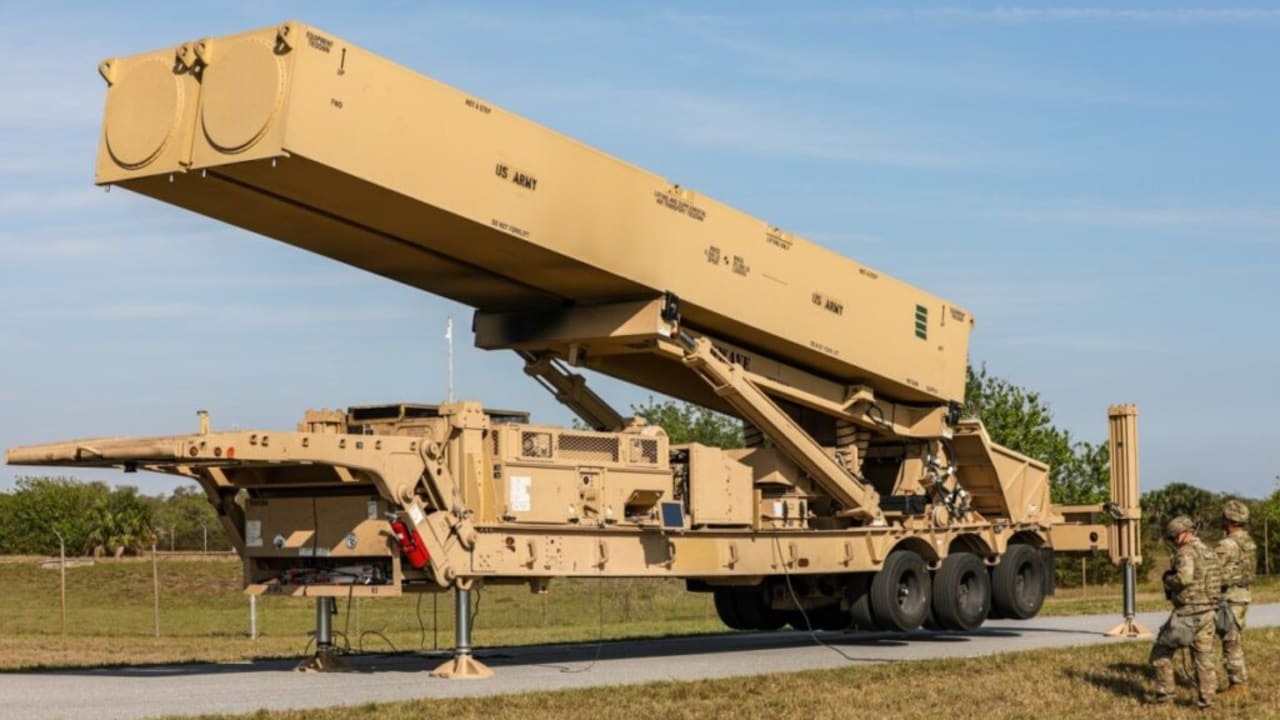
World
WASHINGTON — April 30, 2026 : The U.S. Central Command has formally requested approval from the Pentagon to deploy the U.S. Army’s Long-Range Hypersonic Weapon (LRHW), known as “Dark Eagle,” to the Middle East, according to a report by Bloomberg. The proposed deployment is intended to support ongoing operations under Operation Epic Fury, with a specific focus on targeting Iranian ballistic missile launchers that have recently been repositioned beyond the reach of existing U.S. strike systems. The request follows tactical adjustments by Iranian forces, which have relocated key missile assets outside the operational range of the Precision Strike Missile. The PrSM, with an effective range of approximately 300 to 310 miles (around 500 kilometers), has already been employed in combat during the early phases of Operation Epic Fury. However, the repositioning of Iranian launch platforms has created a capability gap that CENTCOM now seeks to address through the introduction of the Dark Eagle system, which is reported to have a range of roughly 1,725 miles. The Dark Eagle is designed to deliver rapid and precise strikes against heavily defended or time-sensitive targets. The system consists of a ground-launched platform that uses a two-stage booster to deploy a Common Hypersonic Glide Body. Once launched, the glide body travels at speeds exceeding Mach 5 and retains the ability to maneuver during flight, enabling it to evade advanced air defense systems and increase strike survivability. If approved, the deployment would mark the first operational use of the LRHW system. The weapon remains under development and has not yet been formally declared combat-ready. To date, it has undergone a limited number of classified tests, including a full end-to-end flight test conducted on March 26, 2026, from Cape Canaveral Space Force Station. The U.S. Army has designated its first operational battery to the 3rd Multi-Domain Task Force at Joint Base Lewis-McChord in Washington, with fielding activities ongoing throughout 2026. Programmatically, the LRHW is produced by Lockheed Martin, while the hypersonic glide body has been developed by Dynetics. The system also shares underlying technology with the U.S. Navy’s Conventional Prompt Strike program, reflecting a broader joint-service approach to hypersonic weapon development. In March 2026, the U.S. Army awarded a $2.7 billion contract to support continued research, development, testing, and initial production of the system. Cost and availability remain significant constraints. Each Dark Eagle missile is estimated to cost approximately $15 million, and current inventory levels are limited, with defense sources indicating that no more than eight missiles are presently available. A full operational battery includes up to eight missiles, four transporter-erector launchers, and associated command and support infrastructure, bringing the estimated total deployment cost to around $2.7 billion. Operation Epic Fury, launched on February 28, 2026, under presidential authorization, involves U.S. military efforts to degrade Iran’s strategic capabilities. This includes targeting ballistic missile systems, production infrastructure, naval assets, and related elements of Iran’s security apparatus. The operation has so far relied in part on the PrSM for strike missions, but evolving battlefield conditions have prompted consideration of more advanced systems. The request to deploy the Dark Eagle also comes amid a fragile ceasefire environment within the operational theater. Defense analysts note that, beyond its tactical role, the deployment would demonstrate the United States’ ability to field hypersonic weapons in a combat theater, aligning its operational posture with capabilities already developed by strategic competitors such as Russia and China. The Pentagon has not publicly confirmed whether it will approve CENTCOM’s request, and no timeline has been provided for a decision. Any potential deployment and use of the LRHW would be conducted under existing command authorities governing conventional long-range precision strike operations.
Read More → Posted on 2026-04-30 14:25:14
World
WASHINGTON — April 30, 2026 : U.S. President Donald J. Trump is scheduled to receive a detailed military briefing today from Adm. Brad Cooper, commander of U.S. Central Command, on a range of new operational options targeting Iran, according to a report by Axios citing two sources familiar with the discussions. The briefing comes amid an ongoing diplomatic deadlock between Washington and Tehran following a ceasefire that ended weeks of active hostilities earlier this year. Senior U.S. defense officials, including Gen. Dan Caine, are expected to participate in the session, which will focus on contingency plans developed by CENTCOM. Military Options Under Consideration According to the report, the options prepared by CENTCOM include a spectrum of military actions designed to increase pressure on Iran and alter the current negotiating dynamics. Among the primary proposals is a “short and powerful” wave of targeted strikes against key Iranian infrastructure. These strikes would focus on strategic facilities linked to Iran’s military and security apparatus and are intended to produce rapid operational impact. Additional plans include a potential ground operation aimed at securing parts of the Strait of Hormuz, a critical maritime chokepoint for global energy shipments. The objective of this option would be to ensure the uninterrupted flow of commercial shipping if current restrictions persist. A third option involves a specialized mission by U.S. special operations forces to locate and secure Iran’s stockpile of highly enriched uranium. This proposal reflects ongoing concerns within U.S. defense and intelligence circles regarding the accessibility and security of Iran’s nuclear material. Planning for both the Strait of Hormuz operation and the special forces mission has reportedly been underway since the early stages of the conflict. Background: Operation Epic Fury and Ceasefire The current strategic planning follows the conclusion of Operation Epic Fury, a U.S.-led military campaign launched on February 28, 2026, under presidential direction. The operation targeted multiple components of Iran’s defense infrastructure, including ballistic missile systems, production facilities, naval assets, and associated support networks. The campaign lasted 38 days and concluded with a ceasefire agreement that led to the reopening of the Strait of Hormuz. Despite the cessation of direct hostilities, negotiations between the United States and Iran have since failed to produce a comprehensive agreement, resulting in a prolonged diplomatic stalemate. Naval Blockade and Regional Posture Since April 13, the United States has maintained a naval blockade of Iranian ports as part of its broader pressure campaign. U.S. naval forces operating in the region have been tasked with enforcing maritime restrictions, including redirecting commercial vessels attempting to access Iranian ports. Adm. Cooper has confirmed the implementation of the blockade, noting that dozens of vessels have been turned away in accordance with enforcement measures. The United States continues to maintain an elevated military posture in the region, including naval deployments and readiness adjustments across CENTCOM’s area of responsibility. Diplomatic Efforts and Nuclear Concerns Diplomatic engagement between Washington and Tehran is ongoing but limited in scope, with communications largely conducted remotely rather than through direct negotiations. Iran has proposed a phased arrangement that would involve reopening the Strait of Hormuz in exchange for the lifting of U.S. maritime restrictions. U.S. officials have not accepted the proposal, maintaining that any agreement must address concerns related to Iran’s nuclear program. In parallel, international oversight bodies continue to assess the status of Iran’s nuclear materials. Rafael Mariano Grossi, Director General of the International Atomic Energy Agency, has indicated that Iran may still retain access to near-weapons-grade uranium stored at previously targeted sites near Isfahan. Satellite imagery analysis suggests that, despite damage to facilities, the material remains physically accessible. Ongoing Planning and No Final Decision The Pentagon has not publicly confirmed the details of the planned briefing or the specific military options under review. Officials emphasize that the proposals are part of ongoing contingency planning and do not indicate an immediate decision to initiate further military action. The administration continues to balance military preparedness with diplomatic efforts as negotiations remain unresolved and regional tensions persist.
Read More → Posted on 2026-04-30 14:49:31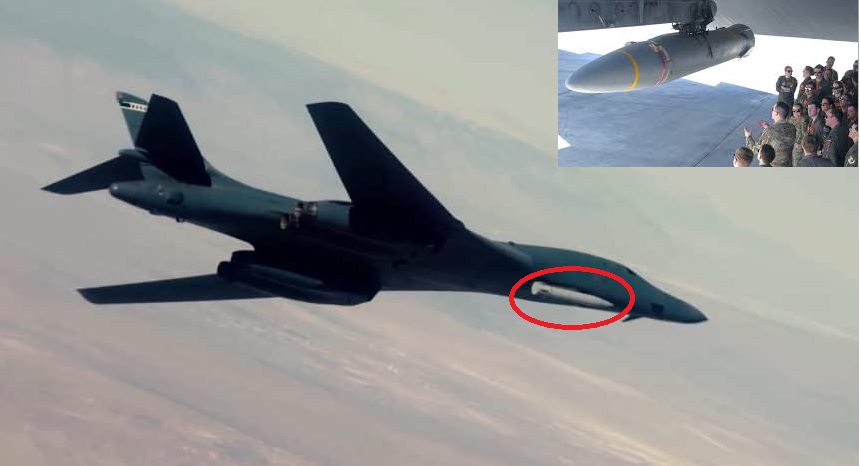
World
EDWARDS AIR FORCE BASE, Calif. — April 30, 2026 : The U.S. Air Force has publicly confirmed a new stage in its hypersonic weapons integration effort after releasing imagery of a B-1B Lancer carrying the AGM-183A ARRW externally. The footage, published on April 29, 2026, through an official social media video focused on aircraft maintainers, provides the first visual evidence linking the B-1B to the Air-Launched Rapid Response Weapon (ARRW), expanding the operational scope of the U.S. hypersonic strike architecture. Visual Confirmation Signals Platform Expansion The short video segment shows the B-1B in flight with the ARRW mounted on an external station, marking a departure from earlier program visibility that had primarily associated the weapon with the B-52H Stratofortress during test phases. The appearance confirms that integration work has progressed beyond concept planning and into practical carriage validation, introducing a second operational bomber platform for hypersonic deployment. This development reflects a broader U.S. effort to diversify launch platforms for high-speed conventional strike systems, enabling greater flexibility in mission planning and survivability in contested environments. Weapon Design and Flight Profile The AGM-183A ARRW, developed by Lockheed Martin, is an air-launched hypersonic boost-glide weapon derived from research conducted under DARPA’s Tactical Boost Glide program. According to documentation from the Department of Defense’s Director, Operational Test and Evaluation, the weapon consists of three primary components: a solid rocket booster, a protective shroud, and an unpowered glide vehicle equipped with a kinetic-energy projectile warhead. After release from the aircraft, the booster accelerates the system to hypersonic velocities exceeding Mach 5, with aerospace assessments indicating potential speeds approaching Mach 20. The glide vehicle then separates and follows a maneuverable, non-ballistic trajectory toward its target, with an estimated operational range of approximately 1,600 kilometers. This flight profile reduces warning times and complicates interception by conventional surface-to-air missile systems, particularly within Anti-Access/Area-Denial (A2/AD) environments where layered air defenses are designed to counter traditional ballistic or cruise missile threats. Engineering Integration and Pylon Architecture Integrating a hypersonic weapon in the 5,000-pound class onto the B-1B required extensive engineering work beyond static carriage. The process includes captive-carry envelope expansion, structural load validation, aerodynamic flutter analysis, pylon and weapons-bay clearance verification, separation modeling, and routing of power and data connections. Additionally, updates to the aircraft’s stores management system are necessary to support safe release and mission integration. External carriage is enabled by the Load Adaptable Modular (LAM) pylon system developed by Boeing. The B-1B can be configured with up to six such pylons, each capable of carrying either two 2,000-pound-class munitions or a single weapon exceeding 5,000 pounds. This modular configuration allows the aircraft to transition from a high-capacity bomb delivery platform into a carrier for oversized standoff weapons, including hypersonic systems. Platform Capabilities and Operational Role The B-1B Lancer is a long-range, multi-role heavy bomber powered by four afterburning General Electric F101 engines. It is capable of reaching speeds of Mach 1.2 at sea level and operates with a four-person crew consisting of two pilots and two combat systems officers. With a payload capacity of up to 75,000 pounds—the largest in the U.S. Air Force inventory for conventional munitions—the aircraft supports both guided and unguided weapons. Under prior arms-control agreements, the B-1B was converted to a conventional-only platform. Its adaptation to carry hypersonic weapons externally enhances its role in long-range precision strike missions without altering its non-nuclear designation. The aircraft has an established operational history, including extensive deployment of Joint Direct Attack Munitions (JDAMs) in past conflicts. Operational Context and Mission Scenarios The integration aligns with recent operational patterns, including Operation Epic Fury. Initiated on March 4, 2026, the operation involved U.S. Central Command conducting strikes against targets associated with Iran’s security infrastructure. During the campaign, a B-1B executed a Continental United States (CONUS)-to-CONUS mission profile, demonstrating the aircraft’s ability to conduct long-range strike operations without reliance on forward basing. While there is no indication that ARRW was used in that operation, the mission structure provides a model for potential hypersonic employment. A B-1B equipped with ARRW could conduct rapid strikes against integrated air defense command nodes, ballistic missile support infrastructure, hardened facilities, and long-range radar systems. Its combination of speed, aerial refueling compatibility, and standoff launch capability enables engagement from outside heavily defended airspace. Strategic and Theater-Level Implications The deployment of a hypersonic-capable B-1B has implications across multiple operational theaters. In the Indo-Pacific, it introduces a mobile, long-range strike option capable of targeting maritime denial networks and sensor infrastructure. In Europe, it offers NATO an additional conventional deterrence capability without requiring forward deployment of sensitive systems. In the Middle East, the CONUS-based strike model demonstrated during Operation Epic Fury highlights an alternative approach when regional basing is constrained. The development also signals ongoing adaptation of legacy bomber platforms alongside next-generation systems such as the B-21 Raider, indicating a layered approach to future strike capabilities. Program Funding and Future Development Budget documents support the transition of ARRW from testing toward sustained capability development. The Fiscal Year 2027 Air Force budget includes a request of $345.7 million for ARRW under Research, Development, Test, and Evaluation (RDT&E), with total projected funding reaching approximately $1.7 billion through Fiscal Year 2030. These allocations cover integration efforts, system support, obsolescence mitigation, supplier transitions, and production planning for Increment 2 capabilities. Official descriptions characterize ARRW as a conventional prompt-strike system designed for use in A2/AD environments. Specific procurement quantities remain classified as Controlled Unclassified Information. Ongoing Testing and Integration Path The appearance of ARRW on the B-1B indicates that captive-carry testing is underway to support further evaluation, certification, and eventual operational fielding. Data collected from these flights will inform safe separation procedures, aerodynamic performance, and mission integration parameters. The combination of a proven supersonic bomber with an advanced hypersonic weapon reflects a continued U.S. effort to adapt existing airframes for emerging strike requirements. As testing progresses, the B-1B’s role within the hypersonic mission set is expected to expand, contributing to a broader portfolio of long-range precision strike options in contested environments.
Read More → Posted on 2026-04-30 15:10:06
World
PERM, Russia — April 30, 2026 : Ukrainian long-range unmanned aerial vehicles targeted a major Russian oil refinery and associated energy infrastructure in the Perm region on April 30, marking the second consecutive day of strikes in an area located more than 1,500 kilometers from the Ukrainian border. According to Ukrainian security sources, the operation was carried out by the Alpha Special Operations Center of the Security Service of Ukraine (SBU), using domestically developed “Liutyi” strike drones. The primary target of the April 30 strike was the Lukoil-Permnefteorgsintez oil refinery, one of the largest and most technologically advanced refining facilities in Russia. Preliminary reports and visual evidence indicate that the refinery’s AVT-4 primary oil processing unit was directly hit. This unit plays a central role in crude oil refining, housing both atmospheric and vacuum distillation columns. Footage shared on social media showed fires erupting from these structures following the strike, effectively disrupting the refinery’s primary processing capability. The Lukoil-Permnefteorgsintez refinery has an annual processing capacity exceeding 13 million tons of crude oil. It produces a range of petroleum products, including gasoline, diesel fuel, aviation kerosene, lubricants, and processed associated petroleum gas. The facility supplies fuel to Russia’s domestic market, export channels, and military logistics, making it a significant component of the country’s energy infrastructure. Local residents reported hearing drones overhead before the outbreak of a large fire at the site. Images and videos circulated online showed flames and dense smoke rising from the refinery complex. Satellite imagery later indicated that a plume of black smoke extended over 120 kilometers from the site. Some local accounts described the presence of oil residue falling in parts of the city following the incident. Perm Krai Governor Dmitry Makhonin confirmed that an attack had occurred on “one of the industrial sites in Perm Krai.” In official statements, he did not identify the facility but noted that workers were evacuated and no casualties were reported. Emergency response services were deployed to contain the fire. The refinery strike followed an earlier Ukrainian drone attack conducted on April 29 against the Perm linear production and dispatch station, a key oil pumping and storage facility that supplies crude to the Lukoil refinery. The station is part of Russia’s main pipeline network and plays a central role in transporting, storing, and distributing oil across the region. Fuel storage tanks at the pumping station were reported to still be burning on April 30, with additional fires emerging following the second day of strikes. The facility distributes oil in multiple directions, including direct supply routes to the Perm refinery. Ukrainian officials stated that both the April 29 and April 30 operations were conducted using Liutyi drones. These long-range UAVs, developed by Antonov, are designed for deep-strike missions and have a reported operational range of up to 2,000 kilometers. The drones are capable of carrying warheads weighing between 50 and 75 kilograms. The Perm region’s distance from the Ukrainian border underscores the extended reach of these systems and highlights the ongoing focus on targeting rear-area energy infrastructure. As of April 30, no detailed Russian assessment of the operational impact or extent of damage at either the refinery or the pumping station had been publicly released. Ukrainian authorities described the strikes as part of a broader effort to disrupt Russian energy logistics and supply chains linked to fuel production and distribution.
Read More → Posted on 2026-04-30 15:20:57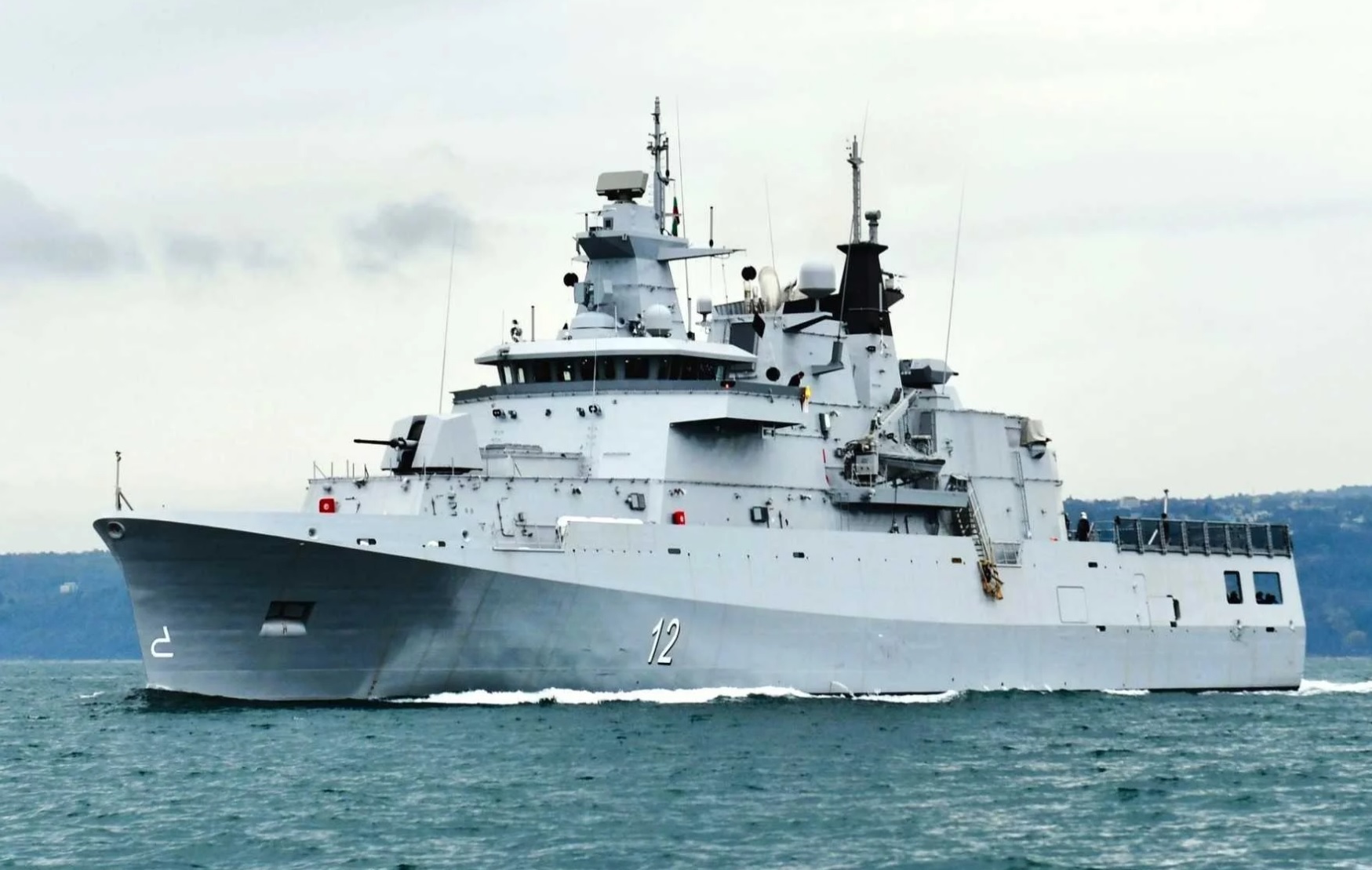
World
BUCHAREST — April 30, 2026 : Romania is moving forward with a major naval modernization effort centered on domestic shipbuilding, with plans to construct four new vessels at the Mangalia 2 Mai Shipyard under a joint venture led by Rheinmetall. The program includes two multipurpose offshore patrol vessels (OPVs) configured as light corvettes and two specialized diver support and intervention ships. Program Scope and Financial Structure The naval procurement forms part of a broader package of 16 military acquisition programs valued at €8.3 billion under the European Union-backed Security Action for Europe (SAFE) framework. Within this package, the naval component is valued at approximately €920 million, making it the second-largest individual procurement effort. Of the naval allocation, €836 million is designated for the acquisition of the two light corvettes based on the MMPV 90 design. Around €160 million from this allocation will be used to settle existing debts at the Mangalia shipyard, effectively integrating financial restructuring into the construction program. Romania’s joint defence committees in parliament issued preliminary approval for the procurement on April 29, 2026. A full parliamentary vote remains pending and must be completed before the end of May 2026, when the emergency ordinance enabling SAFE-related financing expires. Upon approval, the Ministry of National Defence will be authorized to proceed with contract awards. Industrial Restructuring at Mangalia The construction program is closely tied to the restructuring of Romania’s shipbuilding industry. Defence Minister Radu Miruță confirmed that hull construction and integration of combat systems will take place domestically at the Mangalia 2 Mai Shipyard. This follows the bankruptcy of the Damen Mangalia Shipyard on April 6, 2026, after a prolonged insolvency process that began in June 2024. In response, the Romanian government invoked legal provisions introduced in March 2026 allowing intervention in strategically important industrial assets. The facility is being reorganized under a joint venture structure in which Rheinmetall holds a majority stake and serves as prime contractor and systems integrator. The Romanian state retains a minority share, contributing land and fixed infrastructure, while MSC Group participates as an industrial partner responsible for civilian shipbuilding operations alongside military production. Domestic industrial participation is expected to account for approximately 55–60 percent of the contract value. Platform Selection: MMPV 90 Corvette Design The two light corvettes will be based on the MMPV 90 platform developed by NVL Group, which became part of Rheinmetall’s naval division following its acquisition on March 1, 2026. The same baseline design is currently in production for the Bulgarian Navy’s Hrabri-class vessels. The MMPV 90 design features an overall length of approximately 90 meters, a beam of 13.5 meters, and a full-load displacement exceeding 2,300 tonnes. The ships are designed to reach speeds of up to 24 knots and have an operational range exceeding 3,000 nautical miles. Each vessel will accommodate a crew of around 70 personnel. Aviation facilities include a flight deck and hangar capable of supporting the Eurocopter AS565 Panther and unmanned aerial vehicles (UAVs). The ships will also be equipped with two rigid-hulled inflatable boats (RHIBs) deployed from amidships. While Bulgaria’s variant incorporates a stern ramp for boat deployment, Romania’s configuration is expected to emphasize anti-submarine warfare (ASW) capabilities, influencing both sensor selection and internal layout. For comparison, Bulgaria’s two MMPV 90 vessels were constructed locally at the MTG Dolphin Shipyard in Varna under a €420 million base contract, with total project costs estimated at approximately €500 million excluding weapons and ammunition. Sensors, Combat Systems, and Armament The Romanian corvettes are expected to incorporate a more advanced suite of sensors and weapons, contributing to the higher overall program cost. Electronic systems are anticipated to be supplied largely by Thales Group. These are expected to include the TACTICOS combat management system and a multifunction radar from the NS100 or NS110 family, with integrated identification friend-or-foe (IFF) capability. Additional sensors may include STIR 1.2 EO Mk2 fire control radar and MIRADOR Mk3 electro-optical systems, as well as navigation and helicopter approach radars operating in X- and S-band. Electronic warfare capabilities are expected to include the VIGILE radar electronic support measures (R-ESM) and ALTESSE-H communications electronic support measures (C-ESM). Communications infrastructure will include satellite communications (SATCOM) and onboard monitoring systems such as CCTV. For ASW operations, the vessels are expected to be equipped with a hull-mounted sonar, likely the BLUEWATCHER system, and a variable depth sonar such as CAPTAS-2. The projected armament configuration includes a 76 mm OTO 76/62 Super Rapid main gun from Leonardo S.p.A., supported by a Rheinmetall Oerlikon MILLENNIUM 35 mm close-in weapon system (CIWS). Anti-ship capabilities are expected to be provided by Naval Strike Missiles (NSM) from Kongsberg Gruppen, likely deployed via two twin launchers. Air defense will be handled by a 21-cell Rolling Airframe Missile (RAM) launcher, representing a configuration change compared to Bulgaria’s use of an 8-cell vertical launch system (VLS) for VL MICA missiles. Anti-submarine armament is expected to include 324 mm torpedo launchers firing MU90 torpedoes, along with decoy launchers such as Rheinmetall’s MASS system. Procurement Background and Interim Measures The current program follows earlier attempts to modernize Romania’s naval fleet. In 2019, the government selected Naval Group in partnership with Șantierul Naval Constanța to deliver four Gowind 2500 corvettes and upgrade two Type 22 frigates. Despite a signed letter of intent, the €1.2 billion program encountered legal and contractual disputes and was formally suspended in 2023 without entering into force. To address capability gaps in the interim, Romania signed a contract in December 2025 with ASFAT for the acquisition of the Hisar-class offshore patrol vessel TCG Akhisar (P-1220). The ship was transferred to Romania as an operational platform configured for light corvette roles. Timeline and Outlook The new MMPV 90 vessels are expected to be delivered by 2030. The SAFE framework allows Romania access to up to €16.6 billion in low-interest loans through that year, supporting broader defense modernization efforts. With parliamentary approval pending ahead of the May 31, 2026 deadline, the Mangalia-based program represents both a naval capability upgrade and an industrial policy initiative aimed at restoring domestic shipbuilding capacity while integrating advanced European defense systems.
Read More → Posted on 2026-04-30 15:29:12
World
JERUSALEM — April 30, 2026 : Israel has received approximately 6,500 tons of military equipment from the United States over a 24-hour period, marking one of the most concentrated recent deliveries under the ongoing defense resupply framework between the two countries, according to official statements from Israel’s Ministry of Defense. The shipment was transported through a coordinated combination of maritime and air logistics, involving two cargo vessels that docked at the ports of Haifa and Ashdod, alongside multiple military transport aircraft. Defense officials stated that the consignment included thousands of air- and ground-based munitions, a number of Joint Light Tactical Vehicles (JLTVs), and various categories of military utility trucks intended for operational deployment and logistical support. Following arrival, the cargo—totaling 6,500 tons—was offloaded and transferred onto hundreds of transport vehicles operated by the Israel Defense Forces’ Technological and Logistics Directorate. The equipment is currently being distributed to military bases across the country as part of established supply chain procedures designed to sustain force readiness and replenish inventories. The latest delivery forms part of a broader resupply effort that has intensified since the escalation of hostilities on February 28, 2026. Israeli defense records indicate that, since that date, more than 115,600 tons of military equipment have been delivered by the United States. These transfers have been conducted through a combined total of 403 cargo flights and 10 maritime shipments, reflecting a sustained and large-scale logistical operation. Coordination of the shipments is being carried out jointly between the U.S. Department of Defense and Israel’s Defense Procurement Directorate. Officials from both sides have indicated that the objective of the ongoing deliveries is to ensure continuity in operational capability and maintain required stock levels across multiple domains, including ground maneuver units and aerial operations. Israeli Defense Minister Israel Katz, commenting on the current military posture, stated that Israel remains prepared to act against threats “in every arena and everywhere,” referencing the country’s readiness across different operational fronts. Ministry Director General Amir Baram, who oversaw aspects of the most recent transfer operations at the Port of Ashdod, confirmed that procurement and logistics pipelines remain active and are expected to expand in the coming weeks. According to defense officials, the pace of deliveries is likely to increase further in response to evolving security requirements. The shipments continue a pattern of U.S. military support delivered through both airlift and maritime channels. Previous consignments have included a mix of heavy munitions and ground vehicles, such as tactical transport platforms and support trucks, which are subsequently allocated to operational units following standard distribution protocols. While officials confirmed that the latest shipment included missiles among the munitions delivered, no additional details were released regarding specific weapon types or quantities. The Ministry of Defense reiterated that the transfers are part of an ongoing procurement strategy focused on sustaining readiness and ensuring the availability of critical military equipment.
Read More → Posted on 2026-04-30 15:35:29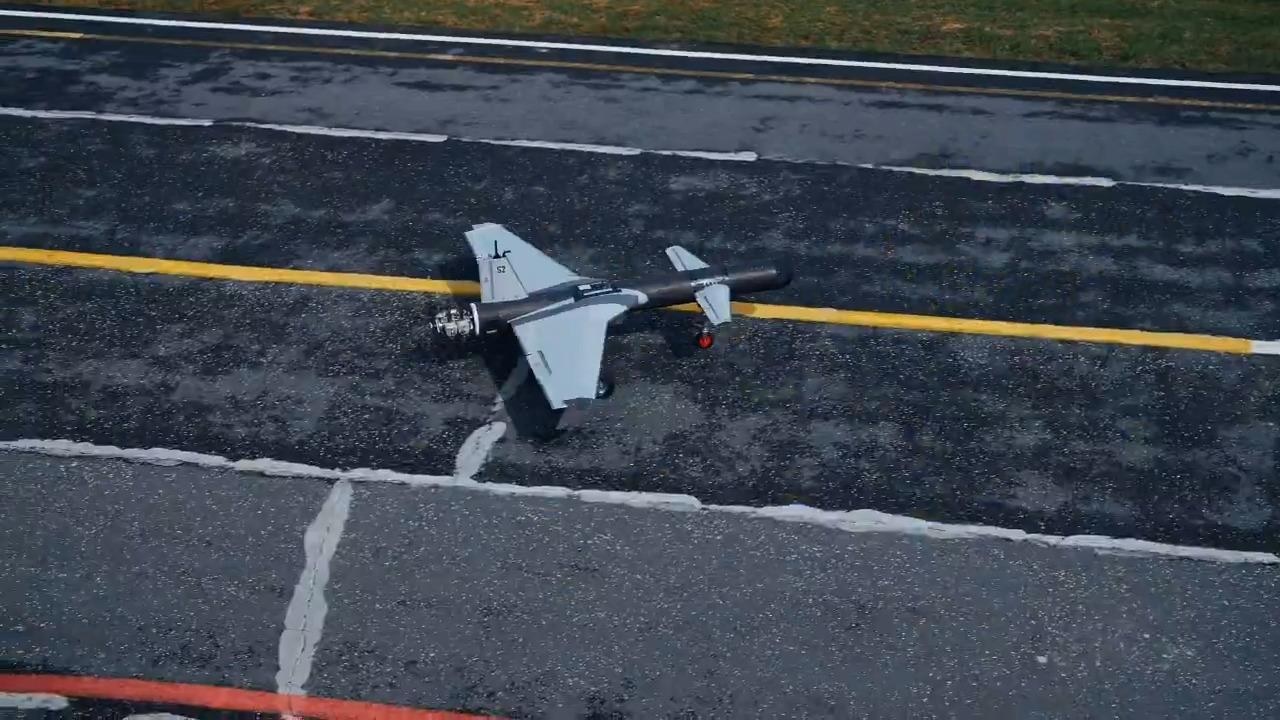
World
ISTANBUL — April 30, 2026 : Turkish defense manufacturer Baykar has introduced a new artificial intelligence-enabled loitering munition, MIZRAK, following the completion of a live-fire strike test. The system is scheduled to make its first public appearance at SAHA EXPO 2026, which will take place from May 5 to 9 in Istanbul. The MIZRAK, named after the Turkish word for “spear,” is designed as a long-range tactical strike platform capable of conducting deep surface-to-surface missions while maintaining extended surveillance over target areas. The system combines autonomous navigation, target detection, and strike capabilities, including operation in environments where satellite-based navigation systems are degraded or unavailable. Platform Design and Technical Characteristics MIZRAK is significantly larger than conventional expendable loitering munitions and is categorized as a tactical unmanned strike system. It features a wingspan of 4 meters (13.1 feet) and a maximum takeoff weight of 200 kilograms (440.9 pounds). The platform operates at a service ceiling of 10,000 feet and can reach speeds of approximately 185 kilometers per hour (115 mph or 100 knots). The munition is equipped with interchangeable in-house electro-optical and infrared sensor payloads, enabling reconnaissance and target verification prior to engagement. These sensors support both day and night operations and contribute to the system’s autonomous targeting capabilities. Variants and Payload Configurations MIZRAK will be produced in two primary configurations tailored for different mission profiles. The heavy-strike variant is designed for maximum destructive effect and carries twin warheads with a combined payload of 40 kilograms (88.1 pounds). This configuration is intended for engagements requiring higher impact against fortified or high-value targets. The precision variant is equipped with a single 20-kilogram (44-pound) warhead and incorporates a radio frequency (RF) seeker. This enables autonomous detection and engagement of radar-emitting systems and electronic warfare assets, making it suitable for suppression of enemy air defenses and similar missions. Range, Endurance, and Launch Options The system is optimized for long-range operations, with an operational reach exceeding 1,000 kilometers (621 miles) and an endurance of more than seven hours. These characteristics allow it to loiter over distant target areas for extended periods before executing a strike. MIZRAK offers flexible launch options. It can take off conventionally using integrated landing gear from standard runways. In addition, it features a rocket-assisted takeoff (RATO) capability, allowing deployment from confined environments, rugged terrain, or locations without prepared airstrips. Autonomous Navigation and GPS-Denied Capability A central feature of MIZRAK is its ability to operate in contested electromagnetic environments. The system uses an AI-powered autopilot combined with optical guidance and visual terrain mapping to navigate independently of GPS. By relying on inertial navigation and visual positioning, MIZRAK can autonomously reach designated areas, identify targets, and conduct precision strikes even under heavy electronic jamming or in fully GPS-denied conditions. This capability is intended to maintain operational effectiveness against adversaries employing advanced electronic warfare measures. Network Integration and Operational Connectivity MIZRAK is designed to function within a network-centric operational framework rather than as a standalone system. It maintains a line-of-sight communications range of approximately 80 kilometers and supports integration with other Baykar unmanned platforms, including the Bayraktar TB2, Bayraktar TB3, and Bayraktar Akıncı. Through this integration, larger unmanned aerial vehicles can provide target designation and situational awareness, enabling coordinated mission execution. For long-range operations beyond line-of-sight limits, the system can utilize satellite communication links to remain connected with command networks. This allows operators to update mission parameters or adjust targeting data during flight. Swarm Capability and Mission Role The AI architecture supporting MIZRAK includes provisions for swarm operations. Multiple units can communicate and coordinate to conduct synchronized, multi-axis attacks against defended targets. This approach is intended to increase effectiveness against complex air defense systems by saturating or overwhelming defensive responses. The system is positioned for use in both strike and persistent surveillance roles, supporting coordinated operations over extended distances. Its combination of endurance, autonomy, and network integration reflects a shift toward distributed and collaborative unmanned systems in modern combat environments. Baykar has not disclosed production timelines or export plans for MIZRAK. The system’s upcoming presentation at SAHA EXPO 2026 is expected to provide additional context regarding its operational deployment and potential market positioning.
Read More → Posted on 2026-04-30 15:52:54
India
NASHIK, Maharashtra — April 30, 2026 : Hindustan Aeronautics Limited (HAL) has initiated the metal cutting process for the titanium bulkhead of India’s Advanced Medium Combat Aircraft (AMCA) at its Aircraft Manufacturing Division in Nashik, formally transitioning the program from design to early-stage component fabrication. The inauguration ceremony was attended by senior officials from the Aeronautical Development Agency (ADA), the Defence Metallurgical Research Laboratory (DMRL), and other government defense stakeholders, reflecting coordination across multiple agencies involved in the fifth-generation fighter effort. Structural Component Enters Manufacturing Phase The titanium bulkhead is a core structural element of the aircraft’s fuselage. It functions as a pressure-sealing barrier at key sections of the airframe while also absorbing significant aerodynamic and structural loads encountered during high-speed and supersonic flight. Bulkheads in combat aircraft are typically designed as high-strength, precision-engineered components. In the AMCA, the use of titanium alloys is intended to provide a balance between structural strength, reduced weight, corrosion resistance, and thermal stability—particularly in areas exposed to elevated temperatures during sustained operations. The current metal cutting stage involves machining a titanium billet to begin forming the bulkhead geometry. Following this, the component will undergo multi-axis CNC machining for final shaping, heat treatment to optimize material properties, and a series of non-destructive testing procedures to validate structural integrity. Surface finishing and dimensional inspections will precede integration into the prototype airframe. Testing and Validation Pipeline After fabrication, the titanium bulkheads will be subjected to extensive ground-based testing. These evaluations are intended to confirm load-bearing capacity, fatigue characteristics, and lifecycle durability. The results will also inform weight optimization and maintenance planning parameters before the aircraft enters assembly and subsequent flight trials. Production Model Still Under Evaluation While HAL has commenced manufacturing of critical structural elements, the final industrial partner responsible for full-scale AMCA production has not yet been formally selected. The Ministry of Defence, in coordination with ADA, has adopted a broader industry participation model for the program. An Expression of Interest (EoI) has been issued to establish either a Special Purpose Vehicle (SPV) or a joint venture involving public and private sector entities. Shortlisted bidders progressing toward the commercial stage include consortia led by Tata Advanced Systems Limited, Larsen & Toubro (with Bharat Electronics Limited and partners), and Bharat Forge (with BEML and Data Patterns). The selected entity will be required to establish dedicated infrastructure capable of handling the full development cycle, including prototyping, flight testing, and serial production. Engine Development Strategy The AMCA program is structured in two phases with distinct propulsion solutions. The initial AMCA Mark 1 variant will be powered by the General Electric F414-INS6 engines, supporting early prototypes and initial operational squadrons. For the more advanced AMCA Mark 2, India has partnered with Safran to co-develop a higher-thrust engine in the 120-kilonewton class. This collaboration is expected to include technology transfer and the establishment of a domestic manufacturing ecosystem for advanced jet engines. Program Timeline and Development Stages The AMCA development is currently funded under a ₹15,000 crore Full-Scale Engineering Development (FSED) program approved by the Cabinet Committee on Security in March 2024. The program is presently in the Systems Installation Detail Design (SIDD) phase, a 24-month engineering process focused on finalizing a comprehensive digital twin of the aircraft. This includes precise placement of avionics, internal weapons bays, stealth-aligned structures, and Line Replaceable Units. ADA plans to build five flying prototypes along with one structural test specimen. The first prototype rollout is scheduled between 2028 and 2029, followed by the maiden flight targeted for 2029. The initial three prototypes will support aerodynamic and systems validation, while the remaining prototypes will be used for weapons integration and payload testing. Certification and operational clearance activities are expected to conclude by around 2032, with induction into the Indian Air Force projected between 2034 and 2035. HAL’s Role in the AMCA Program HAL’s involvement in the AMCA program is centered on manufacturing development, industrial capability demonstration, and support for prototype realization. The Nashik division, which has prior experience in producing aircraft structures and assemblies, is contributing specialized expertise in machining high-performance materials such as titanium. Through activities such as bulkhead fabrication, HAL is generating manufacturing data, refining production processes, and validating tooling approaches that will be relevant for eventual large-scale production. Although HAL has not been designated as the final production agency, its current work supports the broader ecosystem by reducing technical risk, advancing fabrication readiness, and providing baseline manufacturing insights that can be utilized by the selected development-cum-production partner. Transition Toward Prototype Assembly The initiation of titanium bulkhead manufacturing represents an early but tangible step in the AMCA’s progression toward hardware realization. As component-level fabrication advances alongside detailed design work, the program is moving incrementally toward prototype assembly, structural testing, and eventual flight validation within the defined development timeline.
Read More → Posted on 2026-04-30 16:07:27
World
WASHINGTON — April 30, 2026 : The U.S. Navy has formally identified 14 vessels for inactivation during fiscal year 2026, outlining a structured transition plan that includes recycling, dismantling, logistical repurposing, and transfer to federal asset management authorities. The decision was detailed in NAVADMIN 099/26, an administrative message released on April 27, providing a comprehensive framework for the phased removal of aging platforms from active service. The inactivation schedule reflects the Navy’s continued effort to align force structure with evolving operational requirements, while reallocating resources toward next-generation surface combatants and submarine capabilities. Submarine Fleet Transition Continues Three submarines are scheduled for recycling under the Navy’s long-term undersea modernization strategy. These include the Los Angeles-class fast-attack submarines USS Newport News (SSN-750) and USS Alexandria (SSN-757), along with the Ohio-class guided-missile submarine USS Georgia (SSGN-729). The Los Angeles-class submarines, many of which have approached or exceeded four decades of service, are being systematically retired as part of a transition toward the newer Virginia-class attack submarines. Both Newport News and Alexandria are expected to undergo defueling and dismantlement at Puget Sound Naval Shipyard in Bremerton, Washington. The retirement of USS Georgia is also consistent with the Navy’s broader realignment of its guided-missile submarine fleet. Logistics Support Assets to Sustain Fleet Readiness Four vessels will be redesignated as Logistics Support Assets (LSA), a classification that enables their use as sources for spare parts and critical equipment. The ships include the Ticonderoga-class guided-missile cruisers USS Shiloh (CG-67) and USS Lake Erie (CG-70), the Whidbey Island-class dock landing ship USS Germantown (LSD-42), and the Henry J. Kaiser-class underway replenishment oiler USNS John Ericsson (T-AO-194). Under the LSA framework, these vessels will support maintenance and repair activities across the active fleet through systematic removal and reuse of functional components. The approach is intended to reduce supply chain pressure and extend the operational availability of frontline ships. Continued Retirement of Ticonderoga-Class Cruisers The inactivation of USS Shiloh and USS Lake Erie represents a further step in the phased retirement of the Ticonderoga-class cruiser fleet. First commissioned in 1980, the class consisted of 27 ships and introduced the Aegis Combat System, a radar-integrated weapons platform designed for multi-target detection and engagement. As of April 23, 2025, 10 Ticonderoga-class cruisers remained in active service. The Navy has indicated that all remaining ships in the class are scheduled for retirement by fiscal year 2027, with replacement capabilities expected to be delivered through future large surface combatant and next-generation destroyer programs. In a related development, the final Ticonderoga-class cruiser previously homeported overseas began its return transit to the United States in March. Littoral Combat Ship Program Adjustment The Freedom-class littoral combat ship USS Fort Worth (LCS-3) has been designated for dismantling. The Freedom-class variant of the Littoral Combat Ship program has encountered persistent operational and maintenance challenges, including propulsion system issues, underperforming mission modules, and elevated lifecycle costs. The decision to dismantle Fort Worth is consistent with prior actions to reduce the number of early-generation LCS vessels in service. Transfer of Support Ships to Maritime Administration Six additional vessels will be transferred to the U.S. Maritime Administration (MARAD) for long-term management and eventual disposal. The ships include three Watson-class vehicle cargo vessels—USNS Red Cloud (T-AKR-313), USNS Watkins (T-AKR-315), and USNS Pomeroy (T-AKR-316)—as well as the Offshore Petroleum Distribution System (OPDS) vessel USNS Vadm. K. R. Wheeler (T-AG-5001). Also included in the transfer are two Henry J. Kaiser-class underway replenishment oilers, USNS Pecos (T-AO-197) and USNS Big Horn (T-AO-198). These ships will be placed under the stewardship of MARAD, which is responsible for maintaining and disposing of retired naval and auxiliary vessels. Structured Approach to Fleet Management The fiscal 2026 inactivation plan continues a multi-year process through which the Navy has been retiring legacy systems while prioritizing investment in modern platforms. By designating certain ships for recycling, others for dismantlement, and some for secondary support roles, the Navy aims to manage lifecycle costs while maintaining operational readiness. No additional details regarding decommissioning ceremonies or precise timelines beyond those outlined in NAVADMIN 099/26 were provided.
Read More → Posted on 2026-04-30 16:16:00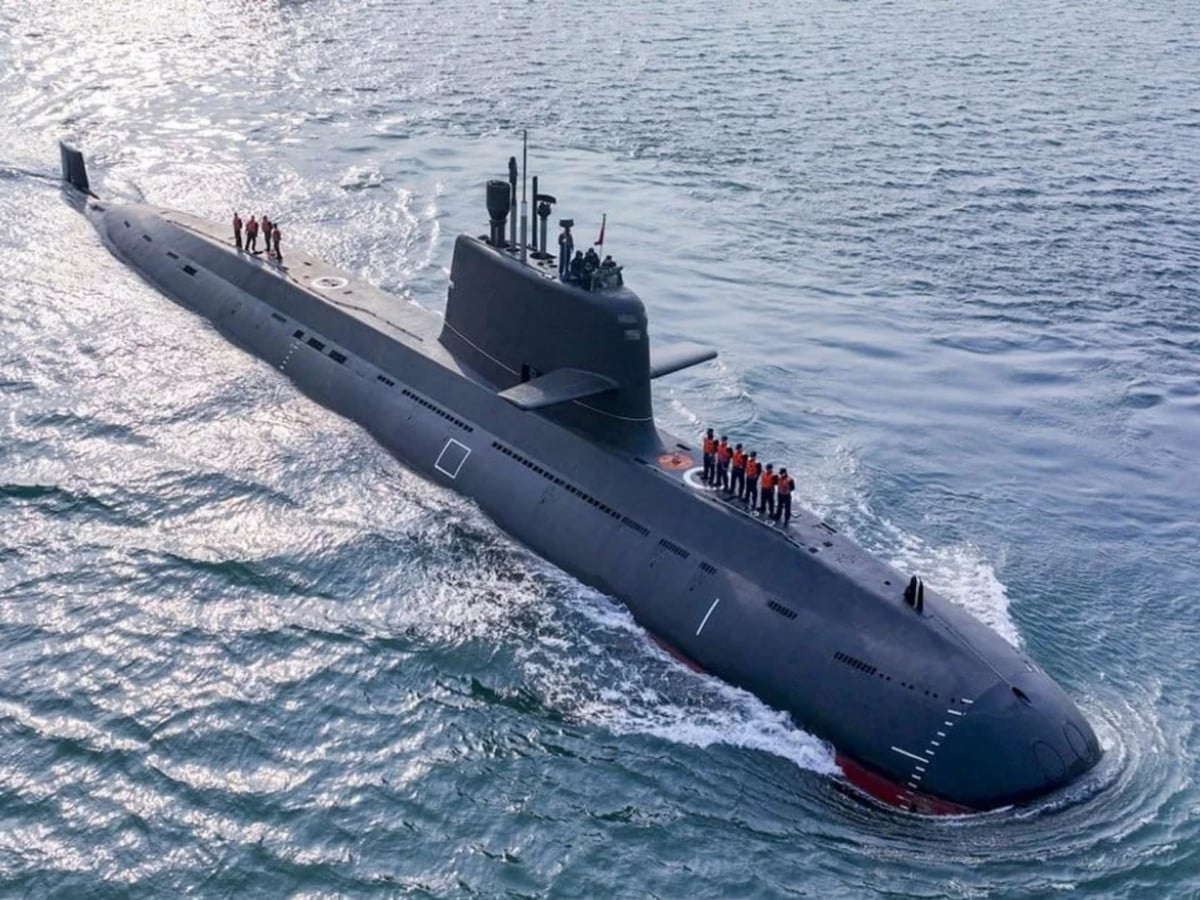
World
SANYA, China — April 30, 2026 : The Pakistan Navy has formally commissioned its first Hangor-class submarine, PNS/M Hangor, during a ceremony held in Sanya, marking the induction of the lead platform under an eight-submarine acquisition program with China aimed at modernizing Pakistan’s subsurface fleet. The ceremony was attended by senior leadership from the Pakistan Navy and the People's Liberation Army Navy. Asif Ali Zardari attended as Chief Guest, alongside Chief of the Naval Staff Naveed Ashraf. Official Statements and Strategic Context In his address, Asif Ali Zardari described the commissioning as a milestone in the Pakistan Navy’s modernization trajectory, reiterating the country’s intent to maintain a balanced and credible defense posture. He stated that Pakistan remains capable of safeguarding its sovereignty, maritime interests, and critical economic routes. Naveed Ashraf emphasized the evolving maritime security environment, noting that disruptions at strategic choke points pose increasing risks to global trade and energy flows. He stated that technologically advanced naval platforms are essential to maintaining a stable maritime order. According to the naval chief, the Hangor-class submarines—equipped with advanced sensors, modern weapons, and Air-Independent Propulsion (AIP)—are expected to contribute to deterrence and enhance the protection of Sea Lines of Communication (SLOCs) across the Arabian Sea and the broader Indian Ocean region. He also highlighted the historical significance of the name “Hangor.” During the Indo-Pakistani War of 1971, the earlier PNS Hangor became the first submarine since World War II to sink a warship in combat. The newly commissioned vessel is intended to carry forward that legacy within a modern operational framework. Following the ceremony, the Director General Public Relations (Navy) confirmed the development through official communication channels, noting the participation of senior leadership and reaffirming bilateral defense ties between Pakistan and China. Messages of congratulations were also issued by Pakistan’s Prime Minister, the Chief of Army Staff, and the Chairman Joint Chiefs of Staff Committee. Note: The Indo-Pakistani War of 1971 concluded with the surrender of approximately 93,000 Pakistani military personnel. Hangor-Class Submarine Program The Hangor-class program originates from a 2015 defense agreement between Pakistan’s Ministry of Defense and China Shipbuilding & Offshore International Co. Ltd, valued at approximately $4 billion to $5 billion. Under the agreement, four submarines are being constructed in China by Wuchang Shipbuilding Industry Group, while the remaining four are being built domestically at Karachi Shipyard & Engineering Works under a Transfer of Technology (ToT) arrangement. The program is described by officials as a major component of long-term defense and industrial cooperation between Islamabad and Beijing. Design and Technical Characteristics The Hangor-class is an export variant of China’s Type 039B Yuan-class submarine, configured for operations in both littoral and open-ocean environments. The submarine measures approximately 76 meters in length and has a submerged displacement of around 2,800 tons. It operates on a diesel-electric propulsion system integrated with a Stirling engine-based Air-Independent Propulsion system, allowing extended submerged endurance for several weeks without surfacing or snorkeling, thereby reducing acoustic and thermal signatures. The platform is equipped with six 533 mm torpedo tubes capable of deploying heavyweight wire-guided torpedoes and anti-ship cruise missiles, including systems such as the YJ-18. It is also widely assessed to be capable of launching the Babur-3 for land-attack roles. Its sensor suite includes advanced combat management systems, optronic masts, electronic support measures, and a multi-array sonar configuration comprising bow, flank, and towed arrays. The hull incorporates anechoic tiles designed to reduce detectability against sonar and radar systems. Operational Considerations and Comparative Context Despite representing a modernization step for Pakistan’s submarine fleet, the Hangor-class faces certain operational constraints in comparison with regional naval capabilities. The program encountered propulsion-related supply chain challenges after Germany declined export licenses for MTU 396 diesel engines, leading to the adoption of alternative Chinese-manufactured engines. These systems have comparatively limited long-term operational records relative to established Western designs, which may influence lifecycle maintenance and reliability assessments. In the anti-submarine warfare (ASW) domain, the Indian Navy operates an extensive detection network, including Boeing P-8I Poseidon aircraft equipped with magnetic anomaly detection systems, sonobuoys, and advanced surveillance radar. This capability contributes to a dense maritime surveillance environment in the region. Program Outlook PNS/M Hangor is the first of the eight planned submarines under the bilateral agreement. The remaining Chinese-built units are in various stages of construction and sea trials, while domestic production continues in Pakistan. Delivery of all eight submarines is expected to be completed by 2028. The induction of the Hangor-class is intended to enhance the Pakistan Navy’s underwater capabilities, replacing aging platforms and expanding operational flexibility within its existing fleet structure.
Read More → Posted on 2026-04-30 16:42:38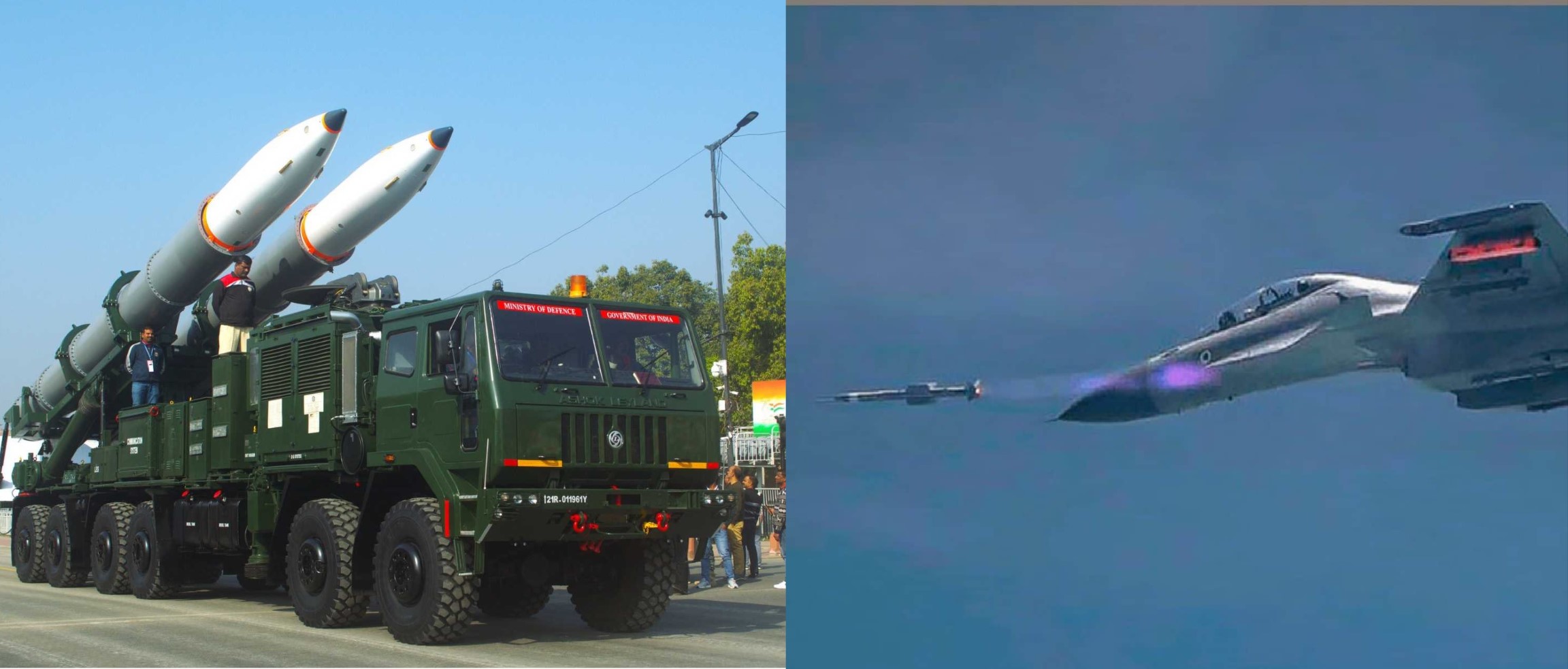
India
NEW DELHI / YEREVAN — April 30, 2026 : India and Armenia have entered advanced stages of defense negotiations covering the potential export of high-end Indian military systems, including the Pralay quasi-ballistic missile, the Astra MK1 beyond-visual-range (BVR) air-to-air missile, and upgrade packages for Armenia’s Su-30SM fighter fleet. The discussions reflect a steady expansion of bilateral defense cooperation into more advanced operational domains. Pralay Missile Cost Negotiations Armenia’s defense ministry is currently engaged in detailed cost negotiations for the acquisition of the Pralay tactical surface-to-surface missile, developed by the Defence Research and Development Organisation. The Pralay is a canister-based, road-mobile system powered by solid propellant, designed for rapid-response strike missions. The missile has an operational range of 150 to 500 kilometers, though export configurations are expected to comply with Missile Technology Control Regime thresholds, typically limiting range to around 290 kilometers. It carries a conventional warhead weighing between 350 and 1,000 kilograms and achieves terminal speeds of approximately Mach 6 to 6.1. Pralay follows a quasi-ballistic trajectory with mid-course maneuverability, enhancing its survivability against modern air defense systems. Its guidance suite combines inertial navigation with advanced terminal seekers, including millimeter-wave radar and imaging-based systems, enabling accuracy within approximately 10 meters. Armenia’s interest in the system is linked to its requirement for credible long-range strike capability, particularly in response to Azerbaijan’s deployment of Israeli-origin LORA ballistic missiles during the Nagorno-Karabakh conflict. Any agreement would be governed by India’s SCOMET export control framework guidelines. Astra MK1 and Su-30SM Modernization Parallel discussions are underway regarding the integration of the Astra MK1 BVR air-to-air missile into Armenia’s air force inventory. Also developed by DRDO, the Astra MK1 currently has an engagement range of about 110 kilometers, with ongoing upgrades expected to extend this to approximately 160 kilometers. Armenia operates a limited fleet of Russian-origin Su-30SM fighters, which were initially procured without a full precision-strike weapons package. The proposed integration of Astra MK1 is considered technically feasible due to similarities with India’s Su-30MKI platform. The upgrade package under discussion may include enhancements to onboard radar, avionics, and electronic warfare systems. These improvements are intended to enable long-range engagement capability and enhance overall combat effectiveness without requiring new aircraft procurement. Expanding Strategic Cooperation The negotiations follow recent high-level engagements between the two countries. Armenia’s First Deputy Minister of Defence and Chief of the General Staff, Lt Gen Edvard Asryan, held discussions in New Delhi with India’s Chief of Defence Staff Gen Anil Chauhan and Air Chief Marshal A.P. Singh. The talks addressed layered air defense systems, joint development initiatives, and opportunities for localized production. Armenia has become a significant importer of Indian defense equipment, with cumulative contracts estimated to exceed $1.5 billion. Previous acquisitions include the Pinaka multi-barrel rocket launcher, Akash surface-to-air missile system, Swathi weapon-locating radar, as well as anti-drone systems and various munitions. India and Armenia formalized a defense cooperation program in October 2025, focusing on expanding joint training, technical collaboration, and long-term industrial partnerships. The current negotiations represent a continuation of that framework, with an emphasis on advanced strike and air combat capabilities. No final agreements have been signed for the Pralay system, Astra MK1 missiles, or Su-30SM upgrades. Discussions remain ongoing under standard procurement procedures, aligned with Armenia’s broader force modernization requirements in the South Caucasus region.
Read More → Posted on 2026-04-30 17:33:24
World
WASHINGTON — April 30, 2026 : The U.S. Air Force has formally reinstated development of the AGM-183A Air-Launched Rapid Response Weapon (ARRW), reversing its 2023 decision to terminate the program. The move is outlined in the Fiscal Year 2027 Research, Development, Test and Evaluation (RDT&E) budget request, which seeks $345.7 million to fund continued hypersonic weapon development and initiate a new Air-Launched Ballistic Missile (ALBM) derived from ARRW architecture. Budget Allocation and Program Scope According to budget justification documents, $296 million of the FY2027 request is allocated to ARRW Increment 2. This phase includes pre-planned product improvements, design and trade studies, hardware upgrades, facilitization, affordability initiatives, and continued testing. The Air Force stated that these efforts are intended to mature the system and support future acquisition decisions. An additional $49 million is designated for the establishment of a new program office and early design activities for the ALBM variant. The funding will support progression toward a critical design review and initial system definition for the derivative missile. The service has outlined a broader multi-year investment plan totaling approximately $1.757 billion between FY2027 and FY2030. Planned funding includes $548 million in FY2028, $620 million in FY2029, and $242 million in FY2030, indicating sustained commitment to the ARRW portfolio. Program Background and Reinstatement The AGM-183A ARRW, developed by Lockheed Martin, is a conventional air-launched boost-glide hypersonic weapon designed for long-range prompt strike missions. It uses a solid rocket booster to accelerate a glide vehicle to hypersonic speeds before maneuvering toward high-value, time-sensitive targets. The program encountered multiple setbacks during its initial testing phase, including three failed launches in 2021 and an additional anomaly on March 13, 2023. Following these events, the Air Force informed lawmakers in March 2023 that it would not proceed with further development beyond completing the test campaign. Funding was subsequently reduced to a single procurement unit to conclude testing, while emphasis shifted to the Hypersonic Attack Cruise Missile (HACM) program. Despite this, program activity continued at a limited level. In September 2024, the Pentagon awarded an additional $13.4 million in RDT&E funding to Lockheed Martin, bringing the total program value to approximately $1.3 billion at that time. Two Acquisition Decision Memorandums (ADMs), signed on March 18, 2025, and March 5, 2026, established a Middle-Tier Acquisition (MTA) pathway for the program’s continuation. In June 2025, then-Chief of Staff David Allvin indicated during testimony before the House Armed Services Committee (HASC) that the Air Force was advancing two hypersonic initiatives, including the larger, long-range ARRW system that had already undergone multiple flight tests. ALBM Development and Technology Objectives The proposed ALBM program will build directly on ARRW technologies, integrating Air Force and other system capabilities to develop a long-range air-launched ballistic strike option. Budget documents state that the initiative is intended to mature hypersonic technologies for rapid testing and early production decisions, complementing existing and future strike systems. The Air Force emphasized that continued ARRW prototyping is necessary to collect flight data, refine engineering processes, and advance modeling, simulation, and high-performance computing capabilities. These efforts are expected to support broader hypersonic development across the service. Platform Integration and Operational Expansion The FY2027 budget request also confirms ongoing integration of the ARRW onto the B-1B Lancer bomber, expanding beyond its previous exclusive deployment from the B-52H Stratofortress. This effort is part of the Hypersonic Integration Program. Recent imagery released by Edwards Air Force Base on April 29, 2026, showed a B-1B carrying an AGM-183A ARRW externally for the first time in publicly available material. The aircraft was equipped with a Load Adaptable Modular (LAM) pylon, demonstrating its ability to carry a 5,000-pound class weapon. The integration of ARRW and its derivative ALBM onto the B-1B is intended to increase payload flexibility and expand long-range strike options within the bomber fleet. Strategic Context The FY2027 budget positions the ARRW as part of a broader hypersonic development strategy that includes infrastructure modernization, digital engineering, and open systems architecture. While the budget documents do not specify production quantities or initial operational capability timelines, they emphasize continued testing and technology maturation as key objectives for future decision-making.
Read More → Posted on 2026-04-30 17:44:30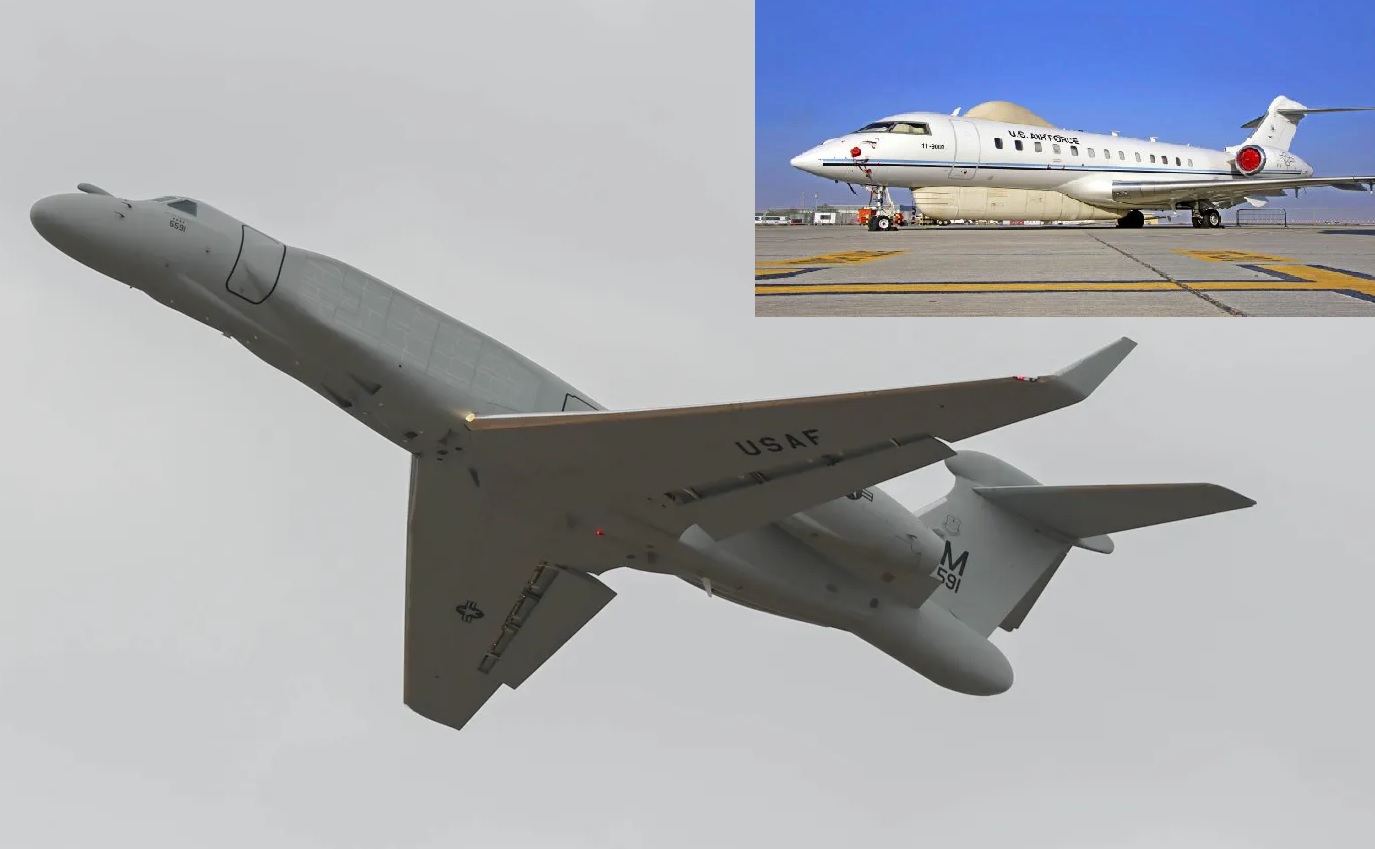
World
WASHINGTON — April 30, 2026 : The U.S. Air Force has outlined a restructuring of its airborne communications and electronic warfare fleets, proposing an increase in planned procurement of the EA-37B Compass Call aircraft while phasing out the E-11A Battlefield Airborne Communications Node (BACN) platform by fiscal year 2028. The proposal was detailed in documents submitted to Congress, including the service’s fiscal year 2027 posture statement. Expansion of EA-37B Electronic Attack Fleet The Air Force plans to expand its EA-37B fleet from an originally projected 12 aircraft to 22. The EA-37B, derived from the Gulfstream G550 business jet, is replacing the aging EC-130H Compass Call fleet and is intended to provide enhanced electronic attack capabilities in contested environments. Initial deliveries of the EA-37B began in August 2024 at Davis-Monthan Air Force Base, followed by the commencement of training missions in May 2025. The platform transitioned rapidly from training to operational deployment. By April 2026, it had been deployed to the Middle East as part of Operation Epic Fury. Open-source flight tracking data indicated transit activity through RAF Mildenhall en route to the operational theater. The accelerated deployment timeline followed reports that legacy EC-130H aircraft sustained damage during Iranian attacks, prompting the need for earlier operational use of the EA-37B. The aircraft is equipped with systems designed to disrupt adversary communications networks, degrade early warning radar systems, and interfere with navigation signals. It is also capable of integrating with RC-135 Rivet Joint platforms to leverage electronic intelligence (ELINT) data, enabling more precise targeting of hostile emitters and networks. The proposed fleet size of 22 aircraft would exceed the maximum number previously fielded for the EC-130H, reflecting the increasing role of electronic warfare in high-intensity operations. Planned Retirement of E-11A BACN Fleet Alongside the EA-37B expansion, the Air Force intends to retire its fleet of E-11A BACN aircraft by fiscal year 2028. The E-11A, based on the Bombardier Global 6000 business jet, serves as a high-altitude communications gateway. The BACN payload enables the aircraft to act as an airborne relay, translating and connecting disparate communication systems and frequencies. This capability allows coordination among aircraft, ground forces, and command elements operating on otherwise incompatible networks. While often informally described as “Wi-Fi in the sky,” operators emphasize that its functionality extends significantly beyond basic connectivity. The platform was initially fielded to support operations in Afghanistan, where mountainous terrain limited line-of-sight communications for VHF and UHF radios. It replaced earlier efforts using NASA WB-57F Canberra aircraft equipped with prototype BACN payloads. Operating at altitude, the E-11A enabled persistent communication coverage in complex terrain while reducing reliance on costly and bulky satellite communications systems. The E-11A fleet has been extensively employed in the Middle East, including during Operation Inherent Resolve and more recently in Operation Epic Fury. Flight tracking data indicated a notable increase in E-11A deployments to the region ahead of the latter operation. The fleet expanded to nine aircraft, with the most recent addition—tail number 24-9049—manufactured in 2024 and delivered in 2025. Despite significant operational use, these aircraft retain substantial remaining service life. Rationale for Divestment The Air Force cited advancements in satellite communications as a primary factor in the decision to retire the E-11A fleet. The increasing availability and performance of low Earth orbit (LEO) satellite constellations have improved connectivity, reducing the need for a dedicated airborne communications relay platform. Additionally, the BACN payload has been adapted into podded configurations that can be integrated onto multiple aircraft types. This approach allows the Air Force to maintain the capability without sustaining a specialized fleet, offering greater flexibility in deployment and force structure. Outstanding Questions on Future Disposition The planned retirement by fiscal year 2028 raises questions regarding the future use of relatively new airframes. The aircraft’s remaining service life and advanced capabilities could make them candidates for foreign military sales. However, the Air Force has not clarified whether the BACN technology—considered sensitive—would be approved for export or whether the aircraft would be transferred without their full mission systems. Broader Force Structure Context The proposed changes form part of a broader effort by the Department of the Air Force to modernize capabilities in electronic warfare and communications while aligning resources with evolving operational requirements. The expansion of the EA-37B fleet and the retirement of the E-11A reflect a shift toward distributed, multi-platform solutions supported by advancements in space-based communications. The proposals remain subject to congressional review, and no final procurement quantities or retirement timelines have been formally approved beyond the plans submitted in the fiscal year 2027 budget documentation.
Read More → Posted on 2026-04-30 17:53:22
World
WASHINGTON / JERUSALEM / ATHENS — April 30, 2026 : The U.S.-led Board of Peace said Thursday that humanitarian assistance in Gaza has expanded significantly since the October ceasefire, with food aid now reaching three times as many people as before and reported diversion by Hamas reduced from approximately 90 percent to less than 1 percent. In a statement, the board said it is finalizing a structured process for Hamas to decommission its weapons as part of a broader transition plan toward new governance in Gaza. The mechanism, discussed in earlier proposals, outlines an eight-month phased approach that includes dismantling tunnel infrastructure and collecting weapons under the supervision of a verification committee. This process is expected to run alongside the formation of a technocratic Palestinian administrative body. Aid Delivery and Coordination Framework The Board of Peace, established following a ceasefire brokered under the administration of Donald Trump, oversees implementation of post-conflict arrangements in Gaza. It emphasized that humanitarian assistance is now being distributed through coordinated systems involving the United Nations and the World Bank. According to the board, directing aid through these established channels has improved delivery efficiency and accountability. It urged governments, organizations, and individuals to avoid parallel or uncoordinated efforts and instead use the centralized framework to maximize impact. Flotilla Activity and Board Response The board also addressed the maritime convoy known as the Global Sumud Flotilla, which departed earlier in April from Barcelona with dozens of vessels and participants intending to deliver aid directly to Gaza. Describing the effort as “performative love-boat activism,” the board stated that such actions do not contribute to effective aid distribution under current conditions. It called on participants and supporters to instead pressure Hamas to comply with ceasefire obligations and to channel resources through official humanitarian mechanisms. Israeli Interception and Official Statements Israeli authorities confirmed that naval forces intercepted the flotilla in international waters near Crete, approximately 965 kilometers from Gaza. According to Israeli officials, more than 20 vessels—reports indicate 22—were intercepted during the operation. Gideon Sa’ar stated that Israel had successfully prevented attempts to breach what it described as a lawful naval blockade. He said all vessels were brought under control safely and that between 175 and 211 participants were transferred without harm to Israeli naval ships. Sa’ar added that Israel will continue to enforce the blockade and will not permit unauthorized maritime access to Gaza. He also urged those seeking to provide humanitarian assistance to use recognized channels aligned with international coordination mechanisms. Coordination With Greece Following the interception, Israeli officials said an agreement had been reached with the government of Greece to receive those involved in the flotilla. The participants are expected to be disembarked on Greek territory in the coming hours. Israel expressed appreciation for Greece’s cooperation in facilitating the transfer and handling of those detained during the operation. Activist and International Reactions Organizers of the Global Sumud Flotilla stated that the interception occurred in international waters west of Crete and described it as a raid on civilian vessels. They said participants were detained hundreds of miles from their intended destination. European governments, including Italy, France, Spain, and Germany, have raised concerns regarding the detention of their nationals. Italy called for the prompt release of its citizens involved in the convoy. Ongoing Negotiations and Next Steps The Board of Peace said discussions on Hamas disarmament and Gaza’s transitional governance remain ongoing but did not provide updated timelines or confirmation of agreements reached. It reiterated that reconstruction planning and humanitarian distribution continue under international coordination. The board maintained that sustaining the current aid delivery improvements depends on adherence to the ceasefire framework, centralized coordination, and progress toward political transition within Gaza.
Read More → Posted on 2026-04-30 18:06:52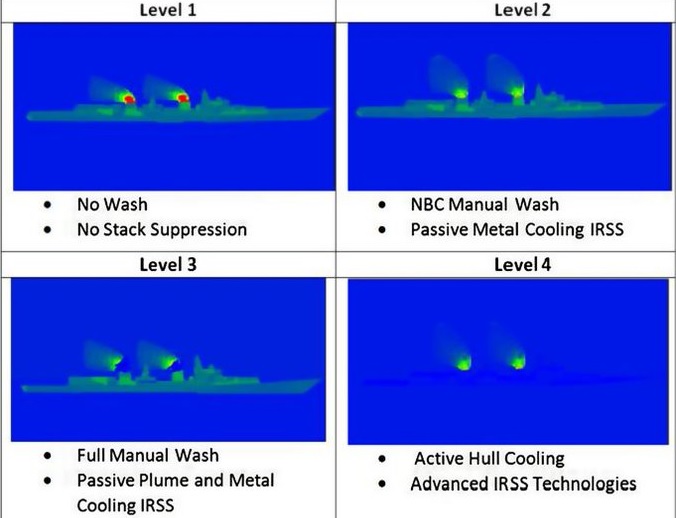
India
NEW DELHI — April 30, 2026 : Bharat Heavy Electricals Limited has signed a Licensing Agreement for Transfer of Technology (LAToT) with the Defence Research and Development Organisation’s Naval Science and Technological Laboratory to manufacture and deploy advanced infrared suppression systems for Indian naval platforms. The agreement, disclosed through a regulatory filing dated April 28, 2026, covers the Gas Turbine-Infrared Suppression System (GT-IRSS) designed for LM2500 gas turbine. Under the terms of the agreement, BHEL will undertake end-to-end execution of the system, including fabrication of components based on DRDO-NSTL designs, installation within the exhaust architecture of naval vessels, and final commissioning involving testing and validation for operational readiness. The company confirmed that the arrangement is a domestic technology transfer with no involvement of related-party transactions or promoter group interests. Financial details remain undisclosed. The GT-IRSS is an indigenously developed naval stealth technology engineered to reduce infrared (IR) signatures generated by gas turbine exhaust. The LM2500 gas turbine, widely used across Indian Navy warships including destroyers, frigates, and aircraft carriers, produces high-temperature exhaust gases that can be detected by infrared-guided anti-ship missiles. The suppression system addresses this vulnerability through a combination of thermal management techniques. The system integrates ambient air intake mechanisms that draw cooler atmospheric air through engineered louvers and mix it with hot exhaust gases using an eductor-diffuser arrangement. This process reduces plume temperature before discharge. In addition, seawater mist injection is used to further cool the exhaust stream. The GT-IRSS also minimizes heat radiation from exposed exhaust structures by isolating and cooling metal surfaces, thereby lowering both plume and surface thermal signatures without significantly affecting turbine performance. By reducing detectability from thermal imaging sensors and infrared-homing weapons, the system enhances survivability and operational effectiveness of naval platforms. The technology has already been incorporated into select Indian Navy vessels and is expected to see wider deployment through domestic production. The agreement aligns with India’s ‘Make in India’ and ‘Aatmanirbhar Bharat’ initiatives by enabling indigenous manufacturing of critical stealth systems that were previously dependent on foreign suppliers. It is expected to strengthen supply chain independence, improve lifecycle support capabilities, and allow faster deployment across the Navy’s expanding fleet. For BHEL, the development marks a continued expansion into defence manufacturing and naval systems integration. While traditionally focused on power generation equipment, the company has maintained a three-decade association with the Indian Navy, supplying systems such as Super Rapid Gun Mounts (SRGM) and Integrated Platform Management Systems (IPMS). The defence and aerospace segment currently contributes approximately 5–8% of BHEL’s revenue and recorded around 20% year-on-year growth in FY25. With the addition of GT-IRSS to its portfolio, BHEL strengthens its position in naval systems integration and aligns alongside other major domestic defence manufacturers, including Larsen & Toubro, Mazagon Dock Shipbuilders Limited, and Cochin Shipyard Limited. No specific production timelines or delivery schedules were disclosed as part of the filing.
Read More → Posted on 2026-04-30 18:18:07
World
SAN ANTONIO, ZAMBALES, Philippines — April 30, 2026 : The U.S. Army deployed its VAMPIRE counter-unmanned aerial system during the live-fire phase of Exercise Balikatan 2026, conducting integrated air and missile defense (IAMD) operations from April 26 to April 29 at Naval Station Leovigildo Gantioqui. The activity evaluated allied capabilities to detect, track, and neutralize unmanned aerial vehicle (UAV) threats in a contested littoral environment. The system was operated by Bravo Battery, 1st Battalion, 51st Air Defense Artillery Regiment, 7th Infantry Division under Multi-Domain Command-Pacific. Its deployment provided a field assessment of mobile, short-range air defense systems intended to protect forward-deployed forces against increasingly widespread drone threats across the Indo-Pacific. System Configuration and Deployment The VAMPIRE (Vehicle-Agnostic Modular Palletized Intelligence, Surveillance, and Reconnaissance Rocket Equipment)—developed by L3Harris Technologies—is a lightweight, modular platform designed for rapid installation on ground vehicles, maritime vessels, or fixed sites without permanent structural modifications. During Balikatan 2026, imagery released by the U.S. Department of Defense showed the system mounted on a standard Humvee. The palletized configuration can be installed on platforms with a cargo bed in approximately two hours, maintaining a low logistical footprint while enabling high mobility in expeditionary operations. The system integrates a stabilized electro-optical/infrared (EO/IR) sensor suite, such as the WESCAM MX-10, a compact fire control unit, and a four-tube launcher for 70-millimeter laser-guided rockets. Unlike radar-dependent short-range air defense systems, VAMPIRE relies on optical targeting and laser designation, allowing it to operate effectively in environments with limited radar visibility or electronic interference. Engagement Method and Cost Efficiency VAMPIRE employs the Advanced Precision Kill Weapon System (APKWS) II, converting unguided rockets into precision munitions through laser guidance. The system is designed to engage small- to medium-sized UAVs, including quadcopters and larger target drones, while also retaining limited capability against ground targets. This approach provides a lower cost per intercept compared with traditional surface-to-air missile systems. The use of precision-guided rockets reduces the risk of collateral damage and offers an economically sustainable method to counter high-volume, low-cost drone threats, particularly in saturation scenarios. Multinational Integration in Balikatan The live-fire drills incorporated multiple allied air defense platforms into a coordinated network. The Philippine Air Force deployed its SPYDER (Surface-to-Air Python and Derby) air defense system, while the U.S. Marine Corps operated the AN/TWQ-1 Avenger and the Marine Air Defense Integrated System (MADIS), which combines machine guns and Stinger missiles. Japanese forces participated as observers, monitoring interoperability and system integration. The exercise scenario involved early warning detection of unidentified aerial tracks, followed by classification and engagement authorization through a shared tactical network. Target data was distributed across participating units, enabling coordinated responses against simulated threats, including quadcopters, Outlaw drones, and Banshee target drones. Safety procedures required the exclusion of live aircraft from the designated airspace during missile engagements. Philippine Air Force FA-50 fighter jets were therefore not present in the Zambales training area during live-fire phases. Role Within Layered Air Defense The VAMPIRE system is positioned within a layered air defense architecture, addressing short-range threats that are not efficiently handled by higher-tier missile systems such as NASAMS or Patriot. Its reliance on optical targeting allows it to engage low-signature UAVs operating at low altitude or within cluttered terrain, including urban or coastal environments. This capability fills a gap between electronic warfare systems, such as jammers, and more expensive interceptor missiles. The modular and mobile design allows units to deploy the system alongside maneuver forces, ensuring localized protection for dispersed formations. Operational Context and Development The accelerated procurement and deployment of VAMPIRE systems are informed by operational lessons from recent conflicts, particularly the war in Ukraine, where drones and loitering munitions have demonstrated persistent surveillance and strike capabilities at relatively low cost. These conditions exposed limitations in traditional air defense systems optimized for larger, faster aerial threats. Initial operational use of VAMPIRE began in 2023, including deployments supporting counter-drone operations in Ukraine. By December 2023, 14 systems had been delivered. In March 2026, L3Harris initiated high-volume production at a facility in Huntsville, Alabama, with a manufacturing capacity of 20 to 40 units per month. The system has since expanded into multiple configurations, including variants for maritime platforms, fixed base defense, containerized systems, and potential integration with electronic warfare capabilities. Strategic Implications The deployment during Balikatan 2026 reflects a broader shift toward adaptable, mobile counter-UAS solutions within U.S. and allied force structures. By integrating palletized systems that can be rapidly deployed and repositioned, military units aim to maintain operational flexibility while addressing evolving aerial threats. Mounted on platforms such as the Humvee, VAMPIRE enables air defense elements to maneuver alongside ground forces, reducing vulnerability to detection and ensuring continuous coverage across dispersed operational areas. No live combat engagements were conducted during the exercise. The activity focused on system validation, interoperability, and coordinated response procedures among participating forces.
Read More → Posted on 2026-04-30 18:23:14
Space & Technology
DENVER — April 30, 2026 : Lockheed Martin has completed the core mate phase of the Global Positioning System (GPS) IIIF Space Vehicle 11 (SV11), marking a key production milestone in the development of the next-generation navigation satellite constellation. The core mate process integrates the satellite’s primary structure with its essential subsystems, signifying the structural completion of the spacecraft. SV11 is scheduled to be the first GPS IIIF satellite deployed into orbit, although it is the third spacecraft in the IIIF block to reach this stage. Space Vehicles 13 and 14 completed the same phase of assembly in 2025, indicating steady progress across the production line. All satellites are being assembled at Lockheed Martin’s facility in Denver, Colorado. Production Progress and Manufacturing Approach The company has reported improvements in manufacturing efficiency through the use of digital engineering tools, including digital twin models and augmented reality systems. These technologies are being applied to streamline assembly processes, reduce production timelines, and control costs as the GPS IIIF program advances. Christina Mancinelli, Vice President of Global Communications and Navigation at Lockheed Martin, stated that the completion of the SV11 core mate reflects continued production momentum. She noted that with three satellites now past this stage, the program is progressing toward delivering upgraded capabilities to meet operational requirements. Enhanced Capabilities of GPS IIIF Satellites The GPS IIIF (Follow-on) satellites are designed to introduce expanded functionality for both military and civilian users, while improving the overall resilience of the GPS constellation. One of the primary upgrades is Regional Military Protection (RMP), which uses high-powered, focused spot beam technology to strengthen signals over specific operational regions. This capability provides anti-jamming performance more than 60 times greater than earlier GPS satellites. The satellites also incorporate a fully digital navigation payload, representing an increase from approximately 70 percent digital payloads in the previous generation to 100 percent digital architecture in the IIIF series. SV11 is equipped to transmit M-Code, an encrypted military signal that offers enhanced anti-spoofing protection, three times greater accuracy, and eight times improved resistance to jamming compared to legacy systems. Additional onboard systems include Energetic Charged Particle (ECP) sensors for monitoring space weather and detecting environmental anomalies, along with a redesigned and lighter U.S. Nuclear Detonation Detection System (USNDS) payload. Each GPS IIIF satellite is also fitted with Laser Retroreflector Arrays (LRAs), which enable precise laser-based tracking from ground stations. This capability is intended to improve positioning accuracy for end users, with long-term goals of refining accuracy from approximately one meter to the centimeter level. For civilian applications, SV11 and subsequent satellites include a Cospas-Sarsat search and rescue payload capable of detecting 406 MHz distress beacons worldwide. This system supports emergency response efforts by enabling faster location of individuals in remote or maritime environments. Platform Upgrades and Future Integration Beginning with SV13, all GPS IIIF satellites will be built on Lockheed Martin’s LM2100 Combat Bus™, an updated spacecraft platform designed to enhance performance and adaptability. The platform includes additional cyber-hardening measures, increased power and propulsion capabilities, and expanded capacity for integrating future payloads. Lockheed Martin is currently under contract to manufacture GPS IIIF satellites through SV22, ensuring continued expansion and modernization of the constellation. Program Context and Ground System Modernization The development of the GPS IIIF series follows the completion of the previous generation. In April 2026, the U.S. Space Force launched GPS III-8 (SV10), completing the deployment of the GPS III active constellation. That mission was conducted aboard a SpaceX Falcon 9 from Cape Canaveral Space Force Station. To support the integration of the IIIF satellites, Space Systems Command recently awarded Lockheed Martin a task order contract valued at up to $105 million. The contract focuses on modernizing the Architecture Evolution Plan (AEP) ground control system, which will manage launch operations, early orbit activities, and eventual disposal of the new satellites. Launch Timeline The first launches of the GPS IIIF satellites are currently projected to begin in 2027. While a specific launch date for SV11 has not yet been announced, the completion of the core mate phase represents a significant step toward readiness for integration, testing, and eventual deployment. The GPS IIIF program is intended to sustain and enhance global positioning, navigation, and timing services for both defense and civilian users, supporting a wide range of applications worldwide.
Read More → Posted on 2026-04-30 18:29:53
World
RENA, Norway — April 30, 2026 : The Norwegian Army has received its first two Leopard 2A8 NO main battle tanks at Rena Camp in Østerdalen, marking the initial phase of a major armored modernization program aimed at strengthening Brigade Nord and meeting NATO force commitments. The delivery forms part of a 54-tank procurement under a 2023 contract with KNDS, valued between NOK 23 billion and NOK 23.4 billion (€2 billion). The acquisition will replace Norway’s existing Leopard 2A4 fleet, which has been in service since 2002. Norway becomes the first foreign operator of the Leopard 2A8 configuration. Program Scope and Deployment Timeline The two tanks arrived in Norway via Germany, transported by road to the port of Kiel, shipped aboard the roll-on/roll-off ferry Color Fantasy to Oslo, and then moved onward by road to Rena Camp. Following their arrival, the vehicles were formally presented to government officials, military leadership, and invited media representatives. Initially, the tanks will be assigned to the Army Weapons School for instructor training and doctrinal development. After this phase, they will support training for operational crews within Brigade Nord. The Norwegian Army plans to field its first fully operational Leopard 2A8 NO-equipped tank squadron by autumn 2027, with full delivery of all 54 units scheduled for completion by 2028. Of the total order, 17 tanks will be delivered fully assembled from Germany, while the remaining 37 units will be produced domestically by Ritek in Levanger, Trøndelag. The domestic assembly effort is intended to strengthen national maintenance, repair, and sustainment capabilities during both peacetime and conflict scenarios. Technical Configuration and Capabilities The Leopard 2A8 NO variant is based on the latest Leopard 2A8 platform, incorporating modifications tailored to Norwegian operational requirements, particularly Arctic and sub-Arctic environments. These adaptations include reinforced chassis components and specialized track systems designed for extreme cold-weather mobility. The tanks are equipped with the EuroTrophy active protection system (APS), capable of detecting and intercepting incoming anti-armor threats before impact. The platform also integrates advanced digital command-and-control architecture through systems developed by Kongsberg Defence & Aerospace, specifically the ICS/CORTEX suite. These systems enable real-time data sharing and coordination across Brigade Nord’s combat network. Each vehicle is armed with a 120 mm smoothbore main gun and has a combat weight of approximately 68 to 69 tonnes. The integration of digital systems allows the tanks to function as networked units within a broader combined-arms framework. Trond Haande, Head of the Army Weapons School, stated that the Leopard 2A8 NO combines firepower, protection, mobility, and command-and-control capabilities, while enabling real-time information exchange with other units. He noted that the system positions the Norwegian Army at an advanced level within NATO in terms of modern brigade operations. Strategic Context and NATO Alignment The induction ceremony at Rena Camp was attended by Norwegian Defence Minister Tore O. Sandvik, alongside senior officials including Chief of Staff Trond Nilsen, Army Weapons School Head Trond Haande, Norwegian Defence Materiel Agency representative Tomas Beck, and Brigade Nord Commander Terje Bruøygard. Officials emphasized that the Leopard 2A8 NO program is aligned with Norway’s long-term defense strategy, particularly in securing northern regions and enhancing interoperability within NATO. The new tanks are expected to strengthen deterrence capabilities and contribute to allied defense planning. Defence Minister Sandvik stated that the platform represents both a technological advancement and an example of allied cooperation, adding that it increases Norway’s ability to deter potential adversaries and operate effectively alongside NATO partners. Industrial Participation and National Capability Development A significant component of the program is the involvement of Norway’s domestic defense industry. In addition to assembly by Ritek, Norwegian firms are contributing to system integration and sustainment infrastructure. Tomas Beck of the Norwegian Defence Materiel Agency highlighted that domestic production will provide long-term value by enhancing Norway’s ability to maintain and repair its armored fleet independently during crisis or wartime conditions. Force Integration and Unit Allocation The Leopard 2A8 NO tanks will be integrated primarily into Brigade Nord, Norway’s principal combined-arms formation, with deployments focused in the Troms region and at the Rena training facility. Current plans allocate 15 tanks to Rena, including 13 for operational use within the Telemark Battalion and two designated for training purposes. As deliveries continue through 2028, the phased introduction of the Leopard 2A8 NO will gradually replace the Leopard 2A4NO fleet, completing a transition intended to modernize Norway’s armored capabilities and align them with evolving NATO operational standards.
Read More → Posted on 2026-05-01 11:57:22
World
KYIV — May 1, 2026 : Ukraine has introduced a domestically developed electronic warfare system, known as “Lima,” that is being used to counter Russia’s Kh-47M2 Kinzhal hypersonic missile, according to multiple Ukrainian defense sources and local media reports. The system, which has been operational since 2023, is designed to disrupt missile navigation rather than destroy incoming threats through conventional interception. Deployment and Reported Effectiveness Ukrainian defense officials and the manufacturer, Cascade Systems, report that the Lima system has affected 58 out of 59 Kinzhal missiles launched at protected targets since its deployment. Data provided by the company indicates that 26 of those interceptions occurred during the first quarter of 2026 alone. The system is operated in part by the Night Watch air defense unit (Nichna Varta), which has established a distributed network of electronic warfare stations across the country. A commander within the unit, identified by the callsign “Alchemist,” stated that the system creates an “electronic barrier” that prevents most incoming missiles from reaching intended targets. In addition to Kinzhals, Ukrainian sources report that Lima has diverted 33 cruise missiles and more than 10,000 drones, including Shahed-type loitering munitions, during the same period. The system is also credited with intercepting over 98 percent of guided aerial bombs within areas covered by its network. System Design and Operational Mechanism The Lima system was initially developed in 2022 to counter unmanned aerial threats but has since been adapted to address more advanced missile systems. It operates by targeting satellite-based navigation systems used by modern Russian weapons. Russian missiles such as the Kinzhal rely on satellite guidance supported by Controlled Reception Pattern Antennas (CRPA), including systems like Kometa CRPA antenna system, which are designed to resist electronic interference. Ukrainian developers state that Lima counters these systems through a layered approach involving jamming, spoofing, and a third signal described as a cyber interference mechanism. The jamming function suppresses legitimate satellite signals, while spoofing introduces false positional data. The third signal reportedly disrupts or overloads the missile’s onboard receiver, interfering with the technical data updates required for navigation. According to operators, this combined approach prevents the missile from maintaining a stable guidance solution. Developers indicate that approximately 32 Lima stations are required to effectively sever a Kinzhal missile’s satellite link. This networked configuration prevents CRPA antennas from identifying and filtering out the source of interference. Ukrainian officials report that the system has demonstrated effectiveness against 12-, 16-, and 32-channel CRPA configurations at operational distances. Range and Coverage According to Maksym Skoretskyi, head of the Electronic Warfare Department of Ukraine’s Ground Forces, the Lima system can influence missile trajectories at ranges of up to 300 kilometers. Within its coverage zones, affected missiles are diverted from their intended targets and typically fall in non-critical areas. Evidence released by Ukrainian sources includes video recordings showing diverted missiles impacting rural locations, including footage dated February 11 and March 28, 2026. In these instances, missiles reportedly deviated from their programmed flight paths after entering areas covered by Lima stations. Integration with Air Defense Network The Lima system has been incorporated into Ukraine’s layered air defense architecture as a non-kinetic component. Unlike systems such as the MIM-104 Patriot equipped with PAC-3 interceptors, Lima does not physically destroy incoming threats. Instead, it reduces reliance on interceptor missiles by diverting targets before they reach defended zones. This approach is being used in the context of limited supplies of interceptor munitions. By forcing missiles to miss their targets, the system allows conventional air defense assets to be reserved for threats that cannot be disrupted electronically. Ukrainian military officials also report that the Lima system has reduced the accuracy of other Russian ballistic systems, including the 9K720 Iskander ballistic missile. Reported deviations in some cases have increased from approximately 10 meters to more than one kilometer in areas under electronic warfare coverage. Cost and Strategic Considerations The Lima system is presented by its developers as a cost-effective alternative to kinetic interception. Russian Kinzhal missiles are estimated to cost between $4.5 million and $15 million per unit, while electronic warfare systems can be reused without expending interceptors. Cascade Systems estimates that achieving nationwide coverage against drones and missile threats would require approximately $1 billion, with an additional $800 million needed to enhance capabilities against ballistic missiles. The company notes that this combined cost is roughly equivalent to procuring two Patriot air defense systems. Development Background Originally designed to counter Shahed-136 drones and guided aerial bombs, the Lima system has undergone iterative development to expand its operational scope. Ukrainian officials state that its ability to disrupt advanced CRPA-based navigation systems represents a technical development not previously achieved at comparable distances. The system remains part of Ukraine’s broader effort to develop domestically produced defense technologies while supplementing Western-supplied air defense systems.
Read More → Posted on 2026-05-01 12:06:08
World
WASHINGTON, — May 1, 2026 : The administration of Donald Trump has formally stated that hostilities with Iran have been terminated for the purposes of the War Powers Resolution of 1973, as the statutory 60-day deadline for congressional authorization expired on Friday. The position allows ongoing US military operations in the region to continue without a new vote from Congress, a claim that has drawn opposition from lawmakers and legal analysts. Legal Deadline and Administration Interpretation The War Powers Resolution requires the president to notify Congress within 48 hours of introducing US forces into hostilities and to obtain authorization within 60 days or terminate involvement. The administration notified Congress on March 2 following the launch of Operation Epic Fury on February 28, setting May 1 as the deadline. Defense Secretary Pete Hegseth told the Senate Armed Services Committee on April 30 that the timeline “pauses, or stops” due to a ceasefire that began in early April. According to Hegseth, the absence of direct exchanges of fire between US and Iranian forces since approximately April 7 or 8 constitutes a termination of hostilities under the law. A senior administration official confirmed on May 1 that, for legal purposes, “the hostilities that began on February 28 have terminated.” The administration has not sought either a 30-day withdrawal extension or new congressional authorization. Political Response in Congress House Speaker Mike Johnson stated that the United States is not currently at war with Iran, reflecting the broader position among Republican lawmakers, many of whom have deferred to the executive branch. Democratic lawmakers and some Republicans have challenged the administration’s interpretation. Senator Tim Kaine argued during the April 30 hearing that the statute does not allow the clock to pause. Senator Adam Schiff stated that ongoing military activity means hostilities have not ended, noting that “ceasing to use some forces while using others does not stop the clock.” Senator Susan Collins joined Democrats in opposing the administration’s position, emphasizing that the 60-day limit is binding. Senator Rand Paul also voted with Democrats in the latest Senate effort to restrict presidential authority. On April 30, the Senate rejected a joint resolution that would have required the removal of US forces absent congressional approval. The measure failed by a vote of 47–50, marking the sixth unsuccessful attempt by Democrats to enforce the War Powers Resolution in this context. Ongoing Military and Maritime Operations Despite the ceasefire, US forces continue operations in and around the Strait of Hormuz. The United States maintains a naval blockade targeting Iranian ports and vessels, while Iran has imposed restrictions on shipping and deployed maritime measures, including mining parts of the strait. On April 20, US forces seized the Iranian-flagged container ship Touska. In response, Iran detained two foreign commercial vessels. These actions have contributed to continued disruption in global energy flows through the strait, which accounts for roughly one-fifth of internationally traded oil and natural gas. Although direct air and missile strikes largely ceased in early April, negotiations linked to the ceasefire have stalled. The administration has indicated that military strikes could resume if conditions change. Economic Impact and Energy Markets The dual blockade and shipping restrictions have affected global energy markets. Oil transit disruptions in the Strait of Hormuz have contributed to increased price volatility, with Brent crude futures rising above $126 per barrel during recent trading sessions before moderating. Legal Analysis and Expert Opinion Legal experts have disputed the administration’s interpretation of the War Powers Resolution. Katherine Yon Ebright of the Brennan Center for Justice stated that the law contains no provision allowing the 60-day period to be paused or terminated due to a ceasefire. Bruce Fein, a constitutional and international law expert and former associate deputy attorney general, similarly argued that the statute does not permit suspension of the deadline, noting that such an interpretation is not supported by the text or structure of the law. Historical Context of the War Powers Resolution The War Powers Resolution was enacted in 1973 over the veto of Richard Nixon following the Vietnam War. It was designed to limit unilateral presidential military action by requiring consultation with Congress and imposing time limits on unauthorized deployments. The law allows a 30-day extension solely for the safe withdrawal of forces but does not explicitly address scenarios involving ceasefires without full disengagement. Previous administrations have frequently contested the constitutionality of the resolution or relied on existing authorizations. In this case, neither the 2001 nor the 2002 Authorizations for Use of Military Force (AUMFs) have been invoked, reflecting divisions within Congress over their applicability to Iran. Strategic Considerations and Future Options Some former officials have suggested restructuring the current mission. Richard Goldberg, a former National Security Council official, proposed transitioning Operation Epic Fury into a new framework focused on maritime security and freedom of navigation, potentially reframing ongoing actions as self-defense operations. The administration maintains that current naval activities are consistent with ensuring open shipping lanes rather than constituting active hostilities. Iranian officials, however, have described the US blockade as a continuation of military action. Current Status As of May 1, no additional congressional votes on the matter are scheduled before lawmakers begin a recess. The ceasefire remains in effect, but tensions persist due to ongoing maritime operations and stalled diplomatic engagement. The administration’s interpretation of the War Powers Resolution is expected to remain a point of legal and political contention as US operations in the region continue.
Read More → Posted on 2026-05-01 12:38:46
World
JERUSALEM / ABU DHABI, — May 1, 2026 : Israel supplied the United Arab Emirates with advanced drone-detection and laser-based air defense capabilities during Iran’s large-scale missile and unmanned aerial attacks on Gulf targets, according to a report by the Financial Times. The deployment centered on the Spectro drone-detection system and a version of the Iron Beam laser defense system, forming part of a broader, coordinated air defense effort between Israeli and Emirati forces. The systems were delivered as Iran intensified its campaign beginning February 28, 2026, launching approximately 2,500 projectiles toward Gulf targets. These included ballistic missiles, cruise missiles, and large numbers of unmanned aerial vehicles, particularly Shahed-type drones. The Israeli-supplied technologies were integrated into the UAE’s layered air defense network to improve detection, tracking, and interception of incoming threats. Deployment of Spectro Detection System At the center of the deployment was the Spectro system, manufactured by Elbit Systems. The lightweight surveillance platform was rapidly transported to the UAE to enhance early warning capabilities against low-altitude drone threats. Spectro is designed to detect and track unmanned aerial vehicles at ranges of up to 20 kilometres. During the conflict, it was used to identify incoming Iranian drones and provide targeting data for interception systems. The platform operates as part of an integrated network, enabling coordination between detection sensors and intercept mechanisms across multiple defense layers. The system also supports passive targeting approaches, which can be paired with modified interceptor technologies. UAE defense planners are reportedly considering upgrades to older Sidewinder air-to-air missiles, replacing traditional heat-seeking guidance with passive laser seeker heads designed to work in conjunction with Spectro for improved drone interception performance. Introduction of Iron Beam Laser System Israel also transferred a version of the Iron Beam system, developed by Rafael Advanced Defense Systems. The high-energy laser platform is designed to intercept short-range rockets, artillery shells, and drones using directed energy rather than conventional missile interceptors. The Iron Beam entered operational service in Israel in December 2025. Its deployment to the UAE during active hostilities marked one of its first known uses outside Israeli territory. The system was integrated into the UAE’s air defense architecture to provide a lower-cost interception option, particularly against large volumes of relatively inexpensive drones. Unlike traditional interceptor missiles, which can be costly and limited in supply, the laser-based system offers a scalable solution for sustained engagements. This became relevant during the conflict, as repeated waves of Iranian drones and missiles placed pressure on regional air defense inventories. Joint Operations and Real-Time Intelligence Israeli military personnel were deployed alongside the systems to assist in their operation. The presence of Israeli operators enabled direct coordination with Emirati forces, including system management, targeting, and engagement decisions. In parallel, Israel provided real-time intelligence on Iranian missile and drone launch preparations. This included data on launch sites and timing, allowing UAE defenses to anticipate incoming threats and respond more effectively. The combined use of detection systems, laser interceptors, and intelligence-sharing created a coordinated operational framework during the conflict. The deployment followed direct communication between Mohammed bin Zayed Al Nahyan and Benjamin Netanyahu early in the hostilities. The coordination enabled rapid approval and execution of the transfer of systems and personnel. Scale of the Conflict and System Impact During the 40-day period of active hostilities, Iran launched thousands of projectiles toward Gulf-region targets. The inclusion of drone swarms, alongside ballistic and cruise missiles, created a complex threat environment requiring multiple layers of defense. The Spectro system contributed to early detection and tracking of unmanned systems, while Iron Beam provided an additional interception layer focused on short-range threats. Together, they complemented existing missile defense systems already in operation within the UAE. The deployments addressed a key operational challenge: the cost imbalance between inexpensive drones and high-cost interceptor missiles. By combining sensor-based detection with directed-energy interception, the systems introduced a more sustainable approach to countering high-volume aerial threats. Strategic Context and Defense Cooperation The joint deployment reflects the evolution of defense cooperation between Israel and the UAE following the Abraham Accords. While previous collaboration had focused on intelligence and diplomatic engagement, this marked a direct operational integration of Israeli air defense systems and personnel on UAE territory. The involvement of Israeli companies and defense institutions—including Elbit Systems, Rafael Advanced Defense Systems, and the Israeli Ministry of Defense—remained officially unconfirmed. All parties declined to comment or did not respond to requests regarding the specifics of the deployment. The operation represents a practical application of bilateral defense ties under active conflict conditions, with both countries coordinating in real time against a shared threat environment.
Read More → Posted on 2026-05-01 13:11:06
World
WASHINGTON — May 1, 2026 : Pete Hegseth, the United States Secretary of Defense, has outlined a clear shift in U.S. policy toward the war in Ukraine, stating that European countries should take primary responsibility for financing military assistance to Kyiv, reflecting a broader recalibration of transatlantic burden-sharing within NATO. The remarks were delivered during a hearing of the Senate Armed Services Committee on April 30, 2026, focused on the Department of Defense’s fiscal year 2027 budget request. Responding to Angus King, who presented data indicating a sharp decline in new U.S. military aid commitments alongside increasing European contributions, Hegseth argued that geographic proximity to Russia places greater responsibility on European nations. “If it’s so important for Europe, then European countries should pay for it,” Hegseth said during the hearing. He emphasized that Europe, with a combined gross domestic product of approximately $20 trillion, has the economic capacity to assume a larger role in supporting Ukraine’s defense. He added that the United States expects European allies to step up and shoulder the burden, including through mechanisms such as the Prioritized Ukraine Requirements List (PURL) and coordination via United States European Command. The policy direction aligns with the administration of Donald Trump, which has prioritized burden-sharing within NATO. The 2026 U.S. National Defense Strategy identifies European allies as positioned to take primary responsibility for conventional security on the continent, including sustained military support to Ukraine. As part of this shift, new U.S. military aid commitments to Ukraine declined significantly in 2025 and 2026, with data presented during the hearing indicating a nearly 99 percent drop in new commitments in 2025. Since the start of the conflict in 2022, European countries have collectively provided more than $140 billion in total assistance to Ukraine, compared with approximately $118 billion contributed by the United States over the same period. The changing balance reflects increasing European financial participation as U.S. commitments decrease. Hegseth also referenced the operationalization of the Prioritized Ukraine Requirements List, under which European countries and Canada finance the procurement of U.S.-manufactured weapon systems for Ukraine. In return, participating nations receive priority replacement of their own stockpiles from the United States. The mechanism is designed to maintain production levels within the U.S. defense industrial base while shifting direct financial responsibility to allied governments. By late 2025, European partners were using this framework to coordinate regular deliveries of military assistance. In parallel, the administration has pressed NATO members to increase defense spending levels beyond the longstanding 2 percent of GDP benchmark. Hegseth has advocated for a higher target of 5 percent, noting that several European countries have already committed to increasing expenditures. Germany, for example, has taken steps to expand defense investment and establish forward military deployments, including a permanent brigade presence in Lithuania. During the same series of congressional hearings, Hegseth confirmed that the Pentagon released $400 million in previously authorized funding on April 28, 2026, aimed at strengthening European capacity related to Ukraine. The funds were part of the fiscal year 2026 National Defense Authorization Act passed by Congress in late 2025. Their release followed criticism from Senate Republican leaders, including Mitch McConnell, regarding delays in disbursing approved resources. Despite the reduction in new direct U.S. funding, Hegseth reiterated that allied and partner burden-sharing is now a central component of U.S. defense policy rather than a secondary consideration. He also noted that no additional details regarding new aid packages or changes to existing programs were provided during the April 30 hearing. Pentagon officials have linked the policy shift to broader strategic priorities, including reallocating U.S. resources toward domestic security concerns and reinforcing deterrence efforts in the Indo-Pacific region. At the same time, the administration has indicated continued support for diplomatic initiatives aimed at achieving a negotiated settlement to the conflict. The updated approach signals a transition in U.S. policy from serving as the primary financial contributor to European security toward encouraging regional self-sufficiency, with European nations expected to underwrite the majority of future military assistance to Ukraine while maintaining coordination within NATO frameworks.
Read More → Posted on 2026-05-01 13:24:49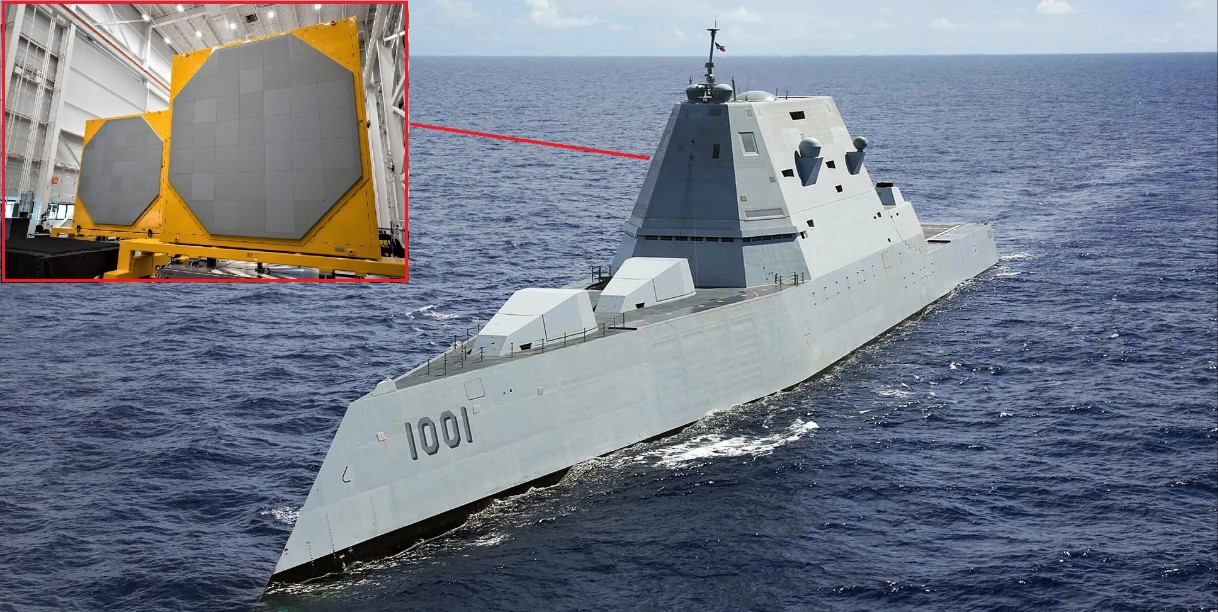
World
WASHINGTON — May 1, 2026 : The United States Navy is assessing a proposal to replace the existing AN/SPY-3 radar systems on its three Zumwalt-class guided-missile destroyers with the newer AN/SPY-6 radar, utilizing systems originally produced for the cancelled Constellation-class frigate program. The evaluation reflects a broader effort to modernize the Zumwalt class while improving system commonality across the fleet. Radar Replacement Proposal and Industry Involvement The AN/SPY-6 radars under consideration were manufactured for the Constellation-class frigates before the program’s cancellation on November 25, 2025. Discussions between the Navy and Raytheon Technologies are ongoing regarding the feasibility of adapting these systems for Zumwalt-class integration. Jennifer Gauthier, Vice President of Naval Systems and Sustainment at Raytheon, confirmed that the company has received Navy funding to support development work tied to the Zumwalt-class combat management system. This effort is intended to enable compatibility with the AN/SPY-6 radar architecture. She also noted that Raytheon has established a certified software development environment for the Zumwalt program, allowing direct deployment of software updates to the ships. Gauthier stated that development work on the platform is continuing and that the company is allocating resources toward enabling a potential radar backfit decision. John Tobin, Associate Director for International SPY Radar Programs at Raytheon, indicated that the most likely configuration for the Zumwalt class would be the AN/SPY-6(V)3 variant. This version consists of nine Radar Modular Assemblies (RMAs) arranged in a 3×3 configuration and is comparable in size to the currently installed AN/SPY-3 system, reducing the need for major structural modifications. Tobin also confirmed that completed SPY-6(V)3 radar units from the cancelled frigate program remain available and could be repurposed. Constellation-Class Cancellation and Available Systems The availability of SPY-6(V)3 radar systems is a direct result of the termination of the Constellation-class frigate program. The cancellation followed challenges including schedule delays, increasing costs, and design changes. While initial ships remain under construction, radar systems and other components produced for subsequent vessels are no longer assigned to a platform. The Navy has since shifted focus toward a new frigate initiative, referred to as the FF(X) program, which is based on a smaller design and does not require the SPY-6 radar in the same configuration. This transition has created an inventory of advanced radar systems suitable for reassignment. Zumwalt-Class Design and Mission Evolution The Zumwalt-class destroyers—USS Zumwalt (DDG-1000), USS Michael Monsoor (DDG-1001), and USS Lyndon B. Johnson (DDG-1002)—were originally designed with a stealth-focused hull and intended to provide naval surface fire support in littoral environments. Each ship was equipped with two 155 mm Advanced Gun Systems (AGS). However, the program was reduced from 32 planned ships to three, and the cancellation of long-range guided munitions for the AGS due to cost constraints led to a reassessment of the ships’ operational role. The Navy is currently modifying the class to support Conventional Prompt Strike (CPS) hypersonic weapons. USS Zumwalt has completed this conversion, which involved removing one of the forward gun systems and installing vertical launch system (VLS) cells for hypersonic glide vehicles. The ship completed builder’s sea trials in January 2026 and is expected to return to operational service later in the year. USS Lyndon B. Johnson is undergoing similar modifications at Ingalls Shipbuilding, while USS Michael Monsoor is scheduled to receive the upgrade during its next maintenance period. ZEUS Modernization Framework The radar replacement proposal is part of a broader modernization effort known as the Zumwalt Enterprise Upgrade Solution (ZEUS), first outlined in a Request for Information (RFI) issued in November 2022. The ZEUS initiative is designed to align Zumwalt-class systems with those used across the wider Navy surface fleet. In addition to replacing the AN/SPY-3 radar with AN/SPY-6, the program includes integration of the Surface Electronic Warfare Improvement Program (SEWIP), the SQQ-89 undersea warfare combat system, and the Cooperative Engagement Capability (CEC). The upgrade also requires modifications to the Total Ship Computing Environment infrastructure to support new systems. AN/SPY-6 Radar Capabilities and Fleet Integration The AN/SPY-6 is a modular S-band radar system composed of individual Radar Modular Assemblies (RMAs), each approximately two feet in size. These modules function as scalable building blocks, allowing the radar to be configured for different ship classes and mission requirements. The system is already being deployed across multiple U.S. Navy platforms, including Arleigh Burke-class Flight III destroyers, Ford-class aircraft carriers, amphibious assault ships, and upgraded Flight IIA destroyers. The SPY-6(V)3 configuration was originally intended for the Constellation-class frigates and certain carrier applications. Contract Activity and Next Steps On April 20, 2026, the Navy awarded Raytheon a $213.4 million contract modification to continue work on Zumwalt-class combat system integration, modernization, installation, testing, and sustainment through 2027. This contract supports ongoing efforts to prepare the platform for future upgrades, including potential radar replacement. The Navy has not yet made a final decision regarding the AN/SPY-6 backfit. However, development activities and system integration work are continuing as part of the broader modernization strategy. The three Zumwalt-class destroyers remain the only ships of their type in service and are expected to play a role in the Navy’s evolving surface warfare and strike capabilities.
Read More → Posted on 2026-05-01 13:43:05
World
WASHINGTON, — May 1, 2026 : Pete Hegseth, the U.S. Secretary of Defense, told lawmakers on Capitol Hill that the administration’s fiscal year 2027 defense budget request includes $71 billion dedicated to modernizing the United States’ nuclear triad and its supporting nuclear command, control, and communications (NC3) systems. Testifying before the Senate Armed Services Committee, Hegseth said the investment reflects the central role of nuclear deterrence in U.S. defense policy. “This budget invests in it — $71 billion in our nuclear triad and nuclear command, control and communications, understanding that if you get that wrong, you get everything else wrong,” he stated during the hearing. The nuclear modernization funding is part of a broader $1.5 trillion fiscal year 2027 defense budget proposal submitted under the administration of Donald J. Trump. The allocation supports upgrades across all three components of the nuclear triad—air, land, and sea—as well as investments in infrastructure, sustainment, and industrial base capacity. Hegseth pointed to evolving global security challenges to justify the scale of the investment, including concerns about Iran’s nuclear ambitions. He noted that a credible and modern nuclear deterrent imposes strategic constraints on adversaries and underpins U.S. operational flexibility. Air-Based Nuclear Forces Within the air leg of the triad, the budget proposes $6.1 billion for the B-21 Raider program. The next-generation stealth bomber, developed by Northrop Grumman and publicly unveiled in 2022, is designed as a dual-capable platform able to deliver both conventional and nuclear payloads. The U.S. Air Force plans to procure at least 100 B-21 aircraft. The FY2027 funding supports continued development, expansion of testing activities, production readiness, and low-rate initial production. The aircraft is intended to replace aging elements of the bomber fleet while maintaining long-range strike capability in contested environments. The budget also includes $1.5 billion for the Long Range Stand-Off Weapon (LRSO), a nuclear-armed air-launched cruise missile intended to replace the AGM-86B Air Launched Cruise Missile. The LRSO is designed with advanced survivability features and extended range, enabling platforms such as the B-52 Stratofortress and future B-21 bombers to remain effective in modern threat environments. A production decision for the program is expected in 2027. Land-Based Deterrent For the land-based leg, the budget allocates $4.6 billion to the LGM-35A Sentinel program, previously known as the Ground Based Strategic Deterrent. The Sentinel system will replace the aging LGM-30G Minuteman III intercontinental ballistic missiles, many of which have been in service for more than five decades. The program calls for approximately 400 operational missiles deployed across 450 hardened silos located in five U.S. states. It also includes modernization of launch facilities, command infrastructure, and support systems. Following cost and schedule reviews, the program is undergoing a restructured acquisition strategy, with initial flight testing planned for 2027 or 2028 and initial operational capability expected in the early 2030s. Sea-Based Nuclear Forces The sea-based component receives $16.2 billion for the Columbia-class submarine program, which is intended to replace the existing Ohio-class submarine fleet. The program is being executed by General Dynamics Electric Boat in partnership with Newport News Shipbuilding. The FY2027 funding includes procurement of the fourth submarine in the class, continued funding increments for the third vessel, USS Groton, and support for research, development, testing, and evaluation activities. Additional investments are directed toward expanding shipyard capacity and strengthening the submarine industrial base to meet production timelines. Each Columbia-class submarine is designed to carry 16 Trident II D5 ballistic missiles and incorporates an electric-drive propulsion system along with a life-of-the-ship nuclear reactor core, eliminating the need for mid-life refueling. Nuclear Command, Control, and Communications Beyond delivery systems, the budget includes $20.2 billion across the broader nuclear enterprise to support nuclear command, control, and communications (NC3) architecture. These systems are intended to ensure reliable strategic warning, secure communications, and decision-making capability for national leadership under all conditions. Industrial Base and Production Capacity Hegseth emphasized that modernization of the nuclear triad is closely tied to the health of the U.S. defense industrial base. He told lawmakers that the ability to design, manufacture, and sustain advanced systems at scale is fundamental to maintaining deterrence. “A nation’s ability to build, to innovate and to support critical needs of its warfighters at speed and at scale is the foundation upon which its deterrence and survival rests,” he said. He added that the administration is pursuing measures to strengthen domestic production capacity and address long-standing gaps in the industrial base. Hegseth stated that under President Trump’s leadership, efforts are underway to reverse years of underinvestment and to place the industrial base on a wartime footing. He also noted that updated management structures, including direct reporting program managers, are being used to accelerate program execution and improve oversight. Program Scope and Outlook The Department of Defense’s nuclear modernization plan focuses on replacing legacy systems originally fielded during the Cold War with next-generation platforms designed for current and future threat environments. The FY2027 request supports continued development, procurement, and infrastructure upgrades across all three legs of the triad. While the testimony outlined funding levels and program priorities, no additional changes to major program schedules were detailed during the hearing. Hegseth described the $71 billion allocation as necessary to sustain long-term deterrence requirements and ensure the operational credibility of U.S. strategic forces.
Read More → Posted on 2026-05-01 14:20:28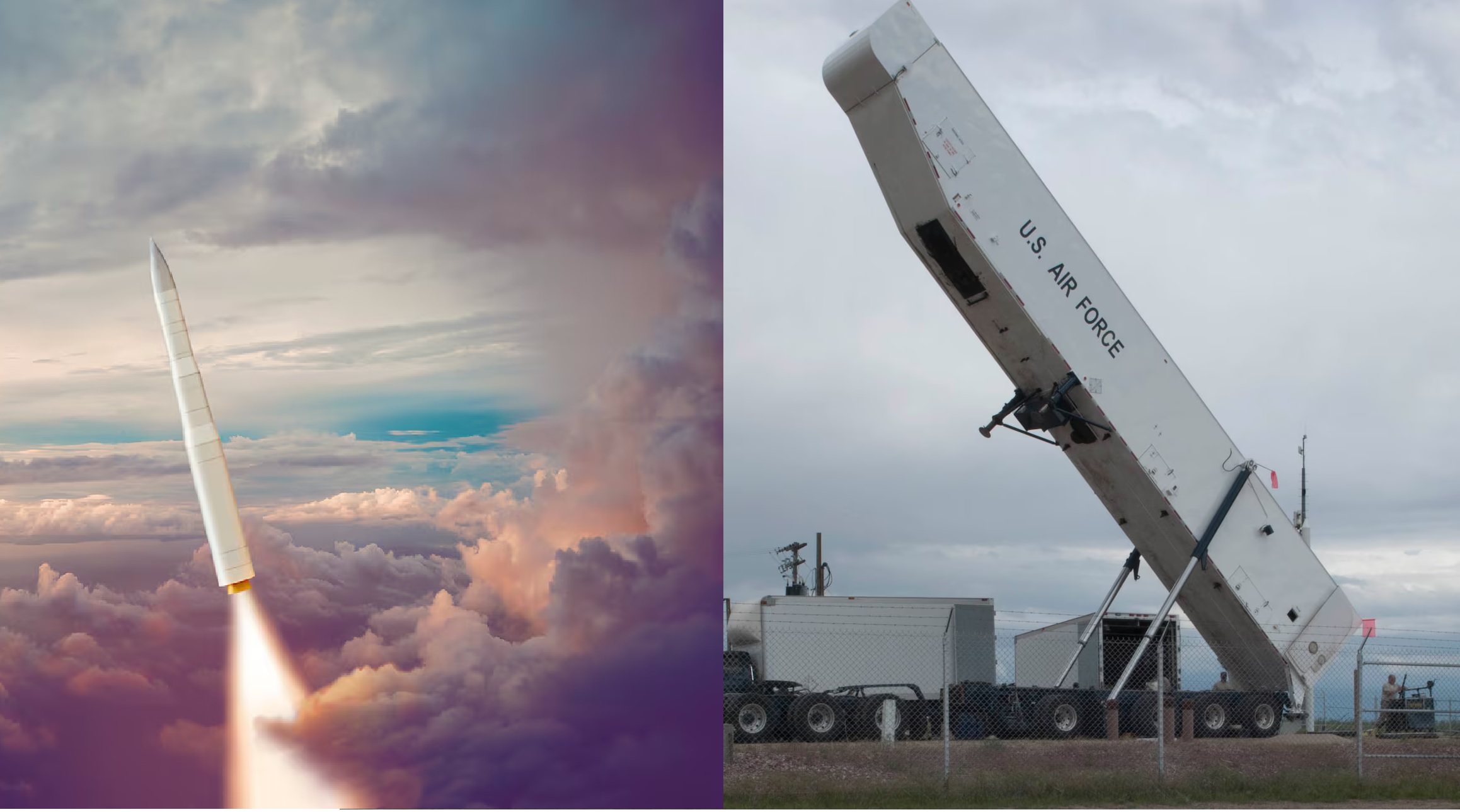
World
LOS ANGELES / KIRTLAND AIR FORCE BASE, N.M., — May 1, 2026 : The United States Space Force, through its Space Systems Command, has issued a Request for Information (RFI) to identify contractors capable of dismantling and permanently destroying solid rocket motors from decommissioned Minuteman II intercontinental ballistic missiles. The solicitation, designated RSLP-Demil2026, was released on April 30, 2026, by the Rocket Systems Launch Program (RSLP) under the Assured Access to Space directorate. It represents a continuation of market research that began with a sources-sought notice issued in May 2025. Industry responses to the RFI are due by May 15, 2026. Contract Scope and Processing Requirements The Space Force has outlined a substantial inventory of legacy missile hardware requiring demilitarization. A confirmed baseline includes 178 solid rocket motors, consisting of 91 SR-19 second-stage motors and 87 M55 first-stage motors. The total workload could expand to 282 motors, with an additional 41 SR-19 and 63 M55 units identified as optional quantities. The proposed contract structure includes a five-year base period with an option to extend for an additional five years, bringing the maximum performance duration to ten years. Annual processing requirements are expected to range between 12 and 48 motors, allowing flexibility based on contractor capacity, facility throughput, and logistical constraints. All motors are currently stored at Camp Navajo. The RFI requests that contractors outline their ability to manage transportation from the storage site, with the government offering specialized rocket motor semi-trailers to support transit operations. System Background and Technical Characteristics The Minuteman II missile formed a core component of the United States’ land-based nuclear deterrent during the Cold War. Introduced in the early 1960s, it was retired in the early 1990s following arms reduction commitments under the START I treaty. The system employed a two-stage solid propulsion design: M55 First-Stage Motor: Approximately 54,000 pounds in weight and 25 feet in length, constructed with a high-strength steel casing.SR-19 Second-Stage Motor: Approximately 15,000 pounds and 14 feet long, featuring a 6AL-4V titanium casing commonly used in aerospace applications. Both motors utilize ammonium perchlorate-based solid propellant, a chemically stable but reactive compound that remains hazardous decades after manufacture. Demilitarization Standards and Methods The RFI specifies that all work must meet the Department of Defense’s 5X demilitarization certification, the highest standard, ensuring that the motors cannot be reconstructed into functional military systems. This level of demilitarization requires complete removal of propellant, destruction or alteration of structural components, and full documentation for compliance with arms control obligations. The preferred method is propellant washout, a process that uses high-pressure water to remove solid propellant from motor casings. This method produces wastewater contaminated with ammonium perchlorate, requiring contractors to demonstrate capabilities for treatment, handling, and disposal in accordance with federal and local environmental regulations. The Space Force has also requested detailed information on alternative demilitarization methods, including crack-and-burn techniques, with emphasis on associated safety protocols and environmental impact mitigation. Material Handling and Industrial Capabilities Beyond propellant removal, the RFI highlights the need for specialized capabilities in handling and processing recovered materials. Contractors are asked to describe their ability to process titanium casings from SR-19 motors, which may have recycling or controlled disposal considerations. Facilities must also be capable of accommodating the size and weight of M55 motors, requiring heavy-lift infrastructure, safety-certified processing environments, and compliance with hazardous material handling standards. Program Oversight and Strategic Context The demilitarization effort is managed by the Rocket Systems Launch Program at Kirtland Air Force Base. RSLP oversees both the conversion of select retired missile systems into space launch vehicles for small satellites and the destruction of motors that are not suitable for reuse. The program has previously completed the demilitarization of hundreds of Minuteman II motors, indicating an established operational framework. However, the issuance of a second, more detailed RFI suggests that the Space Force is refining technical and contractual requirements before proceeding to a formal acquisition phase. No timeline has been announced for contract award. Acquisition Outlook The transition from a preliminary sources-sought notice in 2025 to a detailed RFI in 2026 indicates a structured progression in procurement planning. The current phase focuses on gathering industry input on technical feasibility, environmental compliance, logistics, and long-term processing capacity. The forthcoming acquisition will form a key component of the broader effort to manage legacy strategic systems, ensure treaty compliance, and safely dispose of aging solid rocket propulsion assets no longer required for defense or space launch applications.
Read More → Posted on 2026-05-01 15:08:45
World
COSTA MESA, California — May 1, 2026 : Anduril Industries has introduced a new deployable communications system, the 5G Comms Sentry Tower (CST), designed to provide private, high-speed cellular connectivity in remote and infrastructure-constrained environments. The system expands the company’s Sentry family of autonomous surveillance and sensing platforms and is intended for military, government, and commercial operations where conventional communications options remain limited. System Targets Gaps in Remote Connectivity The 5G CST has been developed to address persistent communication challenges in austere environments such as forward operating bases, remote border regions, missile fields, test ranges, and energy infrastructure sites. In these locations, traditional 5G networks are typically unavailable due to reliance on fixed infrastructure, while tactical radios and satellite communications often face limitations in bandwidth, latency, or scalability. By integrating a localized private 5G network into a deployable tower, the system enables real-time data exchange, coordination, and connectivity for personnel, sensors, and autonomous systems operating in isolated areas. The platform was developed in collaboration with Nokia Federal Solutions, which contributed its private 5G technology optimized for secure and resilient government and defense applications. Integrated Design and Deployment Capabilities The 5G CST combines communications hardware, onboard compute, and an independent power system into a single deployable unit. It builds on Anduril’s existing Sentry Tower architecture, incorporating miniaturized private 5G infrastructure within the platform. The system operates independently of existing telecommunications networks and electrical grids. It supports both solar power and shore power configurations, allowing deployment in environments without established infrastructure. According to the company, the tower can be fully assembled and operational in under three hours. Each unit provides several kilometers of coverage, with a reported range of at least 3.5 kilometers in certain configurations. The system supports uplink speeds ranging from tens to hundreds of megabits per second and downlink speeds from hundreds to more than 1,000 megabits per second. For larger operational areas, multiple towers can be networked together to extend coverage. Software Integration and Network Control The 5G CST operates on Anduril’s Lattice software platform, which provides centralized control over network operations. Through a single interface, operators can manage user access, monitor system performance, and oversee network health in real time. This architecture establishes a private and secure communications environment, reducing reliance on commercial or foreign networks and addressing associated security concerns. The system effectively creates a localized connectivity zone tailored to mission requirements. Service-Based Model and Production Readiness Anduril is offering the 5G CST under a service-based pricing model, where customers pay for network access rather than per-device data consumption. This approach differs from conventional telecommunications pricing structures and is intended to simplify deployment costs for operational users. The company stated that the system was designed for high-rate production from the outset, utilizing established components, supply chains, and manufacturing processes derived from the existing Sentry Tower product line. This allows for scalable delivery aligned with operational demand. Expansion of the Sentry Platform The introduction of the 5G CST represents the latest development in Anduril’s Sentry family, which includes standard, extended-range, and maritime variants. Since the initial deployment of the Sentry Tower in 2017, more than 400 units have been deployed globally. These systems are currently used for missions including border security and force protection. According to the company, Sentry Towers provide persistent situational awareness across more than 1,200 kilometers of the United States’ southern land border and operate in diverse environments ranging from arctic conditions to desert terrain. Collaboration and Technical Approach The partnership between Anduril and Nokia Federal Solutions focused on adapting commercial-grade 5G technology for deployment in austere environments. The system integrates scaled-down mobile network capabilities into a compact and transportable platform. The companies indicated that the 5G CST is intended for scenarios where extending conventional telecom infrastructure is impractical due to cost, logistical complexity, or deployment timelines. By removing dependence on fixed infrastructure, the system enables rapid establishment of secure communications networks in remote locations. Availability Anduril stated that the 5G CST is production-ready and available for government and commercial customers. Additional technical specifications and details regarding initial customer contracts have not been disclosed at the time of the announcement.
Read More → Posted on 2026-05-01 16:14:11
World
WASHINGTON — May 1, 2026 : Internal U.S. government assessments indicate that the total cost of recent American military operations against Iran is significantly higher than publicly disclosed figures, with estimates reaching approximately $50 billion—about double the $25 billion cited by the Department of Defense during congressional testimony. The operations, formally designated as Operation Epic Fury, began on February 28, 2026, and entered their ninth week before a ceasefire took effect around April 7–8. The $25 billion figure, presented by acting Pentagon comptroller Jules Hurst during an April 29 hearing before the House Armed Services Committee, was the first official public accounting of the conflict’s cost. Hurst stated that the estimate primarily covered munitions, alongside operational and maintenance expenses and limited equipment replacement. However, officials familiar with internal reviews state that the public figure excludes several major cost components. The higher $50 billion estimate incorporates losses from destroyed or damaged military equipment, repairs to U.S. installations, and the full replacement value of expended munitions stockpiles. It also reflects broader logistical and sustainment expenses associated with maintaining U.S. forces in the region. During the same hearings, Defense Secretary Pete Hegseth and Chairman of the Joint Chiefs of Staff Dan Caine addressed lawmakers’ questions as part of discussions on the Pentagon’s $1.5 trillion budget request for fiscal year 2027. The request includes provisions aimed at replenishing depleted inventories following the conflict. Operational losses have contributed notably to the cost increase. U.S. forces lost at least 24 MQ-9 Reaper unmanned aerial vehicles during the campaign, each valued at approximately $30 million or more. In addition, at least 16 U.S. military sites across eight countries—including Kuwait, Bahrain, and Iraq—sustained damage to radar systems, communications infrastructure, and aircraft assets during Iranian retaliatory strikes. The discrepancy between public and internal estimates also reflects longer-term expenses that remain difficult to quantify. Hurst acknowledged that future costs tied to military construction and adjustments to the U.S. force posture in the Middle East are still being assessed. Analysts further note that sustained operations have driven higher fuel consumption for aircraft, naval vessels, and ground transport systems. The conflict has also placed significant strain on U.S. munitions inventories. According to Mark Cancian of the Center for Strategic and International Studies, replenishing advanced missile and interceptor stockpiles could take several years and require substantial funding. The Pentagon’s current budget request includes more than $70 billion for missile procurement and related systems, representing a nearly threefold increase over the previous year. Financial impacts extend beyond the Department of Defense. Other federal agencies, including the Department of Homeland Security, have incurred additional operational costs linked to the conflict. At the domestic level, lawmakers have raised concerns about economic spillover effects, particularly on energy and agricultural markets. During congressional questioning, Representative Ro Khanna pressed Hegseth on potential increases in fuel and food prices. While no official estimate was provided during the hearing, external analyses, including those from the American Enterprise Institute, suggest that higher fuel and fertilizer costs could add approximately $150 per month to household expenses. National gasoline prices have risen to an average of $4.39 per gallon amid continued instability affecting global oil flows near the Strait of Hormuz. Lawmakers have continued to question the accuracy of the Pentagon’s initial cost disclosures. Senator Chris Coons previously stated that the $25 billion estimate appeared understated given the scale of force deployment and sustained operations in the region. U.S. officials have indicated that a supplemental funding request will be submitted to Congress once a full financial assessment of the operation is completed. The Pentagon has not publicly commented on the internal $50 billion estimate.
Read More → Posted on 2026-05-01 16:33:53
World
WASHINGTON, D.C. — May 1, 2026 : The U.S. Department of Defense has requested a $6.1 billion funding increase for the B-21 Raider as part of its fiscal year 2027 budget proposal, reflecting a renewed push to accelerate development and production of the next-generation strategic bomber. The request is included within a broader national defense funding plan totaling approximately $1.5 trillion, combining $1.15 trillion in discretionary spending with an additional $350 billion in mandatory resources through reconciliation measures. Budget Allocation and Program Scope The additional $6.1 billion allocation, detailed in the budget request released on April 21, 2026, is intended to support multiple aspects of the B-21 program, including engineering development, expanded testing, manufacturing maturation, and production readiness. Defense officials have maintained that the funding increase is necessary to address earlier program delays while enabling a more concurrent development and production approach. The B-21 Raider is designed as a survivable, dual-capable stealth bomber able to operate in heavily contested environments. It is intended to deliver both conventional and nuclear payloads and will form a key component of the United States’ long-range strike capability. The U.S. Air Force has maintained its procurement objective of at least 100 aircraft, with no changes announced to that target. Production Expansion and Industry Investment The program has entered low-rate initial production (LRIP), structured across five production lots that are expected to deliver a total of 21 aircraft. In late February 2026, the Air Force reached an agreement with Northrop Grumman, the program’s primary contractor, to accelerate production timelines. As part of this expansion, Northrop Grumman has committed to investing between $2 billion and $3 billion of its own capital over several years to increase manufacturing capacity. This includes a $200 million investment planned for 2026. The production acceleration is further supported by $4.5 billion approved by Congress in fiscal year 2025 reconciliation legislation, representing a 25 percent increase in production capacity. The first operational B-21 aircraft is scheduled for delivery to Ellsworth Air Force Base in 2027. Flight Testing and Development Progress Testing activities have expanded significantly following the arrival of the second flight-test prototype at Edwards Air Force Base on September 11, 2025. The addition of a second aircraft has enabled parallel testing operations, allowing the program to move beyond initial flight performance assessments. Current evaluation efforts include mission systems validation, sensor fusion integration, electronic warfare resilience, communications interoperability, and weapons integration for both conventional and nuclear roles. In mid-April 2026, the B-21 successfully completed an aerial refueling test with a KC-135 Stratotanker, marking a key milestone in operational capability development. Strategic Context and Global Developments The acceleration of the B-21 program is occurring alongside advancements in long-range strike capabilities by potential competitors. China is currently developing a new stealth bomber, commonly referred to as the H-20 bomber. Satellite imagery released in mid-2025 showed a flying-wing aircraft at a Malan, Xinjiang test facility, with subsequent images in October 2025 capturing the platform in flight. The H-20 is expected to enter service in the early 2030s and appears to be larger than the B-21, with an estimated wingspan of approximately 52 meters compared to the B-21’s roughly 40 meters. The B-21’s smaller size reflects a deliberate design approach aimed at reducing procurement and sustainment costs relative to the legacy B-2 Spirit. China’s current bomber fleet is centered on the H-6 bomber, which has been upgraded to carry long-range ballistic missiles. The introduction of a new stealth bomber would significantly expand its long-range strike capabilities. Transition from Legacy Platforms Delays in the B-21 program have required the U.S. Air Force to extend the operational service lives of existing bomber platforms, including the B-1B Lancer and the B-2 Spirit. The Raider is intended to replace these aircraft as part of a broader modernization effort within the U.S. strategic bomber fleet. The B-21 remains on track to achieve initial operational capability in the early 2030s. Defense officials have indicated that the requested FY2027 funding increase will support continued progress while maintaining existing cost and performance targets.
Read More → Posted on 2026-05-01 16:41:41
World
KYIV — May 1, 2026 : Ukraine’s Armed Forces have confirmed a long-range drone strike targeting Russian military aircraft at the Shagol airfield in Russia’s Chelyabinsk region, marking one of the deepest known Ukrainian strikes into Russian territory since the start of the war. According to the General Staff of the Armed Forces of Ukraine, the operation was carried out on April 25, 2026, by the country’s Forces of Unmanned Systems. The airfield lies approximately 1,700 kilometres from the Ukrainian border, placing it well beyond the range of conventional battlefield strike systems. The Ukrainian military publicly confirmed the operation on May 1, stating that it forms part of ongoing efforts to reduce Russia’s ability to conduct air strikes against civilian targets in Ukraine. The statement concluded with the note: “More to follow.” Strike Details and Targeted Aircraft Ukrainian officials reported that the strike targeted several high-value Russian combat aircraft stationed at the airfield. These included multiple Su-57 fifth-generation fighters and at least one Su-34 fighter-bomber. Initial damage assessments remain ongoing. Additional details provided by Ukrainian unmanned systems commander Robert “Madyar” Brovdi indicated that a total of four aircraft were affected in the strike. According to his account, the damaged assets include two Su-57 fighters, one Su-34, and one unidentified Sukhoi-series aircraft. Military analysts assess that the operation likely involved long-range Ukrainian-developed strike drones, such as the Liutyi platform, which is believed to have an operational range of approximately 2,000 to 2,500 kilometres. Such systems are designed to penetrate deep rear areas while avoiding layered air defence networks. Independent Verification and Satellite Imagery The Ukrainian claims have been supported by open-source intelligence (OSINT) analysis. The Exilenova+ analytical community released comparative satellite imagery of the Shagol airfield captured on April 17 and April 26, 2026. The imagery shows visible impact sites within aircraft parking areas, along with activity consistent with post-strike response operations. Russian ground crews can be observed clearing affected zones, while at least two Su-57 aircraft and one Su-34 appear to have been relocated from their original positions following the strike. Such movements are typically associated with damage assessment procedures and efforts to prevent further losses. Aircraft Capabilities and Operational Roles The aircraft reportedly targeted represent key components of Russia’s tactical and strategic aviation capabilities. The Su-57, known by the NATO reporting name “Felon,” is Russia’s most advanced combat aircraft. It incorporates low-observable design, advanced avionics, and internal weapons bays. Due to limited production numbers, the platform has generally been used in a standoff role, launching cruise missiles such as the Kh-59 and Kh-69 from within Russian airspace rather than operating directly over contested areas. The Su-34, designated “Fullback” by NATO, is a twin-seat, twin-engine strike aircraft used extensively for precision ground attacks and anti-ship missions. It has been a primary platform for deploying guided glide bombs along the frontline and plays a central role in Russia’s strike operations. Previous Ukrainian strikes have already affected the Su-57 fleet, including the destruction of one aircraft and damage to two others in earlier operations. Given the limited production rate of the platform, any additional damage or loss is assessed to have a measurable impact on Russia’s advanced aviation capacity. Strategic Significance of the Strike The Shagol airfield, located in the southern Ural region near the city of Chelyabinsk, functions as a training, maintenance, and operational hub for Russian aviation units. The region itself is a significant center for Russia’s defense industry, hosting major metallurgical facilities and armored vehicle production infrastructure. Its location east of the Ural Mountains has historically placed it beyond the reach of Ukrainian conventional strike capabilities. The successful targeting of this site indicates an expansion in Ukraine’s ability to conduct long-range precision strikes using unmanned systems. Analysts note that the operation establishes a new operational threshold, demonstrating that rear-area bases previously considered secure may now be vulnerable to drone-based attacks. This could necessitate changes in Russian aircraft basing, dispersal practices, and air defence allocation. Russian Response As of May 1, 2026, the Russian Ministry of Defence has not issued an official statement regarding the incident and has not confirmed any aircraft losses or damage. Ongoing Assessment The full extent of the damage to the targeted aircraft remains under evaluation. Ukrainian military officials have indicated that further details may be released as additional information becomes available.
Read More → Posted on 2026-05-01 16:52:59
World
WASHINGTON — May 1, 2026 : The U.S. Department of Defense has initiated a formal assessment of Japanese and South Korean naval shipbuilding capabilities as part of a broader effort to accelerate expansion of the United States Navy fleet. The initiative, included in the proposed fiscal year 2027 budget, allocates $1.85 billion for a feasibility study examining the outsourcing of selected warship design and construction elements to allied shipyards in East Asia. The study will evaluate options ranging from direct construction in allied facilities to hybrid production models and technology transfer frameworks. The proposal specifically focuses on integrating proven foreign hull designs into U.S. naval procurement pipelines to address persistent industrial constraints within domestic shipyards. Strategic Context and Production Gap The assessment is being conducted against the backdrop of a widening disparity in naval production capacity between the United States and the People’s Liberation Army Navy. The U.S. Navy currently maintains a fleet of fewer than 300 deployable vessels, significantly below its long-standing force structure objective of at least 355 ships. In contrast, China’s naval fleet has surpassed 370 warships and is projected to reach approximately 460 vessels by 2030. Chinese shipbuilding infrastructure, supported by dual-use commercial and military facilities, enables sustained high output. Current estimates indicate that Chinese yards can produce between six and ten destroyers annually, with overall shipbuilding tonnage capacity assessed at roughly 232 times that of the United States. A single large Chinese shipyard is reported to rival the combined output of all U.S. naval shipyards. Domestic Industrial Constraints The U.S. shipbuilding sector continues to face structural challenges that have constrained fleet expansion. Domestic output represents less than 0.1 percent of global commercial shipbuilding tonnage, reflecting decades of reduced industrial investment. Key limitations include workforce shortages driven by an aging labor base, outdated shipyard infrastructure, and recurring cost overruns across major programs. Maintenance backlogs have further strained available capacity. Ongoing procurement efforts, including the Virginia-class submarine and the Constellation-class frigate, have experienced delays of up to three years, with projected unit costs exceeding $1 billion in some cases. Allied Shipbuilding Capabilities Japan and South Korea are the world’s second- and third-largest shipbuilders, accounting for approximately 15 percent and 28 percent of global shipbuilding output, respectively. Both countries have established expertise in modular construction techniques, efficient production timelines, and cost-effective delivery of naval platforms. The feasibility study will prioritize evaluation of two specific vessel classes: Mogami-Class Frigate (Japan) The Mogami-class frigate is a 5,500-ton multi-mission platform featuring a reduced radar cross-section and a high degree of onboard automation, allowing for smaller crew requirements. The design emphasizes flexibility for anti-submarine, mine warfare, and surface operations. Construction timelines average approximately two years per vessel, with unit costs estimated near $500 million. Daegu-Class Frigate (South Korea) The Daegu-class frigate is a 3,600-ton platform optimized for anti-submarine warfare. It incorporates a hybrid propulsion system designed to reduce acoustic signatures, enhancing survivability in contested environments. The class is also recognized for rapid production cycles and scalability. Both vessel types are compatible with U.S. naval combat systems, including the Mk 41 vertical launching system (VLS), facilitating integration into existing fleet architectures without extensive redesign. Study Scope and Implementation Models The Department of Defense study will assess multiple pathways for incorporating allied shipbuilding capacity into U.S. naval programs. These include: Construction of complete vessels in Japanese or South Korean shipyards Joint production models combining foreign design with U.S.-based assembly Technology transfer arrangements enabling domestic construction using allied designs Incremental approaches, in which initial ships are built overseas, followed by licensed production in U.S. facilities The evaluation will also draw on precedents such as cooperative shipbuilding programs within the United States Coast Guard, where foreign design input has been incorporated into domestic production. Legal and Political Considerations Current U.S. law mandates that Navy warships be constructed in domestic shipyards, with limited exceptions. Implementing foreign construction or co-production would require either congressional amendments or a presidential national security waiver. The proposal is expected to encounter resistance from stakeholders within the domestic shipbuilding industry, including labor organizations and lawmakers representing shipyard regions. Industry representatives have argued that existing U.S. industrial capacity can meet requirements with sufficient investment and policy support. Parallel Industrial Strategy In parallel with the feasibility study, the Department of the Navy has encouraged allied defense firms to establish a presence within U.S. shipbuilding infrastructure. This approach aims to integrate foreign expertise while maintaining compliance with domestic construction requirements. A notable development in this effort is the acquisition of the Philly Shipyard in Pennsylvania by South Korean conglomerate Hanwha Group for approximately $100 million. The investment is intended to facilitate the transfer of production methodologies and improve efficiency within U.S.-based facilities. Budget Context and Next Steps The $1.85 billion feasibility study is part of the Department of the Navy’s broader FY2027 shipbuilding request totaling $65.8 billion. The budget includes procurement plans for 18 battle force ships and 16 auxiliary vessels. Additional studies within the same budget cycle are examining foreign design and construction pathways for future surface combatants, including frigates and destroyers. While the Pentagon has not specified timelines for decision-making following the study, recent maintenance and overhaul work conducted by Japanese and South Korean shipyards on U.S. Navy vessels—particularly within forward-deployed fleets—has provided a basis for expanded industrial cooperation. The Department of Defense has not released further operational or contractual details, and final implementation decisions remain contingent on the study’s findings and subsequent legislative considerations.
Read More → Posted on 2026-05-01 17:42:57
World
KYIV — May 1, 2026 : Russia has established a rapidly growing and increasingly structured ground combat robotics manufacturing sector over the course of the war in Ukraine, with a significant portion of its industrial base operating outside Western sanctions regimes, according to an April 2026 report by the Kyiv-based think tank StateWatch. The report, produced under the Trap Aggressor project, documents the emergence of a serialized unmanned ground vehicle (UGV) industry that has shifted from experimental state-led programs to a hybrid ecosystem involving private firms and public-private partnerships. Researchers identified 32 distinct Russian ground robotic systems and confirmed the manufacturers behind 29 of them using corporate registries, financial disclosures, customs records, and open-source intelligence current as of April 2026. At least 20 of these systems have been documented in operational use on Ukrainian territory as well as in Russia’s Kursk region. Battlefield Demand Driving Industrial Expansion The expansion of ground robotics manufacturing is closely linked to battlefield conditions that emerged following Russia’s full-scale invasion of Ukraine in February 2022. The widespread deployment of FPV drones and loitering munitions has created contested tactical zones extending 10 to 15 kilometers from the line of contact, where conventional troop movements and vehicle logistics face persistent risk. Both Russian and Ukrainian forces have adapted by increasing reliance on unmanned systems. According to the StateWatch findings, approximately 90 percent of Ukrainian military resupply operations along the Pokrovsk front are now conducted using unmanned platforms. Russian deployment remains more limited in scale, with UGVs accounting for roughly 0.2 percent of total logistics volume, though their tactical use is expanding in specific operational sectors. The report also highlights rapid growth in Russia’s civilian-to-defense robotics transition. The number of registered companies operating in the service robotics sector increased by 21.5 percent within a single year, reaching 563 entities by September 2025 and effectively doubling compared to pre-war levels in 2021. Transition From Prototype Systems to Serial Production Prior to 2022, Russia’s ground robotics programs were largely experimental and demonstrated limited operational reliability. Systems such as the Uran-9, tested during deployments in Syria, encountered repeated technical failures, including 19 recorded instances of lost operator control and an inability to fire its main weapon while in motion. These earlier platforms were not adopted for active deployment in Ukraine and remain absent from the current battlefield. In contrast, the current generation of systems reflects a shift toward simpler, scalable designs optimized for serial production and operational use. Among the most widely deployed platforms are the Kuryer, Varan, and Impulse-M systems. The Kuryer platform, manufactured by LLC NRTK Caps, is a tracked unmanned vehicle capable of carrying payloads up to 200 kilograms, reaching speeds of 35 kilometers per hour, and operating within a control range of 3 to 10 kilometers. By late 2024, at least 50 units had been deployed in combat zones, with total production reaching into the hundreds. In April 2026, range trials demonstrated an updated configuration integrating an automated 82mm mortar system (“Bagunlnik-82”), with a reported reload cycle of approximately five seconds. The Varan system is produced by LLC Agency of Digital Development, while the Impulse-M platform is manufactured by LLC Gumich-RTK. By early 2026, hundreds of Impulse-M units had been delivered to Russian forces. Russian Defense Minister Andrei Belousov stated in April 2025 that several hundred unmanned ground systems were supplied to the military during 2024, with production targets for 2025 increased by an order of magnitude. Development efforts are supported by the Foundation for Advanced Research, which provides state funding and coordination through engineering initiatives such as the Kulibin Club, linking volunteer developers and private firms to defense requirements. Gaps in Sanctions Coverage Despite the growing operational presence of these systems, the report identifies significant gaps in international sanctions enforcement. As of March 2026, only 10 of the 20 identified large-scale manufacturers of Russian UGVs are subject to U.S. sanctions, nine are sanctioned by Ukraine, and three by the European Union. Companies responsible for producing several of the most actively deployed systems—including the Kuryer, Varan, Omich, Bogomol, Bratishka, and Krot platforms—remain unsanctioned across major jurisdictions. The report notes that existing sanctions frameworks have primarily targeted legacy Soviet-era defense enterprises, which play a comparatively limited role in the current ground robotics sector. Supply Chain Dependence and Import Practices The manufacturing of Russian ground robotic systems remains heavily dependent on imported components, particularly from China. StateWatch estimates that approximately 90 percent of electronic components used in these systems originate from Chinese suppliers. Customs data reviewed in the report details specific procurement channels. LLC NRTK Caps imports DC motors from HD LED Technology, while LLC Gumich-RTK sources ball screw assemblies from Qingdao Tsingleader. LLC RENG, associated with the Omich platform, acquires drivetrain components from AHI Enterprise. Meanwhile, lithium batteries supplied by Gaoneng Battery and EVE Energy, along with Arduino microcontrollers and other electronic components, are used across multiple systems. To reduce regulatory scrutiny, imported components are frequently declared under alternative classifications, including “quadcopter spare parts” or industrial equipment such as “plastic forming machinery”, allowing continued access to foreign supply chains. Technical Capabilities and Operational Constraints Internal Russian military assessments referenced in the report indicate that current UGV platforms retain several operational limitations. Most systems rely on standard radio control links, which are vulnerable to electronic warfare (EW) interference. This has led to ongoing development of alternative control methods, including fiber-optic tethering and relay-based communication systems. Weight constraints aimed at maximizing payload and battery efficiency have resulted in minimal armor protection, leaving many platforms susceptible to FPV drone strikes. Additional limitations include restricted operational range, due to battery capacity and lower performance of thermal imaging systems. However, the report also identifies functional advantages. These include stable operation of Starlink-based satellite communication channels, effective daytime optical systems, and sufficient terrain mobility provided by tracked chassis configurations. Long-Term Industrial Scaling Russia’s ground robotics sector is supported by a broader national robotics development program valued at approximately 300 billion rubles, scheduled to run through 2030. Current production levels are estimated in the hundreds of units annually across more than 20 manufacturers, indicating steady industrial scaling, though still below the mass production levels observed in aerial drone manufacturing. To address the identified gaps, StateWatch recommends expanding sanctions coverage to include currently unsanctioned manufacturers involved in serial production of combat UGVs. The report also calls for targeted export controls on key component categories, including DC motors, lithium batteries, programmable controllers, remote control systems, and autonomous platforms with payload capacities exceeding five kilograms. The findings indicate that Russia’s ground combat robotics industry, which had limited operational relevance prior to 2022, has evolved into an active and expanding sector integrated into ongoing military operations, with continued growth expected under existing industrial and governmental support structures.
Read More → Posted on 2026-05-01 17:54:12
Space & Technology
BAIKONUR, Kazakhstan — May 1, 2026: Russia has successfully carried out the maiden flight of its new Soyuz-5 medium-class carrier rocket, marking a significant step in the country’s ongoing efforts to modernise its space launch capabilities. The test launch was conducted on April 30, 2026, from Launch Site No. 45 at the Baikonur Cosmodrome. The rocket lifted off at 21:00 Moscow Time (18:00 UTC) and followed a planned suborbital trajectory. According to Roscosmos, the mission was designed to evaluate key flight parameters and overall system performance. Instead of carrying an operational payload, the vehicle transported a scale model mass simulator. Flight Performance and Mission Outcome Roscosmos reported that both stages of the Soyuz-5 functioned as expected during ascent. The payload mockup followed its calculated trajectory and successfully splashed down in a designated area of the Pacific Ocean approximately nine and a half minutes after liftoff. The suborbital profile allowed engineers to assess structural integrity, propulsion performance, and guidance systems under real flight conditions. The launch represents Russia’s ninth space mission of 2026. In comparison, the country conducted a total of 17 launches throughout 2025, indicating an increase in launch activity this year. Earlier in April, Russia also launched an Angara-1.2 carrier rocket carrying an undisclosed payload. Revival of Launch Site No. 45 The mission also marked the return to service of Launch Site No. 45, which had remained inactive for nine years. The facility was originally constructed for Zenit rockets, whose production depended on components manufactured in Ukraine. Following the disruption of these supply chains, operations at the site were halted. The development of the Soyuz-5 has enabled the reactivation and modernisation of the launch complex. The upgrade expands infrastructure capabilities at Baikonur and supports future launch operations under the joint Russian-Kazakh Baiterek project, where the Soyuz-5 is also referred to as “Sunkar” in Kazakhstan. Vehicle Design and Technical Characteristics The Soyuz-5 carrier rocket has been developed by the Progress Rocket Space Centre and is intended primarily for launching unmanned spacecraft into low Earth orbit. The vehicle stands 65.2 metres tall, has a diameter of 4.1 metres, and a launch mass of up to 531 tons. It is capable of delivering payloads of up to 17 tons to low Earth orbit. Unlike earlier members of the Soyuz family that use a clustered configuration with strap-on boosters, the Soyuz-5 adopts a two-stage tandem (serial) configuration. This design reduces dry mass and improves aerodynamic and operational efficiency. The first stage is powered by the RD-171MV engine, one of the most powerful liquid-propellant rocket engines currently in operation, using kerosene (RP-1) and liquid oxygen as propellants. The second stage is equipped with the RD-0124MS engine. For missions requiring higher orbital insertion, the rocket can be fitted with the Fregat-SSU upper stage. The propulsion system utilises non-toxic propellants compared to earlier Soviet-era launch systems that relied on hypergolic fuels, aligning with environmental requirements set by Kazakhstan for launches conducted from Baikonur. Programme Context and Future Outlook The Soyuz-5 programme is intended to replace older Zenit-class rockets and improve the cost efficiency of payload delivery. Russian space officials have indicated that the vehicle is expected to support both government and commercial missions. In addition to its role as a standalone launch vehicle, the first stage of the Soyuz-5 is planned to serve as a core component in the proposed “Yenisei” super-heavy launch system, which remains in the conceptual phase for future deep-space and lunar missions. Following this initial suborbital test, Roscosmos is expected to conduct a detailed analysis of telemetry data collected during the flight. No official timeline has been announced for subsequent test launches or the commencement of operational missions.
Read More → Posted on 2026-05-01 18:13:34
World
WASHINGTON — May 1, 2026 : The USS Higgins (DDG-76) experienced a complete loss of electrical power and propulsion following an onboard electrical fire while operating in the Indo-Pacific region on Tuesday, April 28, 2026, according to U.S. Navy officials. Power has since been fully restored, and the vessel has resumed normal operations. No injuries were reported among the crew of approximately 300 sailors. Incident Overview The incident occurred during routine operations within the U.S. Indo-Pacific Command area of responsibility, though the Navy has not disclosed the ship’s precise location. The destroyer, which is forward-deployed under the U.S. 7th Fleet and homeported in Yokosuka, suffered what officials described as an “engineering casualty” affecting its electrical distribution system. Cmdr. Matthew Comer, a spokesperson for the 7th Fleet, stated that the casualty resulted in a shipwide loss of power, which in turn disabled propulsion and key onboard systems. Initial findings indicate that an internal electrical malfunction caused smoke and sparking within the ship’s power compartments. The condition subsided after operators isolated and removed power from the affected systems. Temporary Loss of Capability The shutdown led to a full blackout of primary ship functions for several hours. During that period, the USS Higgins was unable to maneuver and lost access to electrically powered combat and sensor systems, including the Aegis Combat System. Emergency diesel generators were activated to maintain essential services such as internal communications, environmental controls, and life-support systems. However, these backup systems are not designed to power propulsion or advanced combat capabilities on an 8,200-ton guided-missile destroyer. Following onboard response measures, power and propulsion were successfully restored, and the ship is currently underway. Vessel Background and Deployment Commissioned in 1999, the USS Higgins is part of the Arleigh Burke-class of guided-missile destroyers and serves as a key component of the U.S. Navy’s forward-deployed presence in the Indo-Pacific. The vessel operates regularly in strategic areas, including the South China Sea, and was last publicly reported in Singapore in February 2026. Investigation Underway The U.S. Navy has initiated a formal investigation to determine the root cause of the electrical fire and subsequent system failure. While the incident has prompted external speculation regarding possible foreign involvement, including unverified claims referencing the Islamic Revolutionary Guard Corps Navy, U.S. defense officials have not found evidence supporting such assertions. The event is currently classified as an internal engineering malfunction. Investigators are expected to review system logs, maintenance records, and inspection procedures to establish a detailed timeline and identify any contributing factors. The findings may inform updates to maintenance protocols or inspection standards across the Navy’s surface fleet. Broader Context and Fleet Readiness The incident aboard USS Higgins has drawn attention within defense circles due to the operational implications of a complete power loss in a forward-deployed environment. A total electrical failure temporarily removes a vessel’s ability to maneuver, detect threats, or employ its defensive systems, representing a significant, though short-term, vulnerability. The event also follows two other recent fire-related incidents aboard U.S. Navy vessels. On April 17, 2026, a minor fire occurred aboard the USS Dwight D. Eisenhower while it was undergoing maintenance at the Norfolk Naval Shipyard in Virginia, resulting in injuries to three sailors. In March 2026, a fire in a laundry compartment aboard the USS Gerald R. Ford injured two crew members while the ship was deployed in the Red Sea. The Navy has not indicated whether these incidents are connected but is expected to assess whether broader systemic or procedural factors may require attention across its fleet of more than 70 active destroyers. Current Status U.S. Navy officials confirmed that USS Higgins is fully operational following restoration of power and propulsion. The extent of any structural or internal damage has not been publicly detailed, and no timeline has been released regarding potential follow-on inspections or repairs.
Read More → Posted on 2026-05-01 18:22:53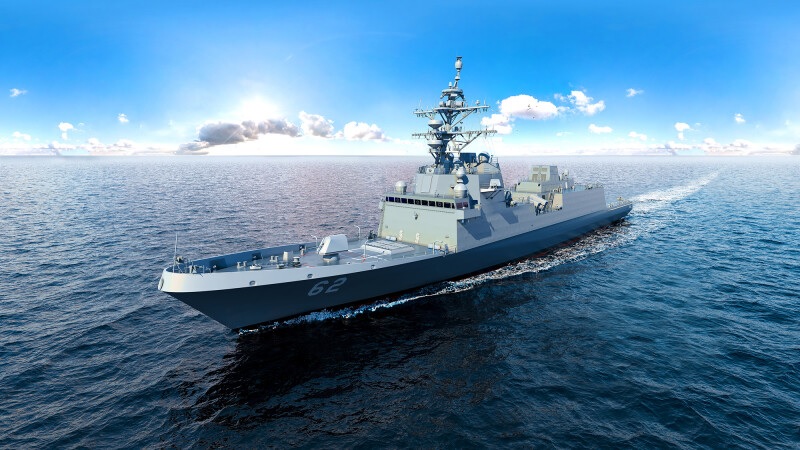
World
WASHINGTON, D.C. — May 2, 2026 : The U.S. Navy has outlined an accelerated acquisition and fielding strategy for its next-generation FF(X) frigate program in supporting documents for the Fiscal Year 2027 budget request, detailing timelines, funding allocations, and design priorities for what is intended to become a core element of the future surface fleet. Program Overview and Strategic Context The FF(X) program was initiated following the cancellation of the Constellation-class frigate effort in December 2025. The Navy selected a derivative of the Legend-class National Security Cutter as the baseline design to enable faster development and reduced technical risk. The approach is intended to deliver a proven, American-built platform capable of conducting maritime security, presence operations, and interdiction missions, while allowing larger surface combatants such as the Arleigh Burke-class destroyer to focus on high-end combat roles. The frigates are also expected to serve as coordination nodes for unmanned surface and undersea systems, supporting the Navy’s evolving high/low fleet mix concept. Accelerated Timeline and Construction Plan According to the FY 2027 budget documentation, construction of the lead FF(X) frigate will be carried out by Huntington Ingalls Industries, with work assigned to its Ingalls Shipbuilding division in Pascagoula, Mississippi. The Navy projects that the first ship will be launched in the first quarter of Fiscal Year 2029 (late calendar year 2028). Delivery is scheduled for the end of the third quarter of Fiscal Year 2030 (April to June 2030). If achieved, this would result in a procurement-to-delivery timeline of approximately four years, one of the shortest timelines for a new U.S. Navy surface combatant in recent decades. To support this schedule, the Navy plans to incorporate components originally produced for the cancelled 11th Legend-class cutter. In April 2026, Ingalls Shipbuilding received a $282.9 million contract for lead yard support, including procurement of long-lead materials and pre-construction activities. The first two ships are being procured under a sole-source arrangement with HII. Funding in the Fiscal Year 2027 Budget The Department of the Navy has allocated approximately $1.429 billion in FY 2027 for procurement of the lead ship. An additional $212 million has been designated for research and development (R&D). The R&D funding will support validation of ship systems, including combat system integration, future test planning, and development of modular payload capabilities. It also includes funding for integration of unmanned surface vessels (USVs) and design studies for Flight 2. The FF(X) program is part of a broader shipbuilding request totaling $65.8 billion for 34 vessels in the FY 2027 budget. Design Characteristics and Capabilities The FF(X) frigate is designed to be approximately 421 feet in length, with a beam of 54 feet and a draft of 22 feet. The vessel will have a displacement of about 4,750 tonnes, a top speed of 28 knots, a range of 12,000 nautical miles, and an endurance of up to 60 days. For Flight 1 ships, the Navy has opted for minimal modifications to the National Security Cutter baseline to maintain production speed. Key changes include the installation of a Rolling Airframe Missile launcher for point defense, integration of an SPS-77 variant air search radar, and modification of the stern boat ramp to support containerized payloads. Primary armament for the initial configuration includes a 57 mm main gun, a 30 mm gun, a 21-cell RAM launcher, and electronic warfare systems such as the AN/SLQ-32 (V)6. The ships will also feature flexible stern stations capable of deploying up to 16 Naval Strike Missiles or 48 Hellfire missiles through containerized or unmanned systems. Flight 1 Procurement and Operational Role Procurement begins with one ship in FY 2027, with follow-on ships planned in subsequent years. At least the first two vessels will follow the Flight 1 configuration, emphasizing rapid production and operational availability over advanced built-in weapon systems. The modular design approach allows the Navy to deploy mission-specific payloads while maintaining operational flexibility. Flight 1 vessels are expected to focus on lower-intensity operations, including maritime security and integration with unmanned platforms. Flight 2 Development and Future Enhancements Design work on Flight 2 frigates is already underway. The Navy is evaluating the integration of Vertical Launching Systems (VLS) into the hull to provide internal carriage of munitions, reducing reliance on containerized payloads. Potential weapons for VLS-equipped variants include the RIM-162 Evolved Sea Sparrow Missile, SM-2 and SM-6 surface-to-air missiles, and the RUM-139 Vertical Launch Anti-Submarine Rocket. Enhancing anti-submarine warfare (ASW) capabilities is identified as a key priority for later ships. The Navy plans to procure a total of 55 to 60 FF(X) frigates, with the majority expected to incorporate Flight 2 upgrades, including improved anti-air warfare (AAW) and ASW performance. Industrial and Production Considerations The decision to base the FF(X) on an existing cutter design allows construction to proceed alongside ongoing shipbuilding programs at Ingalls Shipbuilding, including destroyers and amphibious vessels. This approach is intended to reduce design complexity, streamline production, and maintain industrial base stability. By leveraging an established platform and incorporating pre-existing components, the Navy aims to minimize delays typically associated with new ship classes. Outlook The FF(X) program represents a shift toward faster acquisition of adaptable surface combatants using proven designs. The combination of modular payload integration, unmanned systems coordination, and phased capability upgrades is intended to provide operational flexibility while maintaining a manageable development timeline. Further details on system integration, Flight 2 configuration, and long-term procurement schedules are expected to be refined as the program progresses through the early stages of construction and testing under the FY 2027 funding framework.
Read More → Posted on 2026-05-02 14:25:23
World
WASHINGTON — May 2, 2026 : The U.S. Department of the Air Force has expanded its procurement of the Boeing E-7A Wedgetail airborne early warning and control (AEW&C) aircraft, with an additional five units ordered through a $2.4 billion contract amendment, Air Force Secretary Troy Meink announced. The modification, finalized on March 12, builds upon an existing contract covering two rapid prototype aircraft configured to U.S. Air Force requirements. With this latest action, the total number of E-7A aircraft on order rises to seven. The cumulative value of the program, including development and engineering work, now stands at approximately $5 billion. The March contract actions include about $2.34 billion allocated for engineering and manufacturing development aircraft and mission systems, alongside an additional $99.3 million to address diminishing manufacturing sources for critical radar components. Replacement Plan for Aging E-3 Fleet The E-7A Wedgetail is intended to replace the aging fleet of Boeing E-3G Sentry airborne warning and control aircraft currently in U.S. service. The Air Force operates approximately 16 E-3 aircraft, which are being gradually retired. Air Force leadership had previously identified a requirement for 26 E-7 aircraft to fully replace the E-3 fleet. However, the program faced uncertainty following policy shifts under President Donald Trump, with the fiscal year 2026 budget proposal suggesting cancellation in favor of alternative systems. These alternatives included the Navy’s Northrop Grumman E-2D Hawkeye aircraft and a network of space-based radar satellites. Congress intervened during budget deliberations, directing the Pentagon to continue the E-7 program and approving funding for a limited number of aircraft along with capability development. The current order for seven aircraft falls short of initial requirements but ensures continuity of the program. Platform Design and Capabilities The E-7A Wedgetail is based on the Boeing 737-700 Next Generation airframe, offering a modern and maintainable platform compared to the legacy E-3, which is derived from the retired Boeing 707. The aircraft measures 110 feet 4 inches (33.6 meters) in length, with a wingspan of 117 feet 2 inches (35.8 meters) and a height of 41 feet 2 inches (12.5 meters). It is powered by two CFM56-7B27A turbofan engines and has a maximum takeoff weight of 171,000 pounds (77,600 kilograms). The platform provides an unrefueled range of approximately 3,500 nautical miles and operates at a service ceiling of 41,000 feet. A key feature of the E-7A is the Northrop Grumman MESA radar, mounted in a fixed dorsal “top hat” configuration. The system provides continuous 360-degree coverage and enables simultaneous detection and tracking of airborne and maritime targets. Compared to the E-3, the Wedgetail offers improved target tracking, enhanced battle management capabilities, and greater operational efficiency. The aircraft typically operates with a crew of two pilots and up to 10 mission operators working at dedicated battle management workstations. Its use of a commercial airframe contributes to reduced maintenance requirements and improved spare parts availability, supporting higher readiness rates. Industrial Base and Strategic Considerations The limited procurement is part of an updated acquisition strategy aligned with the Fiscal Year 2026 Consolidated Appropriations Act. While the number of aircraft ordered is below long-term operational requirements, the contract sustains Boeing’s production capability for the specialized platform. The Department of the Air Force has indicated it will continue to engage with Congress regarding future funding. However, the fiscal year 2027 budget request does not include additional funding for the E-7 program. Declining International Demand Recent developments in the global market have affected the E-7 program’s export outlook. In November 2025, NATO withdrew from its plan to procure six E-7 aircraft under the Alliance Future Surveillance and Control initiative. The program had been announced in 2023 to replace NATO’s fleet of E-3D AWACS aircraft. NATO cited the loss of the program’s “strategic and financial foundation”, a decision widely interpreted as reflecting reduced confidence in long-term U.S. participation. A total of 16 NATO E-3D aircraft remain pending replacement. France also selected an alternative platform in December 2025, opting for the Saab GlobalEye system to replace its five E-3F aircraft, with two aircraft ordered and options for two additional units. Similarly, South Korea chose a competing system in October 2025 despite already operating four E-7 aircraft, designated locally as the E-737 Peace Eye. Seoul selected four Bombardier Global 6500 AEW&C aircraft from L3Harris Technologies rather than proceeding with additional Wedgetail acquisitions. Current Operators and Program Outlook Existing operators of the E-7 platform include Australia with six aircraft, Turkey with four, and South Korea with four. The United Kingdom is also in the process of acquiring the system. The seven aircraft currently under U.S. Air Force contract include two rapid prototypes and five engineering and manufacturing development platforms. Although the procurement quantity is limited, the program represents a step toward modernizing U.S. airborne early warning and control capabilities while maintaining interoperability with allied forces already operating the E-7. The long-term trajectory of the program will depend on future budget decisions and evolving operational requirements within the Department of Defense.
Read More → Posted on 2026-05-02 14:34:55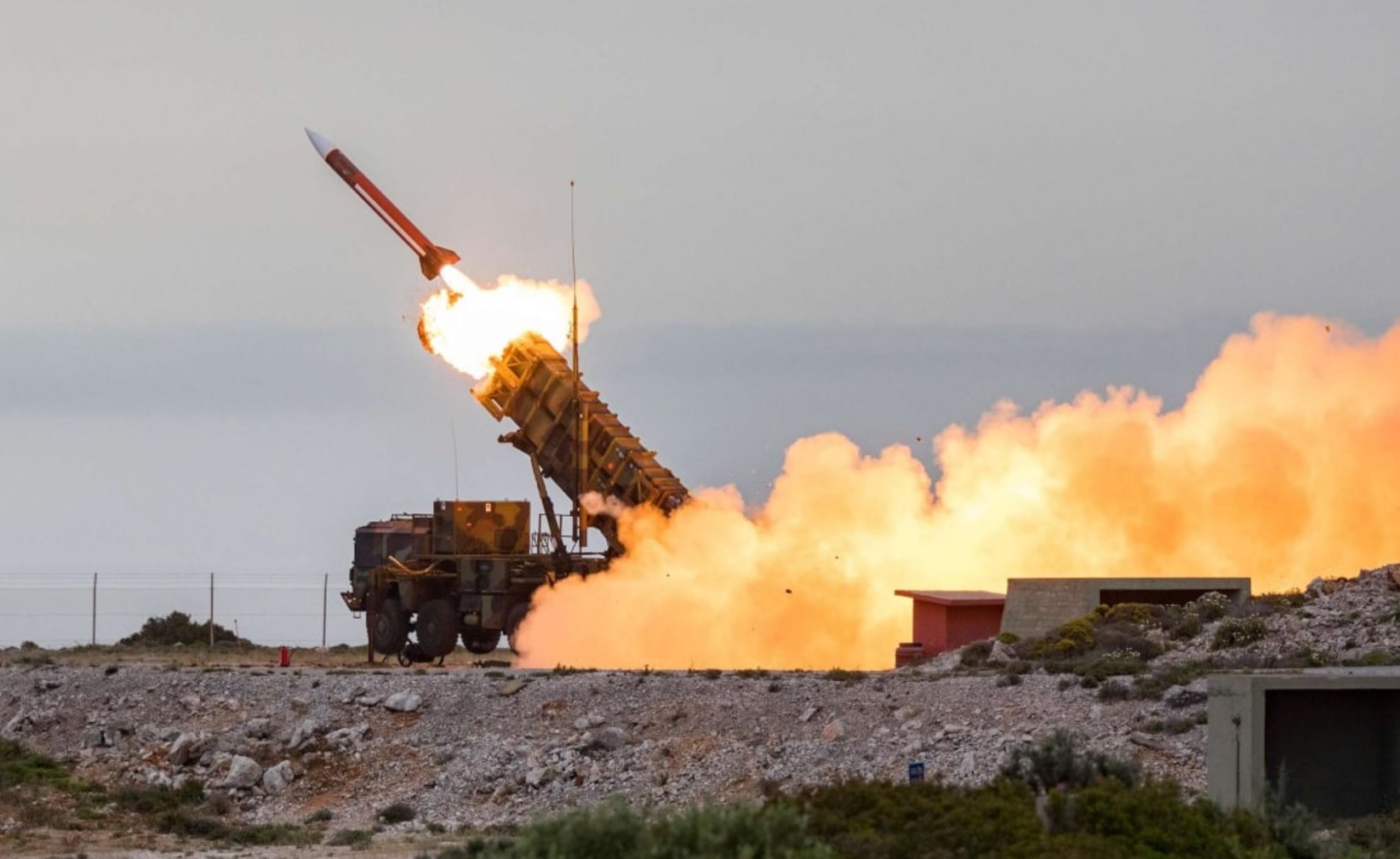
World
WASHINGTON — May 2, 2026 : The U.S. Department of State has approved a potential $4.01 billion Foreign Military Sale to Qatar for Patriot air and missile defense system replenishment, including interceptors, support services, and associated equipment. The decision reflects ongoing regional security requirements and aims to restore and sustain Qatar’s defensive missile inventory. Emergency Approval and Package Details The State Department determined that an emergency condition justified immediate approval of the sale, waiving the standard congressional review requirements under Section 36(b) of the Arms Export Control Act. The package includes a total of 500 interceptors: 300 Patriot Advanced Capability-3 Missile Segment Enhancement (PAC-3 MSE) interceptors 200 Patriot Advanced Capability-2 Guidance Enhanced Missile-Tactical (PAC-2 GEM-T) interceptors In addition to missiles, the agreement covers spare parts, missile canister consumables, repair and return services, classified and unclassified technical support, and a PAC-3 field surveillance program. Engineering, logistics, and technical assistance will be provided by both U.S. government personnel and contractors. Primary contractors for the sale are Lockheed Martin and RTX Corporation. A separate but related approval includes the sale of 10,000 Advanced Precision Kill Weapon System (APKWS) kits, valued at $992.4 million. Together, these approvals form part of a broader U.S. arms package exceeding $8.6 billion for Middle East partners, including Kuwait, the United Arab Emirates, Israel, and Qatar. Operational Context and Strategic Rationale The replenishment follows a period of sustained regional tensions and increased operational demand for air and missile defense systems. Qatar hosts the strategically significant Al Udeid Air Base, which serves as a central hub for U.S. and coalition operations and houses forward elements of U.S. Central Command. Qatar’s geographic position near the Strait of Hormuz and proximity to potential threat launch areas necessitate a high state of readiness against ballistic missiles, cruise missiles, and unmanned aerial systems. The approved sale is intended to restore interceptor stockpiles to ensure sustained defensive operations and prevent depletion during high-tempo engagements. The replenishment supports a “shoot-assess-shoot” doctrine, allowing repeated engagements and tailored responses to diverse aerial threats, including decoys and one-way attack drones. In March 2026, Qatar’s International Media Office stated that its Patriot missile inventory remained sufficient and operational, rejecting claims of depletion. The new approval strengthens that position by ensuring long-term magazine depth. Technical Capabilities of the Interceptors The two interceptor types included in the package serve complementary roles within Qatar’s layered air defense system. The PAC-3 MSE interceptor is designed for terminal defense against tactical ballistic missiles and uses hit-to-kill technology, relying on direct impact rather than explosive fragmentation. It incorporates a two-pulse solid rocket motor and enhanced control surfaces, enabling improved maneuverability against high-speed or maneuvering targets. The GEM-T interceptor provides blast-fragmentation capability and is effective against tactical ballistic missiles, cruise missiles, and aircraft. It includes upgraded seeker sensitivity and digital fuze enhancements, improving performance in complex operational environments. Both interceptor types can be deployed using the M903 launcher system, which supports mixed missile configurations. A single launcher can carry up to 12 PAC-3 MSE missiles or a combination of missile types, increasing engagement flexibility. Historical Acquisition and System Development Qatar first acquired the Patriot system through a 2012 Foreign Military Sale valued at $9.9 billion. That package included: 11 Patriot Configuration-3 fire units 11 AN/MPQ-65 radar systems 11 AN/MSQ-132 engagement control stations 44 M902 launchers 246 GEM-T interceptors 768 PAC-3 missiles Deliveries of PAC-3 units began in 2018. In 2015, Qatar expanded its capabilities with an additional 300 PAC-3 MSE missiles and 10 test missiles. The upgrade also included modifications of M902 launchers to the M903 configuration to support newer interceptors. Role in National and Regional Defense Qatar’s Patriot systems are deployed to protect fixed strategic assets, including leadership facilities, air operations centers, liquefied natural gas infrastructure at Ras Laffan, and maritime approaches in the Gulf region. The systems also contribute to the defense of civilian infrastructure and energy export nodes, which are critical to global energy markets. The U.S. government stated that the sale will enhance Qatar’s missile defense capabilities, strengthen homeland security, and improve interoperability with U.S. and allied forces operating in the region. It also emphasized that the sale does not alter the fundamental military balance in the Middle East. Supply Chain and Implementation Implementation of the sale will require sustained involvement from U.S. government personnel and defense contractors for technical, engineering, and logistical support. The approval ensures continued access to the established Patriot production and supply chain, which is currently under pressure due to high global demand, including requirements from Europe, Ukraine, and other allied defense programs. By securing replenishment capacity, Qatar maintains its position within the Patriot user community and ensures the availability of critical interceptor components for future operations.
Read More → Posted on 2026-05-02 14:43:37
World
PUNE — May 2, 2026 : Pune-based deep-tech firm Olee Space has delivered a Directed Energy Weapon (DEW) system to the Indian Army, marking the first operational deployment of a laser weapon developed by India’s private sector. The delivery represents a shift in defence procurement, with privately engineered high-energy laser systems entering active service alongside traditionally state-developed platforms. System Design and Technical Architecture The Olee Space DEW system is designed as a modular platform with scalable power output ranging from 2 kilowatts to 50 kilowatts, allowing adaptation to varied operational requirements. The system offers an engagement range between 1 and 7 kilometres and is configured for rapid-response scenarios, with engagement occurring at the speed of light and response times of under three seconds. A central feature of the system is its universal compatibility architecture. It is engineered to integrate with existing radar networks, electro-optical/infra-red (EO/IR) sensors, and artificial intelligence-based tracking systems already deployed across global defence platforms. Core subsystems—including beam combining, optics, gimbal control, and thermal management—have been developed in-house. More than 70 percent indigenous components support domestic manufacturing objectives while maintaining export flexibility. The system’s per-shot operational cost is reported to be under one dollar, positioning it as a cost-efficient alternative to kinetic interception systems. Platform Configuration and Mobility The initial unit delivered to the Army is configured as a compact laser platform mounted on an unmanned ground vehicle (UGV). The UGV measures approximately 5 feet by 3 feet and weighs less than 250 kilograms. It is powered by a diesel engine and has an operational range exceeding 130 kilometres. The platform is designed for autonomous and remote-controlled operations. It incorporates artificial intelligence and machine-learning algorithms that enable autonomous navigation, target identification, and engagement. Deployment can be executed through a single-command activation system. The UGV-mounted configuration enables deployment in environments where conventional armored systems may face mobility constraints, including urban areas, forested regions, and rugged terrain. Operational Role and Capabilities The DEW system is primarily designed for counter-unmanned aerial system (C-UAS) operations, perimeter security, and close-combat applications. It can neutralise, dazzle, or functionally disable drones, vehicles, equipment, and personnel using focused laser energy. The absence of traditional munitions allows continuous engagement without logistical constraints associated with ammunition supply. This enables what the company describes as a “zero cost per kill” model in drone swarm scenarios, where multiple low-cost aerial threats can be engaged without proportional increases in operational expenditure. The system also supports coordinated swarm deployment. Multiple UGV units can be networked to operate collectively, securing defined perimeters or tactical zones across different terrains. Development Background and Testing Olee Space, founded in 2023 by James Solomon and Suman Hiremath, focuses on defence photonics, including free-space optical communication (FSOC), quantum-encrypted networking, and directed energy systems. In February 2026, the company introduced a 2 kW AI-powered laser sniper system integrated onto a UGV platform, described as one of the most compact systems in its class. That system underwent field trials with defence stakeholders, leading to the current production-level delivery. In January 2026, the company also demonstrated an indigenous wireless laser communication link capable of achieving 10 gigabits per second over 20 kilometres under Indian atmospheric conditions, with approximately 85 percent indigenous content. Funding and Industrial Context In August 2025, Olee Space secured approximately $3 million in seed funding led by Rockstud Capital to expand manufacturing capacity and advance development in laser communication, directed energy, and quantum photonics technologies. The company reports that its manufacturing approach enables cost reductions of 60 to 70 percent compared to comparable international systems, while maintaining high domestic content. The DEW delivery complements ongoing work by the Defence Research and Development Organisation, which has developed larger, static directed energy systems. In contrast, Olee Space’s platform introduces a mobile, compact alternative designed for tactical deployment. Deployment Status and Future Outlook The system has completed field evaluations and is currently in operational service with Indian forces. It is under further assessment for wider deployment across multiple operational units. Olee Space has indicated ongoing discussions with domestic defence stakeholders and international partners regarding additional deployments and potential export opportunities. The platform is positioned for use in multi-domain environments, including border security, urban defence, and distributed battlefield operations.
Read More → Posted on 2026-05-02 16:04:10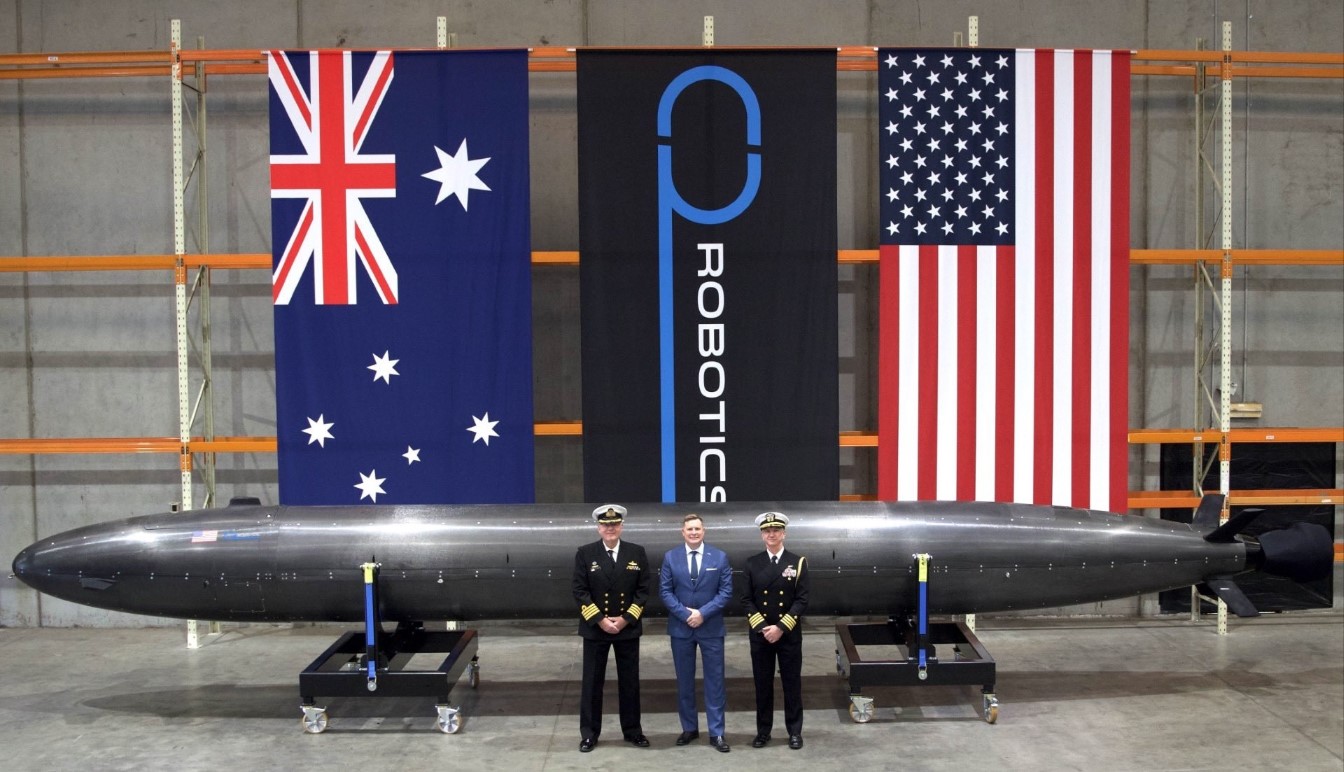
World
MELBOURNE, — May 2, 2026 : Australian defence company C2 Robotics has delivered its first Speartooth Large Uncrewed Undersea Vehicle (LUUV) to the United States, marking the system’s transition from development into operational service and confirming the firm’s entry into international defence markets. The delivery follows a commissioning and christening ceremony held on May 1, 2026, in Canberra, attended by U.S. Naval Attaché Captain Josh Fagan and Royal Australian Navy Captain Tony Miskelly, representing the Director General of Maritime Integrated Capabilities. Company personnel and suppliers were also present. Christening Ceremony Reflects Autonomous Design In a deviation from traditional naval practice, the Speartooth was christened using a robotic arm operating under a “human-on-the-loop” concept. The approach mirrors the system’s operational philosophy, where autonomous functions are executed with human oversight retained for decision-making. Troy Duggan, chief executive of C2 Robotics, said the event reflects both program maturity and expanding cooperation with the United States. He noted that payload configurations and mission roles for the LUUV continue to evolve as development progresses. Platform Design and Technical Specifications The Speartooth LUUV has been developed over four years with funding and collaboration from the Australian Department of Defence. It is built around the design principle of “Small, Smart, Many,” emphasizing scalable deployment and reduced unit cost in contested maritime environments. The system features a base hull length of 8 meters and a beam of 1 meter. Through modular payload sections, the vehicle can be extended to approximately 11–12 meters. It has an operational depth of up to 2,000 meters and a maximum range of about 2,000 kilometers. Propulsion is provided by a hybrid system combining lithium-ion batteries and a diesel engine, driving an electric propeller. The platform includes a modular payload architecture offering up to 2.4 cubic meters of internal space, with an unladen weight of approximately 1,150 kilograms. Its composite hull construction allows rapid manufacturing at scale and reduces costs compared with conventional crewed or large autonomous submersibles. Payload bays can be reconfigured without structural modification and can carry sensors, explosives, munitions, loitering systems, or logistical supplies. The LUUV is designed to support intelligence, surveillance and reconnaissance (ISR), strike, logistics, and seabed warfare missions. It can be transported in standard shipping containers and launched or recovered from basic infrastructure such as boat ramps. Australian Defence Integration The Australian Defence Force is advancing integration of the Speartooth system under Project SEA 1200. The Royal Australian Navy has established its Maritime Autonomous Systems Unit (MASU), which will operate Speartooth alongside other uncrewed platforms. The system has already been involved in domestic and international trials, including testing for underwater logistics, autonomous payload delivery, and mission accuracy. Thales Australia has contributed sovereign sonar sensor integration for the platform. According to the 2026 National Defence Strategy, the Australian Defence Force plans to acquire Speartooth units as part of its broader autonomous maritime capability development. Compared with larger extra-large uncrewed systems such as Ghost Shark, Speartooth is positioned for shorter-range missions with greater deployment flexibility. U.S. Delivery and Export Milestone The delivery to the United States represents the first confirmed international export of the Speartooth LUUV. The platform is intended to provide allied forces with long-range ISR and strike capabilities, while enabling force expansion through lower-cost, high-volume deployment. Duggan stated that the partnership reflects joint efforts to advance autonomous undersea warfare capabilities among allied nations. The company had previously announced its first export sale in November 2025, with the United States identified as the initial recipient. European Expansion Plans Beyond Australia and the United States, C2 Robotics is preparing to expand into Europe. The company confirmed that an announcement regarding additional overseas sales is expected in coordination with its European partner, Eurobotics GmbH. The Speartooth platform is currently undergoing testing by an undisclosed country in the Baltic Sea region, indicating early-stage operational evaluation in European waters. Company Profile C2 Robotics, headquartered in Melbourne, focuses on rapid development of autonomous systems across maritime, land, and air domains. The company’s approach emphasizes the use of commercial-off-the-shelf components to deliver scalable, cost-effective defence solutions while maintaining sovereign capability. The Speartooth program reflects this model, combining modular design, flexible payload integration, and production efficiency to support evolving operational requirements in undersea environments.
Read More → Posted on 2026-05-02 16:14:04
World
WASHINGTON, — May 2, 2026 : The United States Department of Defense has directed the withdrawal of approximately 5,000 American troops from Germany, with the redeployment scheduled to take place over the next six to twelve months. The decision was ordered by Defense Secretary Pete Hegseth following a review of U.S. military force posture in Europe. The move will reduce the U.S. military presence in Germany from an estimated 35,000–36,400 active-duty personnel to roughly 30,000–31,000 troops. Officials indicated that the adjustment reflects current operational requirements and broader assessments of American military commitments across the European theater. Force Structure and Affected Units According to Pentagon officials, the withdrawal will involve an Army brigade combat team currently deployed in Germany, as well as a long-range fires battalion that had been scheduled for deployment later this year. The affected personnel are primarily stationed in regions such as Bavaria and Rhineland-Palatinate. Key U.S. military installations in Germany—including Ramstein Air Base, Landstuhl Regional Medical Center, and the headquarters of both United States European Command and United States Africa Command—will continue to operate as part of the remaining force structure. Pentagon spokesman Sean Parnell stated that the decision followed a comprehensive review process and aligns with evolving defense priorities. He noted that the Department of Defense is continuing to evaluate its global posture, including in Europe. Diplomatic Context and Statements The decision follows public remarks by German Chancellor Friedrich Merz, who criticized the United States’ handling of the ongoing conflict with Iran. Speaking earlier in the week to a group of high school students, Merz stated that the United States had been “humiliated” during negotiations and suggested that Washington lacked a coherent strategy in the conflict. In response, President Donald Trump expressed dissatisfaction with Germany’s position. When asked in the Oval Office about the possibility of reducing troop levels, Trump responded, “Why shouldn’t I?” and reiterated his position that U.S. military deployments should reflect the reliability and support of allied nations. The President also extended criticism to other European partners. He stated that Italy “has not been of any help” during the Iran conflict, while describing Spain’s support as insufficient. U.S. officials indicated that Spain had declined to allow the use of jointly operated bases for operations connected to the conflict. Broader Strategic Considerations The announcement comes as the United States continues military operations related to the Iran conflict, including a naval blockade targeting Iranian ports. Defense officials suggested that additional adjustments to U.S. troop deployments in Europe remain under consideration. Germany’s defense minister described the withdrawal as “anticipated,” emphasizing that European nations may need to assume greater responsibility for regional security. The NATO alliance has stated that it is reviewing the details of the U.S. plan to assess potential implications for collective defense arrangements. Congressional and Security Reactions The decision has drawn attention from members of the U.S. Congress, including concerns about its potential impact on deterrence in Europe. Senator Roger Wicker and other lawmakers indicated that reducing troop levels could affect strategic messaging toward Russia, particularly regarding NATO’s eastern flank. Defense analysts have also noted that prior to the withdrawal directive, the United States maintained approximately 68,000 active-duty personnel across Europe, according to Defense Manpower Data Center figures. Some analysts have suggested that repositioning forces within Europe, rather than reducing them, could address security concerns while maintaining operational flexibility. Historical Context The United States has maintained a significant and continuous military presence in Germany since the end of World War II. Previous proposals to reduce troop levels were introduced during President Donald Trump’s earlier term but were not fully implemented. The current withdrawal reflects a continuation of the administration’s approach to aligning overseas deployments with allied contributions and strategic priorities, as the Pentagon continues to assess its global force posture.
Read More → Posted on 2026-05-02 16:24:04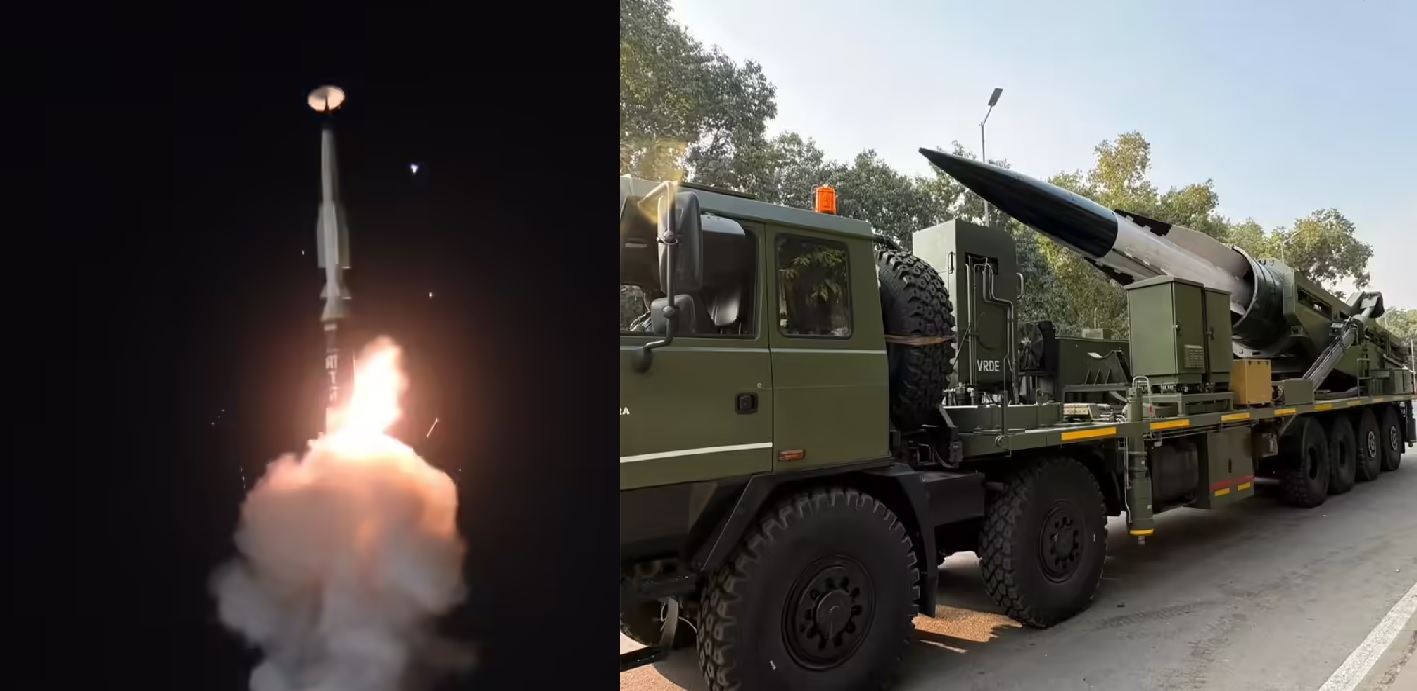
India
NEW DELHI, — May 2, 2026 : India has reportedly conducted a Phase-II trial of its Long Range Anti-Ship Hypersonic Missile (LR-AShM) from a defence testing facility off the Odisha coast in the Bay of Bengal on May 1, 2026, according to multiple defence sources, local reports, and open-source tracking accounts monitoring the region. The reported launch aligns with a Notice to Airmen (NOTAM) issued earlier for missile activity between May 1 and May 3, establishing a restricted maritime and airspace zone extending approximately 1,680 kilometres over the Bay of Bengal. Observers tracking the NOTAM window indicated that the test activity occurred within the designated timeframe. As of the evening of May 1, there has been no official confirmation or detailed statement from the Defence Research and Development Organisation (DRDO), the Ministry of Defence, or the Press Information Bureau. The absence of immediate official disclosures continues a broader pattern in which detailed confirmations of certain strategic weapons tests are delayed or not publicly released. Test Overview and Reported Performance The May 1 activity is described as a Phase-II trial of a hypersonic glide vehicle (HGV) system designed for long-range anti-ship roles. Preliminary information from defence observers indicates that the missile demonstrated a range of approximately 1,500 kilometres, within its estimated operational envelope of 1,500–1,680 kilometres. The trial reportedly evaluated multiple mission parameters, including launch sequence validation, mid-course trajectory corrections, and terminal-phase targeting. The system is designed to deliver a direct kinetic strike while maintaining sustained hypersonic velocity. Technical Characteristics The LR-AShM is an indigenously developed boost-glide hypersonic missile system intended primarily for the Indian Navy’s coastal defence requirements. It is designed to engage both moving naval targets and fixed land-based assets. The missile uses a two-stage solid propulsion system and is launched from a shore-based transporter erector launcher. After boost phase acceleration, the vehicle transitions into a hypersonic glide phase, travelling at speeds of Mach 5 or higher, with initial boost speeds reportedly reaching up to Mach 10. The glide vehicle follows a low-altitude quasi-ballistic trajectory and is capable of manoeuvring during flight, including atmospheric skipping, to reduce detection and interception probability. It is equipped with an inertial navigation system (INS) integrated with satellite navigation for mid-course guidance, and an advanced radar-based seeker for terminal homing. Thermal protection is provided by a carbon-based heat shield designed to withstand temperatures exceeding 2,000°C during sustained hypersonic flight. Development Background If confirmed, the May 1 trial would represent the third known test of the LR-AShM programme. The first developmental test was conducted in 2023, followed by a second test on November 16, 2024, from Dr APJ Abdul Kalam Island. The system was publicly displayed for the first time during the Republic Day parade 2026 on January 26, 2026, indicating its transition from developmental testing toward early operational visibility. The programme is associated with DRDO laboratories, including the Advanced Systems Laboratory (Hyderabad), with production support from Bharat Dynamics Limited. Operational Role and Future Variants The LR-AShM is designed as part of India’s broader effort to develop long-range hypersonic strike capabilities and enhance anti-access/area-denial (A2/AD) capacity in the Indian Ocean Region (IOR). The current configuration is deployed as a land-based coastal battery system. Future variants under development include ship-launched versions for naval platforms, as well as potential land-attack and air-launched configurations for other branches of the armed forces. The missile is capable of carrying different payload configurations depending on mission requirements. Strategic Context The reported test comes amid ongoing regional security developments, including increased maritime activity in the Indian Ocean Region and continued tensions with Pakistan. At sustained hypersonic speeds, the missile’s range profile suggests the capability to reach deep inland targets within a short time frame; estimates indicate that distances such as Rawalpindi could be covered in approximately 120 seconds. According to defence analysts, there are currently no operational systems in the region capable of reliably intercepting highly manoeuvrable hypersonic glide vehicles of this class. Information Status Despite multiple independent reports and tracking observations, no official technical data, including detailed flight trajectory, telemetry, or performance validation metrics, has been released by Indian authorities as of May 2, 2026. Separately, the Bharatiya Janata Party acknowledged the test in a social media statement, describing it as a significant development in indigenous defence capability. Further details are expected only if formal confirmation is issued by relevant government agencies.
Read More → Posted on 2026-05-02 16:36:27
Space & Technology
ROCKVILLE, MARYLAND — May 2, 2026 : Researchers at the J. Craig Venter Institute (JCVI) have successfully created the world’s first synthetic bacterial species whose genetic instructions are entirely derived from a laboratory-designed chromosome rather than natural DNA. The milestone, first announced in 2010 after 15 years of research and approximately $40 million in investment, established a new technical foundation for the field of synthetic biology. The organism, named Mycoplasma mycoides JCVI-syn1.0, is a self-replicating bacterium whose genome was designed on a computer, chemically synthesized, and assembled in the laboratory before being transplanted into a recipient cell. Once activated, the synthetic genome directed the cell’s biological processes, allowing it to grow and divide under standard laboratory conditions. A Genome Built From Digital Design The project was led by geneticist J. Craig Venter, whose team constructed a complete genome consisting of approximately 1.08 million base pairs. The DNA sequence was based on the naturally occurring bacterium Mycoplasma mycoides, but included deliberate modifications such as watermark sequences, engineered deletions, and polymorphisms to distinguish it from naturally existing organisms. The synthetic genome was assembled from smaller chemically synthesized DNA fragments using enzymatic methods and cloning steps in yeast. It was then transplanted into a related bacterium, Mycoplasma capricolum, whose original genetic material had been removed. After transplantation, the recipient cell began expressing proteins and functions consistent with M. mycoides, demonstrating that control of the cell had shifted entirely to the synthetic chromosome. Demonstrating a Self-Replicating Synthetic Cell The resulting organism exhibited logarithmic growth and the ability to replicate indefinitely under appropriate conditions. Researchers confirmed that all cellular activity was governed by the synthetic DNA, making JCVI-syn1.0 the first example of a living cell controlled exclusively by a man-made genome. The work built on earlier achievements, including the 2008 chemical synthesis of the smaller genome of Mycoplasma genitalium. The 2010 experiment integrated advances in genome sequencing, DNA synthesis, assembly techniques, and transplantation methods developed over more than a decade. Collaboration and Technical Process The project involved collaboration between JCVI, Synthetic Genomics, and other research partners. Key technical steps included high-fidelity chemical synthesis of DNA segments, hierarchical genome assembly, cloning in yeast cells to maintain large DNA constructs, and precise genome transplantation into a prepared host cell. The success of these processes demonstrated that a complete bacterial genome could be converted from digital sequence information into a functioning biological system. Expansion to Minimal Synthetic Cells Following the creation of JCVI-syn1.0, researchers continued to refine genome design. In 2016, the team reported the development of JCVI-syn3.0, a minimal synthetic cell containing approximately 531,000 base pairs and 473 genes. This organism represents the smallest known genome capable of supporting independent self-replication, providing insights into the minimal genetic requirements for life. Scientific and Industrial Implications The ability to design and construct functional genomes has enabled further research into engineered microorganisms with specific capabilities. Applications under investigation include microbial systems for biofuel production, pharmaceutical synthesis, environmental remediation, and materials development. The work also established a framework for studying genome organization, essential genes, and cellular functions using fully controlled genetic systems. Biosafety and Regulatory Considerations The creation of a synthetic organism has prompted ongoing discussions among scientists, policymakers, and biosecurity experts. Key considerations include the environmental impact of potential accidental release, the dual-use nature of genome synthesis technologies, and the need for regulatory frameworks governing the creation and application of synthetic life forms. Oversight mechanisms continue to evolve as synthetic biology advances toward broader industrial and medical use. Renewed Attention Following Venter’s Death Interest in the 2010 breakthrough has resurfaced following the death of J. Craig Venter on April 29, 2026, at the age of 79. Archival reports and footage documenting the original announcement have reentered public discussion, highlighting the experiment’s role as the first clear demonstration that a self-replicating organism can be created using a genome entirely designed and synthesized by humans. The JCVI-syn1.0 project remains a central reference point in synthetic biology, marking the transition from reading genetic code to constructing and operating living systems based on engineered DNA.
Read More → Posted on 2026-05-02 16:53:00
World
BERLIN / BREMERHAVEN — May 2, 2026: Germany has begun concrete preparations to reinforce its national and allied military logistics infrastructure, with a €1.35 billion modernization of the port of Port of Bremerhaven, according to reporting by Bloomberg and official planning documents. Infrastructure Shift Toward Military Use The project, funded through Germany’s 2026 federal budget, marks a shift in the role of Europe’s largest automobile port. Historically focused on civilian exports such as vehicles from Mercedes-Benz and Volkswagen, the port is being upgraded to handle heavy military equipment, including 60-ton Leopard 2 tank units. Key technical upgrades include the reinforcement of loading platforms, quays, and transport infrastructure to withstand significantly higher weight loads. The modernization also covers work boats, energy systems, digital infrastructure, and transport connectivity, ensuring the port can support both civilian and military operations. Once completed, the facility will be capable of receiving, staging, and transporting armored vehicles and other heavy equipment, enabling rapid deployment toward potential operational areas. Role in National and NATO Planning The Bremerhaven upgrade forms part of Germany’s broader defense planning framework outlined in the classified “Operationsplan Deutschland”, developed by the Federal Ministry of Defence (Germany). The plan defines Germany’s role as a central logistics hub for allied forces in Europe. Germany’s geographic position and industrial capacity are considered critical for sustaining troop movements and supply chains across the continent, particularly within the framework of NATO operations. Intelligence assessments by German and allied agencies identify Russia as the most immediate security concern. Reports indicate a rise in hybrid threats, including cyberattacks and acts of sabotage targeting infrastructure. Under the operational planning scenario, such threats could include attempts to disrupt transport corridors, including bridges and railway junctions, to hinder the movement of allied forces through Germany. Private Sector Participation The modernization is being implemented in cooperation with the private sector, reflecting limitations in the logistical capacity and funding of the Bundeswehr. The port is operated by BLG Logistics, which is engaged in discussions regarding investment and operational participation. BLG Logistics CEO Matthias Magnor stated that the project represents a significant development for the company, noting ongoing negotiations and expectations for initial investments. The company already has experience supporting NATO logistics operations. Additional logistics firms, including Fiege, are also involved in discussions as the government seeks to expand public-private cooperation in defense logistics. Structural and Administrative Constraints Despite progress, several structural challenges remain. Germany’s road and rail infrastructure requires upgrades to support large-scale military transport, with thousands of bridges identified as needing reinforcement or repair. Rail systems also require adaptation to handle heavy and time-sensitive military cargo. Logistics companies have identified difficulties related to complex procurement procedures, limited transparency in defense projects, and insufficient access to operational information. The absence of established public-private partnership frameworks has further complicated coordination. The federal government is working to simplify administrative processes and improve communication channels between military authorities and private firms. The objective is to enable faster integration of civilian logistics capacity into defense planning while maintaining regulatory and security standards. Strategic Objective The Bremerhaven project is designed as a dual-use infrastructure initiative. While maintaining its role in commercial exports, the port will also function as a key node in military logistics during crisis scenarios. The upgrades are intended to ensure rapid and scalable transport of equipment, supporting both national defense requirements and broader NATO operations. No detailed completion timeline has been publicly disclosed beyond the current planning and early implementation phase. The investment reflects Germany’s broader approach to strengthening military mobility and infrastructure resilience amid evolving security conditions in Europe.
Read More → Posted on 2026-05-02 17:09:21
World
LAYTON, Utah — May 2, 2026 : KIHOMAC founder and chief executive officer Ki Ho Kang has released flight test footage of the company’s Agami fixed-wing unmanned aerial vehicle, outlining performance data and production goals tied to its internally developed Project Liberty program.The Agami platform has been designed to demonstrate that military-grade unmanned aerial systems can be produced at scale without the manufacturing constraints that have affected several U.S. drone programs in recent years. The initiative focuses on reducing production time while maintaining operational flexibility. Platform Design and Manufacturing Approach The Agami has a gross takeoff weight of 20 pounds (9 kilograms) and is capable of carrying more than 5 pounds (2.2 kilograms) of payload. Its airframe, including fuselage and wings, is constructed from carbon fiber materials.A central feature of the system is its open architecture design, described by the company as a “Bring Your Own Payload” configuration. This allows operators to integrate sensors, communication systems, or mission-specific effectors without requiring structural redesign of the aircraft.Under Project Liberty’s production model, KIHOMAC states that each airframe can be manufactured in under one hour. The company contrasts this with additively manufactured drones, which can require up to 100 hours per unit. The accelerated production timeline is intended to address high attrition rates observed in recent operational environments. Flight Testing and Performance Metrics Flight data released alongside the footage provides detailed performance benchmarks for the Agami system. On a single battery pack, the drone demonstrated an endurance of approximately one hour, covering more than 60 miles.With a dual-battery configuration, the platform achieved nearly 90 minutes of flight time over a distance of about 90 miles during testing conducted on what was described as a “very turn-intensive range.” The company indicated that a standard flight profile with fewer turns would likely extend both endurance and range.The Agami uses a catapult launch system, eliminating the requirement for a runway and enabling deployment in areas with limited infrastructure. Operational Context and Project Liberty Objectives Project Liberty has been developed with reference to recent operational trends, particularly the high-volume use of drones in the Ukraine conflict. According to the company, these conditions have demonstrated that manufacturing capacity—rather than technical complexity—has become a primary limiting factor in sustained drone operations.KIHOMAC’s approach prioritizes rapid, repeatable production of airframes to support continuous deployment requirements. The company positions the Agami as a system designed for scalability, where replacement and replenishment cycles can be maintained without extended delays. Deloitte Investment and Production Expansion in Utah In October 2025, Deloitte announced a direct investment in KIHOMAC to expand drone manufacturing capabilities in Utah. The financial terms of the investment were not disclosed.The partnership is focused on increasing domestic production capacity for unmanned systems intended for U.S. government agencies, commercial customers, and other organizations. Expansion efforts include scaling manufacturing operations and strengthening supply chain resilience.Oniel Cross, who leads hybrid cloud and edge infrastructure within Deloitte’s Government and Public Services division, stated that the investment supports the development of domestic production capacity for technologies considered important to national security and economic competitiveness.Ki Ho Kang said the collaboration enables faster scaling of production and delivery of unmanned systems while contributing to local economic activity through job creation and facility expansion. Company Background and Manufacturing Footprint KIHOMAC, founded in 2003, is a veteran-owned small business employing more than 350 personnel with multiple operational facilities across the United States. The company provides systems engineering, reverse manufacturing, custom fabrication, and sustainment services for the U.S. Department of Defense and commercial clients.The Utah expansion is intended to support increased production output for the Agami platform as well as other unmanned systems under development. Applications and Market Positioning The Agami platform is designed for multiple mission profiles, including infrastructure inspection, emergency response, and defense and security operations. Its modular payload architecture allows a single airframe to be reconfigured for different operational requirements.The program aligns with broader U.S. policy efforts to reduce dependence on foreign-manufactured drone components and to strengthen domestic supply chains. By focusing on rapid manufacturing and modular integration, KIHOMAC positions Project Liberty and the Agami system within ongoing efforts to expand secure, scalable unmanned system production in the United States.The company indicated that the Agami platform represents one component of a wider portfolio of scalable unmanned technologies being developed in coordination with its production expansion initiatives and partnership with Deloitte.
Read More → Posted on 2026-05-02 17:37:10
World
KEY WEST, Fla., — May 2, 2026 : Sierra Nevada Corporation presented its Battery Revolving Adaptive Weapons Launcher – Reconfigurable (BRAWLR) during Exercise FLEX 2026, demonstrating a compact, modular air defense capability designed to counter uncrewed aerial systems and other airborne threats in maritime environments. Demonstration Observed by Senior Leadership The live demonstration was attended by United States Southern Command commander Francis L. Donovan and United States 4th Fleet commander Carlos Sardiello. The system was deployed aboard a multi-mission uncrewed surface vessel developed by Textron Systems. Exercise FLEX 2026, conducted from April 24 to 30, focused on integrating unmanned systems and artificial intelligence into maritime operations across regions overseen by SOUTHCOM, including Latin America and the Caribbean. The demonstration emphasized localized air defense in distributed maritime environments, a key operational requirement for forward-deployed forces. System Architecture and Operational Role BRAWLR is part of SNC’s Rapidly Deployable Air Defense and Counter-Unmanned Systems (C-UxS) Family of Systems, also referred to as the Expeditionary Adaptive Air Defense (EAAD) portfolio. The system has reached Technology Readiness Level 9, indicating operational maturity, and has been in active service since 2023. Built on a hybrid, open-architecture framework, BRAWLR integrates commercially available components with military-grade sensors, communications, and effectors. It can function as a standalone air defense node or integrate with existing command-and-control networks to extend engagement range and capability. The launcher is designed to independently detect, track, identify, and defeat airborne threats, including Group 1–3 unmanned aerial systems, cruise missiles, and other aerial targets. It can also augment layered air defense architectures by providing additional kinetic options. Technical Specifications and Deployment Characteristics BRAWLR is engineered for expeditionary operations, prioritizing mobility and rapid deployment over larger fixed installations. The system measures approximately 5 feet in width and depth and stands 7 feet tall, with an empty weight of 2,300 pounds. It supports a payload capacity of up to 2,000 pounds distributed across four modular weapons stations. The launcher operates with a power requirement of 9 kilowatts and can be set up within 10 minutes, with a breakdown time of approximately 3 minutes. It requires only one operator for deployment and operation. A high-capacity turret enables ±180-degree traverse, providing continuous 360-degree rotation at a rate of 40 degrees per second, with an elevation range from 0 to 45 degrees. The system incorporates FLIR imaging sensors, tactical video systems, and communications through Silvus MANET radio networking. BRAWLR is transportable via standard 463L military pallets and can be mounted on naval vessels, light tactical vehicles, trailers, flatbed trucks, or ground emplacements, supporting flexible deployment across multiple domains. Munitions and Engagement Capabilities The launcher supports both rail- and tube-launched munitions and allows operators to configure mixed payloads across its four stations, enabling layered defense within a single system. In its maximum configuration, BRAWLR can carry up to 46 laser-guided Advanced Precision Kill Weapon System (APKWS) rockets, optimized for high-volume engagements against drone swarms at ranges up to 6 kilometers. The system is compatible with several short- to medium-range interceptors, including the AIM-9M Sidewinder (range approximately 12 kilometers), AIM-132 ASRAAM (up to 15 kilometers), and IRIS-T missiles. For extended engagements, it can integrate AIM-120 AMRAAM missiles to target larger or maneuvering airborne threats. The platform is munition-agnostic and can also incorporate less-lethal kinetic options depending on mission requirements. Operational Record and System Integration BRAWLR entered operational service in 2023 for a foreign military customer following a U.S. government request. According to SNC, the system has intercepted more than 400 aerial targets in operational deployments, although specific locations and customers have not been disclosed. The launcher is integrated with SNC’s TRAX Edge software for command and control, enabling interoperability with higher-echelon systems and supporting multi-domain operations. It is also related to the Mobile Anti-Air Weapons Launcher – Reconfigurable (MAAWLR), a vehicle-mounted variant within the same system family. Future Autonomy Development SNC has announced a partnership with Applied Intuition to expand automation across its Expeditionary Area Air Defense platforms, including BRAWLR. The collaboration aims to integrate dual-use autonomy software with SNC’s hardware systems. The effort focuses on enabling autonomous operation of localized air defense units, improving response times through real-time sensor fusion, and reducing personnel requirements in contested environments. Operational Significance The FLEX 2026 demonstration highlighted BRAWLR’s suitability for maritime security and force protection missions, particularly in regions facing threats from transnational organized crime and increasingly capable aerial systems. Its compact size, rapid deployment capability, and modular configuration are aligned with operational needs for distributed forces operating in austere or contested environments. SNC continues development of its Rapidly Deployable Air Defense and C-UxS systems to address evolving threats to military forces, infrastructure, and critical assets.
Read More → Posted on 2026-05-02 17:54:32 Taiwan Allocates US$66 Million for 451 VTOL UAVs to Expand Coast Guard Maritime Surveillance Network
World
TAIPEI — May 2, 2026 : The Taiwan Coast Guard Administration has approved a procurement program valued at US$66 million (approximately NT$2.1 billion) to acquire 451 vertical take-off and landing (VTOL) unmanned aerial vehicles (UAVs), as part of a broader initiative to strengthen maritime surveillance and operational capabilities. The program is funded under a national security resilience budget overseen by the Ocean Affairs Council and will run through 2027. Procurement Structure and Fleet Composition The acquisition is structured across four UAV categories designed to meet different operational requirements. The largest share consists of 412 short-range UAVs intended for deployment at coastal watchtowers and security checkpoints, where rapid-response monitoring is prioritized over endurance and altitude. An additional 18 medium-range UAVs will support extended patrol missions across wider maritime zones, enabling longer-duration surveillance operations. The CGA also plans to procure 12 shipborne UAVs, which will be distributed among regional units and configured for launch and recovery from vessels. These platforms will incorporate stabilization systems and reinforced designs to withstand strong winds and saltwater exposure. The remaining nine UAVs are designated for special task force operations requiring more advanced technical specifications, likely supporting complex or high-priority missions. Operational Role and Technical Features According to briefings presented to the Interior Committee of the Legislative Yuan, the UAV fleet will be dedicated to intelligence, surveillance, and reconnaissance (ISR) missions rather than combat roles. In addition to routine monitoring, the systems will support search and rescue operations, including the ability to deploy emergency equipment such as life rings and rescue buoys to individuals or vessels in distress. All 451 UAVs will feature VTOL capability, allowing operations without conventional runways. This enables deployment from confined coastal installations as well as from moving ships, improving response times and operational flexibility. To meet endurance requirements for maritime patrol, the CGA has indicated a preference for hybrid propulsion systems. These systems combine electric power for vertical take-off and landing with fuel-powered propulsion for sustained horizontal flight, extending range and flight duration while maintaining higher operational ceilings. Integration into Broader Security Framework The UAV procurement forms part of a larger NT$29.5 billion (approximately US$910 million) special budget allocated for national security resilience. The funding package is intended to enhance Taiwan’s maritime domain awareness and improve coordination across shore, sea, and air assets. Officials have stated that the expanded UAV fleet will help address increasing gray-zone activities in surrounding waters, including non-conventional maritime pressure. By improving surveillance coverage and response capabilities, the CGA aims to strengthen law enforcement, maritime safety, and humanitarian response operations. Policy Direction and Previous Programs Lai Ching-te has indicated that the Coast Guard will continue to receive upgraded surveillance tools, including drones, radar systems, and imaging technologies, as part of ongoing capability development. The current procurement builds on earlier UAV initiatives. In late 2025, Taiwan Color Optics, in partnership with Edge Autonomy, secured a contract valued at approximately US$7 million for a coastal surveillance pilot program using the Penguin C Mk2.5 VTOL platform. That effort represented a smaller-scale deployment, while the new 451-unit acquisition reflects a broader transition toward sustained use of VTOL UAVs for maritime ISR missions. No manufacturers have been formally identified for the current procurement. Authorities have indicated that the program includes full life-cycle costs, training, and operational integration, with provisions allowing a one-year carry-over of funds under applicable budget regulations. The initiative underscores Taiwan’s continued expansion of unmanned systems across both military and coast guard operations, with a focus on improving surveillance coverage, operational efficiency, and response capability in its surrounding maritime environment.
Read More → Posted on 2026-05-02 18:03:35
World
KYIV, Ukraine — May 2, 2026 : The Ukrainian Air Force has introduced a previously undisclosed short-range air defense system, designated STASH, into operational service, according to official footage released on May 1 by Air Command West. The system was shown actively intercepting a Russian Shahed-type loitering munition during a large-scale drone attack targeting western regions of the country. Combat Deployment During Mass Drone Strike The public debut of the STASH system coincided with a coordinated Russian offensive involving more than 400 strike unmanned aerial vehicles (UAVs). Ukrainian military reports indicate that air defense units operating in the western sector intercepted and destroyed at least 58 drones during the attack. The released footage confirms that STASH units were engaged as part of Ukraine’s layered air defense network, contributing to the interception of Shahed-type drones. The system employed AGM-114 Hellfire missiles to engage aerial targets during the operation. System Configuration and Technical Features Analysis of the published video material indicates that STASH is a trailer-mounted, short-range air defense platform designed for mobility and rapid deployment. The system integrates missile launch capability with a compact radar unit for target acquisition and tracking. The launcher is equipped with two AGM-114L Longbow Hellfire missiles. This missile variant uses an active millimeter-wave radar seeker, allowing engagement under “fire-and-forget” conditions without continuous operator guidance after launch. A radar system, identified as either an Israeli RADA radar or the Leonardo DRS RPS-42 Multi-Mission Hemispheric Radar, is mounted on the platform. The radar supports continuous surveillance, target tracking, and fire control functions required for engaging low-altitude aerial threats. The system is installed on a four-wheeled trailer, enabling it to be towed by light vehicles. This configuration allows rapid repositioning for the protection of critical infrastructure or adaptation to changing operational requirements. Development and Relation to Tempest System Defense analysts assess that STASH is a derivative of the Tempest air defense system developed by the U.S.-based company V2X. The Tempest system, also known as DASH (Denied Area Sprinter-Hellfire), was publicly unveiled in October 2025 at the Association of the United States Army (AUSA) Annual Meeting and Exposition. The original Tempest configuration is mounted on a mobile chassis based on the commercial Can-Am Maverick X3 platform and incorporates the Leonardo DRS Multi-Mission Hemispheric Radar. In contrast, the STASH variant replaces the self-propelled buggy platform with a towable trailer configuration, indicating a design adaptation for different deployment scenarios. Capabilities and Performance Parameters Available data suggests that both Tempest and STASH systems are designed to engage drones, helicopters, and low-flying aircraft under various weather conditions. Reported performance characteristics include an engagement range of approximately 8 to 11 kilometers and a maximum engagement altitude of up to 5 kilometers. The onboard radar system is assessed to have a detection range of around 10 kilometers. The platform supports “shoot-and-scoot” tactics, allowing operators to relocate quickly after firing to reduce vulnerability to counterfire. Operational Integration in Ukraine The presence of Tempest-family systems in Ukrainian service was first observed in late 2025. In January 2026, footage released by an Air Command Center showed a vehicle-mounted Tempest system engaging aerial threats during a nighttime operation. Neither U.S. nor Ukrainian authorities formally announced the transfer of these systems. The May 1 footage represents the first official confirmation of the STASH variant in combat use. The system is now integrated into Ukraine’s broader air defense architecture, providing short-range coverage against low-altitude and high-volume drone threats. The deployment of STASH reflects ongoing efforts to expand and adapt air defense capabilities in response to sustained use of loitering munitions in the conflict.
Read More → Posted on 2026-05-02 18:18:23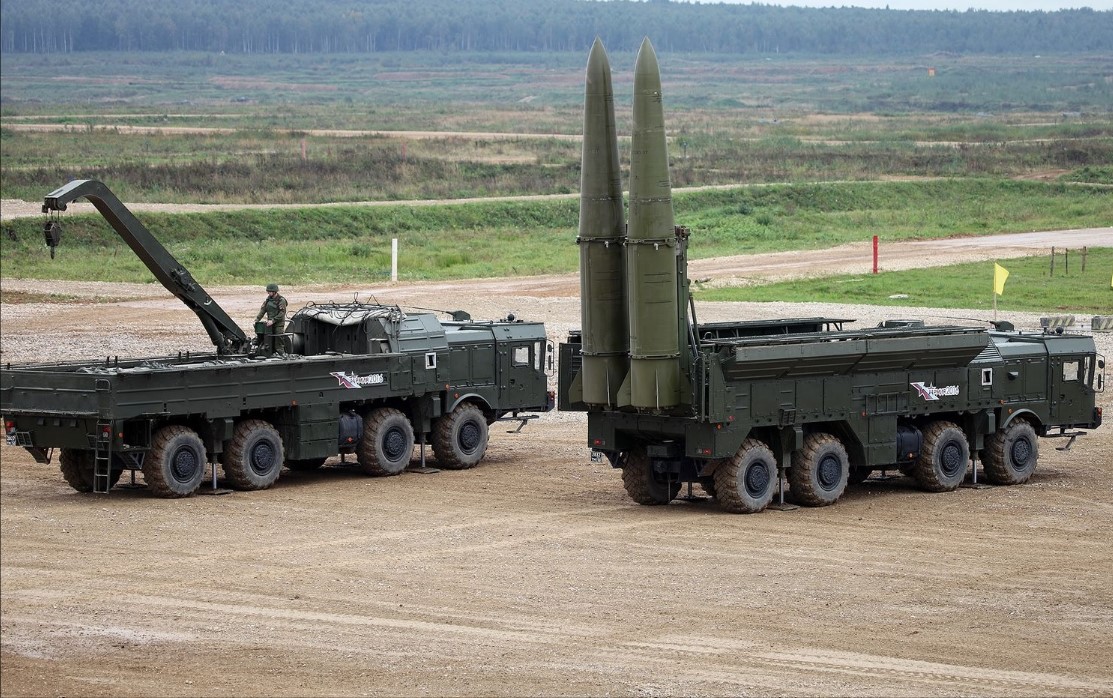
World
KYIV, Ukraine — May 2, 2026 : The General Staff of the Armed Forces of Ukraine reported that Ukrainian Defense Forces carried out a series of coordinated overnight strikes targeting Russian short-range ballistic missile (SRBM) units, radar installations, unmanned aerial vehicle (UAV) command points, and logistical facilities across multiple occupied regions. Strikes Target Missile and Radar Assets in Crimea The operation focused significantly on degrading Russian strike and surveillance capabilities in occupied Crimea. According to the General Staff, Ukrainian forces struck a tactical group base of Russian SRBM systems near the village of Druzhne. The systems are assessed to include elements of the 9K720 Iskander operational-tactical missile complex. Additional targets included the MIS-M1 coastal radar station near Maiak and the 48Ya6-K1 Podlet radar station near Yevpatoriia. These radar systems are designed to detect low-altitude aerial threats and contribute to integrated air defense networks by providing early warning and tracking data. The General Staff released a Google Earth map identifying the locations of the missile systems and radar installations struck during the operation in Crimea. UAV Infrastructure and Support Units Hit in Eastern and Southern Regions Simultaneous strikes were conducted against Russian UAV infrastructure and support elements across the eastern and southern fronts. In the Donetsk region, Ukrainian forces targeted three UAV command posts located in the village of Heorhiivka. A UAV storage and deployment facility in Novopetrikivka was also struck. These facilities are used to coordinate reconnaissance and strike drone operations in the area. In the Luhansk region, a repair and maintenance unit in the Kadiivka area was hit, affecting the servicing and restoration of Russian military equipment. In the Kherson region, an ammunition depot in the Ivanivka area was struck. The depot was assessed to support ongoing Russian operations in the southern theater. Context: Late-April Strike on Iskander Storage Facility The May 2 operation follows a Ukrainian drone strike conducted on April 28, 2026, targeting a storage base for Iskander missile systems near the village of Ovrazhki, approximately 40 kilometers east of occupied Simferopol. Russian forces had positioned missile systems within reinforced concrete shelters at a former Soviet missile base. The shelters, originally constructed for R-5 medium-range ballistic missiles, feature concrete walls estimated between 40 and 60 centimeters thick and are covered with layers of soil for additional protection. Ukrainian Special Operations Forces employed medium-strike drones, identified as FP-2 variants equipped with 105-kilogram warheads, to penetrate the shelters and strike the missile systems inside. Prior to the strike, the facility had been used for missile launches, as documented by the Ukrainian Resistance Movement. Due to its location, missiles launched from Ovrazhki were capable of reaching front-line positions and rear areas within minutes. Operational Objective According to the General Staff, the May 2 strikes were aimed at elements supporting missile launches, radar surveillance, and UAV operations. The operation forms part of ongoing Ukrainian efforts to disrupt Russian command, control, surveillance, and logistical infrastructure in occupied territories. No additional details regarding the methods used in the May 2 strikes or assessments of damage were provided in the official statement.
Read More → Posted on 2026-05-02 18:25:05
World
BEIJING, — May 2, 2026 : A U.S. Air Force C-17 Globemaster III transport aircraft landed at Beijing Capital International Airport late on May 1, marking the start of logistical preparations for the upcoming state visit of Donald Trump to China. According to aviation tracking data, the aircraft—operating under callsign REACH 4599 with tail number 08-8204—departed from Joint Base Andrews in Maryland. The flight route included refueling stops in Anchorage, Alaska, and Misawa Air Base in Japan before arriving in Beijing in the early hours of May 2. A second C-17 aircraft, identified as REACH 4150, also arrived as part of the advance deployment. These transport missions are consistent with standard U.S. protocol for high-level diplomatic visits. The aircraft typically carry specialized equipment required to support presidential travel, including secure communications systems, armored vehicles for the official motorcade, and advance security personnel responsible for establishing operational readiness on the ground. Neither U.S. nor Chinese authorities have publicly disclosed the exact cargo of the flights. Visit Rescheduled Following Regional Developments The White House confirmed in March that President Trump will travel to Beijing on May 14 and 15 for a bilateral summit with Xi Jinping. The visit was initially planned for late March but was postponed after the U.S. administration redirected focus toward ongoing military operations related to the conflict with Iran. The revised schedule was formally communicated on March 25. The upcoming meetings will represent the first in-person engagement between Trump and Xi since their previous summit in South Korea in October, where both sides reached an initial agreement aimed at easing trade tensions. Key Issues on the Agenda Officials from both countries are preparing to address a range of strategic and economic issues during the Beijing summit. A primary topic is expected to be the ongoing conflict involving Iran and its broader impact on global energy markets. A U.S.-led maritime blockade in the Strait of Hormuz has disrupted key oil shipping routes. China, which relies significantly on crude oil imports passing through the waterway, has indicated interest in contributing to diplomatic efforts aimed at stabilizing the situation. Tensions have also increased over enforcement of U.S. sanctions targeting entities accused of trading Iranian oil. The Trump administration has imposed restrictions on several Chinese shipping firms and refineries. In a recent statement, President Trump claimed that U.S. forces intercepted a vessel allegedly assisting Iran and described it as linked to Beijing. China’s Foreign Ministry rejected the claim, stating that the ship was foreign-flagged and reiterating that Beijing maintains a neutral position regarding the conflict. Another issue expected to feature prominently is Taiwan. In advance of the visit, Chinese Foreign Minister Wang Yi held discussions with U.S. Secretary of State Marco Rubio, emphasizing that Taiwan remains a central concern in bilateral relations. Chinese officials have urged the United States to approach the issue cautiously to avoid destabilizing broader diplomatic ties. Economic and Strategic Discussions In addition to security concerns, the summit is expected to include discussions on trade tariffs, technology cooperation, rare earth mineral supply chains, and regional stability. These topics have remained central to U.S.-China relations in recent years, particularly amid efforts to balance economic competition with strategic engagement. The visit will be President Trump’s first trip to China during his current term and the first by a sitting U.S. president to Beijing in nearly a decade. U.S. officials have described the engagement as part of a broader evaluation of diplomatic and strategic priorities. Operational Preparations Continue The arrival of the C-17 aircraft signals the beginning of on-the-ground preparations for the presidential visit. Similar advance deployments have been used in previous overseas trips to ensure secure communications, transportation, and coordination infrastructure are in place prior to the arrival of Air Force One. Preparatory activities are expected to continue in the coming days as both U.S. and Chinese officials finalize arrangements for the May 14–15 summit.
Read More → Posted on 2026-05-02 18:31:41 Japanese Researchers Develop Oral Tablet That Targets Bone-Building Cells for Osteoporosis Treatment
Space & Technology
OSAKA, Japan — may2, 2026 : Researchers at Osaka Metropolitan University have developed an experimental oral medication designed to reverse osteoporosis by stimulating the body’s natural bone-building process. The therapy, currently in the testing phase, represents a shift from conventional treatments that primarily focus on slowing bone loss rather than restoring lost bone mass. A Shift in Treatment Approach Existing osteoporosis therapies, including bisphosphonates and hormone-based treatments, are classified as anti-resorptive drugs. These medications reduce the breakdown of bone tissue and help prevent further deterioration, but they do not regenerate bone that has already been lost. The newly developed tablet takes a different pharmacological approach. According to research data, the drug directly targets osteoblasts—specialized cells responsible for forming and mineralizing new bone tissue. By activating these cells, the medication initiates a regenerative cycle in which bone tissue is rebuilt, rather than simply preserved. Early laboratory findings indicate that sustained osteoblast activation leads to measurable increases in bone density, improved structural integrity, and reversal of skeletal degradation in affected areas. Research Background and Development The development builds on long-term research conducted at Osaka Metropolitan University into bone regeneration and cellular biology. The institution has previously focused on accelerating osteoblast differentiation and maturation, which are key processes in bone formation. This foundational work has now resulted in what researchers describe as the first osteoblast-targeting regenerative treatment delivered in oral tablet form. The study has also been referenced in coverage by Athens News, highlighting its significance within the broader scientific community. Scale of the Health Challenge Osteoporosis remains a major global health issue, particularly among aging populations. Globally, the condition affects more than 200 million individuals, leading to increased fragility in bones such as the hips, spine, and wrists. These structural weaknesses significantly raise the risk of fractures, often from minor falls or impacts. In Japan, demographic trends intensify the challenge. With one of the world’s most rapidly aging populations, an estimated 15 million people are projected to develop osteoporosis. The disease is often asymptomatic until a fracture occurs, making early intervention and effective treatment critical. Clinical Status and Future Evaluation The oral medication is currently undergoing laboratory testing and early-stage evaluation. No specific timeline has been announced for advanced clinical trials or regulatory approval. Researchers aim to further examine long-term safety, effectiveness across different patient groups, and how the treatment may integrate with existing therapies. The focus remains on validating whether the regenerative mechanism observed in early studies can be consistently replicated in clinical settings. If confirmed through trials, the therapy would introduce a new category of treatment centered on restoring bone mass through targeted activation of the body’s own cellular processes, rather than managing bone density decline alone.
Read More → Posted on 2026-05-02 18:38:24
India
New Delhi, — May 3, 2026 : The Ministry of Finance has notified the Foreign Exchange Management (Non-debt Instruments) (Amendment) Rules, 2026, bringing into force a revised regulatory framework for foreign direct investment (FDI) effective May 1. The amendment marks a structural shift in how India evaluates foreign capital inflows by prioritising ultimate beneficial ownership and control over the immediate country of investment. The changes operationalise policy decisions cleared by the Union Cabinet (March 2026) and provide legal backing to earlier policy guidance issued by the Department for Promotion of Industry and Internal Trade (DPIIT). The revised rules are designed to close gaps that previously allowed indirect investments from restricted jurisdictions through intermediary countries. Focus on Ultimate Beneficial Ownership A central element of the amendment is the formal adoption of the concept of Ultimate Beneficial Ownership (UBO) as the basis for regulatory scrutiny. Under earlier norms, investments routed through third countries such as Singapore, the Netherlands, or the United Arab Emirates could qualify under the automatic route even if underlying ownership traced back to restricted jurisdictions. The updated rules align the definition of “beneficial owner” with the Prevention of Money Laundering Act, 2002 (PMLA) and the associated Maintenance of Records Rules, 2005. This alignment requires authorities to examine ownership structures across all layers of holding entities to determine the individual or entity exercising ultimate control. To introduce operational clarity, the government has set a 10 per cent threshold for non-controlling beneficial ownership. Investments where ownership from land-bordering countries remains below this threshold and does not confer control may proceed under the automatic route. However, any investment exceeding this threshold, or any structure that results in control by such entities, requires prior government approval. Mandatory Government Route for Border-Linked Investments The amendment reiterates and strengthens the requirement that entities incorporated in countries sharing a land border with India—or investments where the beneficial owner is situated in such countries—must route investments through the Government approval pathway. The countries covered include Afghanistan, Bangladesh, Bhutan, China, Myanmar, Nepal, and Pakistan. This provision builds on earlier safeguards introduced to prevent opportunistic acquisitions and ensures that indirect investment structures cannot bypass regulatory oversight. Scrutiny of Indirect Investments and Ownership Layers The revised framework explicitly targets indirect investment routes. Authorities are now mandated to assess multi-layered corporate structures, including cross-border holding companies and investment vehicles, to establish the origin of control. This provision closes a key regulatory gap under the earlier regime, where layered ownership structures could obscure the actual source of funds and control. By linking the definition of ownership to anti-money laundering standards, the amendment integrates financial transparency requirements into FDI regulation. Prior Approval for Future Ownership Changes The rules extend scrutiny beyond initial investment. Any subsequent transfer of equity—direct or indirect—that results in beneficial ownership shifting to a restricted jurisdiction will require prior approval from the Government of India before execution. This applies to mergers, acquisitions, share transfers, and internal restructuring within corporate groups. The provision ensures that compliance is maintained throughout the lifecycle of an investment, not just at the entry stage. Reporting Requirements and RBI Oversight The amendment introduces enhanced reporting obligations to the Reserve Bank of India (RBI). Investments with any direct or indirect linkage to land-border countries must be reported, creating a continuous regulatory trail even in cases where prior approval is not immediately triggered. Standard compliance requirements remain in force, including filing of Form FC-GPR within 30 days of share allotment and reporting through the FIRMS portal. The strengthened reporting framework is intended to improve monitoring and enforcement without altering existing procedural systems. Multilateral development banks and certain international financial institutions are exempt from these country-attribution rules and are not classified based on the nationality of their shareholders. Specific Restrictions on Pakistan The amended rules retain and clarify stricter provisions for Pakistan-linked investments. Citizens of Pakistan or entities incorporated in Pakistan may invest in India only through the Government route. Such investments are prohibited in sensitive sectors, including defence, space, atomic energy, and other activities where foreign investment is restricted. These sectoral exclusions remain unchanged but are now explicitly integrated into the updated framework. Background: From Press Notes to Legal Enforcement The amendment builds on a sequence of policy developments beginning with Press Note 3 (2020 Series), which introduced government approval requirements for investments from land-bordering countries. In March 2026, Press Note 2 (2026 Series) further clarified the definition of beneficial ownership and introduced the 10 per cent threshold. The May 2026 FEMA notification gives statutory effect to these policy measures, ensuring enforceability under foreign exchange law. It does not alter sectoral FDI caps or entry routes applicable to investments from non-restricted jurisdictions. Processing Timelines and Sectoral Facilitation Alongside tighter scrutiny, the government has introduced a defined 60-day timeline for processing FDI proposals in specified sectors. Investments in electronics manufacturing, capital goods, and solar cell production are to be prioritised within this timeframe. This measure is intended to maintain investment momentum in key industrial sectors while applying stricter ownership checks. The approach reflects an attempt to balance regulatory oversight with the need for timely approvals in sectors linked to supply chain development and technology access. Impact of the Amendment The May 2026 amendment introduces several structural changes to India’s FDI regime. It shifts regulatory focus from the immediate investing entity to the ultimate controlling interest, expands oversight to indirect and layered investments, and ensures that future ownership changes remain subject to review. At the same time, it preserves existing sectoral policies and introduces timelines to facilitate investment in priority industries. The framework integrates financial transparency standards with investment regulation, aiming to strengthen monitoring without introducing new sectoral restrictions. Officials have indicated that the revised rules are intended to enhance clarity and consistency in FDI evaluation while addressing concerns related to ownership opacity and strategic control.
Read More → Posted on 2026-05-03 09:47:53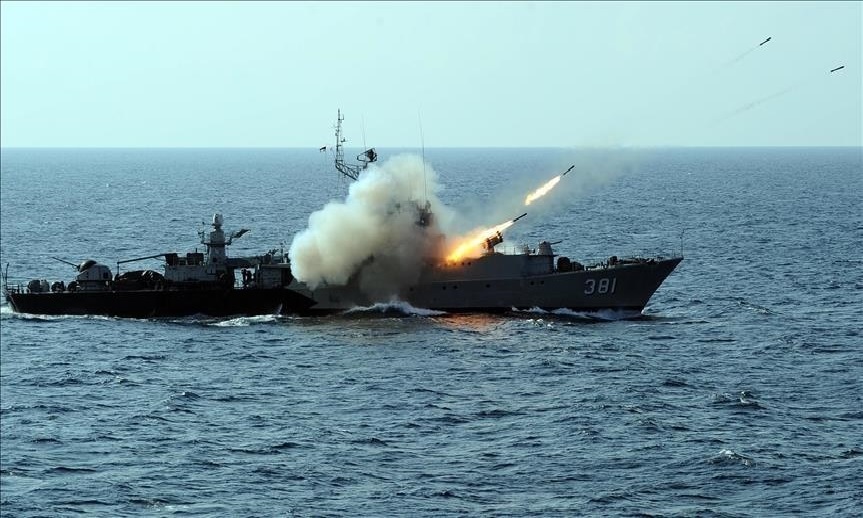
World
Tokyo, — May 3, 2026 : Japan’s top ground operational command will conduct its first training exercise focused exclusively on the country’s southwestern Nansei Islands from May 17 to 22, incorporating coordinated command-and-control activities with the United States Marine Corps. The exercise reflects ongoing efforts by Tokyo and Washington to strengthen operational coordination and logistical readiness along the First Island Chain. The drills will be led by the Japan Ground Self-Defense Force (JGSDF) Ground Component Command, which oversees nationwide land operations. Approximately 300 personnel drawn from all five regional armies will participate in the multi-day exercise spanning the islands of Miyakojima, Ishigaki, and Yonaguni—areas geographically positioned close to Taiwan. Scope of Operations Across Key Islands Activities will be distributed across three strategically located islands in the Nansei chain, which extends from Kyushu toward Taiwan. On Miyakojima, located approximately 350 kilometers east of Taiwan, around 300 JGSDF personnel will conduct operations from May 17 to May 20. They will be joined by 20 U.S. Marines from the 12th Marine Littoral Regiment’s Headquarters Battalion, based in Okinawa. During this phase, the two forces will establish and operate a bilateral communication and coordination center on the island. This marks the first instance of such a joint command post being set up on Miyakojima. Separate exercises will take place on Ishigaki and Yonaguni islands, both situated closer to Taiwan. Ishigaki lies roughly 240 kilometers from Taiwan, while Yonaguni—Japan’s westernmost inhabited island—is about 110 kilometers from the Taiwanese coast. U.S. personnel will not participate in the drills conducted on these two islands. Logistics and Deployment Focus The primary focus of the exercise is to improve Japan’s ability to deploy forces and sustain operations across remote island environments. Training will emphasize the movement of troops and transportation of essential supplies between dispersed locations. Logistical operations will include transporting food and water to simulate sustainment of deployed forces. No live ammunition will be used or transported during these drills. The exercise will utilize a network of nine ports across Japan, demonstrating long-range logistical coordination. These include ports on Miyakojima, Ishigaki, and Yonaguni, as well as Naha (Okinawa), Muroran and Tomakomai (Hokkaido), Sakade (Kagawa), Kitakyushu (Fukuoka), and Kagoshima. In addition to logistics training, specific equipment deployments are planned. The JGSDF will position a Type-88 surface-to-ship guided missile launcher on Ishigaki. On Yonaguni, two ScanEagle II unmanned aerial vehicles (UAVs) will be deployed for surveillance and operational training purposes. Bilateral Coordination with U.S. Forces The command post training on Miyakojima will focus on interoperability between Japanese and U.S. forces, particularly in communication systems and operational coordination. U.S. Marines will provide command-and-control and communications equipment necessary to establish the bilateral coordination center. According to military officials, the exercise is intended to enhance shared operational understanding and improve the effectiveness of joint responses in potential contingencies. The participation of the 12th Marine Littoral Regiment aligns with evolving U.S. force posture in the Indo-Pacific, which emphasizes distributed operations across island chains. Strategic and Defense Context The exercise forms part of Japan’s broader initiative to strengthen its defensive posture across the Nansei Islands. In recent years, Tokyo has expanded its military infrastructure in the region, reflecting increased attention to the security environment surrounding its southwestern territories. In 2023, Japan established a missile base on Ishigaki equipped with Type-12 surface-to-ship missiles and Type-03 air defense systems. Future plans include deploying upgraded Type-03 air defense missile systems to Yonaguni by fiscal year 2030. The upcoming drills also align with bilateral agreements (January 2026) between Japan and the United States to expand joint training activities along the First Island Chain. Officials state that the May exercise is designed to strengthen capabilities for rapid troop deployment, sustainment logistics, and coordinated command operations in geographically dispersed island settings. A Ground Staff spokesperson confirmed that this is the first time the Ground Component Command has conducted a training exercise specifically centered on the Nansei Islands, marking a shift toward more regionally focused operational planning. Military representatives from both countries have indicated that the exercise will contribute to improving readiness, logistical coordination, and interoperability in the southwestern island region.
Read More → Posted on 2026-05-03 09:57:56
World
West Palm Beach, Florida — May 3, 2026 : Donald Trump has indicated that the United States may reposition the USS Abraham Lincoln (CVN-72) near Cuba after its current deployment in the Middle East, outlining a potential shift in U.S. military posture toward the Caribbean. The remarks were delivered on May 1 during an address to the Forum Club of the Palm Beaches in West Palm Beach, Florida. According to reporting by Fox News, the president described a scenario in which the aircraft carrier could be positioned approximately 100 yards from the Cuban coastline as it transits back from ongoing operations in the Persian Gulf. “We’ll bring it in, have it stop roughly 100 yards off the shore, and they’ll say, ‘Thank you very much, we surrender,’” Trump stated during the speech. He further added that the United States would be “taking over” the island “almost immediately” following the conclusion of current military operations elsewhere. As of May 3, neither the White House nor the United States Department of Defense has issued clarification on whether the comments represent a formal directive or a hypothetical scenario discussed in a political context. Current Deployment of USS Abraham Lincoln The USS Abraham Lincoln (CVN-72), a Nimitz-class nuclear-powered aircraft carrier, is currently deployed in the Arabian Sea and Persian Gulf. The vessel is part of a U.S.–Israel joint military mission targeting Iran, widely referred to as Operation “Epic Fury.” The carrier strike group includes advanced aviation capabilities. On February 12, 2026, U.S. Navy records confirmed that F-35C Lightning II aircraft assigned to Marine Fighter Attack Squadron 314 conducted flight operations from the carrier’s deck in the Arabian Sea. These operations highlight the vessel’s capacity for sustained air power projection in high-intensity environments. During his remarks, Trump noted that the carrier’s return route from the Middle East could allow for a diversion toward the Caribbean, making a deployment near Cuba logistically feasible without requiring a separate redeployment order. Escalation in U.S. Policy Toward Cuba The president’s statements follow a series of policy measures aimed at increasing pressure on Cuba since the start of his current term. On May 1, 2026, the administration signed a new executive order expanding sanctions against Cuba. The order targets individuals and entities associated with the Cuban government, including those operating in the energy, defense, mining, metals, financial services, and security sectors. It also authorizes the blocking of U.S.-based assets linked to entities conducting business with Havana. The latest measures build on earlier actions taken in January 2026, when the administration declared a national emergency concerning Cuba. That decision introduced a framework for secondary sanctions, including tariffs on foreign governments and companies supplying oil to the island. The policy has contributed to fuel shortages and power disruptions within Cuba. These actions were implemented under authorities granted by the International Emergency Economic Powers Act, which enables the U.S. government to regulate commerce in response to national security threats. Pentagon Planning and Strategic Considerations Reports indicate that the Pentagon has been developing contingency plans for a potential military intervention in Cuba amid rising tensions between Washington and Havana. Defense sources cited in international reporting suggest that planning efforts have accelerated in anticipation of possible executive direction. Trump had previously referenced the timeline for potential action during remarks at the White House on April 13, 2026. At that time, he stated that the United States could consider measures against Cuba following the conclusion of operations related to Iran, asserting that he holds executive authority to take necessary steps to establish control over the island. No official military orders related to Cuba have been publicly announced. Defense officials have not confirmed any deployment timelines or operational parameters beyond standard contingency planning processes. Response from Cuban Leadership Cuban officials have publicly rejected recent U.S. actions. Miguel Díaz-Canel described the May 1 sanctions as coercive, stating that they inflict significant economic harm due to what he characterized as aggressive U.S. policies. Bruno Rodríguez Parrilla criticized the measures as “illegal and abusive,” describing the sanctions and associated tariffs as a form of collective punishment affecting the Cuban population. Cuba continues to face economic challenges, including fuel shortages and electricity disruptions, which have intensified following the implementation of oil-related restrictions earlier in the year. Ongoing Developments The situation remains fluid, with no additional operational details released by U.S. authorities. The USS Abraham Lincoln continues its mission in the Middle East, and any decision regarding redeployment toward the Caribbean has not been formally confirmed. The administration’s recent statements and policy actions indicate a continued focus on Cuba as part of broader U.S. strategic considerations following ongoing military operations involving Iran.
Read More → Posted on 2026-05-03 10:12:02Search
Top Trending in 24 Hours
-
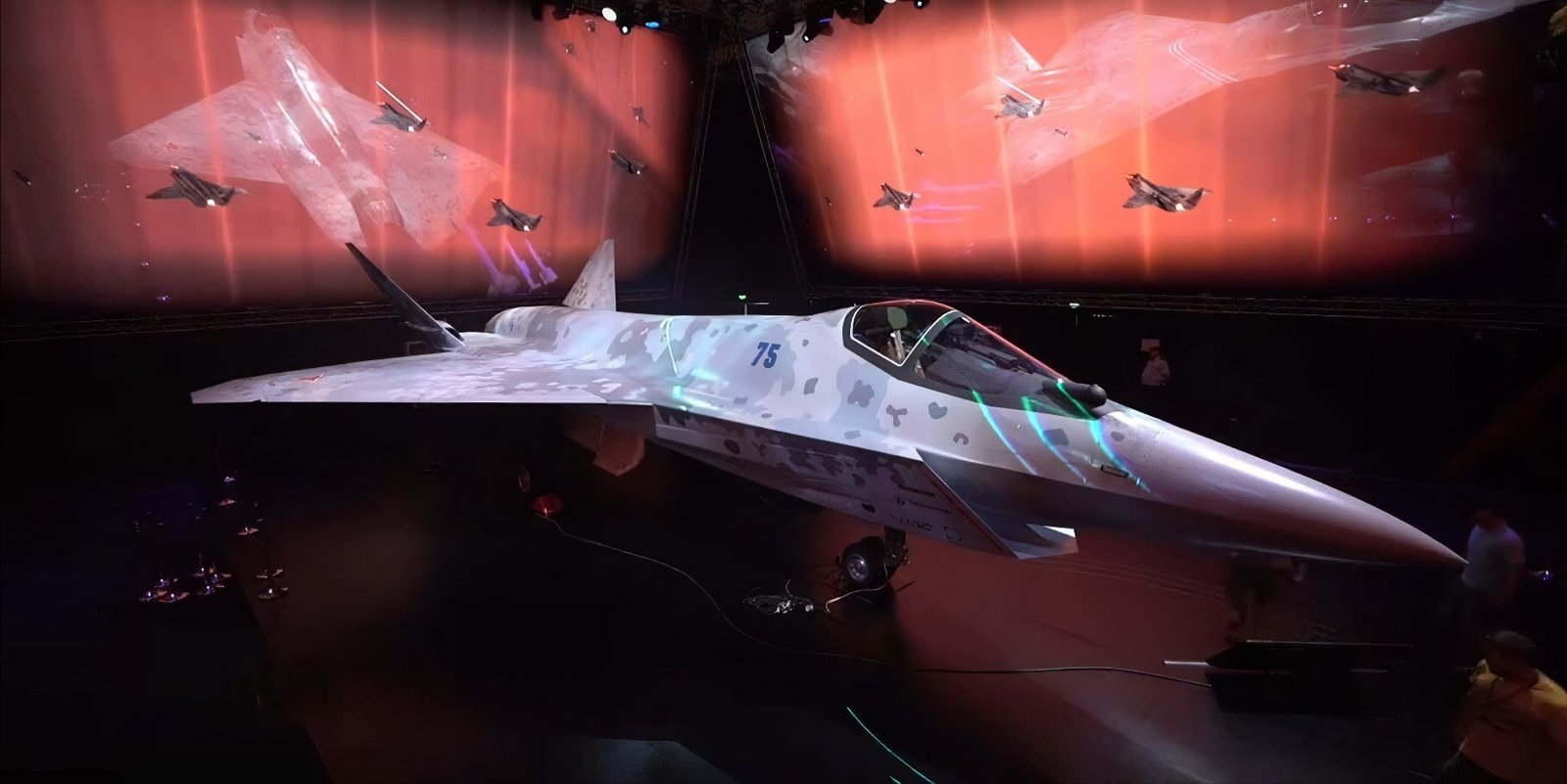 Russia Says Su-75 Checkmate Could Cost Just $25–30 Million, Flight-Hour Costs 6 Times Lower Than F-35
-
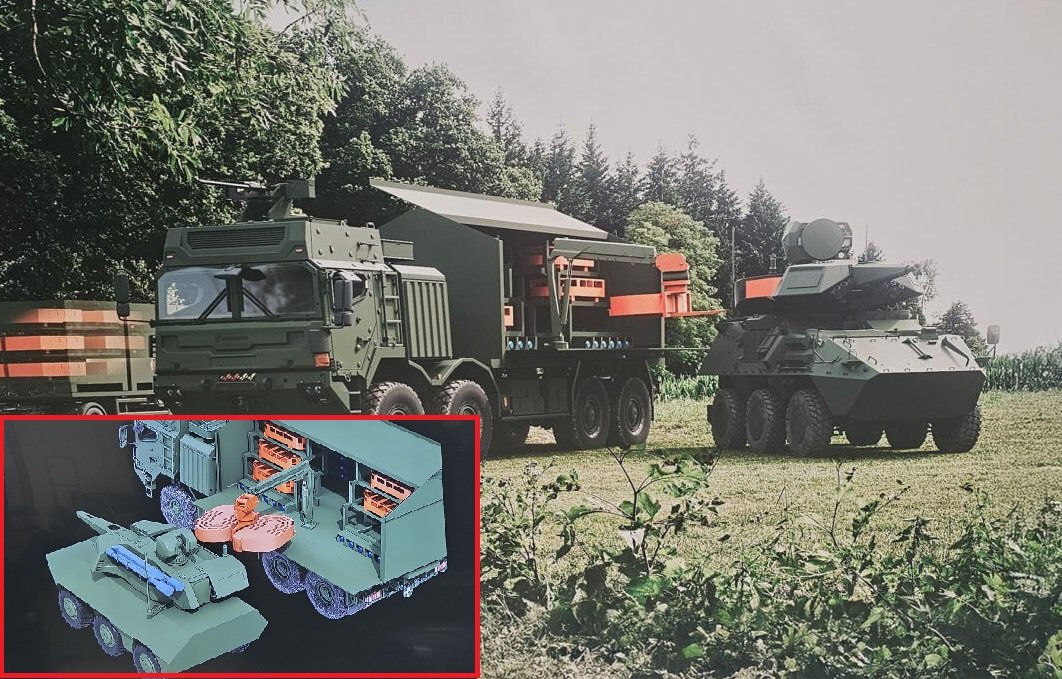 Rheinmetall Develops Automated Reloader for Austrian Skyranger Air Defense System
-
 GE Aerospace and Poland’s WZL-1 Finalize T700 and CT7 Engine Maintenance Deal
-
 South Korea Seeks Turkish PD170 Drone Engines After Recent UAV Test Failures
-
 UK Watches Trump’s Diesel Export Ban Threat as US Supplies Remain Important
-
 Fincantieri and PT PAL Sign MoU to Modernize Indonesia’s First Aircraft Carrier
-
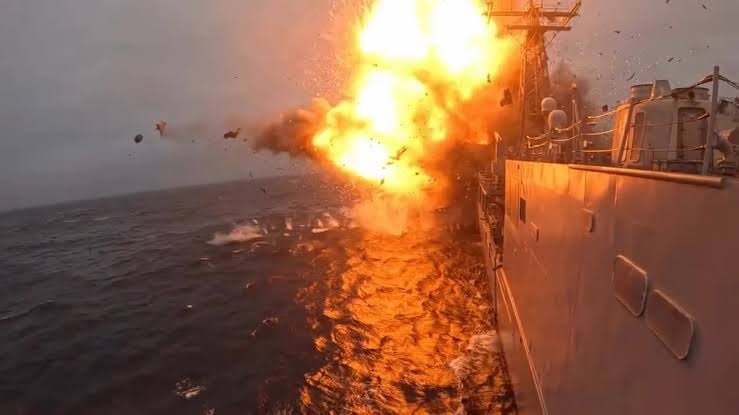 U.S. and UK Forces Sink Decommissioned Frigate in North Atlantic Exercise
-
 Russian Tu-95MS Strategic Bomber Crashes in Amur Region, Six Crew Members Killed
Top Trending in 4 Days
-
 France to Send Troops, Radars and Defence Systems to Protect Saudi Arabia’s Yanbu Oil Terminal
-
 U.S. Approves Patriot Missile Production License for Ukraine Following Trump-Zelensky Meeting
-
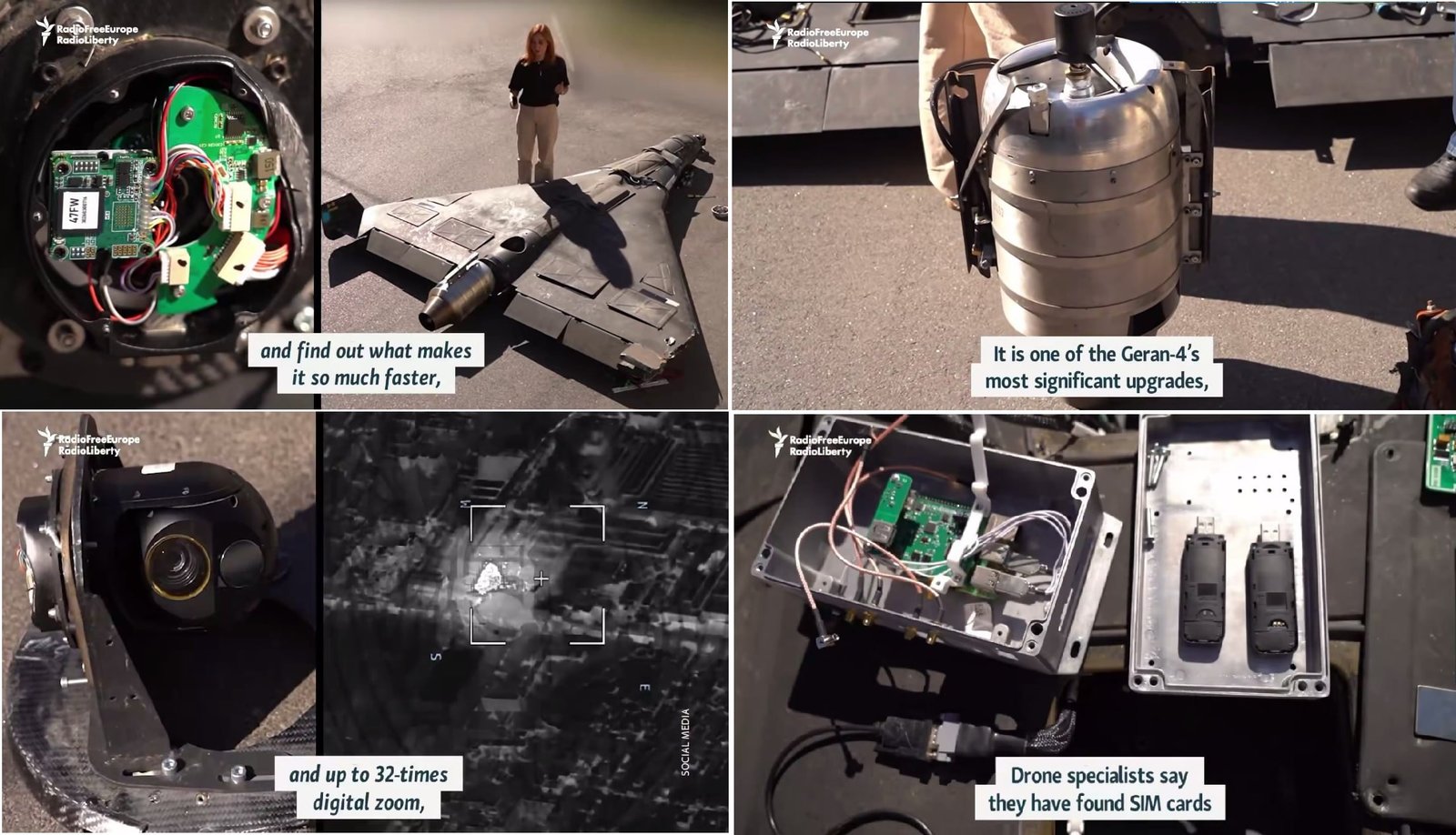 Ukrainian Experts Analyze Russian Geran-4 Wreckage, Detailing Chinese Engine, Multi-Mode Camera and Long-Range Control Systems
-
 US Army Reserve Assessing Support Units for Southern Command Amid Cuba-Focused Planning
-
 Indian Firm Strider Robotics’ M3 Quadruped Robot Pulls Honda Amaze in Bengaluru Demonstration
-
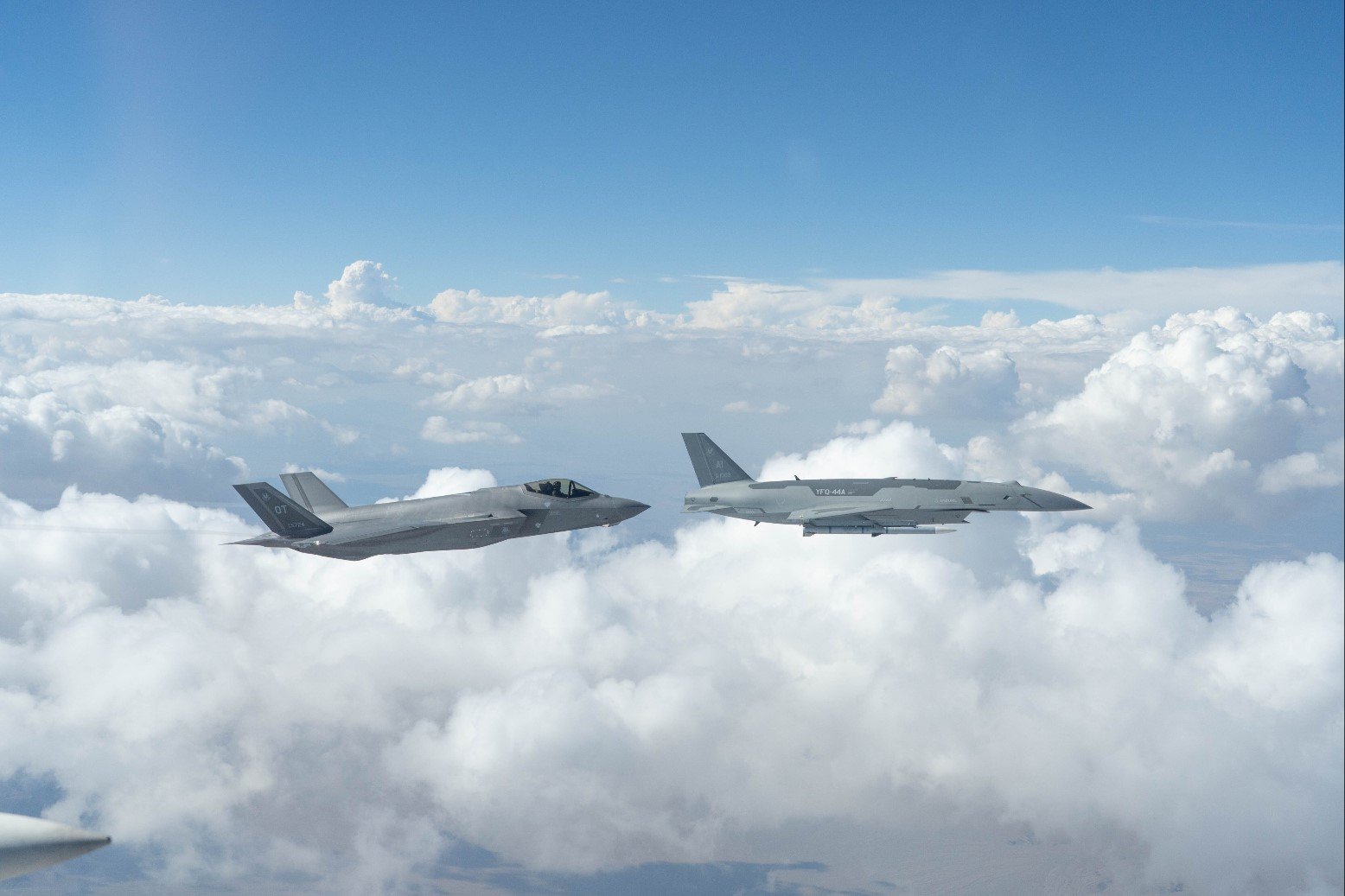 U.S. Air Force Receives First Two Collaborative Combat Aircraft at Creech Air Force Base
-
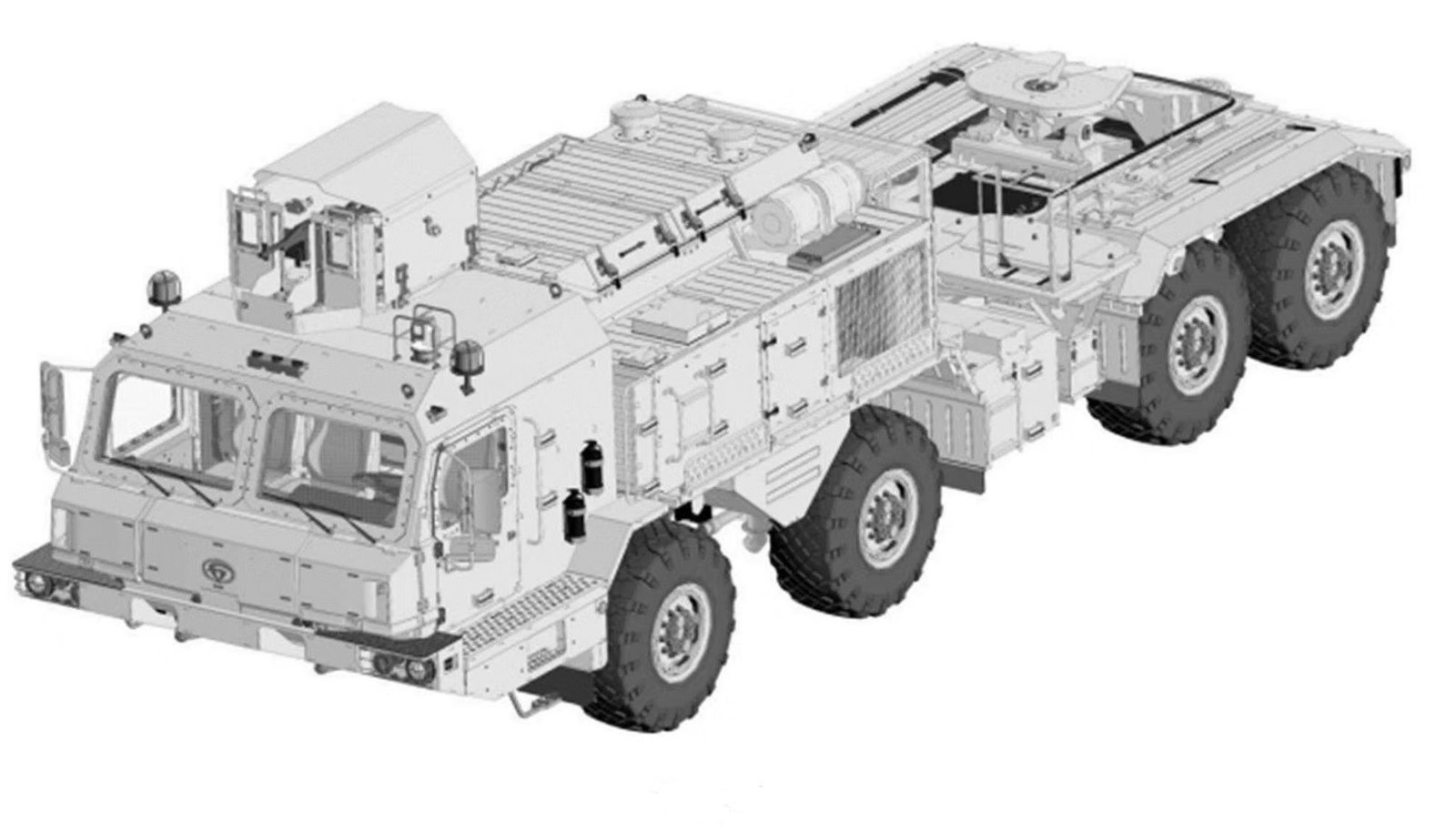 Russia’s BAZ Patents New Armored 4x4 Tractor With Machine-Gun Turret
-
 Russia Renews Izdeliye 177S Engine Offer for India’s Su-30MKI Upgrade During Putin’s Visit to New Delhi