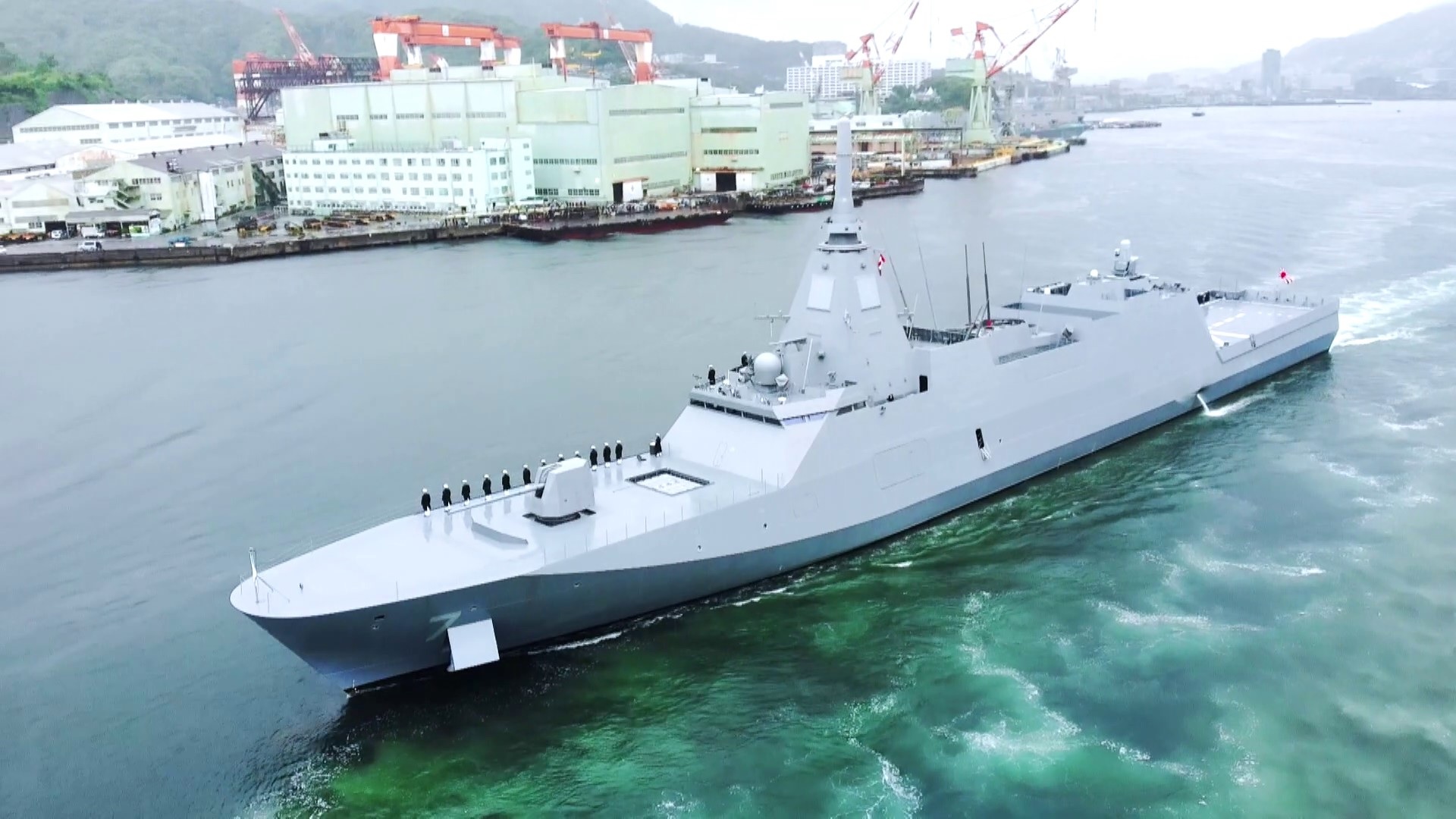
MELBOURNE, — April 18, 2026 : The Australian Government has formally signed contracts with the Government of Japan and Mitsubishi Heavy Industries for the procurement of three upgraded Mogami general purpose frigates, marking the first phase of the SEA 3000 naval acquisition program. The first vessel is scheduled for delivery to the Royal Australian Navy in 2029.
The agreement represents a significant milestone in Australia’s long-term naval modernization effort, with the SEA 3000 program structured to deliver up to 11 general purpose frigates. Under the 2026 Integrated Investment Program, the government has allocated up to 20 billion Australian dollars for the program across the period from financial year 2026 to 2035.
Program Structure and Shipbuilding Plan
The initial three frigates will be constructed by Mitsubishi Heavy Industries at its shipyard in Nagasaki Prefecture, Japan. Subsequent vessels are planned for domestic construction in Australia at the Henderson Defence Precinct in Western Australia, subject to the precinct’s consolidation and infrastructure readiness.
Eight of the total 11 ships are expected to be built in Australia by Austal, designated as the national shipbuilder. The transition from offshore to onshore construction is intended to support a continuous naval shipbuilding strategy while expanding Australia’s industrial base.
The program is projected to support approximately 10,000 high-skilled jobs in Western Australia over the next two decades, driven by sustained investment in shipbuilding and defence capability development at Henderson.
Platform Design and Capabilities
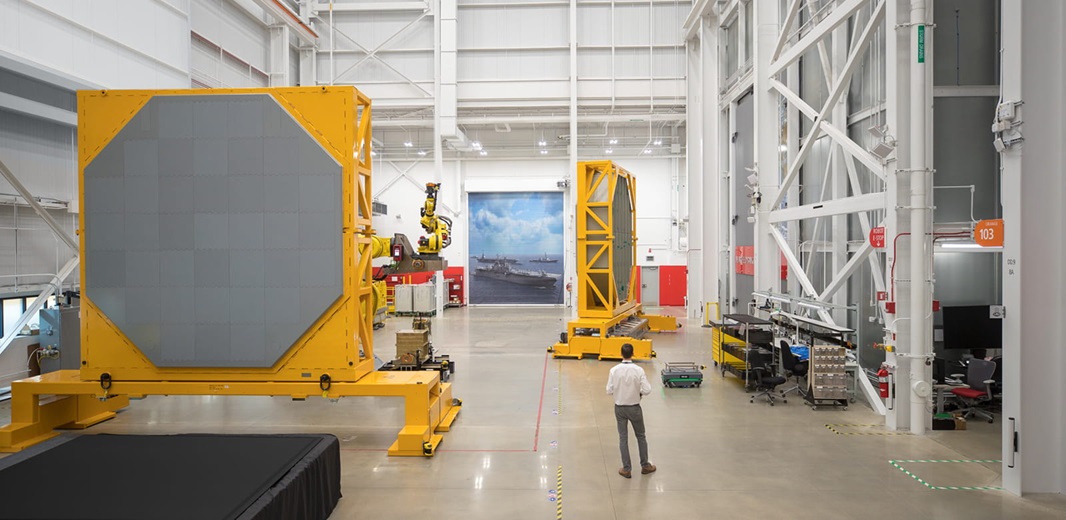
The ships will be based on the upgraded Japanese Mogami-class design, known as the New FFM or 06FFM variant. This configuration incorporates improvements over the baseline Mogami class, including enhanced multi-function radar systems and expanded air defence capabilities.
Each frigate will have a range of up to 10,000 nautical miles and will be equipped with a 32-cell Vertical Launch System. The vessels will be capable of deploying both surface-to-air missiles and anti-ship missiles.
The Australian variant will integrate a combination of United States and European weapon systems, including the Evolved Sea Sparrow Missile Block 2 for medium-range air defence, Mk 54 lightweight torpedoes for anti-submarine warfare, and the Naval Strike Missile for anti-ship operations.
Each ship will be crewed by 92 Royal Australian Navy personnel and will support operations of the MH-60R Seahawk maritime combat helicopter.
Role Within the Fleet
The upgraded Mogami-class frigates are intended to replace the Anzac-class frigates currently in service with the Royal Australian Navy. The new vessels will primarily perform undersea warfare and air defence roles, contributing to broader fleet capability.
The acquisition aligns with recommendations from the 2024 independent analysis of the Navy’s surface combatant fleet, which called for an expansion and modernization of Australia’s naval forces. The Albanese Government has stated that the program supports its commitment to more than double the size of the Navy’s surface combatant fleet.
Bilateral Agreement and Defence Cooperation
The contract signing was formalized during a bilateral engagement involving Deputy Prime Minister and Minister for Defence Richard Marles and Japan’s Minister of Defence Koizumi Shinjirō. Both officials endorsed the “Mogami Memorandum”, which outlines commitments to the delivery of the frigates and expanded defence industry cooperation between the two countries.
The agreement builds on existing operational collaboration. Royal Australian Navy personnel previously conducted training with the Japan Maritime Self-Defense Force aboard the Mogami-class frigate JS Kumano during its transit to Australia for Exercise Kakadu.
Australia’s Department of Defence is working with Japanese industry partners and the Japan Maritime Self-Defense Force to establish initial sustainment and operational capabilities for the upgraded Mogami class within Australia, supported by domestic industry.
Acquisition Context and Selection Process
The selection of the upgraded Mogami design followed a competitive evaluation process that included alternative platforms such as the German MEKO A-200 frigate. The final decision was based on the platform’s ability to meet capability requirements while enabling accelerated delivery timelines.
Japan plans to construct at least 12 New FFM frigates for its own fleet. The Australian program represents Japan’s largest defence export contract to date, marking a significant development in Japan’s defence industrial engagement with international partners.
Government Statements
Richard Marles stated that the acquisition reflects the government’s focus on strengthening national security capabilities and ensuring maritime protection.
“Acquiring upgraded-Mogami class frigates demonstrates the Albanese Government’s focus on investing in the capabilities we need to keep Australians safe. Our surface fleet is more important than at any time in decades. These general purpose frigates will help secure our maritime trade routes and northern approaches as part of a larger and more lethal surface combatant fleet,” he said.
Minister for Defence Industry Pat Conroy described the program as the fastest peacetime acquisition undertaken by the Royal Australian Navy and highlighted its industrial and workforce impact.
“This is the fastest acquisition for the Royal Australian Navy in peacetime. We are working closely with Japanese and Australian industry partners as we acquire one of the most, if not the most, advanced general-purpose frigate in the world. We are delivering these commitments at pace, supporting and creating jobs for Australians, and deepening Australia’s industrial base. The first three frigates will be built offshore in Japan. We will then transition to an onshore build in line with the Government’s commitment to continuous naval shipbuilding and a future made in Australia,” he said.
Industrial and Strategic Significance
The SEA 3000 program reflects a broader strategic effort to enhance Australia’s maritime capabilities while strengthening defence industrial cooperation with Japan. It also establishes a framework for long-term collaboration in shipbuilding, sustainment, and operational integration.
The program’s execution over the next decade is expected to play a central role in reshaping Australia’s surface fleet and supporting regional maritime security objectives.
——— End of Article ———