LONDON / READING, — April 2, 2026 : The Global Combat Air Programme (GCAP) Agency has awarded a £686 million ($905 million) contract to Edgewing to lead the design and development of a sixth-generation combat aircraft for the United Kingdom, Italy, and Japan. The agreement, announced on April 1 and running through June 30, 2026, represents the first joint international contract under the programme and formally establishes a unified trinational development structure.
The contract positions Edgewing as the central authority for engineering, integration, airworthiness, and certification of the future combat aircraft. It marks a transition from parallel national development efforts into a consolidated framework managed under the GCAP International Government Organisation (GIGO).
Governance Structure and Industrial Framework
Edgewing was formally launched on June 20, 2025, as a United Kingdom–headquartered joint venture between BAE Systems, Leonardo, and Japan Aircraft Industrial Enhancement Co. Ltd. (JAIEC), with each partner holding an equal 33.3 percent stake. The company is designated as the design authority for the aircraft throughout its projected service life beyond 2070.
Under the new governance model, Edgewing is responsible for centralized design, configuration control, and certification activities. Manufacturing and final assembly will be subcontracted to BAE Systems (UK), Leonardo (Italy), Mitsubishi Heavy Industries (Japan), and associated supply chains across the partner nations.
The structure is intended to preserve national industrial capabilities while avoiding the fragmented management approaches that have affected earlier multinational defence programmes. Industry observers note that this centralized framework contrasts with ongoing industrial disagreements impacting the Franco-German-Spanish Future Combat Air System (FCAS/SCAF).
Masami Oka, Chief Executive of the GCAP Agency, stated that the contract represents a key transition point, bringing activities previously conducted under separate national contracts into a single international programme. Marco Zoff, Chief Executive Officer of Edgewing, highlighted that the pace of current development reflects coordinated collaboration among the partner organisations.
Programme Scope and Technical Architecture
GCAP is structured as a “system of systems” designed to operate across air, land, sea, space, and cyber domains. The core crewed aircraft will function as a central command node, coordinating with uncrewed systems, including collaborative combat aircraft (drone wingmen).
The programme maintains a target in-service date of 2035. The aircraft is intended to replace the Eurofighter Typhoon in the UK and Italy, and Japan’s F-2 multi-role fighter.
The sensor and mission system architecture is centred on the Integrated Sensing and Non-Kinetic Effects and Integrated Communications Systems (ISANKE & ICS). This framework is being developed by the GCAP Electronics Evolution (G2E) consortium, established in September 2025 and comprising Leonardo UK, Leonardo’s Electronics Division (Italy), ELT Group, and Mitsubishi Electric.
The aircraft’s radar is designed to process approximately 10,000 times more data than current systems, enabling advanced targeting, electronic warfare, and self-protection capabilities in contested environments.
Weapons integration is being developed jointly by MBDA and Mitsubishi Electric under an “Effects Domain” concept, focusing on seamless management of current and future weapon systems.
Propulsion and Power Systems
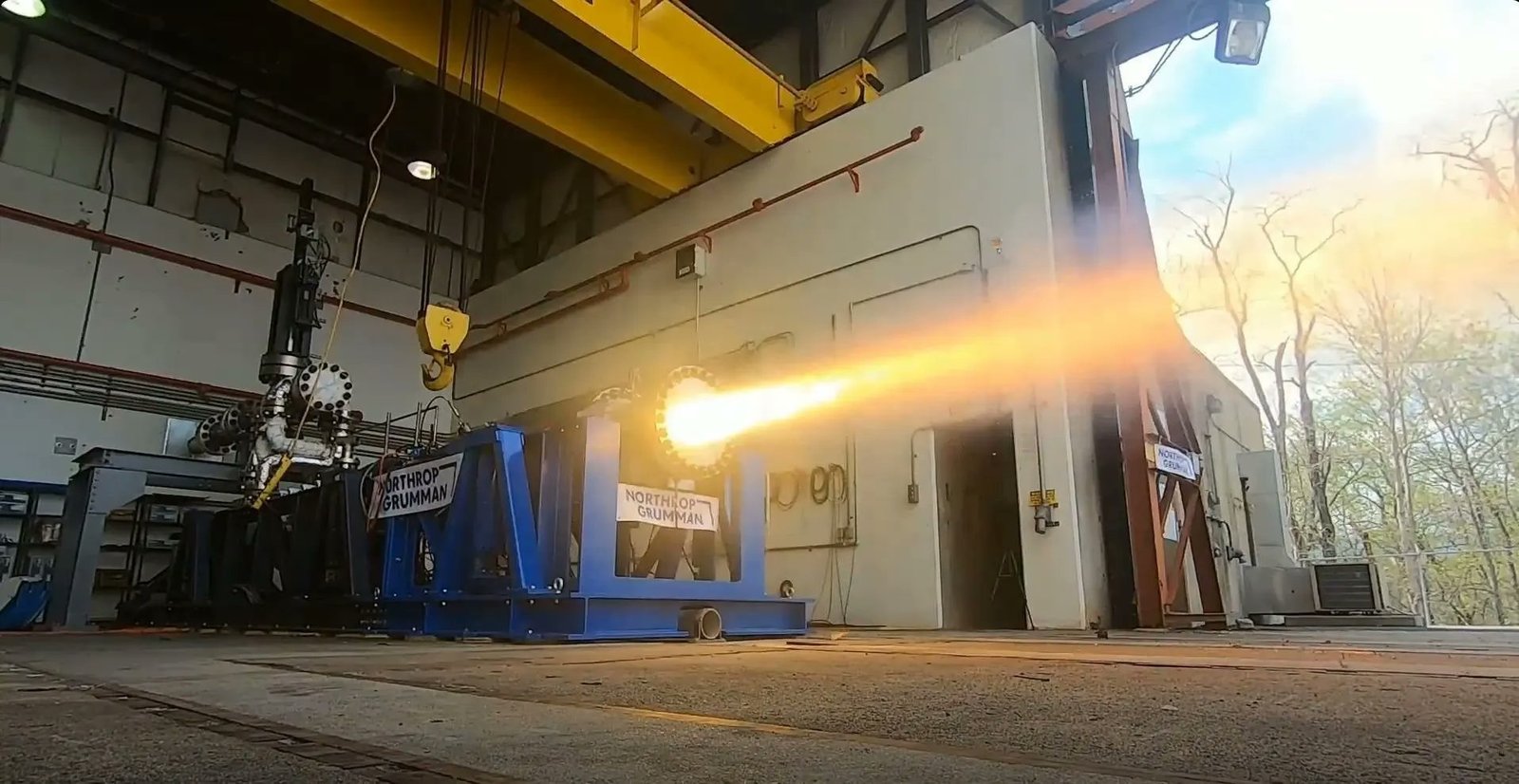
The propulsion system is being developed through collaboration between Rolls-Royce, IHI Corporation, and Avio Aero. The design is intended to provide both conventional thrust and significantly increased electrical power output to support advanced sensors, onboard processing, and thermal management systems.
The demonstrator engine programme currently involves approximately 40,000 individual components, reflecting the scale and complexity of next-generation propulsion requirements.
Financial Commitments and Programme Funding
The £686 million contract serves as a bridge arrangement to sustain design and engineering activities while partner governments finalise longer-term funding frameworks, particularly in the United Kingdom.
Italy has approved €8.77 billion in funding for programme phases extending through 2037. Total early-phase costs are estimated at €18.6 billion.
The programme is positioned as a long-term strategic investment aimed at maintaining sovereign design and engineering capabilities and ensuring supply chain resilience across participating nations.
Design Characteristics and Development Progress
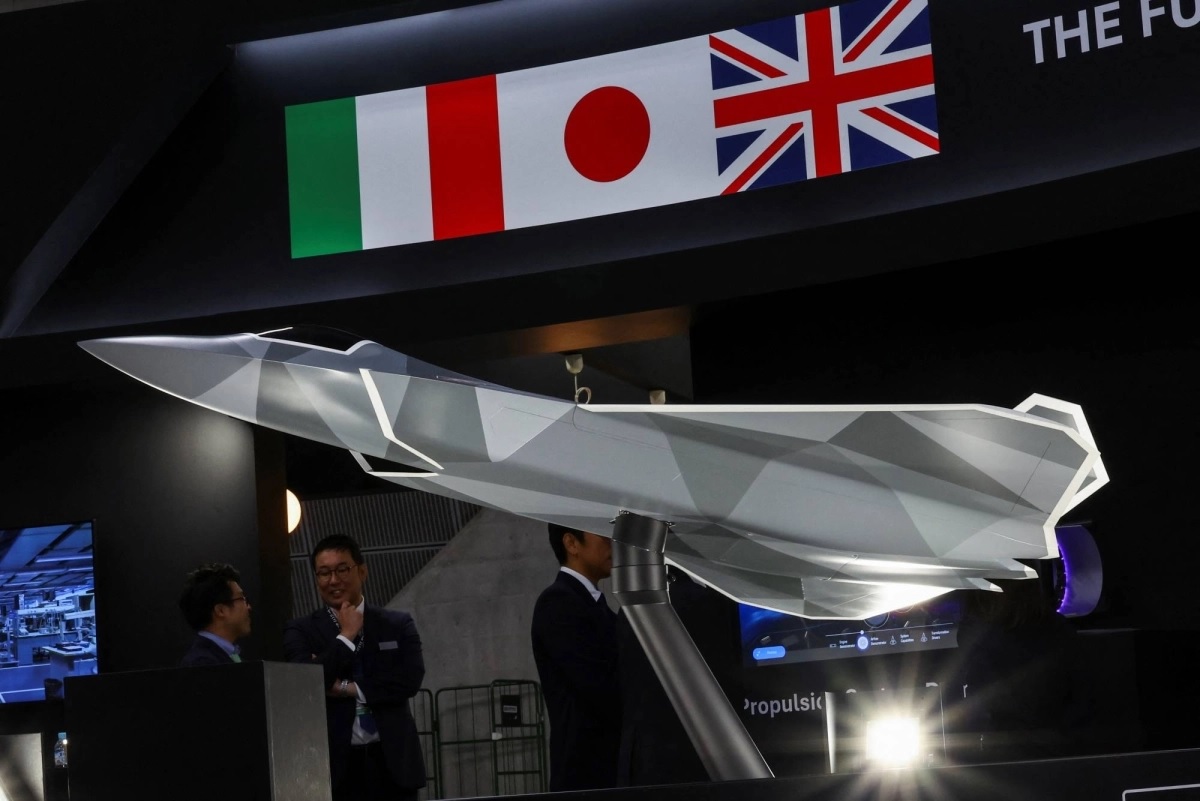
Design imagery released by the programme indicates a broad-delta wing configuration with twin engines and canted vertical stabilisers. The configuration prioritises internal volume, reduced radar cross-section, and accommodation for large-aperture sensors.
These design characteristics align with the aircraft’s intended role in contested airspace, where it will function as both a sensor platform and a command node within a distributed combat network.
International Participation and Expansion Prospects
Participation in GCAP may expand beyond the three core partner nations. According to reports published on April 2, 2026, Canada has entered ministerial-level discussions regarding potential observer status in the programme.
If formalised at a multilateral meeting scheduled for July, such participation would provide access to selected technical data and represent a shift from exclusive reliance on United States-developed fighter platforms.
Programme Integration and Location
The GCAP Agency, operating under GIGO, awarded the contract on behalf of the partner governments. Edgewing’s headquarters and the GCAP international organisation are co-located in Reading, United Kingdom, to support coordination between industrial and governmental stakeholders.
The contract reflects the maturity of the programme’s governance and industrial structures, following the establishment of Edgewing in 2025 and the alignment of national and international programme management frameworks.
——— End of Article ———