WASHINGTON, D.C., April 16, 2026 — The House Select Committee on the Chinese Communist Party has raised concerns over the role of commercial satellite imagery in exposing U.S. military positions prior to an Iranian strike, with Chairman John Moolenaar formally questioning whether data from Airbus Space assets was indirectly used by a Chinese firm.
In a letter dated April 13, 2026, addressed to U.S. Secretary of War Pete Hegseth, Moolenaar cited a technical analysis conducted by the committee indicating a high likelihood that Airbus Space imagery was obtained by MizarVision, a Hangzhou-based geospatial artificial intelligence and software company founded in 2021 with a small ownership stake held by the Chinese government, in the days preceding Operation Epic Fury.
Detailed Timeline and Strike Context
The inquiry centers on events leading up to the Iranian missile and drone strike on March 27, 2026, targeting U.S. forces at Prince Sultan Air Base. The strike wounded between 10 and 12 U.S. service members, including two seriously, and damaged multiple aircraft.
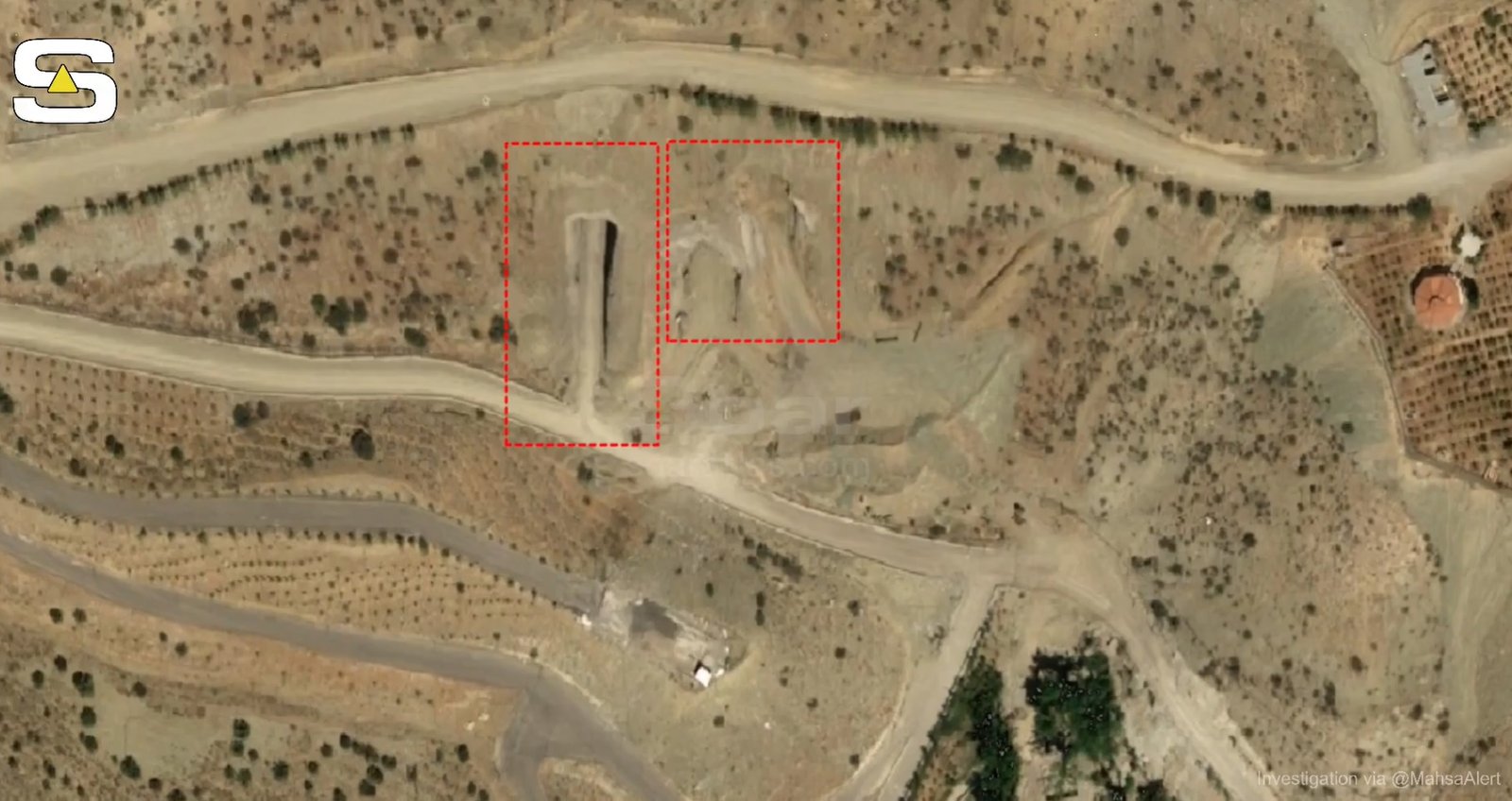
Operation Epic Fury, the U.S.-led military operation against Iran, began on February 28, 2026. In the days leading up to the strike, MizarVision published detailed satellite imagery of U.S. forces in the Middle East without disclosing its data sources.
The imagery included high-resolution, annotated views of U.S. military aircraft at Prince Sultan Air Base, identifying specific platforms such as KC-135 aerial refueling aircraft and E-3 Sentry airborne warning and control system aircraft. These same categories of aircraft were among those impacted in the March 27 attack.
Technical Analysis by the Committee
According to the Select Committee’s investigation, Airbus-operated satellites were tracked over a 48-hour window prior to the strike. The analysis determined that these satellites had multiple daily observation opportunities, with viewing windows totaling up to 10 hours, during which imagery of U.S. troop positions and equipment could have been collected.
To assess feasibility, the committee established three technical conditions that had to be met simultaneously: the satellite had to be in the correct orbital position, the onboard camera needed the capability to orient toward the area of interest, and there had to be sufficient daylight for optical imaging.
Time periods satisfying all three criteria were identified as plausible collection opportunities. A technical review conducted with a satellite systems expert concluded that Airbus Space satellites were the most plausible source of the imagery later published by MizarVision. Experts also noted that the imagery was highly unlikely to have originated from Chinese state-operated satellites based on known technical parameters.
In his letter, Moolenaar wrote:
“These documented facts present a troubling scenario: 1. A Chinese firm with undisclosed satellite sourcing published precise, annotated imagery of U.S. military assets at a specific base. 2. That imagery identified the exact aircraft types that were subsequently destroyed in a precise Iranian strike. 3. A technical analysis suggests Airbus Space satellites were the most plausible sources for that imagery.”
MizarVision’s Capabilities and Publications
MizarVision has released AI-processed satellite imagery throughout the lead-up to and during Operation Epic Fury. The company’s outputs feature automated object recognition and tagging of military assets, including bases, aircraft, naval vessels, and air defense systems across the Middle East.
Its analytical models process large volumes of open-source data, including commercial satellite imagery, ADS-B aircraft tracking data, and AIS maritime tracking signals, enabling near-real-time identification of military equipment and monitoring of operational changes.
The company has also published analyses of U.S. aerial tanker operations and aircraft carrier movements during the conflict. Some imagery released by MizarVision matches the resolution and characteristics of commercial satellite data from Western providers, including Airbus and Planet Labs, as well as other providers such as Vantor.
U.S. defense intelligence officials have assessed that datasets of this type have been used by Iran’s Islamic Revolutionary Guard Corps to support planning and execution of missile and drone strikes.
MizarVision’s activities have been documented in public posts since at least late February 2026, showing daily changes in U.S. military deployments across the Middle East.
Industry and Pentagon Response
Airbus has denied the allegations outlined in the committee’s letter. A company spokesperson stated: “Airbus denies these allegations, and this letter contains many inaccuracies regarding our operations and commercial relationships. We strictly comply with all applicable sanctions, export controls and international regulatory frameworks.”
No determination has been made regarding any direct transfer of imagery from Airbus to MizarVision, and the Select Committee has requested further information from the Department of Defense regarding commercial satellite data flows in the region.
Moolenaar urged the Pentagon to engage with Airbus to restrict the release of imagery of the region. He noted that other commercial satellite companies, including Planet Labs and Vantor, have voluntarily withheld or delayed imagery at the request of the U.S. government. Vantor stated that its decision was intended to ensure its services do not inadvertently increase risks to U.S. and allied forces.
At a recent Space Symposium conference in Colorado, U.S. Space Command Commander Gen. Stephen Whiting stated that the military must adapt to a new operational environment in which commercial satellite imagery enables near-transparent observation of global activities.
Broader Oversight and Previous Inquiry
The current review is part of ongoing congressional oversight into the national security implications of commercial satellite imagery and open-source intelligence during active conflicts.
The Select Committee has previously investigated aerospace companies’ ties to China. In December 2025, Moolenaar sent a separate letter to Secretary Hegseth concerning Airbus’s role in advancing China’s military-civil fusion strategy.
The latest findings highlight the increasing intersection of commercial satellite providers, artificial intelligence-driven analytics, and military operations, as well as the challenges governments face in managing the availability and use of geospatial intelligence in conflict zones.
——— End of Article ———