TEHRAN, — March 30, 2026 : According Source the Israeli Air Force has carried out a targeted operation employing non-destructive “soft-kill” munitions to disrupt electricity supply across parts of Tehran and the nearby city of Karaj, according to reports citing sources within the Israel Defense Forces. The strikes were directed at multiple electrical transmission nodes, including power plants and transformer stations in areas such as the Pirouzi district in eastern Tehran.
Non-Explosive Disruption of Electrical Infrastructure
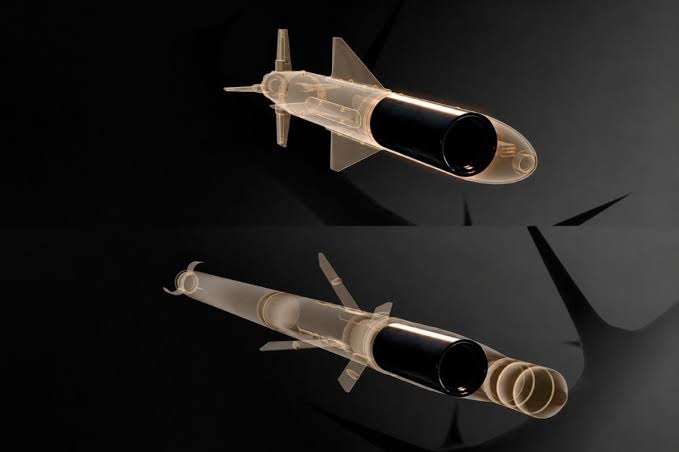
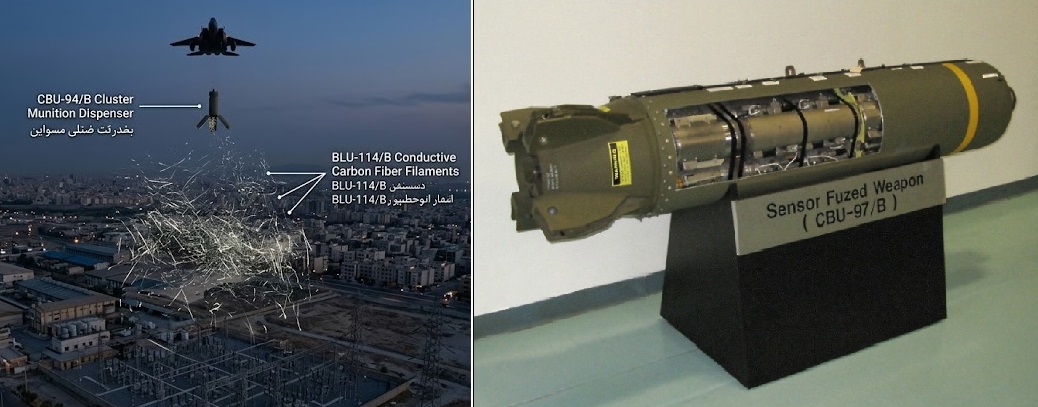
The operation reportedly utilized CBU-94/B “Blackout” cluster munitions equipped with BLU-114/B submunitions. These systems are specifically designed to disable electrical infrastructure without causing physical destruction. Upon deployment, the submunitions dispersed fine conductive aluminum filaments over high-voltage equipment, including transformers, switching stations, and exposed wiring.
The filaments adhered to electrical components, triggering short circuits and electrical arcing. This led to automatic shutdowns of affected systems, interrupting electricity generation and distribution. Witness accounts from Karaj and western Tehran described bright blue flashes in the night sky, consistent with electrical substations experiencing short circuits.
Impacted Areas and Immediate Effects
The disruptions affected parts of Tehran and the Alborz province grid, particularly in Karaj and neighborhoods such as Pirouzi. While the infrastructure itself remained structurally intact, localized blackouts were reported following the strikes.
Iranian authorities acknowledged the incidents. Deputy Energy Minister Mostafa Rajabi Mashhadi confirmed that several substations had been impacted but emphasized that the broader national grid remained stable. State broadcaster IRIB News reported that technical teams were deployed to assess and secure the affected sites.
Restoration Process Underway
Because no kinetic or explosive damage was inflicted, restoration efforts are focused on maintenance procedures rather than reconstruction. This involves manually removing conductive filaments from equipment, followed by cleaning, inspection, and testing of electrical components.
Officials indicated that once these procedures are completed, full power supply can be restored. The absence of structural damage is expected to reduce recovery time compared to conventional airstrikes on power infrastructure.
Characteristics of the CBU-94/B System
The CBU-94/B is a U.S.-developed munition designed to temporarily disable electrical grids. Each bomb releases multiple BLU-114/B submunitions that disperse large quantities of conductive filaments over target areas. The resulting short circuits disrupt power flow by tripping circuit breakers and inducing faults across transmission systems.
This type of weapon is commonly referred to as a “graphite bomb” and is classified as a soft-kill system due to its lack of blast effect and its focus on functional disruption rather than destruction.
Historical Precedents
Similar munitions have been used in previous conflicts. During the Gulf War, coalition forces deployed graphite bombs to disable Iraqi power infrastructure. In 1999, NATO used comparable systems during Operation Allied Force against Serbian electrical facilities. In both cases, large portions of national grids were temporarily disabled without extensive structural damage.
Strategic Context and Ongoing Operations
The reported operation forms part of a broader pattern of Israeli air activity targeting Iranian-linked infrastructure. Recent strikes in the Tehran region have included operations against weapons production sites and other military facilities.
Military analysts assess that the use of soft-kill munitions serves as a controlled method of signaling capability while avoiding escalation associated with direct destruction of critical infrastructure. The action is also viewed as a test of Iran’s response mechanisms to limited but strategic disruptions.
The developments occur amid heightened regional tensions since late February 2026, including warnings of potential escalation involving critical energy infrastructure and concerns over disruptions in the Strait of Hormuz.
Official Positions
No formal statement has been issued by the Israeli military confirming the specific use of CBU-94/B munitions in this operation. Iranian authorities have not released a detailed assessment of the total extent or duration of the outages but confirmed that response and restoration measures are in progress.
Power restoration in affected areas is expected to proceed as cleanup operations are completed and equipment is returned to operational status.
——— End of Article ———