WASHINGTON, — April 17, 2026 : The United States and Iran are engaged in advanced negotiations over a proposed three-page framework agreement that aims to end the military conflict that began in late February, with a central provision linking the release of $20 billion in frozen Iranian assets to Tehran’s surrender of its enriched uranium stockpile.
According to U.S. officials and sources briefed on the discussions, the financial arrangement is part of a broader effort to resolve hostilities and address concerns over Iran’s nuclear program. The proposal under consideration represents a compromise between earlier positions, with Washington previously indicating readiness to release $6 billion for restricted humanitarian use, while Iran had sought access to $27 billion in frozen funds.
Uranium Stockpile and Handling Mechanism
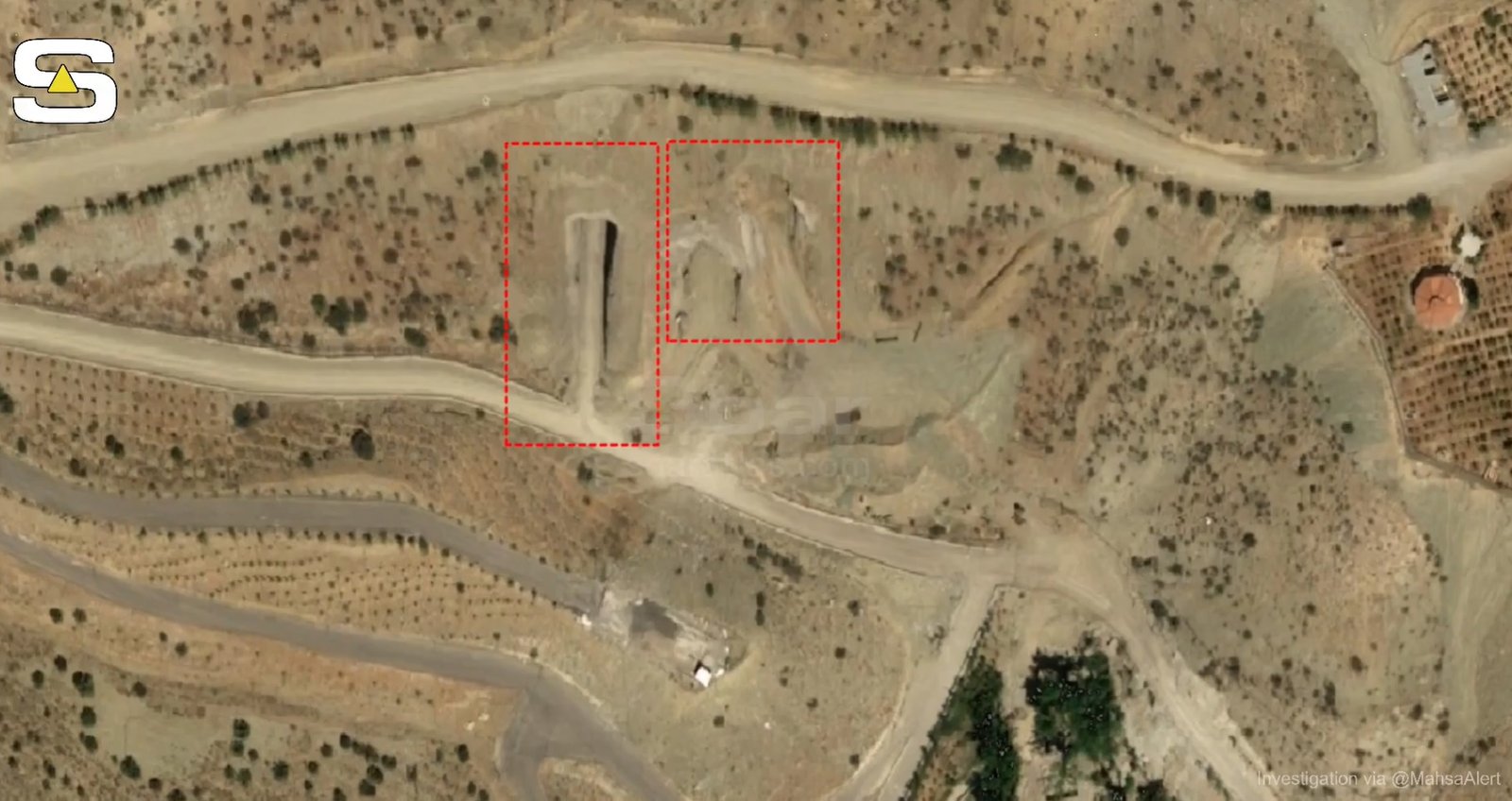
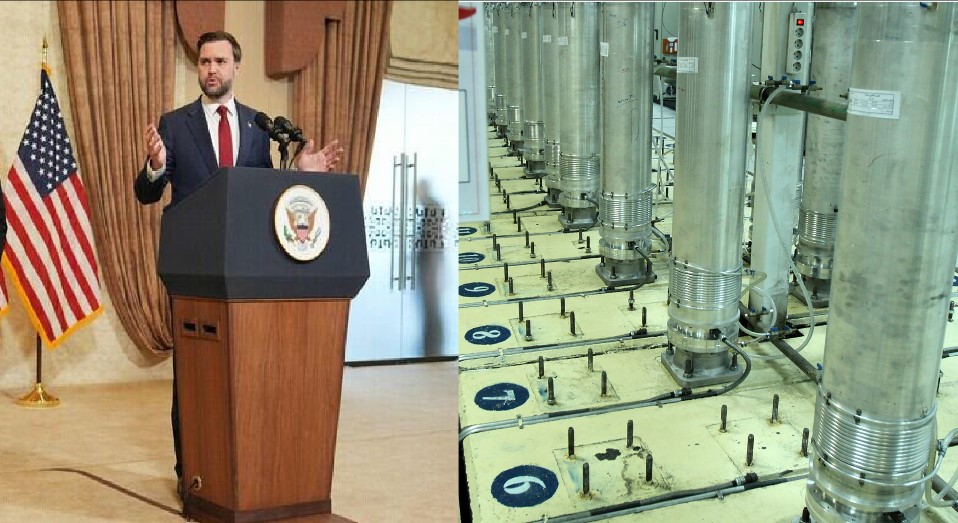
A primary objective for the United States is securing and neutralizing Iran’s existing stockpile of nearly 2,000 kilograms of enriched uranium, including approximately 450 kilograms enriched to 60 percent purity. The material is currently stored in underground nuclear facilities.
Negotiators are working to finalize a technical framework for handling the stockpile. Initial U.S. proposals required the complete transfer of all enriched uranium outside Iran. Iranian officials, however, proposed domestic dilution of the material. A compromise under review предусматривает shipping a portion of the highly enriched uranium to a third country while down-blending the remainder within Iran under strict international monitoring.
Under the draft terms, Iran would be required to permanently close all underground nuclear facilities. The country would be permitted to operate only above-ground nuclear research reactors, limited strictly to the production of medical isotopes. The framework also includes a formal Iranian commitment not to produce or pursue nuclear weapons.
Sanctions Relief and Outstanding Differences
The financial component of the agreement remains a central point of negotiation. The current working figure of $20 billion reflects the latest compromise position, though disagreements persist regarding how the funds would be used. The United States is seeking to impose strict oversight and conditions on expenditures, while Iran continues to push for broader sanctions relief with fewer restrictions.
Another unresolved issue concerns the duration of limits on uranium enrichment. The United States has proposed a minimum 20-year suspension of enrichment activities. Iran has countered with an offer of a five-year restriction period.
Officials involved in the talks have described the “cash-for-uranium” arrangement as one element within a broader framework that also addresses regional security concerns and verification mechanisms.
Timeline and Ongoing Negotiations
The negotiations are taking place under a defined timeline, with a two-week ceasefire between the two countries set to expire on April 22, 2026. A second round of in-person discussions is scheduled for Sunday in Pakistan, following earlier mediated talks in Islamabad.
Upcoming discussions are expected to focus on narrowing differences over the duration of enrichment restrictions, finalizing arrangements for transferring uranium to a third country, and establishing mechanisms for monitoring the use of released funds.
Previous negotiations had addressed Iranian assets held in foreign accounts, including funds in Qatar linked to earlier prisoner-swap arrangements and humanitarian transactions. The current proposal seeks to connect a larger release of such assets to verifiable actions concerning Iran’s nuclear material.
No final agreement has been reached. Officials from both sides have indicated that progress has been made, but significant gaps remain on key technical and financial conditions.
——— End of Article ———