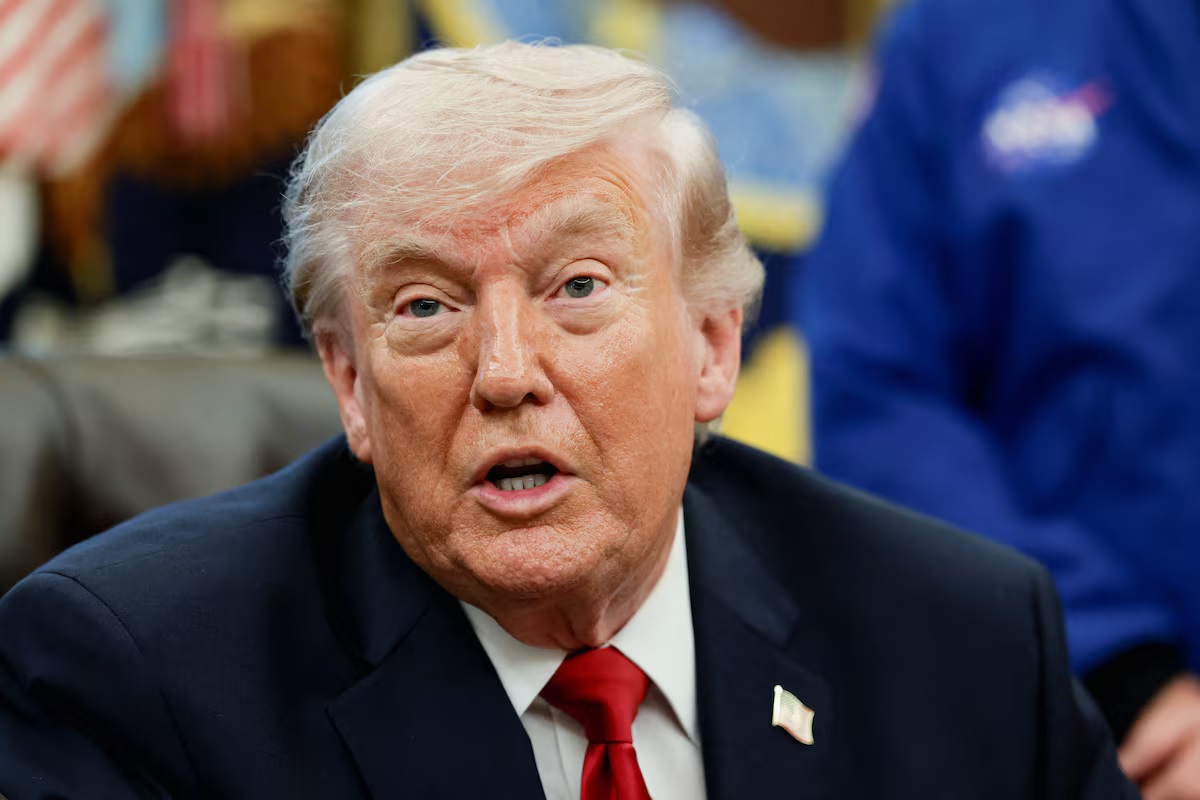
WASHINGTON — April 30, 2026 : U.S. President Donald J. Trump is scheduled to receive a detailed military briefing today from Adm. Brad Cooper, commander of U.S. Central Command, on a range of new operational options targeting Iran, according to a report by Axios citing two sources familiar with the discussions.
The briefing comes amid an ongoing diplomatic deadlock between Washington and Tehran following a ceasefire that ended weeks of active hostilities earlier this year. Senior U.S. defense officials, including Gen. Dan Caine, are expected to participate in the session, which will focus on contingency plans developed by CENTCOM.
Military Options Under Consideration
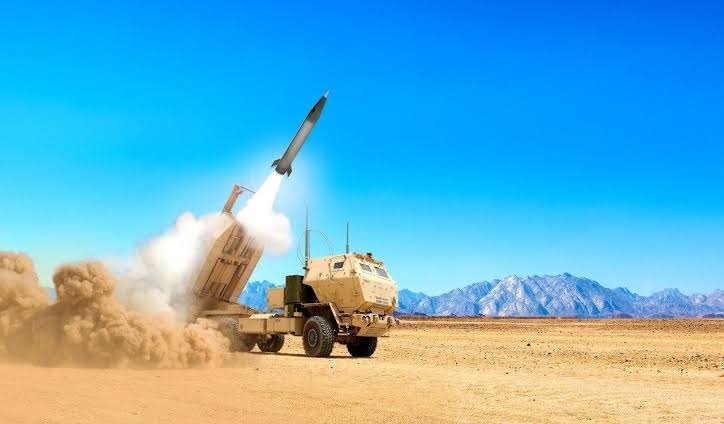
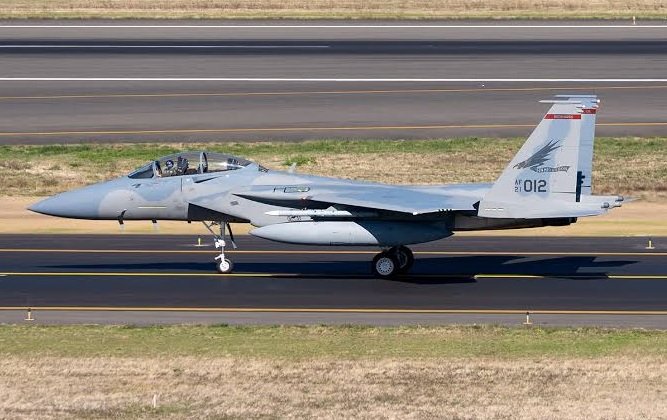
According to the report, the options prepared by CENTCOM include a spectrum of military actions designed to increase pressure on Iran and alter the current negotiating dynamics. Among the primary proposals is a “short and powerful” wave of targeted strikes against key Iranian infrastructure. These strikes would focus on strategic facilities linked to Iran’s military and security apparatus and are intended to produce rapid operational impact.
Additional plans include a potential ground operation aimed at securing parts of the Strait of Hormuz, a critical maritime chokepoint for global energy shipments. The objective of this option would be to ensure the uninterrupted flow of commercial shipping if current restrictions persist.
A third option involves a specialized mission by U.S. special operations forces to locate and secure Iran’s stockpile of highly enriched uranium. This proposal reflects ongoing concerns within U.S. defense and intelligence circles regarding the accessibility and security of Iran’s nuclear material.
Planning for both the Strait of Hormuz operation and the special forces mission has reportedly been underway since the early stages of the conflict.
Background: Operation Epic Fury and Ceasefire
The current strategic planning follows the conclusion of Operation Epic Fury, a U.S.-led military campaign launched on February 28, 2026, under presidential direction. The operation targeted multiple components of Iran’s defense infrastructure, including ballistic missile systems, production facilities, naval assets, and associated support networks.
The campaign lasted 38 days and concluded with a ceasefire agreement that led to the reopening of the Strait of Hormuz. Despite the cessation of direct hostilities, negotiations between the United States and Iran have since failed to produce a comprehensive agreement, resulting in a prolonged diplomatic stalemate.
Naval Blockade and Regional Posture
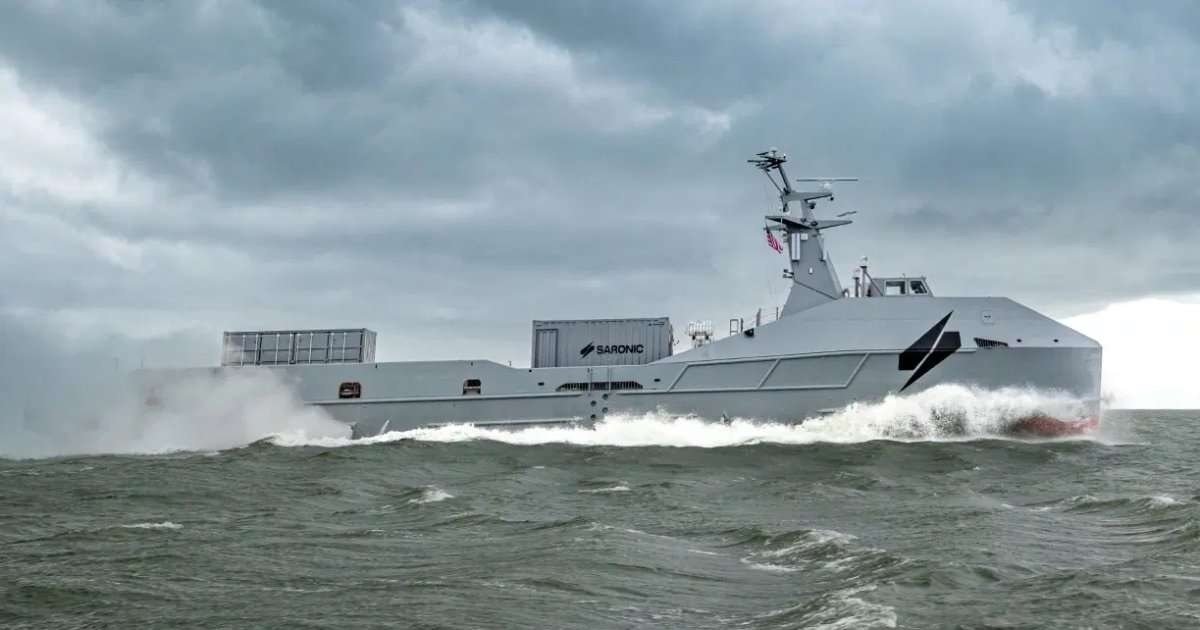
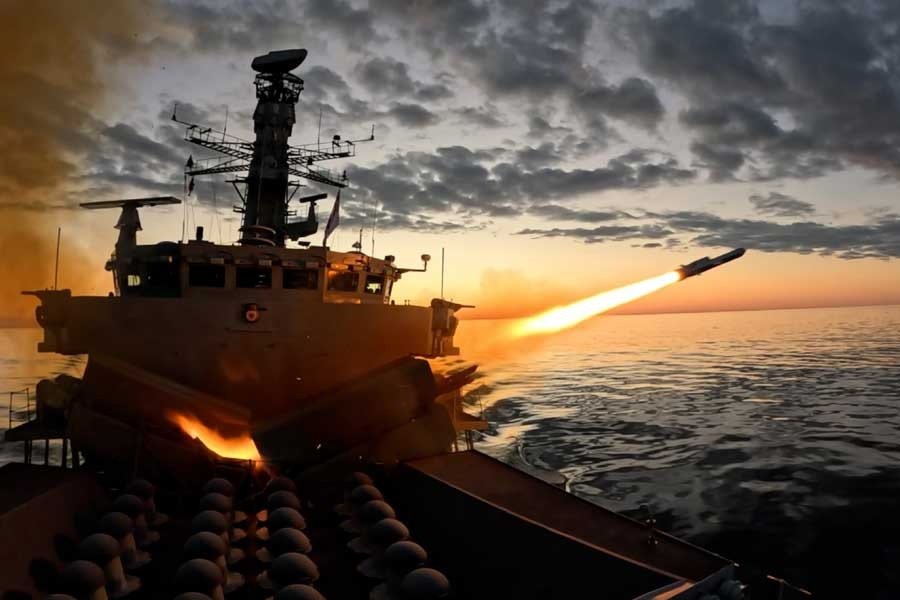
Since April 13, the United States has maintained a naval blockade of Iranian ports as part of its broader pressure campaign. U.S. naval forces operating in the region have been tasked with enforcing maritime restrictions, including redirecting commercial vessels attempting to access Iranian ports.
Adm. Cooper has confirmed the implementation of the blockade, noting that dozens of vessels have been turned away in accordance with enforcement measures. The United States continues to maintain an elevated military posture in the region, including naval deployments and readiness adjustments across CENTCOM’s area of responsibility.
Diplomatic Efforts and Nuclear Concerns
Diplomatic engagement between Washington and Tehran is ongoing but limited in scope, with communications largely conducted remotely rather than through direct negotiations. Iran has proposed a phased arrangement that would involve reopening the Strait of Hormuz in exchange for the lifting of U.S. maritime restrictions. U.S. officials have not accepted the proposal, maintaining that any agreement must address concerns related to Iran’s nuclear program.
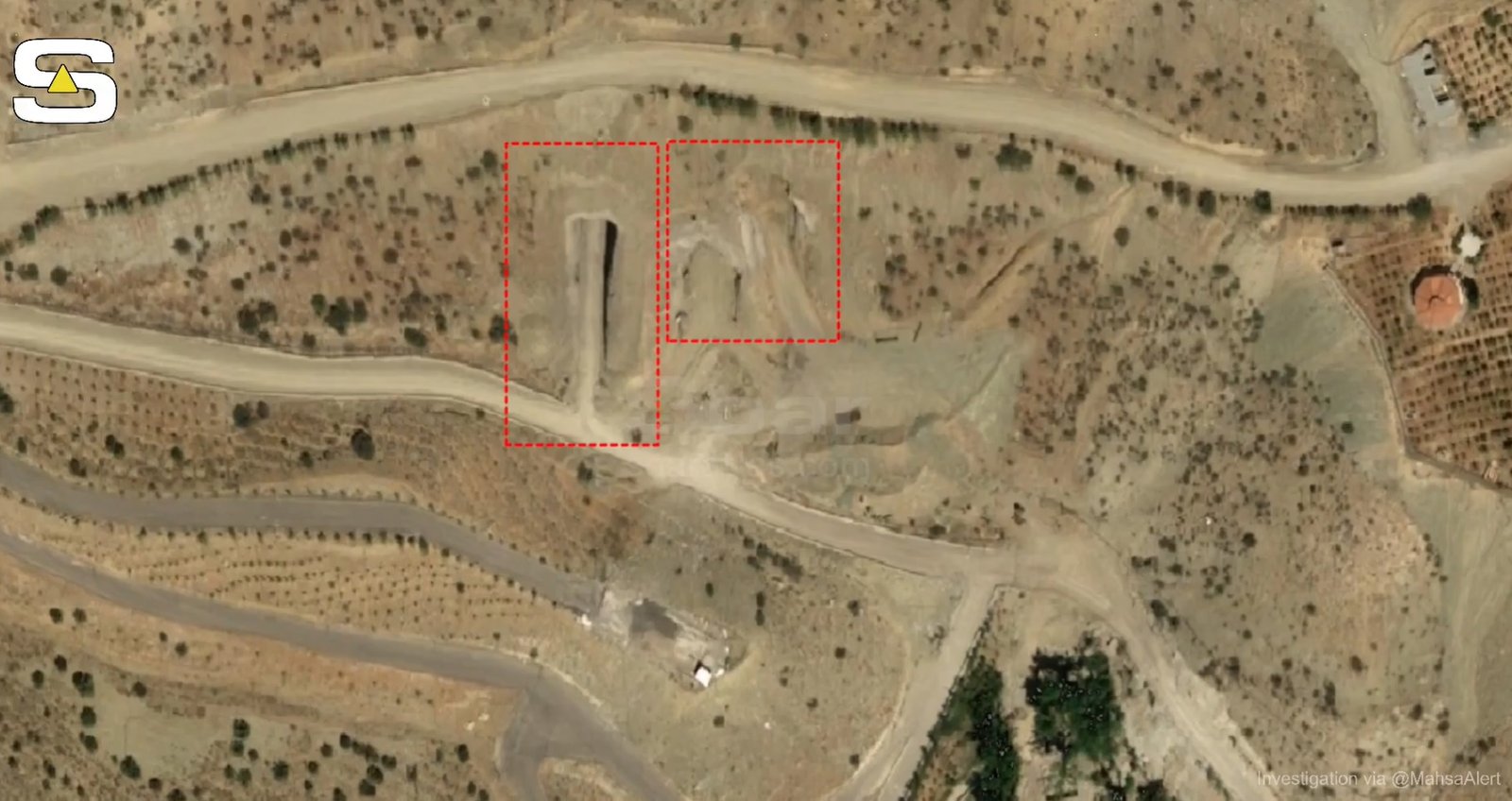
In parallel, international oversight bodies continue to assess the status of Iran’s nuclear materials. Rafael Mariano Grossi, Director General of the International Atomic Energy Agency, has indicated that Iran may still retain access to near-weapons-grade uranium stored at previously targeted sites near Isfahan. Satellite imagery analysis suggests that, despite damage to facilities, the material remains physically accessible.
Ongoing Planning and No Final Decision
The Pentagon has not publicly confirmed the details of the planned briefing or the specific military options under review. Officials emphasize that the proposals are part of ongoing contingency planning and do not indicate an immediate decision to initiate further military action.
The administration continues to balance military preparedness with diplomatic efforts as negotiations remain unresolved and regional tensions persist.
——— End of Article ———