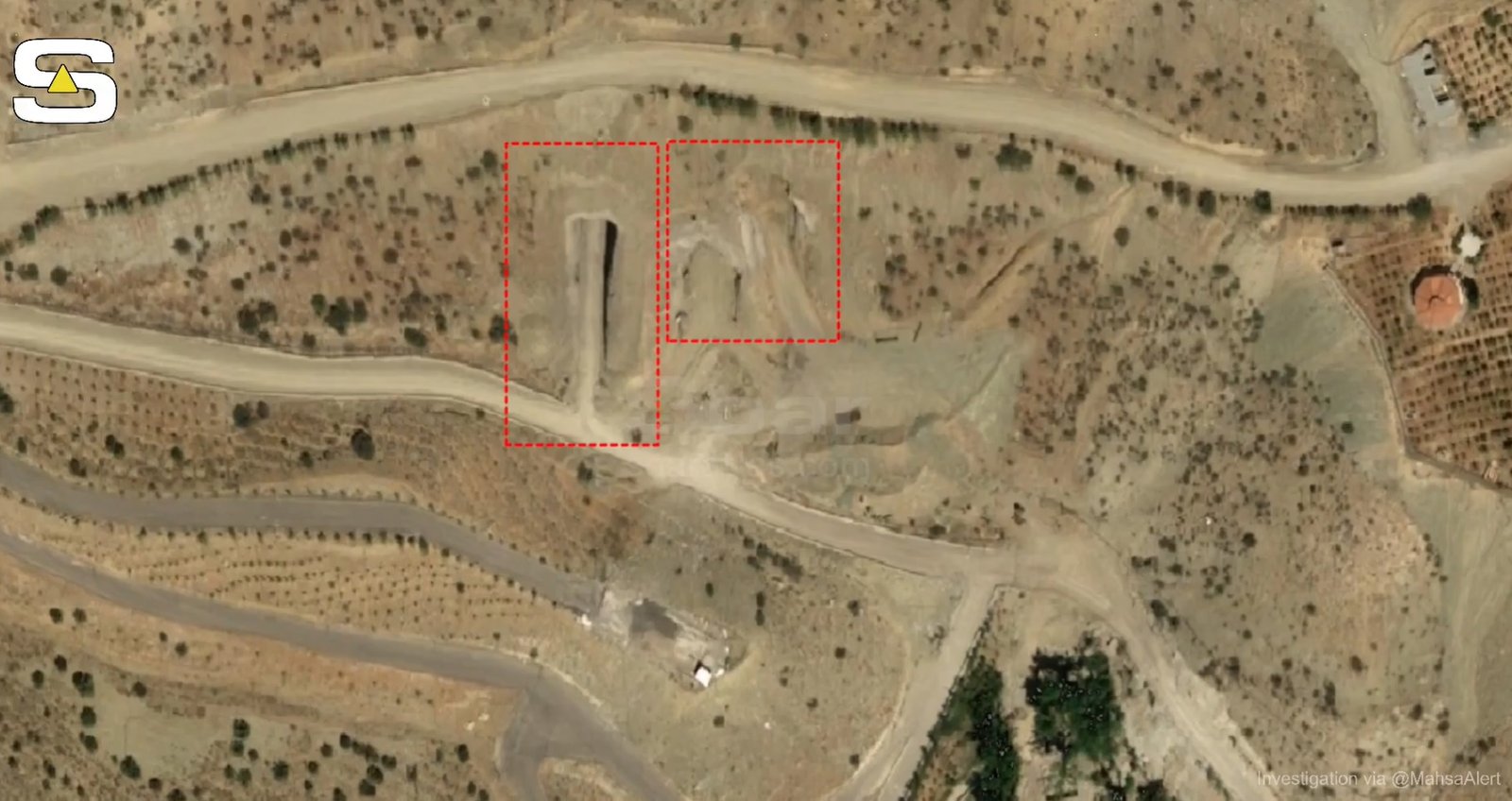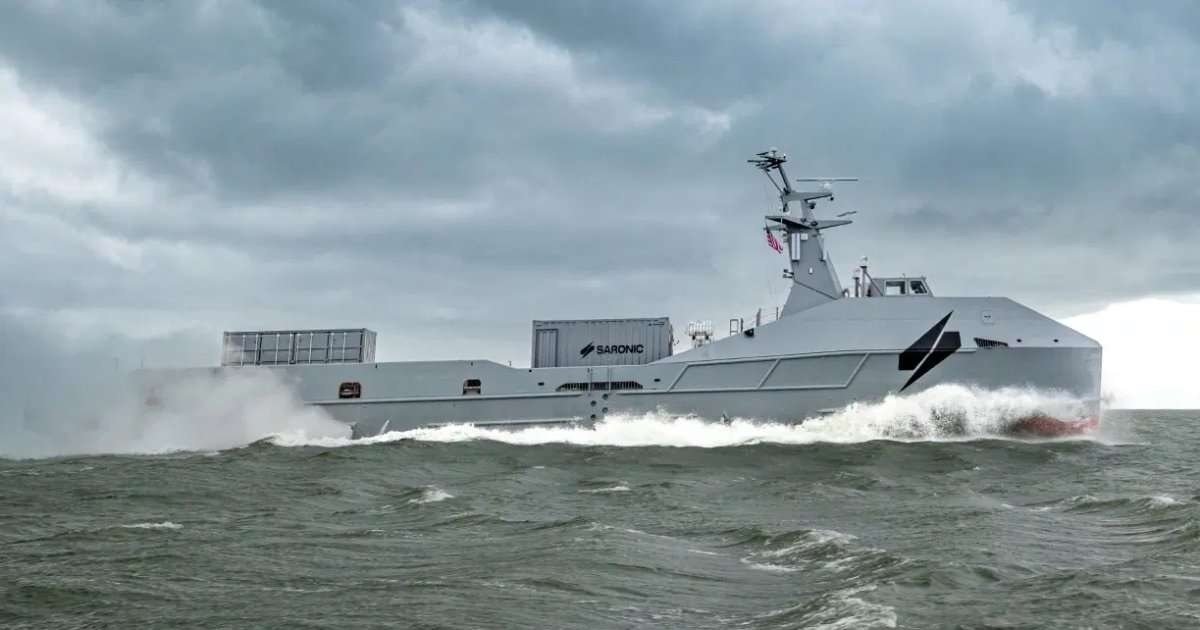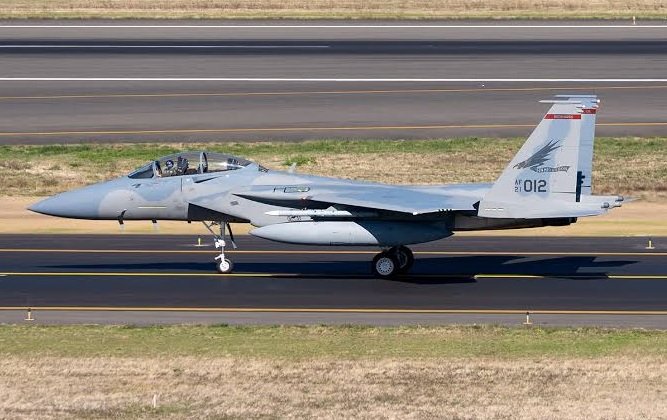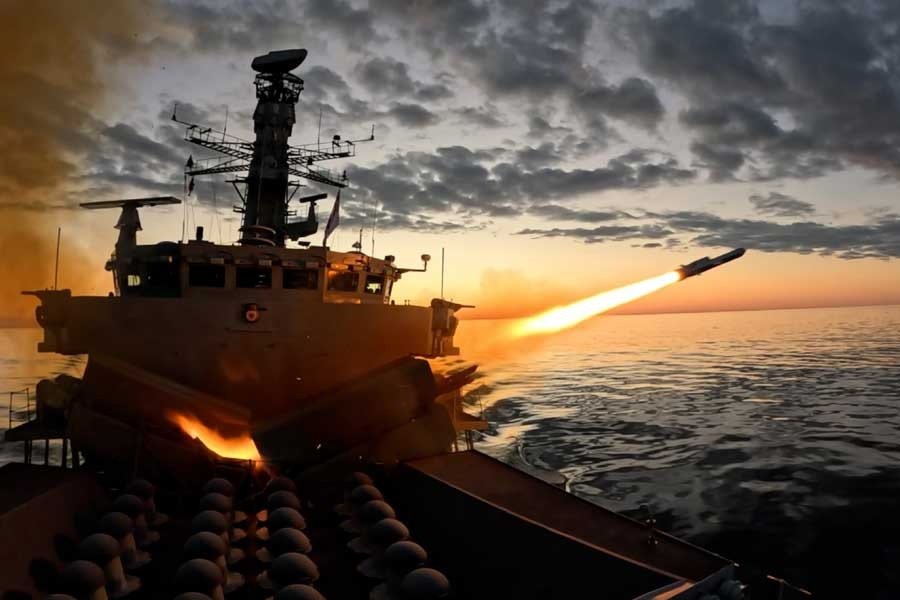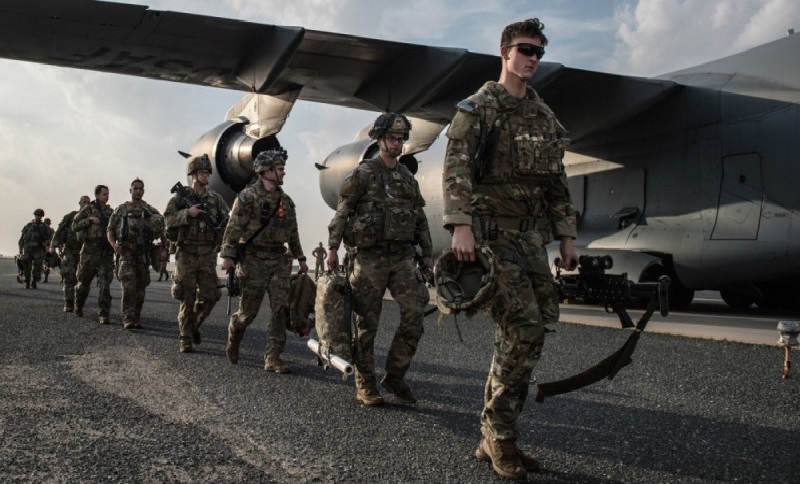
WASHINGTON, — April 2, 2026 : The U.S. Department of Defense has briefed President Donald Trump on a comprehensive military plan to deploy ground forces into Iran to recover approximately 1,000 pounds (about 450 kilograms) of highly enriched uranium currently buried beneath damaged nuclear facilities near Isfahan and Natanz.
The material, enriched to roughly 60 percent purity—just below weapons-grade, was previously stored in fortified underground tunnel complexes. According to data from the International Atomic Energy Agency (IAEA), Iran possessed about 440.9 kilograms (972 pounds) of such uranium prior to the 2025 U.S. and Israeli airstrikes conducted under Operation Epic Fury. While those strikes caused extensive structural damage, the uranium stockpile is believed to remain intact beneath layers of rubble and reinforced underground infrastructure, in some areas more than 300 feet deep.
Operational Framework and Deployment Plan
According to defense officials familiar with the briefing, the proposed mission would involve a large-scale, multi-phase ground operation requiring sustained presence inside Iranian territory.
The initial phase would involve parachute insertion of elements from the 82nd Airborne Division and the 75th Ranger Regiment to secure a perimeter around the target sites and establish a forward operating base. This force would be responsible for maintaining security in a potentially hostile environment while enabling follow-on operations.
Once the area is secured, U.S. forces would airlift heavy excavation equipment into the zone. Engineers would begin clearing debris and constructing a temporary, purpose-built runway capable of supporting large cargo aircraft आवश्यक for transporting equipment and, eventually, the recovered material out of Iran.
Specialized units, including Delta Force and Navy SEAL teams, would then conduct tunnel-breaching operations. These teams would use cutting tools, blowtorches, and other equipment to penetrate collapsed structures and access underground chambers. Personnel involved in this phase would operate in hazardous conditions, navigating confined spaces, unstable debris, and potential defensive measures such as booby traps or decoys.
Handling, Decontamination, and Extraction
The recovery of the uranium would require coordination between military personnel and civilian nuclear experts, likely from the U.S. Department of Energy. Teams trained in radiological handling would identify and secure the material, expected to be stored in sealed cylinders.
Strict decontamination procedures would be implemented during and after retrieval to ensure safe handling and transport. Troops would operate in protective suits designed for hazardous environments, and specialized protocols would be followed to prevent contamination of personnel and equipment.
Following recovery, the uranium would be transported via cargo aircraft departing from the temporary runway. These flights would operate through contested airspace, where U.S. forces could face threats from Iranian missile systems and unmanned aerial vehicles.
Timeline and Logistical Scope
Defense planners estimate that the operation could take several weeks to months to complete, depending on site conditions and resistance encountered. Unlike a limited-duration raid, the mission would require a temporary occupation of the operational area, with sustained logistical support and force protection.
Officials emphasized that the scale of the operation goes beyond typical special operations missions. It involves complex coordination across multiple military branches, engineering units, and nuclear specialists, along with the establishment of temporary infrastructure in hostile territory.
Strategic Risks and Expert Assessment
Military analysts and former officials have described the mission as highly complex, citing challenges related to radiation safety, engineering requirements, and exposure to enemy fire.
Retired U.S. General Joseph Votel noted that while U.S. Special Operations Forces have the capability to execute such a mission, it would carry significant risk. He stated that only a limited number of personnel are specifically trained in nuclear material retrieval and emphasized the likelihood of casualties.
Some experts have suggested that personnel from the International Atomic Energy Agency (IAEA) would be better suited to manage the material under a ceasefire or negotiated arrangement, rather than during an active military operation.
A former defense official compared the scale of the mission to establishing an entire operational system, rather than executing a single objective, highlighting the extensive resources required.
Policy Context and Administration Position
The briefing reflects one of several options under consideration by the administration to prevent Iran from retaining enriched uranium that could potentially be further processed for weapons use.
However, President Trump has recently indicated that the uranium stockpile may not be an immediate priority. In an April 1 interview with Reuters, he stated that the material is located so deep underground that accessing it would take months, and suggested that U.S. forces could withdraw from Iran relatively quickly after achieving broader objectives.
Despite these remarks, the Pentagon continues to prepare multiple operational scenarios. Defense Secretary Pete Hegseth stated earlier this week that the United States retains a wide range of potential ground options, indicating ongoing military planning flexibility.
White House spokesperson Karoline Leavitt clarified that the existence of the Pentagon briefing does not indicate a final decision by the President.
——— End of Article ———