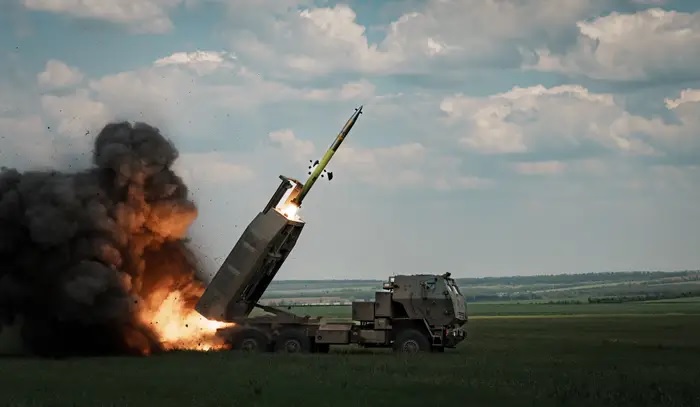
TALLINN, Estonia — April 11, 2026 : The Estonian Centre for Defence Investments (ECDI) has signed a contract with Lockheed Martin for the procurement of three additional M142 HIMARS platforms, expanding the country’s long-range firepower and reinforcing its role within NATO’s regional defense framework. The agreement includes an investment of approximately $11 million into Estonia’s domestic defense industry, with deliveries scheduled for 2027.
Strategic Capability Expansion and NATO Integration
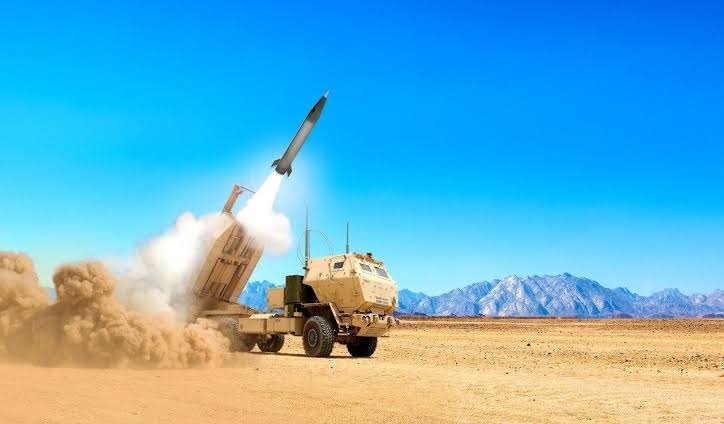
The acquisition is intended to strengthen Estonia’s long-range precision strike capability and support the implementation of NATO defense plans on the alliance’s eastern flank. The M142 HIMARS system, mounted on a 5-ton Family of Medium Tactical Vehicles (FMTV) truck chassis and operated by a three-person crew, is capable of delivering precision-guided munitions at ranges exceeding 300 kilometers, depending on the munition type.
The platform supports both Guided Multiple Launch Rocket System (GMLRS) rockets and Army Tactical Missile System (ATACMS) missiles, with each launcher capable of firing six rockets or one ATACMS missile per load. It is transportable by C-130 aircraft and designed for rapid deployment, allowing forces to operate in forward positions while retaining the ability to relocate quickly after firing.
Estonian Defence Minister Hanno Pevkur stated that the additional systems will ensure the deep-strike capability required by both the Estonian Defence Forces and NATO. He described the procurement as part of a long-term effort aligned with NATO defense planning and emphasized that the investment component strengthens both national defense and broader security.
The HIMARS platform is interoperable with allied systems, enabling seamless integration into NATO operational networks and joint missions.
Industrial Investment and Domestic Capability Development
A central element of the contract is the $11 million investment directed toward Estonia’s defense industry. The funding is allocated to establish domestic capabilities for maintaining HIMARS components, reducing reliance on external supply chains for routine sustainment.
Janari Kasemets, Category Manager for Combat Platforms at the ECDI, stated that the agreement covers not only rocket systems and ammunition but also the development of local maintenance infrastructure. He noted that Estonian companies will provide HIMARS component maintenance services under the new framework.
Kasemets added that the investment will be integrated into a broader regional initiative led by Lockheed Martin, combining similar investments in Latvia, Lithuania, Poland, and Finland. The objective is to develop regional expertise and ensure the availability of maintenance and support services across neighboring countries.
Regional Sustainment Framework and Facility Development
The agreement aligns with earlier plans to establish a HIMARS sustainment center in Estonia. The facility was announced in March 2026 following a meeting between Minister Hanno Pevkur and Lockheed Martin Vice President Paula J. Hartley.
The sustainment center is intended to support all three Baltic states and is expected to become operational within two years. Initial investment for the facility is estimated at approximately €10 million, broadly equivalent to the $11 million referenced in the procurement agreement. The center will contribute to long-term maintenance, repair, and overhaul capabilities for HIMARS systems in the region.
Ongoing Defense Modernization
The latest procurement builds on Estonia’s earlier acquisition of HIMARS systems. Under a previous agreement with Lockheed Martin, six systems were delivered in 2025 as part of the country’s largest-ever arms procurement program.
With the addition of three new systems scheduled for delivery in 2027, the Estonian Defence Forces’ HIMARS fleet will increase to a total of nine operational units.
The expansion is expected to enhance Estonia’s national operational capabilities while contributing to NATO’s collective defense posture in the Baltic region. The procurement forms part of broader efforts by Baltic states to modernize long-range fire support capabilities in accordance with alliance requirements.
——— End of Article ———