NEW DELHI / YEREVAN — April 30, 2026 : India and Armenia have entered advanced stages of defense negotiations covering the potential export of high-end Indian military systems, including the Pralay quasi-ballistic missile, the Astra MK1 beyond-visual-range (BVR) air-to-air missile, and upgrade packages for Armenia’s Su-30SM fighter fleet. The discussions reflect a steady expansion of bilateral defense cooperation into more advanced operational domains.
Pralay Missile Cost Negotiations
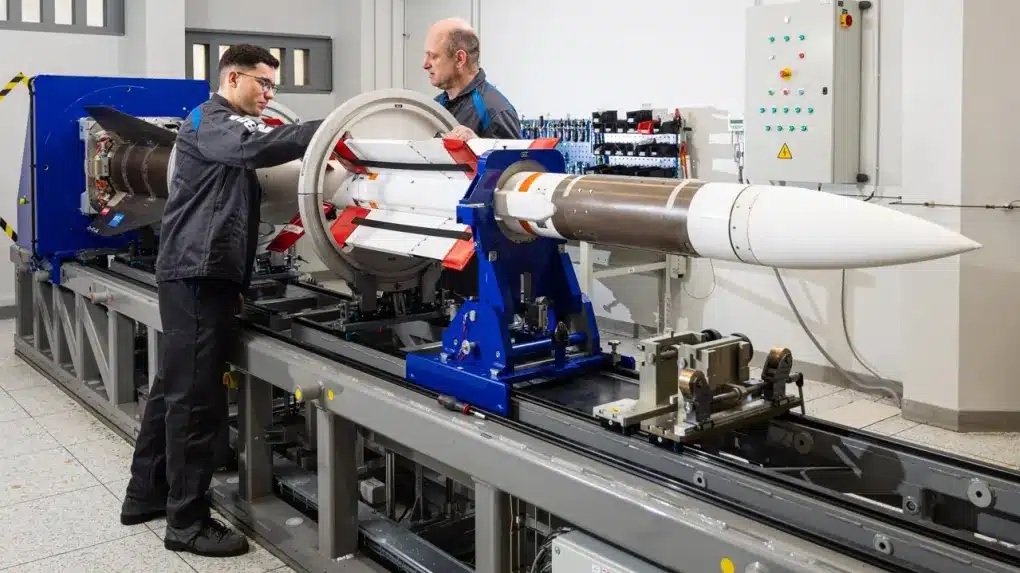
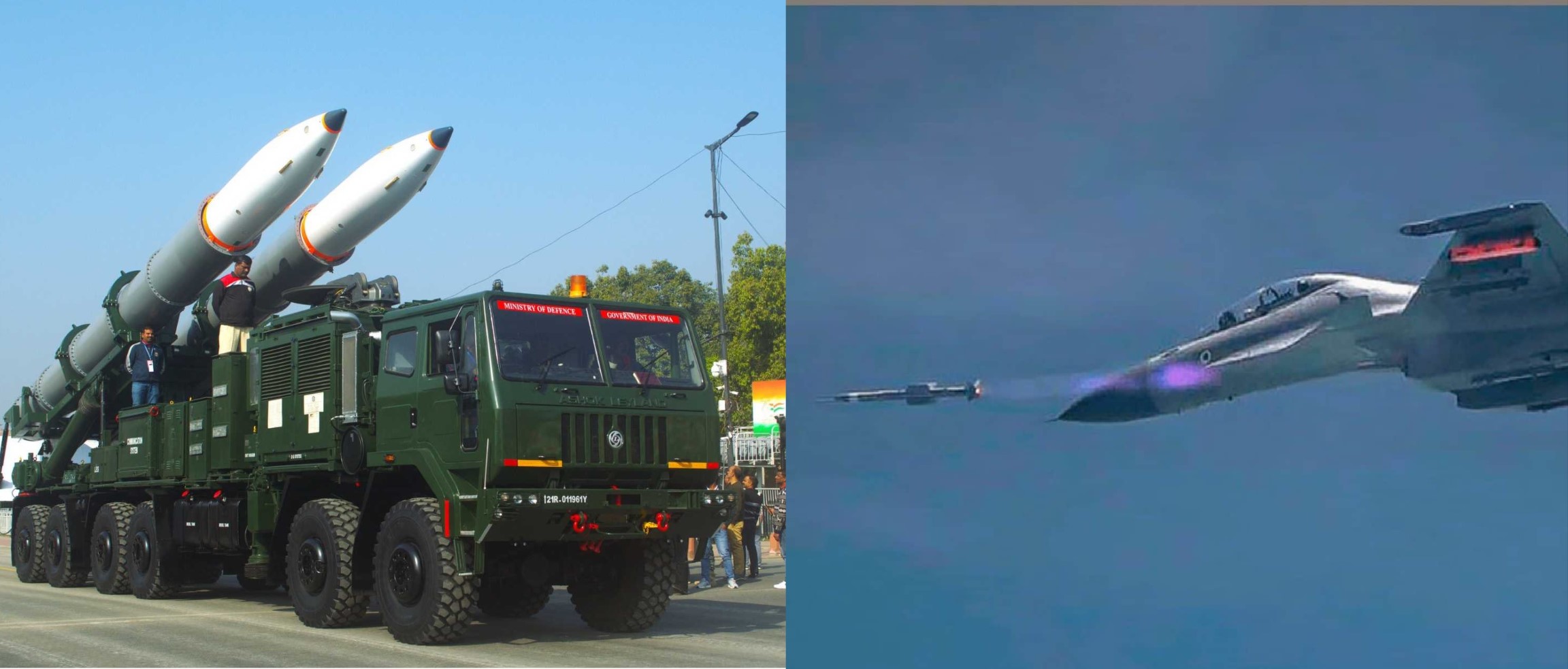
Armenia’s defense ministry is currently engaged in detailed cost negotiations for the acquisition of the Pralay tactical surface-to-surface missile, developed by the Defence Research and Development Organisation. The Pralay is a canister-based, road-mobile system powered by solid propellant, designed for rapid-response strike missions.
The missile has an operational range of 150 to 500 kilometers, though export configurations are expected to comply with Missile Technology Control Regime thresholds, typically limiting range to around 290 kilometers. It carries a conventional warhead weighing between 350 and 1,000 kilograms and achieves terminal speeds of approximately Mach 6 to 6.1.
Pralay follows a quasi-ballistic trajectory with mid-course maneuverability, enhancing its survivability against modern air defense systems. Its guidance suite combines inertial navigation with advanced terminal seekers, including millimeter-wave radar and imaging-based systems, enabling accuracy within approximately 10 meters.
Armenia’s interest in the system is linked to its requirement for credible long-range strike capability, particularly in response to Azerbaijan’s deployment of Israeli-origin LORA ballistic missiles during the Nagorno-Karabakh conflict. Any agreement would be governed by India’s SCOMET export control framework guidelines.
Astra MK1 and Su-30SM Modernization
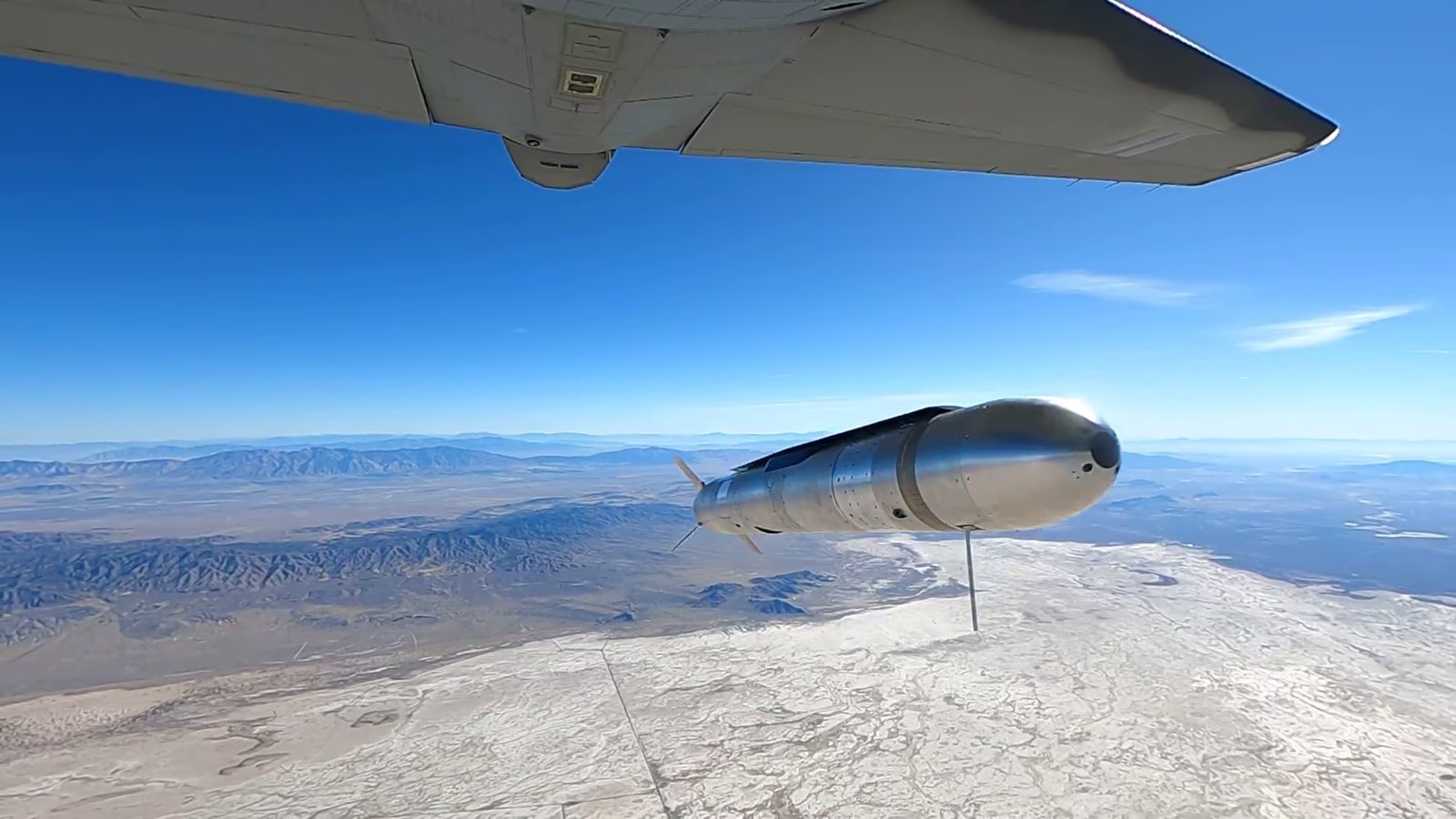
Parallel discussions are underway regarding the integration of the Astra MK1 BVR air-to-air missile into Armenia’s air force inventory. Also developed by DRDO, the Astra MK1 currently has an engagement range of about 110 kilometers, with ongoing upgrades expected to extend this to approximately 160 kilometers.
Armenia operates a limited fleet of Russian-origin Su-30SM fighters, which were initially procured without a full precision-strike weapons package. The proposed integration of Astra MK1 is considered technically feasible due to similarities with India’s Su-30MKI platform.
The upgrade package under discussion may include enhancements to onboard radar, avionics, and electronic warfare systems. These improvements are intended to enable long-range engagement capability and enhance overall combat effectiveness without requiring new aircraft procurement.
Expanding Strategic Cooperation
The negotiations follow recent high-level engagements between the two countries. Armenia’s First Deputy Minister of Defence and Chief of the General Staff, Lt Gen Edvard Asryan, held discussions in New Delhi with India’s Chief of Defence Staff Gen Anil Chauhan and Air Chief Marshal A.P. Singh. The talks addressed layered air defense systems, joint development initiatives, and opportunities for localized production.
Armenia has become a significant importer of Indian defense equipment, with cumulative contracts estimated to exceed $1.5 billion. Previous acquisitions include the Pinaka multi-barrel rocket launcher, Akash surface-to-air missile system, Swathi weapon-locating radar, as well as anti-drone systems and various munitions.
India and Armenia formalized a defense cooperation program in October 2025, focusing on expanding joint training, technical collaboration, and long-term industrial partnerships. The current negotiations represent a continuation of that framework, with an emphasis on advanced strike and air combat capabilities.
No final agreements have been signed for the Pralay system, Astra MK1 missiles, or Su-30SM upgrades. Discussions remain ongoing under standard procurement procedures, aligned with Armenia’s broader force modernization requirements in the South Caucasus region.
——— End of Article ———