TAIPEI — May 2, 2026 : The Taiwan Coast Guard Administration has approved a procurement program valued at US$66 million (approximately NT$2.1 billion) to acquire 451 vertical take-off and landing (VTOL) unmanned aerial vehicles (UAVs), as part of a broader initiative to strengthen maritime surveillance and operational capabilities. The program is funded under a national security resilience budget overseen by the Ocean Affairs Council and will run through 2027.
Procurement Structure and Fleet Composition
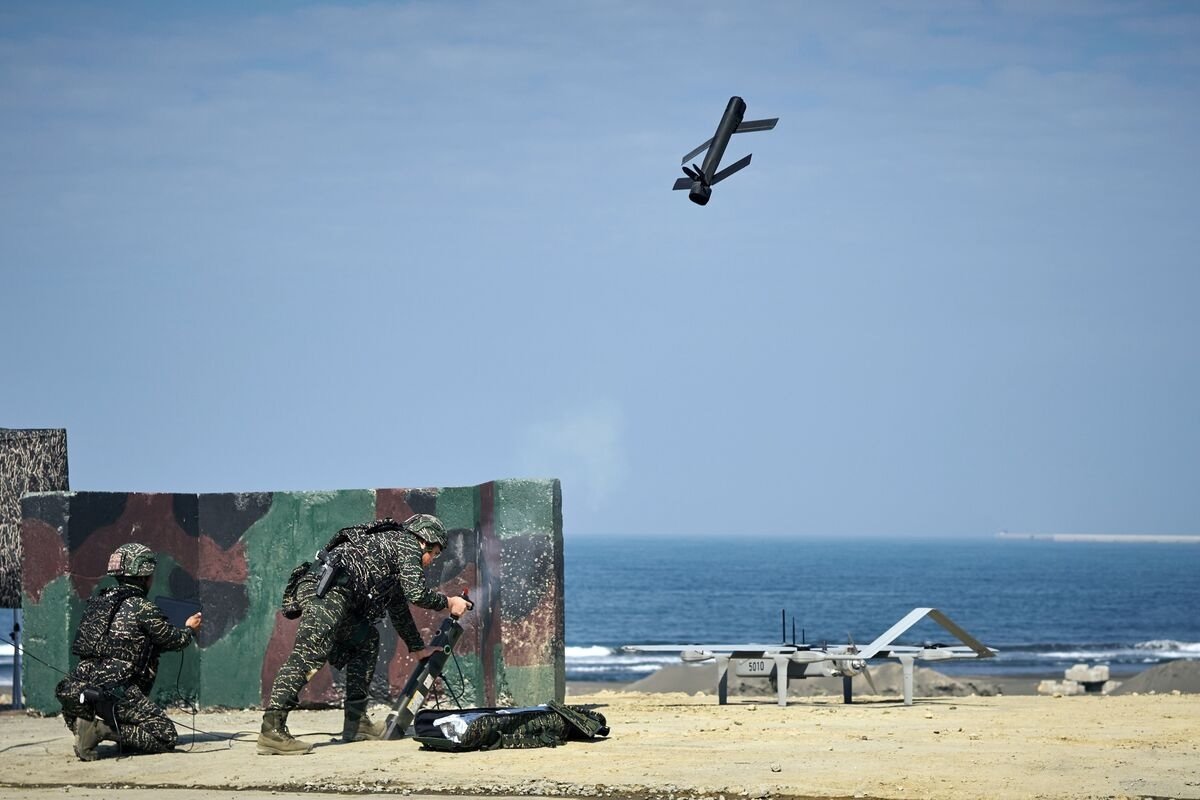
The acquisition is structured across four UAV categories designed to meet different operational requirements. The largest share consists of 412 short-range UAVs intended for deployment at coastal watchtowers and security checkpoints, where rapid-response monitoring is prioritized over endurance and altitude.
An additional 18 medium-range UAVs will support extended patrol missions across wider maritime zones, enabling longer-duration surveillance operations. The CGA also plans to procure 12 shipborne UAVs, which will be distributed among regional units and configured for launch and recovery from vessels. These platforms will incorporate stabilization systems and reinforced designs to withstand strong winds and saltwater exposure.
The remaining nine UAVs are designated for special task force operations requiring more advanced technical specifications, likely supporting complex or high-priority missions.
Operational Role and Technical Features
According to briefings presented to the Interior Committee of the Legislative Yuan, the UAV fleet will be dedicated to intelligence, surveillance, and reconnaissance (ISR) missions rather than combat roles. In addition to routine monitoring, the systems will support search and rescue operations, including the ability to deploy emergency equipment such as life rings and rescue buoys to individuals or vessels in distress.
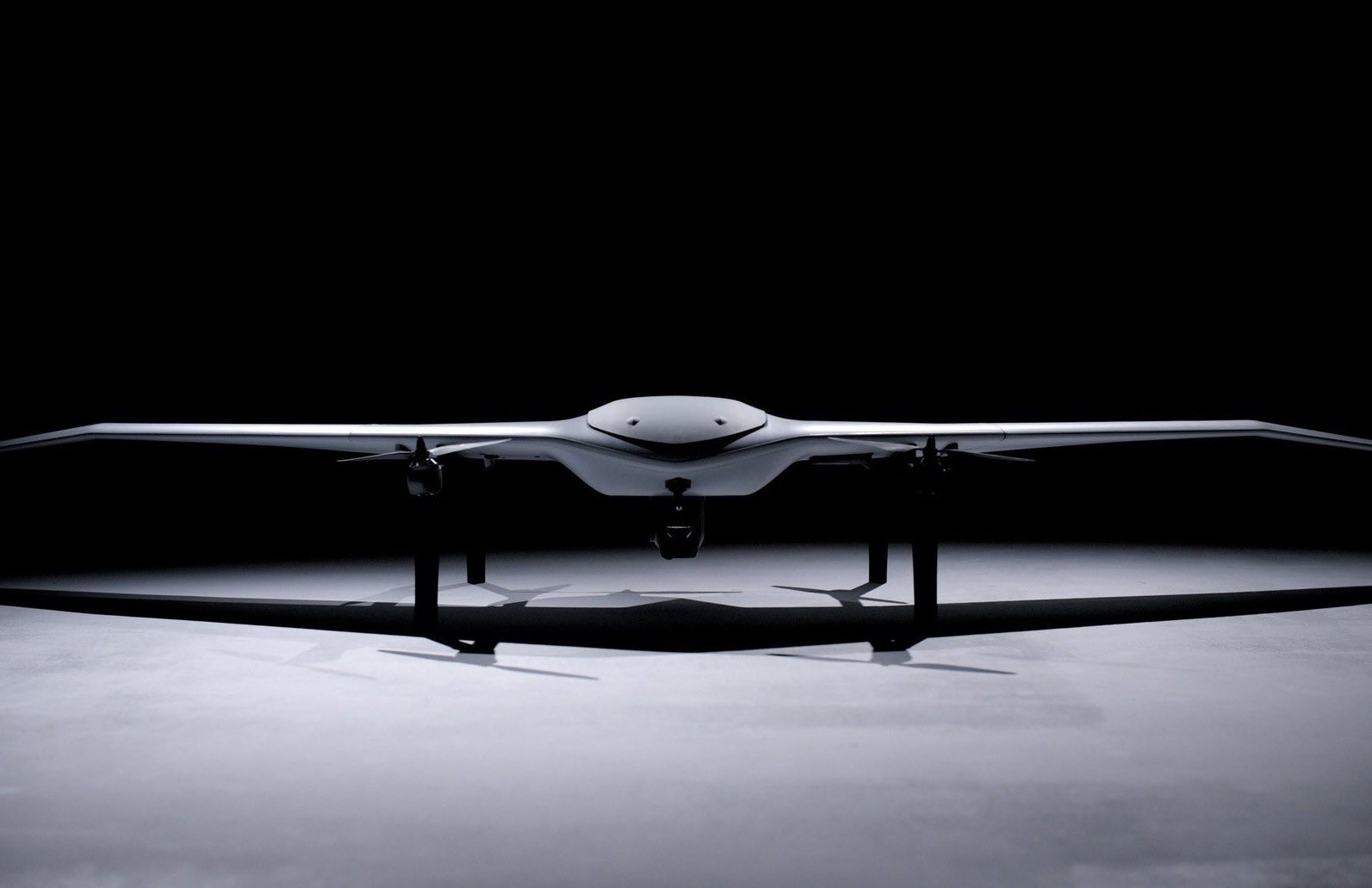
All 451 UAVs will feature VTOL capability, allowing operations without conventional runways. This enables deployment from confined coastal installations as well as from moving ships, improving response times and operational flexibility.
To meet endurance requirements for maritime patrol, the CGA has indicated a preference for hybrid propulsion systems. These systems combine electric power for vertical take-off and landing with fuel-powered propulsion for sustained horizontal flight, extending range and flight duration while maintaining higher operational ceilings.
Integration into Broader Security Framework
The UAV procurement forms part of a larger NT$29.5 billion (approximately US$910 million) special budget allocated for national security resilience. The funding package is intended to enhance Taiwan’s maritime domain awareness and improve coordination across shore, sea, and air assets.
Officials have stated that the expanded UAV fleet will help address increasing gray-zone activities in surrounding waters, including non-conventional maritime pressure. By improving surveillance coverage and response capabilities, the CGA aims to strengthen law enforcement, maritime safety, and humanitarian response operations.
Policy Direction and Previous Programs
Lai Ching-te has indicated that the Coast Guard will continue to receive upgraded surveillance tools, including drones, radar systems, and imaging technologies, as part of ongoing capability development.
The current procurement builds on earlier UAV initiatives. In late 2025, Taiwan Color Optics, in partnership with Edge Autonomy, secured a contract valued at approximately US$7 million for a coastal surveillance pilot program using the Penguin C Mk2.5 VTOL platform. That effort represented a smaller-scale deployment, while the new 451-unit acquisition reflects a broader transition toward sustained use of VTOL UAVs for maritime ISR missions.
No manufacturers have been formally identified for the current procurement. Authorities have indicated that the program includes full life-cycle costs, training, and operational integration, with provisions allowing a one-year carry-over of funds under applicable budget regulations.
The initiative underscores Taiwan’s continued expansion of unmanned systems across both military and coast guard operations, with a focus on improving surveillance coverage, operational efficiency, and response capability in its surrounding maritime environment.
——— End of Article ———