PARIS — April 24, 2026 : France has confirmed that the upcoming F5 standard of the Dassault Rafale will be equipped with the next-generation Stratus RS supersonic missile, following an update to the country’s 2024–2030 Military Programming Law published by the French National Assembly on April 8, 2026.
The decision formally incorporates the Stratus RS into France’s future air combat and strike architecture, with integration planned as part of the Rafale F5 upgrade. Entry into operational service for the F5 configuration is expected no earlier than 2030, while full combat readiness of the missile system is projected for 2035.
Programme Framework and Development Structure
The Stratus RS missile is being developed by the European missile manufacturer MBDA under a trilateral cooperation framework involving France, United Kingdom, and Italy. France is leading development of the Stratus RS variant.
The missile forms part of the broader Future Cruise/Anti-Ship Weapon programme (FC/ASW or FMAN/FMC), which has now been rebranded as the “Stratus” family. The programme adopts a dual-missile approach designed to penetrate advanced air defence environments through complementary capabilities.
This family includes two variants:
- Stratus RS (Rapid Strike): A high-speed, supersonic missile optimized for rapid penetration and high survivability.
- Stratus LO (Low Observable): A subsonic, stealth-focused cruise missile led by the United Kingdom, designed for long-range land-attack missions with reduced radar visibility.
Both variants are designed for interoperability and can be launched from air platforms such as the Rafale as well as from naval vessels.
MBDA publicly unveiled the “Stratus” designation and displayed full-scale models of both variants at the DSEI 2025 exhibition in London in early September 2025. The programme has completed its assessment phase and is expected to enter the development phase during 2026.
Stratus RS Capabilities and Technical Characteristics
Previously designated as RJ10 during early development, the Stratus RS is a precision-guided missile engineered for high-speed strike operations against heavily defended targets.
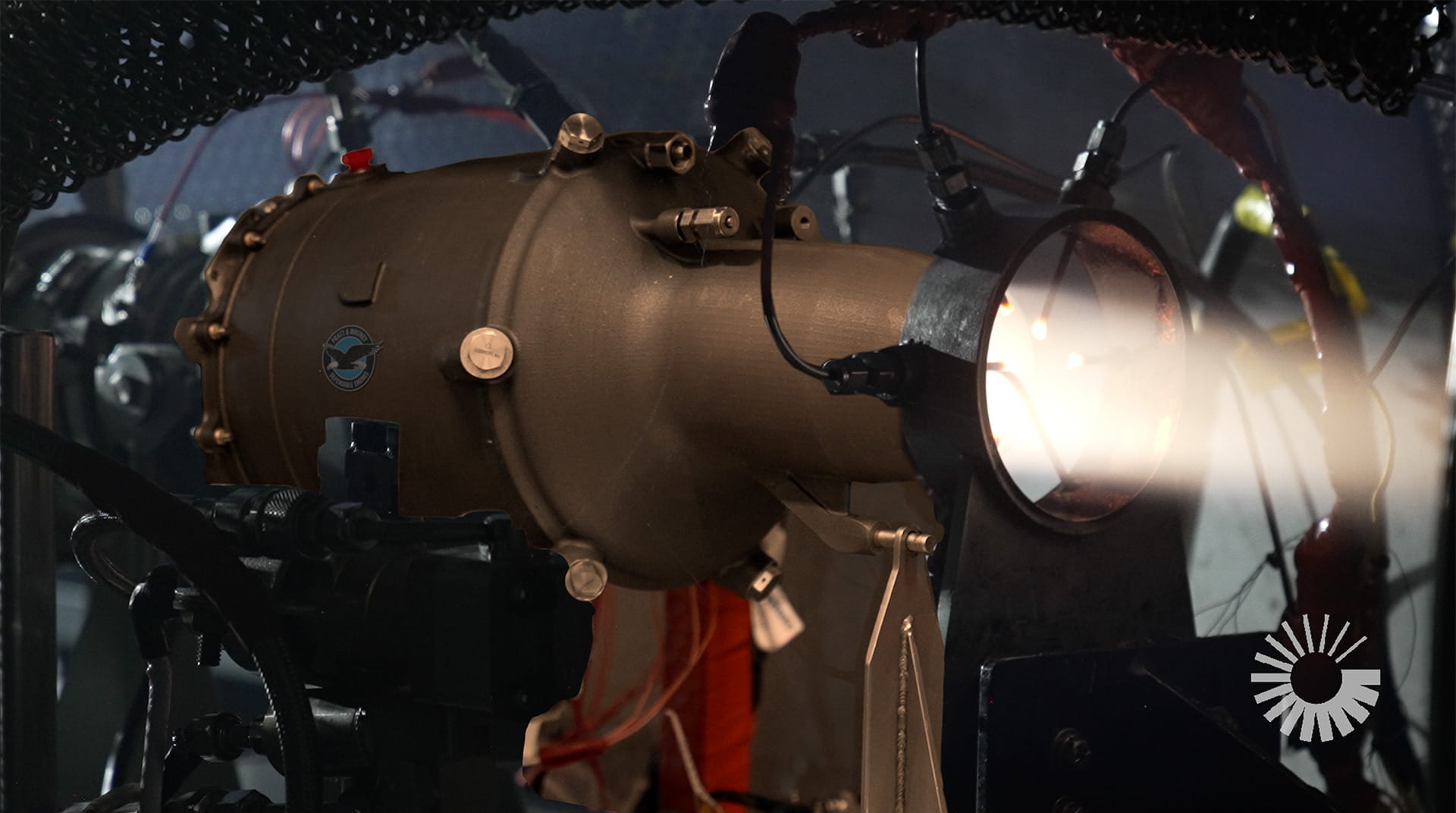
The missile is powered by a ramjet propulsion system currently under development, enabling speeds of approximately Mach 3.5, with broader estimates placing its operational velocity within the high-supersonic range between Mach 3 and Mach 5. This propulsion approach supports sustained high-speed flight and enhances penetration capability against layered air defence systems.
Stratus RS incorporates advanced manoeuvrability, allowing it to alter its trajectory dynamically during flight and evade intercept attempts by modern air defence missiles. Its design focuses on overcoming anti-access and area-denial (A2/AD) environments.
In terms of operational roles, the missile is designed for:
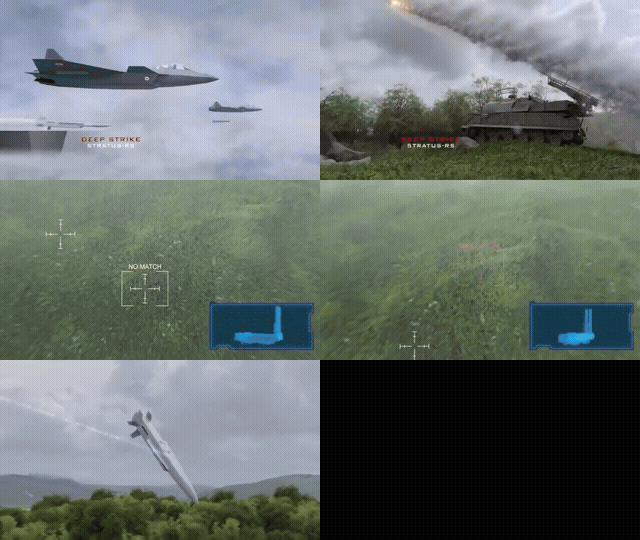
- Deep-strike missions against strategic surface targets located far behind enemy lines
- Suppression and destruction of enemy air defences (SEAD/DEAD)
- Anti-ship warfare missions
- Engagement of high-value airborne targets, including airborne early warning and control (AWACS) aircraft, using passive radio-frequency sensing
The missile also features a next-generation guidance system with both active and passive radar capabilities, enabling it to detect, track, and engage emitting targets such as radar installations.
With a length of slightly over five meters, the Stratus RS is compatible with both airborne and ship-based launch systems, aligning with the broader interoperability goals of the Stratus programme.
Integration with Rafale F5 and Strategic Role
The integration of Stratus RS into the Rafale F5 standard represents a significant enhancement in France’s strike and suppression capabilities. The F5 upgrade is being developed in parallel with the missile to ensure compatibility from initial deployment.
The addition of a dedicated SEAD/DEAD capability addresses a longstanding gap in French air power following the retirement of the AS37 Martel missile in the 1990s. The Stratus RS is expected to serve as the primary system for neutralizing enemy air defence networks in future operations.
The updated armament programme confirms the missile as France’s designated future SEAD weapon within the Rafale fleet, supporting broader operational requirements to counter advanced air defence systems and access-denial strategies.
Timeline and Replacement of Legacy Systems
Under current planning:
- Development phase entry is expected in 2026
- Initial testing activities are anticipated to begin during the development cycle
- Early deliveries of missile systems are projected around 2028
- Rafale F5 operational deployment is expected no earlier than 2030
- Full operational capability for the missile system is targeted for 2035
The Stratus programme is intended to replace existing legacy systems, including the SCALP EG / Storm Shadow and Exocet-type anti-ship missiles currently in service.
In addition to air-launched configurations, the missiles will also be deployed on naval platforms, expanding their operational flexibility across France’s armed forces.
Current Status
While the updated Military Programming Law confirms the selection and future role of the Stratus RS, no additional details have been disclosed regarding production volumes, exact integration schedules, or further technical specifications beyond those already released.
The programme remains in transition from assessment to development, with further milestones expected as work progresses through the latter half of the decade.
——— End of Article ———