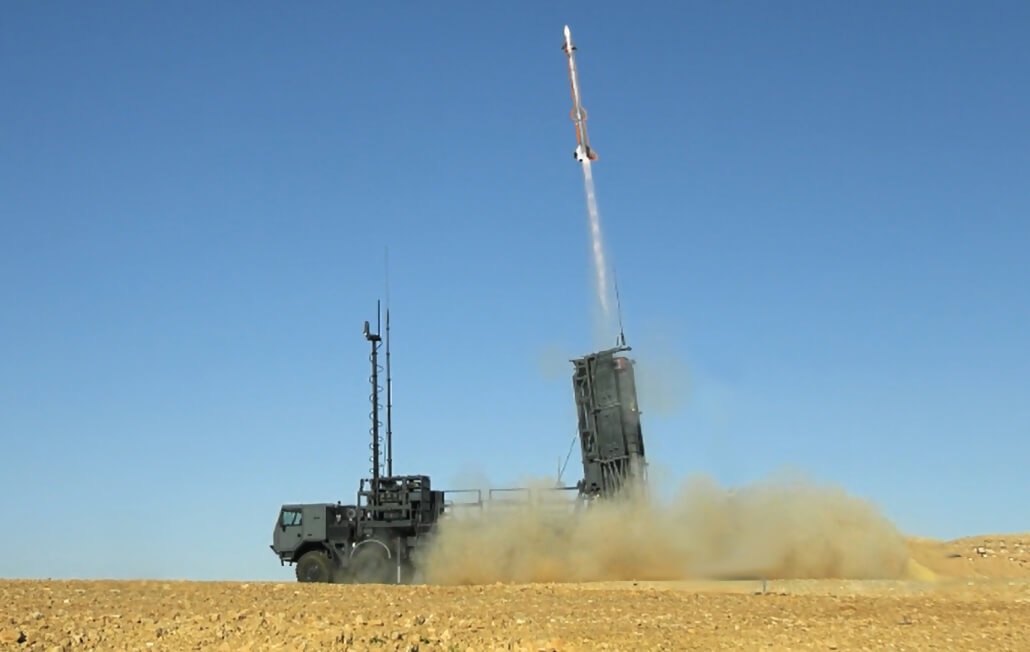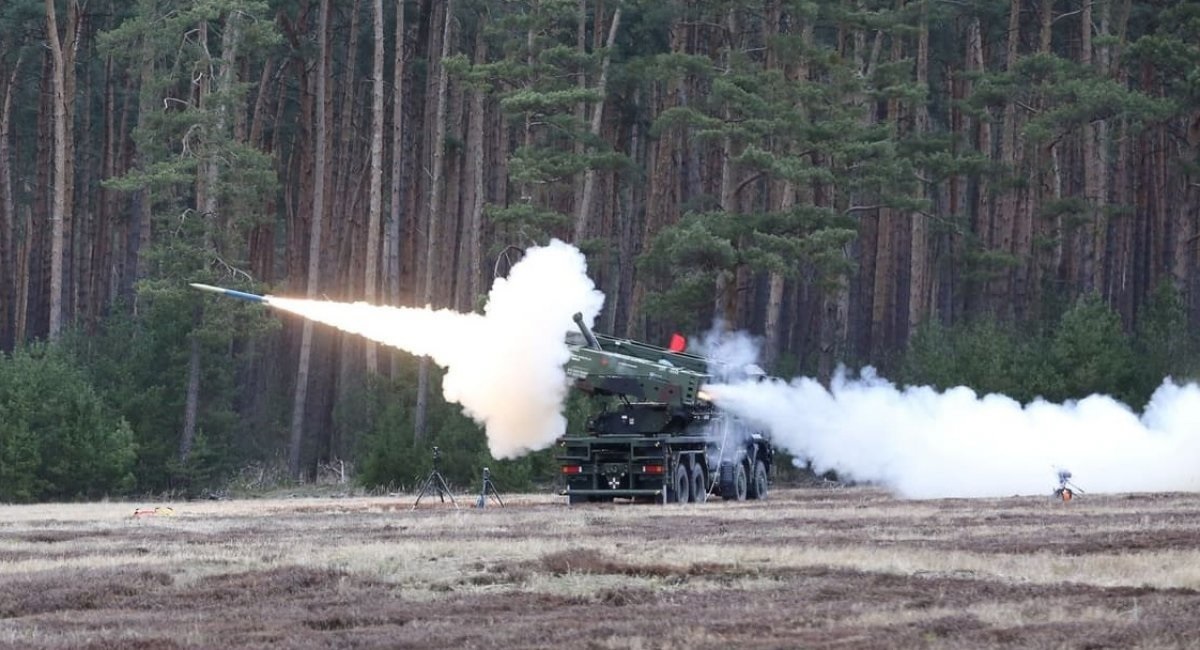
ALTENGRABOW, GERMANY — March 30, 2026 : Diehl Defence has initiated series production of a new 122 mm training rocket following a comprehensive set of successful live-fire demonstrations conducted with the MARS 3 (EuroPULS) rocket artillery launcher system at the Altengrabow military training area. The trials confirmed full compatibility between the munition and the Bundeswehr’s future rocket artillery infrastructure.
The live-fire campaign was conducted before an international audience that included military personnel, procurement authorities, and senior representatives from defence ministries, underscoring the program’s operational and export relevance.
Restoration of MLRS Training Capability
The Altengrabow trials represent a significant operational milestone for Germany’s armed forces. The Bundeswehr had suspended live-fire training with multiple-launch rocket systems (MLRS) for several years following the retirement of the 110 mm LAR training rocket, which left a gap in cost-effective training capability.
The recent demonstration marks the first firing of a German training rocket at Altengrabow in more than 30 years, effectively restoring the Bundeswehr’s ability to conduct regular MLRS live-fire exercises. It also signals the resumption of artillery rocket production activities at Diehl Defence.
Development and Technical Characteristics
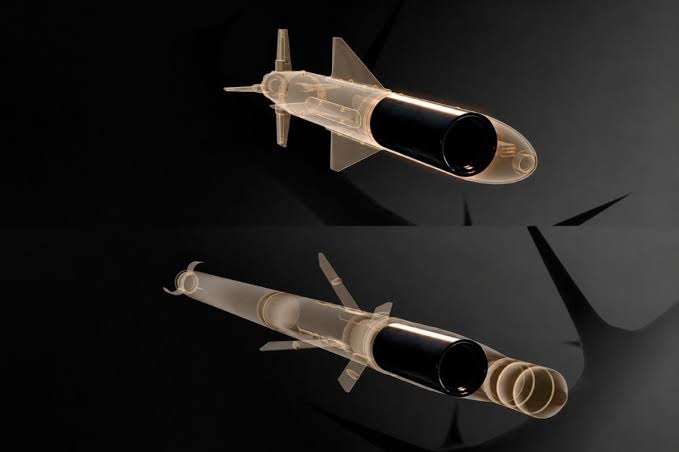
The 122 mm training rocket has been jointly developed by Diehl Defence and its Israeli partner, Elbit Systems Land, using components derived from the Accular family of precision-guided rockets. The system is designed to meet current operational training requirements while minimizing cost and environmental impact.
A central feature of the rocket is its spotting charge warhead, equipped with a newly developed propellant charge produced by Diehl Defence. Upon impact, the warhead generates a clearly visible and audible signature—a loud detonation, bright flash, and smoke plume—which can be observed from distances of up to 3 kilometers. The design ensures that these effects are achieved without creating fire hazards on training ranges.
The rocket operates within a range envelope of 5 to 15 kilometers and demonstrates low error angles and stable aerodynamic performance. These characteristics were validated through a sequence of tests, including preliminary evaluations in Israel in 2025, pre-firing trials in February 2026, and the final demonstration at Altengrabow.
Integration with EuroPULS / MARS 3 Programme
The development of the training rocket is closely aligned with the expansion of the EuroPULS artillery ecosystem in Europe. The MARS 3 launcher—Germany’s designation for EuroPULS—is being introduced as part of a broader modernization effort.
In this context, KNDS Germany and Elbit Systems have established a 50:50 joint venture, EuroPULS GmbH, headquartered in Kassel, to manufacture and market the system across Europe.
Germany has already placed an initial order for five MARS 3 launchers, with deliveries and certification expected in 2027. The Bundeswehr is also preparing a framework agreement covering up to 300 systems, with approximately half intended for export to allied European countries. The availability of a domestically produced, compatible training rocket is considered essential to both operational readiness and export competitiveness.
Industry and Official Remarks
Gunnar Pappert, Head of the Land Systems Business Unit at Diehl Defence, highlighted the significance of the milestone, stating that the successful launch confirms full compatibility between the training rocket and the MARS 3 launcher while supporting the advancement of artillery technologies manufactured in Germany.
All test results and compatibility data from the Altengrabow trials have been formally accepted, clearing the way for full-scale production of the 122 mm training rocket and its integration into future Bundeswehr training operations.
——— End of Article ———