TOKYO, — April 21, 2026 : The Japanese government on Tuesday approved a comprehensive revision of its long-standing framework governing the transfer of defense equipment and technology, formally allowing the export of lethal military systems under defined conditions. The decision was endorsed by both the Cabinet and Japan’s National Security Council, marking a significant policy adjustment within the country’s existing security framework.
Updated Framework and Classification System
The revisions modify the implementation guidelines of Japan’s “Three Principles on Transfer of Defense Equipment and Technology,” replacing earlier categorical limits with a broader classification system. Previously, exports were largely restricted to five non-combat categories: rescue, transport, warning, surveillance, and minesweeping.
Under the updated policy, defense equipment is now divided into two classifications based on capability:
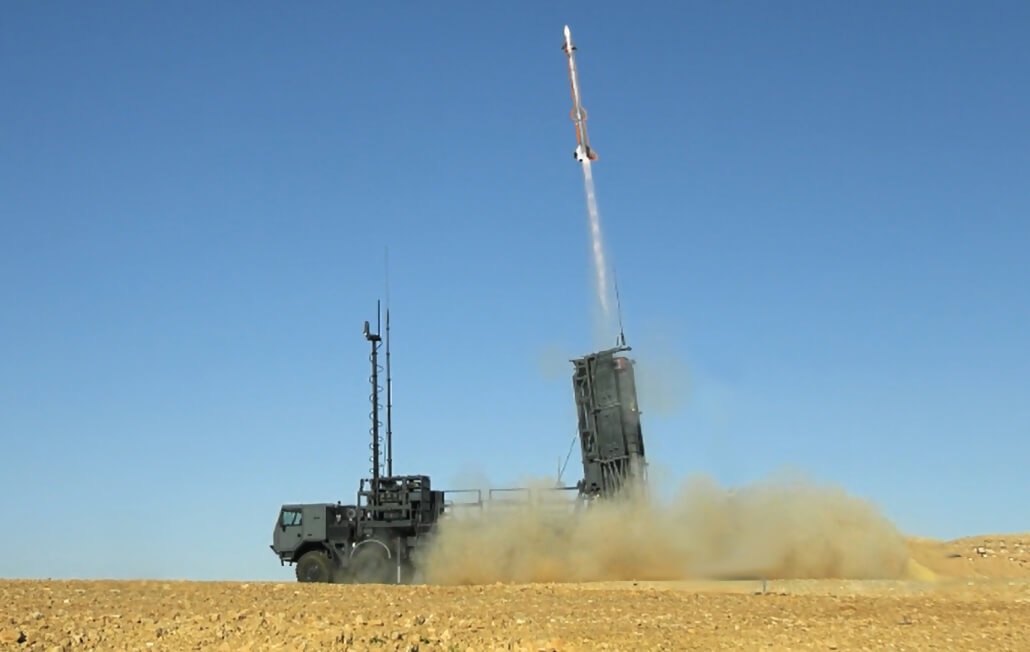
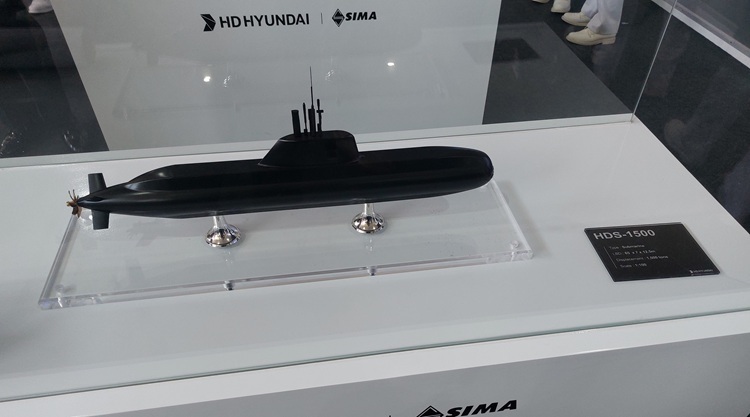
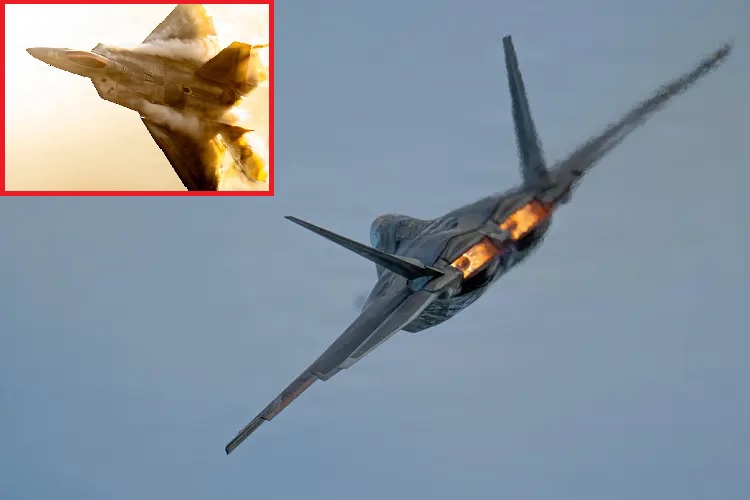
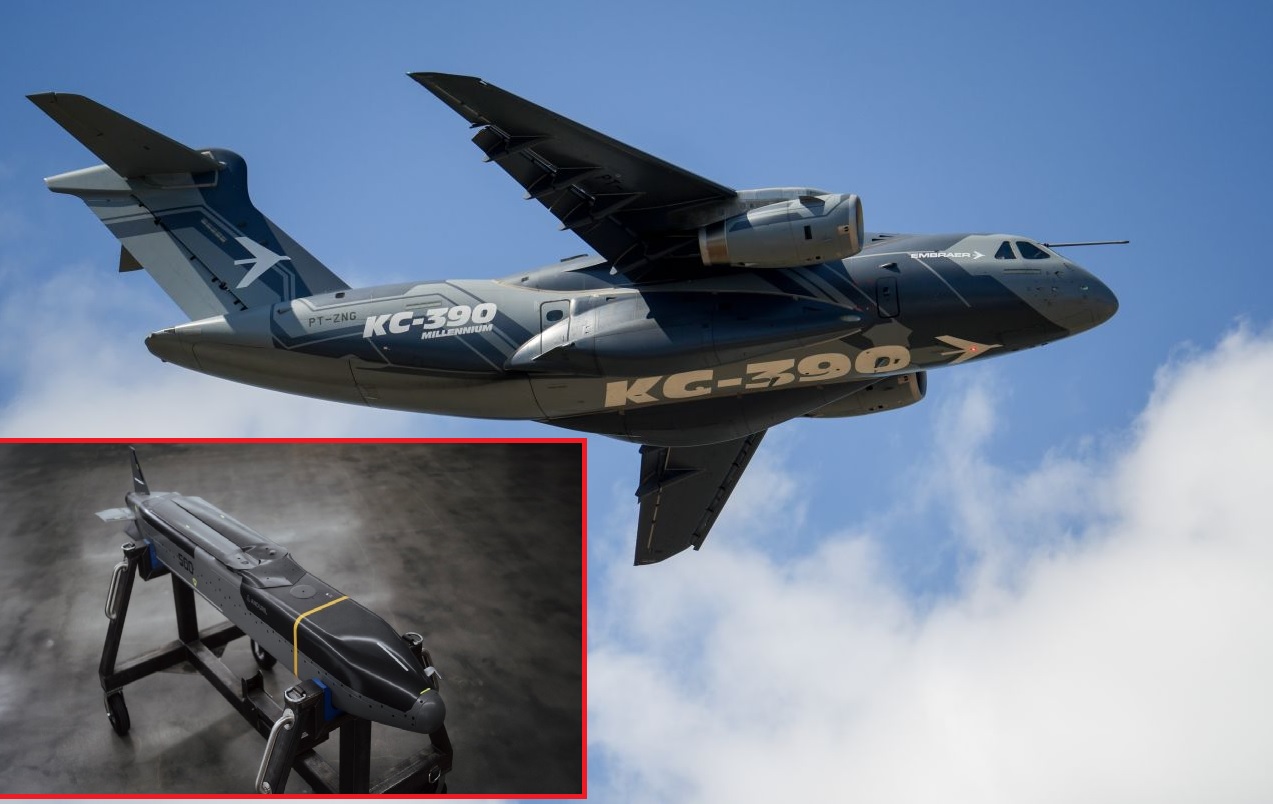
Weapons: This category includes systems with lethal or destructive capability, such as fighter aircraft, warships, destroyers, missiles, and tanks.
Non-weapons: This includes equipment without direct lethal function, such as radar systems, protective gear, and related support technologies.
Exports of non-weapons remain subject to existing screening mechanisms without additional restrictions. In contrast, exports of weapons are permitted only to countries that have formal agreements with Japan regarding the protection of classified defense-related information. Japan currently maintains such agreements with 17 countries.
Approval Process and Oversight Measures
All proposed exports of lethal equipment are subject to case-by-case review by the National Security Council, which includes the prime minister and relevant cabinet ministers. The government confirmed that exports associated with the Global Combat Air Program (GCAP), a joint fighter development initiative with the United Kingdom and Italy, will continue to require separate Cabinet-level approval.
The revised guidelines retain the prohibition on transfers to countries engaged in active armed conflict. However, provisions allow for exceptions in specific cases if deemed necessary after consideration of Japan’s security requirements.
The government also emphasized that strict post-export controls will be applied. These include end-user verification procedures, monitoring mechanisms, and safeguards to prevent diversion or unauthorized re-transfer of exported equipment.
Policy Continuity and Evolution
The current revision builds on a series of earlier policy adjustments. In 2014, Japan revised its original arms export principles to allow transfers supporting joint development and production with partner nations. Subsequent updates permitted limited exports of co-developed lethal systems, including provisions related to the GCAP program.
The latest changes remove remaining categorical restrictions on lethal equipment, consolidating prior reforms into a unified framework.
Strategic and Industrial Considerations
Government officials stated that the revised guidelines are intended to strengthen Japan’s defense industrial base and expand cooperation with partner countries. Chief Cabinet Secretary Minoru Kihara indicated that the policy aims to support domestic industrial capabilities while contributing to Japan’s security environment.
Japanese defense manufacturers, including major firms such as Mitsubishi Heavy Industries, are expected to benefit from broader export opportunities, potentially enabling increased production scale and technological development.
International Cooperation and Potential Applications
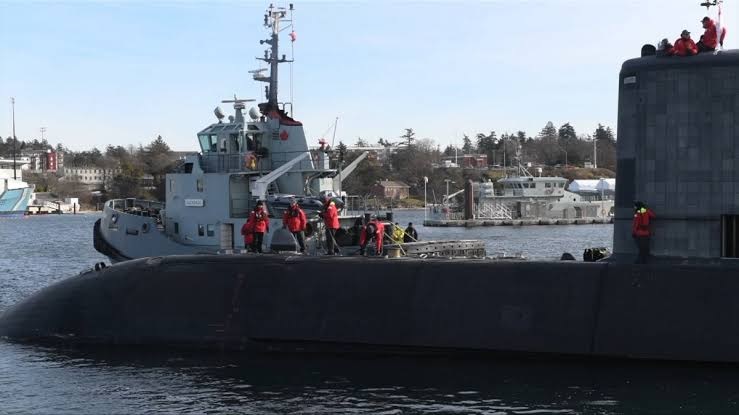
Japan’s existing defense cooperation agreements include partnerships with countries such as the United States, Australia, and the Philippines. Reports indicate that one of the early potential applications of the revised rules could involve the transfer of used Japanese naval vessels to the Philippines, although no formal agreements have been confirmed.
The revised framework also facilitates exports linked to multinational development programs. In the case of the GCAP fighter project, the updated rules simplify the process for transferring jointly developed aircraft to third-party countries, subject to approval procedures.
Legislative Position and Implementation
The government confirmed that the revised guidelines do not require legislative approval by the National Diet. Instead, the administration will notify parliament after the completion of weapon export decisions.
All transfers will continue to be assessed under the core principles governing destination, end-user reliability, and potential impact on regional and international security.
The revisions, approved on April 21, 2026, represent the most substantial update to Japan’s defense equipment transfer policy in recent years and will be implemented on a case-by-case basis under the established regulatory framework.
——— End of Article ———