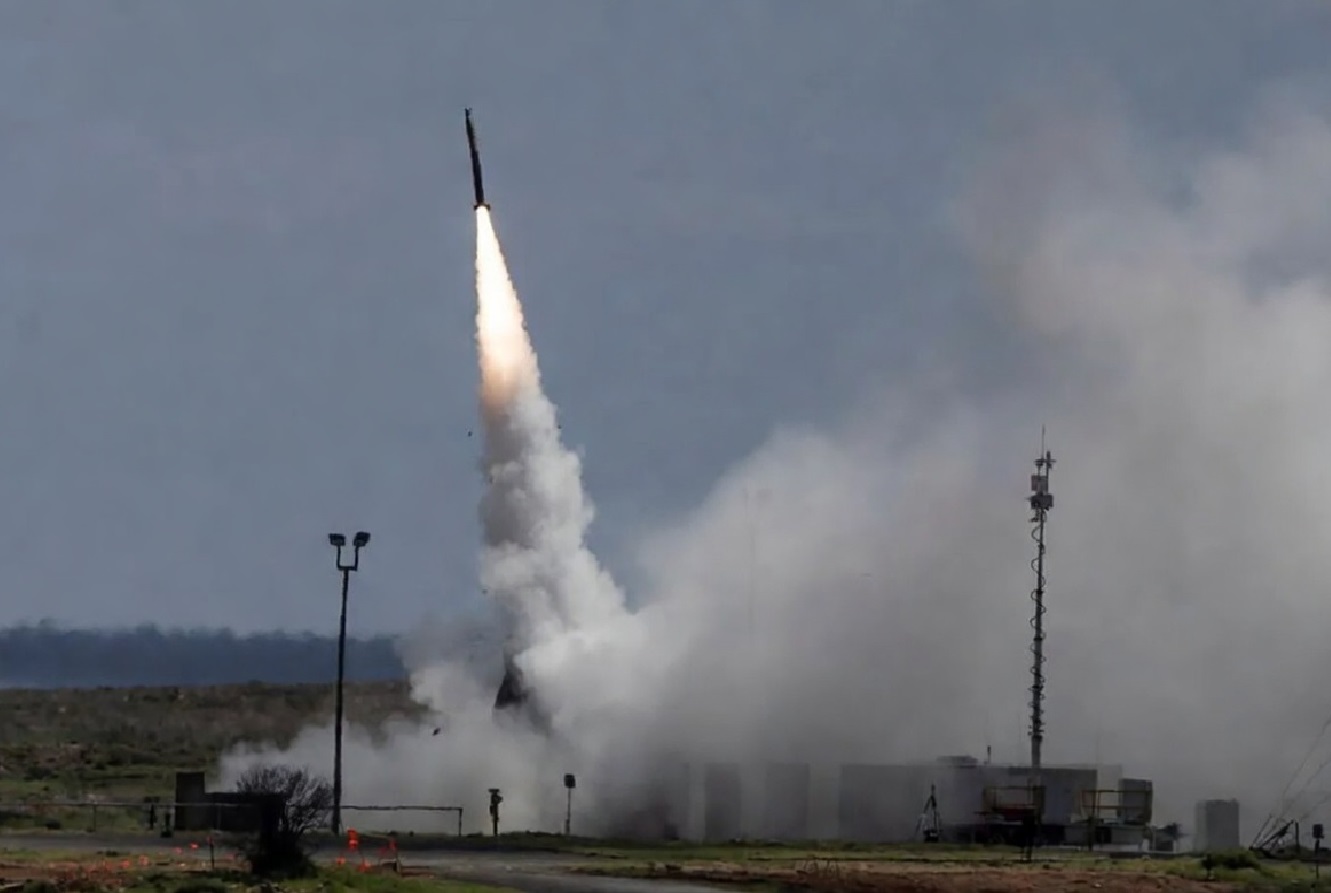
CANBERRA, — April 13, 2026 : The Australian Army has successfully conducted the first test firing of a domestically manufactured Guided Multiple Launch Rocket System (GMLRS) missile, marking a significant step in the country’s efforts to establish sovereign missile production capabilities, according to the Department of Defence.
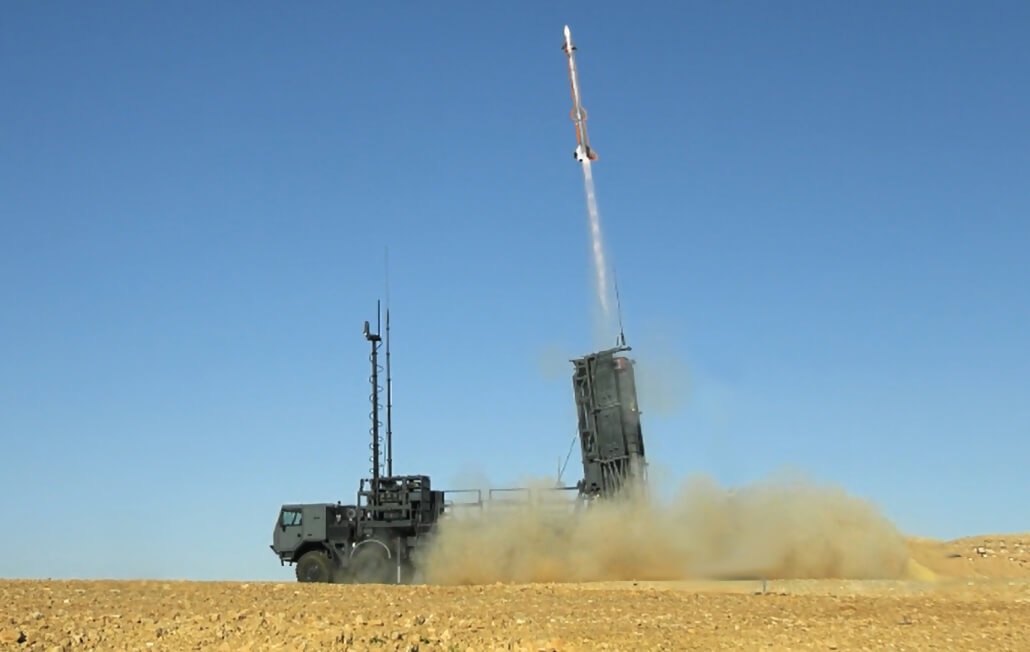
The test took place on April 9, 2026, at the Woomera Test Range in South Australia, where the surface-to-surface missile was launched from an M142 High Mobility Artillery Rocket System (HIMARS). The firing represents the first experimental launch of a GMLRS missile produced within Australia and forms part of the Australian Army’s long-range fires program.
The GMLRS is a precision-guided munition designed to strike targets at ranges of approximately 70 to 85 kilometers, extending well beyond traditional artillery systems. The April 9 activity also marked the third live-fire exercise involving Australian HIMARS systems since their delivery in March 2025, supporting accelerated training and the development of initial operational capability.
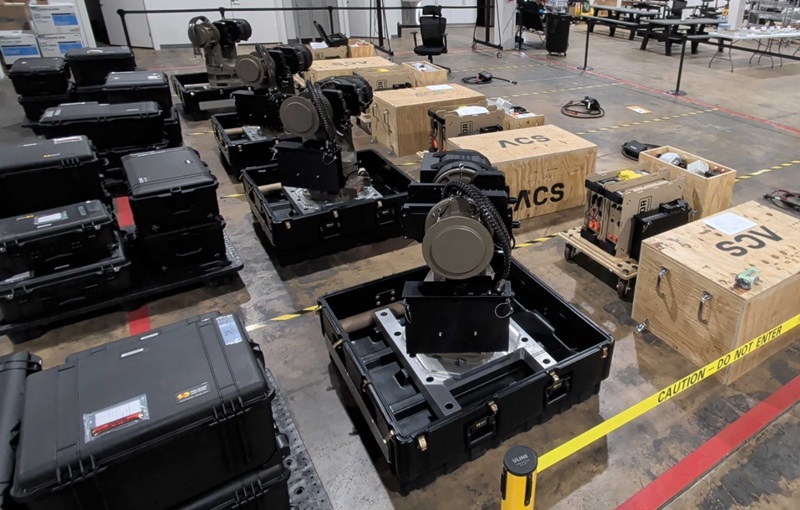
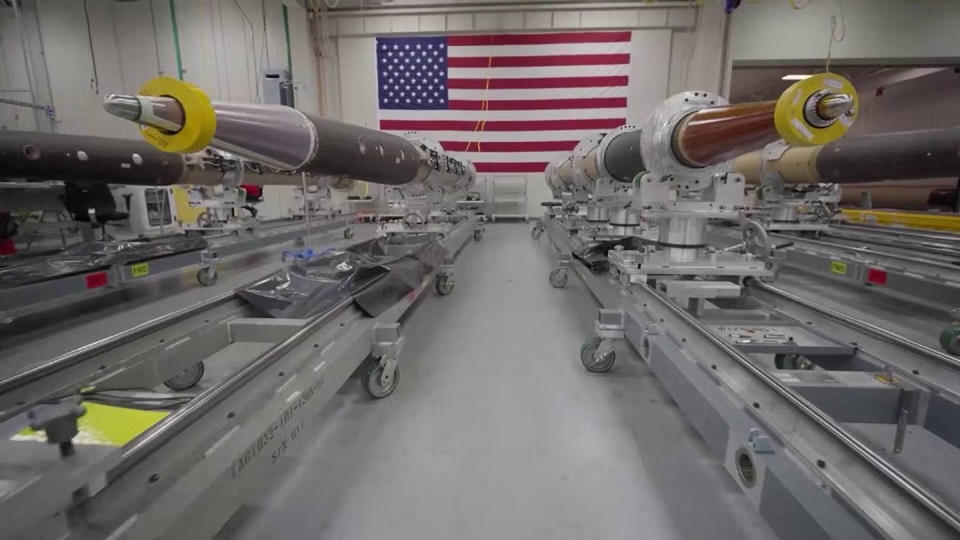
The missiles used in the test were assembled at a newly established production facility in Port Wakefield, South Australia, which officially opened in December 2025. The facility was constructed and brought online within seven months, with key construction and fit-out work carried out by Intract Australia, an Indigenous-owned company. Prior to the commencement of operations, Australian engineers underwent specialized training at Lockheed Martin’s Camden, Arkansas facility to support technology transfer and local manufacturing readiness.
The Port Wakefield site is now the second facility globally capable of assembling GMLRS missiles, following Lockheed Martin’s U.S.-based plant, and positions Australia as the only country outside the United States producing the system. The manufacturing initiative operates under the Guided Weapons and Explosive Ordnance (GWEO) Enterprise, supported by a $320 million government investment aimed at strengthening domestic industrial capability.
The facility currently supports approximately 20 on-site manufacturing roles, with additional employment generated across a broader national supply chain expected to expand as Australian suppliers are progressively integrated into GMLRS component production.
Australian authorities have indicated that the facility is intended to meet both domestic operational requirements and potential export demand, with the long-term objective of embedding Australian industry within global guided weapons supply chains.
Australia has so far procured 42 HIMARS launchers through the United States Foreign Military Sales (FMS) program. In September 2025, the U.S. Department of State approved a potential additional sale of 48 HIMARS systems, although a final procurement agreement has not yet been concluded.
Minister for Defence Industry Pat Conroy stated that domestic missile production is central to national defence planning. He noted that the successful test demonstrates progress in developing sovereign guided weapons capability and supports broader efforts to strengthen defence self-reliance.
Australia and the United States are currently engaged in discussions to expand local production capabilities beyond GMLRS. These discussions include potential future manufacturing of Precision Strike Missiles (PrSM) and the exploration of hypersonic systems, with the current program intended to serve as a foundational industrial base for more advanced long-range strike capabilities.
The April 9 test forms part of Australia’s wider strategy to enhance long-range strike capability, improve industrial resilience, and transition toward domestic production of advanced defence systems.
——— End of Article ———