NEW DELHI, — April 12, 2026 : The Defence Procurement Board (DPB) has cleared a procurement proposal for the Indian Army covering two additional regiments of the Medium Range Surface-to-Air Missile (MRSAM) system, the indigenously developed Man-Portable Anti-Tank Guided Missile (MPATGM), and Counter-Unmanned Aerial Vehicle (Counter-UAV) Electronic Warfare (EW) systems.
The approval is part of the Ministry of Defence’s effort to strengthen ground-based air defence, improve infantry anti-armour capability, and address emerging threats from unmanned systems observed in recent conflicts.
Air Defence Expansion with MRSAM
The MRSAM system, jointly developed by the Defence Research and Development Organisation (DRDO) and Israel Aerospace Industries (IAI), provides medium-range air defence with an interception range of about 70 km. It is designed to engage aircraft, helicopters, cruise missiles, and other aerial threats.
The addition of two regiments will augment existing MRSAM units already deployed with the Indian Army and the Indian Air Force, contributing to a more integrated and layered air defence network. The system includes radar, command and control, and launcher components with significant indigenous content.
Counter-UAV Systems for Asset Protection
The procurement includes dedicated Counter-UAV electronic warfare systems intended to protect high-value assets such as MRSAM batteries and other air defence installations.
These systems are designed to detect, track, and neutralise hostile drones and loitering munitions through electronic jamming of radio frequencies, GPS signals, and communication links. The systems may also integrate with kinetic interceptors where required.
The deployment of these systems alongside MRSAM regiments reflects operational lessons from conflicts in Eastern Europe and the Middle East, where drone swarms and low-cost unmanned systems have been used to target radar and missile infrastructure. The EW-based counter-drone layer is intended to prevent such threats from degrading air defence effectiveness.
Induction of Indigenous MPATGM
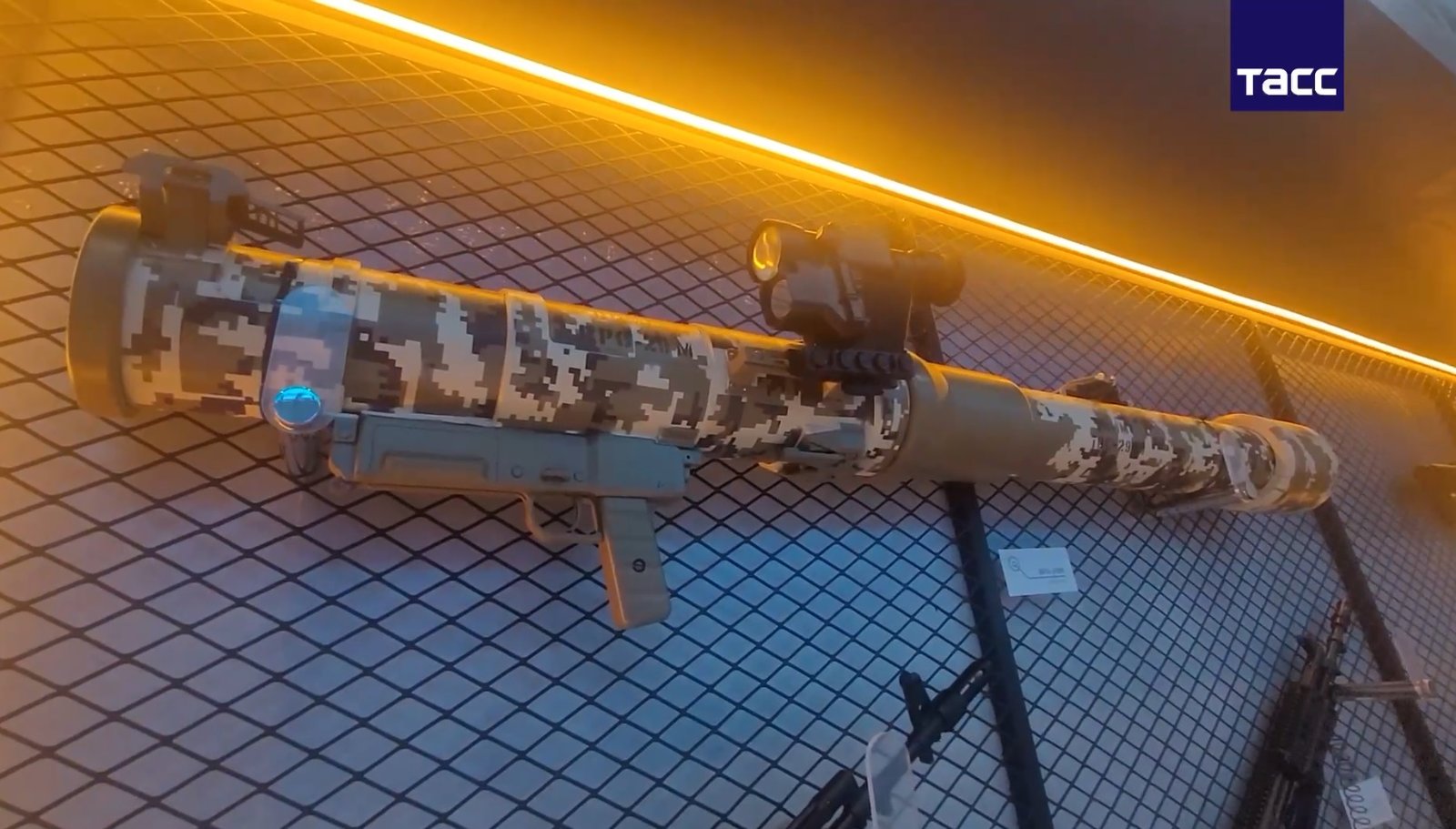
The DPB also cleared procurement of the MPATGM to strengthen infantry anti-armour capabilities. Developed by DRDO, the MPATGM is a third-generation, fire-and-forget missile equipped with an imaging infrared (IIR) seeker, tandem high-explosive anti-tank (HEAT) warhead, and top-attack capability.
The system has a range of approximately 4 km and uses an all-electric control actuation system. Flight trials conducted in January 2026 successfully engaged a moving target, validating operational performance. The missile is designed to defeat modern main battle tanks equipped with explosive reactive armour (ERA).
Production is expected to be led by Bharat Dynamics Limited (BDL) along with other domestic partners, supporting indigenous manufacturing under the Aatmanirbhar Bharat initiative.
Layered Defence Approach and Procurement Process
The combined procurement of MRSAM and Counter-UAV systems reflects a shift toward a layered defence approach, integrating long- and medium-range interceptors with electronic warfare capabilities to counter mixed aerial threats.
The decision also aligns with broader modernisation efforts, complementing existing systems such as Akash and S-400, and supporting requirements for mobile, networked operations in contested electromagnetic environments.
Following DPB clearance, the proposal will be forwarded to the Defence Acquisition Council (DAC) for Acceptance of Necessity (AoN). Subsequent stages will include contract finalisation and production. No contract value or delivery timeline has been disclosed.
——— End of Article ———