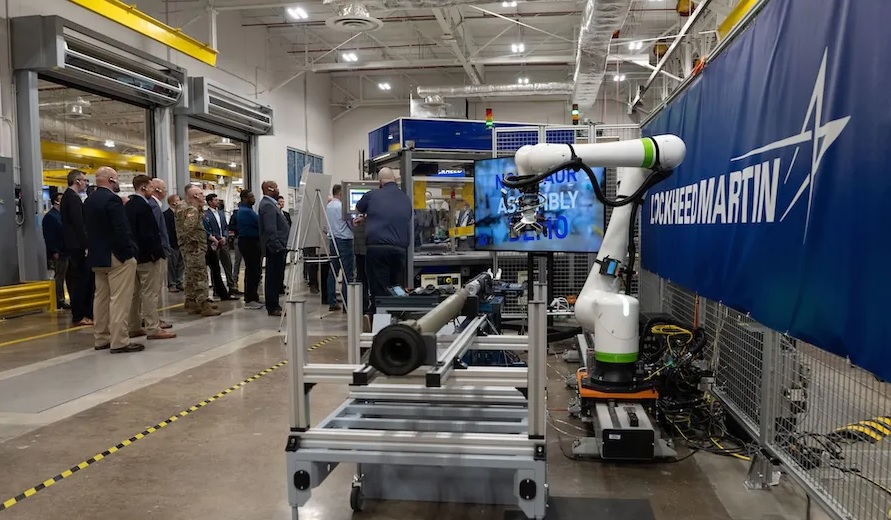
GRAND PRAIRIE, Texas — April 15, 2026 : Lockheed Martin has conducted a live, full-scale final assembly demonstration of its Next-Generation Short-Range Interceptor (NGSRI) for representatives of the United States Army at the company’s Advanced Manufacturing Technology (AMT) Center in Grand Prairie, Texas. The event, held in April 2026, showcased the complete assembly of a functional interceptor within a controlled production environment and was intended to validate the company’s end-to-end manufacturing readiness.
Demonstration Validates Production Flow
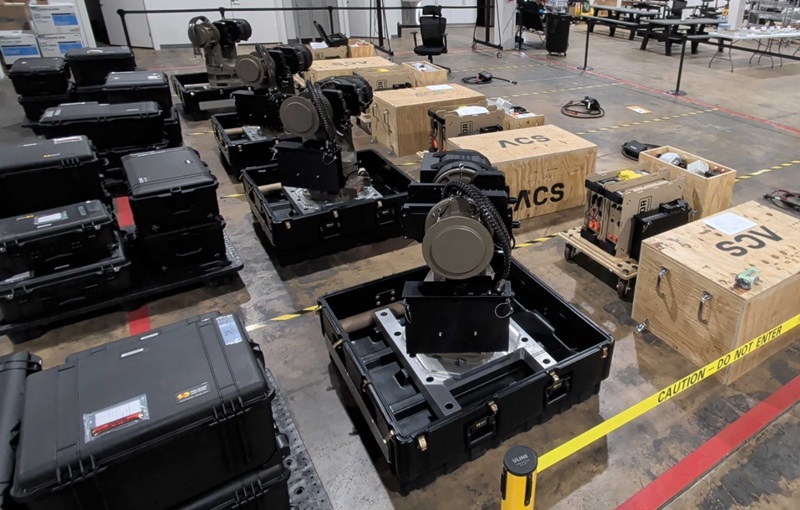
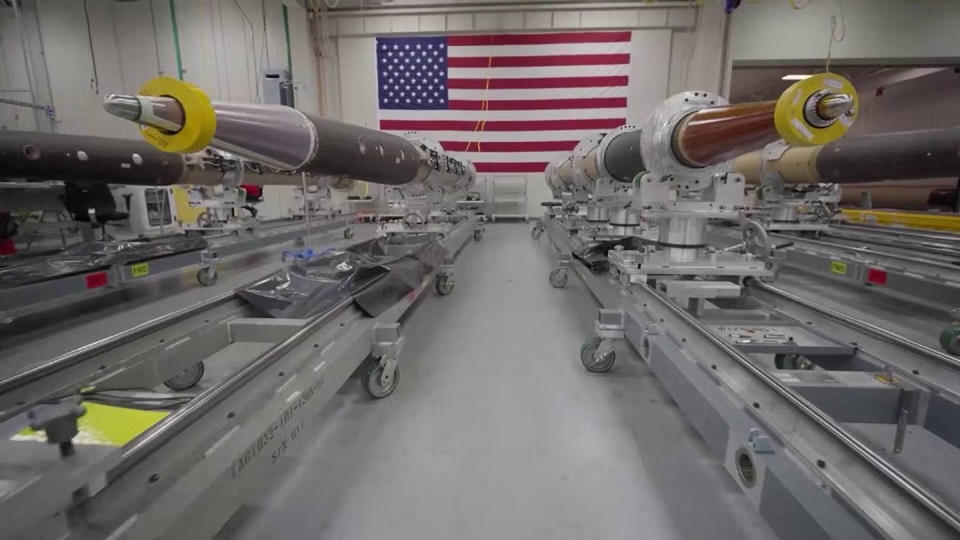
The demonstration involved the assembly of an operational interceptor using the same processes planned for full-scale production. Company officials stated that the activity was designed to confirm that the manufacturing workflow—from component integration to final assembly—can meet operational timelines required by the Army.
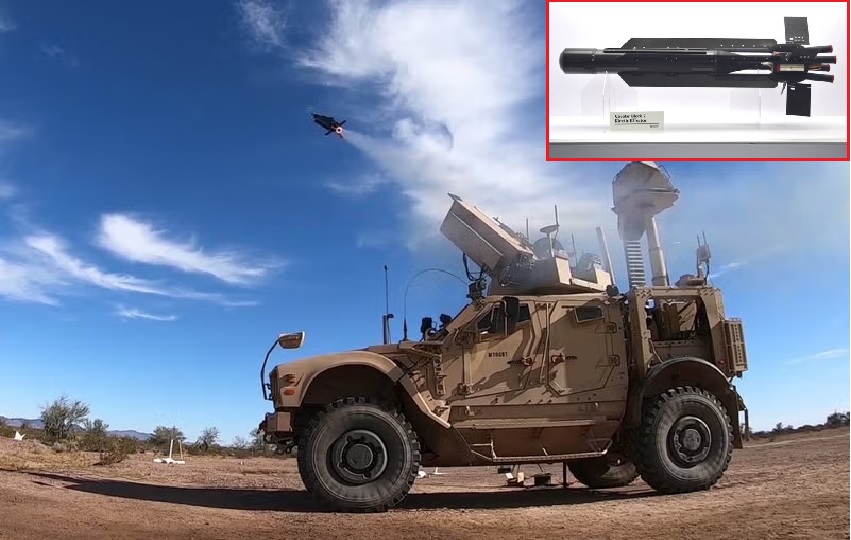
The NGSRI is being developed under Lockheed Martin’s Missiles and Fire Control Advanced Programs portfolio as a replacement candidate for the FIM-92 Stinger missile, which has been in service since 1981. The U.S. Army initiated the replacement program to address emerging aerial threats and the limitations associated with legacy short-range air defense systems.
Chris Murphy, business development lead for Lockheed Martin’s NGSRI program, stated that the successful assembly demonstration reflects confidence in the production system and its ability to deliver at scale within required timelines.
Facility Built for Scalable Manufacturing
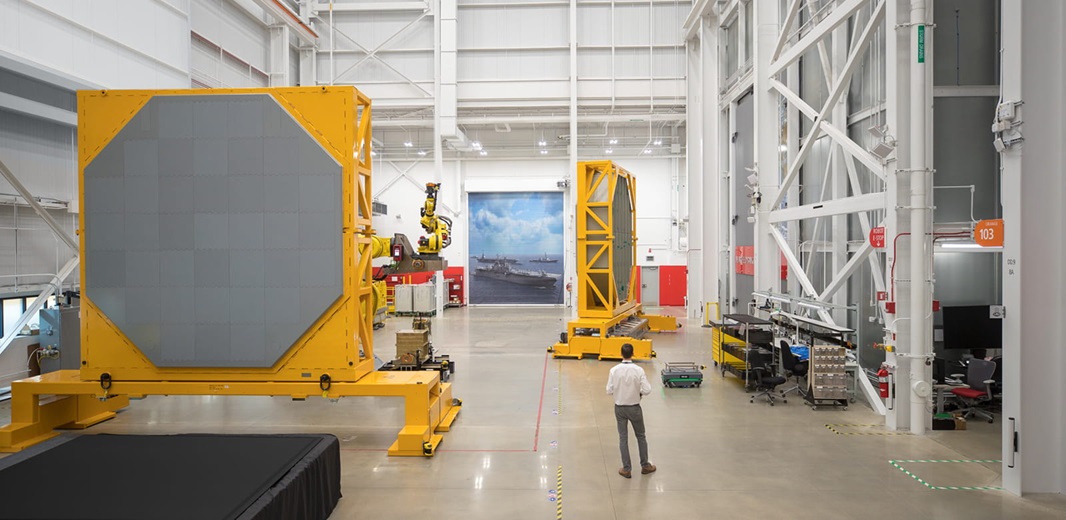
The demonstration took place at the AMT Center, a facility established in October 2024 to support rapid adoption of advanced manufacturing technologies across Lockheed Martin’s missile production programs. The specific demonstration area within the center was set up over a three-month period and configured to support multiple programs simultaneously.
Key features of the manufacturing setup include dual-robot work cells and modular tooling, enabling flexible production and allowing resources to be reassigned as program priorities evolve. The production line incorporates additive manufacturing (3D printing) to reduce the time required to build each interceptor.
Standardized and interchangeable fixtures are used throughout the assembly process to reduce manual handling and minimize the risk of errors. According to the company, this approach allows any trained technician to operate across different stations, supporting consistency in output while improving production efficiency.
Lockheed Martin indicated that the facility can scale production significantly, with the capacity to increase output to nearly three times the baseline level if required, without affecting quality or consistency.
Program Development and Testing Timeline
The assembly demonstration follows earlier milestones in the interceptor’s development. Lockheed Martin received an other transaction agreement for the NGSRI program in 2023. The system progressed from initial concept to flight testing within 26 months.
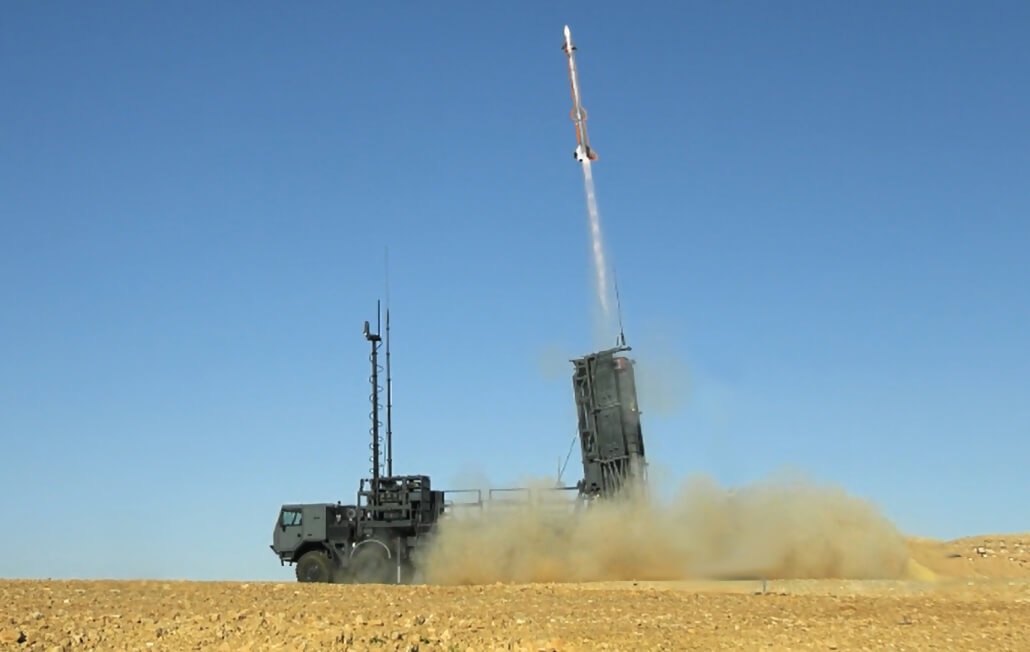
The first flight test of the NGSRI was completed on January 13, 2026, at the White Sands Missile Range. The test marked a key step in validating the interceptor’s design and performance.
The NGSRI features an open systems architecture and modular design, enabling adaptability to evolving mission requirements. It is intended to counter a range of aerial threats, including Group 2 and Group 3 unmanned aerial systems (UAS), as well as rotary-wing and fixed-wing aircraft.
Competitive Program and Procurement Outlook
Lockheed Martin is currently competing with RTX Corporation for the U.S. Army’s NGSRI procurement contract. The Army plans to select a single design, with low-rate initial production targeted for 2028.
The company stated that the April 2026 manufacturing demonstration is aimed at reinforcing its position in the competition by demonstrating both technical maturity and production scalability.
Lockheed Martin officials emphasized that the AMT Center’s infrastructure and supply chain integration are aligned with Army requirements for reliable delivery and the ability to increase production volumes in response to future operational demands.
Murphy stated that the demonstration highlights the company’s capability to deliver mission-ready systems while maintaining flexibility to scale production as required by evolving defense needs.
——— End of Article ———