TAIPEI — April 26, 2026 : On April 24, 2026 U.S.-based autonomous vessel developer Saronic Technologies has signed a memorandum of understanding (MOU) with Taiwan’s National Chung-Shan Institute of Science and Technology (NCSIST) to cooperate on autonomous maritime operations and maneuvering technologies for uncrewed surface vessels (USVs).
The agreement was formalized during a signing ceremony in Taiwan attended by Saronic Technologies Chief Executive Officer Dino Mavrookas—also known as Kostadino George Mavrookas—and NCSIST President Li Shiqiang, also referred to as Li Shih-chiang.
Collaboration Scope and Technical Focus
Under the MOU, both organizations will collaborate on a wide range of technologies related to modular USVs and artificial intelligence-enabled maritime systems. The partnership includes joint work on command-and-control (C2) software, ship design, and full system integration, alongside the development of AI-based target recognition and tracking capabilities.
Additional areas of cooperation include autonomous interception systems, defensive barrier deployment, synchronized multi-vessel operations, and obstacle avoidance technologies. The agreement also covers kinetic interception methods and autonomous tactical decision-making systems intended to enhance operational effectiveness in complex maritime environments.
The modular approach to USV development is expected to support rapid manufacturing, facilitate parts replacement, and enable remote software upgrades, contributing to reduced production timelines and lower overall costs.
Strategic Context and Prior Agreements
The MOU builds on an earlier agreement signed in September 2025 between NCSIST and Maritime Tactical Systems (MarTac). The new partnership is intended to further accelerate deployment of mission-ready systems, improve resilience, and diversify access to advanced technologies for Taiwan’s defense sector.
According to Taiwan’s Military News Agency, the collaboration will facilitate direct exchange of research, development, and engineering expertise between Saronic and Taiwan’s state-backed defense research ecosystem.
Support for Taiwan’s Domestic Programs
The cooperation is expected to directly support Taiwan’s domestic USV initiatives, including the Kuai Chi attack unmanned surface vehicle program, which completed sea trials in 2025. NCSIST is currently responsible for advancing production and integration of such systems within Taiwan’s military structure.
Over the coming years, NCSIST is contracted to produce 1,320 Kuai Chi USVs. These systems are planned for deployment across multiple branches, including the Navy’s Coastal Combat Command, the Marine Corps, and the Army’s Special Forces Command.
The partnership also aligns with Taiwan’s broader objective of strengthening its domestic defense industrial base. It is expected to support local shipbuilding capabilities while enabling Taiwan’s electronics and software sectors to integrate into global defense supply chains.
Industrial Capabilities and Platform Development
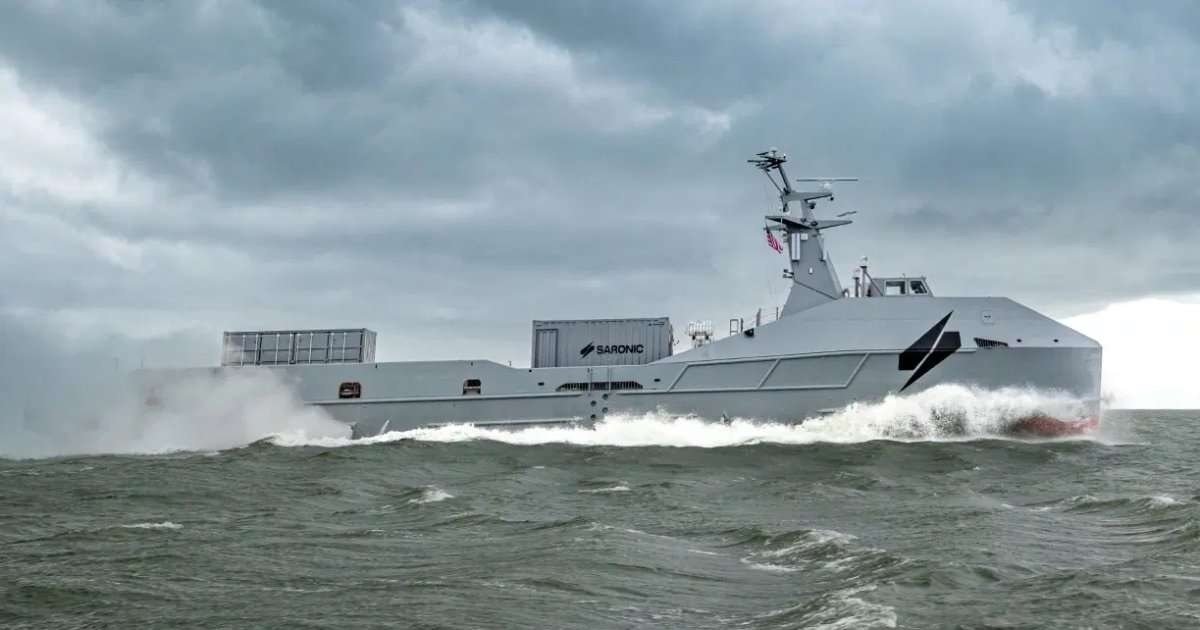
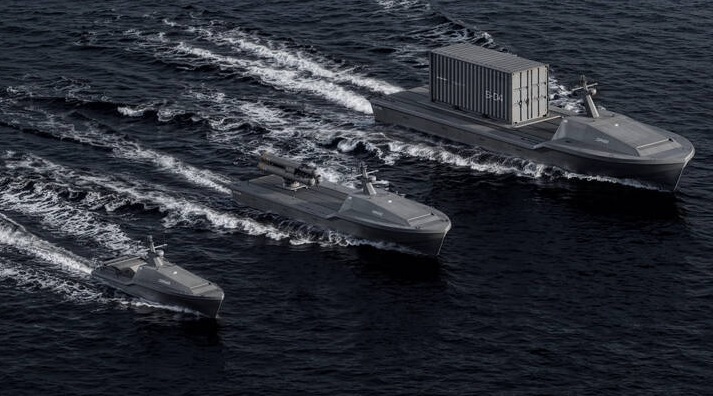
Headquartered in Austin, Texas, Saronic Technologies specializes in the rapid design, development, and production of dual-use autonomous surface vessels for defense and commercial applications. Its portfolio includes platforms such as the Corsair, a 24-foot autonomous surface vessel capable of carrying payloads of up to 1,000 pounds over a range of 1,000 nautical miles, as well as the Mirage and Marauder models, including a larger 150-foot Marauder variant.
These systems are designed for missions including intelligence, surveillance, and reconnaissance (ISR), maritime patrol, logistics support, and operations in contested environments. The company has previously secured contracts with the U.S. Navy and has received significant private investment for its autonomous maritime programs.
NCSIST, Taiwan’s primary defense research and development institution, plays a central role in aligning advanced technologies with the operational requirements of Taiwan’s armed forces. The institute is responsible for systems integration, testing, and production support across multiple defense programs.
Supply Chain, Sustainment, and Long-Term Outlook
Both parties stated that they will evaluate opportunities to expand supply chains, improve sustainment and maintenance frameworks, and enhance long-term operational readiness. The agreement includes provisions for collaboration across both defense and commercial maritime sectors.
The MOU also forms part of Taiwan’s wider efforts to expand unmanned maritime capabilities, including support roles for the Coast Guard Administration during peacetime operations and the establishment of rapid production capacity during emergencies.
Taiwan’s Ministry of National Defense, through the Armaments Bureau’s Materiel Production Center, is leading procurement efforts for a proposed fleet of 1,320 suicide USVs under a special budget framework.
No specific timelines, financial terms, or follow-on contracts related to the agreement were disclosed at the time of signing.
——— End of Article ———