TOKYO, — March 31, 2026 : Japan has formally deployed its first domestically developed long-range stand-off missile systems, marking a major transition in its defense posture as the country moves toward operational counterstrike capabilities under its evolving national security strategy.
The Japan Ground Self-Defense Force (JGSDF) confirmed on Tuesday the operational fielding of two advanced systems, now redesignated as the Type 25 Surface-to-Ship Guided Missile (25SSM) and the Type 25 Hyper Velocity Gliding Projectile (25HGP). The designation “25” corresponds to Japan’s fiscal year 2025, which concludes on March 31, 2026, in line with the Ministry of Defense’s equipment naming convention.
Initial Deployments Across Key Strategic Locations
The newly designated systems have been deployed to active operational units at two major installations.
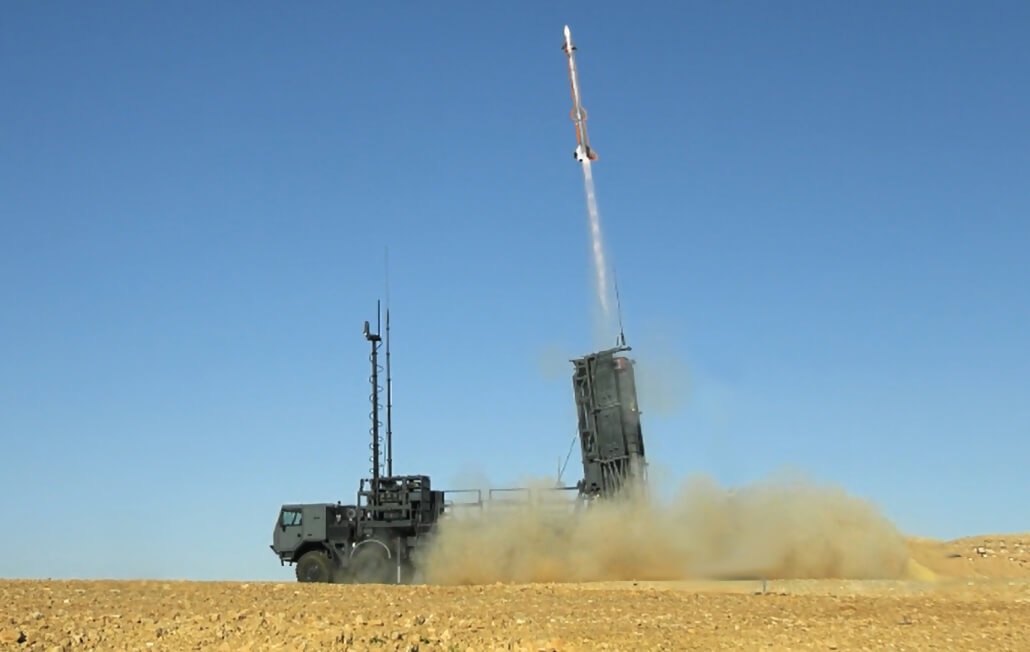
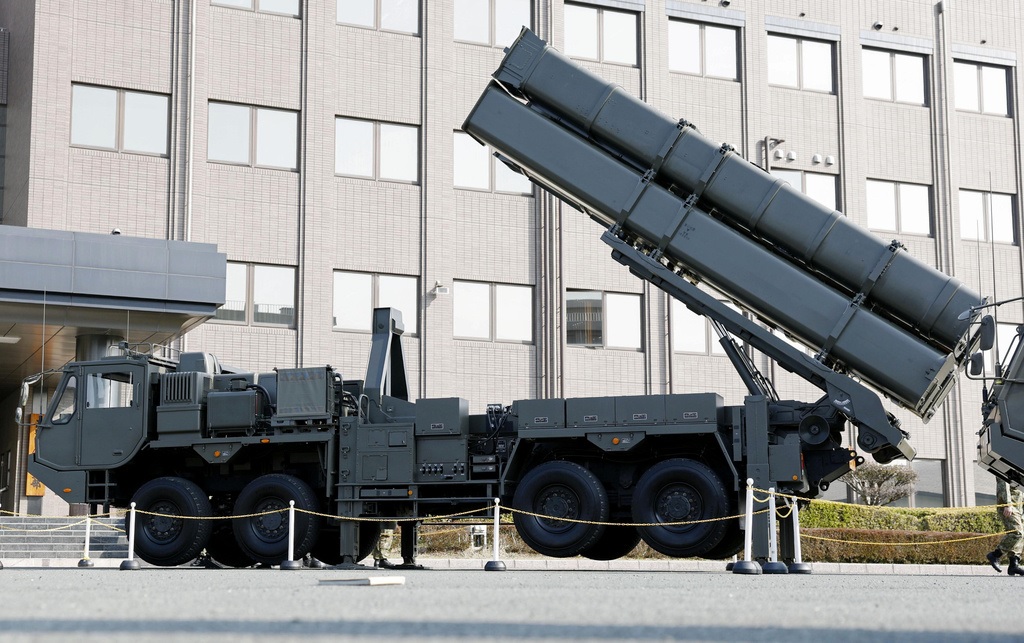
The Type 25 Surface-to-Ship Guided Missile (25SSM) has been stationed at Camp Kengun in Kumamoto Prefecture, where it is operated by the 5th Surface-to-Ship Missile Regiment. Equipment and launch systems for the missile were delivered earlier in March in preparation for its formal induction.
The 25SSM represents a significantly upgraded version of the legacy Type 12 missile, developed and produced by Mitsubishi Heavy Industries. Its operational range has been extended from approximately 200 kilometers to around 1,000 kilometers. While originally designed for coastal defense, the upgraded system enables ground-based units to strike both maritime targets and fixed land-based objectives, including missile launch sites, at extended stand-off distances.
From its deployment location in Kumamoto, the missile’s coverage extends across large parts of East Asia, including the East China Sea and portions of the Korean Peninsula.
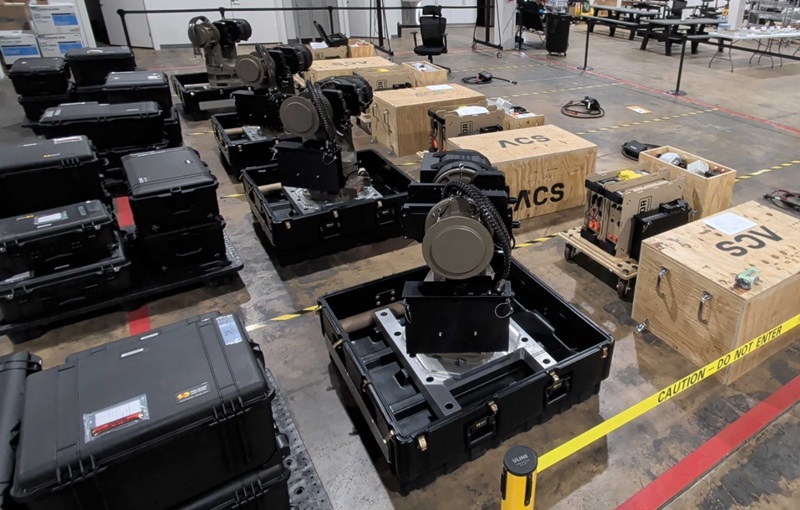
The Type 25 Hyper Velocity Gliding Projectile (25HGP) has been deployed at Camp Fuji in Shizuoka Prefecture, a training facility near Gotemba that is also used by the United States Marine Corps. This system introduces a new hypersonic capability into the JGSDF.
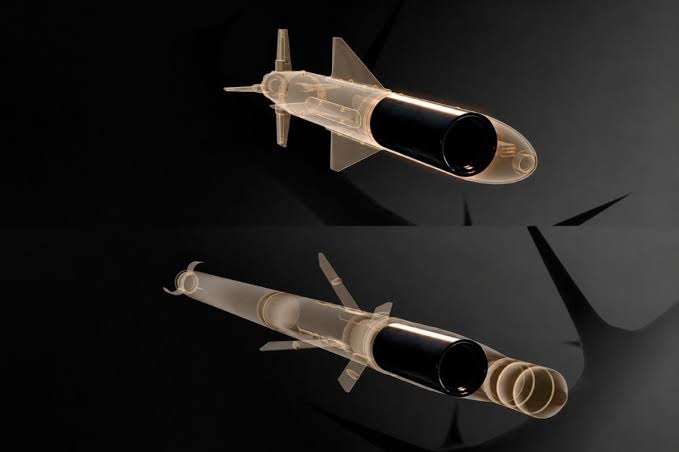
Designed primarily for the defense of remote islands, the 25HGP is a ground-launched system that uses a glide vehicle after booster separation. It travels at speeds exceeding 6,000 kilometers per hour along maneuvering and irregular trajectories, making interception by conventional missile defense systems more difficult. The initial variant deployed has a range of several hundred kilometers and will primarily support training and the development of operational doctrine. Longer-range variants are currently under development.
Transition Toward Counterstrike Capabilities
The deployment of the Type 25 systems reflects a significant doctrinal shift in Japan’s defense policy.
For decades, Japan maintained a strictly defensive posture under its post-war security framework, relying on interceptor systems such as the Patriot PAC-3 and Aegis-equipped destroyers. Offensive strike capabilities were largely dependent on United States forces.
However, the rapid expansion of missile arsenals and advanced strike capabilities by regional actors, particularly China and North Korea, has exposed the limitations of a purely defensive strategy.
In its 2022 National Security Strategy, Japan formally introduced the concept of “counterstrike capabilities,” defined as the ability to hold adversary missile launch sites and related infrastructure at risk from stand-off distances. The JGSDF stated that the deployment of the Type 25 systems was carried out in response to what it described as an increasingly severe security environment surrounding the country.
Domestic Response and Local Developments
The deployment has also generated domestic debate.
Following the announcement, local citizen groups staged protests near the Kengun Garrison in Kumamoto City, reflecting ongoing public concerns over the expansion of Japan’s military capabilities and the implications of adopting counterstrike roles.
Future Expansion and Layered Defense Architecture
The Type 25 systems form a central component of Japan’s broader plan to establish a layered stand-off defense architecture integrating both domestic and foreign systems.
Under current plans:
Fiscal Year 2026: Additional deployments of the Type 25 HGP are scheduled for Camp Kamifurano in Hokkaido and Camp Ebino in Miyazaki Prefecture. An extended-range variant of the hypersonic system, with a projected range of approximately 2,000 kilometers, remains under development.
Fiscal Year 2027: Ship-launched and air-launched variants of the Type 25 SSM are expected to be introduced on Japan Maritime Self-Defense Force (JMSDF) destroyers and Japan Air Self-Defense Force (JASDF) fighter aircraft.
These indigenous systems will operate alongside foreign-sourced capabilities. Japan has already completed hardware modifications to the Aegis destroyer Chokai, enabling it to carry and launch U.S.-made Tomahawk cruise missiles, thereby expanding the country’s long-range strike options.
Integration into Broader Defense Planning
The current deployments represent the initial operational phase of Japan’s indigenous stand-off missile program. Additional surface-to-ship missile units are planned for deployment across southwestern islands in the coming years, further strengthening coverage of key maritime approaches.
With the induction of the Type 25 series, Japan has taken a concrete step toward integrating long-range strike capabilities into its defense structure, aligning operational capabilities with the strategic objectives outlined in its national security framework.
——— End of Article ———