WASHINGTON, D.C., — April 3, 2026 : The White House has submitted its budget proposal for fiscal year 2027, requesting a total of $1.5 trillion in defense spending, the highest level of military expenditure in U.S. history. The proposal combines $1.15 trillion in base discretionary defense funding with an additional $350 billion through a reconciliation measure, representing a significant increase over prior years.
According to administration figures, the base defense budget alone reflects a 28 percent increase compared to fiscal year 2026 levels, which stood at approximately $838.7 billion. When including reconciliation funding, the total defense request represents an increase of roughly 42 to 44 percent over the previous year.
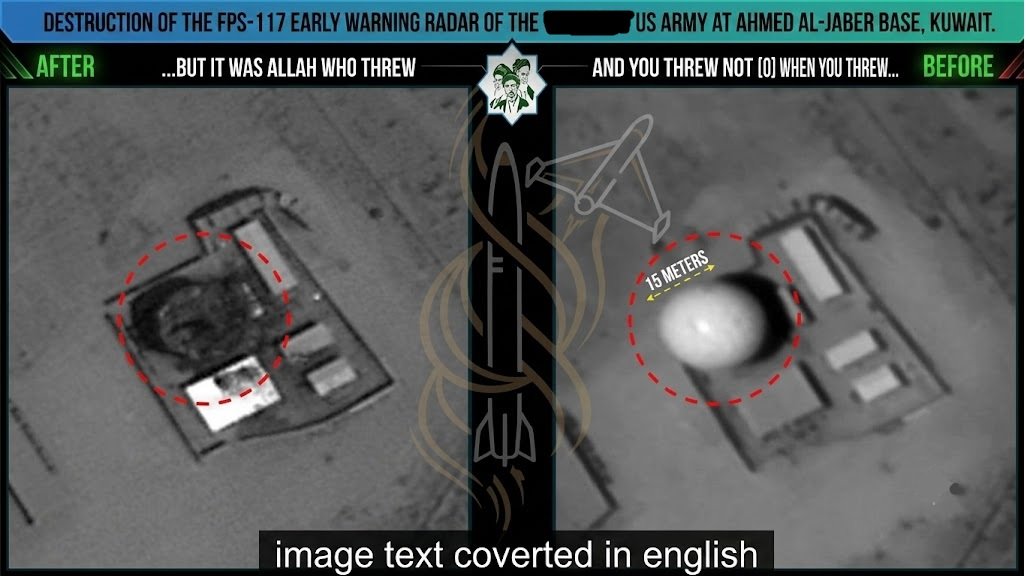
The proposal comes as the United States continues to manage elevated military demands linked to the ongoing conflict with Iran, which has accelerated operational spending and reduced existing munition stockpiles.
Defense Spending Structure and Priorities
The 92-page budget outlines a combined approach of discretionary and mandatory funding aimed at expanding military capacity, modernizing forces, and strengthening the defense industrial base.
Of the total request, approximately $760 billion is allocated toward weapons procurement and development. Within the base budget, procurement accounts for about $260 billion, while research, development, testing, and evaluation (RDT&E) totals $220 billion. The reconciliation component contributes an additional $280 billion toward weapons-related accounts.
Key allocations include:
-
Military Personnel Compensation: A proposed pay raise of between 5 percent and 7 percent for service members.
-
Shipbuilding and Naval Expansion: $65.8 billion to support the construction of 18 battle force ships and 16 non-battle force vessels. Funding also supports the “Golden Fleet” initiative, including development of Trump-class battleships, next-generation frigates, and expanded shipyard capacity.
-
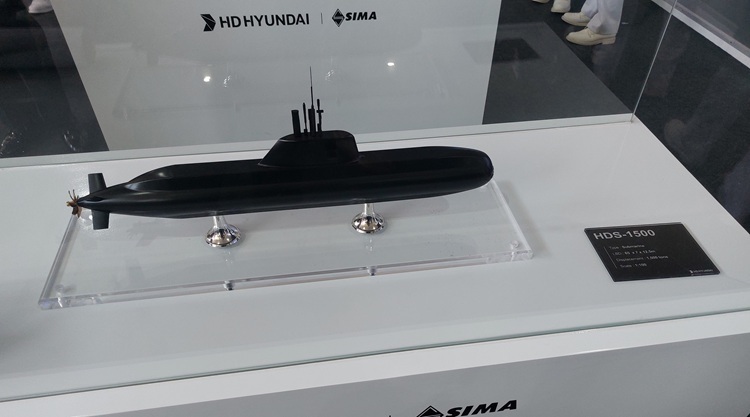
Submarine and Naval Programs: Continued or increased procurement of Columbia-class ballistic missile submarines, Virginia-class attack submarines, amphibious ships, sealift vessels, cargo replenishment tankers, hospital ships, and logistics vessels.
-
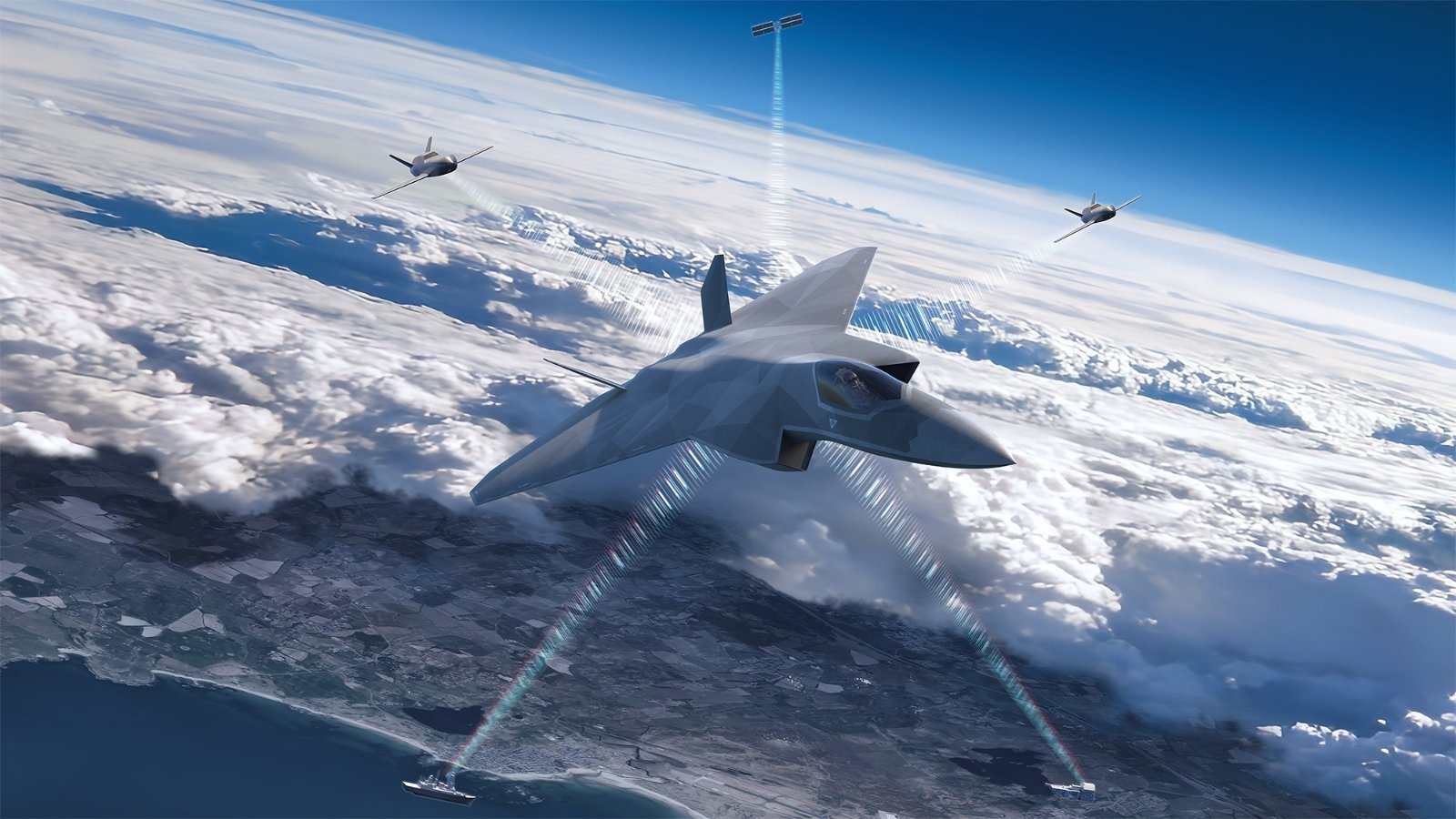
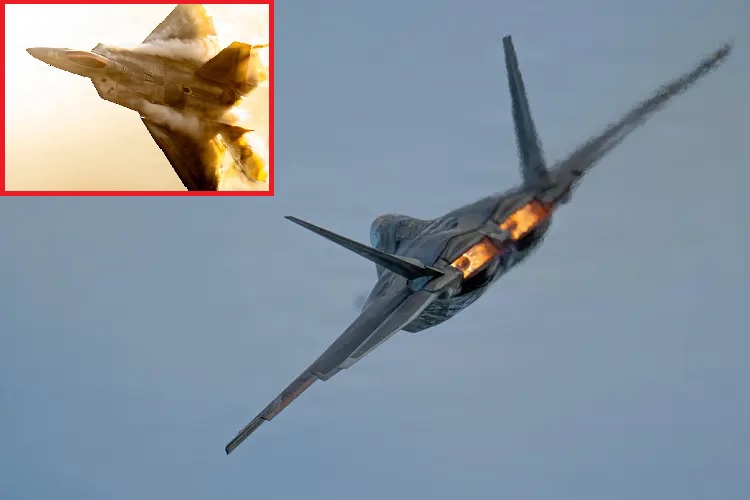
Tactical Aircraft Procurement: Funding for 85 F-35 Joint Strike Fighter aircraft, including 38 F-35A, 10 F-35B, and 37 F-35C variants. Of these, 32 aircraft are funded through the base budget and 53 through reconciliation.
-
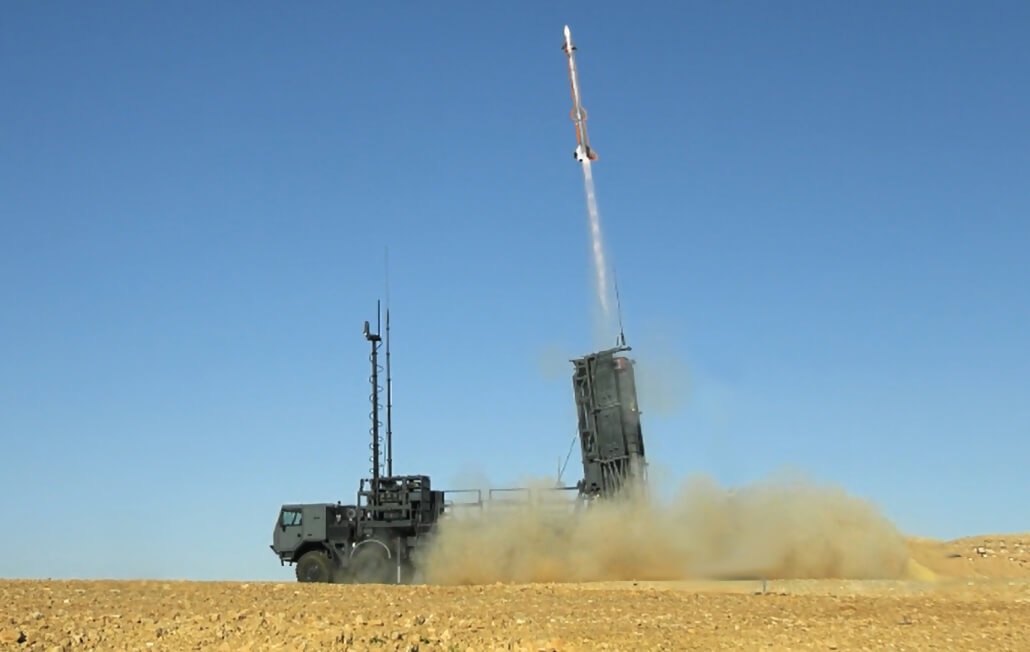
Missile Defense: $17.5 billion for the “Golden Dome” missile defense initiative, including $400 million in base funding and the remainder through reconciliation. The program focuses on space-based sensors and interceptors, along with kinetic and non-kinetic capabilities for layered homeland defense.
-
Munitions and Industrial Base: Expanded production of 12 critical munitions and investments in domestic supply chains and critical minerals to increase scalability.
-
Advanced Technologies: Tens of billions of dollars allocated for integrating artificial intelligence and emerging technologies into military systems.
The administration stated that the funding is intended to restore readiness, improve lethality, and adapt U.S. forces to evolving global security conditions.
Homeland Security and Law Enforcement Funding
The budget proposal also includes substantial increases in funding for border security and federal law enforcement.
Federal law enforcement funding would rise by more than $19 billion, a 15 percent increase, supporting operations targeting violent crime, drug trafficking, and illegal immigration. This includes expanded staffing, additional task forces focused on transnational criminal organizations such as Tren de Aragua and MS-13, and increased prosecutorial capacity.
Immigration and Customs Enforcement (ICE) is allocated $75 billion to expand detention capacity to up to 100,000 single-adult beds and 30,000 family-unit beds. The funding also includes $15.4 billion for transportation and removal operations and supports a 67 percent staffing increase through 2029.
Immigration courts would receive $899 million, an increase of $99 million, to hire additional judges and expand facilities. The U.S. Coast Guard budget includes a $2.1 billion increase to enhance maritime interdiction operations.
Border security measures, including wall construction, surveillance technology, and enforcement activities, are allocated at least $31.4 billion for fiscal year 2027 under broader multi-year homeland security funding exceeding $190 billion.
Domestic Spending Reductions
To offset part of the defense increase, the administration has proposed $73 billion in cuts to non-defense discretionary spending, representing an overall reduction of about 10 percent across domestic agencies.
Major reductions include:
-
Environmental Protection Agency (EPA): A 52 percent cut totaling $4.6 billion.
-
State Department and International Programs: A 30 percent reduction, cutting $15.5 billion.
-
Department of Labor: A 26 percent reduction, totaling $3.5 billion.
-
Department of Agriculture: A 19 percent reduction, cutting $4.9 billion.
Program-specific reductions include:
-
Climate and Energy Programs: Elimination of $15.2 billion in renewable energy funding established under prior infrastructure legislation.
-
Health and Research: A $5 billion reduction to the National Institutes of Health (NIH), along with a $356 million cut to the Administration for Strategic Preparedness and Response.
-
Immigration Programs: Cuts of $768 million to refugee resettlement programs and $819 million to programs for unaccompanied minors.
-
Justice Programs: Elimination of nearly 30 Department of Justice grant programs.
-
Transportation Security: A $52 million reduction to the Transportation Security Administration (TSA), including a shift toward privatized screening at smaller airports.
The administration indicated that some responsibilities currently managed at the federal level, including certain health, housing, and education programs, would be shifted to state governments where feasible.
Targeted Domestic Increases
Despite overall reductions, the proposal includes selective increases in specific domestic areas:
- Aviation Safety: An additional $481 million to support hiring air traffic controllers and improving aviation safety systems.
- National Guard: $605 million allocated for National Guard mobilizations in Washington, D.C.
Fiscal Impact and Funding Approach
The administration has indicated that part of the expanded defense spending would be financed through tariff revenues on imported goods and services. The use of reconciliation procedures allows portions of the funding—particularly the $350 billion component—to be approved without requiring offsets in other spending categories.
Fiscal analysts have raised concerns about the long-term budgetary impact. The Committee for a Responsible Federal Budget estimates that maintaining defense spending at $1.5 trillion could add approximately $6.9 trillion to the national debt over the next decade when accounting for interest costs.
Congressional Outlook
The budget proposal now moves to Congress, where lawmakers will negotiate and determine final appropriations for fiscal year 2027. Initial reactions indicate opposition from congressional Democrats, including Senate Minority Leader Charles E. Schumer, who has criticized both the scale of defense increases and the scope of domestic cuts.
At the same time, senior Republican lawmakers, including Senate Armed Services Committee Chairman Roger Wicker and House Armed Services Committee Chairman Mike Rogers, have expressed support for the proposed $1.5 trillion defense topline, citing alignment with broader goals of increasing defense spending to approximately 5 percent of gross domestic product.
Further detailed budget documents, including service-specific allocations for the Army, Navy, Air Force, Marine Corps, and Missile Defense Agency, are scheduled for release on April 21.
——— End of Article ———