WASHINGTON — May 1, 2026 : Internal U.S. government assessments indicate that the total cost of recent American military operations against Iran is significantly higher than publicly disclosed figures, with estimates reaching approximately $50 billion—about double the $25 billion cited by the Department of Defense during congressional testimony.
The operations, formally designated as Operation Epic Fury, began on February 28, 2026, and entered their ninth week before a ceasefire took effect around April 7–8. The $25 billion figure, presented by acting Pentagon comptroller Jules Hurst during an April 29 hearing before the House Armed Services Committee, was the first official public accounting of the conflict’s cost. Hurst stated that the estimate primarily covered munitions, alongside operational and maintenance expenses and limited equipment replacement.
However, officials familiar with internal reviews state that the public figure excludes several major cost components. The higher $50 billion estimate incorporates losses from destroyed or damaged military equipment, repairs to U.S. installations, and the full replacement value of expended munitions stockpiles. It also reflects broader logistical and sustainment expenses associated with maintaining U.S. forces in the region.
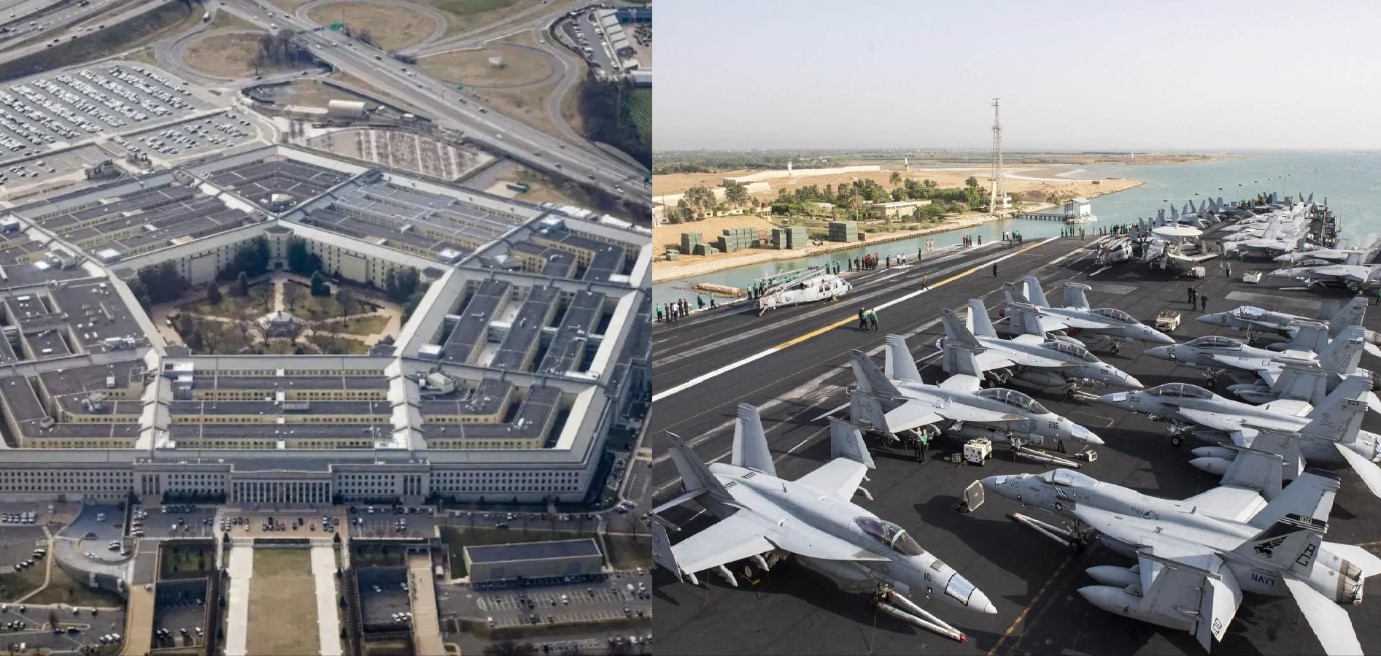
During the same hearings, Defense Secretary Pete Hegseth and Chairman of the Joint Chiefs of Staff Dan Caine addressed lawmakers’ questions as part of discussions on the Pentagon’s $1.5 trillion budget request for fiscal year 2027. The request includes provisions aimed at replenishing depleted inventories following the conflict.
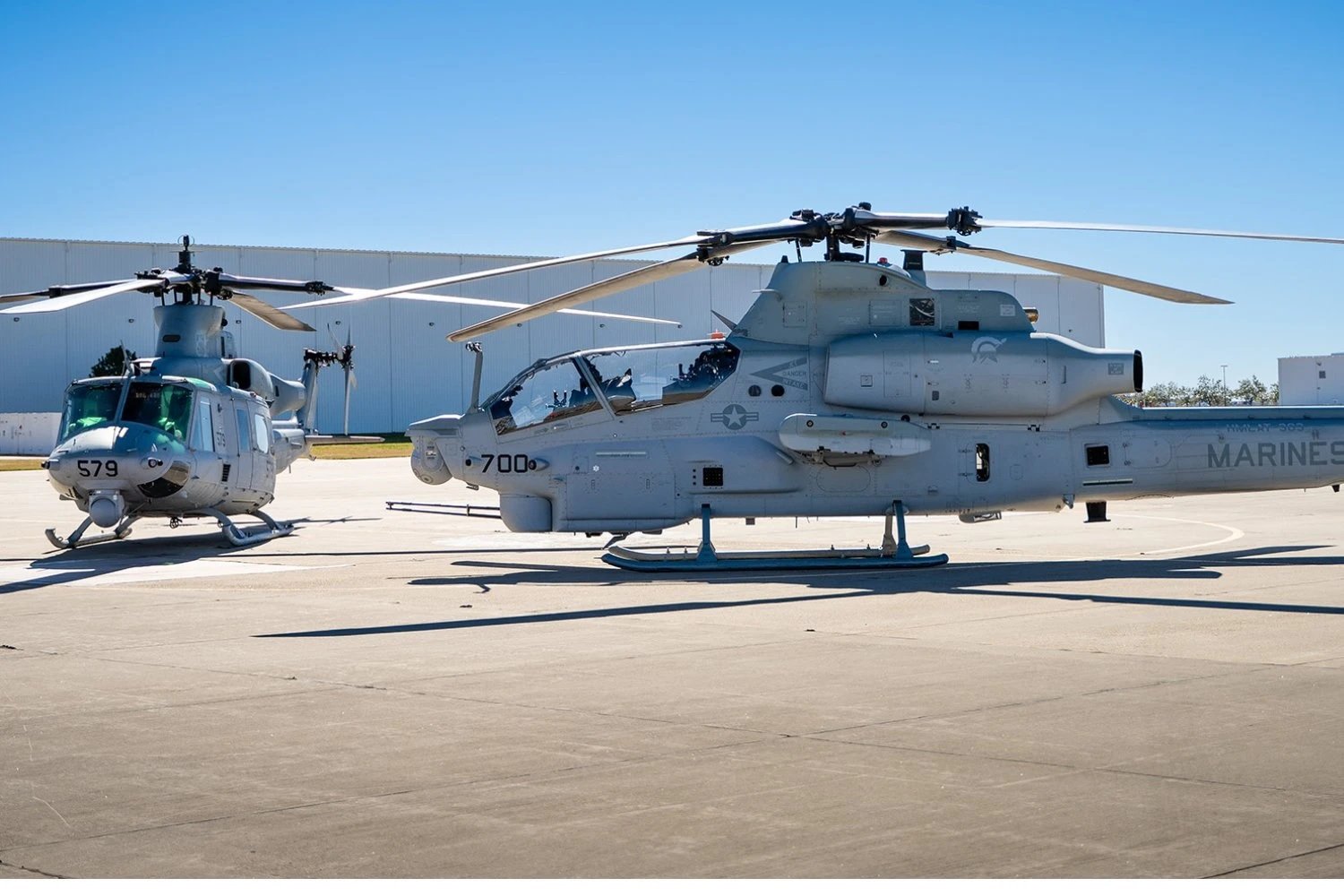
Operational losses have contributed notably to the cost increase. U.S. forces lost at least 24 MQ-9 Reaper unmanned aerial vehicles during the campaign, each valued at approximately $30 million or more. In addition, at least 16 U.S. military sites across eight countries—including Kuwait, Bahrain, and Iraq—sustained damage to radar systems, communications infrastructure, and aircraft assets during Iranian retaliatory strikes.
The discrepancy between public and internal estimates also reflects longer-term expenses that remain difficult to quantify. Hurst acknowledged that future costs tied to military construction and adjustments to the U.S. force posture in the Middle East are still being assessed. Analysts further note that sustained operations have driven higher fuel consumption for aircraft, naval vessels, and ground transport systems.
The conflict has also placed significant strain on U.S. munitions inventories. According to Mark Cancian of the Center for Strategic and International Studies, replenishing advanced missile and interceptor stockpiles could take several years and require substantial funding. The Pentagon’s current budget request includes more than $70 billion for missile procurement and related systems, representing a nearly threefold increase over the previous year.
Financial impacts extend beyond the Department of Defense. Other federal agencies, including the Department of Homeland Security, have incurred additional operational costs linked to the conflict. At the domestic level, lawmakers have raised concerns about economic spillover effects, particularly on energy and agricultural markets.
During congressional questioning, Representative Ro Khanna pressed Hegseth on potential increases in fuel and food prices. While no official estimate was provided during the hearing, external analyses, including those from the American Enterprise Institute, suggest that higher fuel and fertilizer costs could add approximately $150 per month to household expenses. National gasoline prices have risen to an average of $4.39 per gallon amid continued instability affecting global oil flows near the Strait of Hormuz.
Lawmakers have continued to question the accuracy of the Pentagon’s initial cost disclosures. Senator Chris Coons previously stated that the $25 billion estimate appeared understated given the scale of force deployment and sustained operations in the region.
U.S. officials have indicated that a supplemental funding request will be submitted to Congress once a full financial assessment of the operation is completed. The Pentagon has not publicly commented on the internal $50 billion estimate.
——— End of Article ———