WASHINGTON / ISFAHAN, — March 31, 2026 : United States military forces carried out an overnight airstrike on a large Iranian ammunition depot located in the central city of Isfahan, employing 2,000-pound bunker-buster munitions designed to penetrate hardened structures before detonation. The strike resulted in a series of sustained secondary explosions, indicating the presence of significant stockpiles of missiles and conventional ammunition at the site.
Target Identification and Strike Details
According to a report by The Wall Street Journal, citing U.S. defense officials, the targeted location was a military ammunition and weapons storage depot situated near Mount Safa in Isfahan. Early speculation across social media had suggested that the strike may have hit one of Iran’s underground “missile cities,” but officials clarified that the facility was not part of a deeply buried missile complex.
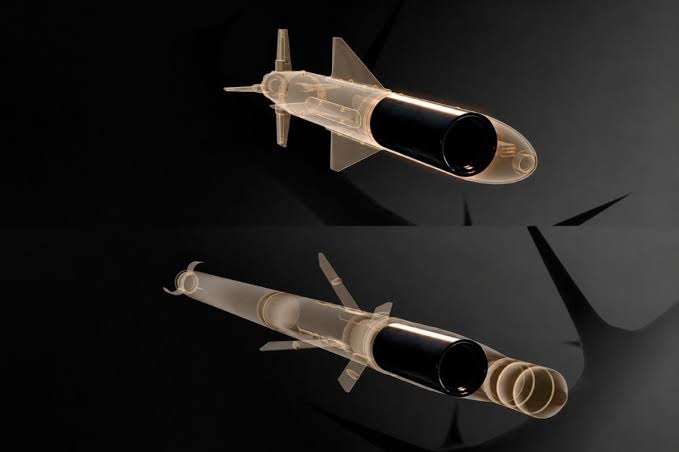
The strike involved a high volume of 2,000-pound (approximately 907-kilogram) penetrator munitions. These weapons are specifically designed to breach reinforced or partially underground structures before exploding, maximizing damage to stored military assets. Following the initial impact, the ignition of stored ordnance triggered continuous secondary explosions, consistent with the presence of missiles and ammunition inside the depot.
Visual Evidence and Official Statements
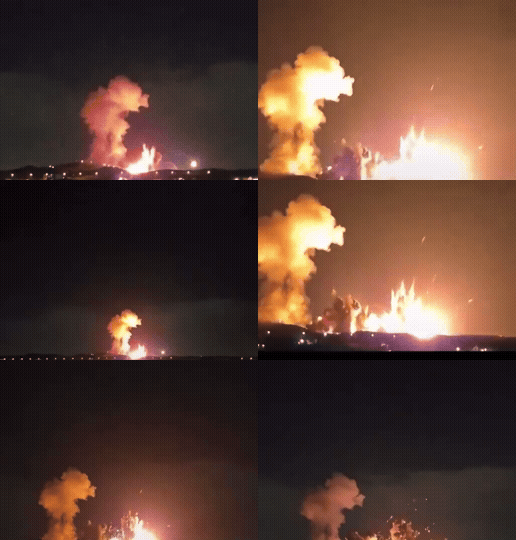
Video footage of the incident circulated widely across social media platforms shortly after the strike. The recordings showed a large initial explosion followed by repeated blasts and fires, with flames and smoke illuminating the night sky over the targeted area.
U.S. President Donald Trump shared a 30-second video of the strike on his Truth Social platform late Monday. The footage, posted without any accompanying caption, appeared to be filmed from a distance and captured multiple explosions and sustained fires at the site.
Independent verification by international media outlets, including AFP and NBC News, confirmed at least two major explosions and visible columns of smoke rising from the area.
Strategic Significance of Isfahan
Isfahan, with a population of approximately 2.3 million, is Iran’s third-largest city and a key center for military and industrial infrastructure. The region hosts several strategic facilities, including the Badr airbase, aerospace development installations, and nuclear research centers.
Despite the presence of sensitive nuclear-related infrastructure in the region, available reports indicate that the overnight operation was specifically limited to a conventional weapons depot. No evidence has emerged to suggest that nuclear facilities were targeted in this strike.
Regional Developments and Ongoing Conflict
The airstrike forms part of a broader escalation in the Middle East conflict that has intensified since late February 2026, involving continued exchanges between U.S., Israeli, and Iranian forces.
In developments following the Isfahan strike:
Iranian authorities and the Islamic Revolutionary Guard Corps (IRGC) reported that they intercepted and shot down a U.S.-made MQ-9 Reaper drone over Isfahan shortly after the bombing.
Missile launches originating from Iran were reported early Tuesday, triggering air defense alerts and interception activity over Jerusalem.
At the same time, regional diplomatic efforts are ongoing, with countries including Saudi Arabia, Egypt, Turkey, and Pakistan engaged in discussions aimed at de-escalating tensions.
Damage Assessment and Official Response
Iranian government officials confirmed that military facilities in the central region were struck and stated that an initial investigation into the extent of the damage is underway. State media described the incident as attacks on unspecified military targets in Isfahan.
No immediate details have been released regarding casualties or the full scale of damage at the site. However, the sustained secondary explosions observed in multiple videos suggest that the facility contained a substantial volume of stored munitions.
The U.S. has not issued a detailed public statement beyond confirmations provided through officials cited in media reports. The sequence of events documented in the footage shared by President Trump aligns with the reported use of bunker-buster munitions and the resulting chain of explosions within the targeted depot.
——— End of Article ———