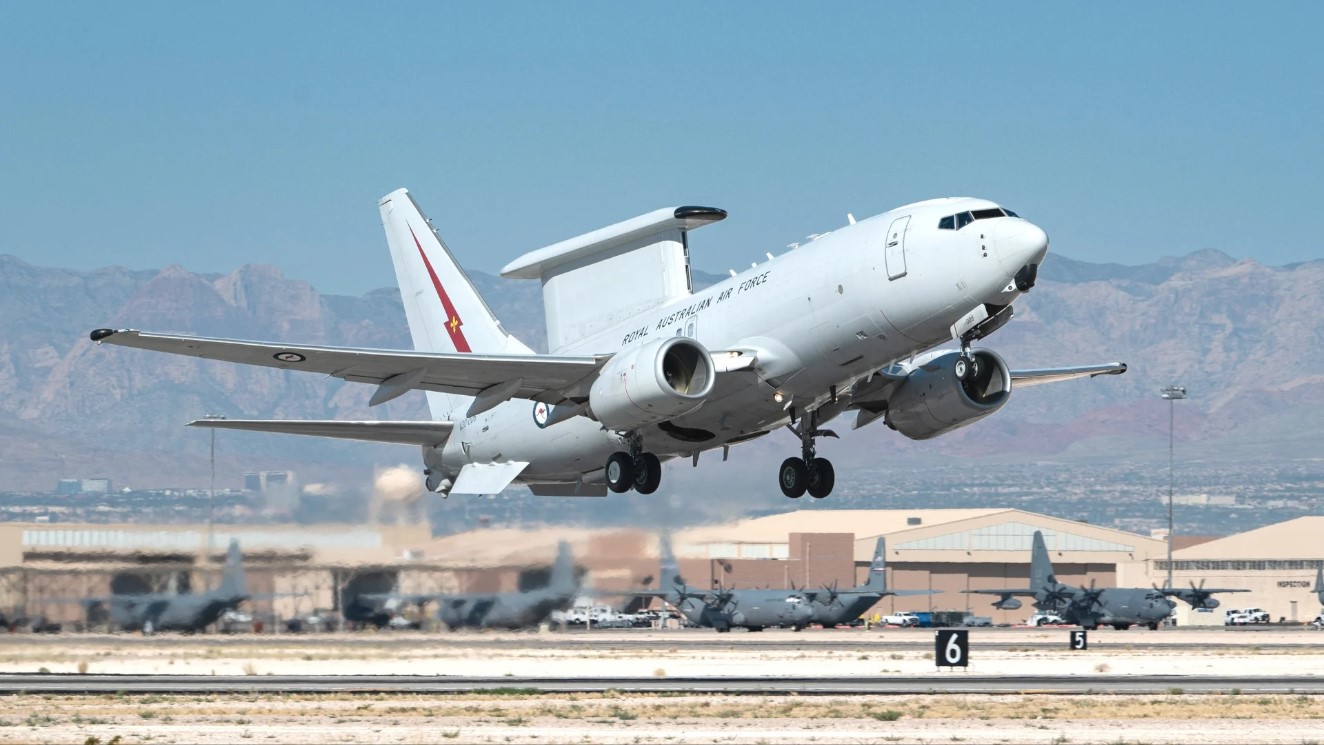
WASHINGTON — May 2, 2026 : The U.S. Department of the Air Force has expanded its procurement of the Boeing E-7A Wedgetail airborne early warning and control (AEW&C) aircraft, with an additional five units ordered through a $2.4 billion contract amendment, Air Force Secretary Troy Meink announced.
The modification, finalized on March 12, builds upon an existing contract covering two rapid prototype aircraft configured to U.S. Air Force requirements. With this latest action, the total number of E-7A aircraft on order rises to seven. The cumulative value of the program, including development and engineering work, now stands at approximately $5 billion.
The March contract actions include about $2.34 billion allocated for engineering and manufacturing development aircraft and mission systems, alongside an additional $99.3 million to address diminishing manufacturing sources for critical radar components.
Replacement Plan for Aging E-3 Fleet
The E-7A Wedgetail is intended to replace the aging fleet of Boeing E-3G Sentry airborne warning and control aircraft currently in U.S. service. The Air Force operates approximately 16 E-3 aircraft, which are being gradually retired.
Air Force leadership had previously identified a requirement for 26 E-7 aircraft to fully replace the E-3 fleet. However, the program faced uncertainty following policy shifts under President Donald Trump, with the fiscal year 2026 budget proposal suggesting cancellation in favor of alternative systems. These alternatives included the Navy’s Northrop Grumman E-2D Hawkeye aircraft and a network of space-based radar satellites.
Congress intervened during budget deliberations, directing the Pentagon to continue the E-7 program and approving funding for a limited number of aircraft along with capability development. The current order for seven aircraft falls short of initial requirements but ensures continuity of the program.
Platform Design and Capabilities
The E-7A Wedgetail is based on the Boeing 737-700 Next Generation airframe, offering a modern and maintainable platform compared to the legacy E-3, which is derived from the retired Boeing 707.
The aircraft measures 110 feet 4 inches (33.6 meters) in length, with a wingspan of 117 feet 2 inches (35.8 meters) and a height of 41 feet 2 inches (12.5 meters). It is powered by two CFM56-7B27A turbofan engines and has a maximum takeoff weight of 171,000 pounds (77,600 kilograms). The platform provides an unrefueled range of approximately 3,500 nautical miles and operates at a service ceiling of 41,000 feet.
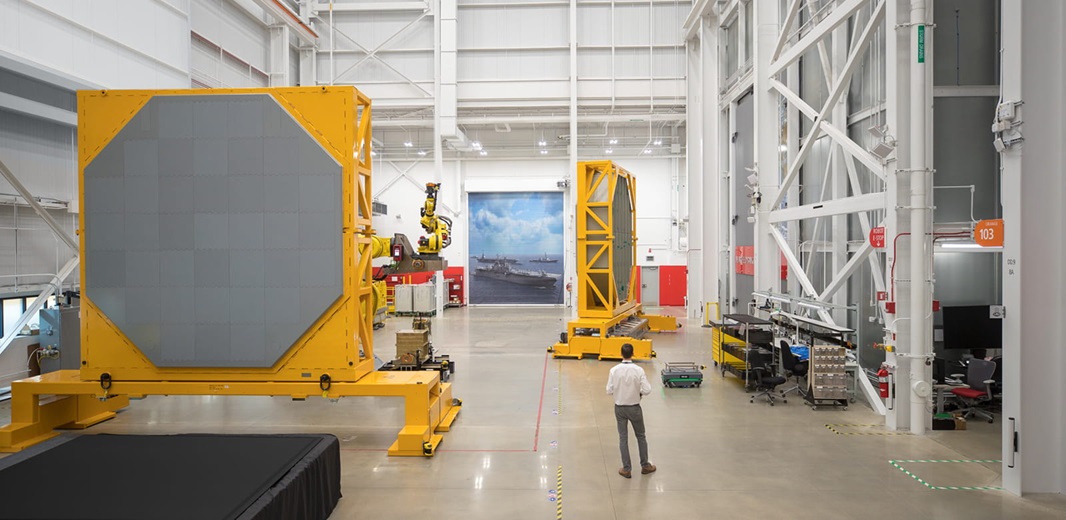
A key feature of the E-7A is the Northrop Grumman MESA radar, mounted in a fixed dorsal “top hat” configuration. The system provides continuous 360-degree coverage and enables simultaneous detection and tracking of airborne and maritime targets. Compared to the E-3, the Wedgetail offers improved target tracking, enhanced battle management capabilities, and greater operational efficiency.
The aircraft typically operates with a crew of two pilots and up to 10 mission operators working at dedicated battle management workstations. Its use of a commercial airframe contributes to reduced maintenance requirements and improved spare parts availability, supporting higher readiness rates.
Industrial Base and Strategic Considerations
The limited procurement is part of an updated acquisition strategy aligned with the Fiscal Year 2026 Consolidated Appropriations Act. While the number of aircraft ordered is below long-term operational requirements, the contract sustains Boeing’s production capability for the specialized platform.
The Department of the Air Force has indicated it will continue to engage with Congress regarding future funding. However, the fiscal year 2027 budget request does not include additional funding for the E-7 program.
Declining International Demand
Recent developments in the global market have affected the E-7 program’s export outlook.
In November 2025, NATO withdrew from its plan to procure six E-7 aircraft under the Alliance Future Surveillance and Control initiative. The program had been announced in 2023 to replace NATO’s fleet of E-3D AWACS aircraft. NATO cited the loss of the program’s “strategic and financial foundation”, a decision widely interpreted as reflecting reduced confidence in long-term U.S. participation. A total of 16 NATO E-3D aircraft remain pending replacement.
France also selected an alternative platform in December 2025, opting for the Saab GlobalEye system to replace its five E-3F aircraft, with two aircraft ordered and options for two additional units.
Similarly, South Korea chose a competing system in October 2025 despite already operating four E-7 aircraft, designated locally as the E-737 Peace Eye. Seoul selected four Bombardier Global 6500 AEW&C aircraft from L3Harris Technologies rather than proceeding with additional Wedgetail acquisitions.
Current Operators and Program Outlook
Existing operators of the E-7 platform include Australia with six aircraft, Turkey with four, and South Korea with four. The United Kingdom is also in the process of acquiring the system.
The seven aircraft currently under U.S. Air Force contract include two rapid prototypes and five engineering and manufacturing development platforms. Although the procurement quantity is limited, the program represents a step toward modernizing U.S. airborne early warning and control capabilities while maintaining interoperability with allied forces already operating the E-7.
The long-term trajectory of the program will depend on future budget decisions and evolving operational requirements within the Department of Defense.
——— End of Article ———