MANAMA, BAHRAIN — April 1, 2026 : An Iranian missile strike has damaged a major telecommunications facility operated by Batelco in the Hamala district, a site that hosts critical infrastructure for Amazon Web Services (AWS). The incident represents the first confirmed physical attack on digital infrastructure following explicit Iranian threats targeting U.S. technology companies operating in the Middle East.
Strike on Hamala Telecommunications Facility
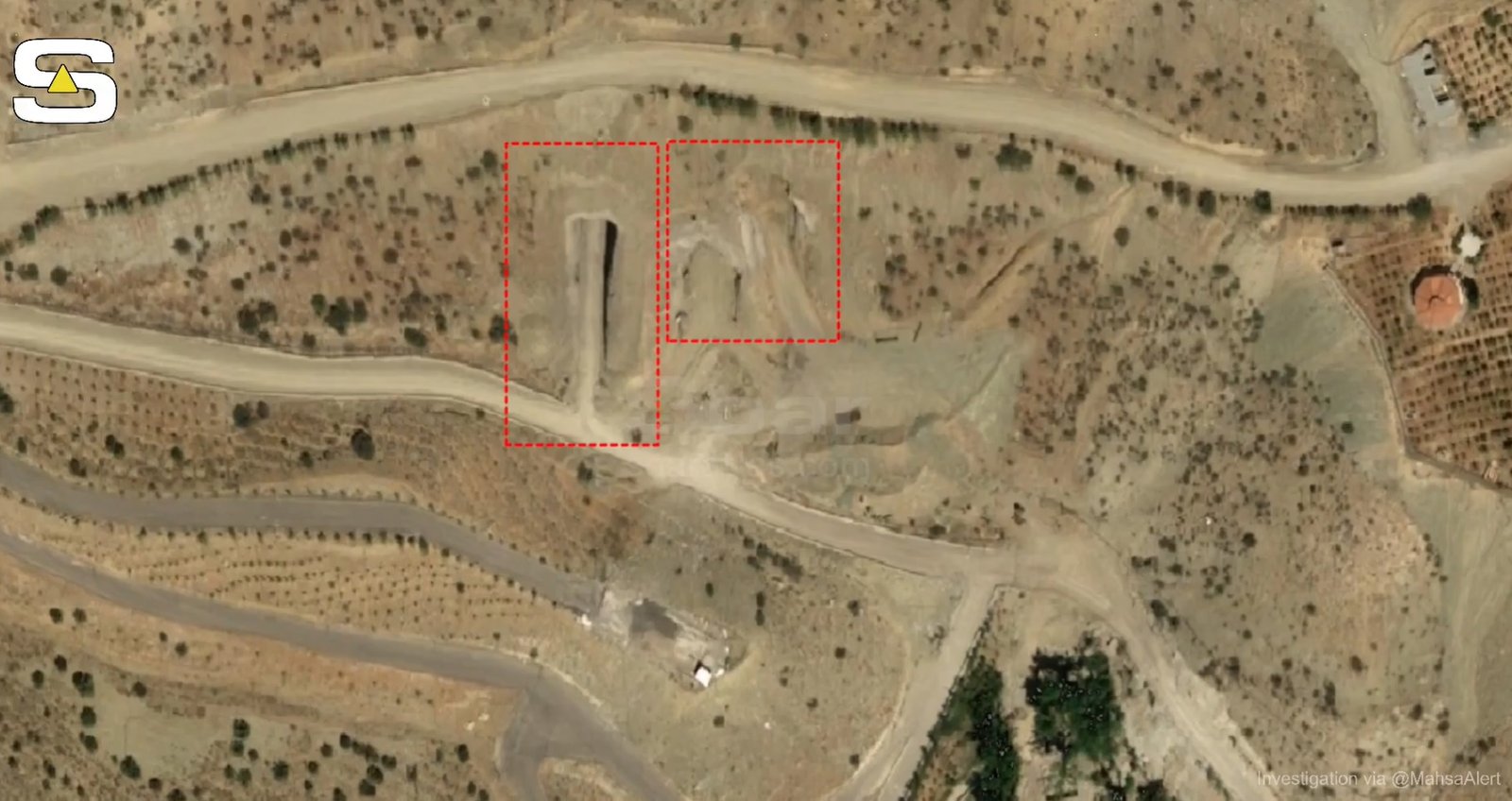
Bahrain’s Interior Ministry confirmed that civil defense teams were deployed to contain a fire at a corporate site, attributing the incident to “Iranian aggression.” While the official statement did not identify the facility, financial disclosures and local media reports confirmed that the affected location is a Batelco-operated complex supporting AWS operations, including an AWS Direct Connect node.
The Hamala headquarters, located in Block 1014, serves as a central hub for Batelco’s national telecommunications network and provides connectivity to AWS’s Middle East (Bahrain) cloud region, designated ME-SOUTH-1. The strike reportedly damaged server infrastructure and rendered parts of the facility inoperative. Authorities have not released detailed assessments of service disruption or recovery timelines.
Connection to Prior Incidents
The April 1 strike follows earlier incidents in March 2026 in which AWS confirmed that its data center infrastructure in both Bahrain and the United Arab Emirates was targeted by drones. Those attacks resulted in power outages, structural damage, and water exposure from fire suppression systems. In response, AWS issued advisories encouraging customers to migrate workloads to other global regions and temporarily waived service charges for affected users.
IRGC Warning and Target List
The strike occurred one day after a formal statement issued on March 31, 2026, by Iran’s Islamic Revolutionary Guard Corps (IRGC) through the Tasnim news agency. The IRGC announced a coordinated campaign targeting infrastructure linked to 18 U.S. technology and defense companies operating in the region.
According to the statement, the companies were designated as targets in response to their alleged involvement in providing information and communications technology (ICT) and artificial intelligence (AI) capabilities used by the United States and Israel in operations against Iranian officials, including Ali Khamenei.
The IRGC specified that strikes would begin at 8:00 p.m. Tehran time (12:30 p.m. ET) on April 1 and advised personnel within a one-kilometer radius of identified facilities to evacuate. Companies named in the statement include Apple, Microsoft, Google, Meta, Nvidia, Intel, Oracle, IBM, Dell, Cisco, HP, Palantir, JPMorgan Chase, Tesla, GE, and Boeing.
U.S. Cloud Infrastructure Presence in the Gulf
Over the past decade, the Gulf region has developed into a key hub for global cloud and data center infrastructure, driven by government-led economic diversification strategies and access to energy resources suitable for high-performance computing.
AWS operates two primary regional cloud networks: the Bahrain-based ME-SOUTH-1 region and the UAE-based ME-CENTRAL-1 region, both of which have now experienced direct attacks. Microsoft Azure maintains active cloud regions in the UAE, Qatar, and Israel, and is developing a new Saudi Arabia East region scheduled for launch in the fourth quarter of 2026. Google Cloud operates infrastructure in Doha, Dammam, and Tel Aviv.
Other companies identified in the IRGC statement maintain varying levels of regional presence. Apple provides cloud services through partnerships rather than large-scale proprietary data centers, while Nvidia supplies processing hardware used in AI and high-performance computing systems deployed by regional cloud operators.
Operational and Economic Implications
The targeting of telecommunications and hyperscale cloud infrastructure marks a shift in the scope of regional conflict, extending beyond traditional targets such as energy facilities, military installations, and maritime assets. Data centers in the Gulf support a wide range of critical services, including financial systems, aviation operations, logistics networks, and government platforms.
Corporate responses to the latest developments have remained limited. Microsoft, Google, and JPMorgan have not issued public statements regarding the threats. Intel indicated that ensuring the safety of its regional workforce is its primary concern. Amazon has not released an updated operational status following the April 1 strike but had previously advised clients to implement contingency measures due to the unstable operating environment.
Bahraini authorities have not disclosed the full extent of the damage to the Batelco facility or the broader impact on telecommunications and cloud services at the time of reporting.
——— End of Article ———