WASHINGTON — April 16, 2026 : The United States Department of Defense is deploying more than 10,000 additional military personnel to the Middle East, expanding its force posture in the region as part of ongoing operational planning under U.S. Central Command. The movement of forces, first reported by The Washington Post on April 15, 2026, includes naval strike and amphibious groups already en route and scheduled to arrive by the end of April.
Deployment Overview
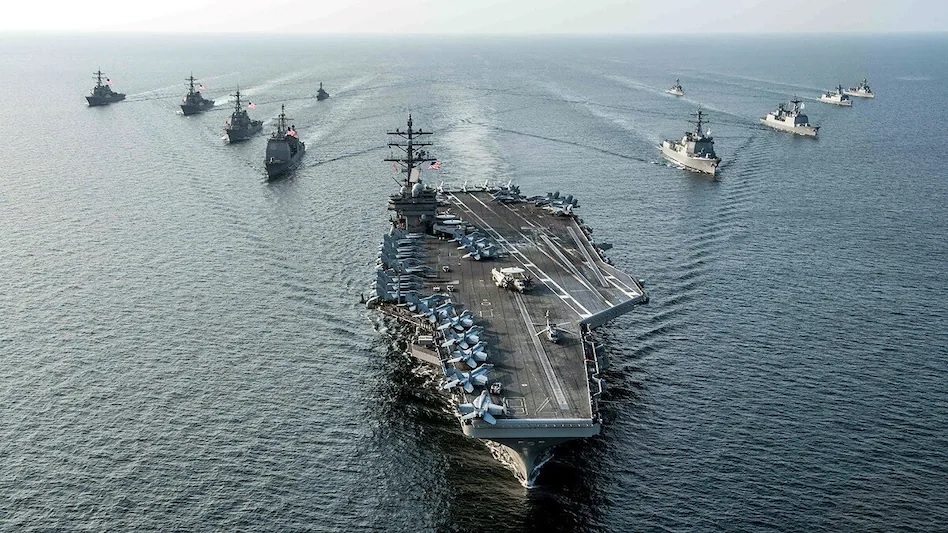
According to U.S. officials cited in the report, approximately 6,000 personnel are deploying with the USS George H. W. Bush Carrier Strike Group, which departed Naval Station Norfolk, Virginia, in late March 2026. The carrier, a Nimitz-class aircraft carrier, is transiting toward the U.S. Central Command area of responsibility with its escort ships. The strike group is currently navigating around the coast of Africa en route to the Middle East.
A further 4,200 troops are expected to arrive by the end of April 2026 with the Boxer Amphibious Ready Group and the embarked 11th Marine Expeditionary Unit. This formation departed San Diego between March 19 and 20, 2026, and includes the USS Boxer (LHD-4), the USS Portland (LPD-27), and the USS Comstock (LSD-45). The group has been conducting integrated training operations during its transit and is currently operating within the U.S. 5th Fleet area.
The Boxer group carries more than 800 Marines along with aviation assets, including helicopters and landing craft, as part of the 11th Marine Expeditionary Unit’s forward-deployed capability.
Total Force Presence
Once all incoming units arrive, the total U.S. military presence in the Middle East is expected to exceed 60,000 personnel. Prior to these deployments, approximately 50,000 U.S. troops were already operating in the region, a figure that had increased earlier in 2026 following additional deployments, including elements of the 82nd Airborne Division and other Marine units.
The USS George H. W. Bush Carrier Strike Group will join other U.S. naval forces already present in the region, including the USS Abraham Lincoln and the USS Gerald R. Ford carrier strike groups.
Operational Context
The deployments are part of ongoing force posture adjustments managed by U.S. Central Command throughout 2026. According to officials quoted in The Washington Post, the additional forces are intended to support continued operations and prepare for a range of contingencies in the region.
The report notes that planning is taking place ahead of the scheduled expiration of a two-week regional ceasefire on April 22, 2026. U.S. military planners are reportedly assessing potential operational scenarios should the ceasefire not be extended.
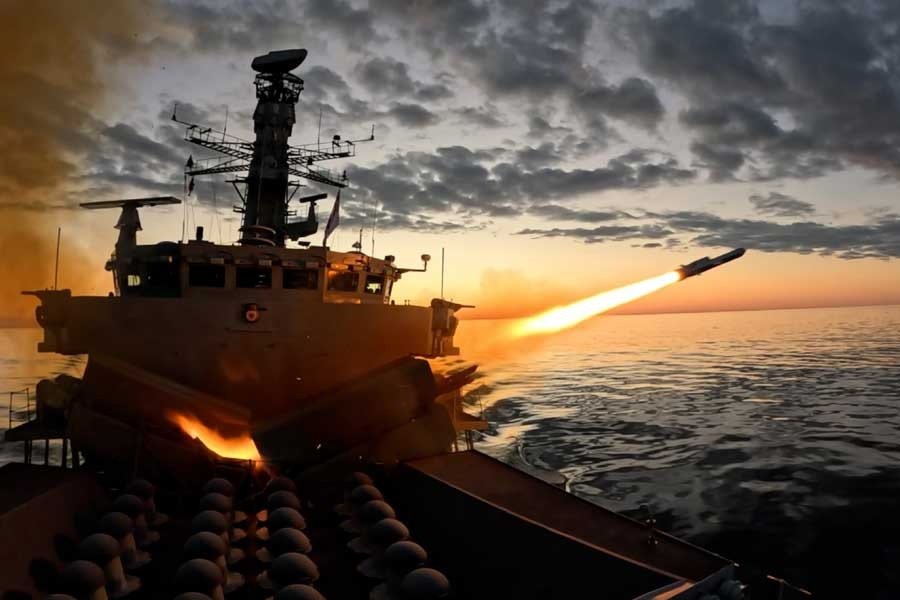
At the same time, U.S. naval forces are involved in enforcing a maritime blockade affecting traffic entering and exiting Iranian ports. More than a dozen U.S. warships are currently positioned across the Gulf of Oman and the Arabian Sea, including areas surrounding the Strait of Hormuz, a key maritime chokepoint.
According to current and former officials cited in the report, contingency planning includes a range of possible operations, including ground force deployments, special operations missions targeting sensitive sites, and amphibious operations aimed at securing coastal areas and protecting international shipping routes.
Official Position
The Pentagon has not released a detailed public statement outlining the specific mission or operational tasks assigned to the incoming forces. U.S. Central Command has also declined to comment on exact timelines or directives associated with the deployments.
Official U.S. Navy statements have described the movements of naval groups, including the USS George H. W. Bush Carrier Strike Group and the Boxer Amphibious Ready Group, as routine deployments in support of operations within the U.S. 5th Fleet area of responsibility.
The White House stated that the administration continues to monitor developments in the region and is maintaining a range of strategic options in relation to regional stability and nuclear-related concerns.
Continuing Adjustments
The current deployments represent a continuation of a broader pattern of U.S. military adjustments in the Middle East throughout 2026. The increase from a baseline presence to more than 50,000 personnel earlier in the year, and now projected to exceed 60,000, reflects sustained operational activity and planning under evolving regional conditions.
No additional official details have been released regarding the duration of these deployments or any further reinforcements beyond those already reported.
——— End of Article ———