DAHLGREN, Virginia — April 3, 2026 : The United States Missile Defense Agency (MDA) has awarded Northrop Grumman Systems Corporation a $475.3 million contract modification to accelerate development of the Glide Phase Interceptor (GPI), the Pentagon’s primary program for countering hypersonic glide vehicles during mid-flight.
The modification increases the total value of the company’s Prototype Project Other Transaction Agreement (HQ0851-22-9-0002) from $832.8 million to approximately $1.31 billion. Of the newly awarded amount, $174.1 million was obligated at the time of award using funds authorized under Section 20003 of Public Law 119-21. The agreement is managed by the MDA’s office in Dahlgren, Virginia, and utilizes authorities under 10 U.S. Code 4022(a)(2)(B), allowing the Department of War to accelerate prototyping outside traditional acquisition processes.
The revised contract establishes an accelerated development schedule with a target completion date of June 2028.
Program Scope and Technical Objective
The Glide Phase Interceptor (GPI) is designed to engage hypersonic glide vehicles during their unpowered glide phase, which occurs after separation from a boost rocket and before terminal descent toward a target. This segment of flight presents a distinct challenge due to the speed and maneuverability of such weapons.
Hypersonic glide vehicles travel at speeds exceeding Mach 5 and operate along relatively flat, maneuverable trajectories in the upper atmosphere. These characteristics complicate detection, tracking, and interception compared to traditional ballistic missiles, which follow predictable, high-arc trajectories.
Existing U.S. missile defense systems are not optimized for this engagement window. The Ground-Based Midcourse Defense (GMD) system is designed for intercepting intercontinental ballistic missiles during the midcourse phase in space, while the Terminal High Altitude Area Defense (THAAD) system focuses on intercepting threats during their final descent. The GPI is intended to fill this capability gap by providing a dedicated intercept solution within the glide phase.
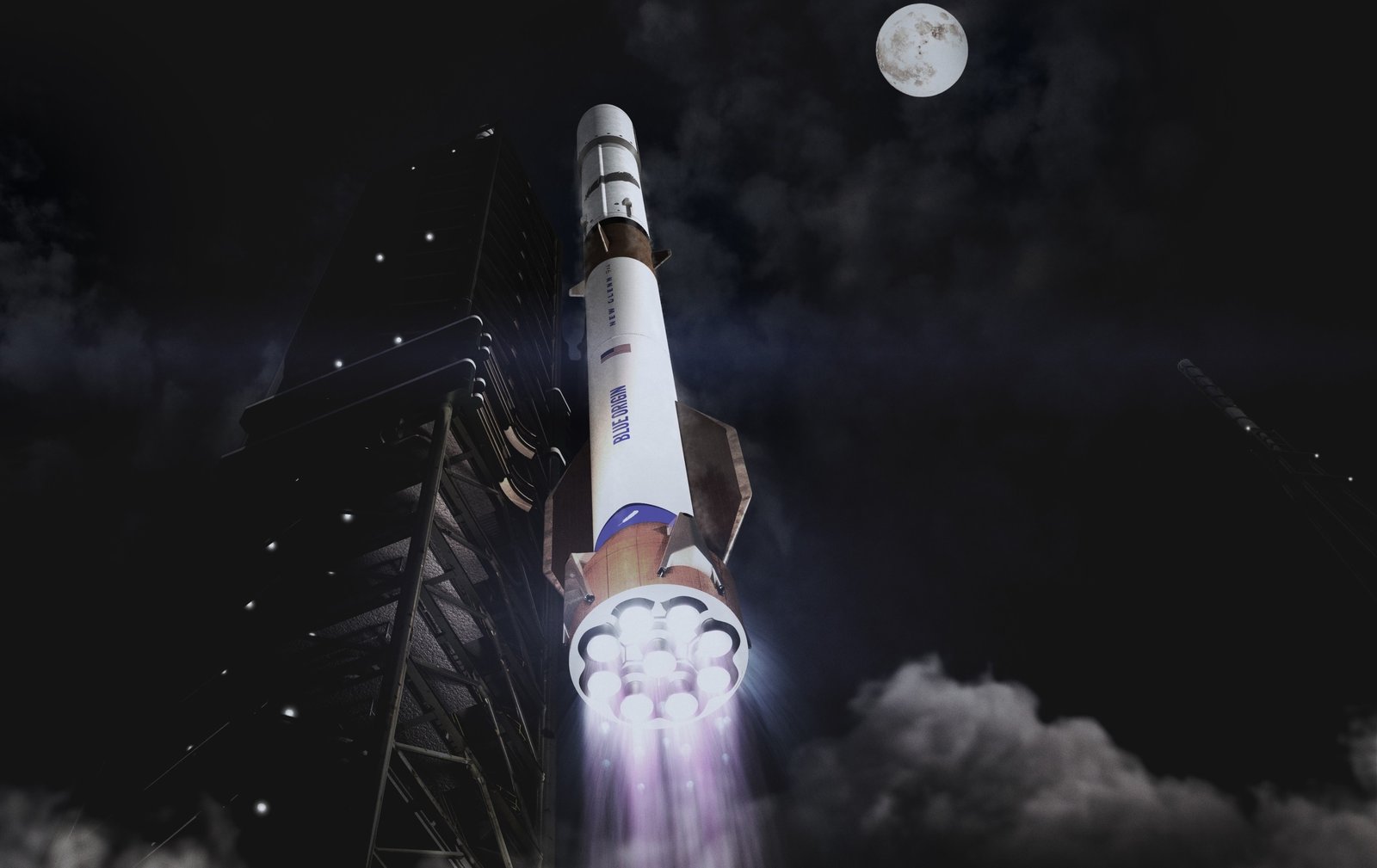
The interceptor is being developed as a ship-launched, hit-to-kill system compatible with the Mk 41 Vertical Launch System deployed on Aegis-equipped U.S. Navy destroyers and Aegis Ashore sites. It is designed to integrate into the Aegis Ballistic Missile Defense architecture, supporting a layered defense framework. The system incorporates advanced seeker technology, a re-ignitable upper-stage engine, and dual engagement modes to operate across varying altitudes and threat profiles.
Development Background and Industrial Participation
Northrop Grumman has been developing the GPI concept under the MDA agreement since 2022. The program originated in November 2021, when the MDA awarded Other Transaction Authority agreements to Northrop Grumman, Raytheon, and Lockheed Martin for initial concept studies.
Following a system requirements review, Lockheed Martin’s participation was discontinued. Northrop Grumman was selected as the sole contractor in September 2024 after a competitive prototyping phase. A prior contract modification in November 2024 increased the agreement value to approximately $833 million before the latest April 2026 award.
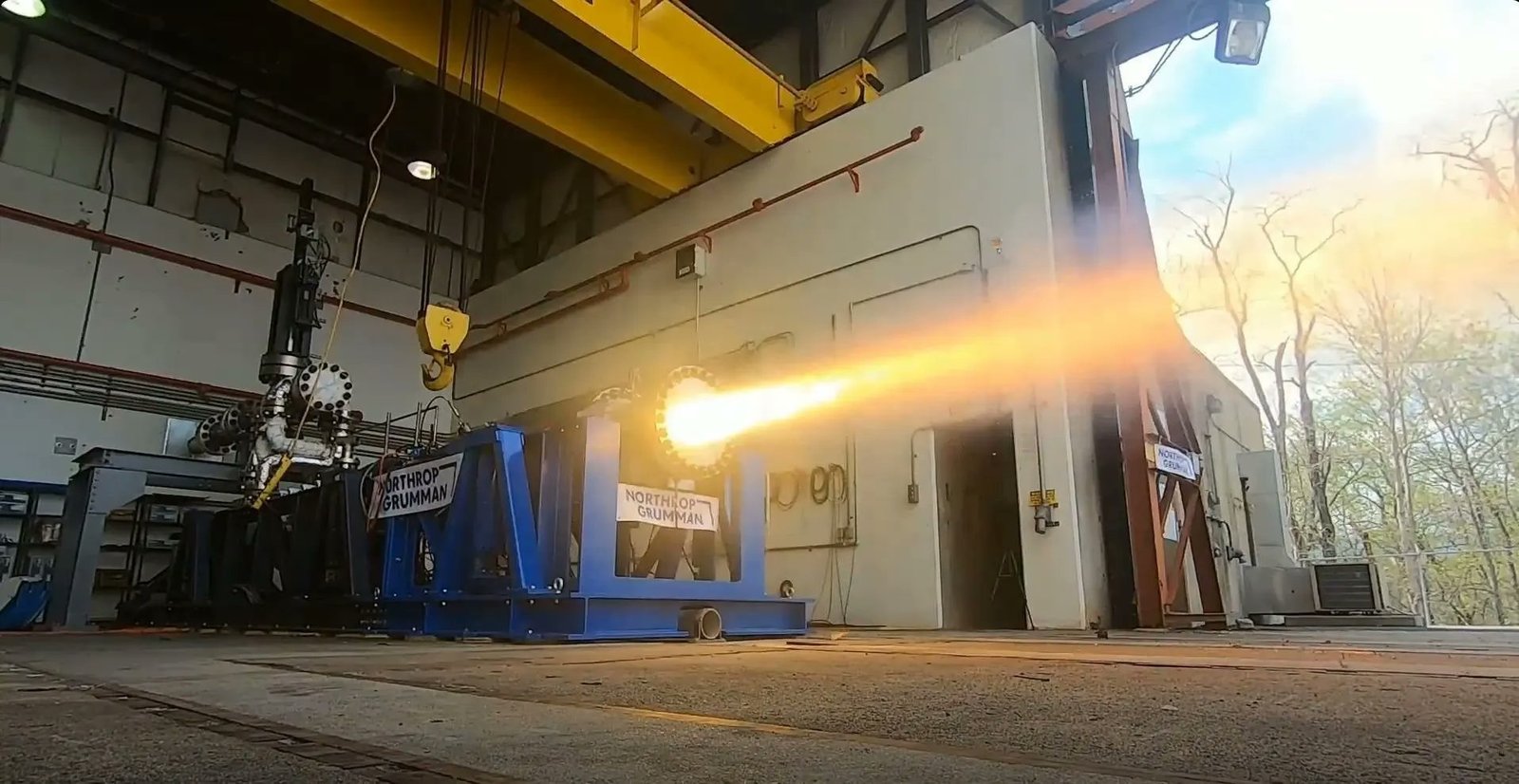
Work under the program is being conducted at multiple Northrop Grumman facilities, including locations in Chandler, Arizona. Development efforts include design refinement, hypersonic environment testing, and accelerated flight experimentation supported by digital engineering methodologies.
L3Harris Technologies is contributing solid rocket motors for the interceptor’s first and third stages.
International Cooperation
The GPI program is being developed in cooperation with Japan’s Ministry of Defense under a bilateral research, development, test, and evaluation memorandum of understanding formalized in 2024. The partnership предусматривает a roughly equal division of work, with Japan contributing to rocket motor and propulsion component development.
Strategic Context
The acceleration of the GPI program reflects increased emphasis within the Department of War on countering hypersonic threats. Several countries have advanced operational or developmental hypersonic glide vehicle capabilities.
Russia has deployed the Avangard system on intercontinental ballistic missiles. China has fielded the DF-17 medium-range hypersonic system and demonstrated it in military exercises and public displays. North Korea has conducted multiple tests of systems it describes as hypersonic glide vehicles, although independent assessments of their performance remain varied.
These systems are designed to evade or complicate existing missile defense architectures, increasing the importance of a glide-phase interception capability.
Future Development and Timeline
The current agreement runs through June 2028 and is structured to support a potential transition to the Engineering and Manufacturing Development (EMD) phase before the end of the decade. The program aligns with broader MDA and combatant command priorities focused on hypersonic defense.
Initial operational capability is projected for the period between the end of 2029 and the early 2030s, with full operational capability targeted for the early 2030s, subject to testing outcomes and funding availability. The Fiscal Year 2026 budget includes continued support for hypersonic defense initiatives, including tracking systems such as the Hypersonic and Ballistic Tracking Space Sensor.
No production decision has been made. Advancement to full-scale manufacturing will depend on the interceptor meeting defined technical performance requirements during testing and evaluation.
——— End of Article ———