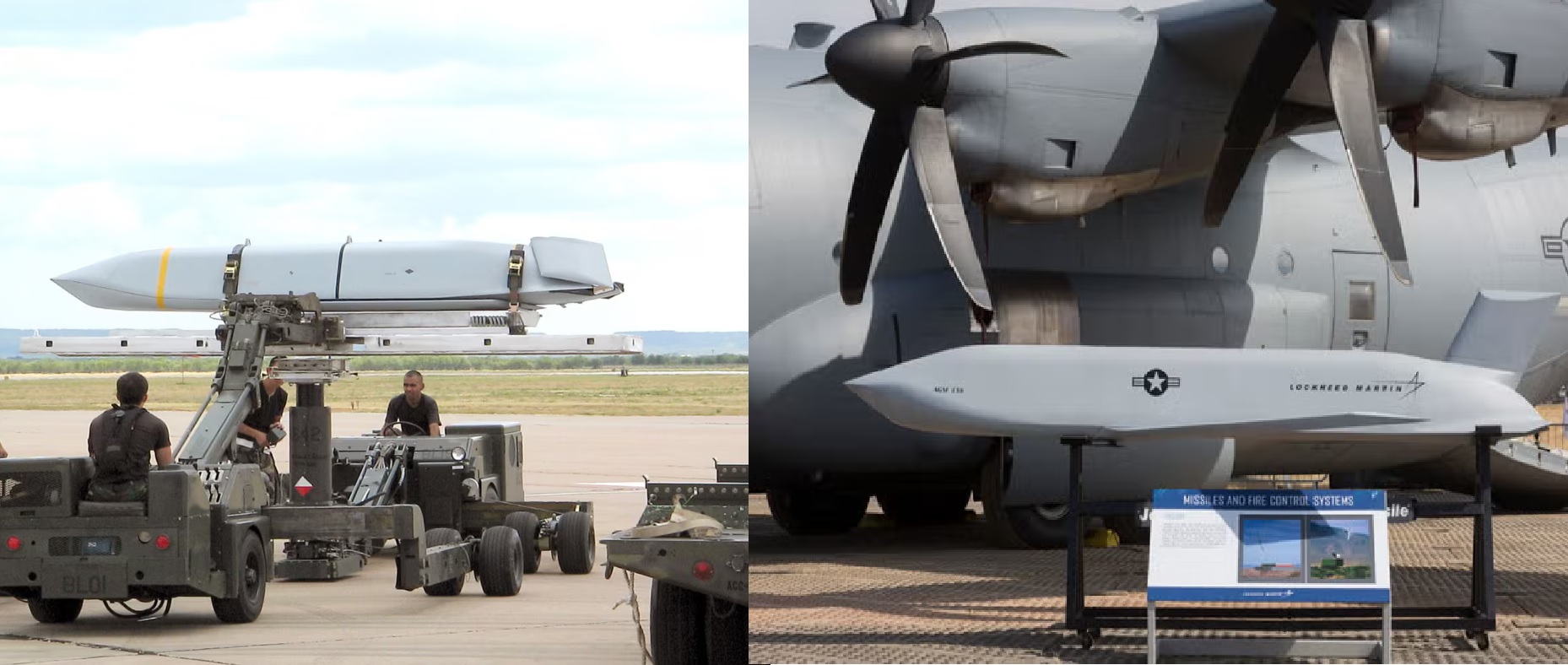
WASHINGTON, — April 24, 2026 : The United States Air Force is preparing a major multiyear procurement of approximately 4,300 Joint Air-to-Surface Standoff Missile–Extended Range (JASSM-ER) stealth cruise missiles from Lockheed Martin through fiscal year 2031, according to budget documents and reporting by Bloomberg. The acquisition is intended to rebuild precision-strike inventories that have been significantly reduced during high-intensity operations, particularly the ongoing conflict with Iran.
The procurement plan reflects the operational demands placed on long-range standoff munitions and highlights ongoing pressure on the U.S. defense industrial base to scale production capacity. Officials indicate that additional stockpile depletion remains possible if hostilities continue or expand.
Inventory Depletion and Strategic Reallocation
Since the onset of combat operations against Iran in late February 2026, the U.S. military has expended between 1,000 and 1,100 JASSM-ER missiles. This level of usage accounted for roughly two-thirds of the pre-war inventory within a short period. Pre-conflict global availability stood at approximately 2,300 missiles.
To sustain operations, the Pentagon redistributed JASSM-ER stockpiles from multiple regions, including the Indo-Pacific and the continental United States, to forward locations under United States Central Command, as well as to Fairford in the United Kingdom. Following combat expenditures and reallocation, internal estimates in early April 2026 indicated that roughly 425 missiles remained available for other global theaters, with total remaining inventory assessed at approximately 1,500 units.
Defense analysts note that these weapons were originally positioned in part to support deterrence scenarios in the Indo-Pacific. Their rapid consumption has introduced planning challenges for U.S. force posture in Europe and East Asia.
Procurement Plan and Budget Outlook
Under the Air Force proposal, procurement will increase sharply beginning in fiscal year 2027. The service is seeking to acquire 821 missiles in FY2027, compared to 144 missiles in the current fiscal year. Planned purchases are expected to rise to nearly 900 units in FY2028, followed by approximately 860 missiles annually in subsequent years.
If executed as planned, the acquisition would bring the total U.S. JASSM inventory to approximately 11,000 missiles by the end of the procurement period. Pentagon officials state that the expansion is aligned with broader readiness objectives and contingency planning requirements.
However, implementation of long-term production expansion remains subject to congressional funding approvals. Previous Pentagon efforts to secure multiyear contracts aimed at significantly increasing precision-guided munition output have faced delays in the legislative process.
System Capabilities and Technical Characteristics
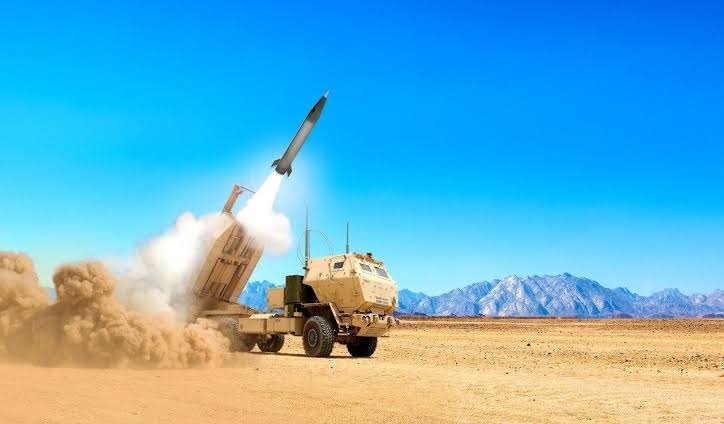
The AGM-158B JASSM-ER is an extended-range, stealthy air-launched cruise missile designed for deep-strike missions against high-value, hardened, and relocatable targets. It incorporates low-observable features intended to reduce detection by advanced air-defense systems.
The missile has a range exceeding 900 kilometers (approximately 575–600 miles), enabling launch platforms to operate outside heavily defended airspace. It carries a 450-kilogram (1,000-pound) penetrating blast-fragmentation warhead.
Guidance is provided through a combination of inertial navigation and anti-jam GPS, supported by an imaging infrared seeker for terminal-phase targeting. This configuration enhances accuracy in contested electronic warfare environments. The missile is powered by a turbofan engine and maintains the external dimensions of the baseline JASSM while integrating increased fuel capacity for extended range.
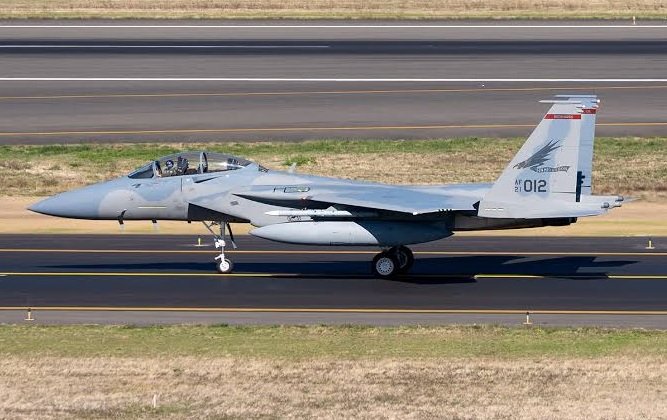
The JASSM-ER is compatible with multiple U.S. Air Force platforms, including the B-1B Lancer, B-2 Spirit, and B-52 Stratofortress bombers, as well as fighter aircraft such as the F-15, F-16, and F-35. Unit costs are estimated to range between approximately $1.1 million and $1.66 million depending on production lot and contract structure.
Industrial Base and Production Constraints
Lockheed Martin manufactures the JASSM-ER at its facilities in Orlando, Florida. Current production output is projected at 396 missiles for fiscal year 2026. Under accelerated conditions, annual production could increase to approximately 860 units.
Achieving this upper production rate would likely require reallocation of manufacturing capacity shared with the Long-Range Anti-Ship Missile (LRASM) program, which uses a related production line. Industry officials note that scaling output to meet Air Force targets will require sustained investment, workforce expansion, and supply chain adjustments.
At current production levels, replacing missiles expended in recent months would take several years, underscoring the gap between operational consumption rates and manufacturing capacity.
Adjustments in Operational Tactics
In response to reduced inventories of long-range standoff weapons, U.S. military planners have begun modifying operational approaches. When air superiority conditions permit, there has been an increased reliance on deploying strategic bombers closer to target areas.
This approach enables the use of lower-cost precision-guided bombs, preserving remaining JASSM-ER missiles for high-risk, heavily defended targets where standoff capability is required. Officials describe this as a resource management measure intended to balance operational effectiveness with inventory preservation.
Strategic Context
The planned acquisition underscores the logistical demands of sustained high-intensity warfare and the importance of maintaining adequate reserves of advanced precision munitions. Defense officials state that rebuilding stockpiles is necessary not only for ongoing operations but also to support deterrence and contingency planning across multiple regions.
——— End of Article ———