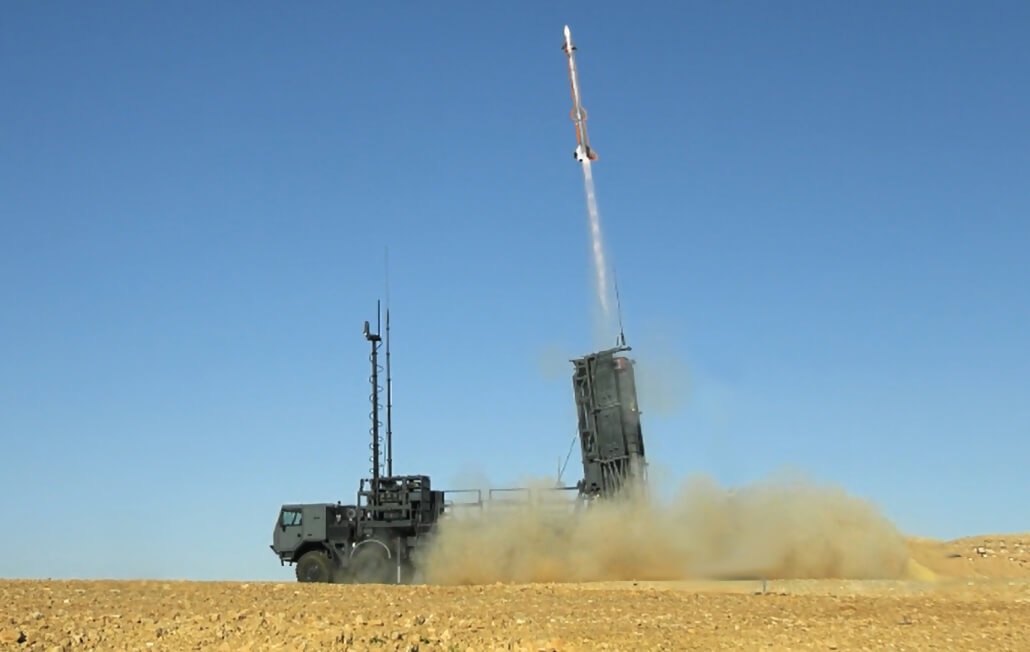
Warsaw, — March 31, 2026 : Poland has declined an informal request from the United States to deploy one of its Patriot PAC-3 long-range air defense batteries to Saudi Arabia, underscoring mounting pressure on global air defense resources as ongoing conflicts in the Middle East continue to strain interceptor inventories.
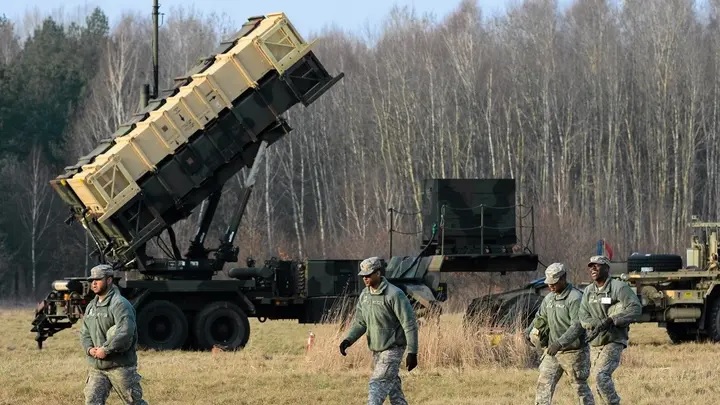
The request, made informally by Washington, sought the temporary deployment of one of Poland’s two operational Patriot batteries, along with associated PAC-3 MSE interceptor missiles already delivered to the country. However, Polish Defense Minister Władysław Kosiniak-Kamysz confirmed that the systems will remain in Poland, emphasizing their role in safeguarding national airspace and NATO’s eastern flank.
Poland, which shares borders with Russia, Belarus, and Ukraine, has consistently maintained that its limited air defense assets cannot be redeployed abroad without affecting domestic security. Currently operating only two fully functional Patriot batteries—comprising a total of 16 launchers—any transfer would effectively reduce the country’s medium-range air defense capability by half. Polish officials have reiterated that these systems are integral to national defense, with prior statements stressing that Polish Patriots are designated to protect domestic airspace.
The Patriot systems in Polish service, integrated with the U.S. Integrated Air and Missile Defense Battle Command System (IBCS), achieved full operational capability in December 2025. They represent the first phase of Poland’s Wisła air defense modernization program, which ultimately aims to field eight batteries. Additional systems have been ordered but are scheduled for delivery through 2027 and later in the decade.
Poland’s decision contrasts with that of Greece, which has maintained a Patriot battery deployment in Saudi Arabia since 2021. The Greek-operated system, staffed by its own personnel, reportedly intercepted two Iranian ballistic missiles targeting Saudi oil infrastructure on March 19, 2026.
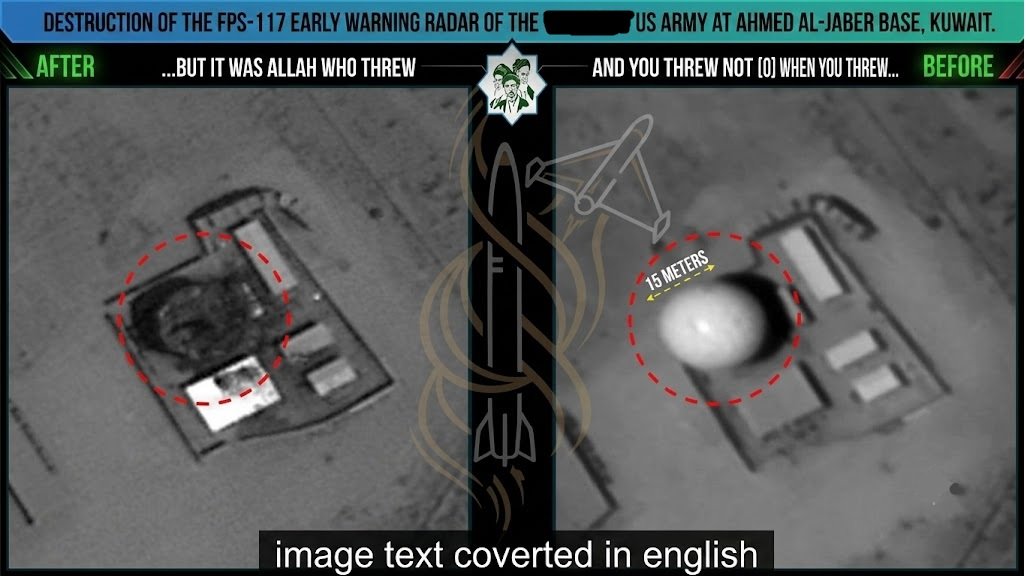
The U.S. request comes amid increasing demand for air and missile defense systems across the Middle East. Washington is working to reinforce protection for its forces and allied infrastructure in Saudi Arabia, the United Arab Emirates, Jordan, and Israel, as the region experiences sustained drone and ballistic missile attacks linked to escalating conflict involving Iran and its affiliated groups since late February 2026.
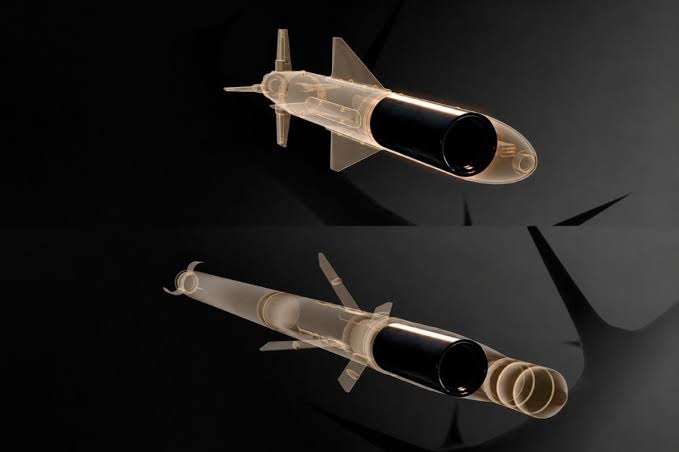
This operational environment has significantly accelerated the consumption of interceptor missiles, particularly the Patriot PAC-3 MSE. U.S. and partner forces have relied heavily on these systems to counter a range of aerial threats, including drones and ballistic missiles. The high usage rate, combined with the **cost and production timelines of interceptors—often extending over multiple years—**has contributed to a growing shortage.
Gulf countries, including Saudi Arabia and the UAE, have also reported rapid depletion of their interceptor stockpiles. In response, the United States approved a potential $9 billion arms sale to Saudi Arabia in February 2026, covering up to 730 PAC-3 MSE missiles and related equipment. However, current manufacturing capacity remains insufficient to meet immediate operational requirements.
To manage the shortfall, the United States has explored redistributing available interceptors and requesting temporary deployments from allied nations. While Poland has declined to contribute a Patriot battery, it continues to pursue expansion of its own air defense capabilities under the Wisła program, including efforts to procure additional systems and approximately 800 PAC-2 GEM-T interceptor missiles.
Poland’s Ministry of National Defense has stated that no formal request was submitted by the United States and that there has been no pressure from Washington regarding the matter. Officials confirmed that all currently deployed Patriot systems will remain dedicated to national and NATO defense commitments.
The situation highlights broader constraints within the global air defense supply chain, where increasing operational demand, limited production capacity, and competing regional requirements continue to challenge the availability of advanced interceptor systems.
——— End of Article ———