MONTREAL, — April 12, 2026 : Swedish aerospace and defence company Saab has proposed the construction of a sovereign data centre in Montreal to support its bid to supply Gripen E/F fighter aircraft to the Royal Canadian Air Force (RCAF). The initiative is aimed at ensuring that all mission-critical and classified data generated by the aircraft remains within Canadian territory.
Sovereign Data Infrastructure Proposal
According to Saab, the Montreal-based facility would be purpose-built to host all activities related to the fighter mission system. This includes operational data, communications, and technical information associated with the Gripen platform. The company stated that the system is designed to meet Canadian requirements for controlled goods, security compliance, and operational independence.
Sierra Fullerton, spokesperson for Saab, said the data centre would enable Canada to maintain full control over aircraft systems and sensitive data. She noted that hosting all mission system functions domestically would allow the RCAF to independently manage software, communications, and operational datasets without reliance on external infrastructure.
Broader Gripen Offer and Industrial Commitments
The data centre proposal forms part of Saab’s wider package, which includes 72 Gripen E/F fighter jets and six GlobalEye airborne early warning and control aircraft. Saab has also proposed assembling the aircraft in Canada and establishing a dedicated Gripen Centre in Montreal for fleet management, maintenance, and lifecycle support.
The company has previously indicated that the programme could generate significant economic benefits for Canada, including technology transfer and the creation of up to 10,000 jobs across the aerospace and defence sectors.
Jussi Halmetoja, a test pilot and operational adviser to Saab, said the proposed infrastructure would allow Canada to collect, store, and analyse its own operational data without external interference. He added that sensitive information such as mission profiles, electronic signatures, and intelligence data would remain under national control.
Canada’s Ongoing Fighter Procurement
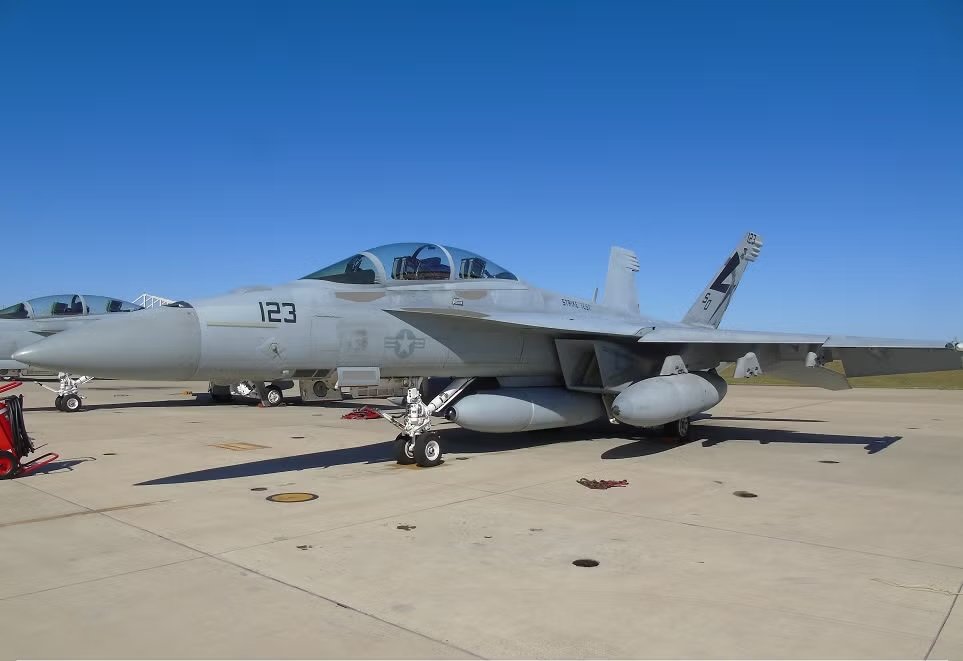
The proposal comes as Canada continues its review of the Future Fighter Capability Project, which seeks to replace the ageing CF-18 fleet. In January 2023, Canada signed an agreement with the United States and Lockheed Martin for the acquisition of F-35 Lightning II aircraft. The initial order covers 16 jets, with options to expand the fleet to as many as 88 aircraft. Deliveries are expected to begin in 2026.
Under the F-35 programme, mission and operational data are stored at a Lockheed Martin facility in Fort Worth, Texas. Chauncey McIntosh, head of the F-35 programme at Lockheed Martin, stated that the company provides customers with the infrastructure and data required to operate and sustain their aircraft independently in accordance with sovereign and operational needs.
Data Sovereignty and Strategic Considerations
Data sovereignty has become a key issue in modern defence procurement, as advanced fighter aircraft generate large volumes of operational data used for mission planning, threat analysis, and artificial intelligence applications. Saab has emphasised that hosting such data within Canada reduces exposure to foreign legal frameworks and limits access by external entities.
Daniel Araya, a fellow at the Centre for International Governance Innovation, said that reliance on external data systems could have broader implications for national autonomy. He noted that maintaining sovereignty requires long-term planning across sectors including infrastructure, software, energy, and digital systems.
Programme Status and Next Steps
The Canadian government has not announced any changes to its existing F-35 commitments or confirmed the final size of the future fleet. The review is being conducted within the context of Canada’s defence obligations, including its roles in the North American Aerospace Defense Command and the North Atlantic Treaty Organization, where interoperability remains an important factor.
Saab has stated that its proposal aligns with Canada’s objectives of strengthening domestic industry participation while ensuring national control over critical defence data. The Montreal sovereign data centre is presented as a central element of this approach, offering an alternative model for managing sensitive operational information within national borders.
——— End of Article ———