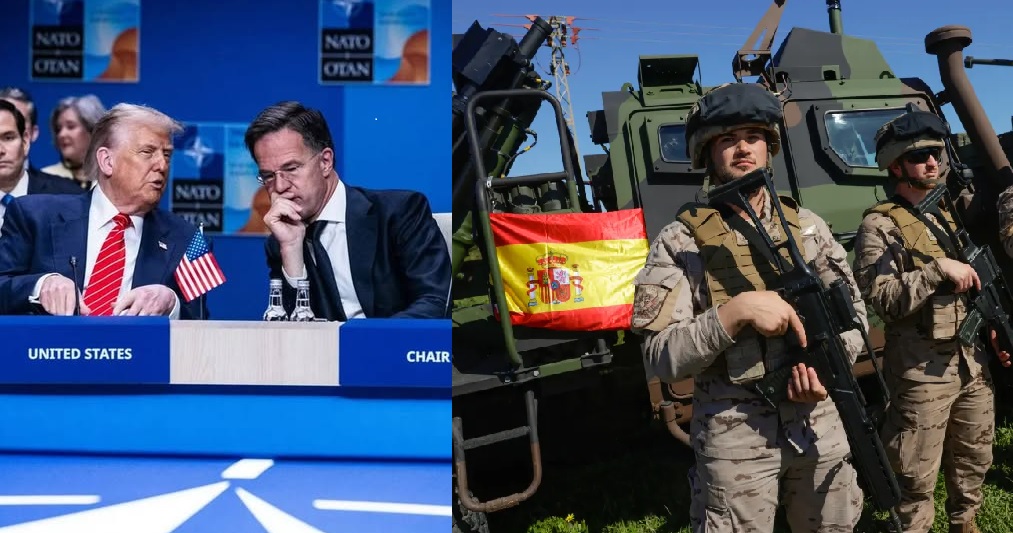
WASHINGTON — April 25, 2026 : The U.S. Department of Defense is evaluating a range of measures targeting NATO allies that declined to support American military operations during the ongoing conflict with Iran, with Spain emerging as a central focus of internal deliberations.
According to an internal Pentagon email prepared by Elbridge Colby and reported by Reuters on April 24, 2026, U.S. officials are considering steps including the potential suspension of Spain from NATO and limiting certain allies’ roles within the alliance. The proposals stem from concerns over the denial of access, basing, and overflight (ABO) rights, which U.S. officials describe as a baseline expectation for alliance cooperation.
Operational Disruption and U.S. Response
Spain’s decision not to authorize the use of its airspace or military facilities for strikes against Iran forced the Pentagon to rapidly reconfigure operational logistics. The United States maintains key installations in Spain, including Naval Station Rota and Morón Air Base, both of which were unavailable for the Iran-related missions.
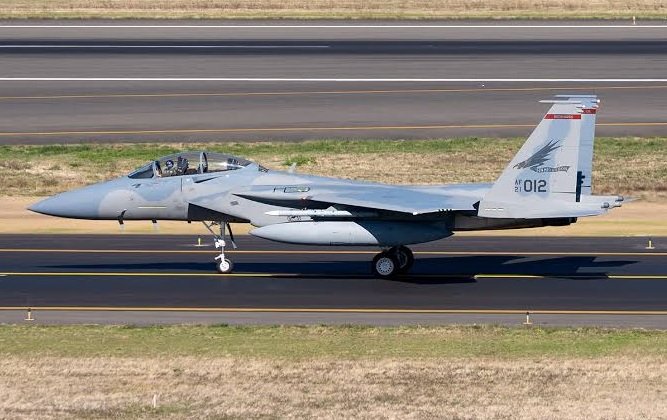
As a result, U.S. strategic bombers such as B-52 and B-1 aircraft were rerouted around the Iberian Peninsula. Refueling operations were shifted to Istres-Le Tubé Air Base in France, while approximately fifteen KC-135 tanker aircraft were relocated to bases in France and Germany. The United Kingdom supported revised operations by hosting B-52 and B-1 bombers at RAF Fairford.
A Pentagon spokesperson, Kingsley Wilson, reiterated the administration’s position, stating that U.S. leadership expects reciprocal support from allies and that NATO cannot function as a “one-way street.” The policy direction aligns with statements by Donald Trump emphasizing burden-sharing within the alliance.
Legal Constraints on NATO Membership Suspension
Despite the severity of the options under review, NATO’s legal framework presents significant limitations. The alliance is governed by the North Atlantic Treaty, signed in 1949, which does not include provisions for suspending or expelling member states.
The only formal mechanism available is voluntary withdrawal under Article 13, requiring a one-year notice period. Any attempt to suspend Spain would likely require unanimous agreement among member states or reliance on broader international legal interpretations, such as those under the Vienna Convention on the Law of Treaties. Both pathways present substantial diplomatic and procedural challenges.
As an alternative, the Pentagon is considering reducing the influence of non-cooperative allies by removing them from senior NATO command roles and committees, a step viewed as more feasible within existing alliance structures.
Reasons Behind the Dispute
The primary issue identified in the Pentagon communication is Spain’s refusal to grant ABO rights during operations against Iran. Spanish officials have framed the decision as limited to this specific conflict and consistent with national positions on international law and military engagement.
Spanish Prime Minister Pedro Sánchez dismissed the significance of the internal email, while Defense Minister Margarita Robles defended Spain’s stance, emphasizing its commitment to peace and continued NATO membership.
Potential Impact on Spain
Any U.S.-driven action would likely be symbolic rather than operational in the near term. Spain would retain bilateral defense arrangements with Washington, including agreements governing the Rota and Morón bases, which remain under Spanish sovereignty.
However, exclusion from NATO decision-making structures or a hypothetical suspension could reduce Spain’s influence within the alliance and weaken its strategic position in European security discussions. A full suspension—if legally achievable—could also affect Spain’s access to NATO’s collective defense framework under Article 5, though such an outcome remains unlikely under current treaty rules.
Regional Considerations
Spain’s geopolitical environment adds further complexity. The country maintains longstanding territorial disputes with Morocco over the enclaves of Ceuta and Melilla. Analysts note that any perceived weakening of Spain’s standing within NATO could be viewed positively in Rabat, potentially influencing regional dynamics, although no official Moroccan response has been issued.
Parallel Developments in the Strait of Hormuz
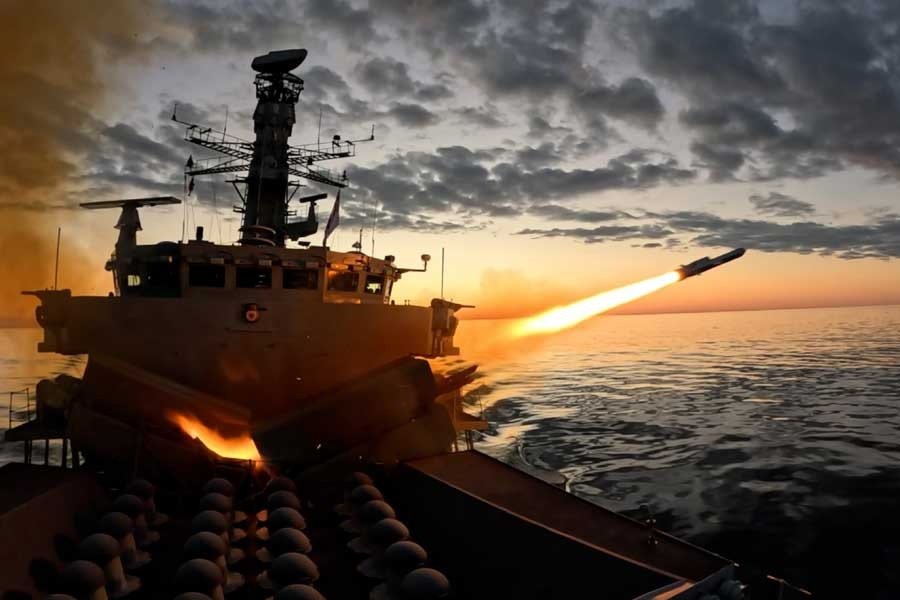
Separately, the United Kingdom and France are organizing a multinational maritime coalition to restore commercial shipping in the Strait of Hormuz following the conflict. The effort will focus on protecting merchant vessels and conducting mine clearance operations, which U.S. estimates suggest could take up to six months.
The Ukrainian Navy has indicated readiness to participate. Spokesperson Dmytro Pletenchuk confirmed that two mine countermeasure vessels based in Portsmouth are available for deployment upon formal invitation.
Ongoing Deliberations
The Pentagon’s internal review reflects broader tensions within the alliance over burden-sharing and operational support. No final decisions have been taken regarding Spain or other NATO members, and discussions remain ongoing within the U.S. administration.
——— End of Article ———