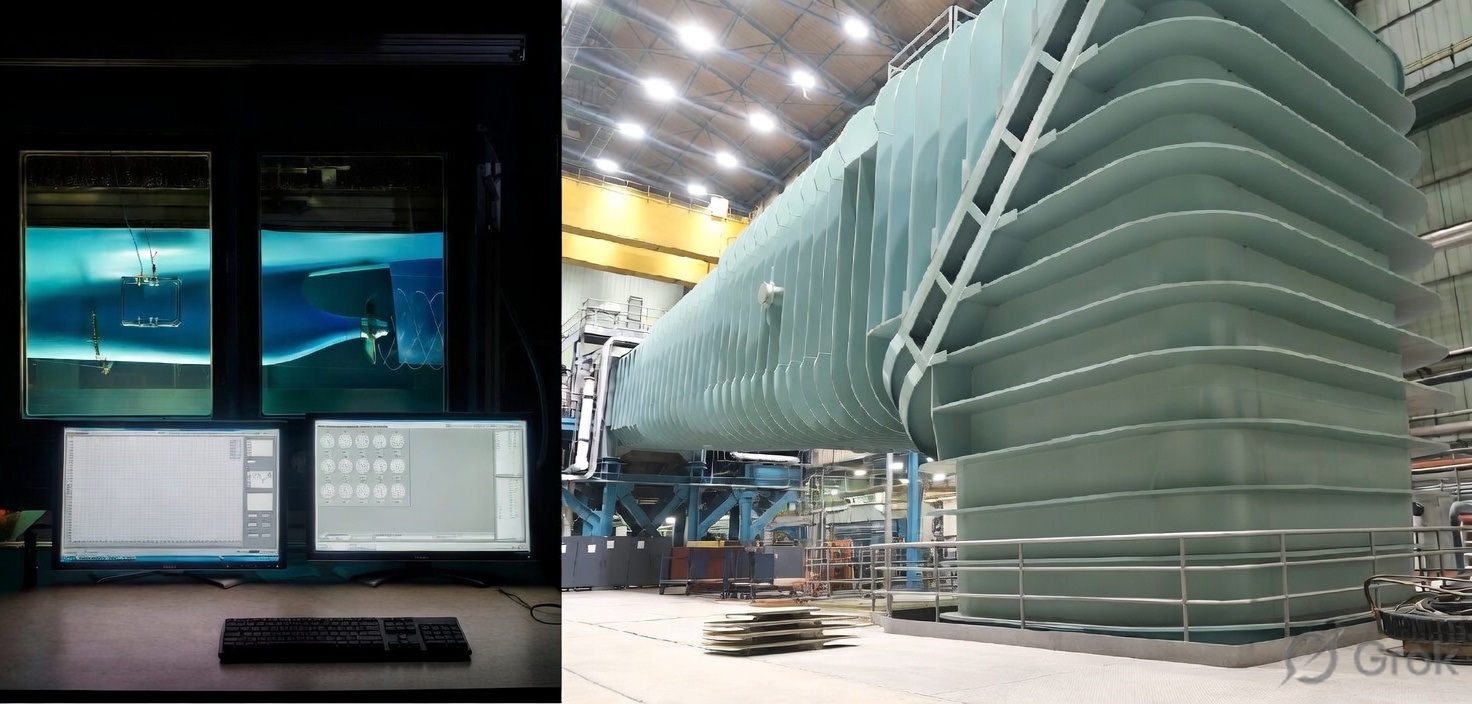
Visakhapatnam, — April 5, 2026 : Defence Minister Rajnath Singh on April 3, 2026, laid the foundation stone for a Large Cavitation Tunnel (LCT) facility at the Naval Science and Technological Laboratory (NSTL), a key laboratory of the Defence Research and Development Organisation (DRDO), in Visakhapatnam. The project is intended to expand India’s domestic capacity for advanced hydrodynamic testing of naval platforms and underwater systems.
The Large Cavitation Tunnel is designed as a state-of-the-art facility capable of simulating complex hydrodynamic conditions encountered by submarines and surface ships. It features an integrated configuration that supports both closed-loop simulations for submarine studies and free surface simulations for surface vessels within a single setup. This combined capability is expected to enable comprehensive testing of propellers, torpedoes, and other critical underwater components.
Once operational, the facility will allow detailed validation of hydrodynamic designs and propulsion systems for a wide range of naval platforms, including destroyers and aircraft carriers. It will support studies of cavitation effects—pressure-induced vapor bubble formation and collapse—which are critical in determining propulsion efficiency, structural durability, and acoustic performance of naval systems.
Focus on Indigenous Capability and Data Security
The development of the LCT addresses a longstanding gap in India’s defence testing infrastructure. Until now, advanced hydrodynamic testing for high-end naval systems has often been conducted at facilities in the United States, France, and Russia, or through limited domestic capabilities. This reliance raised concerns related to data security and restricted the ability to carry out full-scale validation of sensitive designs within the country.
With the establishment of the LCT, India aims to reduce dependence on foreign testing infrastructure and enable end-to-end indigenous design, development, and validation of naval equipment, systems, and sub-systems. The project has been sanctioned by the Government of India and is being executed in turnkey mode with international technical collaboration.
Impact on Naval Design and Underwater Warfare Systems
The facility is expected to contribute to the development of quieter propulsion systems for submarines by enabling precise analysis of cavitation and fluid dynamics. Reduced acoustic signatures will improve stealth characteristics and enhance sonar performance. In addition, the LCT will support improvements in warship efficiency and durability and facilitate the development of next-generation torpedoes and underwater weapons.
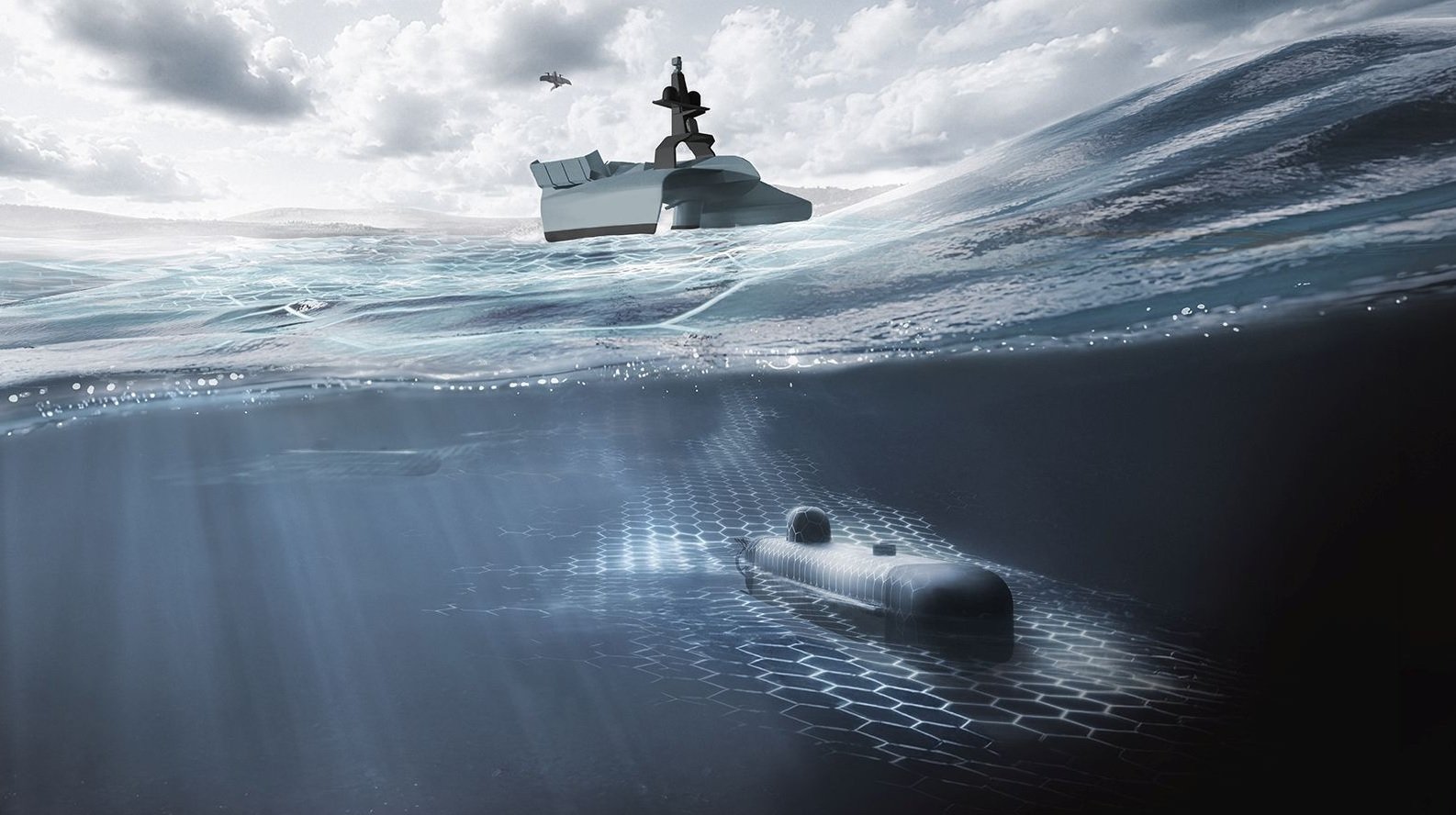
NSTL, which is responsible for research and development of torpedo systems, underwater mines, decoys, and autonomous underwater vehicles (AUVs), will integrate the new facility into its ongoing programs. During the visit, Defence Minister Singh was briefed by DRDO Chairman Dr. Samir V. Kamat on current and planned initiatives. He also visited the Seakeeping and Manoeuvring Basin and observed demonstrations of underwater systems, including torpedoes, naval mines, decoys, and a swarm of man-portable AUVs.
The minister additionally reviewed spin-off technologies developed by the Naval Systems Materials cluster following Operation Sindoor and examined ongoing work in lithium-ion battery development for defence applications.
Official Statements and Strategic Context
Addressing scientists and personnel at NSTL during the foundation stone laying ceremony, Singh stated that the LCT is intended to function as an enabling system for future naval engineering efforts. He noted that the facility would strengthen work on propulsion systems, noise reduction, and stealth technologies, and serve as a foundational infrastructure for submarine and ship design.
He also highlighted that, despite progress in developing defence systems domestically, India had previously depended on foreign facilities for critical testing. According to Singh, the commissioning of the LCT is expected to change this situation and contribute to strengthening India’s position in naval technology development through indigenous resources.
The Defence Minister commended NSTL for its contributions to advancing underwater warfare capabilities and self-reliance in defence research, noting that its progress reflects ongoing efforts to prepare for future operational requirements.
Ceremony and Related Developments
The foundation stone laying ceremony was attended by senior defence leadership, including Chief of Defence Staff General Anil Chauhan, Chief of the Naval Staff Admiral Dinesh K. Tripathi, and Flag Officer Commanding-in-Chief of the Eastern Naval Command Vice Admiral Sanjay Bhalla.
The event coincided with the commissioning of the stealth frigate INS Taragiri into the Indian Navy at the Naval Dockyard in Visakhapatnam on the same day, April 3, 2026. Both developments form part of broader initiatives to strengthen indigenous naval design, testing infrastructure, and shipbuilding capabilities.
Project Status
No official timeline for completion of the Large Cavitation Tunnel or details of the project cost have been disclosed. The facility is expected to support long-term development of India’s shipbuilding ecosystem and enhance domestic capabilities in naval research and engineering under the self-reliance initiative.
——— End of Article ———