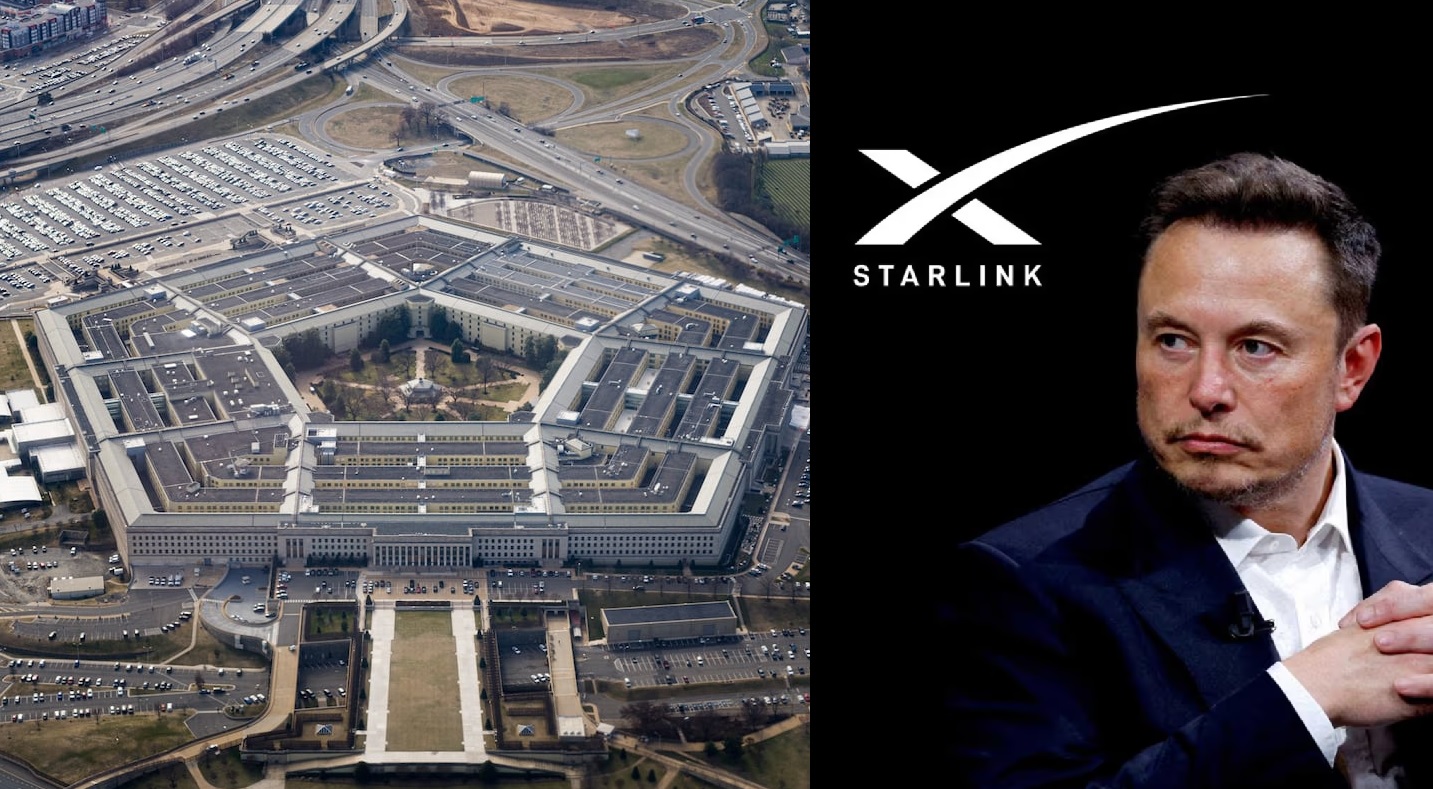
WASHINGTON — April 17, 2026 : A global outage in SpaceX’s Starlink network in August 2025 temporarily disrupted U.S. Navy testing of unmanned surface vessels off the coast of California, according to internal Navy documents reviewed by Reuters and a person familiar with the matter. The incident halted operations for nearly an hour after communications links used to control approximately two dozen autonomous boats were lost.
The vessels, which form part of the Navy’s expanding autonomous systems program, were left idle in the water as operators were unable to maintain contact during the outage. The tests are intended to support the development of distributed maritime operations, particularly in scenarios involving high-threat environments such as a potential conflict with China.
The August 2025 outage, which affected millions of Starlink users globally, was not an isolated case. Internal documents indicate that intermittent connectivity issues had already been recorded in the weeks leading up to the disruption. These earlier problems affected multiple test events involving unmanned systems.
A separate Navy safety report detailing trials conducted in April 2025 highlighted additional limitations. During those tests, which involved both unmanned surface vessels and aerial drones operating simultaneously in California, Starlink was unable to sustain stable connections under high data loads required for multi-system control. The report noted that reliance on the network exposed performance constraints when handling simultaneous vehicle operations.
The same April 2025 report also identified concurrent technical issues with supporting communication systems, including radios supplied by Silvus Technologies and network infrastructure provided by Viasat. These combined factors contributed to reduced network stability during testing scenarios.
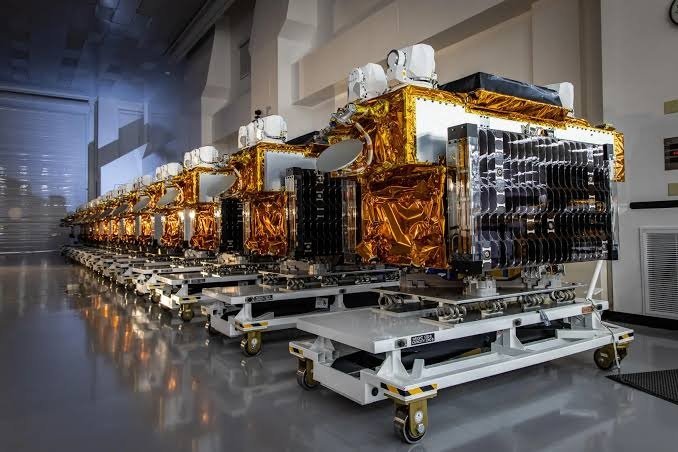
Starlink has been adopted by the Pentagon due to its relatively low cost, rapid deployment capability, and extensive global coverage. The system operates a low Earth orbit constellation of more than 10,000 satellites, significantly exceeding the scale of competing commercial networks such as Amazon’s Project Kuiper, which currently has fewer than 240 satellites in service.
Despite the disruptions, U.S. defense officials continue to view Starlink as a critical enabler for certain operations. Kirsten Davies stated that the Department of Defense “leverages multiple, robust, resilient systems for its broad network,” indicating that Starlink is part of a wider communications architecture rather than a standalone solution.
External analysts have also assessed the trade-offs involved. Bryan Clark, an expert in autonomous warfare at the Hudson Institute, stated that the operational advantages of Starlink as a commercially available and cost-effective service outweigh the risks associated with potential outages.
Similarly, Clayton Swope of the Center for Strategic and International Studies noted that the U.S. government currently lacks an alternative low Earth orbit communications system of comparable scale and availability.
The reliance on SpaceX extends beyond satellite communications. The company also provides space launch services and other capabilities to the U.S. military, increasing its role across multiple operational domains. SpaceX is preparing for a potential initial public offering in 2026, with valuations reported to be as high as $2 trillion.
Lawmakers have previously raised concerns regarding dependence on a single commercial provider for critical national security infrastructure. The August 2025 outage has reinforced those concerns by illustrating a potential single point of failure within communications systems supporting unmanned operations.
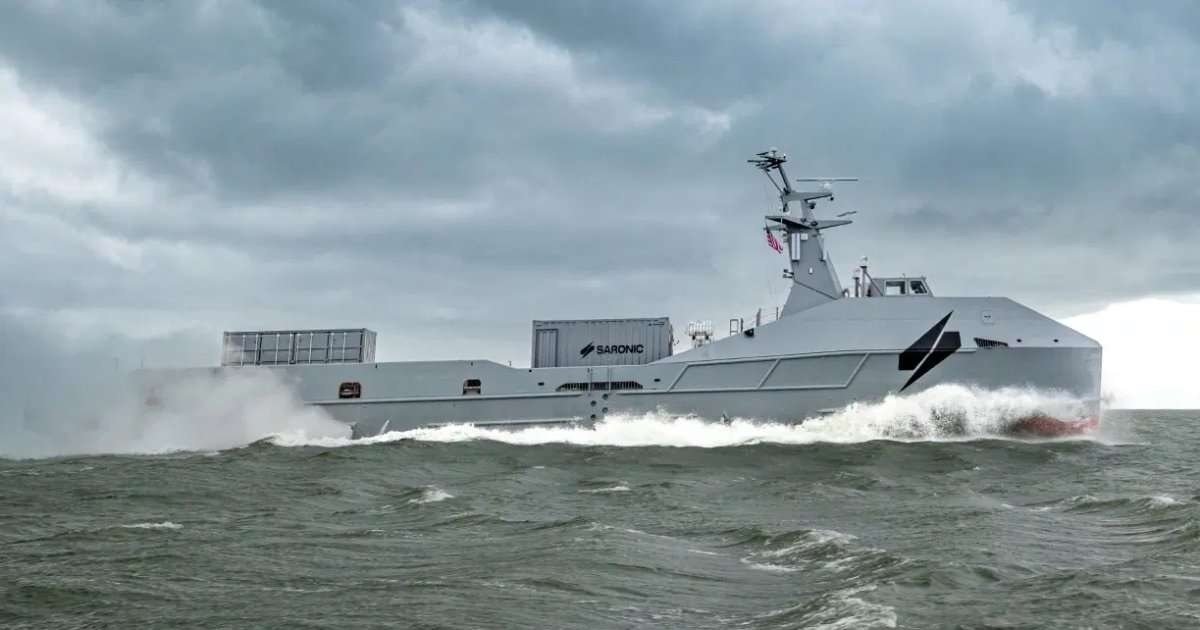
The unmanned surface vessels involved in the disrupted tests resemble small, seatless speedboats and are being developed by defense firms including BlackSea and Saronic. These platforms are designed to expand maritime surveillance and operational reach while reducing risks to personnel.
The Navy has not disclosed specific program names or detailed technical specifications of the vessels involved, and both the service and SpaceX have declined to provide additional public comment. The incidents remain under internal review.
The disruptions highlight the increasing integration of commercial satellite networks into military testing and operations, while also underscoring the challenges associated with ensuring redundancy and resilience when relying on a limited number of providers for mission-critical communications.
——— End of Article ———