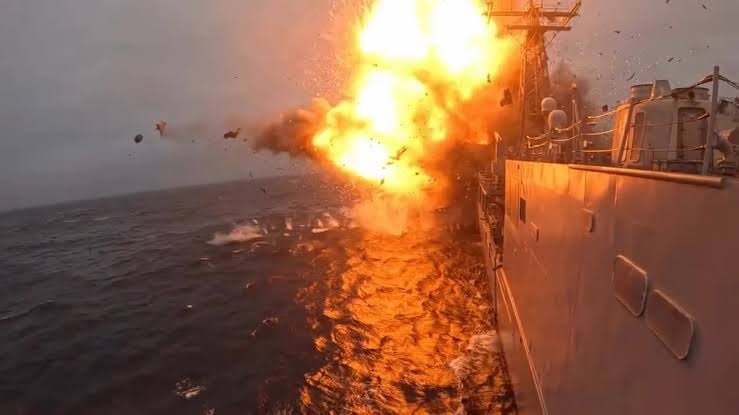
HEBRIDES RANGE, SCOTLAND — U.S. and UK forces have sunk the decommissioned guided-missile frigate ex-USS Klakring (FFG 42) during Exercise Atlantic Thunder 2026, a joint live-fire sinking exercise led by the U.S. 6th Fleet in the North Atlantic.
The exercise ran from September 14 to 25 at the UK Ministry of Defence's Hebrides Range, about 150 nautical miles (274 km) off northwest Scotland. The target sank in approximately 6,000 feet (1,800 metres) of water. It was the first joint U.S.-UK live-fire sinking exercise in four years, following the 2022 exercise that used ex-USS Boone.
Multiple weapons used against target
The U.S. Navy guided-missile destroyer USS Paul Ignatius (DDG 117) fired an anti-surface variant of the Standard Missile 6 (SM-6), demonstrating its range and maximum damage capability against a surface target.
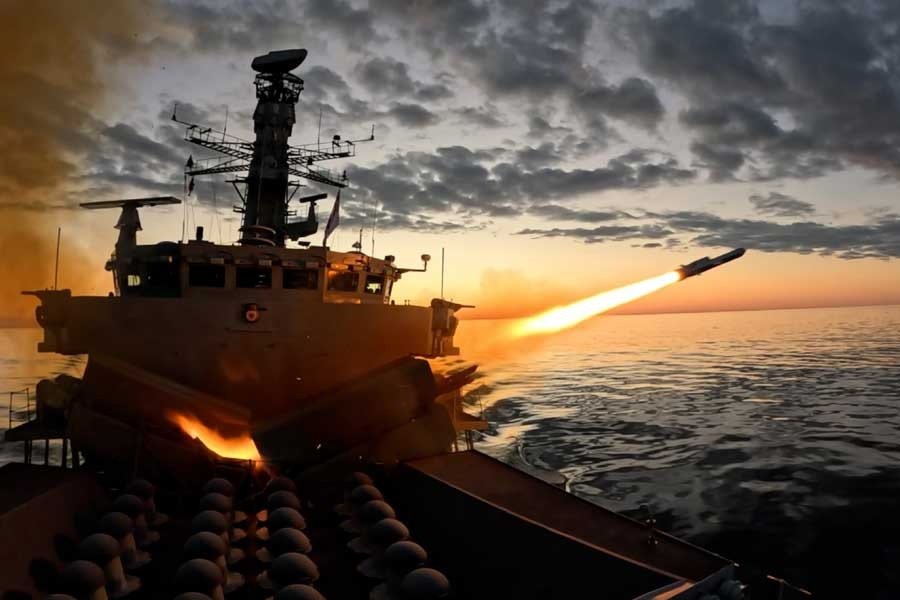
The Royal Navy frigate HMS Portland (F 79), a Type 23 frigate, launched a Naval Strike Missile (NSM) and achieved a direct hit. Petty Officer James Kenyon became the first person to fire a war-shot NSM in the exercise.
A Wildcat helicopter from 815 Naval Air Squadron, operating from HMS Portland, also conducted the first live firing of an operational Sea Venom missile from a Wildcat against a maritime target. Lieutenant Commander Rhydian Edwards led the Sea Venom maritime aviation strike test and evaluation.
The final engagement came from the Virginia-class submarine USS Massachusetts (SSN 798), which fired a Mk 48 Advanced Capability torpedo. The torpedo hit ultimately sank the ex-USS Klakring.
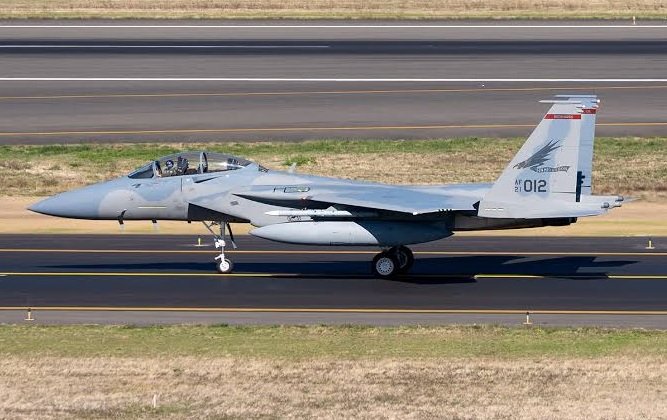
Other participating forces included U.S. Air Force F-15E Strike Eagles, U.S. Navy and Royal Air Force P-8 maritime patrol aircraft, and personnel from U.S. Explosive Ordnance Disposal Mobile Unit 8 (EODMU 8). The forces were assigned to U.S. Commander, Task Forces 65, 67, 68, 69 and 1060.
Sensors used to assess weapon effects
Before the exercise, Naval Surface Warfare Center Carderock and Naval Information Warfare Center Pacific (NIWC Pacific) installed sensors on the target ship.
The collected data will support post-exercise battle damage assessments, including identifying system failures, determining repair requirements and improving future responses.
U.S. Capt. Kelechi Ndukwe, Commander of Task Force 65, said the exercise demonstrated U.S.-UK interoperability and validated the use of their offensive weapons. Royal Navy Lt. Cmdr. Louise Kirkaldy described the NSM firing as a milestone for the UK's modern maritime strike capability, while HMS Portland commanding officer Commander Dafydd Bryden said firing anti-ship missiles against a decommissioned warship provided an important warfighting test.
Former Navy frigate used as target
The Oliver Hazard Perry-class ex-USS Klakring entered U.S. Navy service on August 20, 1983, and was decommissioned on March 22, 2013. The 453-foot (138-metre), approximately 4,100-ton frigate was named after Rear Adm. Thomas B. Klakring, who received three Navy Crosses while commanding USS Guardfish (SS 217) during World War II.
After decommissioning, the ship was stored at the Philadelphia Naval Inactive Ship Maintenance Facility before being prepared and towed to Scotland in August.
Before being used as a SINKEX target, the ship underwent cleaning to remove hazardous materials and contaminants under EPA regulations and the Navy's permit under the Marine Protection, Research and Sanctuaries Act. U.S. and UK personnel also conducted surface and underwater monitoring to reduce risks to the marine environment and marine mammals. The wreck is expected to remain on the seabed and form a natural reef.
Atlantic Thunder was originally planned for May but was delayed by four months. No uncrewed systems participated, and planning for a future iteration is already underway.
——— End of Article ———