WASHINGTON, — April 3, 2026 : A recent United States intelligence assessment indicates that Iran continues to retain a substantial portion of its military strike capabilities despite more than five weeks of sustained air operations conducted by the United States and Israel under Operation Epic Fury. The findings, first reported on April 2, present a detailed evaluation of Iran’s remaining missile, drone, and naval assets, offering a more nuanced picture than recent public statements from US officials.
Missile and Drone Capabilities Remain Substantial
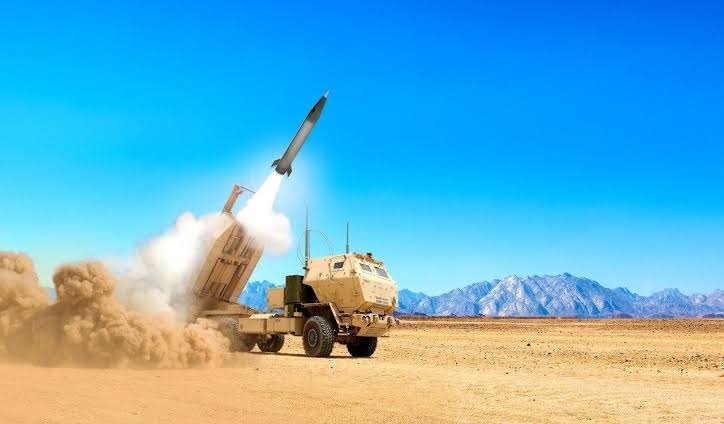
According to multiple sources familiar with the assessment, approximately half of Iran’s ballistic missile launchers remain intact. Prior to the conflict, Iran was estimated to possess around 470 launch systems. Current intelligence suggests that roughly 200 launchers have been destroyed in airstrikes, while an additional 80 are assessed to be non-operational. The remaining systems include both active launchers and those rendered temporarily inaccessible.
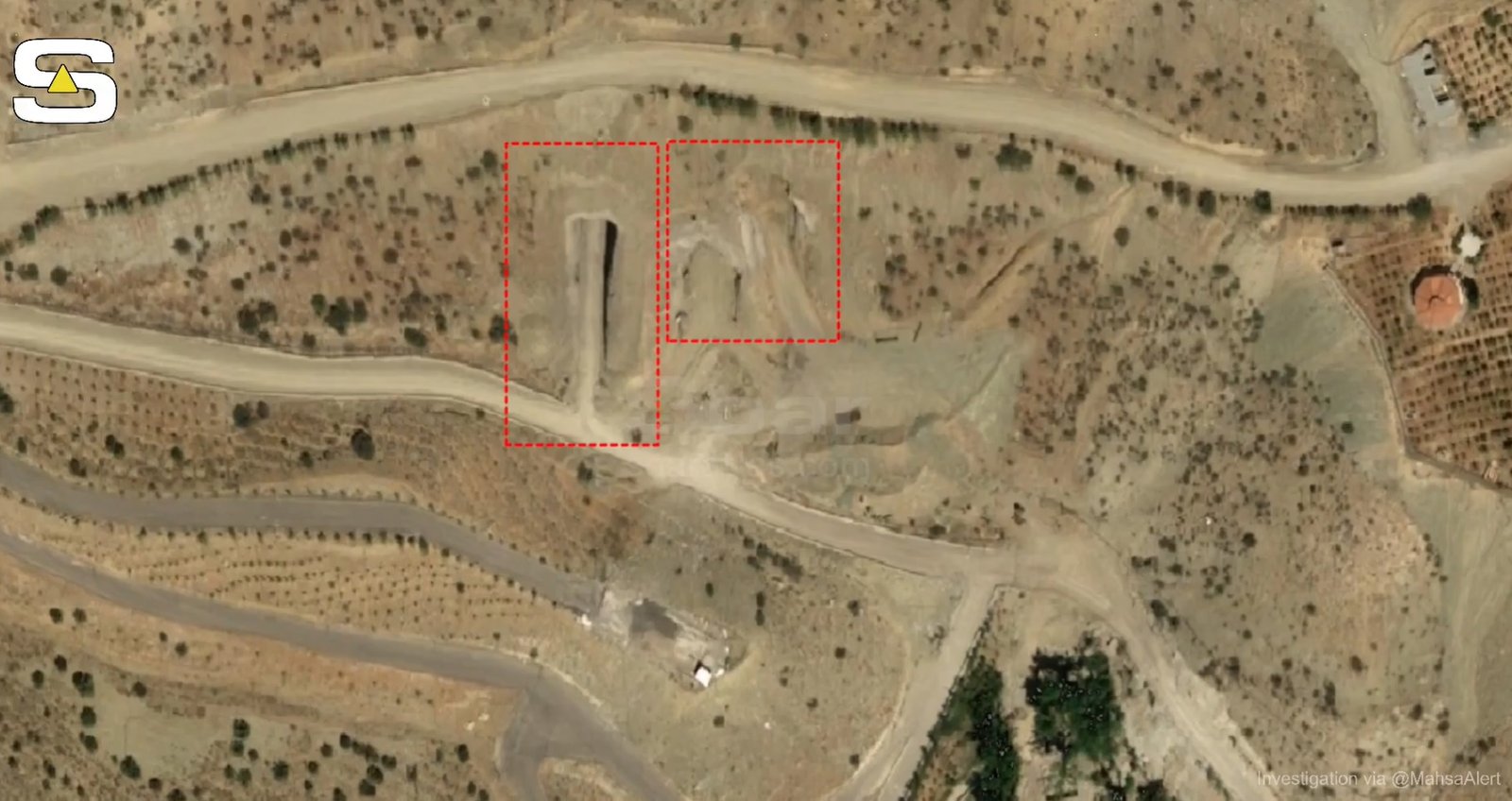
A key factor in the assessment is the classification of assets that are “intact but inaccessible.” Many missile launchers have been stored in deeply buried underground facilities. Airstrikes have collapsed tunnel entrances and restricted access to these systems, but the equipment itself has not been fully destroyed.
In parallel, Iran is assessed to retain approximately 50 percent of its unmanned aerial vehicle (UAV) inventory. This includes thousands of one-way attack drones that remain stockpiled and available for deployment. Intelligence sources indicate that Iran also maintains a large number of missiles beyond the launch systems currently accounted for.
Underground Infrastructure Complicates Damage Assessment
Iran’s longstanding investment in underground military infrastructure continues to affect the overall assessment of damage. The country has developed extensive tunnel networks, often referred to as “missile cities,” built into mountainous terrain over several decades. Some of these facilities are located at depths of up to 500 meters.
US and Israeli strikes have targeted tunnel entrances and supporting equipment, including machinery used to reopen blocked access points. However, the depth and scale of these facilities make it difficult to fully eliminate stored weapons systems. Mobile launch platforms and “shoot-and-move” tactics have further complicated efforts to track and destroy remaining assets.
Coastal Defense Systems Largely Intact
The intelligence assessment also highlights the continued operational status of a large percentage of Iran’s coastal defense cruise missiles. These systems have not been the primary focus of the US-led air campaign, which has concentrated on inland infrastructure, weapons production facilities, and leadership targets.
The remaining coastal missile systems enable Iran to maintain a threat to maritime traffic in the Strait of Hormuz, a critical global shipping route. Intelligence sources indicate that many of these assets have either remained in or been relocated to underground storage sites.
IRGC Naval Capabilities Persist
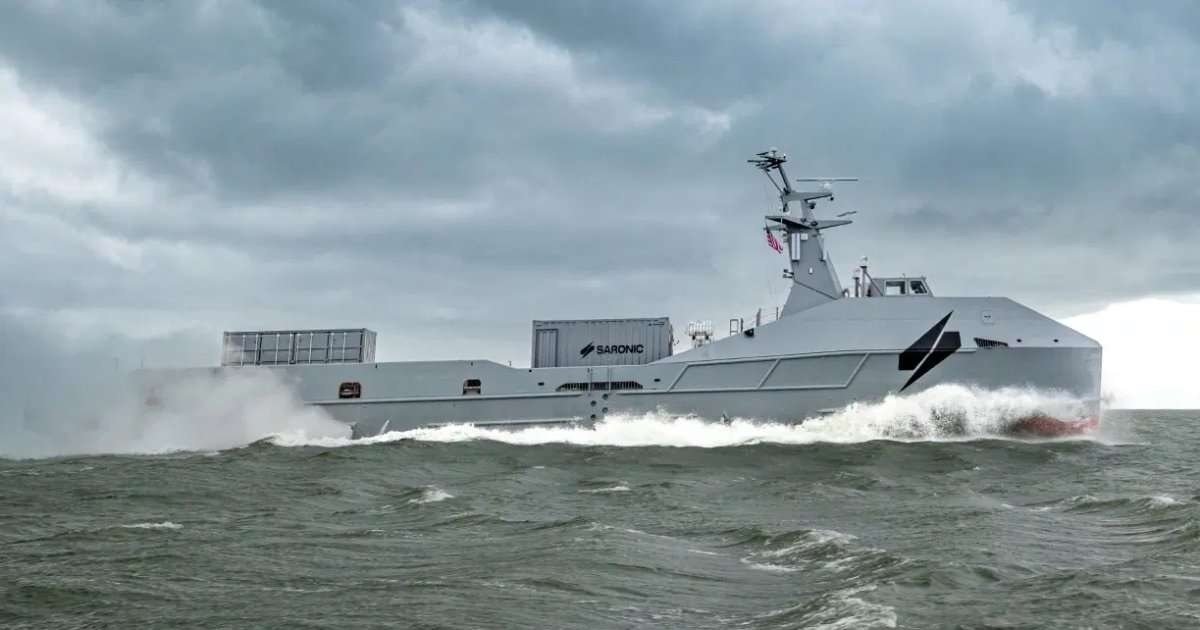
While Iran’s regular navy has sustained significant damage, the naval branch of the Islamic Revolutionary Guard Corps (IRGC) is assessed to retain approximately half of its operational capacity. This includes hundreds to thousands of fast-attack small boats as well as unmanned surface vessels (USVs).
US Central Command has reported that more than 155 Iranian vessels have been damaged or destroyed since the start of operations. However, public data does not consistently distinguish between losses in the regular navy and IRGC naval forces. The IRGC Navy has historically been responsible for operations targeting or harassing commercial shipping in the Strait of Hormuz.
Scale of the Air Campaign
Since the launch of Operation Epic Fury on February 28, 2026, US Central Command reports that more than 12,300 targets have been struck across Iranian territory. These operations have focused on missile production facilities, storage sites, command centers, and senior leadership nodes.
Strikes on key production facilities, including sites at Khojir, Shahroud, Parchin, and Hakimiyeh, are assessed to have severely damaged or halted Iran’s ability to manufacture certain short- and medium-range ballistic missiles. Despite this, existing stockpiles and surviving launch infrastructure continue to support ongoing operational capability.
The campaign has also resulted in the deaths of senior Iranian leaders, including Supreme Leader Ali Khamenei and Ali Larijani, head of Iran’s National Security Council.
Differences in US and Israeli Assessments
The US intelligence assessment differs in part from Israeli military estimates. Israeli officials assess that approximately 20 to 25 percent of Iranian missile launchers remain operational. This discrepancy is attributed to differing methodologies, as Israeli assessments typically exclude launchers that are buried or inaccessible, while US intelligence includes such systems in its overall count.
Official Responses and Public Statements
The intelligence findings contrast with recent public statements from the US administration. On April 1, President Donald Trump stated that Iran’s ability to launch missiles and drones had been “dramatically curtailed,” adding that very few launchers remained. On April 3, he indicated that US operations could be completed within two to three weeks.
Secretary of Defense Pete Hegseth reported on March 19 that ballistic missile and UAV attacks against US forces had decreased by approximately 90 percent since the start of the conflict. He later noted that the number of launches in a 24-hour period had reached its lowest level, while acknowledging that Iran would continue limited launches and attempts to operate from underground positions.
White House spokesperson Anna Kelly stated that Iranian missile and drone attacks are down 90 percent, that the Iranian navy has been largely neutralized, and that two-thirds of production facilities have been damaged or destroyed. She also emphasized continued US and Israeli air dominance. Pentagon spokesman Sean Parnell described the military campaign as delivering a “crippling series of blows” and stated that operations are progressing ahead of schedule.
Ongoing Assessment and Operational Outlook
One source familiar with the intelligence assessment described the projected two-to-three-week timeline for completing operations as unrealistic given the scale of remaining Iranian capabilities. The persistence of underground storage, surviving launch systems, and mobile operational tactics continues to present challenges for achieving complete neutralization.
Unclassified intelligence summaries have not provided detailed figures on remaining missile inventories or specific UAV models. However, the current assessment continues to inform US and Israeli military planning as operations proceed.
——— End of Article ———