WASHINGTON, — May 2, 2026 : The United States Department of Defense has directed the withdrawal of approximately 5,000 American troops from Germany, with the redeployment scheduled to take place over the next six to twelve months. The decision was ordered by Defense Secretary Pete Hegseth following a review of U.S. military force posture in Europe.
The move will reduce the U.S. military presence in Germany from an estimated 35,000–36,400 active-duty personnel to roughly 30,000–31,000 troops. Officials indicated that the adjustment reflects current operational requirements and broader assessments of American military commitments across the European theater.
Force Structure and Affected Units
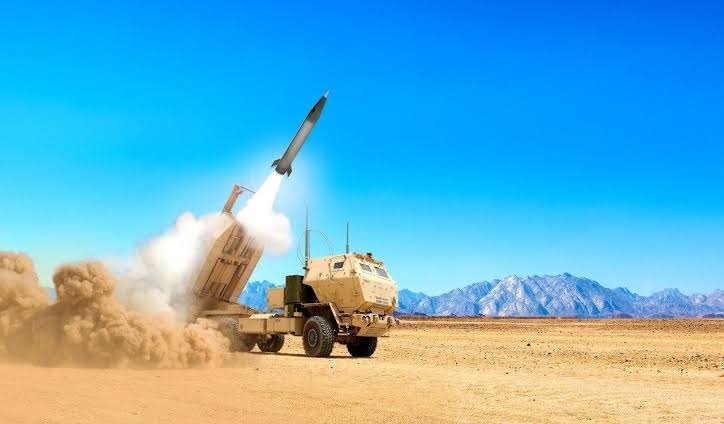
According to Pentagon officials, the withdrawal will involve an Army brigade combat team currently deployed in Germany, as well as a long-range fires battalion that had been scheduled for deployment later this year. The affected personnel are primarily stationed in regions such as Bavaria and Rhineland-Palatinate.
Key U.S. military installations in Germany—including Ramstein Air Base, Landstuhl Regional Medical Center, and the headquarters of both United States European Command and United States Africa Command—will continue to operate as part of the remaining force structure.
Pentagon spokesman Sean Parnell stated that the decision followed a comprehensive review process and aligns with evolving defense priorities. He noted that the Department of Defense is continuing to evaluate its global posture, including in Europe.
Diplomatic Context and Statements
The decision follows public remarks by German Chancellor Friedrich Merz, who criticized the United States’ handling of the ongoing conflict with Iran. Speaking earlier in the week to a group of high school students, Merz stated that the United States had been “humiliated” during negotiations and suggested that Washington lacked a coherent strategy in the conflict.
In response, President Donald Trump expressed dissatisfaction with Germany’s position. When asked in the Oval Office about the possibility of reducing troop levels, Trump responded, “Why shouldn’t I?” and reiterated his position that U.S. military deployments should reflect the reliability and support of allied nations.
The President also extended criticism to other European partners. He stated that Italy “has not been of any help” during the Iran conflict, while describing Spain’s support as insufficient. U.S. officials indicated that Spain had declined to allow the use of jointly operated bases for operations connected to the conflict.
Broader Strategic Considerations
The announcement comes as the United States continues military operations related to the Iran conflict, including a naval blockade targeting Iranian ports. Defense officials suggested that additional adjustments to U.S. troop deployments in Europe remain under consideration.
Germany’s defense minister described the withdrawal as “anticipated,” emphasizing that European nations may need to assume greater responsibility for regional security. The NATO alliance has stated that it is reviewing the details of the U.S. plan to assess potential implications for collective defense arrangements.
Congressional and Security Reactions
The decision has drawn attention from members of the U.S. Congress, including concerns about its potential impact on deterrence in Europe. Senator Roger Wicker and other lawmakers indicated that reducing troop levels could affect strategic messaging toward Russia, particularly regarding NATO’s eastern flank.
Defense analysts have also noted that prior to the withdrawal directive, the United States maintained approximately 68,000 active-duty personnel across Europe, according to Defense Manpower Data Center figures. Some analysts have suggested that repositioning forces within Europe, rather than reducing them, could address security concerns while maintaining operational flexibility.
Historical Context
The United States has maintained a significant and continuous military presence in Germany since the end of World War II. Previous proposals to reduce troop levels were introduced during President Donald Trump’s earlier term but were not fully implemented.
The current withdrawal reflects a continuation of the administration’s approach to aligning overseas deployments with allied contributions and strategic priorities, as the Pentagon continues to assess its global force posture.
——— End of Article ———