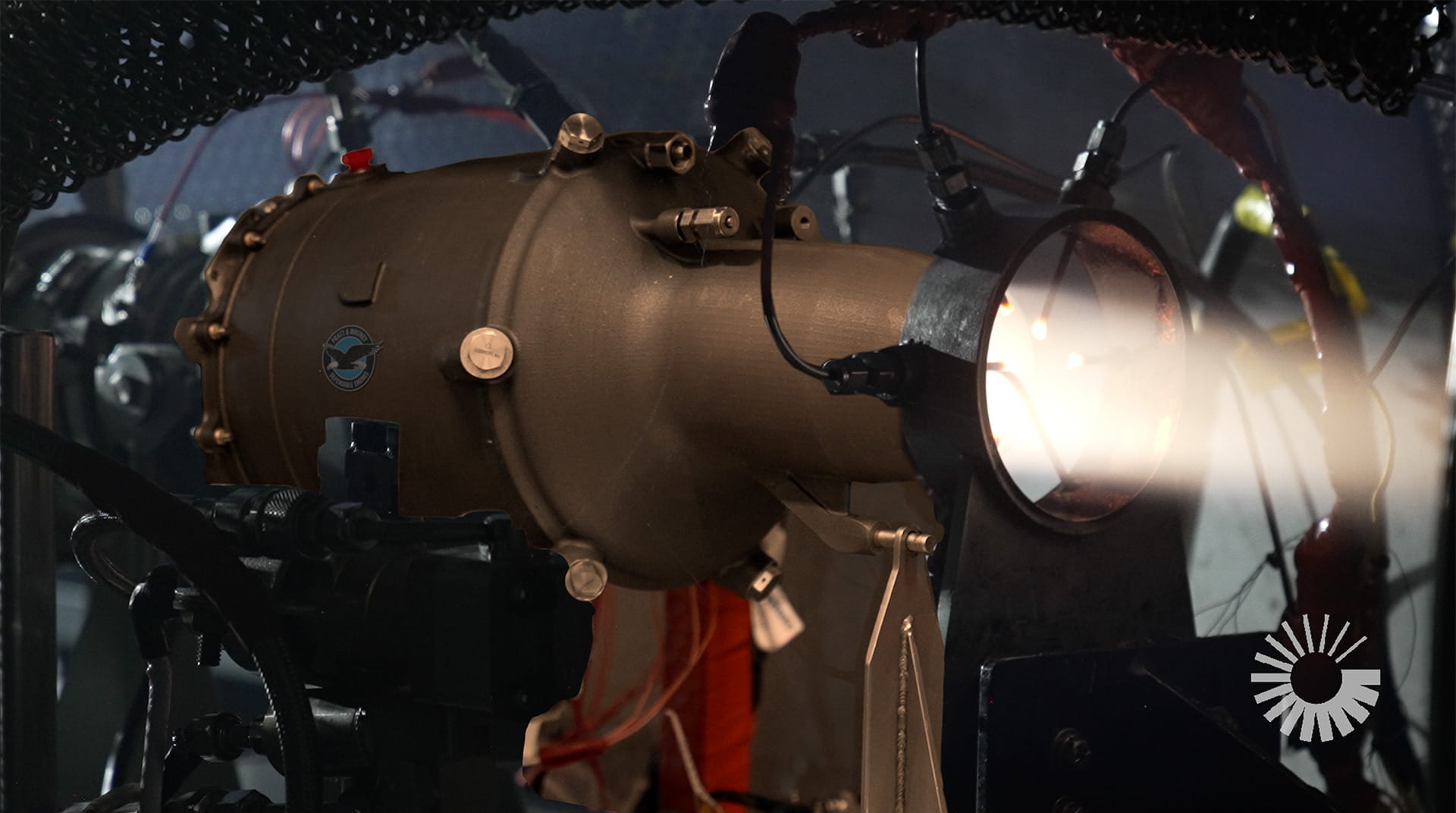
NATIONAL HARBOR, Maryland — April 22, 2026 : U.S.-based defense contractor Northrop Grumman and South Korea’s Hanwha Aerospace have signed a Memorandum of Agreement (MOA) to jointly develop a first-stage solid rocket booster for the Advanced Reactive Strike (AReS) missile system.
The agreement was formally signed on April 21 during the Sea-Air-Space 2026 exhibition held in National Harbor, Maryland. Senior representatives present at the signing included Kevin Schoonover, Executive Vice President of Missiles at Hanwha Defense USA; Michael Coulter, Chief Executive Officer of Hanwha Defense USA; Frank Morley, Vice President of International Business Development at Northrop Grumman; and Ron Boxall, Vice President of Government Programs at Northrop Grumman.
AReS System Overview
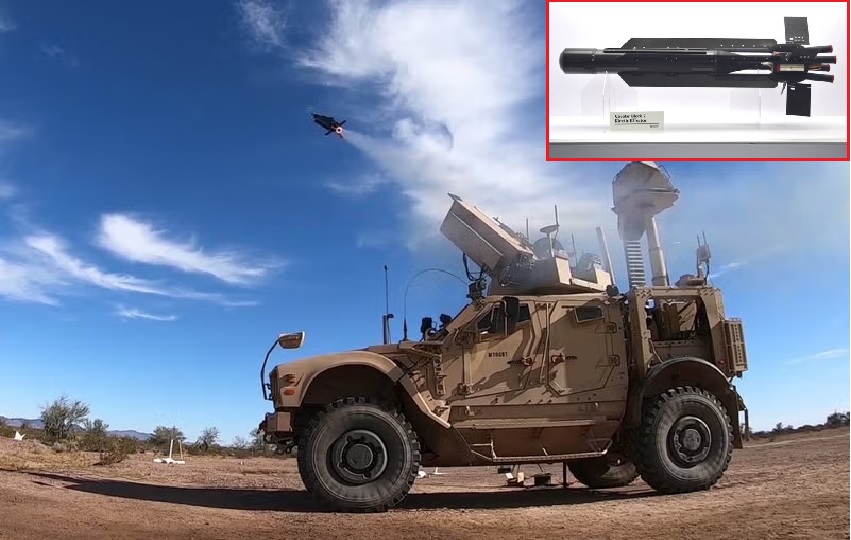
The Advanced Reactive Strike (AReS) system is a deployable, surface-launched, extended-range precision strike weapon currently under development by Northrop Grumman. Designed for both land and maritime targets, the system is intended to operate in highly contested and denied environments, providing stand-off strike capability beyond enemy integrated air defense systems and cruise missile engagement ranges.
AReS is based on the AGM-88G AARGM-ER (Advanced Anti-Radiation Guided Missile – Extended Range), an air-launched supersonic missile developed for suppression and destruction of enemy air defenses. The AReS configuration adapts this core missile into a ground-launched system by integrating an additional booster stage to extend range and improve survivability.
The system is designed to use containerized launch platforms, enabling discreet deployment and flexibility for multiple mission profiles, including both point and area defense roles.
Propulsion Development Focus
The newly signed MOA centers on the initial development phase of the first-stage solid-fuel rocket motor, which is critical for the ground-launched configuration of AReS. The booster is intended to provide the high-performance propulsion required for rapid mobility, immediate launch capability following deployment, and effective operation in contested environments.
Hanwha Aerospace will participate from the early stages of the booster’s development. The collaboration combines Northrop Grumman’s system design and missile integration expertise with Hanwha’s manufacturing capabilities, advanced production technologies, and global industrial scale.
The companies aim to streamline development and production processes while supporting future scalability of the system.
Development Timeline and Industrial Cooperation
Under the current project schedule, the partners are targeting an operational demonstration of the jointly developed first-stage propulsion system by mid-2027. The agreement is part of broader efforts to accelerate delivery timelines for next-generation strike capabilities while strengthening industrial cooperation between U.S. and allied defense sectors.
The collaboration also reflects ongoing initiatives to integrate international industrial bases to meet the technical and manufacturing requirements of advanced missile systems, particularly in the area of propulsion.
Official Statements
Frank Morley of Northrop Grumman stated that the agreement supports efforts to deliver cost-effective and advanced solutions in response to evolving air and maritime threats, while reinforcing collaboration with the Korean industrial base.
Michael Coulter of Hanwha Defense USA said the partnership highlights the importance of a strong industrial base in addressing modern threat environments and noted that Hanwha’s manufacturing capabilities will support the development and future production of the AReS system.
Broader Context
The agreement forms part of Hanwha Aerospace’s ongoing efforts to expand its presence in the United States defense market. For Northrop Grumman, the partnership aligns with its strategy to enhance international collaboration in the development of advanced missile systems.
The AReS program represents an extension of existing anti-radiation missile capabilities into surface-launched configurations, with added propulsion to achieve greater operational range and deployment flexibility.
——— End of Article ———