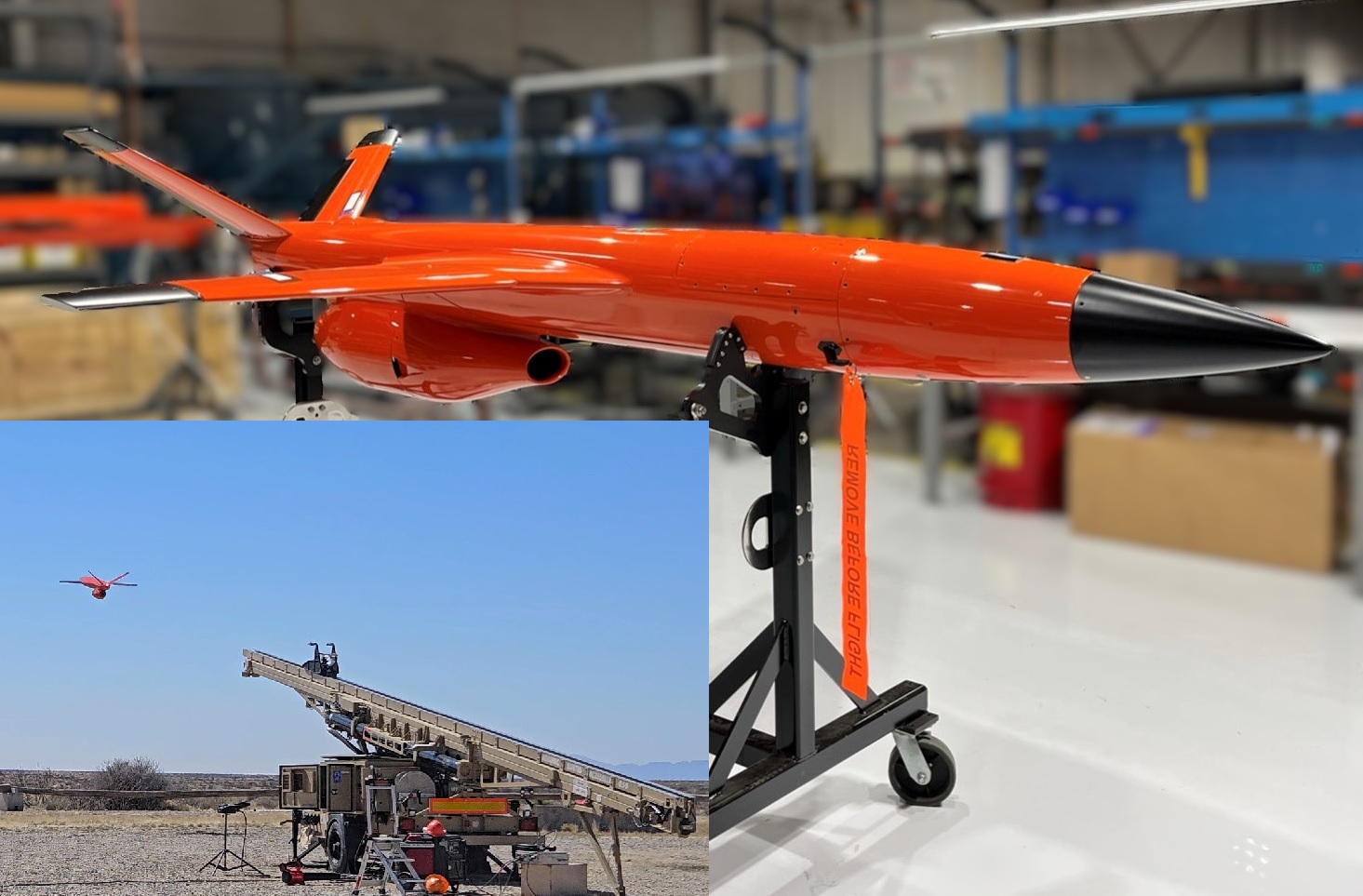
SAN DIEGO, — April 21, 2026 : Kratos Defense & Security Solutions has completed the initial flight series of its J85-powered Mk1 Firejet unmanned aerial system (UAS), marking a significant development in the company’s expansion of high-performance, low-cost tactical jet drones. The Mk1 configuration was developed in coordination with the U.S. Army Target Systems Management Office.
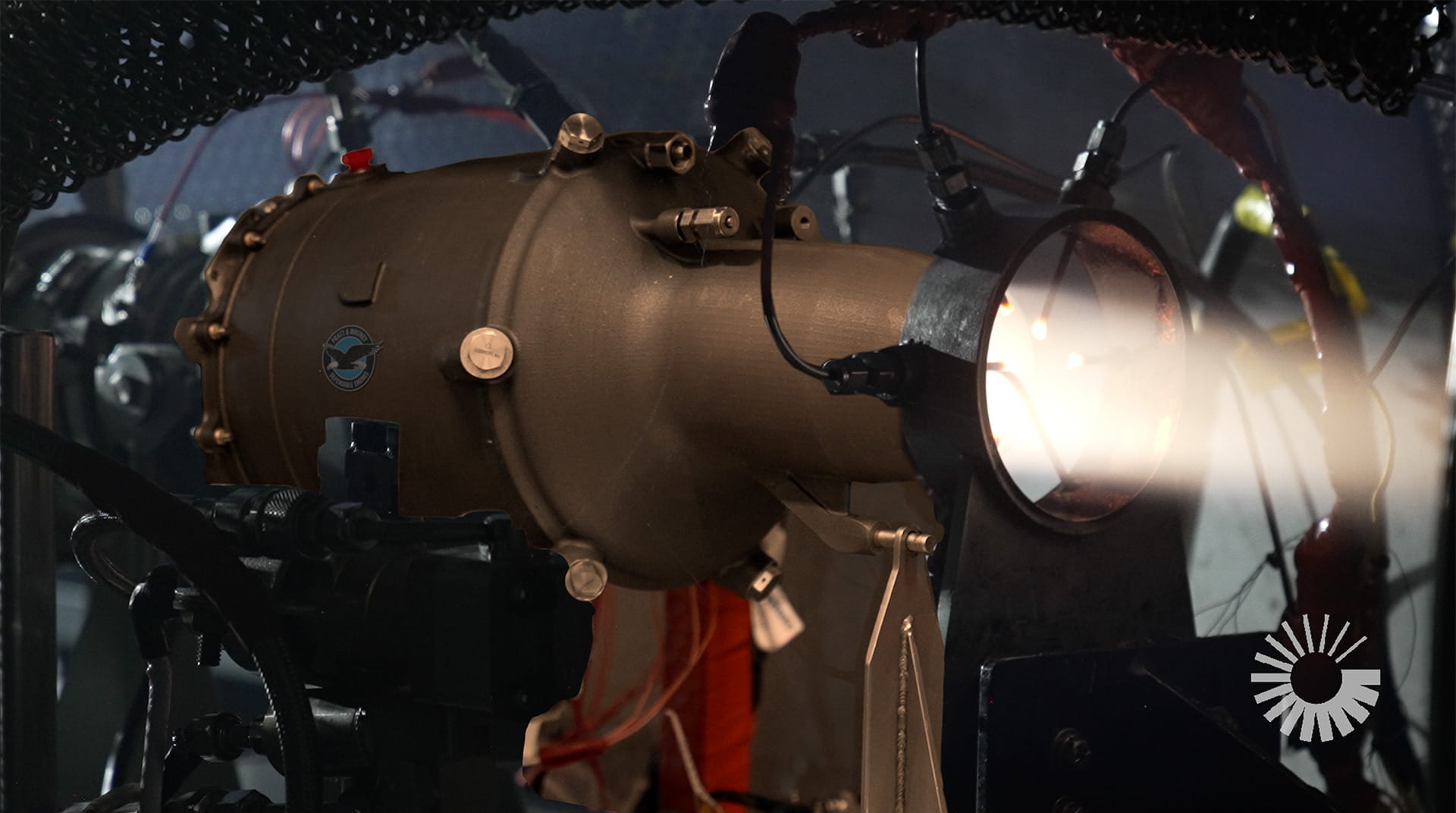
The Mk1 Firejet represents the second major configuration within the Firejet family, building on the baseline “Classic Firejet,” also known as the MQM-178. The new variant integrates the American-made Kratos J85 turbojet engine, produced at the company’s Spartan propulsion facility in Auburn Hills, Michigan. The upgraded propulsion system delivers increased thrust, resulting in measurable improvements in range, endurance, speed, and climb rate compared to earlier configurations.
Kratos positions the Mk1 Firejet as a first-to-market tactical jet UAS in the high-performance category priced below $500,000. The system is designed to support both tactical mission profiles and high-performance target operations, allowing operators to select between the Classic and Mk1 variants depending on mission requirements and readiness conditions.
Propulsion and Manufacturing Expansion
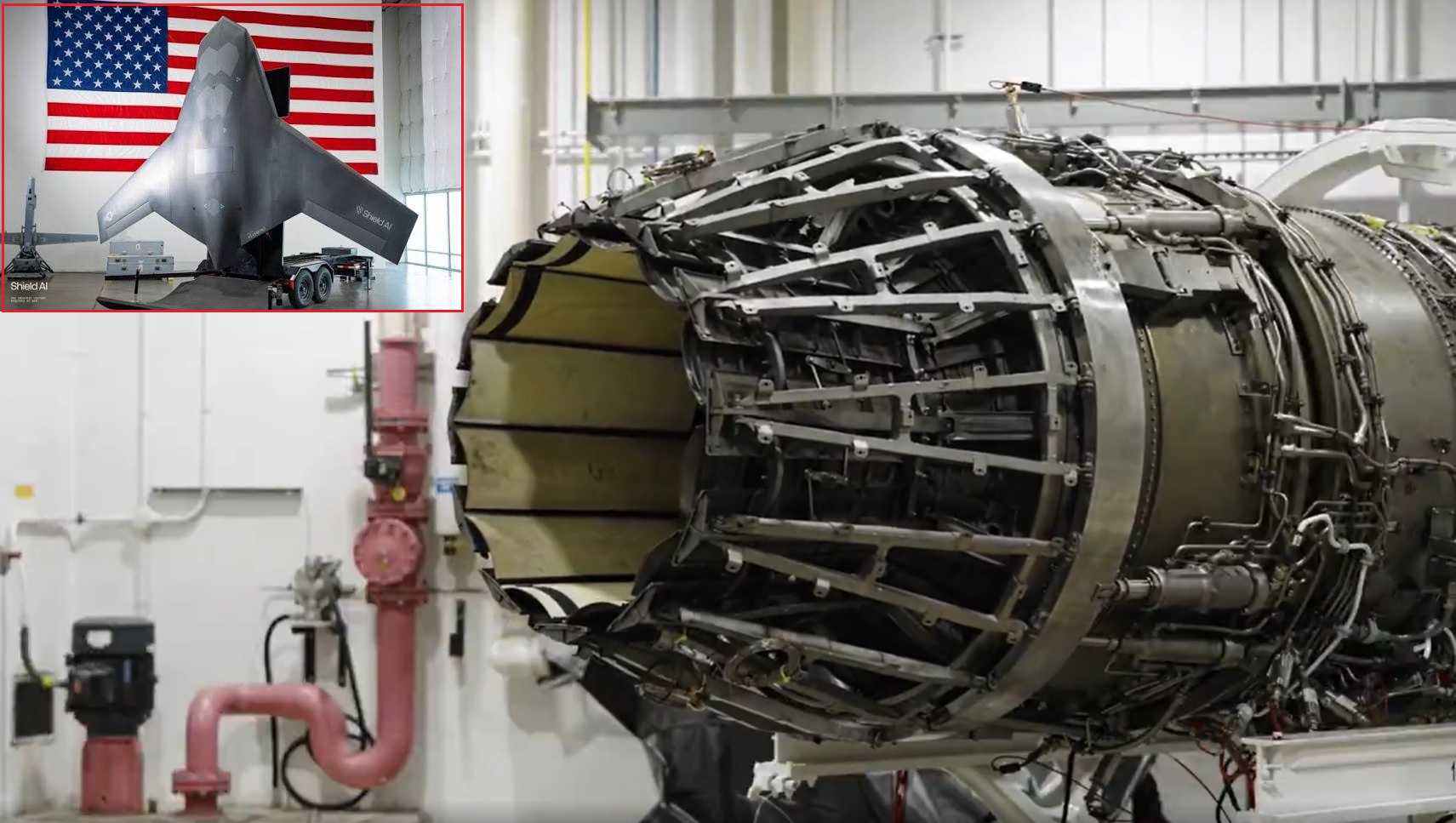
A central component of the Mk1 Firejet program is the integration of domestically produced propulsion systems aimed at reducing supply chain risk. The J85 engine used in the platform is part of Kratos’ Spartan engine family and is manufactured at the 22,500-square-foot Spartan Propulsion Manufacturing Facility in Auburn Hills, which became operational in November 2025.
The Spartan facility supports concurrent production of four engine models, ranging from 30 to more than 200 pounds of thrust. The TDI-J85 variant integrated into the Mk1 Firejet produces approximately 200 pounds of thrust. According to company projections, production rates are expected to scale to thousands of units by late 2026, with long-term capacity reaching tens of thousands of engines annually. This expansion is intended to address recapitalization requirements driven by the depletion of U.S. and allied inventories.
All propulsion components are sourced from U.S. suppliers, and the facility incorporates manufacturing, assembly, and test infrastructure optimized for high-rate, low-cost output.
Platform Characteristics and Performance
The Firejet platform uses carbon-fiber composite construction to achieve a balance between durability and weight. The Tactical Firejet variant measures 10.8 feet in length, has a wingspan of 6.5 feet, and a maximum takeoff weight of approximately 320 pounds. It operates across a wide altitude envelope ranging from 20 feet to 35,000 feet.
The Classic Firejet configuration achieves speeds of up to Mach 0.69 and supports payloads of up to 70 pounds. Both Classic and Mk1 variants utilize a reusable parachute recovery system, enabling rapid turnaround cycles, with refueling, preparation, and relaunch possible within approximately one hour.
The Mk1 variant, powered by the J85 engine, provides enhanced aerodynamic performance, including higher speed thresholds, improved climb rates, and extended operational range. These improvements support fast ingress and egress profiles in contested environments and allow for greater flexibility in mission planning.
Operational Use and International Adoption
The Classic Firejet has been in operational service with the U.S. Army TSMO since the early 2010s, originally powered by JetCat engines. Over time, the platform has been modified to meet evolving threat-representation and performance requirements in training and testing environments. It has also been adopted by allied nations for similar roles.
The Firejet family supports both surface-to-air and air-to-air weapons training missions, as well as tactical applications. It has been used in international exercises and test programs, including activities conducted by QinetiQ and in artificial intelligence–enabled flight demonstrations with Shield AI.
Taiwan has selected a localized Tactical Firejet configuration designated the Mighty Hornet IV. Developed in collaboration with the National Chung-Shan Institute of Science and Technology, the system integrates indigenous payloads and guidance technologies for roles including manned-unmanned teaming and loitering munition operations. The Mighty Hornet IV has demonstrated speeds approaching Mach 0.8, high-G maneuverability, and operational ceilings above 35,000 feet.
Program Context and Industry Positioning
The introduction of the Mk1 Firejet expands the operational envelope of the Firejet family while maintaining its cost-focused design approach. By keeping the system within a sub-$500,000 price range, Kratos aims to address demand for scalable, attritable air systems suitable for modern combat environments.
Eric DeMarco, President and CEO of Kratos, stated that the company has made internal investments to align with U.S. defense requirements for affordable, high-performance systems. He noted that integration efforts conducted jointly with the U.S. Army TSMO have enabled the incorporation of a production-ready, military-grade engine into the Firejet platform without compromising survivability or operational effectiveness.
With the completion of the initial flight series, the Mk1 Firejet enters the next phase of evaluation and potential deployment, as Kratos continues to scale production and expand its role in the tactical unmanned systems market.
——— End of Article ———