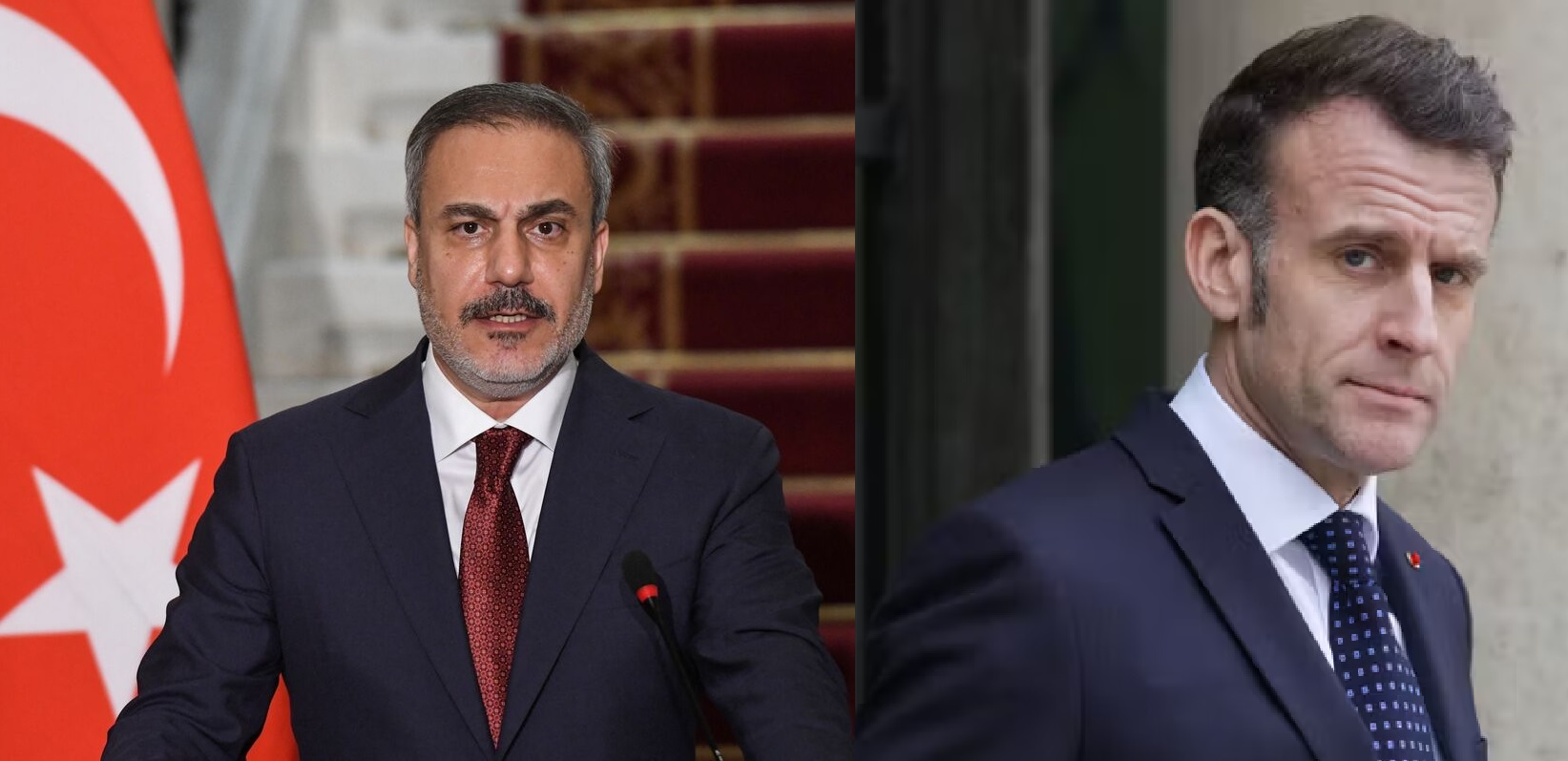
ANKARA, — April 27, 2026 : Hakan Fidan has issued a strong response to remarks made by Emmanuel Macron, who recently pledged support to Greece in the event of any challenge to its sovereignty. The exchange marks a new phase in the ongoing geopolitical tensions across the Eastern Mediterranean, where overlapping security, energy, and territorial disputes continue to shape regional alignments.
Macron’s Athens Statement and Strategic Context
President Macron delivered his comments during a visit to Athens on April 24–25, 2026, where he participated in an open session alongside Greek Prime Minister Kyriakos Mitsotakis. Addressing a question regarding potential threats to Greek sovereignty, Macron stated that France would stand by Greece if such a situation arose, citing the strengthened strategic partnership and defence agreements between the two countries.
France’s position reflects its broader policy of reinforcing European security architecture in the Mediterranean, particularly in support of European Union member states Greece and Cyprus. In recent years, Paris has deepened defence ties with Athens through agreements that include the sale of Rafale fighter jets and naval frigates, alongside expanded military cooperation.
Turkey’s Response and Clarification of Remarks
In response, Foreign Minister Hakan Fidan reiterated Turkey’s commitment to defending its national interests, maritime rights, and the Turkish Cypriot population. He emphasized that Turkey would continue to support the Turkish Republic of Northern Cyprus and maintain its position on regional security matters, while asserting that France should not interfere in Cyprus-related issues.
Fidan also criticized the growing defence cooperation involving Greece, the Republic of Cyprus, Israel, and France, describing it as a development that increases mistrust and regional instability. He stated that Greece and Cyprus already benefit from NATO and EU frameworks and questioned the necessity of additional military partnerships.
It is important to note that some widely circulated remarks attributed to Fidan—describing France as a “small European country” and challenging it to act independently—originated from statements made in January 2025 in a different context, specifically regarding French activities in Syria. In the current April 2026 situation, Fidan’s comments have focused on regional security concerns and opposition to expanding military alignments.
Military Movements and Emerging Defence Posture
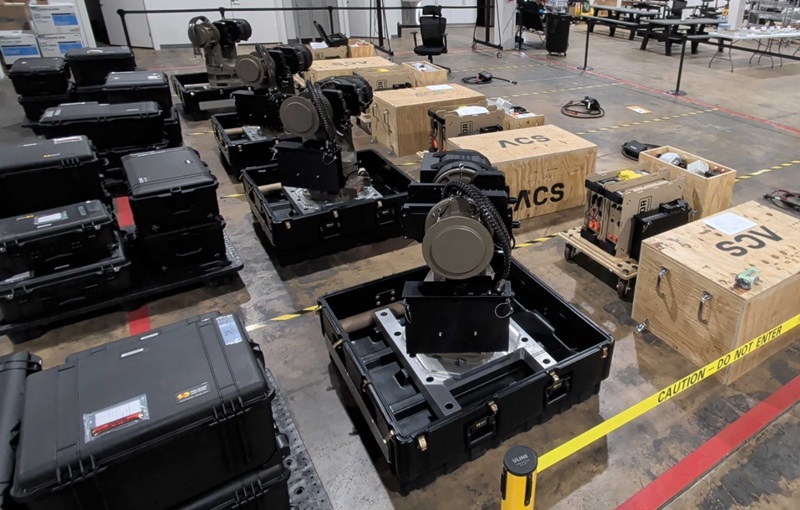
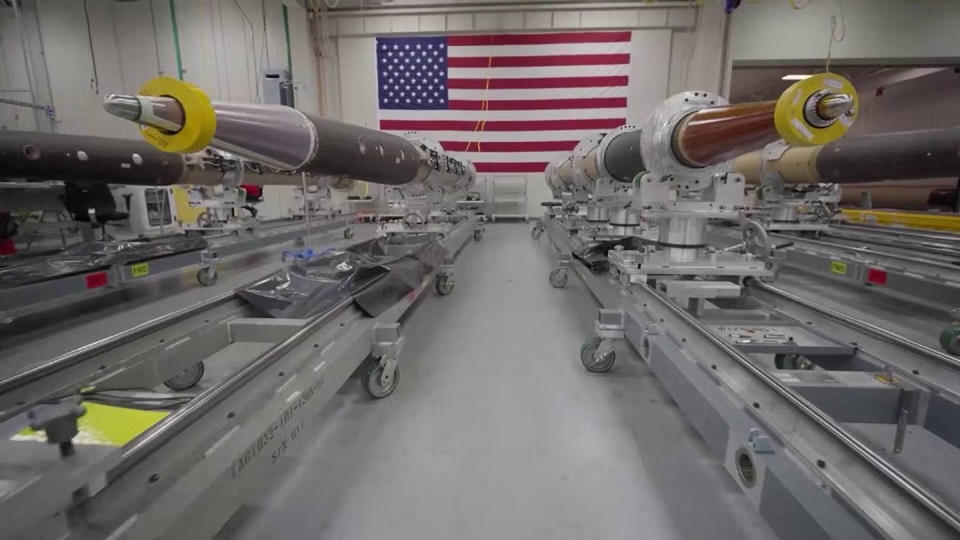
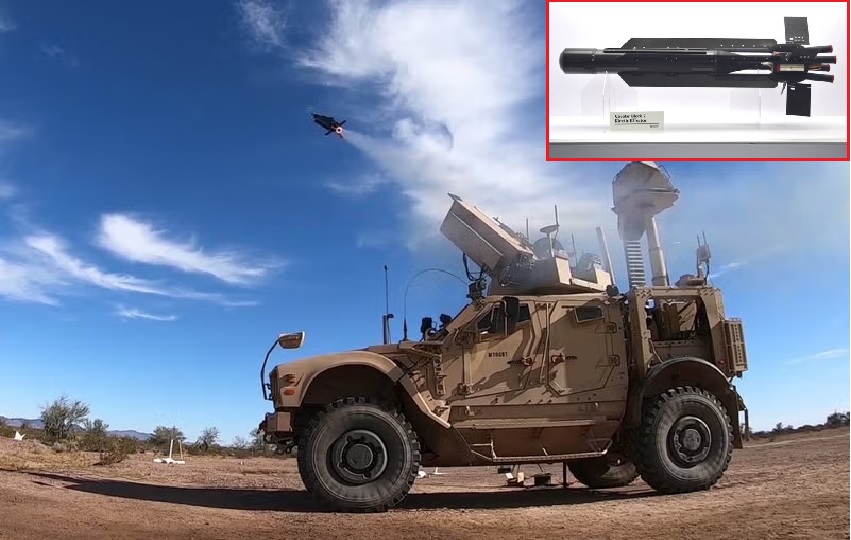
The latest tensions are occurring alongside new military developments in the region. France and Greece have outlined plans to increase their presence in Cyprus, including the deployment of military assets. Greece is preparing to send a tank unit to the island, while France is considering stationing troops in Southern Cyprus, potentially alongside Israeli-linked missile infrastructure.
From Ankara’s perspective, these developments represent an attempt to alter the regional balance and limit Turkey’s strategic space in both the Mediterranean and the Aegean Sea. Turkish officials argue that such moves risk undermining the established status quo and marginalizing Turkish Cypriots.
France, however, maintains that its actions are defensive and aligned with international law, emphasizing the right of Greece and Cyprus to secure their sovereign territories and exclusive economic zones (EEZs).
Historical Background: Cyprus and Maritime Disputes
The dispute is rooted in longstanding disagreements between Turkey and Greece, particularly over maritime boundaries in the Aegean Sea and the unresolved Cyprus issue. The island has remained divided since 1974, with the internationally recognized Republic of Cyprus controlling the south and the Turkish-backed administration in the north.
Turkey continues to support a two-state solution for Cyprus and maintains a military presence in the north, while Greece and the Republic of Cyprus advocate for a bi-zonal, bi-communal federation under international frameworks.
Complicating the situation further is the growing energy and security cooperation between Greece, Cyprus, and Israel, which Turkey has repeatedly described as forming a de facto military alignment.
NATO Dynamics and Limits of Escalation
Despite the sharp rhetoric, both Turkey and France are members of NATO, a factor that imposes structural constraints on direct military confrontation. Analysts assess that France’s increased presence in the region is intended as a form of strategic deterrence rather than a precursor to direct engagement.
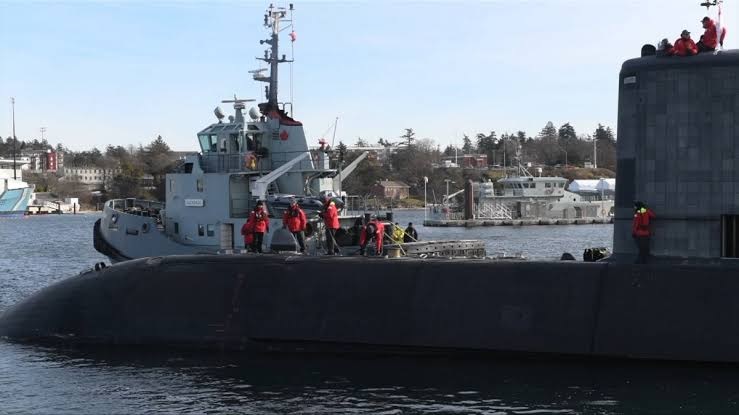
France has already deployed naval assets to the Eastern Mediterranean in recent years and continues to rely on a combination of defence cooperation, diplomatic support, and limited forward presence to reinforce its position. In the event of escalation, European Union-led economic measures are considered more likely than unilateral military intervention.
Diplomatic Channels Remain Open
As of April 27, 2026, there has been no immediate public response from the French government to Fidan’s latest remarks. However, diplomatic engagement between Ankara and Paris continues. The two countries held discussions as recently as January 2026 covering bilateral relations, EU-Turkey dynamics, and regional security issues.
The evolving situation reflects broader geopolitical competition in the Eastern Mediterranean, where competing claims over maritime rights, energy resources, and security arrangements remain unresolved. Further developments are expected as regional actors continue to navigate a complex mix of alliance commitments and national interests.
——— End of Article ———