New Delhi, — April 5, 2026 : The Ministry of Defence (MoD) has initiated a program to indigenously design, develop, and procure 1,000-kg aerial bombs for the Indian Air Force (IAF), issuing a formal Expression of Interest (EoI) under the Defence Acquisition Procedure (DAP) 2020.
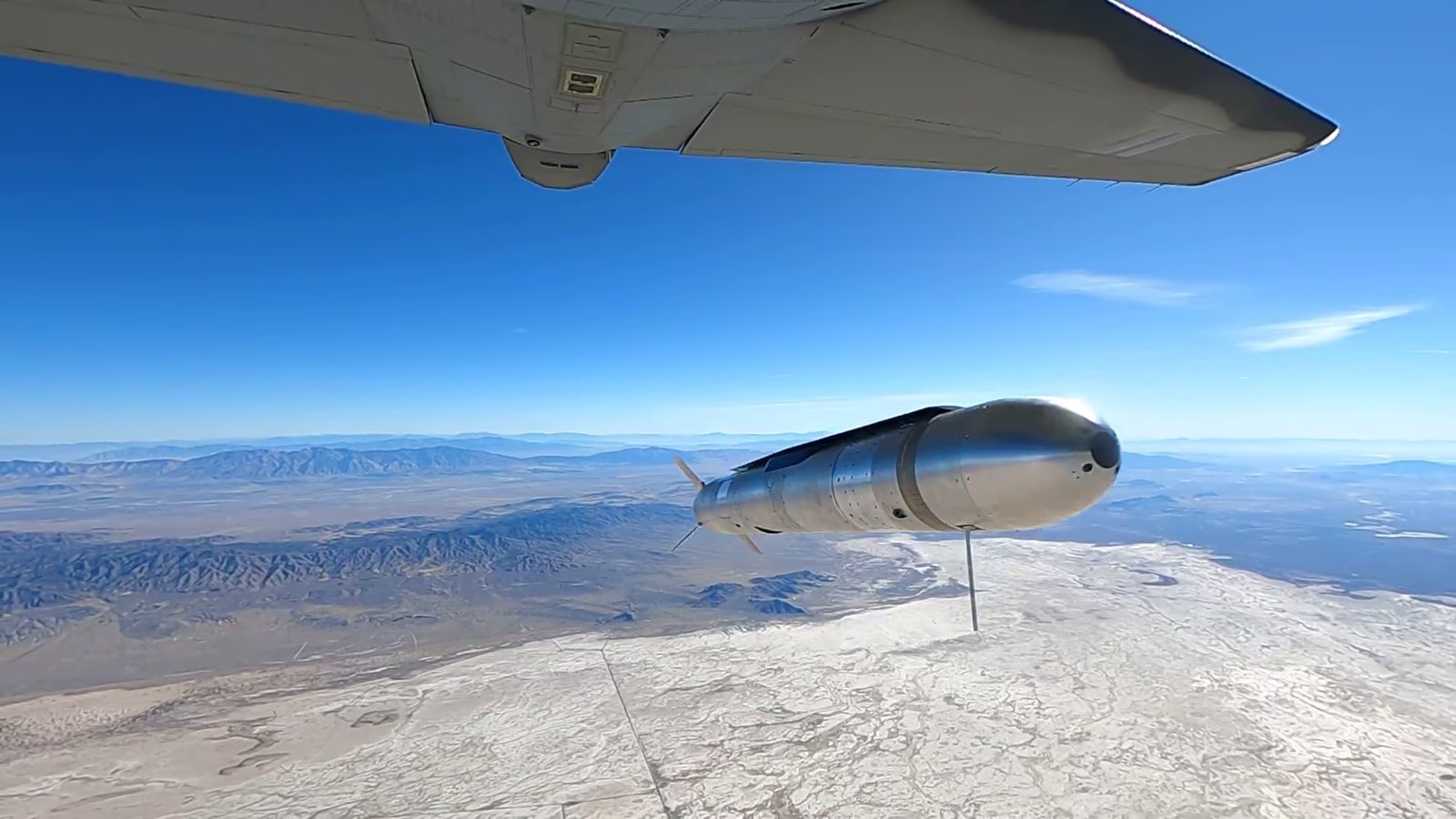
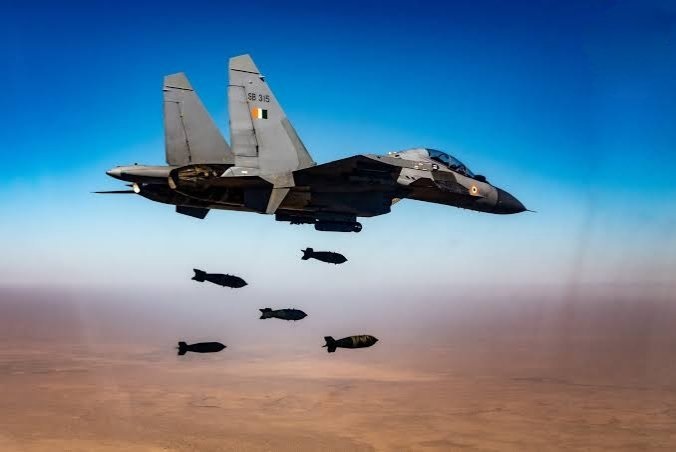
According to official details, the EoI covers the development of heavy general-purpose bombs comparable to the Mk-84 class currently in service with the IAF. The ministry has outlined plans to procure an initial batch of approximately 600 such bombs following successful development and evaluation.
Program Structure and Procurement Framework
The project will be executed in two phases under established procurement categories. The first phase falls under the ‘Make-II’ category, which is industry-funded. Selected Indian entities will be responsible for designing and developing the bombs, including associated tail units and supporting equipment. A minimum of 50 percent indigenous content has been mandated during this stage.
Development agencies will be required to produce six prototypes, including both live and inert variants. These prototypes will undergo Single-Stage Composite Trials (SSCT), along with comprehensive flight and drop testing from specified Indian Air Force aircraft at designated testing ranges. Data from these trials will be used to refine Preliminary Staff Qualitative Requirements (PSQRs) into formal Air Staff Qualitative Requirements (ASQRs).
The second phase will proceed under the ‘Buy (Indian-IDDM)’ category—Indigenously Designed, Developed, and Manufactured. A commercial Request for Proposal (RFP) will be issued to qualifying agencies for the production and supply of the 600 bombs after successful completion of development and trials.
The overall timeline from the issuance of the EoI to the signing of the final procurement contract is estimated at approximately 2.5 years.
Technical Characteristics and Operational Role
The proposed 1,000-kg (approximately 2,000-pound) aerial bomb is categorized as a high-calibre munition designed to deliver substantial blast effects, natural fragmentation, and significant peak over-pressure (PoP). Such munitions are typically employed against high-value and hardened targets, including underground bunkers, reinforced concrete structures, bridges, aircraft runways, and large ammunition storage facilities.
The EoI specifies that the bombs and their associated systems must be compatible with both Russian-origin and Western-origin aircraft in the IAF inventory. This includes integration across platforms such as the Su-30 MKI, Rafale, and the indigenous Tejas, without requiring major modifications.
Current Dependence and Strategic Rationale
At present, the Indian Air Force procures Mk-84 class general-purpose bombs from foreign original equipment manufacturers (OEMs). The move toward indigenous production is aimed at reducing dependence on external suppliers and ensuring availability during extended operational scenarios.
The requirement also reflects operational lessons observed in recent conflicts in the Middle East, where 2,000-pound class bombs have been widely used against fortified and deeply buried targets. The development of a domestic capability is intended to support long-range strike operations and improve logistical resilience.
Industry Participation and Collaboration
Participation in the EoI is open to eligible Indian entities, including private sector companies and micro, small, and medium enterprises (MSMEs). The MoD has permitted foreign collaboration through joint ventures or technology transfer arrangements, provided that the primary applicant complies with indigenous design and manufacturing requirements.
The initiative forms part of ongoing efforts to strengthen domestic defence manufacturing capabilities and aligns with broader policy objectives focused on indigenisation under the DAP 2020 framework.
——— End of Article ———