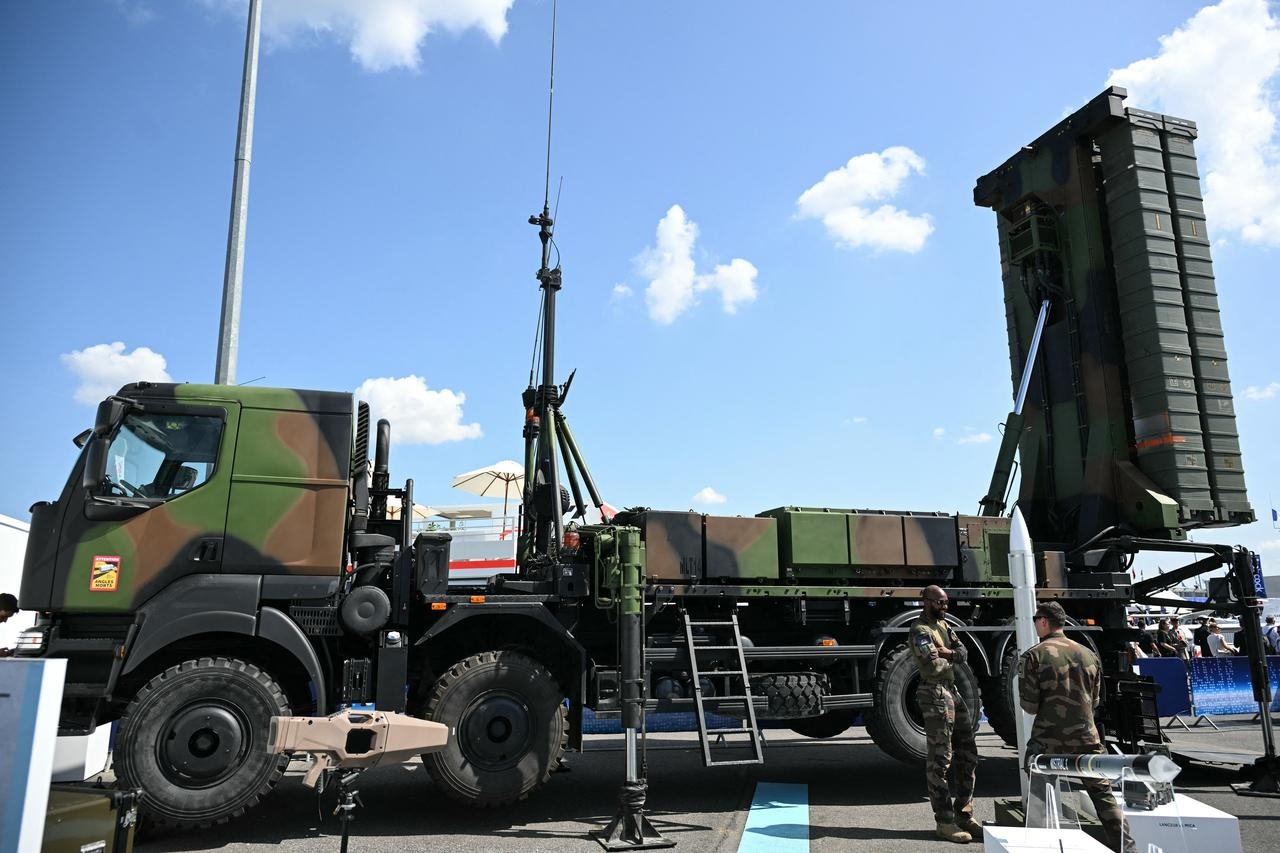
ANKARA, — April 8, 2026 : Türkiye is engaged in ongoing negotiations with Italy to acquire and co-produce the SAMP/T air and missile defense system, a European-developed platform designed to counter a wide range of aerial threats, including aircraft, unmanned aerial vehicles, cruise missiles, and certain ballistic missiles.
The discussions involve the Eurosam consortium, a Franco-Italian joint venture comprising MBDA France, MBDA Italy, and Thales Group. Italian authorities are leading the current phase of negotiations, focusing on establishing a combined procurement and industrial cooperation framework with Ankara. The talks include both the baseline SAMP/T system and its upgraded SAMP/T NG (New Generation) variant.
Program Background and Negotiation Context
Türkiye has pursued the SAMP/T system for several years as part of its broader effort to develop a layered national air and missile defense architecture. In January 2018, an 18-month feasibility study agreement was signed between Eurosam and Turkish defense companies Aselsan and Roketsan to explore potential co-development and production arrangements. However, progress slowed in subsequent years due to political factors, including tensions between Türkiye and France over regional policy issues.
Recent developments indicate renewed momentum in the negotiations, with Italy playing a central role in facilitating discussions. The urgency of the talks has been influenced by evolving regional security conditions, including reported interceptions by NATO forces of aerial threats near Turkish airspace. These developments have reinforced Ankara’s requirement for a long-range, high-altitude air defense capability that can operate independently while remaining interoperable with allied systems.
System Overview and Capabilities
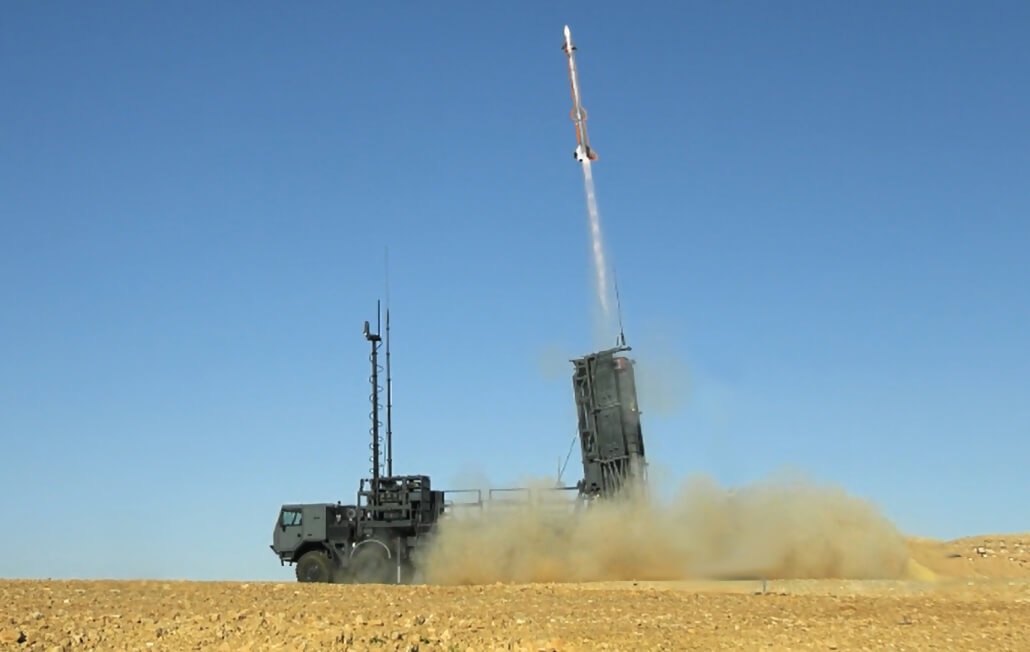
The SAMP/T (Surface-to-Air Missile Platform/Terrain) is a mobile, truck-mounted system designed to provide 360-degree coverage as part of integrated air defense networks. It is currently operational with the French Air and Space Force and the Italian Army.
The negotiations are centered on the SAMP/T NG variant, which is scheduled to enter service in 2026. Developed through Franco-Italian cooperation and managed by the Organisation for Joint Armament Co-operation (OCCAR), the NG version incorporates several technological upgrades over the baseline system.
Key specifications of the SAMP/T NG include:
-
Up to 48 Aster 30 missiles ready to fire per battery
-
Detection range exceeding 350 kilometers using a multi-function radar
-
Engagement range of more than 150 kilometers
-
Capability to engage multiple targets simultaneously, including tactical ballistic missiles, cruise missiles, anti-radar missiles, UAVs, helicopters, and fixed-wing aircraft
-
Deployment time of less than 30 minutes
-
Crew requirement of approximately 20 personnel per battery
The system employs a new multi-function Active Electronically Scanned Array (AESA) radar utilizing gallium nitride (GaN) technology, along with updated command-and-control software.
Aster 30 Missile System
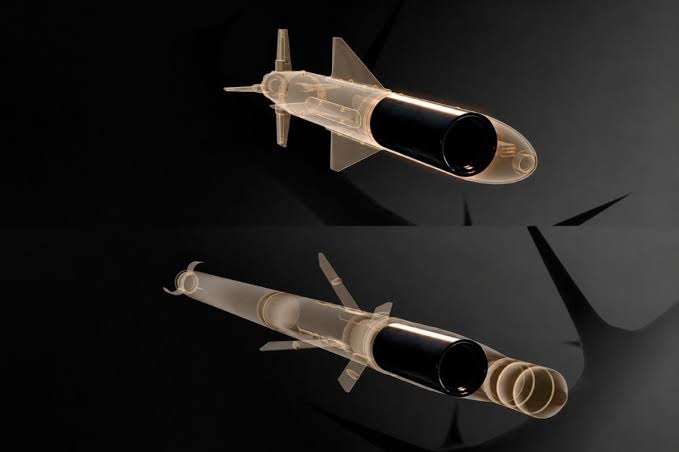
The SAMP/T NG uses the Aster 30 family of interceptor missiles, including the advanced Block 1 NT variant. The missile features a two-stage solid-propellant motor and active seeker for terminal guidance.
Technical characteristics of the Aster 30 missile include:
-
Length: 4.9 meters
-
Launch weight: approximately 450 kilograms
-
Maximum speed: up to Mach 4.5
-
Operational altitude: up to 25 kilometers
The Block 1 NT configuration provides enhanced capability against emerging threats, including advanced ballistic targets.
NATO Interoperability and National Integration
The SAMP/T NG system is fully interoperable with NATO and coalition air defense networks, a key consideration for Türkiye following complications associated with its previous acquisition of non-NATO-compatible systems. The platform is designed for rapid deployment in theater protection roles and has demonstrated extended-range and multi-threat engagement capabilities in recent test firings conducted in France and Italy.
Within Türkiye’s national defense framework, the system is expected to complement ongoing indigenous programs, including the HISAR and SIPER air defense systems, as part of the country’s layered “Steel Dome” (Çelik Kubbe) initiative. This architecture aims to integrate short-, medium-, and long-range air defense assets under a unified command structure.
Industrial Cooperation and Co-Production
A central element of the negotiations is the inclusion of industrial cooperation and co-production arrangements. Turkish authorities are seeking participation in manufacturing components such as radar systems, fire-control elements, and missile subsystems. This aligns with existing capabilities developed by Aselsan and Roketsan, as well as recent investments in domestic missile production infrastructure.
The discussions build on the earlier Eurosam–Türkiye framework and aim to establish a more concrete industrial partnership, potentially involving technology transfer and shared production responsibilities.
Status of Negotiations
As of April 8, 2026, neither the Turkish Ministry of National Defence nor Italian officials have disclosed specific details regarding the number of systems to be acquired, the timeline for contract finalization, or the exact scope of co-production activities. Negotiations remain ongoing, with both acquisition and industrial cooperation aspects under consideration.
——— End of Article ———