RIYADH, — April 12, 2026 : Saudi Arabia has restored full pumping capacity on its East-West oil pipeline to approximately 7 million barrels per day, the Ministry of Energy confirmed on Sunday, following infrastructure attacks that disrupted operations earlier in April.
The East-West pipeline, commonly known as Petroline, spans approximately 1,200 kilometres, linking oil production facilities in the kingdom’s Eastern Province to the Red Sea export terminal at Yanbu. The system is a central component of Saudi Arabia’s export infrastructure, enabling crude shipments to bypass the Strait of Hormuz, where shipping traffic remains restricted amid ongoing regional tensions.
According to the ministry’s April 12 statement, the pipeline had experienced a temporary throughput reduction of about 700,000 barrels per day after a strike last week damaged one of its 11 pumping stations. Operational and technical teams completed repairs within days of the initial damage assessment, allowing the system to return to full capacity.
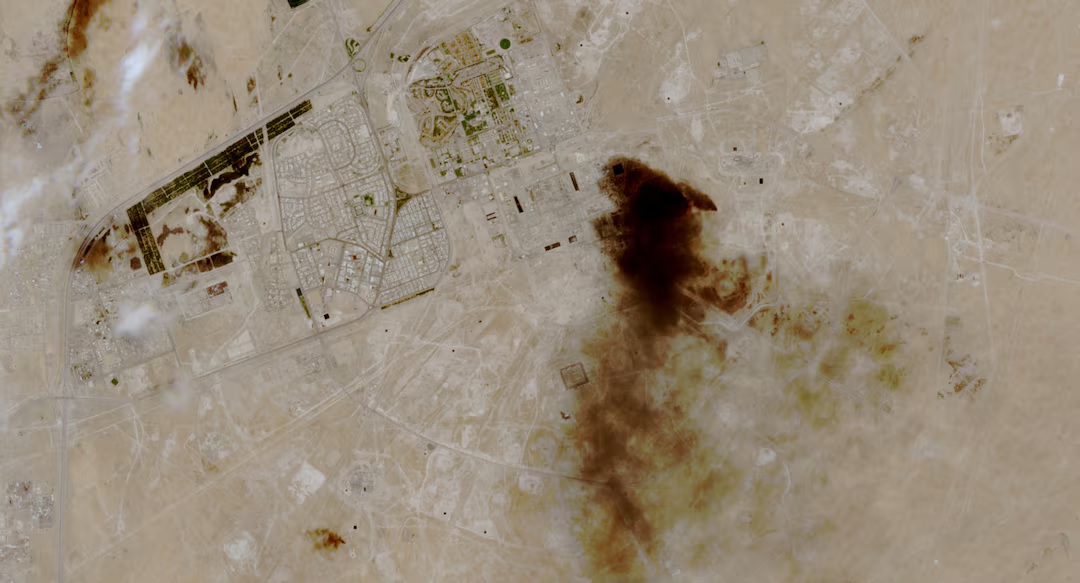
The disruption formed part of a broader impact on Saudi energy infrastructure. On April 9, the Ministry of Energy reported that attacks linked to the ongoing regional conflict had reduced the kingdom’s overall oil production capacity by approximately 600,000 barrels per day. This included losses from both pipeline operations and upstream production facilities.
Production at the offshore Manifa oil field has now been fully restored, recovering approximately 300,000 barrels per day that had been curtailed following the attacks. Meanwhile, restoration work continues at the onshore Khurais oil field, where output had also declined by about 300,000 barrels per day. The ministry stated that a further update on Khurais would be provided once full operational capacity is re-established.
The East-West pipeline has assumed heightened importance in recent months, as Saudi Arabia increased reliance on the route to maintain export volumes during disruptions in the Strait of Hormuz. Prior to the attacks, the pipeline was already operating at or near its maximum capacity of 7 million barrels per day, supporting crude exports through the Red Sea port of Yanbu.
The attacks occurred in early April, shortly after a two-week ceasefire between the United States and Iran was declared on April 9. The strikes targeted multiple energy-related sites, including oil, gas, refining, and electricity infrastructure across Riyadh, the Eastern Province, and Yanbu Industrial City. Saudi authorities reported that the incidents resulted in one fatality during the week of attacks, bringing the total number of civilian deaths in the kingdom to three since the escalation of the regional conflict on February 28.
The Ministry of Energy stated that the rapid restoration of pipeline operations and the Manifa field was achieved through coordinated technical and operational response measures. The recovery supports continuity in both domestic supply and international crude exports.
No additional details regarding the source of the attacks were provided in the April 12 statement.
——— End of Article ———