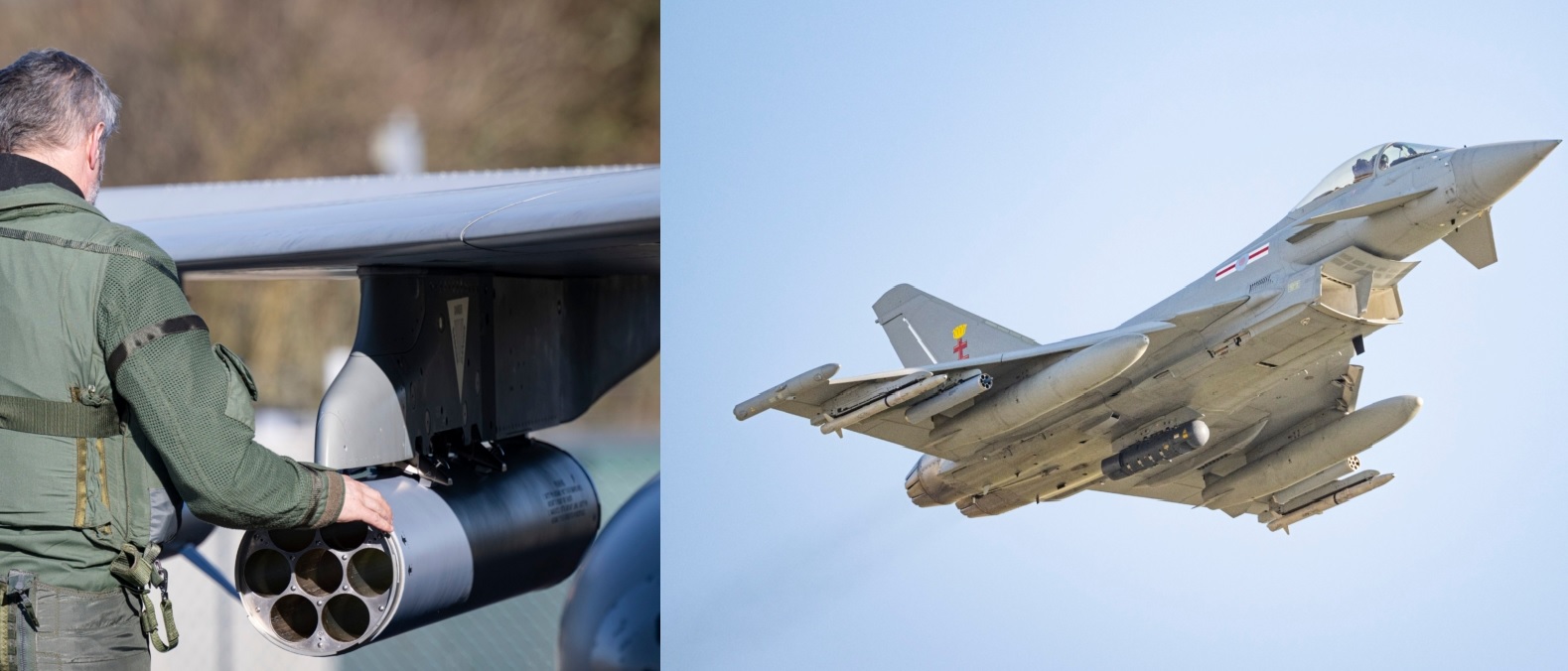
WARTON, Lancashire — April 8, 2026 : BAE Systems has successfully conducted a live-fire test of the AGR-20A Advanced Precision Kill Weapon System (APKWS) from a Eurofighter Typhoon, marking a step in integrating lower-cost precision weapons into the aircraft’s operational framework. The company confirmed the trial on April 8, following the test carried out in March 2026.
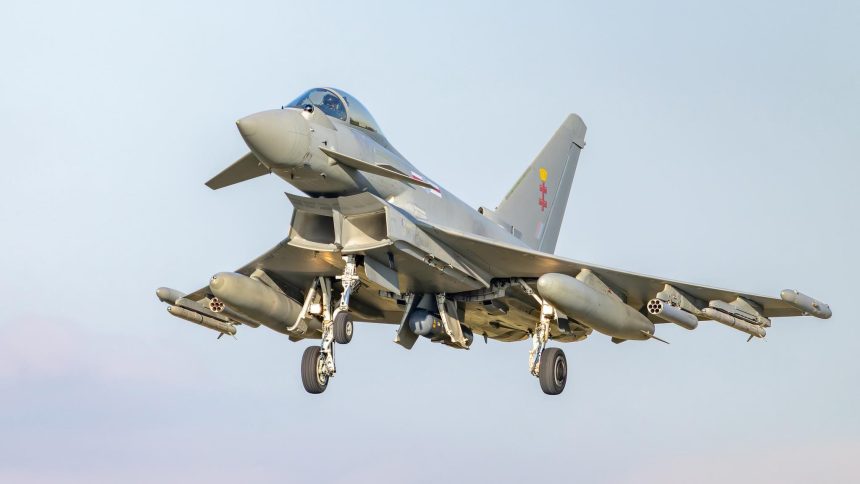
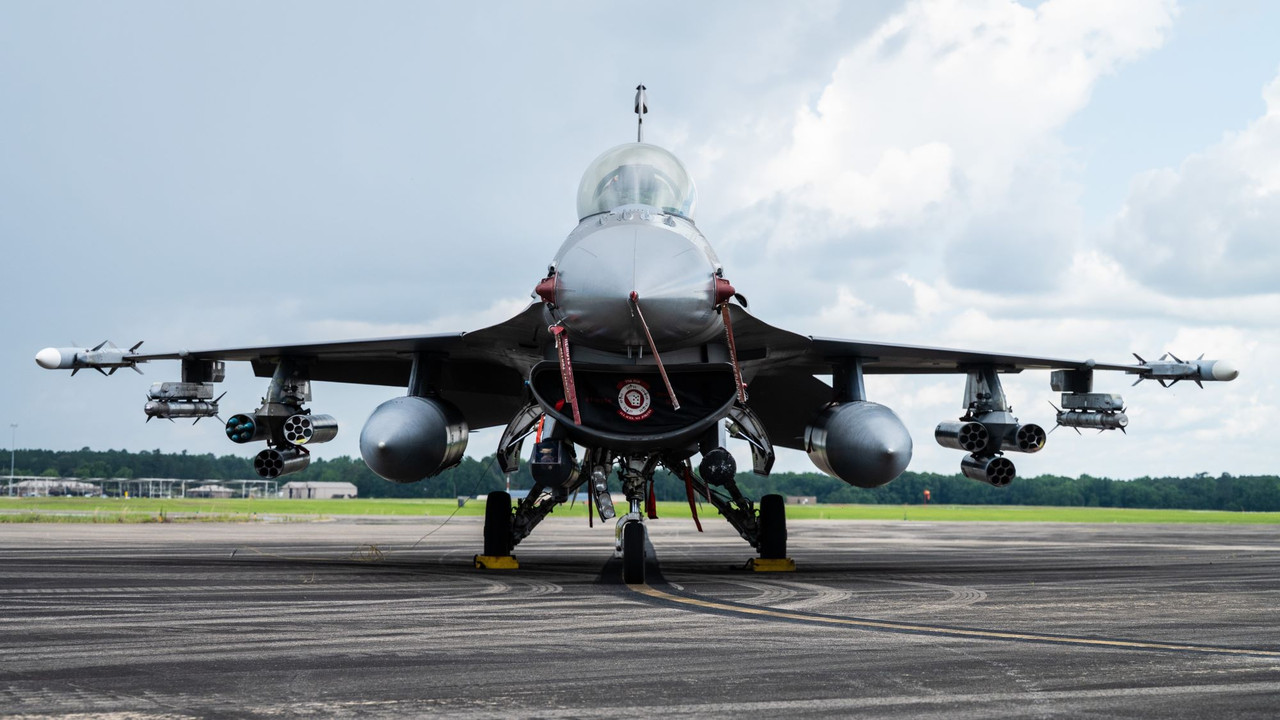
The firing was executed from BAE Systems’ flight test development centre in Warton, Lancashire, using a Royal Air Force (RAF) Typhoon test and evaluation aircraft. During the trial, the APKWS rocket was launched against a ground-based target at a United Kingdom military testing range, achieving a direct hit. The activity was supported by the UK Ministry of Defence and forms part of ongoing efforts to expand the Typhoon’s role in counter-unmanned aircraft system (C-UAS) operations.
BAE Systems stated that the trial demonstrated the ability to deploy the laser-guided rocket from the Typhoon platform without requiring structural modifications to the aircraft or its existing weapon infrastructure.
System Description and Technical Characteristics
The AGR-20A APKWS is a guidance kit developed by BAE Systems that converts unguided Hydra 70 (2.75-inch / 70 mm) rockets into precision-guided munitions. The system incorporates a distributed aperture semi-active laser seeker (DASALS) with folding guidance fins. The guidance unit is inserted between the rocket motor and the warhead, allowing compatibility with existing rocket components.
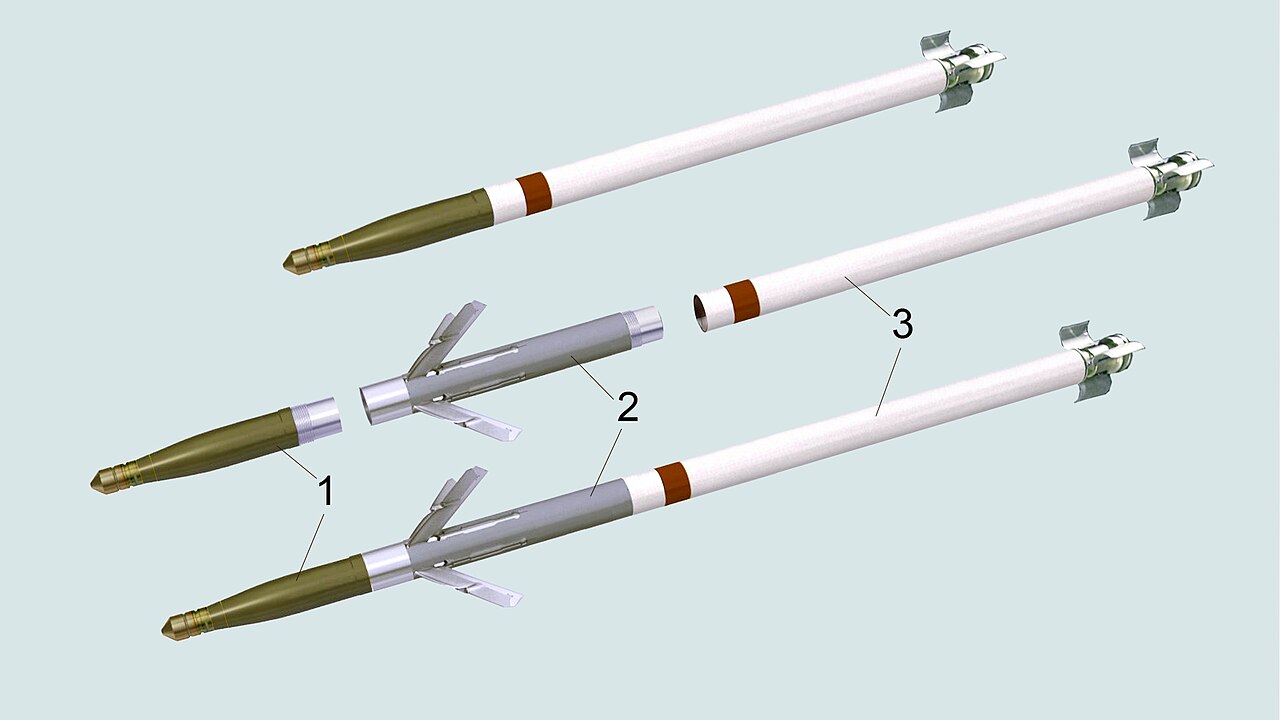
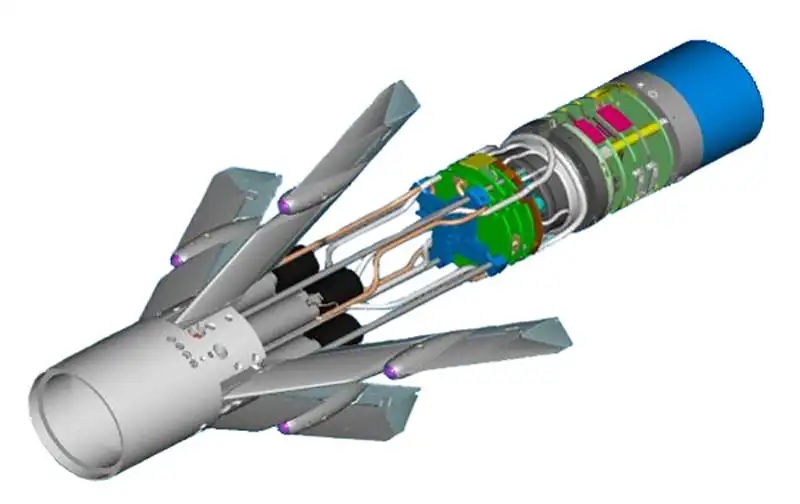
The fixed-wing variant of the APKWS has an overall length of 73.8 inches (1.87 metres), a diameter of 2.75 inches (70 mm), and a total weight of approximately 32 pounds (15 kilograms). It features a wingspan of 9.55 inches (24.3 centimetres) when deployed. The rocket can reach speeds of up to 1,000 metres per second and has an operational range of 2 to 11 kilometres from fixed-wing aircraft, extending beyond 12 kilometres in some configurations.
The system is equipped with a 10-pound high-explosive warhead, such as the M151 or Mk 152, and uses semi-active laser homing for guidance. It is designed to achieve a circular error probable of less than 0.5 metres.
The rocket is typically carried in LAU-131 seven-round launch pods. Imagery from March 2026 showed a Typhoon aircraft at Warton equipped with two such pods, enabling the carriage of multiple rockets alongside other munitions.
Integration Timeline and Operational Context
BAE Systems first disclosed its evaluation of APKWS for the Eurofighter Typhoon during the Defence and Security Equipment International (DSEI) exhibition in London in September 2025. The March 2026 live-fire test occurred approximately seven months after that announcement, indicating a relatively rapid integration timeline.
The company noted that the trial forms part of a broader set of capability enhancements planned for the Typhoon to improve its effectiveness in current and future combat air operations. Data collected during the test will be used to support further integration work on the platform.
Tim Robinson, editor-in-chief of AEROSPACE, described the development pace as an “impressively fast integration for new Typhoon weapon.”
Role in Counter-Unmanned Aircraft Operations
The next phase of testing will focus on engagements against airborne targets. This stage is expected to assess the APKWS system’s suitability for counter-drone missions, particularly its ability to engage moving aerial threats.
The integration of APKWS provides the Typhoon with a lower-cost alternative to existing high-end munitions such as Meteor long-range air-to-air missiles, Storm Shadow cruise missiles, and Brimstone precision strike weapons. The addition of APKWS is intended to address scenarios involving large numbers of small unmanned aerial systems, where the use of more expensive missiles may not be operationally or economically efficient.
Recent conflicts in Ukraine and the Middle East have highlighted the increasing use of small drones and loitering munitions for reconnaissance, strike missions, and saturation attacks. These developments have driven demand for layered and cost-effective air defence solutions capable of sustained operations.
A fighter aircraft equipped with precision-guided rockets such as APKWS could provide rapid-response capabilities for the protection of military bases, infrastructure, and forward-deployed forces against such threats.
Platform Implications
APKWS entered operational service in 2012 with the United States Marine Corps on helicopter platforms and has since been integrated across a range of aircraft, including the AH-1W, UH-1Y, MH-60, AV-8B Harrier, F-16, F-15, A-10 Thunderbolt II, and AH-64 Apache.
The Eurofighter Typhoon is operated by multiple air forces across Europe and the Middle East. Successful completion of the upcoming airborne-target testing phase could expand the adoption of APKWS across these operators, depending on demonstrated performance in the counter-UAS role.
——— End of Article ———