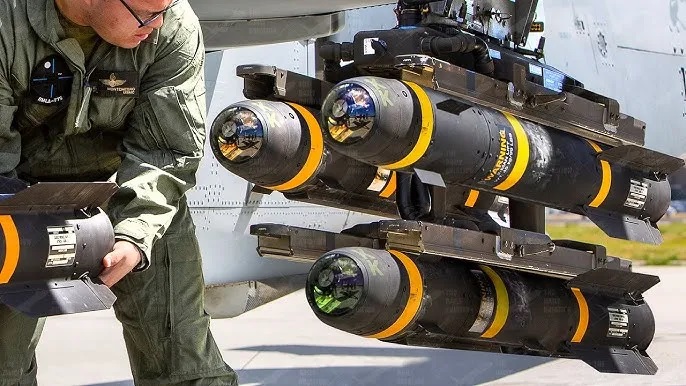
WASHINGTON — April 23, 2026 : The U.S. Department of State has approved a potential Foreign Military Sale (FMS) to the Government of the Netherlands for AGM-114R2 Hellfire missiles and associated support systems, with an estimated total value of $200 million. The Defense Security Cooperation Agency (DSCA) formally notified the U.S. Congress of the proposed transaction on April 22, 2026, initiating the statutory review process required before finalization.
Procurement Details and Cost Structure
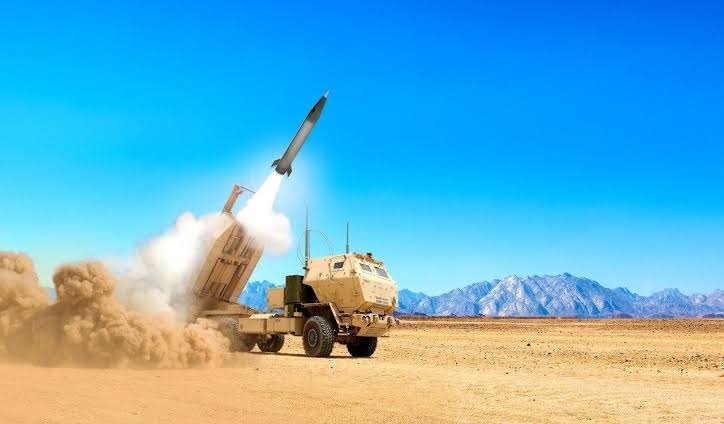
According to the DSCA certification, the Netherlands has requested a total of 530 AGM-114R2 Hellfire missiles. Based on an approximate unit cost of $160,000 per missile, the munitions account for the majority of the overall package value, with remaining funds allocated to support services, integration, and logistics.
The proposed package includes a comprehensive set of non-major defense equipment and technical services intended to ensure operational readiness and sustainment. These provisions cover technical assistance from the U.S. Army Aviation and Missile Command Security Assistance Management Directorate, as well as support from the Tactical Aviation and Ground Munitions Project Office. Additional elements include integration support, non-standard technical publications and documentation related to the Hellfire system, and broader logistics and program support services.
The primary contractor for the procurement will be Lockheed Martin, with work to be carried out at its facility in Orlando, Florida.
Strategic Rationale and NATO Context
U.S. officials stated that the proposed sale is consistent with Washington’s foreign policy and national security objectives, particularly in strengthening the capabilities of allied nations within the NATO framework. The Netherlands is regarded as a key European ally contributing to regional stability and collective defense.
The acquisition is expected to support several operational priorities for the Dutch armed forces. These include modernization of existing munition inventories through the adoption of the AGM-114R2 variant, enhancement of national defense and deterrence capabilities, and improved interoperability with U.S. and NATO forces through the use of standardized weapon systems.
The State Department’s assessment indicates that the proposed transaction will not alter the overall military balance in Europe. It also confirms that fulfilling the order will not negatively affect U.S. defense readiness.
Operational Background and Platform Integration
The Netherlands has operated Hellfire missile systems for more than two decades. The initial acquisition dates back to 1995, when approximately 600 missiles were procured to equip AH-64D Apache helicopters.
The current request focuses on the AGM-114R2 variant, which will be deployed across two primary platforms in Dutch service. These include the Boeing AH-64E Apache and the General Atomics MQ-9A Reaper. Both platforms are configured to employ precision-guided munitions for a range of mission profiles, including close air support and target engagement.
This procurement follows an earlier U.S. approval in early 2024 for a separate $150 million sale of 386 AGM-114R2 missiles to the Netherlands. Officials noted that the country’s long-standing operational experience with the system is expected to facilitate seamless integration of the additional missiles and associated support infrastructure.
Congressional Review Process
The proposed sale remains subject to review by the U.S. Congress, as required under the Foreign Military Sales framework. If no objections are raised during the review period, the transaction will proceed to contract negotiation and implementation, including scheduling of deliveries and associated support services.
——— End of Article ———