WASHINGTON, — April 4, 2026 : The United States has drawn down a substantial portion of its long-range stealth cruise missile inventory during the first month of military operations against Iran under Operation Epic Fury, according to defense officials, congressional briefings, and logistics data reviewed in early April.
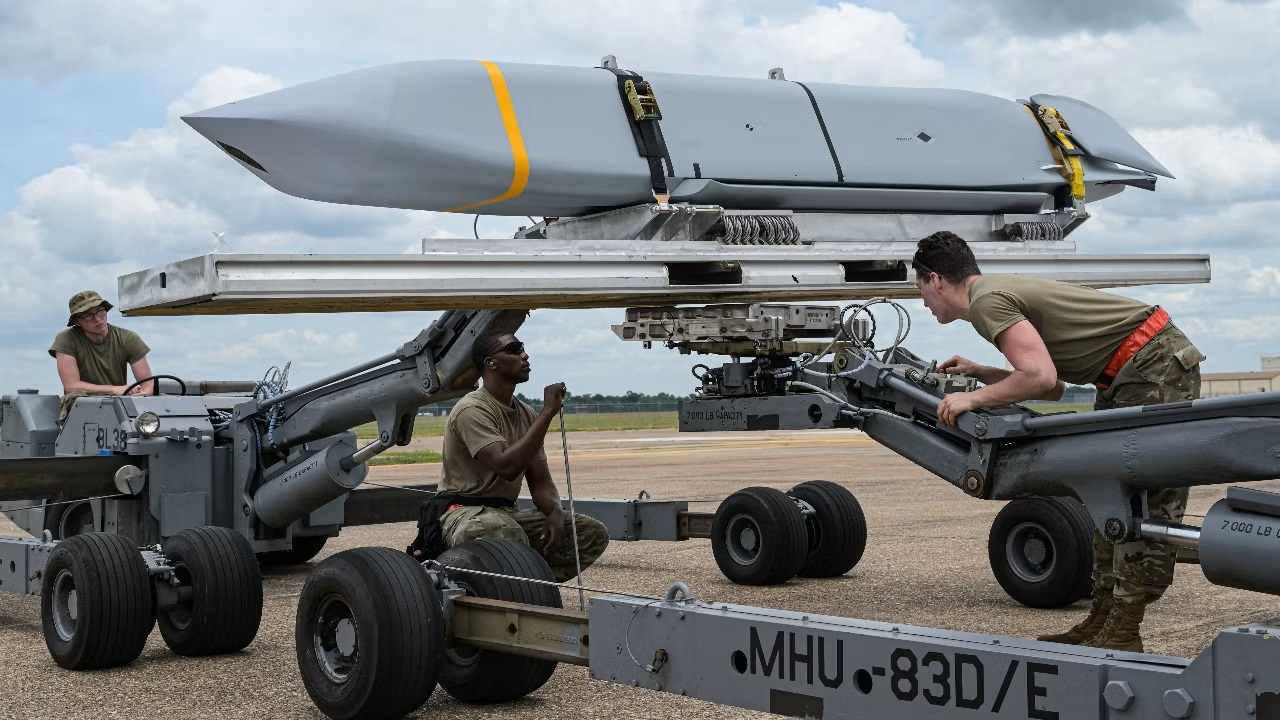
Prewar global inventories of the AGM-158B Joint Air-to-Surface Standoff Missile–Extended Range (JASSM-ER) stood at approximately 2,300 units. Since the start of the campaign on February 28, 2026, U.S. forces have expended more than 1,000 missiles in strikes targeting Iranian air defense systems, ballistic missile infrastructure, command centers, and other hardened military facilities. Current estimates indicate that roughly 425 JASSM-ER missiles remain available worldwide as of April 2026.
High Expenditure Rates Exceed Projections
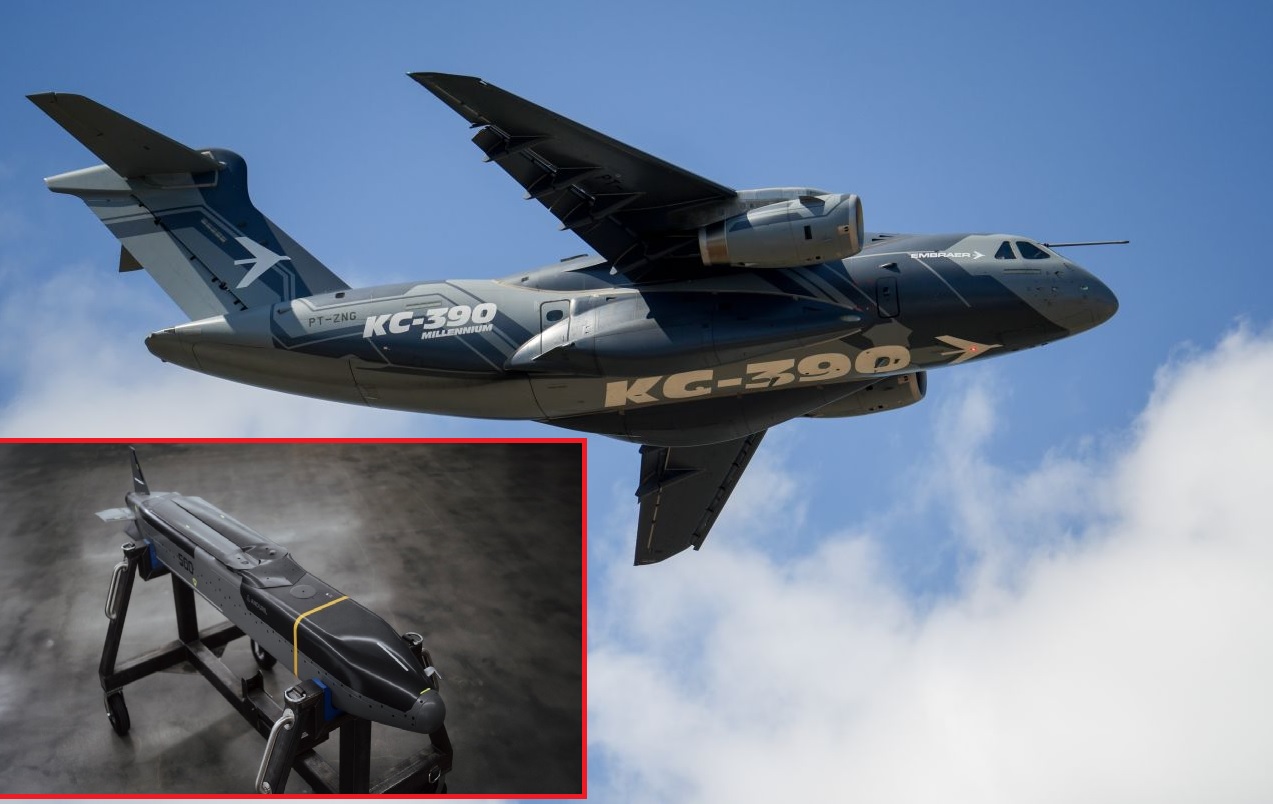
The pace of missile usage in the opening phase of the conflict has exceeded prior Department of Defense planning assumptions. The JASSM-ER has been employed extensively due to its ability to conduct precision strikes from standoff distances exceeding 575 miles (approximately 925 kilometers), allowing U.S. aircraft to operate outside the engagement envelope of Iranian air defense systems.
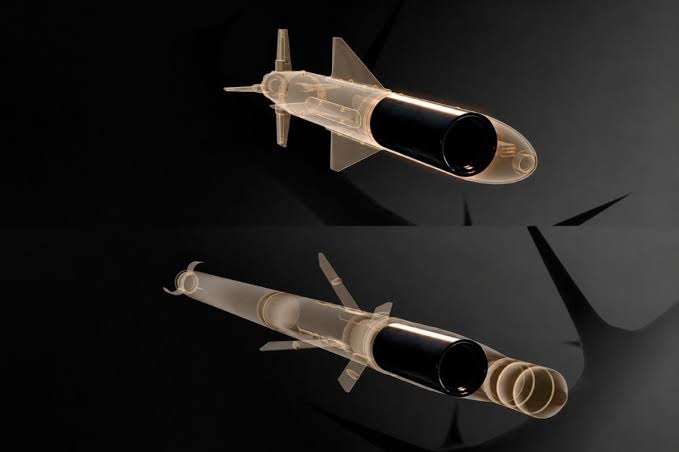
The missile carries a 1,000-pound penetrator warhead and incorporates low-observable design features, making it suitable for targeting fortified and heavily defended sites. It is integrated across multiple U.S. Air Force platforms, including the B-1B Lancer, B-52H Stratofortress, F-15E Strike Eagle, F-16 Fighting Falcon, and F-35 Lightning II.
To sustain operational tempo during the first 30 days of the campaign, the Pentagon reallocated missile stocks originally assigned to other geographic combatant commands, including the Indo-Pacific and European theaters.
Strategic Inventory Pressure
Defense analysts and officials describe the remaining inventory level—approximately 425 missiles—as placing constraints on global operational flexibility. The JASSM-ER is a central component of U.S. long-range strike doctrine, particularly in scenarios involving contested airspace where non-stealth aircraft rely on standoff weapons for survivability.
The drawdown has raised concerns within U.S. Indo-Pacific Command (INDOPACOM), where the missile is considered a key capability for deterrence and contingency planning against near-peer adversaries. Reduced availability limits immediate response capacity in the event of a concurrent or follow-on crisis.
Production Capacity and Industrial Constraints
Replenishment of expended missiles is expected to take multiple years under current industrial conditions. Manufacturer Lockheed Martin has been increasing production output, with annual production of JASSM-family missiles estimated at approximately 720 units, and plans to scale toward around 1,100 units per year.
Earlier estimates from late 2025 placed production capacity at 500 to 600 units annually, indicating ongoing expansion efforts. However, several constraints continue to affect rapid replenishment:
-
Component Lead Times: Critical elements such as turbofan engines supplied by Teledyne and stealth-integrated airframe components require extended manufacturing timelines.
-
Shared Production Lines: The JASSM-ER is produced alongside the Long Range Anti-Ship Missile (LRASM), which uses the same industrial infrastructure and remains a priority for maritime operations in the Indo-Pacific.
-
Industrial Base Limits: Even under surge production conditions, replacing more than 1,000 expended missiles within a short timeframe is not feasible.
Current estimates suggest a recovery timeline of approximately three to five years to restore prewar inventory levels, depending on funding, supply chain performance, and production expansion.
Increased Reliance on Alternative Munitions
To offset reduced availability of JASSM-ER missiles, U.S. forces have increased the use of alternative long-range strike systems, particularly the Tomahawk Land Attack Missile (TLAM). Reports indicate that more than 850 Tomahawk missiles have also been launched during the early weeks of the Iran campaign.
While the Tomahawk provides long-range precision strike capability, it lacks the same level of stealth characteristics as the JASSM-ER, which can affect survivability in highly contested air defense environments.
Budgetary and Industrial Response
The Pentagon has not publicly confirmed exact inventory figures, citing operational security considerations. However, recent budget submissions and supplemental appropriations include funding for “munitions facilitization,” aimed at expanding production infrastructure, including facilities in Alabama and Florida.
Congress has approved additional funding measures to accelerate procurement of precision-guided munitions, including the JASSM-ER and related systems, as part of broader efforts to strengthen the U.S. defense industrial base.
Broader Implications
The current drawdown reflects longstanding assessments within defense policy circles that U.S. stockpiles of precision-guided munitions were structured for shorter-duration, high-intensity conflicts rather than sustained campaigns. The consumption rates observed during the first month of Operation Epic Fury highlight the scale of munitions demand in operations against layered and resilient air defense networks.
U.S. Central Command continues strike operations using a mix of available munitions, including shorter-range precision weapons where operationally appropriate. No official changes to targeting strategy or operational tempo have been announced as of early April 2026.
Further details regarding inventory levels, production scaling, and long-term replenishment plans are expected to be addressed in upcoming congressional hearings focused on defense industrial readiness and munitions supply.
——— End of Article ———