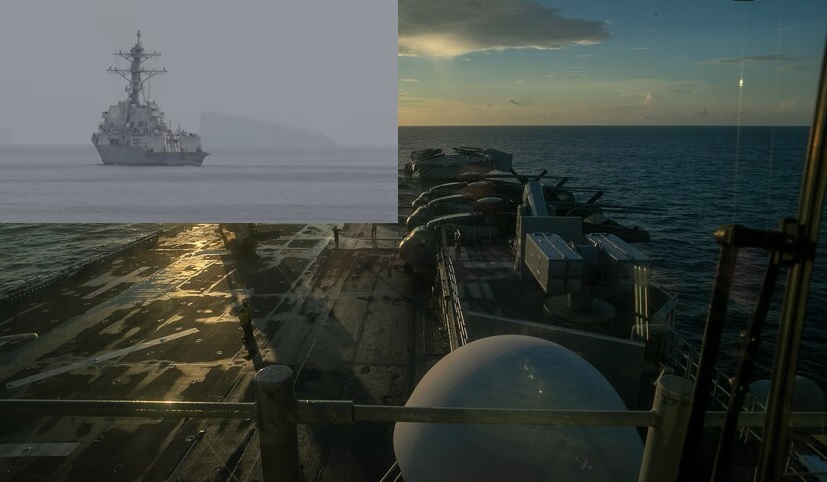
TAMPA, Fla., — April 11, 2026 : U.S. Central Command (CENTCOM) has initiated a mine clearance mission in the Strait of Hormuz, deploying naval forces to restore safe passage through one of the world’s most critical maritime trade routes.
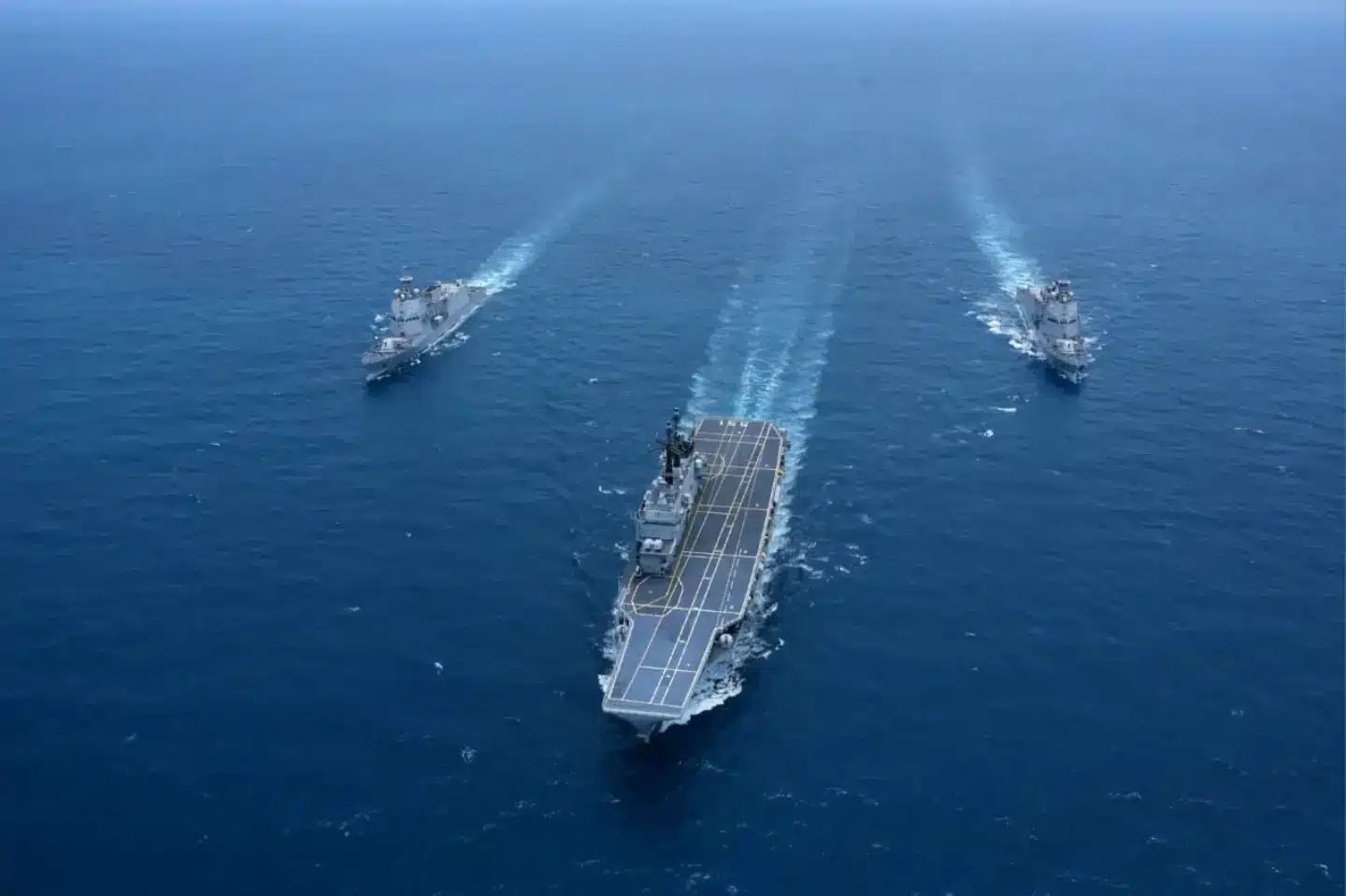
The operation commenced on April 11 with the transit of two U.S. Navy guided-missile destroyers, USS Frank E. Petersen Jr. (DDG 121) and USS Michael Murphy (DDG 112), through the strait into the Arabian Gulf. The deployment marks the initial phase of a broader effort to remove naval mines previously laid by Iran’s Islamic Revolutionary Guard Corps (IRGC), which had effectively halted commercial shipping in the waterway over recent weeks.
Initial Naval Deployment and Capabilities
Both destroyers are part of the Arleigh Burke-class and are equipped with the Aegis combat system, enabling multi-domain operations including air, surface, and undersea warfare. USS Frank E. Petersen Jr., a Flight IIA Technology Insertion variant commissioned in 2022 and homeported at Joint Base Pearl Harbor-Hickam, has recently conducted live-fire exercises and replenishment-at-sea operations within the CENTCOM area of responsibility. USS Michael Murphy, the final Flight IIA variant, is also based in Pearl Harbor and has completed multiple deployments to the U.S. Fifth Fleet region.
U.S. officials described the transit of the two warships as a freedom-of-navigation mission, representing the first uncoordinated U.S. naval crossing of the strait since the escalation of hostilities in late February 2026. Iranian state television subsequently broadcast a denial from a senior military official regarding the transit, although maritime tracking data confirmed the presence of both vessels in the area.
Mine Clearance Operations and Planned Reinforcements
According to CENTCOM, the operation is focused on establishing a secure maritime corridor for commercial shipping. Admiral Brad Cooper, commander of CENTCOM, stated that forces have begun creating a new safe passage that will be shared with the maritime industry to restore the flow of commerce.
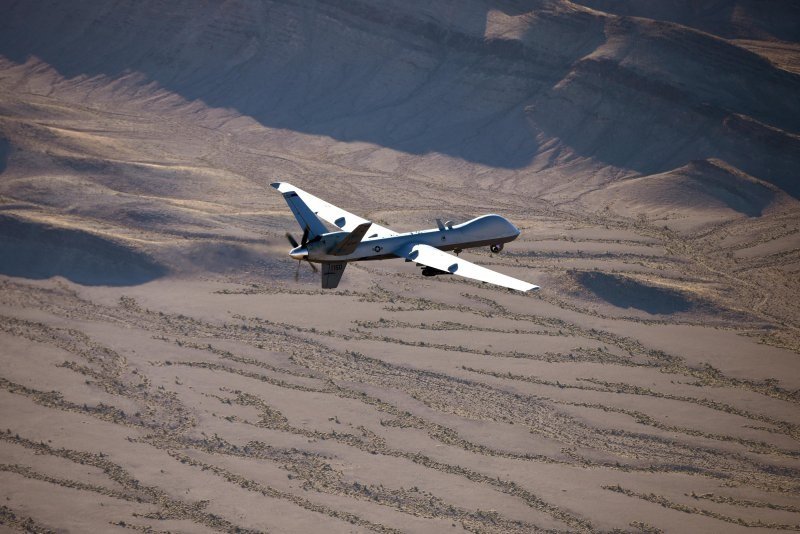
Additional U.S. naval assets, including specialized unmanned underwater vehicles, are scheduled to join the mission in the coming days. These systems are designed to detect and neutralize mines using sonar and can operate at depths reaching several thousand feet. The U.S. Navy’s mine countermeasure capabilities also include integration with littoral combat ships and other platforms configured for mine-hunting operations.
Military officials indicated that the mines were deployed by the IRGC using small boats, submarines, and other maritime assets. The deployment methods included unrecorded placement patterns and drifting configurations, increasing the complexity of detection and clearance. Iran’s inventory is assessed to include moored buoyant mines such as the Mahan-3 and bottom influence mines from the Maham series, which are triggered by acoustic, magnetic, or pressure signatures.
No official timeline has been released for the completion of the clearance effort, and U.S. authorities have not disclosed the number of mines identified or neutralized during the initial phase.
Strategic Importance of the Strait
The Strait of Hormuz serves as a vital international sea lane, facilitating approximately 20 percent of global oil trade. The recent disruption to shipping has affected energy markets and supply chains, underscoring the strategic importance of reopening the corridor. U.S. officials have stated that ensuring uninterrupted maritime traffic through the strait remains a primary operational objective.
Diplomatic Context in Islamabad
The mine clearance mission is taking place alongside ongoing diplomatic efforts in Islamabad, where U.S. and Iranian officials are engaged in high-level negotiations. These talks represent the first direct engagement between the two countries since the outbreak of conflict in late February 2026.
The U.S. delegation is led by Vice President JD Vance, while Iran is represented by Parliament Speaker Mohammad Bagher Ghalibaf and Foreign Minister Abbas Araghchi.
Statements from Washington
President Donald Trump addressed the operation on April 11, stating that U.S. forces had begun clearing the Strait of Hormuz to support global commerce. He also commented on the condition of Iran’s naval capabilities, asserting that the IRGC no longer retains the capacity to deploy additional naval mines following earlier U.S. strikes that reportedly destroyed its fleet of mine-laying vessels.
Ongoing Mission
CENTCOM officials emphasized that the current deployment of destroyers represents the preparatory phase of a larger operation aimed at fully restoring safe navigation in the region. The integration of additional assets, including unmanned systems and specialized mine countermeasure platforms, is expected to expand in the coming days as the clearance effort progresses.
——— End of Article ———