WASHINGTON — April 24, 2026 : The United States military is actively preparing contingency plans for potential strikes against Iranian targets across the Strait of Hormuz, the southern Persian Gulf, and the Gulf of Oman if the current ceasefire agreement with Iran collapses, according to multiple officials familiar with the planning.
The proposed actions are being developed as part of a potential second phase of Operation Epic Fury, a U.S. Central Command-led campaign launched in late February 2026. The operation’s initial phase involved 38 days of sustained combat that significantly degraded Iran's conventional military infrastructure, including air defense systems and elements of its defense industrial base. U.S. assessments indicate that approximately 80% of Iran’s air defense network was destroyed during this period.
Operational Focus on Maritime Access
Planning for a second phase centers on ensuring the reopening and sustained security of the Strait of Hormuz, a strategic waterway through which roughly one-fifth of global oil shipments pass. The strait was effectively closed by Iran during earlier stages of the conflict, contributing to disruptions in global energy markets and shipping.
The current ceasefire, which took effect around April 7–8, 2026, remains conditional and limited in scope. While Iran has coordinated vessel passage during the pause, U.S. officials assess that Tehran has simultaneously repositioned surviving military assets within the region.
Dynamic Targeting Framework
Pentagon planning emphasizes a “dynamic targeting” approach aimed at Iranian capabilities that could threaten maritime transit. These include assets associated with Iran’s anti-access/area-denial (A2/AD) strategy, particularly within confined and contested waters.
Primary targets under consideration include:
-
Networks of small, high-speed attack boats operated by the Islamic Revolutionary Guard Corps, often described as a “mosquito fleet”
-
Mine-laying vessels and midget submarines capable of disrupting shipping lanes
-
Mobile coastal defense systems, including anti-ship cruise missile launchers
-
One-way attack drones launched from fortified cave and tunnel complexes along the coastline
U.S. intelligence assessments indicate that a substantial number of Iranian missile launchers and drone systems survived the initial phase of operations. In addition, clearance of naval mines in the strait could require up to six months, complicating efforts to fully restore secure passage.
Military planners are also maintaining broader options that include potential strikes on Iranian energy infrastructure and the targeting of senior military personnel involved in coordinating maritime disruption activities.
Force Posture and Airpower Deployment
To support these objectives, the U.S. Department of Defense has deployed a range of combat aircraft and support systems to forward bases in the Middle East, including Al Dhafra Air Base in the United Arab Emirates and Prince Sultan Air Base in Saudi Arabia.
The deployed assets include:
-
12 F/A-18C/D Hornets assigned to the U.S. Marine Corps’ Marine Fighter Attack Squadron 312 (VMFA-312), known as the Checkerboards. These aircraft transited through Lajes Field in the Azores with aerial refueling support from KC-46A Pegasus tankers.
-
Approximately 30 A-10C+ Thunderbolt II aircraft drawn from the 74th and 75th Fighter Squadrons at Moody Air Force Base, Georgia; the 107th Fighter Squadron at Selfridge Air National Guard Base, Michigan; and the 190th Fighter Squadron at Gowen Field Air National Guard Base, Idaho.
-
Six AC-130J Ghostrider gunships configured for precision strike and close air support missions.
-
Multiple uncrewed aerial systems tasked with intelligence, surveillance, reconnaissance, and strike roles.
The composition of these forces indicates a focus on close air support and maritime interdiction operations rather than deep-strike strategic bombing. The A-10C+ aircraft and AC-130J gunships are particularly suited for engaging fast-moving, dispersed targets such as small boats and mobile launch platforms.
Potential Ground and Maritime Operations
Most of the deployed aircraft are tasked with supporting U.S. Navy and Marine Corps units in potential operational scenarios that could include direct engagement with Iranian coastal defenses. This may involve neutralizing missile batteries positioned along the shoreline or conducting operations to secure Iranian-held islands that overlook critical shipping lanes in the strait.
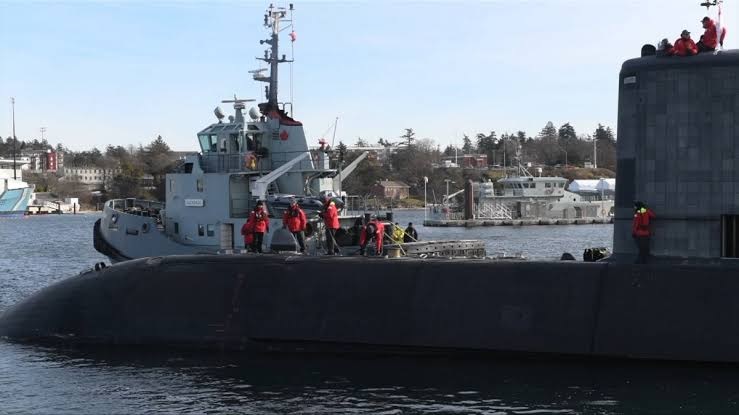
U.S. Navy forces continue to enforce a blockade of Iranian ports, conducting vessel redirection and selective boarding operations as part of ongoing maritime security measures.
Strategic Context and Outlook
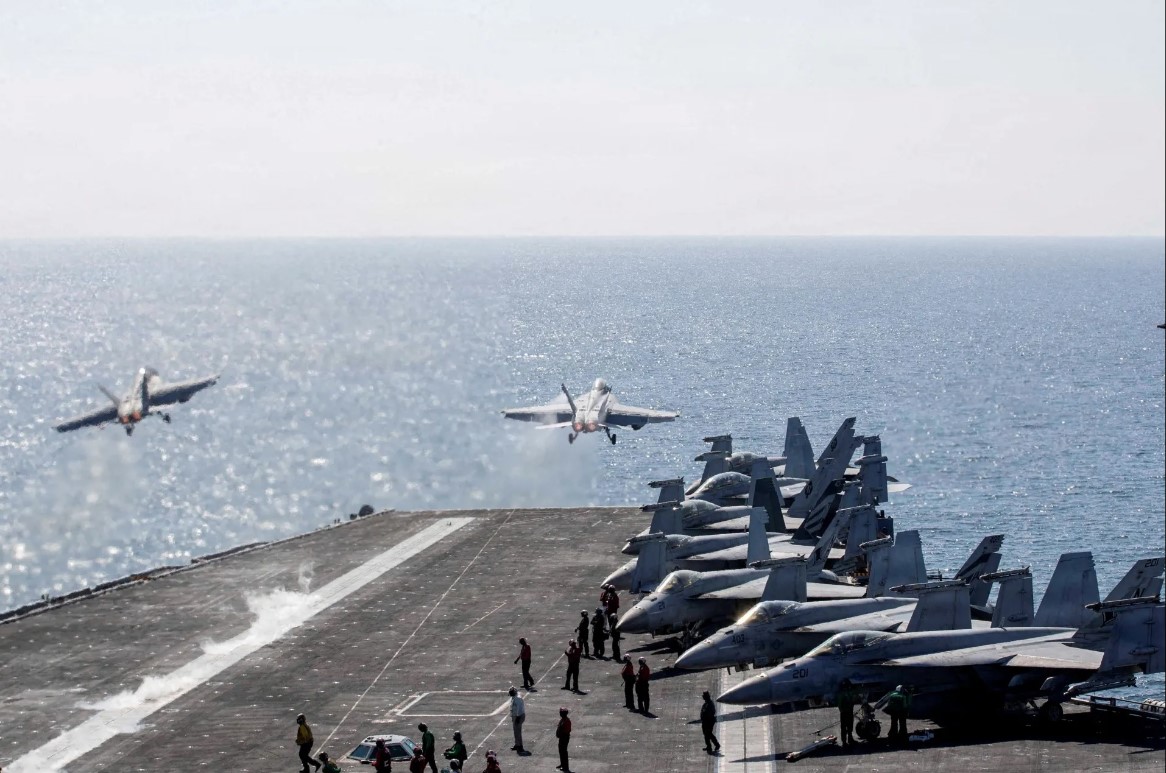
The U.S. military buildup in the region, which includes carrier strike groups and additional air assets, is part of a broader reinforcement effort that began in January 2026 within the U.S. Central Command area of responsibility.
Pentagon officials have declined to comment on specific operational timelines or detailed strike plans, stating that all options remain available to the President. The current posture reflects a transition from initial large-scale conventional operations to a readiness framework focused on rapid re-engagement if the ceasefire breaks down.
No formal decision on initiating a second phase of operations has been announced.
——— End of Article ———