MIAMI, — April 22, 2026 : The U.S. Southern Command (SOUTHCOM) has announced the establishment of a new operational unit, the SOUTHCOM Autonomous Warfare Command (SAWC), aimed at integrating autonomous, semi-autonomous, and unmanned systems into military operations across Latin America and the Caribbean.
The initiative, directed by SOUTHCOM Commander Francis L. Donovan, was confirmed in an official press release issued on April 21. The command is intended to connect tactical-level missions with broader strategic objectives, enhancing U.S. operational capabilities across land, sea, air, space, and cyber domains.
Strategic Framework and Operational Scope
According to SOUTHCOM, SAWC has been structured to support the national security priorities of the current U.S. administration and align with the Department of War’s National Defense Strategy. The command will operate in coordination with regional allies and partners, focusing on two primary mission areas: countering illicit networks and improving crisis response capabilities.
The counter-illicit mission will target narcoterrorist organizations and transnational cartel operations, with an emphasis on disruption and degradation. In parallel, the crisis response mission will strengthen the command’s ability to respond to large-scale natural disasters and other life-threatening emergencies across the region.
Donovan stated that the command will employ advanced technologies to extend operational reach and coordination. He emphasized that SOUTHCOM intends to utilize capabilities “from the seafloor to space and across the cyber domain,” supported by collaboration with regional partners.
SOUTHCOM’s area of responsibility includes South America, Central America, and the Caribbean. Donovan noted that the region’s diverse geography and operational conditions provide an environment suitable for testing and deploying emerging technologies, while also highlighting the readiness of partner nations to adopt new systems.
Integration with Defense Autonomous Warfare Group
The timeline for SAWC to achieve full operational capability has not been disclosed. In preparation, SOUTHCOM is working with U.S. military services and the Department of War’s Defense Autonomous Warfare Group (DAWG) to identify the technical architecture, expertise, and systems required for implementation.
DAWG has emerged as a central component of broader Pentagon restructuring related to unmanned and autonomous warfare systems. The organization replaced earlier initiatives, including the Biden-era Replicator program, and is associated with a proposed $55 billion research and development funding request for Fiscal Year 2027. The funding is intended to accelerate the development and deployment of collaborative autonomous systems and unmanned platforms across the U.S. military.
Expanding U.S. Military Posture in the Region
The establishment of SAWC reflects a broader pattern of increased U.S. military activity and organizational changes in the Western Hemisphere over the past year.
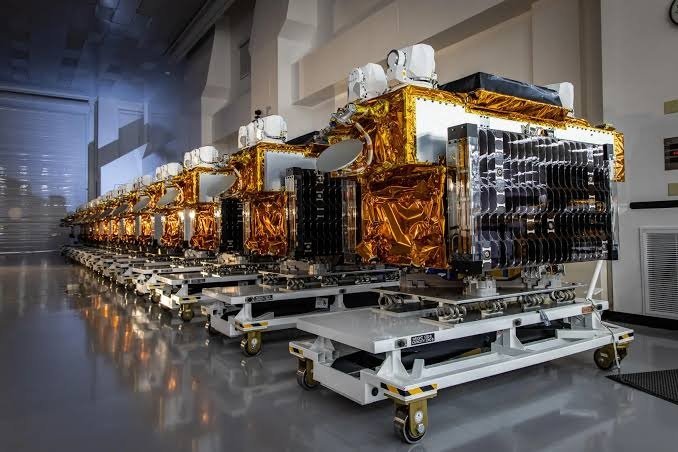
In January 2026, the U.S. Space Force activated its regional component, Space Forces Southern, to oversee space-based capabilities in the region. The unit became operationally effective on December 1, 2025, and is responsible for integrating satellite communications, navigation, and surveillance support.
Recent operations have also highlighted expanded coordination between combatant commands and space-based assets. The U.S. Space Command provided critical satellite communications, navigation, and positioning support during a high-risk operation that resulted in the capture of Venezuelan leader Nicolás Maduro.
Leadership changes have accompanied these developments. Donovan assumed command of SOUTHCOM on February 5, 2026, succeeding Navy Adm. Alvin Holsey, who retired following scrutiny over Operation Southern Spear. That operation involved strikes on suspected drug-smuggling vessels and drew attention for its scope and operational impact in the region.
Emphasis on Autonomous Systems and AI Integration
In his March 2026 posture statement to lawmakers on Capitol Hill, Donovan outlined a shift in SOUTHCOM’s operational approach toward greater reliance on emerging technologies. He identified unmanned platforms, artificial intelligence, and commercial tools as key enablers for future missions.
Donovan stated that integrating human-machine teaming would be essential to increasing operational effectiveness, including improvements in lethality, situational awareness across multiple domains, and data-sharing capabilities among U.S. and partner forces.
He also emphasized the need to develop cost-effective and modernized force structures tailored to SOUTHCOM’s mission requirements, with a focus on scalable autonomous systems.
Command Role and Future Outlook
SOUTHCOM is one of the United States’ six geographically focused unified combatant commands and is responsible for defense cooperation and military operations across the Caribbean, Central America, and South America.
The creation of SAWC represents a continuation of efforts to incorporate advanced technologies into regional operations while strengthening partnerships with allied nations. Although a specific operational timeline has not been announced, ongoing coordination with DAWG and military services indicates that planning and capability development are currently underway.
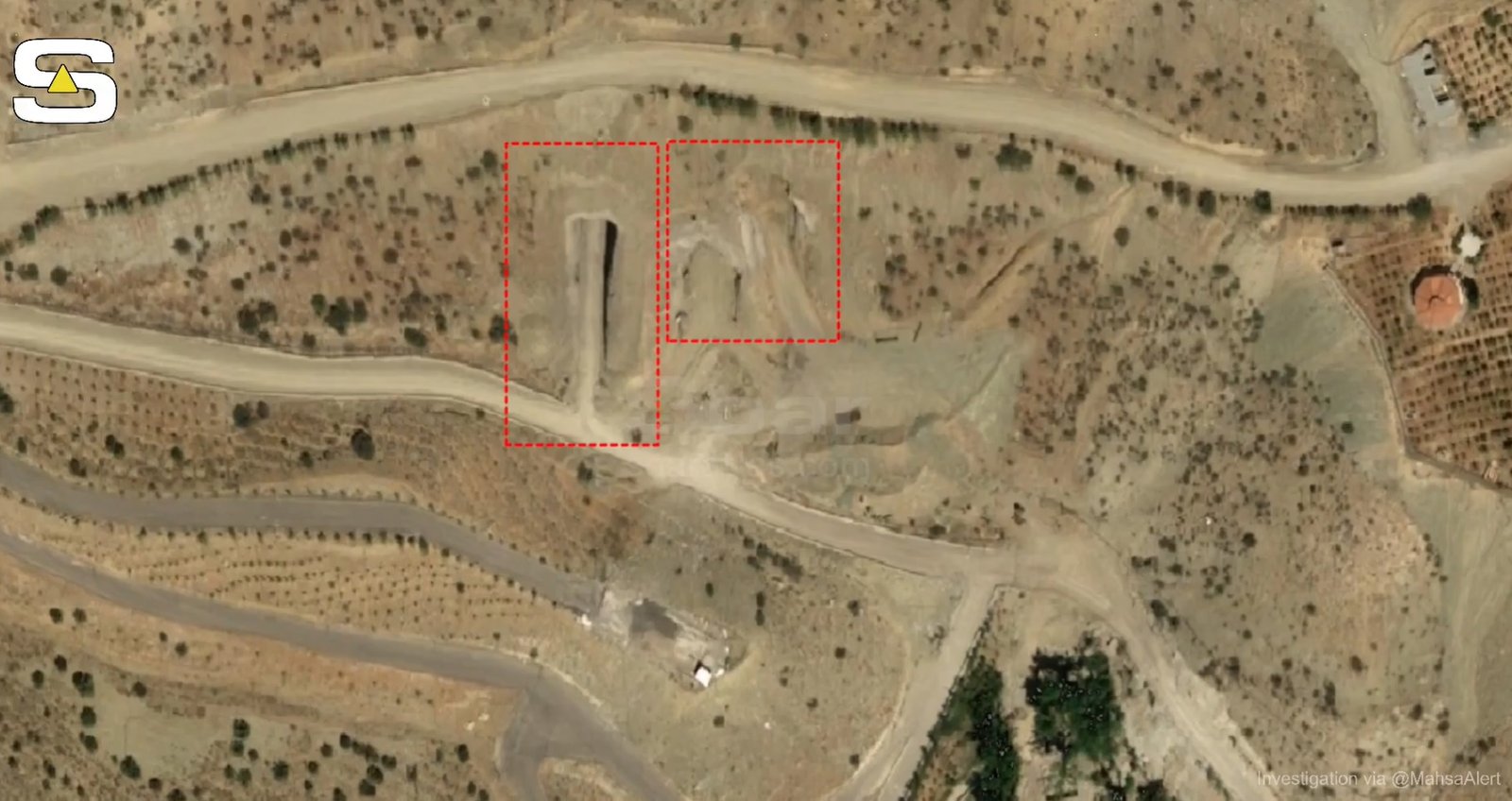
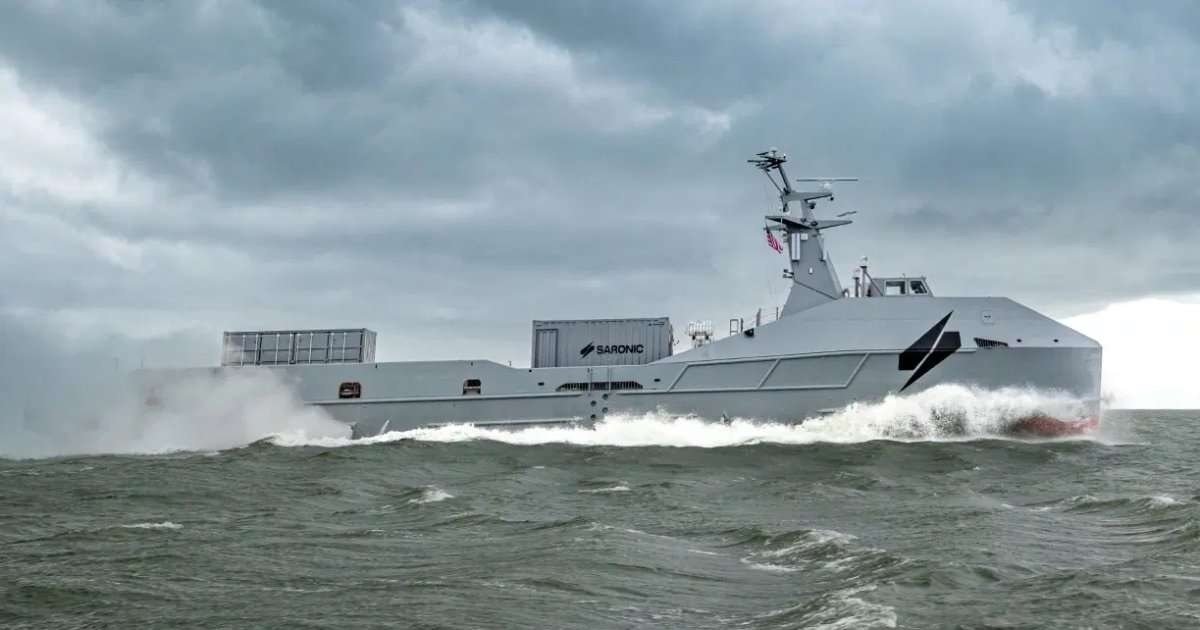
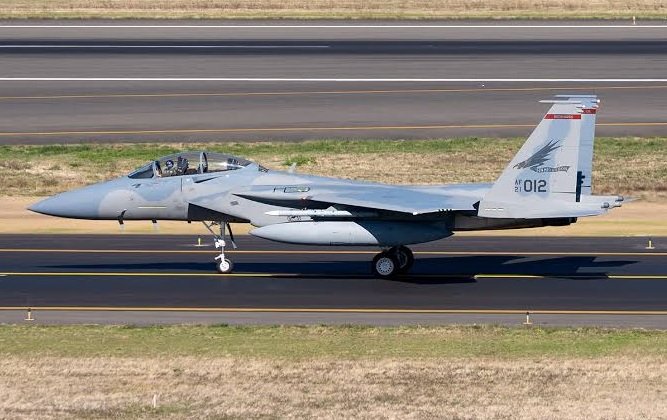
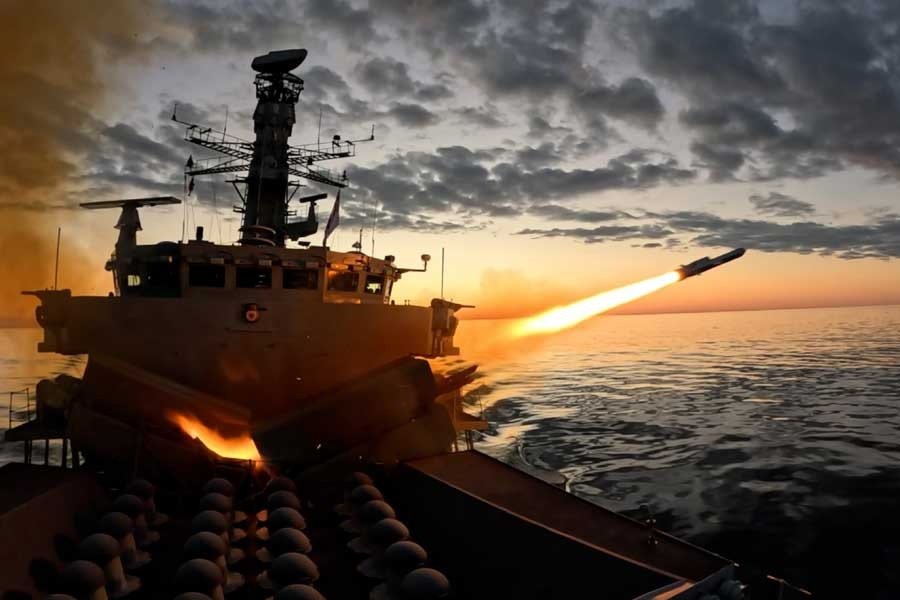
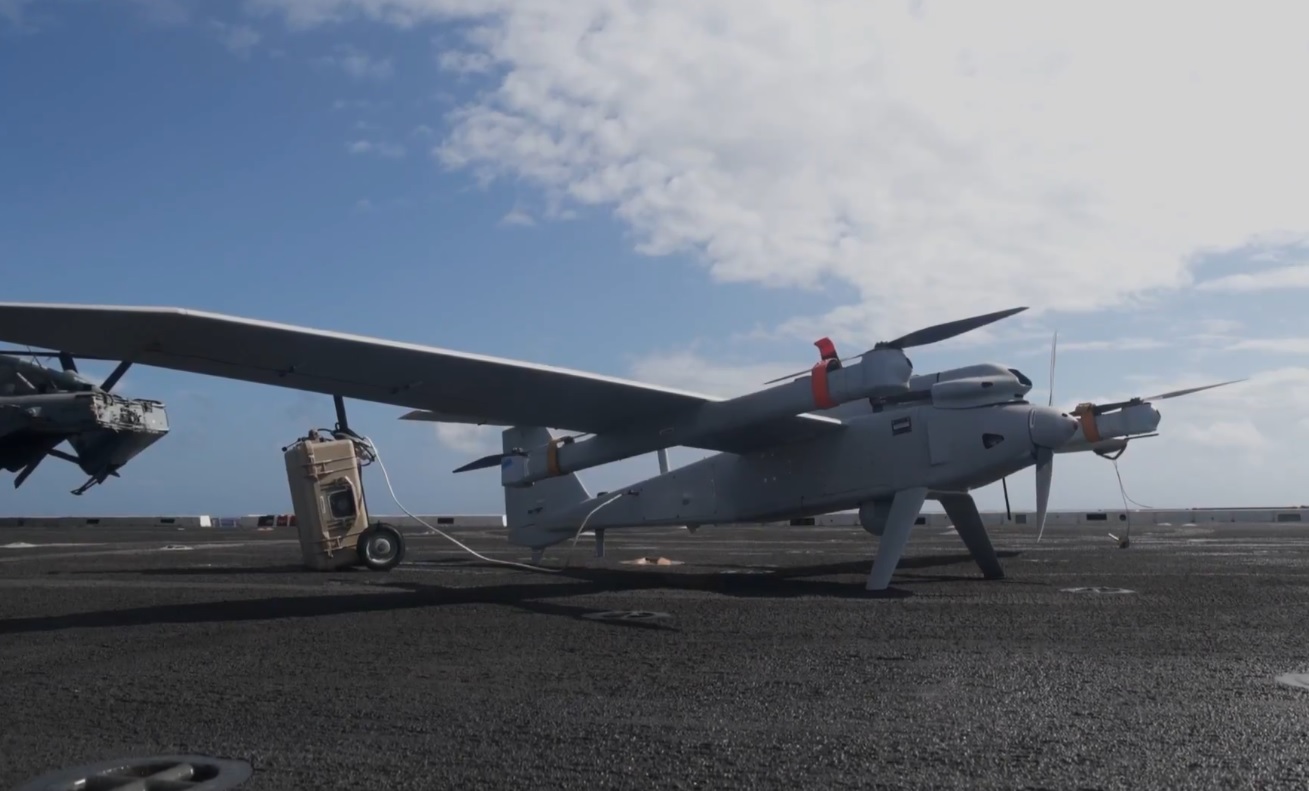
The April 21 announcement was accompanied by a video presentation showcasing unmanned and autonomous systems supporting SOUTHCOM missions, illustrating the range of technologies expected to be integrated under the new command structure.
——— End of Article ———