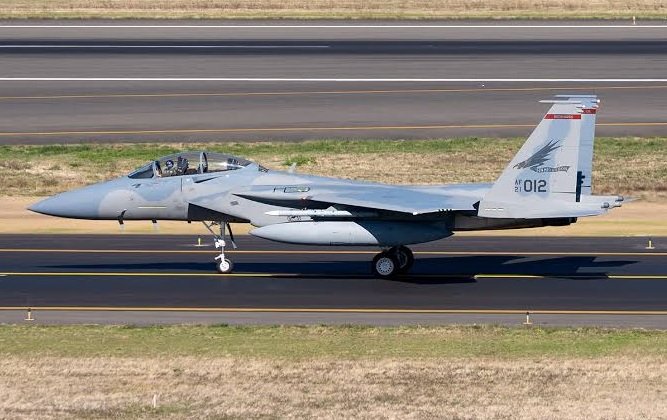
LIMA / GREENVILLE, S.C., — April 26, 2026 : The Government of Peru has formally confirmed the acquisition of 12 F-16 Block 70 fighter aircraft from Lockheed Martin, marking a significant step in the modernization of the Peruvian Air Force (FAP). The program is aimed at replacing aging combat platforms and strengthening national air defense capabilities.
The aircraft will be manufactured at Lockheed Martin’s production facility in Greenville. With this purchase, Peru will become the 30th country to operate the F-16 platform, which currently has a global fleet of more than 2,800 aircraft in service.
Program Structure and Financial Details
A technical signing between authorized parties was completed on April 20, 2026, followed by an initial payment of $462 million on April 22. The total value of the initial tranche is estimated at approximately $3.42 billion. The package includes not only the aircraft but also a comprehensive set of weapons, pilot training, logistics support, and long-term sustainment services.
The agreement also includes an option for a second batch of 12 additional aircraft, which could expand the fleet to a total of 24 fighters. The first tranche will consist of 10 single-seat F-16C aircraft and two twin-seat F-16D variants intended for training and operational flexibility.
No official delivery timeline has been disclosed, and the program remains subject to standard U.S. government approval procedures and congressional notification requirements.
Fleet Modernization and Replacement Strategy
The acquisition is part of a broader effort by Peru to modernize its air combat capabilities. The Peruvian Air Force currently operates aging Soviet-era MiG-29 fighters and French-built Mirage 2000 aircraft, both of which have faced increasing maintenance and operational challenges.
The F-16 Block 70 was selected after evaluation against competing platforms, including the Swedish JAS 39 Gripen and the French Dassault Rafale. The decision reflects a focus on interoperability, lifecycle cost efficiency, and operational capability within a widely used and supported platform.
Technical Capabilities of the F-16 Block 70
The F-16 Block 70 represents the most advanced configuration of the aircraft to date and incorporates several upgrades designed to enhance mission effectiveness and pilot safety.
Key features include the APG-83 Scalable Agile Beam Radar (SABR), an Active Electronically Scanned Array (AESA) system that provides improved targeting accuracy and all-weather operational capability. The aircraft is also equipped with the Automatic Ground Collision Avoidance System (Auto GCAS), which has been designed to reduce incidents of controlled flight into terrain.
The platform offers a structural service life of up to 12,000 flight hours, enabling extended operational use over several decades. Additional capabilities include conformal fuel tanks that increase range and endurance without significantly affecting aerodynamic performance, as well as advanced avionics that improve pilot situational awareness.
Strategic and Industrial Cooperation
Lockheed Martin described the agreement as a continuation of long-standing defense cooperation between Peru and the United States. The program includes provisions for industrial collaboration, supporting both operational readiness and economic engagement between the two countries.
Mike Shoemaker, Vice President of the Integrated Fighter Group at Lockheed Martin, stated that the selection of the F-16 reflects its operational track record and adaptability to modern defense requirements. He noted that the program would contribute to Peru’s national security while reinforcing bilateral ties and supporting economic activity within the defense industrial base.
Political Context and Decision Process
The finalized acquisition follows a period of domestic political debate in Lima regarding defense spending priorities. Interim President José María Balcázar had initially proposed postponing the purchase until the next administration takes office in July.
The proposal led to the resignations of Defense Minister Carlos Diaz and Foreign Minister Hugo de Zela, both of whom opposed delaying the procurement on national security grounds. Following internal review, the interim government reversed its position and proceeded with the acquisition, citing the urgency of maintaining air defense readiness and continuity.
The purchase will be financed through domestic borrowing, reflecting the government’s decision to prioritize military modernization amid evolving regional security considerations.
Operational Impact
The introduction of the F-16 Block 70 is expected to significantly enhance Peru’s ability to monitor and secure its airspace. The platform’s interoperability with allied forces also positions the country to participate more effectively in joint operations and regional security initiatives.
Lockheed Martin characterized the agreement as a major milestone in the transformation of the Peruvian Air Force, with long-term implications for operational capability, training, and defense cooperation.
——— End of Article ———