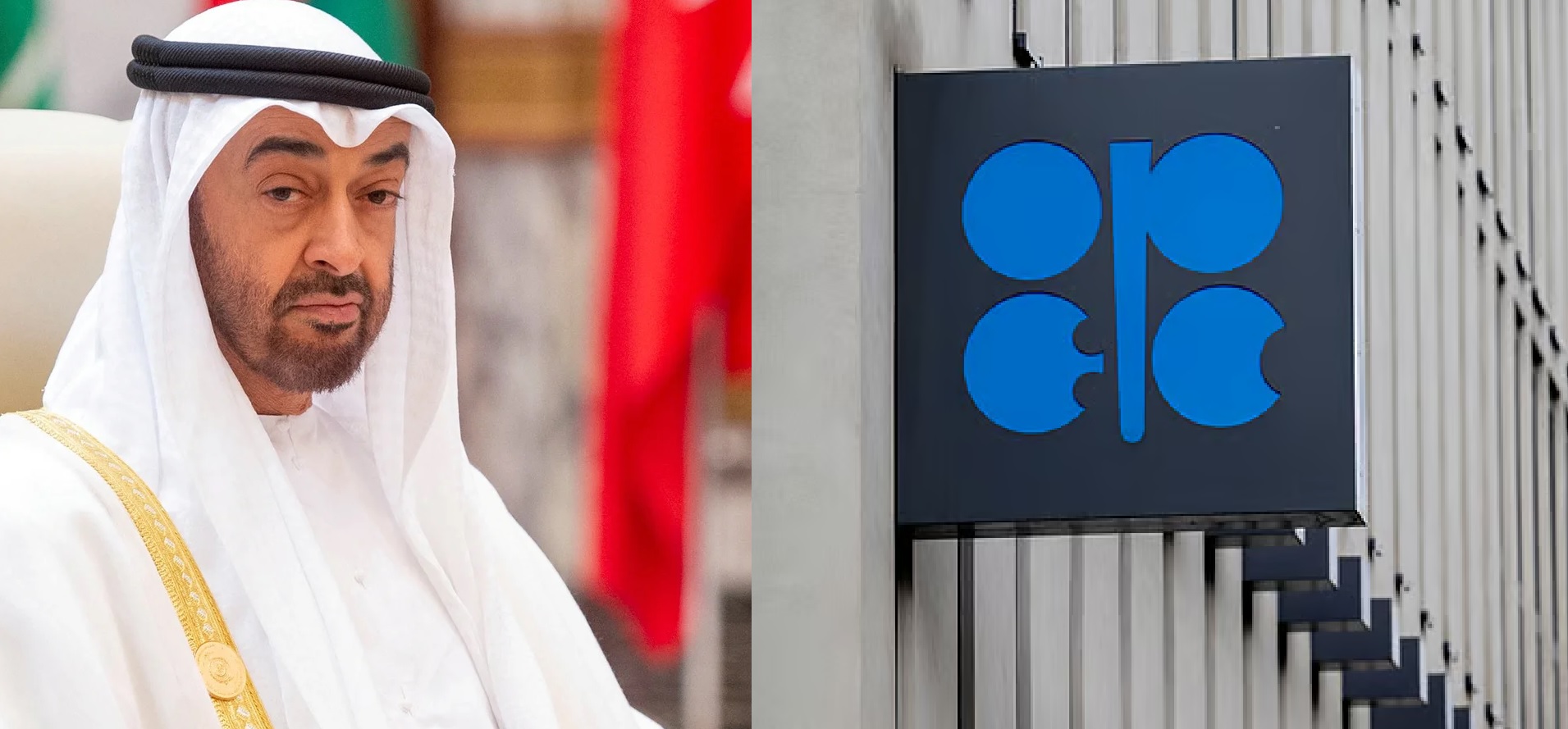
DUBAI — April 28, 2026 : The United Arab Emirates has announced it will withdraw from both the Organization of the Petroleum Exporting Countries and the broader OPEC+ alliance, with the decision set to take effect on May 1, 2026. The move marks a significant change in the country’s approach to oil production and its role in global energy coordination mechanisms.
The announcement was issued through the state-run Emirates News Agency, which described the withdrawal as a strategic decision aligned with the UAE’s long-term economic planning and evolving energy priorities. Officials emphasized that the country intends to maintain a responsible and reliable position in global energy markets while increasing flexibility in its production strategy.
Policy Review and Production Strategy
The decision follows a comprehensive review of the UAE’s oil production policy, current capacity, and long-term national interests. UAE Energy Minister Suhail Mohamed al-Mazrouei stated in remarks to Reuters that the country has been a longstanding participant in both OPEC and OPEC+ frameworks but now sees a need to adapt to anticipated growth in global energy demand.
Mazrouei said the UAE did not consult other member states, including Saudi Arabia, prior to announcing the decision. He added that the policy shift is driven by national considerations and reflects the country’s assessment of future market requirements.
By exiting OPEC and OPEC+, the UAE will no longer be subject to the production quotas set by the alliance. This will allow it to adjust output levels independently, although officials indicated that any production increases will be gradual and responsive to market demand.
Production Capacity and Expansion Plans
The UAE has expanded its oil production capabilities in recent years through the Abu Dhabi National Oil Company. The company currently reports a maximum production capacity of approximately 4.85 million barrels per day and aims to raise this to 5 million barrels per day by 2027.
This capacity expansion has been a central factor in the country’s reassessment of its participation in coordinated output frameworks. The UAE is one of the few producers within OPEC+ that maintains significant spare production capacity alongside Saudi Arabia.
Market Conditions and Timing
The withdrawal comes amid ongoing disruptions in global oil markets linked to regional tensions involving Iran. Restrictions affecting flows through the Strait of Hormuz have contributed to supply constraints across several Gulf producers and elevated oil prices.
According to Mazrouei, current market conditions, particularly constraints in the Strait of Hormuz, mean the UAE’s exit is not expected to have an immediate large impact on global supply dynamics. Production increases, if implemented, are likely to be phased and dependent on broader market stabilization.
Implications for OPEC and OPEC+
Analysts view the UAE’s departure as a notable development for OPEC and the wider OPEC+ alliance. The country’s exit removes one of the group’s key producers with available spare capacity, potentially affecting the alliance’s ability to coordinate output and manage price stability.
The development has also drawn attention to internal dynamics within the group. Saudi Arabia, widely regarded as the de facto leader of OPEC, is reported to be reviewing its oil policy in response to the UAE’s decision. The move highlights broader divergences among Gulf producers regarding production strategy and market positioning.
Over the longer term, some analysts suggest that increased UAE production could place downward pressure on oil prices once current geopolitical and logistical constraints ease. In the near term, however, market volatility is expected to remain influenced by regional factors.
Historical Context
The UAE’s relationship with OPEC dates back to 1967, when the Emirate of Abu Dhabi joined the organization. Membership continued after the formation of the United Arab Emirates in 1971. The country has since played a consistent role in coordinated production efforts within OPEC and later OPEC+.
The withdrawal represents one of the most significant changes in the organization’s composition in recent years. It follows the exit of Qatar in 2019 and Angola in 2023, reducing the number of core OPEC members further.
Future Energy Strategy
UAE authorities have stated that the decision does not diminish the country’s commitment to supporting global energy supply. Instead, it reflects a shift toward operating independently while continuing to contribute to market stability through increased capacity and targeted production growth.
The country’s low-cost reserves and expanding infrastructure position it to scale output in line with future demand. Officials reiterated that production increases will be measured and aligned with global requirements, rather than abrupt changes.
The exit from OPEC and OPEC+ signals a recalibration of the UAE’s role in international energy markets, with greater emphasis on national flexibility, capacity utilization, and long-term economic strategy.
——— End of Article ———