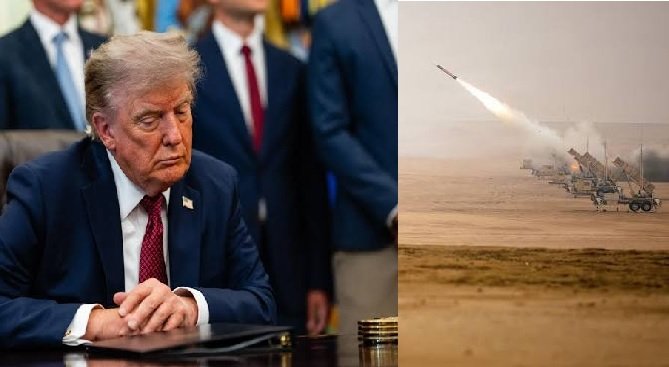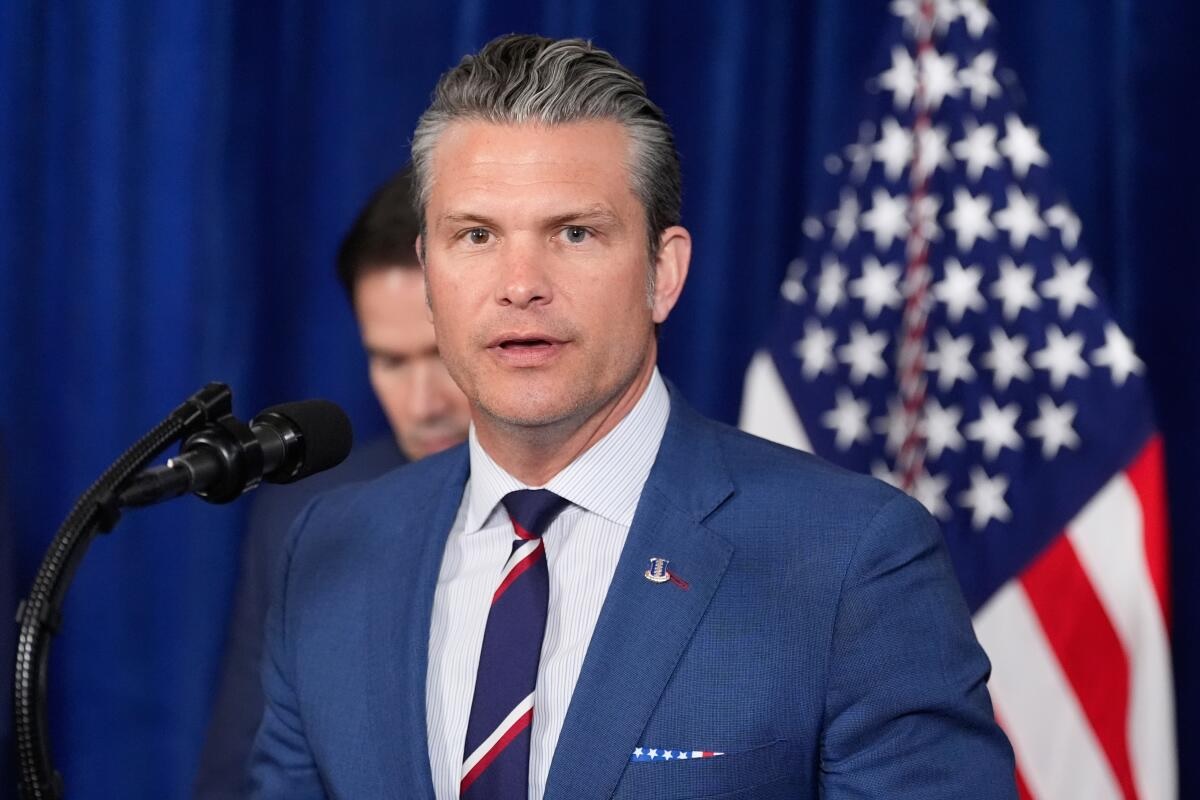
WASHINGTON — May 1, 2026 : Pete Hegseth, the United States Secretary of Defense, has outlined a clear shift in U.S. policy toward the war in Ukraine, stating that European countries should take primary responsibility for financing military assistance to Kyiv, reflecting a broader recalibration of transatlantic burden-sharing within NATO.
The remarks were delivered during a hearing of the Senate Armed Services Committee on April 30, 2026, focused on the Department of Defense’s fiscal year 2027 budget request. Responding to Angus King, who presented data indicating a sharp decline in new U.S. military aid commitments alongside increasing European contributions, Hegseth argued that geographic proximity to Russia places greater responsibility on European nations.
“If it’s so important for Europe, then European countries should pay for it,” Hegseth said during the hearing. He emphasized that Europe, with a combined gross domestic product of approximately $20 trillion, has the economic capacity to assume a larger role in supporting Ukraine’s defense. He added that the United States expects European allies to step up and shoulder the burden, including through mechanisms such as the Prioritized Ukraine Requirements List (PURL) and coordination via United States European Command.
The policy direction aligns with the administration of Donald Trump, which has prioritized burden-sharing within NATO. The 2026 U.S. National Defense Strategy identifies European allies as positioned to take primary responsibility for conventional security on the continent, including sustained military support to Ukraine. As part of this shift, new U.S. military aid commitments to Ukraine declined significantly in 2025 and 2026, with data presented during the hearing indicating a nearly 99 percent drop in new commitments in 2025.
Since the start of the conflict in 2022, European countries have collectively provided more than $140 billion in total assistance to Ukraine, compared with approximately $118 billion contributed by the United States over the same period. The changing balance reflects increasing European financial participation as U.S. commitments decrease.
Hegseth also referenced the operationalization of the Prioritized Ukraine Requirements List, under which European countries and Canada finance the procurement of U.S.-manufactured weapon systems for Ukraine. In return, participating nations receive priority replacement of their own stockpiles from the United States. The mechanism is designed to maintain production levels within the U.S. defense industrial base while shifting direct financial responsibility to allied governments. By late 2025, European partners were using this framework to coordinate regular deliveries of military assistance.
In parallel, the administration has pressed NATO members to increase defense spending levels beyond the longstanding 2 percent of GDP benchmark. Hegseth has advocated for a higher target of 5 percent, noting that several European countries have already committed to increasing expenditures. Germany, for example, has taken steps to expand defense investment and establish forward military deployments, including a permanent brigade presence in Lithuania.
During the same series of congressional hearings, Hegseth confirmed that the Pentagon released $400 million in previously authorized funding on April 28, 2026, aimed at strengthening European capacity related to Ukraine. The funds were part of the fiscal year 2026 National Defense Authorization Act passed by Congress in late 2025. Their release followed criticism from Senate Republican leaders, including Mitch McConnell, regarding delays in disbursing approved resources.
Despite the reduction in new direct U.S. funding, Hegseth reiterated that allied and partner burden-sharing is now a central component of U.S. defense policy rather than a secondary consideration. He also noted that no additional details regarding new aid packages or changes to existing programs were provided during the April 30 hearing.
Pentagon officials have linked the policy shift to broader strategic priorities, including reallocating U.S. resources toward domestic security concerns and reinforcing deterrence efforts in the Indo-Pacific region. At the same time, the administration has indicated continued support for diplomatic initiatives aimed at achieving a negotiated settlement to the conflict.
The updated approach signals a transition in U.S. policy from serving as the primary financial contributor to European security toward encouraging regional self-sufficiency, with European nations expected to underwrite the majority of future military assistance to Ukraine while maintaining coordination within NATO frameworks.
——— End of Article ———